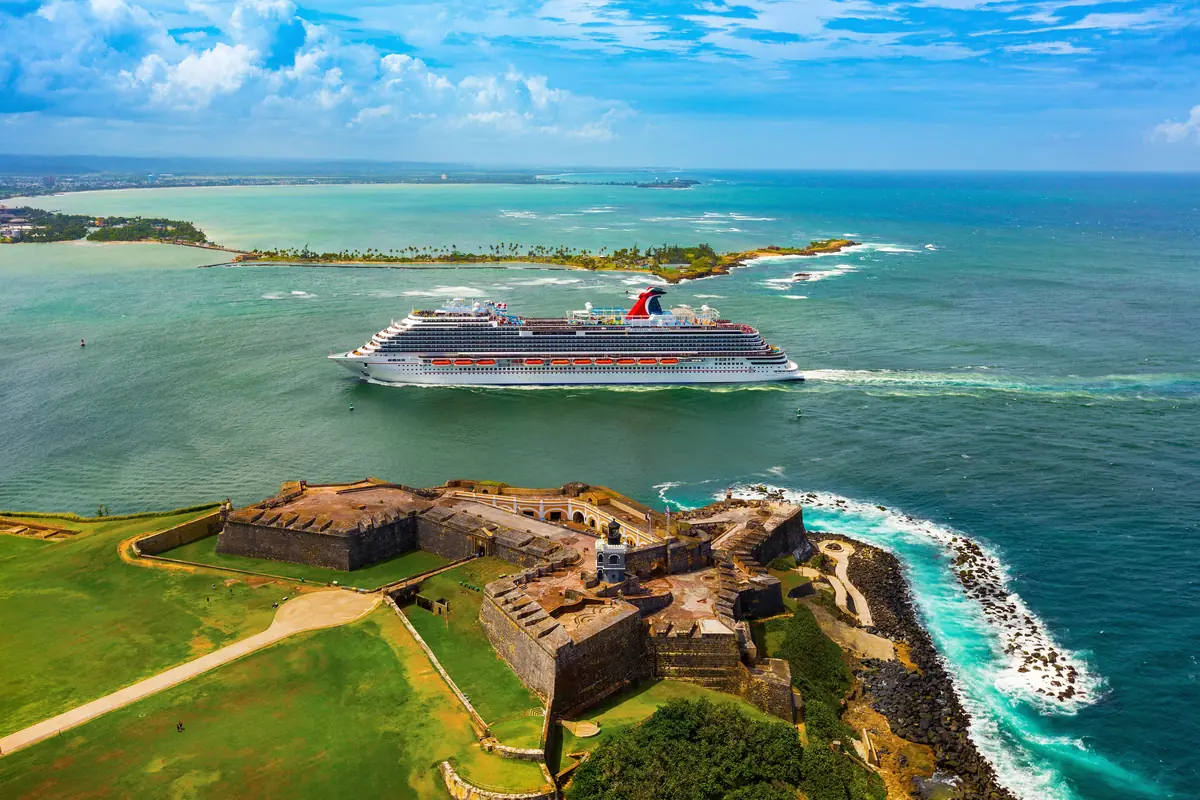
Most guides to the San Juan cruise port skip the detail that matters most: there are two terminals miles apart, and showing up at the wrong one with a mountain of luggage is a miserable way to start a vacation. This guide tells you exactly where your ship docks, what the taxi costs, and where to spend every hour you have on the ground. For wider context on planning the rest of your trip, our Puerto Rico travel guide covers everything from regions to logistics.
Are you embarking or just visiting for the day?
Your itinerary dictates your port strategy entirely. Embarking passengers flying into Luis Munoz Marin International Airport (SJU) need to manage luggage, fixed-rate taxis, and pre-cruise logistics near the Pan American Pier — our SJU airport transfer guide breaks down every option in detail. Transit passengers docking for eight to twelve hours need optimized walking routes from the Old San Juan waterfront — no taxi required.
These two groups need completely different information, and most guides blend them together carelessly. If you are starting or ending a cruise, go straight to the airport transfer section. If you are arriving for a day stop, the walking routes and beach comparison below are what you actually need.
The stakes of confusing these tracks are higher than they sound. Dragging a 50-pound suitcase across uneven, 16th-century cobblestones — because you went to the wrong part of the city — is an experience that will define your first day on the ship.
Which terminal does your ship use at the San Juan cruise port?
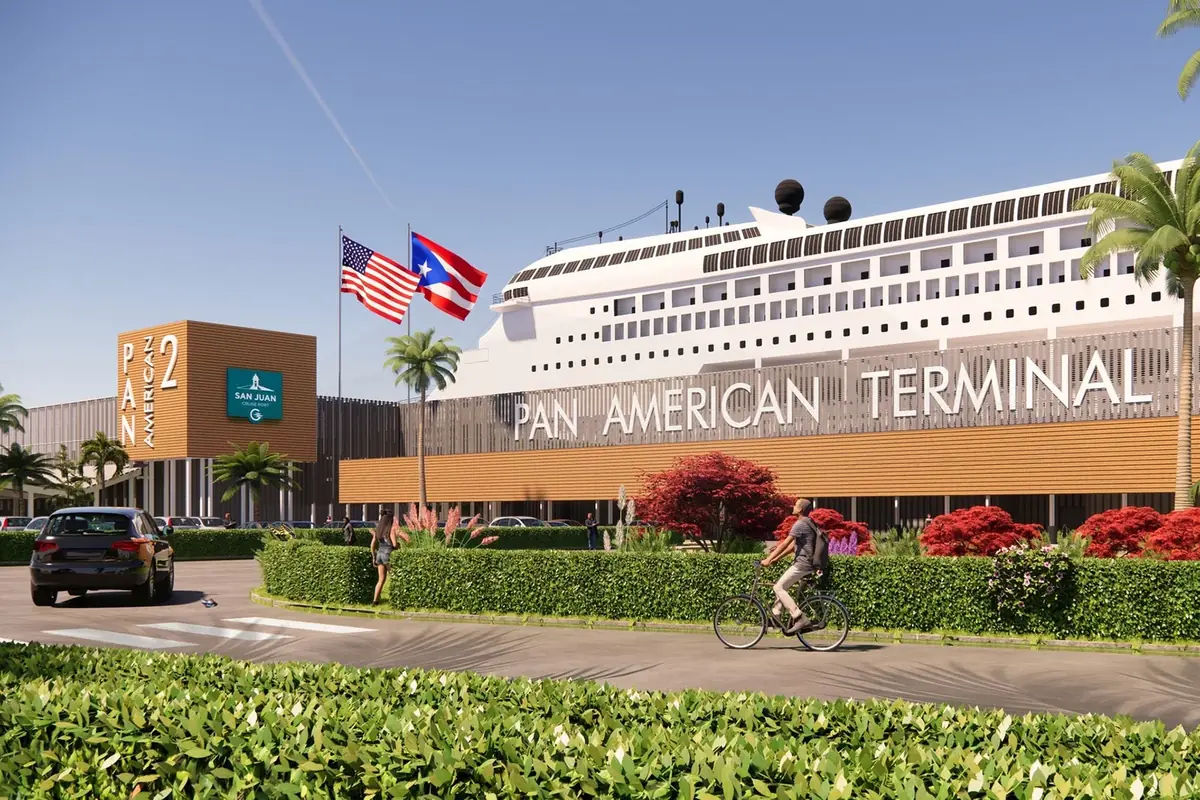
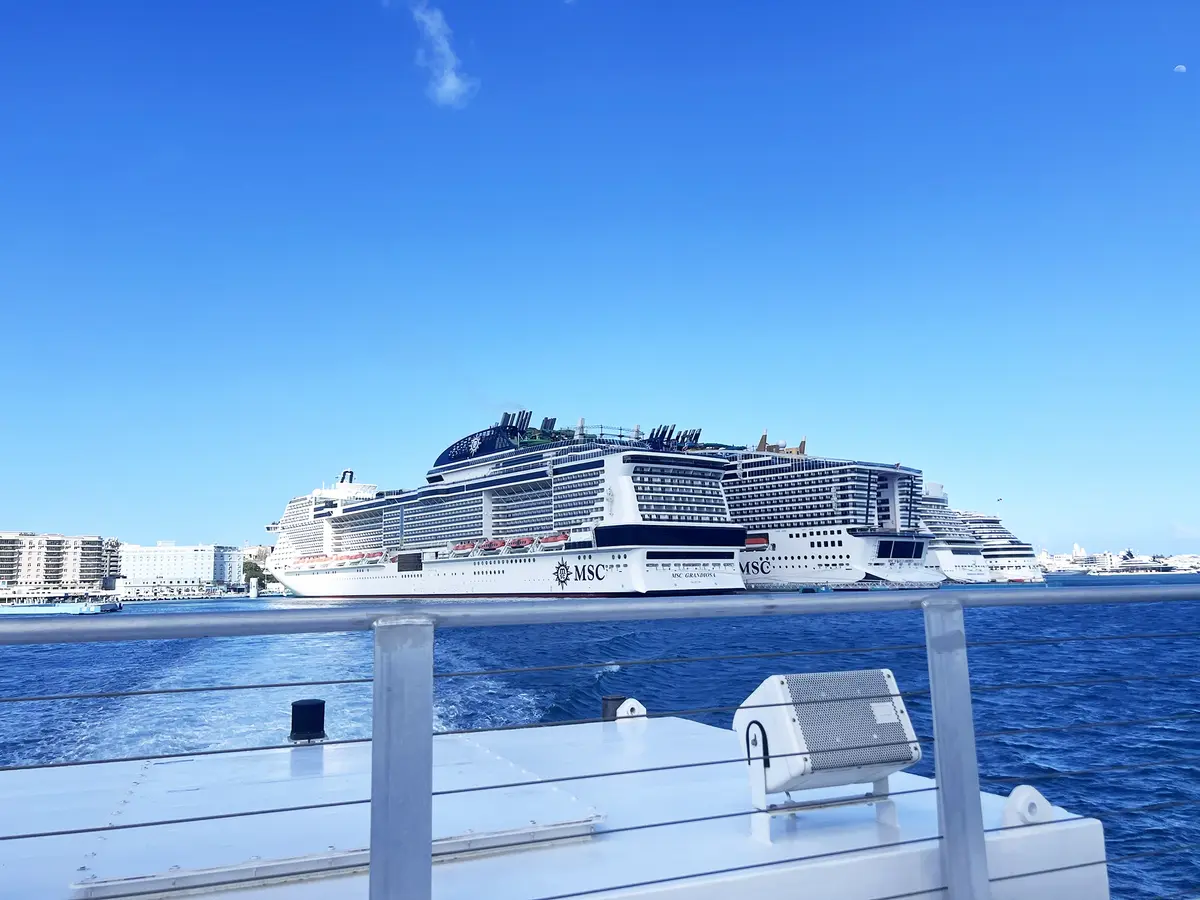
Knowing your exact pier saves time and prevents costly mistakes on embarkation day. The Old San Juan Piers (Piers 3 and 4) handle transit ships from Royal Caribbean, Carnival, and Virgin Voyages, sitting directly on Marina Street in the heart of the historic district. The Pan American Pier serves as the homeport for Princess, Celebrity, and Disney vessels, located across the bay near Isla Grande — a ten-minute taxi ride from downtown.
One important update most legacy guides miss: Pier 1 is out of commission. Any article recommending it is working from outdated information.
| Terminal | Location | Primary cruise lines | Distance to historic district |
|---|---|---|---|
| Pier 3 | Marina Street, Old San Juan | Royal Caribbean (Oasis class) | Steps away |
| Pier 4 | Marina Street, Old San Juan | Carnival, MSC, Holland America | 5-minute walk |
| Pan American Pier | Isla Grande | Princess, Celebrity, Disney | 10-minute taxi ($10–$15) |
Pier 4 includes a two-story terminal building with a small souvenir and snack shop inside — useful if you need a last-minute item before boarding.
Pro Tip: Verify your pier in your cruise line’s app, not through a general search. Ship assignments shift by vessel size and itinerary, and the difference between Pier 4 and the Pan American Pier is a $10 to $15 taxi ride you did not plan for.
How do you get from the airport to the San Juan cruise port?
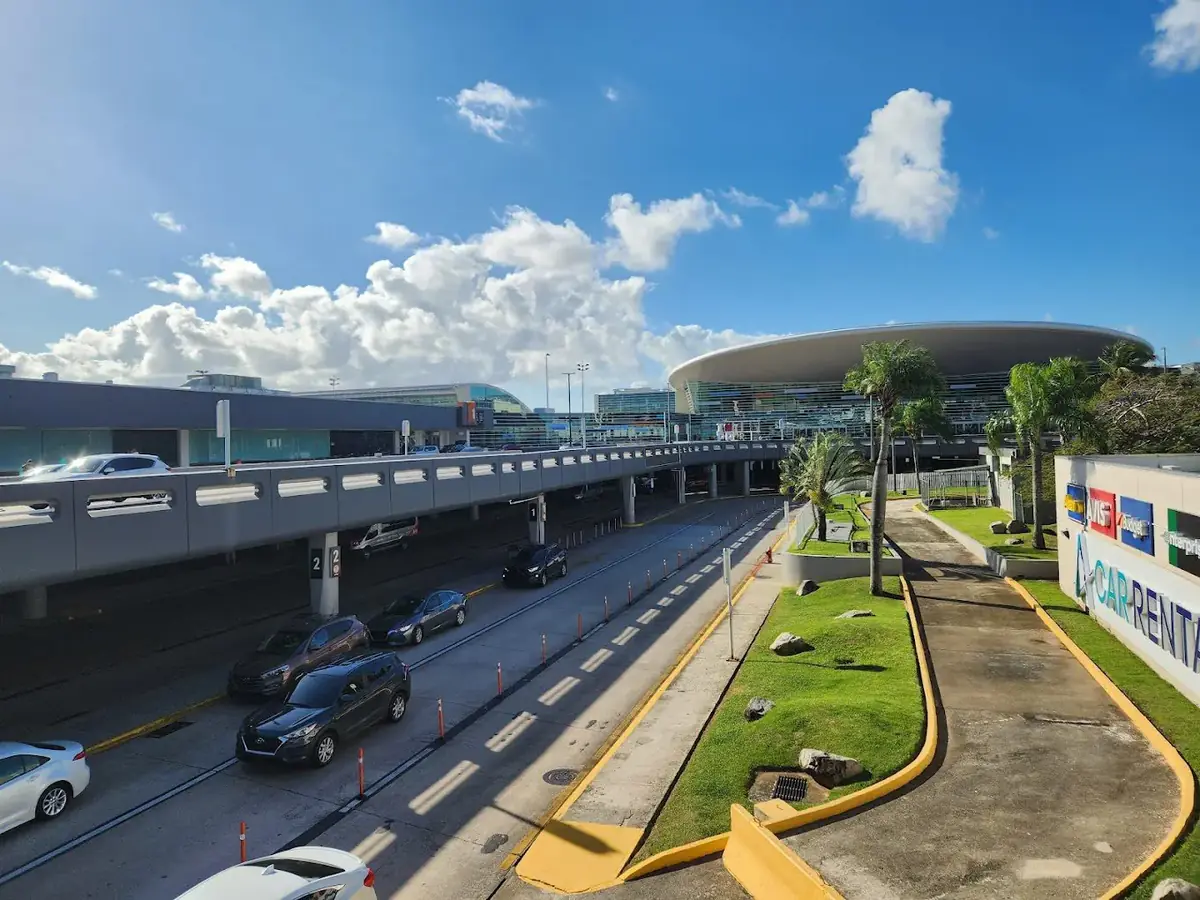
Traveling the 7 miles (11.2 km) from SJU Airport to the cruise terminals takes about 15 minutes by taxi. Both the Old San Juan Piers and the Pan American Pier fall within Zone 4, meaning every passenger pays a regulated fixed fare of $21 — posted at the taxi kiosk and non-negotiable. Expect a $1.50 fuel surcharge and $1 per bag added on top.
The Tren Urbano light rail and the Metropolitan Bus Authority (AMA) both operate in the city, but neither is practical with heavy cruise luggage. The light rail does not reach the waterfront directly, and connecting through bus routes in full Caribbean heat while managing bags is exhausting.
- Distance: 7 miles (11.2 km), SJU to any cruise pier
- Time: Approximately 15 minutes
- Cost: $21 fixed Zone 4 fare + $1.50 fuel surcharge + $1 per bag
- Taxi type: Officially marked Taxi Turisticos at the SJU arrivals level
- Tip: $2 to $3 is standard
Pro Tip: The Taxi Turistico stand at SJU sits at the ground-level exit. The Zone 4 rate is posted on a sign at the queue. If a driver quotes more than the posted fare plus the standard surcharges, decline and take the next cab.
If you need to travel between the Pan American Pier and the Old San Juan historic district during your visit, that shorter trip runs $10 to $15.
What can you do near the San Juan cruise port?
Passengers docked at the Old San Juan piers have UNESCO-protected fortresses immediately at their doorstep. Without booking a ship excursion, cruisers can walk to colonial landmarks, photograph blue cobblestone streets, and reach nearby beaches — all within a 2-mile (3.2 km) radius of the gangway. Our broader San Juan travel guide maps out neighborhoods beyond the historic core if you have extra time.
Organized ship excursions are largely unnecessary for able-bodied visitors. The historic district is compact, well-signposted by the National Park Service, and entirely navigable on foot. Skip the $70 group walking tour the cruise line sells and spend the money on lunch at a place with actual character.
Before you look up, look down. The blue cobblestones underfoot are not painted. They got their color from furnace slag — a byproduct of iron smelting used as ballast on Spanish ships crossing the Atlantic. That detail alone makes the streets feel different.
Castillo San Felipe del Morro and San Cristobal
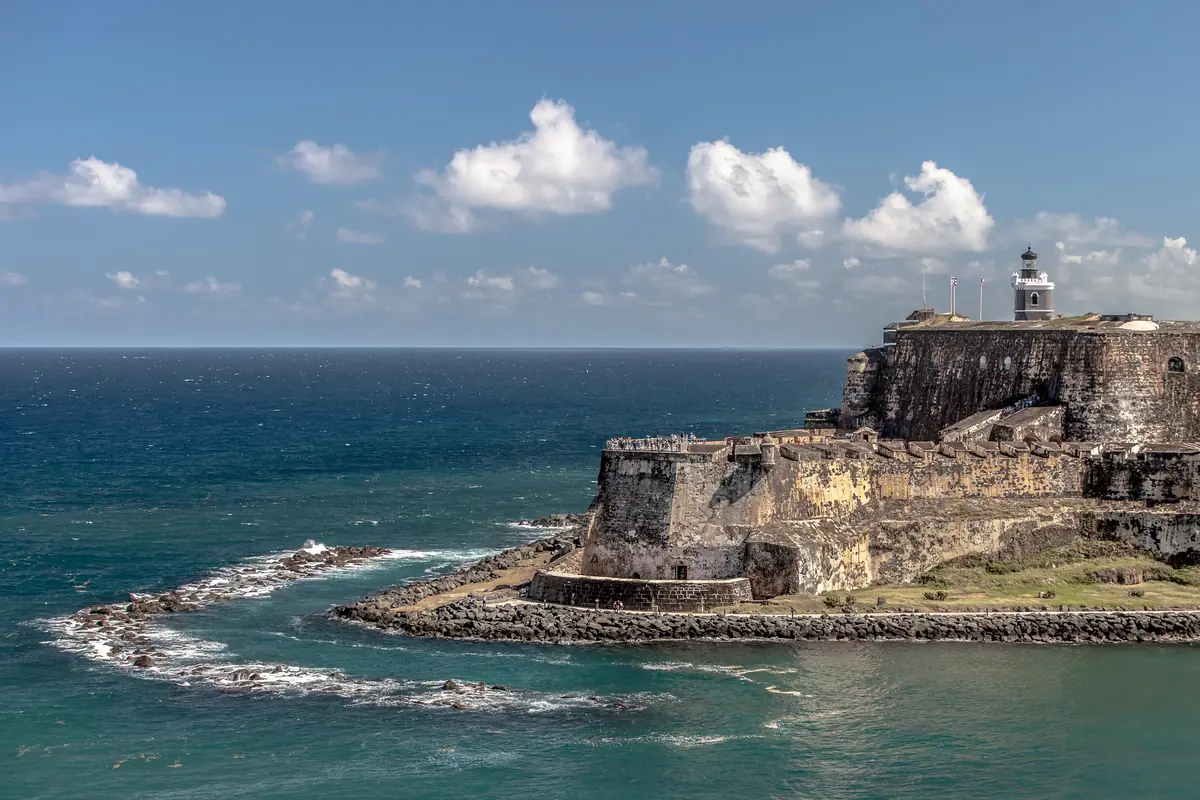
Standing guard over the Atlantic, El Morro and Castillo de San Cristobal are the defining landmarks of Old San Juan. El Morro is a 25-minute uphill walk from the piers along Calle Norzagaray. National Park Service rangers provide historical context that makes independent exploration worth the effort — and if you want the deeper backstory before you go, our Puerto Rico history overview covers the centuries of Spanish colonial defense that shaped these walls.
Google Maps will estimate the walk at 15 minutes. That estimate does not account for the steep incline or the humidity that hits the moment you step off the ship. Budget 25 to 30 minutes each way and bring water.
The view of San Juan Bay from the fort walls is exactly as good as it looks in photographs — which is rare.
- Location: Northwest tip of Old San Juan, via Calle Norzagaray
- Cost: $10 combined NPS entry per adult; children under 15 free
- Best for: History-focused travelers, photographers, families with older kids
- Time needed: 1.5 to 2.5 hours for both forts
Distrito T-Mobile — the hub Pan American Pier passengers should know about
If your ship departs from the Pan American Pier, you are steps from Distrito T-Mobile. This entertainment complex features giant digital screens, an urban zipline from Toro Verde Urban Park, diverse dining, and the Arena Medalla sports bar — a modern entertainment district built directly next to the terminal.
Nearly every San Juan cruise guide ignores this complex, leaving Pan American passengers with the impression they are stranded in an industrial port area with nothing nearby. They are not.
The Aloft San Juan hotel sits inside the complex. If you have an early flight the night before embarkation and want to walk to the ship in the morning, this is the most logical place to stay.
- Location: Adjacent to the Pan American Pier, Isla Grande
- Cost: Free entry; Toro Verde zipline and individual activities priced separately
- Best for: Pan American Pier passengers, pre-cruise groups, families
- Time needed: 1 to 2 hours
Pro Tip: El Cafecito inside Distrito T-Mobile serves coffee and mallorcas — soft rolls dusted with powdered sugar — faster and cheaper than the terminal cafes on embarkation morning.

Where do you find authentic Puerto Rican food near the port?
Skip the chain restaurants visible from the ship and walk two blocks deeper into the city. Authentic Puerto Rican food is clustered throughout Old San Juan, from plantain-based mofongo to the neighborhood’s well-documented claim on the original pina colada. The blocks immediately surrounding the pier entrance are stacked with tourist menus and elevated prices. That changes quickly once you move inland.
Cafe Manolin — the neighborhood lunch standard
Cafe Manolin is where people who live in this city go when they want good Puerto Rican food without paying tourist prices. The mofongo — a mashed plantain bowl served with shrimp, pork, or chicken — is heavy and satisfying in exactly the right way. Arrive before 12:30 p.m. if you want a table without a wait.
- Location: Calle San Justo 261, Old San Juan
- Cost: $12 to $20 per person
- Best for: First-time visitors, budget-conscious cruisers, solo travelers
- Time needed: 45 to 60 minutes
La Mallorquina — the quick stop worth making
La Mallorquina claims to be the oldest restaurant in Puerto Rico. The mallorcas — soft, sweet rolls finished with powdered sugar — justify the stop even if you are not sitting down for a meal. Order one to go and eat it walking toward the forts.
- Location: Calle San Justo 207, Old San Juan
- Cost: $3 to $5 for pastries; $15 to $25 for full meals
- Best for: A quick, genuine taste of the neighborhood
- Time needed: 15 to 30 minutes
Barrachina — take the photo, then leave
Barrachina is widely credited with inventing the pina colada, and the courtyard is pleasant. But on a cruise day, it fills fast with group tours and service slows accordingly. Take a photo in the courtyard, order a drink if the line is short, and move on to La Factoria on Calle San Sebastian for craft cocktails without the noise.
- Location: Calle Fortaleza 104, Old San Juan
- Cost: $15 to $20 per cocktail
- Best for: The story and the photo; not the full afternoon
- Time needed: 20 to 30 minutes
Pro Tip: Senor Paleta on Calle Fortaleza sells artisanal frozen fruit bars in flavors like tamarind and passion fruit. In afternoon heat after a walk to El Morro, it is exactly what you want.

Is there a beach close to the San Juan cruise port?
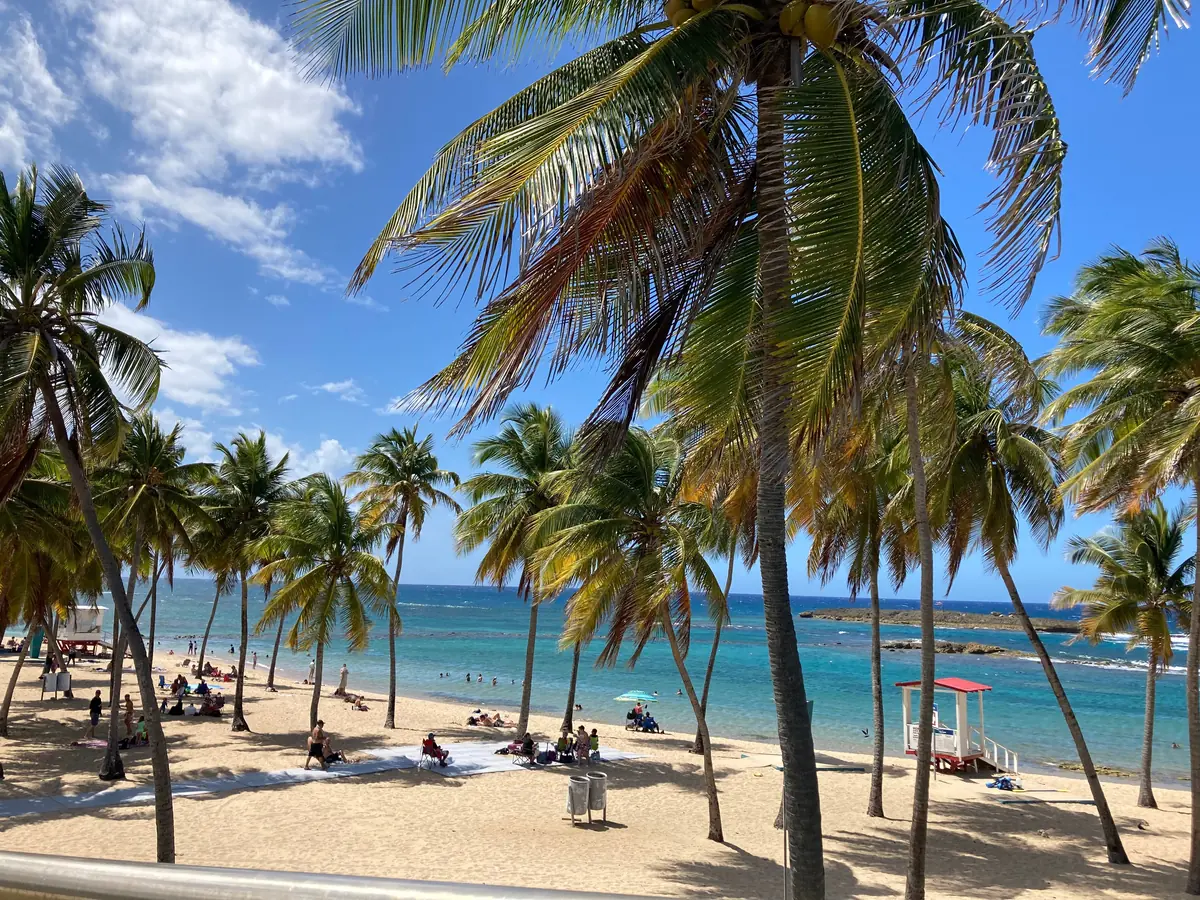
Yes — several Puerto Rico beaches sit within a short distance of the cruise terminals. Escambron Beach is the closest, just a 5-minute taxi ride or a 25-minute walk from the Old San Juan piers, with calm water suitable for snorkeling and families. Condado Beach and Isla Verde offer resort-style atmospheres but require longer taxi commutes.
Escambron is consistently overlooked in cruise guides that push Condado or Isla Verde because those areas have more hotels with concierge relationships. For a transit passenger with a hard all-aboard time, Escambron is the practical choice.
| Beach | Distance from piers | Taxi time | Wave conditions | Best for |
|---|---|---|---|---|
| Escambron | 1.5 miles (2.4 km) | 5 minutes | Calm, protected | Families, snorkeling |
| Condado | 3 miles (4.8 km) | 10 minutes | Rough surf, strong current | Beach bars, adults |
| Isla Verde | 7 miles (11.2 km) | 15 to 20 minutes | Calm, resort style | Relaxed swimmers, resort amenities |
Condado earns its reputation for atmosphere and beach bars. But the surf is consistently rough with strong undercurrents. If you are traveling with kids on a family trip, Escambron or Isla Verde are the right calls.
Pro Tip: Build in at least one hour of buffer time before all-aboard when visiting any beach. Traffic between Isla Verde and the port can add 20 unexpected minutes on a busy afternoon.
Are San Juan shore excursions actually worth it?
For most of what the cruise lines sell here, no. Old San Juan is compact, safe, and well-signposted. Paying $70 for a group walking tour that stops at gift shops and moves at the slowest person’s pace is a poor use of a short port day when National Park Service rangers at El Morro deliver the same historical depth for $10 at the door.
The one category worth evaluating is rum — but the most heavily marketed Puerto Rico rum tour is not always the best one.
Casa Bacardi sits across San Juan Bay in Catano, accessible by taxi or by the Catano Ferry — a seven-minute crossing that costs $0.50 each way and offers some of the best waterfront views of the old city walls you can get. The problem is the campus itself: the tour runs 1.5 to 2 hours minimum, and by the time you factor in transit time both ways, a Bacardi visit can consume four hours of an eight-hour port day.
A sharper option for rum enthusiasts: Scryer Rum operates a boutique distillery right inside Old San Juan. The tastings are intimate, the product is worth trying, and you never leave the walkable historic district.
- Casa Bacardi: Catano (across the bay); $0.50 Catano Ferry each way; plan 3 to 4 hours round trip
- Scryer Rum: Old San Juan, walkable from the piers; plan 60 to 90 minutes
Can you navigate Old San Juan with a wheelchair or stroller?
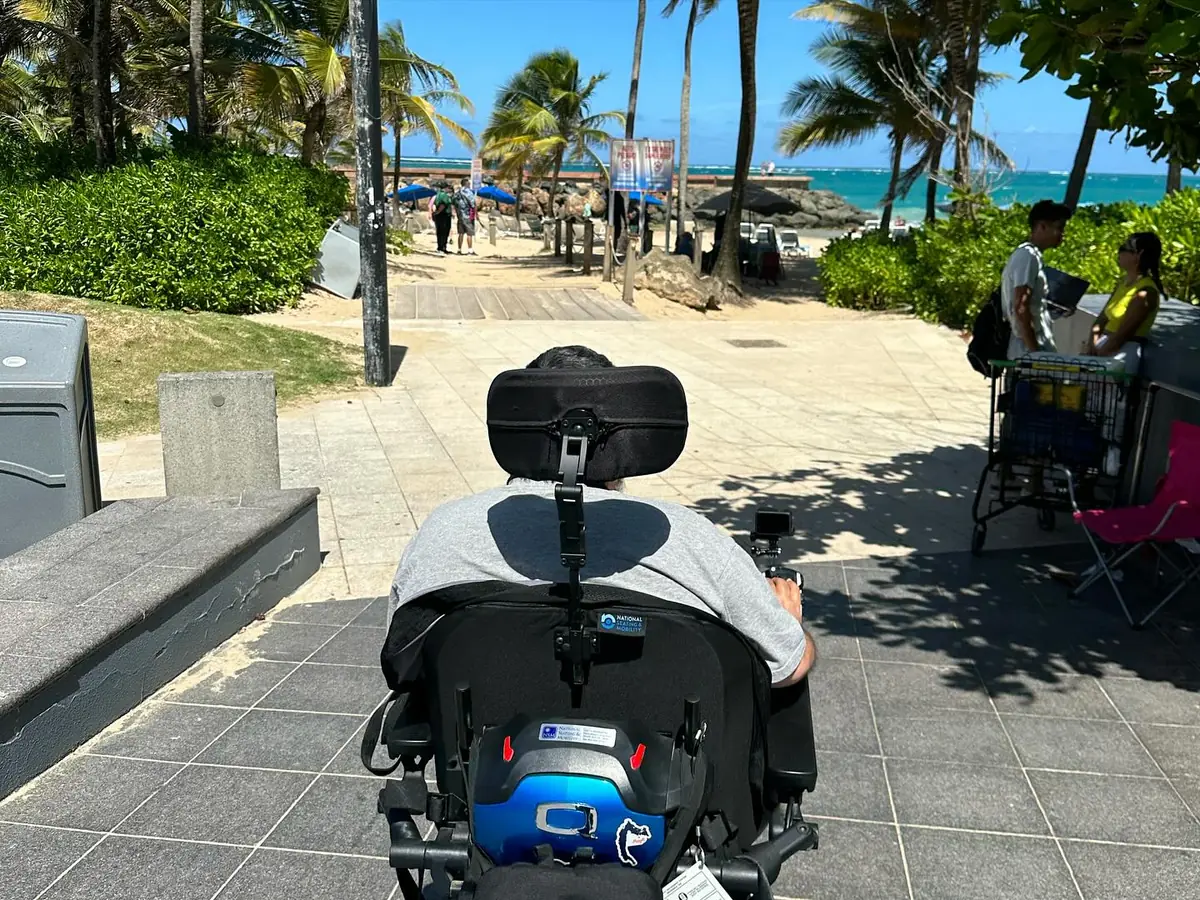
Exploring a 16th-century colonial city with mobility aids requires planning, but it is more manageable than most guides suggest. Our accessible travel in Puerto Rico guide goes deeper on routes and resources island-wide. Old San Juan has narrow, uneven cobblestone streets and occasional missing curb cuts, but the National Park Service fortresses are well-equipped — with accessible ramps and designated restrooms at both El Morro and San Cristobal.
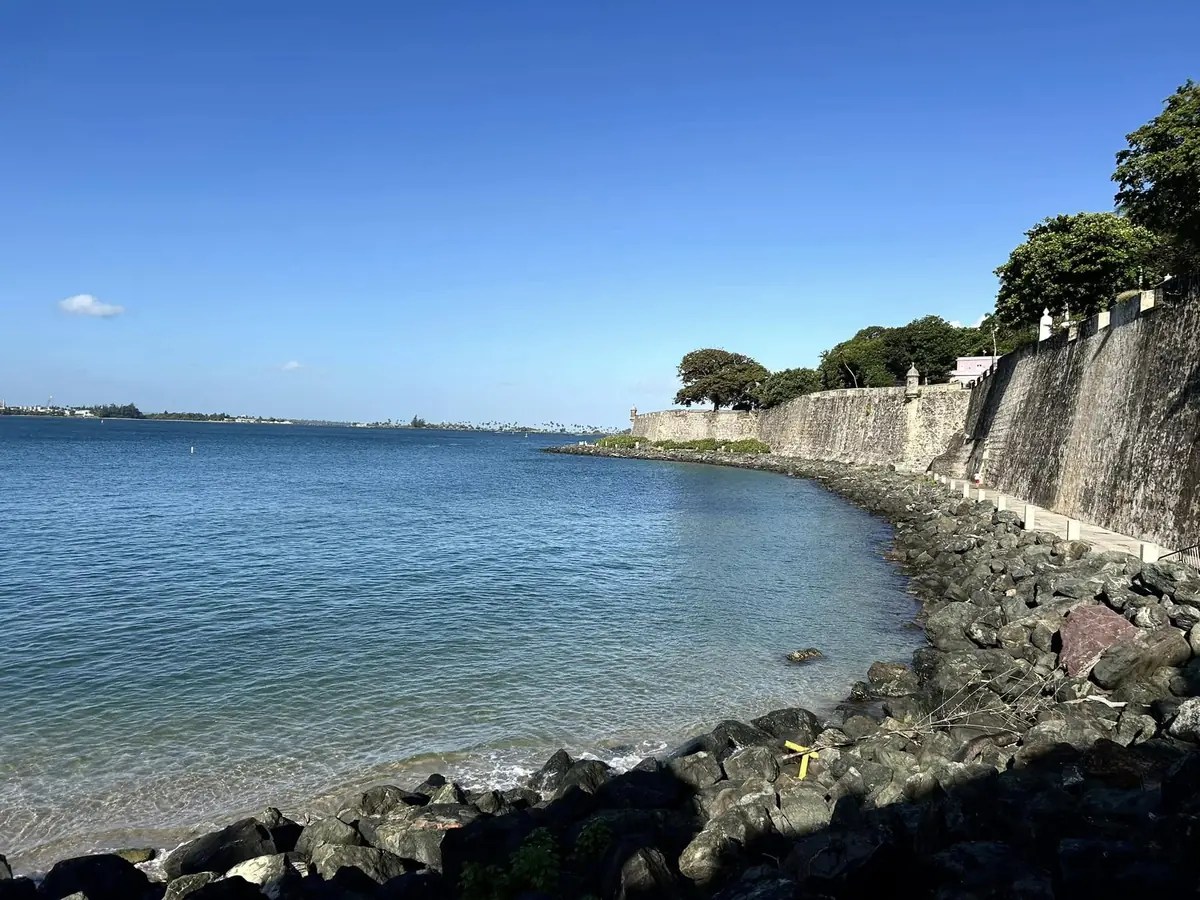
The Paseo de la Princesa promenade along the waterfront is the most accessible stretch in the historic district. It is smooth, flat, and wide enough for side-by-side wheelchair navigation.
The further you move uphill from the waterfront toward the fortresses, the more challenging the terrain becomes. The cobblestones are set at irregular heights and angles that make wheelchair and stroller navigation difficult on certain blocks.
- Paseo de la Princesa: Fully accessible, smooth pavement, flat grade
- El Morro and San Cristobal: NPS ramps and accessible restrooms at both sites
- Calle Fortaleza and Calle San Francisco: Mixed — some blocks navigable, some not
- Upper residential streets near the fortresses: Not recommended for wheelchairs or heavy strollers
Local shopkeepers throughout the district will typically offer to assist visitors without being asked. That is a consistent feature of the neighborhood’s character.
What scams should you watch for near the San Juan cruise port?
Old San Juan is heavily patrolled and broadly safe for tourists. That said, one specific theatrical scam runs consistently near the fortress perimeter. An individual approaches unaccompanied couples appearing to have a bloody face or visible injury, claiming to need taxi money to reach a hospital.
The “injury” is staged — typically theatrical makeup or a preexisting skin condition — and the targets are sympathetic tourists who look uncertain about where they are. It is a long-documented grift at this port and worth knowing about before you wander toward the fort walls.
Beyond that: the streets around the piers have a visible police presence, and the alleyways that look uninviting on a map are quiet daytime shopping streets. Standard city awareness is sufficient — keep your phone in your pocket and do not leave bags on a cafe chair while you photograph something.
Frequently asked questions
Which cruise terminal is used in San Juan, Puerto Rico?
San Juan uses two distinct terminal areas. Transit ships stopping for the day dock at the Old San Juan Piers, specifically Pier 3 and Pier 4. Ships beginning or ending their itineraries use the Pan American Pier at Isla Grande, located a 10-minute drive from the historic district.
How much is a taxi from the San Juan airport to the cruise port?
The cruise terminals fall within taxi Zone 4. A regulated Taxi Turistico from Luis Munoz Marin International Airport (SJU) to either the Pan American Pier or the Old San Juan Piers costs a fixed $21, plus a $1.50 fuel surcharge and $1 per bag — posted at the taxi stand and non-negotiable.
Can you walk to the beach from the San Juan cruise port?
Yes. Escambron Beach is the closest public beach to the Old San Juan piers, roughly a 25-minute walk or a 5-minute taxi ride away. The water is calm and protected, making it the most practical beach option for cruise passengers on a tight schedule.
How long is the walk from the cruise port to El Morro?
Walking from the Old San Juan piers to Castillo San Felipe del Morro takes 25 to 30 minutes along Calle Norzagaray. The route runs uphill in full Caribbean heat — plan more time than Google Maps suggests and bring water.
Are there luggage storage facilities near the San Juan cruise port?
Yes. Independent luggage storage facilities operate near the Old San Juan piers, allowing arriving or departing cruisers to store bags securely while exploring the historic district or waiting for a late flight out of SJU.
The bottom line
TL;DR: The San Juan cruise port delivers genuine cultural value within walking distance of the gangway. Whether you are paying the regulated $21 Taxi Turistico from SJU to the Pan American Pier or walking uphill to El Morro from Pier 4, the best experiences here are self-guided. Skip the ship’s walking tour, eat at Cafe Manolin, check the surf conditions before choosing a beach, and save the Casa Bacardi campus for a trip when you are not racing back to the gangway.
What is your biggest question about a day in Old San Juan — the beaches, the rum scene, or something else? Leave it in the comments below.