Where to stay in El Salvador comes down to one question: surf, volcanoes, colonial towns, or all three. The country is the size of New Jersey, so you can sleep at a black-sand surf break and hike a crater-rim volcano two days apart. Here are the seven areas worth your nights, with real prices and drive times.
Where should you stay in El Salvador?
Most first-time visitors split their nights between the surf coast and the western highlands. El Tunco and El Zonte cover the Pacific beaches, San Salvador handles museums and nightlife, Suchitoto delivers colonial calm, and Santa Ana and the Ruta de las Flores own the volcanoes and coffee towns. The east is for serious surfers only.
| Area | Vibe | Best for | Mid-range price | Drive from SAL | Nights |
|---|---|---|---|---|---|
| El Tunco | Surf village, weekend nightlife | Beginner surfers, backpackers | $60–120 | 35–55 min | 2–3 |
| El Zonte | Slow, black sand, Bitcoin Beach | Digital nomads, solo travelers | $80–140 | 42–58 min | 2–3 |
| San Salvador | Big-city base, museums, dining | First-timers, business, layovers | $80–140 | 35–45 min | 1–2 |
| Suchitoto | Colonial calm, art, lake views | Couples, culture seekers | $50–100 | ~1 hr 20 min | 1–2 |
| Santa Ana & Lake Coatepeque | Volcanoes, crater lake, hiking | Hikers, volcano-chasers | $40–80 | ~1 hr 30 min | 1–2 |
| Ruta de las Flores | Coffee towns, murals, cool air | Road-trippers, foodies | $50–90 | ~2 hr 15 min | 2 |
| The Wild East (El Cuco) | Remote, elite point breaks | Advanced surfers | $50–100 | ~2 hr+ | 2–4 |
Pick one beach base and one highland base and you’ve covered the country. Everything below breaks down each area, who it suits, and where to sleep at every budget.
Which area in El Salvador matches your travel style?
Match the area to the trip. Beginner surfers and partiers go to El Tunco; remote workers and solo travelers prefer El Zonte; families and luxury couples do best in El Sunzal or Santa Elena; culture seekers head to Suchitoto; hikers base in Santa Ana; and advanced surfers chase the point breaks out east.
| Traveler type | Best area | A property to start with |
|---|---|---|
| First-timer (one base) | San Salvador (San Benito) | Barceló San Salvador |
| Beginner surfer | El Tunco | Tunco Lodge |
| Advanced surfer | Las Flores / La Libertad | Las Flores Resort |
| Digital nomad | El Zonte | Wave House |
| Solo female traveler | El Zonte | Hotel Palo Verde |
| Family with kids | El Sunzal / Santa Elena | Hotel Roca Sunzal |
| Luxury couple | El Sunzal / Suchitoto | Casa de Mar |
| Budget backpacker | Santa Ana / El Tunco | Coffee Garden Hostel |
| Culture seeker | Suchitoto | Los Almendros de San Lorenzo |
El Tunco — the surf town everyone starts with
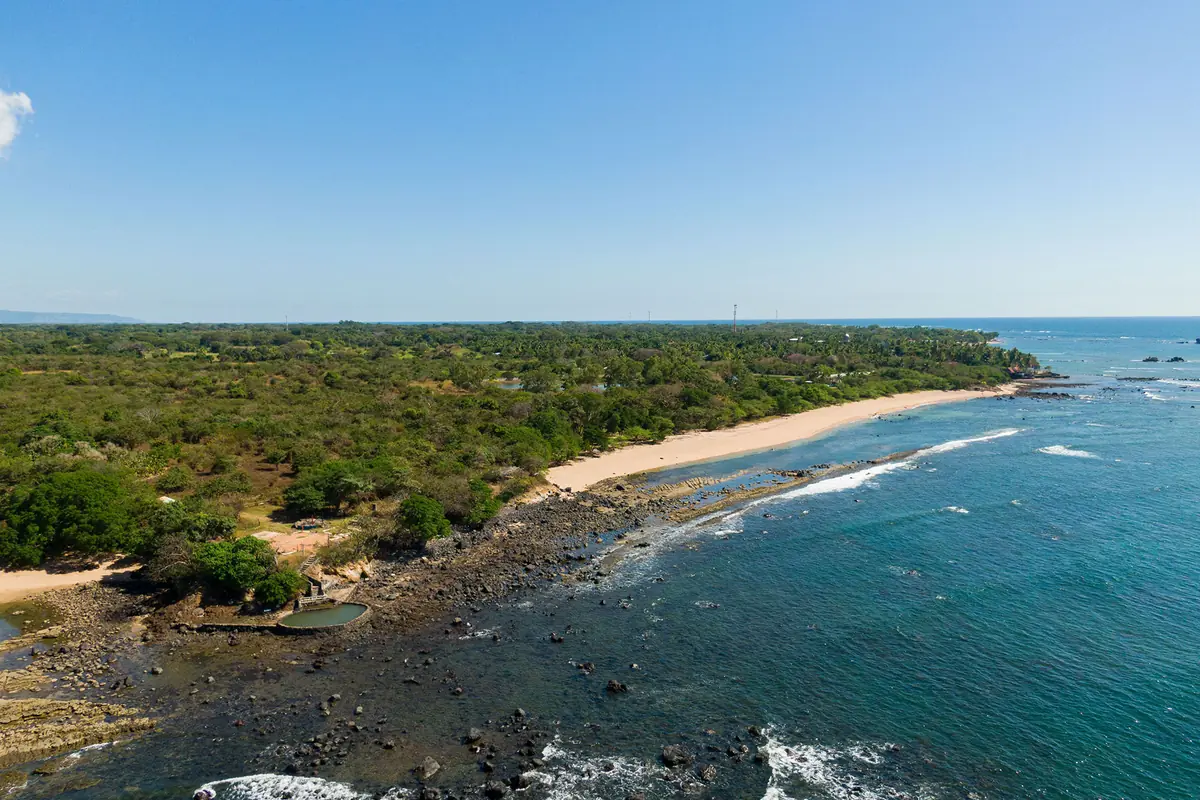
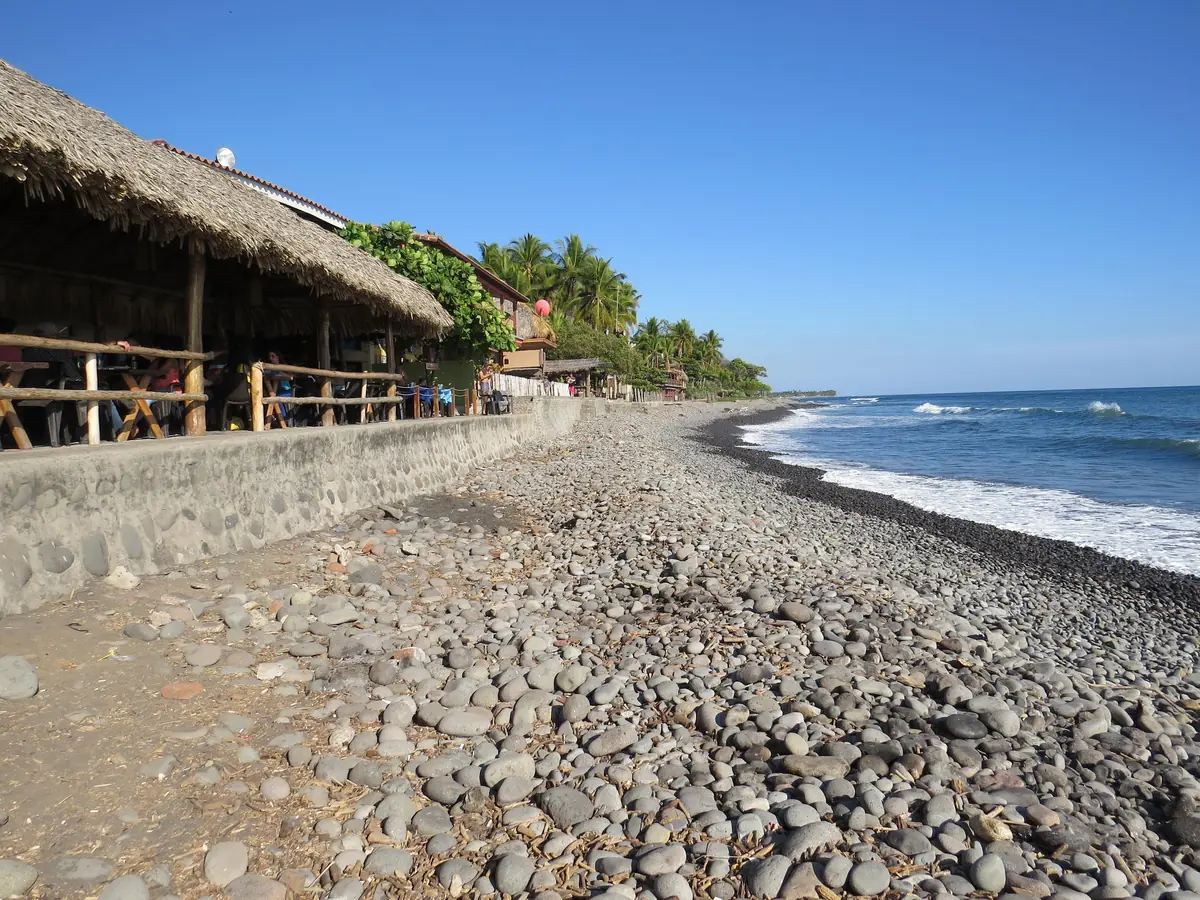
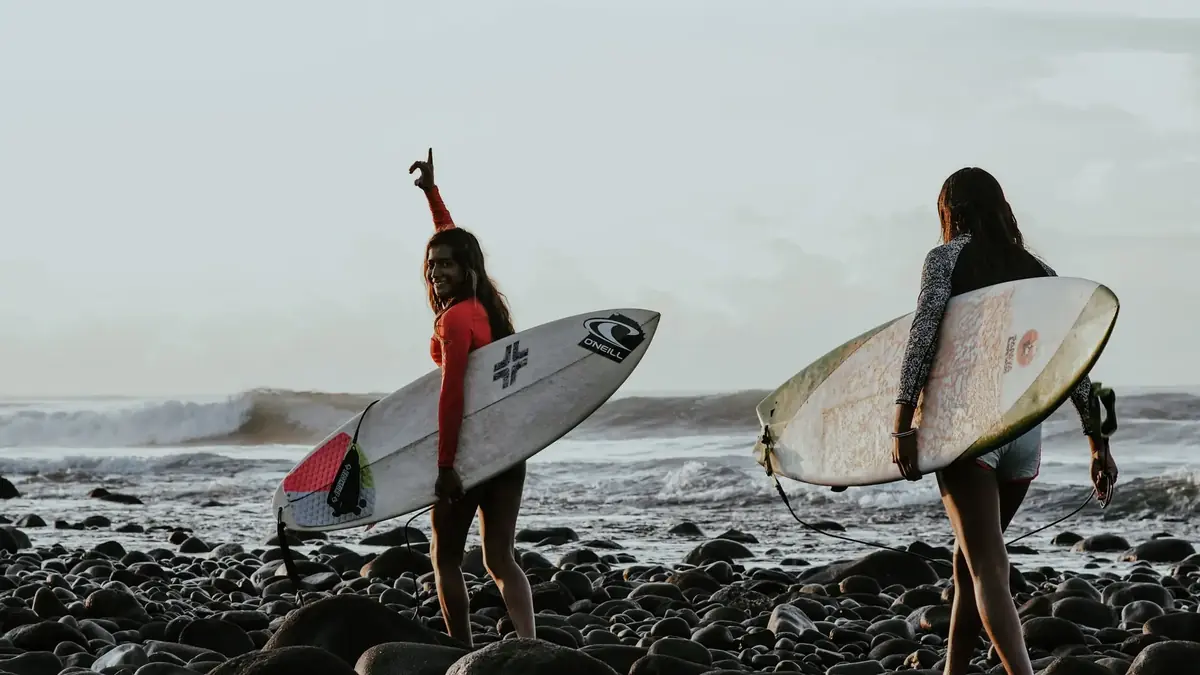
El Tunco is one sandy alley that runs from the main road down to a rocky boardwalk, lined with surf shops, pupuserías, and bars that get loud by 9 p.m. on weekends. The beach is black volcanic rock, not sand, and at low tide you can walk out toward the namesake rock formation. By Sunday afternoon the day-trippers from San Salvador clear out and the town exhales.
This is the easiest place in the country to learn to surf. La Bocana, at the river mouth, and the Sunzal point next door both have forgiving waves and cheap lessons. The trade-off is noise and price: weekend nights are a party, and rooms cost more than the quality suggests because demand outruns supply. Book ahead, especially Friday and Saturday.
- Vibe: Surf-village energy, weekend nightlife
- Best for: First-time surfers, backpackers, social travelers
- Nightly price (mid-range): $60–120
- Drive from SAL airport: 35–55 minutes
- Suggested nights: 2–3
Where to sleep in El Tunco and El Sunzal:
- Budget: Papaya Lodge dorms run about $15; Tunco Lodge has private rooms from roughly $30.
- Mid-range: Mirasurf Hotel & Waves and Tortuga Surf Lodge land in the $60–120 range; Hotel Roca Sunzal next door in El Sunzal runs $120–180 with a pool over the break.
- Boutique/luxury: Boca Olas Resort Villas runs about $190–250; Casa de Mar Hotel & Villas in El Sunzal is the splurge at around $250 a night.
If you actually came to surf, here’s the contrarian move: skip the El Tunco lineup and walk 15 minutes up the beach to El Sunzal. The point break peels into a longer right and pulls half the weekend crowd. Further west, past El Zonte toward Mizata, the coast turns remote and the lodges get pricey and quiet.
Pro Tip: Wear sandals to the water. The black rock holds the afternoon heat and turns into a frying pan by 1 p.m. Barefoot walks to the break are a rookie mistake.
Pro Tip: If your dates are flexible, avoid the week when nearby Punta Roca hosts its stop on the World Surf League Championship Tour. Every room in El Tunco and La Libertad books out months ahead and rates spike.
El Zonte — Bitcoin Beach and a slower pace
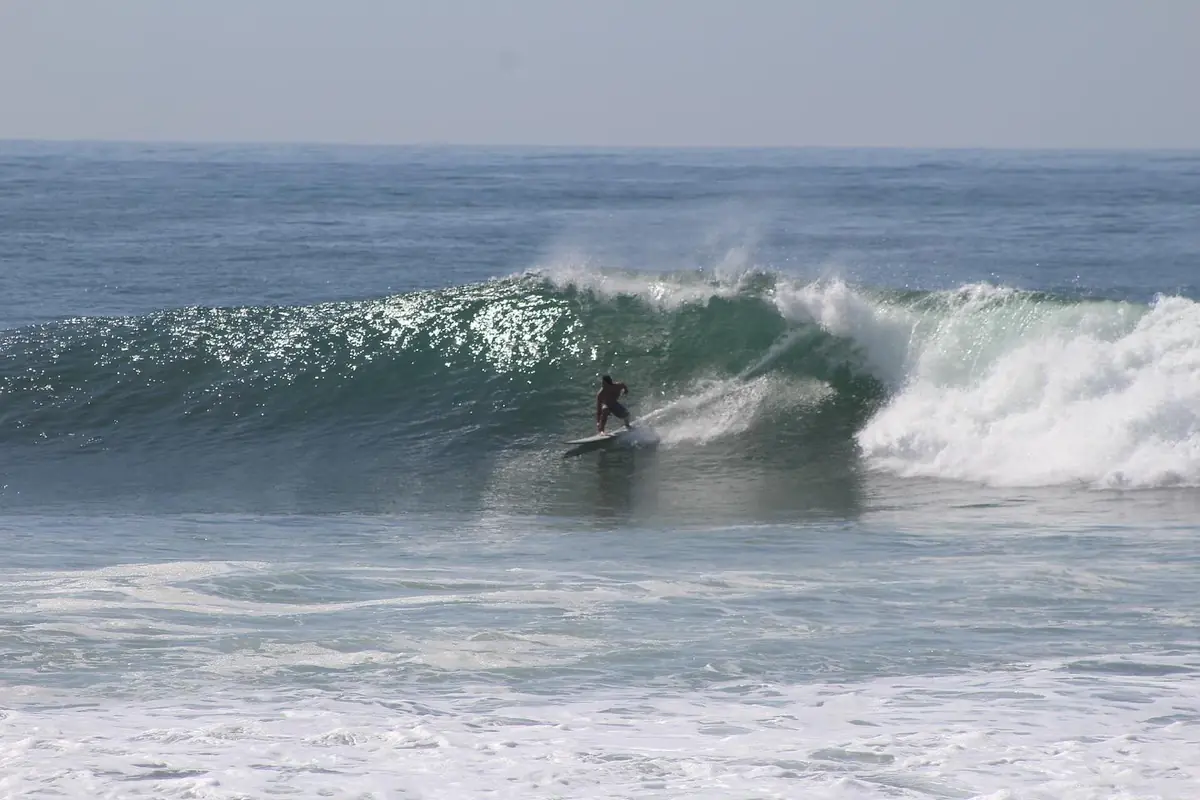
El Zonte sits about 6 miles (10 km) west of El Tunco down a steep access road, roughly 20 minutes by car, and it feels a generation calmer. Sandy lanes, a river-mouth lagoon, roosters at dawn, and a black-sand beach that empties out by sunset. This is the town that built the world’s first circular Bitcoin economy, and you’ll still see surf shops and comedores with QR codes by the register.
The waves are less beginner-friendly than El Tunco’s, but the wifi is better and the pace suits remote work. Nights are quiet, which is the whole point. The friction: the access road is rough, Uber pickups down here are unreliable, and a few places lean on the crypto-tourist angle to justify their rates.
- Vibe: Slow, black-sand, remote-work friendly
- Best for: Digital nomads, solo travelers, surfers wanting calm
- Nightly price (mid-range): $80–140
- Drive from SAL airport: 42–58 minutes
- Suggested nights: 2–3
Where to sleep in El Zonte:
- Budget: Esencia Nativa and La Garza Hostel keep dorms around $12–25.
- Mid-range: Garten Hotel and Hotel Olas Permanentes sit in the $80–140 band.
- Boutique/luxury: Hotel Palo Verde, a 12-room sustainable boutique with the Nan Tal restaurant, starts near $193; Wave House, a newer set of wood-and-rattan apartments, runs higher and courts the crypto crowd.
Pro Tip: Bring cash anyway. Bitcoin works at maybe half the businesses in El Zonte and almost nowhere else in the country. Small US dollar bills get you further than a phone wallet.
El Zonte’s calm is real, but it comes with a trade-off most guides skip: there’s not much to do after dark. If you want both surf and a social scene, split your nights, two in El Zonte and two in El Tunco.
San Salvador — the capital is back on the map
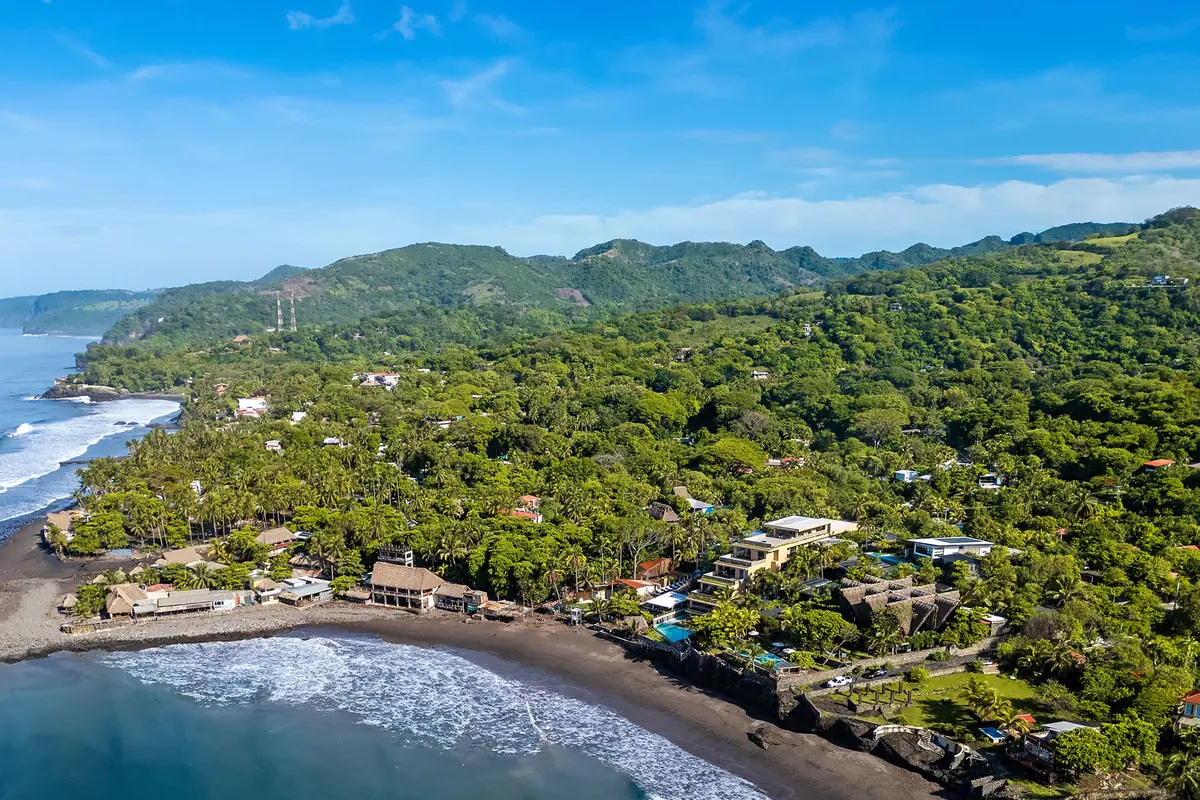
For years the standard advice was to skip San Salvador entirely. That advice is out of date. The capital is sprawling and not pretty, but its best neighborhoods, San Benito, Escalón, and Santa Elena, are walkable, safe, and home to the country’s best museums and restaurants. It also sits closest to the airport, which makes it an easy first or last night.
- Vibe: Big-city base, museums, dining
- Best for: First-timers, business travelers, short layovers
- Nightly price (mid-range): $80–140
- Drive from SAL airport: 35–45 minutes
- Suggested nights: 1–2
Colonia San Benito (Zona Rosa) — the first-timer default
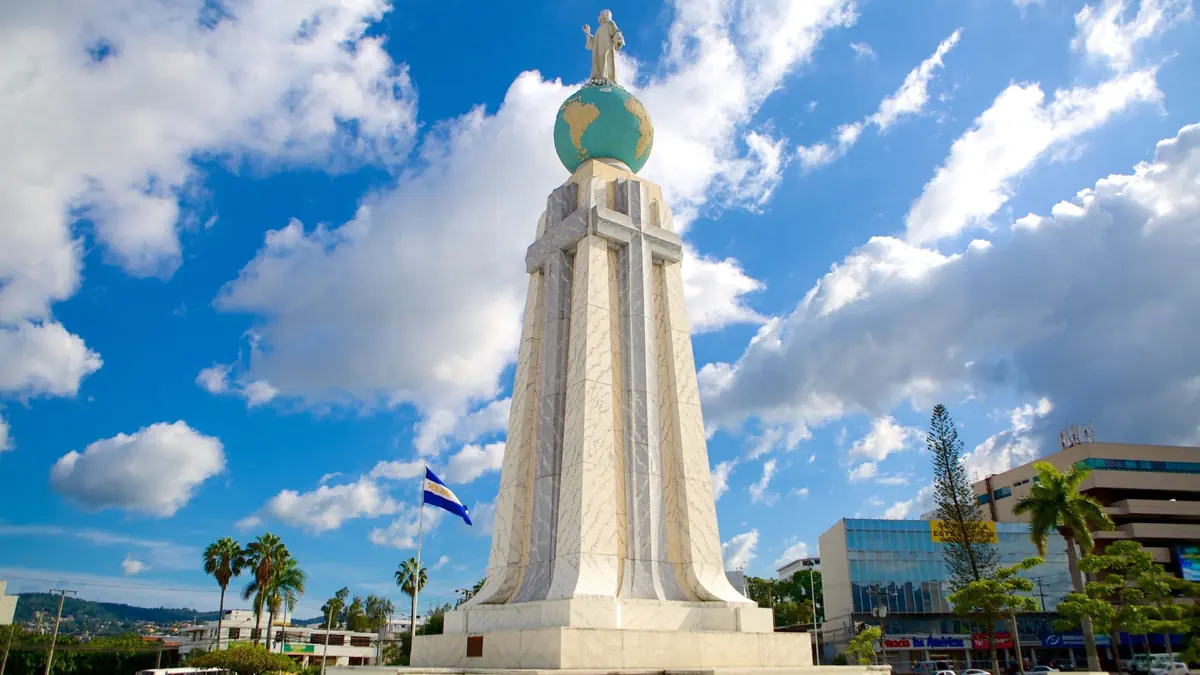
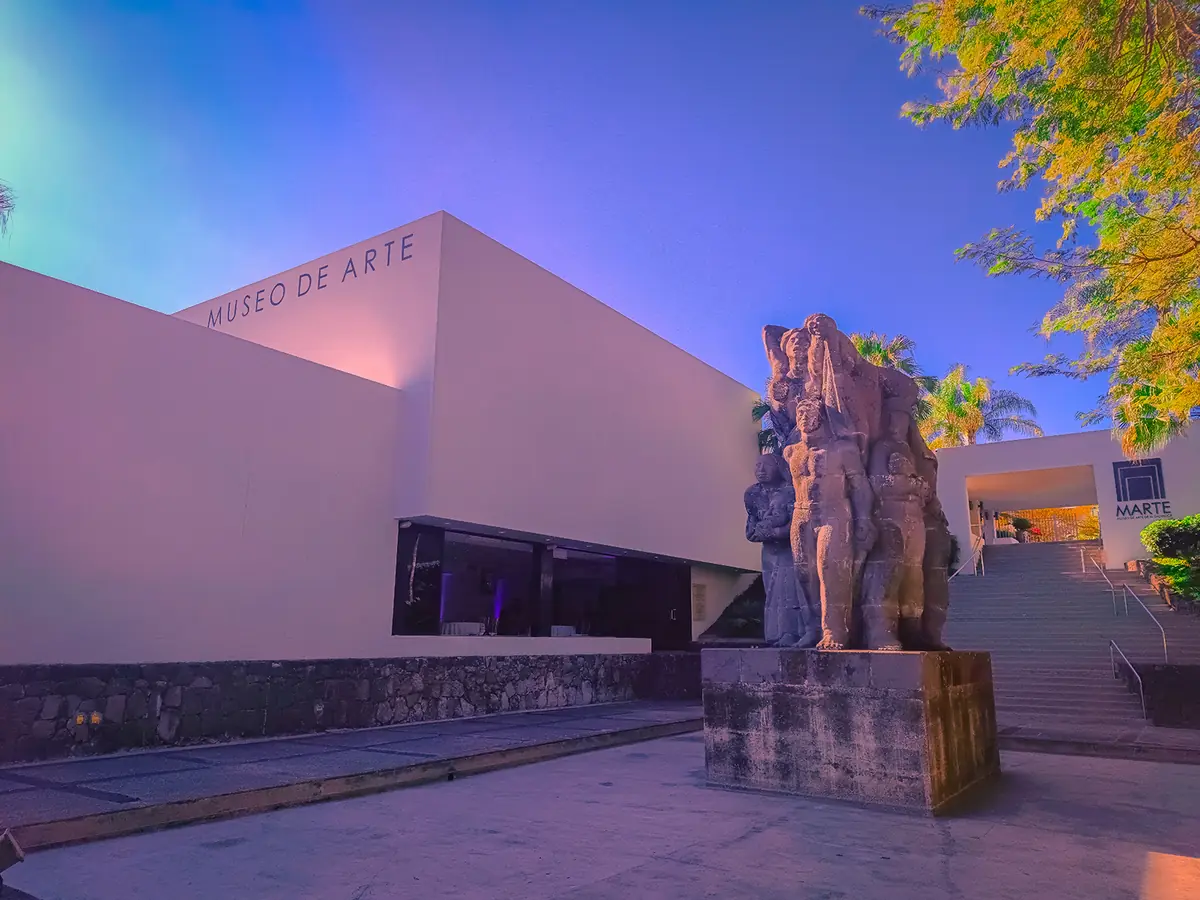
San Benito is the easy pick: walkable, packed with restaurants, and home to the MARTE art museum and the MUNA anthropology museum. The Sheraton Presidente runs from about $115 and the Barceló San Salvador from around $103, with La Zona Hostel covering budget dorms nearby.
- Best for: First-timers who want to walk to dinner and museums
- Nightly price: $103–200+ at the big hotels; $10–20 dorms nearby
Colonia Escalón — the foodie address
Escalón is upscale residential with the city’s densest run of restaurants along Paseo General Escalón. Cinco Hotel B&B is the boutique pick, the Holiday Inn covers reliable mid-range, and Hostal Cumbres del Volcán keeps dorms around $10–20.
- Best for: Foodies, digital nomads, longer stays
- Nightly price: $10–20 dorms; $80–140 mid-range
Santa Elena — newest, best for families and business
Santa Elena, in Antiguo Cuscatlán, is the newest affluent district, with the Multiplaza and Galerías malls and the US Embassy nearby. The Hyatt Centric runs about $175–259 and the Real InterContinental from around $100, both with the chain reliability families and business travelers want.
- Best for: Families, business, travelers who want chain hotels
- Nightly price: $100–260+
Pro Tip: Centro Histórico is worth a half-day for the Metropolitan Cathedral and the red-and-gold interior of Iglesia El Rosario, but take an Uber back after dark rather than walking. Joya de Cerén, a UNESCO-listed Maya farming village preserved under volcanic ash, makes an easy half-day trip about an hour from the capital.
Suchitoto — colonial cobblestones on a lake
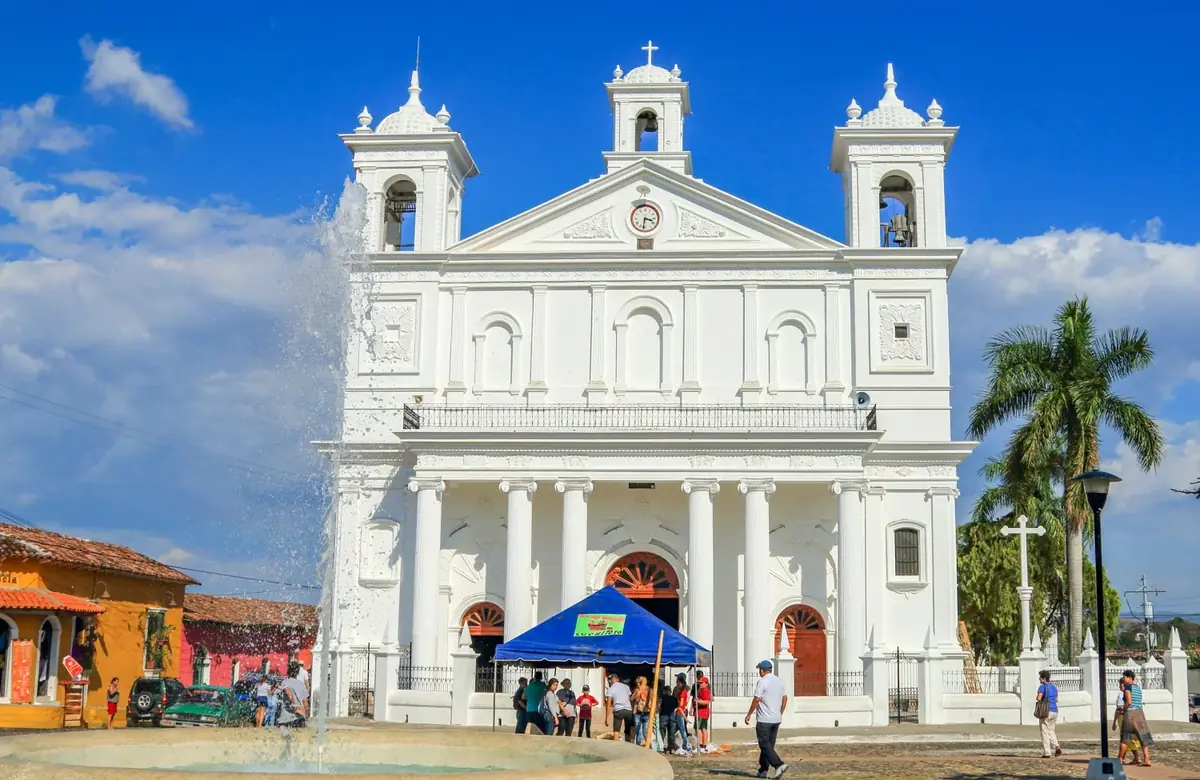
Suchitoto is the prettiest town in the country and the easiest day’s escape from the capital, under an hour from downtown San Salvador and about an hour and a half from the airport. Cobblestone streets, white-and-terracotta colonial houses, art galleries, and a long view down to Lake Suchitlán. The town made its name on indigo dye, and you can still buy hand-dyed textiles a block off the plaza.
It’s quiet to the point of sleepy, which is exactly why couples and photographers love it. One or two nights is plenty unless you’re here to slow down completely. The cobblestones are murder on roller suitcases, so pack a backpack.
- Vibe: Colonial calm, art, lake views
- Best for: Couples, culture seekers, photographers
- Nightly price (mid-range): $50–100
- Drive from SAL airport: about 1 hour 20 minutes
- Suggested nights: 1–2
Where to sleep in Suchitoto:
- Budget: Hostal Koltin and Hostal Vega keep it under $25.
- Mid-range: El Tejado and El Mangal B&B run $50–100 with terrace views.
- Boutique/luxury: Casa 1800 Suchitoto and La Posada de Suchitlán sit around $75–120; Los Almendros de San Lorenzo, a French-Salvadoran-owned four-star, runs $116 and up.
Pro Tip: Time a visit for a weekend if you can. The town’s restaurants and galleries keep limited hours midweek, and a couple of the best spots near the plaza close entirely on Mondays.
Santa Ana and Lake Coatepeque — volcano country
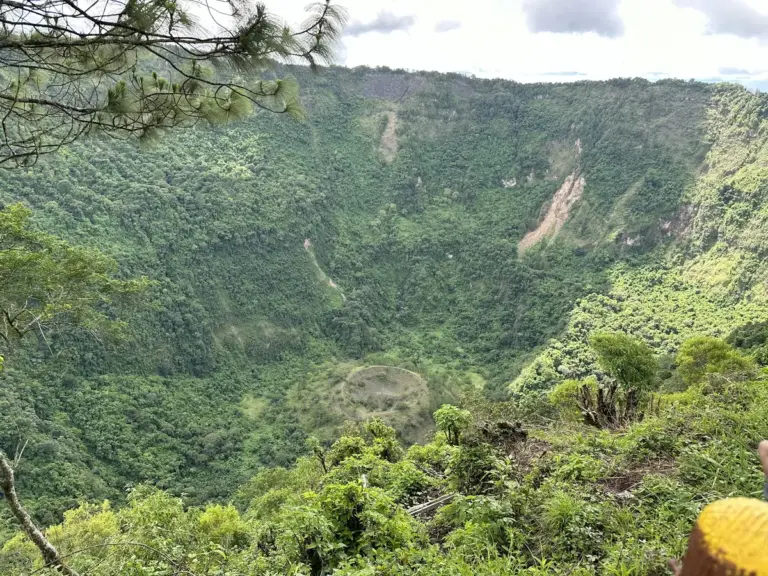
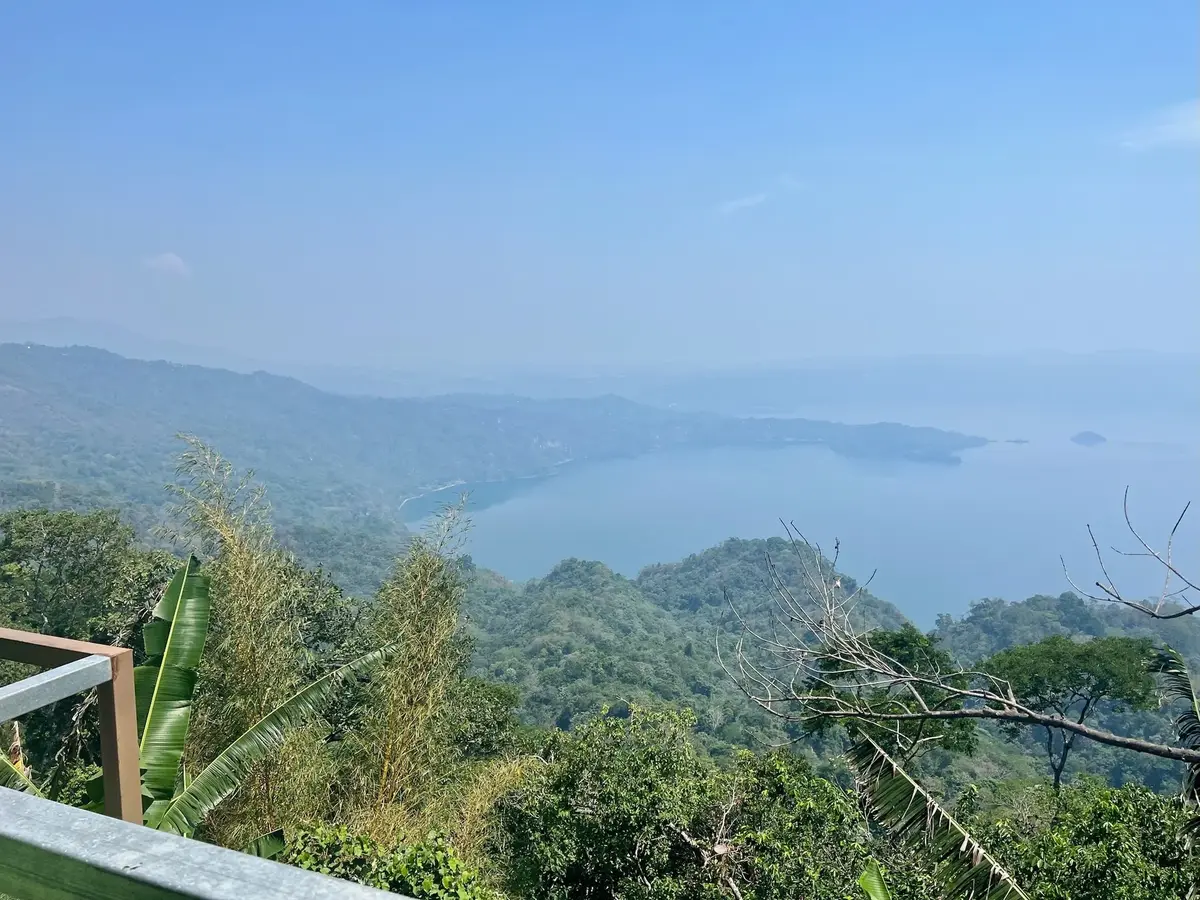
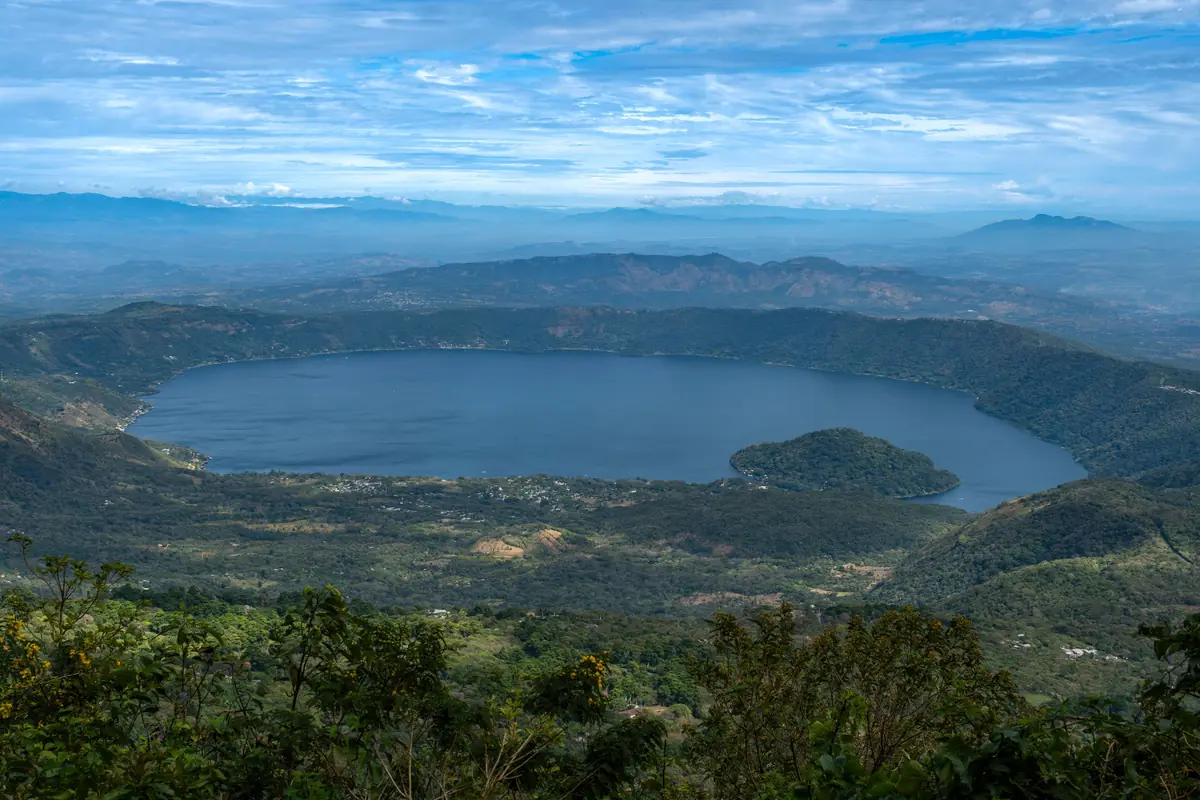
Western El Salvador is where the volcanoes are. Santa Ana is the country’s second city, a workable base with a neo-Gothic cathedral and a grand old theater, but most travelers come for two things nearby: the Santa Ana Volcano hike and Lake Coatepeque, a crater lake 30 minutes south that glows turquoise on a clear morning.
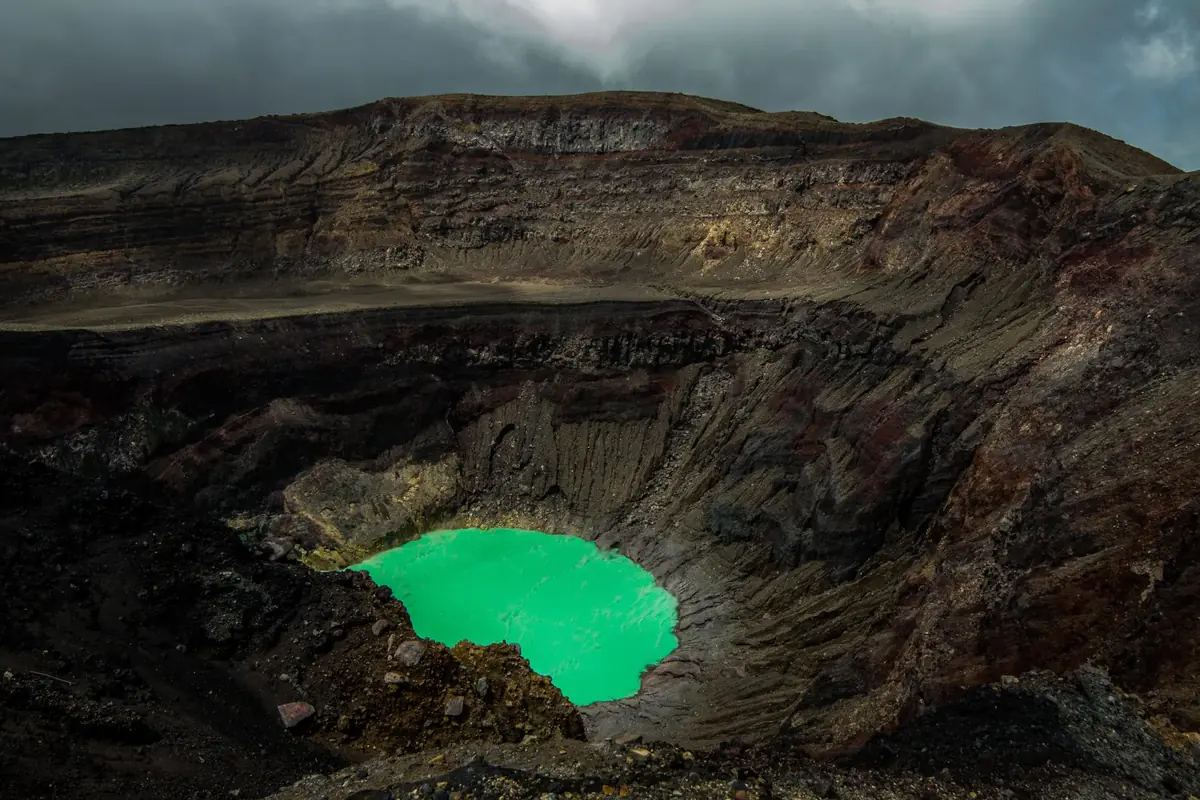
The volcano hike is the headline. The Santa Ana Volcano, or Ilamatepec, tops out at 7,812 feet (2,381 m); the trail is guided-only, starts from Cerro Verde, and rewards you with a steaming turquoise crater lake at the summit. Santa Ana city itself is more functional than charming, so I’d sleep there only as a launch pad, or stay lakeside at Coatepeque if you’ve booked a room with water access.
- Vibe: Volcanoes, crater lake, hiking
- Best for: Hikers, volcano-chasers, active travelers
- Nightly price (mid-range): $40–80
- Drive from SAL airport: about 1 hour 35 minutes
- Suggested nights: 1–2
Where to sleep in Santa Ana and at the lake:
- Budget: Casa Verde Hostel runs about $9 a dorm; Coffee Garden Hostel is the backpacker favorite in the city.
- Mid-range: Hotel Tazumal House and Hotel Vista Los Volcanes sit in the $40–70 range.
- Lakeside: Captain Morgan Hostel at Lake Coatepeque has dorms near $11 and lakefront privates around $25–40.
Pro Tip: The Santa Ana Volcano hike departs on a fixed schedule with a guide and park rangers. Get to Cerro Verde by mid-morning at the latest, because the group leaves once and afternoon clouds can swallow the summit view.
Lake Coatepeque photographs like a dream, but here’s what the photos hide: nearly the whole shoreline is fenced private property. Without a hotel that has its own dock, you’re looking at the lake through someone’s gate. One night, lakeside, is the move, not a multi-night base. The Tazumal ruins, the country’s largest Maya site, sit just outside Chalchuapa nearby if you want a half-day add-on.
Ruta de las Flores — coffee towns and waterfalls
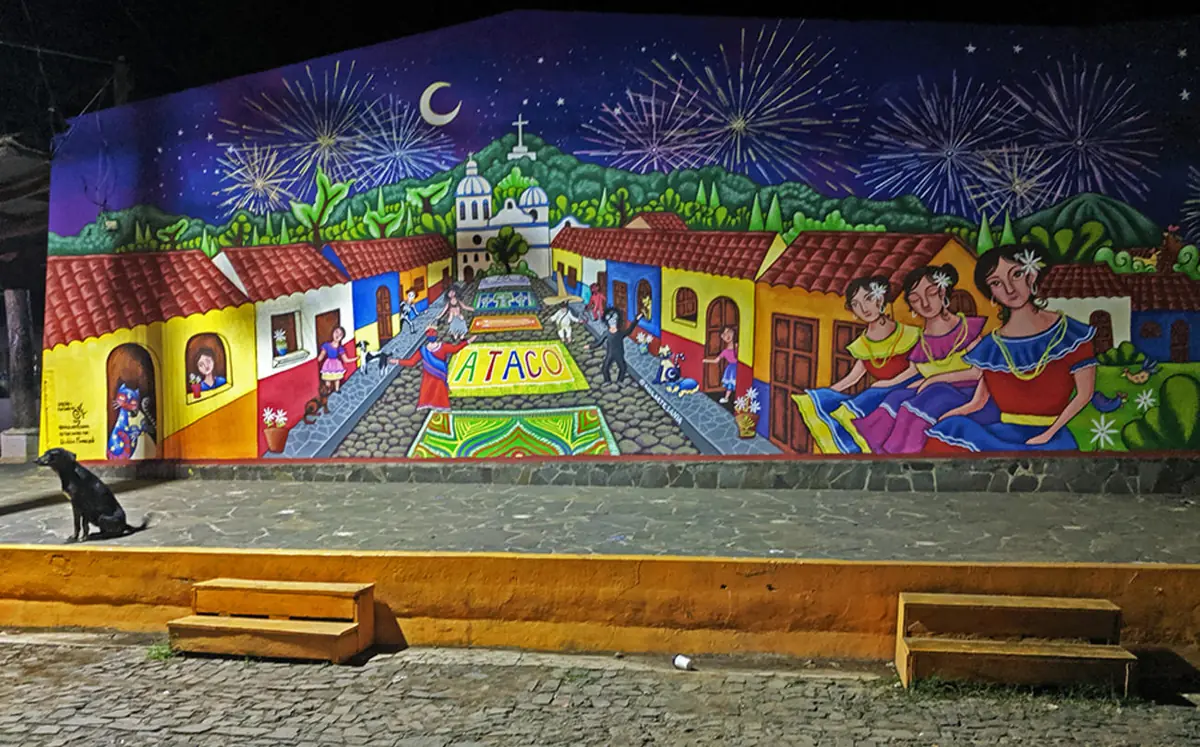
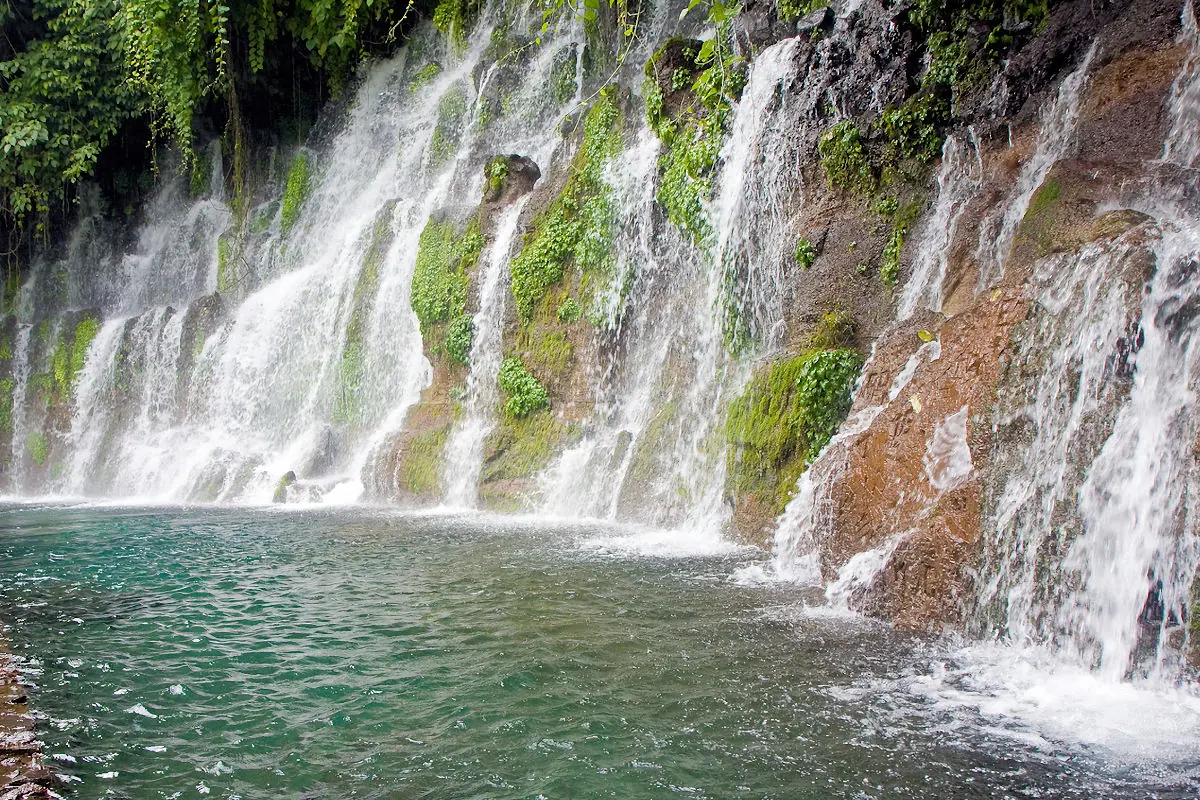
The Ruta de las Flores is a 22-mile (35 km) stretch of mountain road linking a string of coffee towns: Nahuizalco, Salcoatitán, Juayúa, Apaneca, and Concepción de Ataco. Cool air, painted murals, weekend food fairs, and coffee farms you can tour. Ataco has the most murals and restaurants; Juayúa is the one town with actual dorm hostels and the country’s best-known weekend food fair.
This is the best road trip in El Salvador and the area that most rewards a rental car. Buses run, but they’re slow and don’t sync well between towns. Base in Ataco for charm or Juayúa for the food fair, and give it two nights so you can do the 7 Waterfalls hike and a coffee tour without rushing. The air up here runs 10 to 15°F cooler than the coast, often dropping into the upper 60s°F (around 20°C) after dark.
- Vibe: Coffee country, murals, mountain air
- Best for: Road-trippers, foodies, slow travelers
- Nightly price (mid-range): $50–90
- Drive from SAL airport: about 2 hours 15 minutes
- Suggested nights: 2
Where to sleep along the Ruta de las Flores:
- Budget: Hostal Doña Mercedes in Juayúa has the only real dorms on the route.
- Mid-range/boutique: Casa Degraciela Hotel Boutique in Ataco runs about $84–104; Hotel & Restaurant Fleur de Lis has a rooftop terrace; Casa 1800 Ataco is the dependable boutique pick.
- Quirky: Finca Campo Bello near Cerro Verde rents igloo-style glamping domes; Hostal Puertas de Apaneca covers budget beds in Apaneca.
Pro Tip: Hit Juayúa on a weekend for the Feria Gastronómica, the food fair where grills line the plaza with everything from pupusas to game meats. A plate of three pupusas with curtido runs about $3, which is the best deal in the country.
The Wild East — Las Flores and El Cuco for serious surfers
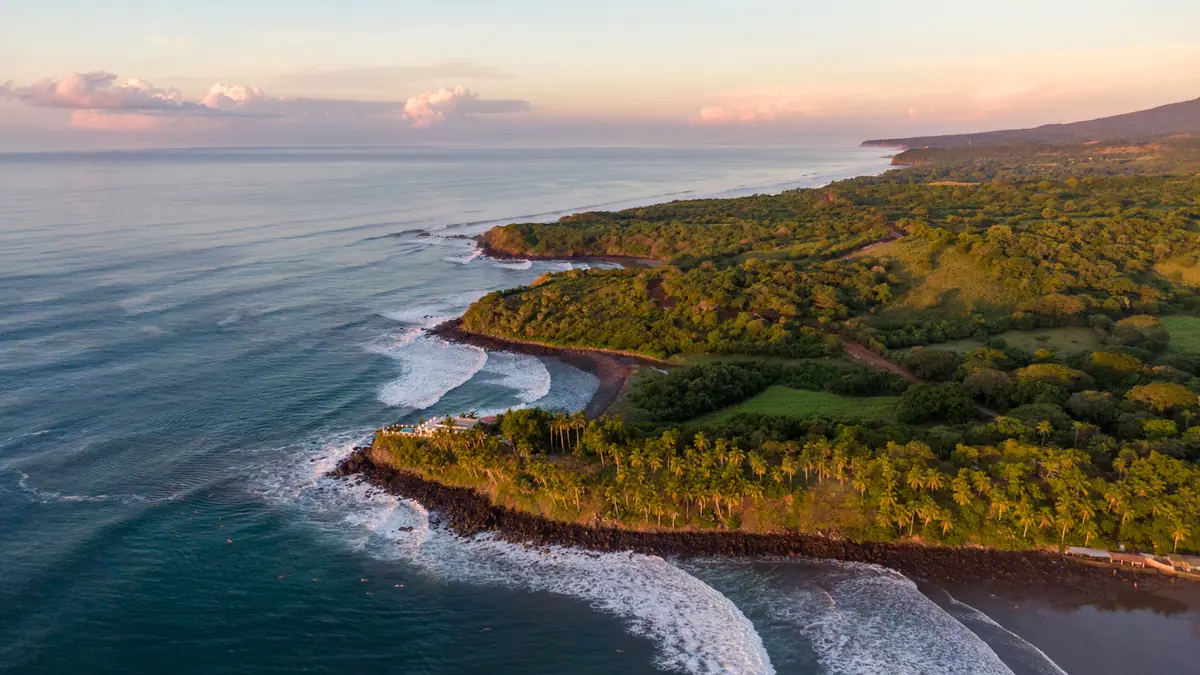
Eastern El Salvador is a different trip: longer drives, fewer travelers, and some of the best surf in Central America. Playa Las Flores and Punta Mango are right-hand point breaks that pull surfers from across the region, and El Cuco is the laid-back beach town that anchors the area. It’s roughly a two-hour-plus drive from the airport, and the last stretch is rural and slow.
Come here if you surf well and want quiet; skip it if you’re a beginner or short on time. The waves are the draw, the infrastructure is thin, and you’ll want a plan for getting around. It rewards travelers who’ll trade convenience for empty lineups.
- Vibe: Remote, elite point breaks
- Best for: Advanced surfers, off-the-beaten-path travelers
- Nightly price (mid-range): $50–100
- Drive from SAL airport: about 2 to 2.5 hours
- Suggested nights: 2–4
Where to sleep out east:
- Budget: La Tortuga Verde, a beachfront homestay-style spot, can run as low as $14 for two.
- Mid-range: AST Adventures Las Flores Hotel and Atlakamani Surfing Resort.
- Luxury: Las Flores Resort, with 15 ocean-view suites on a 7-acre beachfront, runs $300 and up.
Pro Tip: The biggest, most consistent swells hit during the rainy season, May through October. If you’re a strong surfer chasing size, that’s the window, and it’s also when coastal rates drop 20 to 40 percent.
Is El Salvador safe for tourists?
Yes. The US State Department rates El Salvador Level 1, “Exercise Normal Precautions,” the same tier as Japan and most of Western Europe. The country went from the world’s highest homicide rate to one of the lowest in the hemisphere, under 2 per 100,000. Petty theft and rip currents are the real risks, not violent crime.
At its worst, El Salvador recorded more than 100 homicides per 100,000 people and wore the label “murder capital of the world.” That era ended. The rate has fallen below 2 per 100,000, lower than several US cities, and the country draws more than 4 million international visitors a year, with Americans the second-largest group after Guatemala.
Part of this is the result of a sweeping security crackdown known as the State of Exception, under which tens of thousands have been detained. It’s controversial on human-rights grounds, and you should know that’s the backdrop. For travelers, the visible effect is armed police and soldiers in tourist areas; most visitors find it reassuring rather than alarming.
What to actually watch for:
- Rip currents: The real physical danger on the Pacific coast. Swim where locals swim and respect red flags.
- Petty theft: Standard beach-and-market precautions. Don’t leave a phone on your towel.
- Drugs: Zero tolerance. Even a small amount of marijuana can mean prison. Don’t risk it.
- ID: Carry a copy of your passport, since there are military checkpoints on the roads.
- Tap water: Drink bottled or filtered.
Pro Tip: The outer suburbs of San Salvador, like Soyapango, Apopa, and Ilopango, still aren’t places to wander, but no tourist itinerary takes you there anyway. Stick to San Benito, Escalón, and Santa Elena in the capital and you’re on some of the safest blocks in Central America.
How do you get from San Salvador airport to each area?
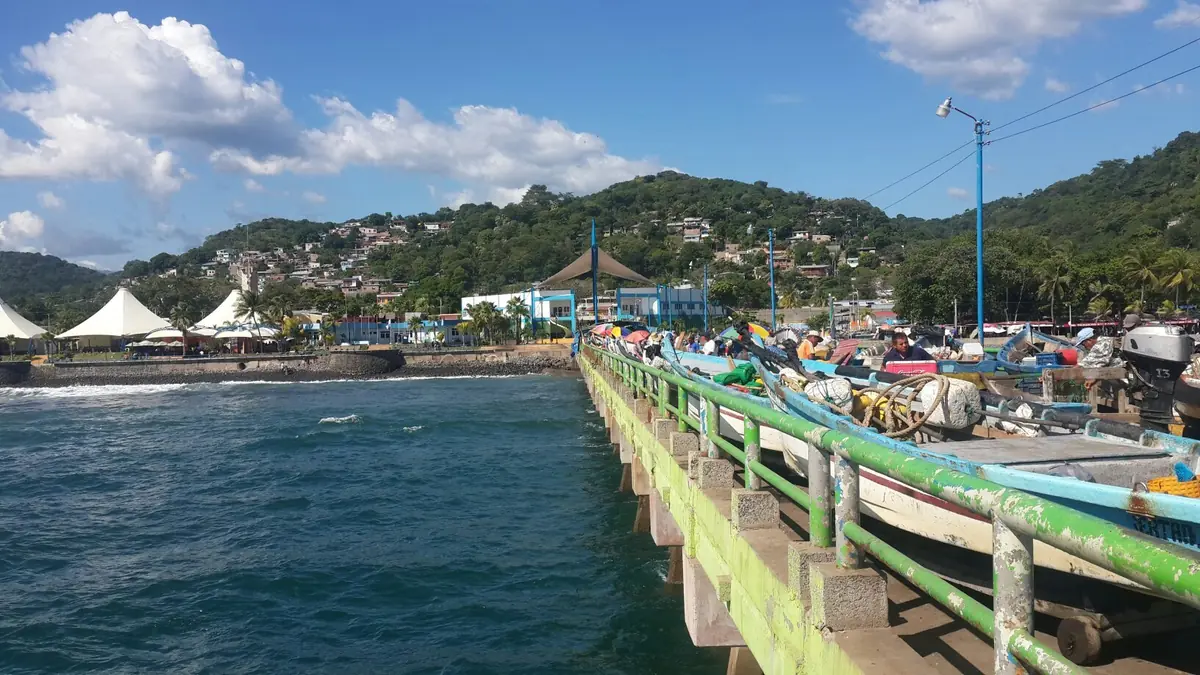
San Óscar Romero International Airport sits south of the capital, which puts it closer to the surf coast than to the city. El Tunco and San Salvador are both about 35 to 45 minutes away. Private transfers run $25 to $40 for nearby areas, and Uber works from the airport and is usually cheaper.
| From SAL airport to | Distance | Drive time | Private transfer |
|---|---|---|---|
| San Salvador (Zona Rosa) | 25 mi (40 km) | 35–45 min | $25–40 |
| El Tunco | 25 mi (40 km) | 35–55 min | $25–30 |
| El Zonte | 31 mi (50 km) | 42–58 min | $25–35 |
| Suchitoto | 45 mi (72 km) | ~1 hr 20 min | $50–90 |
| Lake Coatepeque | 58 mi (93 km) | ~1 hr 30 min | $80–120 |
| Santa Ana (city) | 62 mi (100 km) | ~1 hr 35 min | $80–120 |
| Ruta de las Flores (Ataco) | 75 mi (120 km) | ~2 hr 15 min | $100–150 |
| Las Flores / El Cuco | 112 mi (180 km) | ~2 hr+ | $150+ |
On my last trip the airport Uber to El Tunco ran $28 and took just under an hour, and the driver flagged that he wouldn’t continue past La Libertad after dark without a surcharge.
Pro Tip: Uber is reliable from the airport and around San Salvador, Santa Ana, and the main coast road, but pickups inside El Tunco itself are patchy. Have your hotel arrange the local leg if you’re hopping between beach towns.
Do you need a rental car in El Salvador?
It depends on your route. If you’re only doing the El Tunco area, skip the car; it’s walkable, and Uber covers the hop to El Zonte. Rent one if you’re combining the Ruta de las Flores, Lake Coatepeque, and the coast, where buses are slow and don’t connect well. Sedans run $35 to $60 a day.
A few logistics worth knowing:
- Public buses: The cheapest option at $1–2 per leg. Bus #102 runs San Salvador to La Libertad and El Tunco for about $2 in under an hour. Buses are safe but drive fast, so avoid them after dark.
- Rough roads: Rural routes to the Tamanique waterfalls and parts of the Ruta de las Flores can require four-wheel drive.
- Premium coaches: Transporte del Sol and King Quality connect the major cities in comfort for longer hauls.
How many days do you need in El Salvador?
Five days covers the highlights at a brisk pace; seven is the sweet spot; ten lets you add the east. The country is small enough that you can pair the surf coast with the volcanoes or the coffee towns in a single trip without long transfers. Most first-timers split between two or three bases.
5 days — coast plus one volcano
- Nights 1–3: El Tunco or El Sunzal for surf, an El Zonte day trip, and the Tamanique waterfalls
- Nights 4–5: Santa Ana or Lake Coatepeque for the Santa Ana Volcano hike and a lake afternoon
7 days — the classic loop
- Nights 1–3: El Tunco and El Zonte on the surf coast
- Nights 4–5: Santa Ana and Lake Coatepeque for the volcano and crater lake
- Nights 6–7: Ruta de las Flores, based in Ataco, for a coffee tour and the 7 Waterfalls
10 days — add the colonial north and the deep east
- Night 1: San Salvador to arrive, see MARTE, and have dinner in Escalón
- Nights 2–4: El Tunco and El Zonte on the surf coast
- Nights 5–6: Ruta de las Flores in Ataco for coffee country
- Nights 7–8: Santa Ana and Lake Coatepeque for the volcano and lake
- Nights 9–10: Suchitoto to wind down, or swap for El Cuco if you surf
El Salvador stay questions, answered
El Tunco vs El Zonte — which should you pick?
Pick El Tunco if you want easy beginner surf, nightlife, and the most options within walking distance. Pick El Zonte if you want a slower pace, better wifi for remote work, and quieter beaches; it’s the Bitcoin Beach town. They’re 20 minutes apart, so the real answer for many travelers is to do both.
Where exactly is Bitcoin Beach?
Bitcoin Beach is El Zonte, a small surf town on the Pacific coast about 31 miles (50 km) west of the airport and 20 minutes past El Tunco. The nickname comes from a project that turned the town into the world’s first circular Bitcoin economy. You’ll find QR-code payments at some shops and comedores there.
When is the cheapest time to visit?
September and October are the cheapest months, deep in the rainy season, when coastal rates drop 20 to 40 percent. The dry season, November through April, is the most popular and the priciest, along with Easter week and the early-August holidays. Mornings stay clear even in the rainy months; storms roll in by afternoon.
Coastal temperatures sit around 85°F (29°C) all year, so packing barely changes by season, just add a rain shell for May through October.
Is the US dollar used in El Salvador?
Yes. El Salvador adopted the US dollar as its official currency, so there’s no exchange-rate math and no need to hunt for an ATM to get local cash. Bitcoin is also legal tender and accepted in El Zonte, but spottily elsewhere. Bring small bills, since many comedores and beach vendors can’t break a $20.
Before you book
TL;DR: For a first trip, base on the surf coast (El Tunco for beginners and nightlife, El Zonte for a slower pace) and add the western volcanoes around Santa Ana. Save San Salvador for a layover night, Suchitoto for colonial calm, and the eastern point breaks for when you can really surf.
Wherever you decide to stay in El Salvador, the country is far easier, and far safer, to travel than its old reputation suggests. The dollar is the currency, the drives are short, and the beaches and volcanoes sit closer together than almost anywhere in the Americas.
So which area wins your first night: El Tunco’s surf, El Zonte’s calm, or Santa Ana’s volcanoes? Drop your travel dates and style in the comments and I’ll help you pick a base.