You have found the tours, picked your dates, and almost hit that booking button. Stop. Before ziplining in Puerto Rico costs you $150 on a non-refundable ticket, read this first.
From the $300 taxi trap in the central mountains to the exact waist measurement that gets you turned away at the gate, this guide covers the unfiltered reality. The activity is spectacular. The logistics around it are where most first-timers lose money.
How do you actually get to the zipline parks in Puerto Rico?
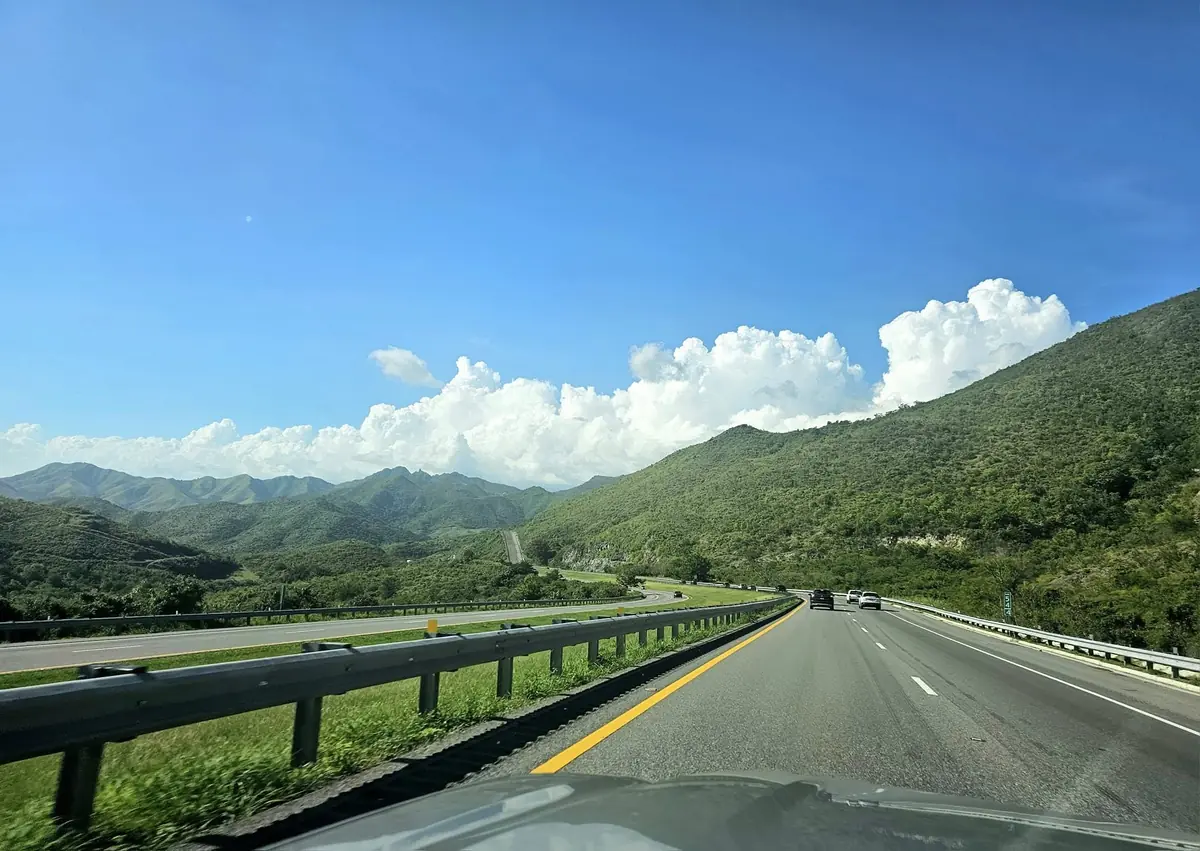
Getting to the top parks for ziplining in Puerto Rico is the most expensive mistake travelers make. Booking a rental car before you land is the only reliable option — Uber does not serve Orocovis, and local taxis charge $250 to $300 for a one-way trip from San Juan.
Ride-share apps simply do not operate in Orocovis, the mountain municipality that hosts the island’s most extreme adventure park. If you try to open the app from the parking lot at Toro Verde, you will see zero available drivers. The eastern rainforest operators near El Yunque National Forest are easier to reach, but a rental car is still the smart play — ride-share drivers routinely drop guests at the wrong trailhead.
Pro Tip: Reserve a rental car before you fly in. A full day from an airport counter runs $20 to $45. That is less than 15% of one taxi ride to Orocovis, and it gives you the freedom to stop for food on the drive back.
Drive times from key points of origin
- San Juan to Orocovis (Toro Verde): ~1 hour 15 minutes
- Fajardo to Orocovis: ~2 hours
- San Juan to Luquillo (eastern rainforest parks): ~45 minutes
- San Juan to Río Grande (El Yunque entrance): ~35 minutes
Yunque Ziplining specifically directs guests to meet at Road #992, a narrow forest access road. On my last visit, two couples in the same group had been dropped by rideshare at a random turnout half a mile downhill and had to walk up in the heat.
What are the weight and size limits for ziplining in Puerto Rico?
Physical restrictions at these parks are hard limits, enforced by on-site weigh-ins before you ever see a launch platform. Toro Verde’s premier lines require a minimum of 100 lbs (45 kg), a maximum of 270 lbs (122 kg), and a maximum waist of 42 inches (107 cm). Exceed any of them and you are turned away with no refund.
Toro Verde line requirements
- Minimum weight: 100 lbs (45 kg)
- Maximum weight: 270 lbs (122 kg)
- Maximum waist: 42 inches (107 cm)
- Minimum age: 7 years
- Minimum height: 4 to 4.5 feet depending on line
The waist measurement is taken separately from your total weight. A guest well within the weight range can still be disqualified if the harness buckle will not close around 42 inches (107 cm).
The footwear rule is equally unforgiving. Open-toed shoes, sandals, flip-flops, and Crocs are banned at every operator. Arriving in them means immediate loss of your reservation fee — pack closed-toe shoes with real grip.
The documentation rule catches travelers off guard. You must present the physical credit card used to book, plus a matching physical government-issued ID. Photos on your phone are rejected at the counter.
Pro Tip: Before leaving your hotel, physically check your bag for three items — closed-toe shoes, the booking credit card, and the matching ID. This 10-second check has saved more bookings than any travel insurance policy.
How does weather affect ziplining in Puerto Rico?
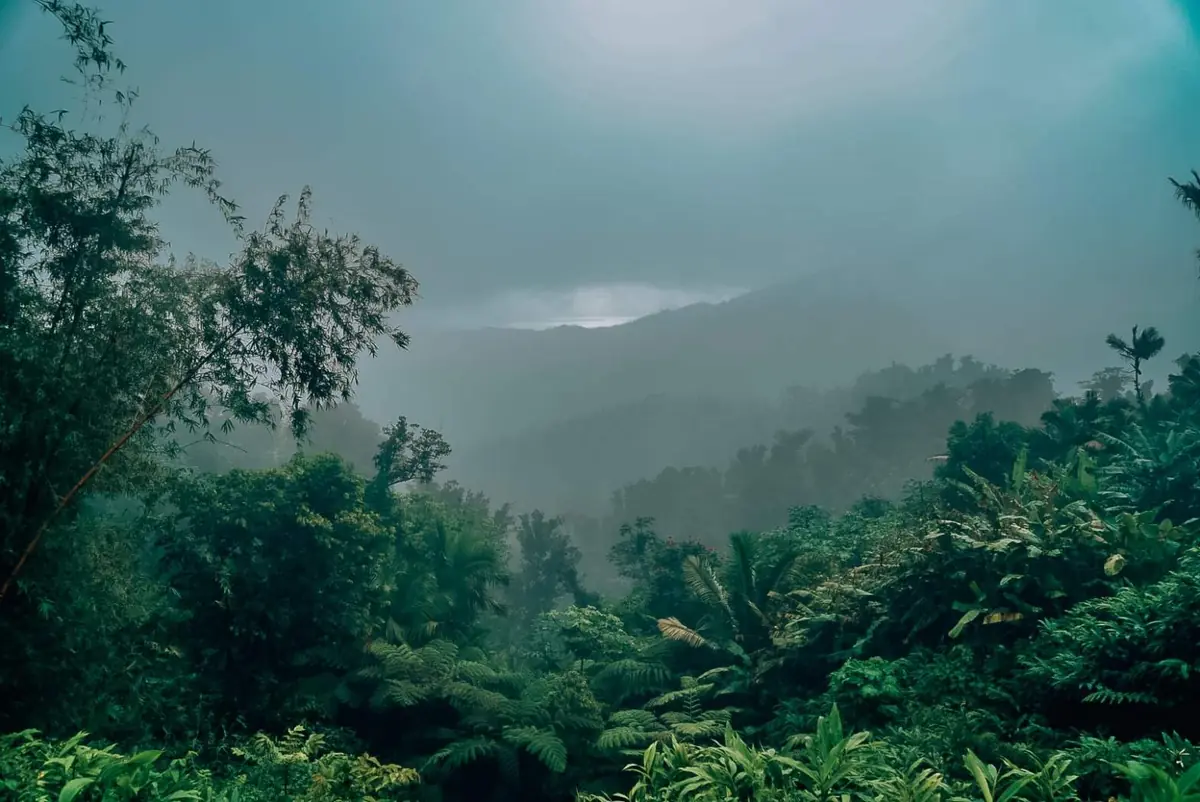
Ziplining in Puerto Rico operates rain or shine. Standard tropical downpours will not earn you a refund or a reschedule — tours are only suspended for severe electrical storms or flash-flood risk. Expect to fly in light rain, especially inside El Yunque National Forest.
This matters most in the dense canopy of the eastern rainforest, where short, heavy showers are a daily feature. The tardiness policy is just as firm: most operators require guests to arrive one full hour before their scheduled time. Miss the check-in window by a minute and the booking is forfeited. Build 30 minutes of buffer into your drive on top of the required arrival time.
Pro Tip: Dress for rain regardless of the forecast. A packable rain shell and moisture-wicking layers keep you comfortable on the platforms without bulking up under the harness.
Central mountains vs. eastern rainforest — which terrain should you pick?
Puerto Rico offers two completely different aerial environments. The central mountains around Orocovis are about scale and speed — miles-long cables stretched across deep open valleys at 95 mph (153 km/h). The eastern rainforest around El Yunque is about ecological immersion — shorter lines connected by steep jungle trails and canopy bridges.
Pick wrong for your expectations and you will walk away disappointed regardless of how well the operator runs the course. If you are chasing an adrenaline record, go central. If you want a multi-disciplinary outdoor day with trails and bridges woven in, go east. Both regions need a half-day commitment minimum.
1. Toro Verde Adventure Park
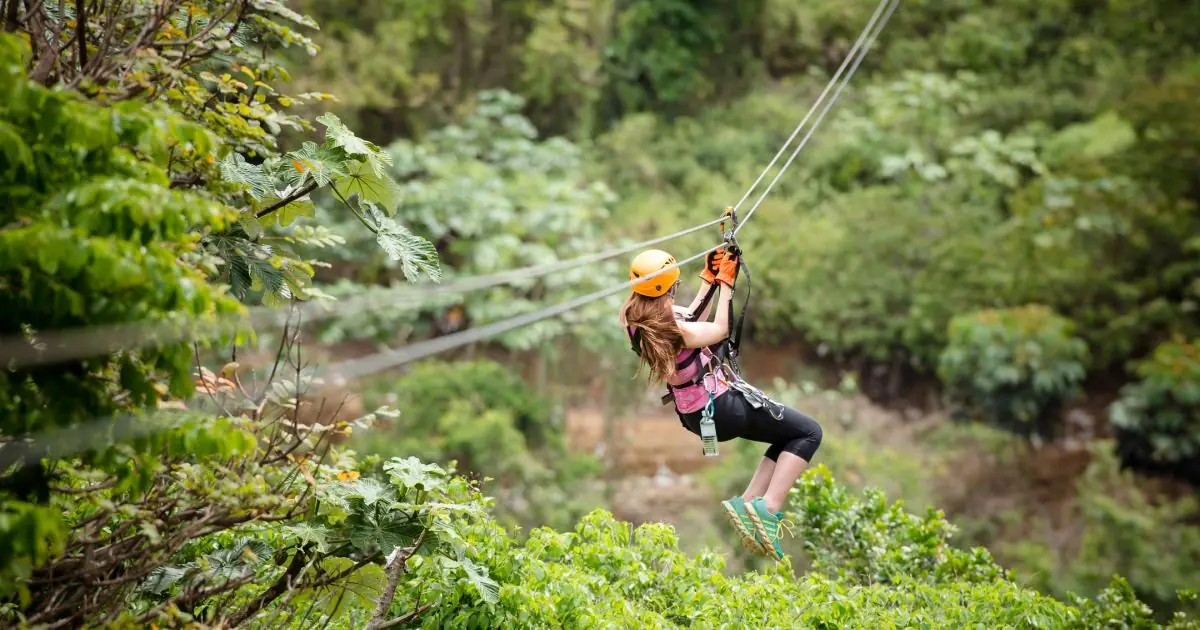
Toro Verde is the most extreme zipline facility in the Western Hemisphere by almost every measurable standard, and the reputation is earned. The park covers 316 acres (128 hectares) of central mountain terrain at Road 155, Km 33 in Orocovis. Its two flagship lines, The Beast and The Monster, are the main draws.
The Monster stretches 1.57 miles (2.5 km) and hits rider speeds up to 95 mph (153 km/h) — fast enough to force your eyes shut against the wind unless you wear the clear protective glasses the park provides. You launch from a platform more than 1,200 feet (380 m) above the valley floor.
The harness on the premium lines is unlike anything else on the island. Rather than a seated rig, riders are secured in a full-body, face-down harness that simulates horizontal flight. You are not sitting — you are flying with your stomach parallel to the ground and arms out. The physical shock of that orientation surprises most first-timers in the first two seconds off the platform.
The Beast is the more accessible flight at around 60 mph (97 km/h). Both premium lines require closed-toe footwear and the physical ID matching your booking card.
Toro Verde quick stats
- Location: Road 155, Km 33, Orocovis (central mountains)
- Cost: $42.50–$135 USD direct, combos up to $220 with transport
- Best for: Adrenaline seekers, thrill-focused travelers, experienced adventure sports participants
- Time needed: 4–5 hours on site, plus 2.5 hours of total drive time
2. JungleQui Zipline Park
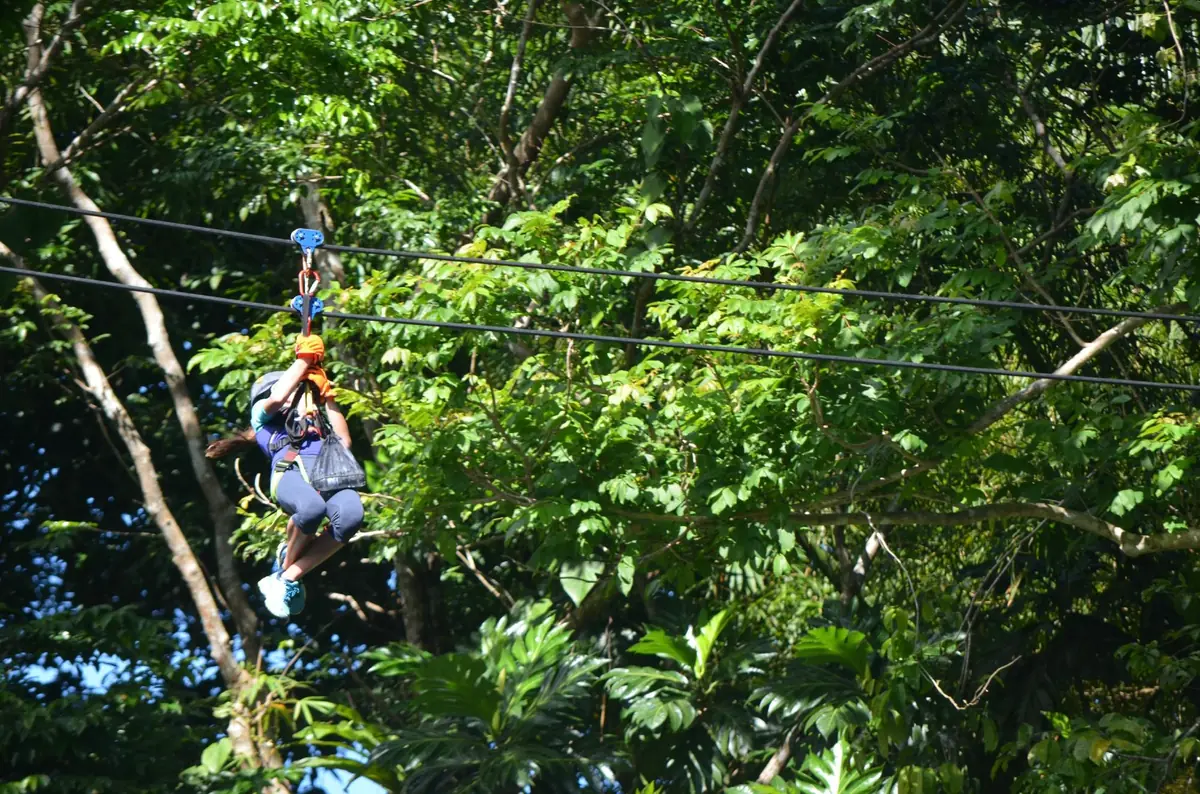
JungleQui delivers a different kind of physical challenge — this one is measured in stamina as much as nerve. The circuit runs 11 lines over about 2.5 hours, but the aerial segments are only part of the workout. Between platforms, guests hike steep, muddy trails beneath a dense eastern canopy that traps heat and humidity close to the ground.
The heavy air, the sound of a river rushing below the canopy bridges, and the limited sightlines make this feel remote in a way the wide-open mountain vistas of Orocovis never do. Secondary activities include hanging canopy bridges, an optional rappel, and short ecological segments with certified guides. It is the most complete adventure circuit on the eastern side of the island.
JungleQui quick stats
- Location: El Yunque area, eastern Puerto Rico
- Cost: $75–$95 USD
- Best for: Active adults, hikers, travelers who want ecological depth alongside aerial views
- Time needed: 3 hours on circuit, half-day total
3. Yunque Ziplining
Yunque Ziplining is the most family-friendly operator on the eastern end of the island. They run a tandem option for children under 70 lbs (32 kg), which most competitors do not offer at all.
The operation runs out of Road #992, a narrow forest access road that needs careful navigation. Do not trust a rideshare GPS drop in this area — wrong drop-offs are a recurring problem and the actual entrance is easy to miss. Drive yourself and confirm the exact meeting point coordinates in your booking email before you leave.
The experience uses traditional seated harnesses routed through the lower eastern canopy, which makes it accessible to a much wider range of fitness levels than JungleQui’s hiking circuits. Maximum weight here is 230 lbs (104 kg).
Yunque Ziplining quick stats
- Location: Road #992, Luquillo, eastern Puerto Rico
- Cost: $60–$85 USD
- Best for: Families with young children, first-time flyers, travelers prioritizing accessibility
- Time needed: 2.5 hours on circuit
4. Rainforest Zipline Corp
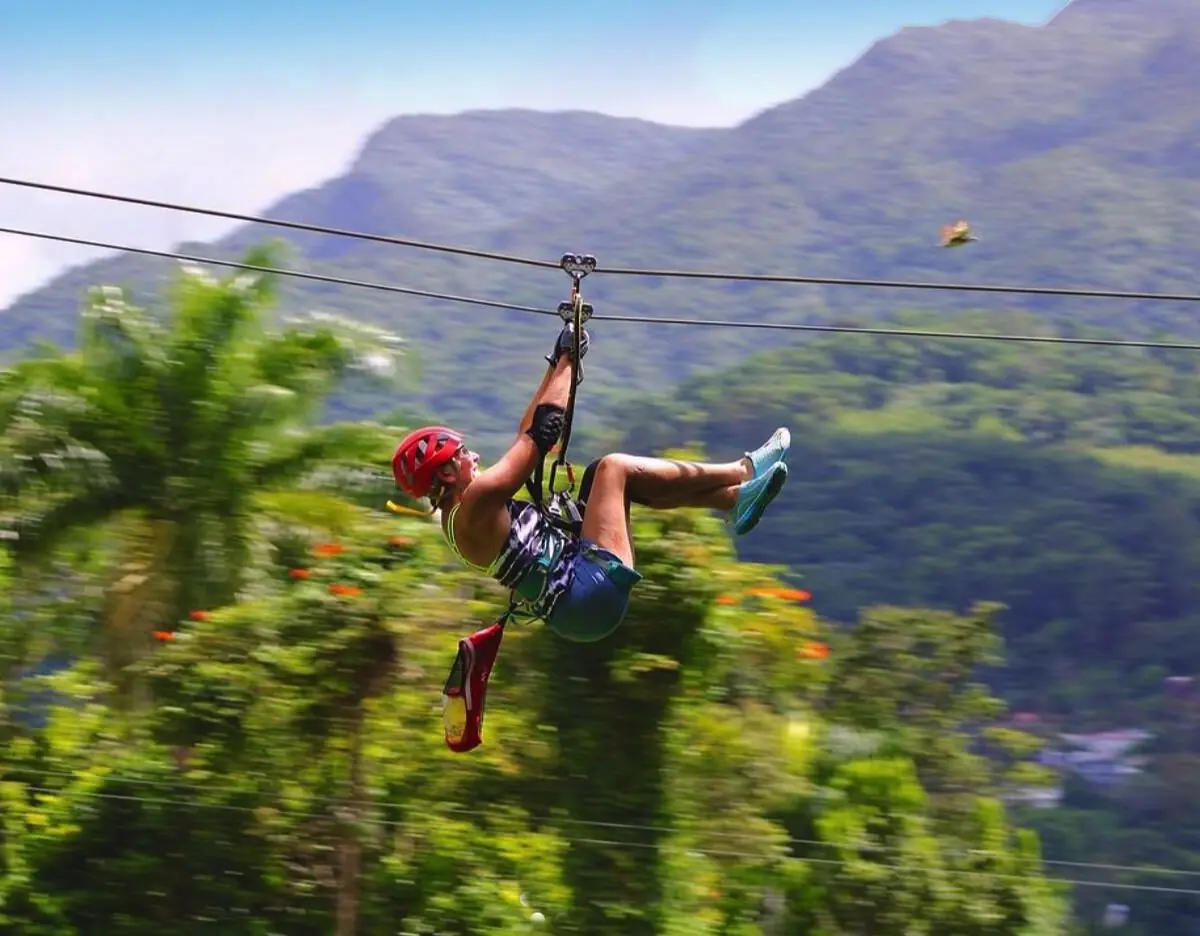
Rainforest Zipline Corp sits near the primary entrance to El Yunque National Forest, which makes it the most logistically convenient eastern option for guests driving from San Juan. The 250 lbs (113 kg) maximum weight and 8-year minimum age are strictly enforced.
Lines use a seated harness throughout. The close proximity to the forest entrance means you can pair the flight with a self-guided forest trail visit on the same drive — a combination that roughly doubles the value of the east-side day trip. The facility needs a rental car for access; public transport does not reach this corridor reliably.
Rainforest Zipline Corp quick stats
- Location: Río Grande, near El Yunque National Forest main entrance
- Cost: $70–$90 USD
- Best for: Travelers combining forest hiking with a zipline circuit, those based in the eastern resort corridor
- Time needed: 2–3 hours on circuit

Operator logistics comparison
| Facility | Min. age & weight | Max. weight & size | Harness type | Transportation reality |
|---|---|---|---|---|
| Toro Verde (Orocovis) | 7 yrs / 100 lbs (45 kg) min | 270 lbs (122 kg) / 42-in waist | Face-down flight (premium) / Seated (standard) | Uber non-existent. Rental car or $250–$300 taxi. |
| JungleQui (El Yunque) | 8 yrs minimum | Varies by line | Seated | Rental car recommended; shuttle from select locations. |
| Yunque Ziplining (Luquillo) | 7 yrs / tandem under 70 lbs (32 kg) | 230 lbs (104 kg) max | Seated | Meet at Road #992. Rideshare drop-offs cause frequent errors. |
| Rainforest Zipline Corp (Río Grande) | 8 yrs minimum | 250 lbs (113 kg) max | Seated | Rental car required. Near main forest entrance. |
What should you eat after flying at 95 mph?
After two to three hours of extreme wind exposure and mountain hiking, your body will crash. The smart move is a heavy mountain recovery meal before you attempt the drive back — and Toro Verde’s on-site restaurant, La Terraza del Toro, is better than any adventure park cafeteria has a right to be.
The kitchen leans into regional mountain cuisine. The standout is La Jibarita — a massive chicken breast stuffed with mofongo, a dense mash of green and ripe plantains finished with a cheese-and-cilantro sauce. The Angus skirt steak arrives with a cilantro-basil chimichurri that cuts through the richness. Longaniza, the spiced local sausage, is worth ordering alongside either entrée.
Eating here means you recover on real food, stay safely off the winding mountain roads while your adrenaline stabilizes, and pick up a layer of local food culture most visitors miss by rushing straight back to San Juan. Grab a balcony table if one is open — you can watch other riders launch from The Monster while you eat.

The non-negotiable packing list
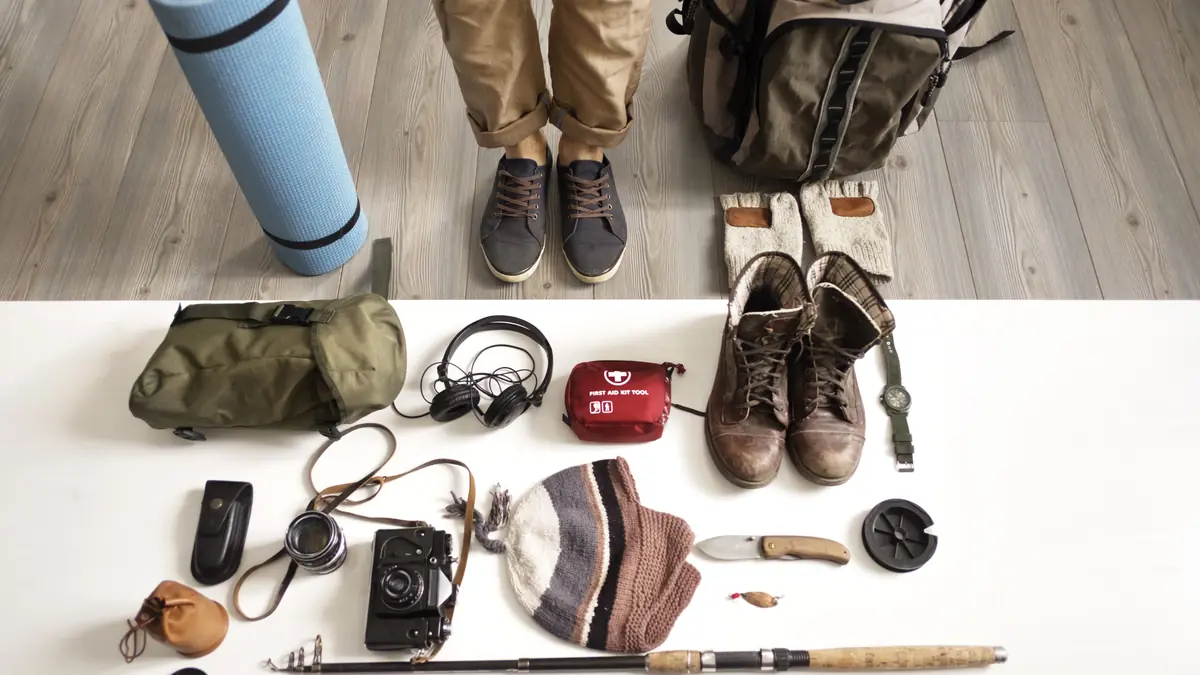
Everything on this zipline packing list is either required by park policy or directly protects your booking fee.
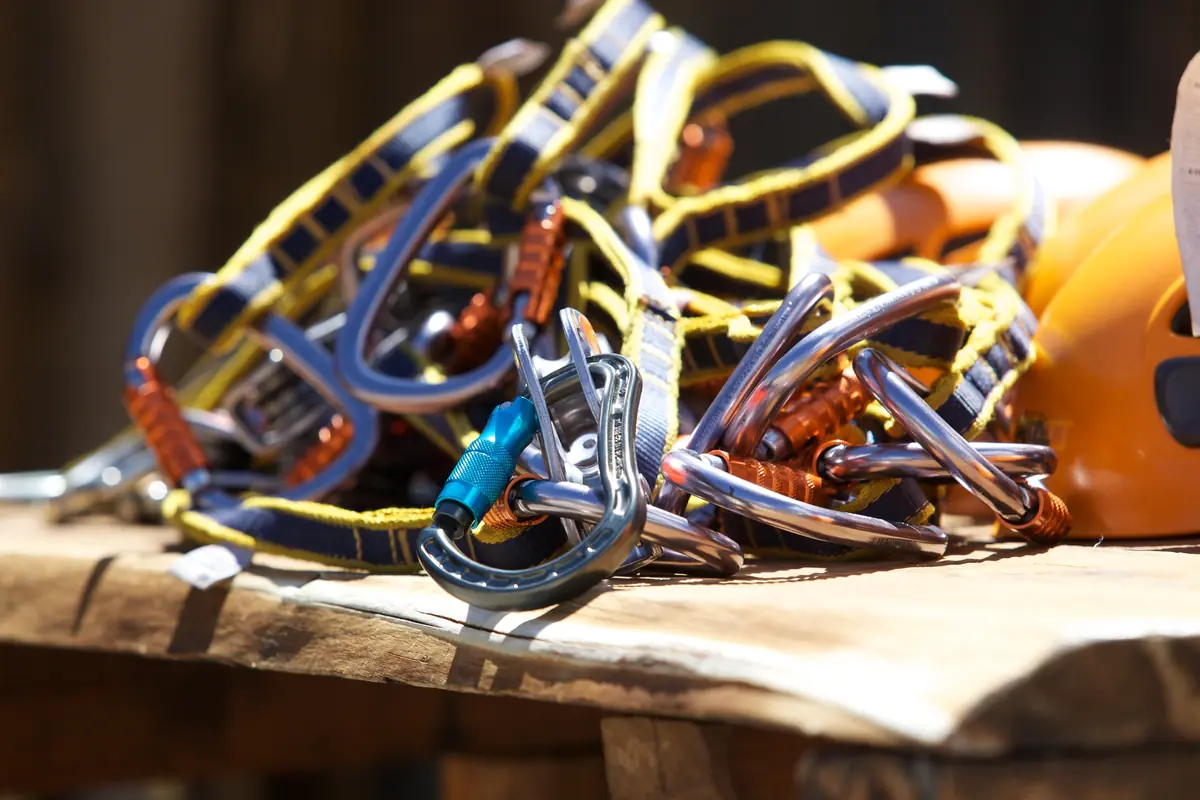
- Closed-toe shoes: Hiking boots or secure sneakers with real traction. Sandals, flip-flops, and Crocs mean immediate, non-refundable denial of entry.
- The booking credit card: The physical plastic card used to book. Not a screenshot, not Apple Pay.
- Physical ID: A matching driver’s license or passport. Phone photos are rejected at the counter.
- Clear glasses or goggles: Critical for Toro Verde’s premium lines. Wind at 95 mph (153 km/h) will force your eyes shut without them.
- Performance clothing: Moisture-wicking layers and a packable rain shell for eastern rainforest circuits. You will sweat on the hikes and cool rapidly on the cables.
- A secure zippered bag: Toro Verde provides aerodynamic packs for face-down flights, but rainforest parks expect you to bring your own.
Pro Tip: Download offline maps before you leave your hotel. Cell coverage on the mountain roads to Orocovis is unreliable, and missing a single turn adds 20 minutes to an already 75-minute drive.
The bottom line
Ziplining in Puerto Rico covers a wide spectrum. You can pick the engineering-driven extremity of The Monster over the Orocovis valley, or the slow-building, sweaty immersion of a rainforest circuit in El Yunque. The experience you actually get depends almost entirely on the preparation you bring — a confirmed rental car, closed-toe shoes, and your physical ID in hand.
TL;DR: Rent a car before you land, bring your physical booking card and ID, wear closed-toe shoes, and pick the central mountains for pure speed or the eastern rainforest for ecological texture. Skip any of those four steps and you lose your booking fee.
What is pulling you toward Puerto Rico — the 95 mph rush of The Monster, or the slow jungle immersion of an El Yunque circuit? Tell me which one you are leaning toward and I will help you plan the rest of the adventure day around it.