Renting a car in Puerto Rico feels simple until you are standing at the airport counter staring at a receipt full of line items that were not in your original quote. The advertised daily rate routinely doubles once mandatory taxes, concession fees and insurance layers are stacked on. This guide covers every fee, rule and road tactic you need before you sign the contract, and it pairs well with our broader overview of getting around Puerto Rico if you are still weighing your options.
What fees should you expect when renting a car in Puerto Rico?
Expect your final bill to run 60–100% above the advertised base rate once Puerto Rico’s mandatory charges are applied. A Law 111 social protection premium of about $35, a vehicle licensing recovery fee near $13, a Luis Muñoz Marín airport concession fee of roughly $25, and an 11.5% sales and use tax on the full invoice all apply on top of your booking confirmation.
Law 111’s Social Protection Tax is a mandatory annual premium built into every rental. It provides up to $4,500 in medical coverage for traffic accidents and cannot be waived. Knowing it exists means you can confidently decline redundant Loss Damage Waiver upselling if you already carry personal collision coverage through a credit card or your home auto policy.
Beyond that premium, the Vehicle Licensing Recovery Fee of roughly $13 and the Fixed Base Operator Concession Fee of about $25 apply at Luis Muñoz Marín International Airport. The 11.5% Sales and Use Tax then sits on top of the entire invoice, including the other surcharges. If you are still mapping out how to get from baggage claim to your hotel before even picking up the keys, our San Juan Airport transfer guide breaks down the cheapest and fastest routes.
Pro Tip: Print or screenshot proof of your credit card collision benefit or personal auto insurance limits before you leave home. Some counter agents will refuse to accept digital proof on your phone and use that as leverage to sell you the daily LDW.
| Fee or Rule | Mechanism | Typical Cost | How to Handle It |
|---|---|---|---|
| Social Protection Tax | Law 111 mandatory health coverage | ~$35 | Cannot be waived; use it to push back on redundant LDW upselling |
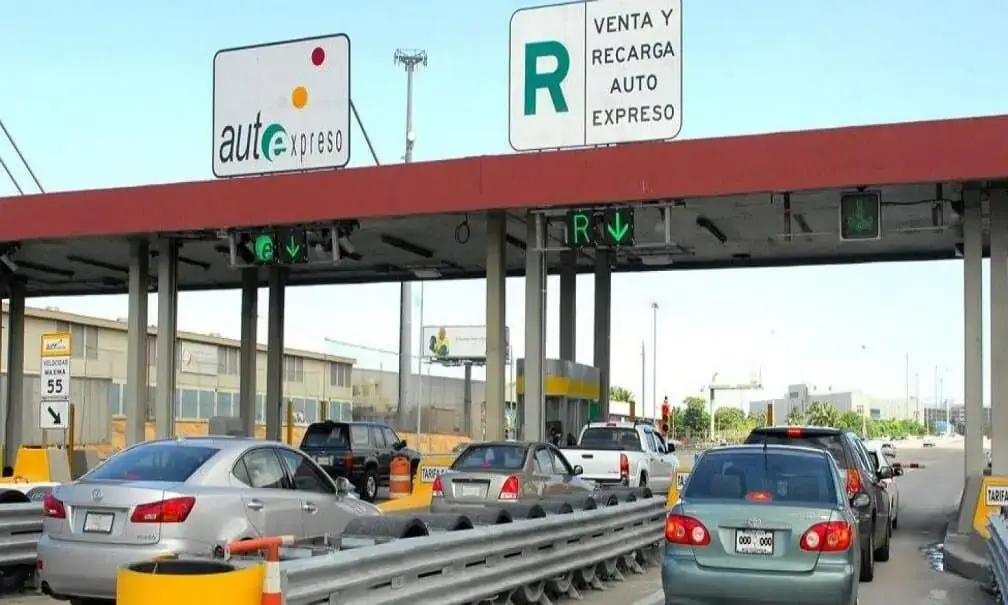
| AutoExpreso Tolls | Cashless toll system on PR-52, PR-22, PR-66 | $0.35–$5.00 per plaza | Evaluate your itinerary before accepting or declining the agency toll package |
| Toll Admin Penalty | Agency fee for bypassing their transponder | Up to $50 per infraction | Never drive an AutoExpreso lane without a registered tag |
| Age Differential Surcharge | Risk fee for drivers aged 18–24 | Up to ~$30/day | Factor this in early because it can nearly double your base quote |
| Cargo Ferry Embargo | Maritime regulations restrict vehicles to residents | Denied boarding | Park at Ceiba terminal (~$7/day) and board the passenger ferry on foot |

Should you book a local agency or a big-name chain?
Local operators like Charlie Car Rental and Target Rent-a-Car generally beat the major chains on pricing transparency and skip the aggressive counter upselling. The international brands at Luis Muñoz Marín offer convenience and loyalty tier benefits, but franchise locations in Puerto Rico frequently fail to honor mainland status, so that perceived advantage often evaporates.
One trap worth avoiding: the extreme budget operators running off-site airport shuttles. The advertised daily rate looks appealing on the booking page, but multi-hour waits in tropical heat routinely consume your first half-day on the island. Any money saved is paid back in lost vacation time.
Pro Tip: Booking through an Enterprise or National location in Condado or Carolina skips the airport concession fee entirely. These off-airport offices typically deliver faster service and a cleaner car than their airport counterparts, and a $6 rideshare from baggage claim gets you there.
Do you need a passport or special license to rent a car in Puerto Rico?
No, U.S. citizens do not need a passport for Puerto Rico travel, and a standard state driver’s license is fully valid on the island. International visitors need both a valid home-country license and an International Driving Permit. Most agencies require drivers to be 21 or older, and drivers under 25 pay a daily age surcharge of up to $30.
REAL ID compliance matters for your return flight back to the mainland. If your license does not carry the TSA-required star insignia, you may face boarding delays at domestic security checkpoints. Check the physical license before you pack.
The age surcharge fundamentally reshapes the math of renting versus using rideshares for younger travelers. A 22-year-old looking at a $40/day base rate is actually looking at $70/day, and at that point an Uber-only week around San Juan and Condado starts to look competitive.
What is driving actually like in Puerto Rico?
Driving in Puerto Rico is safe but culturally different from the U.S. mainland. Turn signals are used sparingly, lane markings are treated as loose suggestions in metro areas, and highway merges are aggressive. Mountain roads demand slower speeds and defensive habits, and flash floods after brief rain squalls hide tire-destroying potholes on secondary roads.
A few survival tactics worth knowing before you pull out of the lot:
- Mountain roads: Use a quick horn blast before blind curves during daylight. At night, a brief high-beam flash signals your presence on the narrow corridors of the central cordillera.
- After midnight: In low-density areas, locals commonly treat red lights as yield signs for personal security. Do not attempt this in San Juan’s heavily policed zones.
- Potholes: After even a brief Caribbean rain squall, standing water hides craters deep enough to destroy a tire or crack a suspension component. Slow down on secondary roads after any rainfall.
One consistent source of confusion involves the local mixed units. Distance markers on roadside signs are in kilometers, but speed limits and your speedometer are in miles per hour. A sign reading “Ponce 80” means 80 kilometers (50 miles) to Ponce, not 80 mph.
Pro Tip: If you are heading into the interior or onto secondary roads, book a compact SUV over a standard economy car. The higher ground clearance is worth the modest price difference on the first pothole you clip.
How does the AutoExpreso toll system work?
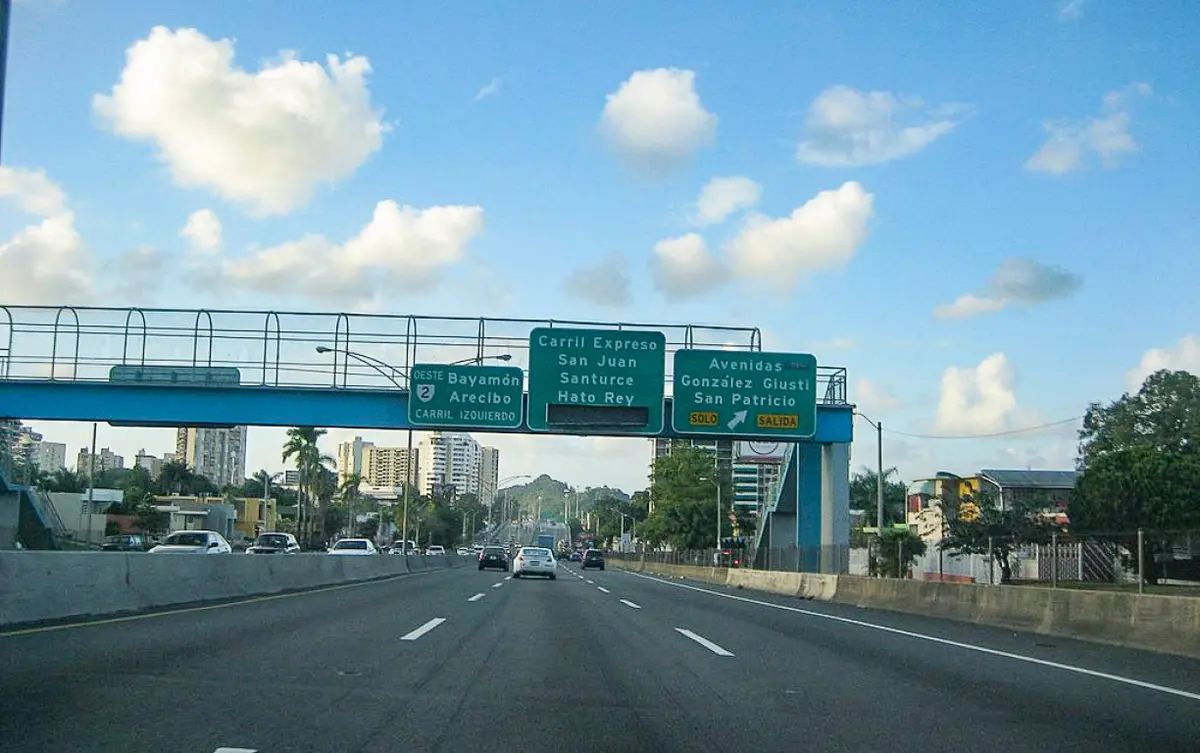
AutoExpreso is Puerto Rico’s fully cashless electronic toll network, and there are no cash lanes on the island’s major highways. Individual tolls run $0.35 to $5.00 per plaza on PR-52, PR-22 and PR-66. Driving without a registered rental transponder triggers an administrative penalty of up to $50 per infraction on top of the toll, billed to your card after you return home.
Driving from San Juan to Ponce on PR-52 costs roughly $4.50 in tolls total and saves over an hour compared to any non-toll alternative. The real risk is not the toll itself but the agency admin fees stacking behind it.
When to accept the toll package
- Cross-island driving: If you plan on multiple highway days between San Juan, Ponce, Mayagüez or the east coast, accept the agency’s daily unlimited toll package. The math works in your favor, especially if you are following a multi-stop Puerto Rico road trip itinerary.
- Staying local: If you are staying in Condado, Isla Verde or Old San Juan, decline the package and avoid the major interstates. You simply will not need it.
Where should you park in Old San Juan?
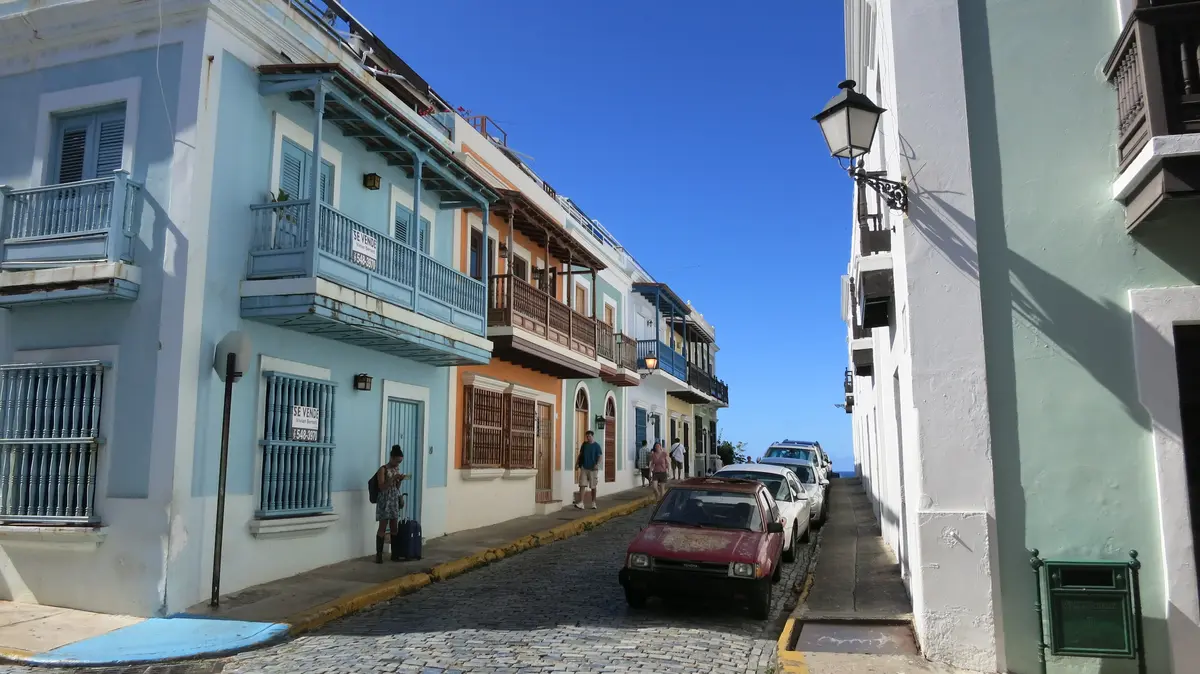
The most reliable visitor parking in Old San Juan is Estacionamiento Doña Fela on Calle Recinto Sur, with 812 spaces, 24-hour operation, rates around $1.25 for the first hour and an overnight flat of about $3 between 6 PM and 6 AM. Street parking in the historic district is functionally impossible — the blue-cobblestone lanes were built centuries before the modern rental sedan existed.
Estacionamiento Doña Fela
- Location: Calle Recinto Sur, Old San Juan
- Cost: ~$1.25 first hour; ~$3 overnight flat (6 PM–6 AM)
- Best for: Day visitors and couples exploring the historic district on foot
- Capacity: 812 spaces, 24-hour operation
Covadonga Parking
Covadonga is your secondary option, positioned closer to the cruise terminals and San Cristóbal Castle with slightly different pricing.
- Location: Near the cruise terminals, Old San Juan
- Best for: Travelers heading directly to San Cristóbal or the northern ramparts
Once parked, leave the car and do not return to it until you are leaving the district entirely. The free trolley and rideshare apps cover every corner of the perimeter far more efficiently than circling for a space.
Can you take a rental car on the ferry to Vieques or Culebra?
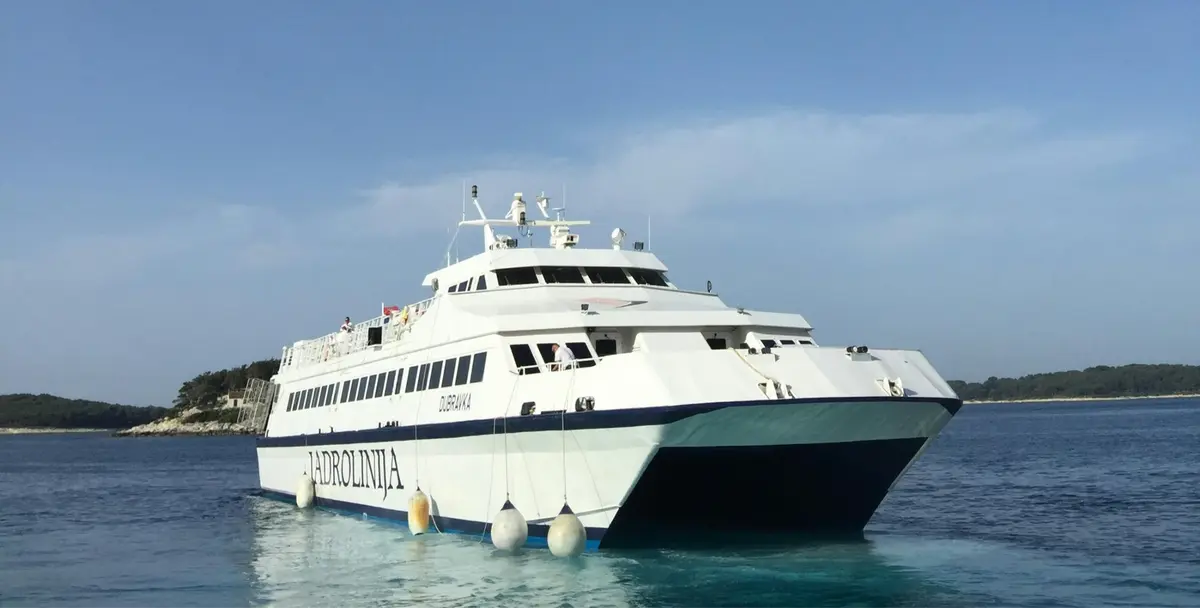
No, rental vehicles cannot board the cargo ferries to Vieques or Culebra. The cargo ferries out of the Ceiba terminal are legally restricted to island residents and approved commercial vendors, with no exceptions for visitors. The practical workaround is to park your rental at Ceiba for about $7 per day and board the passenger ferry from Ceiba on foot.
For longer offshore stays, a cleaner option exists: execute a one-way drop-off at the Enterprise location in Fajardo, take a rideshare to Ceiba, and rent a golf cart or jeep locally on Vieques or Culebra. The island roads on both don’t require anything more powerful.
Pro Tip: Book your passenger ferry tickets well ahead of your travel dates. Routes to both islands fill up quickly on weekends and during peak holiday periods.
Is the Ruta Panorámica worth driving?
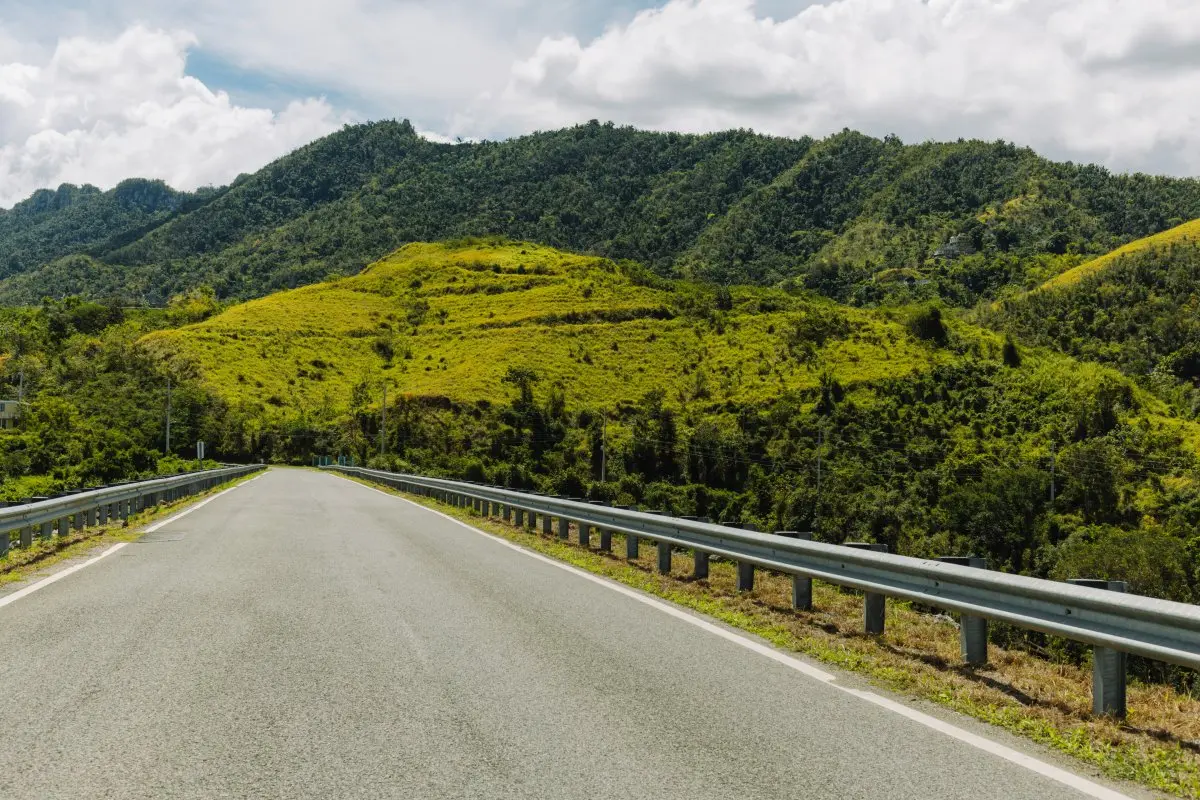
The Ruta Panorámica Luis Muñoz Marín is the most rewarding drive on the island — a 167-mile (269 km) network of roughly 40 rural highways threading the central cordillera from Mayagüez on the west coast to Yabucoa in the southeast. It is not a day trip: budget two to three full days, a compact SUV rather than a sedan, and a full tank of gas before you leave the coastal plains.
Gas stations are sparse once you are in the interior. The roads are paved but steep, and tropical downpours frequently cause localized washouts. Jungle overgrowth narrows the effective lane width on the steepest sections of PR-143 between Adjuntas and Barranquitas.
Key stops worth targeting include the Bosque Estatal de Toro Negro in Jayuya and the high-elevation ridge sections near Barranquitas. One sensory detail most guidebooks skip: as the sun drops over the cordillera, the metallic two-note chirp of coquí frogs rises to a volume that competes directly with road noise. It is the exact sound that confirms you have actually arrived in Puerto Rico’s mountains.
La Ruta del Lechón: the drive to Guavate
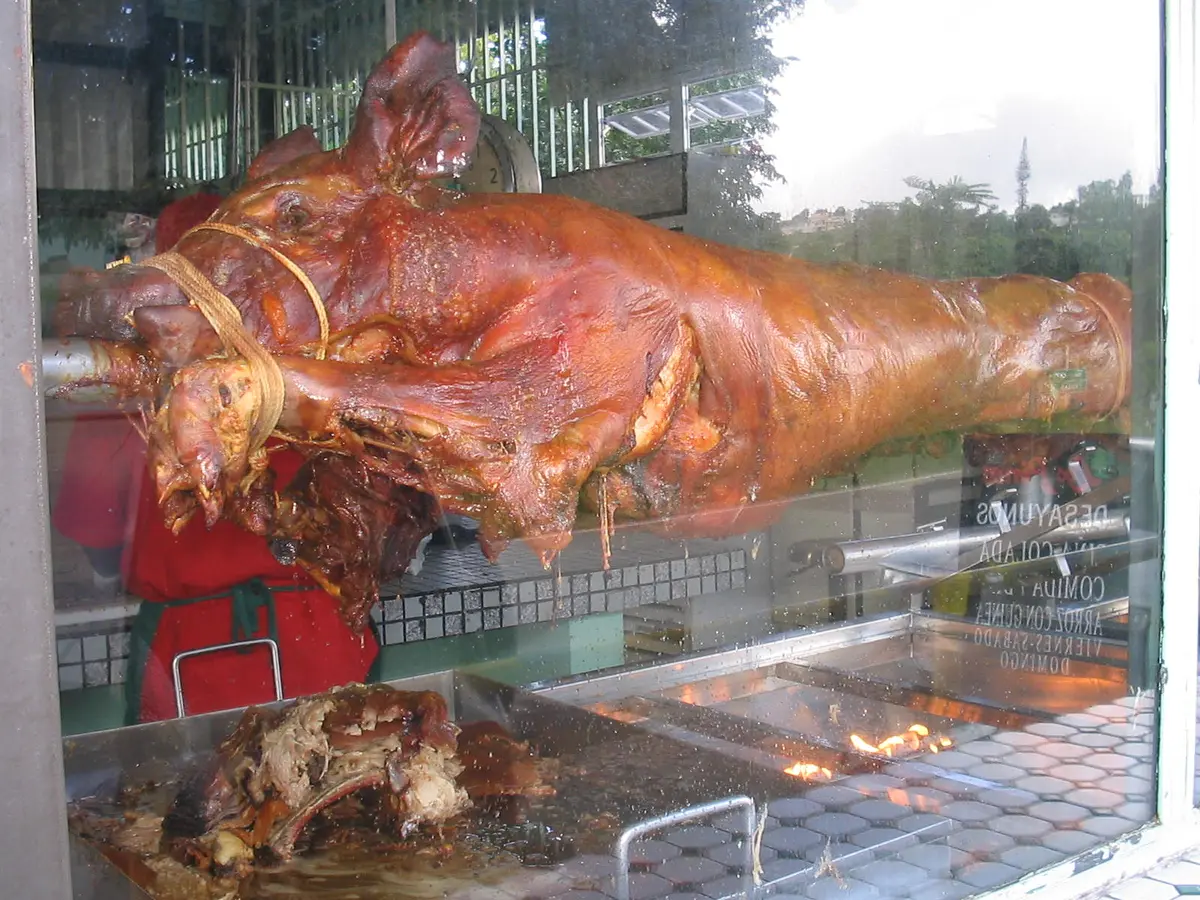
South of San Juan, the PR-184 exit off PR-52 toward Cayey leads directly into Guavate, a mountain sector famous across the Caribbean for its massive open-air roasting pits. This is La Ruta del Lechón, and it remains one of the most compelling reasons for renting a car in Puerto Rico in the first place.
The navigation becomes olfactory before it becomes visual. The heavy aroma of slow-roasting pork and cedar wood smoke drifts across the damp asphalt of PR-184 long before the first chinchorro (roadside kiosk) appears around the bend. This is a local weekly ritual for residents, not a curated tourist attraction — expect heavy weekend traffic, impromptu roadside parking that rewards spatial awareness, and a completely unfiltered experience.
Budget an entire afternoon here, not a quick hour. The best pits are the ones with the longest local lines, not the ones with English signage out front.
Before you turn the key
Renting a car in Puerto Rico is the single best decision you can make for your trip, but only if you walk into the counter prepared with your fee knowledge, toll strategy and route already mapped. The high cordillera, Guavate’s roasting pits and the offshore ferry terminals are simply unreachable without your own wheels. For the full destination picture once you have the keys in hand, our Puerto Rico travel guide covers everything from beaches to festivals.
TL;DR: Expect the base rate to roughly double after Law 111, concession fees and 11.5% tax. Always use a registered AutoExpreso transponder, park at Doña Fela in Old San Juan, and never try to board the Vieques or Culebra cargo ferries with a rental — leave it at Ceiba for $7/day and walk on.
What has been your biggest surprise — good or bad — at a Puerto Rico rental counter?