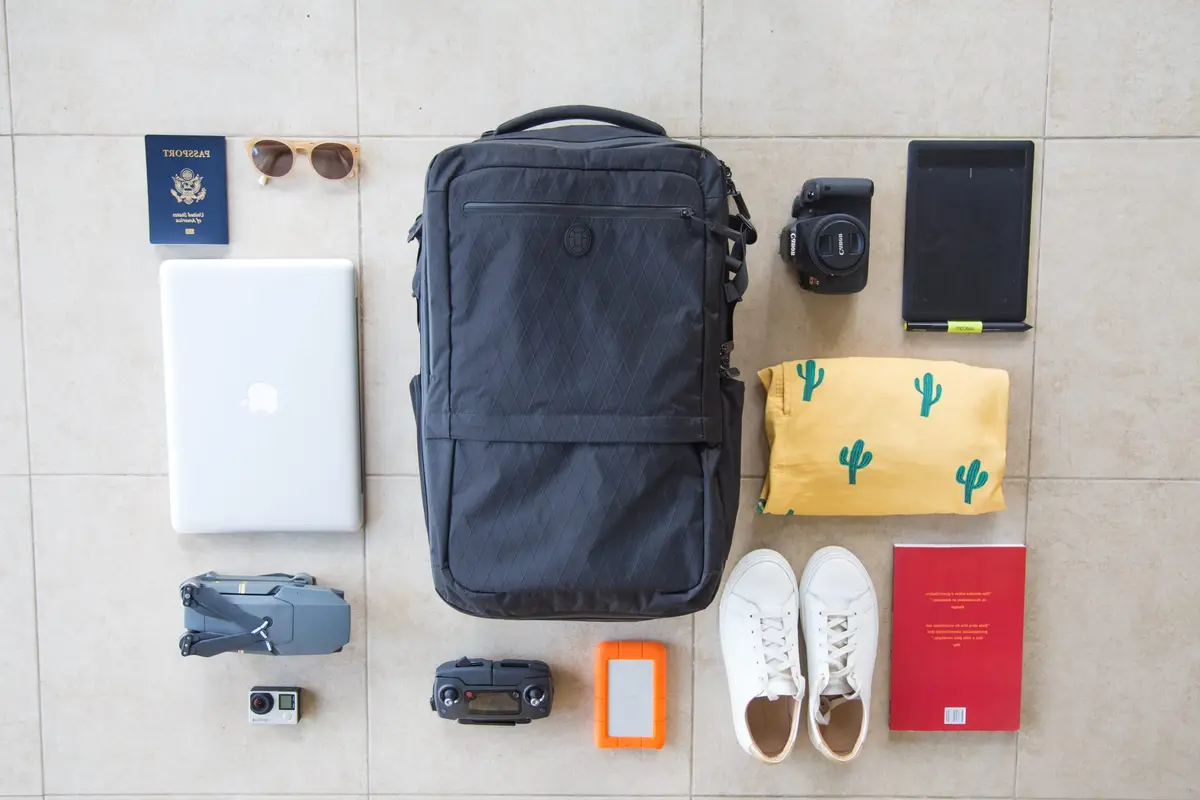
Packing for Puerto Rico is harder than it looks. One day you are hiking through a rainforest where the trail turns to red-clay soup, and the next you are navigating centuries-old cobblestones before a tasting-menu dinner that requires dress shoes. This Puerto Rico packing list cuts through the generic beach checklists to tell you exactly what to bring, what to skip, and why it matters.
What logistics should you sort out before you pack?
Most guides jump straight to swimsuits. That is a mistake. Three logistical oversights can derail your trip before you even board the plane — and none of them involve clothing.
What ID do you need for flights to Puerto Rico?
U.S. citizens do not need a passport for Puerto Rico since it is a U.S. territory. You do need a REAL ID-compliant driver’s license or an acceptable alternative to clear TSA security.
TSA enforces the REAL ID requirement for all domestic flights. Look for the star symbol in the upper corner of your card — that confirms compliance. A standard, non-compliant state license is no longer accepted as standalone ID at the checkpoint.
If your license is not REAL ID-compliant, travelers without acceptable ID can pay a $45 TSA ConfirmID fee for a 10-day travel window, but the process involves additional identity verification and can add 30 minutes or more to your screening time. Bringing a U.S. passport, passport card, or Global Entry card is far simpler.
International travelers must carry a valid passport and meet any applicable U.S. visa requirements.
| Traveler type | Acceptable documents |
|---|---|
| U.S. citizen with REAL ID | REAL ID-compliant state license (star symbol) |
| U.S. citizen without REAL ID | U.S. passport, passport card, Global Entry card, or $45 TSA ConfirmID |
| International traveler | Valid passport + U.S. visa (if required) |
How do you book ferry tickets to Vieques and Culebra?
The ferry to Vieques or Culebra is not a walk-up service. Download the City Experiences app or visit puertoricoferry.com and book your tickets well in advance. Passenger space sells out quickly, especially during winter high season and around holidays. Tickets are released roughly one to two months ahead, sometimes only during the last week of the prior month.
All ferries depart from the Ceiba ferry terminal, located in the old Roosevelt Roads Naval Base. Arrive at the terminal one hour before departure — the boarding process closes 10 minutes before the scheduled time.
- One-way fare (non-resident adult): $11.25
- Travel time to Vieques: 35–45 minutes
- Travel time to Culebra: 60–90 minutes (varies by vessel type)
Download offline Google Maps data for the island before you leave home. Cell service inside El Yunque National Forest and along the mountain roads of the interior drops to nothing. Getting lost on a narrow, winding road with zero GPS signal is not the adventure you planned.
Pro Tip: Never drive a rental car to the ferry terminal and leave it parked overnight. Book a nearby parking facility in advance, or use Uber to get to Ceiba from San Juan.

When should you rent a car vs. use Uber?
Uber works well within the San Juan metro area. It covers Isla Verde, Condado, and the airport at reasonable prices. For days strictly confined to the city, you do not need a rental car.
The moment your itinerary moves inland or out to the east coast, that changes. Uber is virtually non-existent in El Yunque, Fajardo, and Rincón. Rent a compact car for any day you plan on leaving the metro zone.
Skip the large SUVs. The local roads are narrow, parking is tight in every town, and you will regret a wide vehicle the first time you try to squeeze past a delivery truck on a mountain switchback.
How should you dress for Puerto Rico’s three microclimates?
Puerto Rico is not one uniform climate. It is three distinct environments packed into a single itinerary — a tropical rainforest, a colonial city built on slick stone, and wind-battered offshore islands. Packing only for the beach will leave you cold, soaked, or turned away at a restaurant door.
What should you wear in El Yunque National Forest?
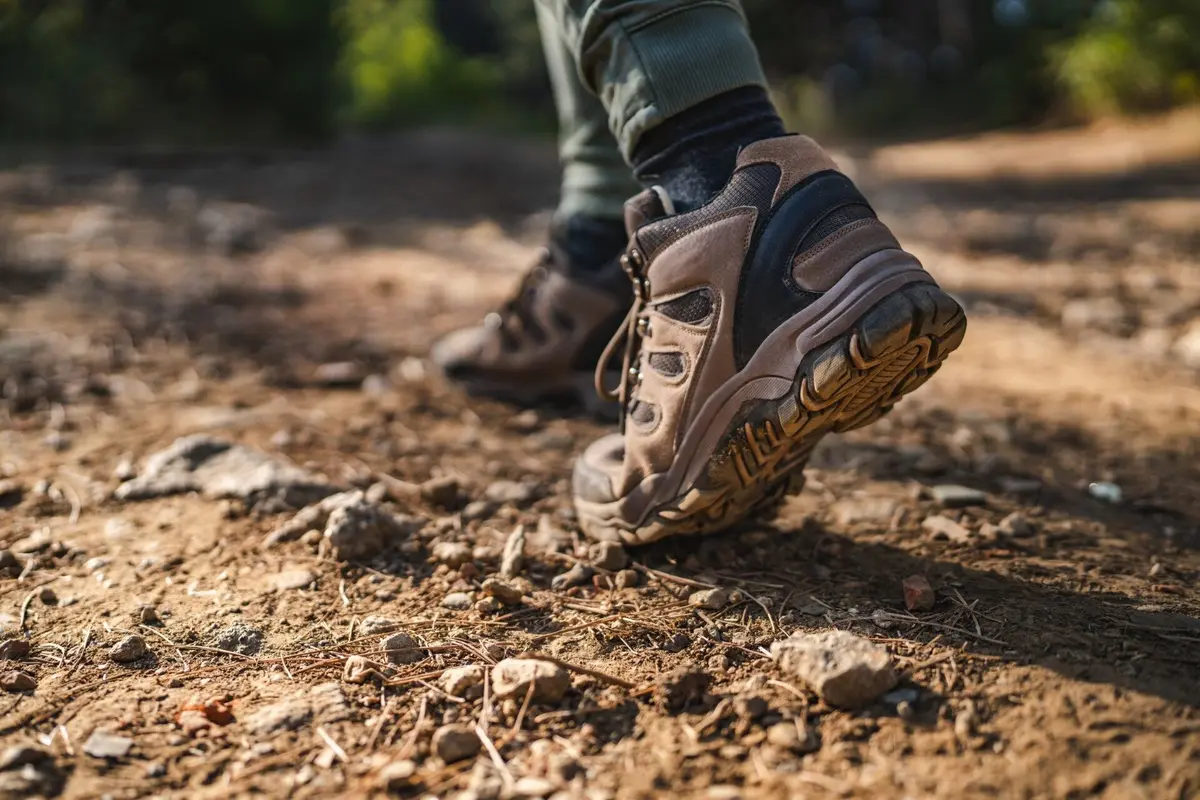
Wear quick-dry trail runners, a lightweight rain jacket, and breathable layers to handle the wet, shifting temperatures of El Yunque. Heavy hiking boots are the wrong call here — waterproof leather will become waterlogged and oppressively hot within an hour on these trails.
El Yunque is the only tropical rainforest in the U.S. National Forest System, and it punishes the wrong gear. Pack quick-dry trail runners with an aggressive tread. Water-friendly sandals like the Astral Loyak or Keen Newport H2 also work, as does a pair of old sneakers you are fine ruining with red-clay mud.
The temperature contrast will catch you off guard. While the coast sits at a sweaty 90°F (32°C), elevations inside El Yunque regularly drop to 59–75°F (15–24°C) with persistent mist and sudden downpours. A lightweight, packable rain jacket is non-negotiable. A thin fleece mid-layer earns its weight in your bag.
| Month | Avg. high (°F) | Avg. low (°F) | Avg. precipitation (in.) |
|---|---|---|---|
| January | 83 | 73 | 4.0 |
| April | 86 | 74 | 4.6 |
| August | 89 | 78 | 6.3 |
| November | 86 | 75 | 7.4 |
Pro Tip: On my last visit, the trail to La Mina Falls was a river of red mud by 11 a.m. after a 20-minute downpour that came out of nowhere. Sneakers with zero tread are a liability here.
What should you wear on the cobblestones of Old San Juan?
Old San Juan’s streets are paved with adoquines — blue cobblestones cast from furnace slag that are heavily uneven, centuries-worn, and turn as slick as wet glass the moment a tropical shower hits. Wear low-profile, high-traction walking shoes or grippy sandals with solid arch support.
This is where most guides fail you with two vague words: “comfortable shoes.” These fast tropical showers arrive without warning. Stilettos, fashion heels, and flat-soled sneakers without tread are a twisted ankle waiting to happen. Save your nice dress shoes for the restaurant, not the walk there.
On my last trip, I watched three people go down on Calle del Cristo within a single hour after a sudden afternoon rain. The cobblestones get dangerously slippery in seconds.

What should you pack for Culebra and Vieques beaches?
Pack a long-sleeved UPF 50+ rash guard for extended time in the water or under the sun. The Caribbean reflection is relentless, and a physical barrier beats constantly reapplying lotion.
The more critical intel is about sand fleas, locally called no-see-ums. These are a serious hazard on Vieques and Culebra beaches, especially after 4 p.m. Standard DEET mosquito spray does nothing against them.
Use oil-based repellents like Avon Skin So Soft or cover your ankles and legs completely as sunset approaches. The bites are invisible until the next morning, when the intense, delayed-reaction itching begins.
Pro Tip: Reapply your no-see-um repellent every 90 minutes on the beach at Flamenco or Sun Bay. One application at the start of the day will not last.
What gear do you need for nighttime bio bay tours?
The bio bays at Laguna Grande (Fajardo), Mosquito Bay (Vieques), and La Parguera (Lajas) rank among the island’s most extraordinary natural experiences. They also demand specific gear that most guides skip.
Bring a 5-liter roll-top dry bag. Your rental car keys, cash, and phone will not survive an accidental dunk into a dark saltwater lagoon. This is one of the highest-utility items on any Puerto Rico packing list.
The lagoon water is warm, but the open kayak or boat ride back in wet clothes under the night sky gets cold fast. Pack a lightweight jacket or a thin blanket.
Bring DEET-based insect repellent wipes — the mangrove canals surrounding the bioluminescent bays breed aggressive mosquitoes that swarm after dark.
- Kayak tour cost: $48–$76 per person
- Electric boat tour cost: up to $130 per person
- Best visibility: New moon nights (tours at Mosquito Bay close around full moons)
- Swimming allowed: Only at La Parguera — swimming is prohibited at Mosquito Bay and Laguna Grande
Pro Tip: Book bio bay tours two to three months in advance during new moon windows. These sell out fast, and going on a full moon night is a waste of money — the ambient light drowns out the bioluminescence.

How do you crack the San Juan nightlife dress code?
Travel forums are full of anxious questions about what to wear in San Juan at night. The short answer: it depends entirely on where you are going, and the gap between the two main scenes is wider than most visitors expect.
La Placita de Santurce — casual chic
The weekend street party at La Placita de Santurce is hot, packed, and loud. Stylish shorts, breathable linen shirts, crop tops, and clean sneakers are the right call. Heavy fabrics or rigid formal wear will make you miserable in the humidity. Dress to move and sweat.

Fine dining and upscale clubs in Old San Juan
The rules shift completely here. Marmalade, the tasting-menu restaurant on Calle Fortaleza, requires polished attire — dress shirts and slacks for men, equivalent for women. Flip-flops, athletic wear, and distressed denim will get you turned away from a $155-per-person, five-course dinner.
- Location: 317 Calle Fortaleza, Old San Juan
- Cost: $155/seat (5-course tasting menu only — no à la carte)
- Hours: 5 p.m. – 10 p.m., daily
- Best for: Special occasion dinners, couples
High-end clubs enforce a similar standard. Collared shirts and closed-toe dress shoes for men are the minimum. Pack at least one outfit that clears this bar — it earns its luggage space on any trip that includes a special dinner or a night out in Condado.
What goes on the actual Puerto Rico packing list?
The key to this list is extreme versatility. Every item should work across at least two of the island’s three environments — rainforest, city, and beach. Quick-dry and moisture-wicking fabrics are the foundation. Heavy cotton shirts will stay soaking wet all day in 85% humidity.
Bags and carry-on strategy
Skip the large hard-shell roller bag. A soft-sided travel backpack like the Osprey Fairview or Tortuga handles cobblestones, compact car trunks, and tight overhead bins far better than rigid luggage.
- The Bag: Soft-sided carry-on backpack (max 40L for carry-on compliance)
- The Protector: 5-liter roll-top dry bag for keys, phone, and critical documents
- The Daypack: Anti-theft crossbody bag for Old San Juan and crowded plazas

Clothing breakdown
- Tops: 3–5 quick-dry t-shirts or tops (wash in the sink overnight)
- Shirts: 2 linen button-downs (sun protection by day, smart-casual by night)
- Shorts: 3 pairs of quick-dry shorts
- Pants: 1 pair of lightweight, breathable trousers (mosquito protection and dress code backup)
- Swim gear: 1 UPF 50+ rash guard and 1 swimsuit (or 2 if you want a dry option daily)
- Layers: 1 packable rain jacket (non-negotiable for El Yunque) and 1 thin fleece or mid-layer
- Nightlife: 1 upscale dinner outfit
Footwear
- City shoes: High-traction walking shoes or grippy sandals for Old San Juan
- Trail shoes: Quick-dry trail runners or Keen sandals for El Yunque
- Sand shoes: Casual flip-flops, strictly for the beach
- Night shoes: Proper dress shoes if your itinerary includes upscale venues
How do you choose sunscreen that will not destroy the reef?
Puerto Rico law prohibits sunscreens containing oxybenzone and octinoxate, two chemical UV filters proven to bleach and damage coral reefs. Enforcement is strict at Puerto Rico’s beaches and marine reserves, and non-compliant products can be confiscated.
The phrases “reef-safe” and “reef-friendly” on the front of the bottle are unregulated marketing terms. They mean nothing without checking the active ingredients on the back. Look for non-nano zinc oxide or titanium dioxide as the primary active ingredient.
| Brand | Active ingredient | Reef-safe status |
|---|---|---|
| ThinkSport SPF 50+ | Non-nano zinc oxide | Verified mineral |
| Babo Botanicals | Zinc oxide | Verified mineral |
| Stream2Sea | Zinc oxide + titanium dioxide | Verified mineral |
| Most drugstore brands | Oxybenzone / octinoxate | Prohibited in Puerto Rico |
Modern mineral formulas have improved dramatically. The best ones rub in clean and leave no white cast on your skin.
What bug repellent do you actually need in Puerto Rico?
Do not pack one generic bug spray and call it done. Puerto Rico has two distinct pest threats that require completely different strategies.
- El Yunque and bio bay tours: Aggressive tropical mosquitoes dominate. Use strong formulations with DEET, picaridin, or oil of lemon eucalyptus.
- Culebra and Vieques beaches at dusk: Sand fleas (no-see-ums) take over after 4 p.m. Standard DEET sprays are largely ineffective. Use oil-based repellents like Avon Skin So Soft or physical clothing barriers covering ankles and legs.
Packing both types weighs almost nothing and saves you from days of miserable itching.
What hydration and electronics gear should you bring?
A high-quality insulated water bottle is essential. The coast consistently runs at 80–90°F (27–32°C), and dehydration hits faster than expected on long outdoor days. Pair your bottle with electrolyte powder packets for any tough hike or extended beach session.
A 10,000mAh portable power bank is non-negotiable. The island’s power grid can experience brief outages, particularly during hurricane season from June through November. Your digital ferry tickets, rideshare apps, and offline maps all depend on that phone staying charged.
Why should you leave 10% of your bag empty?
Puerto Rico produces some of the finest coffee in the world, and you need luggage space to bring some home.
Look for Café Cuatro Sombras, Alto Grande, or Hacienda San Pedro — some of the best Puerto Rican coffee you can buy. When buying beans, always check the label — it should read “100% Puerto Rican grown.” A significant portion of the coffee sold in tourist shops is blended with cheaper imported grounds, a misleading practice that is far more common than you would expect.
Pro Tip: Buy your beans at CVS, Walgreens, or a local supermarket rather than the airport. You will pay half the price for the same bags. Save the airport duty-free for rum — Ron del Barrilito Tres Estrellas, specifically.
Before you zip your bag
TL;DR: Pack for three climates, not one. Quick-dry fabrics that go from a muddy trail to a dinner table are your biggest asset. The right shoes for slick cobblestones, mineral sunscreen that does not break Puerto Rico’s reef protection law, and two different bug repellents for two very different threats will separate a smooth trip from a frustrating one.
The single most common mistake on this island is packing like you are going to a single beach resort. Puerto Rico will throw a 59°F rainforest, 90°F sand flats, and a $155 tasting-menu dinner at you within 48 hours. Pack for all three — the core advice in any Puerto Rico travel guide — and you will be ready for anything.
What is the one item you packed for Puerto Rico that saved your trip — or the one you wish you had brought? Drop it in the comments.