Things to do on the East Coast run from sunrise on Maine’s Cadillac Mountain to snorkeling off Key West — more than 2,000 miles of cities, beaches, mountains and marsh. The coast is too big to cover in one trip. This guide helps you pick the right slice and skip the rest.
The top things to do on the East Coast fall into three zones: the Northeast cities (Boston, New York City, Washington DC), the Southern charmers (Charleston, Savannah, St. Augustine), and the outdoors (Acadia, Shenandoah, the Outer Banks). First-timers should pick one zone — Boston, New York and DC link by Amtrak with no car needed.
How Do You Choose Your Stretch of the East Coast?
Choose by trip length and travel style. With five to seven days, focus on one corridor: the Northeast cities (history, walkable, Amtrak-linked), the New England coast (lighthouses, lobster, fall color), or the South (beaches, antebellum towns, warm water). Driving the full coast, Boston to Miami, covers about 1,580 miles and needs 10 to 14 days.
The single most useful piece of advice anyone can give you: pick one region per trip. Seven days from Maine to the Keys is about 24 hours in a car — that’s a job, not a vacation. Here’s how the three main corridors stack up.
| Region | Best For | Signature Spots | Ideal Days | Best Season |
|---|---|---|---|---|
| Northeast cities | First-timers, history, no car | Boston, New York City, Washington DC | 5–7 | Spring, fall |
| New England coast | Lighthouses, seafood, foliage | Acadia, Cape Cod, Newport | 5–7 | Late summer, fall |
| The South | Beaches, warm water, charm | Charleston, Savannah, Outer Banks | 6–8 | Spring, late fall |
Pro Tip: If you only have a long weekend, the Northeast cities are the easy win — you can do Boston, New York and DC without ever renting a car, and the train stations drop you in the middle of each downtown.
Which East Coast Cities Are Worth Your Time?
New York City, Boston and Washington DC are the East Coast’s essential cities, and they sit just three to four hours apart by Amtrak. New York delivers the Statue of Liberty and Empire State Building, Boston the 2.5-mile Freedom Trail, and DC the free Smithsonian museums along the National Mall. Add Philadelphia if you have time.
These three connect along the Northeast Corridor, which means you can string them together by train and leave the driving — and the parking bills — behind.
New York City
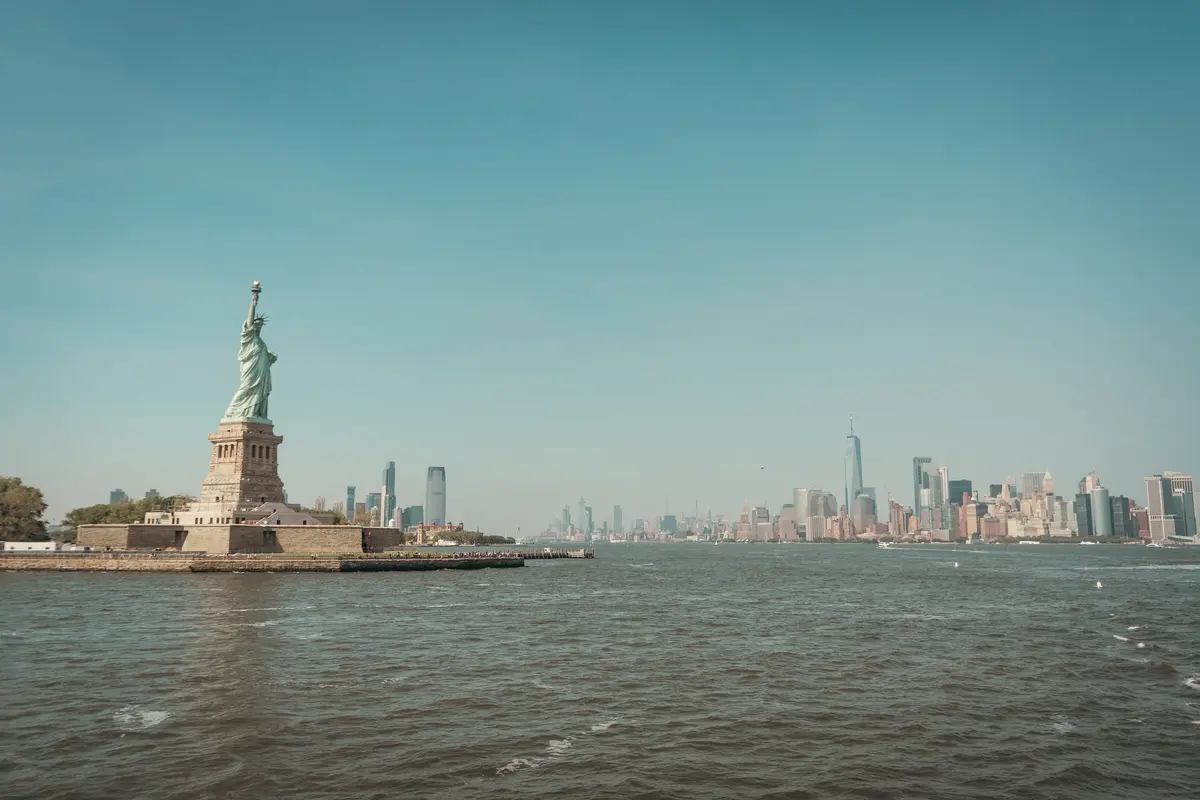
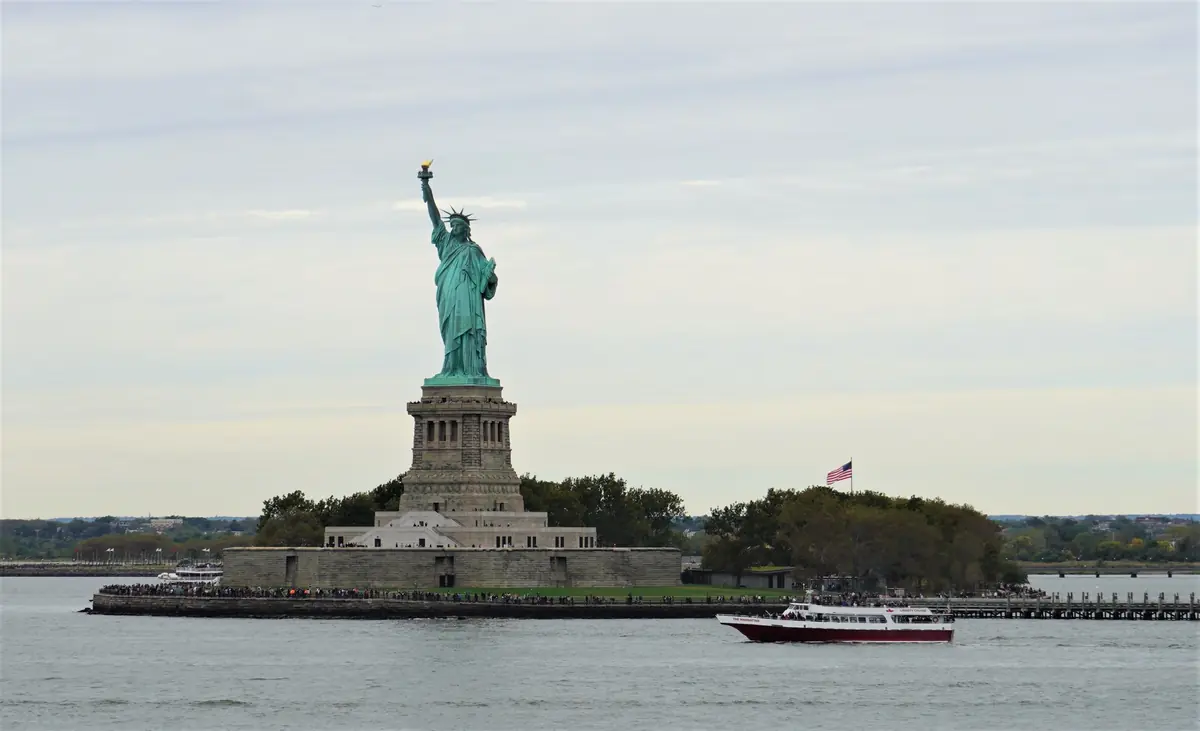
The harbor spray hits you on the ferry out to Liberty Island, and the skyline behind you keeps shrinking until the Statue of Liberty fills the whole frame. New York rewards walkers: Central Park, the High Line and the Met are all free or close to it, and the subway beats a taxi for almost every trip.
The Statue of Liberty ferry and the Empire State Building are the marquee paid sights, but the city’s best view costs nothing. The free Staten Island Ferry glides right past Lady Liberty, and at dusk the light on the harbor is better than anything you’ll pay for.
- Location: New York Harbor and Midtown Manhattan
- Cost: Statue of Liberty ferry around $25.50 per adult; Empire State Building from around $44
- Best for: First-timers who want the marquee sights
- Time needed: 3 to 4 days minimum
Pro Tip: Buy the Statue of Liberty ferry ticket only if you want to actually land on the island. If you just want the photo, ride the Staten Island Ferry — it’s free and runs around the clock.
Boston and the New England Gateway
Boston is the rare American city you can read with your feet. The Freedom Trail is a red brick line set into the sidewalk, and you follow it past 16 historic sites without a map. The North End at the end of the walk smells like garlic and espresso, and the cannoli line at the famous bakeries spills out the door by mid-afternoon.
The whole trail runs 2.5 miles and takes two to three hours if you don’t go inside every building. It’s also a clean gateway to day trips — Salem is under an hour out, and the coast north of the city is lined with lobster shacks.
- Location: Downtown Boston and the North End
- Cost: Freedom Trail free to walk; cannoli around $5
- Best for: History buffs and walkers
- Time needed: 2 to 3 days

Washington, DC
DC packs more free museums into one walk than anywhere else in the country. The Smithsonian museums lining the National Mall — air and space, natural history, American history — cost nothing to enter, and the monuments at either end of the Mall are open all night with no ticket.
Go early. The Mall before 8 a.m. is quiet and cool, and you’ll have the Lincoln Memorial steps mostly to yourself before the tour buses arrive.
- Location: The National Mall, Washington DC
- Cost: Smithsonian museums and monuments free
- Best for: Families and budget travelers
- Time needed: 2 to 3 days

What Are the Best East Coast National Parks?
For nature, head to Acadia National Park in Maine (around $35 per vehicle for seven days), Shenandoah National Park and the Blue Ridge Parkway in Virginia (the 469-mile Parkway is free to drive), and Great Smoky Mountains National Park on the Tennessee–North Carolina line — the most-visited national park in the country, with over 12 million visits a year and no entrance fee.
The nature spine of the coast runs the full length of it, from Maine’s granite headlands down to the Smokies’ blue haze.
- Acadia National Park, Maine: around $35 per vehicle, valid 7 days; Cadillac Summit Road needs a timed vehicle reservation (around $6 on recreation.gov) from late spring through late October — 30% of slots release 90 days out, the other 70% just two days out
- Shenandoah National Park, Virginia: Skyline Drive runs the ridgeline; entrance is $30 per vehicle for 7 days
- Blue Ridge Parkway, Virginia and North Carolina: 469 miles, free to drive
- Great Smoky Mountains National Park, Tennessee and North Carolina: no entrance fee, but a parking tag is required ($5 daily, $15 weekly); more visits than any other US national park by a wide margin
At Acadia’s Cadillac summit, the wind cuts through a fleece even in July, and the sunrise watchers huddle behind the rock ledges — this is the first place the sun touches the US mainland for part of the year.
Pro Tip: Cell service dies inside Acadia. Screenshot your Cadillac Summit Road reservation before you reach the gate, because a ranger can’t scan a QR code that won’t load. Non-US residents also pay an added per-person fee (currently $100 for ages 16 and up) on top of the vehicle pass — check recreation.gov before you go.

Which Beaches Are Actually Worth It?
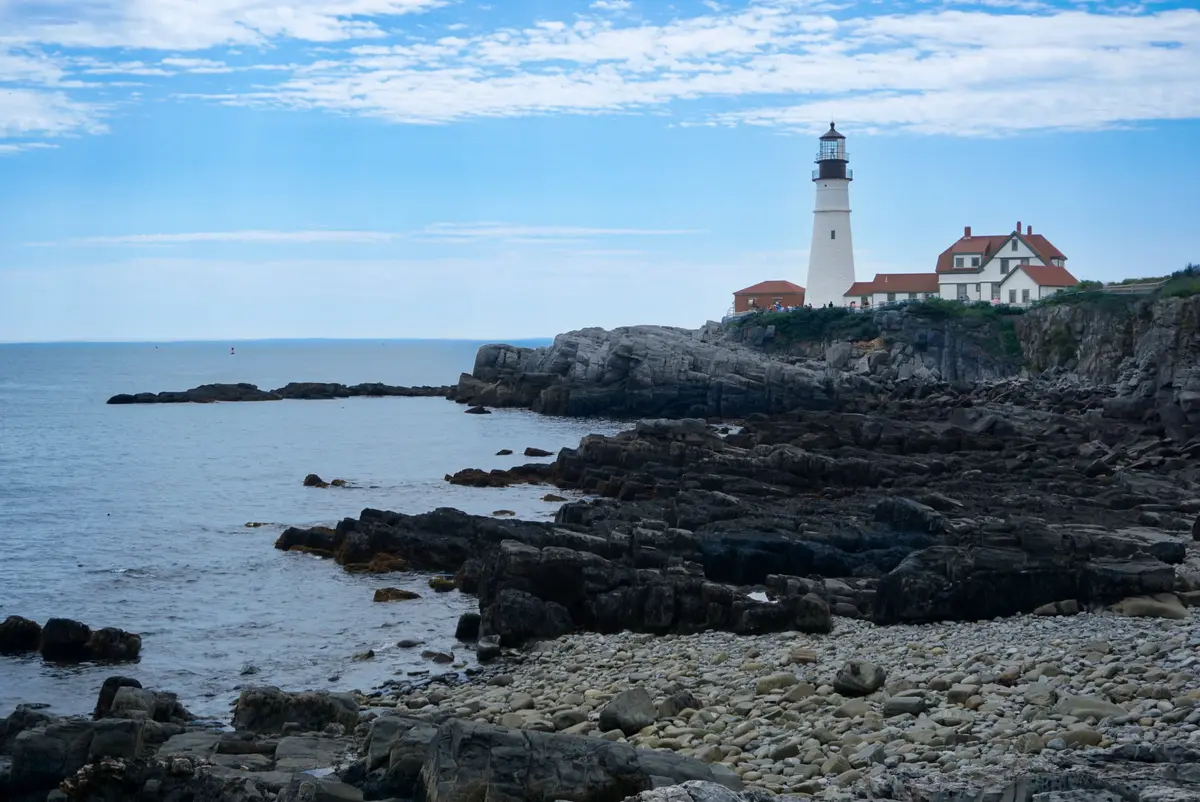
The best East Coast beaches run from Cape Cod’s dune-backed National Seashore in Massachusetts to the wild 100-mile Outer Banks in North Carolina and family-friendly Myrtle Beach in South Carolina. Water warms from north to south: Florida and the Carolinas hit the upper 70s to 80s°F (25 to 28°C) in summer, while Cape Cod peaks in the upper 60s°F (about 19°C).
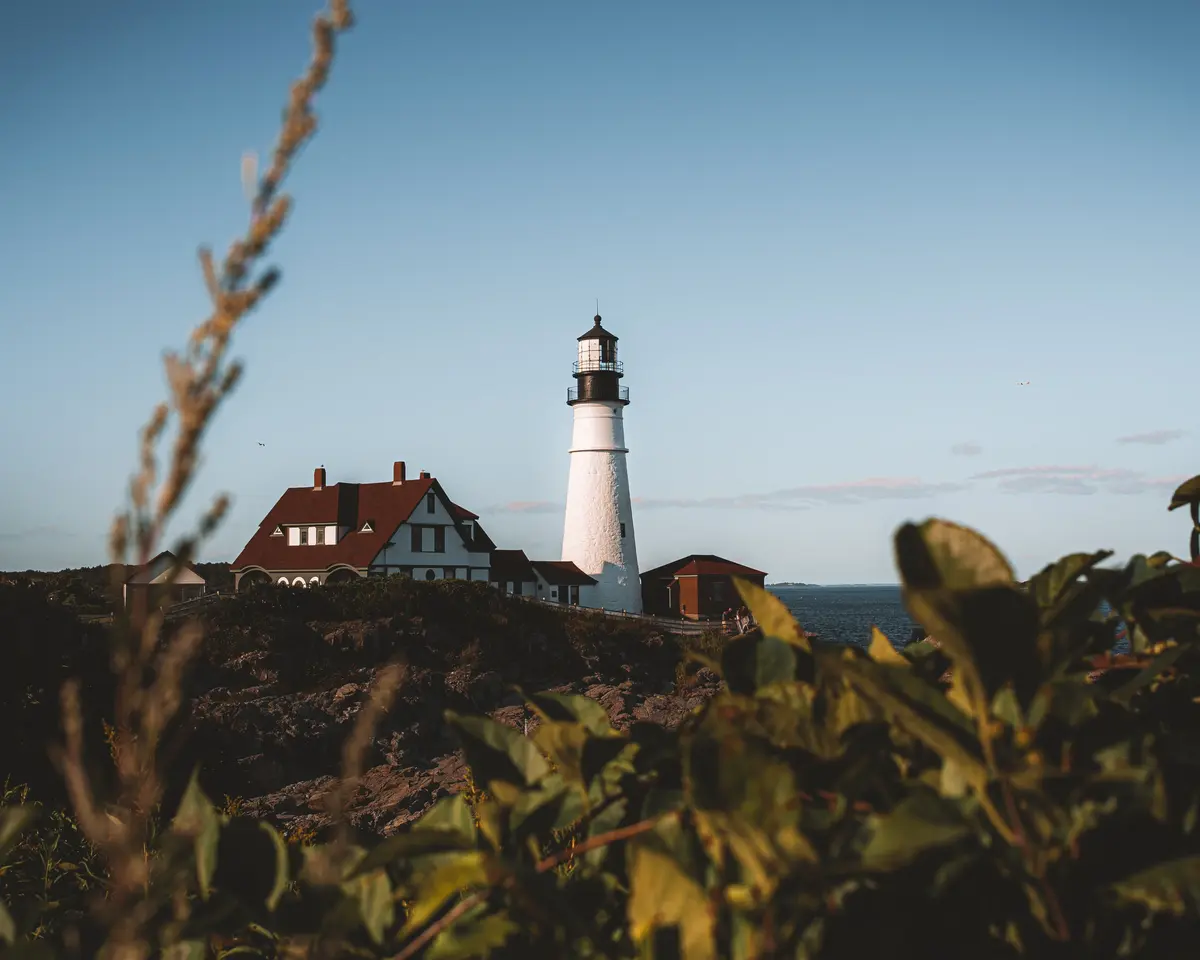
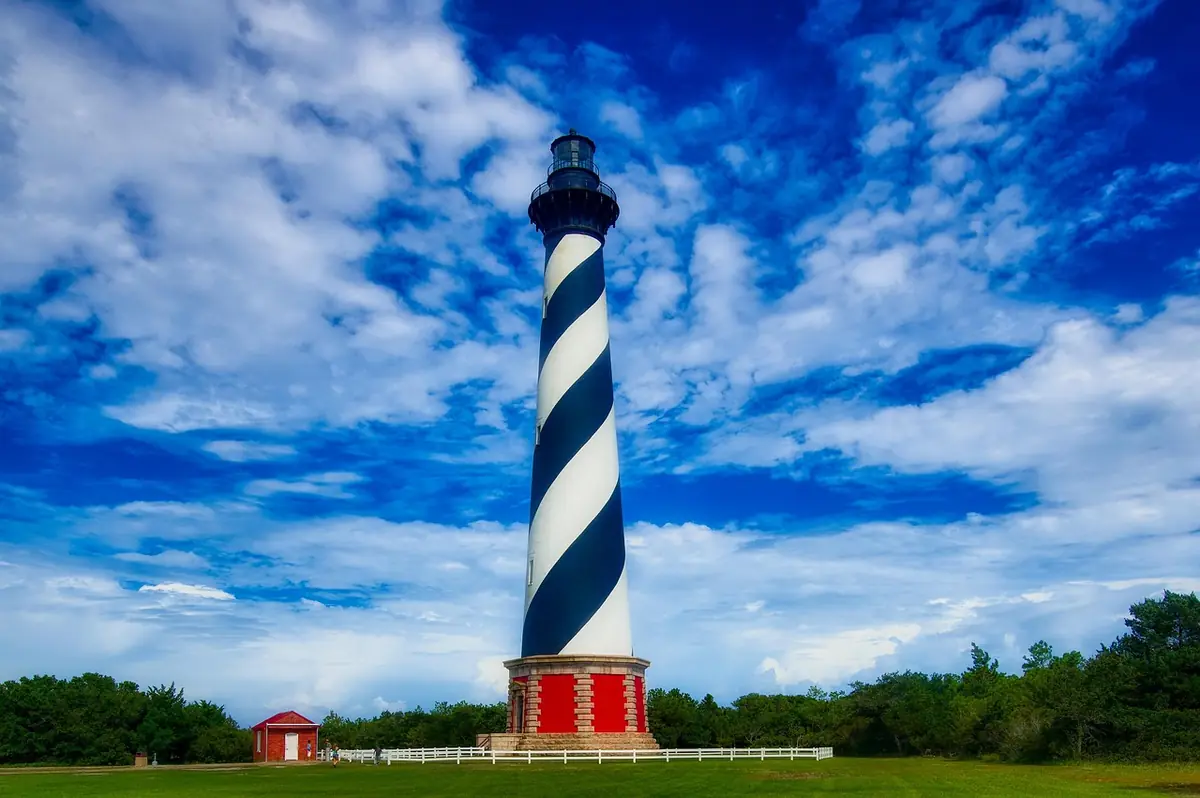
Match the beach to what you want. Cape Cod is for dunes, lighthouses and cold, clear water. The Outer Banks are for wide, empty sand and the tallest brick lighthouse in the country — though it’s wrapped in scaffolding and closed to climbers right now during a major restoration. Myrtle Beach is for boardwalks, mini-golf and crowds.
- Cape Cod National Seashore, Massachusetts: about 40 miles of protected shore; seasonal beach entry around $25 per vehicle; water in the upper 60s°F (about 19°C)
- Outer Banks, North Carolina: more than 100 miles of barrier islands; the 198-foot Cape Hatteras Lighthouse — the tallest brick lighthouse in the US, normally a 257-step climb — is closed to climbers during a multi-year, $19-million-plus restoration, so check the National Park Service before you count on the climb
- Myrtle Beach, South Carolina: about 60 miles of family-friendly sand; warmest water of the three
Here’s an honest take most guides skip: Myrtle Beach is fine for families, but it’s crowded and heavily commercial. If you want natural beauty over boardwalks, the quieter — and often cheaper — Outer Banks or Delaware’s Cape Henlopen give you far more shoreline to yourself.
Pro Tip: At Assateague, the wild horses really will amble up to your car — and the greenhead flies really do bite. Pack repellent and keep food sealed.
What’s the Classic Boston-to-Miami Road Trip Route?
The classic East Coast road trip runs Boston to Miami down I-95 — about 1,580 miles (2,540 km) and 25 hours of pure driving, so plan at least 10 to 14 days. Marquee stops include New York City, Philadelphia, Washington DC, the Outer Banks, Charleston, Savannah and St. Augustine before the Florida finish.
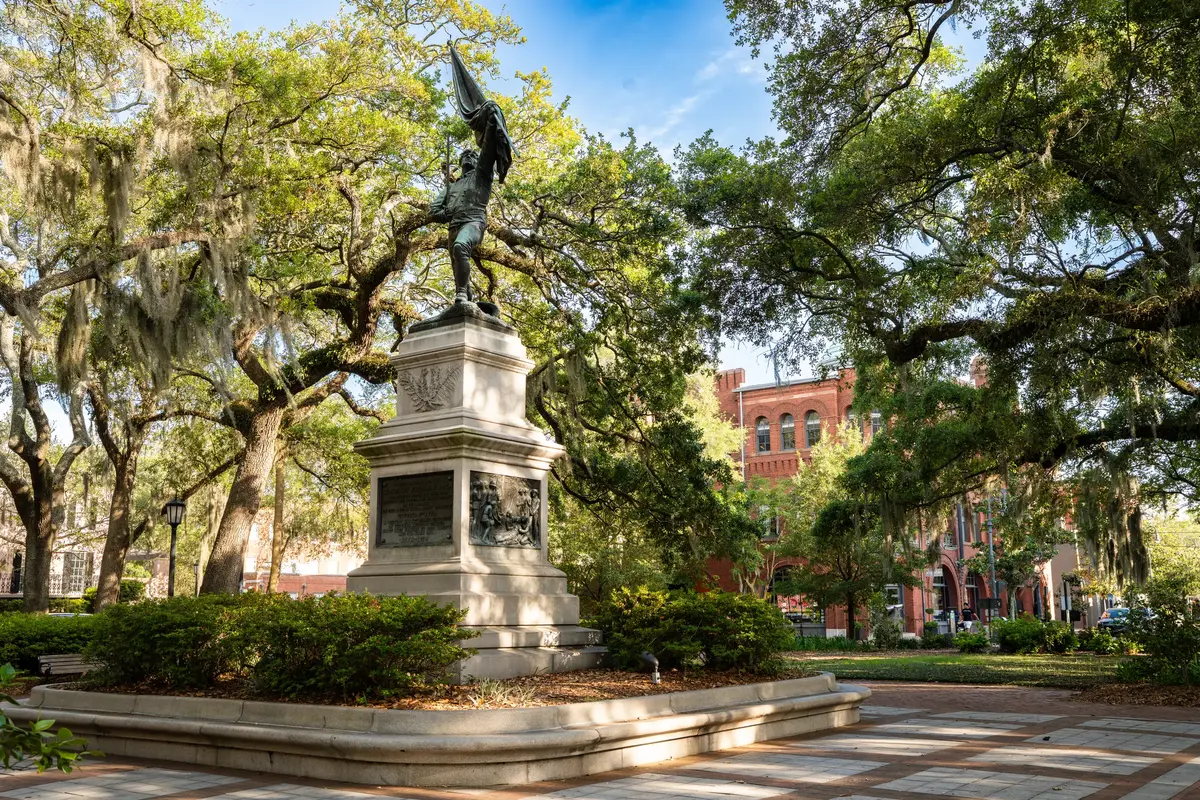
I-95 is the fast spine, but the scenic US-1 and A1A hug the actual coast in the South. Savannah is the stop that surprises people: its 22 oak-shaded squares drip with Spanish moss, and the light through them at dusk is why the city feels almost Mediterranean.
- Distance: about 1,580 miles (2,540 km), roughly 25 hours of driving
- Time to do it well: 10 to 14 days minimum
- Route: I-95 for speed; US-1 and A1A for the coastal scenery in the South
- One-way car rental fee: often around $300 — factor it in early
Pro Tip: Out of Boston, ignore Google’s I-90/I-84 reroute. Take I-95 toward Providence so the trip actually follows the coast instead of cutting inland through Connecticut.

When Is the Best Time to Visit the East Coast?
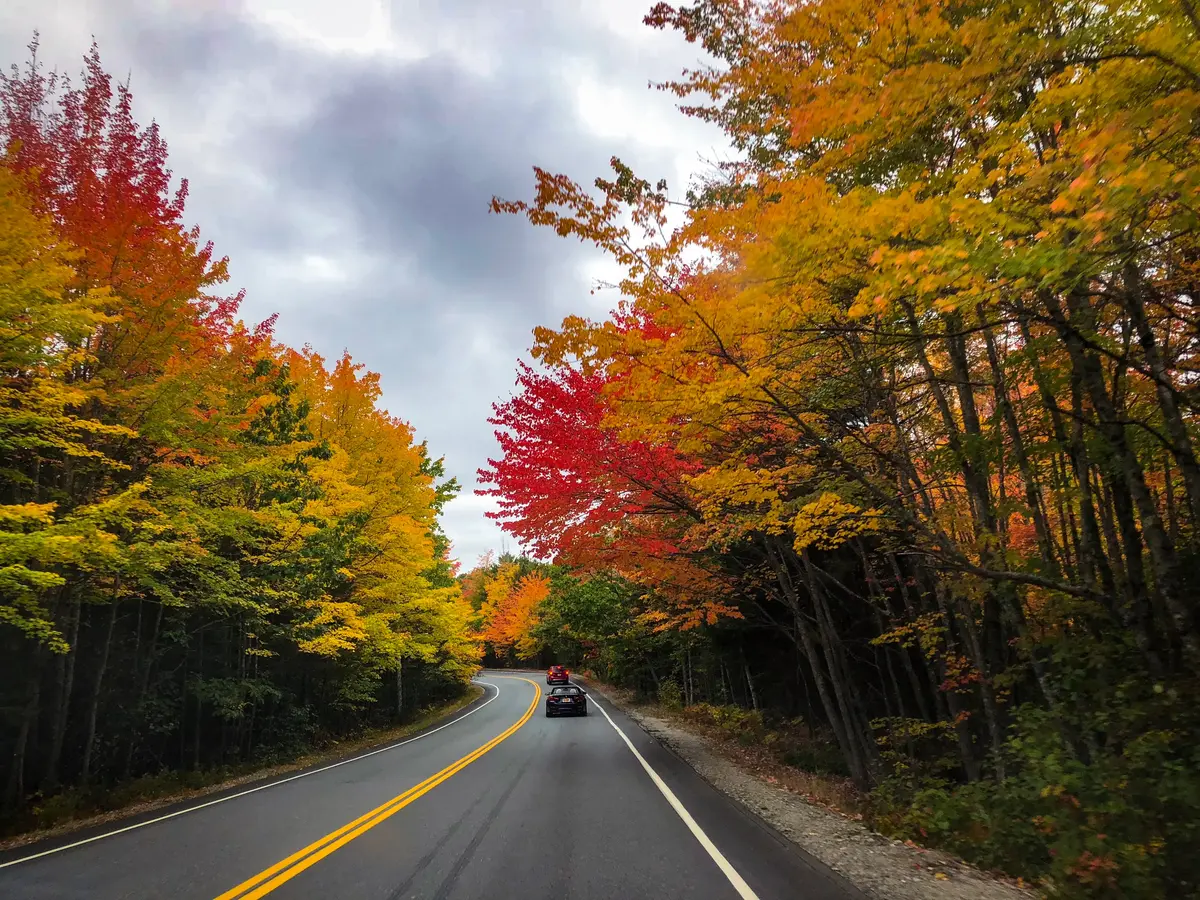
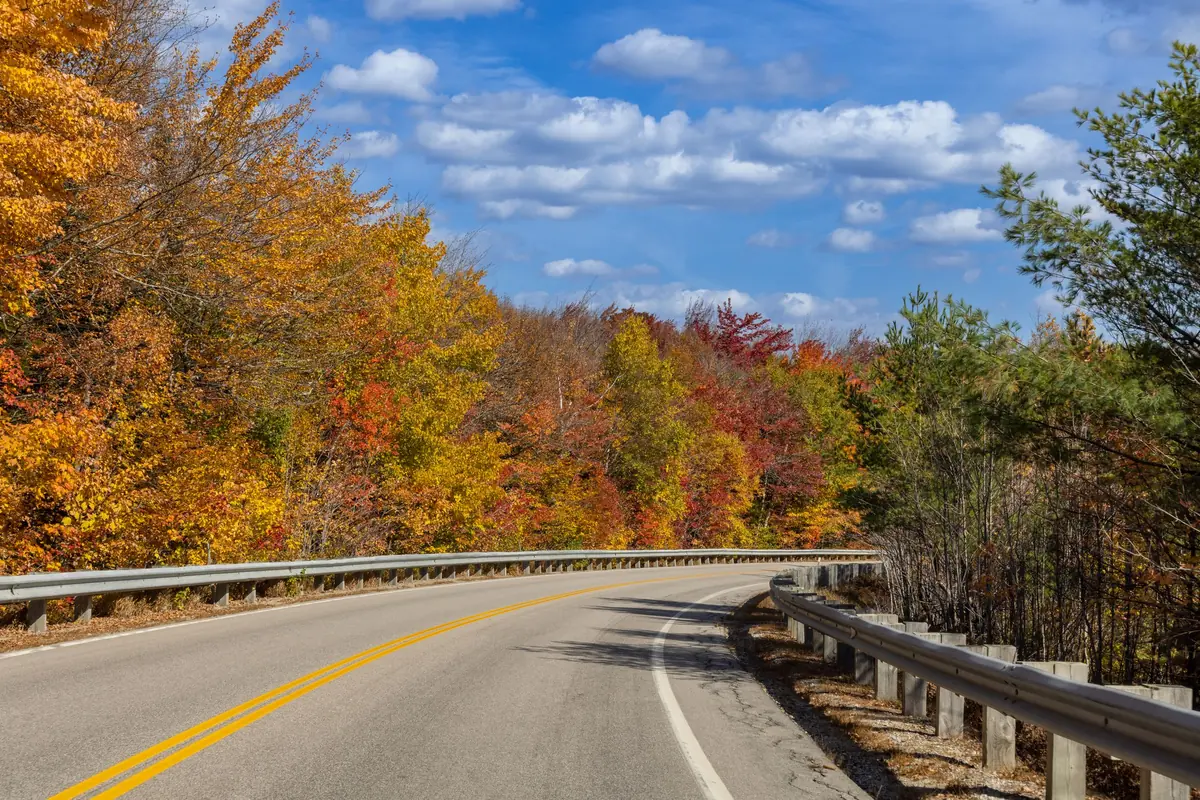
Spring (April to June) and fall (September to November) are the best times to visit the East Coast: mild temperatures, thinner crowds, and — in fall — New England’s foliage, which peaks late September to mid-October up north and into November farther south. Summer is hottest and most humid; winter is cold north of Virginia.
Fall is the standout if you can swing it. The color rolls from north to south over several weeks, so you can almost chase it down the coast.
| Season | Weather | Crowds | Highlight | Watch-Outs |
|---|---|---|---|---|
| Spring (Apr–Jun) | Mild, blooming | Moderate | Cherry blossoms in DC | Variable, rainy spells |
| Summer (Jul–Aug) | Hot, humid | Heaviest | Warm beaches | Humidity, peak prices |
| Fall (Sep–Nov) | Crisp, clear | Lighter | New England foliage | Early hurricane risk |
| Winter (Dec–Mar) | Cold up north | Lightest | Quiet cities, low rates | Snow north of Virginia |
Pro Tip: Time a fall drive on New Hampshire’s 34.5-mile Kancamagus Highway for peak color, but avoid Columbus Day weekend — the leaf-peeper gridlock turns a one-hour drive into three.
How Many Days Do You Need on the Coast?
Plan about seven days to see the three big cities — Boston, New York and Washington DC — comfortably by Amtrak. For a Maine-to-Florida road trip, give yourself at least 10 to 14 days, and ideally three weeks to fold in national parks and beaches without spending every afternoon behind the wheel.
Three cities in seven days is genuinely relaxed by train. Trying to bolt Maine and Florida onto that same week is not — that’s where the trip turns into a blur of highway.
- 7 days: the three big cities by Amtrak, no car
- 10 to 14 days: the Boston-to-Miami coastal road trip
- 3 weeks: the full Maine-to-Florida run with national parks and beaches
How Do You Travel the Coast on a Budget?
The East Coast can run expensive, but Asheville, Myrtle Beach and the Outer Banks rank among the most affordable bases. Stack free attractions — DC’s Smithsonian museums, Boston’s Freedom Trail, Great Smoky Mountains and Blue Ridge Parkway entry, and the Staten Island Ferry — and ride the Northeast car-free on Amtrak’s Northeast Regional from around $49.
The trick is to spend on the few things worth paying for and let the free anchors carry the rest of the trip.
| Traveler Type | Daily Budget | Transport | Sample Free Activities |
|---|---|---|---|
| Backpacker | $60–90 | Amtrak Regional, buses | Staten Island Ferry, Freedom Trail |
| Couple | $150–250 | Amtrak, occasional rental | Smithsonian, Blue Ridge Parkway |
| Family | $250–400 | One-way rental car | Smoky Mountains, public beaches |
The Northeast Regional runs from around $49 and gets you the same city-center stations as the faster Acela, which starts closer to $89. Unless you’re racing the clock, the Regional saves real money for a difference of less than an hour.
Frequently Asked Questions
What Are the Best Things to Do on the East Coast?
Top picks are New York City, Boston and Washington DC for cities; Acadia, Shenandoah and Great Smoky Mountains for nature; and the Outer Banks, Cape Cod and Myrtle Beach for beaches. First-timers should focus on one region per trip rather than trying to see the whole coast.
How Long Does It Take to Drive the East Coast?
Boston to Miami on I-95 is about 1,580 miles (2,540 km) and roughly 25 hours of driving. Plan at least 10 to 14 days so you can enjoy stops like Charleston, Savannah and the Outer Banks instead of staring at the highway all day.
What Months Are Best for an East Coast Trip?
Spring (April to June) and fall (September to November) offer mild weather and fewer crowds. Fall foliage peaks late September to mid-October in New England and into November farther south. Avoid the late-summer hurricane peak if you’re heading to the Carolinas or Florida.
How Much Do East Coast Attractions Cost?
Many are cheap or free. DC’s Smithsonian museums cost nothing, Great Smoky Mountains has no entrance fee (though a $5 daily parking tag is required), the Statue of Liberty ferry is around $25.50 for adults, and Acadia is about $35 per vehicle for seven days. Free anchors can carry most of a trip.
Can You Travel the East Coast Without a Car?
Yes. Amtrak’s Northeast Regional and Acela link Boston, New York, Philadelphia and Washington DC. New York to DC takes about 3.5 hours, with Regional fares from around $49 — no parking, no tolls, and stations in the center of each city.
Bottom Line — Your East Coast Shortlist
The right things to do on the East Coast depend entirely on who you are and how long you’ve got. The coast is too long to cover at once, so the smartest move is to pick one slice and do it properly.
The quick version: first-timers should take the Amtrak Boston–New York–DC triangle; beach lovers pick the Outer Banks or Cape Cod; nature seekers choose Acadia or the Smokies; budget travelers base in Asheville or Myrtle Beach. Go in spring or fall, commit to one region, and save the rest for next time.
Starting from a specific city? Tell me where you’re beginning and how many days you have, and I’ll help you narrow one corridor down to a route.