An East Coast vacation can mean lobster rolls in Maine fog and snorkeling off Key West on the same drive. This covers all 2,000 miles (3,220 km) of it: the 14 stops worth your time, what each one costs, when to go, and the logistics most guides leave out.
Where Are the Best East Coast Vacation Spots, Maine to Florida?
The best East Coast vacation spots, north to south, are Bar Harbor and Acadia (ME), Portland (ME), Cape Cod (MA), Newport (RI), New York City, Cape May (NJ), Washington, D.C., Williamsburg (VA), the Outer Banks (NC), Charleston (SC), Myrtle Beach (SC), Savannah (GA), St. Augustine (FL), and Key West (FL). Each suits a different traveler.
Here’s the ranked rundown, with one honest line on who each spot is really for:
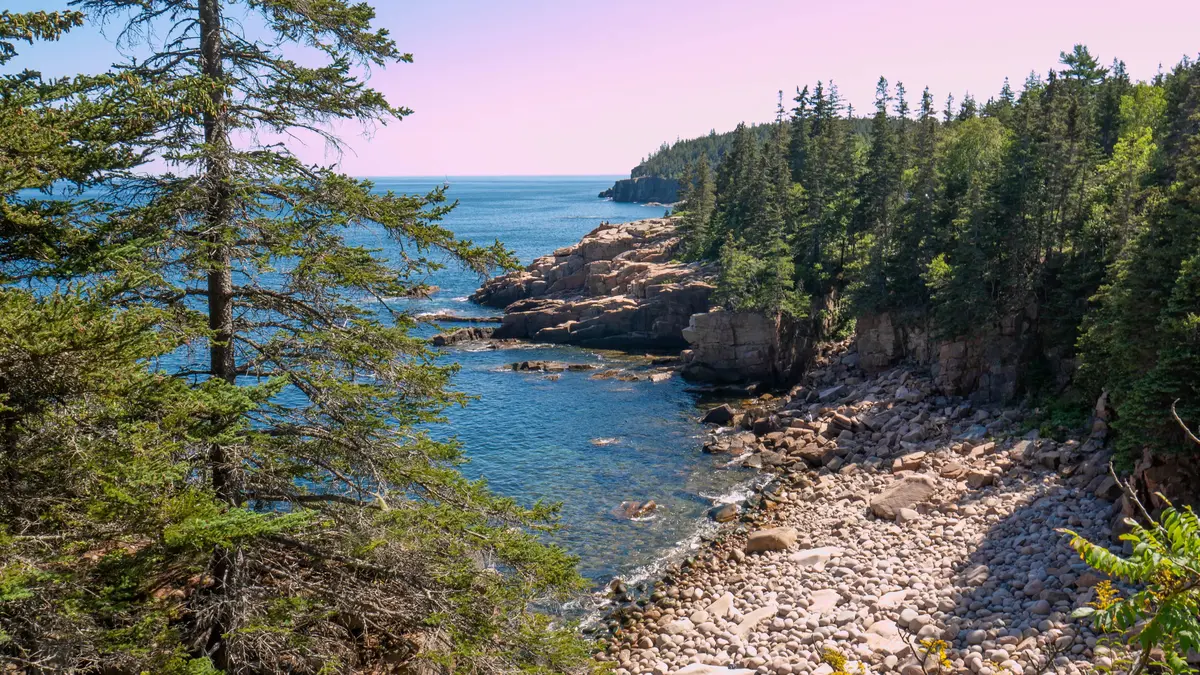
- Bar Harbor and Acadia, ME: Granite headlands, carriage roads, and the first sunrise in the U.S. from Cadillac Mountain. Best for hikers who don’t mind cool water.
- Portland, ME: A small port city with an outsized food scene. Use it as your gateway before Acadia.
- Cape Cod, MA: Classic New England beaches and 15 towns to base in. Reliable for families who want sand plus ice cream.
- Newport, RI: Gilded-Age mansions, the Cliff Walk, and a working sailing harbor. The Northeast’s best couples weekend.
- New York City, NY: Self-explanatory, and a logical mid-trip reset for first-timers who want museums and theater.
- Cape May, NJ: Hundreds of Victorian houses and a calm beach at the Jersey Shore’s quiet southern tip.
- Washington, D.C.: Free Smithsonian museums and the National Mall make it the strongest value for families with kids.
- Williamsburg, VA: Living-history streets plus nearby theme parks. The rare stop that satisfies a 7-year-old and a history buff.
- Outer Banks, NC: About 70 miles (113 km) of mostly undeveloped seashore, wild horses, and lighthouses. Quiet over flashy.
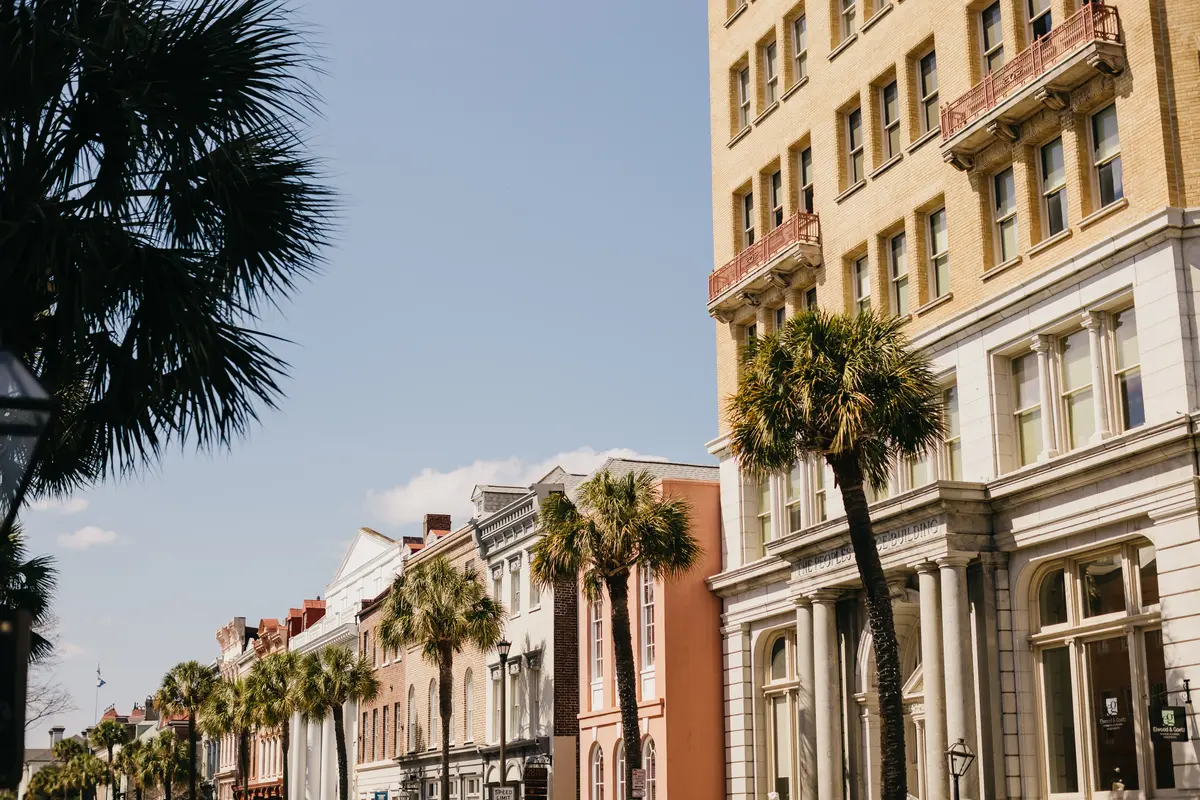
- Charleston, SC: Cobblestones, low-country cooking, and walkable history. Books up early for good reason.
- Myrtle Beach, SC: The value play. A long beach, a boardwalk, and oceanfront hotels at prices the rest of the coast can’t touch.
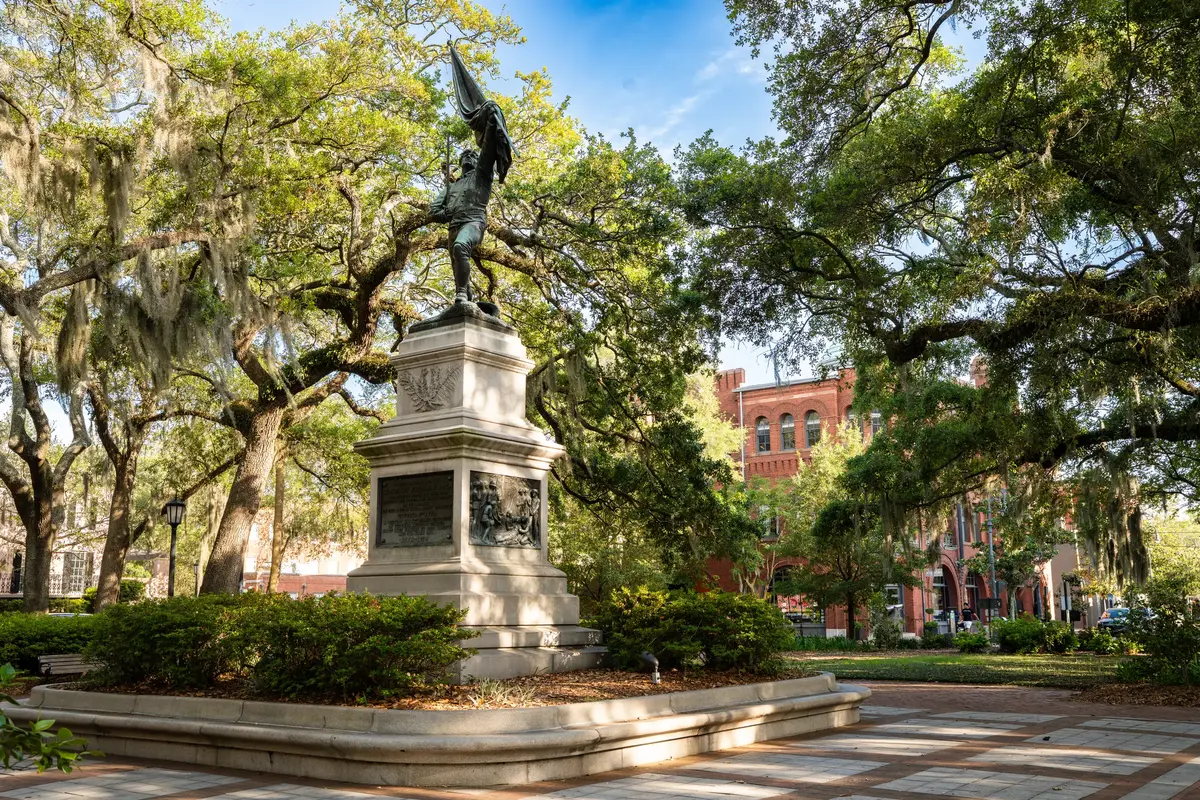
- Savannah, GA: Live oaks, 23 squares, and Tybee Island 20 minutes away. Walkable and romantic.
- St. Augustine, FL: The oldest city in the country, founded in 1565, and the most-skipped great stop on the whole drive.
- Key West, FL: The end of the road, literally. Duval Street, Mallory Square sunsets, and a long bridge run to get there.
| Destination | State | Best For | Nearest Airport | Avg. Summer High | Typical Hotel/Night |
|---|---|---|---|---|---|
| Bar Harbor / Acadia | ME | Hikers, scenery | BGR (Bangor) | 78°F (26°C) | $180–300 |
| Portland | ME | Food, breweries | PWM | 79°F (26°C) | $160–260 |
| Cape Cod | MA | Families, beaches | BOS / HYA | 80°F (27°C) | $200–350 |
| Newport | RI | Couples, mansions | PVD | 80°F (27°C) | $250–400 |
| New York City | NY | First-timers, culture | JFK / LGA / EWR | 84°F (29°C) | $250–450 |
| Cape May | NJ | Couples, Victorian charm | ACY / PHL | 84°F (29°C) | $200–350 |
| Washington, D.C. | DC | Families, history | DCA / IAD | 88°F (31°C) | $180–320 |
| Williamsburg | VA | Families, history | PHF / RIC | 88°F (31°C) | $130–220 |
| Outer Banks | NC | Quiet beaches, nature | ORF | 88°F (31°C) | $200–400 |
| Charleston | SC | Food, romance | CHS | 91°F (33°C) | $200–380 |
| Myrtle Beach | SC | Budget, families | MYR | 90°F (32°C) | $120–200 |
| Savannah | GA | Walkable history | SAV | 92°F (33°C) | $160–300 |
| St. Augustine | FL | History, value | JAX | 91°F (33°C) | $140–240 |
| Key West | FL | Nightlife, road-trip finale | EYW | 90°F (32°C) | $300–500 |
Two regional swaps that save real money. In southern Maine, lodging in Ogunquit runs high in July; book a few miles north in Wells and drive in. On Cape Cod, central Dennis sits between the warm bay beaches and the cooler ocean side and costs less than Chatham or Provincetown.
One correction worth making to your mental map of Savannah: the city has 23 squares, not the 22 nearly every guide still cites. Yamacraw Square, on West Bay Street across from the post office, was restored and formally added as the 23rd.
Pro Tip: If you can only pick one Southern city, choose Charleston for food and Savannah for walkability. Doing both back-to-back is easy — they’re about two hours apart by car.
Which East Coast Beaches Are Best, and How Warm Is the Water?
The best East Coast beaches depend on your goal: Cape Cod for classic New England sand, the Outer Banks for undeveloped seashore, Myrtle Beach for value and a boardwalk, and Hilton Head for calm, family-friendly water. Atlantic water warms from north to south, and it swims comfortably from June through October across most of the mid-Atlantic and South.
A reality check on temperature. The water off Maine and Cape Cod stays cold even in August — bracing, not relaxing. By the time you reach the Outer Banks and points south, it’s genuinely warm.
The other thing nobody warns you about is the beach-pass tangle. Federal beaches, state beaches, and town beaches all run separate systems, and a pass from one is worthless at the next. The details below matter more than the sand does.
Outer Banks, NC — Quiet Sand and Big Dunes
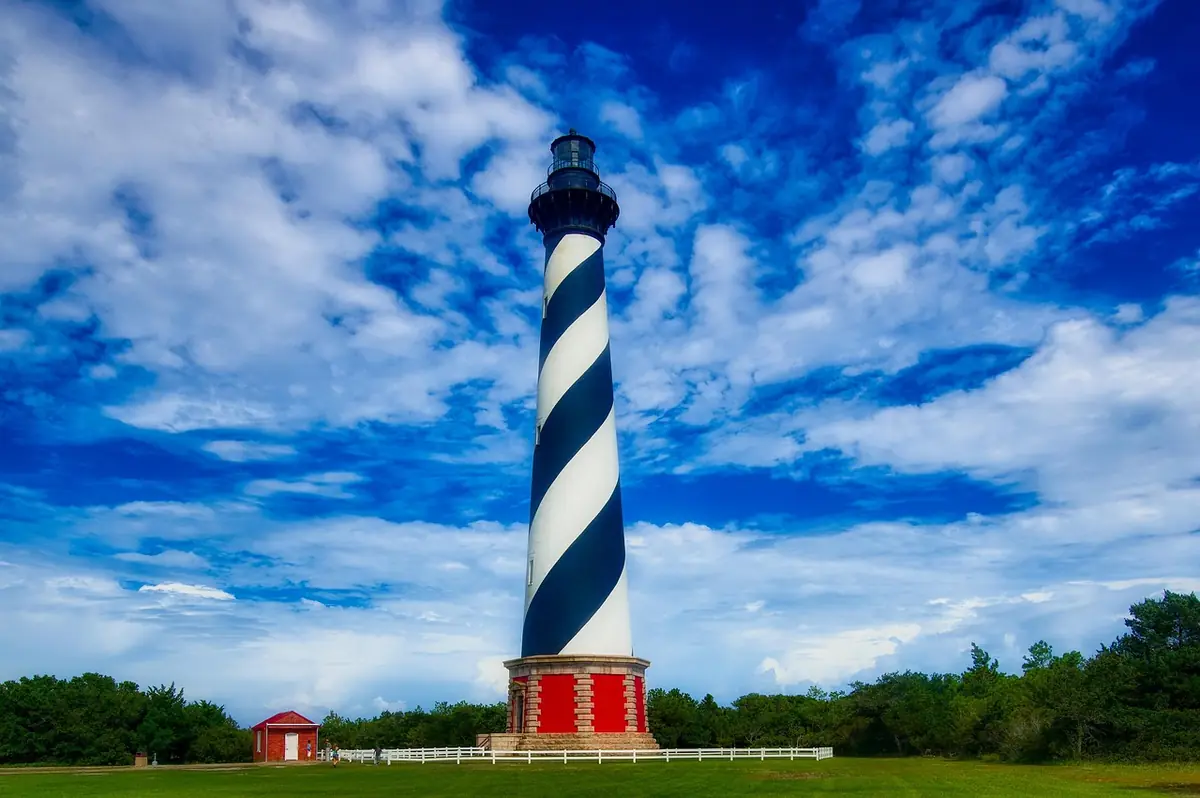
Cape Hatteras National Seashore gives you mile after mile of beach with almost nothing built on it. Just dunes, the occasional lighthouse, and four-wheel-drive trucks fishing the surf. It feels remote in a way most East Coast beaches don’t.
The trade-off is logistics. There are few hotels, so most visitors rent a house. And NC-12, the only road south, is one dune breach away from closing. Nor’easters push ocean overwash across the highway at Pea Island, Buxton, and northern Ocracoke often enough that closures are a routine part of an OBX week, not a freak event. Check DriveNC.gov the morning you drive.
Ocracoke deserves its own paragraph, because getting there confuses people. The Hatteras–Ocracoke vehicle ferry is free and takes no reservations — but it’s first-come, first-served, and summer waits run one to two hours. The two mainland ferries, Cedar Island (about 2 hours 15 minutes) and Swan Quarter (about 2 hours 40 minutes), are tolled and require reservations, bookable up to 90 days out. The free one is the expensive one, if you count in hours.
- Location: Cape Hatteras National Seashore, between Nags Head and Ocracoke, NC
- Cost: $200–400/night for most vacation rentals; National Seashore beach access is free
- Best for: Families and couples who want quiet over crowds
- Water: Around 70–80°F (21–27°C) in summer, swimmable June–October
- Getting to Ocracoke: Free Hatteras ferry (no reservations, 1–2 hour summer waits) or tolled mainland ferries (reservations required)
- Time needed: 4–7 days
Pro Tip: July is the rainiest month on the Outer Banks, averaging about 7 inches (18 cm). Book a rental with a covered porch and treat a gray afternoon as a Jockey’s Ridge sandboarding day instead.
Cape Cod, MA — The Classic New England Beach Day
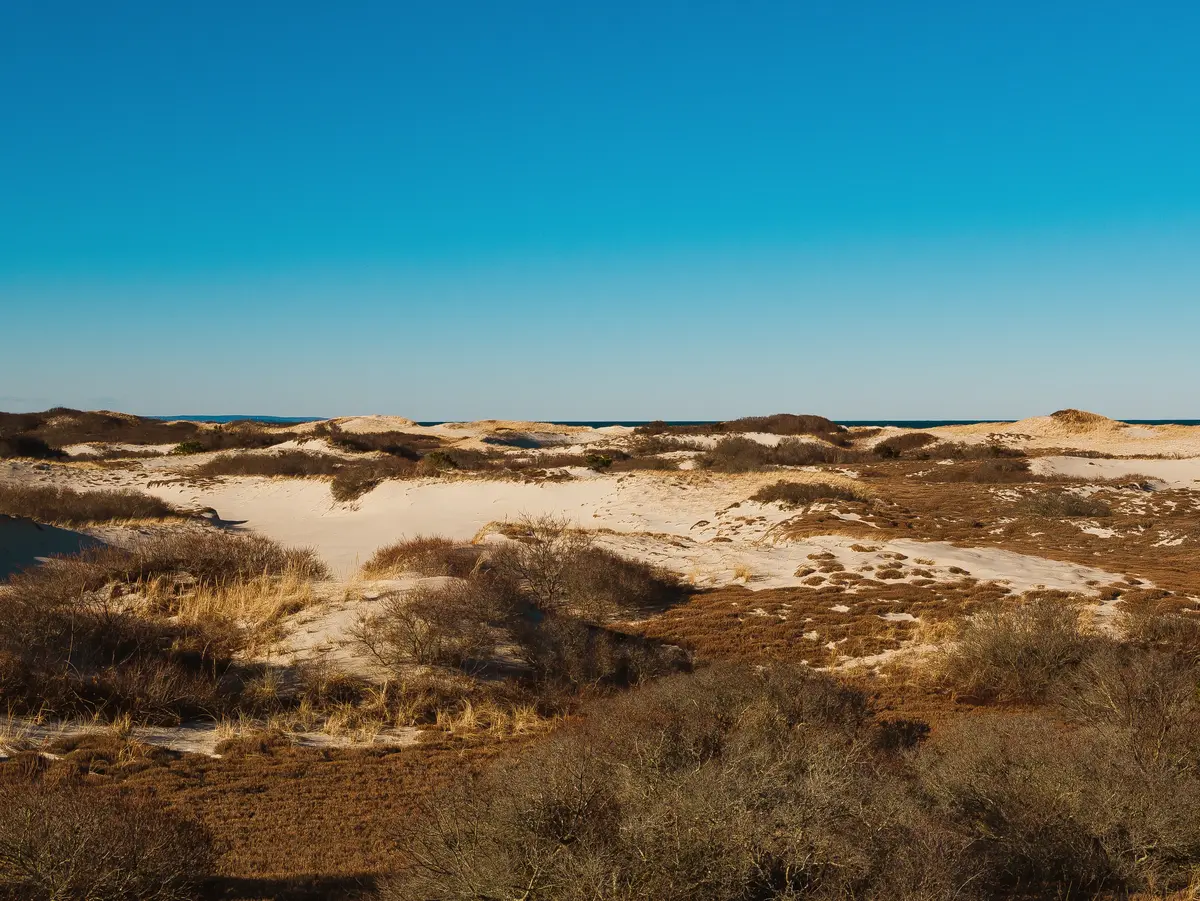
The Cape Cod National Seashore protects about 40 miles (64 km) of shoreline, so even in August you can find a stretch to yourself if you walk five minutes past the parking lot. The bay-side beaches are warmer and calmer. The Atlantic side has the surf and the drama.
Now the part that trips up first-timers. The six National Seashore beaches charge $25 per vehicle per day, and an America the Beautiful pass gets you in free. Neither of those is accepted at a town beach. Town beaches run their own stickers and day passes — Eastham charges $30 at the gate — and those passes don’t work at the Seashore either. Families routinely buy the wrong one. Decide which system you’re using before you leave the rental house, and check the National Park Service fee page for the current rate.
The other friction is traffic. The two bridges onto the Cape back up badly on summer Fridays and Sunday afternoons. Drive at odd hours or build in a buffer.
- Location: Cape Cod National Seashore, Eastham to Provincetown, MA
- Cost: $200–350/night in season
- Beach parking: $25/day at National Seashore beaches; $60 for the annual Seashore pass; town beaches charge separately
- Best for: Families wanting a traditional beach-town summer
- Water: Bay side 65–72°F (18–22°C); ocean side colder
- Time needed: 4–7 days
Myrtle Beach, SC — Best Value on the Whole Coast
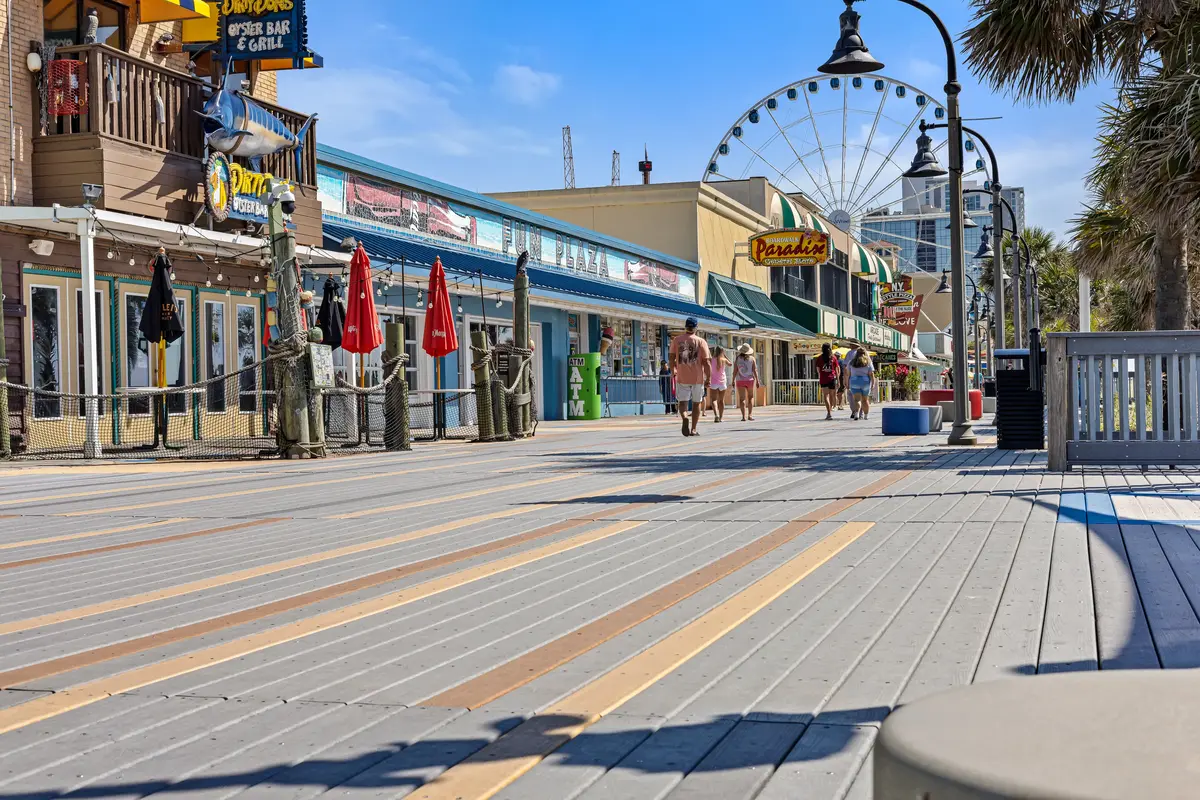
Myrtle Beach is where the Grand Strand’s roughly 60 miles (97 km) of sand meet wall-to-wall oceanfront hotels, mini-golf, and a boardwalk. It’s not subtle, and that’s the point. It’s built to entertain kids cheaply.
The water is warm and gentle, the beach is wide at low tide, and a room here often costs half what you’d pay on Cape Cod. Skip it if you want quiet. Lean in if you want a budget family week.
- Location: Grand Strand, Myrtle Beach, SC (Myrtle Beach International / MYR)
- Cost: $120–200/night oceanfront in summer
- Best for: Families and budget travelers
- Water: Around 80–85°F (27–29°C) in midsummer
- Time needed: 3–6 days
Hilton Head, SC — Calm Water for Toddlers
Hilton Head’s 12 miles (19 km) of beach are flat, firm, and gently sloped — about as toddler-proof as the Atlantic gets. Bikes are the local currency, and most resorts sit on paved paths that run straight to the sand.
Parking is the thing to plan around, and the numbers are specific. Coligny Beach Park has a free 397-space lot, which is why it’s the one that fills; regulars say to be in it by 9 a.m. on a summer weekend. Every other town beach park is metered at $3 per hour on weekdays and $5 per hour on weekends, enforced 7 a.m. to 5 p.m. through the warm months. Alder Lane has roughly 23 metered spaces. Folly Field has about 54. Families with little kids get sent to Folly Field for the calmest water; couples get sent to Alder Lane for elbow room. Current rates are on the town’s beach parking page.
- Location: Hilton Head Island, SC (Coligny, Folly Field, Driessen, Alder Lane access points)
- Cost: Metered parking $3–5/hour outside Coligny; chair-and-umbrella rentals $30–50/day; resorts $250–450/night
- Best for: Families with toddlers, cyclists
- Water: Around 80°F (27°C) in summer
- Time needed: 4–6 days
How Do You Drive the Coast From Maine to Key West?
The full Maine-to-Key-West coastal drive runs well over 1,500 miles (2,415 km), commonly cited between 1,800 and 2,370 miles (2,900–3,815 km) depending on your endpoints and route. Plan 7–10 days for the highlights and 2–3 weeks to do it justice. I-95 is the spine, but the best stops sit a few miles off it.
Here are realistic segment times between the marquee stops:
- Portland → Acadia: ~175 miles (282 km), 3.5 hours
- Acadia → Boston: ~280 miles (451 km), 4.5 hours
- Boston → New York City: ~215 miles (346 km), 4 hours
- New York City → Philadelphia: ~97 miles (156 km), 2 hours
- Philadelphia → Washington, D.C.: ~140 miles (225 km), 2.5 hours
- Washington, D.C. → Outer Banks: ~250 miles (402 km), 4.5 hours
- Charleston → Savannah: ~107 miles (172 km), 2 hours
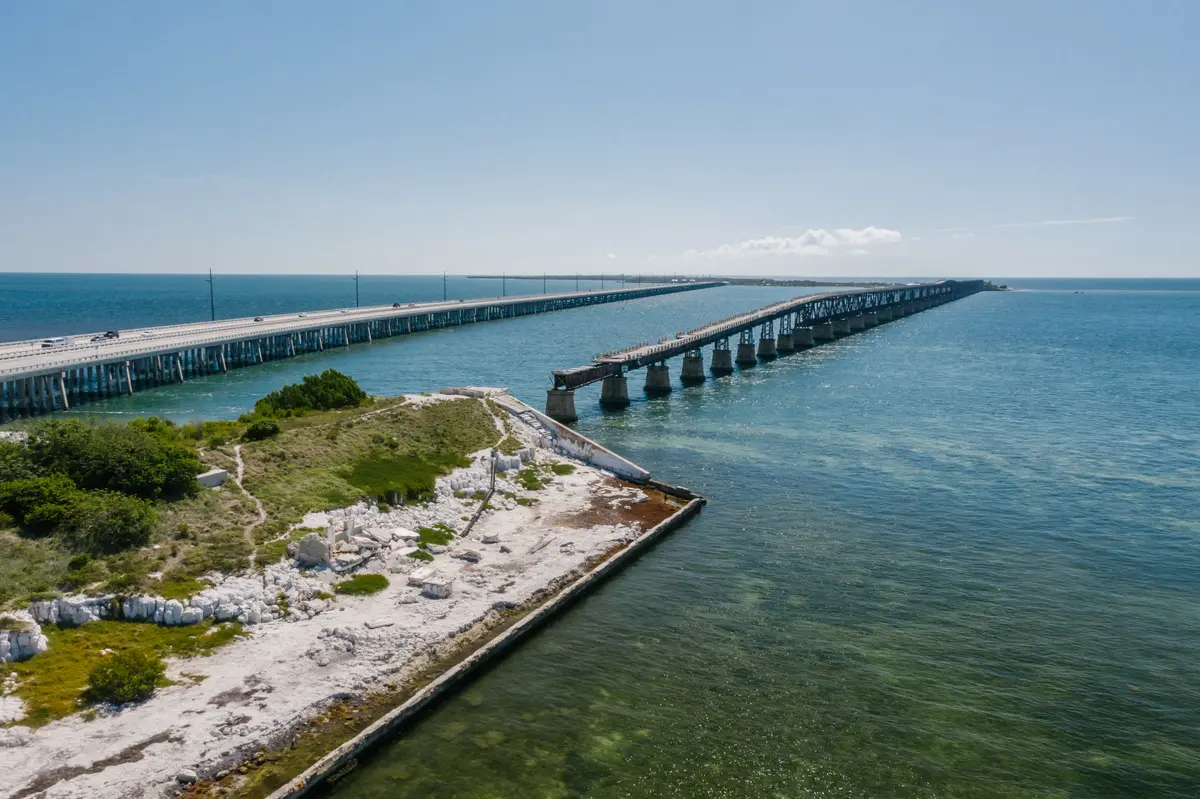
- Florida City → Key West (Overseas Highway): 113 miles (182 km), 42 bridges, about 3 hours without stops
Budget accordingly. A camping-and-motel pace runs about $100–150/day. Hotels plus sit-down dinners push it to $200–300/day. Tolls between Maine and Virginia can add up to $50–80 if you don’t have an E-ZPass transponder, so get one before you leave.
The last leg has its own rules. The Overseas Highway is free — no tolls the whole way — but it’s mostly two lanes, speed limits drop to 45 mph (72 km/h) and lower through the Keys towns, and enforcement is real. Traffic stacks up southbound on Friday afternoons and holiday weekends, with the worst of it at the Jewfish Creek bottleneck near Key Largo. When it flashes red, locals peel off onto Card Sound Road (a small toll) and rejoin the highway past the jam.
One more Keys quirk worth knowing before you look for a last-minute room: Monroe County caps the total number of beds so the islands can evacuate inside 72 hours during a hurricane warning. That cap is why lodging there is scarce and expensive in a way that has nothing to do with the season.
Pro Tip: St. Augustine is the stop almost everyone skips to make time, and it’s the one to protect. The country’s oldest city sits right off the route and rewards even a half-day with the Castillo de San Marcos and a walkable old town.
Can You Do the East Coast Without a Car?
Yes, for the urban half. Amtrak’s Acela and Northeast Regional connect Boston, New York, Philadelphia, Baltimore, and Washington, D.C., station to station in city centers, with no rental car and no airport security. The full Boston-to-Washington corridor covers 457 miles (735 km). Between those cities, the train usually beats both flying and driving.
The two services differ on speed and price:
- Acela: Boston → NYC in about 3 hours 30 minutes; NYC → D.C. in about 2 hours 45 minutes to 3 hours. Business and First class only, so it’s the priciest option.
- Northeast Regional: Boston → NYC in roughly 4 hours 10 minutes; NYC → D.C. in about 3 hours 30 minutes. Cheaper coach seating and far more departures.
- Top speed: The newest Acela trainsets hit 160 mph (257 km/h) on limited stretches, though average speeds land near 70 mph (113 km/h) because of curves and dense traffic.
Note that the Acela’s advantage between New York and Washington is smaller than most guides claim — about 30 to 45 minutes, not the full hour you’ll see repeated. Check live times on Amtrak before you pay double for it.
Pro Tip: For Boston–New York–Washington, the Northeast Regional is the value pick. You save real money over the Acela, lose 30–45 minutes, and arrive downtown either way.
When Is the Best Time to Take an East Coast Vacation?
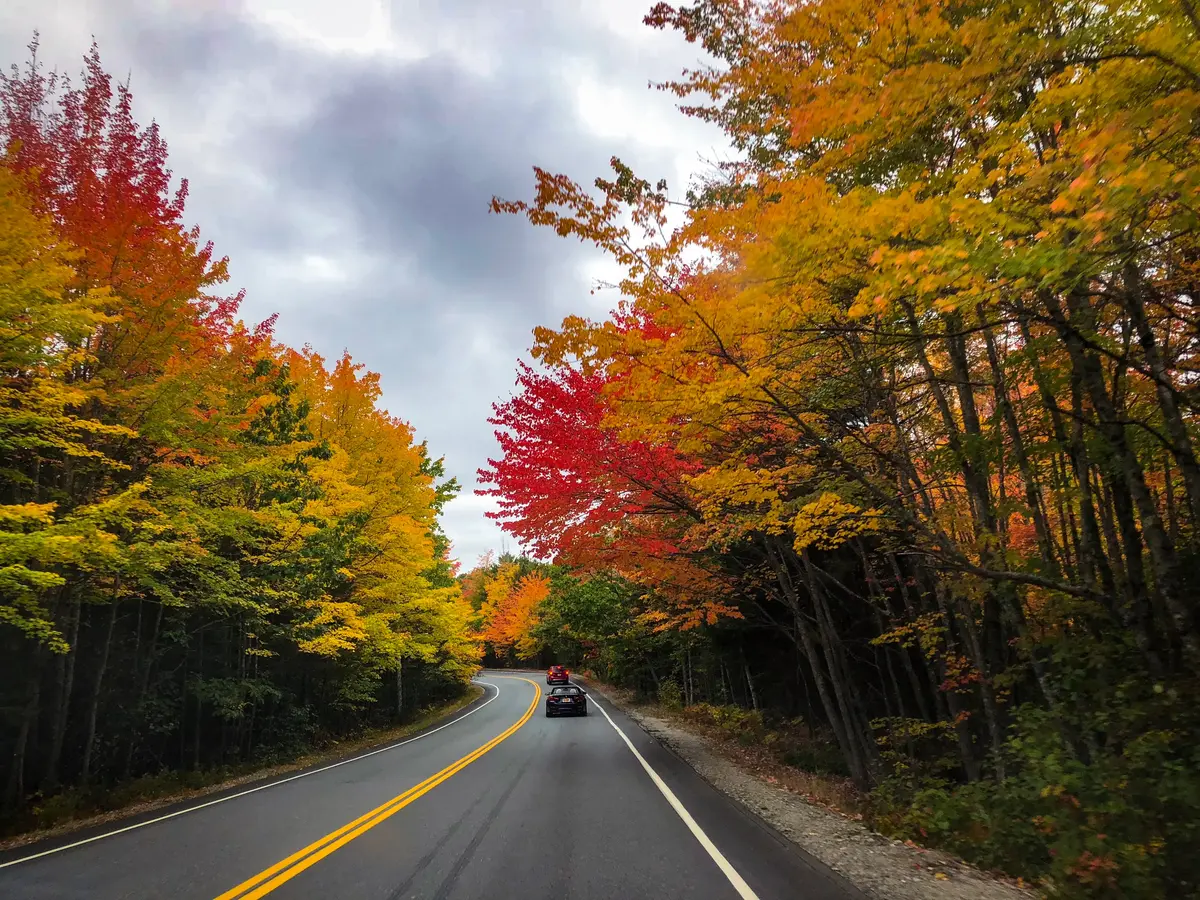
Spring (April–June) and fall (September–October) deliver the best mix of mild weather, lighter crowds, and lower prices. Summer (June–August) is peak beach season everywhere. Fall foliage peaks from late September to mid-October in northern New England. The one window to plan around is Atlantic hurricane season.
A few concrete markers to time your trip:
- Hurricane season: June 1 to November 30, statistically peaking around September 10, with the most activity from mid-August to mid-October. Any single spot’s risk in a given week is low, but it’s worth insuring a beach trip booked in that window. NOAA publishes the outlook each spring.
- Summer heat: Miami in July averages near 90°F (32°C) highs with upper-70s lows. Myrtle Beach sits in the upper 80s. Northern New England stays in the 70s to low 80s.
- Shoulder-season savings: Off-season — often January and February for southern beaches, and weekdays everywhere — can cut beach-town lodging by roughly half.
- Fall color: Late September in the mountains of New Hampshire and Maine, drifting into mid-October farther south.
Around major patriotic-anniversary years and the Fourth of July, the founding-era cities — Boston, Philadelphia, and Washington — fill up and rates climb. If your dates are flexible, book those cities six to eight months ahead, or pivot north to Maine and the Outer Banks and let the crowds have the Liberty Bell.

Where Should Families Go on the East Coast?
The top family picks are Myrtle Beach (value plus a boardwalk), the Outer Banks (quiet beaches and wild horses), Cape Cod, Williamsburg (Colonial Williamsburg plus nearby theme parks), and Washington, D.C., where the Smithsonian museums are free. For a rain-proof option near Boston, Great Wolf Lodge handles a toddler meltdown better than the beach does.
The split usually comes down to budget and pace:
- Myrtle Beach is the value champion: oceanfront hotels, an easy airport (MYR), and entertainment built for kids.
- Outer Banks leans toward pricier vacation rentals and a slower, nature-first week.
- Washington, D.C. stretches a family budget further than any beach, because the headline attractions cost nothing to enter.
D.C. also has the trickiest booking rules on the coast, and most guides get them wrong. Capitol tours are free and you book them yourself online at visitthecapitol.gov — you do not need to call a congressional office. White House tours are the ones that go through your U.S. Representative or Senator, and requests are accepted 7 to 90 days ahead. Build the day so it survives a cancellation: the White House route has been altered, paused, and restored at short notice during the East Wing ballroom construction, so confirm at whitehouse.gov/visit before you promise a 9-year-old anything. The free walk-in White House Visitor Center is the backup.
Pro Tip: The Smithsonian museums are walk-in and free, which makes them the only D.C. plan that can’t fall through. Anchor your itinerary on them and treat every ticketed building as a bonus.

Which East Coast Cities Are Best for History and Culture?
The strongest history-and-culture cities are Boston (the 2.5-mile Freedom Trail links 16 sites), Philadelphia (Independence Hall and the Liberty Bell), Washington, D.C. (the National Mall and the free Smithsonian), Charleston, Savannah (23 historic squares), and St. Augustine, the nation’s oldest city, founded in 1565. You can string the northern four together by train.
Each rewards a different traveler. Boston and Philadelphia are walkable founding-era cities. D.C. is the value heavyweight thanks to free museums. Charleston and Savannah trade big monuments for atmosphere, food, and architecture you take in on foot.
Pro Tip: Savannah averages about 57°F (14°C) in January and is far more pleasant — and cheaper — without the summer heat and crowds. Shoulder season is the local’s season here.

Where Should Couples Go on the East Coast?
For a romantic trip, the standouts are Newport (sailing and the Cliff Walk), Charleston (food and carriage rides), Bar Harbor (Acadia at sunrise), Cape May (Victorian B&Bs), and the Poconos or Stowe for a mountain inn. Pick by season: Newport and Bar Harbor for summer and fall, Charleston and Cape May for milder spring shoulder weeks.
If you want one weekend that does the most with the least planning, Newport packs mansions, a clifftop walk, and a working harbor into a few square miles, and you won’t need a car once you arrive.
What Do the National Park Fees Actually Cost?
A 7-day private-vehicle pass at Acadia costs $35. The America the Beautiful annual pass, which covers every national park, costs $80 for U.S. residents and pays for itself in roughly two to three park visits. Both figures are current on the NPS fee page. Two other rules will cost you more if you don’t plan for them.
The first is the nonresident surcharge. Non-U.S. residents aged 16 and older now pay $100 per person on top of the standard entrance fee at 11 parks. Two of them sit on this route: Acadia at the top and Everglades at the bottom, right on the drive to the Keys. A non-resident family of four adults in a rental car would owe $35 plus $400 at the Acadia gate.
Here’s the part almost no guide mentions. There is a $250 America the Beautiful Non-Resident Annual Pass, and it covers the surcharge for the pass holder plus three additional adults. For that same family of four, it’s $250 instead of $400 at a single park — and it works at Everglades too, a few thousand miles later. Kids 15 and under are exempt from both the surcharge and the entrance fee. Fee-free days no longer waive anything for non-residents. Full rules are on the NPS nonresident fee page.
The second is Cadillac Mountain, the highest point on the U.S. Atlantic coast. Driving the summit road requires a vehicle reservation from late May through late October, sold separately on Recreation.gov for about $6. Thirty percent of slots release 90 days ahead and the rest two days ahead, and the sunrise slots go first. You can still hike, bike, or take a taxi up without one.
East Coast Vacation Questions, Answered
When Is the Best Time to Take an East Coast Vacation?
Spring (April–June) and fall (September–October) offer mild weather, smaller crowds, and lower prices. Summer (June–August) is peak beach season. Atlantic hurricane season runs June 1 to November 30, peaking around September 10. September is the sweet spot in the north, where the water is still warm and the crowds are gone.
What Is the Cheapest East Coast Beach Vacation?
Myrtle Beach, SC (oceanfront rooms from about $120–200/night), Ocean City, MD (around $150/night), and the Outer Banks, NC, offer the best value — especially in shoulder season, when rates can drop by roughly 50 percent. Note that the Outer Banks is rental-heavy, so its cheap week requires a group to split the house.
How Many Days Do You Need for an East Coast Road Trip?
Plan 7–10 days to hit the highlights between Maine and Florida, or 2–3 weeks to do the full 1,800-plus-mile (2,900 km) coastal route justice. One week is plenty for a single region like New England. Anything under a week for the full run turns the trip into a driving marathon with a beach photo at the end.
Where Should Families Go on the East Coast?
Top family picks are Myrtle Beach (value and boardwalk fun), the Outer Banks (quiet beaches), Cape Cod, Williamsburg, VA, and Washington, D.C., where the Smithsonian museums are free. D.C. is the only one where the headline attractions cost nothing, which is why it stretches a family budget the furthest.
Does Hurricane Season Affect East Coast Beach Trips?
Atlantic hurricane season runs June 1 to November 30, with peak activity from mid-August to mid-October. Direct hits to any single spot are rare, but travel insurance is wise for beach trips booked in that window. In the Outer Banks, the more common disruption isn’t a hurricane at all — it’s a nor’easter closing NC-12.
How Much Does It Cost to Enter Acadia National Park?
A 7-day private-vehicle pass costs $35. An America the Beautiful pass ($80 for U.S. residents) covers all national parks for a year. Non-U.S. residents pay an added $100 per person, or $250 for a Non-Resident Annual Pass that covers the holder plus three adults.
The Stretch of Coast Worth Your Two Weeks
Drive north to south over 10 to 14 days. Base your beach week in the Outer Banks if you want quiet or Myrtle Beach if you want value. Take the train for the Boston–NYC–D.C. stretch and skip the car entirely there. Travel in spring or fall to dodge the crowds and the worst of hurricane season. And protect St. Augustine on the way down — it’s the great stop everyone cuts.
The coast is too long to “do” in one trip, and that’s the good news. Pick the region that matches your travelers, go deep, and leave the rest for next time. If you only have a week, take New England or the Carolinas and stop pretending the whole thing fits.