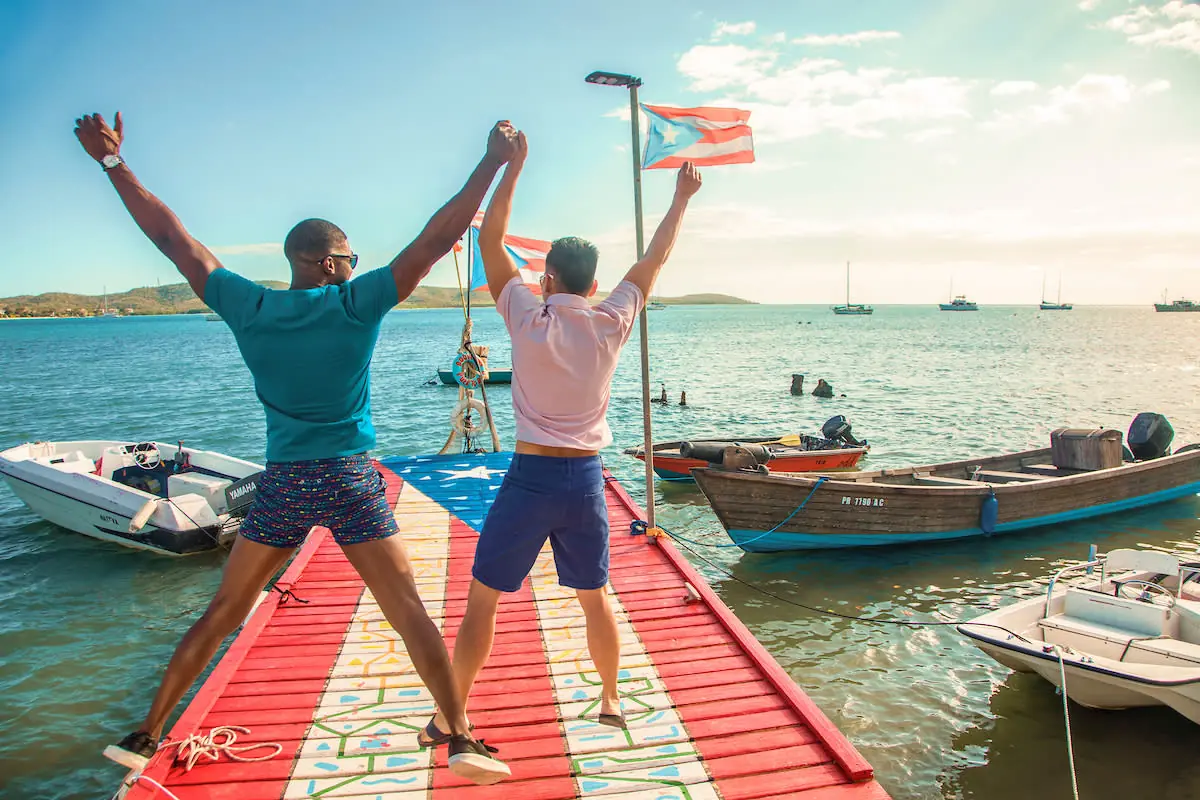
Most guides to Dorado Puerto Rico describe a Ritz-Carlton brochure. This one separates the gated reserve from the working municipality next door — exact transport costs from SJU, which beaches you can actually swim at, where to find mofongo pounded in a wooden pilón, and the sugarcane-to-Rockefeller history that built the place.
How do you get from San Juan to Dorado Puerto Rico?
The drive from Luis Muñoz Marín International Airport (SJU) to Dorado Puerto Rico is 20 miles (32 km) and takes about 33 minutes via Route 22, a well-maintained toll highway along the northern coast. A rental car is the only option that makes sense if you plan to explore beyond your hotel; everything else has a catch.
Your realistic options:
- Rental car: $50–$100/day. The only truly flexible choice for reaching beaches, restaurants, and trailheads outside the resort gate.
- Ride-share (Uber): around $40 one-way. Easy for arrival at your hotel. The return trip from a quiet coastal road is a different story — cars are scarce outside the resort corridor.
- Tren Urbano + bus: roughly $2–$3 total. Rail to Bayamón, then a bus transfer. Plan on 90+ minutes and forget it if you have luggage.
- Municipal trolley: free, daytime only, covers the town center. Useless for airport runs but handy once you are in town.
Pro Tip: Book the rental car before you land. I have watched travelers wait 40 minutes for an Uber at a Kikita beach parking lot while every local drove off in a pickup.
Is Dorado Puerto Rico safe at night?
Yes — the downtown plaza and the resort perimeter are safe for evening walks, with wide, well-lit sidewalks and visible municipal upkeep. Petty theft is the main concern, not violent crime. Stick to the central plaza, main streets, and waterfront dining strips, and use a rideshare for anything more than half a mile after dark.
Where to avoid after sunset:
- Unlit coastal stretches west of Kikita
- Empty beaches (all of them — not a Dorado-specific problem)
- Isolated nature trails at the former Rockefeller estate
Which Dorado beaches can you actually swim at?
Only one beach in the municipality is safe for casual swimmers and families: Balneario Manuel Morales. The rest of the coast takes direct Atlantic swell, and winter riptides here are serious enough that local surfers treat them with respect. Here is the honest breakdown.
1. Balneario Manuel Morales — the only family swim beach
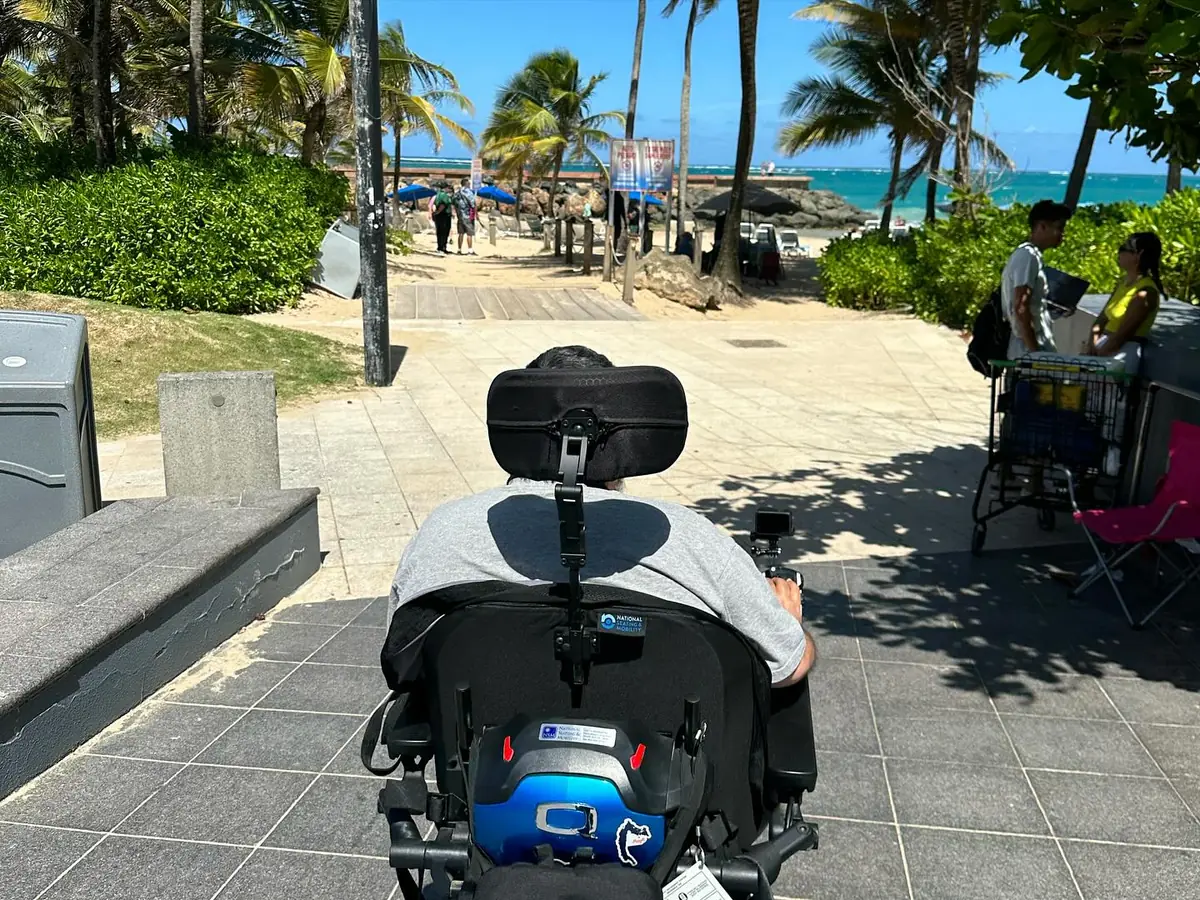
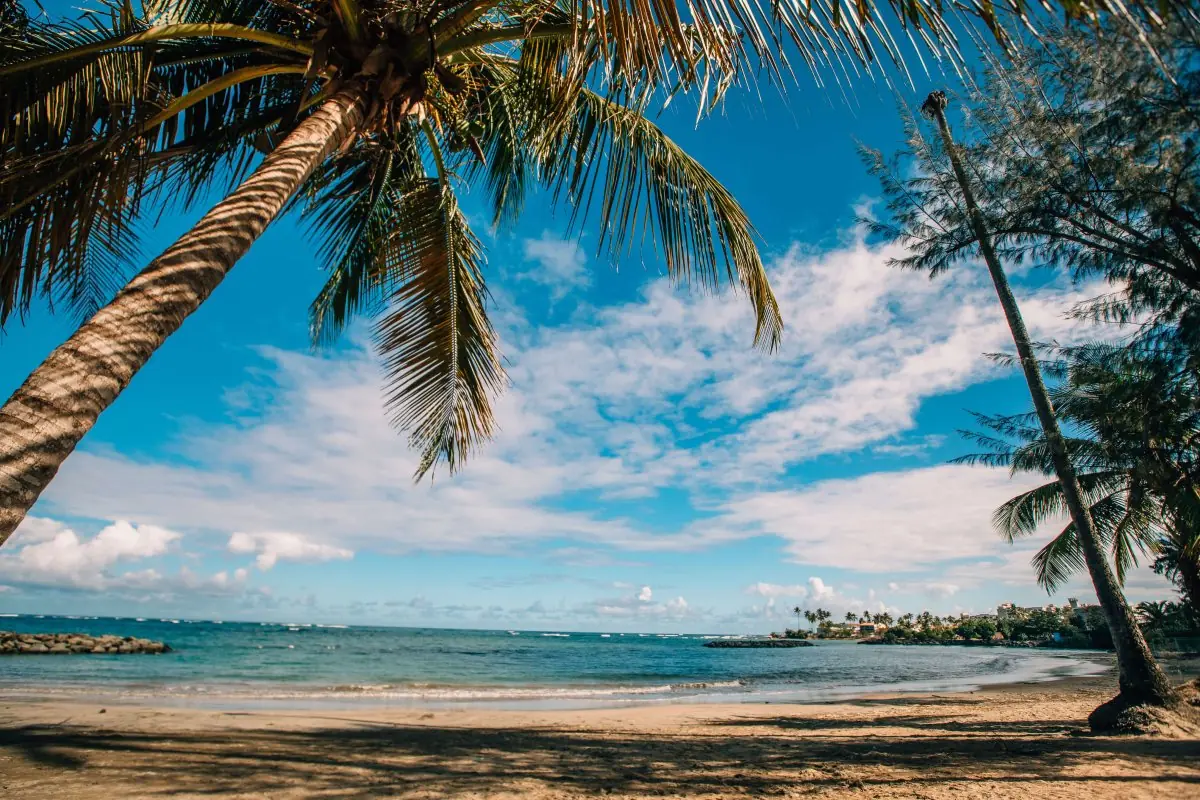
The sand is unusually fine and pale, the kind locals call diamond dust, and it feels nothing like the coarser shell sand on the east side of the island. The water holds a clear aquamarine color and stays calm enough for small kids most of the year. Lifeguards are on duty, and there are working restrooms, outdoor showers, a parking lot, and real shade from mature palms — rare for a public beach here.
- Location: Northwest coast of Dorado municipality
- Cost: Small parking fee (typically under $5)
- Best for: Families, non-swimmers, first-time visitors
- Time needed: Half a day
2. Kikita Beach — surfers only
Kikita is not a swimming beach. The break splits into three sections local surfers call Cochino, Piedra, and María, and winter swells arrive with enough force to draw competition crowds. Walk the shoreline, take photos, watch the sets — but stay out of the water unless you actually know what you are doing.
- Location: Public coastal road west of the town center
- Cost: Free
- Best for: Surfers, photographers, spectators
- Time needed: 1–2 hours
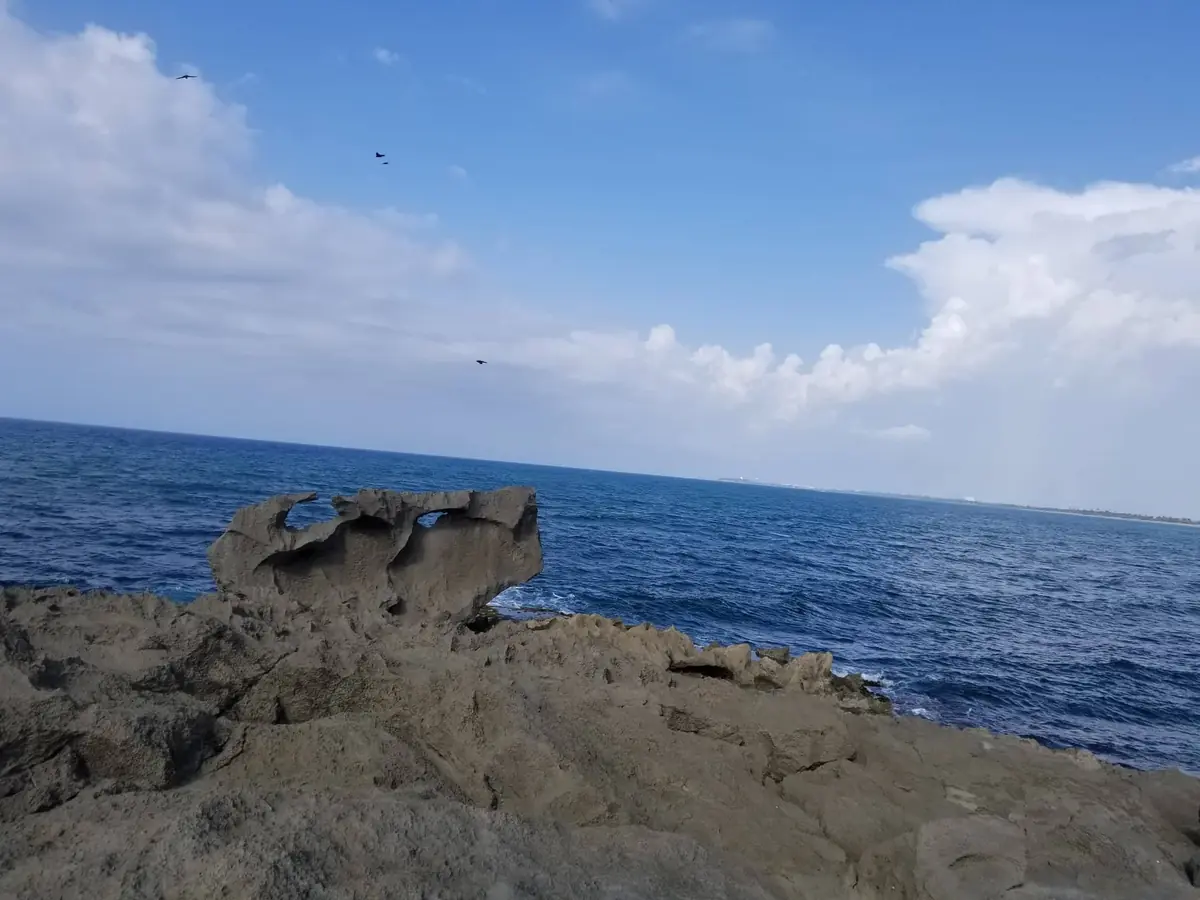
3. Ojo del Buey — the ox-head rock
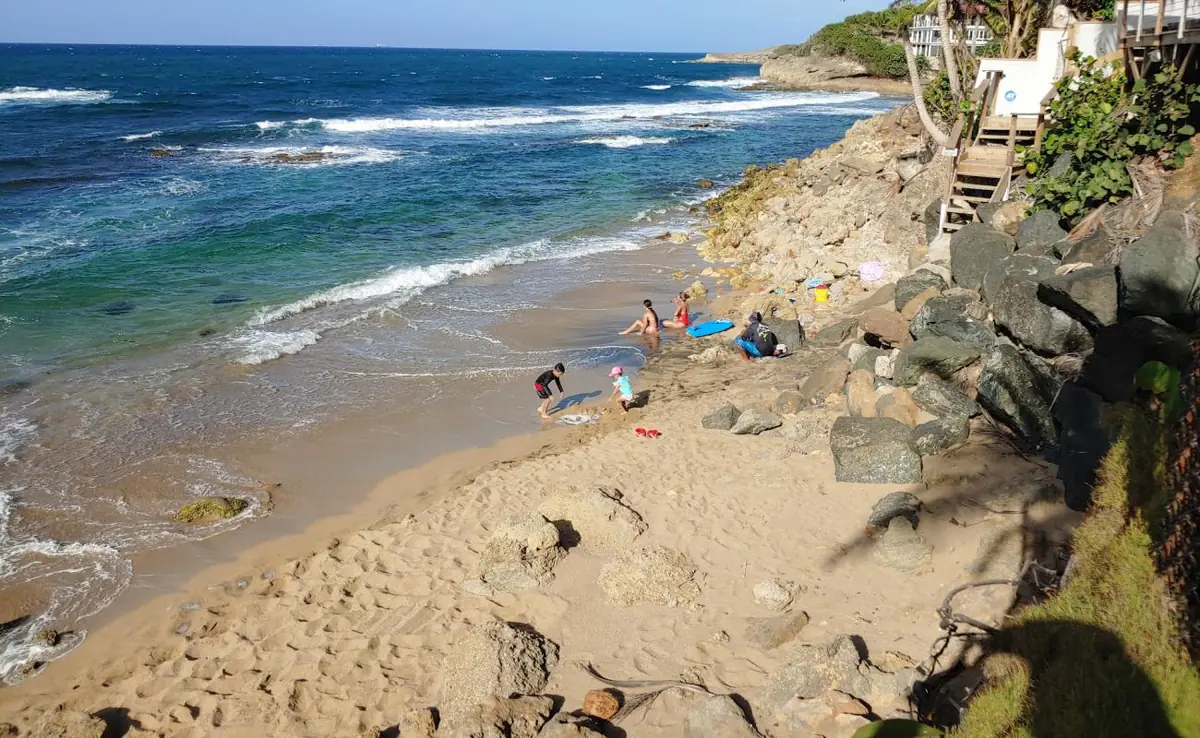
The name comes from a huge limestone formation eroded into the shape of an ox head, and the karst coastline around it draws campers and hikers instead of resort crowds. A small cove on the east side of the bay is sometimes calm enough for a careful dip when the swell drops, but there are no lifeguards. Treat the ocean here with respect.
- Location: Eastern edge of the coastal karst zone
- Cost: Free
- Best for: Hikers, campers, adventure travelers
- Time needed: 2–3 hours
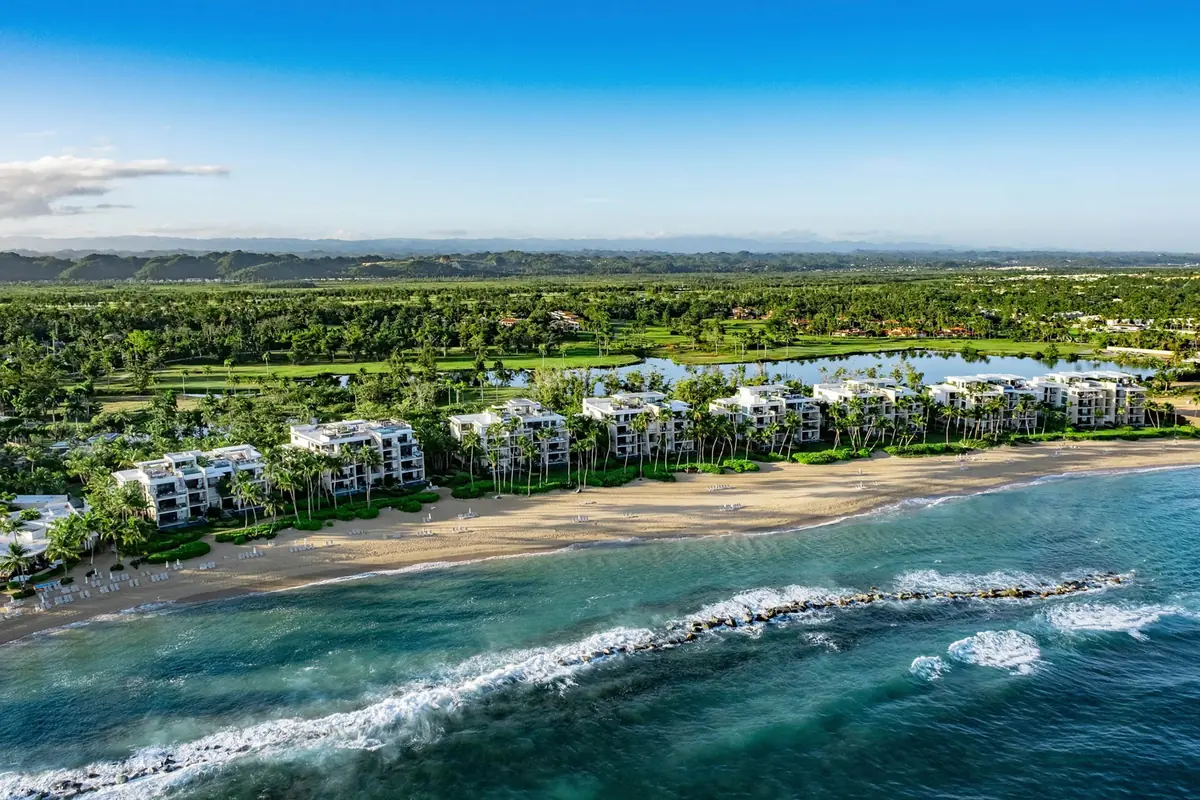
4. West Beach — the Ritz-Carlton stretch (legally public)
The water next to the Ritz-Carlton Reserve runs bright turquoise against golden sand. Every beach in Puerto Rico is legally public, so you can walk this stretch without paying a cent — but getting here without a resort reservation means an unpaved coastal hike and, usually, a visit from private security asking questions. Know your rights and plan the walk-in.
- Location: West boundary of the Ritz-Carlton Reserve
- Cost: Free (coastal hike required)
- Best for: Determined independent travelers
- Time needed: Half a day with the hike in and out
What’s the difference between the resort and the real town?
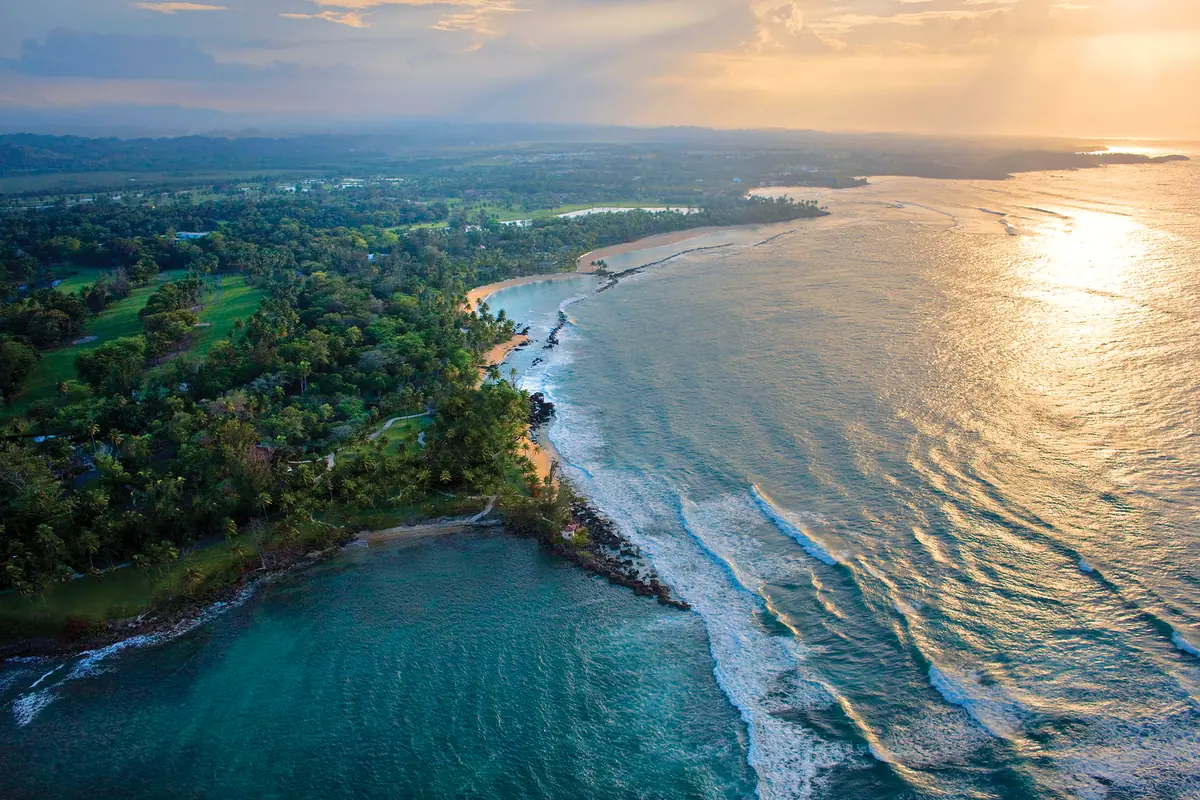
The gated luxury reserve and the working municipality of Dorado Puerto Rico share a postal code and almost nothing else. The resort side — developed largely by the PRISA Group with branded enclaves like West Point and Livingston Estates — runs on golf carts and Act 60 tax-relocated investors. The town side runs on a historic Catholic church, a plaza shaded by mango trees, and families who have lived here for generations.
Pro Tip: “Dorado” means golden in Spanish, but it does not refer to the sand. Locals will tell you it refers to the golden light on the Río de la Plata at dusk — the River of Silver, named for its daytime color.
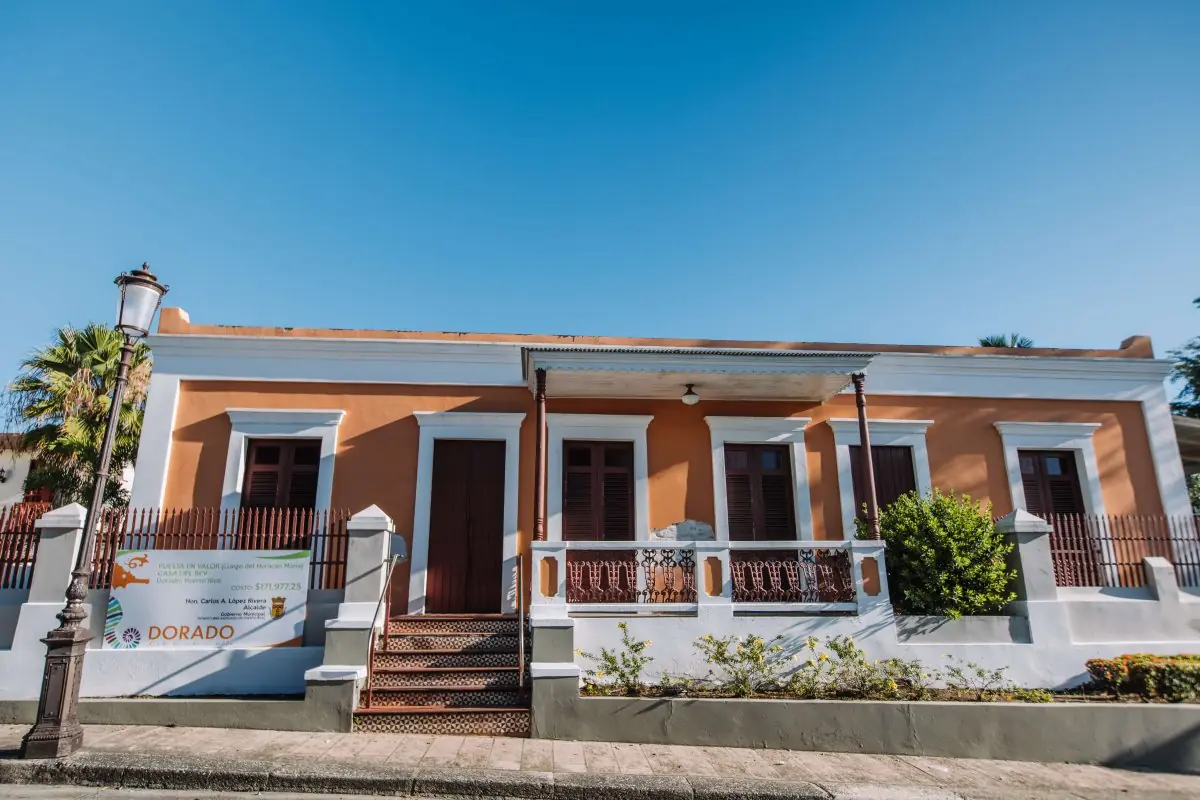
Museo y Centro Cultural Casa del Rey
Built in 1823 as a Spanish military garrison, this preserved structure now holds Taíno artifacts and colonial-era exhibits. It sits steps from the main plaza and costs nothing to enter. Most resort guests never walk the five minutes it takes to find it, which is exactly why you should.
- Location: Downtown plaza, Dorado town center
- Cost: Free
- Best for: History travelers, cultural explorers
- Time needed: 45 minutes
Where should you eat outside the resort gates?
Skip the hotel restaurants for at least two dinners. The best mofongo and steak in Dorado Puerto Rico are in the town itself, and both cost roughly half of what the resort charges. Three places worth your time, plus one splurge inside the gates.
5. El Ladrillo — steakhouse with a mesón gastronómico tag
El Ladrillo has run for more than 30 years and carries the mesón gastronómico designation, an official tourism-board recognition for restaurants of real culinary substance. The dining room is exposed brick and dim light, and the kitchen takes meat seriously. Order the certified Angus filet with whole mushrooms in a cabernet reduction, or the grilled pork chops with housemade applesauce.
- Location: Dorado town center
- Cost: $$$ (entrees ~$25–$45)
- Best for: Couples, special occasions, steak
- Time needed: 90 minutes
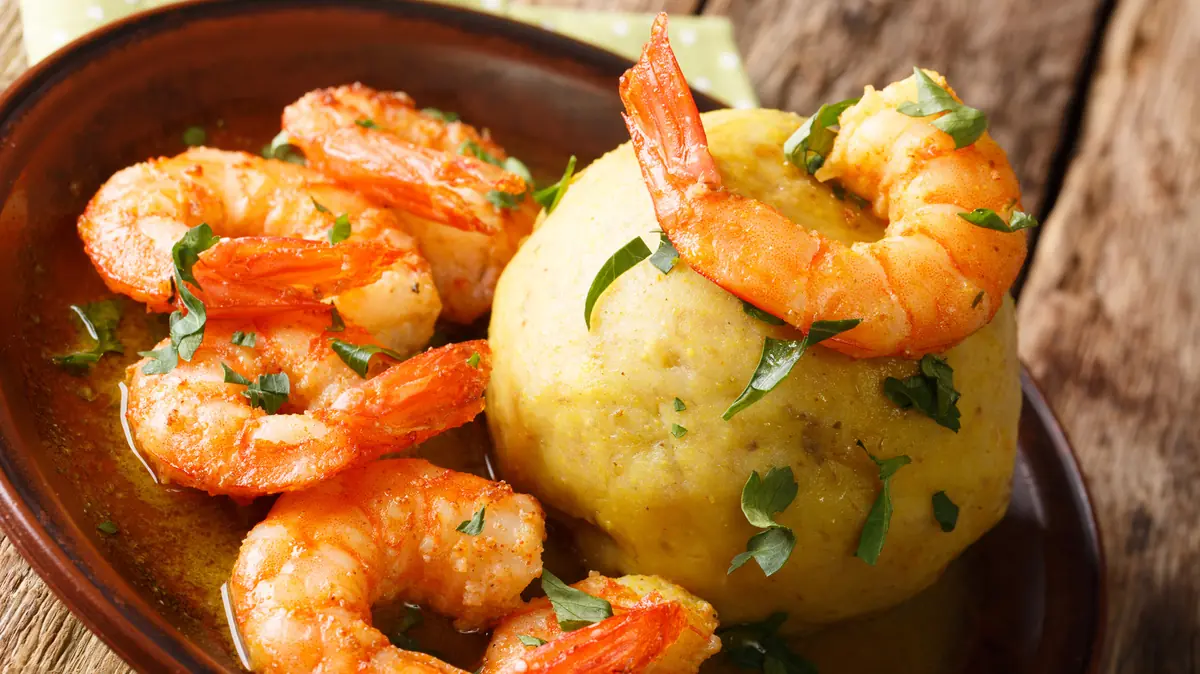
6. La Terraza — oceanfront mofongo since 1983
La Terraza is open-air, on the water, and refreshingly unpretentious. The mofongo arrives in a heavy wooden pilón, and if you listen before your plate comes out you can actually hear the kitchen pounding garlic and plantains. The house specialty is the Terraza-stuffed chicken packed with steak, ham, and local sausage. The fried whole red snapper with tostones is the order I go back for.
- Location: Waterfront, Dorado
- Cost: $$ (entrees ~$15–$30)
- Best for: Authentic local food, families, casual dining
- Time needed: 75 minutes
7. Kikita Beach House — the sunset table
The best sunset view in the municipality is from a table here. Arrive 30 minutes before golden hour and claim one facing the water. After dinner, ROMBO Asador Playero a short walk away pours more design-forward cocktails in a modern open-air setting.
- Location: Coastal road, Kikita area
- Cost: $$ (drinks and plates ~$10–$25)
- Best for: Sunset, casual drinks, couples
- Time needed: 90 minutes
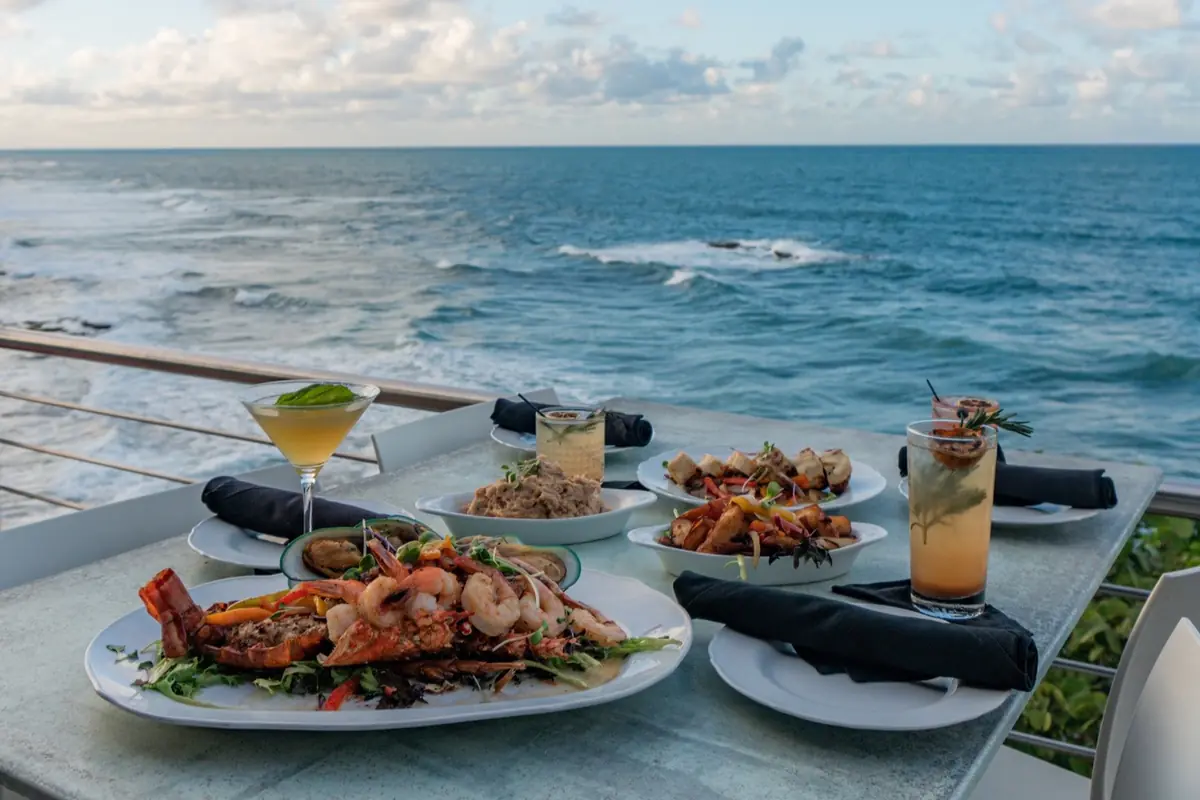
8. COA and Melao — inside the Reserve
If you are going to cross the resort gates for one meal, make it COA or Melao. COA is named for a traditional Taíno wood-harvesting tool and runs a wine cellar, La Cava, with more than 650 labels. Melao, led by Chef Mario Pagán, serves a Scottish salmon in housemade honey-mustard glaze that has become a signature plate for traveling food writers.
- Location: Inside the Ritz-Carlton Reserve
- Cost: $80–$150+ per person with wine
- Best for: Resort guests, special occasion diners
- Time needed: 2 hours
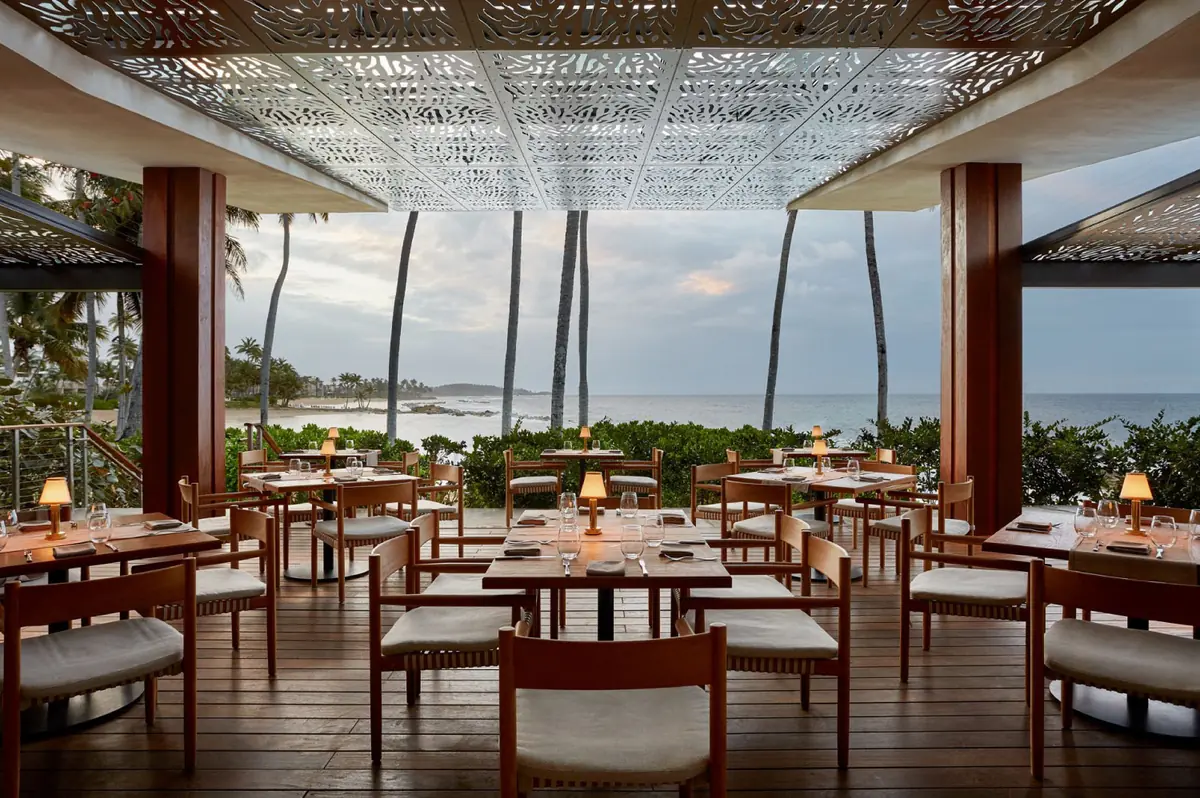
What can you do in Dorado beyond the beach?
Plenty, if you know where to go. The former Rockefeller estate runs two maintained trails, a local farm offers guided forest bathing, and East Beach is the go-to for wind sports. None of it requires a resort reservation.
Trails at the former Rockefeller estate
The property has two maintained paths. The Blue Trail runs 4 miles (6.4 km) through tropical gardens and ends at East Beach. The Green Trail is a shorter 1.8-mile (2.9 km) loop built for cyclists and faster hikers.
Forest bathing at Finca Gaia
Finca Gaia runs guided slow walks through native flora. It is shaded, quiet, and a useful counterweight to a week of exposed coastline — particularly if you are traveling with someone who has had enough sun by day three.
Water sports at Goodwinds (East Beach)
Goodwinds Water Sports operates directly on East Beach, offering wing foiling, kitesurfing, stand-up paddleboarding, and private instruction. The outer reef breaks give advanced riders something to work with, and rental gear plus club access are both on-site.
What’s the history behind Dorado Puerto Rico?
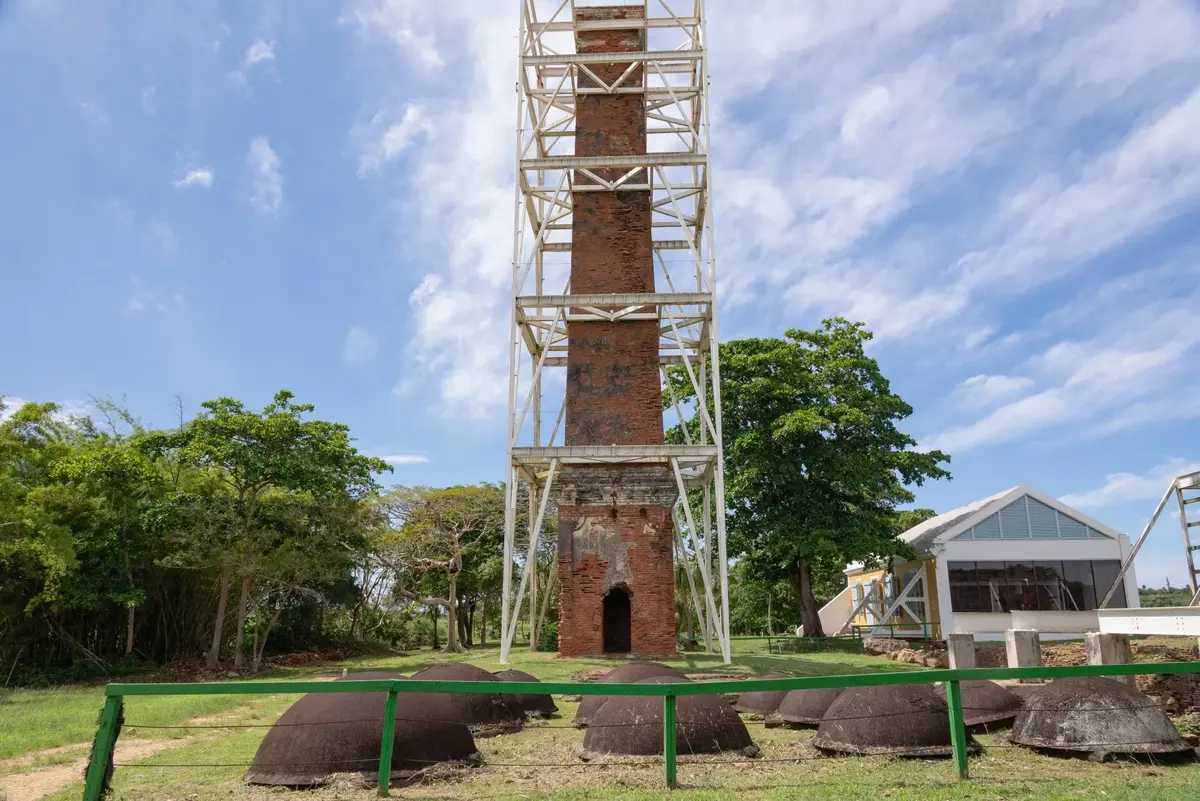
The polish of modern Dorado sits directly on top of one of the most productive 19th-century sugarcane corridors on the island. Hacienda La Esperanza extended deep into this region, and you can still find old stone chimneys and mill ruins in the landscape. The pivot from sugar to luxury came through two families: the Livingstons and the Rockefellers.
Sugarcane roots
Remnants of the old plantation economy are still visible along back roads — stone chimneys, mill foundations, and the occasional piece of rusted cane-press machinery half-swallowed by vines. Ask at Casa del Rey and the staff will point you to the closest ones.
Amelia Earhart slept here
In 1905, Dr. Alfred T. Livingston bought 1,700 acres of coastal land and planted grapefruit and coconut groves. His daughter Clara took over the estate — Hacienda Sardinera — after his death and became a pioneering aviator herself. Her friendship with Amelia Earhart brought the pilot to the property’s private airstrip on multiple visits. The Rockefeller family bought the land in 1955 and built the eco-resort that became the backbone of the region’s modern identity.
When is the best time to visit Dorado Puerto Rico?
The best time to visit Dorado Puerto Rico is mid-June for Fiestas Patronales or early February for Carnaval del Plata. Both events take over the main plaza with live salsa, processions, and artisan markets — the kind of street life no resort itinerary can reproduce. Weather-wise, December through April is driest; August and September bring the highest hurricane risk.
- Mid-June — Fiestas Patronales: The plaza fills for San Antonio de Padua. Religious processions run alongside live salsa from orchestras like Sonora Ponceña and Puerto Rican Power.
- Early February — Carnaval del Plata: A three-day event with floats, dance troupes, artisan markets, and live music. Markets itself as a celebration “for everyone” and delivers.
What should you know about healthcare and emergencies?
Do not rely on the municipal Diagnostic and Treatment Center (CDT) for a serious emergency — it has faced significant infrastructure challenges in recent years. Identify a modern private medical facility near the resort corridor before you need one, especially if you are traveling with young children or older family members. For anything life-threatening, San Juan’s hospitals are 35 minutes away via Route 22.
Pro Tip: Save the address of Hospital HIMA San Pablo Bayamón in your phone before you leave SJU. It is the closest full-service private hospital to Dorado and roughly 20 minutes away.
Before you book
TL;DR: Dorado Puerto Rico rewards travelers who leave the resort gate. Swim at Balneario Manuel Morales, eat mofongo at La Terraza, visit Casa del Rey, and rent a car — skip the idea that the Ritz-Carlton is the town.
The diamond-dust sand at Manuel Morales, the winter sets at Kikita, and a plate of mofongo pounded to order in a 40-year-old oceanfront dining room are the real draw. None of that requires a key card. Leave the balcony door open at night and let the coquí frogs handle the soundtrack.
What do most first-time visitors to Dorado Puerto Rico miss — the town, the history, or the right beach? Tell me in the comments.