
Planning a trip for surfing in Puerto Rico means more than booking a flight and grabbing a board. This guide cuts straight to the logistics of flight fees, road conditions, and reef hazards. You’ll find the exact breaks that match your skill level without the sugar-coating.
How much are surfboard airline fees for Puerto Rico?
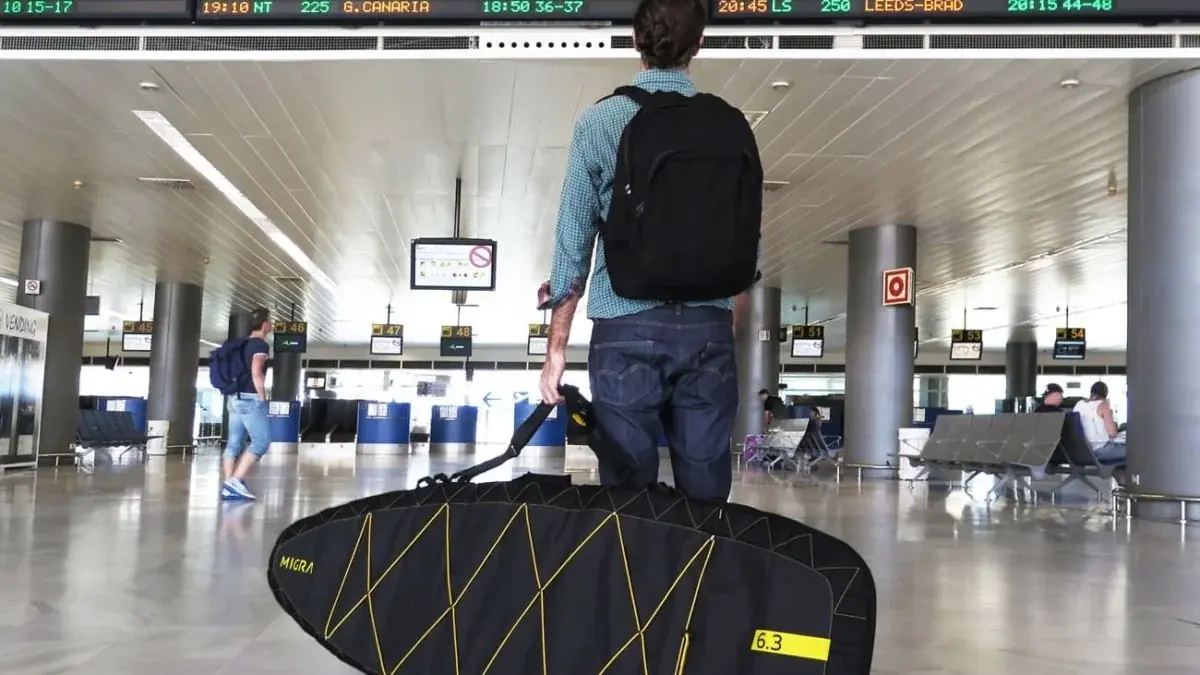
Flying with a surfboard to Puerto Rico costs between $30 and $150 each way depending on airline. Delta is the most consistent budget option at $35 to $45 when your board is under 50 lbs. JetBlue’s flat $100 fee is the most punishing. This is the first place most trips go wrong financially.
Your first move is to fly into Rafael Hernández International Airport (BQN) in Aguadilla, not San Juan’s Luis Muñoz Marín International Airport (SJU). BQN puts you within 30 minutes of the premier reef breaks on the west coast. SJU adds a 2.5-hour drive and a toll-heavy highway stretch to every single session — if you do land there, plan your airport transfer from SJU in advance.
Once you’ve chosen the right airport, the airline policy determines how much damage your board does to your budget.
- Southwest Airlines: $75 one-way. Replaces a standard checked bag. Strict overweight and oversized limits apply.
- JetBlue Airways: $100 one-way flat fee, strictly enforced. Boards over 80 inches generally not accepted.
- Delta Air Lines: $35 to $45. Billed as a standard checked bag if under 50 lbs. Oversized fees may apply above that.
- United Airlines: $30 to $150. Oversized fees waived for up to two boards on California itineraries.
The bottom line: Delta is the most consistent budget option for most travelers, and United is the clear winner if you depart from the West Coast.
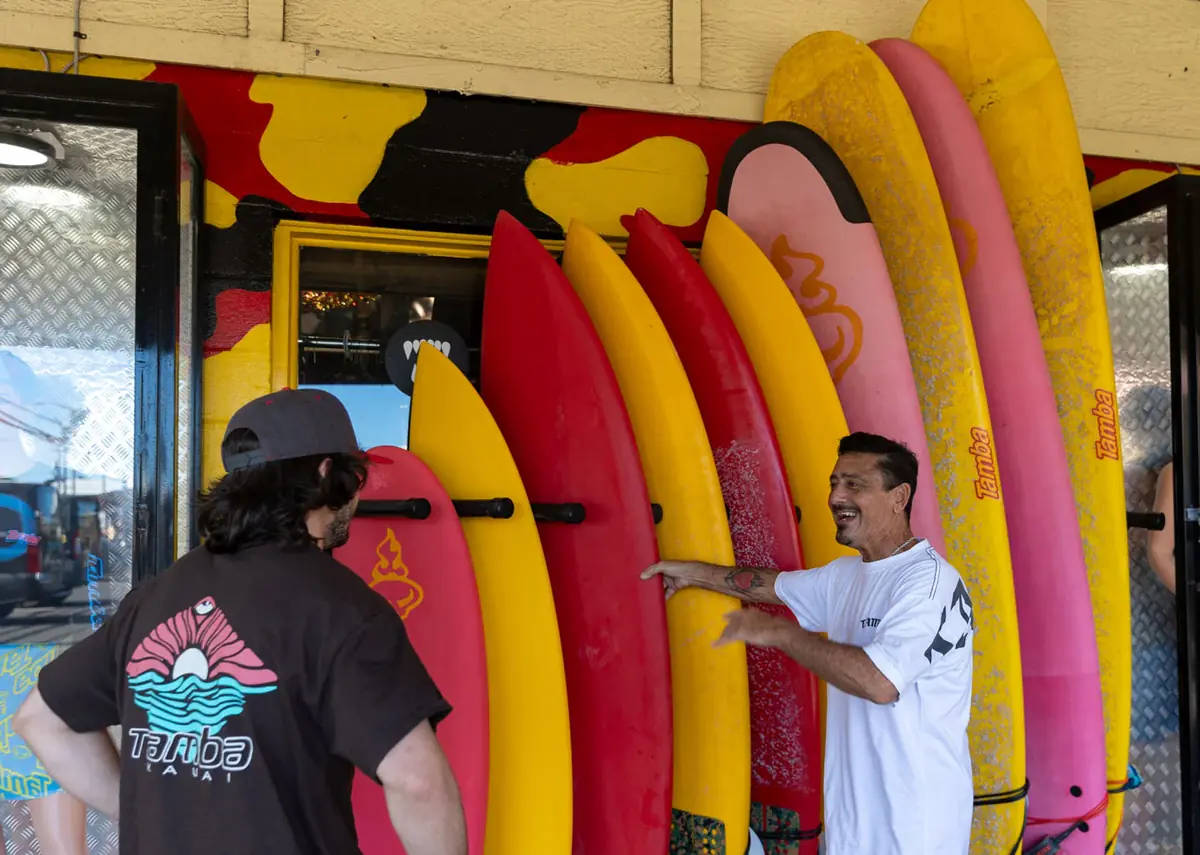
Pro Tip: If your round-trip board fees exceed $150 to $200, renting locally often makes more financial sense. Shops like Mar Azul Surf Shop and Hang Loose Surf Shop charge $20 to $25 per day, dropping to roughly $20 per day for rentals over five days.
Do you need to rent a car for surfing in Puerto Rico?
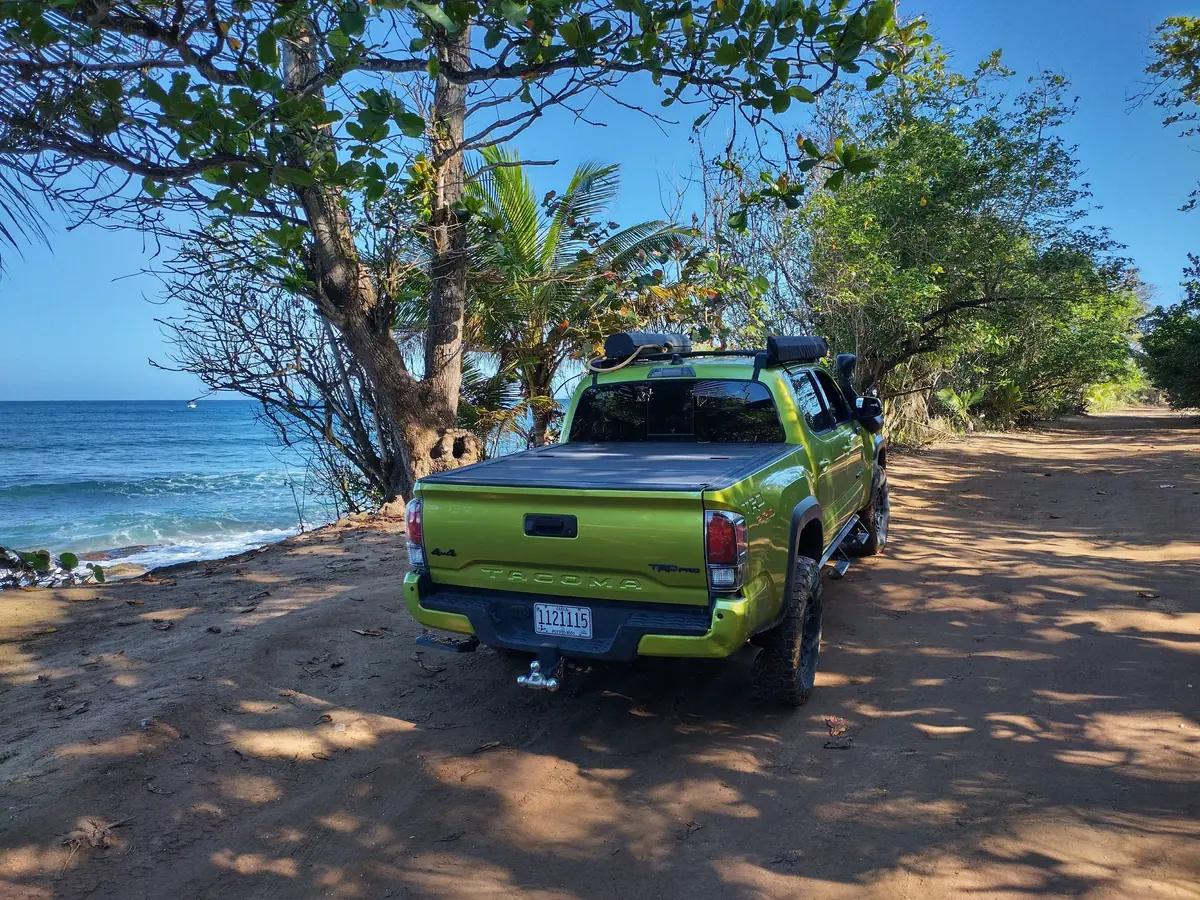
You absolutely need a rental vehicle — you cannot surf this island on rideshare alone. Uber functions adequately inside San Juan’s metro area, but coverage disappears almost entirely once you reach rural towns like Rincón or Aguadilla. If you need to return from a remote beach at 5 p.m., there is no car coming for you.
To dodge the heavy airport tourism surcharges at SJU, look into renting a car in Puerto Rico from off-airport locations in nearby Carolina or Isla Verde. This move alone saves 10 to 20 percent on the daily rate.
Your vehicle choice depends entirely on your itinerary.
- Standard 2WD sedan ($40 to $80/day): Adequate for paved beach access like Escambrón, the main Domes Beach lot, or La Pared in Luquillo.
- SUV or 4WD with higher clearance: Non-negotiable for the deeply rutted dirt roads leading to Wilderness Beach or La Selva. A compact car will leave you stranded a half-mile short of the water.
Gas averages $3.50 to $4.00 per gallon across the island. Toll plazas on PR-22, PR-52, and PR-53 charge $0.75 to $2.00 per crossing, so keep small bills or a T-Pass transponder handy.
Pro Tip: Download offline Google Maps before you leave your accommodation. Cellular service drops frequently near the mountainous coastal zones containing the best breaks.
How much does a Puerto Rico surf trip cost daily?
A daily Puerto Rico travel cost for surfers runs from $85 for budget travelers up to $280 for mid-range comforts. Surf-specific costs — board rentals, lesson fees, and fuel for chasing breaks between coasts — are what generic travel guides miss. Here is what a day actually costs.
- Budget traveler ($85 to $120/day): Hostel bunk beds at $20 to $50 per night. Meals from food trucks and beach kiosks keep daily food spend under $30. Public beaches only.
- Mid-range traveler ($150 to $280/day): Independent Airbnb guesthouses in surf towns at $40 to $95 per night. One or two sit-down restaurant meals per day, plus car rental.
- Board rental: $20 to $25 per day at local shops.
- Group surf lesson in Luquillo: Approximately $78.
- Private half-day surf guide on the west coast: Approximately $165.
If you’re a beginner planning to take lessons, budget the instruction fees upfront. They’re worth every dollar when the alternative is a coral reef with no one to explain how to fall.
How do you protect surf gear from beach theft?
Puerto Rico is as safe for visitors as comparable mainland destinations like Florida, and violent crime rarely affects tourists. Petty theft at remote beach parking lots, however, is a real and prevalent threat that can wreck a great trip. The rule is simple: nothing stays in the rental car.
Leave no passport, no cash, no phone, and not even a charging cable visible on the seat. Remote beach parking lots near popular breaks attract opportunistic theft specifically because surfers stay in the water for two to three hours at a stretch.
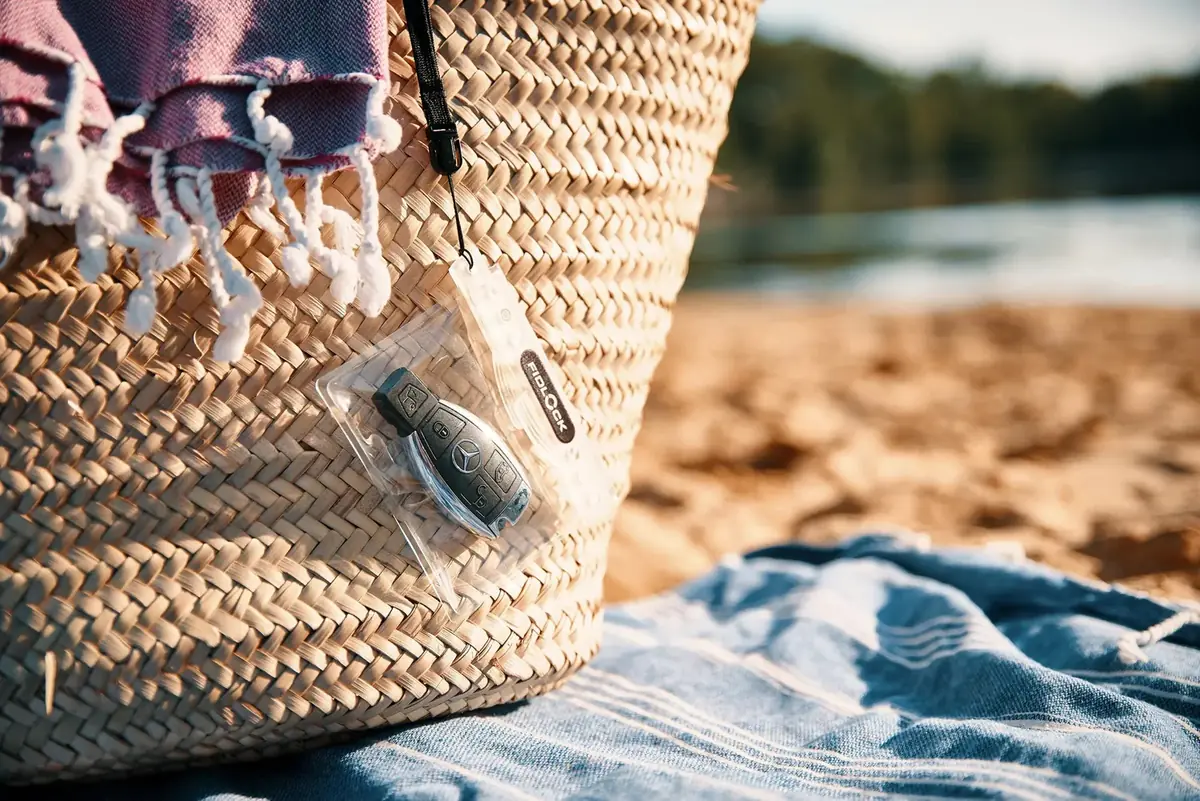
Bring to the beach only what you’re willing to take into the ocean. A waterproof pouch for a hotel key and a small amount of cash is the entire system.
- 911: Works identically to the U.S. mainland for police, fire, and medical emergencies.
- Police non-urgent line: 787-343-2020 for filing a vehicle break-in report.
- Tourist Police Unit: Operates in Condado and Old San Juan for visitor assistance.
How do you treat reef cuts before they turn serious?
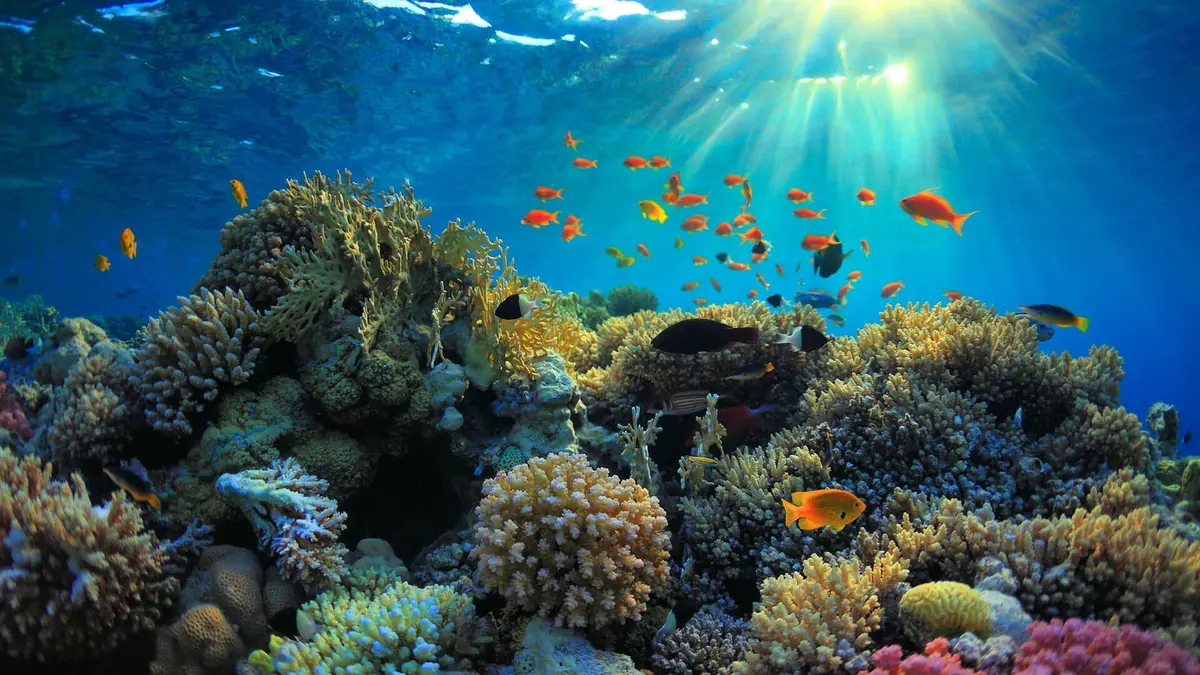
The waves here break over shallow, unforgiving coral, and minor injuries are nearly inevitable for anyone regularly surfing in Puerto Rico. Scrub any cut aggressively and disinfect immediately with lime juice or a medical-grade cleanser. Living marine organisms on reef coral cause staph infections that escalate fast in tropical heat — a cut that looks minor on the beach can become a serious infection within 24 hours.
- Elkhorn coral: Causes severe lacerations. When wiping out, fall flat and spread your weight like a starfish. Never drop your feet down blindly to stand up after a wave — shallow reef sits directly below at many premier breaks.
- Sea urchins: Carpet the crevices throughout the reef. Their spines embed deeply and are difficult to remove without tools.
For serious lacerations or embedded urchin spines, head to Aguadilla Medical Services. It’s close to the northwestern breaks with typical urgent care wait times around two hours.
Pro Tip: The community at Stoked Rincón near Maria’s Beach installed a ZOLL AED Plus defibrillator on-site. That’s a meaningful safety upgrade at one of the island’s highest-traffic breaks.
What are the surf etiquette rules in Puerto Rico?
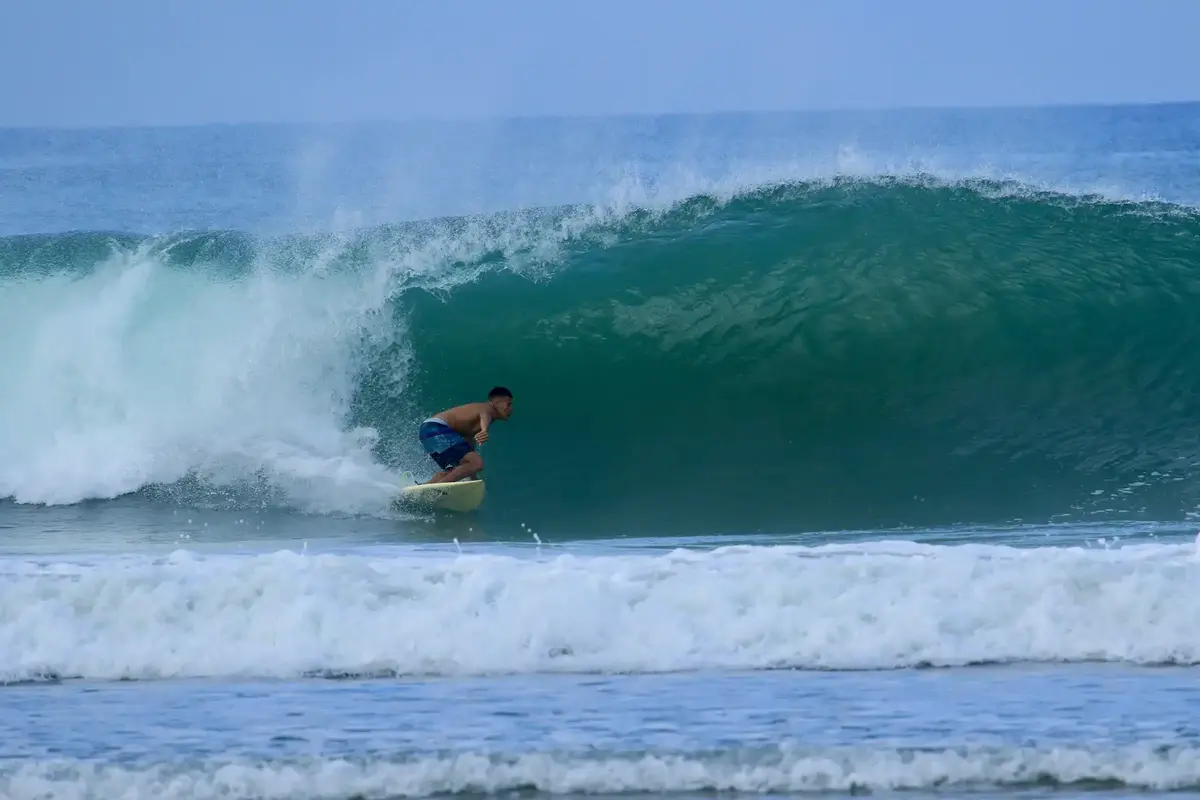
Puerto Rican surf culture runs deep, and talented local riders protect the premier breaks after decades of riding these reefs. Respect is not optional — it’s the actual price of admission. Wave priority belongs to the surfer closest to the peak, dropping in is a cardinal offense, and paddling wide around the breaking zone is expected.
These are loud and demonstrably social lineups. Expect shouts, laughter, commentary, and rapid-fire Spanish in the water. This isn’t aggression — it’s the culture, and the quiet energy of some mainland lineups does not apply here.
- Wave priority: Absolute. The surfer positioned closest to the peak has unquestionable right of way.
- Dropping in: A cardinal offense. Taking off on a wave someone is already riding will get you expelled from the lineup. Watch before paddling.
- Paddle wide: Go around the breaking zone rather than through it. Aim for the white water behind an incoming rider to avoid cutting across their line.
A humble, patient attitude yields far more waves than aggressive positioning. Smile, wait for set waves, and let the locals set the tone. The community responds generously to visitors who show genuine respect.
When is the best time for surfing in Puerto Rico?
The best time for surfing in Puerto Rico depends entirely on your ability level. Peak season runs October through April for intermediate and advanced riders, when North Atlantic swells deliver heavy, hollow waves on the western reefs. Beginners should come June through August when trade-wind conditions produce smaller, forgiving surf. Booking the wrong window is an expensive mistake.
Peak season — October through April
Intermediate to advanced only. Low-pressure systems tracking off the U.S. Eastern Seaboard generate powerful North Atlantic swells. As those swells hit the sudden extreme depths of the Puerto Rican trench, they amplify significantly before detonating on the northern and western reefs. This delivers consistently heavy and hollow surf that is genuinely dangerous for beginners.
Summer season — June through August
Beginners. Smaller trade-wind-influenced waves produce forgiving and manageable conditions. Advanced surfers will be disappointed, but beginners will find it ideal and the best window for professional instruction.
Shoulder seasons — April, May, September, October
Intermediate surfers. This is the sweet spot: smaller but highly rideable waves and noticeably thinner crowds at most breaks. It offers the best risk-to-reward ratio for intermediate riders who don’t need massive winter swells.
Which are the best beginner breaks in Puerto Rico?
The best beginner breaks for surfing in Puerto Rico are La Pared in Luquillo, Jobos Beach in Isabela, and Pine Grove in Isla Verde. All three have sandy bottoms — no coral, no urchins, no consequence for an awkward fall. If you’re still learning, stay east and avoid the western reefs entirely.
1. La Pared (Luquillo) — the top pick
Located in Luquillo about an hour from San Juan, La Pared offers consistent 3-foot to 5-foot waves breaking over a sand bottom. Multiple beachfront surf schools operate here with soft-top board rentals and professional instruction.
- Location: Luquillo, northeastern Puerto Rico
- Cost: Group surf lessons from roughly $78, board rentals $20 to $25 per day
- Best for: Absolute beginners, families, first-timers
- Time needed: Half-day session minimum
2. Jobos Beach (Isabela) — ask for “El Bajo”
The key detail most guides miss: ask for the “El Bajo” section. It’s a specific sandbank in the middle of the beach where waves stay a highly manageable 2 to 3 feet. The sandbar is shallow enough that exhausted beginners can walk their boards back out rather than fighting a relentless paddle. That alone makes it a cut above most beginner spots.
- Location: Isabela, northwest coast
- Cost: Board rentals available nearby, no entry fee
- Best for: Beginners ready to progress beyond La Pared
- Time needed: Half-day
3. Pine Grove (Isla Verde) — backup only
This spot offers small, consistent waves and a sandy bottom. It’s useful if you base your trip in the capital and don’t want to drive far. The downsides: parking is notoriously difficult and the break frequently goes flat. Treat it as a backup, not your primary destination.
- Location: Isla Verde, near San Juan
- Cost: Free beach access, nearby rentals $20 to $25 per day
- Best for: San Juan-based beginners with limited transport
- Time needed: 1 to 2 hours
What makes the northwest coast a World Surfing Reserve?
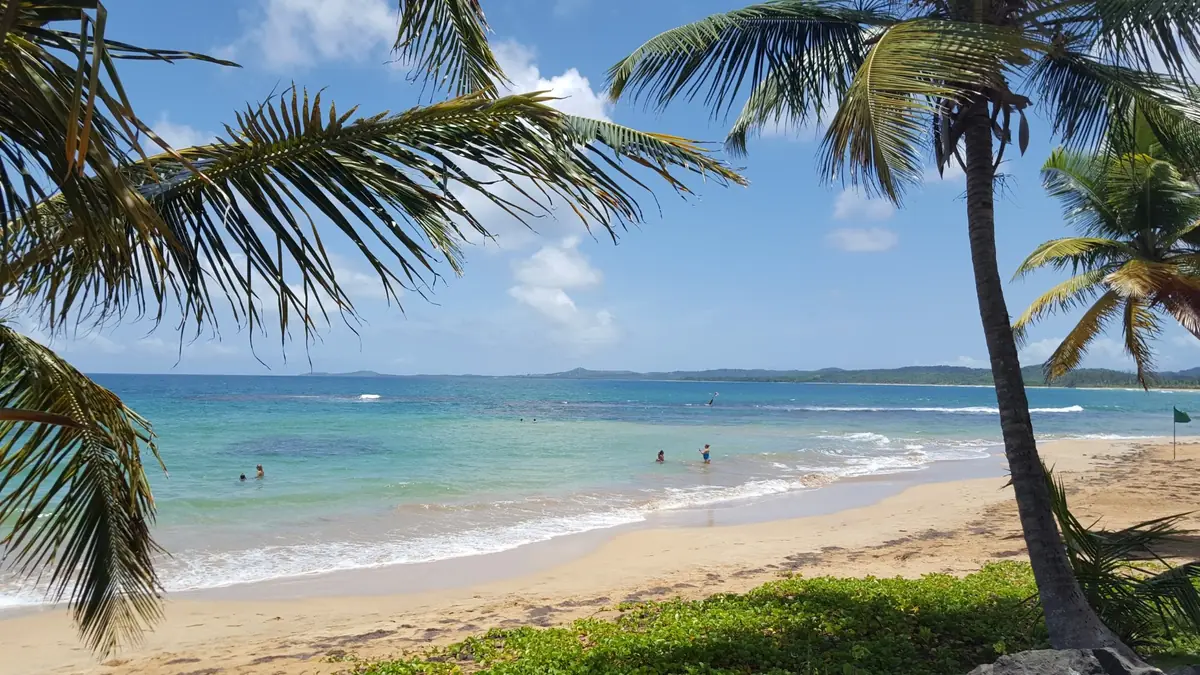
The Punta Borinquen coastline in Aguadilla holds the distinction of being the Caribbean’s first-ever World Surfing Reserve. It earned this designation by producing over 300 days of rideable surf annually across nearly 5 miles (8 km) of coastline. The wave quality, volume, and ecological significance of these reefs rival anywhere in the Western Hemisphere.
Surfer’s Beach and Table Tops
High-performance arenas for confident intermediates. Both offer quality wave shape without the extreme consequence level of the heavier breaks to the north.
- Location: Aguadilla, northwest coast
- Best for: Confident intermediates
- Watch out for: Crowds during winter swells
Wilderness Beach
Located at the end of the airport runway and accessible only via a rough dirt road requiring 4WD. The reward is incredibly long left and right walls. The risk: heavy currents and a singular treacherous entry point. Intermediate surfers should approach with an experienced guide.
- Location: End of Aguadilla airport runway
- Access: 4WD only, rough dirt road
- Best for: Advanced surfers, or intermediates with a local guide
- Time needed: Half-day minimum
Middles Beach (Isabela)
Fast and heavy, with strong offshore currents and rocky sections that create barreling sections. This is the official site of the annual Corona Pro Surf Circuit, which tells you everything about the wave’s caliber.
- Location: Isabela
- Best for: Experienced surfers only
- Watch out for: Strong offshore currents, rocky sections
Los Tubos (Manatí)
An off-the-beaten-path northern coast break facing northwest. Locals know it as one of the rare beaches capable of holding massive swells without closing out into disorganized whitewater, yet most visiting surfers have never heard of it.
- Location: Manatí, northern coast
- Best for: Intermediate to advanced surfers seeking fewer crowds
- Watch out for: Limited local infrastructure
Why is Rincón the capital of surfing in Puerto Rico?
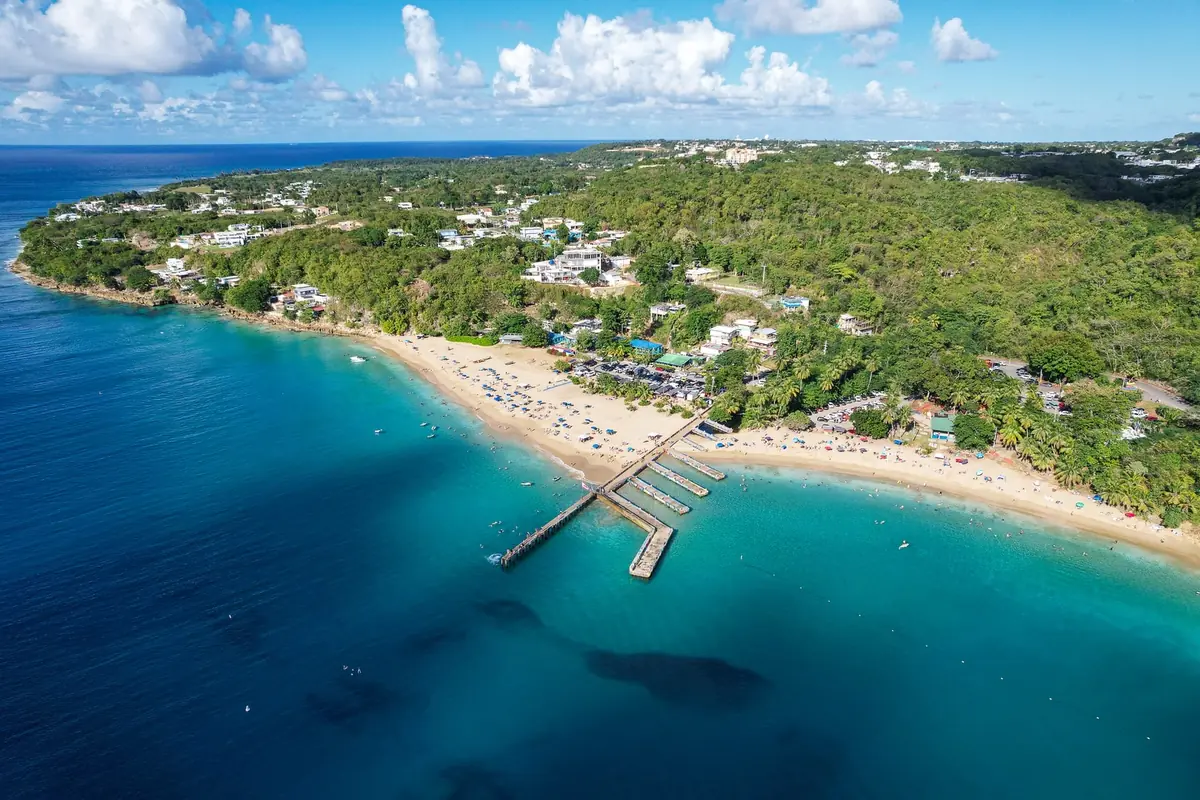
Rincón is the undisputed capital of surfing in Puerto Rico, cemented when the 1968 World Surfing Championships were held here. The waves haven’t gotten any smaller since. Domes Beach, Maria’s Beach, and Tres Palmas form a three-break stretch that ranges from consistent right-hand reef to genuine big-wave territory during major winter swells.
Domes Beach
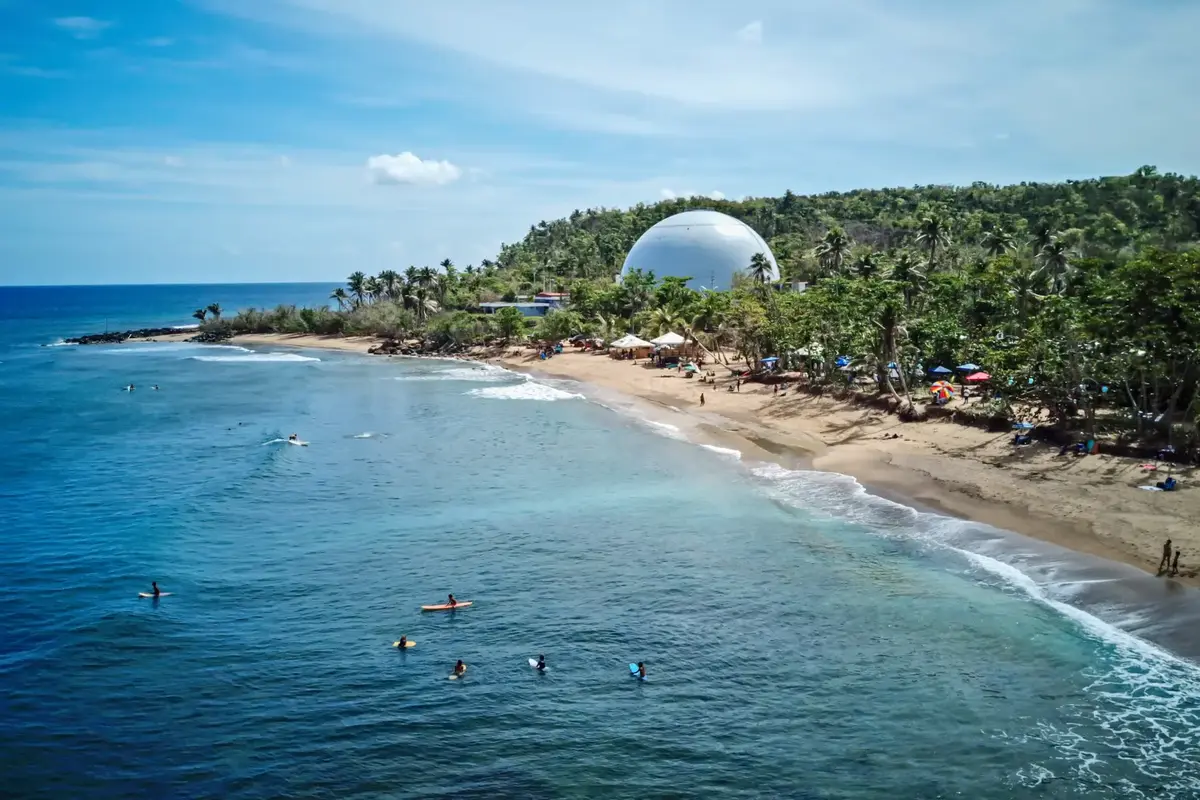
The dominant landmark is an unmistakable defunct nuclear power plant dome resting on the shoreline just north of the Punta Higuero lighthouse. The wave beneath it is a fast, hollow right-hand reef break — clean, consistent, with exceptionally long ride times. Arrive early because the morning crowds are intense and the lineup fills fast.
- Location: North of Punta Higuero lighthouse, Rincón
- Best for: Intermediate to advanced surfers
- Watch out for: Peak crowds at dawn, shallow reef at low tide
- Time needed: Full morning session
Maria’s Beach
Just around the rocky point from Domes, Maria’s offers multiple takeoff zones that help distribute the heavy winter crowds. You’ll find long, rippable right-hand point breaks over a jagged reef. It’s slightly more forgiving than Domes for confident intermediates, but the reef demands respect.
- Location: Rincón, just north of Domes
- Best for: Confident intermediates to advanced
- Watch out for: Jagged reef bottom
- Time needed: Full session
Tres Palmas (Steps Beach) — expert only
This is not a break you paddle into casually. Tres Palmas only activates on the outer reef when wave faces reach double-overhead. On serious winter swells it holds 15-foot to 25-foot faces during major storm events. When it’s firing, it belongs exclusively to big-wave experts with gun surfboards, inflation vests, and serious waterman credentials. If you need a beginner guide, Tres Palmas is not for you.
- Location: Steps Beach, Rincón (south of Maria’s)
- Best for: Expert big-wave riders only
- Hard minimum: Double-overhead experience, gun board, inflation vest
- Time needed: Full day, only on rare swell events
Can you surf in San Juan? La Ocho at Escambrón
For experienced riders stuck in the capital by flight logistics or a short layover, La Ocho at Balneario del Escambrón offers serious waves within the city limits. This is an intermediate-to-advanced break — do not bring beginners here. The exhaustingly long paddle out functions as a natural barrier that keeps the lineup from becoming overcrowded.
Once out, you navigate a formidable and shallow coral wall sitting approximately 50 feet (15 meters) from shore. A wipeout without spatial awareness means a bad day.
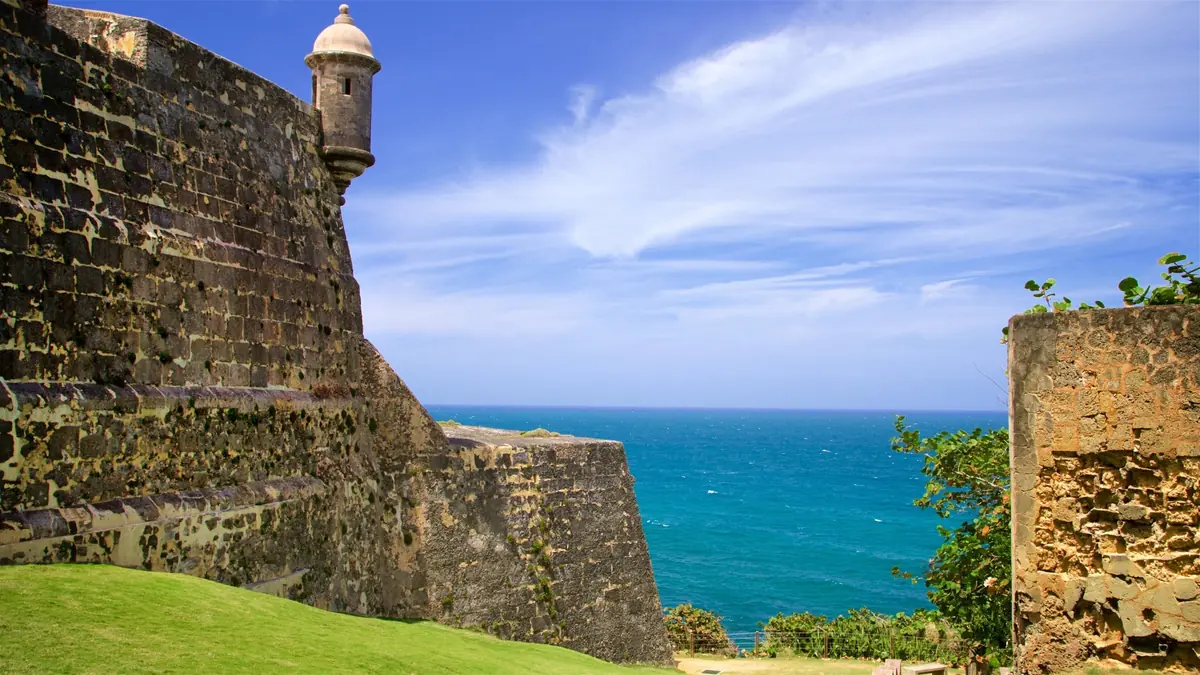
The reward is an evening session where the tropical sunset turns the water pink and opaque, and the ancient stone walls of Old San Juan remain visible from the lineup. No other break in the Caribbean offers that view.
- Location: Balneario del Escambrón, San Juan
- Best for: Intermediate to advanced surfers only
- Watch out for: Long paddle out, shallow coral wall 50 feet (15 m) from shore
- Time needed: 2 to 3 hours including paddle
Pro Tip: After a session at La Ocho, the classic post-surf move is a burger at El Hamburger. Unpretentious, greasy, and exactly what you need.
What should you pack for surfing in Puerto Rico?
Leave the thick wetsuit at home. Caribbean water temperatures hover around a steady 80°F (27°C) year-round, so what to pack for the tropics comes down to boardshorts, a bikini, and a high-quality UPF rash guard. The tropical sun at low latitudes is significantly more intense than what most mainland surfers are used to, and a full rash guard saves your back across a three-hour session.
Hardened locals surf barefoot, but visiting surfers should not try to replicate this. Pack thin 1mm to 2mm reef booties. They provide zero thermal warmth, but they protect against razor-sharp volcanic rock and the sea urchins carpeting the reef crevices at spots like Wilderness and Pools Beach. One urchin spine embedded in your heel ends your session — and potentially your entire trip.
- Warm-water surf wax: Cold-water wax melts off the deck within minutes in the tropical heat. Not optional.
- Reef-safe sunscreen: A genuine environmental necessity. The island’s coral ecosystems are fragile, and chemical sunscreen compounds cause documented coral bleaching.
- UPF rash guard: Long-sleeve preferred for multi-hour sessions.
- 1mm to 2mm reef booties: Protection against volcanic rock and urchin spines.
Where should you eat after a surf session?
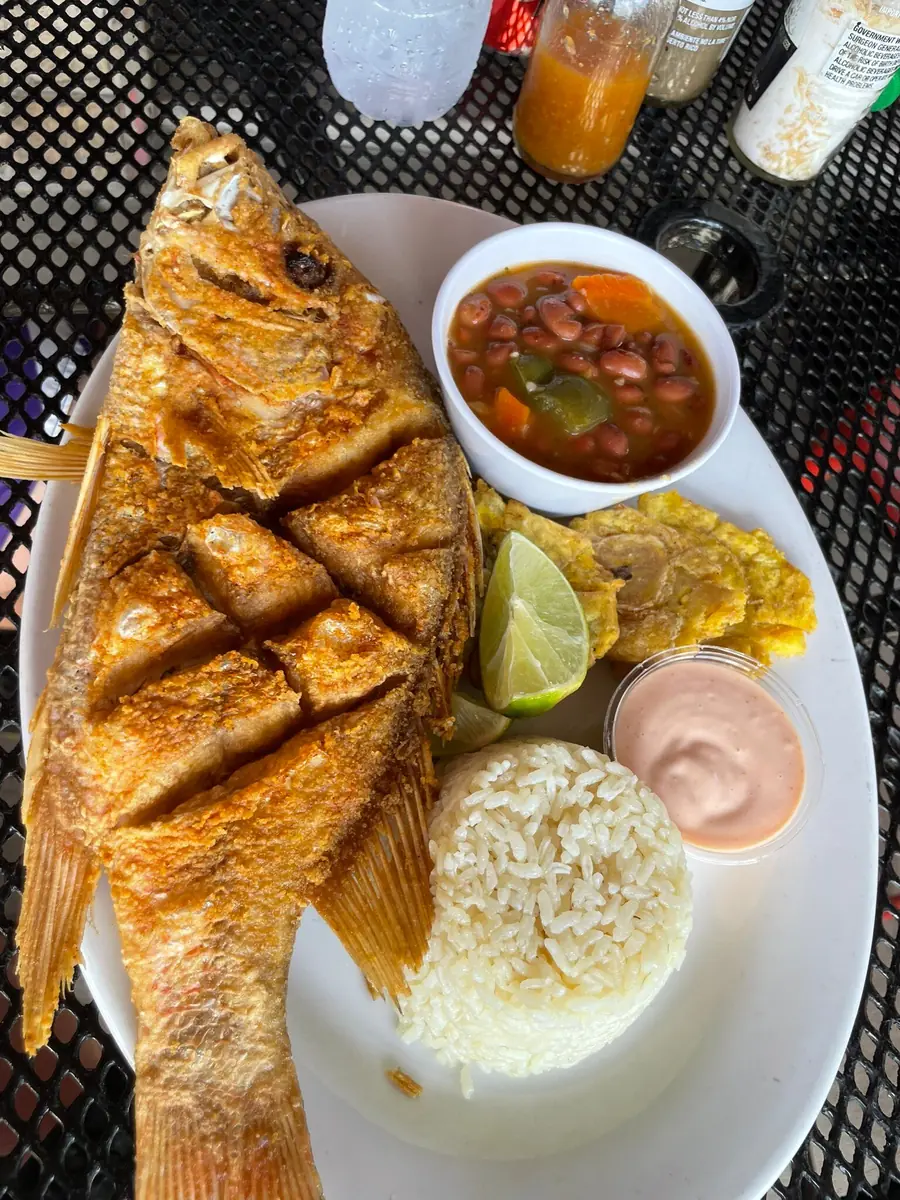
The local surf community eats well and eats cheap — follow their lead. Rincón holds the densest cluster of post-surf spots, with La Cambija and Jack’s Shack as the community standards. For pre-dawn fuel before a morning session, The English Rose and Cafe 413 cater specifically to surfers.
- La Cambija (Rincón): Open-air, locally-owned, reliably packed with surfers after sunset. Fresh fish tacos and traditional criollo-style seafood. Where Rincón locals go, not the tourist strip.
- Jack’s Shack (Maria’s Beach area): Down near the break, serving generous fresh fish sandwiches and a legendary pineapple hot sauce. Perfect for mid-day refueling between sessions.
- The English Rose and Cafe 413 (Rincón): Pre-dawn breakfast for surfers heading out on dawn patrol.
- The Ola Sunset Cafe (Domes Beach): Overlooks the breaks at Domes. Cold drinks and a sunset view that closes the day the right way.
Try essential local foods while you’re here — our Puerto Rico food guide covers the full lineup. Mofongo features mashed plantains and is much heavier than it sounds. Alcapurrias are stuffed yuca fritters sold at roadside kiosks. Empanadillas round out the trio. All of them come with locally crafted pique, a fiery chili-pepper vinegar that earns its reputation.
Before you paddle out
TL;DR: Fly into BQN not SJU, rent a higher-clearance vehicle, match your break to your ability (La Pared and Jobos if you’re learning, Rincón and the Aguadilla reefs if you’re not), and respect the reef and the locals. Get those four things right and the island delivers some of the best surf in the Western Hemisphere.
The waves are real, the reefs are unforgiving, and the community is tight-knit. The northwest coast will humble you if you arrive underprepared, but it’ll reward you with 300-plus rideable days a year if you show up ready. For everything beyond the lineup, our broader Puerto Rico travel guide covers the rest of the island.
Which coastline are you hitting first for surfing in Puerto Rico — the heavy reefs of the northwest, or starting slower with the sand breaks of Luquillo? Drop a comment if you need help planning a specific itinerary.