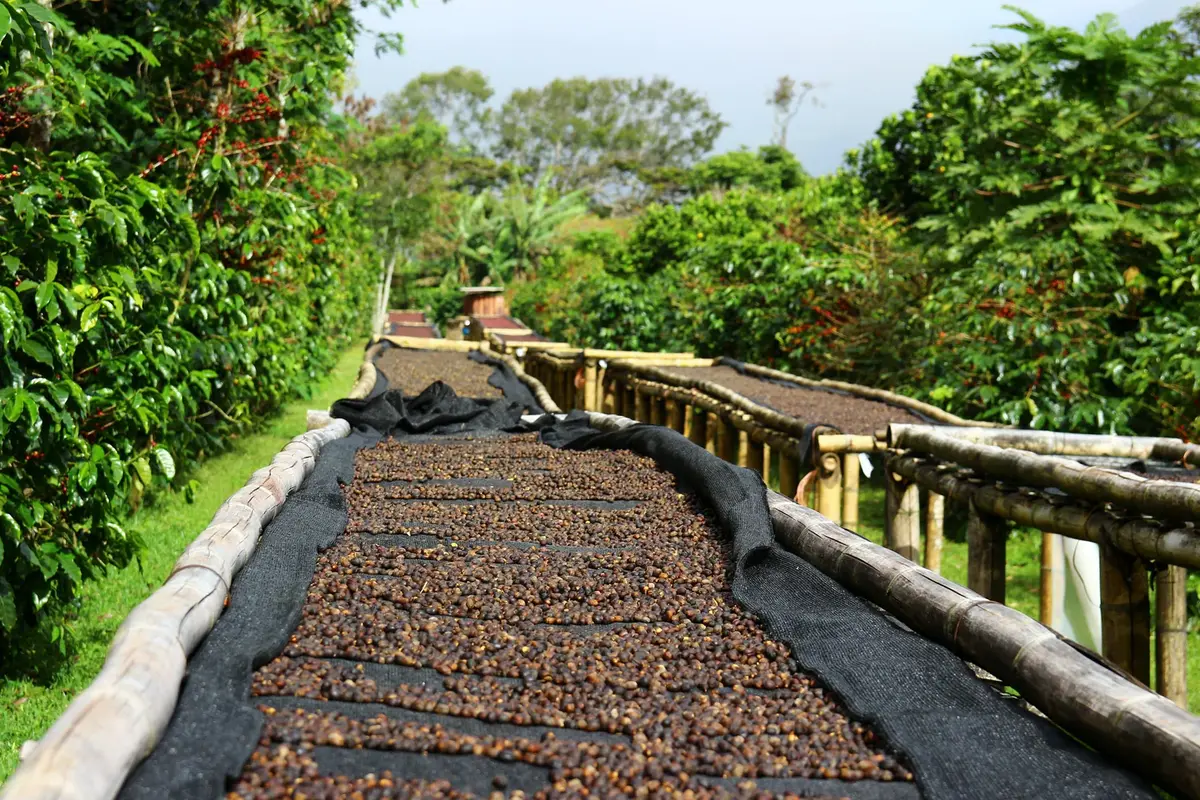
El Salvador coffee tours split into two camps: the $6 farm walk in Ataco that coffee people rave about, and the $100 bus tour where you sit in traffic for hours to reach a brief plantation stop. This guide names the fincas, the real prices, and which one fits your trip.
Where Do You Take a Coffee Tour in El Salvador?
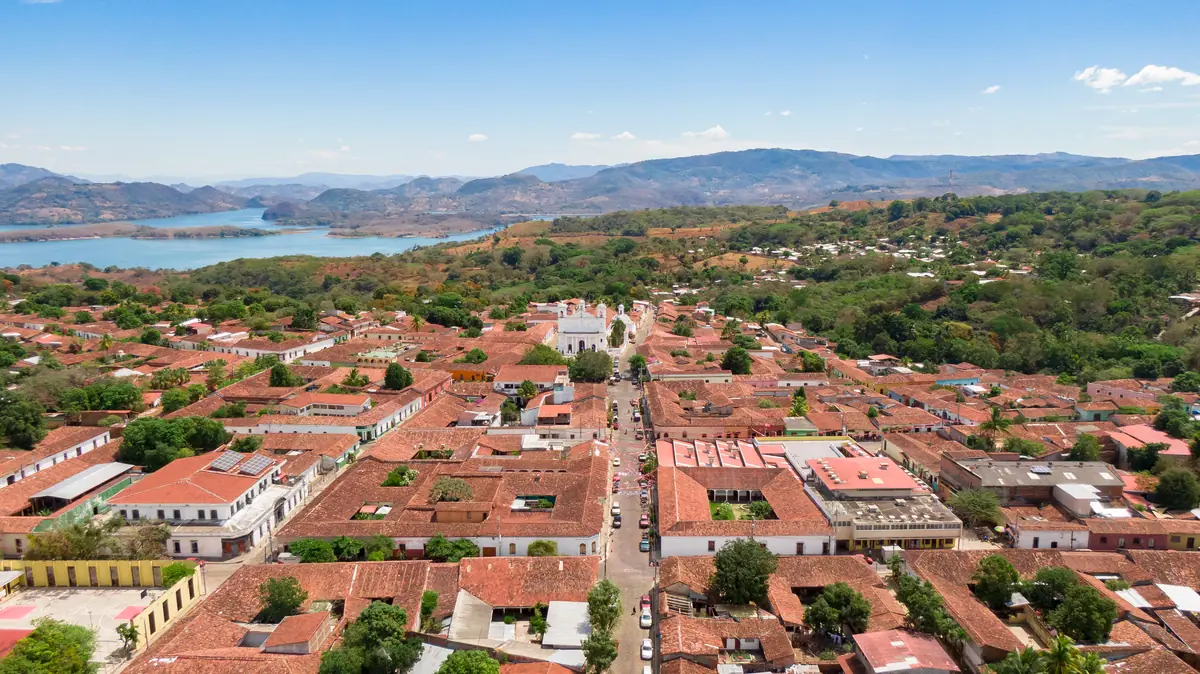
Most El Salvador coffee tours cluster in the Apaneca-Ilamatepec mountains of the west, along the Ruta de las Flores through Ataco, Apaneca, and Juayúa, plus the slopes of the Santa Ana volcano. It’s about 60 miles (97 km) and 1 hour 45 minutes west of San Salvador. Harvest runs November through March.
That western strip does the heavy lifting: the Apaneca-Ilamatepec range alone accounts for about 53% of the country’s coffee, spread over roughly 70,880 hectares (175,000 acres) worked by thousands of small farms. Almost everyone chooses between two paths — a cheap, self-guided farm tour if you base yourself in coffee country, or a full-day tour with pickup if you’d rather not plan. Here’s how the main options stack up:
| Tour | Where | Duration | Price | Includes | How to book |
|---|---|---|---|---|---|
| El Carmen Estate — Traditional | Concepción de Ataco | ~1 hr | ~$6 | Wet-mill walk, process video, chorreador coffee | Walk in / elcarmenestate.com |
| El Carmen Estate — Integral | Concepción de Ataco | ~3 hrs | ~$25 | Welcome coffee + bread, mill, cupping, 1 lb beans, lunch | Book ahead |
| Finca La Esperanza | Santa Ana volcano | ~4 hrs | Ask directly | Hotel pickup, farm walk, pour-over tasting, pupusas | WhatsApp / Facebook |
| Cooperativa Los Pinos | Lake Coatepeque | Half-day+ | Free entry; beans ~$3/400 g | Farm walk, restaurant, cabins | Walk in |
| Full-day Ruta de las Flores | From San Salvador | ~8–9 hrs | ~$93–100 pp | Several towns + coffee stop, transport | Viator / GetYourGuide |
| Standalone Apaneca mill tour | Apaneca | ~1.5 hrs | ~$35 | Mill tour | Local operator |
The Coffee Tours Worth Booking
The prices above tell you what things cost; they don’t tell you which tour is actually good. These are the ones worth your time, and one that divides people.
El Carmen Estate, Ataco — The $6 Tour That Punches Above Its Price
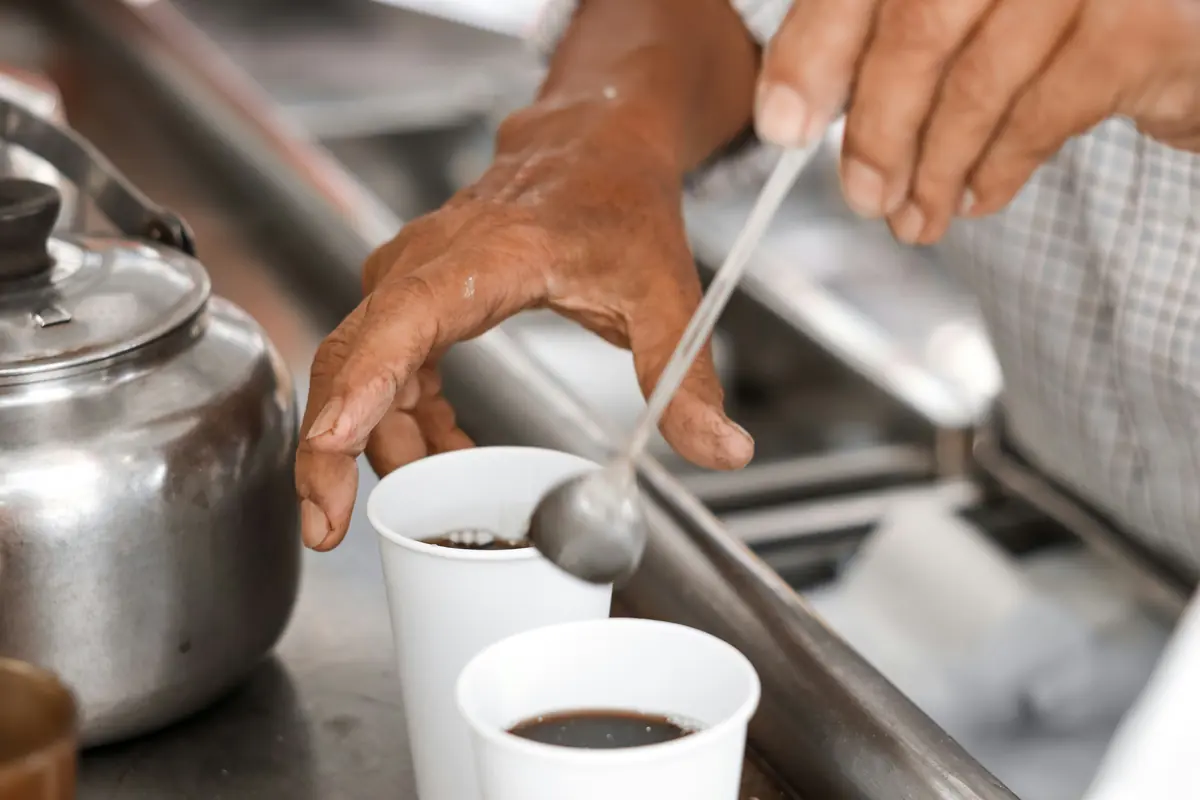
The tour ends the way it should: with a cup poured through a chorreador, the cloth sock brewer that hangs over a wooden stand, made from beans grown on the hillside you just walked. The Traditional tour is short — about an hour — and takes you through the wet mill and a video of the full process before that final cup.
For roughly $6 this is the best-value coffee experience in the country, and visitors repeatedly single out guides like Oscar for clear, thorough English. Pay about $25 for the Integral tour and you add a proper cupping table, a countryside lunch, and a pound of beans to carry home. The estate has been run by the Alfaro family for generations, and the old La Casona house on the grounds is more than a century old. The one catch is distance: Ataco is that 1-hour-45-minute drive from the capital, so El Carmen rewards travelers who spend the night over those who day-trip.
- Location: Concepción de Ataco, on the Ruta de las Flores
- Cost: about $6 (1-hour Traditional) or about $25 (3-hour Integral with cupping, lunch, and a pound of beans)
- Best for: DIY travelers and anyone basing in Ataco
- Time needed: 1 to 3 hours, depending on which tour
Finca La Esperanza, Santa Ana — Coffee With a Volcano Attached
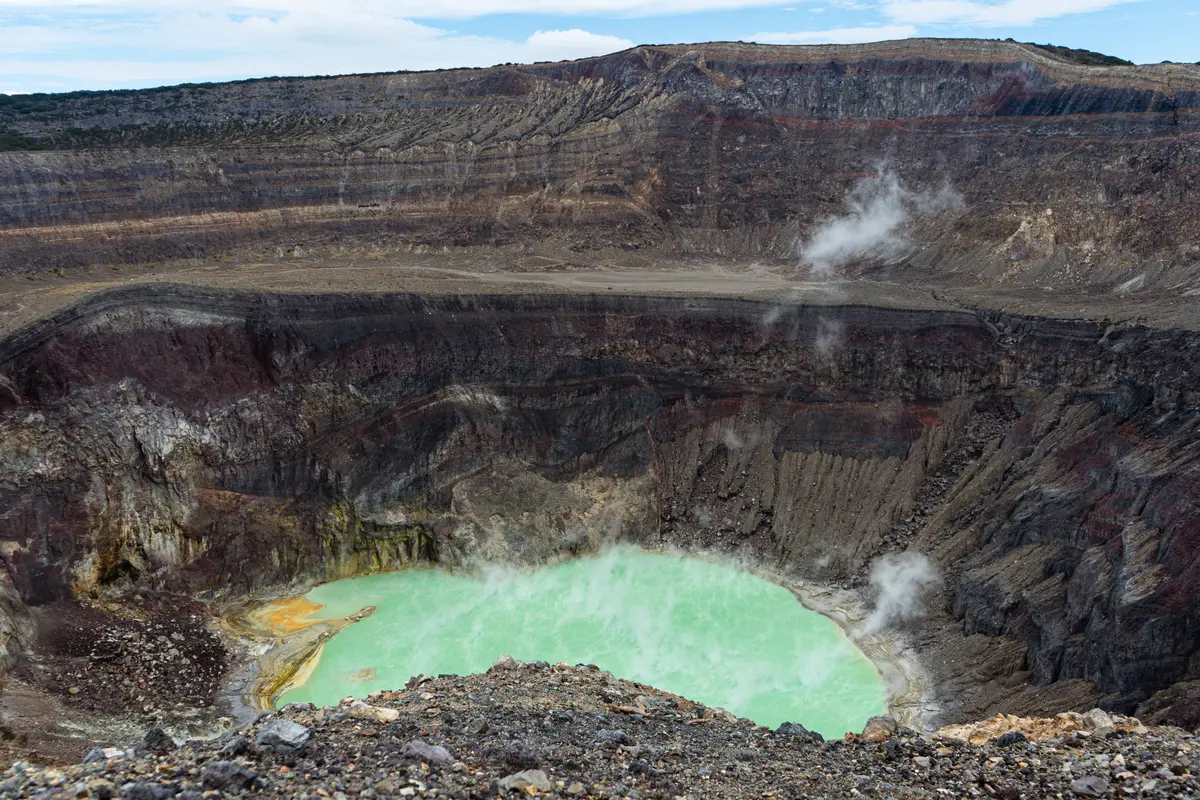
This is a family operation on the flanks of the Santa Ana volcano, run by two brothers, Eduardo and Bruno, with their parents and sisters pitching in. Pickup is part of the deal. The tasting is pour-over across several varietals, and pupusas with dessert land on the table before you leave.
It’s the most personal tour on this list. Eduardo has been known to drive guests partway up the volcano for the view, and Bruno emails photos afterward. It carries a 5.0 out of 5 rating on Tripadvisor and sits at #7 of 18 things to do in Santa Ana. Two things to know: the price isn’t posted publicly, so you book and ask through WhatsApp or Facebook, and self-drivers have reported trouble finding the farm — take the pickup rather than navigating yourself.
- Location: Santa Ana volcano slopes (book pickup — self-driving is unreliable)
- Cost: not publicly posted; request via WhatsApp or Facebook
- Best for: Small groups who want a farmer-led tour and plan to hike the volcano too
- Time needed: about 4 hours with pickup and drop-off
Cooperativa Los Pinos, Lake Coatepeque — Coffee, Cabins, and a Crater Lake
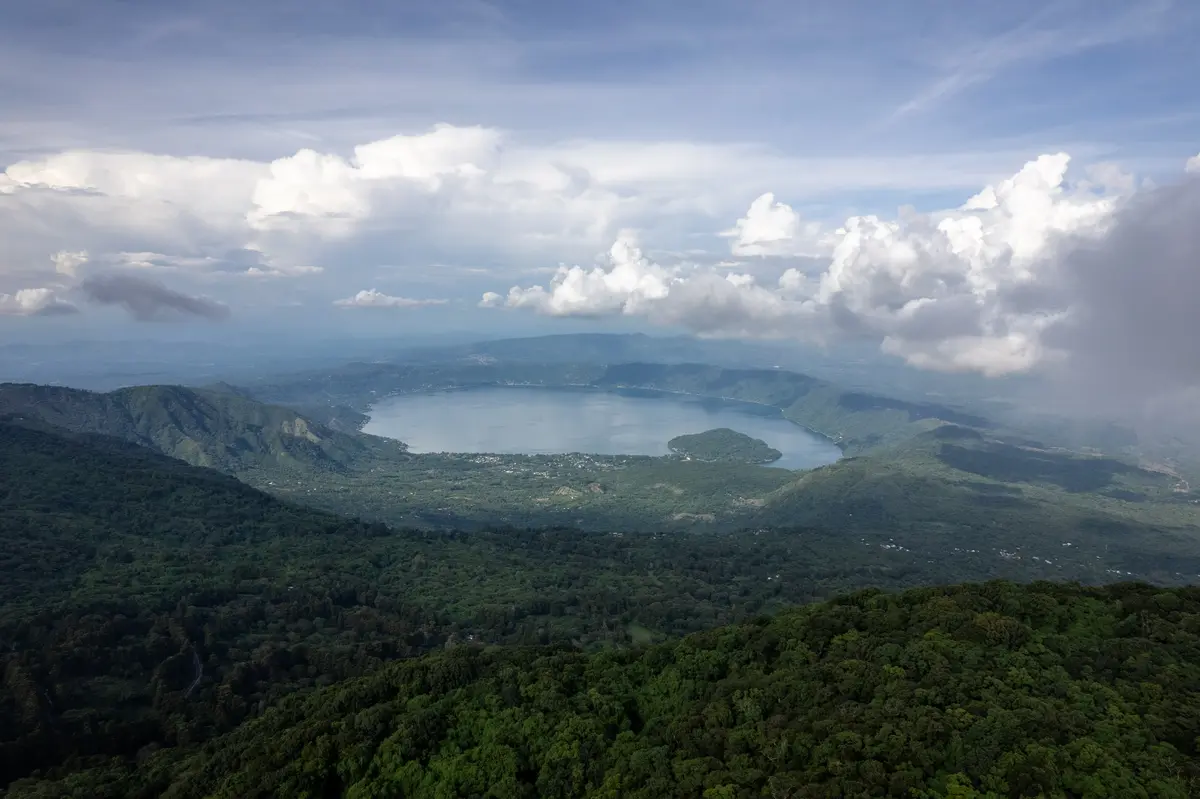
The cooperative sits above Lake Coatepeque, a flooded volcanic crater that turns an improbable blue on a clear morning. You can walk the coffee, eat at the restaurant, and buy beans for about $3 per 400 grams (14 oz).
This is less a formal tour than a way to fold coffee into a lake day, with cabins if you want to stay over. It pairs well with the Santa Ana volcano hike or a stop at Cerro Verde, both close by. If you specifically want a structured mill-and-cupping walkthrough, El Carmen or La Esperanza give you more of one.
- Location: Cooperativa Los Pinos, above Lake Coatepeque
- Coffee to buy: about $3 per 400 g (14 oz) at the restaurant
- Best for: Travelers combining coffee with a lake day or an overnight in the cabins
- Time needed: a half-day, or an overnight
Full-Day Ruta de las Flores Tours — When Convenience Wins
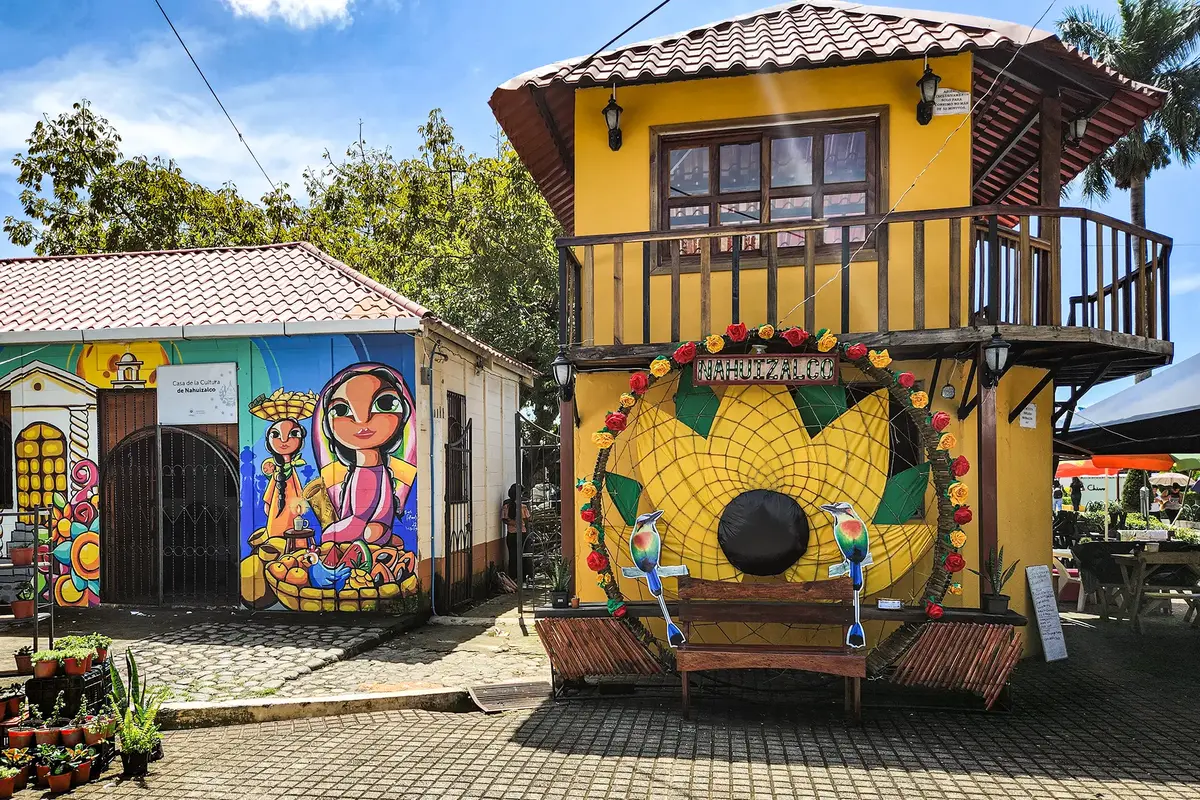
These are the products you’ll see first on Viator and GetYourGuide: a full day looping Nahuizalco, Salcoatitán, Juayúa, Apaneca, and Ataco, with a coffee-farm stop folded in somewhere.
Convenience is the whole selling point — hotel pickup, no navigating, several towns in one shot for roughly $93 to $100 per person, with private versions running $80 to $140. The trade-off is time in the van. Travelers regularly report spending most of the day driving, with one common complaint being 7 of 11 hours in the car, while the “coffee farm” shrinks to a quick stop. If coffee is the reason you came, this is the weakest way to get it. If you want a sampler of the whole route with someone else at the wheel, it does the job. Meals usually aren’t included.
- Departs from: San Salvador (some from El Tunco with a transfer)
- Cost: roughly $93–100 per person for a group tour; $80–140 private
- Best for: No-planning travelers who want several towns plus a coffee stop in one day
- Heads up: expect a lot of driving; some run 8–9 hours with limited town time
- Meals: usually not included
Café Albania, Apaneca — Fun for Kids, Skippable for Purists
Part coffee stop, part adventure park: ziplines, a rainbow slide, and viewpoints strung across a hillside in Apaneca. It shows up on a lot of day-tour itineraries.
It splits travelers cleanly. Families with kids tend to have a good time; people who came for the coffee often find it gimmicky and overpriced. There’s nothing wrong with it as an afternoon of ziplines and photos — just don’t mistake it for a coffee education, and don’t build your day around it if the beans are the point.
- Location: Apaneca, on the Ruta de las Flores
- Cost: entry plus paid activities (ziplines, slides)
- Best for: Families with kids; skip if you came for the coffee
- Time needed: 1–2 hours if you go
What Actually Happens on an El Salvador Coffee Tour?
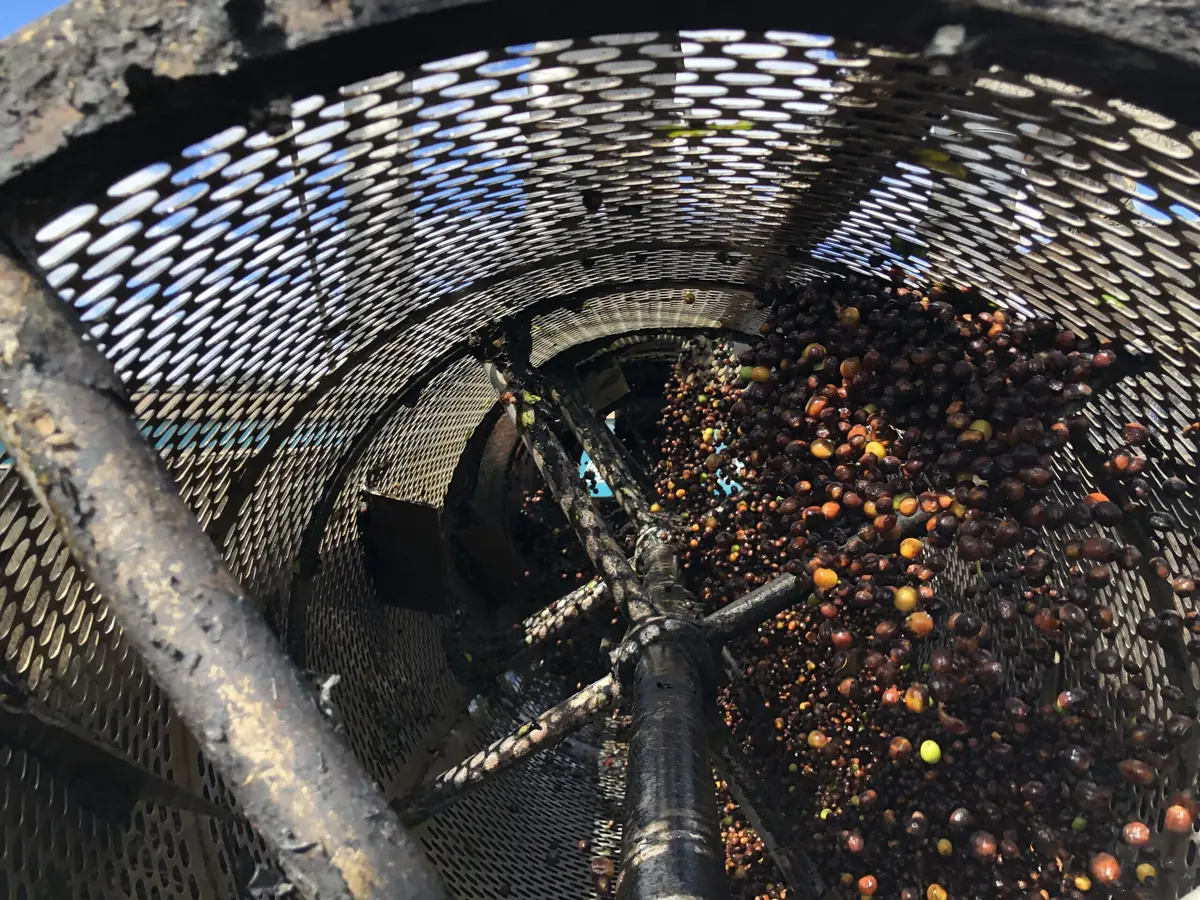
A standard tour opens with a welcome cup brewed through a chorreador and some sweet bread or pupusas, then a walk through shade-grown rows and the nursery. Next comes the beneficio, or wet mill, where you watch pulping, fermentation, washing, and drying on patios or raised beds. Most tours close with a cupping and a chance to buy beans.
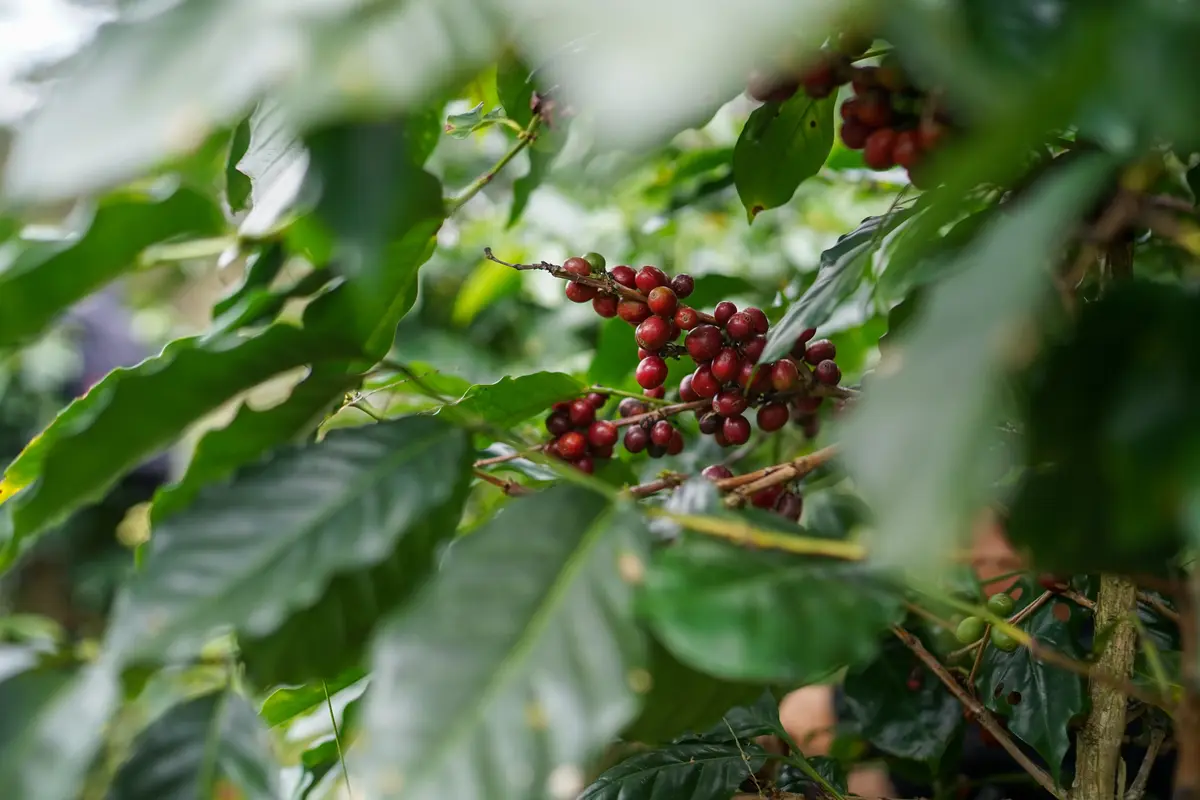
The one part you can’t fake is picking. Cherry-picking only happens during the November-to-March harvest, when the trees are heavy with red fruit and the mills are actually running. Outside that window, the fields go quiet and the tour leans on the mill and the tasting instead. Many farms also play a short video of the full cherry-to-cup process, then hand you a sorting tray so you can see how defective beans get pulled out before roasting.
Pro Tip: Ask whether picking is happening the week you visit. Outside harvest the trees are dormant, and the farm walk becomes more about the mill and the cupping table than the fields.
Which Coffee Does El Salvador Grow?
Two of the varieties you’ll taste were born here. Pacas showed up as a natural mutation of Bourbon on the Pacas family’s San Rafael farm in the west, and Pacamara — a Pacas crossed with the giant-beaned Maragogipe — was bred in the labs of El Salvador’s national coffee institute. Drinking either one on a farm here means tasting a variety in the country that created it.
El Salvador grows only Arabica, and Bourbon still leads at roughly 64% of production, with Pacas around 26% and the rest split among Pacamara, Geisha, and the rare Bernardina. About 90% of it is shade-grown. Quality is graded by altitude: Strictly High Grown means above 3,900 feet (1,200 m), and most western farms sit between about 3,300 and 6,200 feet (1,000–1,900 m), with El Carmen at roughly 4,265 feet (1,300 m). Pacamara has become the country’s showpiece — it has won 14 Cup of Excellence titles, with scores ranging from 90 to 93.52.
When Is the Best Time to Take a Coffee Tour?
The best time is harvest season, November through March, when farms are actively picking and running the mills — the only stretch when you can pick cherries yourself. It peaks in January and February and overlaps the dry season, which brings the most reliable highland weather. A smaller secondary “fly crop” trickles in around April to June.
- November–March: main harvest, mills running, cherry-picking possible
- January–February: peak picking
- December–March: dry season, best weather in the highlands
- April–June: small secondary “fly crop”
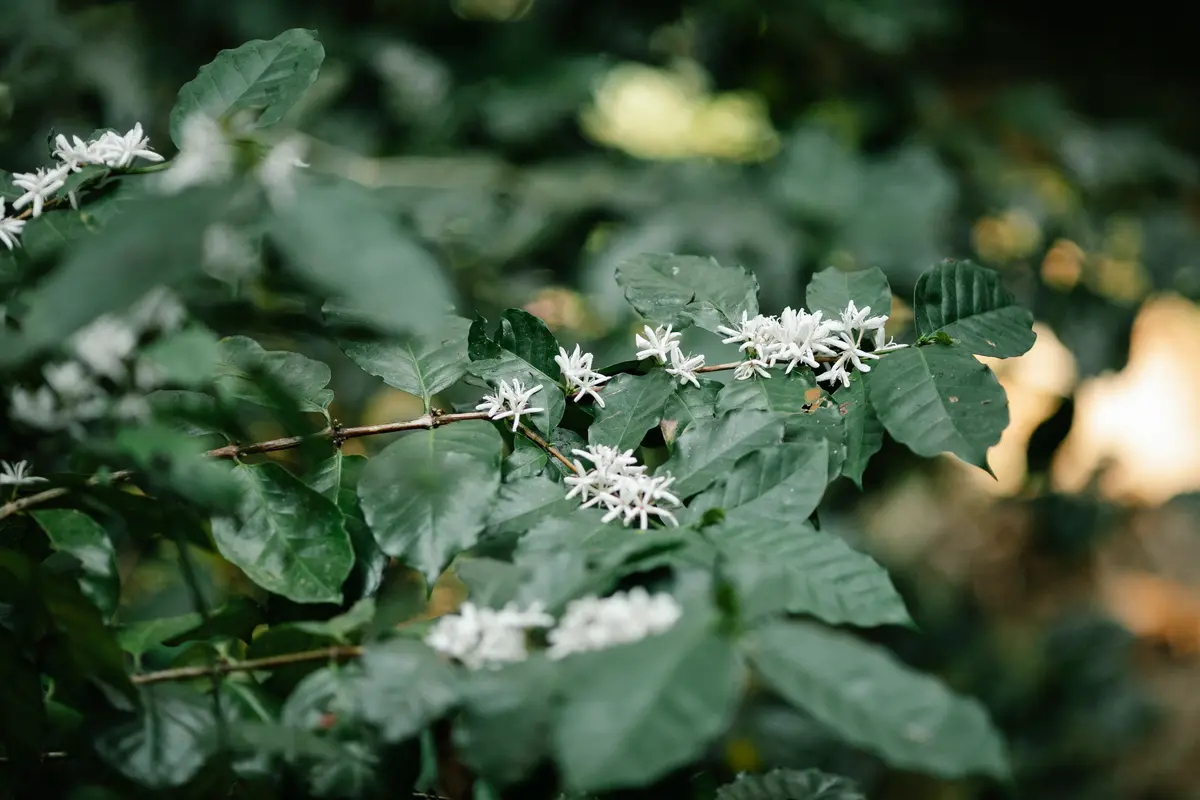
- November–February (and after the May rains): white coffee blossoms across the hillsides
Weather in coffee country stays mild year-round. Daytime highs in Ataco rarely climb above 73°F (23°C), and nights get genuinely cool, so pack a layer. The wet season runs May through October. One thing that catches people off guard: the highland sun is strong even when the air feels cool.
How Do You Get to Coffee Country From San Salvador or the Beach?
Most travelers reach coffee country from San Salvador. Ataco is about 60 miles (97 km) and 1 hour 45 minutes by car; from the airport it’s roughly 82 miles (132 km) and 2 hours 20 minutes. You can rent a car, hire a private driver, join a full-day tour with pickup, or take public buses through Sonsonate or Ahuachapán.
| Route | Distance | Drive time |
|---|---|---|
| San Salvador → Ataco | ~60 mi (97 km) | ~1 hr 45 min |
| Airport (SAL) → Ataco | ~82 mi (132 km) | ~2 hr 20 min |
| San Salvador → Santa Ana / Cerro Verde | — | ~2 hrs |
Your options, cheapest to easiest:
- Public buses: the cheapest route, a few dollars, with a transfer in Sonsonate or Ahuachapán. Slow (2.5–3 hours) but doable for backpackers.
- Rental car: the most flexible; roads on the route are well paved.
- Private driver: convenient and around $150 one-way between San Salvador and Ataco, worth it for a group.
- Full-day tour: pickup and drop-off included, but see the driving caveat above.
Coming from the beaches at El Tunco or El Zonte, the drive is longer, and most travelers either book a tour or drive. Either way, the smarter move is to base in Ataco or Juayúa for two or three nights rather than attempting a rushed one-day loop. You’ll actually see the towns instead of the inside of a van, and you’ll have time for the $6 El Carmen tour on your own schedule.
Is El Salvador Safe for a Coffee Trip?
El Salvador is rated Level 1 — Exercise Normal Precautions — by the US State Department, its safest advisory tier, after a steep drop in violent crime. The Ruta de las Flores sits among the country’s most visited and safest areas. US citizens need no visa, and the country runs on US dollars.
- Visa: none needed for US citizens; the regional CA-4 rule allows 90 days
- Money: US dollars; bring cash, because farm shops and small-town markets often don’t take cards
- Bitcoin: legal tender but voluntary and rarely accepted — don’t count on it
- Language: Spanish, though larger operators and guides often speak English
- Sun: highland sun is intense even when temperatures feel cool, so pack sunscreen
Pro Tip: Pull cash before you leave the city. Small farms sell their own beans on-site, and the good bags go home with people who had dollars in their pocket.
Before You Book Your Tour
TL;DR: For the most coffee per dollar, take the $6 (or $25) tour at El Carmen in Ataco and base yourself there for a couple of nights. Want it farmer-led and paired with a volcano? Book Finca La Esperanza’s pickup. Only take the $93–100 full-day bus tour if convenience matters more than the coffee itself. Go November through March, and bring cash.
The short version is that El Salvador coffee tours reward people who slow down. The country invented two of the varieties in your cup, the farms are small and family-run, and the best experience costs less than a latte back home — if you skip the all-day van and go straight to the source.
Which way are you leaning — the self-guided $6 walk in Ataco, or handing the logistics to a full-day tour? Drop your travel dates and where you’re basing in the comments, and I’ll point you to the one that fits.