Ten days in El Salvador is enough to surf black-sand breaks, stand over a steaming crater lake, and eat your way through a mountain food fair — as long as you don’t over-schedule it. This itinerary settles two decisions first: how fast to move, and where to base so you lose the fewest hours in transit. The rest follows.
The 10-Day Route at a Glance
A proven loop: two nights around San Salvador for arrival and the crater-rim warm-up, two nights in Santa Ana for the volcano and Lake Coatepeque, two on the Ruta de las Flores for Juayúa and Ataco, one in Suchitoto, and three on the coast at El Tunco or El Zonte. Flip it if you’re arriving overland from Guatemala.
That skeleton in list form, with nights per base:
- San Salvador area: 2 nights — arrival, El Boquerón crater, the ruins
- Santa Ana: 2 nights — the volcano hike and Lake Coatepeque
- Ruta de las Flores (Juayúa or Ataco): 2 nights — the weekend food fair and mural towns
- Suchitoto: 1 night — cobblestones, indigo, lake views
- Coast (El Tunco or El Zonte): 3 nights — surf, sunsets, one slow day
The loop begins and ends within an hour of the airport, so you never backtrack far. If you have to cut one stop, drop Suchitoto before the coast — it’s the easiest night to fold into a San Salvador day trip instead.
The One Thing That Decides Your Trip — How Fast to Move
El Salvador is small enough to see the highlights in a week, so ten days should buy you a slower trip, not a longer checklist. Pick three or four bases, not seven. The travelers who come home frustrated are usually the ones who switched towns every night chasing every last node on the map.
The distances here are short — this is the smallest country in Central America, and you can cross most of it in a few hours. That’s exactly why the trap is over-movement, not distance. Many travelers report seeing the bulk of the highlights in about seven days: the Santa Ana volcano, the Ruta de las Flores, Suchitoto and a couple of beach days. One Tripadvisor forum poster mapped a deliberate ten-day loop through San Salvador, the Ruta and Suchitoto and skipped the coast entirely, precisely to avoid the daily-transfer grind.
So use the two extra days one of two ways: add the full Surf City coast, or keep the same route and give each base a real morning and evening instead of a drive-through. What you should not do is squeeze in a seventh base to say you saw it.
Pro Tip: Leave one full day with nothing scheduled — a weather buffer for the volcano, which closes the trail in poor conditions, or a pure rest day. Every over-packed El Salvador itinerary regrets not having it.
Getting Between Stops Without Losing a Day
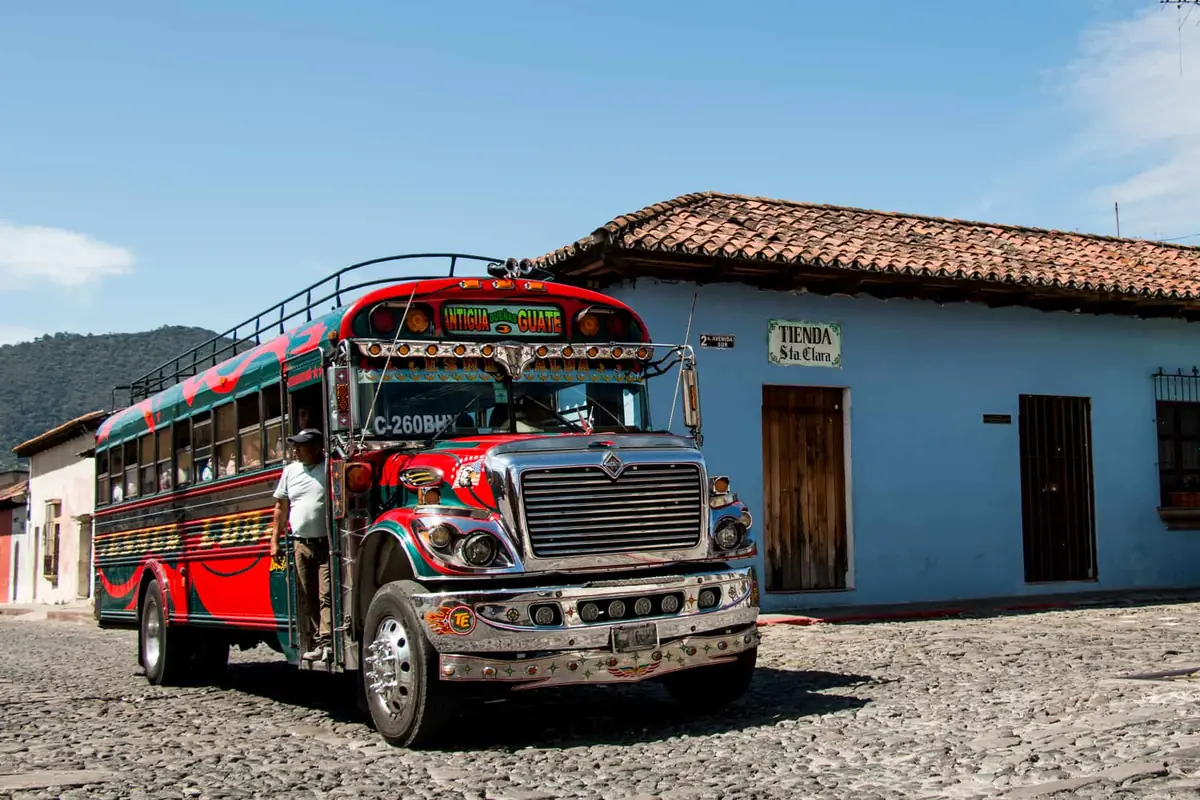
Uber is cheap and reliable in San Salvador and out to the coast, but it thins out in the highlands and rarely waits at the volcano trailhead. Chicken buses cost under a dollar but eat hours. For this loop, mix Uber and shuttles for long hauls and local buses for short hops — or rent a car for a beach-and-volcano trip.
Here’s the transport math the ranking guides tend to skip. Times and fares are approximate and shift with traffic and demand, so treat them as planning ranges:
| From → To | Distance | Time | Local bus | Uber / taxi | Notes |
|---|---|---|---|---|---|
| SAL airport → El Tunco | 25 mi (40 km) | 45–53 min | — | $25–30 | Simplest first move if you start at the coast |
| SAL airport → San Salvador | 26 mi (42 km) | 30–45 min | — | Uber $16–25; official cab $30–40 | Yellow airport cabs cost the most |
| SAL airport → Suchitoto | 44 mi (71 km) | ~1 hr 20 min | — | Uber or shuttle | |
| San Salvador → El Tunco | ~25 mi (40 km) | ~1 hr | #102A / #80, $0.25–2.25 | Uber ~$40 | The priciest Uber most travelers name |
| Santa Ana → Cerro Verde (volcano) | — | ~90 min | #248, $0.90, leaves ~7:30 a.m. | limited | Uber rarely waits for the return |
| Ruta towns (Juayúa ↔ Ataco) | short | 15–30 min | #249, $0.40–0.90 | short ride | |
| San Salvador → Suchitoto | 29 mi (47 km) | ~90 min | #129, ~$1 | Uber or shuttle |
Two fares travelers repeat: the most expensive Uber they took was San Salvador to El Tunco at roughly $40, while a normal 45-minute city ride ran about $10. The recurring pain point is the volcano return — ordering a ride back from the Cerro Verde trailhead often fails, so plan the descent around the bus or a driver who agrees to wait. Ongoing roadwork on the CA-2 coastal highway near La Libertad can also force a detour, adding time to coast transfers.
Days 1–2 — Land Soft in San Salvador
San Salvador works best as a soft landing, not a headline. Give it a day to shake off the flight, then knock out the crater rim and the archaeological sites that sit within easy reach. Two low-key nights here beats forcing the capital to be something it isn’t.
Where to Base in San Salvador
- Best area: Zona Rosa / Colonia San Benito — the safest, most walkable zone, with the MARTE art museum, MUNA anthropology museum, and most of the good hotels and nightlife
- Quieter alternative: Colonia Escalón — residential, calm, still central
- Centro Histórico: worth a visit, not a stay — after a major restoration (a US$55 million-plus project) it’s safe and lively roughly 9 a.m. to 5 p.m., then empties out; travelers consistently advise leaving before sunset
El Boquerón and the Ruins, Done as Day Trips
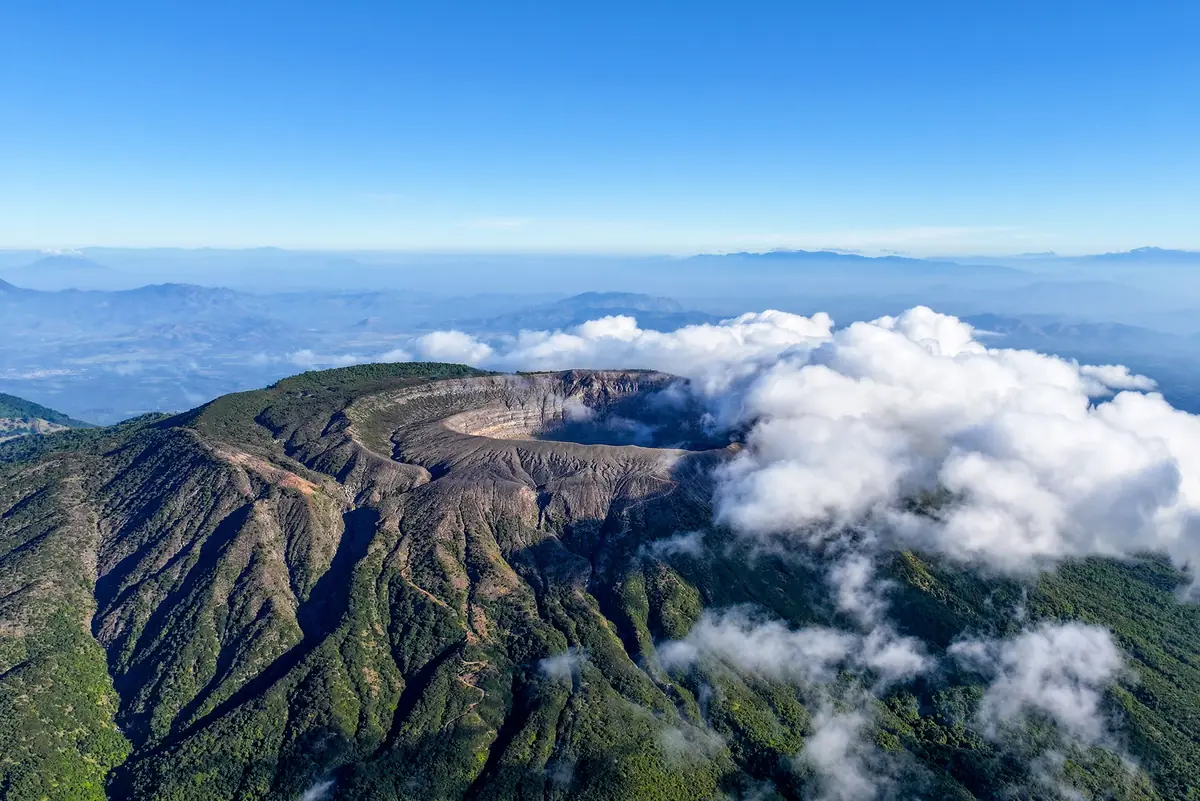
El Boquerón National Park sits on the rim of the San Salvador volcano, about 30 to 45 minutes from the city.
- Entry: around $2 for foreign visitors
- Hours: roughly 8 a.m. to 5 p.m.
- The walk: under 10 minutes from the parking area to a guardrailed viewpoint over a broad crater, with a small younger cone sitting on the floor
- Set expectations: travelers describe it as a quick, worthwhile stop with a big view — not an active-lava spectacle
For a half-day of deeper history, pair Joya de Cerén with San Andrés. Joya de Cerén is a UNESCO site — a Maya farming village buried and preserved by ash, which earns it the “Pompeii of the Americas” tag.
- Hours: Tuesday to Sunday, 9 a.m. to 4 p.m.; closed Monday
- Fee: reported anywhere from about $3 to $10 for foreign visitors — the official listing shows no price, so confirm on arrival
- Nearby: San Andrés, another ruin roughly 2 mi (3 km) away, makes an easy add-on
Days 3–4 — Santa Ana Volcano and the Crater Lake, in the Right Order
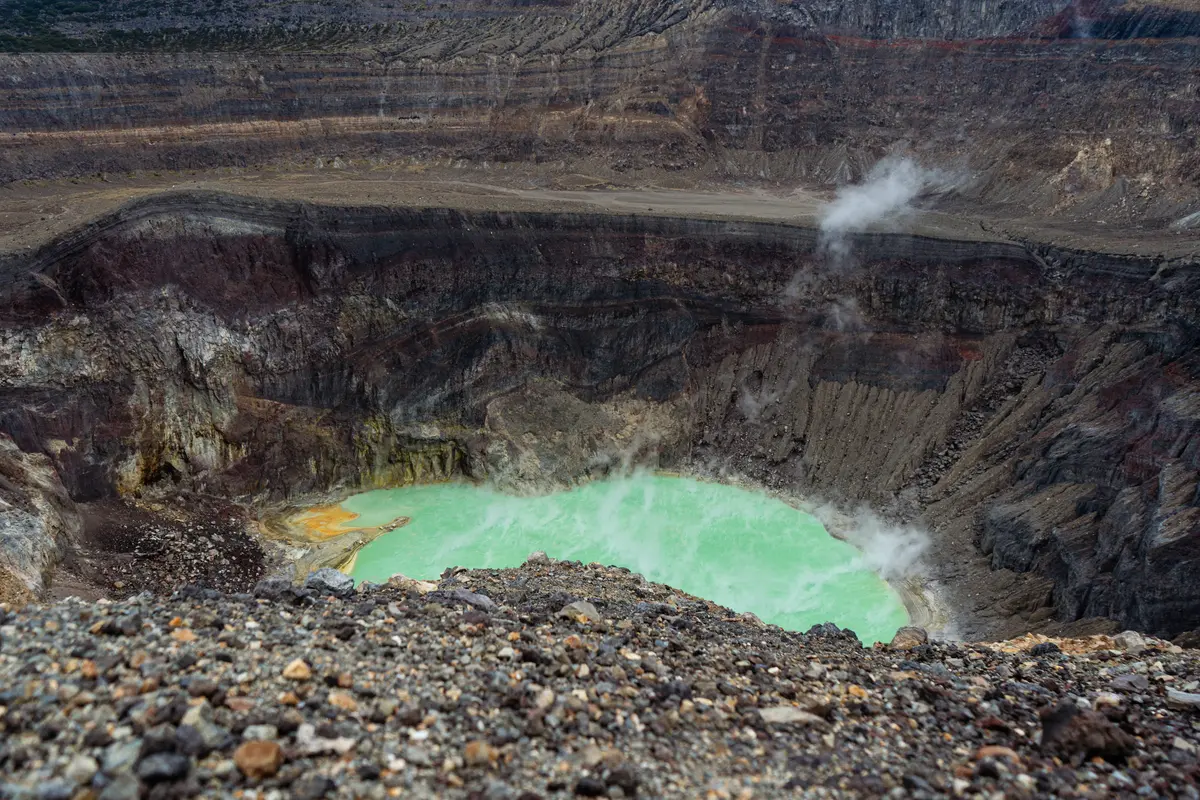
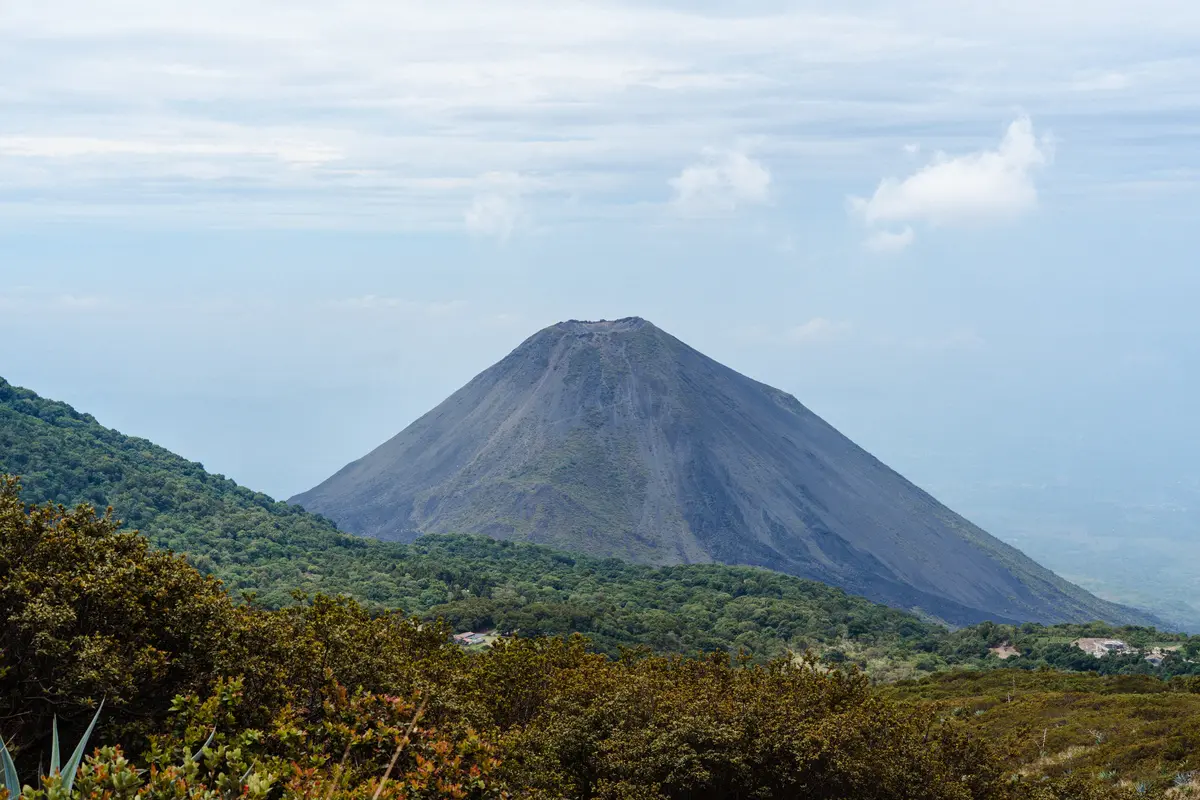
The guided Santa Ana (Ilamatepec) hike leaves in a single morning window, escorted by a guide and armed police — miss the departure and you’re turned away. Do it from Santa Ana city or Lake Coatepeque, not as a day trip from the Ruta de las Flores. Reward yourself afterward with lunch and a swim at the lake.
This is the hard scheduling constraint most itineraries bury. The group goes up together once in the morning; there is no rolling start. Build the whole day around it.
The hike itself:
- Distance: 4.6 mi (7.4 km) round trip, out and back
- Elevation gain: about 1,528 ft (466 m)
- Time: roughly 3 to 3.5 hours moving, plus waiting time at the top
- Payoff: a turquoise crater lake at the summit
- Public route: bus #248 leaves around 7:30 a.m. for about $0.90, with a long wait at the trailhead before the group forms
- Departure time: reported by different travelers as early as 9 a.m. and as late as 11 — confirm it locally the day before
The fees come as a stack of small separate charges rather than one ticket: park entry around $3, the guide around $1, plus trail and landowner fees, budgeting roughly $10 to $12 total as a foreigner. Bring $1 bills — nobody at the checkpoints makes change.
The guide-plus-police escort isn’t red tape. One Tripadvisor reviewer recounts that 17 people were robbed at the summit the day before their own hike, which is why every group now goes up with an armed escort.
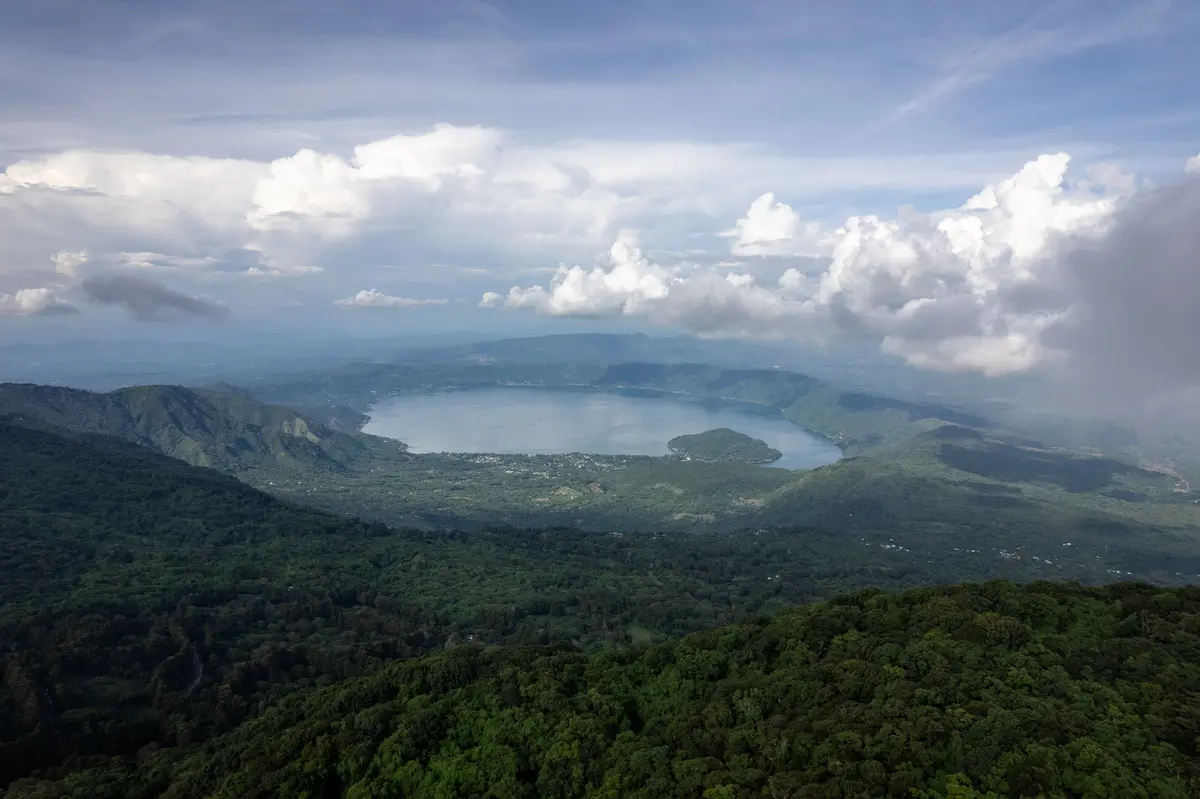
Then come down to Lake Coatepeque, a caldera lake ringed by hills. The catch reviews keep flagging: the shoreline is almost entirely walled off behind private homes and clubs, so there’s little public access. You reach the water by buying a day pass at a lakeside spot — a $3 to $5 cover at a simple restaurant, or around $25 with food-and-drink credit at the nicer hotels. Swim only when the water’s clear; several travelers report algae days when they skipped the lake and used the hotel pool instead.
Pro Tip: If you rely on the bus, know that outbound buses to Coatepeque run often but returns are scarce — one traveler waited over an hour for a ride back. Ask about the last return before you commit to the afternoon.
Days 5–6 — Ruta de las Flores, and Why the Weekend Matters
The flower-route towns — Juayúa, Ataco, Apaneca — run quiet on weekdays and fill up on weekends, when Juayúa’s food fair takes over the plaza. Base in Juayúa or Ataco, time your visit for the Saturday-to-Sunday feria, hike the Seven Waterfalls with a guide, and browse Ataco’s painted walls.
Timing is the whole game here. Hit these towns midweek and you’ll find shuttered storefronts and a sleepy square. The Juayúa Feria Gastronómica is the reason to come:
- When: every Saturday and Sunday, roughly 11 a.m. to 5 p.m. (some stalls open by 10, most pack up by 5)
- Cost: mains about $4 to $9, snacks around $1, a pineapple-rum drink about $3 to $3.50
- Payment: cash only
- Heads up: it’s meat-heavy, with limited vegetarian options
Manage your expectations on variety. Travelers repeatedly note the stalls sell fairly similar plates, so go for the atmosphere rather than a wildly different meal at each stand. That said, the value is real — one visitor reported about $6 buying a plate of giant prawns or beef with rice and salad, with the advice to shop around because portions vary.
Between eating, the Seven Waterfalls (Los Chorros de la Calera) guided hike runs about $10 per person in a group, closer to $15 solo. Bus #249 links the towns for $0.40 to $0.90, so you can base in one and browse the others — Ataco for its mural-covered lanes, Apaneca for the cooler air and Laguna Verde.

Day 7 — Suchitoto, the Colonial Slow-Down
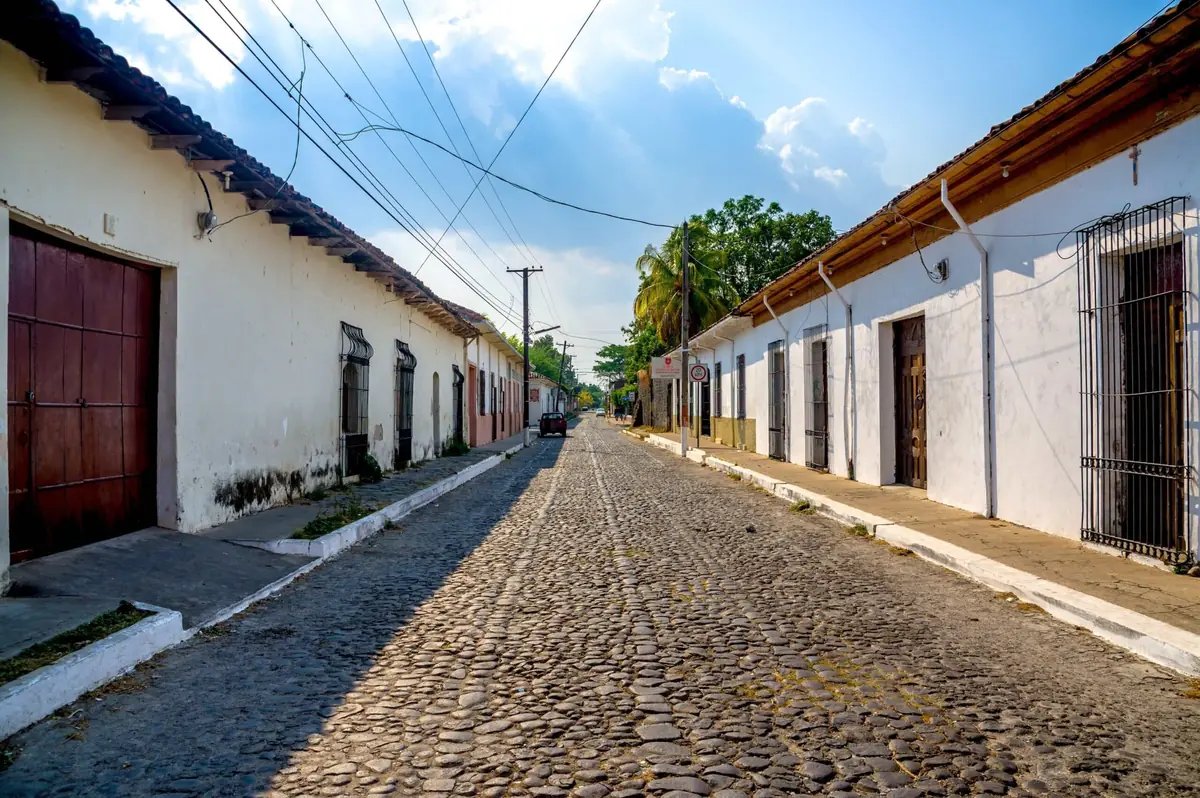
Suchitoto is the palate cleanser: one night of cobblestones, indigo workshops and lake views after the volcano and the fair. Like the Ruta towns, it’s liveliest on a weekend when the central square has some pulse.
- Getting there: about 29 mi (47 km) / 1.5 hours from San Salvador; bus #129 runs roughly 90 minutes for around $1
- Los Tercios waterfall: basalt columns about a 20-minute drive out, roughly $1 entry — but travelers repeatedly find it completely dry outside the rainy season, so verify before you make the trip
- Lake Suchitlán: boat trips leave from Puerto San Juan; negotiate the price, and know that service runs irregularly — a returning visitor was surprised to find the lake choked with water lilies and lettuce, looking like a green meadow, with ferries not running
- Culture: indigo (añil) dyeing workshops at spots like Arte Añil, plus the Centro Arte para la Paz
- Where to stay: boutique guesthouses like Los Almendros, Las Puertas and Casa 1800
The dry-waterfall and clogged-lake realities are exactly the kind of thing the glossy guides leave out — plan Suchitoto for the town itself, and treat the waterfall and boat ride as bonuses only if conditions cooperate.
Days 8–10 — Surf City: Choosing Between El Tunco and El Zonte
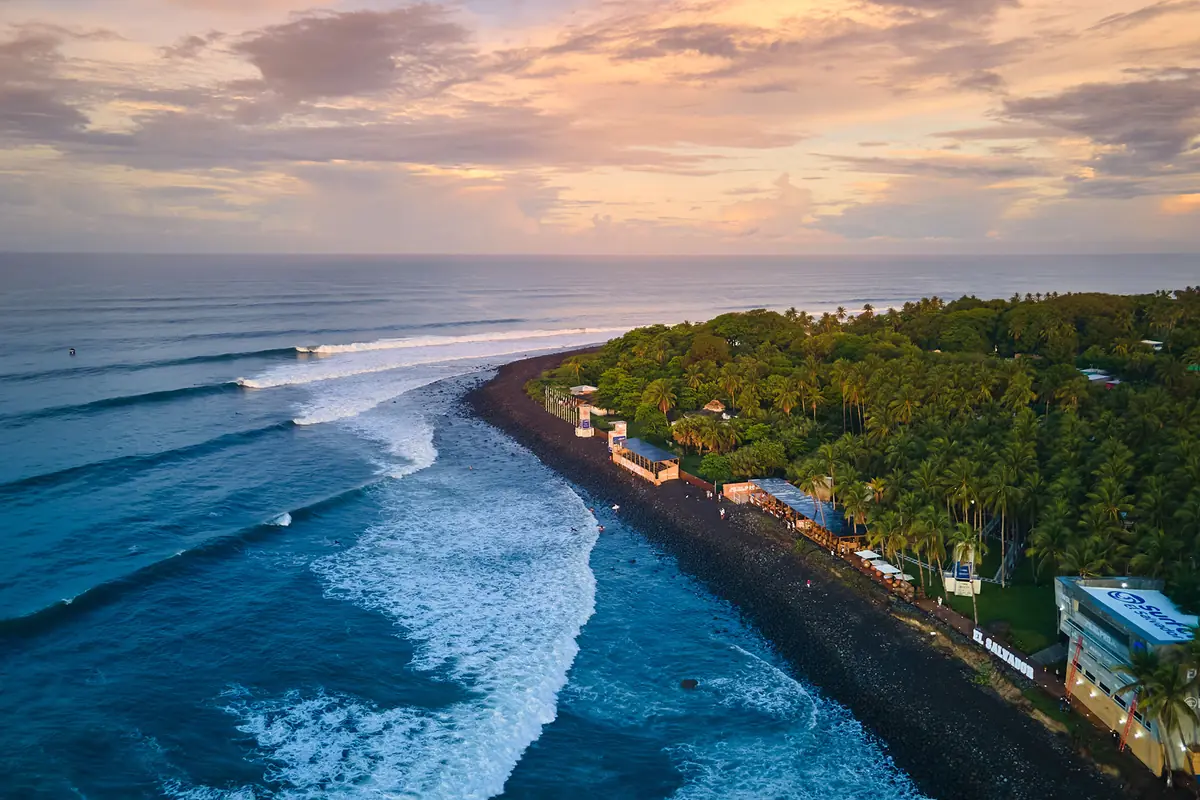
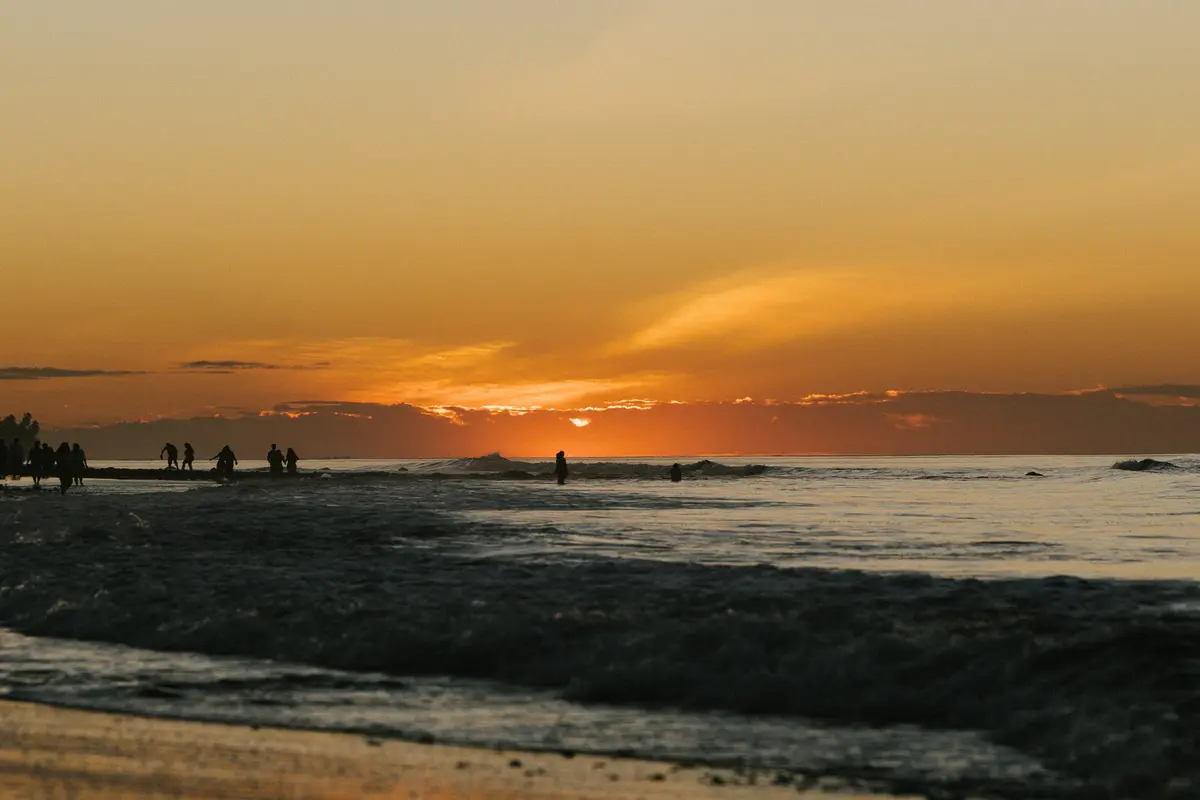
El Tunco has the nightlife, the most hotels and restaurants, and beginner-friendly waves at nearby El Sunzal. El Zonte, fifteen minutes west, is quieter and community-minded — the original Bitcoin Beach. Serious surfers head for Punta Roca, a long, fast right, and K59 close by. Base in one town and day-trip the other on the coastal bus.
End the trip here. The real decision is party-and-learn versus calm-and-community, and it comes down to who you are.
El Tunco — Nightlife and Beginner Waves
El Tunco packs bars, hostels and surf schools into a few walkable streets, and the beginner waves break just over at El Sunzal. It’s where you’ll find the most food options and the loudest evenings. The trade-off is obvious: it’s the least peaceful stretch of coast.
El Zonte — Quiet, Community and Bitcoin Beach
El Zonte is mellower, with sandier lanes and the “Bitcoin Beach” backstory, where the country’s crypto-as-legal-tender experiment first took root. You can pay for some things in Bitcoin, but USD cash still rules day to day. It suits longer, slower stays.
Practical notes for either base:
- Board hire: about $10 a day
- Lessons: a private lesson runs roughly $20 to $25 an hour, or about $35 including photos at some El Tunco schools
- Water temperature: warm year-round, about 79–84°F (26–29°C) — no wetsuit needed
- The sand: black volcanic sand gets scorching by midday and there’s little shade, so pack sandals
- Money: Bitcoin is accepted in spots, but carry USD cash
- Half-day add-on: the Tamanique waterfalls inland
- Safety: the U.S. State Department warns that strong undertows make Pacific swimming dangerous, with no lifeguards on the beaches
By traveler type: El Tunco for first-timers who want lessons plus a social scene; El Zonte for anyone chasing quiet or settling in for a week; Punta Roca for experienced surfers who came for the wave.
Pro Tip: The last coastal buses run around sunset. If you day-trip between El Tunco and El Zonte, start back before dark or budget for an Uber home.
How to Flex This for Your Kind of Trip
Same ten days, reweighted. The route above is balanced; here’s how the nights shift depending on what you came for:
| Base | Balanced | Surf-weighted | Culture-weighted |
|---|---|---|---|
| San Salvador area | 2 | 1 | 2 |
| Santa Ana (volcano + lake) | 2 | 2 | 2 |
| Ruta de las Flores | 2 | 1 | 3 |
| Suchitoto | 1 | 0 | 2 |
| Coast (El Tunco / El Zonte) | 3 | 6 | 1 |
And the same idea by traveler segment:
- Surfers: five-plus nights on the coast, cut Suchitoto, keep the Santa Ana hike
- Budget backpackers: bus everything, base at a hostel like Casa Verde in Santa Ana, spend the extra days slowly
- Families and comfort travelers: hire a private driver, skip the chicken buses, make fewer moves, and lean into Coatepeque and pool-and-beach time
- Digital nomads and the Bitcoin-curious: set up a longer base in El Zonte and day-trip inland
- Culture-first travelers: more Suchitoto and Ruta plus the ruins (Joya de Cerén, San Andrés, Tazumal), less coast
- Safety-anxious first-timers: favor Uber, shuttles and guided day tours over public buses
If you’re on the fence, run the balanced version. It’s the only split that gives the volcano, the fair and the coast enough room without turning any day into a scramble.
Safety, Money and Entry — The Short, Honest Version
The U.S. State Department rates El Salvador Level 1, “exercise normal precautions” — its safest tier — reflecting one of the lowest homicide rates in the Western Hemisphere. Caveats remain: a State of Exception suspends some civil liberties, and U.S. government staff are barred from public buses and night intercity travel. Carry a passport copy and check the advisory before you book.
The full picture, plainly:
- Advisory: Level 1, the top rating, per the State Department advisory; government figures put the homicide rate under 2 per 100,000, among the lowest in the region. The State of Exception is still in place, and several U.S. citizens have been detained under it — check the current advisory close to departure
- Entry: a $12 tourist card on arrival, valid up to 90 days across the CA-4 zone (Guatemala, Honduras, Nicaragua), per the U.S. Embassy in San Salvador; pay in cash with small bills, and confirm the current fee before you fly
- Money: the USD is the official currency (Bitcoin is optional); bring small bills, since change for a $50 or $100 is genuinely hard to get
- Driving: a zero-tolerance DUI law means any level of alcohol behind the wheel can lead to detention
- Health: the CDC recommends Hepatitis A and typhoid vaccines for most travelers; tap water isn’t safe to drink, and dengue-carrying mosquitoes are a rainy-season concern
- When to go: the dry season, roughly November to April, is the sweet spot; expect coastal highs near 86°F (30°C)
- On the ground: tip around 10%, and note the POLITUR tourist police cover more than 19 destinations
Pro Tip: Break a large bill early — at the airport or a supermarket. The tourist-card counter, small vendors and bus fares all want small bills, and nobody is quick to change a $50.
The Trade-Off You’re Actually Making
Ten days in El Salvador rewards restraint. The travelers who pick three or four bases and let the volcano, the food fair and the sunset set the pace tend to come home happier than the ones who tried to do everything and spent half the trip in transit. Build your version around whichever traveler you are — surfer, culture-seeker, cautious first-timer — and confirm the few moving parts close to departure: the advisory level, the park fees, and the Santa Ana departure time, which change more often than the rest of this route.