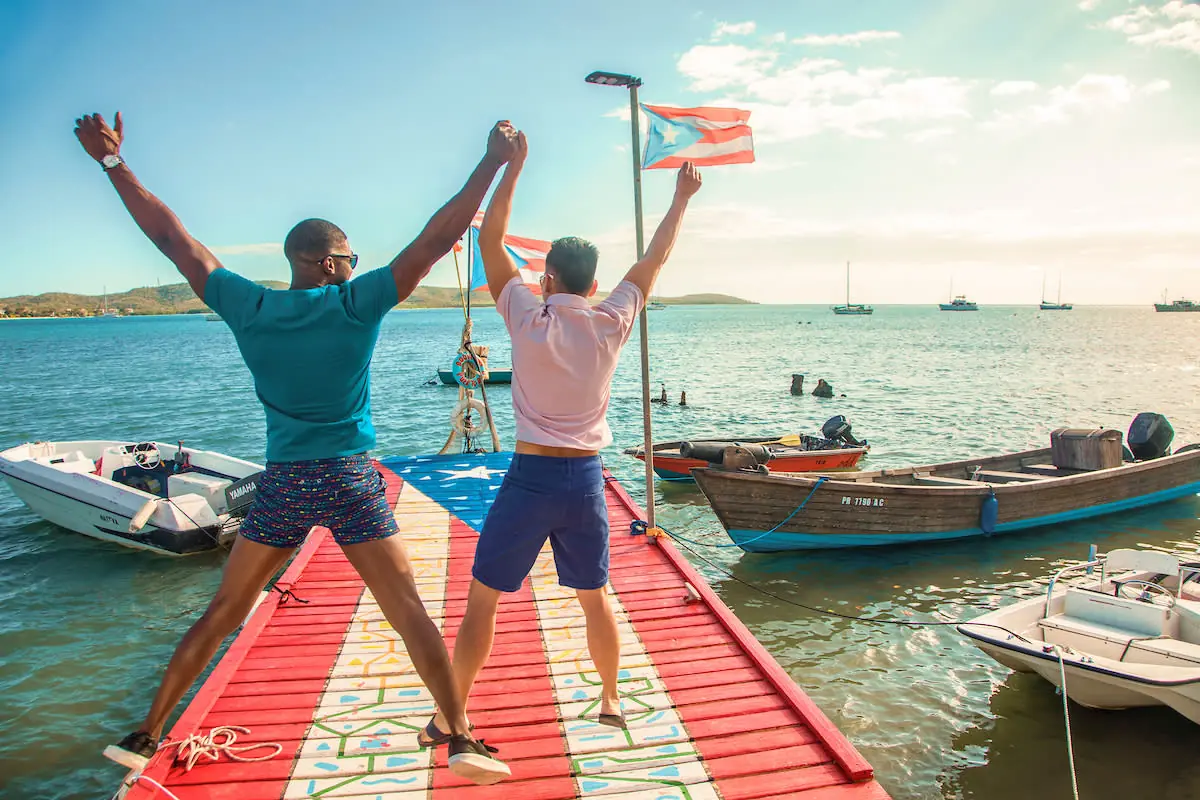
Old San Juan packs 500 years of Spanish colonial history into seven walkable blocks, and you can see most of the best things to do in Old San Juan in two unhurried days. This guide covers the forts worth your $10, the cobblestone streets to photograph, where to drink the original piña colada, and the one famous “must-do” I’d skip if you’ve only got a weekend.
Why is Old San Juan worth visiting?
Old San Juan is a UNESCO World Heritage Site where Spanish colonial architecture, two massive 16th-century forts, and a working Caribbean neighborhood share the same seven-block grid. As a U.S. territory, Puerto Rico requires no passport for American travelers, runs on the U.S. dollar, and English is widely spoken — making it the most accessible “feels like Europe” trip a U.S. passport holder can take in under four hours of flying.
The compact size is the secret weapon. From the cruise pier to El Morro is a 20-minute walk. From El Morro to Castillo San Cristóbal is another 15. You can hit the major sights, eat well, and still have time for a rooftop cocktail without ever calling a rideshare.
Two honest warnings before you go: the cobblestones are uneven and brutal on flat sandals, and the hill from the waterfront up to El Morro is steeper than Google Maps makes it look. Bring real walking shoes, not slides.
Pro Tip: Start your day at Castillo San Cristóbal, not El Morro. Ninety percent of cruise visitors do the opposite, which means San Cristóbal is nearly empty before 10 a.m. and El Morro is a zoo by then.
What are the best things to do in Old San Juan?
The non-negotiables are the two Spanish fortresses, a slow walk through the painted streets, the Paseo de la Princesa waterfront promenade, and at least one piña colada at the bar that claims to have invented it. Everything else — shopping, museums, beach time at nearby Condado — is optional. Plan on two full days to do this without rushing.
1. Castillo San Felipe del Morro (El Morro)
El Morro is the postcard. The six-level citadel rises 140 feet (43 m) above the Atlantic on a rocky point that catches a constant trade wind, which is why locals fly kites on the green esplanade out front instead of treating it like a museum lawn. Construction started in 1539 and the fort was still in active military use until 1961, when the U.S. Army handed it to the National Park Service.
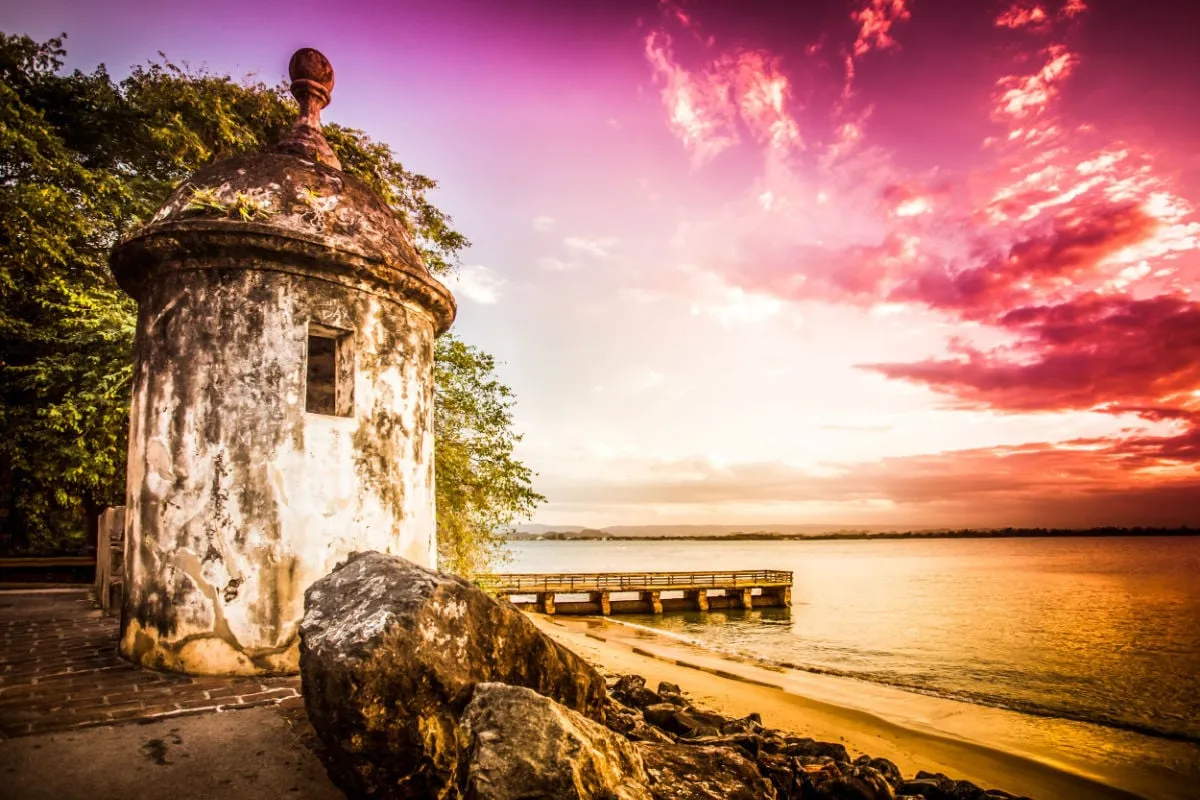
What surprised me: there are almost no velvet ropes. You wander the tunnels, climb the watchtowers (garitas), and lean over the same parapets where Spanish gunners watched for British and Dutch warships. The breeze inside the lower casemates is cool even when it’s 88°F (31°C) outside, so it’s a smart midday stop.
The friction point: the walk from the city gate up to El Morro is exposed, uphill, and unshaded. Do it in the morning or after 4 p.m., not at noon.
- Location: 501 Calle Norzagaray, far northwestern tip of Old San Juan
- Cost: $10 (16+); free for kids 15 and under; America the Beautiful pass accepted
- Hours: Daily 9 a.m. to 5 p.m. (closed Thanksgiving, Christmas, New Year’s Day)
- Best for: History buffs, photographers, families with older kids
- Time needed: 1.5 to 2 hours
2. Castillo San Cristóbal
San Cristóbal is the bigger fort and the one most visitors skip — which is exactly why you should start here. Covering 27 acres, it was built between 1634 and the late 1700s to defend Old San Juan from a land attack, and the design is genuinely clever: a maze of tunnels, a moat, garrita watchtowers perched on cliffs, and a dungeon where an 18th-century prisoner etched a fleet of ship drawings into the wall that you can still see.
The view from the upper bastion gives you the entire city laid out below — every painted roof, the cathedral, and El Morro in the distance. It’s the single best orientation you can get for the rest of your day.
Your $10 ticket covers both forts within 24 hours, so there’s no reason not to do both. Just keep the receipt.
- Location: 501 Calle Norzagaray, eastern edge of Old San Juan (near Plaza Colón)
- Cost: Included with the $10 El Morro ticket
- Hours: Daily 9 a.m. to 5 p.m.
- Best for: Anyone who wants context before exploring the city
- Time needed: 1 to 1.5 hours
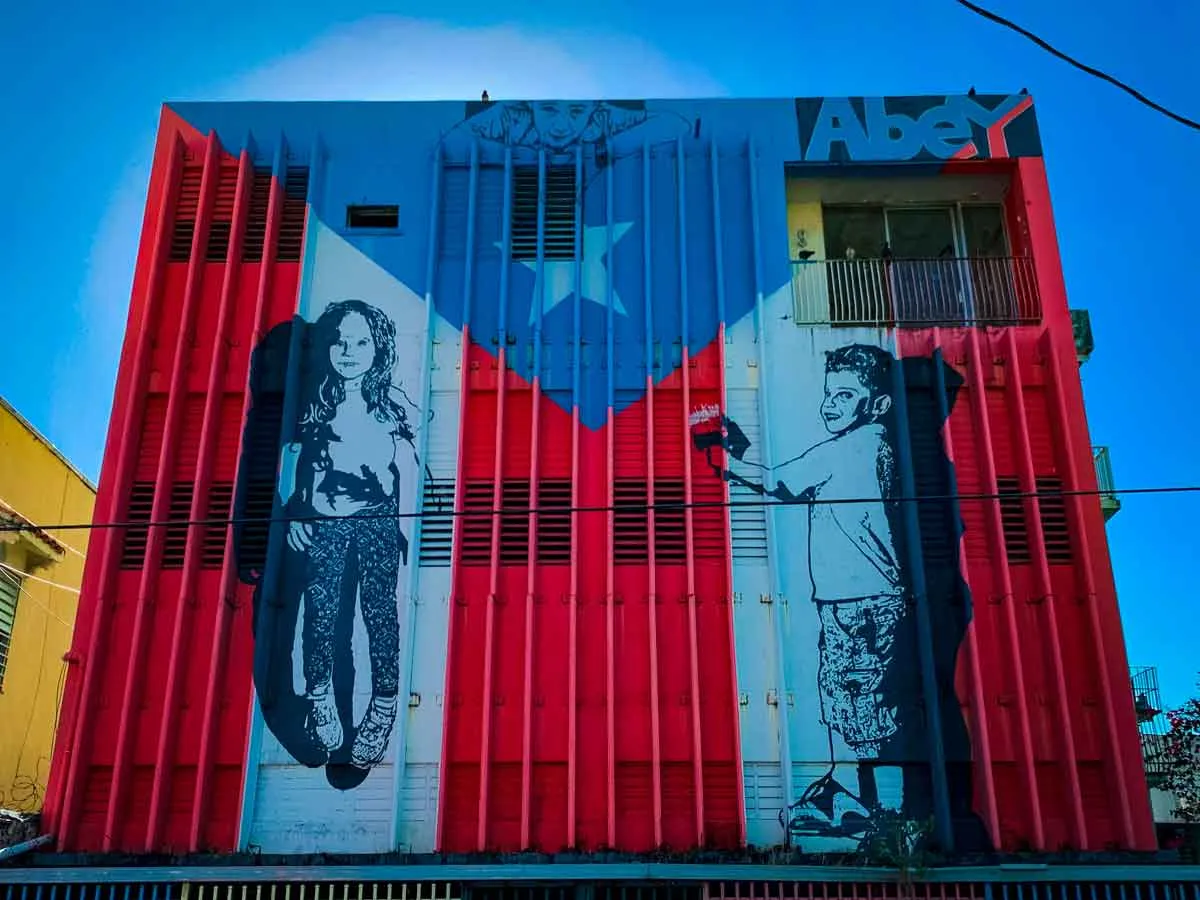
3. Walking the painted streets and the blue cobblestones
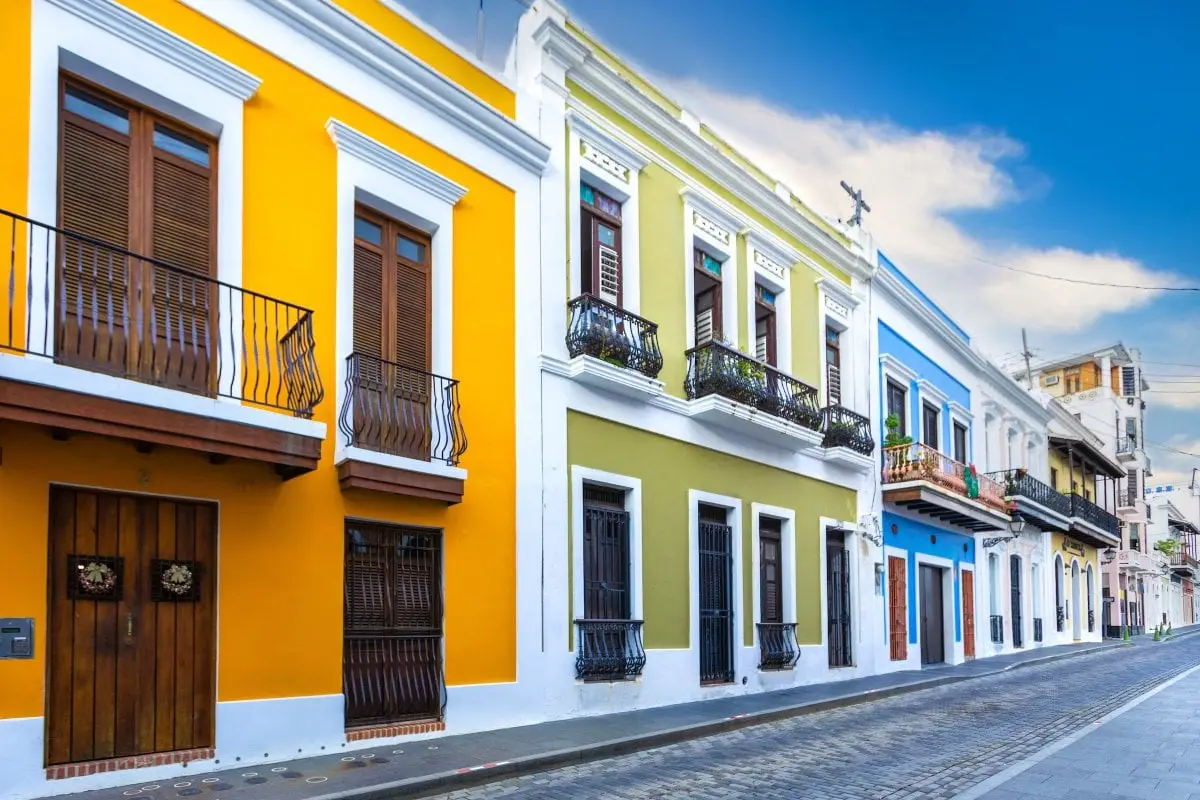
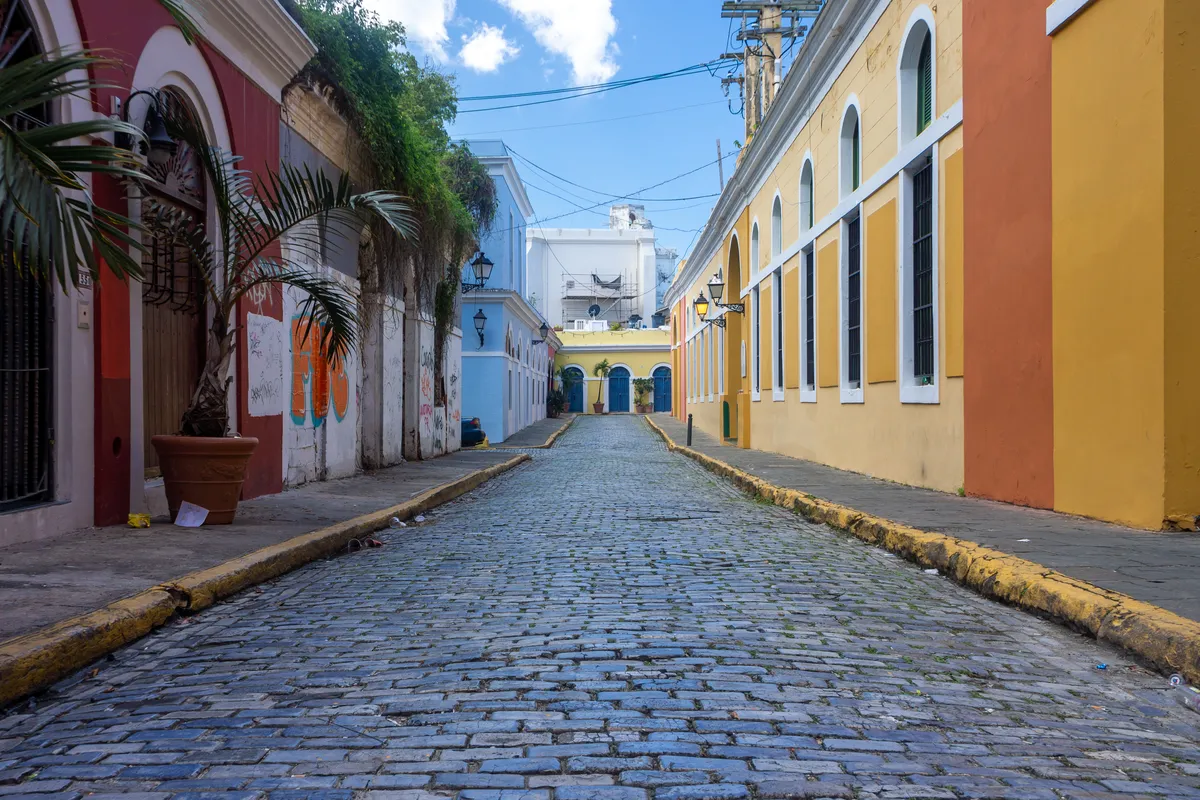
The streets themselves are the attraction. The blue cobblestones — called adoquines — were cast from furnace slag in Spain and brought over as ship ballast. Centuries of salt air and foot traffic have given them a slightly iridescent blue-grey sheen that doesn’t really photograph; you have to see them in person, ideally in the soft light right after a rain shower.
Three streets to put on your route:
- Calle Fortaleza (“Umbrella Street”) — the canopy of overhead umbrellas was originally installed after Hurricanes Irma and Maria as a public art project to bring color back to the neighborhood. The installation rotates (umbrellas, then fish, then other shapes), so what you see depends on when you visit.
- Calle del Cristo — the oldest street in the city, lined with boutiques, the Catedral de San Juan Bautista, and the small Capilla del Cristo at the southern end.
- Calle San Sebastián — quiet by day, packed by night. This is where the bars are, including La Factoría.
Pro Tip: The best photo light hits the pastel facades on Calle Fortaleza between 7 and 8 a.m. After 9, the street fills with tour groups and you’ll be photographing the backs of strangers’ heads.
4. Paseo de la Princesa and Paseo del Morro
This is the walk almost no first-timer plans for, and the one I’d put in the top three things to do in Old San Juan. Paseo de la Princesa is a restored 19th-century promenade lined with old gas lamps that runs along the city’s southern wall, ending at the Raíces Fountain — a bronze sculpture of Taíno, African, and Spanish figures rising out of the water.
From the fountain, the Paseo del Morro continues for about three-quarters of a mile (1.2 km) along the base of the 40-foot (12 m) city walls, hugging the bay. Iguanas sun themselves on the rocks, fishermen cast lines, and you’ll have the massive fortifications looming directly above you. The path ends at the Puerta de San Juan — a 16-foot-tall (5 m) red wooden gate that’s the only one of the original five city entrances still standing.
- Location: Starts near Pier 1 (Paseo de la Princesa); follows the bay wall west
- Cost: Free
- Best for: Sunset, photographers, anyone who wants the fortifications without the crowds
- Time needed: 45 minutes one way at a slow pace
5. The piña colada bar crawl
The piña colada was invented in Puerto Rico — there’s no dispute about that. The fight is about which bartender did it. Two places make competing claims, and doing both in a single afternoon is a perfectly defensible vacation activity.
Barrachina (Calle Fortaleza, in the heart of Old San Juan) hangs a plaque crediting bartender Ramón Portas Mingot with inventing the drink in 1963. The courtyard is touristy and the cocktail itself is decent rather than great, but the plaque-and-photo moment is the point.
Caribe Hilton (just outside Old San Juan in Puerta de Tierra, a 10-minute rideshare from the cruise pier) claims their bartender Ramón “Monchito” Marrero created it in 1954 — nine years earlier. The hotel poolside bar is calmer, the colada uses fresh pineapple, and the version is noticeably better.
My honest take: skip Barrachina’s drink, go for the plaque photo, then take a $7 Uber to the Caribe Hilton for the actual cocktail.
6. La Factoría — and the rest of the cocktail scene
La Factoría on Calle San Sebastián is the bar that put Puerto Rico on the global cocktail map. It’s been on the World’s 50 Best Bars list for years and was named the Best Bar in the Caribbean in the most recent North America’s 50 Best Bars ranking, coming in at No. 18. The trick is that it’s not one bar — it’s six interconnected rooms hidden behind unmarked doors, each with its own theme: a wine bar, a salsa dance floor, a quiet rum-focused speakeasy, a Cuban-inspired room.
It’s not cheap ($14 to $18 cocktails), but the craftsmanship is real. Order the Lavender Mule or whatever the bartender recommends — both founders have won Puerto Rico’s World Class Bartender competition.
- Location: 148 Calle San Sebastián, corner of Calle San José
- Cost: Cocktails $14 to $18
- Best for: Couples, cocktail nerds, anyone who likes hidden-bar exploration
- Time needed: 1 to 3 hours depending on how many rooms you visit
7. Eating your way through Puerto Rican classics
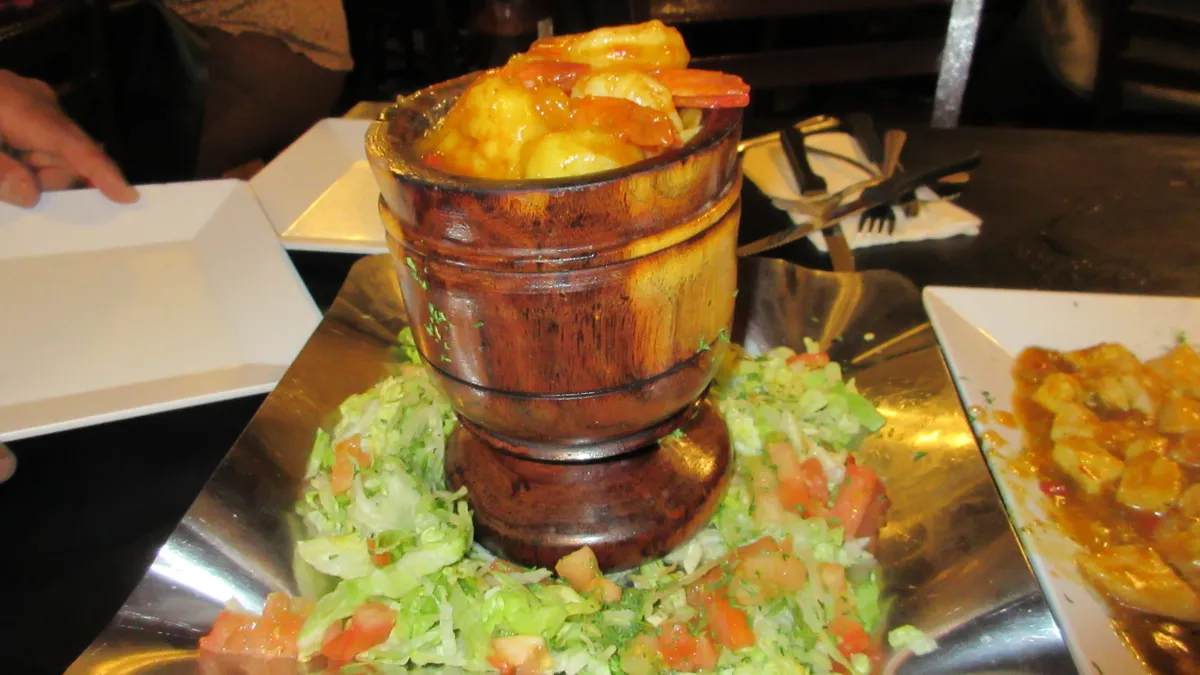
The holy trinity of Puerto Rican food is mofongo (mashed fried green plantains, usually served as a bowl with garlic and a protein), lechón (slow-roasted suckling pig), and tostones (twice-fried plantain rounds). For honest, non-touristy versions inside Old San Juan:
- Café Manolín — Calle San Justo, classic criollo plates at fair prices, packed with local office workers at lunch. Get the bistec encebollado.
- El Jíbarito — Calle Sol, family-run, best mofongo in the historic district, cash-friendly.
- Deaverdura — Calle Tetuán, vegetarian-leaning Puerto Rican plates at “comida del día” prices (around $12 to $15), great if you’ve had three days of fried food.
- Chocobar Cortés — Calle San Francisco, every dish incorporates Puerto Rican chocolate (the chocolate-rubbed pork sandwich is better than it sounds).
- La Bombonera — Calle San Francisco, the place to order a Mallorca: a coiled, butter-glazed pastry dusted with powdered sugar, often served as a pressed ham-and-cheese sandwich. It’s a Puerto Rican breakfast institution.
For an upscale night, Marmalade on Calle Fortaleza serves multi-course tasting menus that consistently rank among the city’s best fine-dining experiences (around $95 to $145 per person depending on the menu length).
Pro Tip: For street food, look for the Alcapurrias (deep-fried meat-stuffed fritters), Bacalaitos (crispy salt-cod fritters), and Pinchos (grilled chicken or pork skewers) sold from carts near the cruise pier and around Plaza de Armas. A pincho with a piragua (shaved-ice cone with fruit syrup) is a $6 lunch.
How much does a day in Old San Juan actually cost?
A non-luxury day in Old San Juan runs about $80 to $130 per person, including both forts ($10), three meals at local spots ($35 to $50), two cocktails ($25 to $35), and a couple of short rideshares. Skip the cocktail bar tour and you can do it for $55. Add a fine-dining dinner at Marmalade and you’re at $200+.
Concrete data points to plan with:
- Forts (both, single ticket): $10 per adult
- Local lunch (mofongo + drink): $14 to $20
- Sit-down dinner at a mid-range spot: $30 to $45 per person
- Cocktail at La Factoría: $14 to $18
- Uber from cruise pier to Caribe Hilton: $7 to $10
- Uber from SJU airport to Old San Juan: $20 to $26
- Parking garage (if you drive): about $25 per day
When is the best time to visit Old San Juan?
The best window is mid-December through April, when temperatures sit in the high 70s to mid 80s°F (25 to 30°C) and rain is rare. The trade-off is crowds and peak hotel pricing — expect $250+ per night for mid-range hotels and a constant stream of cruise passengers between 9 a.m. and 4 p.m. The shoulder window of May to early June is the sweet spot: still warm and dry, hotel rates drop 25 to 40 percent, and the cruise crowds thin out.
Avoid August through October if you can. It’s hurricane season, humidity is brutal, and afternoon thunderstorms can wipe out half a day.
Pro Tip: Even in high season, Old San Juan empties out after 5 p.m. when the cruise ships sail. If you’re staying overnight, the city you experience between 6 p.m. and 9 a.m. is a completely different (and better) place than the one day-trippers see.
How do you get around Old San Juan?
Walk. The historic district is roughly seven by seven blocks and the longest walk you’ll do — from Plaza Colón to El Morro — is under a mile. Uber is widely available and cheap if your feet give out. The free trolley that older guidebooks mention has not been operating for several years, so don’t plan around it; the city now has a small fleet of golf-cart “garitas” that occasionally circulate but run on no fixed schedule.
Critical advice: do not rent a car if you’re staying primarily in Old San Juan. The streets are narrow one-ways, on-street parking is essentially nonexistent, and the parking garages charge around $25 per day. If you’re island-hopping to El Yunque or the west coast, rent the car the morning you leave the city, not before.
Is Old San Juan safe for tourists?
Old San Juan is one of the safest neighborhoods in Puerto Rico for visitors, and the entire seven-block historic district is heavily patrolled and generally fine to walk at night, including for solo travelers. The main risk is petty theft from unattended bags or phones left on cafe tables — not violent crime. Use standard city sense.
The one exception is La Perla, the colorful seaside neighborhood you can see from the El Morro walls. It’s photogenic, it appeared in the “Despacito” music video, and during the day groups regularly walk through without incident. After dark, it’s a tight-knit local community that doesn’t roll out the welcome mat for tourists, and most guides — including locals — recommend not wandering in at night. View it from above and move on.
Where should you stay in Old San Juan?
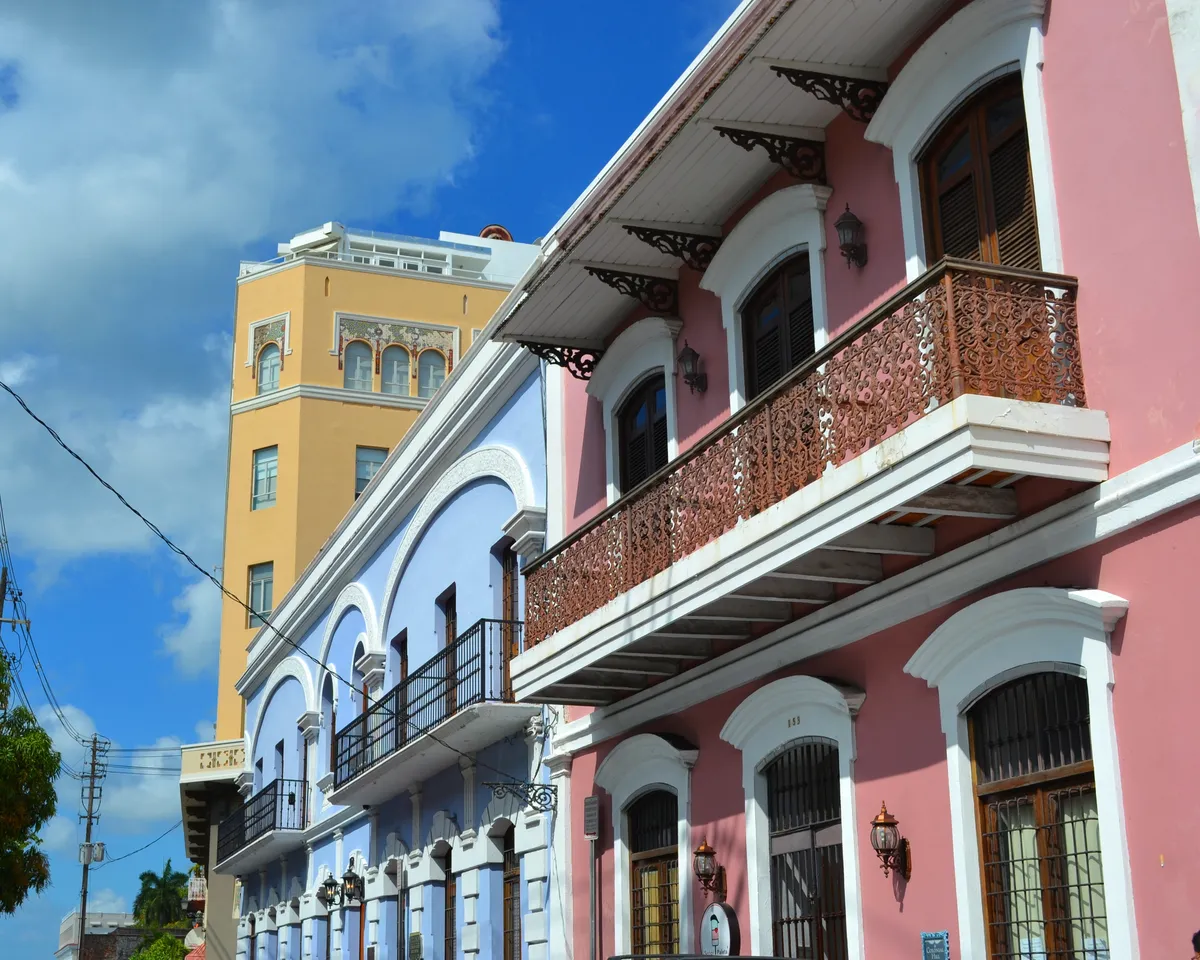
If you can swing it, book one of the Old San Juan boutique hotels inside the historic walls rather than commuting from Condado. The neighborhood after the cruise ships leave is the whole point.
Hotel El Convento — historic luxury
A restored 17th-century Carmelite convent on Calle del Cristo, directly across from the cathedral. The interior courtyard, the rooftop pool with a bay view, and the genuine sense of staying inside the city’s history put it at the top of the list for most return visitors.
- Location: 100 Calle del Cristo, opposite the cathedral
- Cost: $300 to $550 per night depending on season
- Best for: Couples, history-minded travelers, special occasions
- Time needed: Plan on 2+ nights to justify the price
Palacio Provincial — modern adults-only luxury
A 32-room boutique hotel inside a restored 19th-century building, with an actual rooftop infinity pool that looks out over the bay. Adults only, which means it stays quiet.
- Location: Calle de la Fortaleza, central
- Cost: $400 to $700 per night
- Best for: Couples without kids, honeymooners
- Time needed: 2 to 3 nights
CasaBlanca Hotel — mid-range boutique
A 30-room property with a Moroccan-meets-Caribbean design and a small rooftop. Friendly service, central location, and you can walk to everything.
- Location: Calle Fortaleza, central Old San Juan
- Cost: $180 to $290 per night
- Best for: Couples and friends who want character without paying convent prices
- Time needed: 2 nights
Budget options
For travelers under $100 a night, Juliette Hostel (women-only, near Calle del Cristo) and Navona Studios (small studio apartments near the cruise pier) are the standouts. Both are clean, central, and honest about what they are.
What most guides won’t tell you
Old San Juan is two cities. Between roughly 9 a.m. and 4 p.m. it’s a cruise port — wall-to-wall lanyards, tour groups jamming the narrow streets, and an hour-long line at Barrachina. After the ships pull out at 5 p.m., the same blocks turn into a quiet residential neighborhood where you can hear the coquí frogs over the salsa drifting from someone’s apartment window. Stay overnight if you possibly can. A day trip from a cruise sees the worst version of the city.
TL;DR: Spend two days, start your mornings at Castillo San Cristóbal before the cruise crowds, walk the Paseo de la Princesa at sunset, drink your real piña colada at the Caribe Hilton instead of Barrachina, and book a hotel inside the walls so you can see what Old San Juan looks like after the ships leave — then, if you’ve got more days, ferry out to Culebra for the beach half of the trip.
What’s the one thing in Old San Juan you wish someone had told you before you went? Drop it in the comments — I’m always updating this guide and our wider Puerto Rico travel guide.