Planning a Puerto Rico trip and staring at wildly different price estimates online? This Puerto Rico travel cost guide breaks down every real expense so your budget does not collapse on arrival, from the daily toll traps to the massive grocery inflation that nobody warns you about.
Why does Puerto Rico cost more than most travelers expect?
Puerto Rico costs more than you expect because the island runs on an 11.5% sales tax and a century-old federal maritime law that heavily inflates the price of imported goods. Since the island is a U.S. territory, you skip foreign transaction fees and currency conversion headaches.
But that convenience masks a set of structural cost drivers that blindside most visitors. The full Puerto Rico travel guide covers planning from every angle, but understanding these financial mechanics before you build your trip ledger is the difference between a smooth vacation and a massive surprise at checkout.
How the 11.5% IVU tax works (and the restaurant exception)
Puerto Rico’s Impuesto sobre Ventas y Uso (IVU) is a combined 11.5% sales tax applied to virtually all retail transactions. This consists of 10.5% at the state level plus a 1% municipal tax. Every single line item in your Puerto Rico travel cost budget needs this buffer built right in.
Clothing, electronics, souvenirs, and entertainment admissions are all taxed at the full 11.5%. Here is the nuance that most guides completely miss: certified restaurants legally charge a reduced 7% tax rate on prepared foods.
This 7% rate applies to formal dining rooms, local cafeterias, and food trucks, as long as they are registered with the Puerto Rico Department of the Treasury. Alcoholic beverages do not qualify for this reduction and stay at 11.5% regardless of where you drink them.
Pro Tip: Look for the official government certificate displayed at the restaurant’s entrance. If it is posted, you are being charged 7% on food, not 11.5%. If there is no certificate visible, ask before you order.
Tax rates by category:
- Standard retail and services: 11.5% — applies to clothing, electronics, souvenirs, and admissions
- Certified restaurant food: 7% — applies to hot food, carbonated drinks, and pastries
- All alcoholic beverages: 11.5% — no exceptions, even at certified restaurants
How the Jones Act inflates your grocery bill
Self-catering is the standard budget travel move where you rent a place with a kitchen to save cash. In Puerto Rico, this strategy works, but the math looks completely different than on the mainland.
The Merchant Marine Act of 1920, known as the Jones Act, mandates that all goods shipped between U.S. ports travel on U.S.-flagged, U.S.-built, and U.S.-crewed vessels. This eliminates shipping competition and adds massive logistical friction to everything the island imports.
The immediate result is that grocery prices run 15% to 30% above mainland U.S. averages. A gallon of milk can cost $7 to $9, and a basic head of imported lettuce may run $5 or more.
A single traveler budgeting for daily meals should project $210 to $315 per month. A family of four should plan for $500 to $750, depending heavily on how much they rely on imported packaged goods.
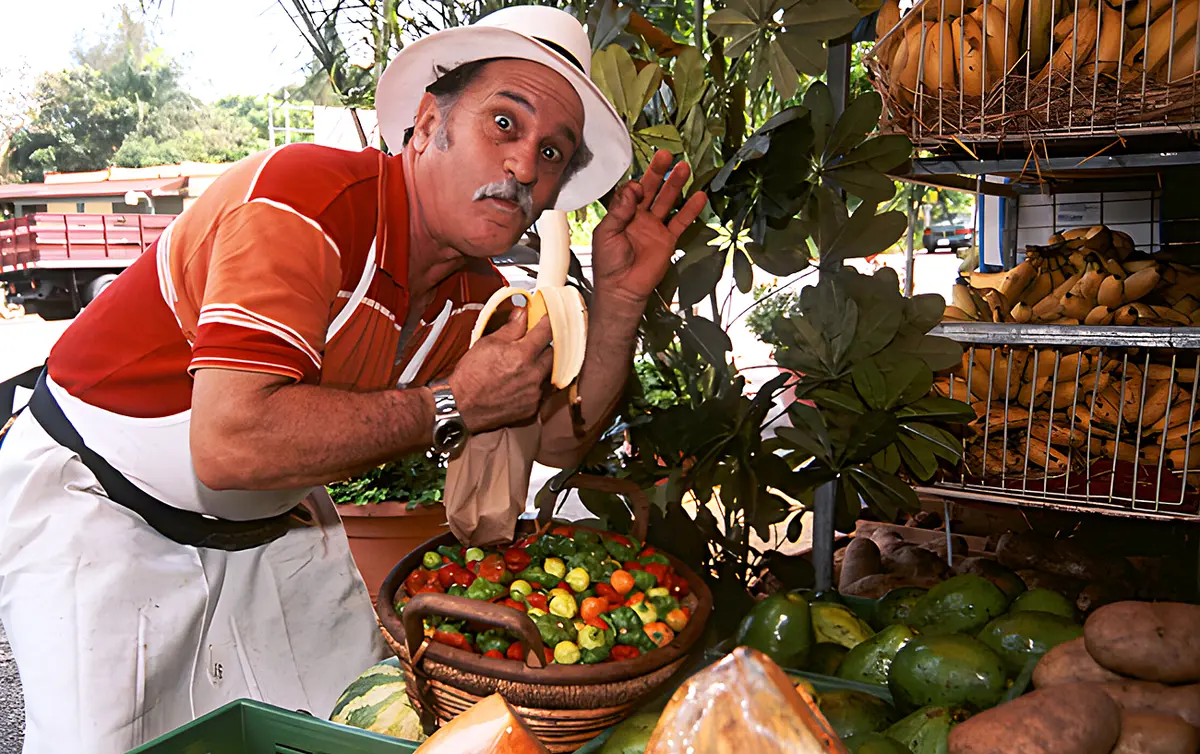
The workaround is highly effective for lowering your Puerto Rico travel cost. Pivoting to local produce like tropical fruits, root vegetables, and plantains — all covered in the Puerto Rico food guide — circumvents maritime import costs entirely.
What do hotels in Puerto Rico actually cost after hidden fees?
The advertised rate you see on Booking.com or Expedia is not what you will pay at the desk. In major tourist districts like Condado and Isla Verde, mandatory daily resort fees are appended to every reservation. These fees are compulsory, and declining the pool towels does not remove them from your final bill.
Here is what the major properties actually charge on top of their base rates:
- La Concha Resort (Condado): $65 daily resort fee on top of base rates that start around $400+. Self-parking runs $20/day, valet $30/day.
- Caribe Hilton: $50 plus tax daily resort fee. Self-parking $25/day, valet $32/day.
- Condado Plaza: $30 to $50+ daily resort fee on top of base rates starting around $250+.
Over a standard five-night stay at these properties, resort fees alone add $250 to $325+ to your Puerto Rico travel cost before you even pay for parking.
Figuring out where to stay in Puerto Rico gets even more complicated when you factor in the territorial government’s 9% room occupancy tax on commercial hotels. Short-term vacation rentals like Airbnb and VRBO operate under a separate 7% occupancy tax.
The true cost formula is your advertised rate plus the 9% room tax, the daily resort fee, and daily parking.
Pro Tip: Boutique guesthouses and locally owned properties in Old San Juan or Santurce frequently skip the resort fee model entirely. Searching those specific neighborhoods can save you $50 or more per night before taxes are even calculated.

How does tipping work in Puerto Rico (and what is the double-tip trap)?
Tipping customs on the island mirror the mainland closely, but one brutal budget trap catches tourists off guard at upscale restaurants. Expect standard gratuities across the island:
- Restaurants and bars: 15% to 20%
- Hotel porters: $1 to $2 per bag
- Housekeeping: $2 to $5 daily
- Taxi drivers: 10% to 15%
The trap happens when upscale restaurants embed an automatic 18% to 20% service charge directly into the folio. This is usually labeled as “propina” or “Service Charge” on the receipt.
Tourists who miss this line item end up adding a second tip on the credit card slip. You could easily end up paying 36% to 40% in gratuity on a $200 dinner if you are not paying attention. Read every restaurant receipt before you sign, and scan for “propina” before writing anything on the tip line.
When should you visit Puerto Rico to get the best prices?
Timing your trip is the single highest-leverage decision you will make regarding your Puerto Rico travel cost. The price gap between peak season and low season is enormous.
Peak season (mid-December to April)
Peak season delivers optimal Puerto Rico weather with coastal highs between 70°F and 85°F (21°C to 29°C), but it also brings maximum prices across every category. Hotels hit their annual pricing ceiling, rental car fleets run thin, and flights price at their highest. Book 3 to 4 months in advance if this is your chosen window.
Shoulder season (May and June)
Shoulder season is the insider move for budget optimization. As spring break demand evaporates, hotels drop their base rates by 20% to 35% while still running full amenities. Flight prices contract moderately, the weather stays warm, and water conditions remain excellent for snorkeling in Puerto Rico. This window offers the best value-to-experience ratio on the calendar.
Low season (July to November)
Low season offers the deepest financial discounts you will find. Hotels slash their rates by 40% to 55% below peak pricing, and round-trip flights from East Coast hubs can drop to $115 to $200. September and October hit the ultimate pricing floor.
The major trade-off is that this is the heart of the Atlantic hurricane season. If you travel during this window, comprehensive trip cancellation insurance is non-negotiable.
How much do rental cars, tolls, and insurance actually cost?
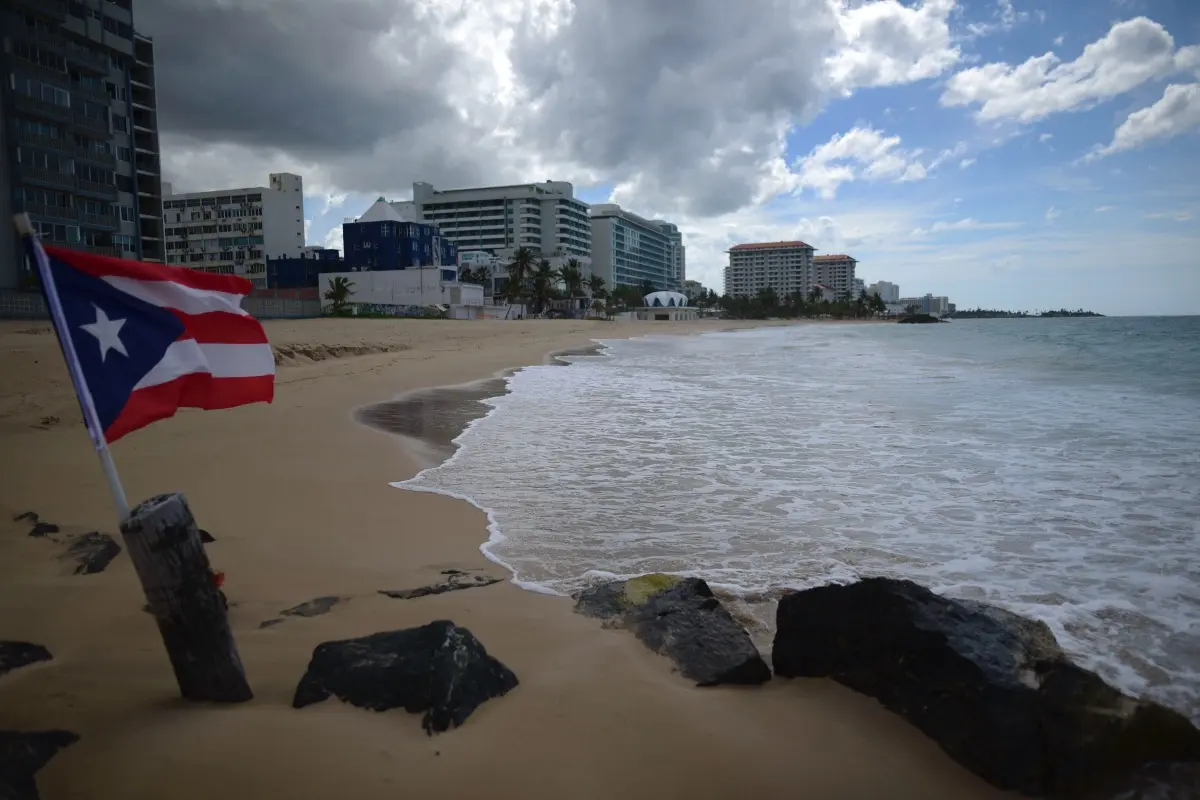
Outside of San Juan, there is essentially no viable public transit. Renting a car in Puerto Rico is mandatory if you want to see the island beyond the capital city.
The AutoExpreso toll system
Puerto Rico’s major highways operate exclusively through the AutoExpreso electronic toll system with zero cash booths available. These routes include PR-52 from San Juan to Ponce, PR-53 toward Fajardo, and the PR-66 airport corridor.
If you drive these routes without a transponder, you will incur toll violations and administrative surcharges from your rental agency. Rental agencies provide pre-installed AutoExpreso tags and bill you a daily administrative fee just for having the transponder available.
- Individual tolls: $0.35 to $5.00 per plaza
- San Juan to Ponce (PR-52): approximately $12 to $15 each way
- Airport to San Juan (PR-66): $3 to $5
- Budget padding for active explorers: $10 to $25 per day for tolls
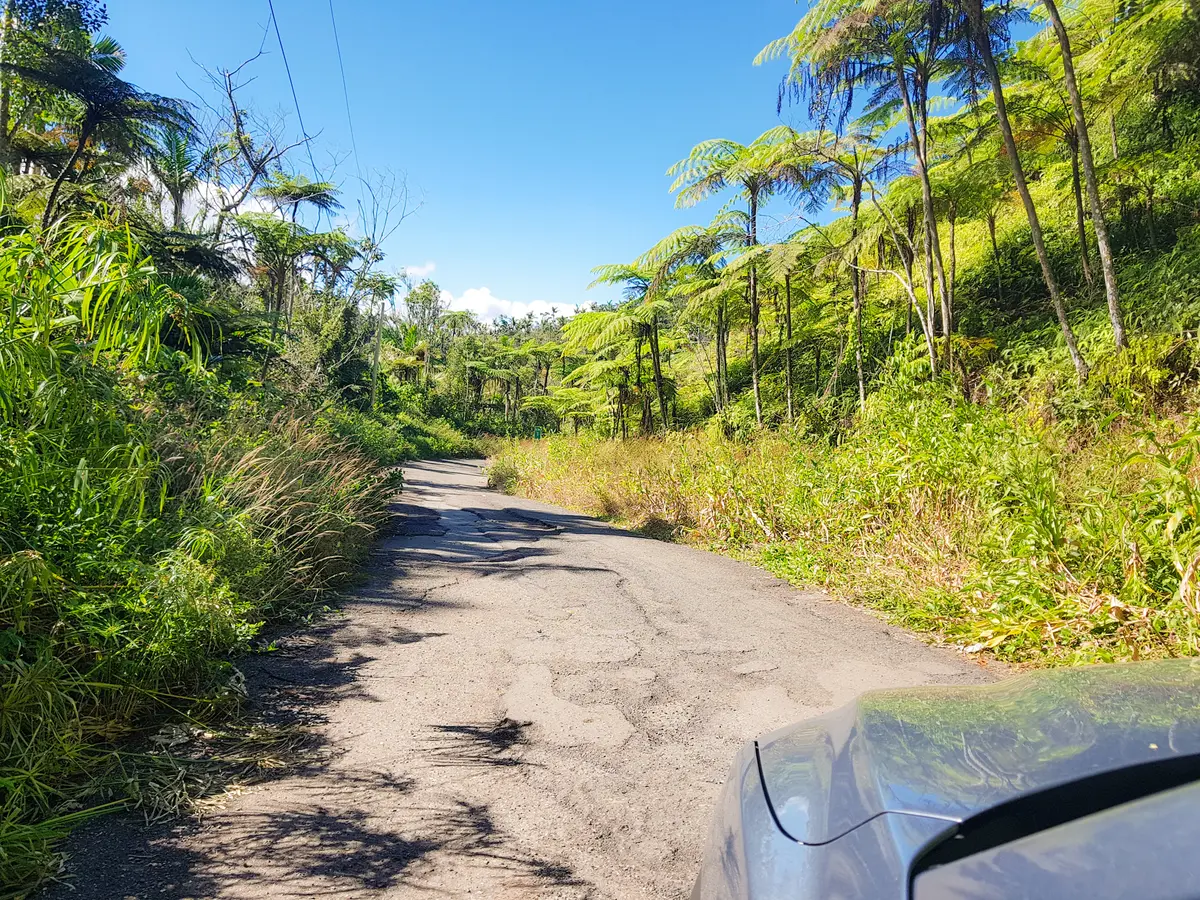
Pro Tip: The mountain roads connecting coastal towns to interior waterfalls are narrow, winding, and riddled with massive potholes. Locals joke these craters could swallow a tire whole, so budget extra travel time and drive cautiously.
How collision damage waivers destroy rental budgets
The rental counter is where many travel budgets quietly collapse. Puerto Rican territorial law holds the authorized renter strictly liable for all vehicle damages.
If your mainland auto policy only covers standard liability, you need additional coverage immediately. Agency CDW rates run $10.99 to $20+ per day depending on your vehicle class.
Travelers paying with a debit card face a $9.99 per day debit fee plus a mandatory security deposit of $300 to $500. If you carry a premium travel credit card with primary rental insurance, you can decline the agency CDW. You must definitively decline it at the counter to activate your card’s protection, and verify territorial exclusions with your issuer before you arrive.
Can you get around San Juan without a car?
For travelers staying exclusively in San Juan, renting a car might be an unnecessary expense. The city has several affordable transit options, though reliability varies widely.
- Tren Urbano light rail: $1.50 per ride (runs from Sagrado Corazón to Bayamón only — does not reach Old San Juan or the airport)
- AMA buses: $0.75 per ride, but they run on highly unpredictable schedules and require exact cash change to board
- Uber in Puerto Rico: the practical backbone of San Juan urban transit. Intra-city trips between Condado and Old San Juan typically run under $10 to $15
- Airport taxi transfers: $25 to $40 with fixed zonal pricing
How much does it cost to reach Culebra and Vieques?
The offshore islands are the most talked-about part of the Puerto Rico experience, but they are logistically punishing to budget for.
Ferry fares and hidden fees
The Ceiba Ferry Terminal on the eastern mainland coast runs highly subsidized routes. The base fares look amazing:
- Ceiba to Vieques: $2.00 per adult, one way
- Ceiba to Culebra: $2.50 per adult, one way
Non-resident tourists heading to Culebra pay an additional $2.00 environmental preservation tax, bringing the true one-way fare to $4.50.
Any beach gear beyond a single small carry-on requires separate cargo tickets purchased at the terminal. This includes coolers, chairs, surfboards, and large luggage.
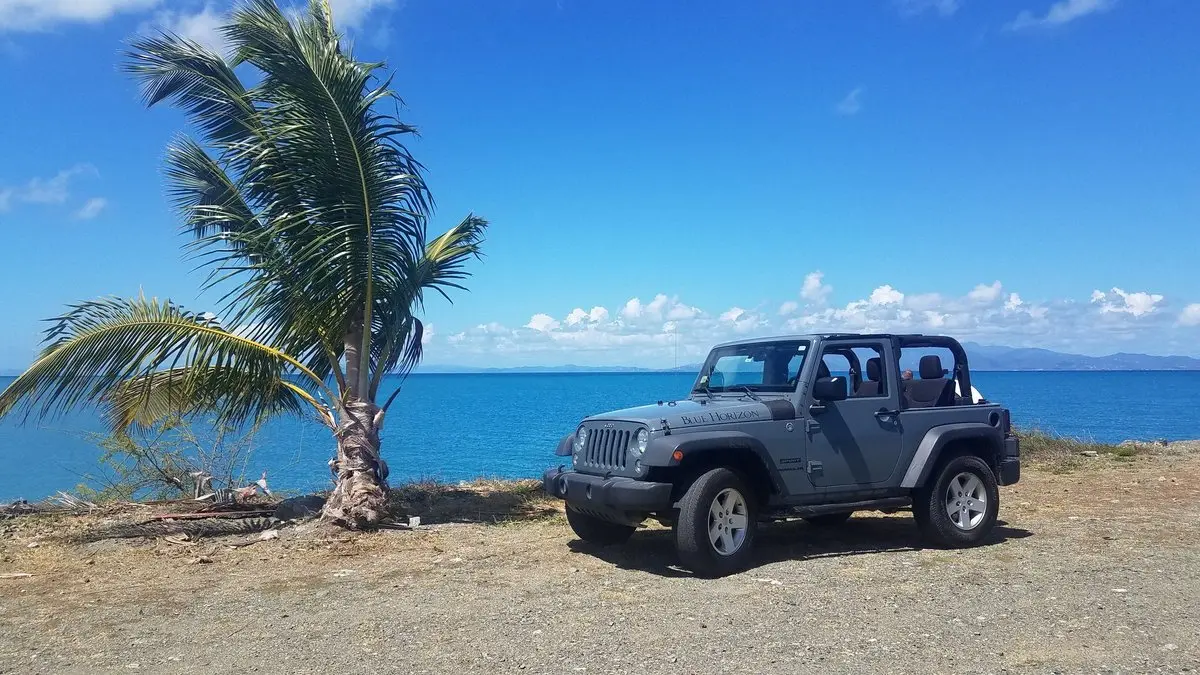
Rental cars cannot go on the ferries because agencies explicitly prohibit it. You have to park your mainland rental at the Ceiba terminal for $5 to $10 per day, then rent a separate vehicle on the island. The unpaved roads on Vieques and Culebra make standard compact cars largely useless, forcing you to rent a 4WD Jeep or golf cart which heavily impacts your Puerto Rico travel cost.
The ferry ticketing problem
The ferry system legally prioritizes island residents, and the limited non-resident allocation sells out within seconds on the Puerto Rico Ferry website and app. If you miss the online booking window, your only alternative is arriving at the Ceiba terminal before dawn to stand in line for same-day cancellations.
If your itinerary has any fixed structure, weigh your options carefully. Vieques Air Link operates flights from Ceiba starting around $39 to $109 one way, and from San Juan’s Isla Grande Airport (SIG) for $60 to $130 one way. Factor in whether a guaranteed 10- to 25-minute flight is worth more than the stress of fighting for a $2 ferry ticket.
What does food actually cost in Puerto Rico?
Your daily food expenses will dictate a massive chunk of your overall Puerto Rico travel cost. Prices range dramatically depending on where and how you eat.
Budget tier: panaderías and fondas
The absolute foundation of budget eating in Puerto Rico is the panadería, or local bakery. A full breakfast sandwich and fresh pastries can be assembled for under $10, and portions often run large enough to split.
For lunch and dinner, small family-run cafeterias known as fondas serve massive plates of mofongo, arroz con gandules, and roasted meats for $10 to $15 per plate. Most of these spots operate entirely cash-only. A disciplined traveler can eat well on $15 to $25 per day this way.
Mid-range tier: the Luquillo Kioskos
The Luquillo Kioskos represent the peak of mid-range cultural eating, featuring roughly 60 numbered stalls adjacent to Luquillo Beach. The smell of frying alcapurrias and the hiss of pinchos hitting the grill hits you the second you park.
- Fried items (empanadas, pinchos): $3 to $7 per piece
- Cold Medalla beer: $2 to $3
- Full meal of fried delicacies and a beer: comfortably under $20
- Larger plated seafood dishes: $15 to $25

Fine dining tier: San Juan’s premium restaurants
Upscale restaurants in Santurce and Condado price their main courses at $35 to $50. Craft cocktails at spots like Santaella or Cocina Abierta will set you back $15 to $20 each.
The top of the San Juan culinary ladder is Marmalade in Old San Juan, a tasting-menu-only restaurant. Their five-course dinner starts at $155 per person before wine pairings or the mandatory service charge. On my last visit, I watched a couple’s bill clear $350 for two after cocktails and wine. Budget $250 to $400+ total for a high-end dinner for two.
How much do beaches, rainforests, and bio bays cost?
Puerto Rico packs free and paid experiences side by side, and knowing which are which can dramatically shift your Puerto Rico travel cost in either direction.
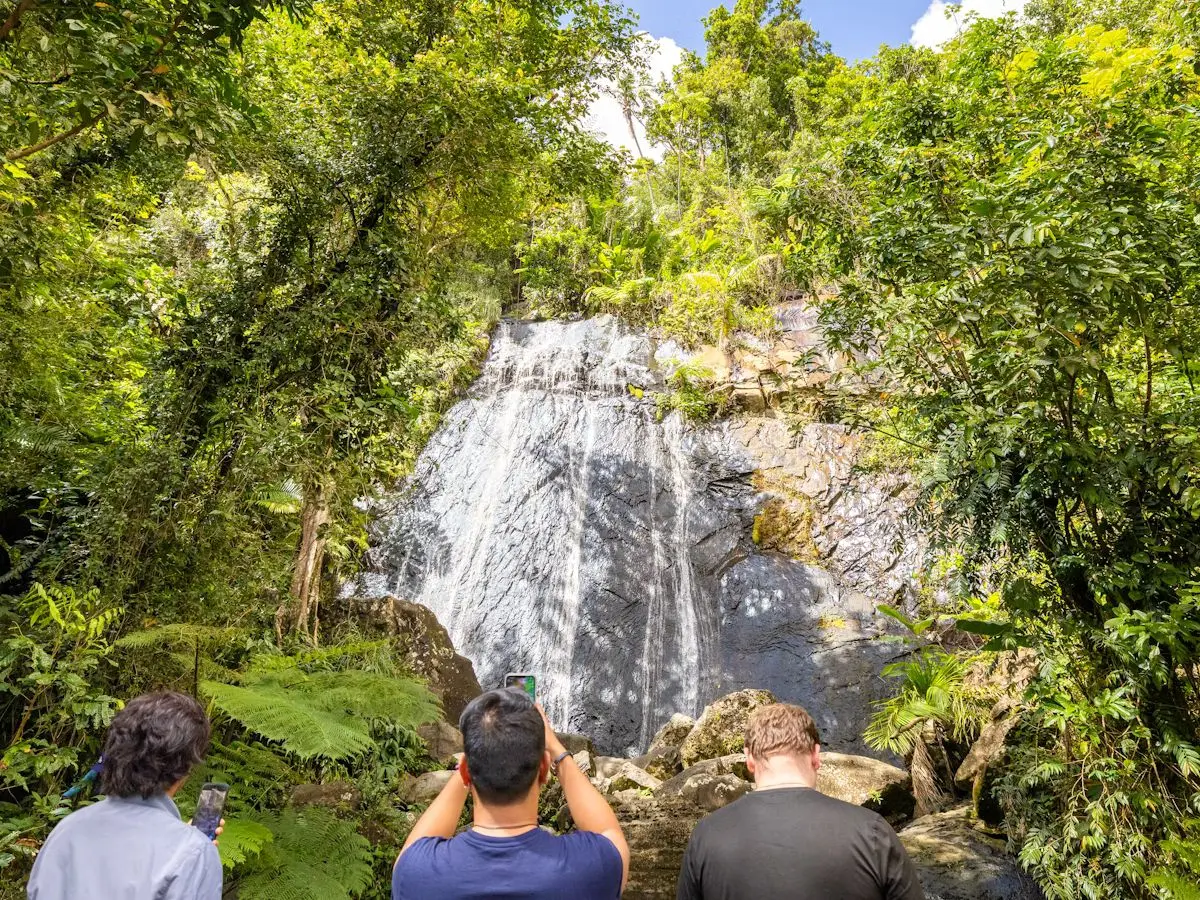
El Yunque National Forest
Hiking the trails of El Yunque is completely free, making it a massive win for your budget. The only paid feature in the only tropical rainforest in the U.S. National Forest System is the El Portal Visitor Center at $8 per person (ages 16 and older enter free).
The Recreation.gov reservation system has been suspended. Access to the main PR-191 corridor is now strictly first-come, first-served, with the Puerto Rico Police managing traffic flow and parking.
The parking capacity fills up by 8:00 AM on busy days. If you miss that window, you are either waiting hours or booking a private guided tour that ranges from $50 to $150 per person. When you step onto the trails near dusk, the native coquí frogs unleash a deafening, high-pitched chorus that you will hear ringing in your ears for the rest of the night.
Pro Tip: Arrive by 7:30 AM to guarantee parking on weekends. Weekday mornings are slightly more forgiving but never guaranteed. Rideshare apps are not authorized to operate inside El Yunque, so drive yourself or book a licensed tour operator.
Bioluminescent bay tours
Puerto Rico features three bioluminescent bays where you can paddle through water that glows neon blue via organized bioluminescent bay tours. Mosquito Bay in Vieques and Laguna Grande in Fajardo are the primary targets.
Independent nighttime access is heavily restricted for ecological and safety reasons.
- Guided kayak or electric boat tour: $55 to $85 per person for two hours
- Transportation from San Juan to Fajardo launch sites: additional $20 to $35 via rental car or negotiated rideshare
Old San Juan: a full day at near-zero cost
The walled city’s blue cobblestone streets and massive Spanish fortifications can anchor an entire day with almost no admission cost. A single $10 ticket grants access to both Castillo San Felipe del Morro and Castillo San Cristóbal and stays valid for two consecutive days. Children 15 and under enter free.
The sprawling exterior coastal lawns surrounding El Morro are entirely free, as is El Parque de las Palomas. You can execute a full 10-hour history day in Old San Juan for just $10 all-in.
What does a real day in Puerto Rico cost by budget level?
These daily Puerto Rico travel cost projections account for IVU taxes, toll realities, and grocery inflation. International airfare is excluded because costs vary wildly by origin city.
Budget backpacker
- Daily cost: $75 to $120 per person
- Accommodation: hostel dorms or shared Airbnb ($25 to $50)
- Dining: panaderías, street food, groceries ($5 to $10/meal)
- Transport: AMA buses, walking, occasional Uber
- Activities: free beaches, self-guided Old San Juan, free El Yunque
Mid-range explorer
- Daily cost: $150 to $280 per person
- Accommodation: mid-range hotels or private Airbnb ($150 to $250)
- Dining: mix of fondas, casual dining, light grocery shopping
- Transport: compact rental car plus toll budget
- Activities: one major paid excursion plus free natural assets
Luxury traveler
- Daily cost: $400 to $650+ per person
- Accommodation: beachfront resorts or villas ($300 to $600+)
- Dining: fine dining, craft cocktails, resort restaurants
- Transport: premium SUV, private transfers, domestic island flights
- Activities: private catamaran, guided rainforest tours, spa
A real-world case: family of five, 10 days
A family of five consisting of three adults and two children executed a 10-day, 9-night trip for a total of $7,103. This averages out to a highly reasonable $142 per person, per day.
- Lodging: $2,262 in a multi-room Airbnb at $251 per night
- Transportation: $1,185 covering a mainland rental, a separate Vieques Jeep, and ferry tickets
- Food: $1,086 ($22 per person, per day because they used the Airbnb kitchen for breakfasts and lunches)
- Excursions: $680 for bio bay kayaking and a rainforest tour
Grocery costs are elevated by the Jones Act, but they are still substantially cheaper than buying three restaurant meals per day.
Pack your bags and your spreadsheet
Puerto Rico delivers a rare destination where a backpacker and a luxury traveler can share the exact same beach at wildly different price points. The island does not hide its costs if you know where to look.
TL;DR: Budget $75 to $120/day for backpacker style, $150 to $280/day for mid-range comfort, and $400+/day for luxury. The 11.5% IVU tax, mandatory resort fees, and AutoExpreso tolls are easy to handle once you prepare for them. Build the real budget using this Puerto Rico travel cost guide, not the advertised one.
What line item surprised you the most in your Puerto Rico travel cost breakdown? Drop it in the comments so other travelers can prepare.