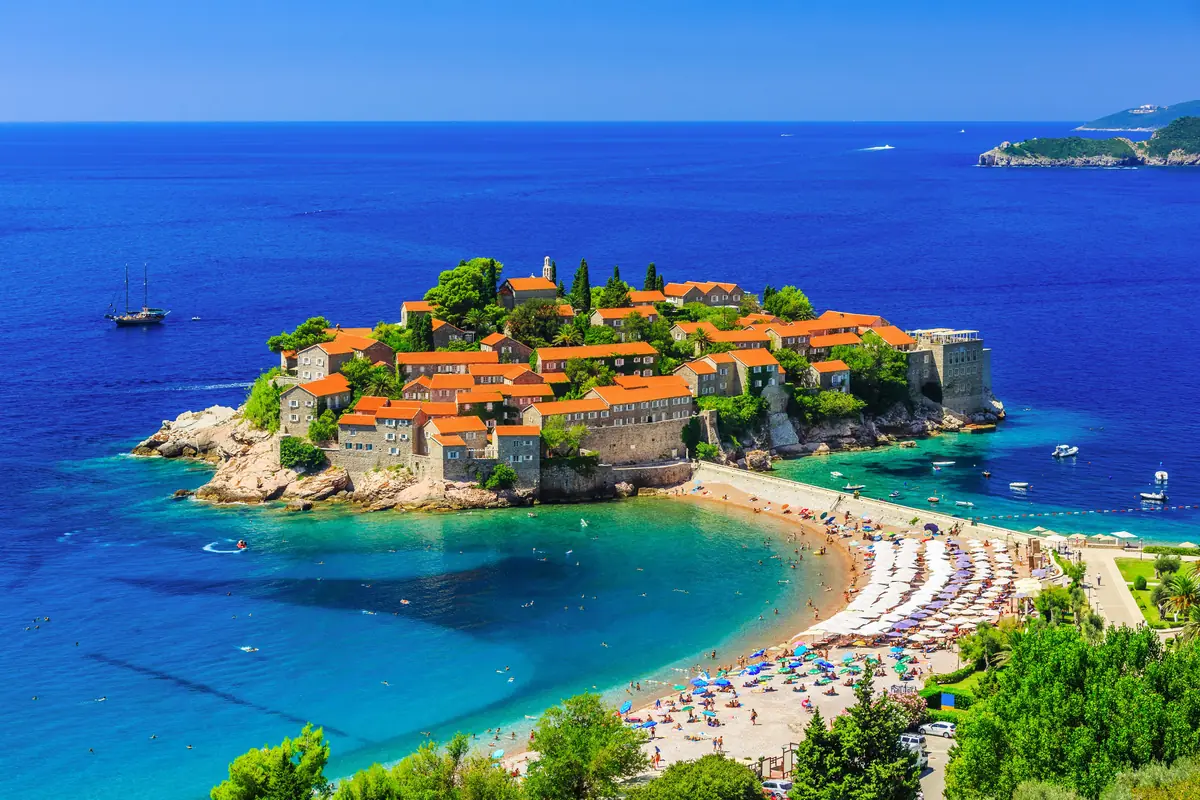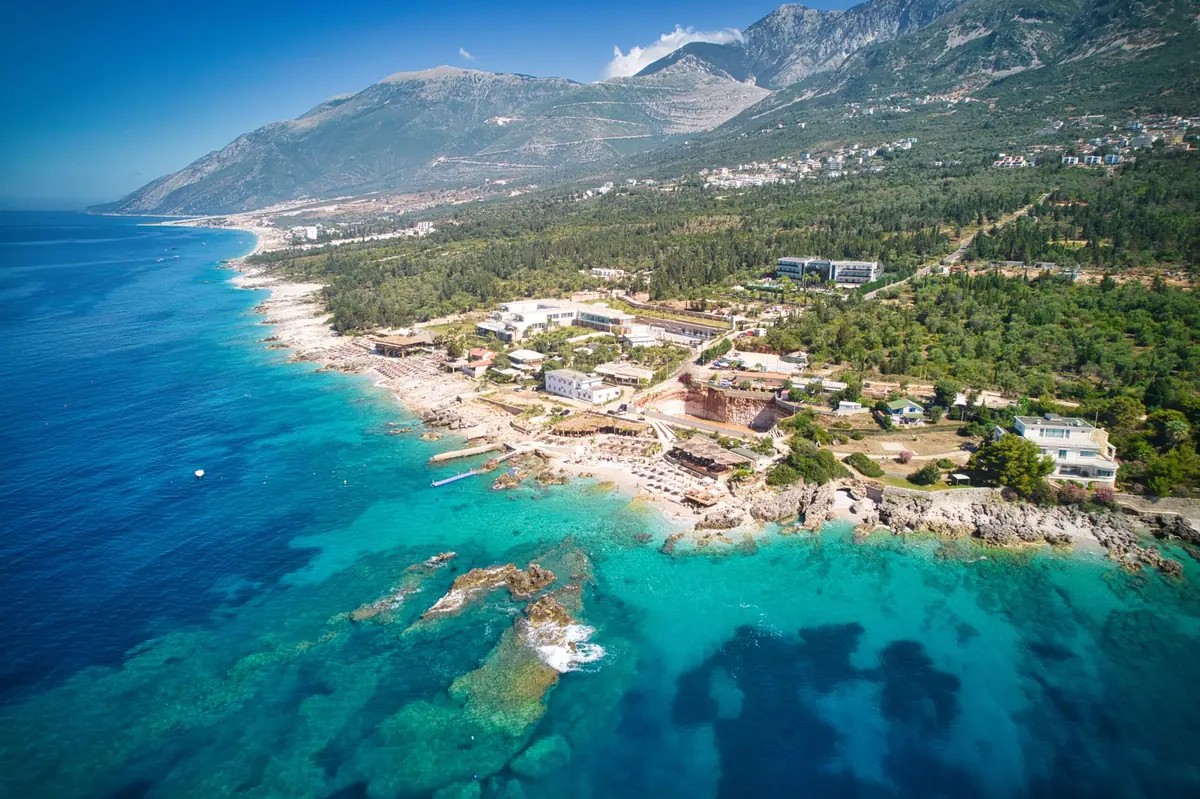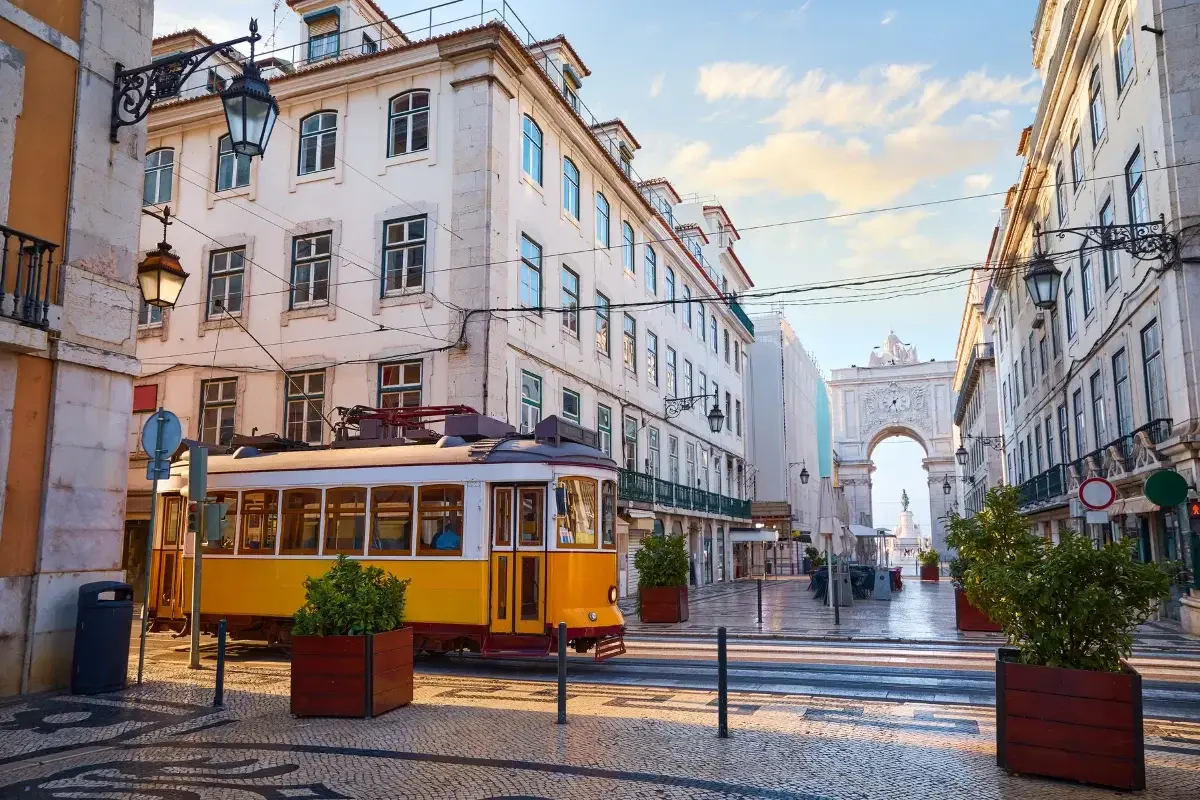
Albania vs Croatia comes down to one honest trade-off: pay for Croatia’s polished, predictable infrastructure, or stretch your dollar on Albania’s raw, uncrowded shoreline. This guide cuts through the noise with real numbers, honest trade-offs, and the logistics most articles skip — so you book the coast that actually fits your trip.
Albania vs Croatia: which one fits your travel style?
Choose Croatia for reliable tourism infrastructure, structured island-hopping ferries, and preserved medieval cities — accepting Euro-based pricing and heavy summer crowds. Choose Albania for dramatic, uncrowded Ionian terrain, a cash-driven economy, and genuine cultural encounters at roughly half the daily cost of its Dalmatian neighbor.
Croatia is the right call if you want predictability: ferry bookings that hold, English-speaking staff at every restaurant, emergency services you can actually reach. Albania rewards travelers who are comfortable with uncertainty — a furgon that departs when it’s full, guesthouses that demand cash at checkout, mountain roads that transition from asphalt to gravel without a sign.
The gap between the two experiences is wider than the 325 miles (523 km) that separate Dubrovnik from Saranda.
Is Albania cheaper than Croatia?
Albania is significantly cheaper than Croatia across every spending category. Daily travel costs in Albania stay low: a mid-range traveler moves comfortably on $85 per day, while a comparable experience in Croatia averages $145 — a direct result of Euro-based pricing along the Dalmatian Coast and Dubrovnik’s extreme demand premium in summer.
Here is what the numbers actually look like side by side:
| Expense | Albania | Croatia |
|---|---|---|
| Mid-range hotel/night | $45–$95 | $160–$320 (Dubrovnik) |
| Local bus or minibus fare | $5–$6 | $8–$12 |
| Sit-down seafood dinner | $12–$18 | $25–$50 |
| Daily car rental | $35 | $55–$85 |
| Café coffee | $1–$1.50 | $2.50–$4 |
The $50-a-night guesthouse in Gjirokaster is a real option — stone walls, a terrace facing the castle, breakfast included. For $50 in Dubrovnik, you are looking at a private room in a hostel two bus stops from the old town walls.
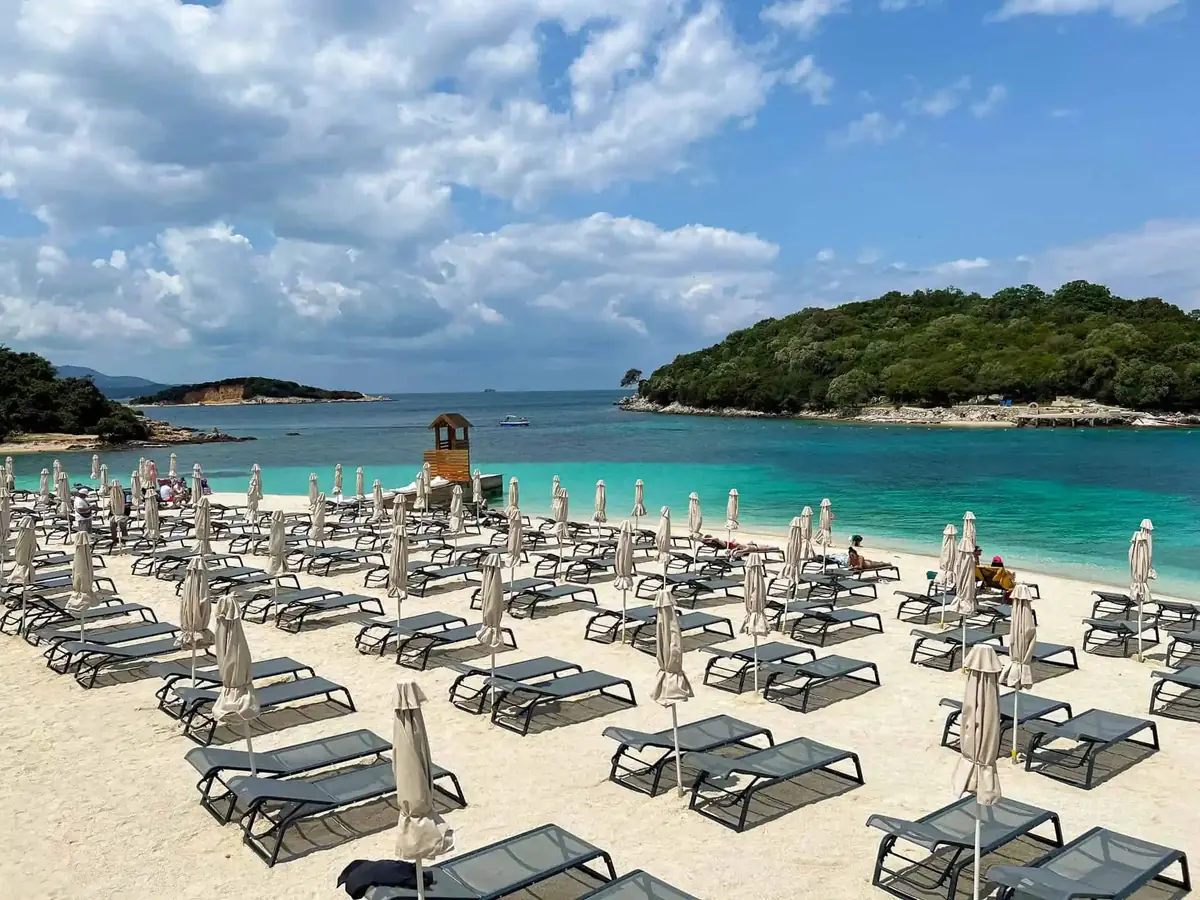
One thing the “Albania is cheap” narrative consistently underreports: Ksamil, the beach village that dominates travel feeds, charges roughly $15 to $35 a day for two sunbeds and an umbrella on its most photographed stretches, and premium beachfront cabanas push past $70. The water color is genuinely that remarkable — but the price has caught up fast.
ATMs in Tirana carry a standard surcharge of 700 to 800 ALL ($7.50–$8.50) per transaction. Withdraw in larger amounts from the start and keep physical currency on hand — the Albanian economy runs heavily on cash, and card terminals in coastal towns are unreliable.
Pro Tip: Withdraw Albanian Lek at the Tirana airport ATMs before heading south. The surcharge is the same everywhere, but you will avoid the scramble for cash in smaller coastal towns where card machines are rare or frequently offline.
How do flights, visas, and borders work for US citizens?
US citizens enter both countries visa-free for tourism. Croatia sits in the EU’s Schengen Zone, capping American stays at 90 days within any 180-day window. Albania sits entirely outside Schengen, granting US passport holders a full year of visa-free access — and time spent there does not count against your Schengen limit.
That distinction matters for anyone planning a longer trip. A 30-day stay in Tirana or Saranda preserves 30 days of Schengen time, effectively resetting the clock before crossing back into the EU.
Getting there from the US
Transatlantic flight options worth knowing:
- United Airlines: Newark (EWR) to Split (SPU), plus Newark to Dubrovnik (DBV) — both seasonal nonstop, summer only. The Split route is the only nonstop service between the US and central Dalmatia.
- Delta Air Lines: JFK to Tirana (TIA), connecting via Amsterdam or Rome — no nonstop US–Tirana route exists, so plan on at least one European hub.
- Air Transat: Toronto to Dubrovnik (DBV), seasonal.
Most US travelers fly into one hub and out of the other, treating both countries as a single itinerary. Split-in, Tirana-out — or the reverse — works logistically and eliminates backtracking.
Visas, Schengen math, and border control
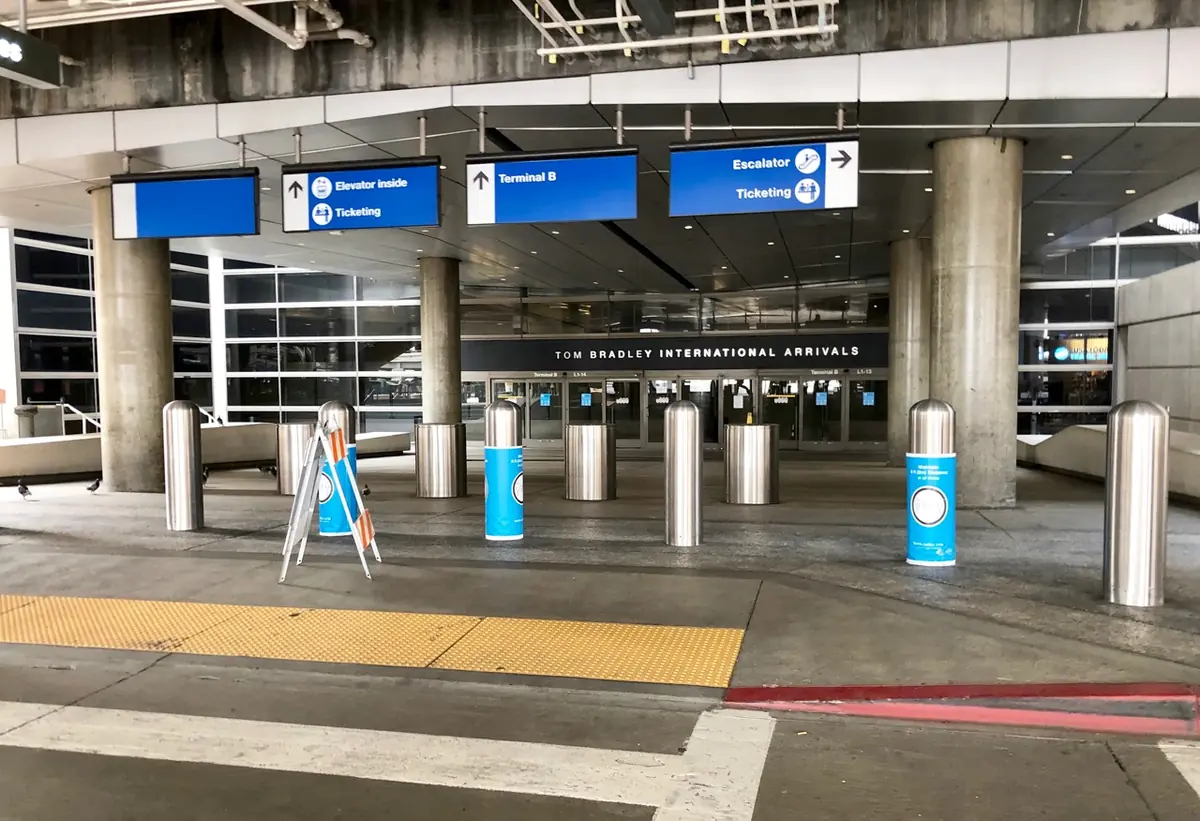
Croatia’s border runs on the EU’s biometric Entry/Exit System (EES). Expect fingerprint scans and facial recognition at Dubrovnik and Split airports, and allow an extra 20 minutes on first entry. Albania’s land borders at Qafë Botë and Muriqan stay informal by comparison: a quick stamp, sometimes a glance at the bag, finished in under five minutes.
Check the official EU immigration portal before booking your Croatia leg regarding ETIAS (European Travel Information and Authorization System) — pre-registration for Schengen entry by US passport holders is in the pipeline and alters border logistics once it activates.
Croatia’s coves or Albania’s sand — which beaches win?
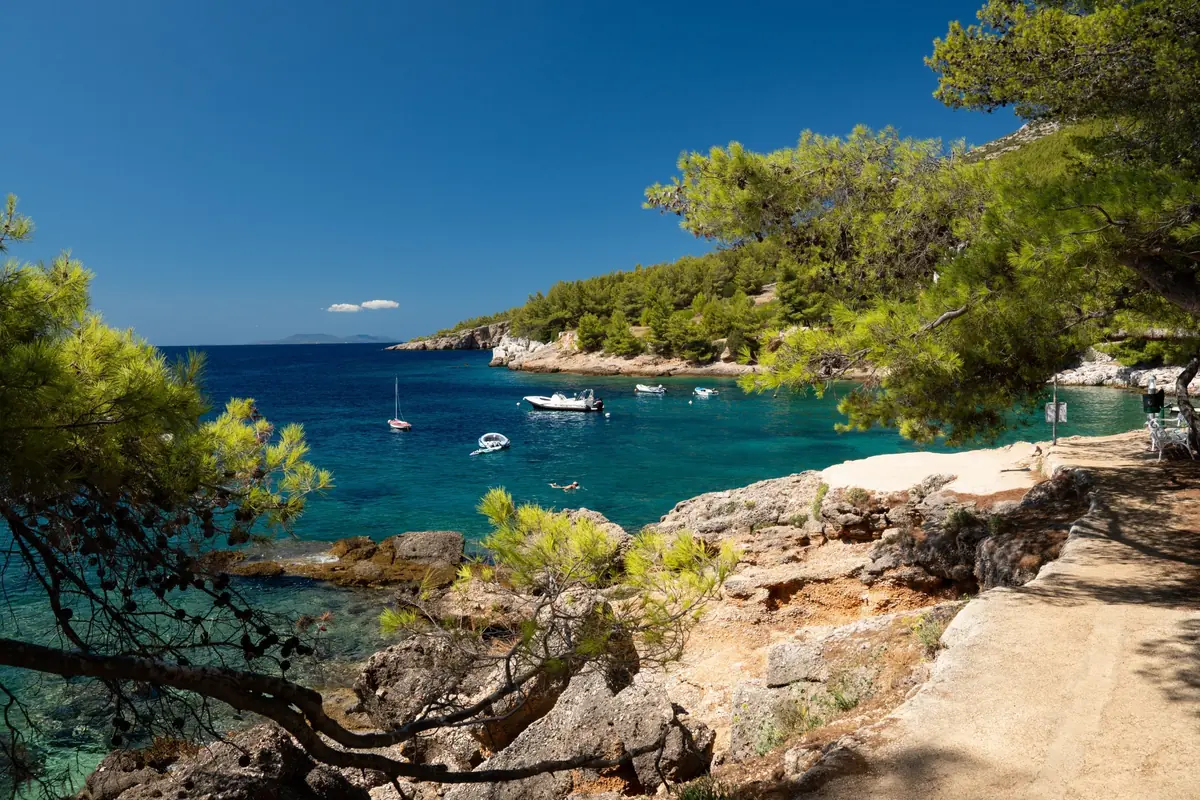
Croatia’s Adriatic coast is mostly pebble and limestone — pine-shaded coves with water clear enough to see 30 feet (9 m) to the bottom. Albania’s Ionian coast runs softer, with white-sand beaches fed by warmer, shallower currents from the south. If sand underfoot is non-negotiable, Albania wins on terrain alone.
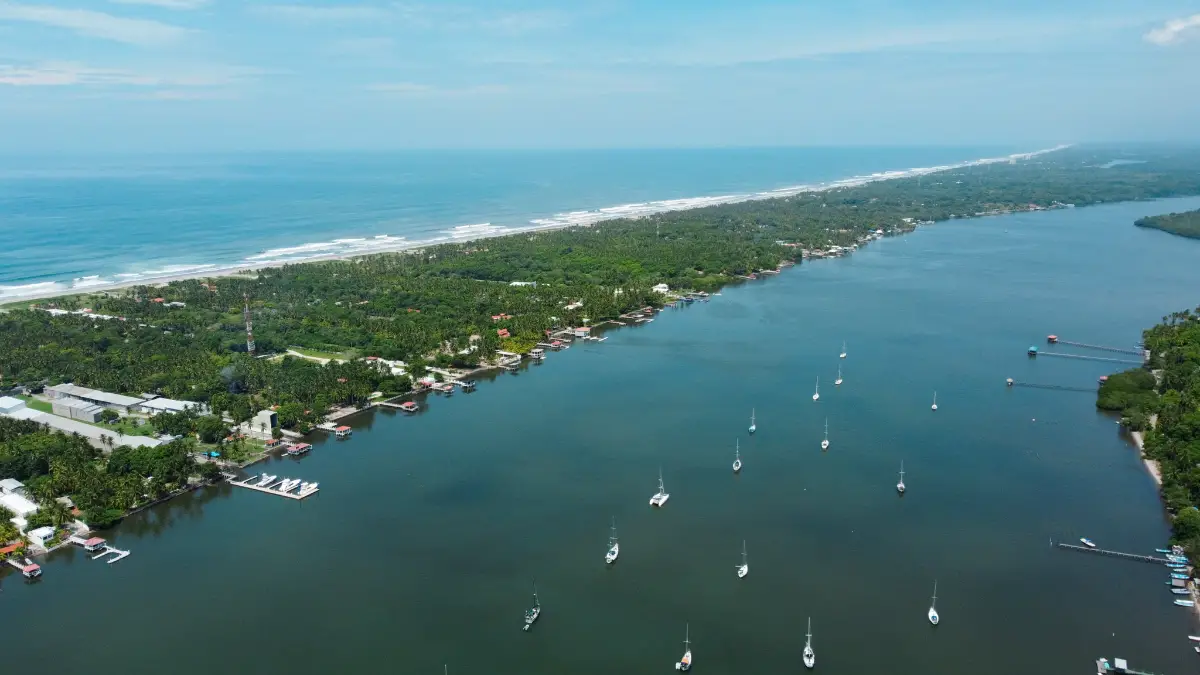
The trade-off is development. Croatia’s beaches around Hvar and Brač have decades of infrastructure: beach bars, water sports rental operations, and paved paths to the water. Albania’s best stretches — Dhermi and Borsh — require effort to reach. The reward is meaningful solitude outside of July and August.
Key distinctions by beach:
- Hvar (Croatia): pebble shores, quality cocktail bars within walking distance, strong nightlife
- Dhermi (Albania): sandy stretches, cheaper bars, reached via a winding mountain road that drops 20 minutes down from the main highway
- Borsh (Albania): one of the longest sandy beaches on the Albanian Riviera, low commercial density, minimal facilities
- Ksamil (Albania): the most photographed coves on the Albanian coast — small, sandy, and heavily privatized
The Bura wind along the northern Adriatic is worth factoring into any summer itinerary. It arrives without much warning, drops air temperature rapidly, and turns a calm harbor into whitecap conditions within an hour. Sailing and kayak tours in northern Croatia get cancelled regularly in summer because of it. The salt smell it carries — sharp and cold against an 80°F (27°C) afternoon — is one of those sensory details you do not forget, though it also means packing a wind layer even in August.
Pro Tip: For the best combination of sand and solitude in Albania, drive to Borsh on a Tuesday or Wednesday. The beach runs nearly 4 miles (6.5 km) and draws a fraction of the crowd that hits Ksamil on a summer weekend.
How do you get around Albania and Croatia?
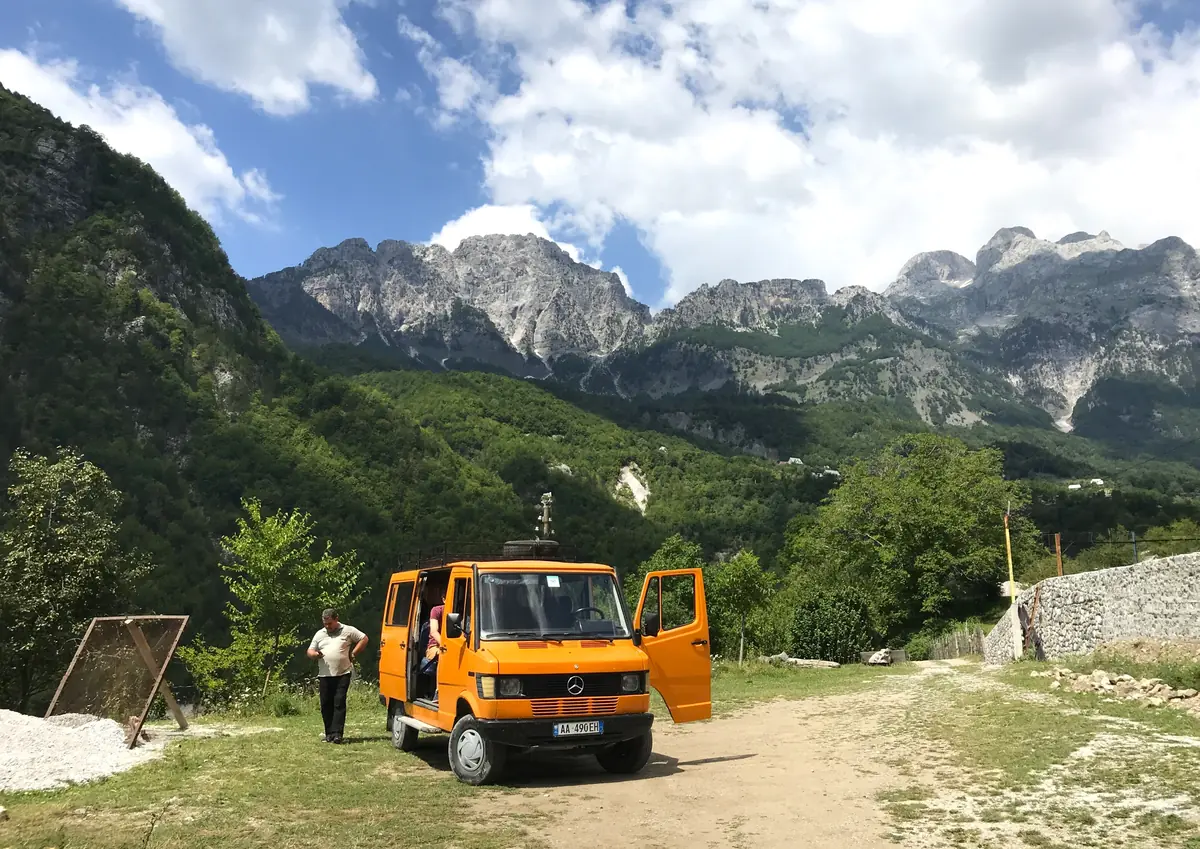
Croatia runs on structure: Jadrolinija ferries with published schedules, Arriva intercity buses, and the well-paved A1 toll highway from Zagreb to Split. Albania runs on improvisation — furgon minibuses with no timetables that leave only when full, at $5 to $6 per coastal route. Renting a car buys you the most control in either country.
The catamaran from Split to Hvar takes about an hour and costs roughly $12 each way. Albania demands a different travel mentality entirely. You find a furgon by asking locals, arriving at a designated dirt lot on the edge of town, or listening for a van driver shouting “Saranda! Saranda!” from a window on a dusty highway shoulder. They leave when they’re full.
The drive between Dubrovnik and Saranda is 325 miles (523 km) — but plan for over 10 hours. The route crosses multiple border checkpoints, climbs into the mountains, and includes stretches where overtaking on blind corners is normal practice for local drivers. Check your rental insurance before picking up a car in Albania; many European rental agreements specifically exclude the country.
Transit cost comparison at a glance:
- Jadrolinija ferry, Split to Hvar: ~$12 each way, hourly in summer
- Furgon, Tirana to Saranda: ~$6, 4–5 hours
- Daily car rental: from $35 in Albania; from $55 in Croatia
- Taxi, Tirana airport to city center: ~$15–$20 fixed price (negotiate before entering)
On my last drive through the Albanian highlands, the road surface changed four times in 30 miles — from asphalt to gravel to packed dirt and back to asphalt — with no signage indicating any of it. That is the baseline expectation, not the exception.
Is it safe for solo female travelers?
Both countries rank among the safest in the Balkans for solo female travelers, and violent crime targeting tourists is close to nonexistent in either. Croatia offers structured emergency services, including the HGSS mountain rescue service and well-staffed medical teams on all major beaches. Albania counters thinner rural healthcare with fierce local hospitality that regularly crosses into protective behavior.
The outdated narrative about regional crime — driven largely by Hollywood portrayals from the mid-2000s — does not reflect ground reality in either country. Walking alone at night through Tirana’s Blloku district or Split’s old town is not a meaningful safety concern. The practical friction points are more specific.
Croatia-specific warnings:
- Rigged taxi meters in Split targeting solo travelers arriving at the ferry terminal — use a metered cab or a ride-share app instead
- Petty theft in Dubrovnik’s crowded old town, particularly near the Pile Gate entrance during cruise ship hours
Albania-specific considerations:
- Rural medical facilities outside Tirana are limited to basic pharmacy-level care — for anything serious, getting to the capital is the realistic option
- Cash dependency means carrying more physical currency than feels comfortable in remote areas
The experience reported most consistently by solo women in Albania is not fear — it is the opposite. Guesthouse owners who insist on walking you to the bus stop. Restaurant staff who call ahead to confirm your next accommodation has a bed. That hospitality is genuine and can feel disorienting after the transactional service culture of peak-season Croatian tourist restaurants.
Pro Tip: Download Maps.me with offline Albania maps before leaving accommodation each morning. Cell coverage drops sharply in the mountain passes between Gjirokastra and the coast, and Google Maps loses routing reliability in those areas.
Roman ruins or Ottoman villages — which history wins?
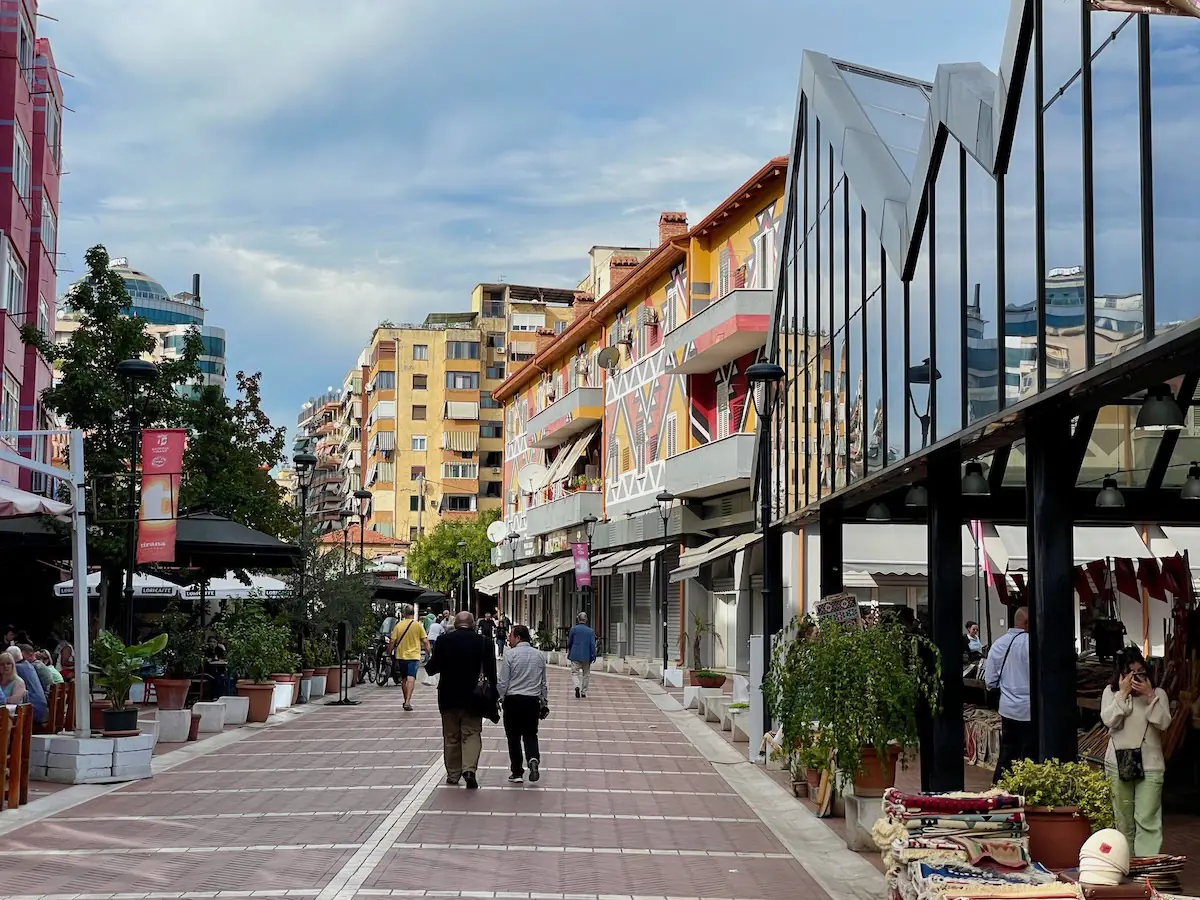
Croatia leads on monumental, meticulously preserved architecture. Albania offers a layered, lived-in history — Cold War concrete bunkers sitting beside ancient Greek amphitheaters, and Ottoman hilltop towns that still function as working communities rather than outdoor museums. One side polishes its past; the other keeps living inside it.
The cost of experiencing each side of this comparison tells the story:
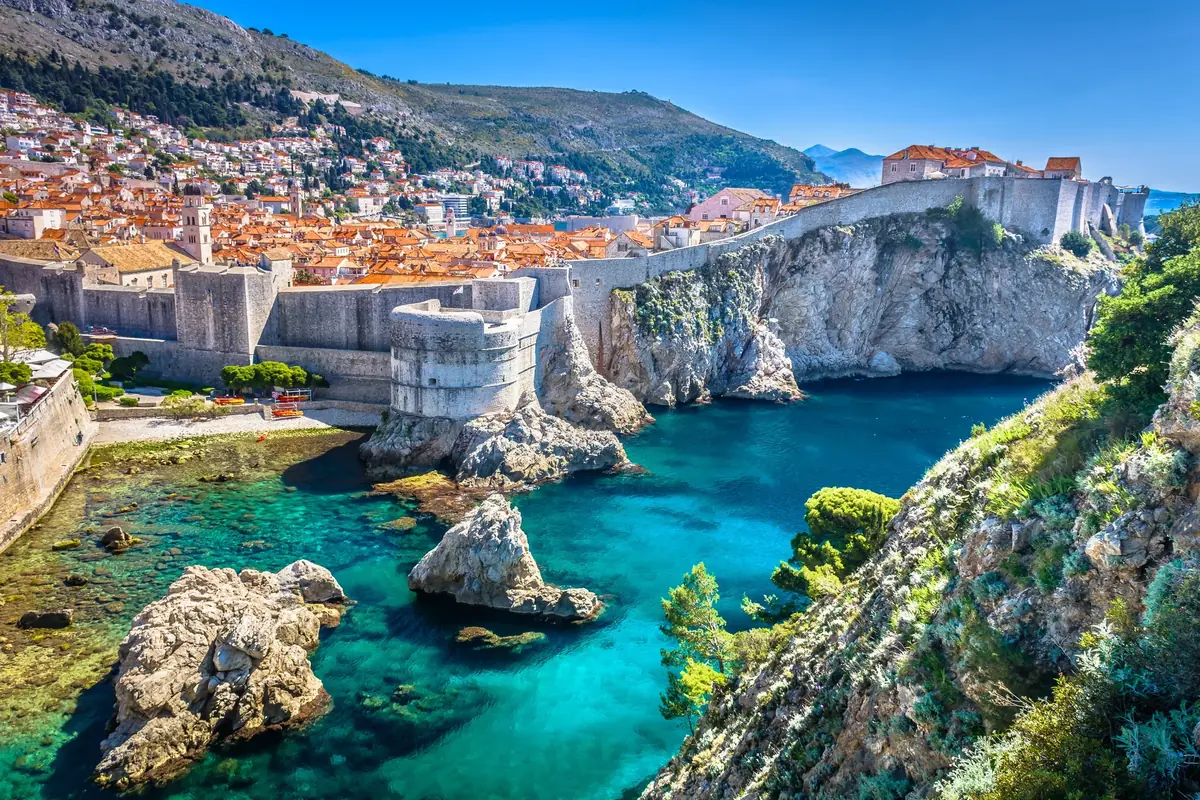
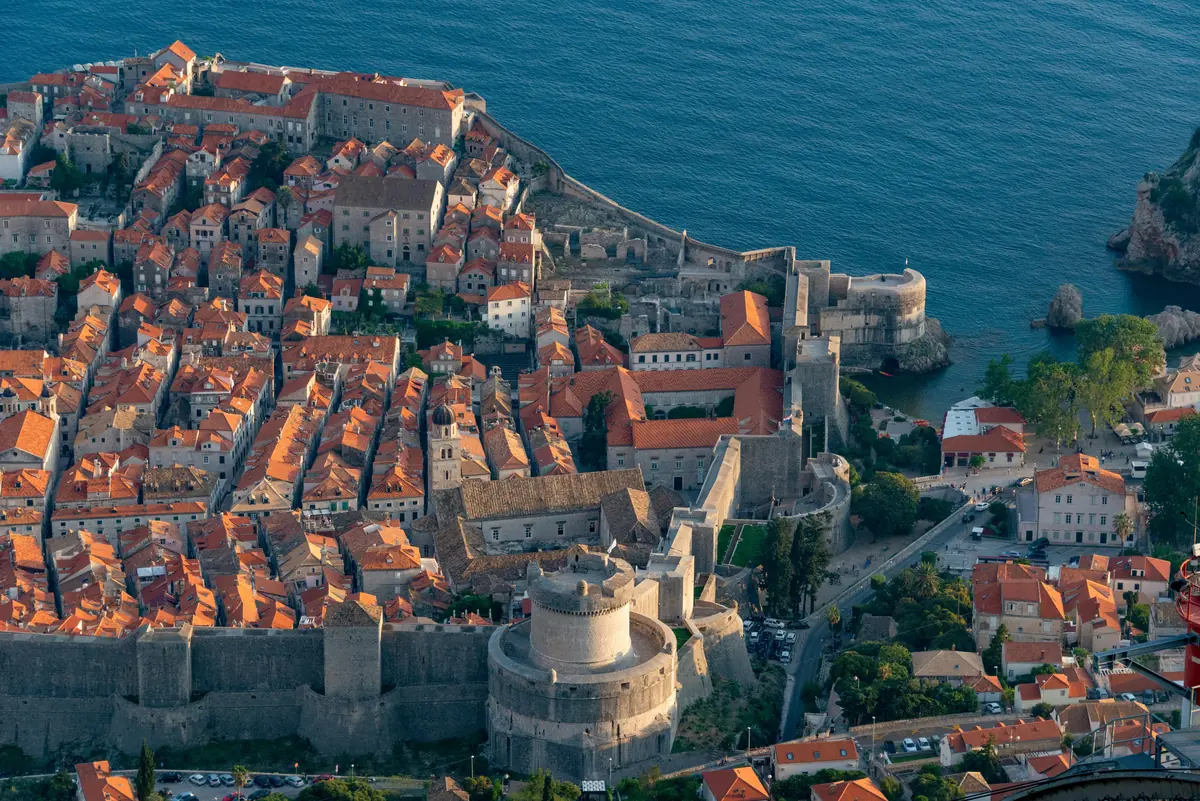
- Dubrovnik City Walls: €40 (about $44) entrance, 1.2 miles (2 km) of limestone walkway above the Adriatic
- Butrint National Park (Albania): 1,000 ALL ($10.90) to walk Greek, Roman, Byzantine, and Venetian ruins in a single loop
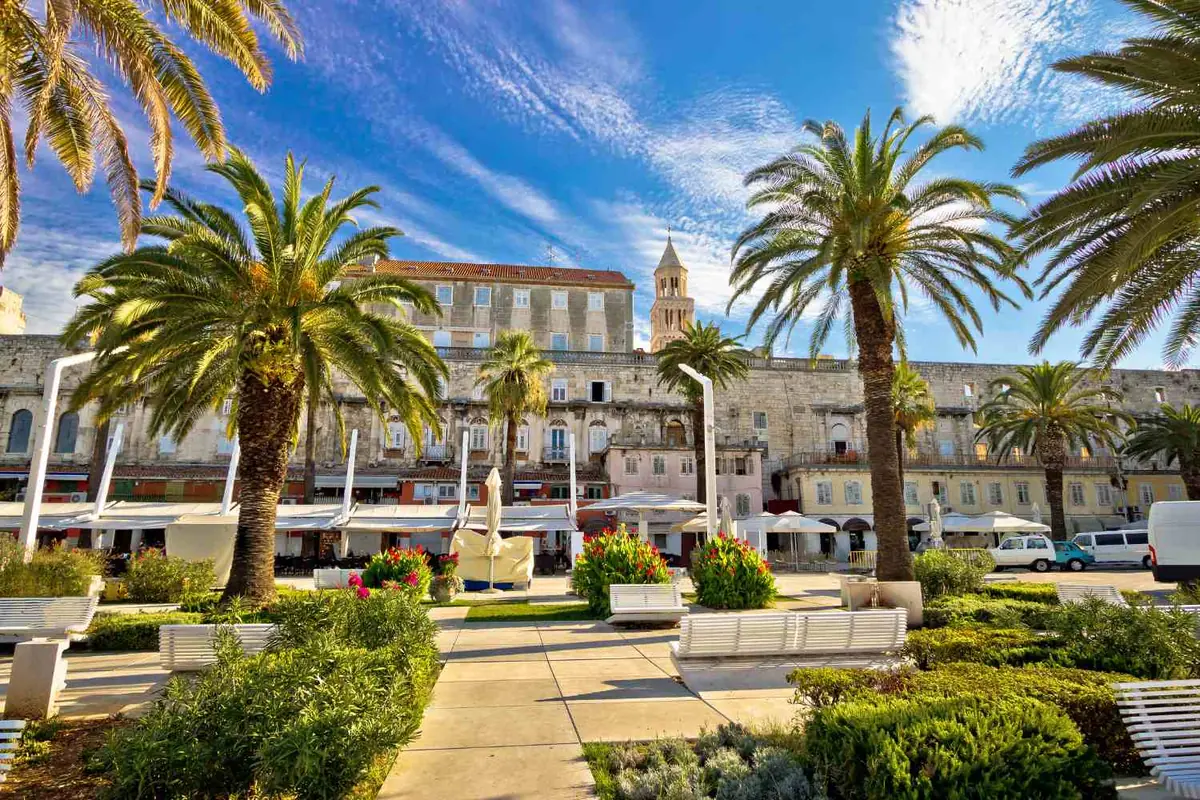
- Diocletian’s Palace, Split: free to enter the outer walls; paid museum sites inside range from $5–$12
- Berat, Albania: UNESCO-listed “city of a thousand windows,” free to walk, castle entrance around 200 ALL ($2.20)
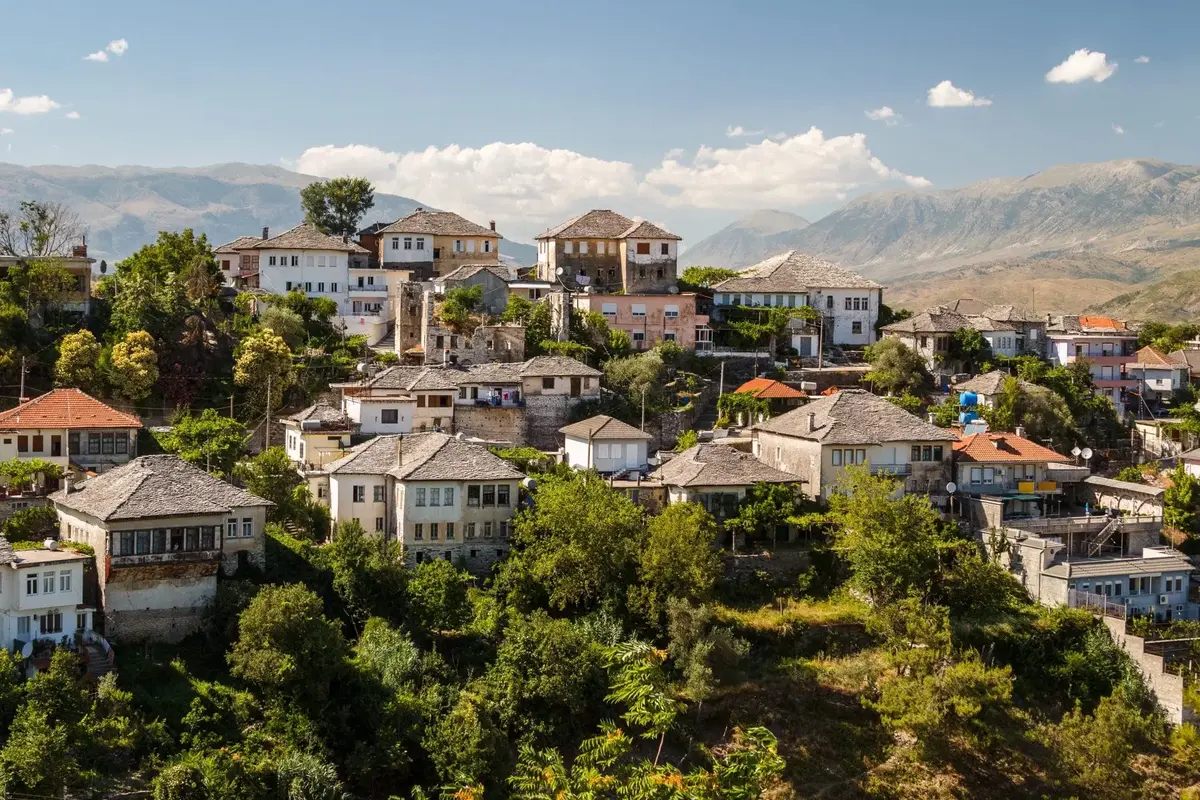
The physical reality of Gjirokaster does not match the photographs. The cobblestones are steep, worn smooth by centuries of foot traffic, and genuinely dangerous in sandals. At noon in summer the limestone radiates heat from above and below simultaneously. It is worth every minute — but leave wheeled luggage at the guesthouse and wear shoes with grip.
The Bunk’Art museum in Tirana — built inside a functioning Cold War nuclear bunker beneath the city — is one of the most disorienting and genuinely powerful historical experiences in the Balkans. Nothing comparable exists on the Croatian side.
Is the food better in Croatia or Albania?
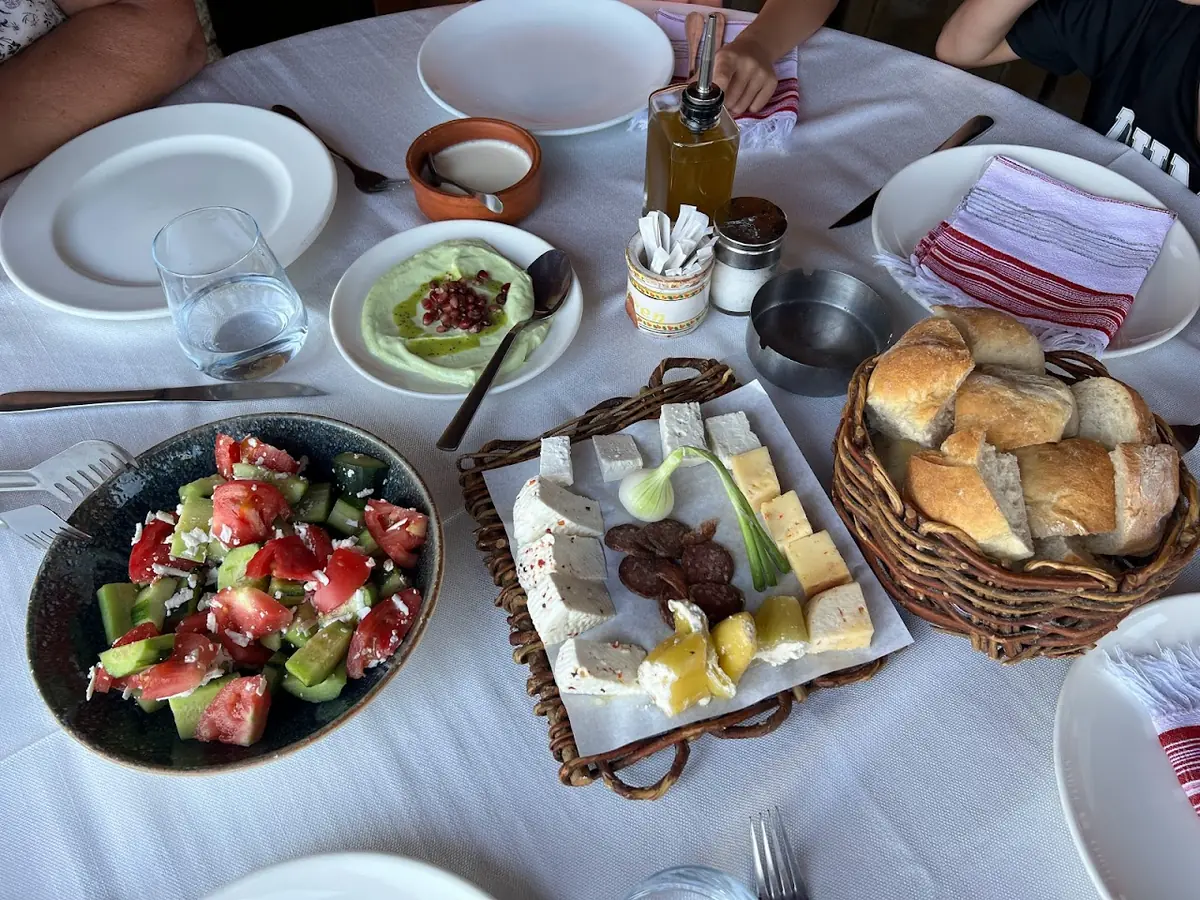
Croatian cooking runs Mediterranean and Venetian: fresh Adriatic seafood, black risotto made with cuttlefish ink, Istrian truffles, and a mature coastal fine-dining scene. Albanian food is heavier and earthier, with Ottoman roots — slow-roasted lamb, byrek, and fergesë, a baked clay-pot dish of peppers, tomatoes, and cottage cheese that costs $5 to $7 and fills the plate twice over.
Price comparison by meal type:
- Black risotto, Zinfandel Food and Wine Bar, Split: ~$28–$32
- Tasting menu, Mullixhiu, Tirana (Chef Bledar Kola): ~$35–$45
- Fergesë with bread, local taverna in Tirana: ~$5–$7
- Grilled seafood platter, Fishop, Saranda: ~$18–$25
- Grilled fish dinner, Nautika, Dubrovnik: ~$45–$70 per person
Mullixhiu in Tirana is the most interesting meal in this entire coastal corridor. Chef Bledar Kola reinterprets traditional highland dishes with modern technique — cooking that would carry a Michelin star in any Western European capital, served in a quiet dining room at Albanian prices. Book at least a week ahead in summer.
The scent of woodsmoke and lamb fat hangs around traditional highland tavernas from mid-morning onward. You smell them before you see them. That does not happen anywhere in Croatia.
Pro Tip: In Croatia, order house wine by the carafe rather than the bottle — quality is comparable and the price is 30 to 40 percent lower. In Albania, Çobo winery produces excellent reds from native grape varieties at around $8 a bottle in shops, less in the villages near Berat.
How much should you tip in Croatia and Albania?
Tipping in both countries is modest by American standards. In Croatia, 10 percent for good table service is standard and genuinely appreciated. In Albania, rounding up the bill or leaving a few hundred Lek in physical cash lands warmly — and is the correct scale for the local economy. The American instinct to tip 20 percent overshoots local wage norms.
Tipping 20 percent disrupts local wage norms rather than expressing generosity. Servers in tourist-heavy Croatia are increasingly caught between automated card machines that prompt for 15 or 20 percent and local customers who tip nothing. The tension is noticeable.
Cash is mandatory for tipping in Albania. Card readers exist in Tirana restaurants, but in coastal towns payment infrastructure rarely supports card-based gratuities. Keep 1,000 ALL notes ($10.90) accessible for this purpose.
One practical warning for Croatia: some restaurants in peak-season Dubrovnik include a service charge in the total without clearly flagging it on the menu. Read the bill line by line before adding anything extra.
Which is easier for families and accessibility?
Families who need reliable accessibility will find Croatia far easier: paved seafront promenades, dependable pediatric facilities in Split and Dubrovnik, and ferry terminals built with stroller movement in mind. Albania demands more physical adaptability — unpaved roads, steep staircases without handrails, and real gaps in standardized accessibility infrastructure outside Tirana.
The contrast is immediate after leaving Tirana’s airport: smooth tarmac gives way to potholed secondary roads within a few miles of the terminal. Families moving through Berat, Gjirokaster, or any rural coastal village will encounter the same friction throughout.
Practical notes for families:
- Transport: car rental is close to mandatory in Albania — erratic transit schedules make furgons impractical with children
- Ferries: stroller-compatible boats operate between Split and all major Croatian islands
- Medical care: full hospitals in Dubrovnik and Split; Albanian rural facilities are limited to basic care
- Old quarters: both Berat’s old quarter and Dubrovnik’s inner streets are equally hostile to wheeled luggage and pushchairs — pack accordingly
Croatia is the straightforward call for families with toddlers or older parents with mobility considerations. Albania works for families with older children who treat the improvisation as part of the experience.
Which is better for digital nomads — Albania or Croatia?
Both countries run dedicated digital nomad visas, but the cost of living and legal frameworks differ sharply. Croatia’s permit sits inside the Schengen Zone with reliable 4G and fiber, at a monthly living cost of $1,800 to $2,500 in Split or Dubrovnik. Albania, by contrast, is a rising base for digital nomads: fiber in Tirana’s Blloku district, lower monthly costs of $900 to $1,400, and an immediate one-year visa-free stay for Americans that needs zero paperwork to initiate.
The Schengen arithmetic works in Albania’s favor for long-term travelers. Spend 60 days based in Tirana, then enter Croatia for 90 days — your full Schengen window remains intact. Reverse the order and the clock starts ticking from day one.
Nomad infrastructure by location:
- Split, Croatia: coworking spaces from $150/month, average download speed around 85 Mbps
- Tirana, Albania: coworking cafes from $5/day, Blloku fiber connections reaching 150–200 Mbps in the best spots
- Albanian coastal towns: connectivity drops sharply outside Saranda and Himara; plan around this
Working from a café in the Blloku district costs less per day than a coffee and pastry in Zagreb — and the connection is frequently faster. The variables are noise level and air conditioning reliability in summer.
The bottom line
For a smooth, historically layered Mediterranean vacation, book Croatia and budget for the Euro premium without apology. For a high-value, culturally raw coastal escape free from Schengen constraints — provided you are willing to carry cash, navigate informal transit, and accept some unpredictability — Albania is one of the best-value destinations left on the European coastline. The honest answer to Albania vs Croatia is that they solve different problems.
TL;DR: Croatia wins on infrastructure, predictability, and island-hopping ease. Albania wins on cost, solitude, and visa flexibility for Americans. The best Balkan trip combines both — fly into Split, work south through Dubrovnik and the border, and fly out of Tirana.
What surprised you most about one of these destinations — or what is holding you back from booking? Leave it in the comments.