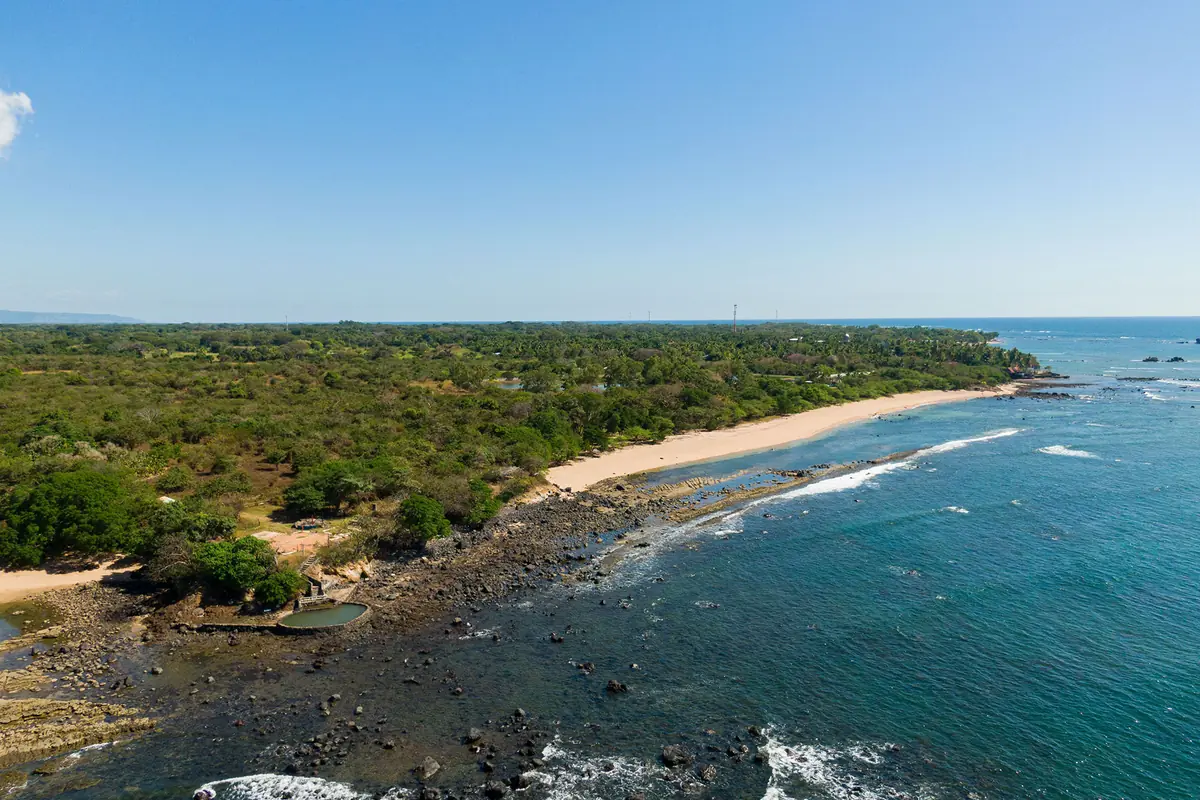
The best time to visit El Salvador is the dry season from November through April, when the Pacific coast holds at 88–91°F (31–33°C), rainfall drops below half an inch a month, and Punta Roca’s right-handers groom out under offshore trade winds. Surfers chasing real size flip the calendar — March to November is when the South Pacific fires.
When’s the best time to visit El Salvador? The 30-second version
The best time to visit El Salvador is late November through mid-April — the dry “verano” season, with coastal highs of 88–91°F (31–33°C), under one inch of rain a month, and offshore winds that clean up the surf at Punta Roca and El Sunzal. The single sweet-spot window is late November to early December.
Here’s the quick verdict by traveler type:
- First-timers and families: January and February — sunny, predictable, mid-tier crowds.
- Surfers chasing size: April through October — Southern Hemisphere groundswells.
- Surf learners: December through March — smaller, friendlier waves.
- Budget travelers: May, September, and October — flights and dorms at their lowest.
- Festival seekers: late March or early April (Semana Santa), early August (Fiestas Agostinas), August 31 (Bolas de Fuego), last Saturday of November (San Miguel Carnaval).
- Crowd-avoiders: late November, early December, or September.
Pacific water sits at 81–86°F (27–30°C) all year, so wetsuits are unnecessary. The cheapest months are May, September, and October. The most expensive are late December and Holy Week.
Pro Tip: Pull a chair onto the Litoral Highway shoulder near Km 42 in early December and you can still smell coffee flower from the harvest hills before the day’s dust kicks up. That’s the moment the country gets right — green, dry, quiet, and cheap, all at once.

What’s the real difference between dry and rainy season?
El Salvador has two seasons. The dry season — locally called verano — runs November through April with mostly cloudless skies and roughly 0.1–1.1 inches (3–28 mm) of rain a month on the coast. The rainy season (invierno) runs May through October, delivering about 75% of annual rainfall in late-afternoon thunderstorms, peaking near 6.3 inches (160 mm) in September.
The names confuse English speakers. In Spanish, verano means the dry season — which falls in the US winter — and invierno means the rainy season — which falls in the US summer. Salvadorans aren’t talking about temperature. They’re talking about whether to grab a rain jacket on the way out the door.
Coastal rainfall in numbers (La Libertad station, per weather-and-climate.com and WeatherSpark):
- Annual rainfall: 1,721 mm (68 in)
- Driest month, February: 0.1 in (3 mm)
- Wettest month, September: 6.3 in (160 mm) on the coast; 12.7 in (321 mm) in San Salvador
- Average rain days in January: 0.3
- Average rain days in September: 15
- 75% of annual rainfall arrives May through October
The single most useful thing to know about invierno: it rains in the afternoon. Mornings stay sunny. You can surf at 9 a.m., hike Cerro Verde by 11, eat lunch, and watch the 3 p.m. wall of cloud roll in from your hammock.
Pro Tip: In the rainy season I plan dives, surf sessions, and volcano hikes for the morning, then keep afternoons for pupuserías, hammocks, and short drives. The storms are reliable enough to schedule around.

What does each month feel like? A 12-month breakdown
Each month in El Salvador delivers a different trade-off. January and February are the perfect-weather, mid-crowd sweet spot. March and April bring the year’s hottest days and Semana Santa crowds. May ignites the south swell. September is the rainiest. November is when dry, green, and quiet line up at the same time.
The full calendar, using coastal data from the La Libertad station per WeatherSpark:
| Month | Coast high/low (°F) | Rain (in) | Rain days | Crowd | Price | Surf score (1–10) | Headline event |
|---|---|---|---|---|---|---|---|
| January | 90 / 73 | 0.1 | 0–1 | High | High | 6 | Dry-season peak |
| February | 90 / 73 | 0.1 | 0–1 | Med-High | Med-High | 6 | Humpback whales at Los Cóbanos |
| March | 91 / 75 | 0.1 | 1 | Med | Med | 7 | Hottest dry month; swell builds |
| April | 91 / 77 | 0.6 | 2 | Very High | Very High | 7 | Semana Santa |
| May | 90 / 77 | 3.4 | 9 | Low | Low | 9 | Día de la Cruz; WSL Surf City Pro |
| June | 89 / 76 | 5.7 | 14 | Low | Low | 9 | Rainy peak begins |
| July | 90 / 76 | 4.6 | 13 | Low-Med | Low | 9 | In-country school holidays |
| August | 89 / 76 | 5.3 | 14 | Med | Med | 8 | Fiestas Agostinas; Bolas de Fuego |
| September | 88 / 75 | 6.3 | 15 | Very Low | Low | 7 | Independence Day; wettest month |
| October | 88 / 75 | 4.7 | 11 | Very Low | Low | 7 | Tail of rainy season |
| November | 90 / 74 | 1.1 | 3 | Med | Med | 7 | San Miguel Carnaval — the sweet spot |
| December | 90 / 73 | 0.2 | 1 | Very High (last 10 days) | Very High | 6 | Christmas + New Year |
A few months earn extra notes.
April afternoons in San Miguel push the thermometer to 99°F (37°C) by 3 p.m. Inland heat is the real story of March and April, not the coastal numbers — the breeze on the coast is the only thing keeping it tolerable.
September is the only month I’d actively warn against if your trip is mainly about beach days. The wettest afternoons bring 1–2 inches of rain in a single hour, the kind that turns the Litoral Highway into a brown river for 90 seconds at a time. But the hostels are empty and dorm beds in El Tunco drop to about $8.

When is the best time to surf in El Salvador?
The best time to surf in El Salvador is March through November, when SW–SSW groundswells from the Southern Hemisphere light up Punta Roca, El Sunzal, El Zonte, and Punta Mango with chest- to double-overhead waves (5–12 ft / 1.5–3.7 m). Beginners get friendlier waist-to-shoulder waves during the dry season, from November to March.
Two patterns drive the surf calendar. The first is swell direction: most rideable energy here comes from Southern Hemisphere storms thousands of miles south, which peak between March and November. The second is wind: trade winds out of the NNE blow offshore at Punta Roca for most of the dry season, giving the cleanest faces, while the rainy season delivers light onshore mornings that still groom up before noon.
What the data says:
- Surfertoday.com notes that mid-to-long-period swells regularly produce 8–10 ft (2.6–3.2 m) rideable waves at the main spots; the surf season is March–November but it’s considered a year-round destination.
- Surf-Forecast.com identifies November as a peak month for clean conditions thanks to offshore NNE winds, with rideable surf “70% of the time.”
- Punta Roca holds 3–12 ft (1–4 m) on SW–SSW swell with NNE offshore wind — a cobblestone right point that can run for 200 meters on the right day.
- Water temperature peaks around 84–86°F (29–30°C) in May and bottoms at 81–84°F (27–29°C) in January, per Surf-Forecast.com — board shorts and a rash vest year-round, no wetsuit.
Spot guide for matching your level to the calendar:
- El Sunzal: long, mellow right point. Best for beginners and intermediates. Surfable year-round.
- El Tunco: shorter beach break for learners. Smaller in the dry season.
- El Zonte: longer right point a few miles west of El Tunco. Less crowded; suits intermediates.
- Punta Roca, La Libertad: expert-level cobblestone right. Fires April–October.
- Punta Mango and Playa Las Flores, east of San Miguel: advanced reef breaks; access by boat or 4×4. Best from May to September.
The big-event week is the WSL Championship Tour Surf City El Salvador Pro at Punta Roca, typically in late May or early June. The contest brings 36 men and 24 women, ESPN-level production, and hotel sellouts within a 30-minute drive of La Libertad. The broadcast is free on the WSL app — but coming as a spectator means booking three months ahead.
Pro Tip: On weekends, local surfers own Punta Roca from sunrise to about 8:30 a.m. If you’re an intermediate visitor, paddle out at 9 a.m. when the alpha pack rotates out for breakfast — the crowd thins by half.

What is the cheapest time to visit El Salvador?
The cheapest time to visit El Salvador is May, September, and October — the rainy-season trough when flights from US hubs drop, El Tunco dorms fall to around $8–$10 a night, and beachfront private rooms run $30–$40. November offers the best price-to-weather ratio of the year: rain has eased, but the December holiday surcharge hasn’t hit.
Concrete prices on the ground:
- El Tunco hostel dorm: from $8 in low season to about $15 in peak (Hostelz.com)
- El Tunco private room in a hostel: $29–$47 low season
- Mid-range hotel in El Tunco/Sunzal: $48–$100, with Hotel Roca Sunzal often near the bottom of that range
- SAL airport private shuttle to El Tunco: $25–$40 one-way
- SAL airport to El Tunco: 25 mi (40 km), 34–45 minutes (Rome2Rio, Tunco Life)
- SAL airport to El Zonte: 31 mi (50 km), 42–58 minutes (Rome2Rio, MyTransfers)
- Pupusa: $0.50–$1 each; full pupusa meal under $5
- Chicken bus, El Tunco to La Libertad market: $0.25–$0.50
- Tourist card on arrival: $12 in cash, USD (US Embassy in San Salvador)
Two cost advantages travelers underestimate: the US dollar is the official currency, so there are no exchange fees and no math, and there is no visa for US passports — just the $12 card on arrival.
What to avoid if budget matters:
- December 22 through January 5 — Christmas and New Year. Hotel rates roughly double, dorm beds book out two months ahead.
- Holy Week (late March or early April, depending on the year) — coastal hotels in La Libertad and El Cuco hit 100% occupancy, rates jump 40–80%, and some towns enact a “ley seca” alcohol ban from Good Friday through Easter Sunday.
Pro Tip: I paid $9 for a fan-dorm bed in El Tunco in late September and woke up to a 6 a.m. surf check with nine empty point breaks visible from the rocks. The same bed in March is more than double.

When should you avoid crowds (and when should you embrace them)?
Skip El Salvador’s peak crowds in late December and Holy Week if you want quiet beaches. But fly toward the crowds for the country’s three biggest parties: Fiestas Agostinas in San Salvador (August 1–6), Bolas de Fuego in Nejapa (August 31), and San Miguel Carnaval (last Saturday of November). Each one is worth scheduling a trip around.
El Salvador now pulls about 3.9 million international visitors a year per the Ministry of Tourism (MITUR) — a 17% jump over the previous year and the country’s all-time record. US travelers make up roughly 1.3 million of that total, or 39% of all arrivals. The renovated Historic Center in San Salvador now draws around 2.5 million visitors during the year-end holiday window alone.
What that means in practice:
- Holy Week packs out the coastal corridor — El Tunco, Sunzal, El Cuco, and La Libertad — at near 100% occupancy.
- Christmas through New Year fills Suchitoto, Ataco, and beachfront rentals at peak rates.
- The WSL surf contest in late May or early June takes nearly every La Libertad hotel off the board.
- Late November and early December are the calendar sweet spot — the dry weather has arrived but prices haven’t ticked up yet.
The country is small. There’s no real way to “escape” the Holy Week crowds and still see the country’s best beaches; the only solution is to time the trip differently or commit to a quieter spot like Suchitoto or Bahía de Jiquilisco, where Easter crowds skew local rather than international.

Which festivals are worth flying for?
Plan a trip around four anchor events: Semana Santa processions and street carpets (late March to early April), Fiestas Agostinas honoring El Salvador del Mundo (August 1–6), the Bolas de Fuego fireball festival in Nejapa (August 31), and Independence Day fireworks (September 15). The single most photographed event is Bolas de Fuego — two teams of locals throwing flaming kerosene-soaked rags at each other.
The full festival calendar:
| Date | Festival | Where | What happens |
|---|---|---|---|
| Late Mar / early Apr | Semana Santa | Suchitoto, Sonsonate, Sensuntepeque, Panchimalco | Processions, alfombras (sawdust street carpets), Good Friday Santo Entierro |
| May 3 | Día de la Cruz | Nationwide, especially Panchimalco | Jiote-wood crosses dressed with fruit and tissue paper at every home |
| May 10 | Día de la Madre | Nationwide | Restaurants packed; reserve ahead |
| August 1–6 | Fiestas Agostinas / El Salvador del Mundo | San Salvador | Parades, concerts, marching bands; August 6 is the national holiday |
| August 31 | Bolas de Fuego | Nejapa, 18 mi (29 km) north of San Salvador | Two teams hurl flaming kerosene-soaked rag balls at each other for about two hours |
| September 15 | Independence Day | Nationwide | School parades, fireworks |
| Last Saturday of November | San Miguel Carnaval | San Miguel | Mardi Gras-style floats, merengue and reggaetón through dawn |
| December 24 | Nochebuena | Nationwide | Family fireworks at midnight; beaches packed December 25 |
| Early January | Fiestas de Cristo Negro | Juayúa | Fireworks, street food on the Ruta de las Flores |
A few practical notes on the big ones:
Semana Santa: The alfombras in Sonsonate are the country’s best, but Suchitoto’s processions are smaller and easier to photograph. Book a hotel inland (Suchitoto, Santa Ana, or San Salvador) rather than on the coast, where rates spike hardest.
Bolas de Fuego: The Nejapa main square holds the throwing pit; barricades keep the throwers separated, not the embers. Wear cotton, never synthetic. The event starts after sundown and lasts about two hours; rent a hotel in San Salvador and drive in — there’s no lodging in Nejapa.
San Miguel Carnaval: Eastern El Salvador’s biggest party. The main parade and concert run on the last Saturday of November. Hotel rooms inside San Miguel sell out a month ahead; some travelers stay in Usulután and drive in.
Pro Tip: At Nejapa I stood behind the steel barricade and still felt the heat of the kerosene balls on my forehead. Fly there for it, but do not — for the love of God — wear synthetic shorts.

How does the weather vary by region in El Salvador?
El Salvador is small but vertical. On any given dry-season day, the Pacific coast at El Tunco hits 90°F (32°C), San Salvador at 2,300 ft (700 m) sits around 84°F (29°C), the Ruta de las Flores highlands at Ataco and Juayúa drop to 78°F (26°C) by day and 60°F (16°C) at night, and Cerro El Pital on the Honduras border can flirt with 50°F (10°C).
Four climate zones in one country no bigger than Massachusetts:
- Coast (La Libertad, El Tunco, El Cuco): hottest and most humid; reliable sea breeze. Annual rainfall 1,721 mm (68 in).
- San Salvador (capital, 2,300 ft / 700 m): cooler than the coast; a sweater at night from December through March. Annual rainfall 1,661 mm (65 in).
- Western highlands (Ruta de las Flores — Ataco, Juayúa, Apaneca): cloud-forest coffee country, 6–8°F cooler than the capital. Concepción de Ataco logs 3,119 hours of sunshine a year per weather-and-climate.com.
- Cerro El Pital (2,730 m / 8,957 ft): the coldest spot in the country; frost can form from November through March.
- Eastern hot zone (San Miguel): March daytime highs average 99°F (37°C) — the national furnace.
The wettest single town in El Salvador is Apaneca, in the western highlands: 74 in (1,891 mm) of rain a year per weather-and-climate.com. Trips to Ruta de las Flores in September can be socked in for days, while the coast 40 miles south is sunny by 10 a.m. on the same morning.
Pro Tip: I rolled into Juayúa from El Tunco in February in a tank top and ate dinner three hours later in a hoodie. The cute Airbnbs on the Ruta de las Flores do not have heaters. Bring socks.

Is El Salvador safe to visit?
Yes. The US State Department lists El Salvador at Level 1: Exercise Normal Precautions — the lowest possible rating — after a multi-year drop in violent crime. The homicide rate has fallen to 1.9 per 100,000 per the Congressional Research Service, with 114 homicides nationwide in the most recent reported year, down from 6,656 a decade earlier. For comparison, the US national homicide rate sits at 6.1 per 100,000 per the CDC.
A few things tourists should still know:
- The country’s “State of Exception,” in effect since March 2022, lets police detain without an arrest warrant. It mostly affects locals at urban checkpoints, not visitors. Carry your passport.
- Rip currents on the Pacific coast are the single biggest tourist safety risk — not crime. The US Embassy regularly posts beach-drowning alerts. Swim near surf schools, never at unguarded river mouths.
- Drunk driving law is strict: 0.0 BAC enforced. Rental car drivers should treat any alcohol as off-limits.
- Don’t take inter-city chicken buses at night. Day rides are fine; night rides are not the place to be.
- The June 2024 floods killed 19 people and displaced about 3,893 per IFRC reporting via ReliefWeb. Tropical Storm Amanda in 2020 killed 30 in El Salvador per the WFP. Avoid driving the Litoral Highway during heavy rains.
Pro Tip: I walked alone from El Tunco’s main strip back to my hostel at 1 a.m. and the only thing that startled me was a stray dog scavenging fish tails behind a pupusería. That said, I still used a rideshare to leave San Salvador for the coast — chicken-bus after dark is a different equation.

When is El Zonte (Bitcoin Beach) at peak?
El Zonte — the village that branded itself “Bitcoin Beach” — is most active December through March, when North American crypto travelers, digital nomads, and surfers overlap on the dry-season swell. Even after El Salvador’s Congress voted 55–2 to end mandatory Bitcoin acceptance — a condition of the country’s $1.4 billion IMF Extended Fund Facility — most El Zonte businesses still take BTC.
The short version of what changed: El Salvador adopted Bitcoin as legal tender in September 2021. The IMF loan agreement required the country to remove the requirement that businesses accept Bitcoin. The Salvadoran Congress passed that change by a 55–2 vote. Bitcoin is still legal tender by name, but no business is forced to take it. In El Zonte specifically, most cafés, restaurants, and surf shops still do — by choice, not by law.
Practical notes for a Bitcoin-curious trip:
- Population of El Zonte: about 3,000 per Reuters reporting
- Drive time from SAL airport: 31 mi (50 km), 42–58 minutes per Rome2Rio
- The town’s roads were upgraded from dirt to brick in recent summers; drainage has improved
- Average property price per square meter in El Zonte rose 134.8% over a recent ten-year window, from $34.33 to $80.61
- Lightning Network payments at the café level are quick — most QR-code transactions clear in under 15 seconds
If El Zonte feels too “discovered” by the time you arrive, the alternative is Playa Mizata, 15 mi (24 km) further west — fewer surf schools, no Bitcoin signage, two surf breaks worth a session.
Pro Tip: At a beachside café in El Zonte I paid for a cold-brew in sats via QR code in 11 seconds. The same shop took a $5 bill from the next customer with no fuss. Pick whichever is easier — neither is awkward.

What should you pack for each season?
For El Salvador’s dry season (November to April) pack lightweight cotton, reef-safe sunscreen SPF 50, a sun hat, board shorts, a rash vest, and a fleece for highland evenings. For the rainy season (May to October) add a packable rain shell, quick-dry shoes, and DEET mosquito repellent — afternoon thunderstorms and dengue mosquitoes both spike in invierno.
A specific two-season packing list:
Dry season (November–April):
- Lightweight cotton T-shirts and quick-dry shirts
- Board shorts and a rash vest (no wetsuit needed — water is 81–86°F)
- Reef-safe sunscreen SPF 50 (Los Cóbanos has the largest coral reef in the eastern Pacific at 264 km²)
- Wide-brim sun hat
- Sunglasses with a strap
- A light fleece or hoodie for highland nights — Ataco drops to the low 60s°F
- Closed-toe trail shoes for Santa Ana and Cerro Verde volcanoes
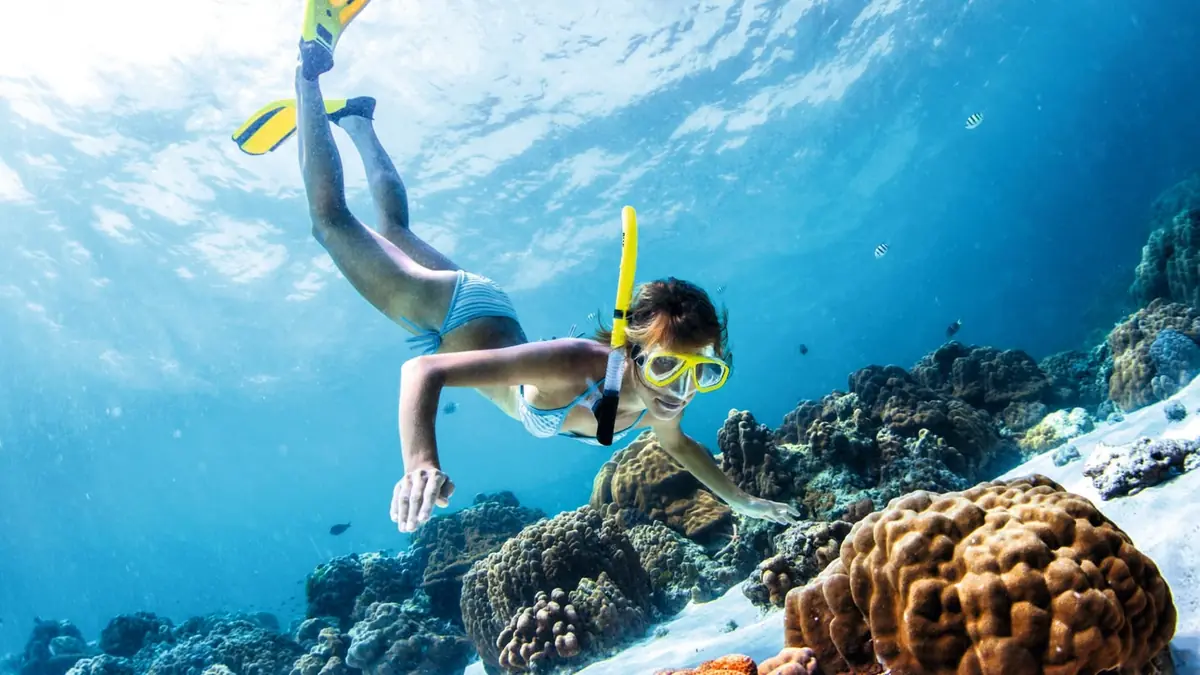
- Snorkel mask if visiting Los Cóbanos
Rainy season (May–October), add:
- Packable rain shell (not poncho)
- Quick-dry sandals or trail shoes
- DEET-based mosquito repellent
- A small dry bag for phones during squalls
- An umbrella for San Salvador city days
Weather data points worth packing around:
- UV index in San Salvador hits 6 in November and peaks at 7 in spring per Weather Atlas — sunscreen is non-negotiable year-round on the coast
- Coastal humidity from June to September averages 80%+ — bring moisture-wicking shirts
- The US Embassy has issued health alerts about rising dengue cases — DEET-based repellent is sensible during rainy season
- Pacific water 81–86°F year-round per Surf-Forecast.com — a rash vest is enough, no wetsuit
When should you NOT visit El Salvador?
Avoid El Salvador in September and early October if you want beach days — these are the rainiest weeks of the year, with up to 15 days of rain and the highest risk of landslides closing volcano trails like Santa Ana and Cerro Verde. Also avoid Holy Week and December 22 through January 5 if you want quiet beaches or low prices — both windows trigger surge pricing and packed coastal hotels.
The case against the worst weeks:
- September on the coast averages 6.3 in (160 mm) of rain across 15 rain days. The Litoral Highway briefly floods at low points; Santa Ana and Cerro Verde volcano trails close during peak rains; Montecristo National Park can close September through October.
- Holy Week pushes coastal hotels to 100% occupancy. Some municipalities enact ley seca alcohol bans Good Friday through Easter Sunday.
- Christmas through New Year doubles hotel rates. Dorms book out two months ahead. The most-photographed beaches (El Tunco, Costa del Sol) get genuinely uncomfortable.
There is one exception worth flagging: if your trip is mainly about culture, food, and the highlands, the rainy season is actually a strong choice. The hills are at their greenest in August. The coffee harvest starts in October. The Ruta de las Flores is quiet. The rain is predictable. And you’ll spend roughly 30% less on lodging.

The contrarian pick: late November beats January
Most guides tell you January through March is the perfect window. The smarter pick is the last two weeks of November through the first ten days of December. The rain has stopped, the hills are still green from October, prices haven’t ticked up for Christmas, and the Pacific is still producing late-season swell. You surf, hike, and photograph all at once, and pay less for the privilege.
Why late November works:
- Daily highs are 88–90°F (31–32°C); rain has dropped to about three days for the entire month
- The hills are at their greenest of the dry season — best photography window of the year
- Lodging rates run 20–30% below late-December prices per Hostelz seasonal data
- The tail end of the south swell is still producing — last clean rideable waves before the dry-season smaller-wave window
- San Miguel Carnaval falls in this window on the last Saturday of November — a single weekend that justifies the whole trip on its own
The trade-off: it’s not a beginner-surf window. The waves are still real, the lineups still have a Southern Hemisphere pulse, and Punta Roca is no place for a first lesson. But for a fit, traveled, opinionated US visitor, late November is the single best three-week stretch El Salvador offers.
On a late-November day in El Sunzal I sat on a $7 plastic chair, ate a $4 plate of grilled snapper, and watched a stranger nail a 9-second tube ride at Punta Roca, half a mile to the east. Same view in late December would have cost double the chair, double the snapper, and the lineup at Punta Roca would have been wall-to-wall.

What’s the best single month to visit El Salvador?
The best single month to visit El Salvador is February. Coastal days hit 90°F (32°C) with under 0.1 inches of rain, eight hours of sunshine a day, Pacific water at 82°F (28°C), and humpback whale sightings peak at Los Cóbanos. Crowds and prices sit well below the December and Holy Week highs, and Punta Roca holds chest-high beginner-friendly walls.
What February delivers that no other month does:
- Driest single month (0.1 in / 3 mm) — beach days are virtually guaranteed
- Lowest humidity on the coast — sleep is easier
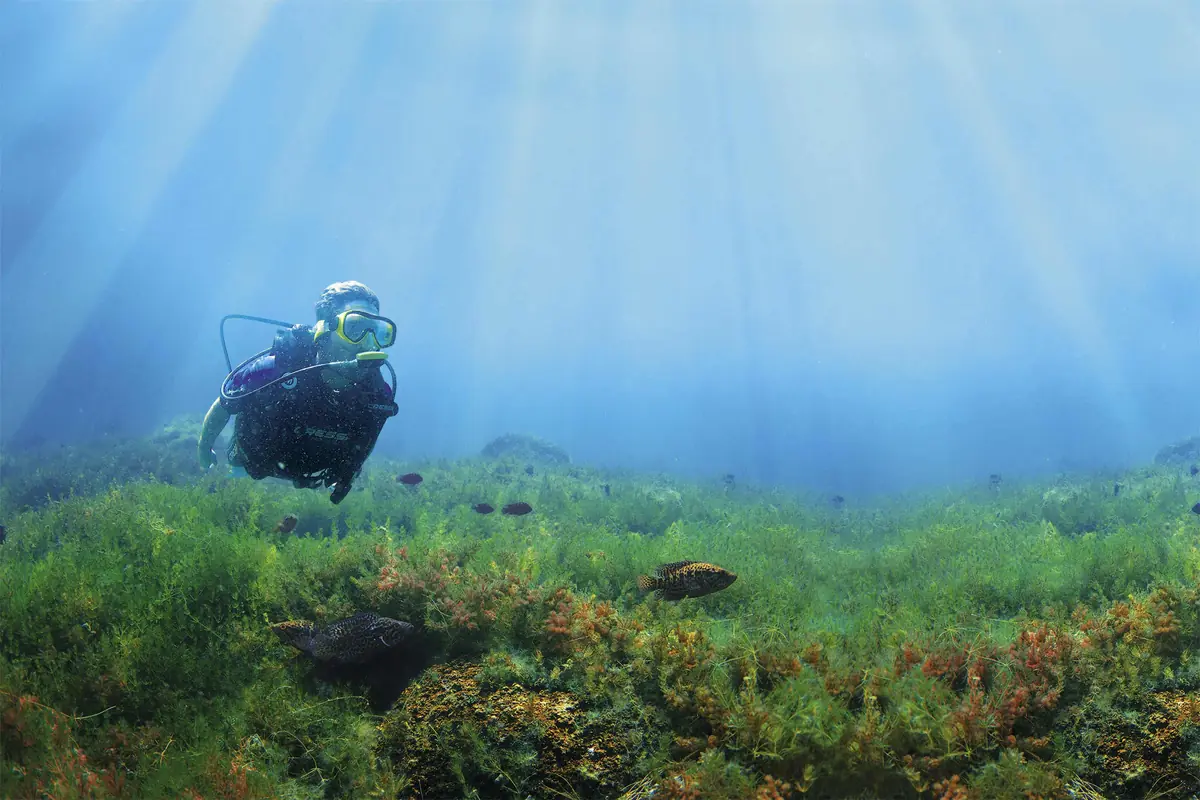
- Peak humpback whale season at the Los Cóbanos Ramsar site near Acajutla
- Dry-season surf is at its most beginner-friendly — Sunzal walls run waist-to-shoulder
- US Presidents’ Day weekend brings a small bump in flight prices but nothing approaching Easter levels
- The Ruta de las Flores still has post-rainy-season greenery before the late-dry browning
Pro Tip: On a Wednesday in February I had Cerro Verde’s summit ridge to myself for 40 minutes before a Salvadoran family group caught up. Try the same hike on a Saturday in March and you’ll share the trail with a hundred people.

Before you book
TL;DR: Visit El Salvador between late November and mid-April for guaranteed sun, coastal highs of 88–91°F, and 81–86°F surf-friendly water. Visit March through November if you’re chasing real swell at Punta Roca and El Sunzal. The single sweet-spot window is late November to early December — dry, green, cheap, uncrowded, and the last of the season’s south swell still firing.
If you’re choosing one month for a first trip, take February. If you’re choosing one week, take the last week of November. If you’re a surfer chasing size, take any week from April to October. If your trip is about culture and food on a budget, take September and accept the afternoon rain — you’ll save a quarter of your costs and have the volcanoes to yourself.
The country is a different place than it was ten years ago. The crowds are larger, the airport is busier, the homicide rate is a tenth of what it was, and the dollar still buys a pupusa for less than a buck. If you’ve been waiting to go, the window is now wider than it has been in a generation.
Which trip are you planning — surf, festival, budget, or family? Drop your dates in the comments and I’ll tell you what to expect that week.