Your El Salvador packing list comes down to five truths most guides get wrong: you don’t need a plug adapter, you don’t need cash beyond a starter $100, you don’t need heavy hiking boots, you do need at least 20% DEET, and Bitcoin is now optional. Pack for 85°F days, 60°F volcano summits, and afternoon rain May through October.
What you actually need to pack (the 10-item core list)
The non-negotiable El Salvador packing list: a US passport with 6+ months validity, $100 in small USD bills, a repellent with at least 20% DEET, SPF 50 reef-safe sunscreen, two breathable shirts, two pairs of lightweight pants or shorts, a swimsuit, trail-runner sneakers, a microfiber towel, a rain shell, a portable charger, and one warm layer for volcano summits. Nothing else is mandatory.
Here is the same list, broken out the way you’ll actually pack it:
- Passport (6-month validity beyond return date)
- $100 USD in $1, $5, $10, $20 bills (plus the $12 in cash for the tourist card)
- 20%+ DEET or 20% picaridin repellent
- SPF 50 mineral sunscreen (zinc oxide-based for reefs)
- 2 quick-dry t-shirts and 1 long-sleeve UPF 50+ shirt
- 2 pairs of lightweight pants or shorts
- 1 swimsuit (plus a rash guard if you’ll surf)
- Trail-runner sneakers (not hiking boots) and flip-flops
- Microfiber travel towel
- Packable rain shell (essential May–October)
- 10,000+ mAh portable power bank
- 1 light fleece or hoodie for the Santa Ana summit
Everything else on this page is calibrated to the activity, the season, or the traveler — but those twelve items cover any El Salvador trip from a long weekend at El Tunco to two weeks across the country. Notice what is missing: a plug adapter, hiking boots, a money belt, and a Bitcoin wallet. None of those earn their weight.
Pro Tip: The first thing I unpacked at my hostel in El Tunco was the European plug adapter I’d panic-bought at the airport. I never used it once.
Why El Salvador packing is different from Costa Rica or Mexico
El Salvador uses the same 120-volt Type A and Type B outlets as the United States, the same US dollar, and is now rated Level 1 — Exercise Normal Precautions — by the US State Department, the same rating as Japan, Germany, and Australia. Bitcoin is no longer mandatory at businesses. Tap water is not safe to drink anywhere in the country.
That combination is unique in the region. Costa Rica uses the colón and has 120-volt outlets but a Level 2 advisory. Mexico uses pesos. Guatemala uses 120-volt outlets but the quetzal. El Salvador is the only Central American country where your US wallet, US plug, and US phone charger all work out of the box.
Four other things shape what you bring:
- The US dollar has been the official currency since the Monetary Integration Act came into force. There is no second currency to exchange.
- The CA-4 Border Control Agreement gives you a combined 90 days across El Salvador, Guatemala, Honduras, and Nicaragua — useful if you’re chaining countries.
- The State of Exception remains in effect. Carry a passport copy at all times; police checks happen, though tourists are rarely the target.
- Congressional Research Service data shows El Salvador’s homicide rate has fallen by more than 98% — from a peak of 103 per 100,000 to 1.9 per 100,000. That is lower than most US cities.
Pro Tip: The taxi driver who picked me up at SAL airport waved off my Bitcoin Lightning wallet. “Nadie lo usa aquí, solo dólares.” Nobody uses it here, just dollars.
Clothing essentials: what to wear in San Salvador, the coast, and the highlands
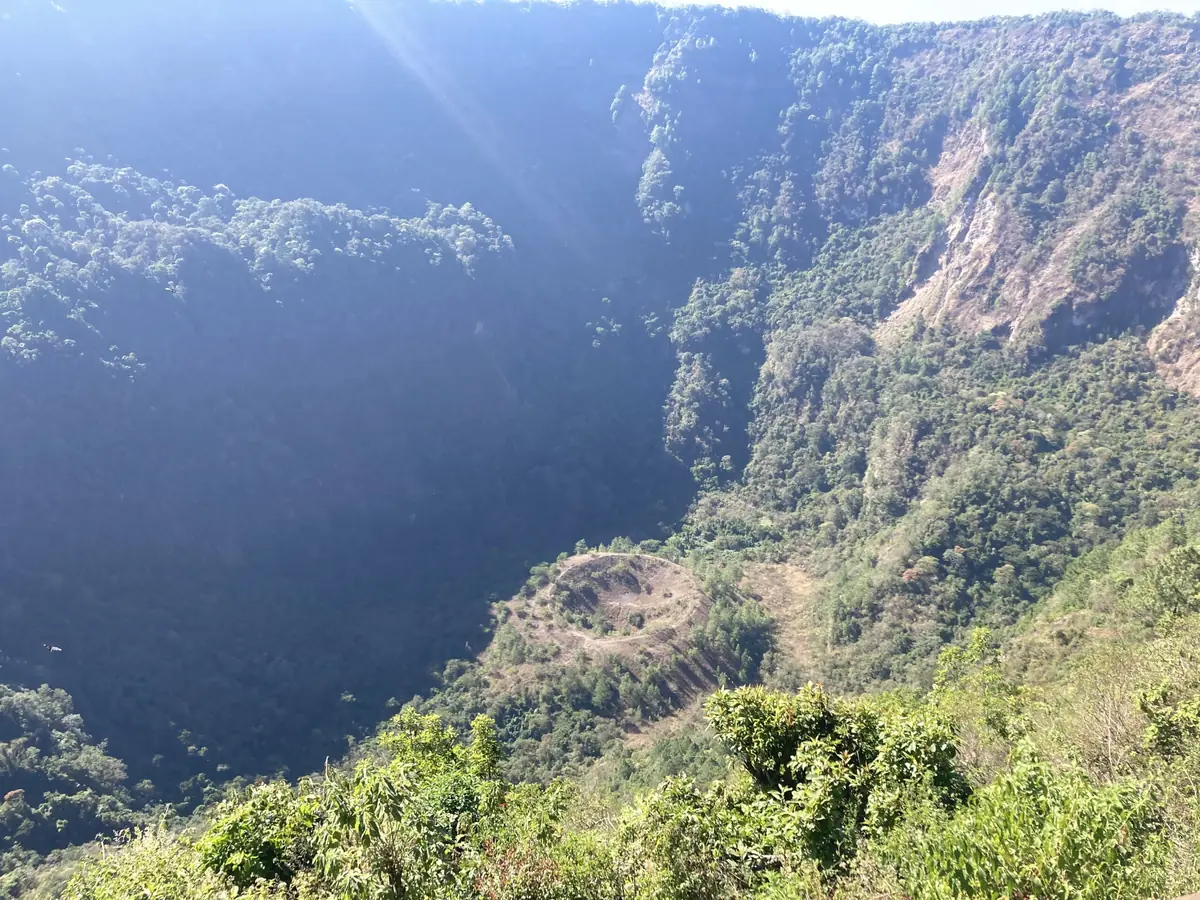
Coastal El Tunco and El Zonte are beach-casual — shorts, tanks, and flip-flops work anywhere. San Salvador’s Zona Rosa and Escalón expect smart casual at restaurants and bars: closed-toe shoes, a clean shirt or dress. Suchitoto, Concepción de Ataco, and the colonial towns along the Ruta de las Flores are conservative — cover shoulders and knees inside churches and avoid shorts in town squares.
The geographic temperature spread is real. Coastal highs sit between 73°F and 93°F (23°C to 34°C) year-round. San Salvador, at 2,238 feet of elevation, runs 3 to 5°F cooler. The Ruta de las Flores hill towns (Apaneca, Juayúa, Ataco) can drop to 50–55°F on January nights. The summit of Santa Ana volcano can hit the mid-50s°F while the coast is in the high 80s°F the same afternoon.
That spread is why “one warm layer” is on the core list. You will never wear it on the beach, but you will use it at altitude.
What women should pack
- 2 midi or maxi dresses (cooler than pants, modest enough for churches)
- 1 light cardigan or shawl for shoulder cover
- 2 swimsuits (so one can dry while you wear the other)
- 1 pair of cute sandals + flip-flops + 1 sneaker
- 1 scarf that doubles as shoulder cover, plane blanket, and beach wrap
- Skip the mini skirts off the beach — midi length only inland
What men should pack
- 2 t-shirts and 1 collared linen or cotton shirt
- 1 pair of chinos or lightweight pants
- 1 pair of regular shorts and 1 pair of board shorts
- 1 sneaker (trail runner) and flip-flops
- Skip jeans for the coast — they soak through and never dry
What not to wear in El Salvador
Three things to leave at home, regardless of gender:
- Flashy jewelry, designer logos, and luxury watches anywhere outside resort grounds
- Military-pattern camo clothing — strongly discouraged across Central America and outright restricted in some neighboring countries
- Shorts and tank tops inside churches or in rural town squares
Pro Tip: At Esquina la Comadre in El Tunco I ate dinner in board shorts and flip-flops at 9 p.m. The next night at a steakhouse in Zona Rosa, I was the only man in shorts in the room.
Beach and surf gear: rent vs. bring
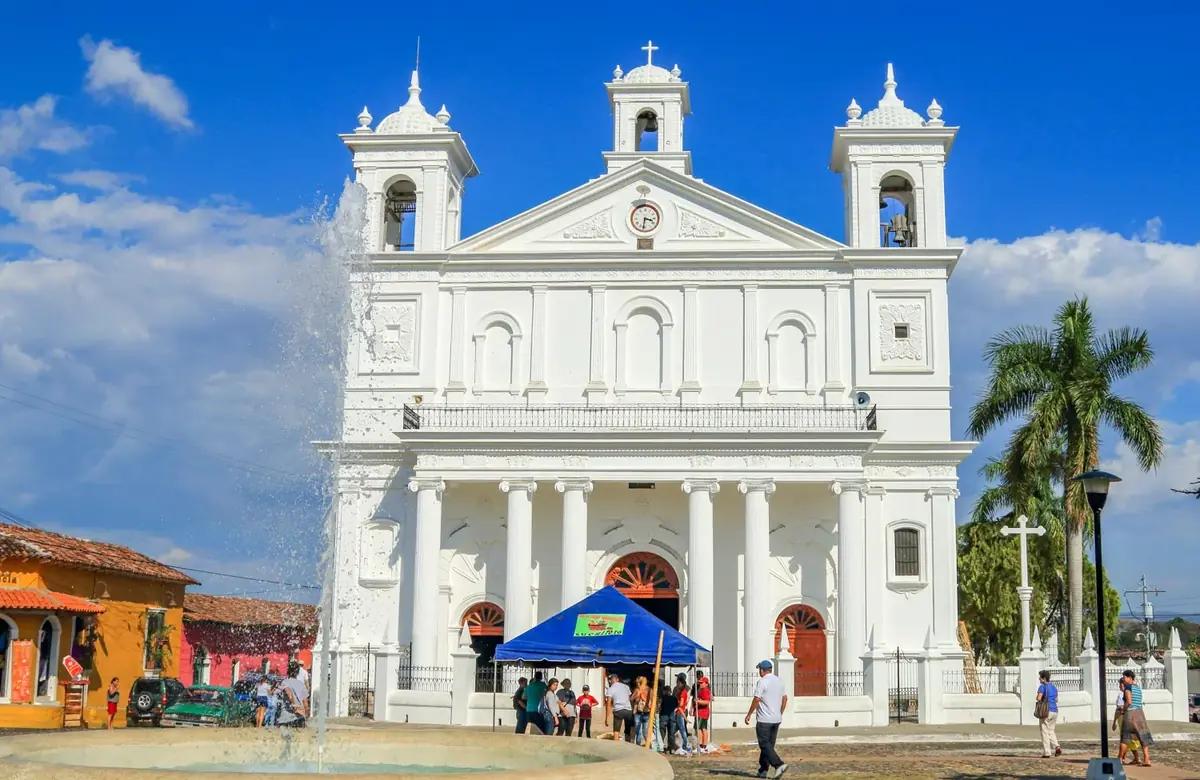
Surfboard rentals in El Tunco and El Zonte run $15 to $25 per day or about $150 per week — cheaper than the $150-each-way airline board-bag fee unless you’re staying 12 or more days. ISA-certified surf lessons cost $20 to $30 per hour. Bring your own rash guard, reef booties for K59’s rocks, and reef-safe sunscreen. Everything else, you can rent on the beach.
Named operators worth knowing:
- Wassi Surf Shop — the main strip in El Tunco, foam boards from $15/day, fresh wax included
- Wayo Surf School — El Tunco, ISA-certified lessons in English and Spanish
- Sunzal Surf Company / Balancé — based at Casa Sunzal near the El Sunzal point break
- Puro Surf — El Zonte, board rental plus a hotel attached
- Esencia Nativa (Surferos) — El Zonte, board rental and a long-running surf cafe
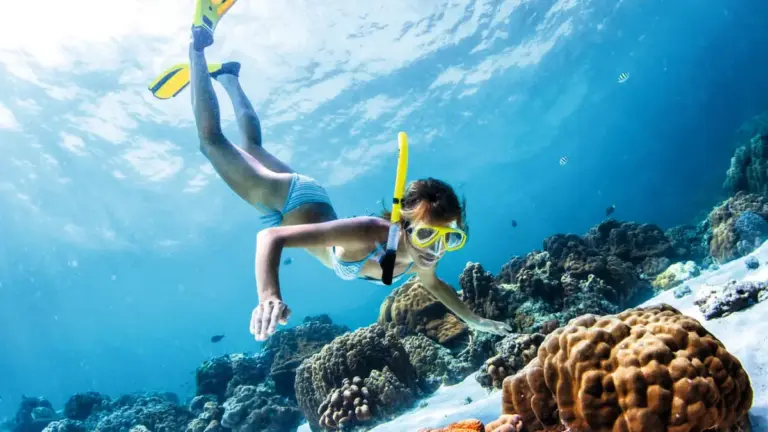
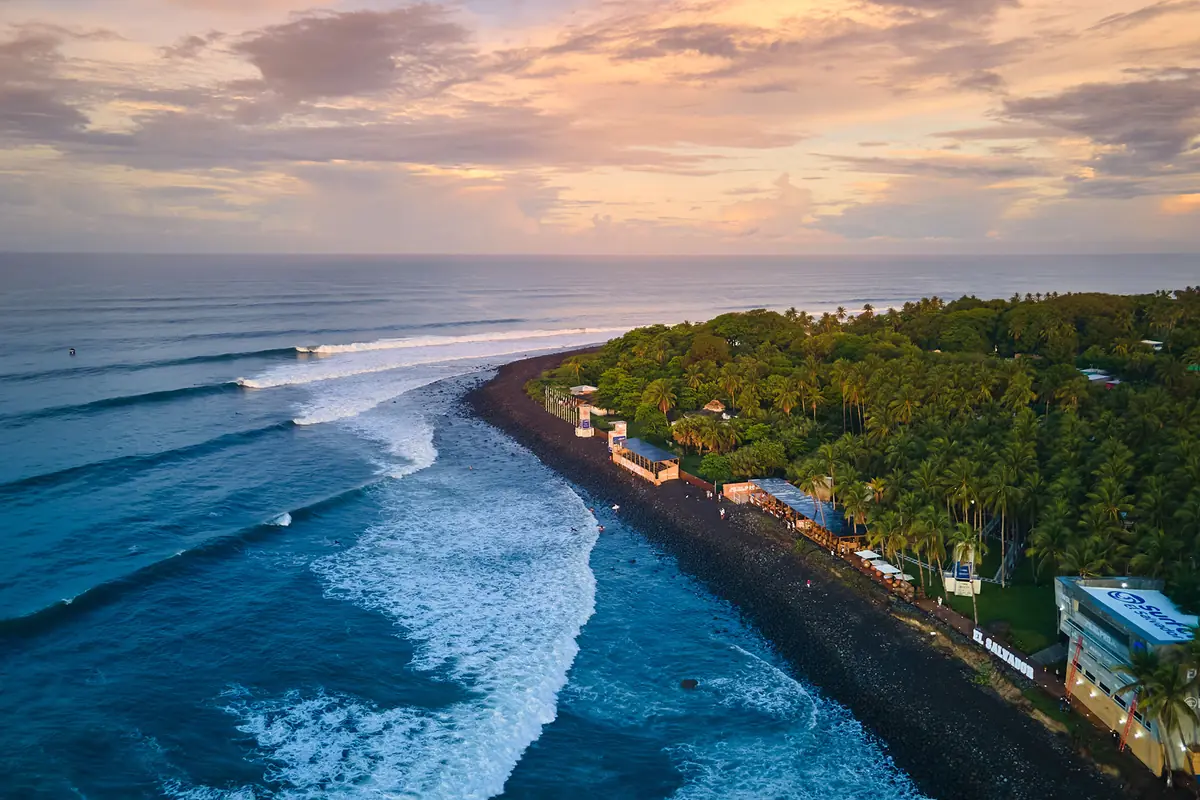
The waves that draw most US travelers: Punta Roca, El Sunzal, La Bocana, K59, K61, and Las Flores. The swell is most consistent March through October. Reef-safe sunscreen is not legally required in El Salvador the way it is in Hawaii, but it matters at Los Cóbanos, the country’s main coral reef.
What you should bring rather than rent:
- 1 rash guard (rentals are gross; this is hygiene, not gear)
- Reef booties for rocky breaks like K59
- A dry bag (10–20L) for your phone, camera, and wallet
- A leash plug screw and basic ding repair kit if you’re staying more than a week
- Tropical-water surf wax — Sticky Bumps or FCS Warm
Pro Tip: Wassi Surf in El Tunco hands you a 7’6″ foamie with a fresh wax job for $15. I rented for four days straight and never thought about my board bag at home again.
Volcano and hiking gear (Santa Ana, Cerro Verde, El Boquerón)
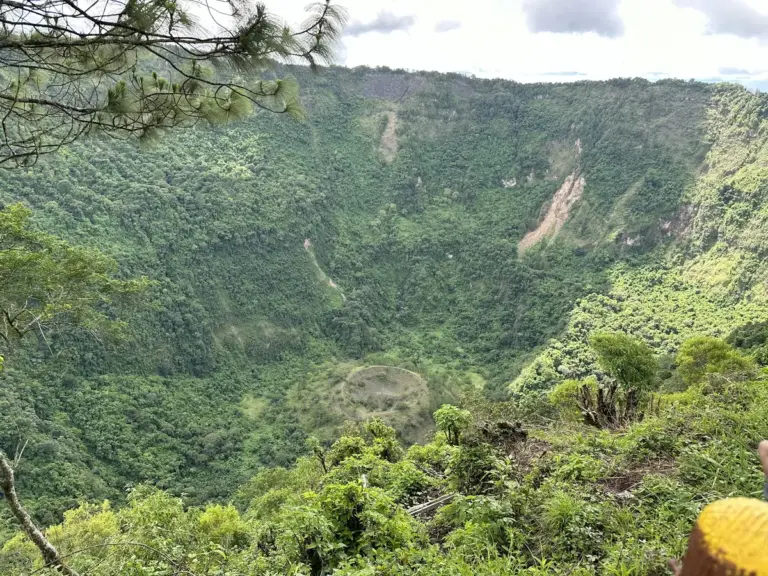
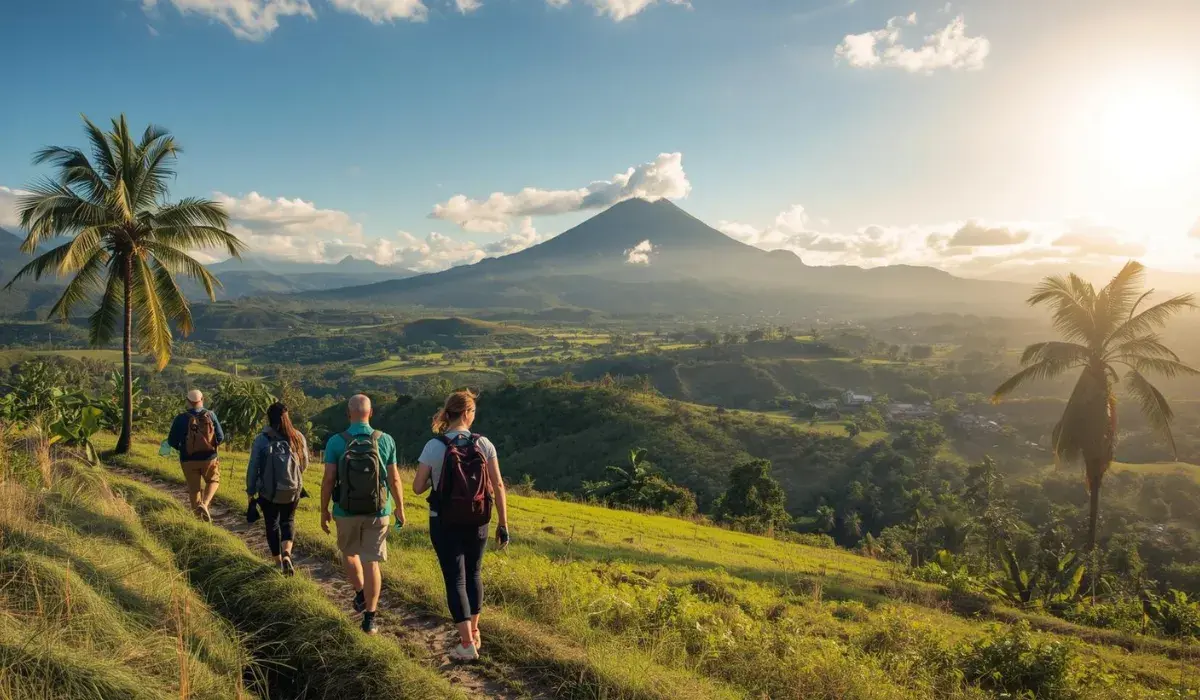
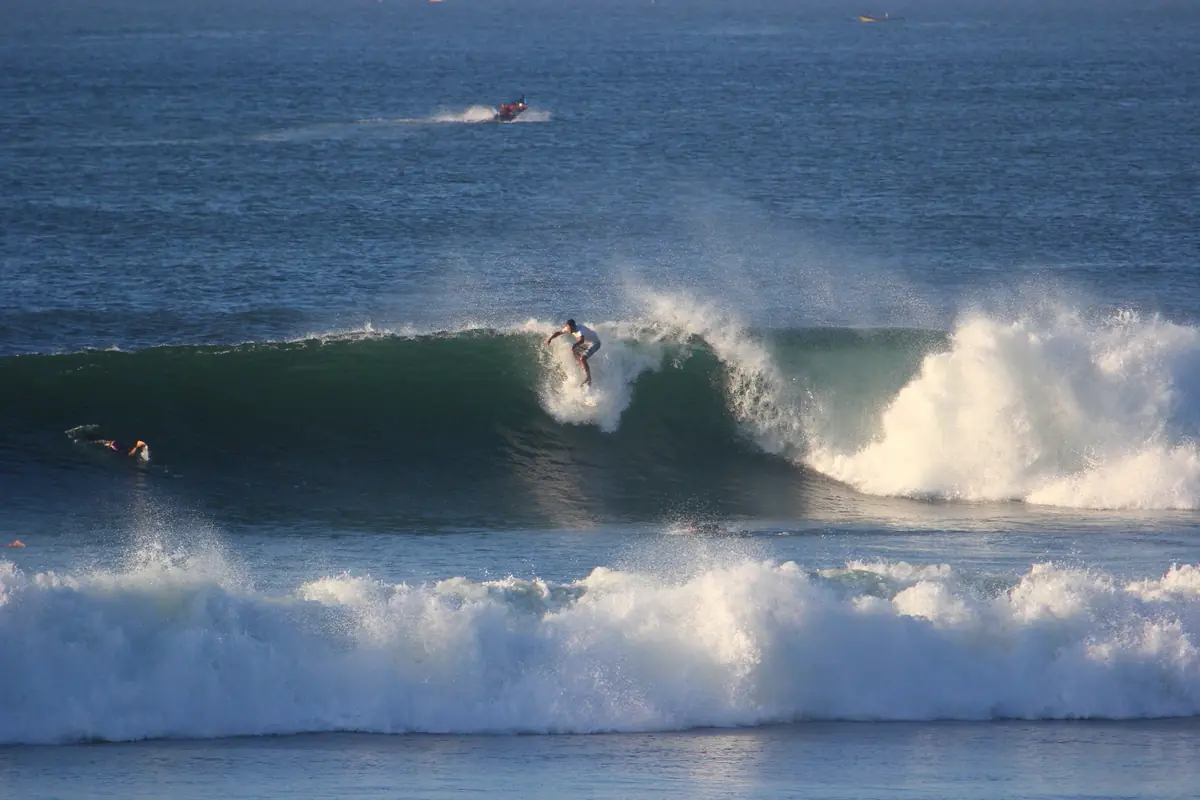
The Santa Ana volcano hike is a 4.4-mile out-and-back with 1,519 feet of elevation gain, ending at a 7,812-foot summit that can be 55°F and windy while the coast is 90°F. Pack trail runners (not boots), a wind shell, 2 liters of water, sun protection, and roughly $7 to $10 cash for the guide fee, foreigner park entry, and parking.
The fee breakdown at Cerro Verde National Park, where the Santa Ana trail starts:
- Foreigner park entry: $6
- Mandatory guide (POLITUR-coordinated): $3 to $4 per hiker
- Vehicle parking: $3 (or $0.50 pedestrian)
Three constraints catch first-timers:
- Group departures are 9 a.m. to 11 a.m. only. You cannot hike alone, and you cannot start after 11.
- The trail’s last half is loose volcanic gravel. Sticky-rubber trail runners (Salomon Speedcross, Altra Lone Peak, Nike Pegasus Trail) grip better and weigh less than boots.
- Don’t hike Santa Ana in September. The capital sees 29 rain days that month; the summit is socked in clouds with nothing to see.
The summit pays off with a turquoise crater lake 600 feet below the rim. Bring a buff or scarf — sulfur fumes drift across the rim when the wind shifts.
Other hikes that show up on US itineraries:
- Cerro Verde walk (gentle, 1 hour, great if you can’t manage Santa Ana)
- Volcán Izalco — “Lighthouse of the Pacific,” steep scramble, optional second-day add-on after Santa Ana
- El Boquerón — the easy crater walk above San Salvador, accessible by car
- Tamanique Waterfalls — a humid jungle scramble between El Tunco and the highlands; sandals with grip beat sneakers here
Pro Tip: I summited Santa Ana in Nike Pegasus trail runners and a $20 wind shell from REI. The guy next to me in full Salomon boots was overdressed and overheated by mile two.
Health and medication: do you need bug spray and water tablets?
Yes — pack repellent with at least 20% DEET or 20% picaridin. The CDC’s El Salvador traveler page recommends a repellent with 20% or more DEET for protection that lasts up to several hours. Dengue, Zika, and chikungunya are all present. Aedes aegypti mosquitoes bite during daytime, not just at dusk. Tap water is not safe to drink anywhere — bring a filter bottle or buy bottled.
A few things the CDC’s guidance and my own experience both confirm:
- DEET efficacy plateaus at around 50%. Higher concentrations don’t extend protection meaningfully — they just feel greasier.
- Permethrin-treated clothing (Insect Shield) is worth the upfront cost for rainy-season trips.
- ANDA, the national water utility, chlorinates tap water but does not bring it to drinking standard for visitors. Stick to bottled or filtered.
- A LifeStraw Go or Grayl Geopress bottle handles tap water at hotels and refill stations. A Grayl runs about $90 and pays for itself in two weeks.
CDC-recommended vaccines before you go: Hepatitis A, Typhoid, MMR, Tdap, and Hepatitis B. Rabies is suggested only for rural or animal-adjacent itineraries. Yellow fever is required only if you’re arriving from a country with active yellow fever transmission.
Build a small first-aid kit with:
- Ibuprofen, antihistamines, Imodium, Pepto-Bismol, oral rehydration salts
- Hand sanitizer (60%+ alcohol)
- Adhesive bandages, blister patches (Compeed) for the Santa Ana hike
- A copy of any prescription, plus the meds in their original labeled bottle
- Travel insurance documentation with medical evacuation coverage
Pro Tip: At dusk in El Zonte, mosquitoes find every patch of un-sprayed skin in seconds. 30% DEET worked. The “natural” citronella spray a hostel-mate swore by did not — she was eaten alive by 8 p.m.
Electronics and adapters: the contrarian truth
No, you do not need a plug adapter for El Salvador if you’re coming from the United States or Canada. El Salvador uses Type A (two-prong) and Type B (three-prong grounded) outlets at 115 to 120 volts and 60 Hz — identical to North American wall sockets. The “universal adapter” advice you see in generic Central America packing lists is wrong for US travelers.
What you should actually bring:
- A small power strip with 3 outlets and USB-C ports (hotels often have just one socket)
- A 10,000–20,000 mAh portable power bank for long bus rides between the coast and the mountains
- A waterproof phone case or floating phone pouch for the beach
- An eSIM (Holafly, Airalo) — faster than buying a Tigo or Claro SIM at the airport
- USB-C cables to match whatever you carry
A note for non-US travelers reading this: if you’re coming from the UK, EU, Australia, or anywhere with Type C, G, or I plugs, you do need a Type A adapter. One adapter for a single device or a strip with a Type A input handles the whole trip.
Coverage on Tigo and Claro is solid 4G across the coast, the capital, and the Ruta de las Flores. The Santa Ana volcano summit drops to nothing — useful to know if you’ve told anyone to expect a message at noon.
Pro Tip: Half my hostel in El Tunco was British, hunting reception desks for adapters. The three Americans had every wall outlet to ourselves.
Money: USD, ATMs, Bitcoin, and how much cash to bring
El Salvador’s currency is the US dollar — the same bills you use at home. Bring $100 to $200 in small denominations ($1, $5, $10, $20), and avoid $50 and $100 bills since vendors rarely have change. ATMs dispense USD with a $2.50 to $4 fee and a typical $300 withdrawal limit. Bitcoin acceptance at businesses is now voluntary, not mandatory.
Here is how to think about cash:
- The $12 tourist card on arrival at SAL airport is cash-only, USD. Have it paper-clipped to your passport before the immigration line.
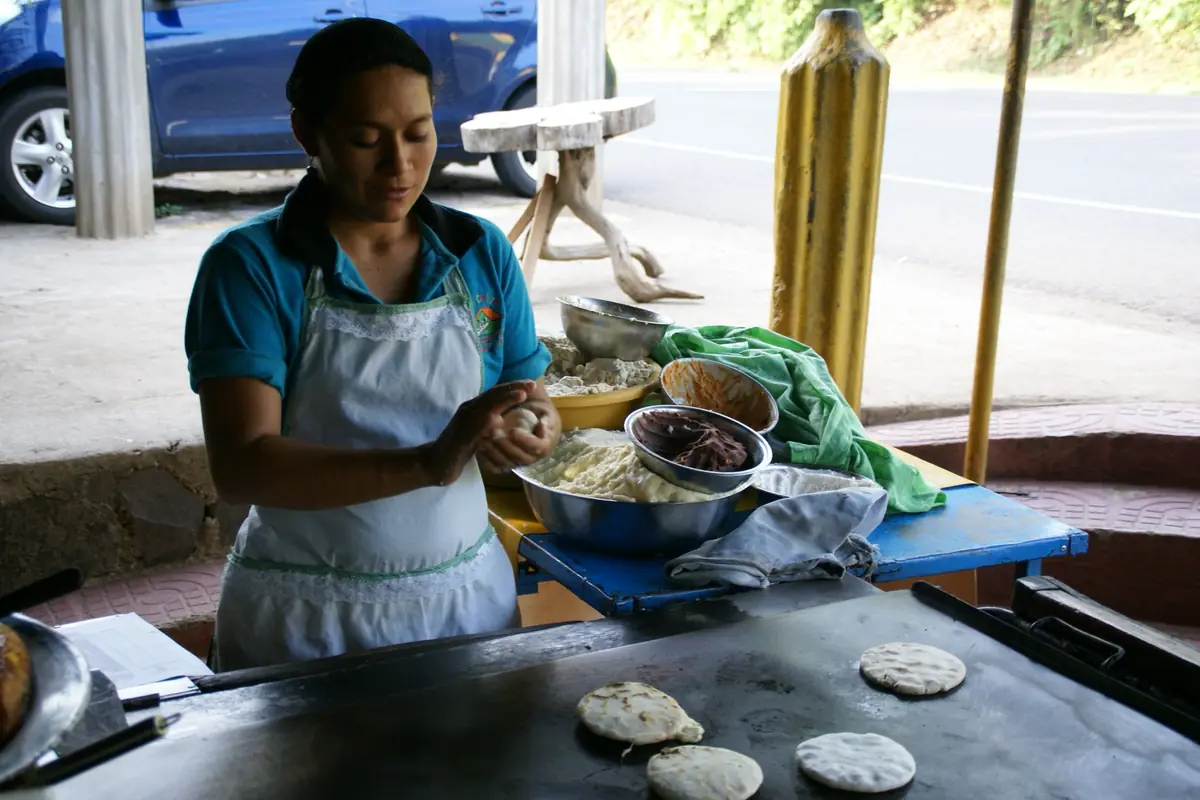
- Pupusas cost $0.50 to $1 apiece. A full meal at a pupuseria is under $5.
- Tip 10% at sit-down restaurants. Tip $1 to $2 per bag for hotel porters and $1 for the Santa Ana volcano guide.
- ATMs at Scotiabank work fee-free with Global ATM Alliance partner cards (Bank of America, Capital One in some cases). Other ATMs charge $2.50 to $4.
- Decline dynamic currency conversion at ATMs and POS terminals — it costs you 4 to 6%.
- A private airport transfer from SAL to El Tunco runs $30 to $50 per vehicle (Tunco Life and similar operators); the shared shuttle is closer to $20 per seat.
On Bitcoin: the country’s Bitcoin Law made acceptance mandatory at one point, but El Salvador’s Legislative Assembly voted 55–2 to rescind the requirement under conditions of a $1.4 billion IMF Extended Fund Facility loan. Bitcoin is still legally recognized but is no longer required at businesses. The state-issued Chivo wallet has been phased out, and most merchants politely decline crypto now. Don’t load up a Chivo wallet before you arrive — you won’t use it.
Pro Tip: I tried to pay for pupusas with a Chivo Lightning wallet in El Tunco. The woman behind the comal laughed and pointed at the cash drawer. Cash. Always cash for pupusas.
Documents and pre-trip paperwork
US citizens need a valid passport with 6 or more months of remaining validity and a $12 tourist card purchased in cash on arrival at SAL airport. The card is valid for 90 days. Print your flight itinerary, hotel confirmations, and travel-insurance certificate. Register your trip with the US State Department’s Smart Traveler Enrollment Program (STEP) before departure.
What to print and carry in a paper folder:
- Passport photocopy (store separate from the passport itself)
- Flight itinerary (outbound and return)
- First-night hotel confirmation (immigration sometimes asks)
- Travel insurance certificate with policy number
- Driver’s license copy if you plan to rent a car — US licenses are accepted for 90 days
Save the following offline on your phone:
- Maps.me with El Salvador downloaded
- Google Maps offline area covering San Salvador, the coast, and your route
- US Embassy contact: Final Boulevard Santa Elena, Antiguo Cuscatlán; +503 2501-2999
- El Salvador emergency number: 911
The CA-4 agreement bundles El Salvador, Guatemala, Honduras, and Nicaragua into a combined 90-day stay. If you cross to Antigua, Guatemala mid-trip, the clock keeps running.
Pro Tip: I keep the $12 tourist-card fee in fresh US bills paper-clipped to my passport. At SAL immigration the line moves twice as fast if you have exact change ready.
Rainy season vs. dry season: what changes in your bag
Dry season (November through April): light breathable clothing, sunglasses, swimwear, and a single light layer for highland nights. Rainy season (May through October): swap one outfit for quick-dry pieces, add a packable rain shell, a dry bag for electronics, sandals that handle puddles, and permethrin-treated clothing. The capital averages 12.7 inches of rain across 29 wet days in September alone.
Here is what changes — and what doesn’t:
- Temperature: Coastal highs stay between 89°F and 93°F (32°C to 34°C) year-round. Coastal lows stay between 73°F and 77°F (23°C to 25°C). The seasons are not about heat — they’re about water.
- Dry season clothing: cotton, linen, one swimsuit, sandals.
- Rainy season clothing: at least one quick-dry outfit (synthetic blends), a packable rain shell, sandals with grip, and a dry bag.
- Bug spray intensity: double the repellent for May through October. Mosquitos peak with the rain.
- Hurricane season runs June through November, but Atlantic storms rarely hit El Salvador directly — Pacific surge swells affect surf conditions more than rain does.
- Sun protection matters in both seasons. UV index hits 11+ even on overcast rainy-season days.
Here is the seasonal swap, side by side:
| Item | Dry season (Nov–Apr) | Rainy season (May–Oct) |
|---|---|---|
| Outer layer | None needed below 3,000 ft | Packable rain shell |
| Shoes | Sneaker + flip-flops | Sandal with grip + trail runner |
| Bug spray | 20% DEET | 30% DEET + permethrin clothing |
| Electronics | Standard | Add a 10L dry bag |
| Sun protection | SPF 30+ daily | SPF 50+ (clouds still burn) |
Pro Tip: In July a downpour flooded the road from El Tunco to San Salvador for an hour. I was glad my passport and laptop were in a dry bag inside my backpack — the soft-sided duffel next to me on the bus did not fare as well.
Safety items and what to leave at home
El Salvador’s US State Department travel advisory is now Level 1 — Exercise Normal Precautions, the same rating as Japan, Germany, and Australia (and safer on paper than France, the UK, Italy, and Spain, all Level 2). You can safely bring a phone, laptop, and a camera. Still skip flashy jewelry, expensive watches, military camo clothing, and large amounts of cash in your wallet.
Three numbers tell the story:
- 98%+ drop in homicide rate per Congressional Research Service data — from a peak of 103 per 100,000 to 1.9 per 100,000
- 19 official destinations staffed by POLITUR (Tourist Police)
- 911 — the emergency number you actually call (same as the US)
Bring these — they earn their weight:
- A passport copy carried separately from the passport itself
- A decoy wallet with $20 and an expired credit card for bus terminals and crowded markets
- An RFID-blocking sleeve for your real card
- A small combination lock for hostel lockers
- A travel insurance certificate with policy number and 24-hour emergency line
Leave these — they don’t earn their weight:
- A full money belt (optional, not essential at Level 1)
- Pepper spray (illegal in El Salvador; confiscated at the airport)
- A multi-tool with a blade over 3 inches in carry-on (TSA will pull it)
- Expensive watches and visible jewelry
The State of Exception is still in effect. Police checks happen at random bus terminals and roadside stops; tourists are rarely the focus, but always have a passport copy on you.
Pro Tip: I walked the historic center of San Salvador at 7 p.m. with my Sony A7 around my neck. I saw three POLITUR officers within five blocks and was never approached.
What NOT to pack (skip these to save weight)
Don’t pack: a plug adapter (your US plug works), heavy hiking boots (trail runners are better on Santa Ana’s volcanic rock), a hairdryer (most hotels have them and a 220-volt dryer will blow), citronella candles or “natural” repellents (only DEET and picaridin work against Aedes), large amounts of cash, or your surfboard.
The expanded cull list, with reasoning:
- Plug adapter: Type A and B outlets at 120V match the US exactly. Adapter is dead weight.
- Hiking boots: Santa Ana’s trail is packed dirt and loose gravel. Trail runners win.
- Hairdryer: Every hotel above hostel-tier provides one. 220V dryers won’t survive the lower voltage.
- “Natural” or citronella repellents: Tested against tropical Aedes and lose. Pack DEET or picaridin.
- Surfboard: Rentals are $15 to $25/day. Airline board bag fees alone make it cheaper to rent unless you’re staying 12+ days.
- Heavy denim jeans: They will not dry between the coast and the highlands.
- A sleeping bag: Hotels and hostels have bedding. Unnecessary unless you’re trekking unsupported.
- High-heeled shoes: The cobblestones of Suchitoto and Ataco will destroy them.
- Pepper spray: Illegal. Confiscated at airport.
- A full money belt: Optional at Level 1. A neck pouch or front-pocket wallet is plenty.
Pro Tip: I watched a tourist’s heeled sandal snap on the cobblestones of Suchitoto’s main square. She finished the afternoon walking barefoot back to her hotel.
Activity-specific add-ons (volunteer, digital nomad, family)
Volunteer or mission groups: pack work gloves, a sun hat, conservative clothing, and small sealed gifts (school supplies, sealed candy — not toys). Digital nomads in El Zonte: add a small power strip, a laptop stand, noise-canceling headphones, and an eSIM. Families: pack extra DEET wipes, kid SPF 50, a foldable umbrella, and a baby carrier instead of a stroller.
Volunteer and mission group add-ons
US church and volunteer teams are a large cohort here — Texas, Florida, and North Carolina groups especially. The pack-list extras:
- Heavy-duty work gloves (cinder block and rebar are common)
- A wide-brim sun hat (not a ball cap)
- 2 pairs of long lightweight work pants
- Spanish-English phrasebook or downloaded translation app offline pack
- Small sealed gifts (sealed candy, pencils, soccer balls) — customs will not accept opened items
- Modest, conservative clothing for the rural community you’re serving
Digital nomad add-ons (El Zonte, El Tunco, San Salvador)
- A 3- to 6-outlet power strip (one Type A input charges the whole strip from one wall outlet)
- A collapsible laptop stand (Roost or MOFT)
- Noise-canceling headphones — surf cafes are noisier than coworking spaces
- An eSIM (Holafly or Airalo) — Tigo and Claro both have 4G/5G in the main nomad hubs
- A second monitor cable if you’re working from rentals long-term
Family add-ons
- DEET wipes for kids (easier than spraying)
- Kid SPF 50 mineral sunscreen (Thinkbaby, Babyganics)
- A baby carrier — strollers and Salvadoran cobblestones don’t mix
- A foldable travel umbrella for rainy-season afternoons
- A small dry bag for the inevitable wet swimsuit headed back to the hotel
- Snacks for the 4-hour bus rides between regions (less convenience-store availability outside the capital)
Pro Tip: Every Saturday morning at El Zonte’s main cafe I saw the same five laptops. Most were on collapsible Roost stands brought from home — chairs and tables here weren’t built for 8-hour coding sessions.
Frequently asked questions about packing for El Salvador
Do I need a plug adapter for El Salvador?
No. El Salvador uses the same Type A (two-prong) and Type B (three-prong grounded) electrical outlets as the United States, at 115 to 120 volts and 60 Hz. American devices plug directly into the wall with no adapter or voltage converter required. UK, EU, and Australian travelers do need a Type A adapter.
What is the dress code in El Salvador?
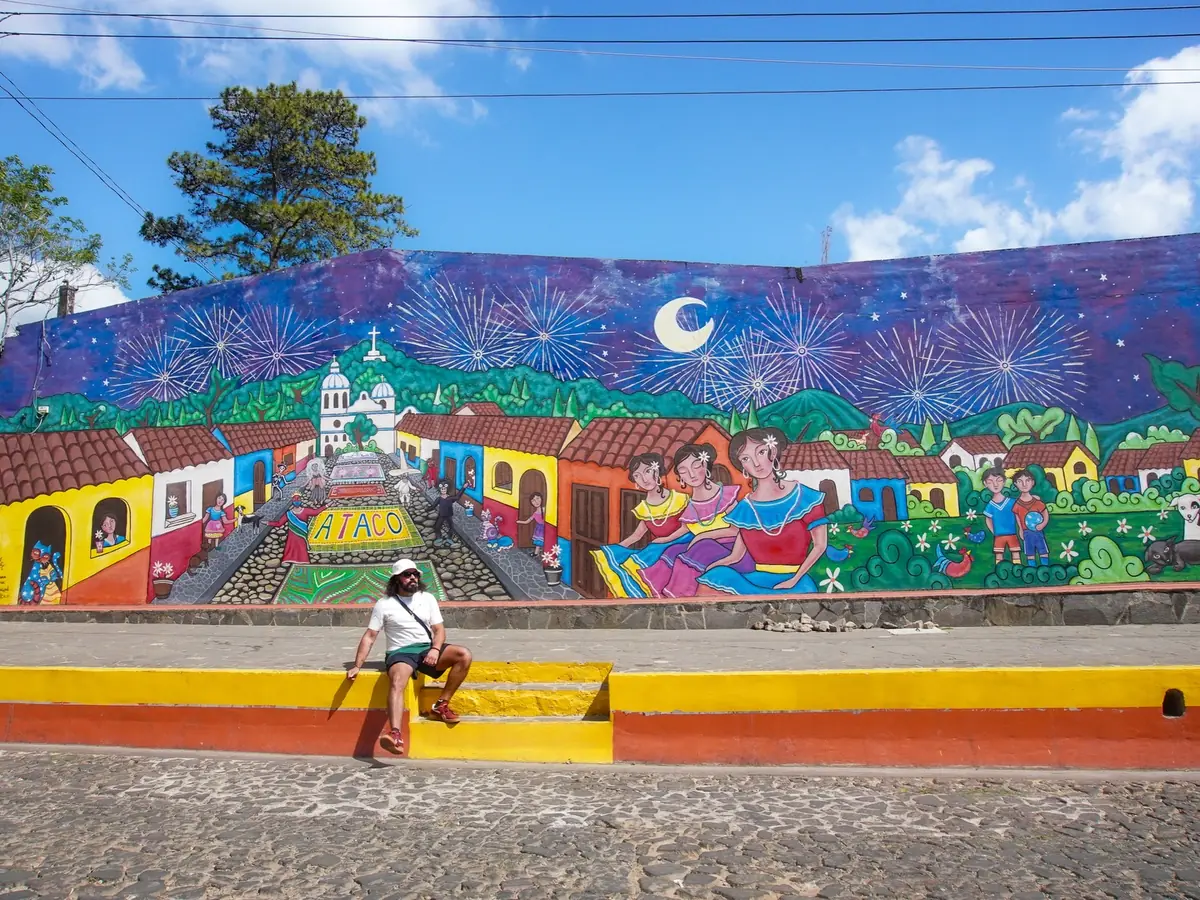
Beach towns like El Tunco and El Zonte are casual — shorts, tanks, and flip-flops are fine anywhere. San Salvador’s Zona Rosa and Escalón expect smart casual at restaurants and bars. Inside churches and conservative colonial towns like Suchitoto and Concepción de Ataco, cover your shoulders and knees.
What currency does El Salvador use, and is Bitcoin still required?
El Salvador’s official currency is the US dollar, adopted under the Monetary Integration Act. Bring small bills ($1, $5, $10, $20). The Legislative Assembly voted 55–2 to remove the requirement that businesses accept Bitcoin under a $1.4 billion IMF loan condition, so cash or card is the practical choice now.
Do you need bug spray in El Salvador?
Yes. The CDC recommends a repellent with at least 20% DEET for protection that lasts up to several hours, or a 20% picaridin alternative. Dengue, Zika, and chikungunya are all present in El Salvador, and the Aedes mosquitoes that carry them bite during daytime — not just at dusk.
Is the tap water safe to drink in El Salvador?
No. Tap water is not safe to drink for travelers anywhere in El Salvador — including in San Salvador and the tourist beach towns — due to contamination concerns and older infrastructure. Drink sealed bottled water, use a filter bottle like a LifeStraw Go or Grayl Geopress, or boil and cool tap water before drinking.
Is El Salvador safe for US tourists?
The US State Department rates El Salvador Level 1 — Exercise Normal Precautions, the same rating as Japan, Germany, and Australia. Congressional Research Service data shows the homicide rate has fallen by more than 98% from its peak. Stick to normal urban precautions: skip flashy jewelry, use rideshare at night, and keep a passport copy on you.
Before you book
TL;DR: Pack for El Salvador the way you would for South Florida — light, breathable, 120-volt plug, USD, and SPF. Add 20%+ DEET, a rain shell if you’re going May through October, a light layer for Santa Ana’s summit, and a dry bag. Skip the plug adapter, the hiking boots, and the Bitcoin wallet — they’re unnecessary.
The full country runs about $30 to $80 per day for budget to mid-range travelers once you’re on the ground — pupusas at $1, beach hostels at $15 to $25, mid-range hotels at $60 to $120. The flight from US gateways (Houston, Miami, Los Angeles, Washington Dulles, Atlanta) lands in under 4 hours. A long weekend at El Tunco is genuinely doable.
The one thing this packing list cannot give you is the answer to “how long should I stay?” — but I’ll say this: 5 days is the minimum to do El Tunco + Santa Ana + San Salvador without rushing. 7 days adds Suchitoto or the Ruta de las Flores. 10 days lets you slow down on the coast.
What is the single item on this list you almost forgot? Drop it in the comments — I’ll update the article if enough travelers flag the same thing.