El Salvador shuttle services are the fastest, lowest-stress way to move between the SAL airport, the surf towns, and the borders — and you’ll need them, because there’s no passenger train and getting an Uber back from the beach is unreliable. This guide breaks down every route, real price, and drive time, with honest warnings most booking pages skip.
Quick answer: what a shuttle costs and how long it takes
A private El Salvador shuttle from the SAL airport to El Tunco costs about $40–$100 per vehicle and takes 45–60 minutes to cover 25 miles (40 km). Shared cross-border shuttles to Antigua, Guatemala run $40–$50 per person over 5–8 hours. Uber works at the airport but is unreliable for return trips from the coast.
The figures most travelers want, up front:
- SAL airport to El Tunco: 25 miles (40 km), 45–60 minutes, $40–$100 per vehicle
- El Tunco to Antigua, Guatemala: $40–$50 per person, 5–8 hours
- Short Uber ride in San Salvador: about $5
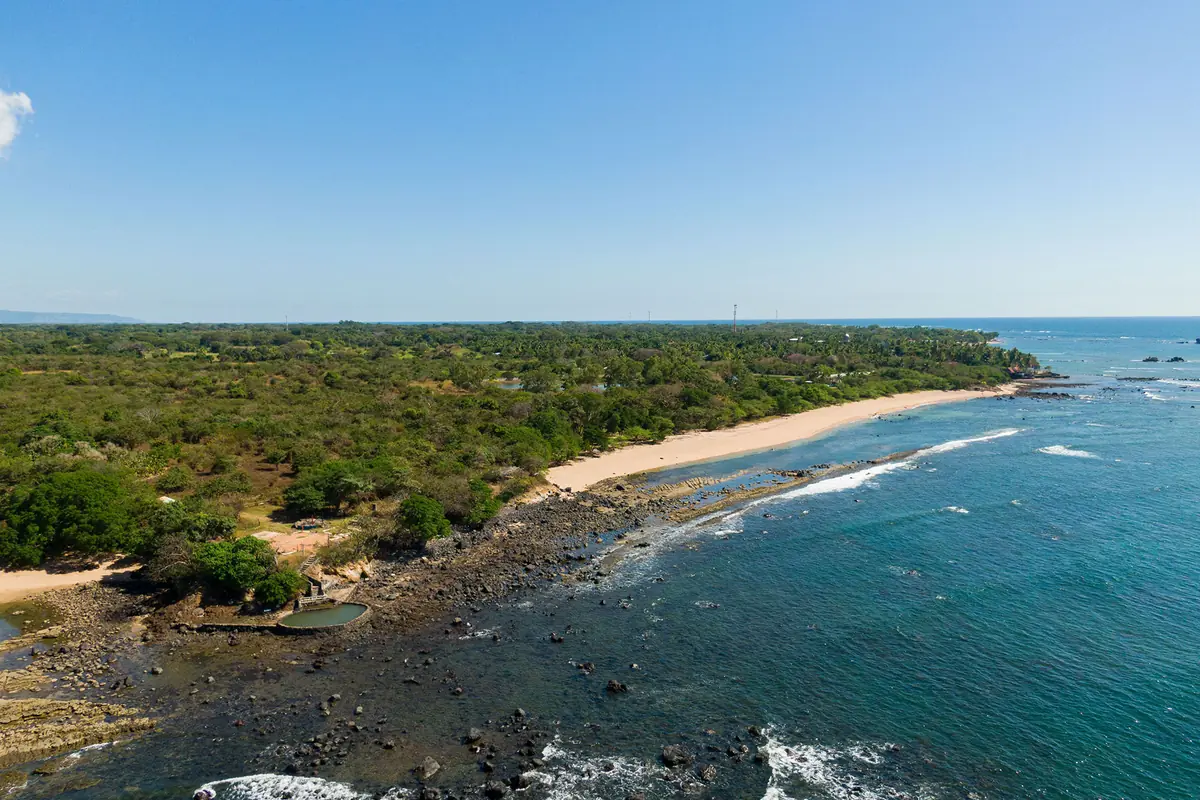
The Litoral highway that hugs the coast is nearly empty most of the day, so that 25-mile run takes closer to 45 minutes than the full hour the distance suggests.
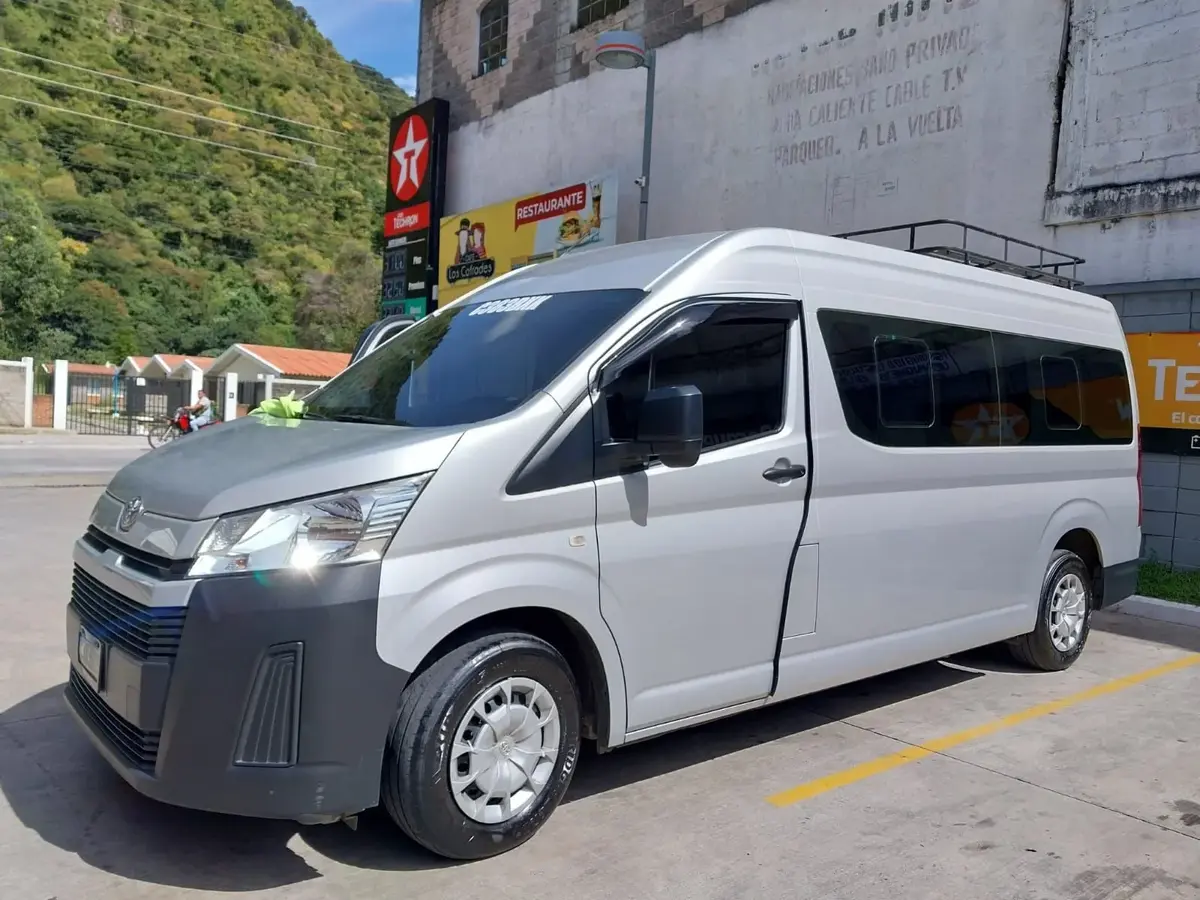
How do you get from San Salvador airport to El Tunco?
The SAL airport sits 25 miles (40 km) from El Tunco — a 45–60 minute drive on the Litoral highway. A pre-booked private transfer ($40–$100 per vehicle) is the easiest option. Uber runs about $26–$40 but isn’t always waiting. There’s no direct public bus, so the budget route means connecting through San Salvador or La Libertad, around 1 hour 30 minutes.
Your options, ranked by how little they make you think:
- Private transfer (easiest): $40–$100 per vehicle, meets you at arrivals with a nameplate
- Uber or inDrive: about $26–$40, but not always available at arrivals; pay in-app only
- Official airport taxi (Taxis Acacya): fixed-rate counter inside arrivals, running roughly 7 a.m. to 6 p.m.
- Budget connection: bus or microbus via San Salvador or La Libertad, about 1 hour 30 minutes, a few dollars
Several surf-camp operators meet you with a fresh coconut at arrivals — a small thing, but a decent sign you picked a driver who cares about the experience.
Pro Tip: Confirm your airport transfer before you land. Cell coverage at arrivals is fine, but the taxi touts work the exit hard, and it’s much easier to walk past them straight toward a driver holding your name.
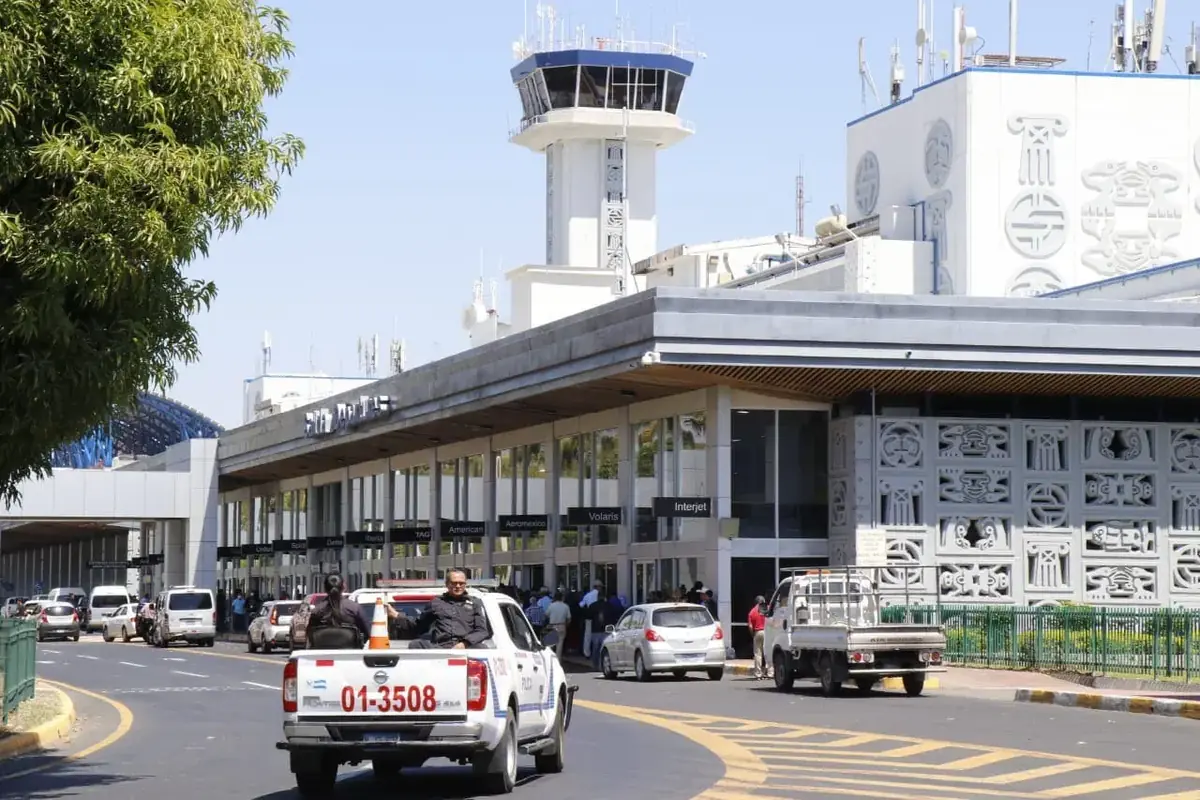
El Salvador shuttle routes and prices at a glance
Most travelers use El Salvador shuttle services for three things: airport-to-beach transfers ($40–$115 per vehicle), private trips to the interior ($55–$99), and cross-border rides to Guatemala or Nicaragua ($40–$65 per person). The table below lays out the popular routes with prices, distances, and drive times so you can compare in one place.
| Route | Typical price | Distance | Drive time |
|---|---|---|---|
| SAL airport → El Tunco | $40–$100 / vehicle | 25 mi (40 km) | 45–60 min |
| SAL airport → El Zonte | $55–$115 / vehicle | 34 mi (55 km) | ~60 min |
| SAL airport → Mizata | $75–$180 / vehicle | — | — |
| SAL airport → Las Flores / El Cuco | $110–$200 / vehicle | — | — |
| El Tunco ↔ El Zonte | ~$1 (bus 192) | 7 mi (11 km) | 10–15 min |
| El Tunco → Antigua, Guatemala | $40–$50 / person | — | 5–8 hr |
| El Tunco → León, Nicaragua | $50–$65 / person | — | ~12 hr |
A note on the dashes: they mark figures that swing widely by operator and exact pickup point. Per-vehicle prices assume up to four passengers unless noted.
Cross-border vans treat the route like a parcel run — stopping at gas stations and dropping off packages along the way — so a 5-hour quote often stretches to 7.
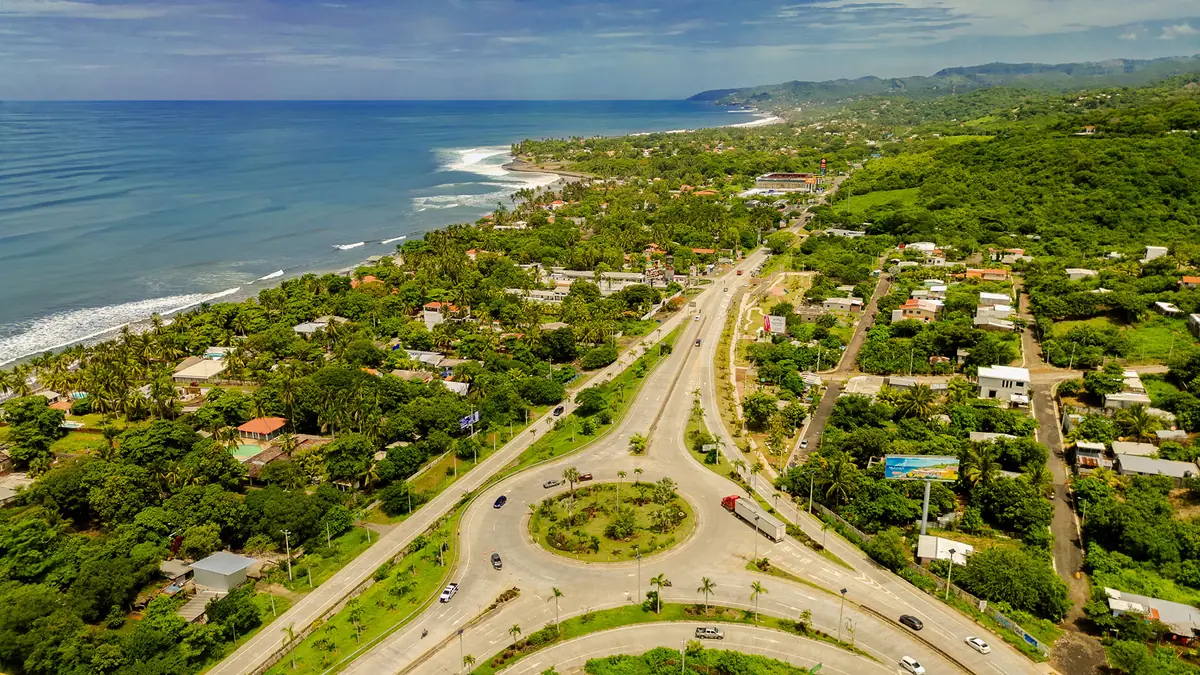
Airport transfers: private vs. shared
Private airport transfers in El Salvador cost $40–$100 per vehicle and meet you at arrivals with a nameplate. Shared shuttles cost less per head but wait to fill up before leaving. For two or more travelers, a private vehicle often beats per-person shared rates — and it’s far simpler than dragging luggage onto public transport.
The named operators most travelers actually book:
- Tunco Life: El Tunco from $50, El Zonte from $55
- Sunzal / El Salvador Surf Company: El Tunco $55–$100, El Zonte $70–$115, Las Flores $125–$200
- El Salvador Surf Camps: $40 per vehicle for up to 4 passengers, plus $10 per extra person
- Viator vans: seat up to 10, from $85
Here’s the math the booking pages bury: a $40 four-seat transfer works out to $10 a head, while shared seats often start near $25 each. Two or more people almost always come out ahead in a private vehicle.
Pro Tip: Traveling with a board? Book a surf-focused operator and ask for a roof rack in writing. A standard transfer can show up as a sedan with no way to carry a 6-foot board, and you’ll be renegotiating in the parking lot.
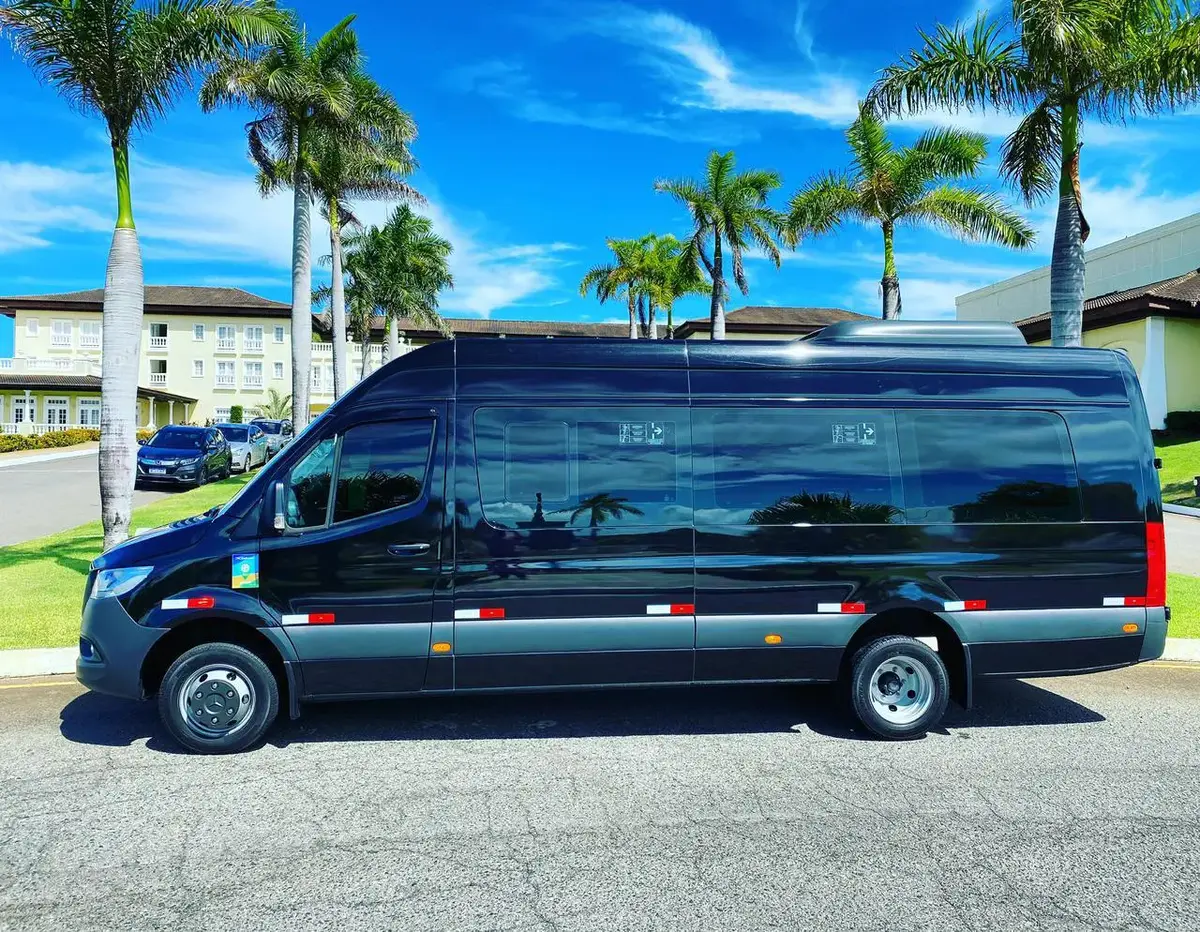
How do I reach El Zonte, El Sunzal and La Libertad?
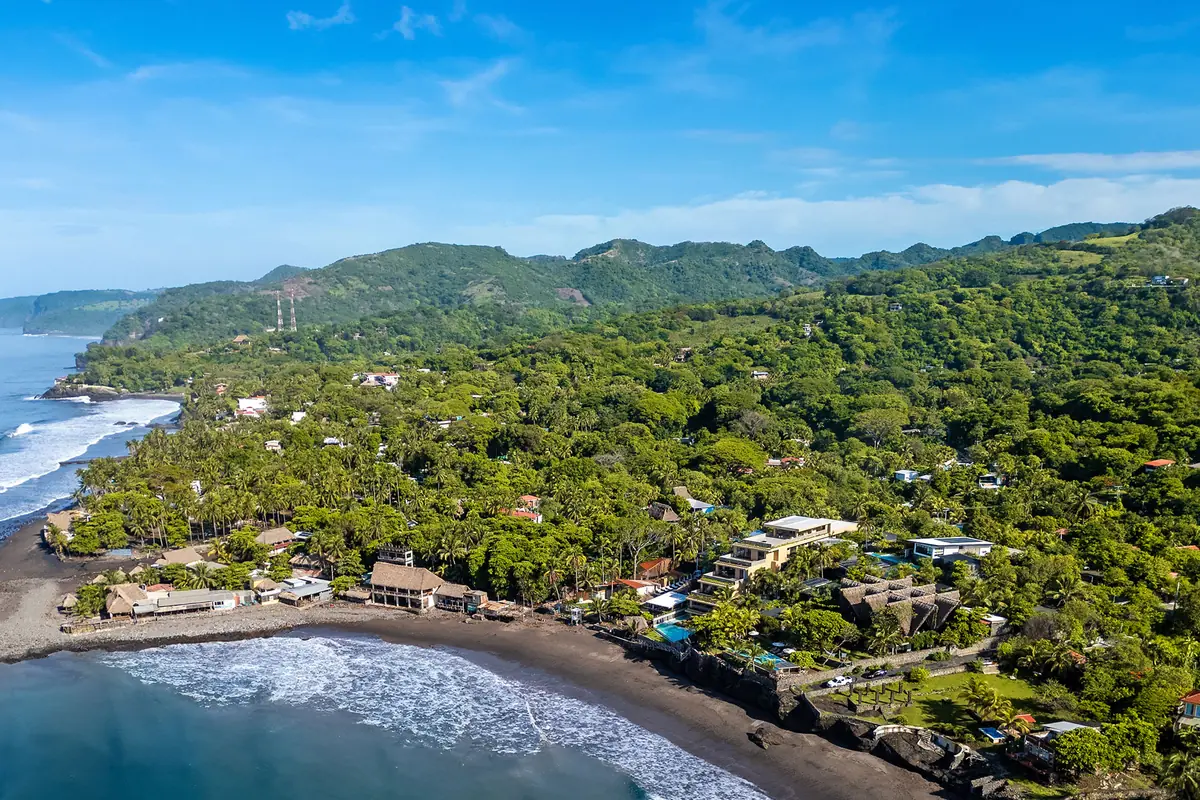
El Zonte — better known as Bitcoin Beach — is 34 miles (55 km) from the SAL airport, about 60 minutes, with transfers running $55–$115 per vehicle. It sits just 7 miles from El Tunco, a 10-minute hop on local bus 192 for about $1. El Sunzal and La Libertad line the same Litoral highway corridor.
How the surf corridor connects:
- El Zonte from SAL: 34 miles (55 km), about 60 minutes, $55–$115 per vehicle
- El Tunco to El Zonte: 7 miles (11 km), bus 192, about $1, every 15–30 minutes
- El Sunzal: a short ride north of El Tunco on the same road, known for its longboard wave
- La Libertad: the working fishing port and seafood market anchoring the corridor
Many El Zonte vendors take Bitcoin alongside dollars, a holdover from the town’s run as the original Bitcoin Beach. The flip side: small shops here can’t break a $20, so you’ll either carry small bills or end up paying in sats for a $3 smoothie.
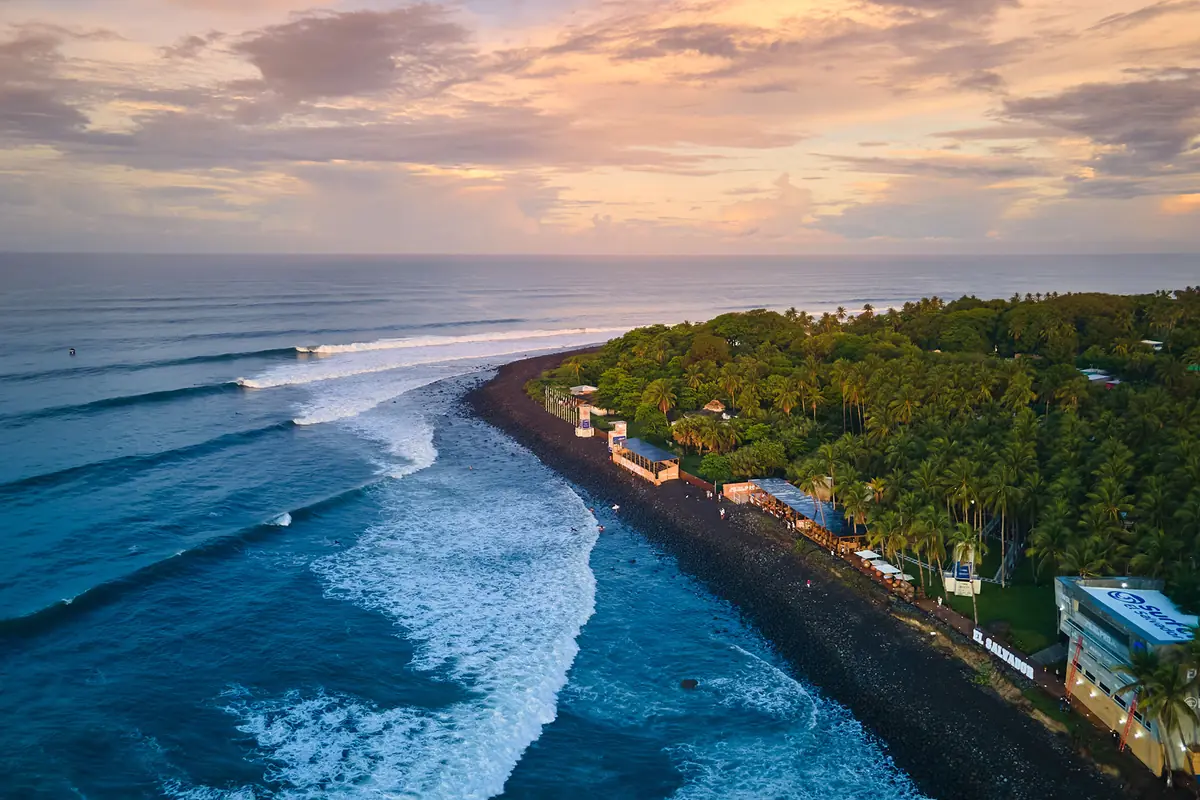
The water sits at a warm 79–86°F (26–30°C) most of the year, and the biggest swells roll in from May through October — worth knowing if you’re timing a surf trip around the shuttle schedule.
Pro Tip: For the El Tunco–El Zonte hop, the local bus is quicker than it sounds and runs often, but it stops by 6–7 p.m. After dark you’re looking at a $10–$15 private ride between two towns barely 7 miles apart.
Cross-border shuttles: El Salvador to Guatemala, Nicaragua and Honduras
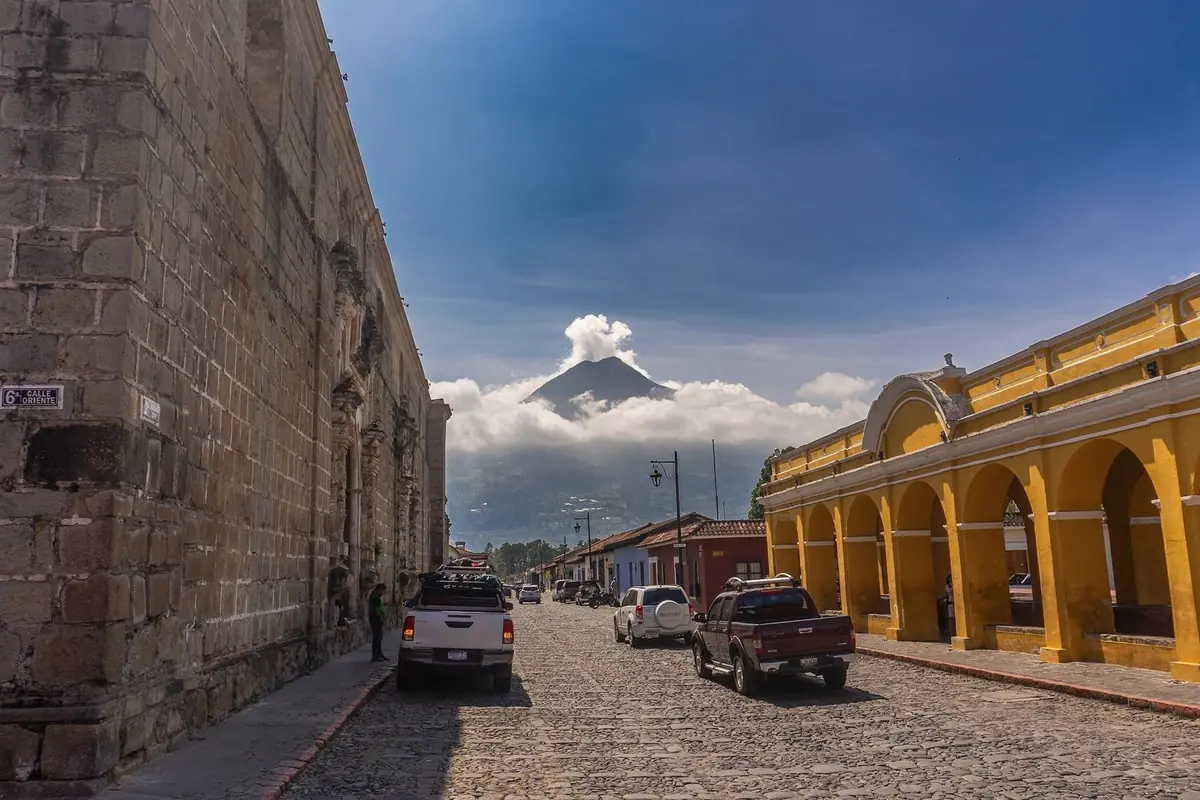
Shared tourist shuttles connect El Tunco and San Salvador to Antigua, Guatemala ($40–$50 per person, 5–8 hours via the La Hachadura border) and to León, Nicaragua ($50–$65, around 12 hours through Honduras). Your driver handles the paperwork at each crossing — just keep cash on hand for small fees at the Honduras and Nicaragua borders.
The routes worth knowing, with real operators:
- Antigua, Guatemala: $40–$50 per person, 5–8 hours. Coastal departures use the La Hachadura border; Guatemala City routing uses Las Chinamas; the eastern route uses San Cristóbal. Operators include Roneey Shuttle (about $40), Gekko Trails Explorer (about $40), and Marvelus (about $45)
- León, Nicaragua: $50–$65 per person, around 12 hours, crossing two borders through Honduras (Roneey Shuttle about $50)
- Copán, Honduras: roughly $50–$60 per person
- Boat from La Unión to Potosí, Nicaragua: $60 per person via Gekko Trails Explorer, running Monday, Tuesday, Friday, and Saturday
Here’s the warning the booking pages leave out: cross-border drivers sometimes quote around $20 for “border fees” when the real total is closer to $13. Ask for a line-item breakdown, keep small bills ready, and don’t hand over a lump sum on trust.
Pro Tip: Reserve cross-border shuttles a day ahead through your hostel or hotel rather than online. Local operators often run the same van for $5–$10 less than the aggregator price, and the front desk can tell you which driver actually shows up.
Is there Uber in El Salvador?
Yes — Uber operates in San Salvador, Santa Ana, and at the SAL airport, and inDrive works too. Rides are cheaper and safer than flagging a street taxi, and a short city trip costs around $5. The catch: rideshare thins out on the coast, so catching one back from El Tunco is unreliable — pre-book a return transfer.
What to expect from rideshare here:
- Where it works: San Salvador, Santa Ana, and the SAL airport (inDrive too)
- Short city ride: about $5
- Airport pricing: dynamic, with no published flat rate
- Payment: in-app only
This is the single most common mistake I see first-timers make: they take an Uber out to El Tunco assuming they’ll grab one back, then spend an hour watching the app spin with no cars. Lock in a return ride before you leave the city.
Pro Tip: If an Uber or inDrive driver messages asking to cancel and pay in cash, say no. The ones who push for cash almost always cancel anyway, and you lose both the in-app record and the fixed price.
How much are chicken buses, and are they worth it?
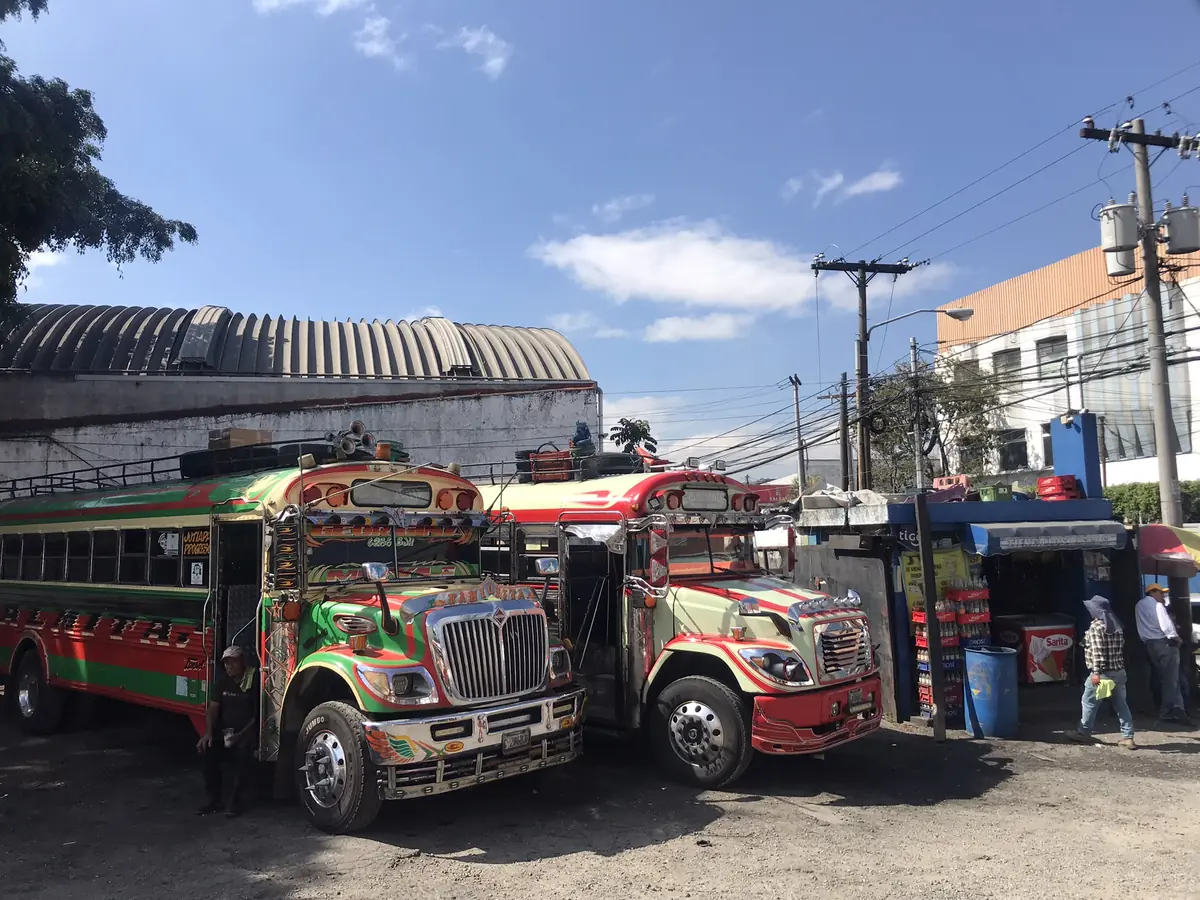
El Salvador’s chicken buses — repurposed US school buses, repainted in loud colors — are the cheapest way around, with most fares under $1 and almost nowhere out of reach. They’re slow, packed, and best for short daytime hops. For airport runs with luggage or any night travel, a shuttle or Uber is worth the money.
The specifics on riding them:
- Fares: about $0.25–$5 depending on distance
- Bus 102-A, San Salvador to El Tunco: about $2, around 49 minutes
- Operating hours: roughly 5 a.m. to 7 p.m.
- Main risk: petty theft on crowded routes, so keep your bag on your lap
At peak times there’s no seat and no personal space. On one La Libertad run I stood in the open doorway for nearly an hour, one hand on the rail and the other on my bag. It’s part of the experience, but it’s not how you want to arrive for a 6 a.m. flight.
Pro Tip: Chicken buses have no luggage holds. If your pack won’t fit on your lap or between your feet, you’ll be wearing it the whole way — another reason to shuttle on travel days with full bags.
How do I reach Suchitoto, Santa Ana and Ruta de las Flores?
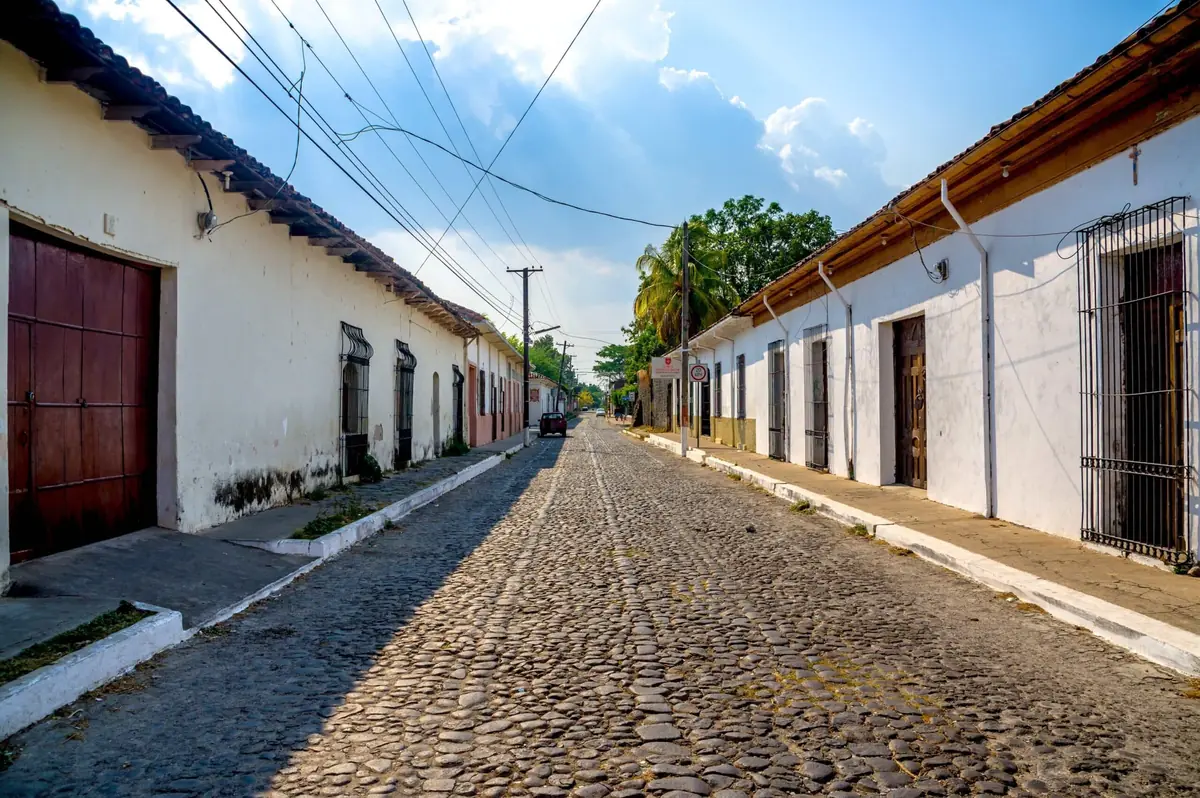
El Salvador runs few scheduled shared shuttles into its interior, so the real choice is a private driver ($55–$99 per vehicle or day-tour) or public buses ($1–$4). Suchitoto is about 90 minutes from San Salvador on bus 129 for $1. Santa Ana and the Ruta de las Flores towns of Juayúa and Ataco sit 1.5–2 hours out.
How to actually get there:
- Suchitoto: bus 129 ($1, air-conditioned) or microbus 140 ($0.90), about 90 minutes; private driver or day-tour $55–$99
- Santa Ana: the gateway to Lago de Coatepeque and Cerro Verde
- Ruta de las Flores (Juayúa, Ataco): full-day tours $35–$99; local Ruta buses run under $1 per leg from Sonsonate
Most guides imply tourist shuttles run everywhere in El Salvador. They don’t. To the interior, you’re either hiring a private car, joining a day-tour, or riding the same public buses locals use — there’s rarely a tidy shared-van option.
The upside of those local buses: they leave when full and fill fast, so you rarely wait more than 15 minutes at a Suchitoto or Santa Ana terminal.
Is it safe to travel around El Salvador?
El Salvador has gone from one of the world’s most dangerous countries to one of its safest. Its homicide rate has fallen from a peak near 104 per 100,000 to roughly 1.4 — the lowest in more than 50 years. The US State Department rates it Level 1, its safest advisory tier. The remaining risks are petty theft, road accidents, and rip currents.
That turnaround came through El Salvador’s State of Exception, an emergency security measure that gives police and soldiers broad powers to detain without a warrant. It’s the reason violence dropped, and it’s controversial: more than 1% of the population has been arrested under it, thousands were later released without charge, and human rights groups have documented arbitrary detentions and deaths in custody. As a traveler, you’ll notice the security presence far more than any danger.
For getting around safely:
- Choose shuttles or Uber over public buses, especially after dark
- Avoid intercity travel at night — even the US Embassy bars its own staff from it
- Watch your bag on crowded chicken buses, the main setting for petty theft
- Respect rip-current flags at El Tunco and El Zonte; the surf runs strong all year
You’ll see soldiers with rifles standing on corners in tourist zones. It’s unsettling on day one and unremarkable by day three — they’re part of the State of Exception’s visible footprint, not a sign of trouble nearby.
Advisory levels and entry rules change, so check the current US State Department advisory and enroll in the free STEP program before you go. And take the glossiest “totally safe, zero risk” posts with a grain of salt — the improvement is real and well documented, but rip currents and pickpockets don’t read travel advisories.
This is a sensitive topic for some travelers; if safety concerns are weighing on you, a quick call to your country’s consular line or a check of the official advisory can settle the specifics for your situation.
Do you need a visa, and can you pay in US dollars?
Most US, Canadian, and EU visitors need no visa for stays up to 90 days. El Salvador scrapped its $12 tourist entry card fee, though some official pages still list it — so confirm the current rule before you fly. The official currency is the US dollar, and Bitcoin is legal tender, so no exchange is needed. Carry small bills.
The essentials before you book transport:
- Visa: not required for stays up to 90 days for US, Canadian, and most EU passports
- Entry card: the old $12 fee was eliminated, but some sources still quote it, so verify before travel
- Currency: US dollar (official) and Bitcoin (legal tender); ATMs dispense dollars
- CA-4 zone: the 90 days is shared across El Salvador, Guatemala, Honduras, and Nicaragua
The daily friction here isn’t money, it’s making change. ATMs spit out $20 bills, half the country can’t break them, and you’ll find yourself buying a coffee just to get singles for the bus.
Pro Tip: Break big bills early — at the airport, a supermarket, or your hotel front desk. Then hoard $1 and $5 notes for bus fares, tips, and small-shop purchases on the coast.
Which shuttle option is right for you?
Solo backpackers and surfers do best mixing shared shuttles with the occasional chicken bus. Families and comfort-focused travelers should pre-book private transfers for door-to-door ease. Cross-border travelers should reserve a shared shuttle a day ahead through their hostel. Budget travelers can ride Uber in the cities and buses on the coast.
| If you’re a… | Best option | Why it fits |
|---|---|---|
| Solo backpacker or surfer | Shared shuttle plus chicken bus | Cheap, social, flexible |
| Family or comfort traveler | Private transfer | Door-to-door, no luggage wrangling |
| Cross-border traveler | Pre-booked shared shuttle | Driver handles the paperwork |
| Budget traveler | Uber in cities, buses on coast | Lowest cost, daytime only |
| Traveler with accessibility needs | Private van | Public buses aren’t wheelchair-accessible |
Whatever you book, if a board is coming with you, confirm the rack before you pay. It’s the one detail that turns a smooth pickup into a roadside scramble.
The bottom line on El Salvador shuttles
TL;DR: Pre-book a private transfer from the SAL airport to the coast ($40–$100), use Uber inside the cities, and reserve cross-border shuttles a day ahead. Carry small US bills and confirm the current entry-card rule. Shuttles cost more than buses but save hours of hassle — the right call for most US travelers.
El Salvador shuttle services aren’t the cheapest way to get around, but they’re the difference between landing tired and landing relaxed — between guessing at a chicken-bus route and being handed a coconut at arrivals. Which route are you trying to crack: the airport run to El Tunco, or a border crossing to Antigua? Drop it in the comments and I’ll point you to the operators worth booking.