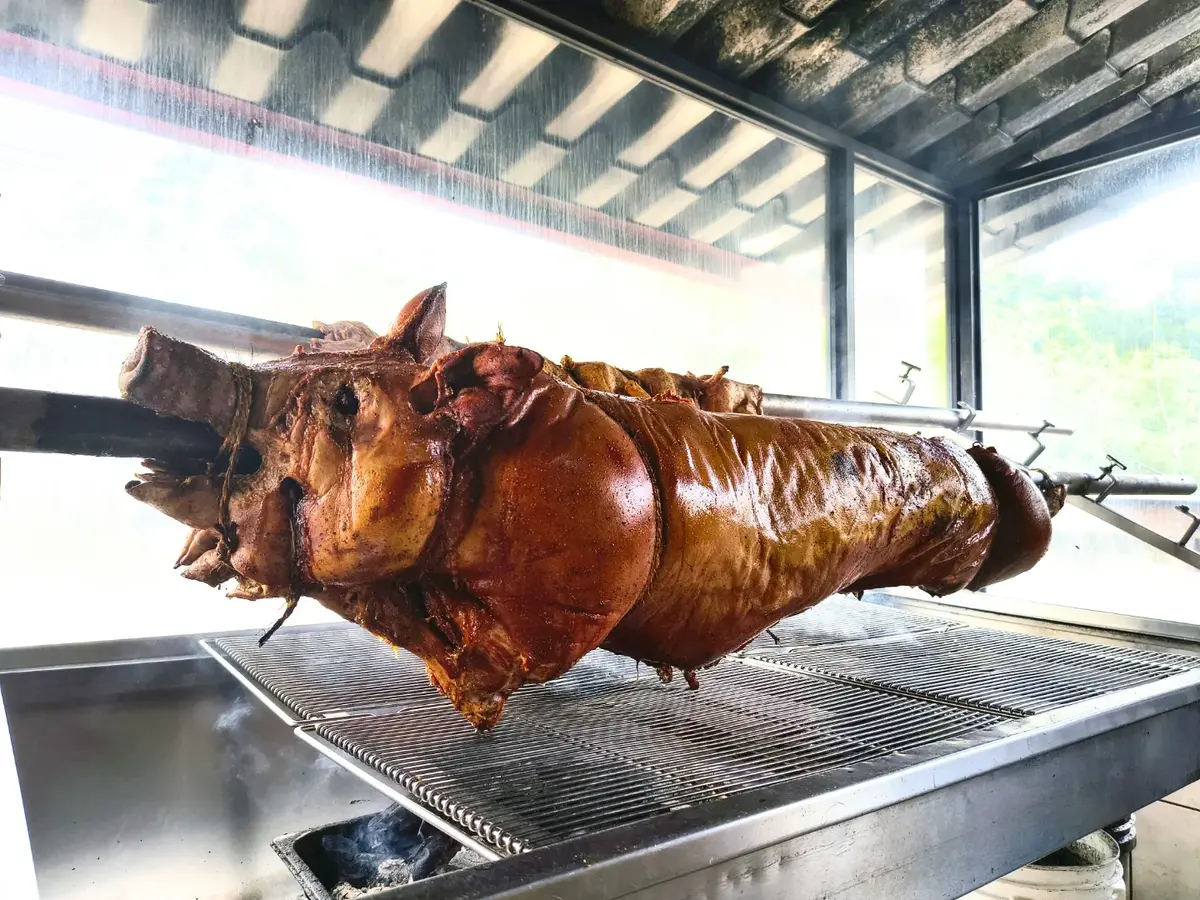
Every weekend, the smell of slow-roasting pork pulls crowds up a narrow Puerto Rican mountain road before San Juan has poured its first coffee. The Guavate Pork Highway — locally known as La Ruta del Lechón — runs along PR-184 in the municipality of Cayey, roughly 40 minutes south of San Juan. This guide covers the logistics, the lechoneras worth your drive, and the mistakes that will cost you a parking spot.
What do you need to know before driving the Guavate Pork Highway?
The Guavate Pork Highway is a 3.5-mile (5.6 km) stretch of PR-184 lined with roadside lechoneras serving whole spit-roasted pork. To visit without stress, bring cash, leave San Juan by 9 a.m. on weekends, take Exit 32 off PR-52, and pick your lechonera before you arrive. The mountain road is narrow, the best parking fills by noon, and ATMs disappear once you start climbing.
Driving PR-184: sharp turns and weekend traffic
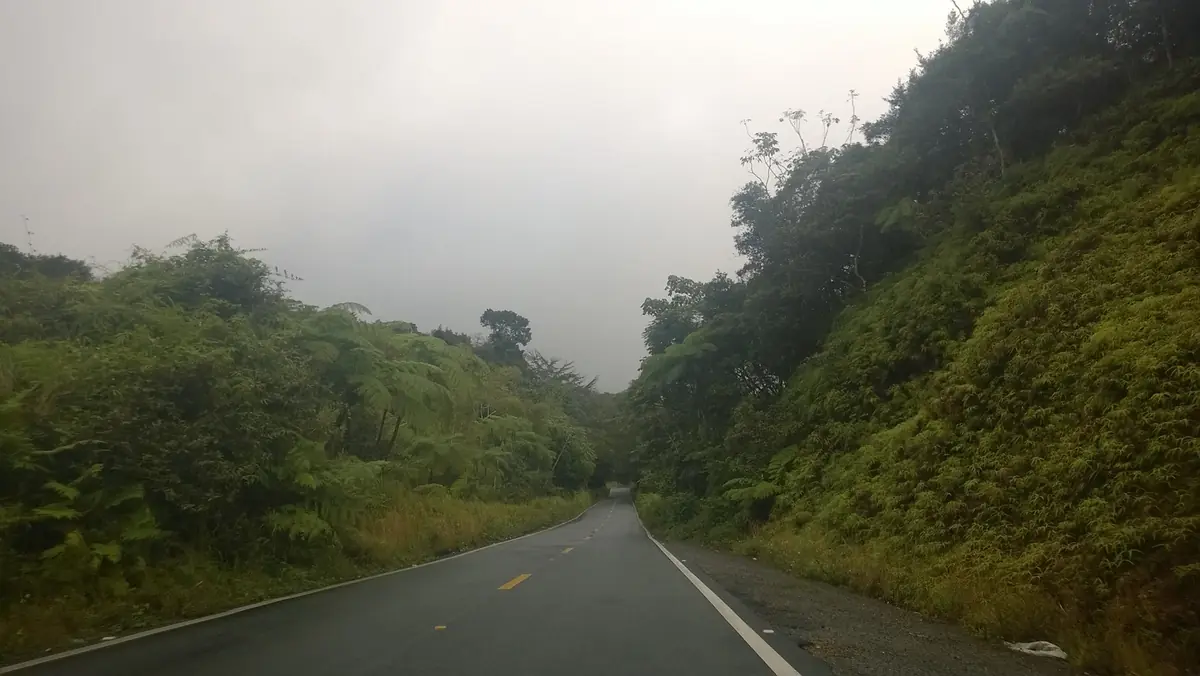
PR-184 is a narrow, winding two-lane mountain road that climbs into Puerto Rico’s central range. You reach it via Exit 32 off the PR-52 toll road heading south from San Juan. The transition from smooth, high-speed PR-52 to PR-184 is immediate and humbling.
Expect tight blind corners, steep grades, and lane widths that make two passing vehicles feel like a negotiation. On weekend afternoons the road turns into a crawl. Local drivers are fast and confident; tourists renting a car in Puerto Rico frequently are not. If you are prone to carsickness, sit up front and take medication before you leave the coast.
Pro Tip: Leave San Juan by 9 a.m. on weekends. Arriving before noon dramatically reduces the chances of sitting in mountain gridlock, and you will not lose your parking spot to someone who planned better.
Tour guides versus rental cars
If the driving description made your stomach drop, a guided food tour is a legitimate option. Operators like Aquazul Tours and Conquistador Travels run half-day excursions with transport, a local guide, and a curated tasting route.
The trade-off is flexibility. A private vehicle lets you linger at one lechonera, double back for seconds, and detour to Charco Azul on the way home. A guided tour locks you into someone else’s schedule and someone else’s favorites.
Pro Tip: If you want independence without the driving stress, ask your hotel concierge about hiring a private driver for the day. It costs more than a group tour but far less than the anxiety of navigating unfamiliar mountain roads.
Cash, costs, and the closest ATMs to Cayey
Bring cash — this is non-negotiable. Roadside parking lots, artisan stalls, and smaller lechoneras operate on a cash-only basis. ATH Móvil is the dominant local digital payment app, but it is inaccessible to most tourists without a Puerto Rican bank account.
- Plate of food: $8 to $12
- Roadside parking: around $5
- Full meal with drinks and souvenirs: $25 to $35 per person
- Last reliable ATMs: Banco Popular and FirstBank branches in the Cayey Shopping Center near the municipal hospital
Once you turn onto PR-184, cash machines disappear entirely.
Pro Tip: Withdraw small bills — fives and tens. Parking attendants and artisan vendors rarely have change for a fifty.
The weekend tactical checklist
Pack this before you leave the hotel:
- Cash in small bills: for $5 parking, $8 to $12 plates, and artisan stands
- Motion sickness medication: PR-184’s curves are relentless; take it before the ascent
- Rain gear: the central mountains generate sudden, intense downpours
- Wet wipes and hand sanitizer: eating pork at a communal table with plastic utensils is a full-contact activity
- Closed-toe shoes: gravel lots, steep roadsides, and the hike to Charco Azul all demand real footwear
Which lechonera on the Guavate Pork Highway should you pick?
There are more than a dozen stands along PR-184, but three have built their reputations through decades of consistency: Los Amigos for early arrivals and families, Los Pinos for serious eaters chasing the Bourdain endorsement, and El Rancho Original for the full riverside-party experience. Each sits at a different point on the road, and each attracts a different crowd.
1. Lechonera Los Amigos — first exit, red awning, easiest stop
Los Amigos sits at the very first exit off PR-184, making it the most accessible lechonera on the route and the most forgiving for travelers who want the experience without committing to the deeper mountain drive. The red awning is visible from the road, and the pig-shaped photo-op cutouts out front tell you this spot has calibrated itself for a mixed crowd of locals and first-timers.
Their roasting operation begins at 3 a.m. The meat coming off the spit at opening is as fresh and crispy-skinned as lechón gets anywhere on the island. The cafeteria line runs slightly more organized than its uphill competitors — an ideal introduction to the steam-tray system. The cafecito is excellent and a dollar well spent.
- Location: Start of PR-184, Guavate, Cayey, Puerto Rico
- Cost: $8 to $12 per plate; parking ~$5
- Best for: Families, first-timers, early arrivals, quick stops
- Time needed: 45 to 60 minutes
2. Lechonera Los Pinos — the Bourdain stop, green and yellow awning
Under the green-and-yellow awning at Carr 184 Km 27.7, Los Pinos is the one Anthony Bourdain visited for No Reservations in 2006, and the kitchen has never let the endorsement go to waste. This is the destination for serious eaters: a high-velocity cafeteria where the machetes behind the glass counter never stop moving.
The sound hits you before the smell does. The sharp, rhythmic chop of heavy steel on scarred wooden carving blocks cuts clean through the brass of the salsa rolling off the tin roof. By the time you reach the counter, the carver has already piled a flimsy paper plate higher than physics should allow.
What separates Los Pinos from the rest of the route is the range beyond the pork. The fresh octopus salad and the rice with guinea fowl are side dishes you simply will not find at most other establishments up the road. The manager has also gone on record saying the kitchen will modify dishes for vegan and pork-free requests if you ask directly — a rarity on this strip.
- Location: Carr 184 Km 27.7, Guavate, Cayey, Puerto Rico
- Cost: $10 to $15 per plate; parking ~$5
- Best for: Food enthusiasts, culinary purists, solo travelers
- Time needed: 60 to 90 minutes
3. El Rancho Original — riverside pavilions and live salsa
El Rancho Original is not just a restaurant. It is a sprawling complex of covered open-air pavilions strung along the banks of the Rio Guavate, with a dedicated stage and dance floor where two live bands compete for airspace on peak weekends. The kitchen routinely processes up to 14 whole 150-pound (68 kg) pigs on a single busy Sunday.
Climbing out of the car, the mountain air arrives first — noticeably cooler than the coast, carrying the smoky weight of burning cedar and rendering pork fat. On a Saturday afternoon the energy is unlike anything else in Puerto Rico outside a major festival. Couples dance between picnic tables while the salsa plays loud enough to feel in your chest.
You will eat shoulder-to-shoulder with strangers at communal wooden tables, balancing an oil-slicked paper plate on your knees. The plastic fork will almost certainly snap. None of this matters.
What should you order beyond the whole roasted pig?
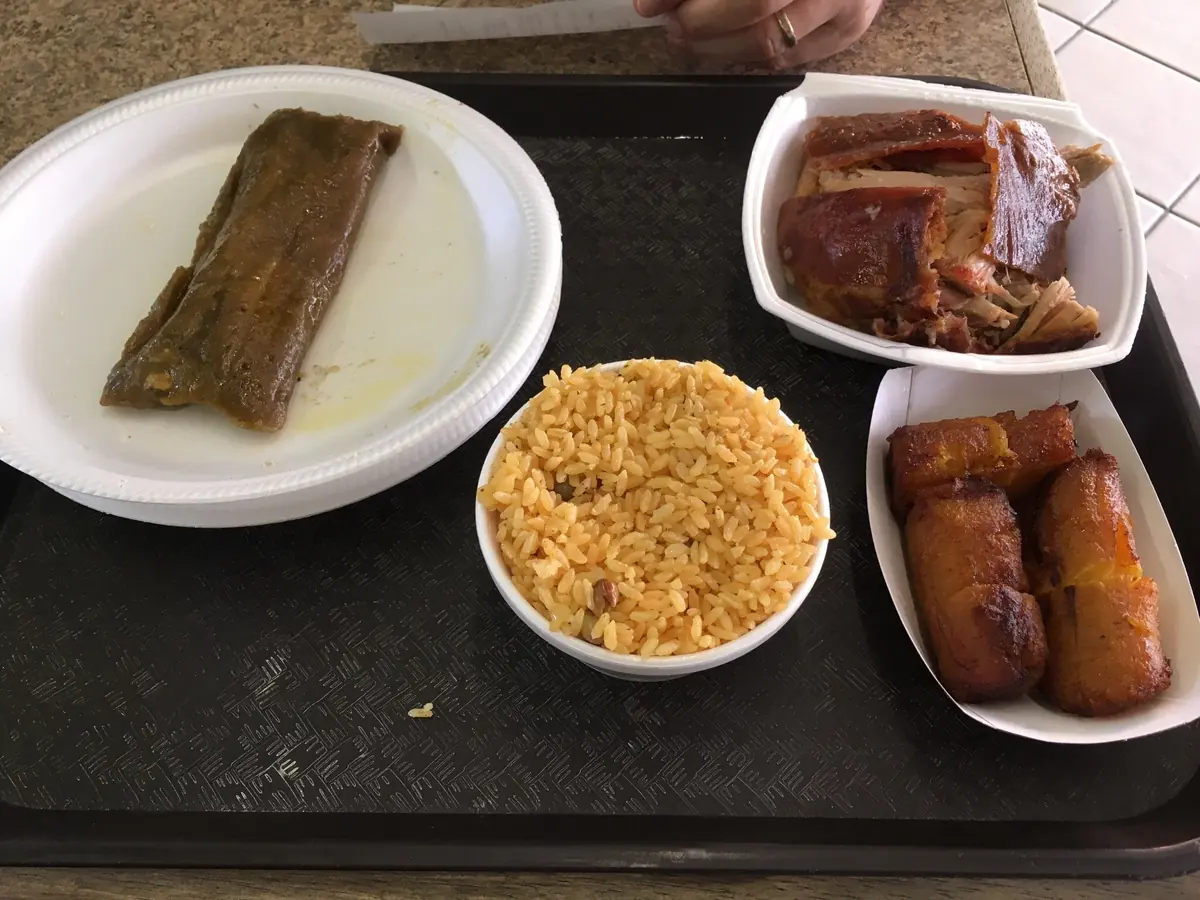
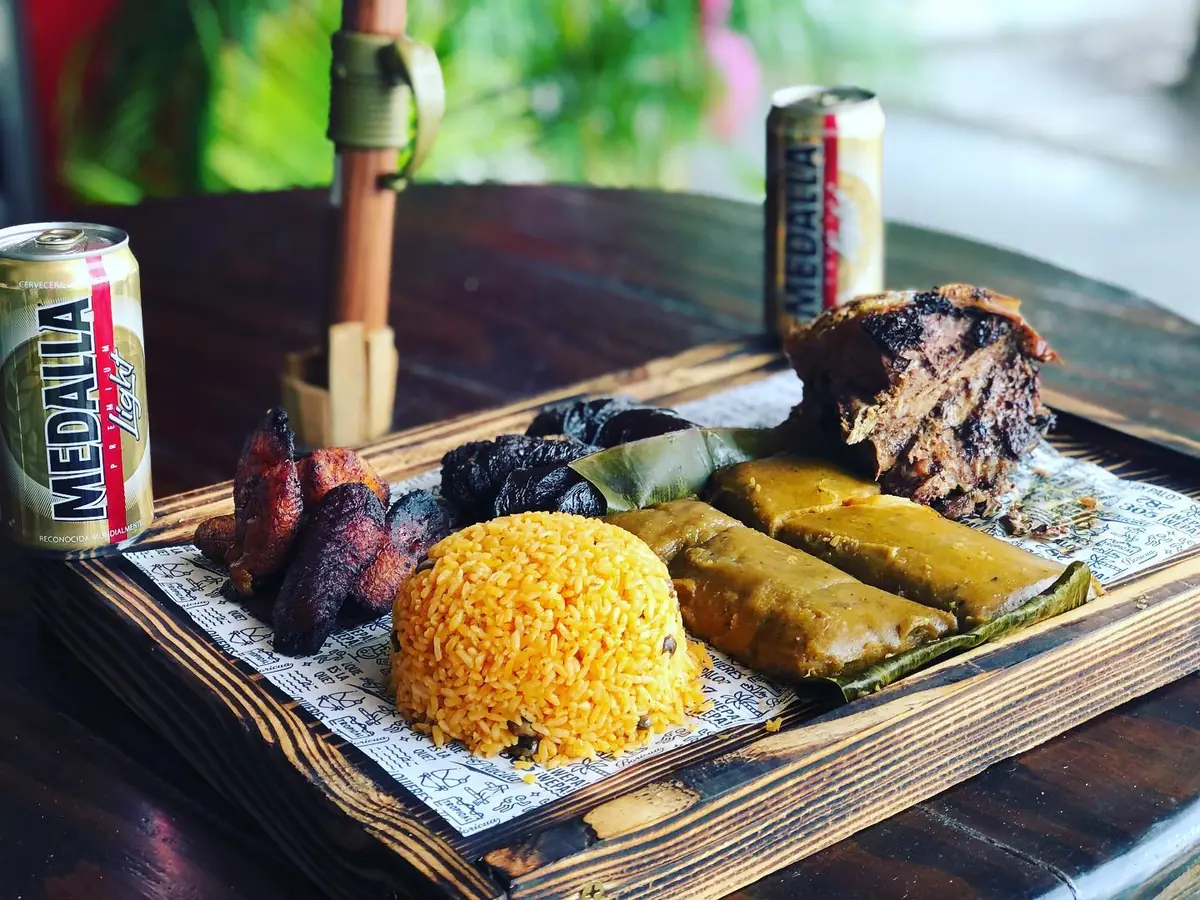
Order arroz con gandules, yuca al mojo, and morcilla to complement the rich pork. The cafeteria line at any Guavate lechonera moves fast — no menu board, no server to explain things, and no time to deliberate while 40 people queue behind you. Knowing what sits in each steam tray before you arrive is the difference between a confident order and a panicked point.
How is authentic lechón asado prepared?
Lechón asado is a whole pig marinated overnight in adobo, fresh garlic, oregano, and achiote oil from annatto seeds, then slow-roasted on a rotating spit over open wood fire or hot coals for up to eight hours. The interior meat pulls apart in moist, garlicky shreds. The exterior skin renders into a shell of deep-golden crackling so rigid it shatters when tapped.
You order by the pound, not by cut. The carver hacks through whatever section is closest and loads your plate accordingly.
Pro Tip: Ask specifically for “piel” (skin) if you want extra crackling, and point directly at the crispiest visible section. This is accepted, expected, and respected.
Must-try side dishes: arroz con gandules, morcilla, and cuajito
Start with the safe anchors:
- Arroz con gandules: rice slow-cooked with pigeon peas and sofrito — the island’s default starch
- Yuca al mojo: boiled cassava drenched in garlic, olive oil, and onion
Then move to the more adventurous side of Puerto Rican food:
- Morcilla: Puerto Rican blood sausage spiced with rice, herbs, and culantro — far more approachable than it sounds
- Cuajito: stewed pig stomach, tender and mild, closer to braised beef than anything alarming
- Gandinga: a rich stew of pork heart and liver, for those who want to go all the way
Pro Tip: Grab your side dishes first, then join the meat line. The tray attendants dish out sides quickly while the carvers take longer, so the two lines merge into chaos at peak hours.
Can you survive the Pork Highway as a vegetarian or gluten-free eater?
Yes, but go in with your eyes open. Many dishes that look vegetarian are not. Arroz con gandules is frequently cooked with rendered pork fat or small pieces of ham. Traditional mofongo is mashed with chicharrón and animal broth. Ordering either without verifying is a gamble you are likely to lose.
The genuinely safe options are simpler preparations:
- Plain yuca al mojo — request it “sin caldo de cerdo” (without pork broth)
- Tostones — twice-fried green plantains
- Amarillos — fried sweet plantains
- Fresh fruit from the roadside artisan stalls along PR-184
Lechonera Los Pinos is the most progressive establishment on the route for dietary modifications, and the manager has publicly confirmed the kitchen accommodates plant-based requests. Memorize “sin cerdo, por favor” (without pork, please) before you arrive.
How do you eat like a local on La Ruta del Lechón?
Chinchorreo is a beloved part of Puerto Rican culture — the art of moving between rural roadside kiosks, eating a little, drinking a little, dancing if the music is right, and moving on. Alongside the Luquillo kiosks on the north coast, the Guavate Pork Highway is the most celebrated chinchorreo route on the island, and it runs by its own unwritten social code.
Grab a disposable paper plate and point aggressively at what you want in the steam trays. Hesitation stalls the entire line. Order meat strictly by the pound. Find a communal table and make peace with the fact that the person next to you will be close enough to share your armrest.
Weekends versus weekdays: which visit is right for you?
Come on a weekend if you want the real thing. The live music, dancing between tables, and shoulder-to-shoulder crowd energy simply do not exist on a Tuesday. The mountain on a weekday is quieter, faster, and a different experience entirely.
Arrive before 11 a.m. on Saturdays and Sundays. The parking lots fill by noon, and by early afternoon the road itself becomes the parking lot. Rolling in at 2 p.m. on a Sunday means 45 minutes in a line of rental cars before you even smell the pork.
Pro Tip: Weekdays work if your priority is the food over the atmosphere. Most lechoneras operate Tuesday through Sunday, but call ahead to confirm hours before making the drive.
Buying from the roadside artisans
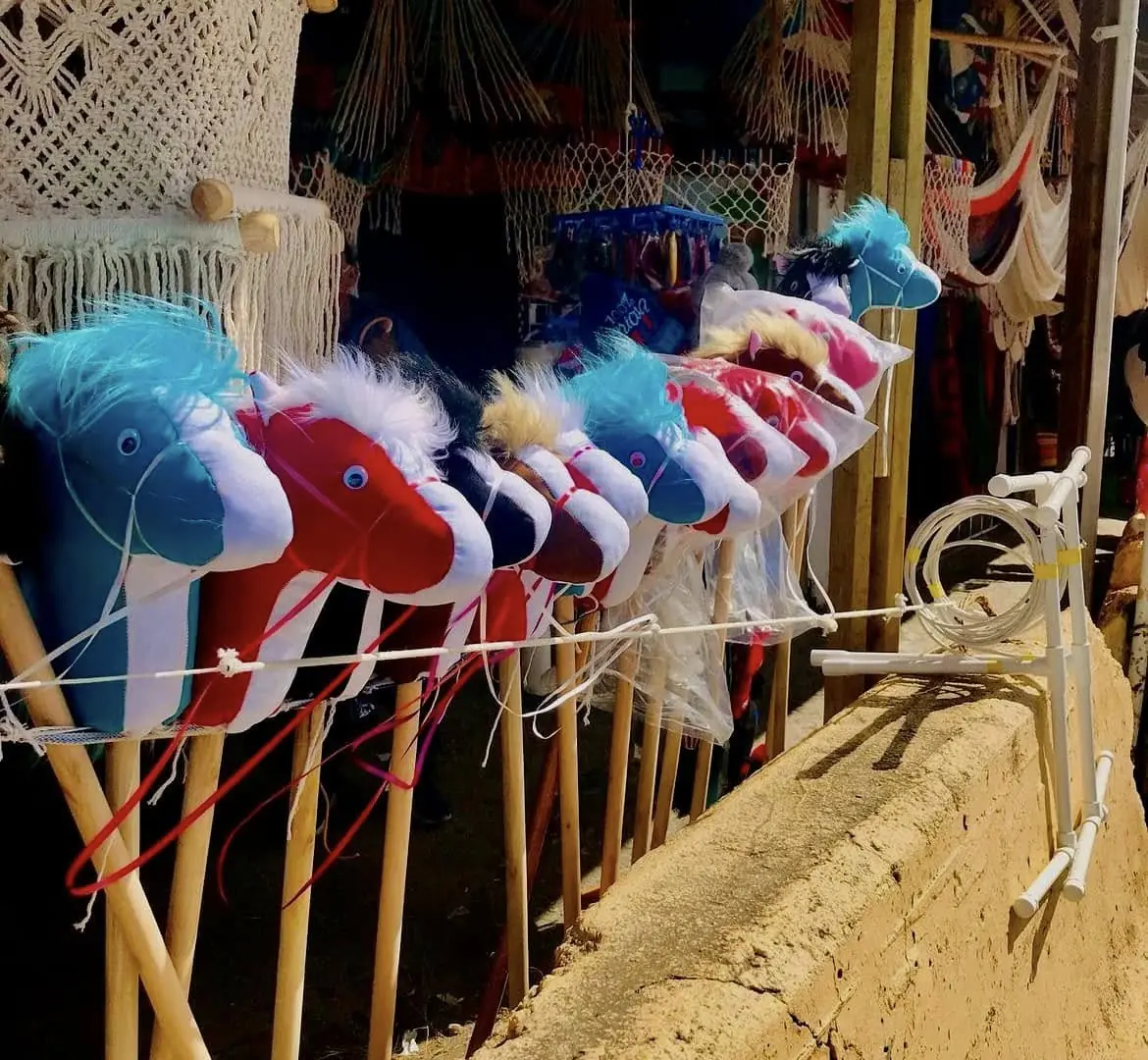
The vendor stalls lining PR-184 sell more than food. Carved wooden crafts, woven hammocks, coconut candies, and handmade sweets are common finds, and the prices are set honestly by the families who make them.
Bargaining is not the custom here. The displayed price is the fair price, and negotiating it down comes across as disrespectful. Budget a separate portion of your cash for these stops — the coconut candy alone is worth the detour.
How do you cool off after lunch at Charco Azul?
Drive 15 minutes further south on PR-184 into the municipality of Patillas to reach the Charco Azul Picnic Area inside Bosque Estatal de Carite (Carite State Forest). The hike to the swimming hole is roughly 1.5 miles (2.4 km) through dense tropical canopy, and the payoff is a deep natural pool of blue-green water — cool, clear, and largely uncrowded compared to any beach on the coast. Admission is free.
Bring water shoes for the rocky entry and pack your trash out. The forest is not staffed heavily enough to absorb what thoughtless visitors leave behind.
Pro Tip: The water at Charco Azul hovers around 70°F (21°C) — refreshing after the heat and weight of a lechón lunch, but cold enough that serious swimming takes real commitment. Plan your meal timing accordingly.

Before you drive up the mountain
If you are still planning your Puerto Rico trip, the Guavate Pork Highway rewards the prepared and punishes the spontaneous. Withdraw cash in Cayey before you hit the mountain, arrive early enough to secure parking without a fight, and know which lechonera matches your energy level before you put the car in drive. The food itself will handle the rest of the heavy lifting — the shattering skin, the garlicky density of the pork, the rhythmic crack of the machete on the carving block.
TL;DR: Take Exit 32 off PR-52, bring cash in small bills, and arrive before 11 a.m. on weekends. Pick Los Amigos for easy access, Los Pinos for the best food, or El Rancho Original for the riverside party.
Which lechonera is calling your name — the Bourdain-endorsed cafeteria chaos of Los Pinos, the riverside salsa at El Rancho Original, or the early-morning calm of Los Amigos? Tell me where you landed and what you ordered.