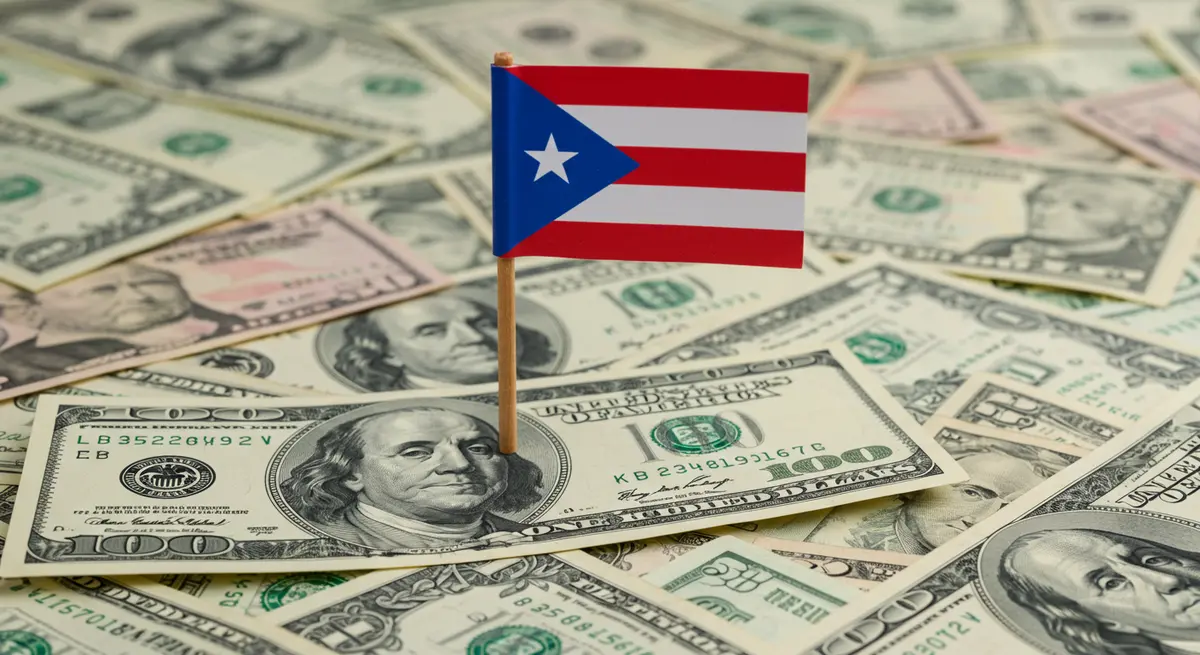
Puerto Rico currency is the US dollar, full stop. But knowing that alone will not stop you from overpaying on ATM fees, botching your tip calculation, or standing at a food truck fumbling with an app that will never work for you. This guide covers the payment quirks most Puerto Rico travel guides skip entirely.
Is the US dollar the official Puerto Rico currency?
The US dollar is the only Puerto Rico currency in circulation, and no exchange or conversion is needed. Puerto Rico has operated as a US territory since 1898, making the dollar its sole legal tender. You will use the same bills and coins as anywhere on the mainland, and your domestic bank will not charge foreign transaction fees.
There is no currency exchange booth to find, no conversion math to worry about, and no separate monetary system to learn. Your Chase Visa works here the same way it does in Chicago or Denver.
Pro Tip: Notify your bank before you travel anyway. Some fraud detection systems flag Caribbean transactions and freeze cards without warning, even though Puerto Rico is a domestic destination.
What are the local slang terms for Puerto Rico currency?
Locals use Spanish-rooted nicknames that date back to the pre-1898 era, and these terms are still alive in daily conversation across the island. Walk into a roadside food stand in the central mountains, and a vendor might ask for “cinco pesos y una peseta” — that means $5.25. Without knowing these terms beforehand, you would be completely lost.
| Local term | US equivalent | Notes |
|---|---|---|
| Peso | $1.00 | The most common term. Used island-wide. |
| Peseta | $0.25 (quarter) | Universal. |
| Chavo / chavos | $0.01 / money in general | “No tengo chavos” means “I’m broke.” |
| Chavito prieto | Copper penny | Refers to the coin’s color and material. |
| Vellón | $0.05 or $0.10 (nickel or dime) | Regional split: In western towns, “vellón de cinco” is a nickel and “vellón de diez” is a dime. In most other areas, “vellón” simply means a dime. |
This slang matters most when you are buying from roadside vendors, exploring local markets, or haggling at a plaza artisan fair. Knowing the terms earns you instant credibility.
Where do credit cards actually work in Puerto Rico?
Visa and Mastercard are accepted at nearly every hotel, restaurant, chain store, and tour operator in San Juan, Condado, and the major resort zones. Point-of-sale systems are modern and reliable in these areas.
Two networks are unreliable across the island. Discover and American Express get rejected frequently, even at mid-range restaurants and shops. Always carry a Visa or Mastercard as your primary card.
Can a merchant charge you extra for using a credit card?
No. Under Puerto Rico’s Law 150, merchants are legally prohibited from adding a surcharge to credit or debit card transactions. This law was challenged in federal court and upheld by the First Circuit. If a merchant tries to tack on a percentage fee for paying with plastic, that is illegal. Push back.
Pro Tip: Law 42 requires any business generating over $50,000 annually to accept electronic payment. In practice, this covers virtually all restaurants, hotels, and shops in tourist areas.
Why is cash still essential outside San Juan?
Cash becomes your most important travel tool the moment you leave the San Juan metro area. Power outages remain a real infrastructure challenge across the island, and when the grid goes down, every point-of-sale terminal goes down with it. Even otherwise modern restaurants revert to cash-only operations instantly.
Here are the specific situations where physical bills are non-negotiable:
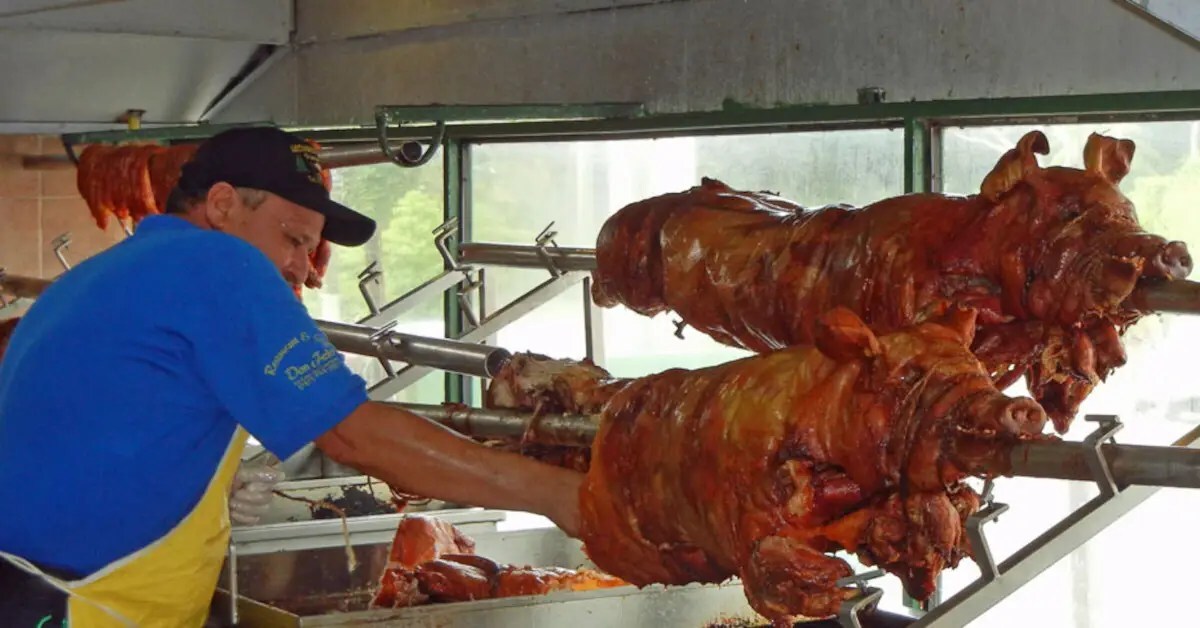
- Food tours: The mountain roads of Guavate (La Ruta del Lechón) are lined with open-air lechoneras where you hand slightly crumpled bills across a wooden counter while the smell of slow-roasting pork and the sound of salsa fill the humid air. No tap-to-pay here.
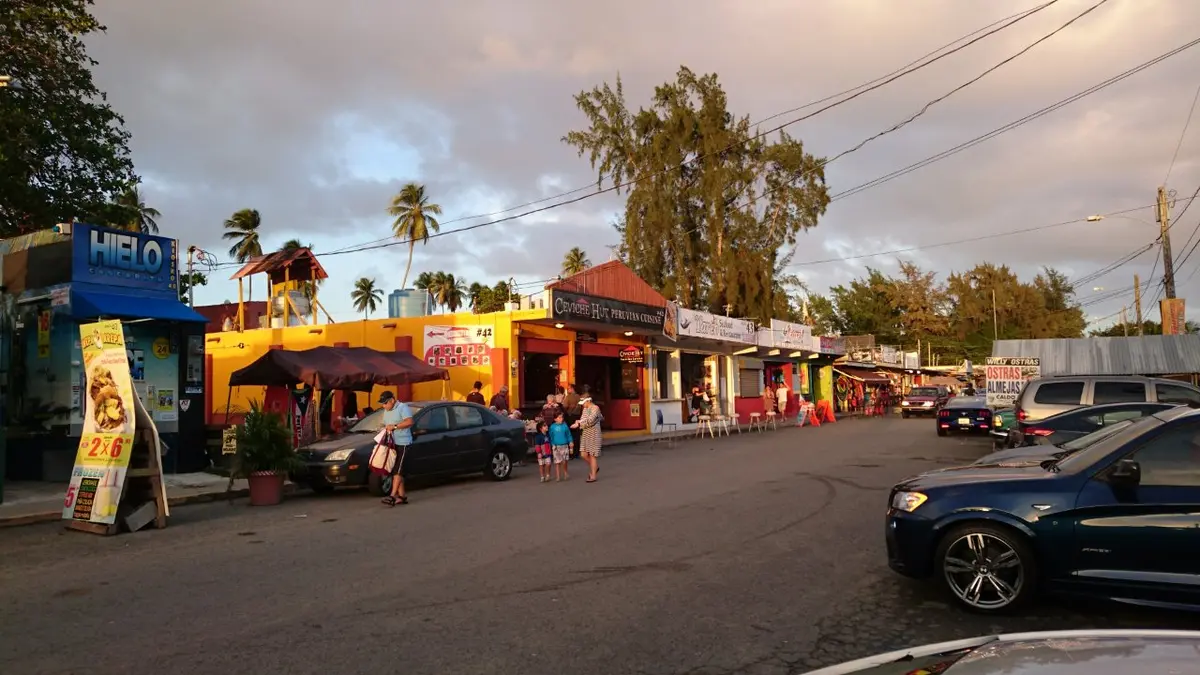
- Beaches: Luquillo beach kiosks and independent food vendors operate entirely on cash.
- Nature spots: Waterfall access points and rainforest trail vendors near El Yunque rarely have card readers.
- Rural areas: Any small municipality outside the northeast corridor.
Pro Tip: Carry mostly $1s, $5s, and $10s. Large bills get refused constantly at small vendors because they cannot make change. I once watched a guy try to pay for a $3 empanadilla with a $100 bill in Guavate — the vendor just laughed and pointed him down the road.
Why won’t the ATH Móvil app work for tourists?
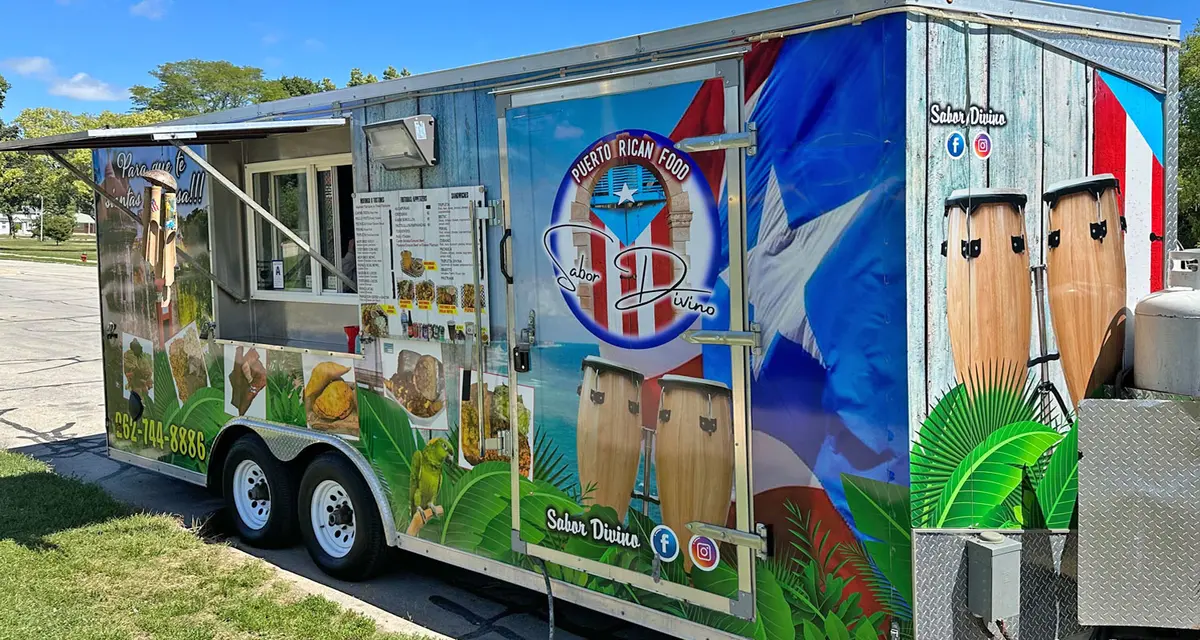
ATH Móvil is Puerto Rico’s dominant peer-to-peer payment app, and you will see its bright orange-and-white sticker on food trucks, artisan tables, and small shops all over the island. It looks and functions like Venmo or Cash App for local residents.
The problem for mainland visitors is simple and unfixable. ATH Móvil requires a debit card linked to a participating local financial institution like Banco Popular or FirstBank. You cannot link a Chase, Bank of America, or Wells Fargo account. The registration process will fail.
Do not download the app at the register while a line builds up behind you. When you see the QR code sticker, reach for cash instead.
How can you avoid ATM fees in Puerto Rico?
Standard ATM withdrawals from a non-affiliated mainland bank cost $3 to $5 per transaction at local ATH-branded machines. Over a week-long trip, those fees are an unnecessary drain on your Puerto Rico travel budget.
The workaround is the Allpoint Network. Allpoint machines let users of participating mainland banks withdraw cash with zero surcharge fees, and they sit inside air-conditioned retail stores you already know.
Where to find Allpoint ATMs on the island
You can find Allpoint machines inside CVS, Walgreens, Target, and Costco locations across Puerto Rico. The network covers San Juan, Ponce, Mayagüez, and most mid-sized towns.
Pro Tip: Before your trip, confirm your bank participates in the Allpoint network. Most online banks — Ally, SoFi, Chime — along with many credit unions are included. Download the Allpoint app or search “Allpoint ATM locator” for exact addresses near your hotel.
What is the standard tipping etiquette in Puerto Rico?
Puerto Rico follows mainland-style tipping culture. Service workers depend on gratuities as a core part of their income, and undertipping is noticed and considered rude. Budget for tips the same way you would in New York or Miami.
| Service | Standard tip | Notes |
|---|---|---|
| Restaurant servers | 15%–20% | On the pre-tax subtotal. |
| Bartenders | $1–$2 per drink or 15%–20% of tab | Essential in busy nightlife venues. |
| Hotel housekeeping | $2–$5 per day | Cash only. Leave daily because staff rotates. |
| Porters / bellhops | $1–$2 per bag | Tip at delivery, not at checkout. |
| Taxi drivers | 10%–15% of fare | Rounding up is fine for short trips. |
| Rideshare (Uber/Lyft) | 10%–15% | Tip inside the app. |
| Tour guides | 15%–20% of excursion cost | Often pooled among the full crew. |
For large parties of six or more, many restaurants automatically add an 18% to 20% gratuity to the bill. Always read your receipt before adding a second tip on top of that.
How does the IVU tax affect your tip calculation?
This is the section that saves you real money, and most travel guides skip it entirely. Puerto Rico’s sales and use tax is called the IVU (Impuesto sobre Ventas y Uso), and it works differently from mainland sales tax in ways that directly affect how much Puerto Rico currency you spend on tips.
The standard IVU rate is 11.5%, broken down into a 10.5% state tax and a 1% municipal tax. This applies to most goods and services.
Prepared foods at qualifying restaurants, however, are taxed at a reduced 7% rate. Restaurants eligible for this lower rate must display a red Form SC 2995 Merchant Registration Certificate at their entrance, usually near the front door or host stand.
Why this matters for your wallet
Many tourists calculate their tip on the final post-tax total. At the 11.5% IVU rate, that inflates your tipping base by over a dollar on every $10 spent and drains your Puerto Rico currency faster than necessary. The correct move is to always tip on the pre-tax subtotal.
| Tax classification | IVU rate | What it applies to |
|---|---|---|
| Standard IVU | 11.5% | Most goods and general services. |
| Prepared foods | 7.0% | Hot food at qualifying restaurants (SC 2995 certificate). |
| Professional / B2B | 4.0% | Designated business-to-business services. |
| Exempt | 0% | Unprepared groceries, prescription medications, medical devices. |
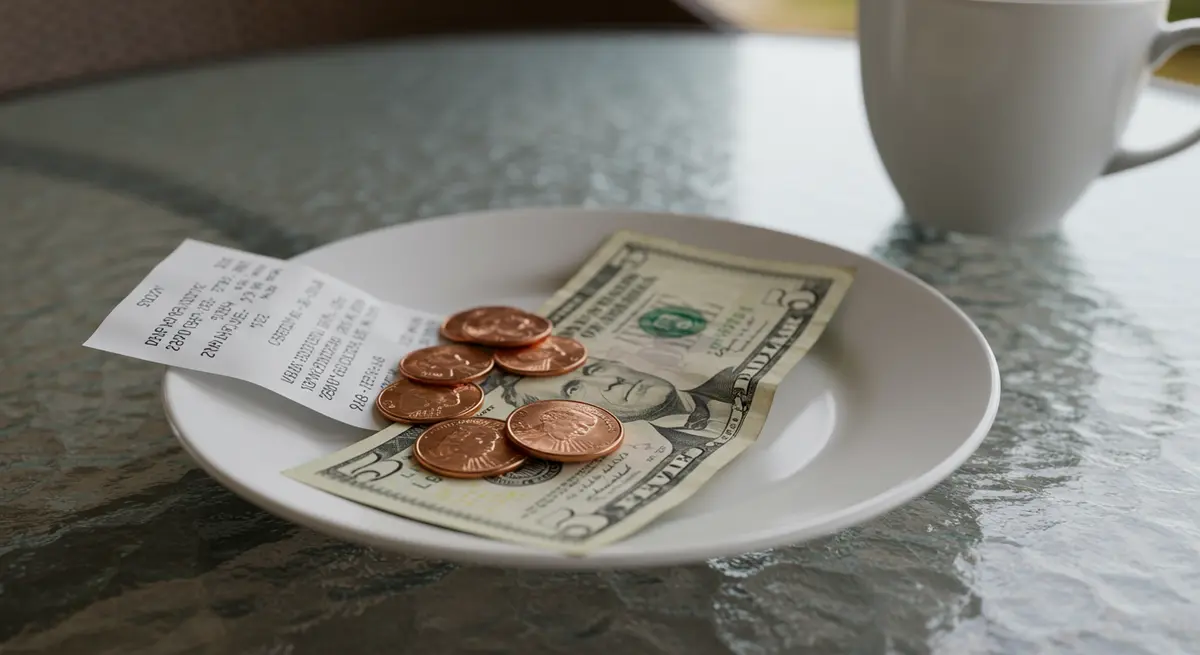
Pro Tip: When you get your check, find the line labeled “subtotal” — that is your tipping base. The tax line below it is irrelevant to your calculation.
Do hotel resort fees include gratuity?
Many large resorts and all-inclusive properties in areas like Isla Verde and Dorado charge a mandatory daily resort fee or destination fee. These fees range widely — from around $17 per night at smaller properties to $50 or more at chain hotels like Hilton, Marriott, and Ritz-Carlton locations. Some luxury resorts charge upward of $100 per night.
Before you hand over additional cash to housekeeping or the bellhop, check your folio carefully. Look for line items labeled “service charge,” “resort fee,” or “gratuity included.”
If gratuity is already bundled into a mandatory daily fee, additional tipping for routine service is appreciated but not required. For exceptional service — a housekeeper who consistently goes above and beyond, or a concierge who secures last-minute dinner reservations at a packed restaurant — an extra cash tip is always welcome.
How much should you tip tour guides and excursion crews?
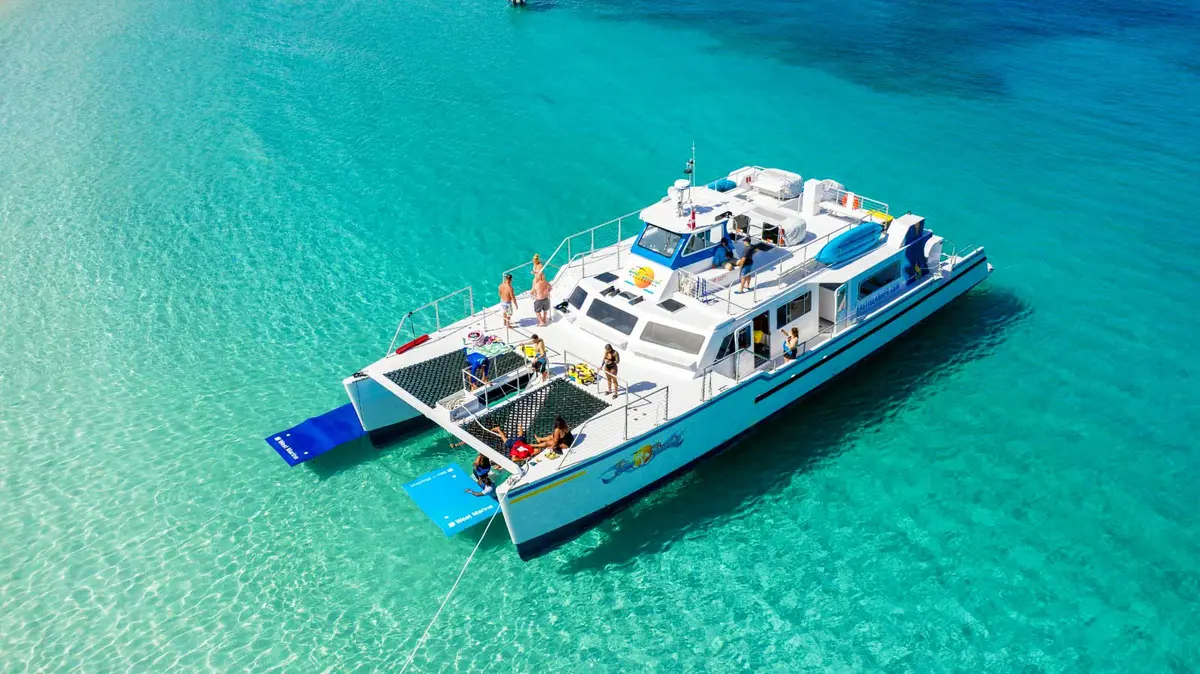
Puerto Rico’s excursion scene is one of the best in the Caribbean. Bioluminescent bay kayak tours, catamaran trips to Culebra, and hikes through El Yunque draw visitors year-round, and these experiences are run by small operators whose income depends heavily on tips.
The standard is 15% to 20% of the total excursion cost, paid in cash at the end of the experience.
On larger trips — particularly boat excursions — the tip is pooled and split among the entire crew: captain, primary guide, and any deckhands or support staff. Tipping generously on a $150 catamaran trip makes a tangible difference for three or four people that day.
Pro Tip: Bring an envelope of small bills before any major excursion. Splitting $30 in cash at a crowded boat dock is much easier than trying to break a $50 at the end of a long day on the water.
What are cuidadores, and how much do you tip them?
This is the local payment quirk that catches nearly every first-time visitor off guard. In crowded neighborhoods, near popular beaches, and around nightlife districts, you will encounter cuidadores — informal, unaffiliated parking attendants who direct traffic and keep an eye on vehicles in unpaved or street-side lots.
You will see them near the cobblestone approaches to Castillo San Felipe del Morro in Old San Juan and in the dusty lots near popular spots in Santurce. They use sharp whistles and decisive hand signals to wave you into spaces that seem half a foot too small for your rental car.
There is no ticket, no booth, and no uniform. But this is a real, understood social contract:
- Valet parking (formal): Tip $5 when you collect your car.
- Cuidador (informal): Slip them $1 to $2 in cash when you park or when you leave.
Ignoring a cuidador out of confusion can lead to a tense interaction on your way back to the car. One single dollar bill buys you peace of mind for the duration of your meal or swim.
Should you tip more during the Puerto Rico holiday season?
If you are visiting between late November and January, Puerto Rico’s holiday season is far longer and more celebrated than on the mainland, and it carries its own tipping expectations.
The Aguinaldo is the tradition of giving generous cash bonuses to service workers during the Christmas season. It primarily applies to residents tipping their regular providers — barbers, delivery drivers, building staff — but tourists visiting during this period are expected to show extra generosity as well.
Tipping 20% instead of 15%, or leaving an extra dollar with housekeeping, is the move during this stretch. It aligns you with the local rhythm during the island’s most festive weeks, and your generosity will not go unnoticed.
Before you book your flight
Puerto Rico is one of the easiest Caribbean destinations for US travelers to navigate financially. There are no exchange rates, no foreign fees, and a tipping culture you already understand from the mainland.
TL;DR: The US dollar is the only Puerto Rico currency you need. Carry small bills for anything outside San Juan, skip the ATH Móvil app, use Allpoint ATMs to dodge fees, and always tip on the pre-tax subtotal. Learn the local slang — a “peso” is a dollar, a “peseta” is a quarter — and tip your cuidador.
The details that trip people up are always hyper-local: the IVU tax inflating your tip, the ATH Móvil sticker you cannot use, the cuidador waiting by a dusty parking lot. Now you know all of them. Which part of the island are you exploring first?