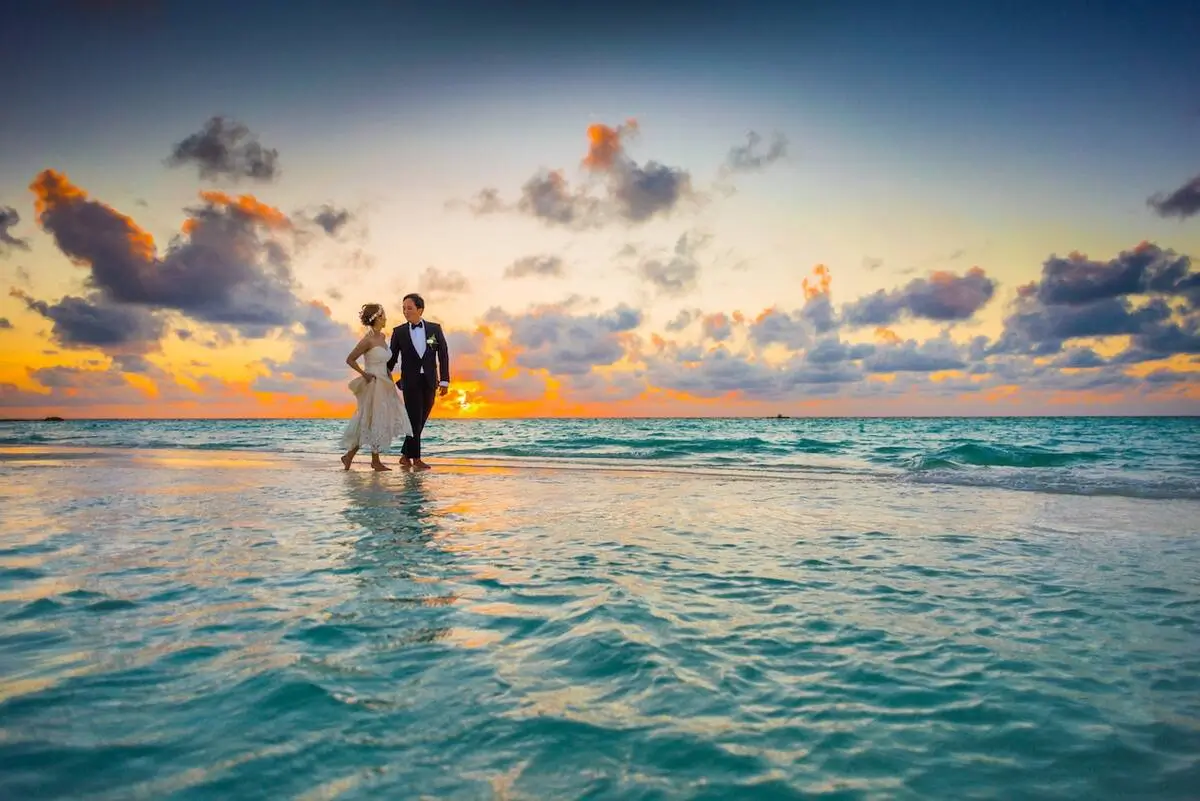
A honeymoon in Lebanon is not for couples who want a predictable beach resort. It is for pairs who want their first trip together threaded through 7,000 years of civilization, a food scene that rivals anything in the Mediterranean, and mountain landscapes that shift from coastal heat to snow in under an hour. This Lebanon travel guide covers the safe corridor, the best hotels and restaurants, and the logistics that make it work.
Is Lebanon safe enough for a honeymoon right now?
The U.S. State Department maintains a Level 4 “Do Not Travel” advisory for all of Lebanon, and the UK, Canadian, and Australian governments echo similar warnings. Israeli military operations in southern Lebanon and near the Syrian border continued into early spring of this year, and a ceasefire remains fragile. This is the reality, and no travel article should minimize it.
That said, a functional duality exists on the ground. The primary tourist corridor — Greater Beirut, the Mount Lebanon coast from Byblos to Batroun, and parts of the northern governorate — has continued to operate with a degree of normalcy even during periods of regional escalation. Hotels take reservations, restaurants serve dinner, and beach clubs open for the season. Travelers who stick to this corridor, use private transport, and monitor security updates report that the sense of active danger is absent in these specific areas.
The decision to travel is yours. For a deeper breakdown of whether Lebanon is safe for American tourists, review our dedicated safety analysis before finalizing plans. What follows is the information you need to make it responsibly.
Pro Tip: Register with the U.S. Embassy’s Smart Traveler Enrollment Program (STEP) before departure. It gives the embassy your location data and sends security alerts directly to your phone.
Where is it safe to go?
The safe corridor includes Greater Beirut (excluding the southern suburbs and Dahieh), the Mount Lebanon coast north of Jounieh, Byblos, Batroun, and the Qadisha Valley. These areas have historically remained stable even during periods of broader conflict.
Which areas should you avoid entirely?
- South Lebanon (everything south of Sidon/Saida), including Tyre
- The Lebanese-Syrian border zone
- Southern suburbs of Beirut (Dahieh)
- Palestinian refugee camps
- Baalbek-Hermel governorate (the UK FCDO now advises against all travel here)
What about the Bekaa Valley and Baalbek?
The UK government now advises against all travel to the Bekaa and Baalbek-Hermel governorates. While the Baalbek archaeological site was previously accessible with a private driver for daytime visits, conditions have deteriorated. Check real-time government advisories before considering any trip east of the Mount Lebanon range. Overnight stays in the Bekaa are not recommended under any circumstances.
What kind of insurance do you need?
Standard travel insurance policies will not cover you under a Level 4 advisory. You need specialized coverage that includes “passive war” and terrorism provisions. Our guide to travel insurance for Lebanon breaks down the providers and policy types worth considering. Medical evacuation coverage of at least $100,000 to $250,000 is essential — it allows for airlift to Cyprus or Turkey if needed, since Lebanon’s public healthcare system still faces supply chain shortages from the ongoing economic crisis.
Pro Tip: Confirm that your policy explicitly names Lebanon and covers events arising from civil unrest. Several niche providers like Battleface and Global Rescue write policies for high-risk destinations. Get this sorted before you book flights.
Why does Beirut work as the starting point for a honeymoon in Lebanon?
Beirut is where you land, and it earns at least two full days of your itinerary. The city blends chaotic Levantine energy with refined Mediterranean style in a way that feels completely original. On my last visit, the walk from the Sursock Museum down to Mar Mikhael took 15 minutes and crossed three distinct neighborhoods — each with its own architecture, noise level, and coffee culture. That density of experience is what makes Beirut worth more than a layover.
Where should you stay in Beirut?
Choosing where to stay in Beirut depends on whether you prioritize character, walkability, or full-service comfort. Here are three properties that cover the spectrum.
1. Hotel Albergo — the one that feels like a private collection
The only Relais and Chateaux property in Lebanon, and it earns the association. The 33 suites are filled with antique-hunted Ottoman furniture, Persian rugs, and crystal chandeliers that somehow avoid feeling like a museum. The rooftop pool on the ninth floor overlooks Beirut’s skyline, and the swim club stays open until late, serving cocktails with a view that makes you forget the city’s chaos nine floors below. Rooms facing the interior courtyard are quieter than those on the street side.
- Location: 137 Rue Abdel Wahab El Inglizi, Achrafieh (Sodeco area)
- Cost: from $275/night (suites average $475–$550)
- Best for: Couples who want character over cookie-cutter luxury
- Time needed: 2–3 nights as a Beirut base
Pro Tip: Ask for a suite with a balcony facing the Mediterranean side. The sunrise over the port is worth the early alarm.
2. The Smallville Hotel — design-forward in Badaro
A completely different energy from the Albergo. The Smallville leans into urban pop-art aesthetics and targets couples who want Badaro’s walkable cafe culture at their doorstep. The rooftop pool attracts a social crowd, and the hotel’s honeymoon packages typically include prosecco and room setups. Badaro itself is one of Beirut’s most pedestrian-friendly neighborhoods, lined with independent cafes and wine bars.
- Location: Badaro, near the National Museum
- Cost: from $150/night
- Best for: Outgoing couples who want nightlife within walking distance
- Time needed: 2–3 nights
3. InterContinental Phoenicia Beirut — the resort option
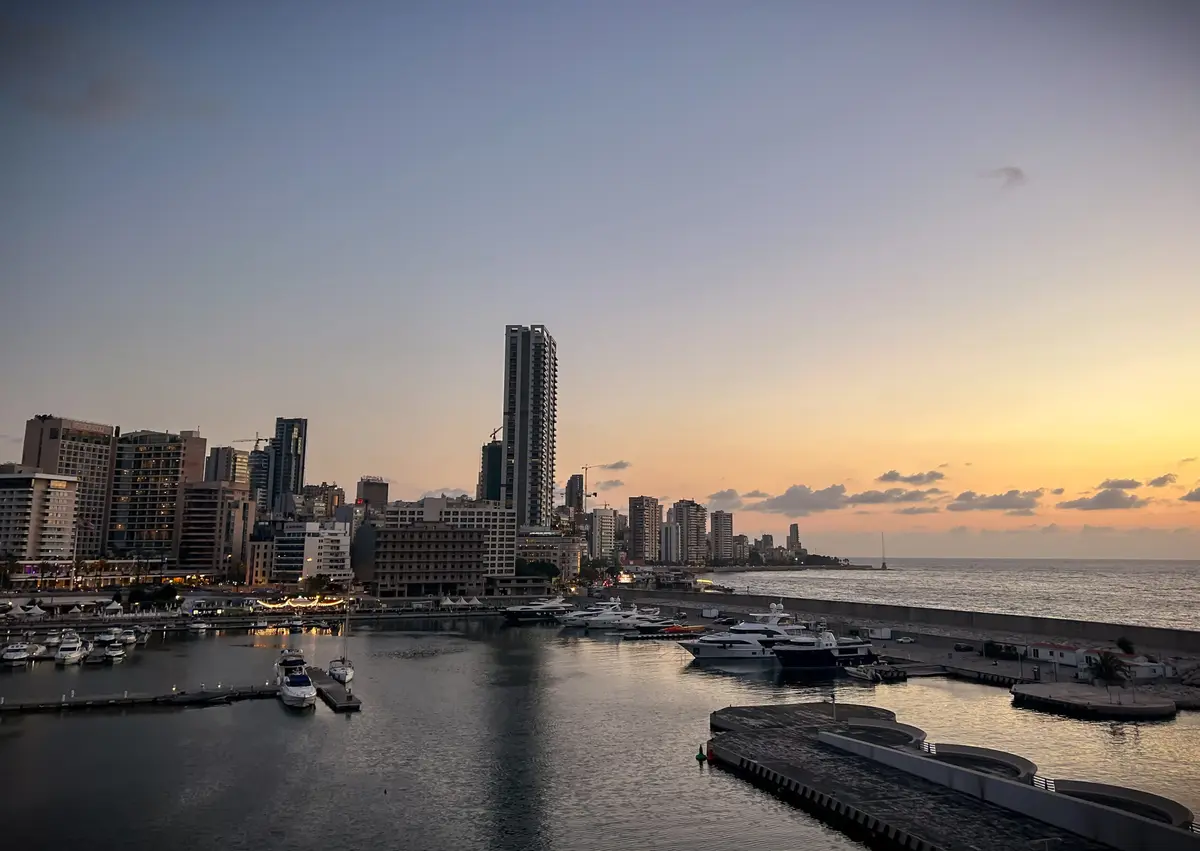
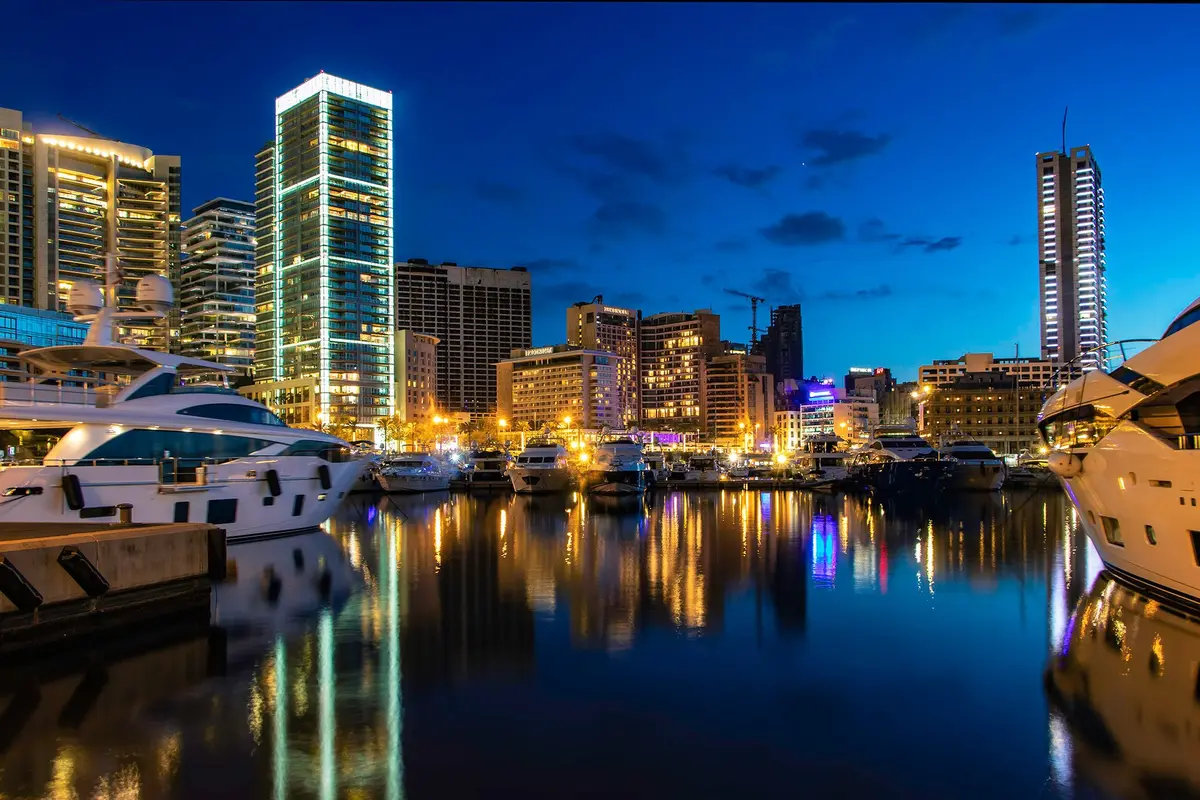
Overlooking Zaitunay Bay marina with both indoor and outdoor pools, a 3,000-square-foot spa, and multiple restaurants. The Phoenicia operates as a self-contained resort inside the city. If you want to disconnect from Beirut’s intensity without leaving the capital, this is the play. Rooms with sea-facing balconies on higher floors offer unobstructed views of the Mediterranean. The property shows its age in places — some reviewers note the decor lags behind the price — but the location and service remain consistent.
- Location: Minet El Hosn, directly on Zaitunay Bay
- Cost: from $280/night
- Best for: Couples wanting full-service resort amenities in the city
- Time needed: 2–4 nights
Where should you eat in Beirut on a honeymoon?
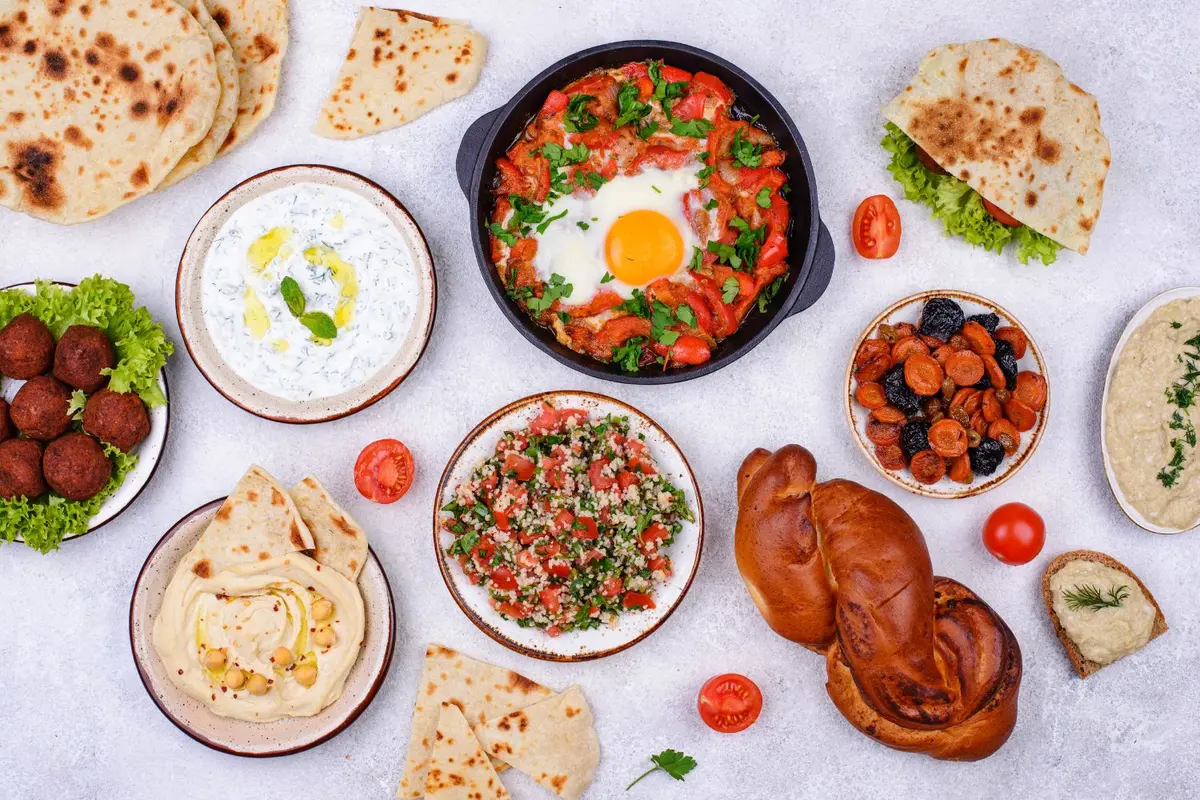
Beirut’s dining scene is one of the strongest draws for couples, and the city’s best restaurants range from no-menu feasts to produce-driven kitchens with international recognition.
1. Em Sherif — the no-menu feast
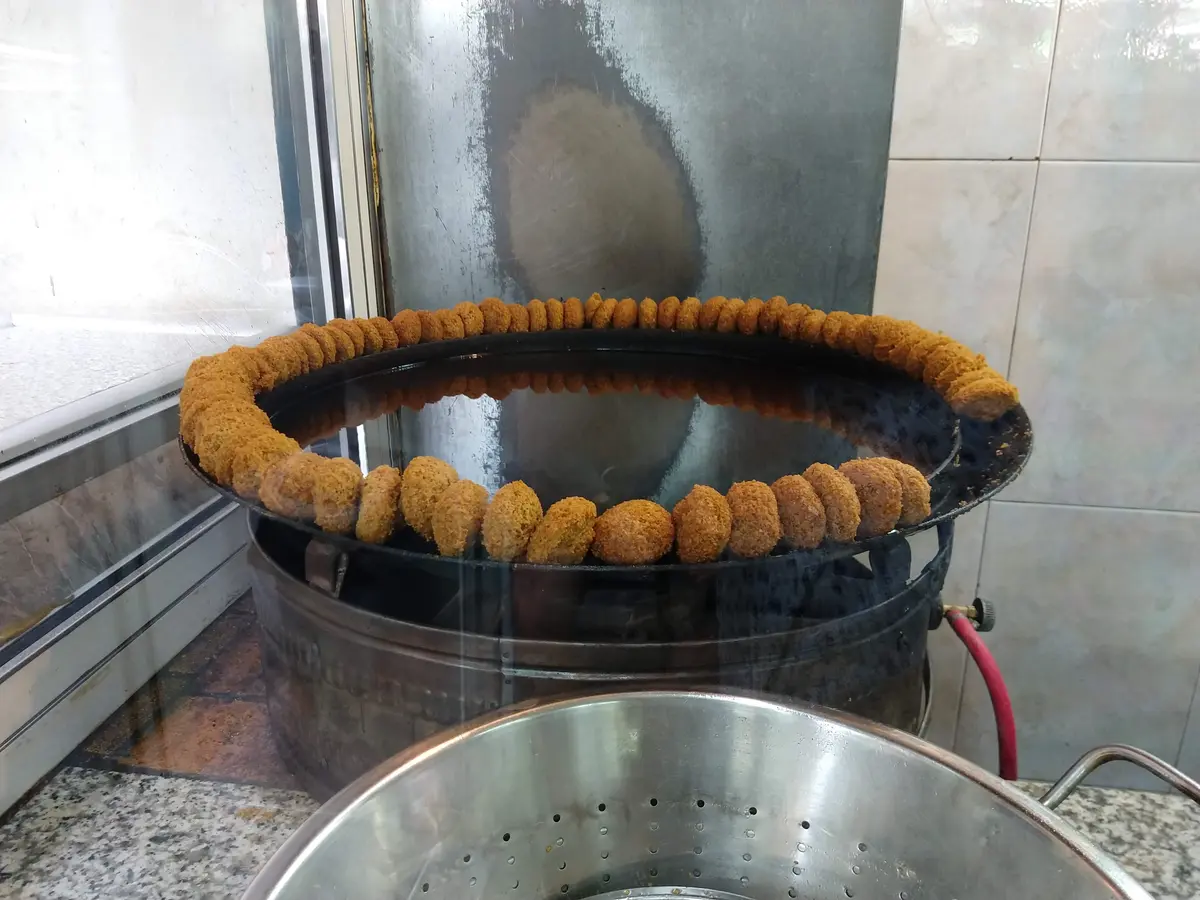
Ranked 13th in MENA’s 50 Best Restaurants, Em Sherif has no printed menu. You sit down and receive a procession of hot and cold mezze, grills, and desserts, all served in a dimly lit room with live oud and kanun music. The experience runs two to three hours. It is dinner as theater, and the set-menu format means you taste dishes you would never think to order. The original location is on Damascus Street in the Monot area.
- Location: Damascus Street, Monot (near Achrafieh)
- Cost: $80–$120 per person with drinks
- Best for: A memorable first-night dinner
- Time needed: 2.5–3 hours
2. Baron — when you want something beyond mezze
If you hit a wall with Lebanese food after a few days (it happens), Baron in Mar Mikhael serves modern Mediterranean sharing plates with Japanese and Greek influences. The open kitchen and counter seating let you watch Chef Tommy Kargatzidis and his team work. The menu changes every few days based on whatever is freshest in the market. The whole roasted cauliflower in spiced butter is the dish people talk about. Baron was named Best Restaurant in Lebanon multiple years running by The World’s 50 Best.
- Location: 125 Pharaon Street, Mar Mikhael
- Cost: $30–$50 per person
- Best for: Couples who appreciate creative, produce-driven cooking
- Time needed: 1.5–2 hours
3. Liza Beirut — the most dramatic dining room in the city
Occupying a restored 19th-century palace in Achrafieh, Liza features soaring ceilings, bespoke wallpaper, and refined takes on Lebanese classics. The interiors alone justify a visit. The food is elevated traditional — expect familiar dishes executed with more finesse than most places in the city.
- Location: Achrafieh
- Cost: $50–$80 per person
- Best for: A dressed-up date night
- Time needed: 2 hours
What is Beirut’s nightlife actually like?
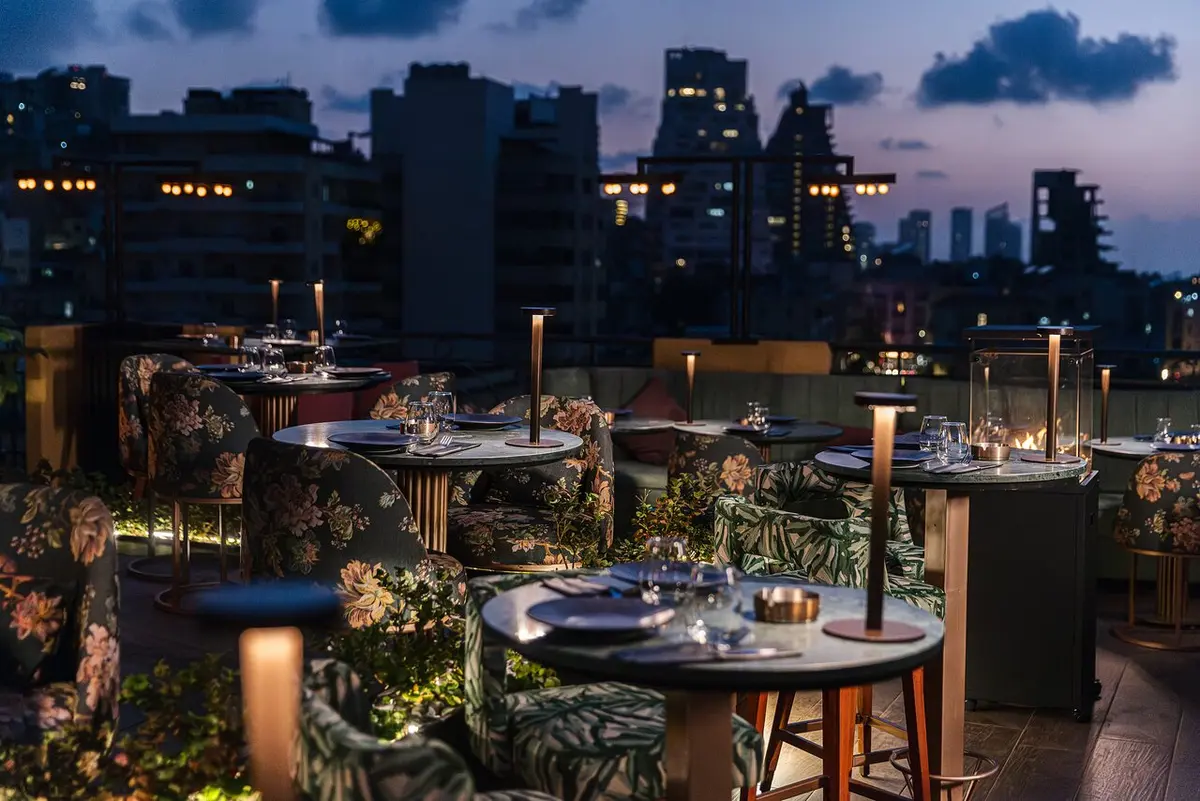
Mar Mikhael and Gemmayzeh form the backbone of the bar scene. Start at Internazionale, a mid-century modern bar where the crowd spills onto the sidewalk by 10 p.m. Then cross to Dead End Paradise, a tiki-inspired dive with high-concept cocktails that have no business being as good as they are. For a rooftop with a port view, Clap in Downtown serves Japanese-fusion food alongside cocktails.
One thing nobody warns you about: Beirut nightlife is fashion-conscious to a degree that surprises most American visitors. High heels and designer wear are standard, not optional. Pack accordingly or risk feeling underdressed at every bar on the strip.
Pro Tip: Thursday and Saturday nights are the big going-out nights. Friday is quieter than you would expect.
What makes the coastal corridor between Byblos and Batroun so good for couples?
The 25 miles (40 km) of coastline north of Beirut contain the best tourism infrastructure in the country. The drive takes about 40 minutes without traffic, and the landscape shifts from urban sprawl to old stone towns and cliff-edge beach clubs. For a honeymoon in Lebanon, this stretch delivers the Mediterranean romance that the Beirut section cannot.
Byblos (Jbeil) — layers of history you can walk through
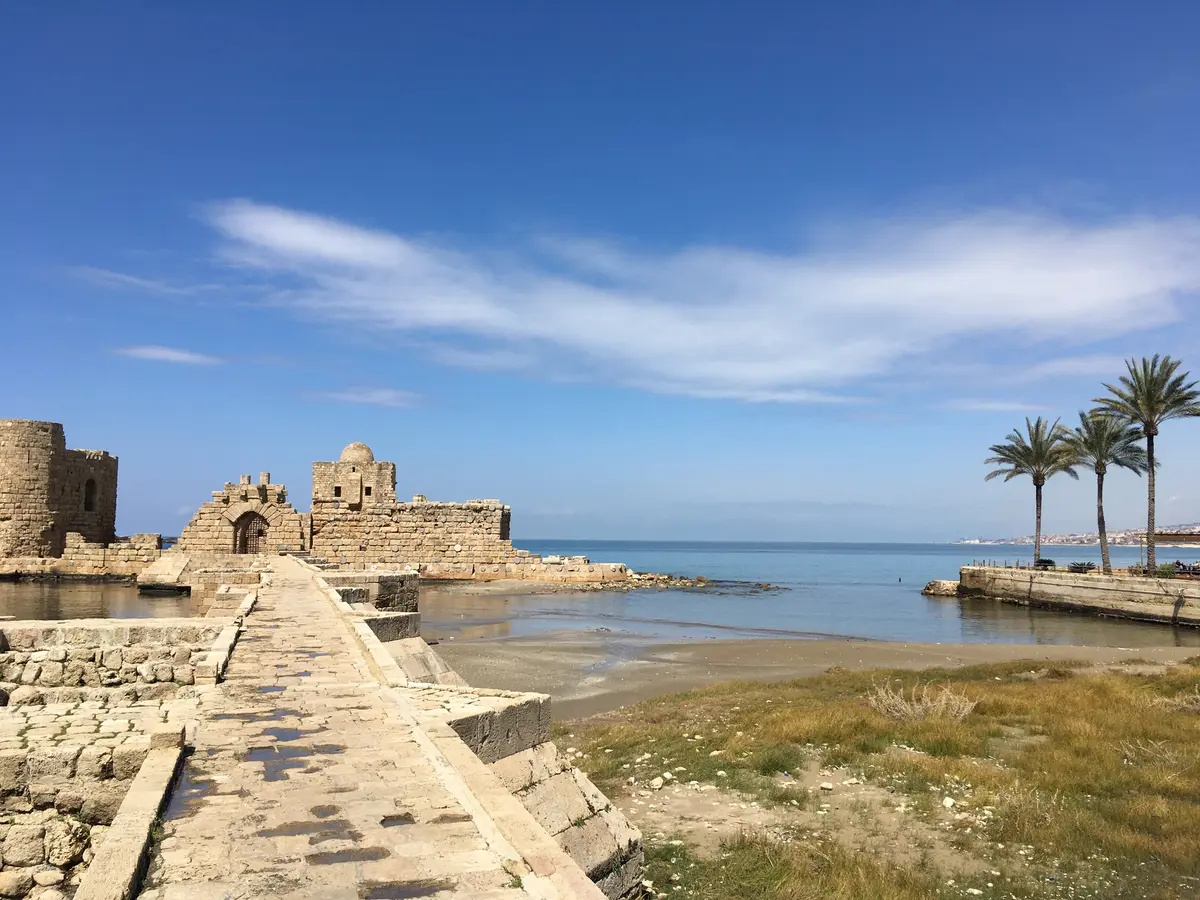
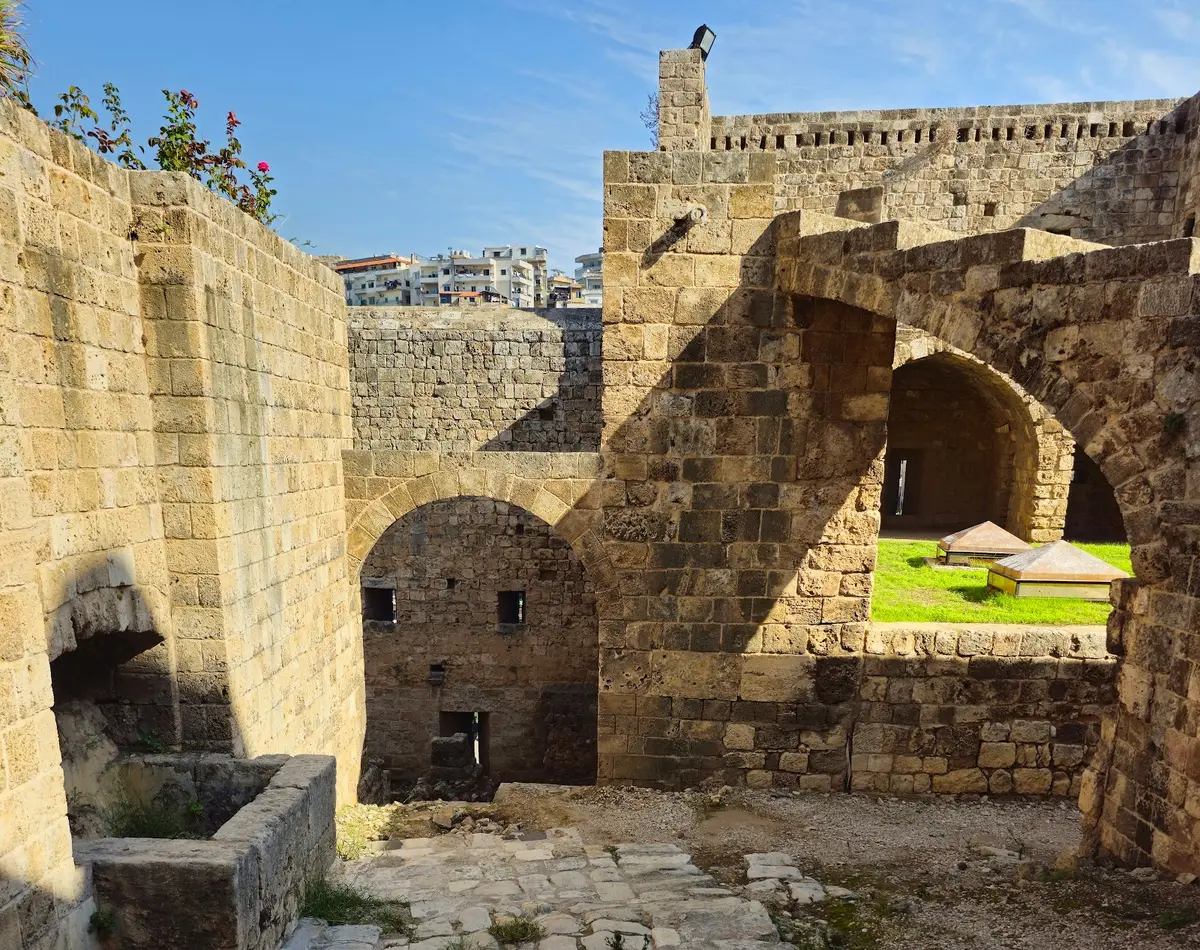
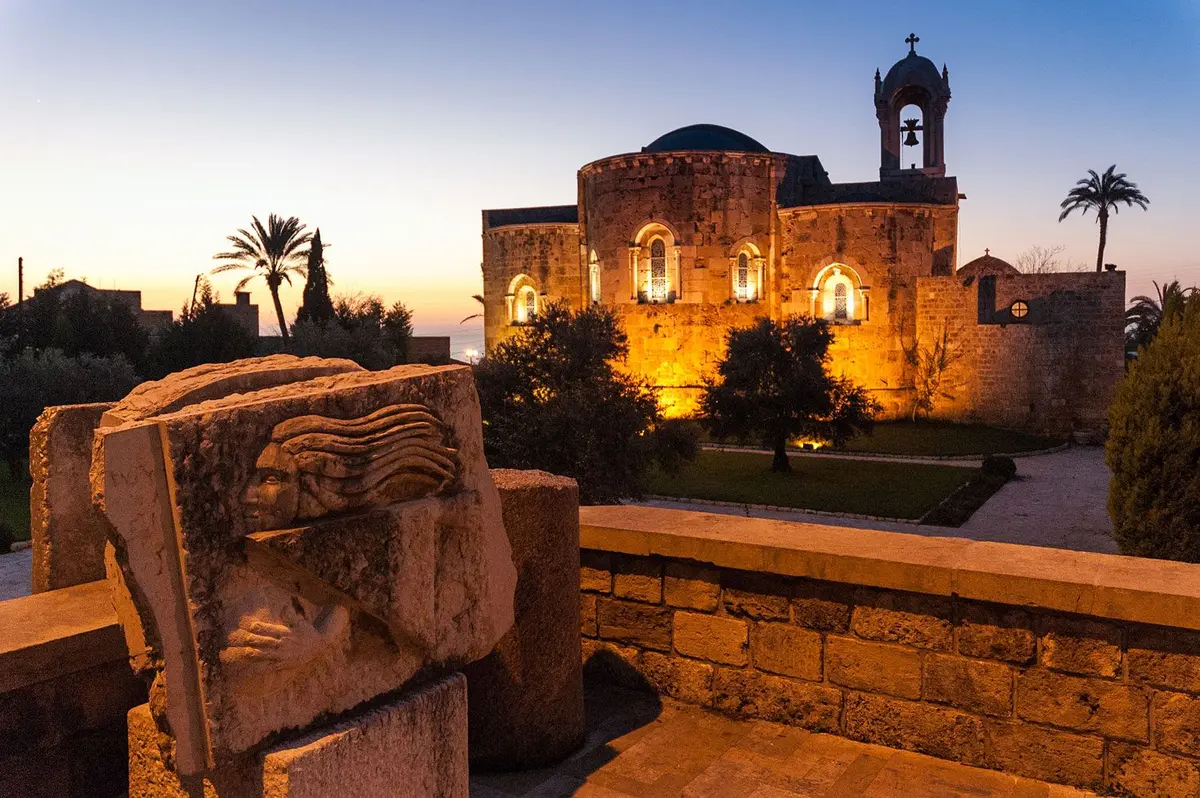
Byblos claims to be the oldest continuously inhabited city on earth. The romance is in the visible layers — Phoenician foundations, Roman columns, Crusader walls, Ottoman arches — all stacked within a walkable old town the size of a few city blocks. A sunset walk through the restored stone arcades of the Old Souk leads down to the ancient harbor, where fishing boats still tie up. Dinner at Byblos Fishing Club, overlooking those boats, is a rite of passage for every couple who visits.
- Location: 25 miles (40 km) north of Beirut
- Cost: Free to walk the old town; Byblos Castle entry is approximately $5
- Best for: History-loving couples who want a slower pace than Beirut
- Time needed: Full day or overnight
For accommodation, Byblos Sur Mer sits directly on the water. Rooms with balconies face the Mediterranean, and the sound of waves carries through open windows at night.
Pro Tip: Visit the Crusader Castle first thing in the morning. By noon, tour groups fill the narrow paths, and the quiet atmosphere that makes it romantic disappears entirely.
Batroun — the trendiest coastal town in Lebanon
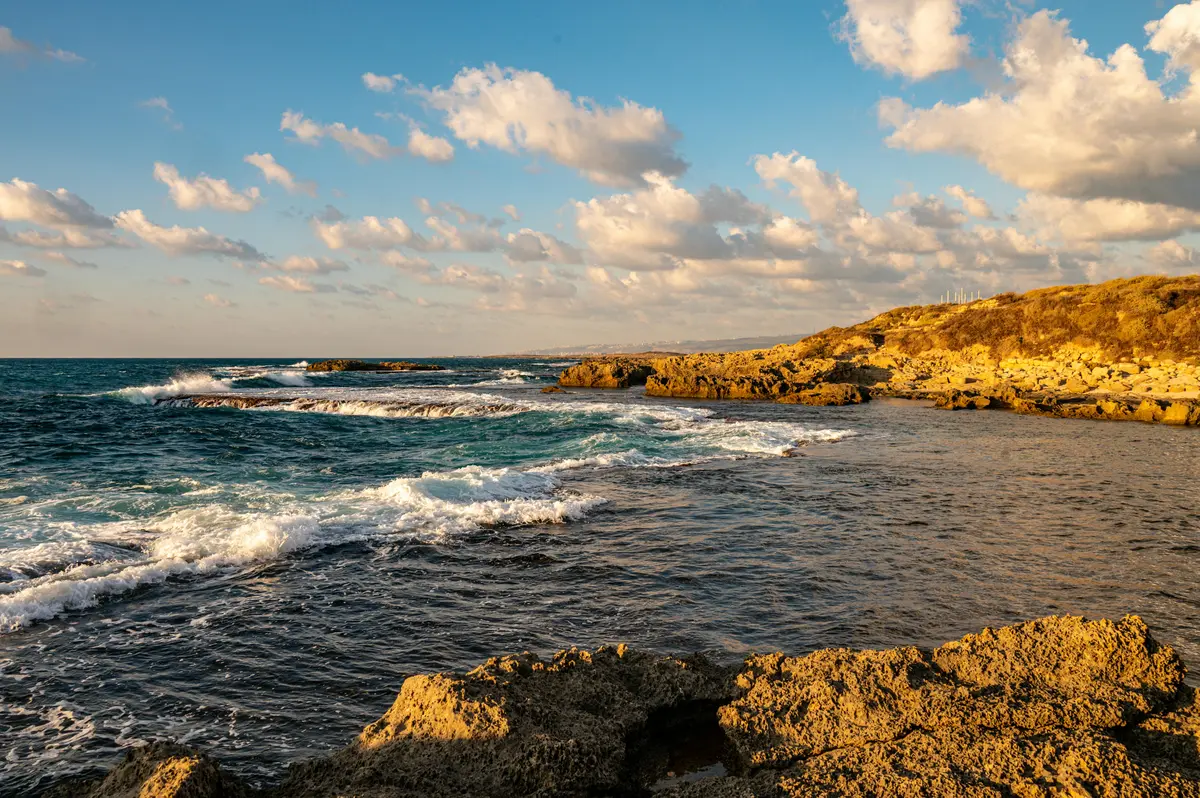
Batroun has overtaken other coastal spots to become the destination for beach-club culture with a distinctly Levantine flavor. The town organizes itself around a daily sunset ritual that borders on communal worship.
For sunset, Bolero is the default choice — a massive lawn with a staircase descending directly into the sea, craft cocktails, and a vibe that sits between relaxed and polished. For something more intimate, the Our Lady of the Sea chapel offers a quieter, more spiritual sunset moment just north of town.
For beach days, Pierre and Friends is the spot for an unpretentious party atmosphere on a pebble beach. Plan one day here for the full experience. Butler’s Beach Club offers a more refined alternative with sunbed and towel service.
- Location: 35 miles (55 km) north of Beirut
- Cost: Beach club entry $15–$30; drinks $8–$15
- Best for: Couples who want the beach-bar Mediterranean experience
- Time needed: 2–3 days
Where to stay in Batroun
Pink Sunset Beachfront caters specifically to couples with boutique rooms and private pools. For a quieter, more local experience, Beit Al Batroun is a B&B set in the hills above town with traditional Lebanese guesthouse character. Batroun earns its reputation, but prices reflect the popularity — expect to pay more here than in Byblos for comparable accommodation.
How do Lebanon’s mountains add to a honeymoon?
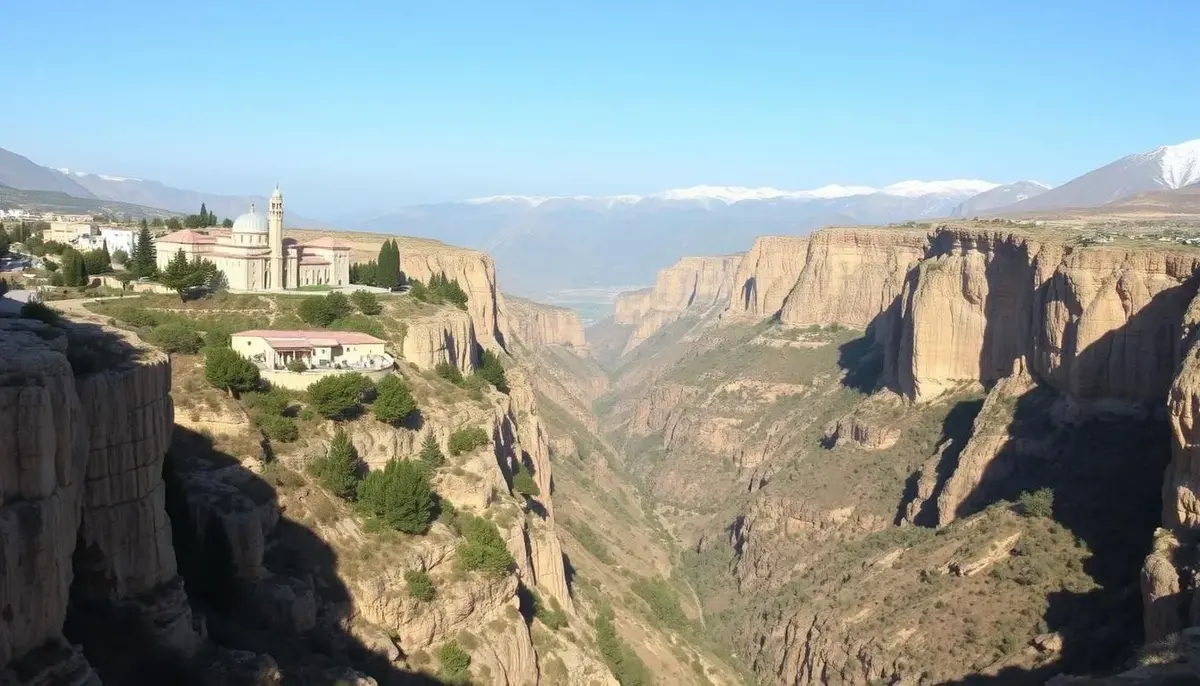
Lebanon’s geography is compressed enough that a 45-minute drive from the humid coast deposits you in crisp mountain air above 6,000 feet (1,800 m). This vertical range creates itinerary options that most Mediterranean honeymoons cannot match.
Is the Qadisha Valley worth the trip?
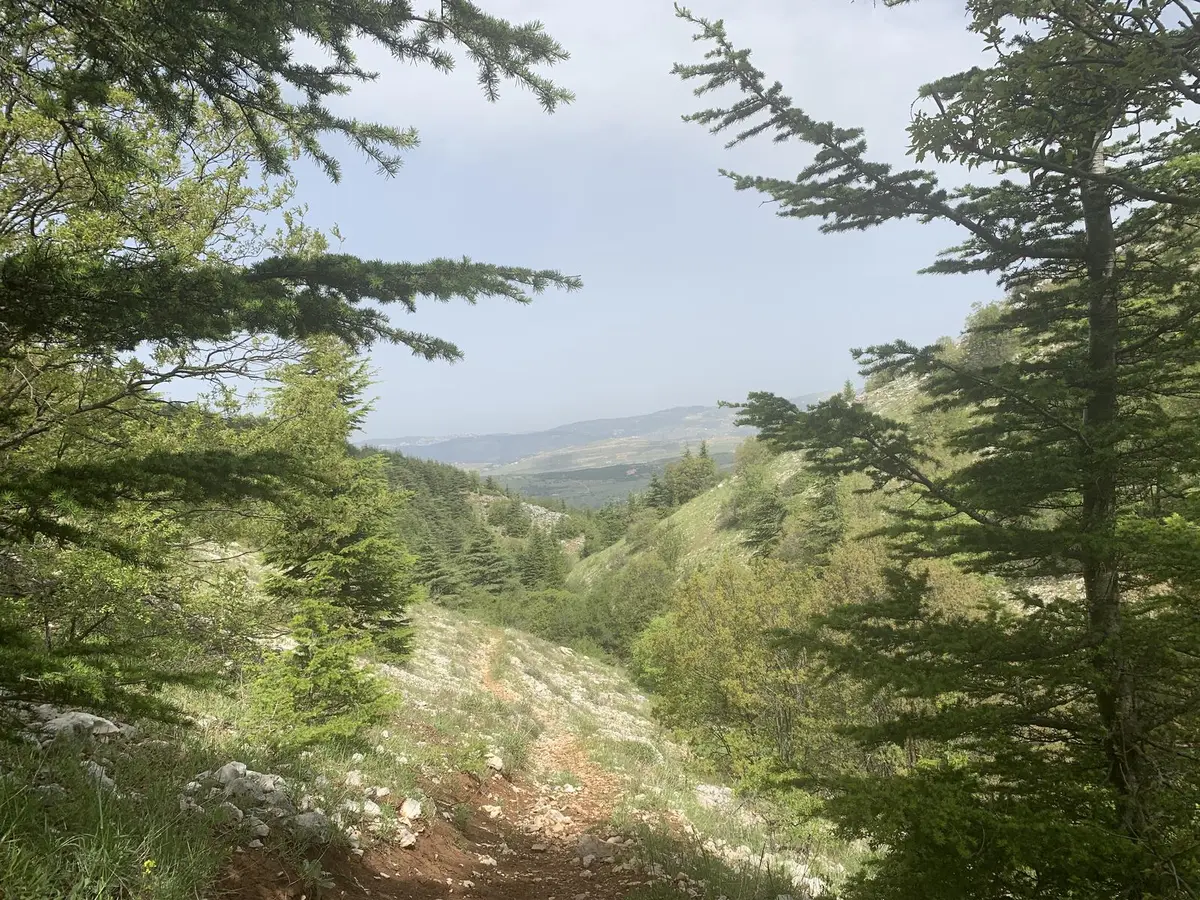
The Qadisha Valley is a UNESCO World Heritage gorge that served as a refuge for Maronite monks for centuries. Hiking the Qadisha Valley to the ancient rock-cut monasteries carved into cliff faces offers a silence that feels profound — this is one of the few places in Lebanon where you cannot hear a single car engine. At the valley’s head sits Bsharri, home to the Gibran Khalil Gibran Museum (the Lebanese-American poet and author of “The Prophet”). Nearby are the Cedars of God, a grove of Lebanon’s national symbol trees, some over 1,000 years old.
- Location: 75 miles (120 km) north of Beirut
- Cost: Free to hike; Gibran Museum entry approximately $7
- Best for: Couples who value nature and spiritual experiences over nightlife
- Time needed: Full day trip or overnight in Bsharri
Pro Tip: The trail from the monastery of Qannoubin to the Kadisha Grotto is the best half-day hike in Lebanon — about 3 hours round trip, with moderate difficulty. Wear proper shoes; the path is loose rock in places.
Can you ski and beach in the same day?
For winter honeymoons, Mzaar Kfardebian is the largest ski resort in the Middle East, with 25 miles (40 km) of slopes, 20 lifts, and elevations between 6,000 and 8,000 feet (1,850–2,465 m). The resort sits about an hour from Beirut, and on clear days the view from the top extends all the way to the coast.
The “dome” glamping trend has taken hold in the mountains. Sky Domes and similar properties let couples sleep in transparent or semi-transparent domes with hotel-grade amenities and mountain panoramas. For après-ski dining, Maison L’Orée in Baskinta serves French-inspired mountain cuisine in rustic lodge settings.
- Ski season: Typically December through early April
- Day pass cost: Approximately $40–$60
- Best for: Winter honeymooners who want variety beyond beach days
Mountain roads in winter require experienced drivers and 4×4 vehicles. Do not attempt to self-drive in snow conditions.
What about wine country and the Roman ruins at Baalbek?
Lebanon’s wine route — older than you think
Lebanese winemaking traces back to the Phoenicians, making it one of the oldest wine traditions on earth. The main wineries are accessible within the safe corridor or close to it.
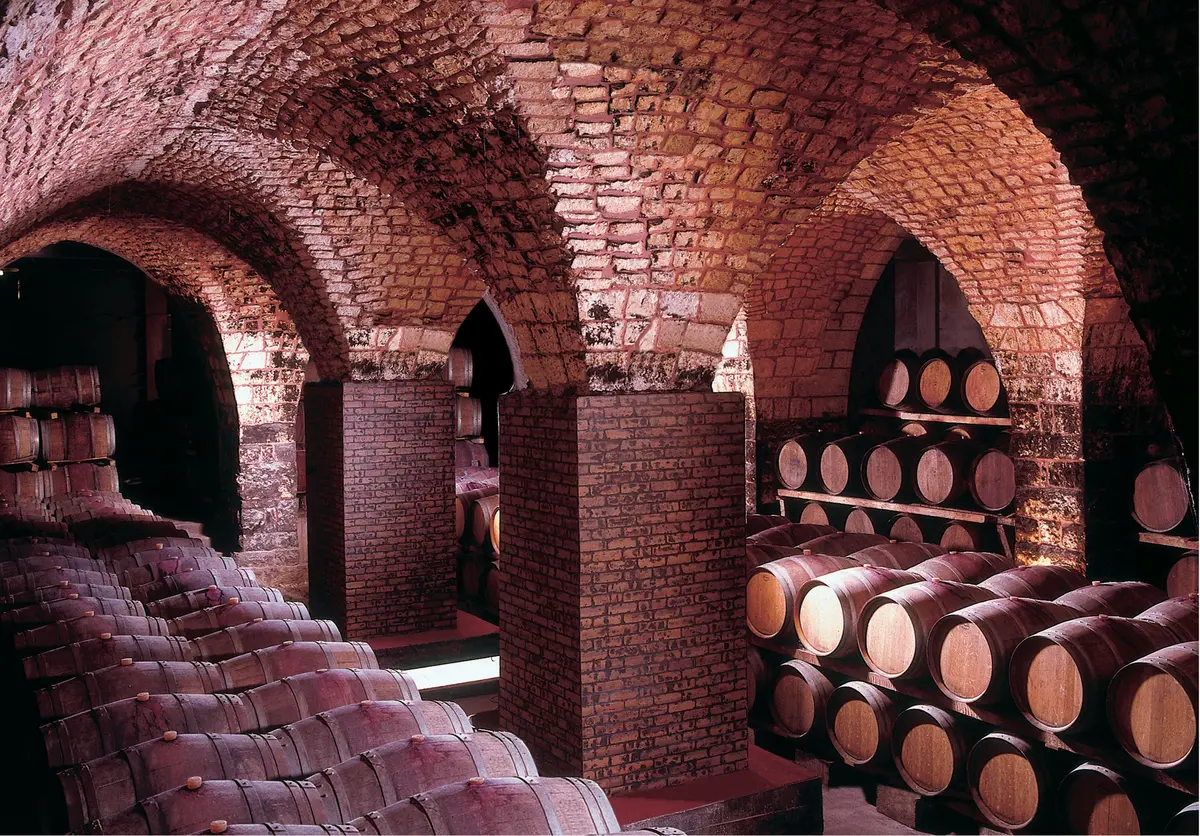
Chateau Ksara, in the Bekaa Valley, is the oldest and most visited winery, known for its Roman-era aging caves. However, given the current security situation in the Bekaa, check advisories before visiting. Ixsir in the Batroun Mountains is an easier and safer alternative — a modern winery with green architecture, high-quality reds and whites, and views of the northern coast. Chateau Kefraya offers vineyard tours and estate tastings but is also located in the Bekaa, so the same security caveats apply.
Pro Tip: Ixsir is the best option for couples who want a wine-country experience without the security uncertainty of the Bekaa. Their terrace tasting is worth the drive.
Should you attempt Baalbek?
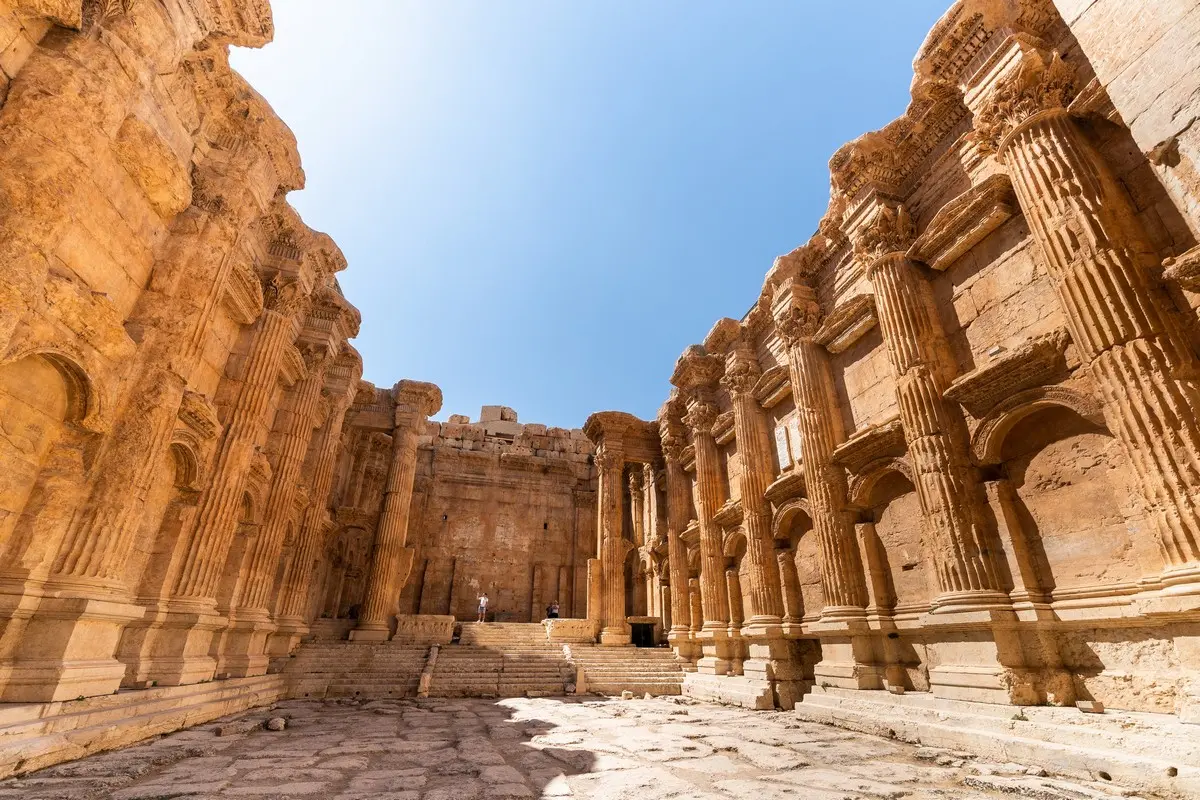
The Temple of Bacchus at Baalbek is the best-preserved Roman temple anywhere — including Rome. The Temple of Jupiter’s remaining six columns are each 72 feet (22 m) tall and stagger the imagination. Under stable conditions, this site alone would justify the trip east.
However, the UK FCDO now advises against all travel to the Baalbek-Hermel governorate, and the broader Bekaa Valley carries security risks that have worsened since the conflict escalation. If you do decide to visit, go only with a private guide who monitors local conditions in real time, limit yourself to a daytime visit, and be prepared to turn back if the situation changes. Do not plan an overnight stay.
The Wine Route: Phoenician Tradition Meets Modern Excellence
Lebanon’s wine tradition dates back to the Phoenicians. Chateau Ksara offers essential stops with its Roman aging caves. Chateau Kefraya provides beautiful estate experiences with vineyard tours. Ixsir in the Batroun Mountains is also notable for its green architecture and high-quality wine.
How does money work in Lebanon?
Lebanon’s economy runs on physical U.S. dollars for most tourist transactions. Understanding Lebanon’s currency situation is essential for trip planning — the Lebanese pound has stabilized at approximately 89,500 LBP per dollar on the parallel market, but the currency situation remains fragile.
Bring crisp, new $100 bills in significant quantity. Older or marked bills are routinely rejected by shops and money changers. High-end hotels and restaurants accept credit cards tied to “fresh dollar” accounts, but cash remains the most reliable payment method across the country. Pay for hotels, private drivers, and fine dining directly in USD. Exchange small amounts to Lebanese pounds only for local purchases like street food, taxis, and small shops.
- Primary currency for tourists: Physical USD cash
- Exchange rate: Approximately 89,500 LBP per $1 USD (stable since mid-2023)
- Credit cards: Accepted at luxury hotels and upscale restaurants; unreliable elsewhere
- ATMs: Largely non-functional for international cards
Pro Tip: Carry a money belt under your clothes for large amounts of cash. Pickpocketing is not rampant, but flashing bills in a cash-heavy economy draws attention.
Why should you hire a private driver instead of renting a car?
Self-driving on a honeymoon in Lebanon is a mistake. Our guide on driving in Lebanon explains the full picture, but the short version: Lebanese driving is aggressive, lane markings are decorative, signage is inconsistent between Arabic and French, and traffic laws exist mostly in theory. Road lighting outside Beirut is unreliable due to the electricity crisis, and mountain roads are poorly maintained.
A private driver costs $80–$150 per day depending on the vehicle and distance, and the value goes beyond just driving. Drivers serve as informal fixers — they know which roads are open, which areas to avoid, and which restaurant will seat you without a reservation. Ride-hailing apps like Uber and Bolt exist but have degraded in reliability. Drivers frequently cancel if the destination is not profitable enough for the trip.
- Cost: $80–$150/day for a private driver with car
- How to book: Through your hotel concierge or operators like Lebanon by Fadi
- Ride-hailing: Functional but unreliable; not recommended as primary transport
What should you pack that you might not expect?
Lebanon’s infrastructure quirks require some non-obvious packing decisions.
- Power banks: The state electricity grid provides limited hours per day. The entire country relies on private generators. Luxury hotels have automatic transfer switches, but smaller guesthouses and B&Bs may have brief blackouts during the switchover.
- Universal adapters: Lebanon uses Type C and Type D outlets.
- Modest scarves: Required for entering mosques and some churches. Carry one at all times.
- Stylish evening wear: Beirut’s nightlife dress code is strict. Sneakers and casual wear will get you looks — and not the good kind.
- A SIM card: Purchase one at Beirut-Rafic Hariri International Airport on arrival. Connectivity is essential for security updates and navigation.
What does a 7-day honeymoon in Lebanon itinerary look like?
The “Classic and Chic” — 7 days
- Day 1: Arrive Beirut, transfer to Albergo or Phoenicia, dinner at Em Sherif
- Day 2: Explore Beirut — Sursock Museum, downtown, Corniche walk. Nightlife in Mar Mikhael
- Day 3: Day trip to a Bekaa Valley winery (if security permits) or Ixsir in Batroun Mountains as a safer alternative, followed by wine tasting
- Day 4: Transfer to Byblos, check into Byblos Sur Mer, sunset walk to the Citadel and harbor
- Day 5: Day trip to Qadisha Valley, Cedars of God, and Gibran Museum
- Day 6: Batroun beach day — morning at Butler’s, afternoon at Pierre and Friends, sunset at Bolero
- Day 7: Jeita Grotto and Our Lady of Harissa en route to the airport
For a day-by-day breakdown with timings and logistics, see our full 7 days in Lebanon itinerary.
The “Slow and Soulful” — 10 days
- Days 1–3: Beirut. Stay at The Smallville, explore Badaro and Hamra neighborhoods, dinner at Baron and Liza
- Days 4–6: Chouf Mountains. Stay at Mir Amin Palace, hike the Chouf Cedar Reserve
- Days 7–9: Base at Beit Al Batroun guesthouse. Explore old souks, visit Ixsir winery, beach days
- Day 10: Batroun brunch and airport transfer
Before you book
A honeymoon in Lebanon is an act of deliberate romance. You are choosing a destination with real friction — power outages, cash economies, security advisories — because the density of experience on the other side is unmatched. In seven days, you can eat at a restaurant ranked among the best in the Middle East, hike a UNESCO gorge in total silence, ski a mountain with Mediterranean views, and drink wine from vines planted on Phoenician ground.
Skip this trip if you want everything handled and predictable. Choose it if you want a story worth telling.
TL;DR: Stick to the Beirut–Mount Lebanon–North corridor, hire a private driver, bring USD cash, and secure specialized travel insurance before you go. The infrastructure works for couples who plan carefully, and the rewards — culinary, historical, emotional — are hard to find anywhere else in the Mediterranean.
What part of Lebanon are you most curious about? Drop a question and I will give you the specifics.