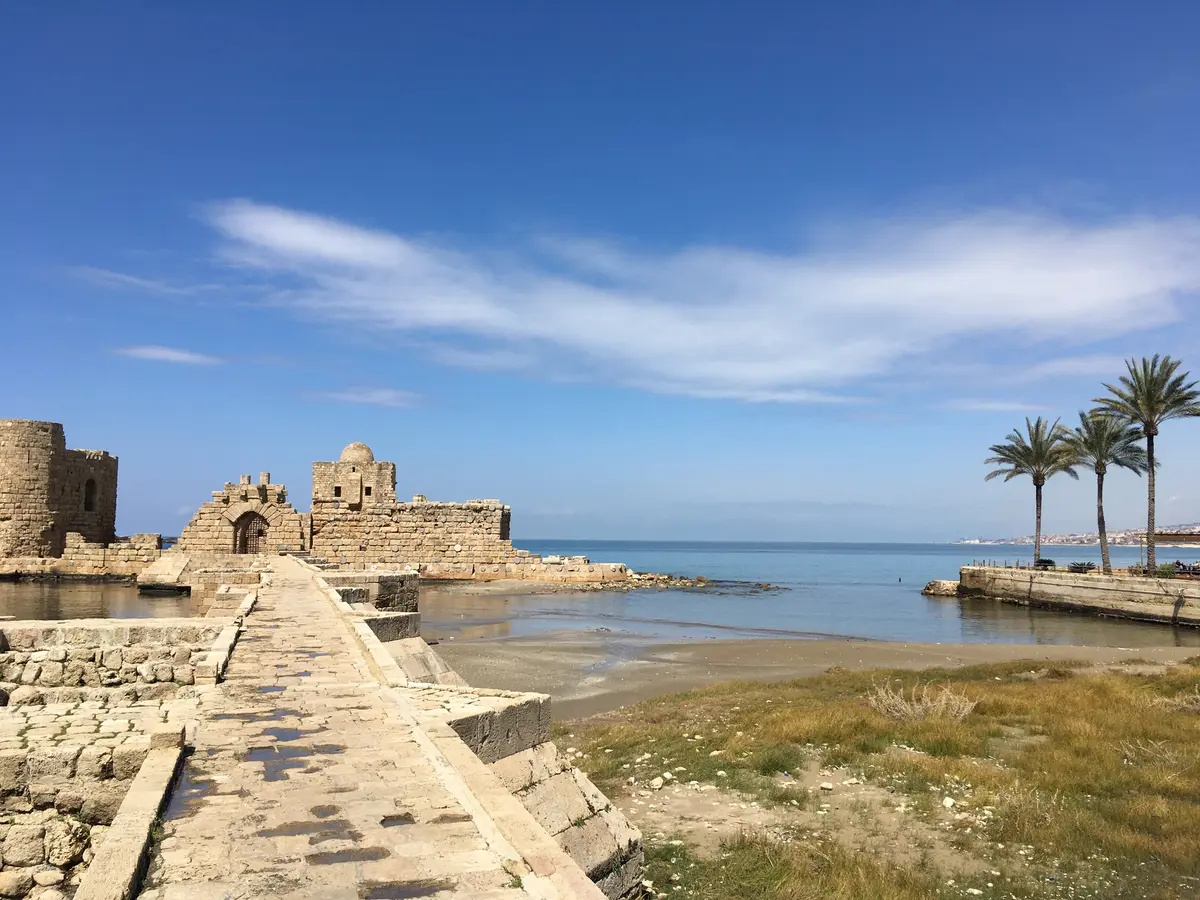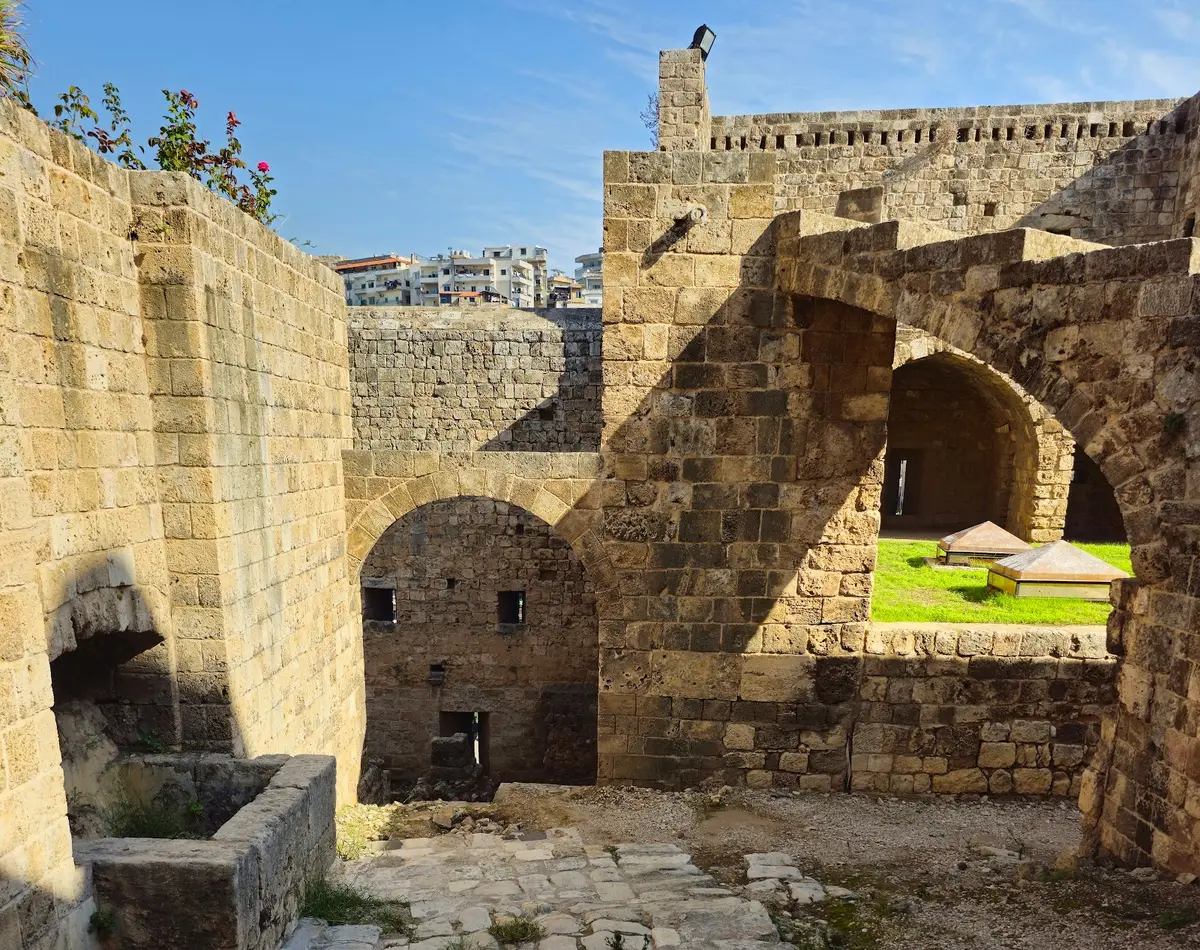
Public toilets in Lebanon don’t exist the way US travelers expect. There’s no municipal network of city-maintained restrooms. What you get instead is a privatized web of malls, cafes, and gas stations, each with its own rules. This guide maps the reliable stops, the ones to avoid, and the etiquette that keeps Lebanese plumbing from failing under you.
One practical note before we start: security conditions in Lebanon change often, and multiple Western governments maintain travel advisories against parts or all of the country. Check your own government’s current guidance before you go — the information below assumes you’ve already decided on traveling in Lebanon and want to handle the logistics well.
What three rules must you learn before you flush?
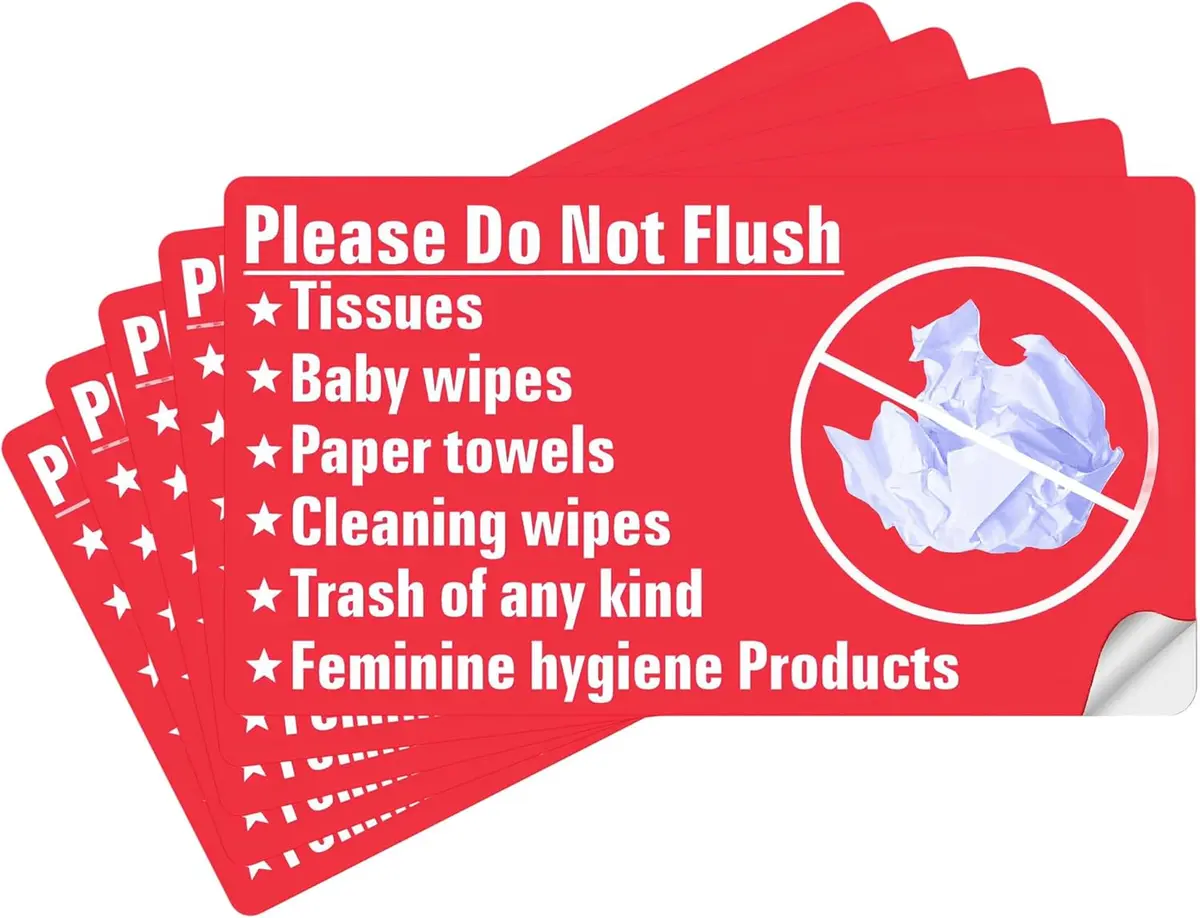
Three rules separate a smooth trip from a plumbing disaster in Lebanon: never flush toilet paper (put it in the bin next to the toilet), learn to use the shattafa hose that replaces dry-wiping for most locals, and always carry your own tissue and hand sanitizer because gas stations and tourist sites frequently run out of supplies by mid-afternoon.
Rule 1 — Paper goes in the bin, not the bowl
This isn’t about cleanliness standards; it’s about physics. Most Lebanese buildings rely on narrow-gauge plumbing — pipes often 4 inches (10 cm) or less — and older clay or cast-iron stacks that cannot handle toilet paper. Plenty of mountain properties aren’t connected to central sewage at all and use septic tanks called jouras. Flushing paper means a clogged toilet, and with Lebanon’s power cuts routinely knocking out water pumps, that problem doesn’t fix itself quickly.
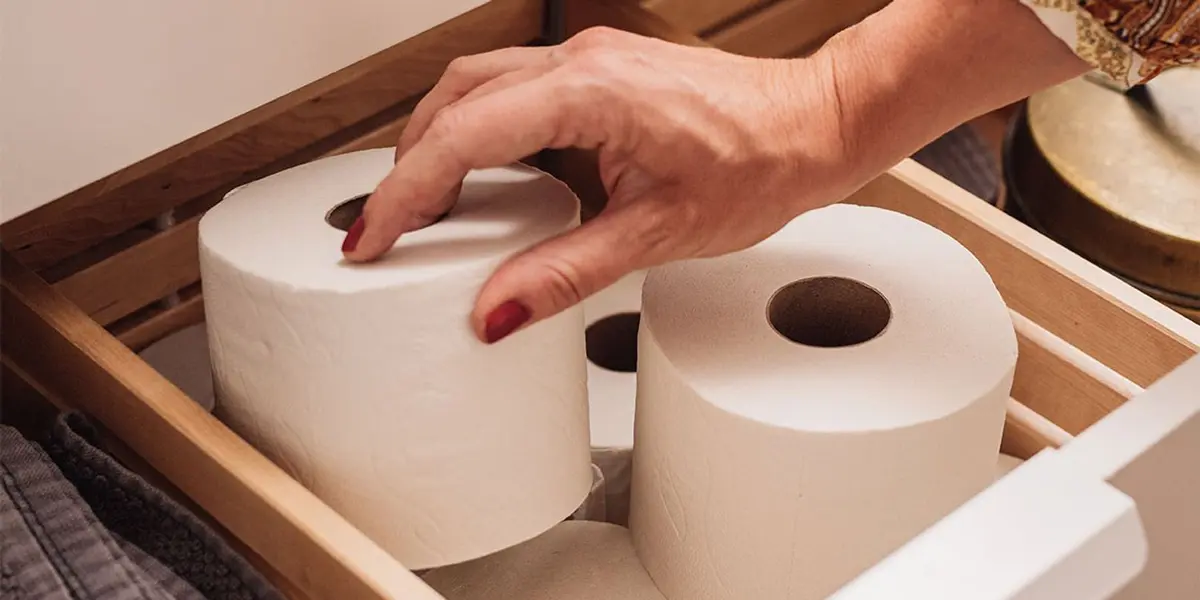
You’ll see a bin next to every toilet, usually with a lid. That’s where used paper goes, and the rule holds everywhere — from five-star Beirut hotels to roadside filling stations. A pedal bin with a lid is the sign of a well-kept facility. An open bin with an unlidded pile is the sign to turn around and find another option.
Pro Tip: If a bathroom has a sealed pedal bin and a fresh smell, the rest of the business is usually well-maintained too. If the bin is open and overflowing, expect the rest of the place to match.
Rule 2 — The shattafa is your friend, once you survive the first try
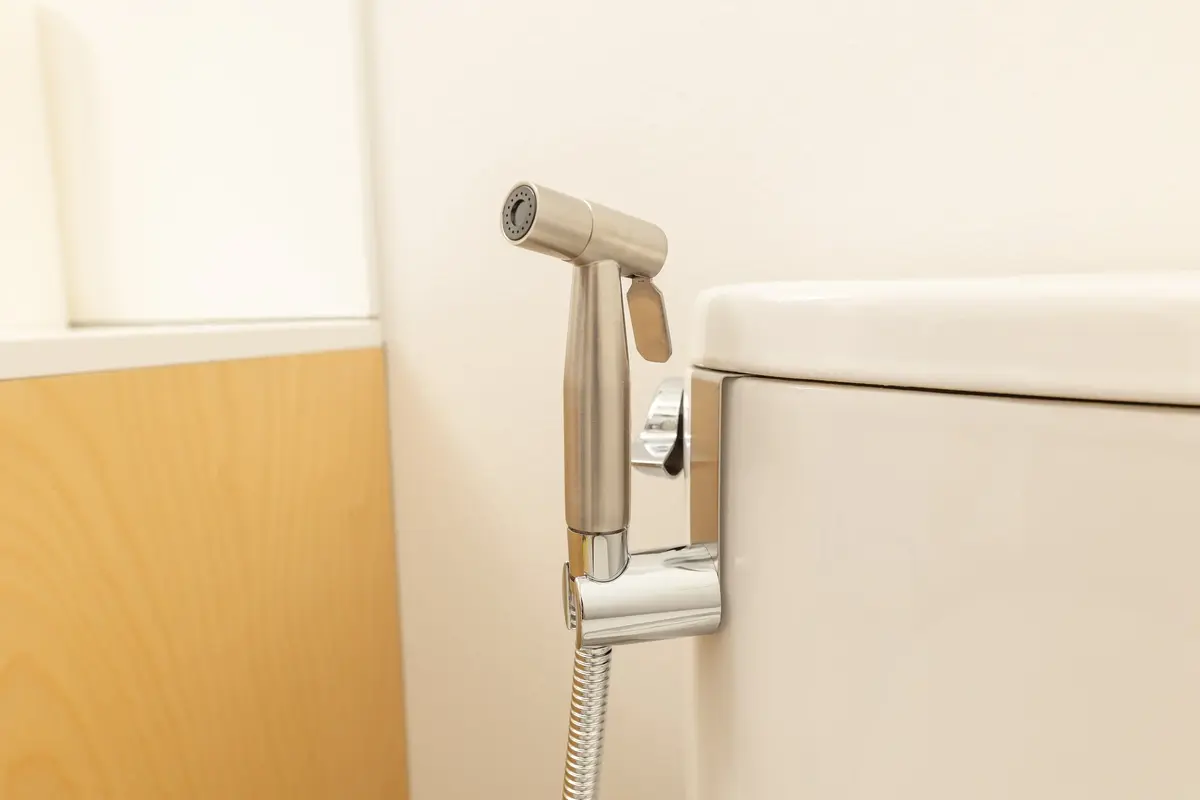
That handheld spray hose beside most toilets in Lebanon is called a shattafa, and it’s the primary hygiene tool here — used by Christians and Muslims alike. After a few days, most Americans prefer it to dry paper.
Here’s how to use it without soaking the floor: test the pressure before aiming, keep it low and angled toward the bowl, and ease the trigger rather than squeezing hard. Wet floors in Lebanese restrooms almost always come from first-time users who hit the trigger before adjusting the angle.
One quirk: some higher-end hotels catering to international guests remove the shattafa to look “more Western,” which ironically gives you a worse experience than a gas station bathroom. If your room is missing one, a portable travel bidet bottle (the kind that packs flat in a toiletry bag) solves the problem.
Rule 3 — Bring your own tissue, hand sanitizer, and small cash
Most establishments stock toilet paper, but Lebanon’s currency situation — the lira has lost roughly 98% of its pre-crisis value — has made supplies unreliable across the country. Gas stations tend to run out of paper by afternoon. Tourist sites often don’t stock it at all. Even sit-down restaurants can be low on soap.
Pack travel-size tissue packs, alcohol-based hand sanitizer (60% or higher), and biodegradable wet wipes. Tap water is fine for rinsing your hands after a shattafa but should not go in your mouth or touch a toothbrush.
Where can you find clean restrooms in Beirut?
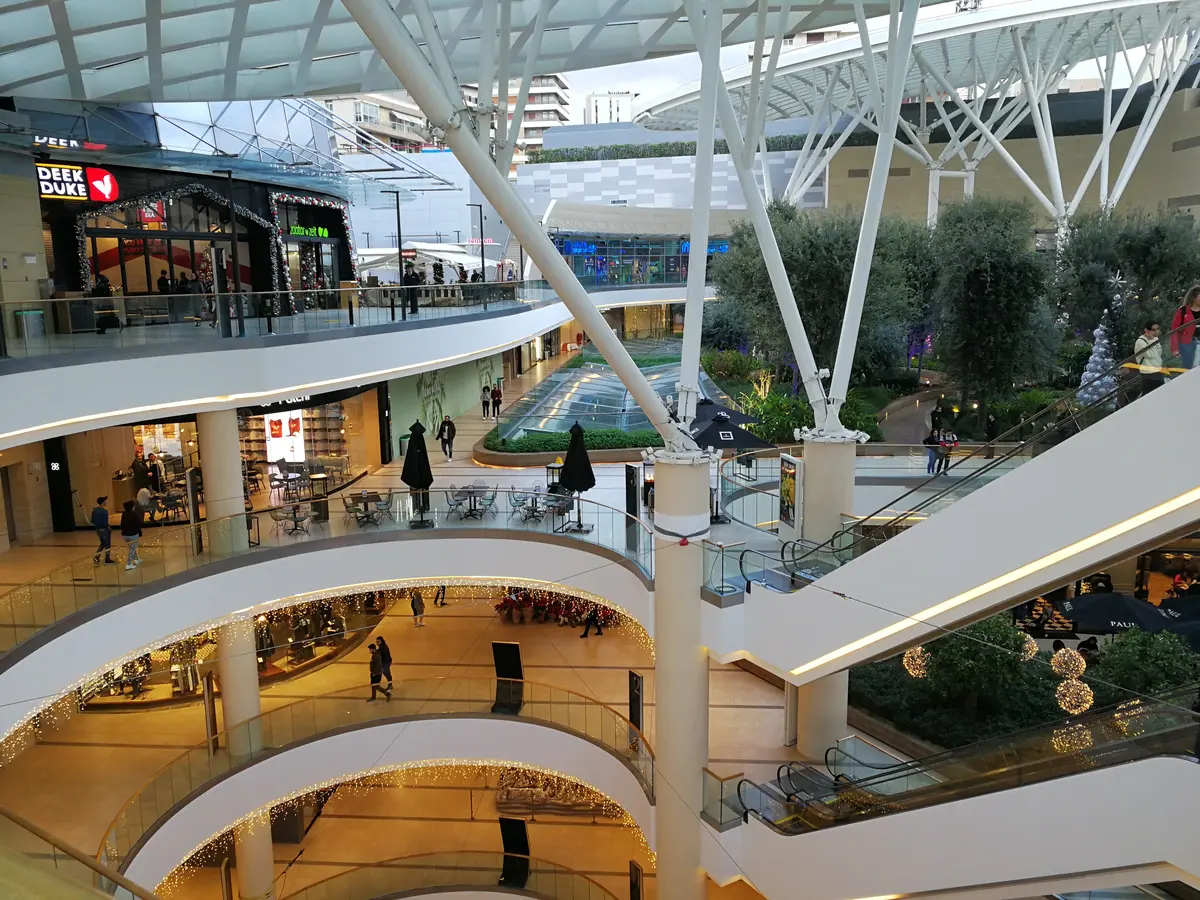
Beirut has virtually no municipal public toilets, so the city’s shopping malls function as the default bathroom network for tourists. ABC Malls (Achrafieh, Verdun, Dbayeh) and City Centre Beirut in Hazmieh offer the most reliable options — attended, air-conditioned, and stocked with paper — while cafes require a small purchase and bar bathrooms after 1 a.m. are a known hazard.
ABC Malls — the gold standard
ABC Malls in Achrafieh, Verdun, and Dbayeh consistently run the cleanest publicly accessible restrooms in the country. The facilities are staffed by full-time attendants, air-conditioned, well-lit, and smell of disinfectant rather than neglect. You’ll find baby changing rooms, accessible stalls, and lounge areas with phone charging ports.
One tradeoff: some ABC bathrooms have removed the shattafa to match a Western aesthetic. If you’ve adapted to the hose like a local, this can disappoint you — though there’s usually a bidet-enabled accessible stall as a workaround.
- Locations: ABC Achrafieh, ABC Verdun, ABC Dbayeh
- Cost: Free (no purchase required during mall hours)
- Best for: Tourists on foot, families with kids, anyone needing reliable supplies
- Time needed: 10 minutes in and out
City Centre Beirut — the family-safe backup
City Centre Beirut in Hazmieh kept the rigorous hourly-sanitization schedule it adopted during the COVID-19 pandemic, and those standards have held. It’s one of the safest bets for families, with dedicated family rooms and baby-care facilities. It sits on Beirut’s southeastern edge, but it’s worth the detour if you need a guaranteed clean stop between highway and city.
- Location: Hazmieh, southeastern edge of Beirut
- Cost: Free
- Best for: Families with young children, travelers with food court needs
- Time needed: 10 minutes
Cafes and coworking spaces for everyday stops
Beirut’s cafe culture delivers reliable restrooms if you buy something. Cafe Younes (Hamra and other branches) is a cultural institution with functional bathrooms; the Hamra location sits near the American University of Beirut, so it sees high traffic but keeps decent standards.
For a step up, day passes at coworking spaces in Beirut like Antwork (Spears) or Beirut Digital District offer corporate-grade restrooms that often include showers and lockers — an underrated move after a long flight if your hotel check-in isn’t until the afternoon.
The Mar Mikhael / Gemmayze nightlife reality check
Mar Mikhael and Gemmayze pack bars into heritage buildings with plumbing that hasn’t been updated since the French Mandate. Many popular spots are hole-in-the-wall rooms where bathrooms are unisex, cramped, and by 1 a.m., out of paper entirely.
The strategy: eat dinner at a reputable restaurant on one of the quieter streets in Mar Mikhael and use their facilities before the bars. Your bladder will thank you, and you won’t be the person washing your hands with the last dregs of a soap bottle at 2 a.m.
Which gas stations are safe bets on a road trip?
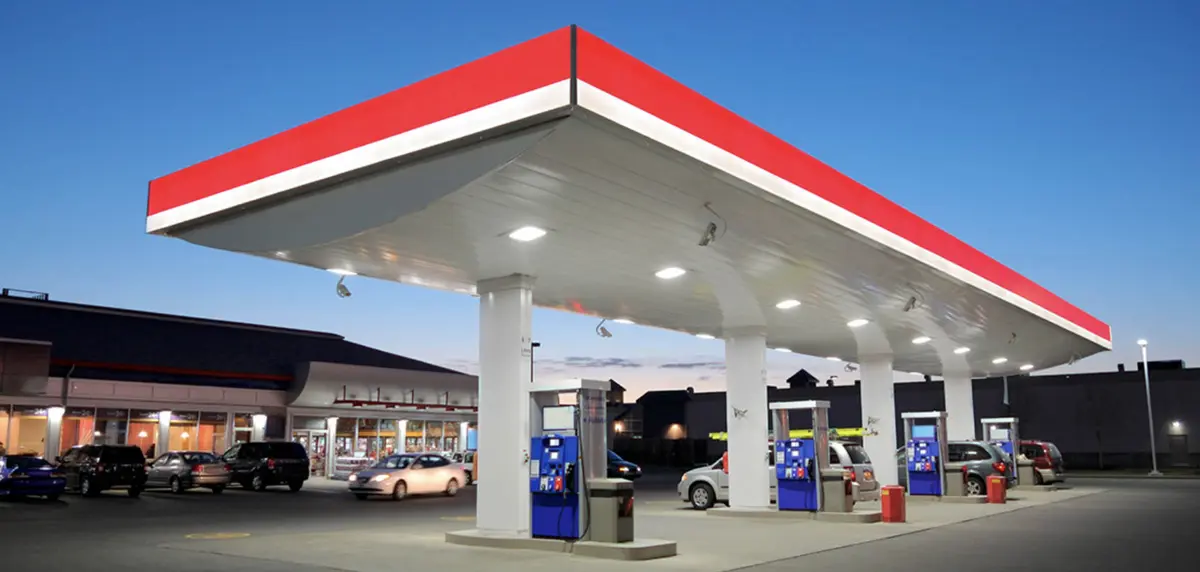
On highway routes to Baalbek, Tyre, or the Cedars, gas stations are the only option for public toilets in Lebanon, and quality varies sharply by brand. MEDCO and TotalEnergies run Western-standard facilities, Coral and IPT are franchised and hit-or-miss, and Wardieh, Hypco, and unbranded independents should be treated as last-resort only.
The four-tier gas station hierarchy
Tier 1 (Premium) — MEDCO and TotalEnergies. These run closest to Western rest-stop standards. Many MEDCO locations carry Yala Stop convenience stores (the brand the old MedMart and Calmart chains merged into) and EV chargers, signaling serious capital reinvestment. TotalEnergies (formerly just “Total”) applies strict corporate standards and is French-owned, which in Lebanon still means well-run facilities.
Tier 2 (Mid-range) — Coral and IPT. Results vary. IPT is widespread but heavily franchised, so some stations are spotless and others neglected. Newer-looking stations tend to be the good ones; stop at the one with fresh paint and a working sign.
Tier 3 (Budget) — Wardieh and Hypco. Frequently cited in traveler forums as having lower service standards. Expect a basic squat toilet, often without soap or paper. Emergencies only.
Tier 4 (Unbranded) — stations simply labeled “Station”. Independent, often lacking running water, lighting, or doors. Avoid unless you’re truly out of options.
The bathroom key ritual
Many gas stations near tourist sites keep bathrooms locked to prevent vandalism. Here’s the protocol: approach the pump attendant and ask “Miftah al-hammam, min fadlak?” (The bathroom key, please?). You’ll be expected to make a small purchase — a bottle of water or a pack of gum — or leave a small tip of 20,000 to 50,000 LBP (roughly 22 to 55 cents USD) when returning the key. That small social contract gives the attendant a reason to keep the room maintained.
Pro Tip: Carry a roll of small LBP notes specifically for bathroom tips. Gas station attendants can’t easily break a US$20 bill for a 50-cent tip, and offering one usually ends with you not getting change back.
The Bekaa and Akkar wilderness gap
Gas stations thin out fast on the road to Hermel or deep into the mountains of Akkar. Travelers have reported stretches of 60 miles (100 km) between functional bathrooms. In these areas, the only realistic options are nature — which is hard to find in private given Lebanon’s population density — or a portable folding toilet or wag-bag system. For Akkar hiking trails, that isn’t glamping, it’s logistics.
What’s the bathroom situation at major tourist sites?
Bathroom infrastructure at major tourist sites in Lebanon is uneven. Baalbek’s on-site facilities are basic and hot in summer, and the fix is to walk across to the Palmyra Hotel. Byblos actually maintains public restrooms near the souk and the ancient port — the exception, not the rule. Jeita Grotto has purpose-built tourist facilities that handle volume but aren’t fully wheelchair-accessible deeper in the complex.
Baalbek — use the Palmyra Hotel instead
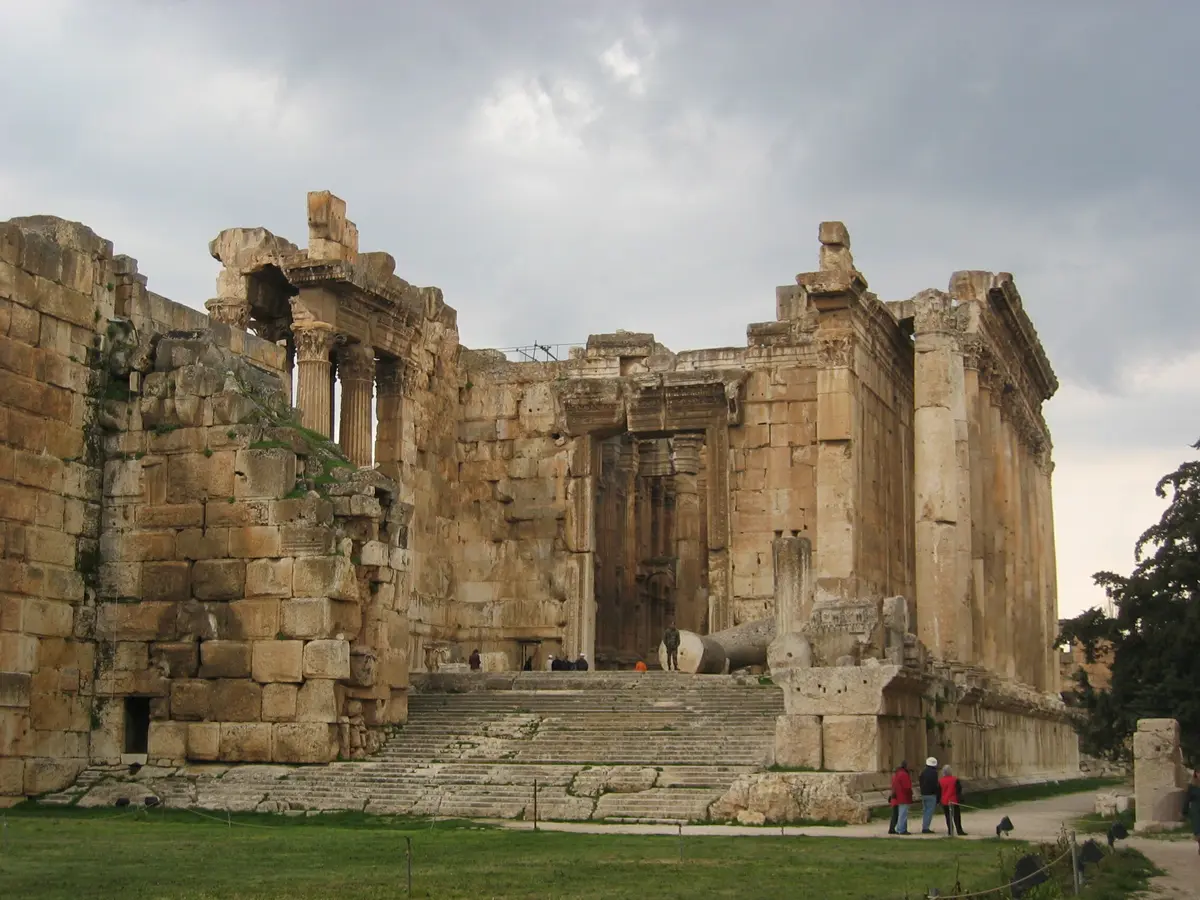
The UNESCO Roman ruins at Baalbek are one of the best-preserved Roman temple complexes anywhere, but the bathroom block near the ticket office is basic and, in summer heat around 95°F (35°C), unpleasant. The insider move is to cross the road to the Palmyra Hotel, the vintage property that’s hosted Mark Twain, Kaiser Wilhelm II, and Charles de Gaulle. Stop for a coffee (about $4 USD) or a glass of arak in the lobby and use the clean mid-century restrooms there. You get two attractions for the price of one drink.
One caveat: Baalbek sits in the Bekaa Valley, which remains affected by regional tensions, and several Western governments advise against travel to the governorate. Factor that — alongside whether Lebanon is safe for American tourists more generally — into whether the side trip is viable for you.
- Location: Baalbek, Bekaa Valley, about 55 miles (85 km) northeast of Beirut
- Cost: Coffee at Palmyra Hotel, roughly $4 USD
- Best for: History travelers already committed to visiting the ruins
- Time needed: 20 minutes for the coffee-plus-bathroom stop
Byblos — the one place that did it right
Byblos stands out as a municipality that actually invested in public infrastructure. Signposted public restrooms sit near the Old Souk main entrance and the ancient port, and they appear on Google Maps — rare for the region. The port-side facilities cater to the restaurant and bar scene that spills out along the harbor in the evenings. If one happens to be closed, the Crusader Castle visitor area has a clean alternative a short walk uphill.
- Location: Old Souk entrance and Ancient Port, Byblos (Jbeil)
- Cost: Free
- Best for: Day-trippers from Beirut, families
- Time needed: 5 minutes
Jeita Grotto — tour-bus-grade but not fully accessible
Jeita Grotto reopened after a maintenance closure that included visitor-facility upgrades, and the bathrooms are now among the better tourist-site restrooms in the country. The complex handles volume well. One warning from traveler reports: some of the stalls deeper in the complex are too narrow for wheelchairs. If mobility is a concern, use the facilities at the main entrance and skip the ones further down the path toward the lower grotto.
- Location: Nahr el-Kalb valley, about 11 miles (18 km) north of Beirut
- Cost: Free with your entrance ticket
- Best for: First-time visitors on a Beirut day trip
- Time needed: 10 minutes
Is the tap water safe, and what else should you worry about?
Tap water in Lebanon is not safe to drink and shouldn’t be used for brushing teeth — the country’s water infrastructure has been severely compromised by the economic collapse, and Lebanon recorded its first cholera outbreak in three decades in October 2022. Tap water is generally fine for hand-washing. Hepatitis A has also reappeared in the north, so it’s worth discussing a pre-trip vaccine with your doctor.
The waterborne disease backdrop
Lebanon’s first cholera outbreak since 1993 reached over 6,000 suspected cases and 23 confirmed deaths during its initial spread, with cases concentrated in Akkar, the North governorate, and parts of the Bekaa Valley. Hepatitis A has also been recorded in Tripoli. The cause in both cases is the same: a degraded water treatment system that leaks sewage into the potable supply. UNICEF has been repairing chlorination systems across the country, but the underlying infrastructure problem hasn’t been solved.
The mitigation strategy for travelers:
- Drink bottled water only, and check the seal before opening the cap.
- Use bottled water even for brushing teeth.
- Skip ice in drinks outside high-end hotels.
- Avoid raw vegetables and fruit you can’t peel yourself.
- Wash hands with tap water and soap, then finish with alcohol hand sanitizer.
- Consider a Grayl GeoPress or similar purifier (not just a filter) if you’ll be hiking or staying somewhere remote.
The “customer only” shift
As the cost of toilet paper, soap, and generator-pumped water has climbed with fuel prices, businesses have gotten stricter about keeping bathroom access customer-only. The open-door era is over. For US travelers, carrying fresh USD or small LBP notes puts you in a position of power: a small purchase grants access to facilities that might be refused to a walk-in asking for the key.
What do women travelers specifically need to know?
Solo female travelers in Lebanon face three specific challenges around public toilets: hyperinflation has made imported menstrual products expensive and tampons scarce outside major Beirut pharmacies, traditional squat toilets remain common in older buildings and rural areas, and supply shortages hit hardest on busy weekends when demand outstrips restocking.
Menstrual products — bring your own supply
Hyperinflation has made imported sanitary products prohibitively expensive for most Lebanese. Pharmacies and supermarkets in Beirut (Spinneys, Carrefour) stock international pad brands like Always and Nana, but prices are dollarized and steep — expect to pay US prices or higher. Tampons are culturally less prevalent than pads and are essentially unfindable outside Beirut and Jounieh.
Pack a full trip’s supply from home. If you rely on a menstrual cup, that solves the problem entirely — just make sure you have access to clean (bottled) water for rinsing.
Squat toilets — the technique
Sitting toilets are standard in most urban buildings, but squat toilets are still common in older apartments, mosques, and rural gas stations. The technique:
- Roll up loose pant legs before squatting to avoid the wet floor.
- Secure your phone, wallet, and passport in a bag hung on the door hook — do not put anything on the floor.
- Many squat toilets have a manual flush: fill the bucket from the tap and pour forcefully to clear the basin.
- Face the hole, don’t straddle sideways.
Pro Tip: A Velcro belt pouch that sits at your waist keeps essentials off the floor and out of the hook’s line of fire if someone bumps the door.
What etiquette should you follow in Lebanese bathrooms?
Basic etiquette around public toilets in Lebanon comes down to three things: tip the bathroom attendant you’ll meet in nightclubs and mall restrooms (20,000 to 50,000 LBP, or about 22 to 55 cents), expect longer waits at men’s stalls because many Lebanese men skip urinals to use the shattafa, and buy something small at any business whose bathroom you want to use.
The bathroom attendant protocol
In nightclubs, upscale restaurants, and some mall restrooms, a full-time attendant keeps the facility clean and hands you a towel or a mint. Tipping is expected if you use those services. It isn’t strictly mandatory for just using the toilet, but skipping it usually earns you a visibly disappointed look. 20,000 to 50,000 LBP (roughly 22 to 55 cents USD) is standard under tipping etiquette in Lebanon and considered generous in the current economy.
Why men’s rooms have longer waits than you’d expect
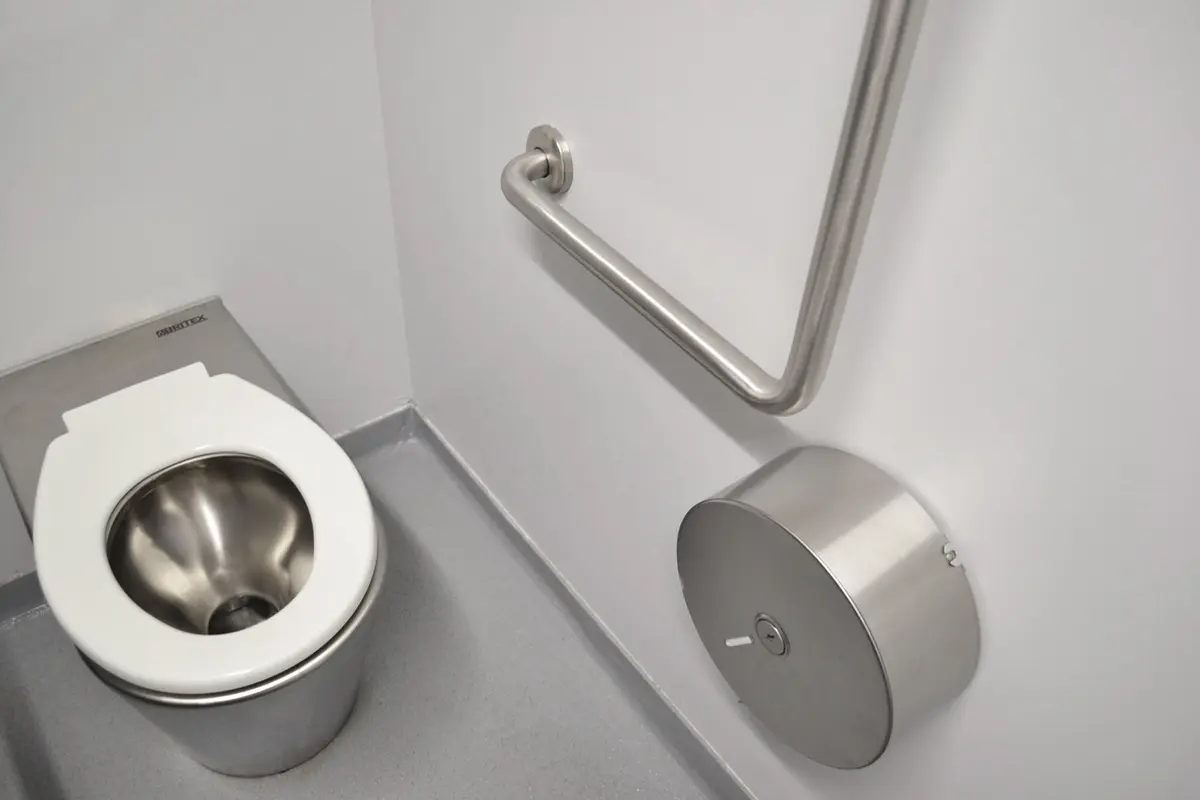
Many Lebanese men prefer stalls over urinals because they use the shattafa for a proper clean after urinating. This leads to higher stall occupancy in men’s rooms than an American traveler would expect. You’ll see empty urinals and a queue for cubicles — that’s normal, not a plumbing crisis. Budget extra time.
Which Arabic phrases will actually save you?
A few memorized phrases in Lebanese Arabic will get you through most bathroom situations in Lebanon, especially in rural gas stations where English is rare. Learn how to ask for the bathroom, the key, and whether it’s clean — these three phrases plus a “thank you” cover nearly every scenario.
- “Wayn el-hammam?” — Where is the bathroom?
- “Miftah al-hammam, min fadlak” — The key, please (to a man); use “min fadlik” when speaking to a woman.
- “Ndif?” — Is it clean?
- “War’a hammam” — Toilet paper
- “Mayy” — Water (key phrase: “Ma fi mayy” means “There is no water,” which you’ll hear often).
- “Shukran” — Thank you
Pronouncing these with even rough accuracy earns significant goodwill, and in rural stations, it can be the difference between getting the key handed over and getting a shrug.
What should you pack in your bathroom emergency kit?
A Lebanon-specific bathroom kit is small — it fits in a zippered pouch — and replaces the weight of one paperback book in a day bag. Pack travel tissue packs, 60%-or-higher alcohol hand sanitizer, biodegradable wet wipes, a portable bidet bottle, and small LBP notes for attendants and gas-station tips.
Essentials:
- Travel tissue packs (multiple — restock from hotel rooms when you can).
- Hand sanitizer, 60%-or-higher alcohol.
- Biodegradable wet wipes.
- Portable bidet bottle for hotels that have removed the shattafa.
- Small LBP bills — at least 200,000 LBP (about $2.25 USD) in 20,000 and 50,000 notes.
- Fresh USD in small denominations ($1 and $5 bills) as backup.
Bonus items worth the weight:
- Collapsible silicone door hook (for hanging your day bag inside cramped stalls).
- Antimicrobial soap sheets (single-use, weightless, replace missing soap).
- A compact headlamp (power cuts hit mid-trip without warning).
Quick reference: how do the facilities compare?
A pocket-sized comparison of where to aim for and where to avoid, based on traveler reports and direct observation across Beirut, Byblos, and highway routes. Use this as your mental map for any day trip:
- Luxury malls (ABC, City Centre): Cleanliness 9/10, supplies reliable. Primary target.
- International hotels (5-star): Cleanliness 10/10, supplies excellent. The stealth option — walk into the lobby like you belong and use the ground-floor restroom.
- MEDCO / TotalEnergies gas stations: Cleanliness 7/10, supplies medium. Best highway choice.
- Sit-down restaurants: Cleanliness 6/10, supplies medium. Inspect before ordering.
- Official tourist sites: Cleanliness 5/10, supplies low. Backup only; the Palmyra Hotel at Baalbek is the workaround.
- Beirut airport general restrooms: Cleanliness 3/10, supplies low. Avoid if you can wait until your hotel.
Before you pack the wet wipes
Public toilets in Lebanon aren’t broken — they’re just wired differently than what US travelers are used to. Once you understand the privatized network of malls, cafes, and gas stations, the anxiety drops fast. The shattafa stops feeling odd, the bin-beside-the-toilet feels normal, and you’ll develop your own map of reliable stops within the first 48 hours.
TL;DR: Beirut’s malls (ABC, City Centre) are the most reliable free-access bathrooms in the country. On the highway, stick to MEDCO and TotalEnergies. Tap water isn’t drinkable, paper never goes in the toilet, and you’ll want small LBP notes for attendants and gas-station tips. Bring your own tissue and hand sanitizer — supplies at tourist sites are unreliable.
What’s the bathroom break that saved (or ruined) your trip? If you’ve found a reliable stop that isn’t on this map — a cafe in Tyre, a specific gas station in the Bekaa — drop it in the comments so the next traveler doesn’t have to guess.