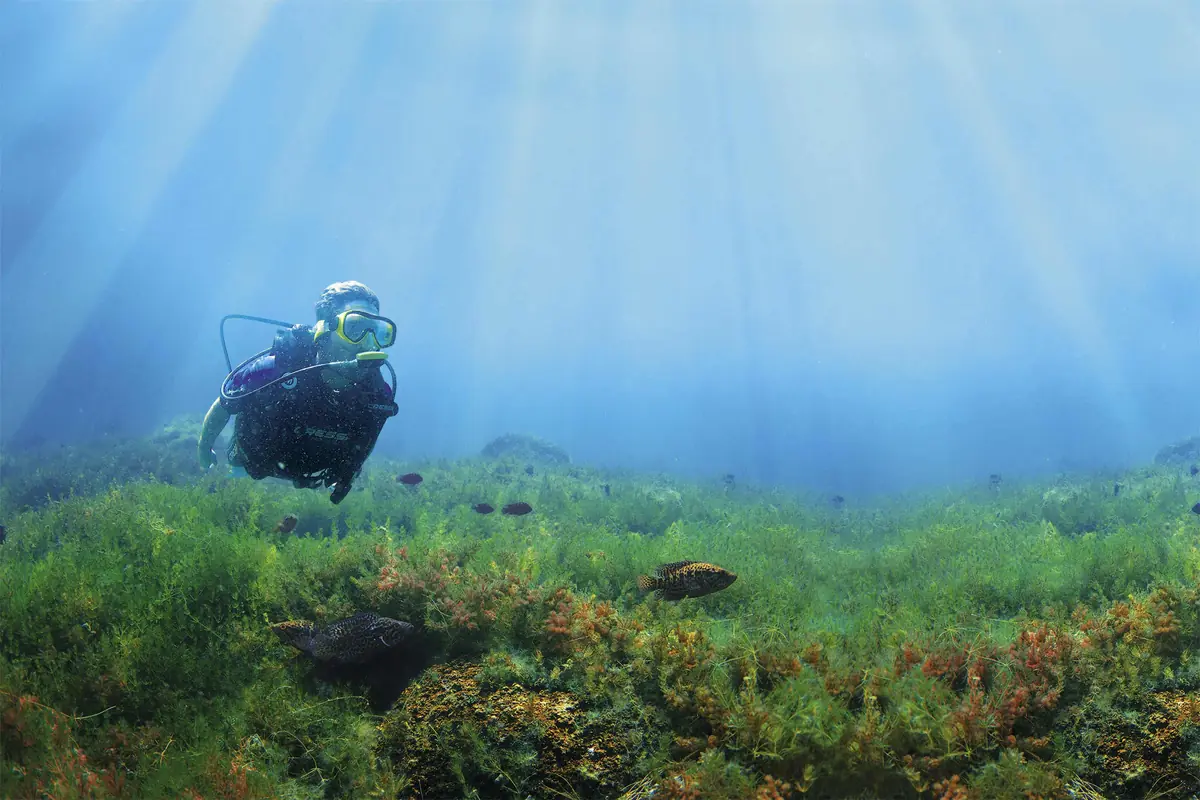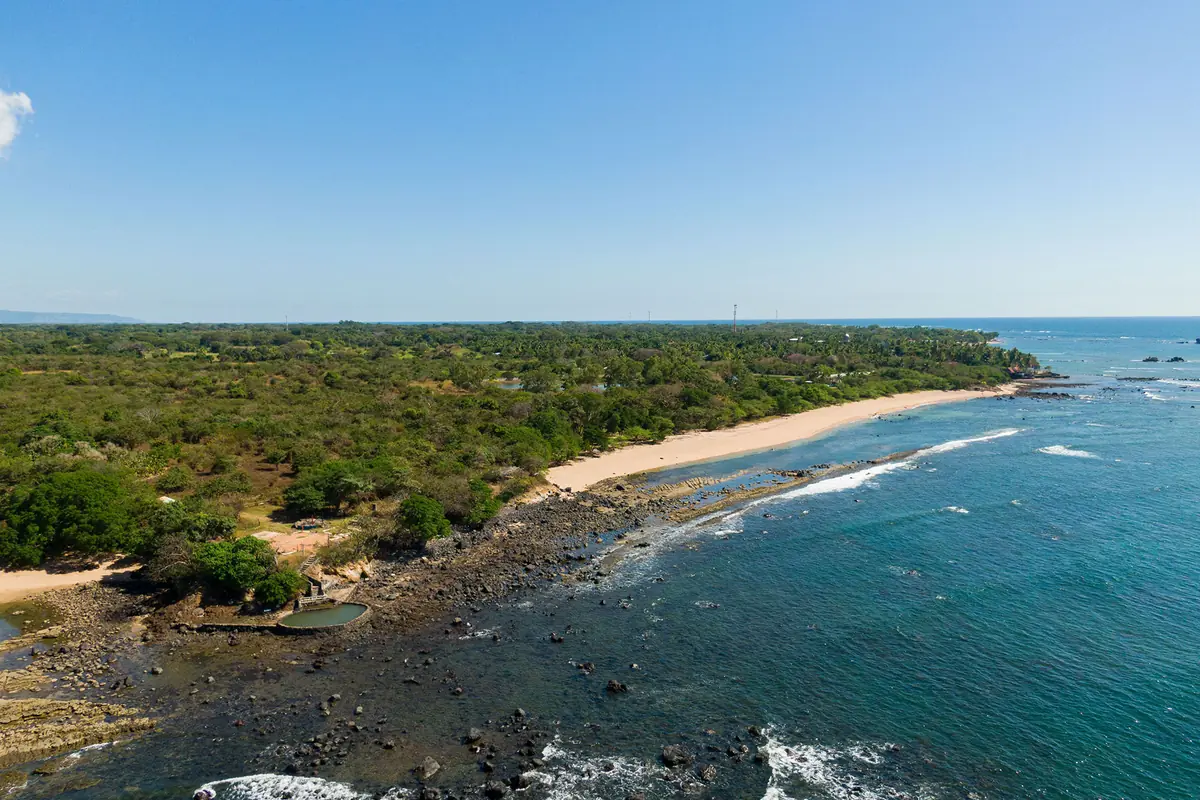
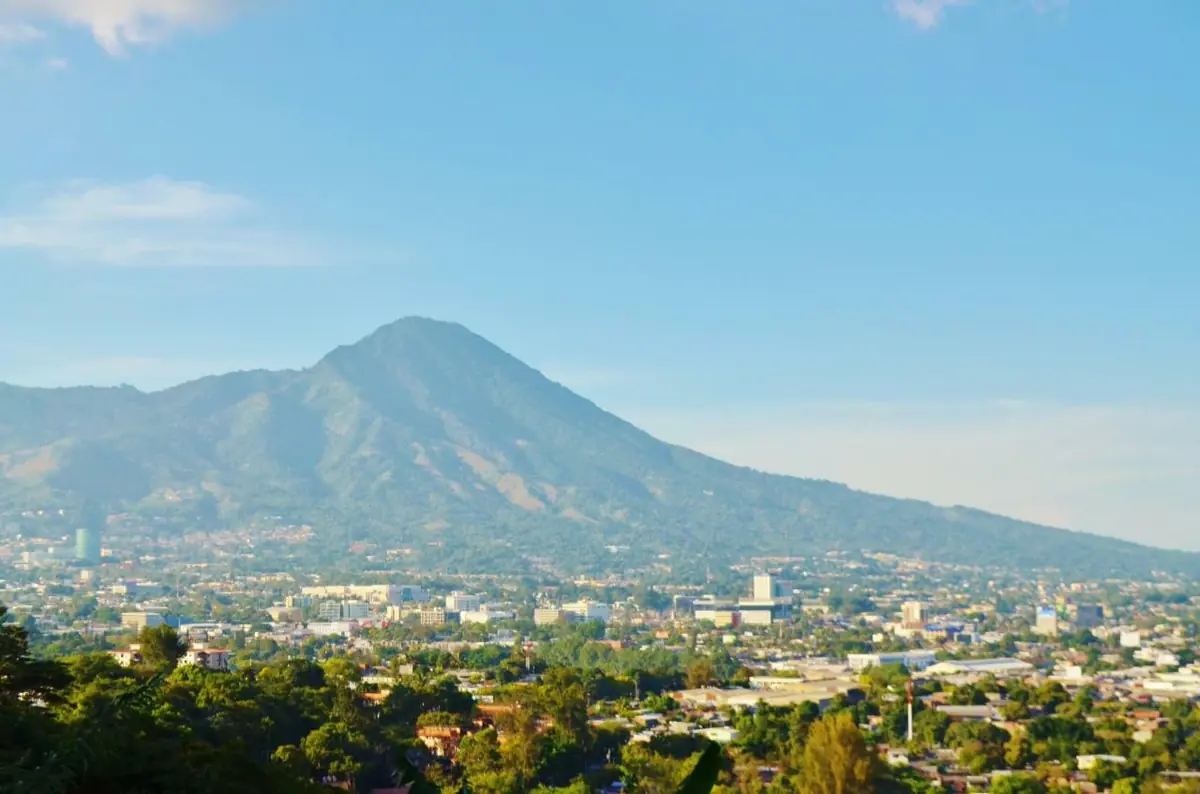
The honest answer to “is El Salvador safe for tourists” is yes — with caveats most travel guides skip. The US State Department now rates it Level 1, the same tier as Japan and France. Homicides crashed 99% from the country’s peak. Tens of thousands of Salvadorans sit in jail without trial. And the biggest threat to US visitors isn’t crime — it’s the surf.
What is the US travel advisory for El Salvador?
El Salvador carries a Level 1 — Exercise Normal Precautions rating from the US Department of State, the lowest possible risk tier on the four-level scale. The advisory cites a steep decline in gang activity and violent crime since the government’s crackdown began. This puts El Salvador alongside Argentina, Paraguay, and most of Western Europe.
The Level 1 rating is new — it came after a downgrade from Level 2, where El Salvador had sat for more than a decade. For context, neighboring Honduras sits at Level 3, Mexico ranges from Level 2 to Level 4 depending on the state, and Guatemala holds Level 3 in many regions.
A few caveats hide in the fine print. US government employees are still prohibited from riding public buses anywhere in the country, and from inter-city travel after dark except on two corridors: San Salvador to Comalapa International Airport, and the La Libertad littoral road along the surf coast.
Pro Tip: Before you fly, enroll in the State Department’s Smart Traveler Enrollment Program (STEP) at step.state.gov. It takes five minutes and lets the US Embassy reach you if anything escalates while you’re in the country.
How safe is El Salvador actually? The numbers behind the headlines
El Salvador’s homicide rate has fallen from a peak of 103 per 100,000 people to 1.36 per 100,000 — a 99% drop in under a decade. That’s lower than every US state, lower than every G7 country, and roughly one-fifth of the US national average. In raw terms, El Salvador recorded 82 homicides in the most recent full year of national police data.
Here’s the trend, pulled from Salvadoran National Police (PNC) data:
- Peak year: 103 per 100,000 (when El Salvador was called the “murder capital of the world”)
- Five years later: 21.2 per 100,000
- Year the State of Exception began: 7.8 per 100,000
- Two years after the crackdown: 1.9 per 100,000 (114 homicides total)
- Most recent reported year: 1.36 per 100,000 (82 homicides total)
The honest caveat: A Foreign Policy investigation, later cited by the US Congressional Research Service (Report IN12510), analyzed the PNC methodology and concluded the real homicide rate is likely 47% higher than the official figure. The government’s count excludes deaths in police custody, prison killings, and disinterred remains from suspected disappearances.
Adjust for that undercount and El Salvador’s true rate sits closer to 2.5 per 100,000 — still dramatically lower than Costa Rica (16.6), Mexico (around 25), Guatemala (around 16), or US cities like New Orleans and St. Louis. The crash is real. The official number just isn’t the whole picture.
What is the State of Exception, and how does it affect tourists?
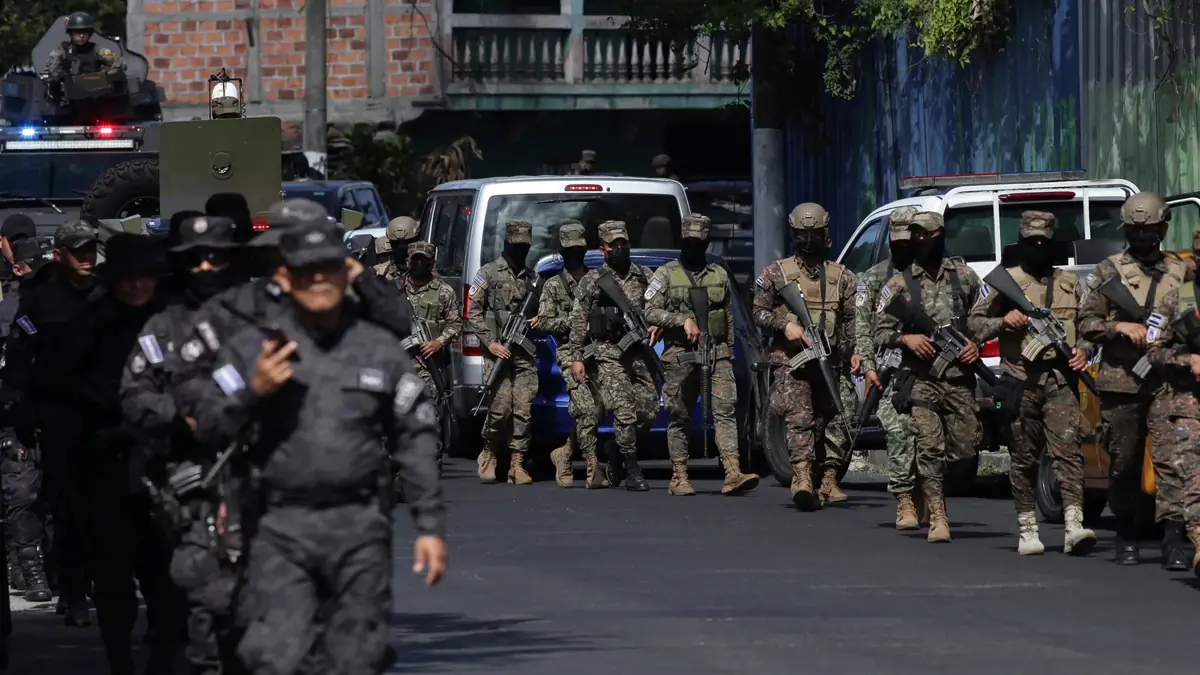
The State of Exception is an emergency security decree that suspended several constitutional rights — including the right to legal counsel within 72 hours and freedom of association — to enable mass arrests of suspected gang members. Declared in March 2022 after a weekend that saw 87 gang murders, it has been extended more than 50 times. For tourists, the visible effect is heavy military presence and a country that genuinely feels gang-free.
What you’ll notice on the ground: armed soldiers at intersections, checkpoints on some highways, and no visible gang graffiti or extortion presence in any town you’d visit as a traveler. MS-13 and Barrio 18, who controlled an estimated 70% of Salvadoran territory before the crackdown, are essentially absent from public space.
What human rights groups have documented is harder. More than 91,000 people have been detained since the State of Exception began, according to the Inter-American Commission on Human Rights (IACHR). The government has acknowledged releasing roughly 8,000 detainees as innocent. The Congressional Research Service reports more than 350 deaths in custody. Journalists, human rights lawyers, and union activists have also been detained, including high-profile cases that triggered international condemnation.
Pro Tip: Travelers with visible tattoos — especially the numbers 13 or 18, teardrops, or certain Old English fonts — have been stopped at checkpoints. Cover obvious tattoos with sleeves during inter-city travel and carry your passport at all times. Foreigners are legally required to carry passport ID in El Salvador.
The trade-off for tourists is genuine: you get streets that feel safer than most US cities, in a country where due process for citizens has been suspended for years. Whether that affects your decision to visit is a personal call, but you should know the full picture before you book.
Where should you avoid in El Salvador?
A handful of municipalities in the San Salvador metro area and a few border zones carry elevated risk for petty crime and the rare violent incident. None of these neighborhoods overlap with the main tourist areas. The US Embassy’s internal restrictions for staff offer the clearest map of where to stay out of.
Neighborhoods to skip in the San Salvador metro
- Soyapango (especially Colonia La Campanera, a former Barrio 18 stronghold)
- Apopa, Mejicanos, Ilopango, Ciudad Delgado, San Marcos, San Martín
- The area around Tica Bus Station after dark (pickpocketing hotspot)
These are working-class outskirts with limited tourist value anyway — there’s no museum, beach, or restaurant scene that requires going there.
Border zones and rural risk areas
- Land borders with Guatemala and Honduras — cross during daylight only; petty crime and occasional vehicle attacks on Salvadoran plates
- Acajutla port area outside the cruise terminal
- Parts of Usulután, San Miguel, Metapán, Cojutepeque, and San Pedro Perulapán
If your itinerary stays in San Salvador’s safe districts (covered below), the surf coast, the western highlands, and Suchitoto — you’ll never come within 30 miles of any of these areas.
Which parts of El Salvador are safest for tourists?
The tourist circuit is concentrated in four zones, all rated safe by the US Embassy and patrolled by POLITUR (the tourist police). These cover what most visitors come for: surf, volcanoes, Mayan ruins, colonial towns, and coffee country.
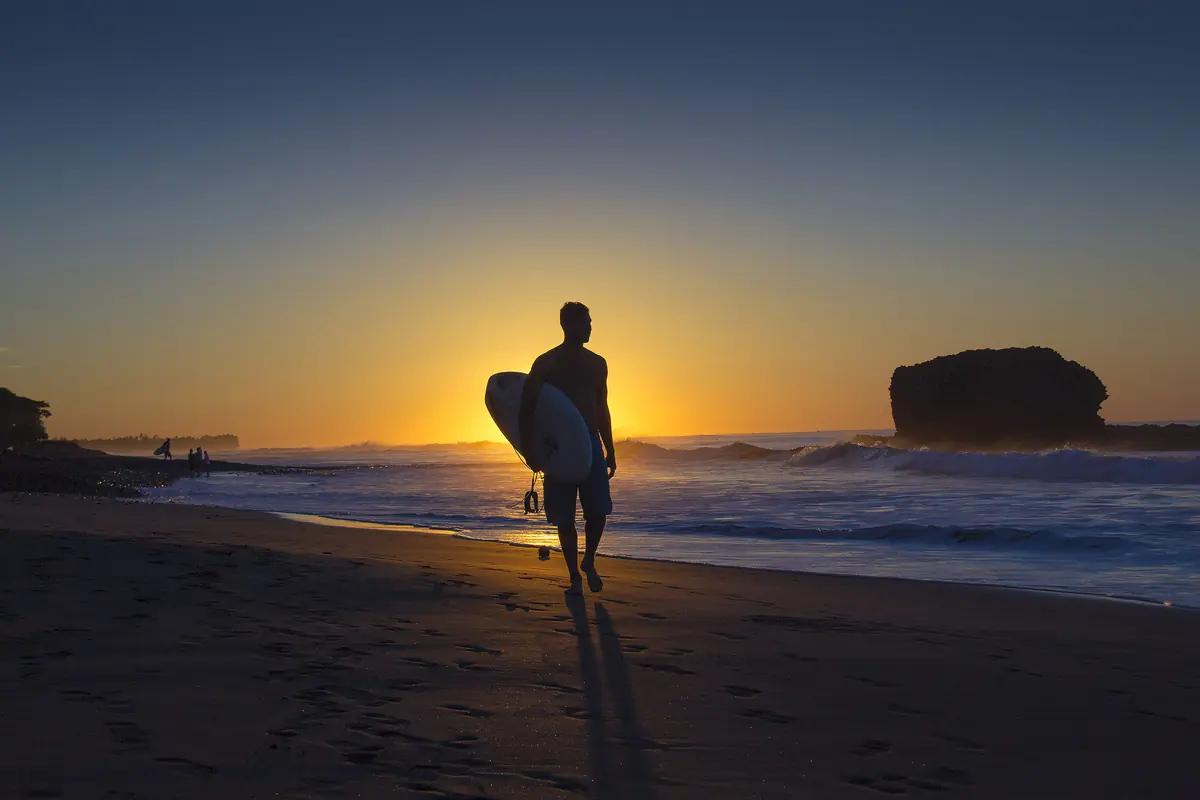
Surf City — the La Libertad coast
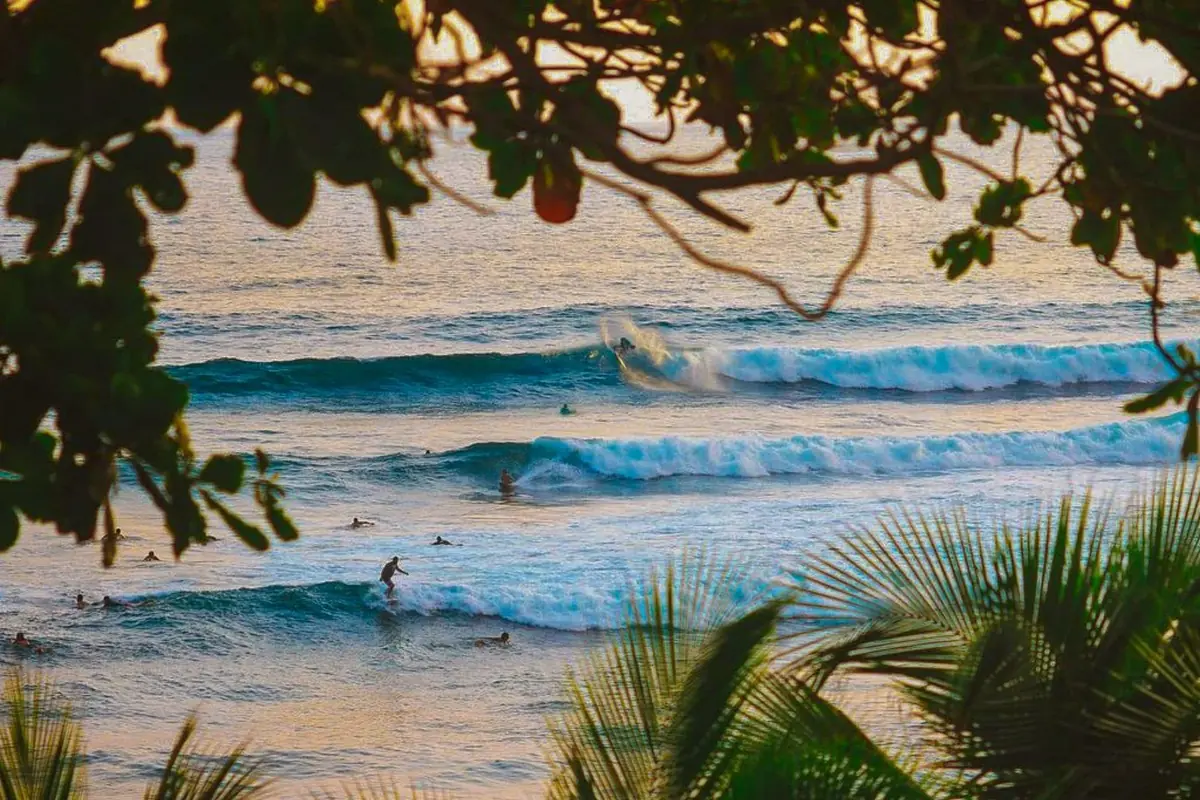
El Salvador’s flagship tourist zone runs along Highway CA-2 from La Libertad to Mizata, about a 30-minute drive from San Salvador International Airport. Key stops:
- Playa El Tunco — the social hub; black sand, bars, hostels, and the country’s most famous photogenic rock formations
- El Sunzal — a long right-hand point break that hosts international surf competitions
- El Zonte (Bitcoin Beach) — quieter, more upscale, where Lightning Network payments work at half the restaurants
- Punta Roca and La Bocana — heavier surf, fewer crowds
- Mizata — the far end, where boutique hotels like Antiresort feel genuinely remote
The coast has visible tourist police, upgraded highway lighting, and an active expat community. El Zonte is noticeably quieter and safer at night than El Tunco’s bar strip.
Santa Ana and the western highlands
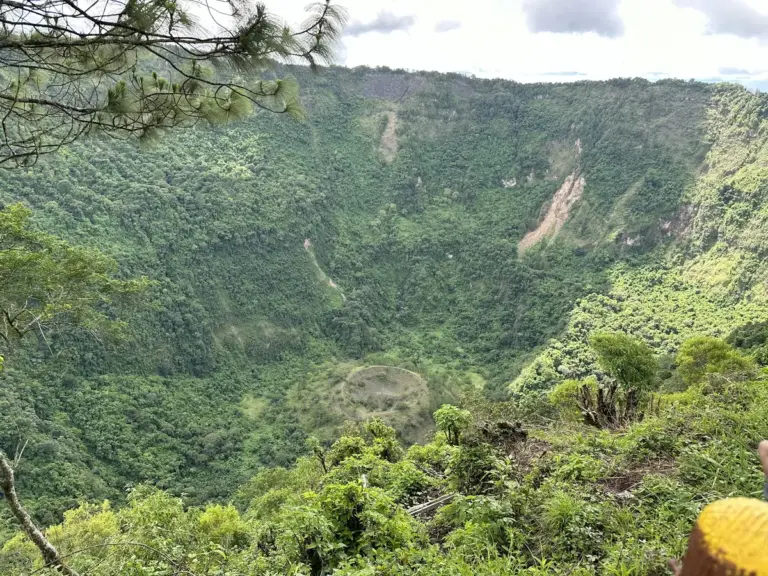
The country’s second-largest city is the launching point for Volcán Ilamatepec (Santa Ana Volcano), Lake Coatepeque, and Cerro Verde National Park. Santa Ana itself has a small colonial center with a working cathedral and a 19th-century theater, both walkable in an afternoon.
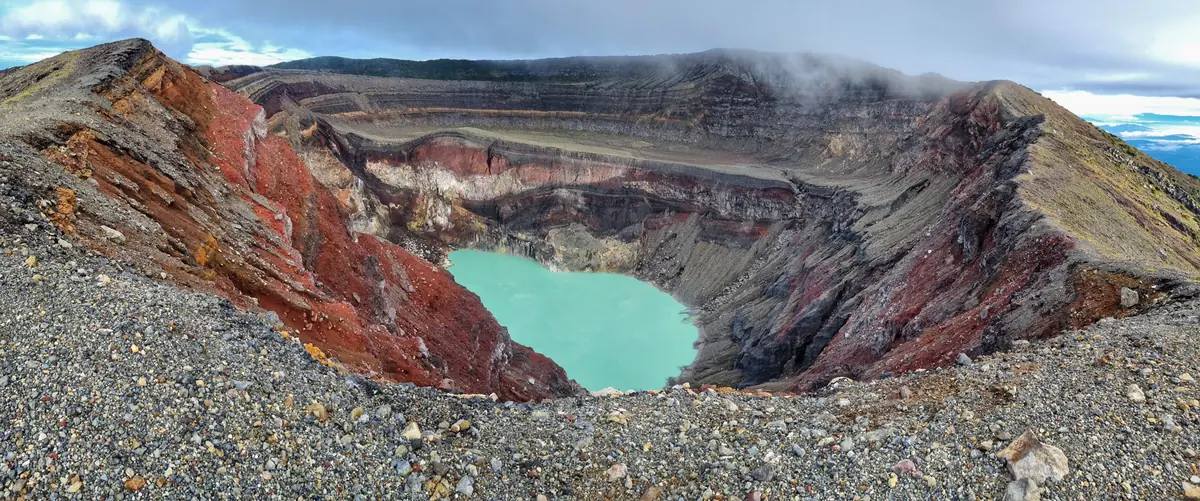
- Volcán Ilamatepec — 7,812 ft (2,381 m), summit hike with a turquoise crater lake; legal only with a certified guide
- Lake Coatepeque — a crater lake with day-use restaurants and weekend houses
- Cerro Verde National Park — entry point for the volcano hikes
Suchitoto and the colonial north
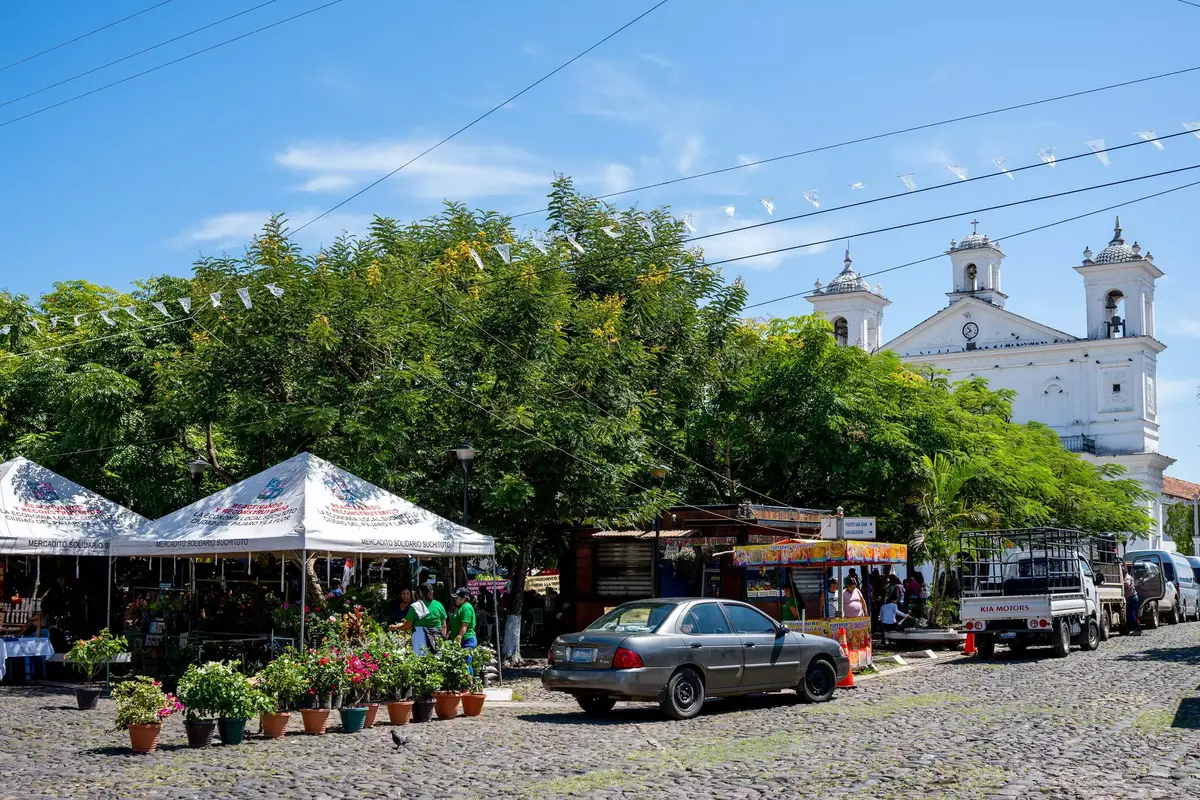
A cobblestoned colonial town overlooking Lake Suchitlán, 45 minutes northeast of San Salvador. The most LGBTQ-tolerant town in El Salvador, with a small arts scene, a 17th-century church, and good fresh-water seafood. The drive in passes a Civil War memorial that puts the country’s recent history in context.
Ruta de las Flores
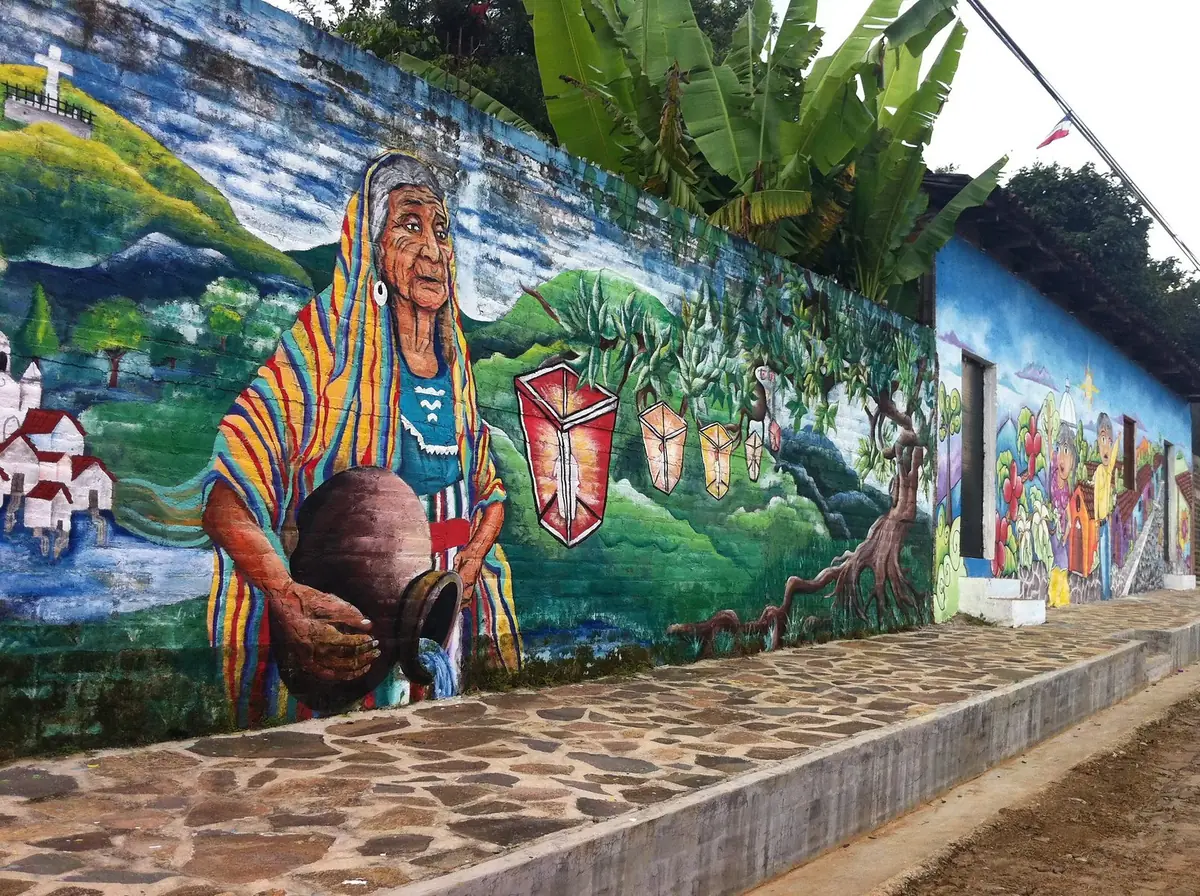
A 22-mile (35 km) stretch of mountain road through coffee country, connecting five small towns: Nahuizalco, Salcoatitán, Juayúa, Apaneca, and Concepción de Ataco. Juayúa hosts a weekend food festival; Ataco is covered in murals and small galleries. Cooler temperatures (60-75°F / 15-24°C) than the coast and minimal crime.
Safe districts in San Salvador
If you’re spending a night or two in the capital, stay in:
- Zona Rosa / San Benito — restaurants, bars, embassies
- Colonia Escalón — upscale residential with the country’s best private hospitals nearby
- Santa Elena and Antiguo Cuscatlán — newer office and hotel district, close to the airport road
- Centro Histórico — only during daylight, for the cathedral and palace
Is El Salvador safe for solo female travelers?
El Salvador is safe for solo female travelers with standard Latin American precautions — meaning no walking alone after dark, no flagging unmarked taxis, and dressing more conservatively outside beach towns. Machismo culture means catcalls (“piropos”) are common, but they’re rarely aggressive and physical harassment is unusual. The surf coast and Suchitoto are easiest for solo travel; the chicken bus system is not.
Specific guidance from solo travelers I’ve spoken with:
- Use Uber in San Salvador and Santa Ana. It’s cheap ($3-8 typical rides), trackable, and the driver pool is monitored.
- For inter-city transport, skip chicken buses and use private shuttles like Tunco Life or Geotours ($15-25 per leg).
- Book accommodations in Zona Rosa, San Benito, Escalón, El Zonte, or Suchitoto — all have safe walking radius around the lodgings.
- Don’t drink with strangers at El Tunco beach bars; the standard rule about watching your drink applies harder here than in San Salvador.
- Pack a doorstop or rubber wedge for hostel rooms with shared corridors.
Pro Tip: The Travelladies app has active reviews from solo female travelers in El Salvador — more current and granular than any travel-guide thread. The general consensus is “moderate” — safer than Guatemala, less polished than Costa Rica.
Is El Salvador safe for LGBTQ+ travelers?
El Salvador is legally tolerant but socially conservative for LGBTQ+ travelers. Same-sex relationships are legal; same-sex marriage and legal gender recognition are not. The Bukele administration shut down the government’s Sexual Diversity Directorate, and Human Rights Watch has documented cases of arbitrary detention and abuse of LGBT Salvadorans by security forces. Public displays of affection between same-sex couples are unusual outside three specific places.
Where LGBTQ+ travelers are most comfortable:
- Zona Rosa / San Benito in San Salvador — small queer nightlife scene including Mister Bar, Hoyo Iguana, Circus Bar
- El Zonte — home to Casa De Colores, an LGBTQ-owned hostel and the friendliest beach town
- Suchitoto — the most open-minded inland town; small but visible community
Outside these three areas, keep public displays low-key — not because of legal risk for tourists, but because the country lacks the social infrastructure of, say, Mexico City or San José.
Pro Tip: For trans and non-binary travelers, immigration checks at the airport are typically straightforward, but checkpoint stops during the State of Exception have been less predictable. Carry documentation that matches your passport photo as closely as possible.
Is El Salvador safe for families with kids?
El Salvador is safe for families if you stick to the established tourist circuit and rent a car or hire a driver instead of using public buses. The coastal hotels around El Sunzal and El Zonte cater to families with pools, calm shallow zones, and surf schools that take kids from age 6. Petty crime is minimal in tourist towns, but the country lacks the family-tourism polish of Costa Rica.
What works for families:
- Surf coast resorts with pools — Hotel Roca Sunzal, Boca Olas, Palo Verde (El Zonte)
- Joya de Cerén UNESCO site (the “Pompeii of the Americas”) — small, walkable, kid-friendly
- Lake Coatepeque day trip — calmer water than the Pacific
- Suchitoto — slow-paced, walkable, good for stroller-age kids
What to skip with kids:
- Santa Ana Volcano hike (too strenuous for under-10; altitude and loose volcanic rock)
- Pacific beach swimming without a parent in the water at all times — see the rip current section below
- Chicken buses for inter-city legs
Is it safe to drive in El Salvador?
Driving in El Salvador is safer than driving in Guatemala or Honduras, but more demanding than driving in Costa Rica. The main highways — CA-1 (Pan-American) and the Litoral coastal route — are well-paved and well-lit on the tourist corridors. Off-pavement, you’ll want 4WD. Avoid inter-city night driving entirely, and never drive after even one drink (DUI is zero-tolerance).
The practicals:
- Rental car (compact): $30/day all-in including basic insurance at SAL airport
- Gas: around $4.00/gallon ($1.06/liter); no toll roads on the main tourist routes
- Driving age and license: International Driving Permit recommended; US license accepted for 90 days
- Speed limits: 25 mph (40 km/h) in towns, 50-55 mph (80-90 km/h) on highways
- DUI: zero tolerance; any detectable alcohol can mean detention
Watch for missing manhole covers (occasionally stolen for scrap metal), unsignaled speed bumps in small towns, and motorcyclists splitting lanes aggressively. The drive from SAL airport to El Tunco takes 45 minutes on Highway CA-2 and is the safest highway in the country.
Are public buses, taxis, and Uber safe in El Salvador?
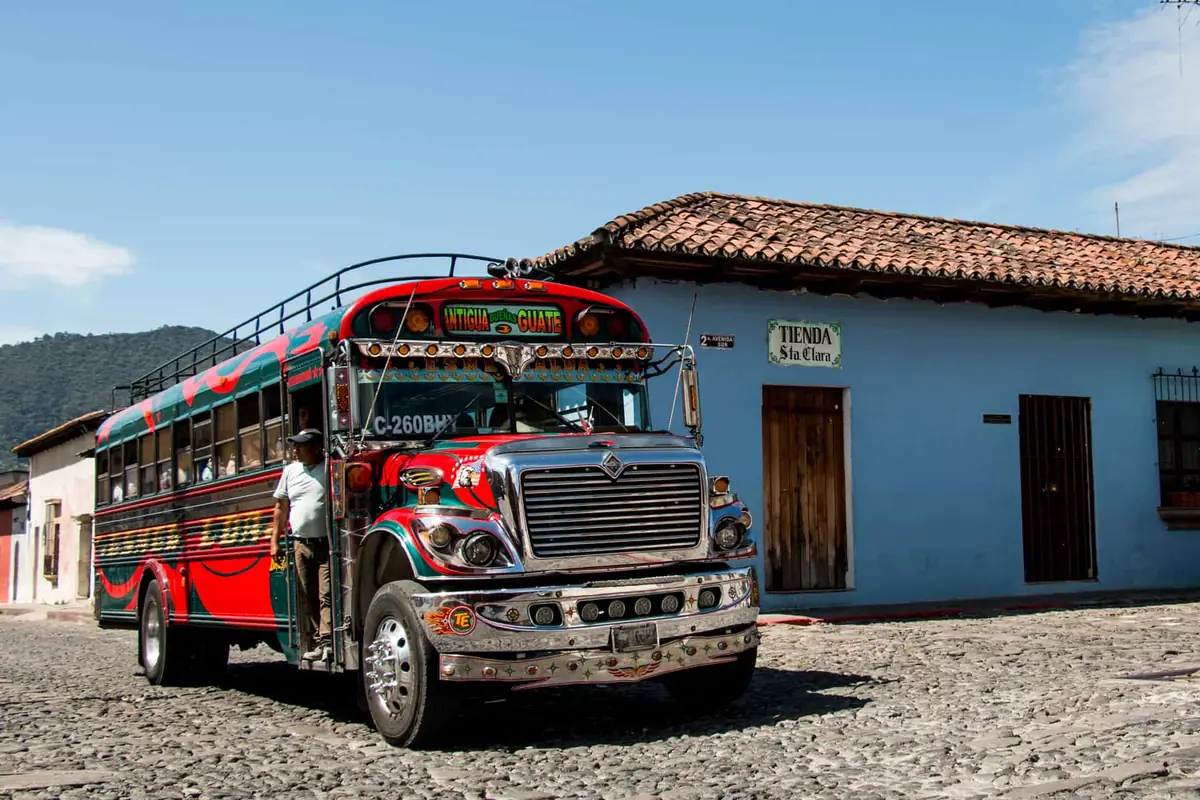
Uber is the safest urban transport option in El Salvador; it operates in San Salvador and Santa Ana with typical rides costing $3-8. Public chicken buses are dirt cheap ($0.25-1.50) but flagged as unsafe by the US Embassy and avoided by most tourists. Marked taxis are safer than unmarked “piratas,” but bargain the fare before getting in — there are no meters.
What to take and what to skip:
- Take: Uber in San Salvador / Santa Ana, private shuttles for inter-city (Tunco Life, Geotours, $15-25), hotel pickups from the airport ($30-40 to El Tunco), Bolt where it’s available
- Skip: Unmarked street taxis, chicken buses for inter-city travel, public buses anywhere after dark
- Maybe: Marked yellow taxis with a posted driver license — fine for short city hops if you agree on the price first
What are the actual ocean and beach risks?
Rip currents are statistically the number-one cause of tourist death in El Salvador, killing multiple Americans every year at the Pacific beaches. Most beaches have no lifeguards. The Pacific here is genuinely dangerous — not just intimidating-looking — and the safety culture lags behind Costa Rica or Mexico. If you don’t surf and don’t read the water, swim only where a local guide can read it for you.
The high-risk beaches:
- Playa El Tunco — strong current at the river mouth on the south end
- El Sunzal — long swimmable stretches but powerful sweep on outgoing tides
- El Zonte — calmer for kids in the protected south cove, dangerous in the main break zone
- Playa El Cuco — remote, no lifeguards, multiple drownings reported
What to do:
- Ask hotel staff or surf school instructors which section is safe that day
- Swim within sight of other swimmers, never alone, never at dawn or dusk
- If caught in a rip, swim parallel to shore until free, then angle back in
- Avoid the river-mouth areas after rain (faster current, debris)
The volcano hikes pose lower risk but require a certified guide by law. Santa Ana Volcano requires registering at Cerro Verde National Park; the standard fee is around $7 ($3 entry plus $4 guide). Don’t attempt off-trail. Sulfur fumes near the crater have caused fatal accidents during eruption windows.
Earthquakes are frequent (the country is nicknamed the Valley of the Hammocks); most are minor. Hurricanes rarely make direct hits, but tropical-storm rainfall causes landslides during the May-October wet season.
What scams should you watch for in El Salvador?
Scams in El Salvador are low-stakes and mostly opportunistic — overcharging, ATM skimmers, and a Bitcoin-specific scam unique to this country. Violent robbery of tourists is genuinely rare, which is more than most Central American destinations can claim. The most common loss is around $20-50 from a fake guide or a card skimmer.
Specific ones to know:
- Chivo wallet “helpers” — strangers (often near El Zonte) offering to fix a Bitcoin transaction and walking away with the funds. Run your own wallet (Blink, Phoenix) and never hand over your phone.
- ATM skimmers — use ATMs inside bank branches or major malls (Multiplaza, La Gran Vía) only
- Fake hiking guides — at Tamanique Waterfalls (the “Seven Waterfalls”) and Cerro Verde, men sometimes attach themselves mid-hike and demand fees of $20-40. Book guides in advance through your hotel or registered tour operators.
- Pirata taxis — unmarked taxis at the airport quoting $80-100 for a $30 ride; use the official airport taxi desk or Uber
- Phone theft at beach bars — never leave a phone on a table when you go to the bar at El Tunco; the bar areas get crowded and phones disappear
- Market pickpocketing — Mercado Central in San Salvador and the area around the old Tica Bus station are the highest-risk spots
Is the tap water safe to drink in El Salvador?
Tap water in El Salvador is not safe to drink for visitors. Bottled water costs $1.00-$1.50 USD for a 1.5L bottle and is sold everywhere. Avoid ice in street food stalls and small towns, but ice in mid-range and upscale restaurants is typically made from filtered water and is fine. Use bottled or boiled water to brush teeth in budget accommodations.
Most mid-range and upscale hotels provide complimentary bottled water in the room or have a filtered refill station in the lobby.
Where to get medical care as a US traveler
El Salvador has excellent private hospitals concentrated in San Salvador’s Escalón and Colonia Médica districts. Hospital de Diagnóstico on Paseo General Escalón is the US Embassy’s primary recommendation; doctors there are typically US- or European-trained and English-fluent. Costs run 60-80% lower than the US equivalent, but medical evacuation to Miami can cost $50,000-$200,000 without insurance.
Hospitals to know:
- Hospital de Diagnóstico (Paseo General Escalón, +503 2506-2000) — Embassy’s first recommendation
- Centro Médico Escalón — similar tier, also English-speaking
- Hospital de la Mujer — best for OB-GYN and pediatric emergencies
- Clínica del Country — closer to Santa Elena hotels
Typical out-of-pocket costs:
- ER visit: around $200
- Hospital room per day: around $400
- Travel insurance for one week (basic): $24-50
- Comprehensive insurance with medical evacuation: $50-200
Public hospitals (Rosales, Bloom) are crowded and have limited English-speaking staff. Skip them unless you have no other option.
How does El Salvador compare to other Latin American destinations?
El Salvador’s homicide rate is now the lowest in the Western Hemisphere — lower than Costa Rica, Mexico, the US average, and Canada. But homicide is only one safety dimension. Costa Rica has more developed tourist infrastructure, more lifeguards, better-marked hiking trails, and stronger rule of law for citizens. El Salvador is the better deal on cost and the better story on raw crime numbers.
A snapshot comparison (homicides per 100,000):
- El Salvador: 1.36 (official) / ~2.5 (adjusted for undercount)
- Costa Rica: 16.6
- Mexico: ~25 (varies wildly by state)
- Guatemala: ~16
- Honduras: ~26
- United States (average): ~6 (higher in many cities)
- New Orleans: ~70
- St. Louis: ~64
Where El Salvador beats Costa Rica: cost, surf consistency for intermediates, crowds (smaller).
Where Costa Rica still wins: family infrastructure, beach lifeguards, environmental protection, due process.
What does a safe trip to El Salvador cost in USD?
A safe, comfortable week in El Salvador costs roughly $80-150 per day for mid-range travelers, including hotel, food, transport, and activities. Backpackers can do it on $35-50 a day staying in hostels. The country runs on US dollars, so there’s no currency conversion friction.
Realistic daily budgets:
- Backpacker (hostel dorm, chicken buses replaced by occasional Uber, street food): $35-50
- Mid-range (boutique hotel, private shuttles, mix of street food and restaurants, one tour per day): $80-150
- Luxury (Casa de Mar, Antiresort, private driver, surf lessons, fine dining): $250+
Key prices to anchor planning:
- Tourist card on arrival: $12 (cash only)
- Roundtrip flight from Miami to SAL: $145-348
- Roundtrip from LAX: $331-391
- Roundtrip from JFK or Newark: $183-394
- Airport private taxi to El Tunco (45 min): $30-40
- Uber from airport to El Tunco: around $26
- Hostel dorm bed (El Tunco): $9.50-20
- Mid-range hotel (El Tunco — Papaya Lodge, Tunco Lodge): $50-90
- Beachfront mid-range (Hotel Roca Sunzal, Boca Olas): $80-150
- Luxury (Casa de Mar, Antiresort Mizata, Palo Verde): $200-400+
- Pupusa: $0.50-1.30 each
- Mid-range restaurant entrée: $7-25
- Ceviche: $7-9
- Local beer: $1.50
- Surfboard rental: $10-15/day
- Group surf lesson (75-90 min): $25
- Private lesson with ISA-certified instructor: $20-30/hour
- Santa Ana Volcano hike (entry + guide): $7
- Ruta de las Flores day tour: $69-98
- eSIM data (Holafly/Airalo, 2 weeks): $10
When is the safest time to visit El Salvador?
The dry season (November through April) is the safest and most comfortable time to visit El Salvador. Roads are reliable, hiking trails are stable, and the surf is consistent for intermediates. The wet season (May through October) brings afternoon downpours, landslide risk on volcano hikes, beach erosion, and bigger surf swells that draw advanced surfers but make Pacific swimming more dangerous.
Quick season cheat sheet:
- Peak dry season (December to March): best weather, biggest crowds at El Tunco, highest hotel prices
- Shoulder dry (November, April): excellent weather, lower prices, fewer crowds
- Wet season (May to October): cheaper, advanced surf, landslide risk on volcano routes
- Hurricane-adjacent storms (June to November): rare direct hits, real flood risk for inland and coastal lowlands
Year-round temperatures stay in the 77-91°F (25-33°C) range at sea level, dropping into the 60s°F (15-20°C) at night in the western highlands.
Emergency contacts for US travelers in El Salvador
Save these in your phone before you fly:
- General emergency: 911
- POLITUR (tourist police) hotline: +503 2511-8302 / +503 2511-8300
- US Embassy emergency line (from inside El Salvador): 2501-2999
- US Embassy emergency line (from US): +1 (301) 985-8840 ext. 2999
- US Embassy address: Final Boulevard Santa Elena Sur, Urbanización Santa Elena, Antiguo Cuscatlán, La Libertad
The Embassy operates 24/7 for genuine emergencies (death, arrest, medical evacuation). For routine matters, the Consular Section is open weekdays during business hours.
Before you book
El Salvador is safer than the headlines and more complicated than the brochures. The streets are quieter than San Diego’s, the cost is half of Costa Rica’s, and the surf is among the best in the Americas. The State of Exception is real, the in-custody deaths are real, and the rip currents kill more tourists than crime ever did.
TL;DR: El Salvador now sits at US State Department Level 1 with a homicide rate of 1.36 per 100,000 — the lowest in the Western Hemisphere. Stick to the surf coast, the western highlands, Suchitoto, and safe districts of San Salvador. Use Uber over buses, skip the chicken bus for inter-city legs, cover obvious tattoos, and respect the Pacific rip currents.
If you’ve been to El Salvador recently — or you’re weighing it against another Central American destination — what’s the one safety question this guide didn’t answer for you? Drop it in the comments.