Portugal stopped being a backpacker bargain several years ago. But “not cheap” and “bad value” are not the same thing — and that distinction is exactly what this guide is about. Here is a clear-eyed breakdown of what flights, hotels, food, transport, and activities will actually cost on a trip to Portugal, with no padding.
How much do flights to Portugal cost from the US?
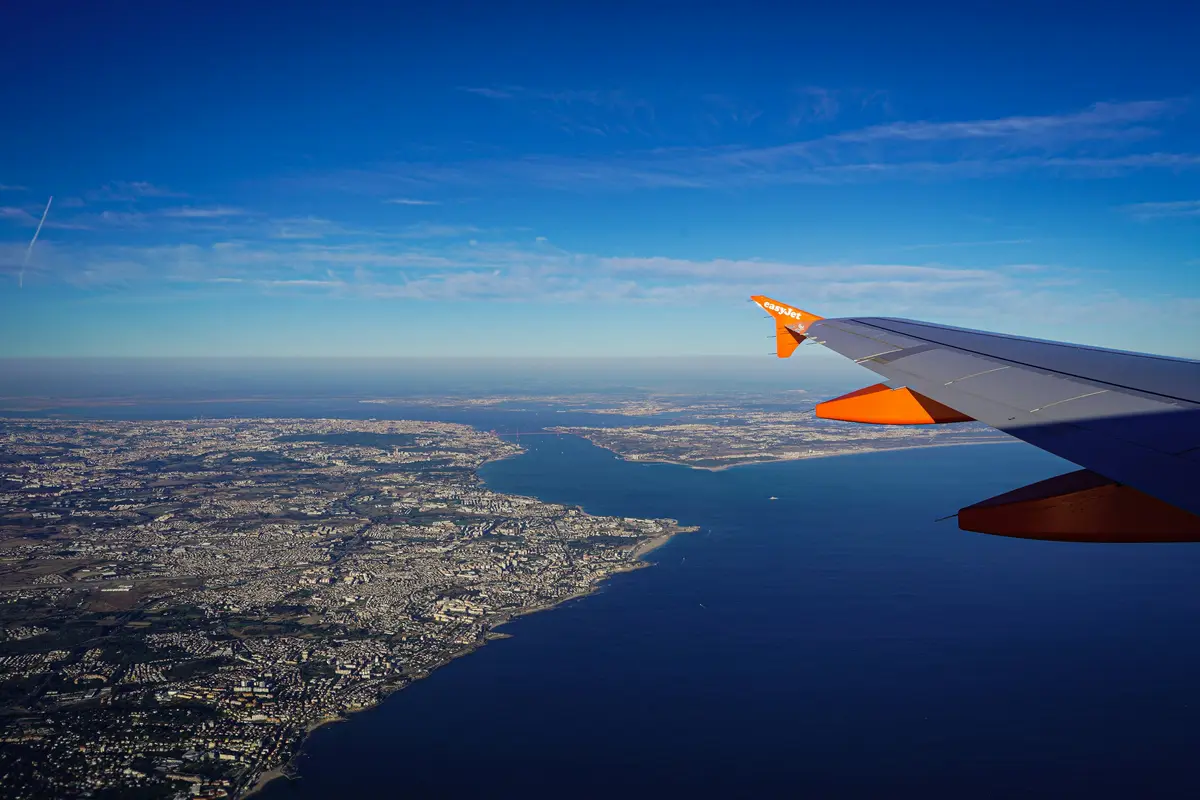
The round-trip airfare is the biggest single variable in your Portugal travel cost. East Coast travelers have a real advantage: routes from New York (JFK, EWR) and Miami drop to $378–$450 in the off-season, with TAP Air Portugal, Air Europa, and the US legacy carriers competing directly for those routes. February is consistently the cheapest month — fares from Miami have been spotted at $417.
The summer picture is entirely different. Those same routes climb to $1,100 or more during peak season, a jump of roughly 200% from the winter floor.
West Coast departures from Los Angeles or San Francisco require a larger buffer. Shoulder-season fares typically land between $650 and $850, with occasional deals around $437–$580. Peak summer can push past $1,500.
Pro Tip: West Coast travelers can often save $200–$300 by booking two separate tickets — one to an East Coast hub like JFK or Newark, then a transatlantic leg from there. Alternatively, routing through Madrid or London frequently undercuts direct fares.
Travel insurance runs $20–$22 per day for comprehensive coverage and is worth factoring in from the start.
What about ETIAS — do Americans need it?
Not yet. ETIAS, the EU’s pre-travel authorization system for visa-exempt travelers, is expected to launch in the last quarter of 2026. The fee is €20 (roughly $22) per application, valid for three years, with exemptions for travelers under 18 or over 70. No action is needed for trips before that date.
What does accommodation cost in Portugal now?
Portugal’s short-term rental market shifted significantly after the Mais Habitação legislation placed strict limits on new vacation rental licenses. Combined with rising visitor numbers, the result is that “cheap” no longer describes accommodation in Lisbon or Porto — though the country still offers genuine value if you know where to look.
Hostels
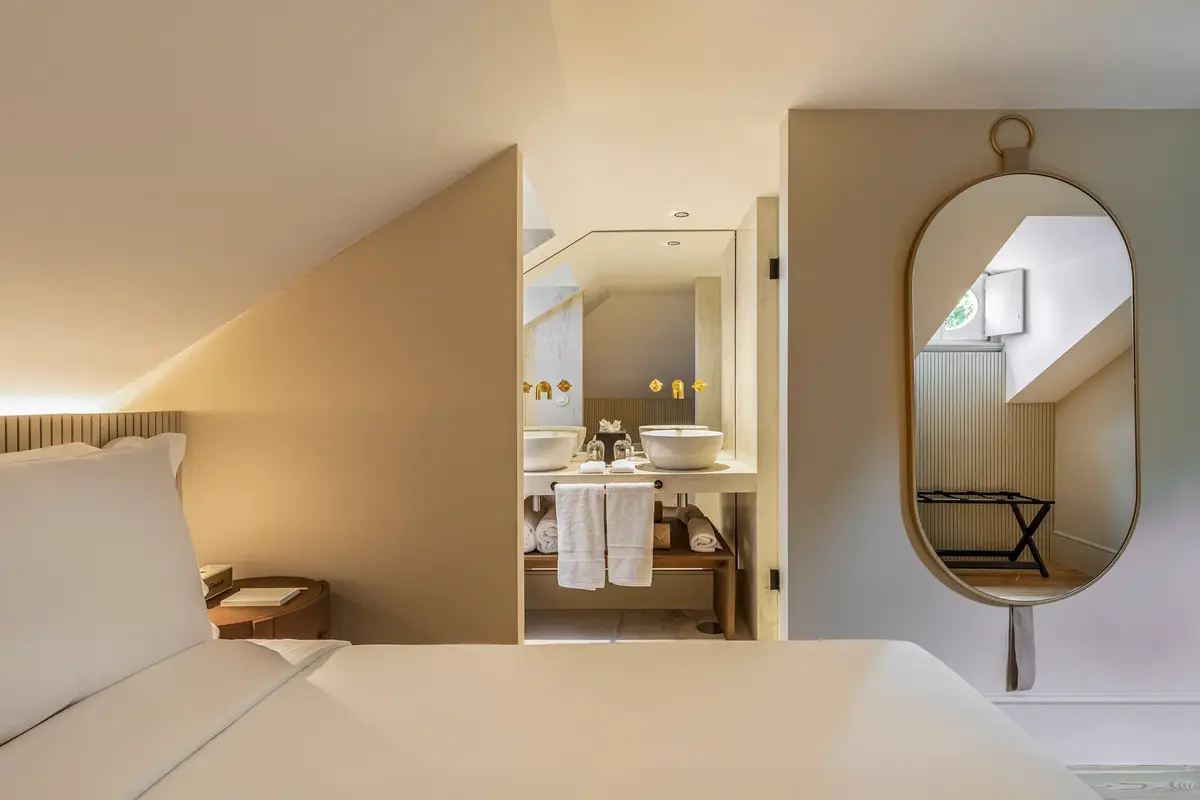
Top-rated hostels in Lisbon and Porto now run €35–50 per dorm bed in high season, rarely dropping below €20–25 even in winter. Private rooms in those same hostels have moved upmarket to €80–120 per night, which puts them in direct competition with budget hotels.
Hotels
Mid-range 3- and 4-star hotels in Lisbon average €130–180 per night for a double room, spiking above €250 in summer. Porto tracks about 10–15% cheaper for comparable quality, though that gap narrows every year as the city’s profile rises.
The most effective move to cut accommodation costs without sacrificing comfort: go inland. Braga, Guimarães, and the Alentejo interior see those same quality hotels drop to €70–100 per night — 30–50% less than the coastal cities.
Short-term rentals
Airbnb pricing in Portugal now carries a catch: cleaning fees and service charges routinely inflate a €80/night listing to €120/night all-in. For solo travelers or couples, a traditional hotel often wins the actual value equation. Apartments only start making financial sense for groups of three or more who can split costs and use the kitchen.
Pro Tip: Lock in flexible hotel rates 3–6 months out. Prices start climbing sharply 45–60 days before arrival, and many budget properties now require upfront deposits to confirm a reservation.
How much does food cost in Portugal?
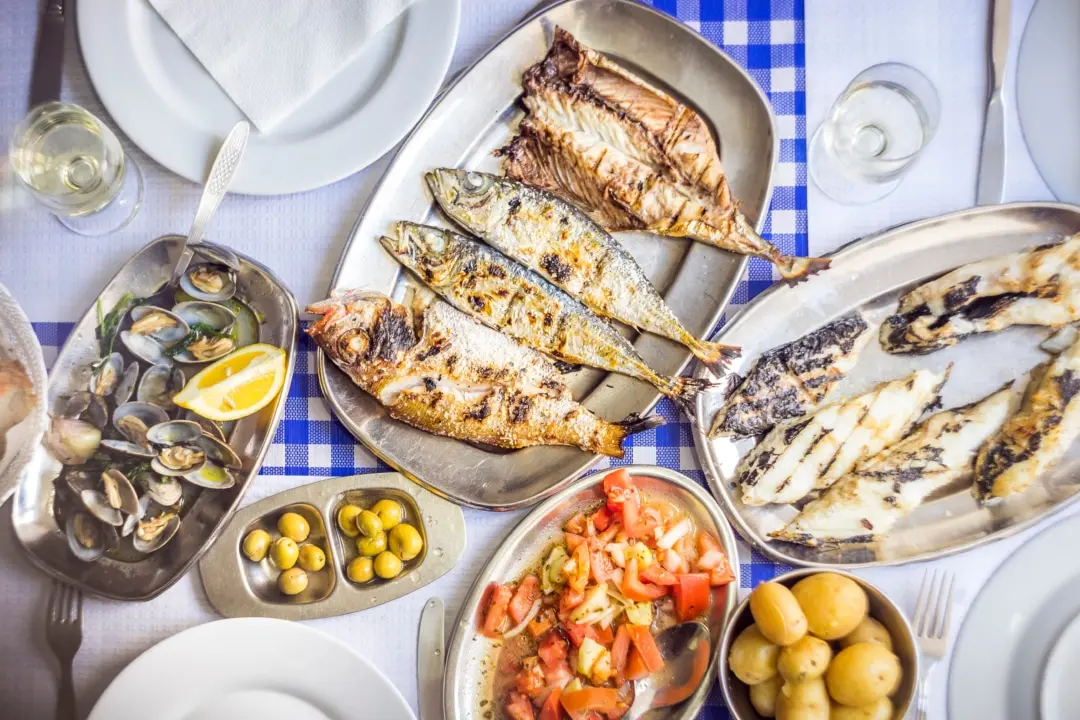
Food is where the country still delivers real value — but only if you understand how the dining culture works. The gap between eating like a local and eating like a tourist is larger in Portugal than almost anywhere else in Western Europe.
Lunch: the prato do dia system
Traditional tascas, the family-run taverns that exist on every block once you leave the main tourist drag, serve a prato do dia (dish of the day) for €8–12. That price typically covers soup, a main course, a drink, dessert, and an espresso. For lunch, this is the single most effective way to eat well and cheaply. The rule: if the menu has five languages and photographs of the food, you are already paying a tourist premium.
Dinner: the couvert trap
Evening dining operates on different economics. Before you order anything, the waiter will place bread, olives, butter, or a small cheese spread on the table. These are not free. Touch a single olive and you will be charged €2–8 depending on the spread. Saying “Não, obrigado” (no, thank you) or simply leaving the items untouched is completely acceptable.
A mid-range dinner — main course, shared appetizer, and wine — runs €25–40 per person. Restaurants in high-traffic tourist zones like Porto’s Ribeira or Lisbon’s Chiado add a 20–30% location premium on top of that.
Fine dining
The upper end of the market offers some of the best value in Europe for serious food. Michelin-starred tasting menus at places like Belcanto, Alma, or Ocean range from €100–250 per person — roughly 30–50% less than equivalent restaurants in Paris, London, or New York.
Groceries and wine
A grocery basket that costs $60 at a US supermarket typically runs €25–30 at Pingo Doce or Continente. Wine is the real standout: an excellent bottle of Douro, Dão, or Alentejo wine costs €4–8 at a supermarket — the same bottles sell for $20–30 as imports in the States.
Tipping
Tipping in Portugal is minimal by US standards. Locals might round up or leave €1–2. In tourist areas, payment terminals now frequently prompt for 5–10%, but 5–10% is considered generous by local standards. For a café coffee or quick snack, rounding up the change is entirely sufficient.
What does getting around Portugal cost?
Urban public transport in Portugal is inexpensive and reliable. The complications come with private transport, where a series of hidden costs can undercut a tight budget quickly.
City transit
- Single metro or bus ticket: €1.80
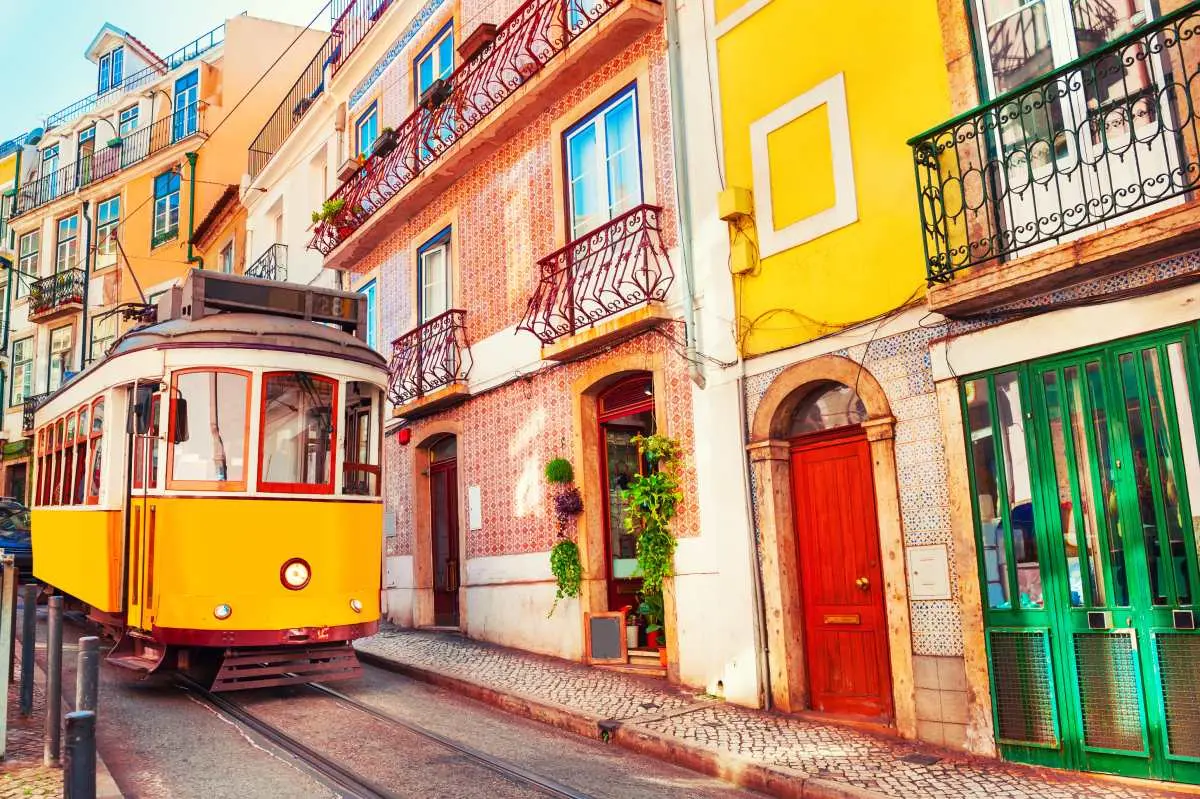
- 24-hour unlimited pass (includes Tram 28 and city funiculars): €6.80–7.00
- Uber or Bolt (15–20 minute ride): €5–8
Rideshare reliability has gotten inconsistent in Lisbon’s historic center, where traffic restrictions cause drivers to cancel frequently. Metro and bus are more dependable for cross-city trips.
Intercity rail
Portugal’s main intercity train — the high-speed Alfa Pendular — between Lisbon and Porto takes about 3 hours for €30–45 one-way. The slower Intercidades runs the same route for around €25.
Pro Tip: Comboios de Portugal releases Promo fare tickets roughly 60 days in advance at 40–50% discounts, bringing intercity fares down to around €15. Book online the moment your itinerary is set — these sell out.
Renting a car
Base rates for economy cars look cheap on paper — as low as €5/day off-season — but summer rates for the same car climb to €30–50/day, and that is before the real financial shock: highway tolls.
Driving south toward the Algarve costs €23.80 in tolls one way. North runs €25.05. Most Portuguese highways use electronic scanning with no physical toll booth. You must rent the Via Verde transponder device (€1.50–2.00/day) — a non-negotiable step when driving in Portugal. Skip it and you will face a bureaucratic process at post offices to pay retroactively, often with fines arriving by mail months after returning home.
Also factor in credit card holds of €1,000–2,000 if you decline the rental agency’s insurance package.
How does location affect your daily Portugal travel cost?
Where you stay matters as much as how you travel. The country spans an enormous price range from the capital to the interior, and choosing the wrong base for your budget can easily add $30–50 to your daily spend.
Lisbon
The capital commands the highest prices in the country across every category. Budget 20–30% more than national averages. The municipal tourist tax is €4 per person per night, capped at 7 nights — a couple staying a full week pays €56 in taxes at check-in, on top of their nightly rate.
Major attractions:
- Jerónimos Monastery (cloisters): €18
- Lisbon Oceanarium: €25
- Sintra day trip: Pena Palace full ticket €20, transport within Sintra €15–20, and food in the town is aggressively priced — pack lunch
On my last visit to Sintra, the ticket line for Pena Palace at 10 a.m. had already wrapped around the building. Book timed-entry online before you leave Lisbon.
Porto
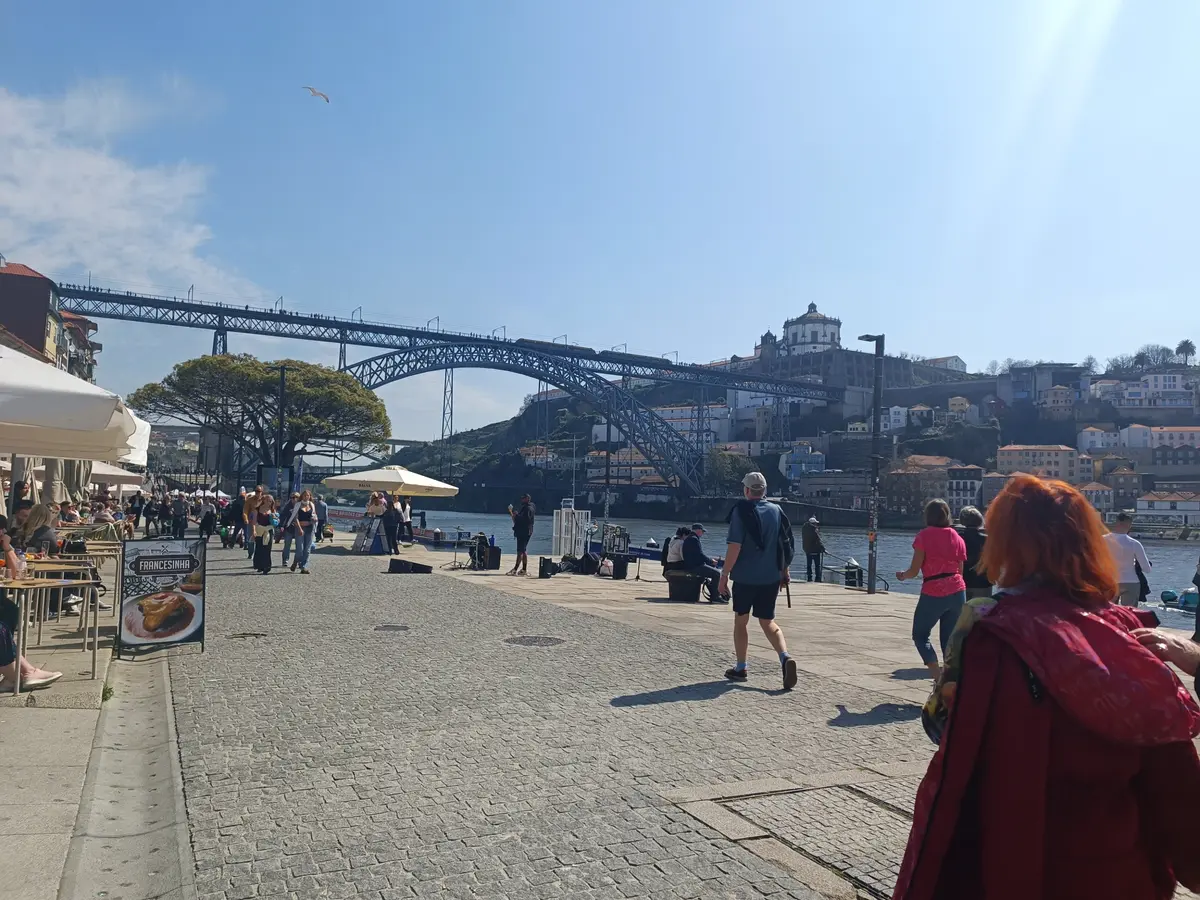
The second city still offers better value, though the gap with Lisbon shrinks every year. The tourist tax is €3 per person per night. Hotels run 10–15% cheaper for comparable quality. Food portions in the north are famously larger — the Francesinha sandwich at a local spot costs €12–15 and will fill two people.
If you’re basing yourself in Porto, venture further north to Braga or Guimarães: hotels drop to €50–80 per night alongside traditional, high-quality, low-cost dining.
The Algarve
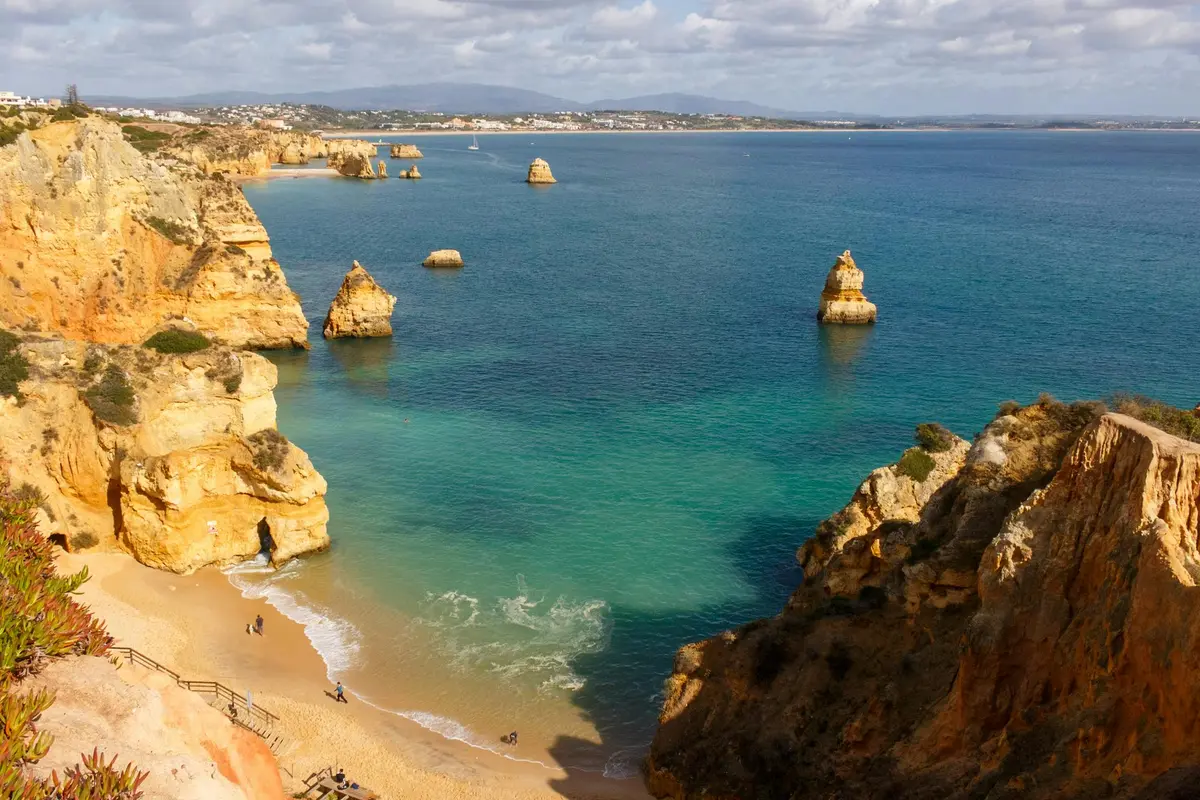
The southern coast runs on seasonal extremes. High season (June–August) sees hotel prices triple compared to winter rates, car rental shortages are common, and even restaurants with good reputations lean on tourist markup. The tourist tax is €2 per person per night in high season, €1 in low season.
Moving just 6 miles (10 km) inland to towns like Loulé or Silves cuts prices 30–40% across the board. The beaches are a short drive, the food is better, and you are no longer paying for the view of the ocean from your hotel room window.
Interior Portugal
The Alentejo and central interior maintain prices closer to what Portugal used to cost across the board. Dining and wine run roughly 30% less than coastal equivalents. Turismo Rural properties — farm stays and converted manor houses — offer high-quality lodging for €80–120 per night, experiences that would cost €200+ in comparable destinations like Tuscany.
What do activities and experiences cost in Portugal?
Fado in Lisbon
Show-only tickets with one glass of wine: €20–25 for a 50–60 minute performance. Dinner-and-show packages run €50–80+, with food quality at mass-market Fado houses rarely justifying the price.
Pro Tip: Eat elsewhere first, then find a local community spot in Alfama or Bairro Alto where you pay only for drinks and the music starts when it starts.
Douro Valley
In the Douro Valley, short river cruises departing from Pinhão run €10–20. The popular full-day excursion combining a train from Porto with a boat return and lunch runs €70–120.
Surfing
Group lessons with board and wetsuit rental: €25–45 per person for 2 hours. Private coaching runs €100+ per session. Week-long surf camps, including accommodation and daily instruction, sit at €400–500 — a strong value if you have the time.

How do you avoid hidden fees in Portugal?
ATMs
Avoid the Euronet machines, easily spotted by their bright blue and yellow branding in tourist areas. They charge €4–5 in fees and use predatory exchange rates.
Use Multibanco ATMs instead — the machines with the MB logo, usually attached to a bank branch. When prompted to pay in euros or USD, always choose euros. Choosing USD activates Dynamic Currency Conversion, which lets the merchant set the exchange rate at markups of 10–15%. Paying in euros routes the conversion through your home bank at standard market rates.
Tourist taxes
Municipal tourist taxes are almost never included in prepaid hotel rates booked online. You pay them directly at check-in. Current rates:
- Lisbon: €4 per person per night, maximum 7 nights
- Porto: €3 per person per night, maximum 7 nights
- Algarve (Albufeira, Faro, Portimão): €2/night high season, €1/night low season
A couple staying 7 nights in Lisbon pays €56 in taxes at the front desk. Budget for it in advance to avoid the surprise.
What will you actually spend? Three realistic budget models
These 7-day breakdowns exclude international flights.
Budget backpacker
- Weekly total: €455–525 per person
- Accommodation: Hostel dorms
- Food: Prato do dia for lunch, self-catered breakfasts and some dinners
- Transport: Walking, metro, public buses
- Activities: Free museum days, public beaches, neighborhoods on foot
- Best for: Travelers with genuine flexibility and discipline in an urban hub
Mid-range traveler
- Weekly total: €980–1,200 per person
- Accommodation: Private room at a guesthouse or 3–4 star hotel
- Food: Mix of tasca lunches and one proper sit-down dinner per day
- Transport: Combination of metro and rideshare
- Activities: Paid attractions, one major guided day trip
- Best for: Most American visitors; covers a relaxed, stress-free experience
Luxury traveler
- Weekly total: €3,150+ per person
- Accommodation: 5-star historic properties
- Food: Michelin dining, fine wine, private transfers
- Activities: Private guides, exclusive excursions, seamless logistics
- Best for: Those who want the best of Portugal at significantly lower prices than equivalent experiences in France or Italy
The bottom line on Portugal travel cost
Portugal is not the ultra-budget destination it was a decade ago, and planning as if it is will leave you scrambling mid-trip. The country sits at a premium value point: mid-range budgets here unlock experiences that cost significantly more in France, Spain, or Italy.
The variables that move the needle most are timing and location. Shoulder season — April through May and October through November — offers the best combination of weather, crowds, and pricing. The interior regions cost 30–50% less than the coastal cities for identical quality. And mastering the local dining system — prato do dia for lunch, couvert refusal at dinner, supermarket wine in the evening — can save a couple $400 over a week.
TL;DR: A realistic mid-range week in Portugal runs €980–1,200 per person excluding flights. Plan around shoulder season, book accommodation 3–6 months out, and skip the tourist-zone restaurants. The value is real — you just have to go find it.
What surprised you most about actual costs on a Portugal trip? Leave a comment below.