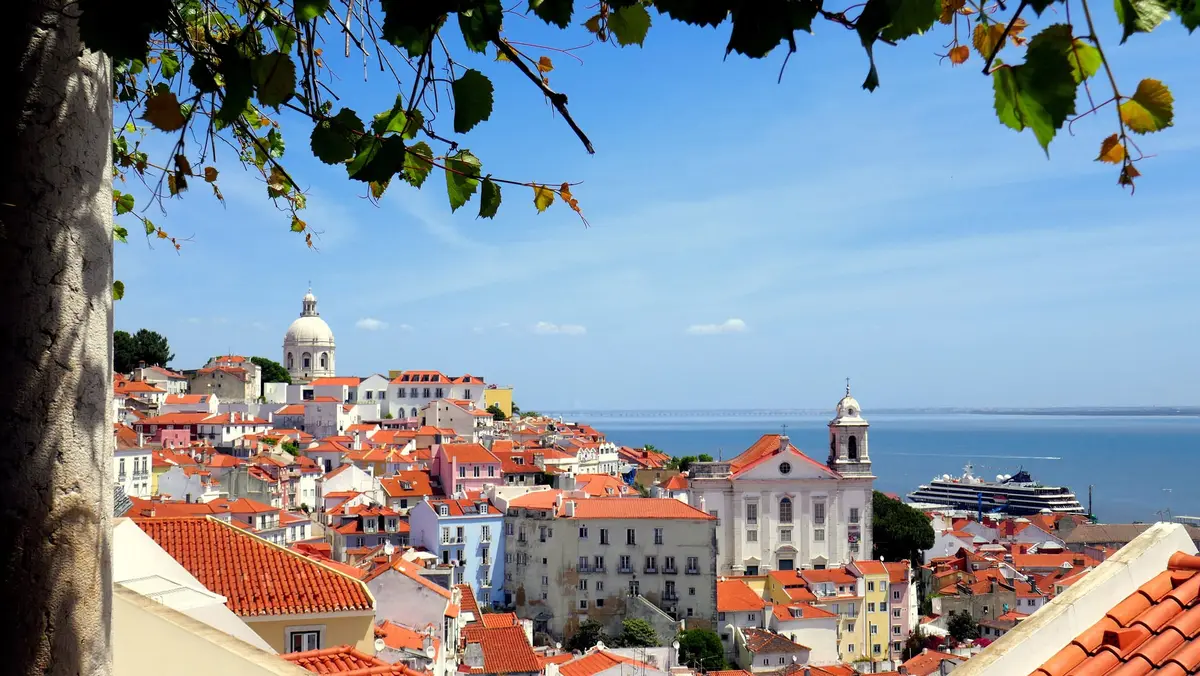
Porto punishes lazy accommodation decisions. Where you stay in Porto determines whether you spend your mornings navigating 200-foot granite staircases or watching port wine barges cross the Douro from a private terrace. This guide covers six neighborhoods and seven hotels — with the honest trade-offs for each.
Is Ribeira right for you — or just right for Instagram?
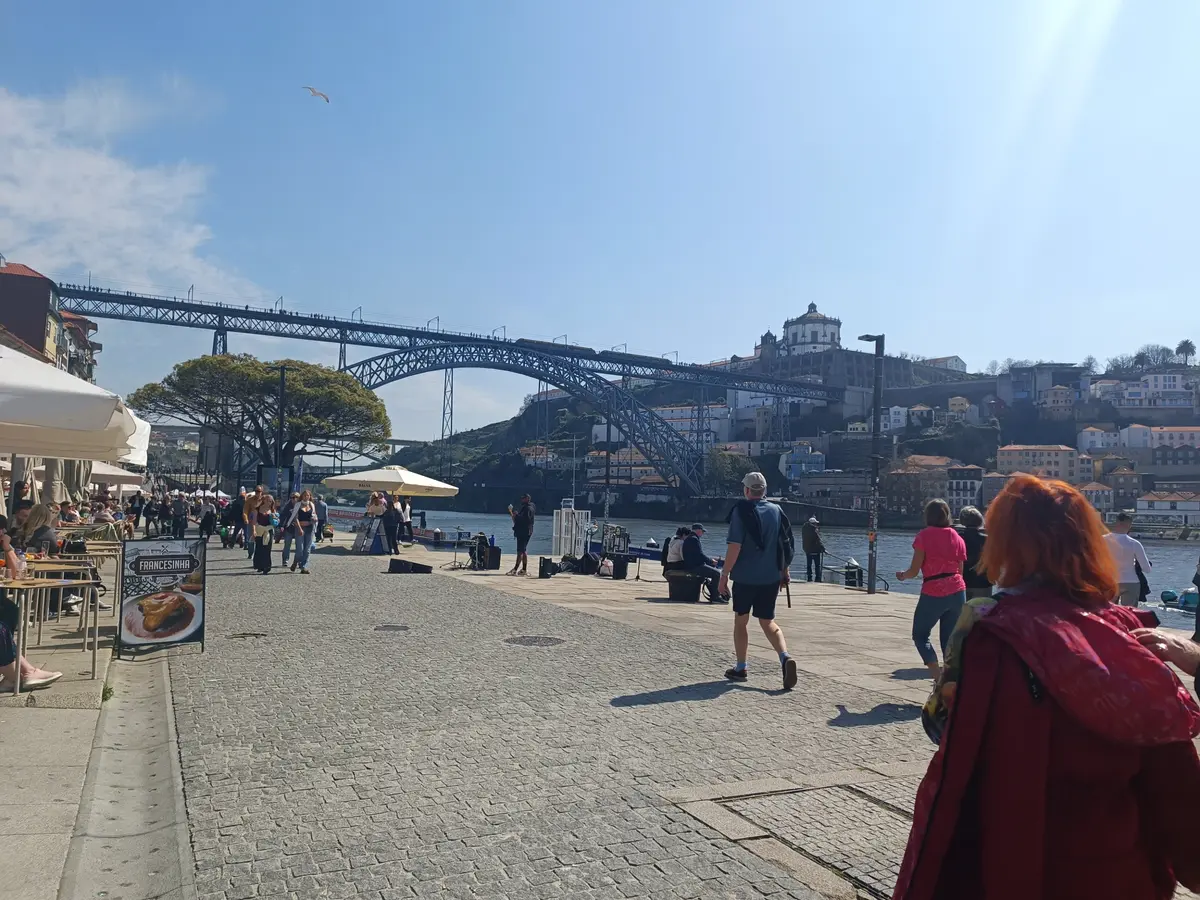
Ribeira earns its reputation as Porto’s most dramatic neighborhood, but it comes with real trade-offs. Tall, narrow townhouses spill down to the Douro River, the Dom Luís I Bridge looms overhead, and Six Bridges cruises depart from the wharf directly below. For first-time visitors who want immediate immersion in a UNESCO World Heritage district, there is no better base. The catch: you live at the bottom of a steep bowl, and reaching any other part of the city means climbing every time you leave.
Staying in Ribeira means waking up inside the postcard — shutters open to the bridge and the wine lodge hillside of Gaia glowing across the water. Laundry hangs from wrought-iron balconies. Fado drifts from open windows in the evening. The energy that makes Ribeira magnetic also makes it loud, so book a soundproofed room or face a sleepless weekend.

Pestana Vintage Porto
The most reliable choice on the Ribeira waterfront, Pestana Vintage Porto occupies a collection of 18 restored historic buildings right on Praça da Ribeira. It solves the neighborhood’s biggest friction points — steep streets, noise, luggage logistics — while preserving the riverside atmosphere. The hotel has elevators, professional soundproofing, and climate control that actually works. River-facing rooms deliver a straight-line view of the Dom Luís I Bridge and the wine lodge hillside across the Douro.
The breakfast terrace on the square lets you watch the city wake up before the tour groups arrive. On my last visit, being there before 8:30 a.m. meant having the terrace nearly to yourself. Premium river views command premium prices, and the uphill walk to the rest of the city remains unavoidable regardless of where you sleep in Ribeira.
- Location: Praça da Ribeira 1, Ribeira
- Cost: from $245/night
- Best for: Couples, first-time Porto visitors who want the full riverfront experience
- Time needed: 2+ nights to justify the location premium
1872 River House
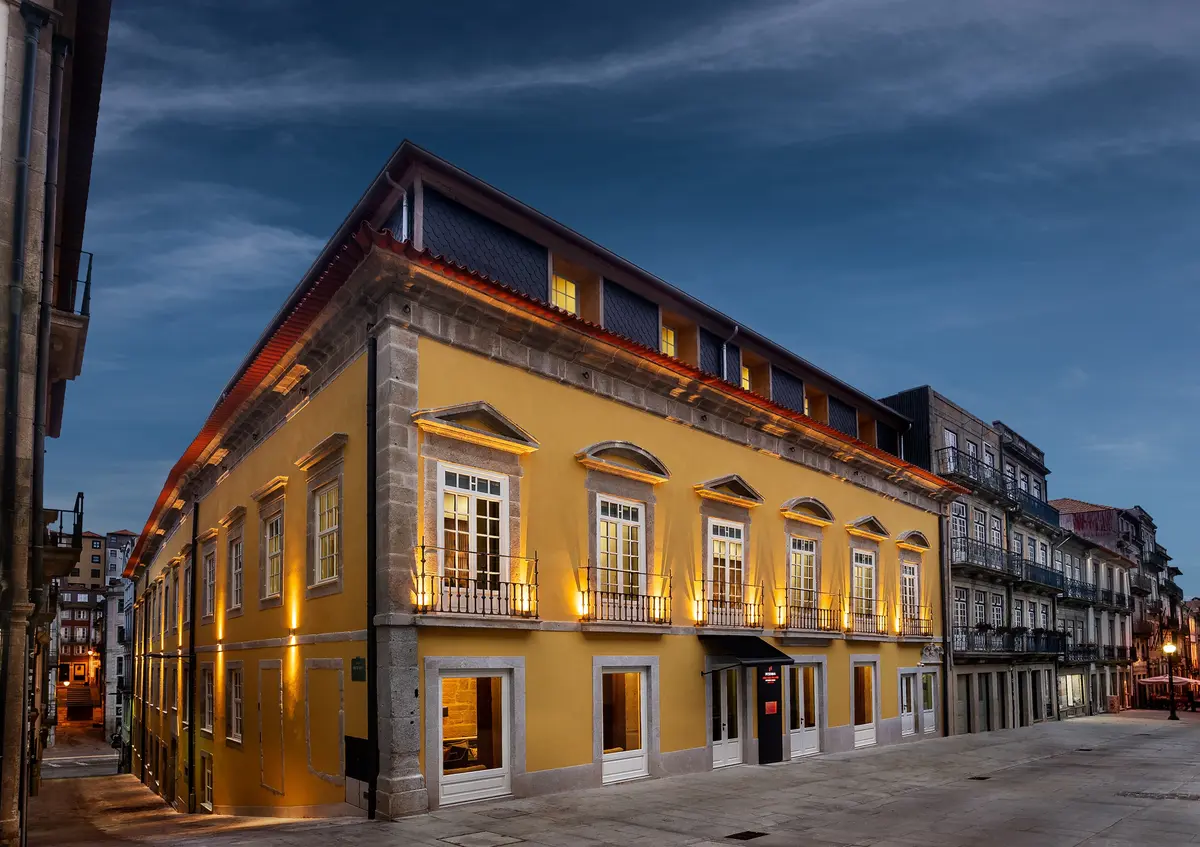
Positioned slightly west of the main tourist concentration, 1872 River House is the better pick for guests who want character over convenience. The Superior River View rooms literally hang over the water, creating a private connection to the Douro that city-view rooms in the same building cannot replicate. Original granite walls and a discreet entrance make arrival feel like finding a place most visitors walk past.
The smaller scale means some wings have no elevator — confirm accessibility before booking if mobility is a concern. The quieter location trades some of Ribeira’s kinetic energy for actual restful sleep. River-view rooms justify their price. City-view rooms facing the interior can feel dark and cramped for what you pay.
- Location: Cais da Estiva, Ribeira waterfront
- Cost: from $130/night (Superior River View from $190/night)
- Best for: Solo travelers, couples prioritizing atmosphere over amenities
- Time needed: 2 nights minimum
Pro Tip: Book river-view rooms at any Ribeira property at least 6 weeks ahead for peak season. Rooms with direct Douro views sell out first, and the difference between a river-view and a city-view room at the same hotel is typically $50-60/night — worth every dollar.
Why do most first-time visitors end up staying in Baixa?
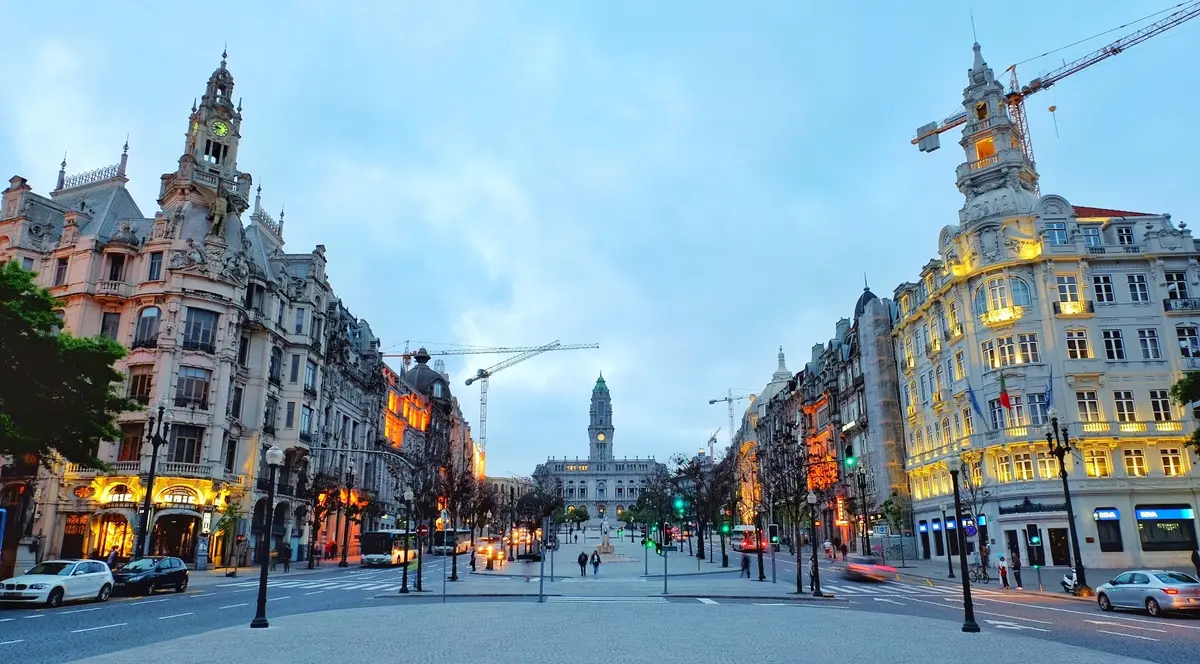
Baixa offers the most efficient starting point for sightseeing in Porto. The Trindade metro station connects you to the airport and the coast. Bolhão Market, Livraria Lello, Rua das Flores, and the Clérigos Tower are all within a 15-minute walk. Unlike Ribeira, you are at the top of the hill — moving downhill to the river and downhill to most attractions, rather than climbing back up after every excursion. For a 2-day Porto trip where sightseeing density matters, Baixa beats Ribeira on pure logistics.
The trade-off is atmosphere. Baixa is Porto’s 19th-century commercial city of grand banks and wide boulevards — handsome but less intimate than the historic waterfront. The adjacent Sé district brings medieval atmosphere around the cathedral. Ongoing infrastructure work in parts of the center can produce early-morning construction noise, so check recent reviews before confirming a specific property.
Torel 1884 Suites & Apartments
Torel 1884 occupies a former bank palace and converts it into one of Porto’s most deliberate storytelling hotels. Rooms are themed by Portuguese trade routes — exotic hardwoods, silks, and spice references that feel considered rather than decorative. The Bartolomeu Bistro & Wine operates in the preserved bank atrium, one of the most beautiful dining spaces in the city: ornate plasterwork overhead, dim warm lighting, and the original vault repurposed as a wine cellar.
This is not a hotel for guests who want neutral comfort. It works for travelers who find the idea of sleeping in a room named after a Portuguese navigator more compelling than a generic luxury package. The location near Bolhão keeps you in the action without the late-night noise of the Galerias nightlife cluster. Premium design comes at premium prices, and some rooms may catch construction noise depending on their exact position in the building.
- Location: Rua Cândido dos Reis 84, Baixa
- Cost: from $180/night
- Best for: Design-forward travelers, couples, cultural tourists
- Time needed: 2-3 nights
Zero Box Lodge
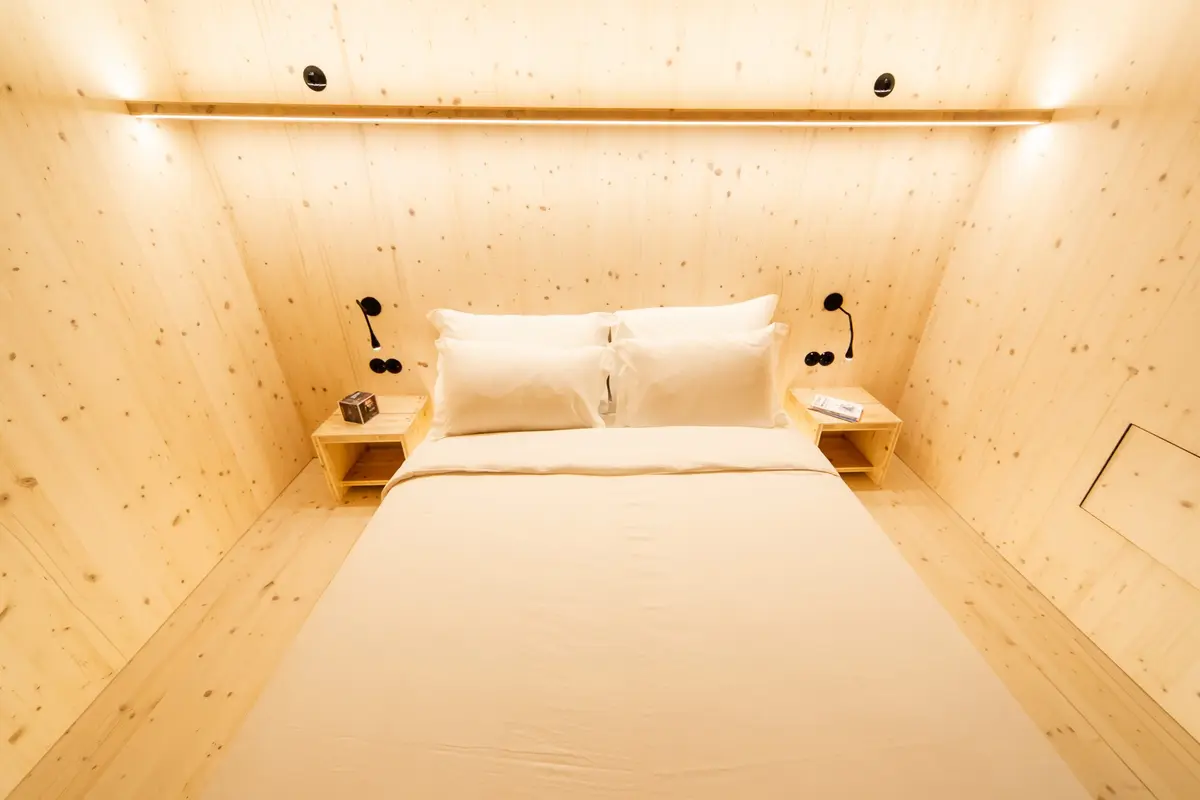
Zero Box Lodge is the most polarizing accommodation in Porto, and it earns that reputation honestly. A former bank converted into minimalist wooden sleeping boxes — no TV, no minibar, and only a few rooms have a window. The deliberate sensory reduction is intentional: the property is built around socializing in the rooftop bar, the cinema room, the 24-hour Big Bad Bank Bar, and the O Carniceiro restaurant downstairs.
The concept works if you are traveling solo and want instant connection with other guests. It fails for couples seeking privacy or anyone who needs natural light to function in the morning. The rooftop plunge pool with underwater speakers is genuinely fun. The lack of lockable room doors raises legitimate security concerns for solo travelers with valuables.
- Location: Rua do Ateneu Comercial do Porto 13, Baixa
- Cost: from $60/night
- Best for: Solo budget travelers, design-curious guests, young travelers who prefer atmosphere over amenities
- Time needed: 1-2 nights
Pro Tip: Zero Box Lodge boxes have air conditioning but no natural light in most rooms. Pack a sleep mask regardless of room type — the communal areas stay lively past midnight, and sound travels easily through the wooden structure. Request a box on the upper floors to reduce noise from the bar.
Is Cedofeita Porto’s best neighborhood for escaping the tourist crowds?
For travelers who want to feel like a resident rather than a sightseer, Cedofeita delivers better than any neighborhood in this guide. Centered on Rua de Miguel Bombarda’s gallery concentration, the area reads as residential rather than touristy — weekend brunch queues at Zenith and O Diplomata are full of Porto residents, not tour groups. Streets are quieter and flatter than Ribeira. You are still 15-20 minutes from the historic center on foot, which is a real walk but not a commute.
The trade-off is that Cedofeita has no riverside drama. You do not wake up to bridge views or Douro sunsets from here. What you get instead is a neighborhood that feels genuinely lived-in: specialty coffee shops, vintage clothing stores, and small restaurants that carry no English menus because they do not need them.
Rosa Et Al Townhouse
Rosa Et Al operates closer to a private residence than a hotel — seven suites with mid-century modern furniture, clawfoot tubs, and a commitment to natural light. The made-to-order organic breakfast is open to non-guests and draws a local crowd on weekday mornings — a reliable indicator that the kitchen takes Portuguese food seriously.
Garden suites offer private outdoor retreats that are genuinely peaceful. The scale means personalized attention that larger properties cannot replicate, and the surrounding gallery and coffee culture provides daily neighborhood exploration without advance planning. The walk to major tourist sites takes 20-25 minutes each way — factor that into your energy budget when planning a day with multiple stops.
- Location: Rua do Rosário 233, Cedofeita
- Cost: from $140/night
- Best for: Couples, design travelers, guests who want neighborhood life over hotel amenities
- Time needed: 2-3 nights
Pro Tip: Cedofeita’s brunch scene peaks between 10 a.m. and noon on weekends. If you want to eat at Zenith or Nicolau without a 40-minute wait, arrive before 9:30 a.m. or after 1 p.m. Both spots stop serving food in the early afternoon.

What makes Bonfim Porto’s most underrated neighborhood right now?
Bonfim sits east of Baixa and operates at a different frequency from the rest of the city. Grand bourgeois buildings alongside crumbling facades, traditional tascas specializing in traditional Portuguese food and lunch specials for under $12, and a noticeable absence of souvenir shops define the area. The 24 de Agosto metro station provides a direct airport connection without requiring a transfer at Trindade — a genuine logistical advantage for arrivals with heavy luggage.
The neighborhood’s authenticity is its main selling point and its main limitation. Streets can feel rough after dark, and evening walks back from the historic center are better handled by rideshare than on foot through poorly lit blocks. For travelers calculating the full cost of a Portugal trip, Bonfim offers comparable character to central neighborhoods at $30-50/night less.
Mouco Hotel
Mouco Hotel commits fully to its music concept, right down to guitars and vinyl records available to rent for your room. The minimalist, brutalist aesthetic aligns with Bonfim’s gritty identity rather than fighting against it. The property delivers character that design hotels in central Porto charge significantly more to provide.
The direct metro connection to the airport is a practical advantage for early departures. Guests who have spent a day walking the historic center will find lower restaurant prices and quieter streets on the return. However, the walk to Ribeira or the Clérigos Tower takes 25-30 minutes each way — factor that distance into your daily energy budget.
- Location: Bonfim district, east of Baixa
- Cost: from $90/night
- Best for: Budget-conscious travelers, music enthusiasts, guests who want authentic Porto without central prices
- Time needed: 2-3 nights

Should you stay in Gaia for that famous Porto skyline view?
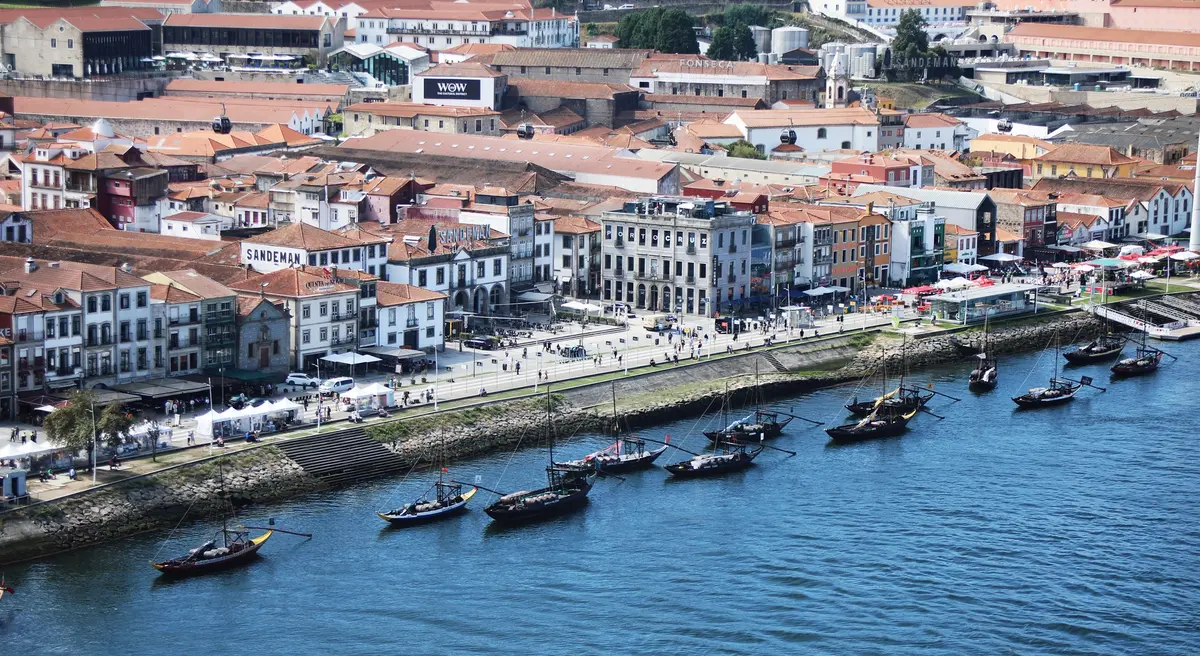
Vila Nova de Gaia sits on the south bank of the Douro — technically a separate municipality — and offers the single most compelling visual argument in this entire guide. Every room in Gaia’s hillside hotels faces north toward Porto’s UNESCO hillside, the Dom Luís I Bridge, and the terracotta rooftops tumbling down to the waterfront. The port wine cellars of Graham’s, Taylor’s, and Sandeman line the hillside below, and the streets are wider and more navigable than dense Ribeira.
The cost of that view is separation. Crossing to Porto requires the bridge (on foot, uphill on the upper deck at 104 feet / 32 m above the river, or flat on the lower deck), the cable car, or the metro. For sightseers who want to return to their hotel between museum visits, Gaia adds 20-30 minutes to every round trip. For guests who prefer a resort-style base with deliberate city excursions, it is the superior choice.
The Yeatman
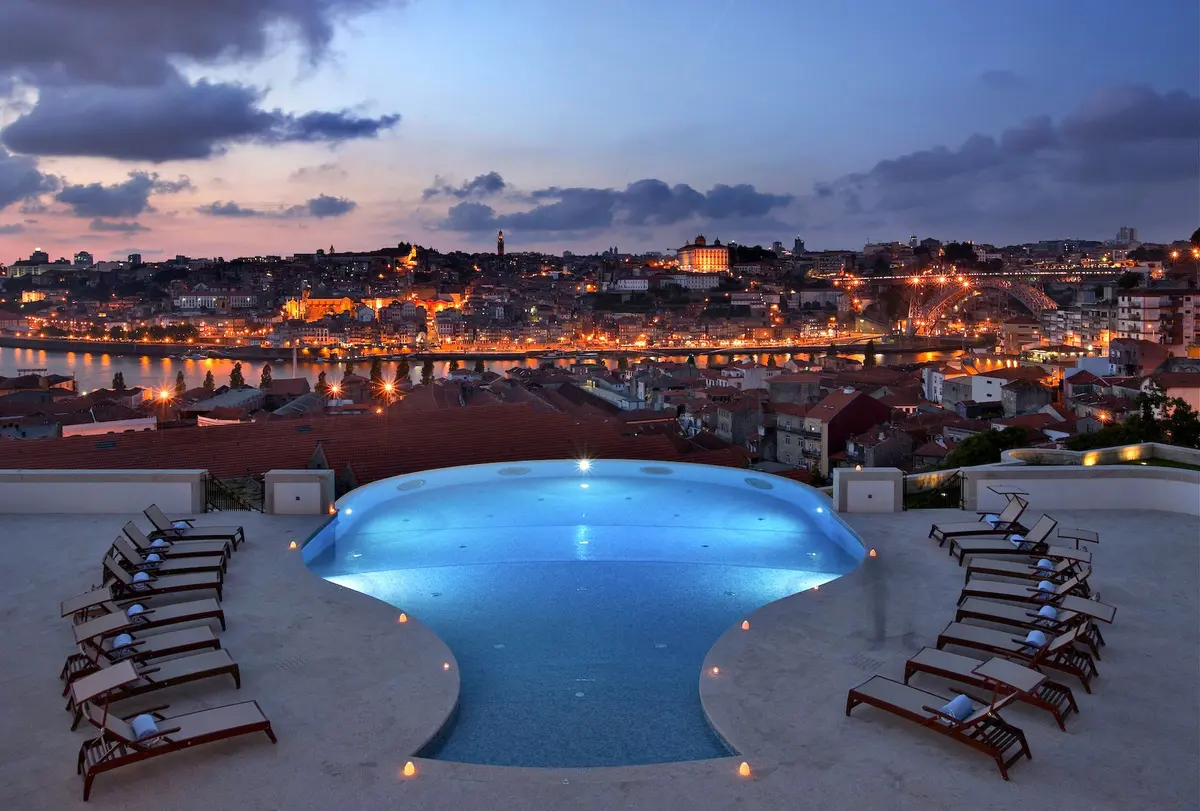
The Yeatman is the reference point for luxury hotels in northern Portugal — a Relais & Châteaux property where every one of its 109 rooms opens onto a private terrace facing Porto across the river. The gastronomic restaurant holds two Michelin stars and requires advance reservations. The outdoor pool is shaped like a wine decanter. The Yeatman Wine Spa integrates wine therapy treatments in a way that feels specific to the location rather than a marketing exercise.
The Bacchus Suite sets the benchmark for theatrical hotel rooms: the bed sits inside a massive oak wine barrel, and a copper Jacuzzi looks directly over the Douro. Rooms start around $365/night for an entry-level Executive Room. The property connects deeply to the British Port wine trade that built this hillside, and that anglicized polish is either charming or cold depending on your preferences. For couples planning a Portugal honeymoon or guests who want to observe Porto rather than be absorbed by it, this is the best hotel on the river.
- Location: Rua do Choupelo, Santa Marinha, Vila Nova de Gaia
- Cost: from $365/night (Executive Room)
- Best for: Luxury travelers, wine enthusiasts, couples marking a milestone
- Time needed: 2+ nights to use the spa and restaurant properly
Pro Tip: The Gaia cable car (Teleferico de Gaia) connects the hotel area to the Ribeira waterfront in under 5 minutes and costs about $10 each way. It stops running in the early evening, so plan excursions accordingly — the walk back up from the river to the Gaia hillside takes 15 steep minutes and is not enjoyable after dinner.
Is Foz do Douro worth the commute from Porto’s center?
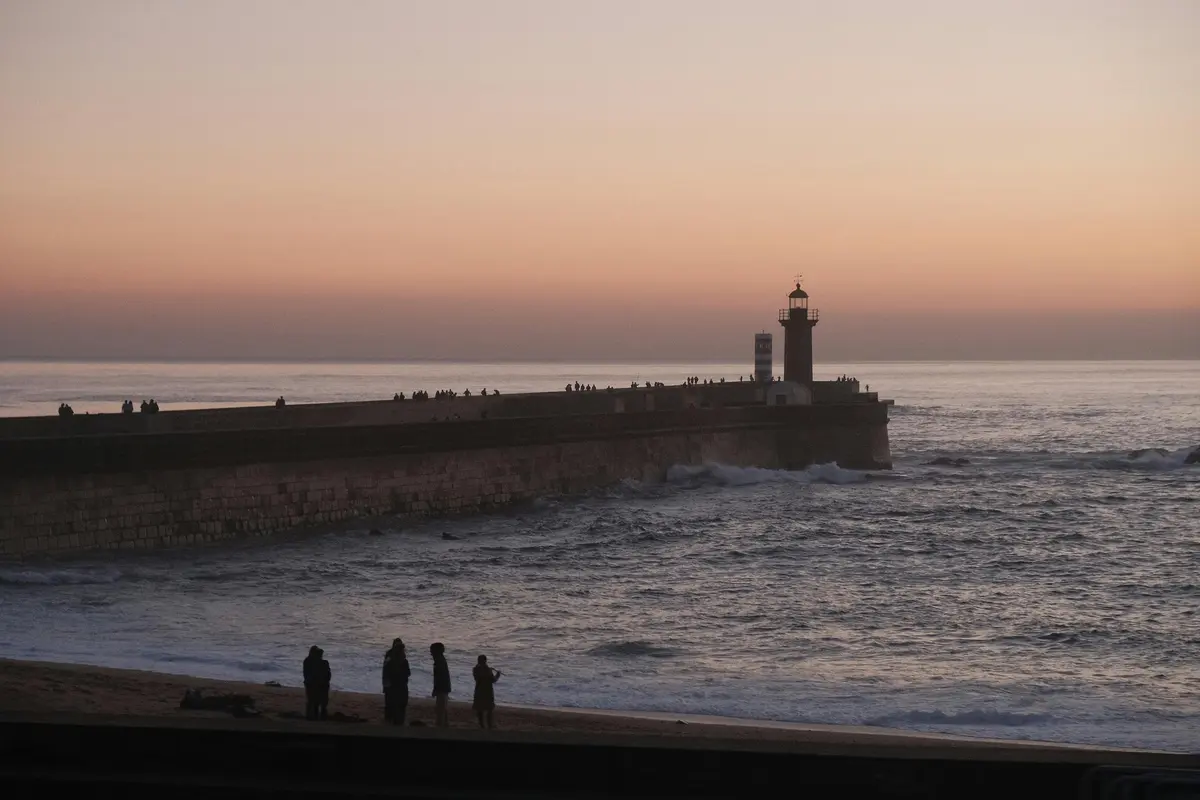
Foz do Douro is where the Douro River meets the Atlantic, roughly 4 miles (6 km) from the historic center, and it feels like a different city entirely. Palm-lined promenades, 19th-century fortresses, sandy shores, flat sidewalks, and a residential calm that Ribeira cannot offer at any price. The historic tram from Ribeira to Foz takes about 25 minutes; rideshares run 10-15 minutes and cost $8-12 each way.
This is not a base for sightseers who want to pop back to their hotel between visits. The commute is real and adds up — budget $20-30/day extra in transport if you plan multiple trips into the historic center. For families with young children in particular, or for travelers who have been to Porto before and want a beach-adjacent stay with occasional city excursions, Foz changes the math considerably.
Vila Foz Hotel & Spa
Vila Foz combines a restored 19th-century manor with a striking glass extension, positioning itself around wellness rather than competing with Gaia’s wine-country drama. Ocean-view spa, beach access, palm-lined grounds, and rooms large enough for families who would find Ribeira’s cobbled maze impractical with a stroller. The disconnect from the historic center is the point: guests arrive here specifically to decompress, not to sightsee.
Budget extra for daily transport if you plan multiple trips into Porto’s center. The flat sidewalks and crashing Atlantic waves outside the window are compensations that Ribeira cannot offer, and the spa facilities are serious enough to anchor a full day without leaving the property.
- Location: Avenida de Montevideu 1124, Foz do Douro
- Cost: from $220/night
- Best for: Families, wellness-focused travelers, repeat Porto visitors who want a beach base
- Time needed: 3+ nights to justify the commute trade-off
How do you navigate Porto’s steep hills?
Porto’s topography is not backdrop — it is your daily workout and your trip-planning variable. The Dom Luís I Bridge has two decks: the upper connects to the metro and Jardim do Morro in Gaia at 104 feet (32 m) above the river; the lower deck is for cars and pedestrians crossing at river level. Know which deck connects your starting point to your destination before you start walking.
The Funicular dos Guindais runs from Batalha down to the Ribeira waterfront and saves a brutal uphill climb of roughly 200 feet (61 m). Take it going up, not just as a tourist ride going down. The Elevador da Lada lifts pedestrians from the Ribeira wharf to the Barredo district above, but it operates limited hours and is frequently out of service — do not plan your itinerary around it.
Rideshare apps (Uber and Bolt both operate in Porto) are consistently reliable and affordable for skipping the worst hills, with typical in-city rides running $5-8. The metro uses an Andante zone structure, with the airport in Zone 4 and the central districts in Zone 2. The Porto Card simplifies zone navigation and unlocks museum access across the city for visitors staying three or more days.
Seasonal considerations also shape your accommodation strategy. September and October bring the grape harvest in the Douro Valley, stable weather around 68-72°F (20-22°C), and crowds that have thinned from the summer peak. Winter delivers real savings but requires a property with proper heating — granite buildings hold cold and damp, and not all smaller guesthouses heat their rooms adequately.
Pro Tip: If you are driving into Porto, confirm dedicated hotel parking before arriving. Navigating medieval street widths with a rental car while looking for a space is the fastest way to ruin an afternoon — and most Ribeira properties have no parking at all.

Where is the best overall place to stay in Porto?
For the majority of travelers, Cedofeita offers the best overall balance. It sidesteps Baixa’s construction disruption and Ribeira’s tourist saturation while placing you inside a functional, interesting neighborhood where residents actually live. If you are after the once-in-a-lifetime skyline view, a river-facing room at The Yeatman in Gaia delivers something no Ribeira property can match — you need to be on the Gaia side to get the full Porto panorama looking north, not the other way around.
The key to this decision is not finding a universally best neighborhood — that does not exist. It is about matching a specific accommodation to a specific travel style. Budget first-timers who want maximum sightseeing efficiency should look at Baixa. Couples who want to wake up inside the UNESCO riverfront: Ribeira. Travelers who want to feel like a short-term expat: Cedofeita. Wine lovers who want to observe Porto from across the water: Gaia, where a day trip to the Douro Valley is easily added.
The bottom line
TL;DR: Cedofeita gives most travelers the best balance of local atmosphere, reasonable prices, and walkable access to the center. For the full cinematic Porto view, stay in Gaia — not Ribeira, which gives you the view looking out but not the panorama looking across. For maximum sightseeing efficiency on a short trip, Baixa puts everything within a 15-minute walk.
Which neighborhood pushed you toward a decision — the views, the price, or the commute math?