If you are planning a trip to Sagres Portugal, you are not heading to just another generic Algarve beach town. This remote peninsula at the southwestern tip of Europe offers dramatic cliffs, serious surfing, and food worth driving an hour for — but it comes with logistical quirks that can make or break your experience. From unpredictable winds that determine which beach is actually swimmable to a rental car trap that catches tourists every summer, this guide gives you the practical intel you need to navigate Algarve Portugal like someone who has actually been there.
How do you drive to Sagres Portugal from Faro Airport?
The A22 (Via do Infante) is the fastest and cheapest route from Faro Airport to Sagres Portugal — and it is now completely toll-free, making the drive fast, smooth, and free of surprise charges. The journey takes under an hour on a well-maintained motorway. If you plan to drive beyond the Algarve — north toward Lisbon on the A2, for example — those motorways still carry tolls, and any rental car in Portugal will come equipped with a Via Verde transponder.
The daily fee for the transponder runs €1.85–€2.21 ($2.00–$2.40), capped at roughly €18.50–€22.14 ($20–$24) per rental. If you only use the A22, you owe nothing for tolls — but the transponder fee may still apply depending on the rental company’s policy, so ask at the desk before you leave the lot.
The free alternative, the N125 road, adds 45 minutes through heavy summer congestion and is best saved for when you want to browse towns along the way, not when you are just trying to get to Sagres.
Pro Tip: Confirm with the rental desk at Faro’s airport how toll charges outside the A22 will be billed. The transponder is mandatory in every rental, but knowing it is active — and understanding when the daily fee applies — saves a panicked call later.
Is Uber or Bolt reliable in Sagres?
Uber and Bolt technically operate in Sagres Portugal, but availability is seasonal and unreliable. Unlike Albufeira or Lagos, Sagres sits at the literal end of the road. During off-peak months, you might see the same driver circling repeatedly on the app, or find zero options for short trips to neighboring villages like Vila do Bispo.
If you rely on ride-share apps for dinner reservations or beach hopping, you are taking a real gamble. The Vamus Algarve bus network connects Lagos Portugal to Sagres, but the last departure from Sagres back to Lagos runs around 6:30 PM — miss it and you are looking at a €40–50 ($43–54) taxi back. Weekend and holiday services are thinner still. The only way to truly explore the area without constant stress is to rent a car.
What does the Nortada wind actually feel like in summer?
Sagres Portugal does not follow the same weather script as the rest of the southern coast. The Nortada — a strong northerly wind — picks up almost every summer afternoon and runs the microclimate here. Even when the thermometer reads 77°F (25°C), the wind chill on the cliffs can make it feel closer to 64°F (18°C). That sundress you packed is useless for evening walks.
The Nortada also creates upwelling that keeps ocean temperatures around 68–72°F (20–22°C) even in August. You will almost certainly want a wetsuit for any serious swimming or surfing.
The upside: the wind keeps crowds thinner than the rest of the Algarve. September and October are the best months to visit Portugal’s Atlantic southwest — warmer water, calmer air, and a lot less company on the beaches. West-facing beaches turn into sandblasting zones by early afternoon in summer, so plan your beach day around wind direction, not just the map. Bring a windbreaker or hoodie regardless of the month.
Where should you stay in Sagres Portugal?
Your accommodation choice in Sagres Portugal should match what you came here to do. There are three distinct options, and the gap between them is significant.
Surf hostel — best for meeting people and catching early swells
Staying in a hostel puts you inside the social fabric of the trip from day one. Communal dinners, surf lesson packages, and real-time beta on wave conditions from the staff are the draw. The walls are thin and the mornings start early when someone’s alarm goes off at 6 a.m. for a dawn session — light sleepers should pack earplugs. The trade-off for noise and zero privacy is genuine community, which is exactly the point if you are here to surf.
- Location: Village center, within walking distance of Praia do Tonel
- Cost: from €25–40 ($27–43)/dorm bed
- Best for: Solo travelers and surfer groups
- Time needed: Multi-night stays work best for surf schedules
Pousada de Sagres — the only hotel with real atmosphere
The Pousada sits on the cliffside with ocean views and solid Portuguese dining. It is the only hotel in Sagres where you can hear the Atlantic from your room at 2 a.m. Rooms are not huge and some are due for a refresh, but the location makes the argument for itself. Couples who want a proper dinner without getting back in the car will find it hard to argue with.
- Location: Beco Dom Henrique, above Praia da Mareta
- Cost: from €100 ($110)/night in shoulder season, higher in peak summer
- Best for: Couples, food-focused travelers
- Time needed: 2–3 nights minimum to justify the drive out here
Village apartment — best value for self-catering travelers
Apartments in the village center give you the best balance of independence and access. Walkable to restaurants, close to Praia da Mareta, and considerably cheaper than the Pousada. For a wider selection across the region, the where to stay in the Algarve guide covers accommodation options from budget hostels to luxury resorts.
- Location: Central Sagres, near the main square
- Cost: €70–100 ($75–108)/night depending on season
- Best for: Families, self-catering travelers
- Time needed: 3–5 nights
Where do the best meals in the Sagres area actually happen?
The best Portuguese food near Sagres is usually not in Sagres itself. The neighboring village of Vila do Bispo, 10 minutes north by car, punches well above its size for serious eating.
Ribeira do Poço — for percebes and fish you pick yourself
Locals come here for percebes — goose barnacles harvested from cliffside rocks that look like something out of a biology textbook. The restaurant operates out of a converted barn where you can often choose your fish directly from the ice display. To eat percebes, you twist and pull; the result is messy, tastes like concentrated sea water in the best possible way, and nothing else in the region comes close.
- Location: Vila do Bispo, roughly 10 minutes north of Sagres
- Cost: €40–60 ($43–65) for two with wine
- Best for: Adventurous eaters, seafood lovers
- Time needed: 1.5–2 hours; the service pace is unhurried by design
Restaurante Marujo — the petiscos spread worth the trip alone
The order to make here is the moreia frita — fried moray eel. It sounds confrontational, but the flesh is delicate and rich, closer to monkfish than anything that would make you nervous. The petiscos (Portuguese tapas) spread lets you try five things for the price of one main, and solo diners at the bar eat just as well as anyone at a table.
- Location: Vila do Bispo center
- Cost: €25–40 ($27–43) for two
- Best for: Sharing plates, solo diners at the bar
- Time needed: 1–1.5 hours
Pastelaria Vicentina and A Padaria — for Doce Fino and Morgado
Before you leave the area, stop at either pastelaria for Doce Fino and Morgado — two of the Algarve’s most distinctive examples of traditional Portuguese pastry. Doce Fino comes shaped into small colored fruits and animals, a legacy of Moorish influence on southern Portuguese food. Morgado is a dense, fig-studded almond cake that you will spend the drive home trying to recreate from memory. A pastel de nata and coffee runs €1.50–2.00 ($1.60–2.15), and the morning crowd of locals ordering at the counter is worth the stop alone.
- Location: Sagres and Vila do Bispo town centers
- Cost: €1.50–2.00 ($1.60–2.15) for coffee and pastry
- Best for: Morning stop, food souvenirs
- Time needed: 20–30 minutes

Which Sagres beach do you go to and when?
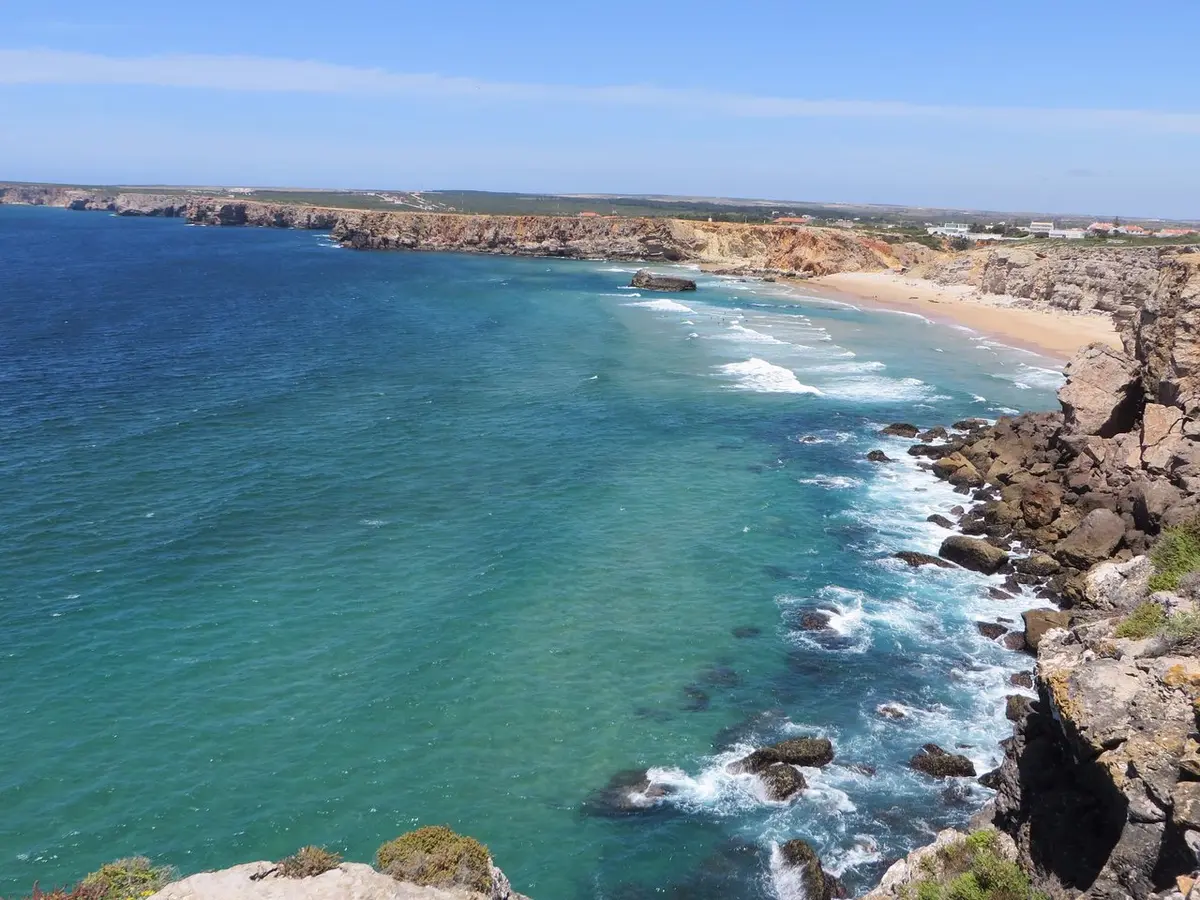
Because Sagres Portugal sits on a peninsula, it has two distinct coastlines that behave completely differently depending on wind direction — and choosing the wrong one on the wrong day is a genuinely miserable experience.
Praia da Mareta — the reliable, sheltered call
When the Nortada kicks in from the north or west, Praia da Mareta is where you go. The south-facing beach is sheltered by the fortress headland, which cuts the wind enough to make it swimmable when every other beach is whitecapping. Beach bars, lifeguards, and enough room for the families that will definitely be there in July. On days when Tonel is unsurfable, Mareta fills up by 10 a.m.
- Location: Below the Pousada de Sagres, south-facing
- Cost: Free
- Best for: Families, casual swimmers, non-surfers
- Time needed: Half-day
Praia do Tonel — for experienced surfers only
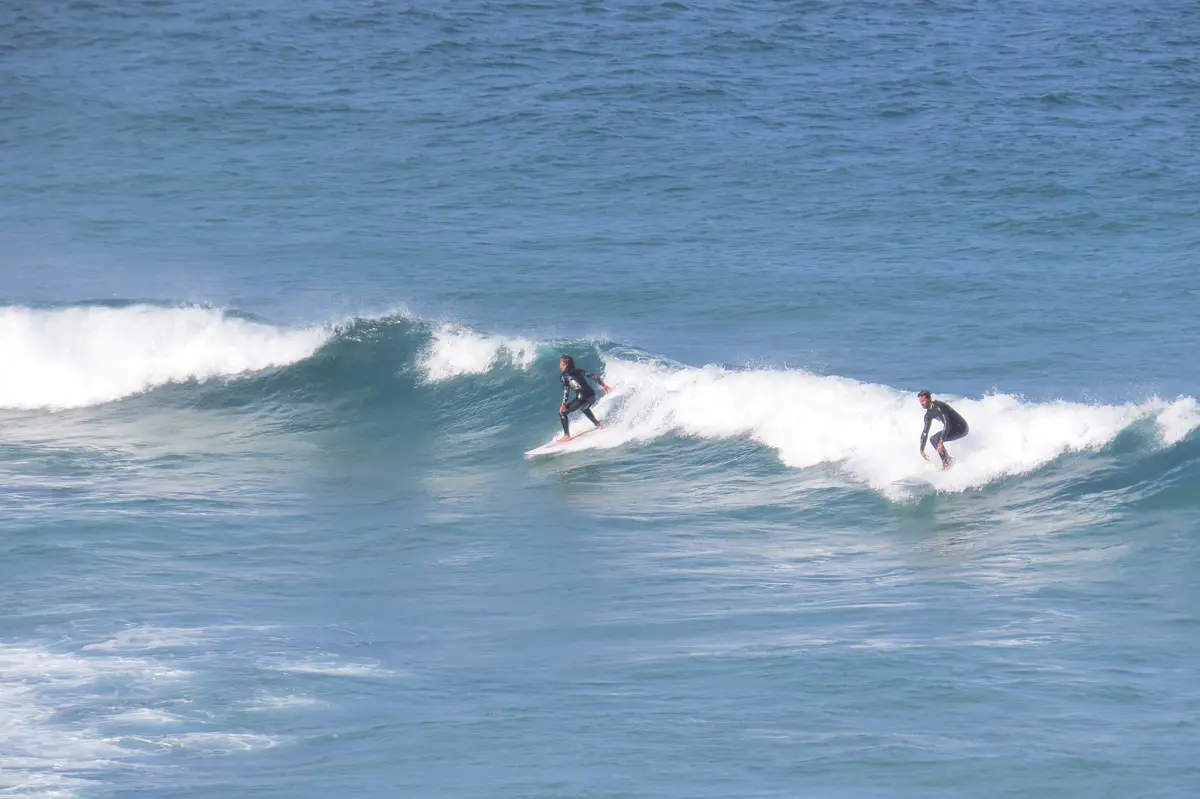
On rare calm days or when the wind shifts east, Praia do Tonel opens up for Portugal surfing at its most raw. It faces west, takes the full force of Atlantic swell, and has strong rip currents. Not for beginners, and not for swimming without local knowledge of where the current runs. Surf schools do run guided lessons here on appropriate days — check conditions before committing to a full day.
- Location: West coast of the Sagres peninsula
- Cost: Free
- Best for: Experienced surfers, surf schools on guided lessons
- Time needed: Check conditions before committing to a full day
What is the rental car trap at Praia da Ponta Ruiva?
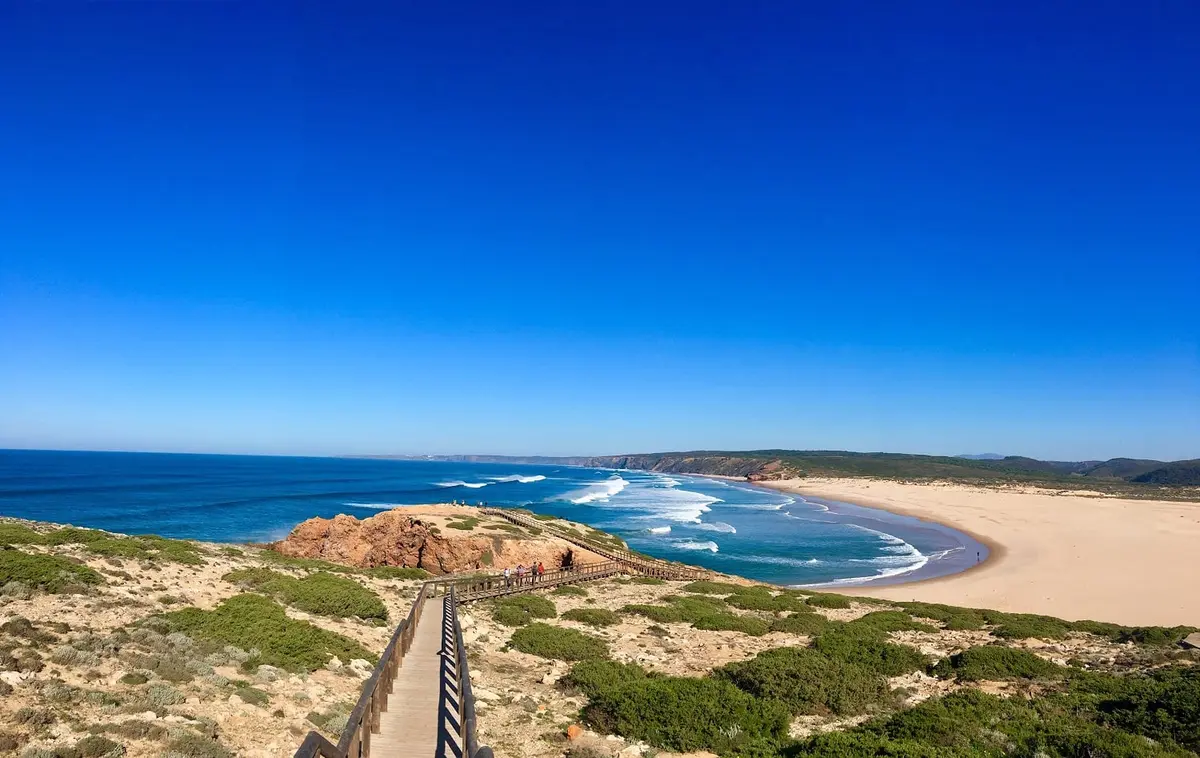
Praia da Ponta Ruiva is the “secret” beach that travel influencers love for its golden cliffs and minimal crowds. Getting there requires driving a brutally potholed dirt road, and driving in Portugal rental contracts uniformly exclude coverage for off-road terrain — a clause that catches tourists every season. One bad rut could damage the undercarriage and leave you with hundreds of dollars in out-of-pocket repairs that your full coverage will not touch.
The correct move: drive to where the pavement ends near Vila do Bispo, park on the shoulder, and hike the remaining 0.6–1.2 miles (1–2 km) in. The walk filters out most casual day-trippers, you keep the rental car intact, and the short hike makes the beach feel earned rather than just found. Pack gear on your back and carry more water than you think you need.
Is the Fortaleza de Sagres worth the entry fee?
At €10 ($11) a head, the Fortaleza de Sagres is worth it for the cliff walk, not the interior. The fortress is essentially a massive wall protecting a windswept plateau — it lacks the architectural complexity of a traditional castle, but its historical weight is real. This is the alleged site of Prince Henry the Navigator‘s school, the launching point for the Portuguese Age of Discovery and a defining chapter of Portugal’s past that reshaped the known world. Budget 45 minutes to an hour, wear proper shoes for uneven stone surfaces, and expect wind and zero shade.
- Location: Ponta de Sagres, 1.5 km (1 mile) south of Sagres town
- Cost: €10 ($11) adults; free for children under 12
- Best for: History travelers, views over both coastlines
- Time needed: 45–90 minutes; the cliffside perimeter walk adds another hour
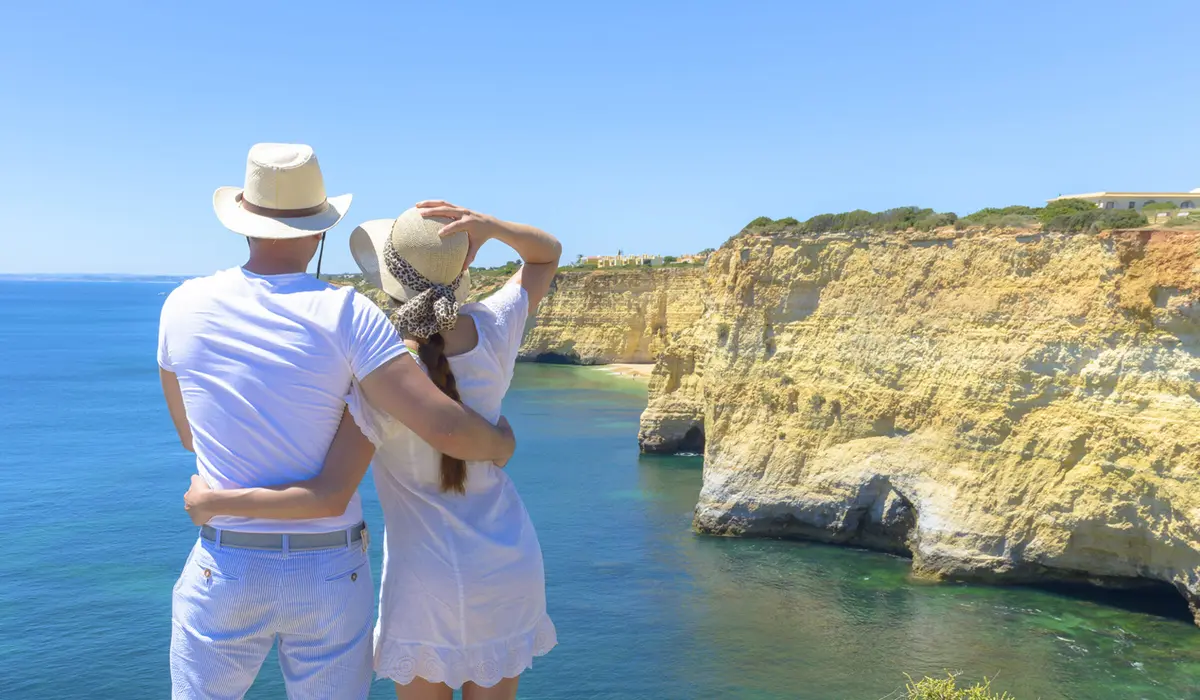
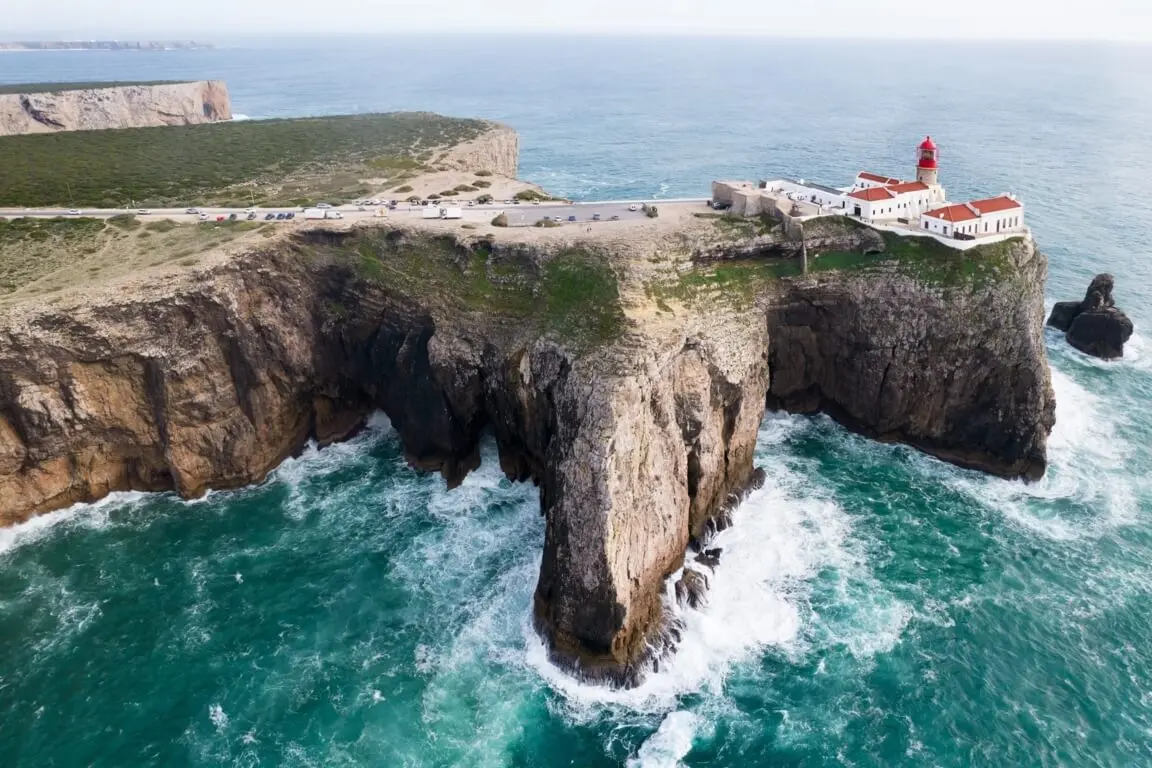
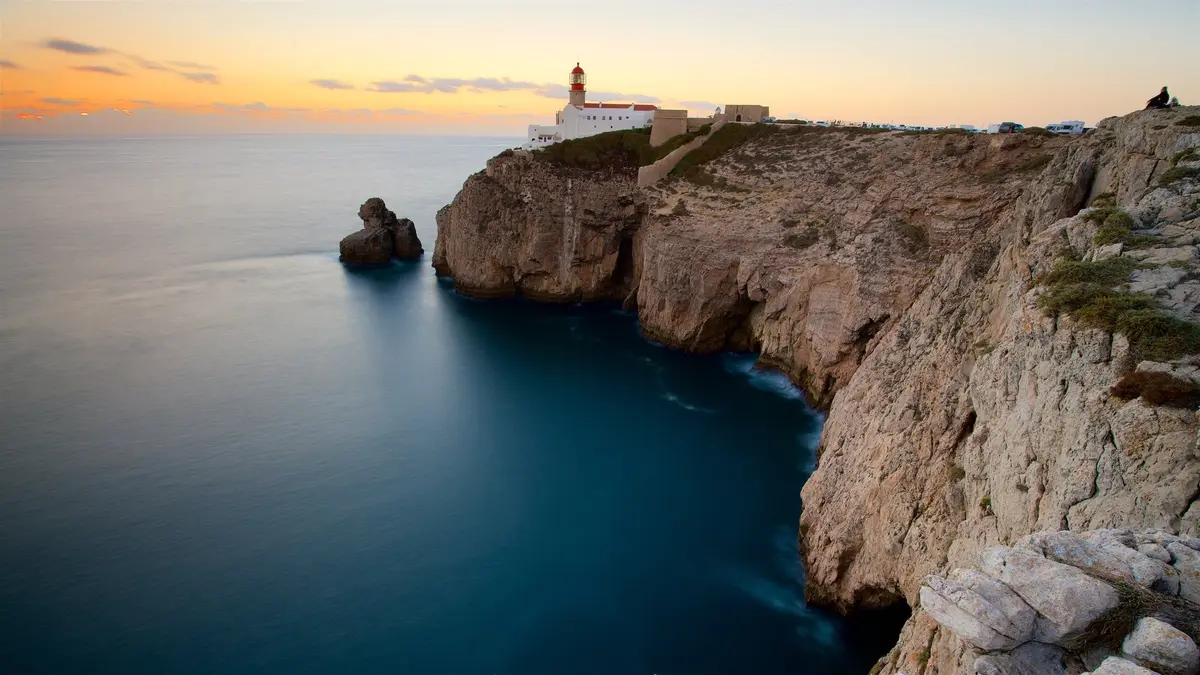
Cabo de São Vicente, the functioning lighthouse at the southwestern tip of Europe, is the prime sunset spot in the region. The cliffs are the real draw — sheer 200-foot (60 m) drops into the Atlantic, with the lighthouse standing at the edge like it was placed there for the photograph. The parking lot turns into gridlock 30 minutes before golden hour. Tour buses flood the viewpoint, and the lighthouse itself is not particularly photogenic up close.
- Location: 6 miles (10 km) northwest of Sagres, past Praia do Beliche
- Cost: Free
- Best for: Sunsets, cliff photography, scale perspective on the Atlantic
- Time needed: 1–1.5 hours if you arrive early enough to walk the cliffs
Pro Tip: Arrive at Cabo de São Vicente a full hour before sunset and walk the cliff path south from the parking lot. On my last visit, the lot was already half-full 90 minutes before golden hour — most people quit early, and the cliffs thin out in both directions. Park instead at Praia do Beliche and approach on foot to skip the gridlock entirely. Stay behind the barriers; cliff erosion is ongoing here and falls happen every year.
How hard is the Fishermen’s Trail from Sagres?
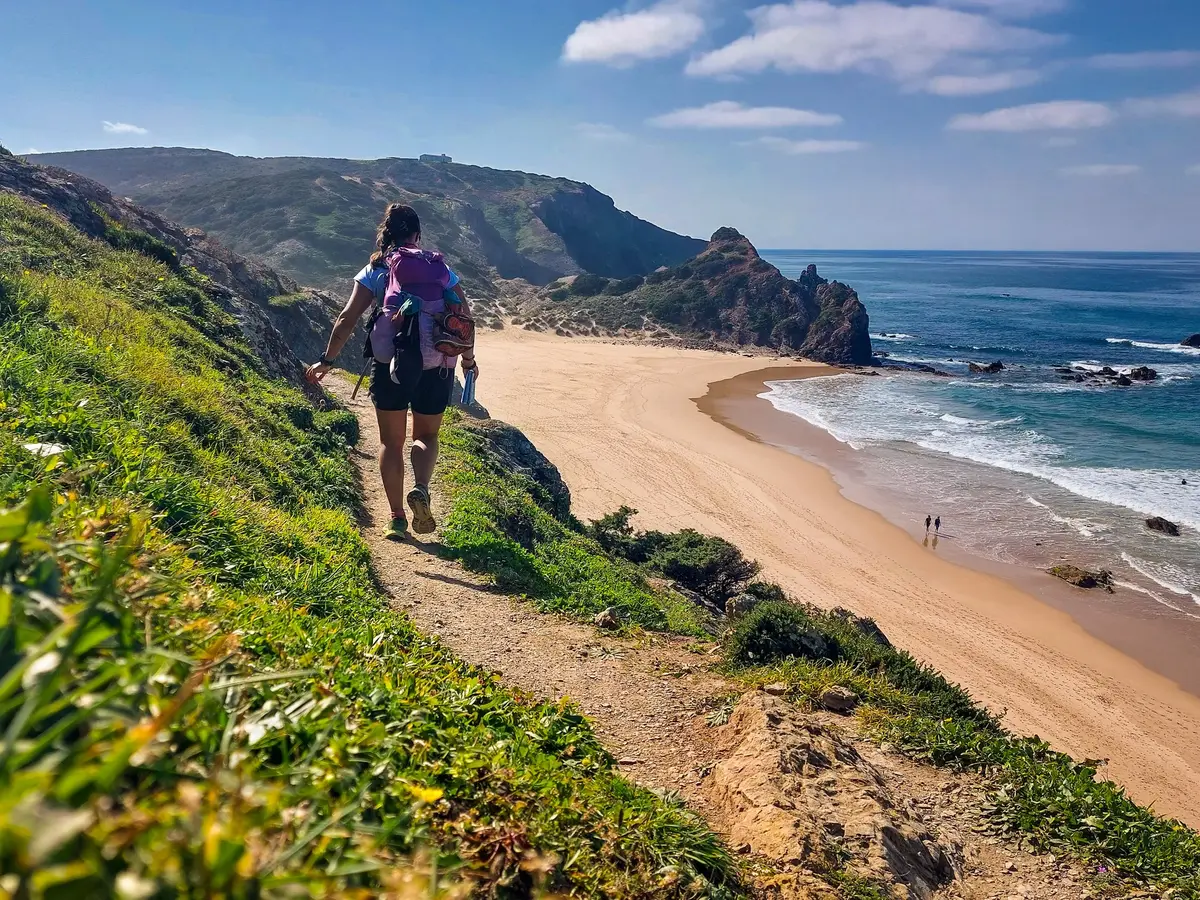
If you are not a surfer, the Rota Vicentina’s Fishermen’s Trail is the best way to experience Sagres Portugal beyond the sand. The trail runs the full length of the west coast, with Sagres marking the southern terminus. It is free, well-marked with blue-and-green waymarkers, and passes through landscapes that feel genuinely remote — groves of windswept tamarisk trees, limestone endemic plants found nowhere else, and cliff edges that drop straight to the Atlantic.
The Vila do Bispo to Sagres leg (Stage 9) covers roughly 8.7 miles (14 km) of moderate terrain with panoramic ocean views most of the way. It is not technical, but it is exposed.
What will actually challenge you: the complete lack of shade, the distance from any resupply point, and patchy cell coverage for long stretches. Start before 8 a.m. in summer. Bring at least two liters of water more than you think you need, wear proper Portugal hiking footwear rather than sneakers, and download offline maps before you leave the car. Every year, chunks of the trail collapse into the sea, so stay strictly on the marked path — the erosion signs are not decorative.
Pro Tip: The section above Praia do Castelejo, about 4 miles (6 km) north of Sagres, has a cliff lookout where you can watch surfers below from 100 feet (30 m) up. Most day hikers turn back before reaching it. Get there before 10 a.m. on a weekday and you may have it entirely to yourself.
The bottom line
TL;DR: Rent a car in Portugal — there is no practical alternative here. The A22 from Faro is toll-free, so the drive is fast and free of surprise charges. Time beach choices to wind direction: Mareta for shelter, Tonel for surf. Eat in Vila do Bispo at least once. The fortress entry is €10, so calibrate expectations: pay for the cliff walk, not the interior. September beats August in almost every measurable way.
Sagres Portugal rewards travelers who understand its raw terms. Respect the Nortada, accept that the internet will be slow and the buses will not wait, and you will experience the edge of Europe on its own uncompromising terms — without the frustrations that catch underprepared visitors every season.
What surprised you most about Sagres when you arrived — and what do you wish someone had told you before you went?