Crossing from Montenegro to Albania isn’t one road — it’s three border crossings, four transport modes, and a Green Card insurance rule that trips up drivers who didn’t plan ahead. This guide covers every route, real prices, seasonal wait times, and the visa and currency details US travelers actually need, building on our complete Albania travel guide.
How do you get from Montenegro to Albania?
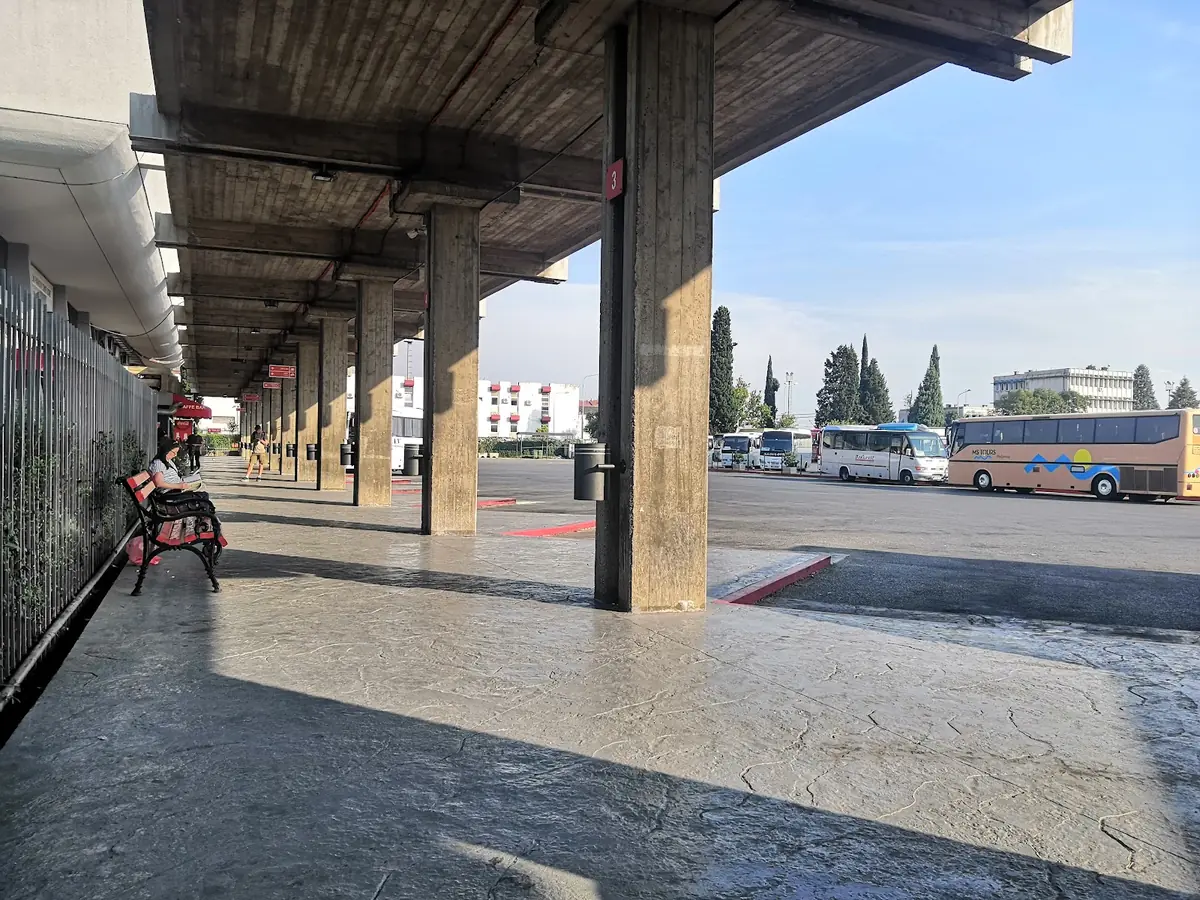
Four options connect the two countries: bus, rental car, private transfer, or taxi. The fastest route, Podgorica to Tirana, covers about 100 miles (160 km) in roughly three hours by car, not counting the border. Buses take three to four hours. There are no passenger trains and no ferries between the two countries.
The right choice depends on where you’re starting. Travelers based on the Montenegrin coast (Kotor, Budva, Ulcinj) face a longer journey than those leaving from Podgorica. A bus from Kotor to Tirana takes six to seven hours. A private transfer on the same route runs about four and a half hours because the driver skips intermediate stops.
Pro Tip: If you’re starting from Kotor or Budva and don’t want a seven-hour bus ride, take a local bus to Podgorica first, then catch a direct Podgorica-to-Tirana bus. The connection adds 30 minutes of waiting but cuts total travel time by shaving off the coastal backtracking.
Here is a quick comparison of your options for the Podgorica-to-Tirana corridor:
- Bus: $16-24 (€15-22), 3-4 hours, 2-5 departures daily
- Rental car: $30-50/day plus $45-65 (€40-60) for Green Card insurance, 3 hours driving
- Private transfer: $75-95 per car (up to 4 passengers), 2.5-3 hours
- Taxi: $120-130 per car, 2.5-3 hours — negotiate before departure
Which border crossing should you use?
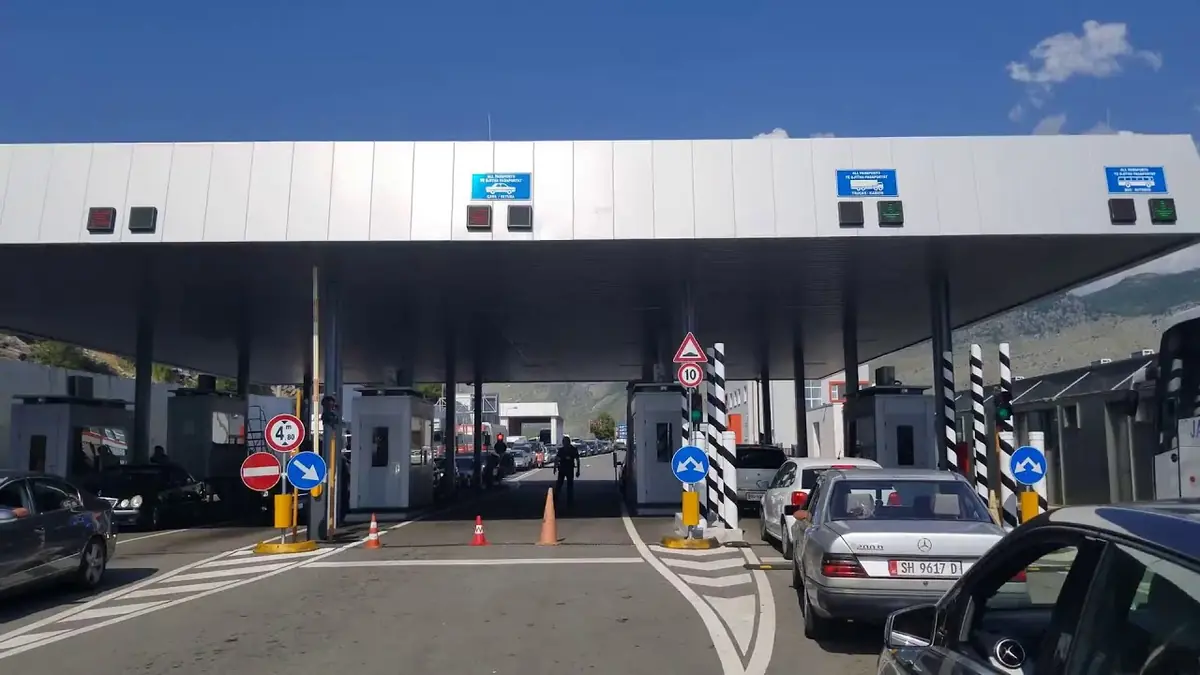
Three crossings connect Montenegro and Albania, each serving a different route and travel style. Božaj/Hani i Hotit is busiest and best for Podgorica; Sukobin/Muriqan suits the coast; Cijevna/Grabon is the quietest. The right one depends on your starting point, your vehicle situation, and whether you need to buy Green Card insurance at the border.
Božaj / Hani i Hotit — the Lake Skadar route
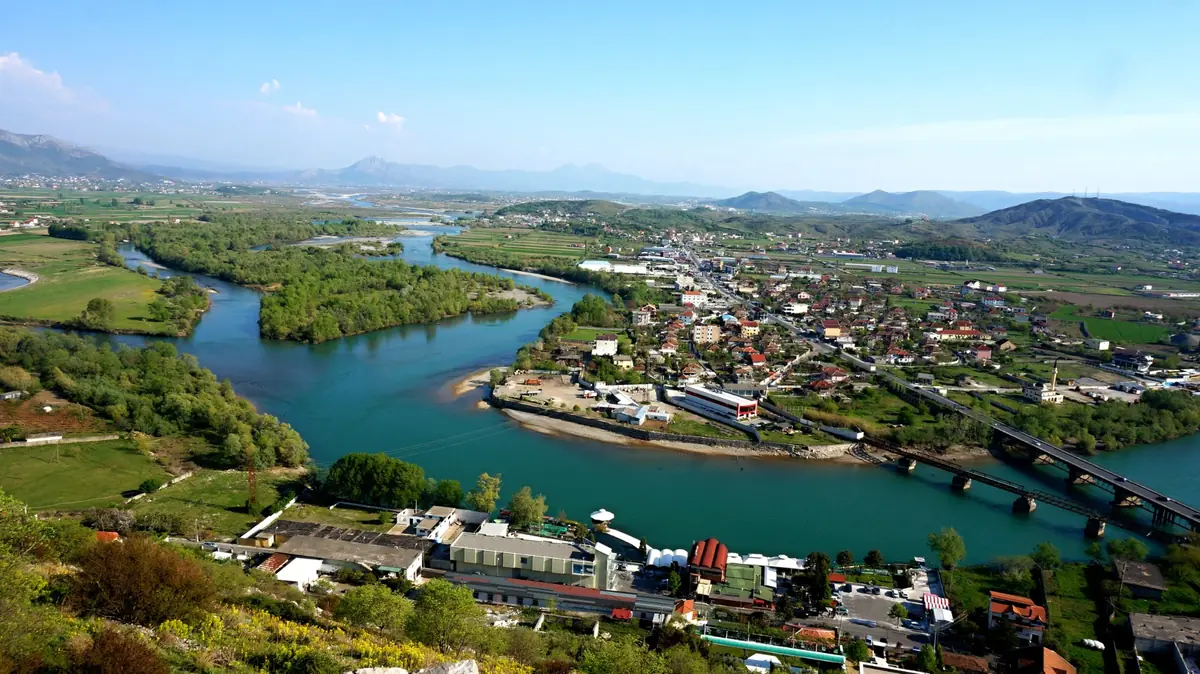
This is the busiest and most established crossing, sitting just 7.5 miles (12 km) south of Podgorica. It handles the bulk of international bus traffic and freight. The road on the Albanian side traces the eastern shore of Lake Skadar with long views of the Prokletije range — on a clear morning, the water shifts between slate blue and green depending on the angle.
The crossing operates around the clock. Green Card insurance can be purchased on the Albanian side for about $16 (€15) for 14 days, which makes this the only crossing where you can sort out car insurance on the spot.
- Location: 7.5 miles (12 km) south of Podgorica on the E762
- Best for: Travelers leaving from Podgorica, bus passengers, drivers who need border-side Green Card insurance
- Green Card: Available on the Albanian side, ~$16 (€15) for 14 days
- Hours: 24/7
Sukobin / Muriqan — the coastal crossing
Located about 12.5 miles (20 km) south of Ulcinj, this is the only joint checkpoint where both countries’ border police work under one roof. The single-stop setup means the process moves faster on paper, though summer weekends can still back up.
The road from Ulcinj to Sukobin climbs through hilly terrain on a narrow two-lane road — not the place to rush, especially if you’re towing anything. Green Card insurance is not available at this crossing, so drivers must arrange it before arrival.
- Location: 12.5 miles (20 km) south of Ulcinj
- Best for: Coastal travelers heading from Kotor, Budva, or Ulcinj toward Shkodër
- Green Card: Not available — arrange before arrival
- Hours: 24/7
Cijevna / Grabon — the newest and emptiest crossing
Funded by the EU, this is the least-trafficked of the three. It connects the area south of Podgorica with Gusinje via Albanian territory, cutting the drive to under 90 minutes. On my last pass through, there was exactly one car ahead of me.
Green Card insurance is not sold here. Use this crossing only if you’re heading to Gusinje, the Valbona Valley, or northeastern Albania.
- Location: South of Podgorica, near the Cijevna River valley
- Best for: Travelers heading to Gusinje, Theth, or the Albanian Alps
- Green Card: Not available
- Hours: Daytime only (verify locally before planning an evening crossing)
What does the bus from Montenegro to Albania cost?
A one-way bus ticket from Podgorica to Tirana costs $16-24 (€15-22) depending on the operator and booking method. From coastal towns like Kotor or Budva, expect to pay $25-35 (€23-32) for the longer ride. The cheapest option is the Ulcinj-to-Shkodër minivan at $7-16 (€7-15), but it only gets you to the Albanian border region, not Tirana.
Several operators run daily service, and once you cross, bus travel in Albania is cheap and runs frequently between cities. Drita Travel and Old Town Travel are the most reliable names, with FlixBus offering afternoon departures from Podgorica. Jadran Ekspres covers the Kotor-to-Tirana route.
Here are the main routes with approximate pricing:
- Podgorica to Tirana: $16-24 (€15-22), 3-4 hours, operators include Drita Travel, FlixBus, Old Town Travel
- Kotor to Tirana: $27-35 (€25-32), 6-7 hours, Old Town Travel departs around 08:00, Jadran Ekspres around 10:40
- Budva to Tirana: $25-33 (€23-30), 5-6.5 hours, multiple operators
- Ulcinj to Shkodër: $7-16 (€7-15), 1-1.5 hours, Vllazen Lluja minivans and Drita Travel
- Podgorica to Shkodër: $11-18 (€10-17), under 2 hours, MS Tours
Once in Shkodër, onward buses to Tirana leave every 30 minutes and cost just $3-6 (€3-6) for a ride of about two hours.
Pro Tip: Book through Omio or BusTicket4.me for the widest schedule view. FlixBus tickets are cheapest bought directly through their app. At Podgorica’s bus station, buy your ticket at the counter at least 30 minutes before departure — seats on the Tirana buses fill up, especially on morning runs.
Can you drive a rental car from Montenegro to Albania?
Yes, but the paperwork matters more than the driving. The roads between the two countries are well-maintained on the main corridors, and the drive itself is straightforward. The complication is the Green Card — a mandatory international motor insurance document that extends your coverage into Albania.
What is a Green Card and where do you get one?
A Green Card is a certificate proving your vehicle insurance is valid in Albania. Without it, you will be turned away at the border.
Whether you’re renting a car in Albania or picking one up in Montenegro to drive across, international companies like Hertz, Enterprise, Europcar, and Sixt offer Green Cards for $45-65 (€40-60). The fee is typically per rental, not per day, though Europcar charges $6-11 (€6-10) per day with a $65 (€60) cap. You must request the Green Card at pickup — not all locations stock them, and not all companies allow cross-border travel into Albania at all.
The single most important step: confirm in writing before your trip that the specific rental location can provide a Green Card for Albania. One well-known cautionary tale involves a traveler arriving at Podgorica Airport only to discover the Green Card wouldn’t be available until the next day.
- Cost from rental company: $45-65 (€40-60)
- Cost at Hani i Hotit border (Albanian side): ~$16 (€15) for 14 days
- Available at Sukobin or Cijevna borders: No
- Electronic/PDF Green Cards: Officially accepted, but carry a printed copy as backup
Pro Tip: If your rental company quotes a high cross-border fee or won’t allow Albania at all, consider dropping the car in Podgorica and hiring a private driver for the Albania leg. Services like My Day Trip offer fixed-price transfers starting around $75 for Podgorica to Shkodër — cheaper than the insurance surcharge on many rentals, and you skip the border stress entirely.
Coastal route vs. Lake Skadar route — which drive is better?
Two main driving corridors connect the countries, and the rules of the road in Albania take over the moment you cross. Each has a different character.
The Lake Skadar route (Podgorica to Tirana via Božaj) is the fastest at about 100 miles (160 km) and under three hours of driving. The road is well-paved, relatively straight after the border, and passes through open country along the lake. This is the practical choice.
The coastal route (Kotor/Budva to Ulcinj to Sukobin border to Shkodër) covers roughly 137 miles (220 km) and takes four to five hours, plus border time. The Adriatic Highway between Budva and Ulcinj is a single-carriageway road that gets heavily congested from July through August. The stretch from Ulcinj to the Sukobin crossing is hilly and narrow with limited overtaking opportunities. But the scenery — the Montenegrin coast dropping into rocky coves, the transition through Ulcinj’s quieter beaches — makes it worth the extra time if you’re not in a rush.
- Fuel in Albania: 10-15% cheaper than Montenegro
- Speed limits: Strictly enforced in both countries
- Alcohol policy: Albania has zero tolerance for drivers — any detectable level means a fine
- International Driving Permit: Recommended but not always checked
- One-way rental car drop-offs between countries: $220-550 surcharge — often not worth it
How long does the Montenegro-Albania border crossing take?
In the off-season (October through May), expect 5 to 15 minutes at any of the three crossings. Summer weekdays push that to 20 to 45 minutes. Summer weekends — particularly Friday and Sunday afternoons — are the worst, with waits stretching to 45 to 90 minutes at the Božaj / Hani i Hotit crossing.
Peak congestion hits between 10:00 AM and 2:00 PM. The lines thin out noticeably before 8:00 AM and after 6:00 PM.
At the border, officials check passports and may ask about your destination and length of stay. For drivers, they’ll want to see the vehicle registration and Green Card insurance. The process is bureaucratic but not hostile — have your documents ready and the line moves.
Pro Tip: Do not photograph the border crossing. This is explicitly not permitted and will cause delays at best, confiscation of your phone at worst. I watched a couple ahead of me get pulled aside for a selfie at the checkpoint — it added 20 minutes to their crossing.
Do US citizens need a visa for Montenegro or Albania?
US passport holders can enter both countries visa-free. Montenegro allows stays of up to 90 days within a 180-day window. Albania’s visa requirements for US citizens are unusually generous, allowing stays of up to 365 days — far more than the 90-day limit most other nationalities receive. Neither country is in the Schengen Area, so these stays do not count against any Schengen clock.
Your passport must be valid for at least three months beyond your planned departure date. Six months of remaining validity is safer if you’re combining multiple Balkan countries — and some airlines will deny boarding under the six-month mark even when the border wouldn’t.
- Montenegro: 90 days within 180 days, visa-free for US citizens
- Albania: 365 days, visa-free for US citizens
- Albania reset rule: After a full 365-day stay, US citizens must leave for 90 days before the visa-free clock restarts
- Passport validity: 3 months minimum, 6 months recommended
- Border officials may ask for: Proof of accommodation, sufficient funds (~$55/day), onward travel plans
How does currency work when crossing into Albania?
Montenegro uses the Euro, even though it’s neither in the EU nor the Eurozone. Albania uses the Albanian Lek (ALL), at roughly €1 = 95 ALL. Euros are widely accepted in Albanian tourist areas, but you’ll get the cleanest rate by withdrawing Lek from an ATM right after you cross the border.
A quick mental shortcut: drop two zeros from a Lek price for a rough Euro figure. A 500 ALL coffee is about €5 — closer to €5.25 at the real rate, and that gap adds up over a week.
Euros change hands easily at restaurants, hotels, and shops in Albanian tourist areas like Shkodër, Tirana, and Saranda. The catch is that each business sets its own rounding — usually €1 = 100 ALL — so you’re rarely getting the true market rate, and odd-numbered prices are where the rounding quietly works against you.
The move: withdraw Lek from an ATM in Shkodër immediately after crossing the border. ATMs are plentiful in every Albanian city. Avoid the exchange booths at the border itself — their rates are consistently worse. And convert any leftover Lek before leaving Albania, because exchanging Albanian currency outside the country is difficult and the rates are terrible.
Typical daily costs in Albania for context:
- Street food or bakery meal: $2-4
- Sit-down restaurant dinner: $4-11
- Espresso: $1-1.50
- Budget accommodation: from $11/night
- Mid-range hotel: $44-88/night
Can you do a day trip from Montenegro to Albania?
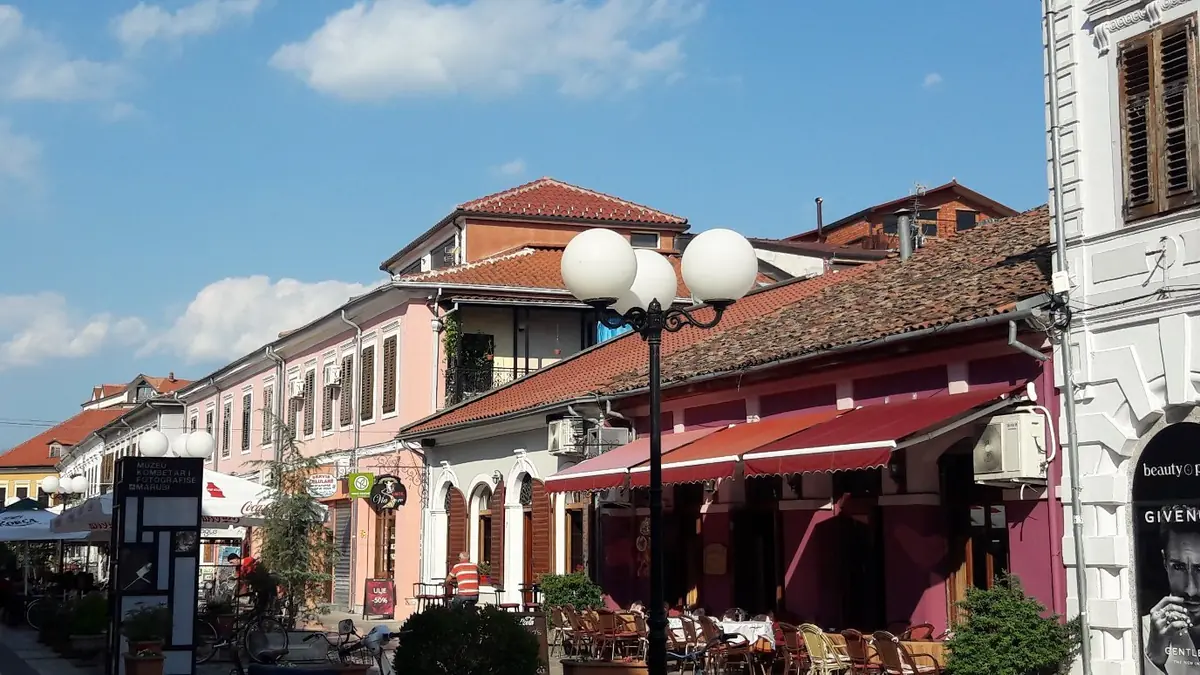
A day trip from the Montenegrin coast to Shkodër is doable and worth it. From Ulcinj, the drive to Shkodër via the Sukobin/Muriqan border takes about an hour each way, plus border time. That leaves a solid five to six hours to explore Shkodër — enough to walk the lakeside promenade, climb up to Rozafa Castle, and eat a slow lunch on Rruga Kolë Idromeno.
From Kotor or Budva, a day trip to Shkodër is tighter. The drive is three to four hours each way, which leaves you rushed. A better option from the northern coast is booking a private driver who can take the inland route through Cetinje and Rijeka Crnojevića to Podgorica, then cross at Božaj — the scenery is dramatic and the driver handles the border logistics.
A day trip all the way to Tirana from anywhere in Montenegro is not realistic. The round trip eats the entire day in transit.
- Ulcinj to Shkodër: ~1 hour each way plus border, very doable as a day trip
- Kotor/Budva to Shkodër: 3-4 hours each way, tight but possible with an early start
- Any Montenegro city to Tirana: Not realistic as a day trip
- Rozafa Castle entry fee: ~$4-7 (400-700 ALL)
How many days do you need for Montenegro and Albania?
A combined trip covering the highlights of both countries needs a minimum of seven days, though ten to fourteen days lets you move at a pace that doesn’t feel like a checklist. With seven days, you can cover Kotor and the Bay, cross into Albania, spend a night in Shkodër, drive to Tirana, and head south to either Berat or the coast.
With ten days, add the Albanian Riviera — Dhërmi, Himarë, Saranda, and Ksamil — plus a stop at the ancient ruins of Butrint near the Greek border. The drive from Tirana to Saranda takes four to five hours via the A2 highway through Gjirokastër, or five to six hours on the coastal road through Vlorë and over the Llogara Pass at 3,420 feet (1,043 m) elevation.
With two weeks, you have time for the wilder north: the Lake Koman ferry from Shkodër to Fierze, the Valbona Valley, and possibly Theth National Park. These mountain areas add immense variety but require flexibility — roads can be rough, weather changes fast, and bus schedules are thin.
Pro Tip: Albania is significantly cheaper than Montenegro for food, accommodation, and fuel. If budget is a factor, plan more nights on the Albanian side. A mid-range hotel in Shkodër or Tirana costs about half what you’d pay for the same quality in Kotor or Budva.
Is Montenegro or Albania cheaper for travelers?
Albania is cheaper across the board, and a closer look at the cost of traveling in Albania shows why. Restaurant meals in Albania run 40-60% less than equivalent options in Montenegro. Accommodation in Albanian cities like Shkodër, Tirana, and Berat is roughly half the cost of the Montenegrin coast. Fuel is 10-15% cheaper in Albania. The only category where costs are comparable is intercity bus travel, where both countries price tickets in a similar range.
The trade-off: Montenegro’s coastal infrastructure is more polished, with better-maintained tourist facilities and more consistent service standards. Albania’s lower prices come with a rougher edge — secondary roads are less predictable, signage is inconsistent, and service can be hit-or-miss outside major cities. Neither is better or worse; they’re different experiences at different price points.
What most guides leave out
The Montenegro eco-tax catches people off guard. Foreign vehicles entering Montenegro pay an eco-tax of about $11 (€10) for cars, while motorhomes and larger vehicles pay around $33 (€30) and up. The sticker is valid for a year. Several travelers have reported being surprised by this fee at the border, so budget for it if you’re driving in from Croatia or Albania.
Download offline maps before you cross into Albania. Cell signal drops out in stretches between Shkodër and the border, and again on secondary roads heading south. Google Maps and Maps.me together cover the gaps — Google for routing, Maps.me for offline trail and rural road detail.
The best months to visit Albania — and to make this crossing — are May, June, September, and October. Warm weather, manageable border lines, lower prices, and enough daylight to enjoy the drive. July and August bring temperatures above 95°F (35°C), border waits that can exceed an hour, and coastal roads choked with traffic. Winter limits mountain routes — the road to Theth closes entirely — and some bus schedules drop to one departure per day.
Before you cross
TL;DR: Getting from Montenegro to Albania comes down to three border crossings and four ways to travel. Buses run daily from $16-35 (€15-32) depending on your starting point. Rental cars work but require Green Card insurance arranged in advance. Cross early morning or late afternoon to avoid the lines. Albania is significantly cheaper than Montenegro, and US citizens can stay up to a year visa-free. The fastest route is Podgorica to Tirana via Božaj in under three hours.
What’s your route going to be — the coastal scenic drive or the fast inland corridor? If you’ve made this crossing, drop your experience in the comments below.