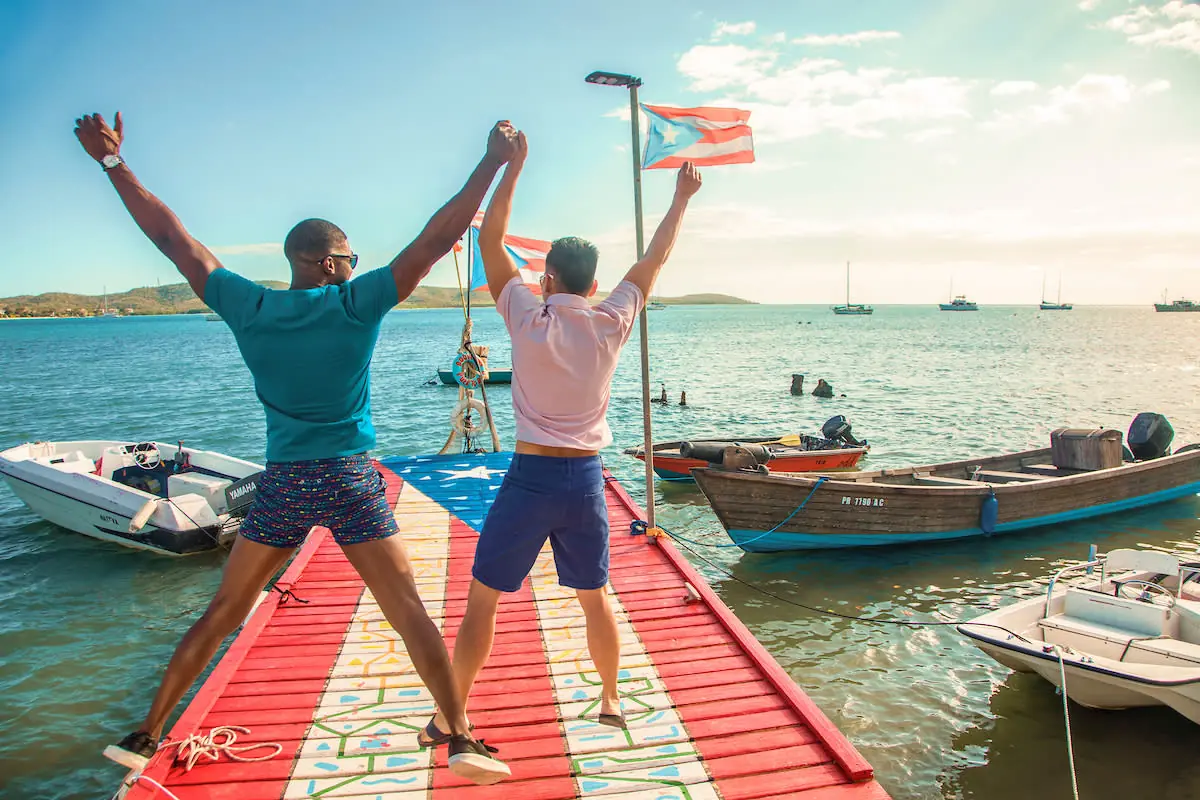
After seven trips to Puerto Rico and a decade of writing about the Caribbean, I keep coming back to the same conclusion: four days is the sweet spot. Long enough to see Old San Juan, hike El Yunque, paddle a bio bay, and pick one wild-card adventure. Short enough that you don’t overpack the schedule and end up driving the PR-3 in the rain at 9 p.m. wondering why you booked this. This Puerto Rico 4-day itinerary is the version I’d hand a friend — what to do, what to skip, and where the standard guides get it wrong.
What does the perfect Puerto Rico 4-day itinerary look like?
A solid Puerto Rico 4-day itinerary spends Day 1 in Old San Juan on foot, Day 2 driving east for El Yunque and a Fajardo bio bay, Day 3 on a Caribbean adventure (Culebra, a catamaran, or Loíza), and Day 4 back in San Juan for a slower morning before your flight. Skip the rental car on Days 1 and 4 — it’s a liability in Old San Juan.
Here’s the day-by-day breakdown:
- Day 1 — Old San Juan: El Morro at opening, Calle Sol for lunch, Paseo de la Princesa at sunset, La Factoría for cocktails.
- Day 2 — El Yunque + Bio Bay: Mt. Britton Trail in the morning, Luquillo Kiosks for lunch, kayak Laguna Grande after dark.
- Day 3 — Pick one: Culebra day trip (logistics-heavy), Icacos Cay catamaran (easiest), or Loíza for Afro-Caribbean culture.
- Day 4 — Slow San Juan: Santurce street art or Condado Beach, Plaza Dársenas market, dinner at Santaella, then SJU.
How should you plan a Puerto Rico trip before you go?
Three things make or break a Puerto Rico 4-day itinerary: the rental-car timing, the bio bay booking window, and where you sleep. Get those right and the rest is easy. The biggest mistake first-timers make is renting a car for all four days — Old San Juan parking will eat $40 a day and your patience.
The rental car strategy that actually saves money
When renting a car in Puerto Rico, book it for Days 2 and 3 only. Old San Juan is 7 blocks by 7 blocks of one-way cobblestones, and the public garages near La Puntilla run about $20–$30 a day. Use Uber inside the San Juan metro (typical fare $8–$15) and pick up your rental at SJU on the morning of Day 2. Drop it back at the airport before Day 4 starts.
Pro Tip: Book the rental for a 48-hour window starting at 7 a.m. on Day 2. You’ll pay for two days instead of four, and you’ll avoid the cruise-ship traffic that clogs Calle Norzagaray after 9 a.m.
Where should you stay in Puerto Rico for 4 days?
For a 4-day trip, the right base depends on whether you want history, beach, or quiet. Old San Juan puts you inside the postcard but has no real beach. Condado is the Miami-style beach strip with the resort towers. Ocean Park and Isla Verde feel more like neighborhoods where Puerto Ricans actually live.
Old San Juan — best for first-timers and history-focused trips:
- Vibe: Colonial blocks, restaurants in former merchant houses, no real beach
- Stay at: Hotel El Convento (a 17th-century convent with a courtyard pool) or Villa Herencia
- Trade-off: You’ll Uber to every beach day; no resort amenities
Condado — best for beach + nightlife:
- Vibe: High-rise resorts, oceanfront cocktails, casinos
- Stay at: Condado Vanderbilt for luxury, La Concha for a livelier scene
- Trade-off: Feels more Miami than Puerto Rico
Ocean Park / Isla Verde — best for budget travelers and families:
- Vibe: Local guesthouses, calmer beach, walking distance to seafood spots
- Stay at: Numero Uno Beach House (Ocean Park), Courtyard by Marriott Isla Verde
- Trade-off: A 15-minute Uber to Old San Juan adds up over four days
What do you need to book 4–6 weeks ahead?
Two things: the bio bay tour and — if you’re determined to see Culebra — the ferry or a regional flight. Everything else can be booked the week before.
- Bioluminescent bay tour: Aim for the new moon window. The dinoflagellates glow strongest when there’s no moonlight washing them out. Tours run by marine biologists (Pure Adventure, Yokahú Kayak Trips) cost $55–$70 per person.
- Culebra ferry: Tickets for the Ceiba ferry release on a rolling 1–2 month window and disappear in minutes. The non-resident adult one-way fare is $11.25 plus a small environmental fee — not the $5 you’ll see on outdated blogs.
- Regional flights to Culebra: Cape Air and Vieques Air Link from Isla Grande (SIG) run roughly $150–$200 round trip. Worth it if the ferry stress isn’t your idea of vacation.
- El Yunque: The Recreation.gov reservation system was suspended in August 2023. Entry is now free and first-come, first-served. No booking needed — just arrive early (more on that below).
Pro Tip: If your Culebra plan depends on the ferry and you don’t have backup flights, build a Plan B day. The boat gets canceled for weather, mechanical issues, or full capacity often enough that I now treat the ferry as a “maybe” and plan a catamaran tour as my Day 3 default.
What should you actually pack for Puerto Rico?
- Two swimsuits (one is always damp — humidity prevents drying overnight)
- Reef-safe sunscreen (chemical sunscreens are technically banned in Puerto Rico)
- Closed-toe water shoes for the slick rocks at El Yunque waterfalls
- A packable rain jacket — afternoon showers are routine even in dry season
- Portable battery pack (you’ll burn a phone battery on Day 2 between Maps, photos, and the bio bay tour)
- Cash for the Luquillo kiosks — several only take USD bills
Day 1: Old San Juan on foot
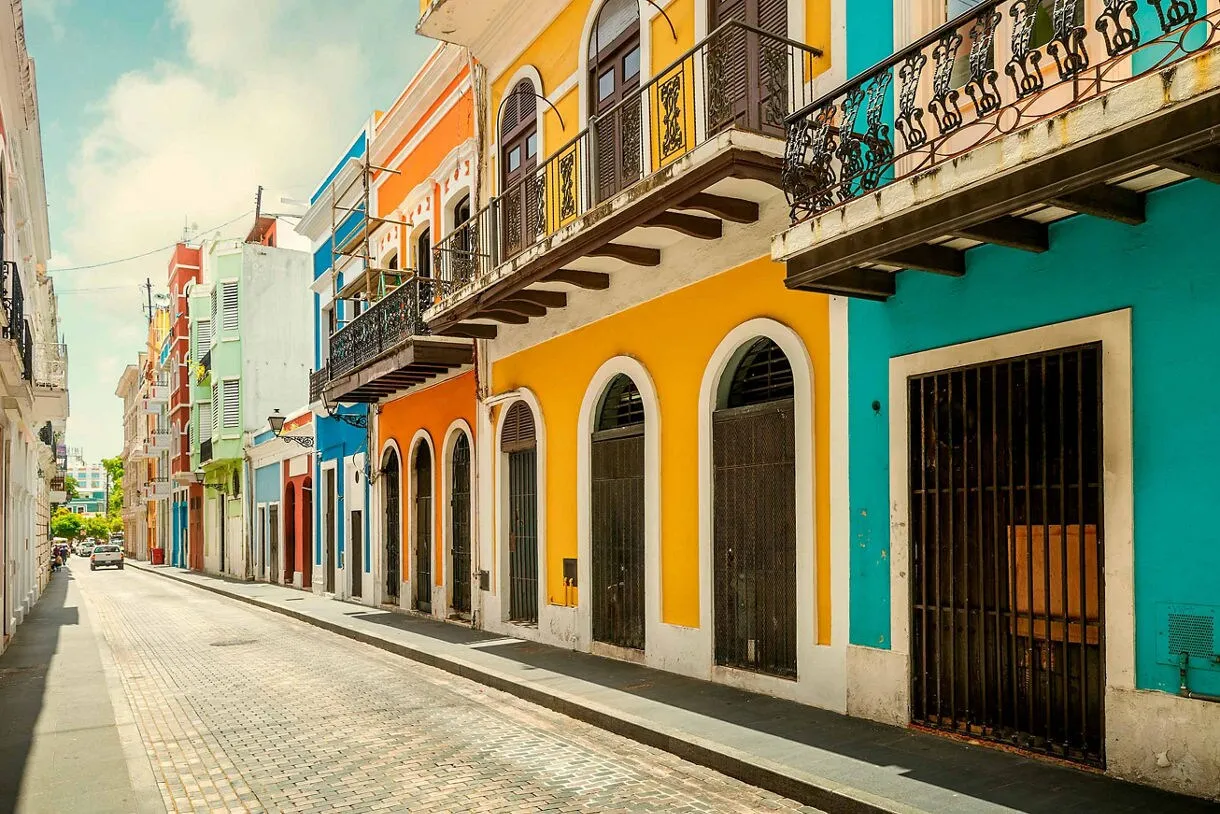
Day 1 is a walking day. Skip the car, skip the morning gym, get to the city walls before the cruise ship crowds spill off the pier at 10 a.m. Old San Juan is small enough to cover in a single day if you start at El Morro and let everything else fall in line on the way back.
Why start at Puerta de San Juan?
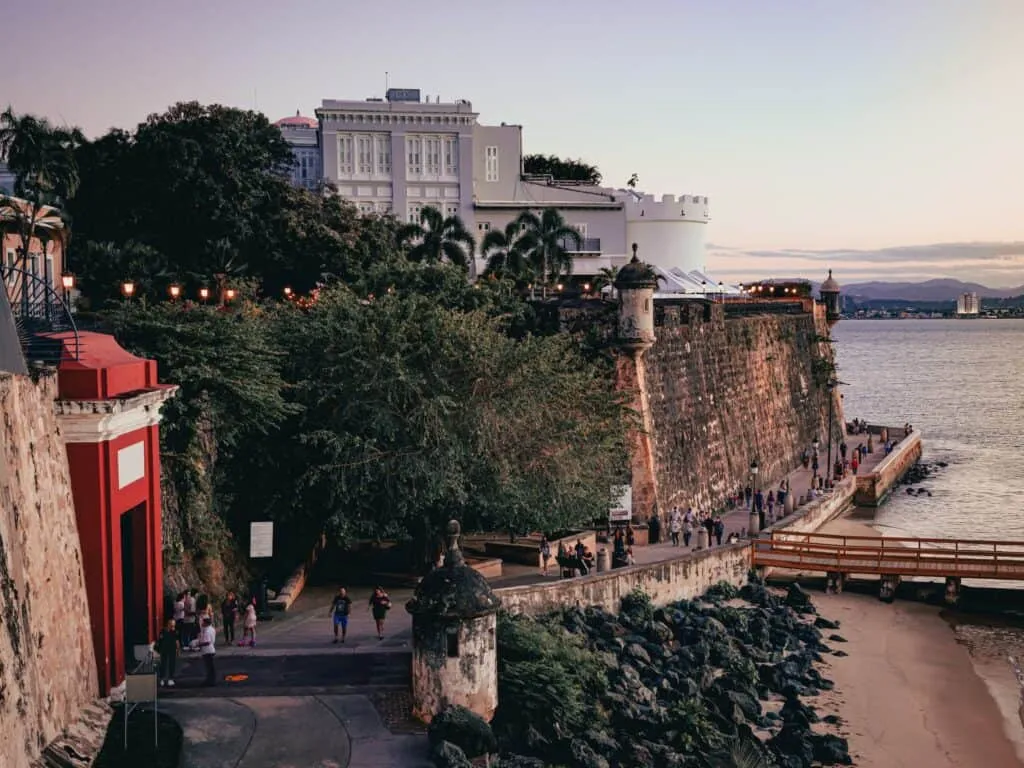
Start at Puerta de San Juan, the red wooden city gate at the bottom of Calle del Cristo, for one practical reason: it’s the lowest point of Old San Juan, and walking up from here means you finish the day going downhill. The gate is also the only original entrance left from the Spanish colonial wall. Get there by 8 a.m. and you’ll have the cobblestones to yourself for about an hour.
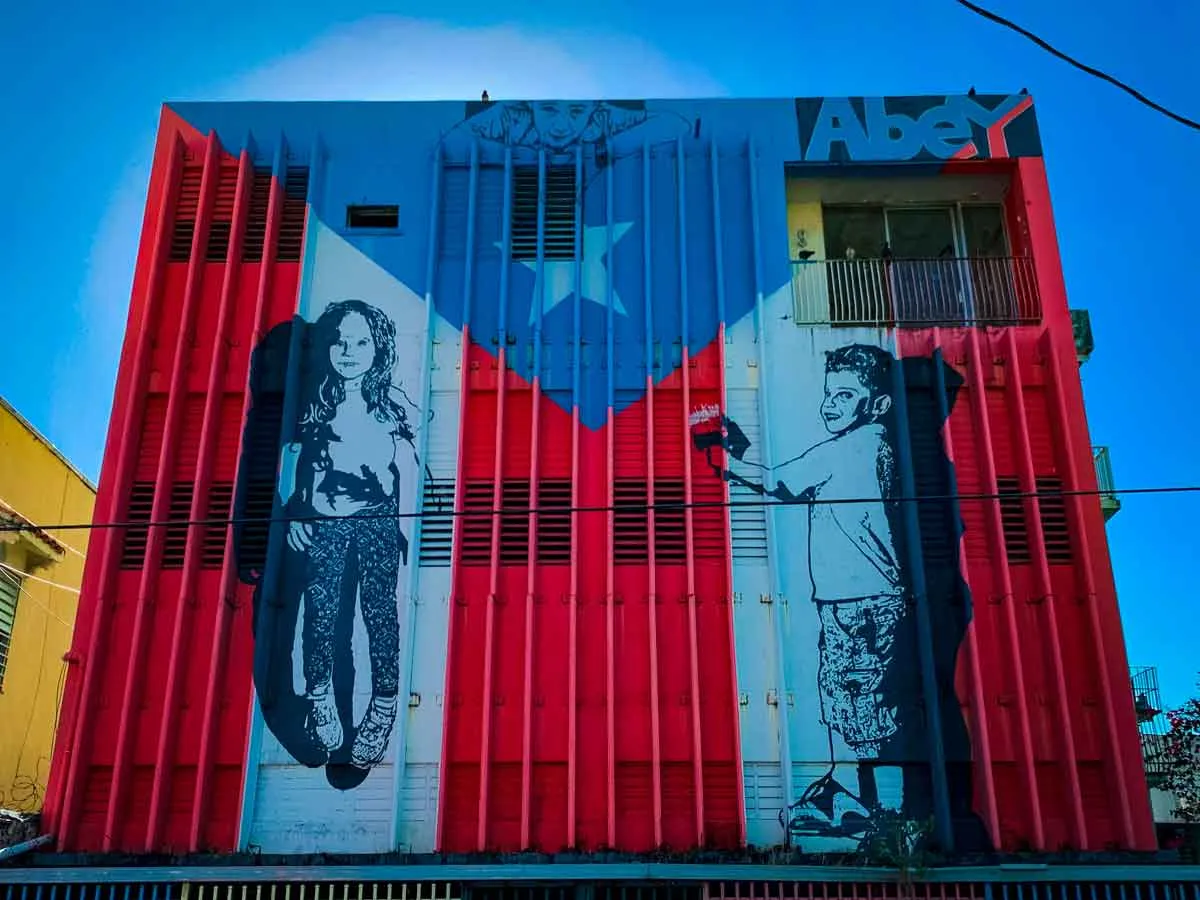
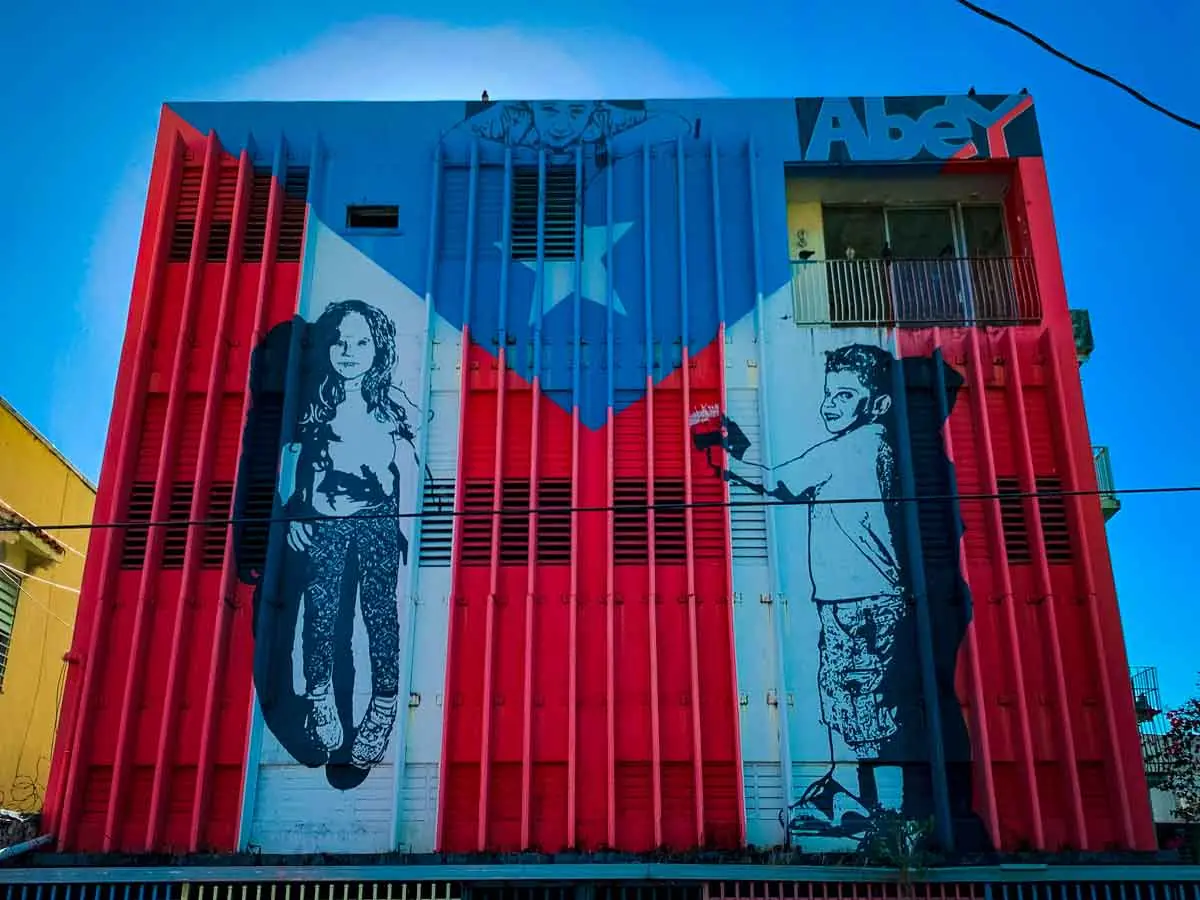
From the gate, walk uphill along the bay-side wall (the Paseo del Morro) toward the fortress. You’ll pass the painted Puerto Rican flag mural on the corner of Calle de la Fortaleza — the line for that photo gets 30-deep by mid-morning, so shoot it now.
Is Castillo San Felipe del Morro worth the entrance fee?
Yes. El Morro is one of the few historical sites in the Caribbean that justifies the hype. The 16th-century fortress sits on the headland at the entrance to San Juan Bay, and the $10 ticket covers both El Morro and Castillo San Cristóbal for a 24-hour window. Skip the audio guide and head straight to the sixth (top) level for the Atlantic view, then work your way down through the barracks and powder magazines.
- Location: Calle Norzagaray, far northwest tip of Old San Juan
- Cost: $10 adults (16+), free for under 16; ticket covers San Cristóbal too
- Hours: 9 a.m.–5 p.m. daily (closed Thanksgiving, Dec 25, Jan 1)
- Time needed: 90 minutes for El Morro alone, 2.5 hours if you add San Cristóbal
Pro Tip: The cannon emplacements on the second level (Santa Bárbara battery) are the best photo spot in Old San Juan and 90% of visitors walk right past them on the way to the top. Fifteen minutes there at golden hour is worth more than an hour on the upper deck.
Where should you eat lunch in Old San Juan?
Skip the tourist-trap places on Calle del Cristo and walk three blocks east to Deaverdura on Calle Sol. There’s no printed menu — the staff describes whatever was cooked that morning, usually four or five dishes built around comida criolla. The chuleta kan kan (a bone-in pork chop with the rib, loin, and crackling skin still attached) is what I order every visit. Expect $15–$22 for a main, lunch only, cash preferred.
If Deaverdura is closed (it sometimes shuts on Sundays and Mondays), my backup is Café El Punto on Calle Fortaleza for mofongo, or Café Cuatro Sombras for the best espresso in the old city.
What should you do for sunset in Old San Juan?
Walk back down to the Paseo de la Princesa — the wide promenade that runs along the bay wall — about 45 minutes before sunset. The Raíces Fountain at the end is the photo spot. After dark, head to La Factoría on Calle San Sebastián. From the street it looks like a single dim bar, but six interconnected rooms hide behind that front door: a cocktail lab, a wine bar, a salsa room, a small dance floor. The signature drink is the Lavender Mule. Expect $14–$16 cocktails.
- Location: Calle San Sebastián 148, Old San Juan
- Cost: $14–$16 cocktails; no cover
- Best for: Couples and small groups; gets loud after 10 p.m.
- Time needed: 1.5–2 hours to wander all six rooms
Day 2: El Yunque rainforest and a glowing bay
Day 2 is the long day. Pick up your rental car at SJU by 7:30 a.m., drive 45 minutes east to El Yunque, hike before the heat builds, eat at the Luquillo Kiosks, then drive 25 more minutes to Fajardo for the bio bay tour at 7 p.m. It’s a 14-hour day. It’s also the day you’ll remember most.
Do you need a reservation for El Yunque?
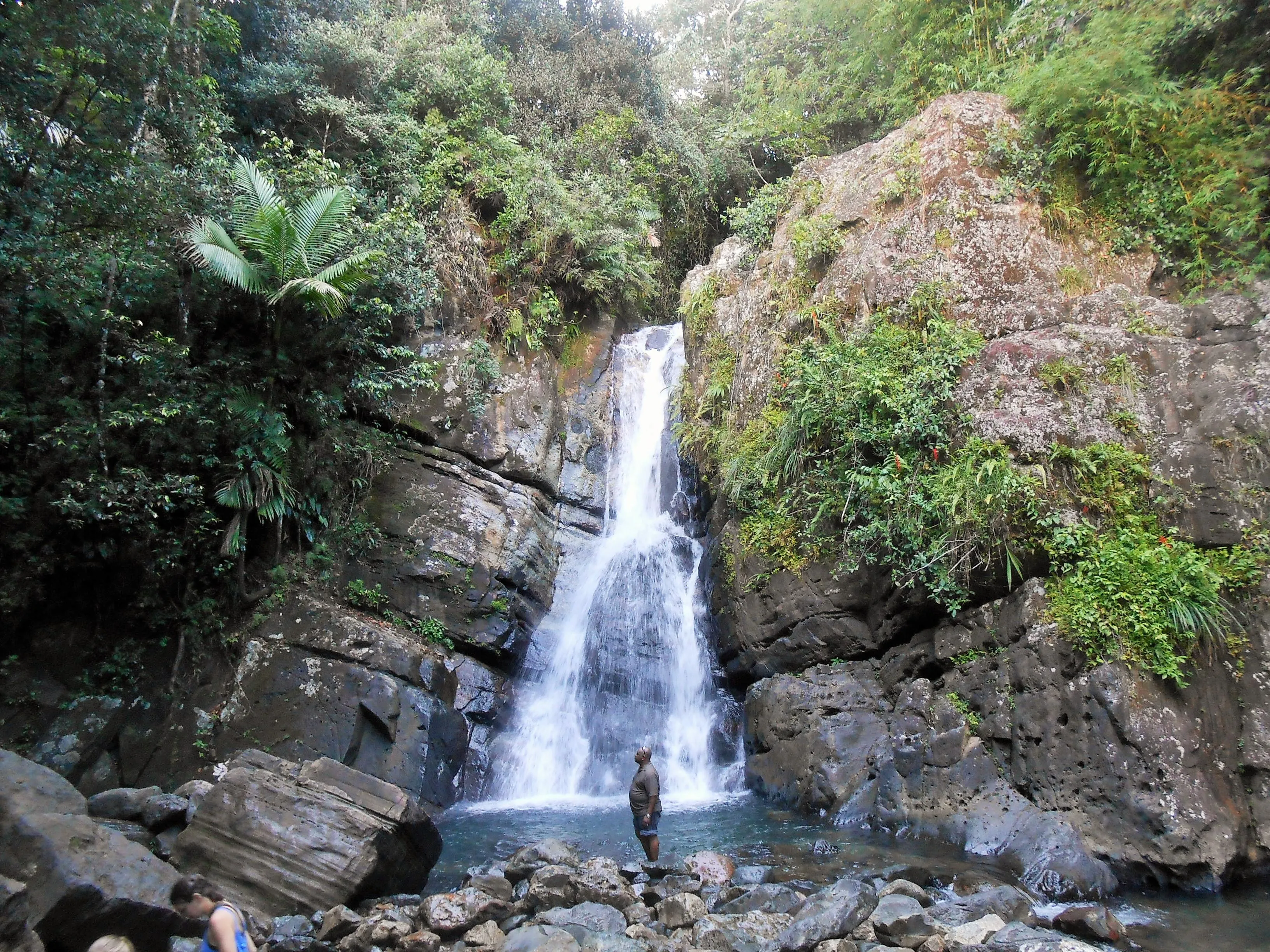
No. The Recreation.gov reservation system that confused everyone for years was suspended in August 2023, and entry is now free and first-come, first-served on PR-191 north. The catch: parking is capacity-limited and the gate closes when the lots fill up, usually by 10:30 a.m. on weekends. Get to the entrance by 8 a.m. (when the gate opens) and you’ll walk right in.
- Location: PR-191 north, Río Grande (45 minutes from San Juan)
- Cost: Free entry; $8 to enter El Portal Visitor Center
- Hours: 8 a.m.–5 p.m. (gate may close earlier when full)
- Best for: Hikers willing to start early; not for late risers
Pro Tip: There is no potable water inside El Yunque right now — the water system is being rebuilt after Hurricane Maria. Bring more water than you think you need (a liter per person minimum) or buy it from the small concession stands inside the park before you hike.
Which El Yunque trail is worth your time?
Skip the crowded La Mina Falls trail and head for the Mt. Britton Trail. It’s a 0.8-mile (1.3 km) paved climb through high-altitude cloud forest to a stone observation tower built by the Civilian Conservation Corps in the 1930s. The grade is steep — expect 30–40 minutes up — but the surface is paved the whole way, so it’s manageable in trail runners. From the tower you can see the rainforest canopy roll all the way to the coast on a clear morning.
If Mt. Britton is closed (the trail occasionally shuts for storm damage repairs), the Yokahú Tower at mile marker 8.9 is a no-hike alternative with similar views from the parking lot.
What should you eat at the Luquillo Kiosks?
The Luquillo Kiosks are about 60 numbered open-air food stalls strung along the beach 20 minutes from El Yunque. The whole strip runs from Kiosko #1 to #60 and they’re not all good — most serve fried tourist food. Two are worth your time: Kiosko #2 (La Parrilla) for upscale seafood-stuffed mofongo, and Terruño at Kiosko #18 for the best lechón outside the mountains. Pair either with a Medalla Light, the local lager that costs $3 and somehow tastes better with ocean salt in the air.
- Location: PR-3, Luquillo (20 minutes from El Yunque, 5 minutes from the beach)
- Cost: $12–$25 per main; cash and card both accepted at the bigger kiosks
- Best for: A long lunch with feet in the sand
- Time needed: 1.5–2 hours, including a beach walk after
What is the bioluminescent bay tour really like?
Laguna Grande in Fajardo is one of three bioluminescent bays on the island, and it’s the only one you can paddle a kayak through. Dinoflagellates — microscopic organisms — light up neon blue-green when the water is disturbed. Every paddle stroke leaves a glowing trail. Bioluminescent bay tours launch from Las Croabas around 6 p.m., paddle through a narrow mangrove channel for 25 minutes (the channel is the hardest part — kayaks bump elbows), then open into the lagoon where you can see the glow.
Honest take: it’s not the lit-up swimming pool of glow you see on Instagram. The light is subtle, more like underwater fireflies than a neon sign. It’s real, and it’s strange enough to be worth the trip — but manage your expectations and book a new-moon date if you can.
- Location: Las Croabas dock, Fajardo (1 hour from San Juan)
- Cost: $55–$70 per person, 2-hour tour
- Best for: Couples, adventurous travelers; not great for kids under 8
- Time needed: 2 hours on the water plus 30 minutes briefing/return
Pro Tip: Use DEET-free repellent and skip sunscreen on the day of your tour. The dinoflagellates are sensitive to chemicals, and reputable operators will turn you away if you smell like Off! Also: wear clothes you don’t mind getting wet. The mangrove channel will splash you.
Day 3: Pick your Caribbean adventure
Day 3 is a choose-your-own. Three options, each a different vibe. I’ve done all three multiple times, and the right pick depends on what you actually want — postcard beach, easy logistics, or something the other tourists aren’t doing.
Option A: Is Culebra worth the day-trip hassle?
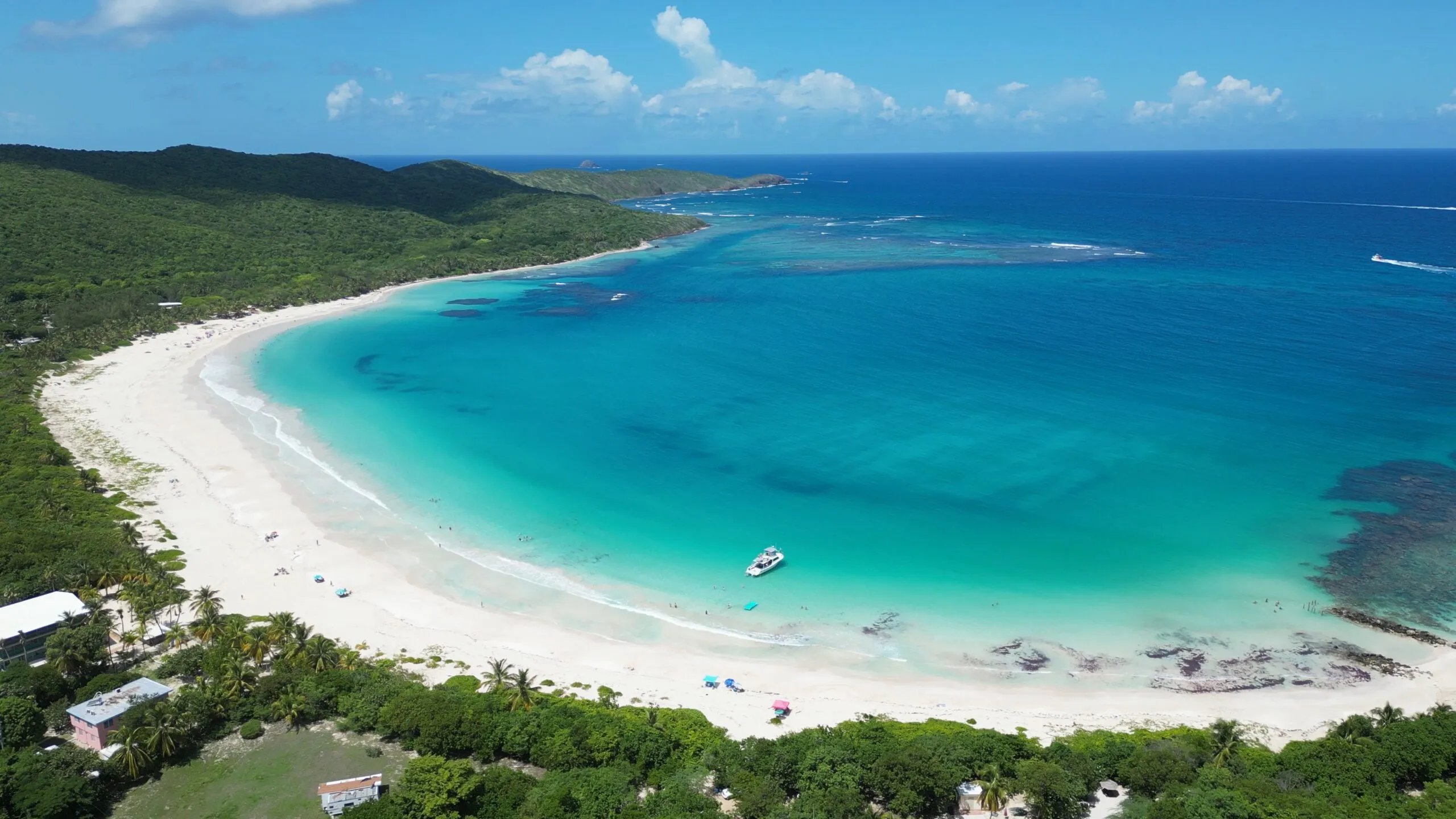
Culebra has Flamenco Beach — powdery white sand, calm turquoise water, the kind of beach that wins “world’s best” lists every year. It’s also a logistical nightmare for day-trippers. The ferry from Ceiba is cheap ($11.25 one way as of April 2026) but tickets sell out in minutes when they release, the boat gets canceled for weather, and you have to drive 90 minutes from San Juan to catch it. The regional flight from Isla Grande (SIG) is $150–$200 round trip and takes 20 minutes door to door.
- Location: Culebra island, 17 miles east of mainland Puerto Rico
- Cost: $11.25 ferry one-way (non-resident) or $150+ regional flight
- Best for: Beach purists who don’t mind the logistics
- Time needed: Full day, 6 a.m.–8 p.m. round trip
Honest take: I’d only attempt Culebra as a day trip if you can fly. The ferry day-trip math is brutal — by the time you drive, queue, board, dock, ride a publico to the beach, and reverse it all, you get maybe 4 hours of beach for 12 hours of total commute.
Option B: The Icacos Cay catamaran (the easiest pick)
If Culebra logistics make you tired just reading the paragraph above, this is the move. Operators like East Island Excursions and Sea Ventures run an all-day Cayo Icacos catamaran day trip out of Fajardo — sail to Icacos Cay, snorkel a coral reef with sea turtles and parrotfish, beach time on a deserted sandbar, buffet lunch on the boat, open bar with rum punch on the way back. Around $140 per person, 8 a.m.–4 p.m., bus pickup from major San Juan hotels usually included.
- Location: Departs Fajardo Marina (1 hour from San Juan)
- Cost: $130–$160 per person all-inclusive
- Best for: Families, mixed-ability groups, anyone who doesn’t want to plan
- Time needed: Full day, hotel pickup typically 7 a.m.
Option C: Loíza for Afro-Caribbean culture
Thirty minutes east of San Juan, Loíza is the heart of Puerto Rico’s Afro-Caribbean culture and almost no tourists go. Bomba is the percussion-and-dance tradition that came over with enslaved West Africans; you can take a class through Corporación Piñones se Integra (COPI) and actually learn the basic steps from people whose families have been dancing it for generations. Eat lunch at El Burén de Lula — fritters cooked over an open wood fire (the burén) — and walk the Piñones boardwalk along the coast.
- Location: Loíza and Piñones, 30 minutes east of San Juan
- Cost: $25–$45 for a bomba class; $10–$15 for fritters lunch
- Best for: Travelers tired of beach itineraries who want a real cultural day
- Time needed: 5–6 hours including the drive
Day 4: Slow morning in modern San Juan
Day 4 is the wind-down. Drop the car at SJU by 9 a.m., Uber back into the city, and spend the morning in Santurce or on the beach before a long lunch and your flight home. Don’t book a flight before 4 p.m. — anything earlier and you’ll spend Day 4 in airport transit instead of in the city.
Where do you find the best street art in San Juan?
Calle Cerra in Santurce. Three blocks of warehouse walls covered in murals by Puerto Rican artists like Bik Ismo, Alexis Diaz, and Celso González. Some pieces are five stories tall. The neighborhood is rough around the edges in the daytime and best avoided after dark, but on a weekday morning it’s safe, quiet, and one of the highest-density street-art districts in the Caribbean.
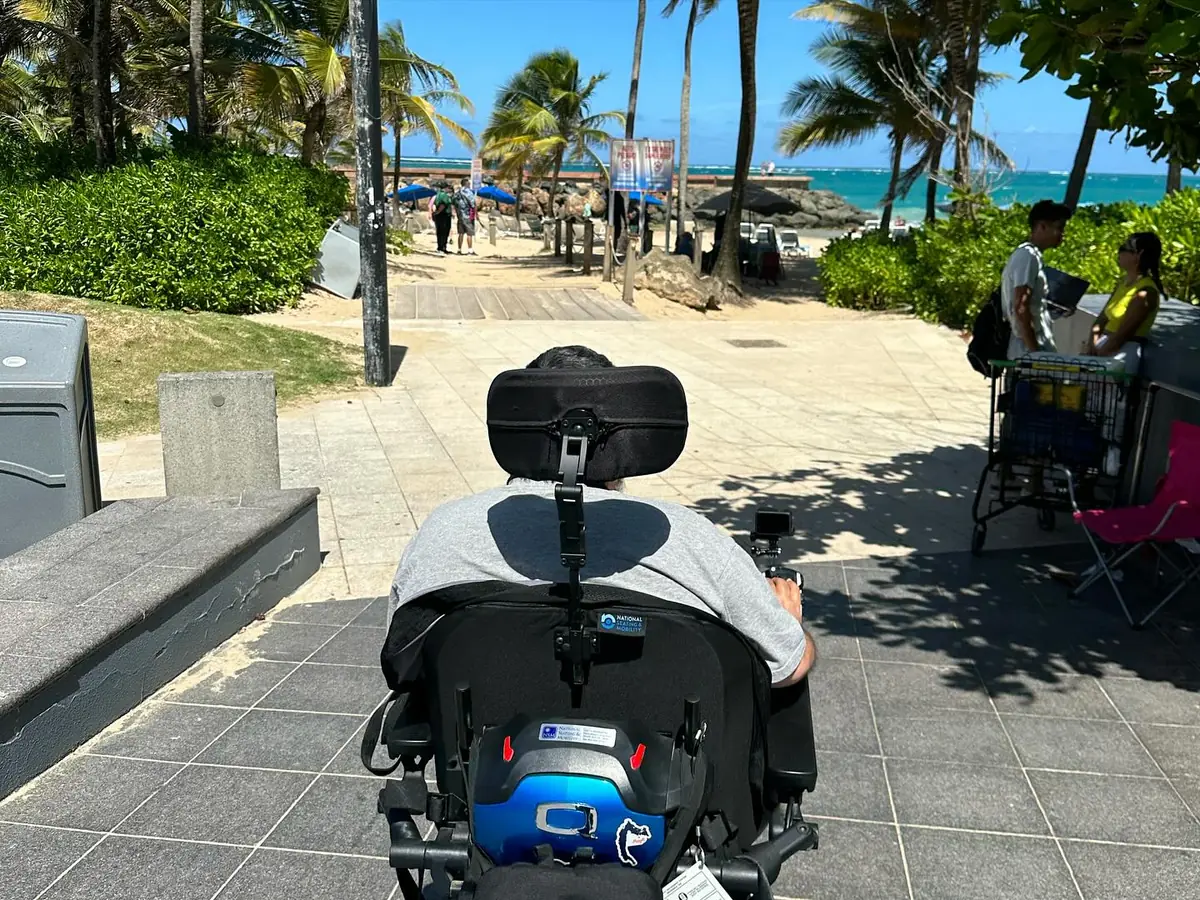
If you’d rather skip the Santurce street art murals and finish the trip with a beach morning, Condado Beach has chair rentals ($15–$20 for the day), beachfront cafés on Ashford Avenue, and calm enough water for swimming.

Where should you buy real Puerto Rican souvenirs?
Skip the Calle del Cristo gift shops selling magnets made in China and head to Plaza Dársenas near the Old San Juan cruise pier. On most days you’ll find handmade vejigante masks (the horned papier-mâché masks from Loíza and Ponce), local coffee, and small-batch rum from artisans who actually live on the island. Prices are fair and the makers will explain what you’re buying.
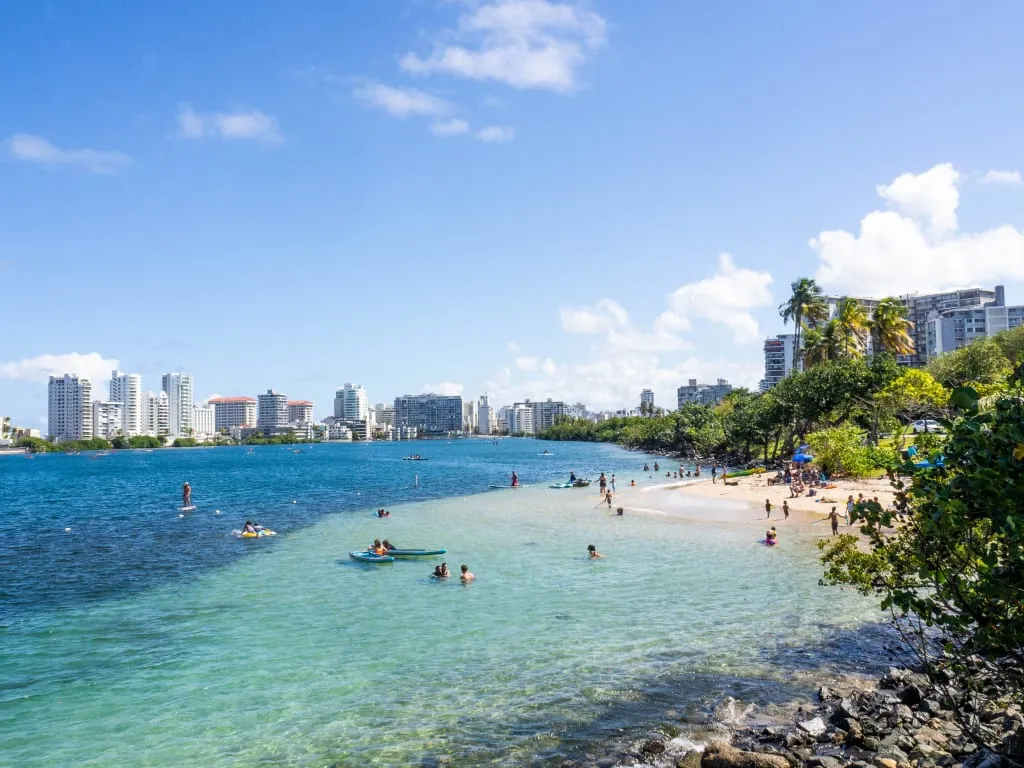
If you have an extra hour, swim at Balneario El Escambrón — a small public beach right between Old San Juan and Condado, protected by a reef so the water is calm, with showers and changing rooms. It’s the only real beach within walking distance of Old San Juan.
What’s the best farewell dinner in San Juan?
Santaella in Santurce. Chef José Santaella took the comida criolla playbook — mofongo, lechón, alcapurrias — and rebuilt it as upscale plates without losing the soul. The room is built around a central courtyard with hanging vines, the cocktail program is one of the best in the city, and reservations are essential on weekends. Expect $60–$90 per person with one drink.
- Location: Calle Canals 219, Santurce (10 minutes from Old San Juan, 20 from SJU)
- Cost: $60–$90 per person with cocktails
- Best for: Couples, foodie travelers, special-occasion last nights
- Time needed: 90 minutes for a relaxed dinner
Pro Tip: For your departure flight, plan to be at SJU 2 hours before a domestic departure — not the 3 hours that other guides recommend. The USDA agricultural inspection at Puerto Rico’s airport is a single x-ray machine and takes 5–10 minutes in normal conditions. The “3 hours” advice only applies during peak holiday weeks (Christmas, spring break) when the line stretches out the door.
Before you book
A few honest notes that don’t fit anywhere else. Puerto Rico is the most accessible Caribbean trip you can make from the U.S. mainland — no passport, U.S. dollars, U.S. cell service, English widely spoken — but it is a real foreign-feeling destination once you get past the resort lobbies. Lean into that. Eat where the menus are in Spanish only. Drive the inland roads. Talk to people.
TL;DR: Spend Day 1 walking Old San Juan, Day 2 on the El Yunque + Fajardo bio bay combo (rent a car for this day only), Day 3 on either a catamaran trip from Fajardo or — if you can fly — Culebra, and Day 4 on a slow Santurce morning before a Santaella farewell dinner. Skip the rental car on Days 1 and 4. The El Yunque reservation hassle is gone. The Culebra ferry is no longer cheap.
What’s the one part of Puerto Rico you keep going back to — or the one you’d give a second chance? I read every comment.