This El Salvador itinerary fits a live volcano, a black-sand surf town, and a colonial capital into three days — in a country the size of New Jersey. You get a copy-and-go day-by-day plan, real prices, and the one call that shapes everything: where to base yourself. Logistics first, postcards second.
The 3-Day Plan at a Glance
Here’s the whole trip in one breath: Day 1 in San Salvador for the historic center, the El Boquerón crater, and your first pupusas; Day 2 hiking Santa Ana Volcano to its crater lake and cooling off at Lake Coatepeque; Day 3 on the coast at El Tunco and Surf City. Every anchor sits 45 to 90 minutes from the next, so your biggest decision isn’t what to see — it’s where to sleep.
| Day | Base | Highlights | Rough cost (per person) |
|---|---|---|---|
| 1 | San Salvador | Historic center, Óscar Romero’s crypt, El Boquerón crater, pupusas | $40–$90 |
| 2 | San Salvador | Santa Ana Volcano hike, Lake Coatepeque swim | $50–$120 (with a day tour) |
| 3 | El Tunco / coast | Beginner surf lesson, El Tunco sunset, El Zonte | $50–$130 |
If I had to plant a flag, I’d base in San Salvador’s San Benito neighborhood. It’s the geographic pivot — volcano, coast, and colonial towns all branch out from there — and it saves you from dragging luggage across the country halfway through a short trip.
Before You Go: Safety, Money and Getting Around
El Salvador sits at Level 1 — Exercise Normal Precautions — the lowest tier on the US State Department’s travel advisory scale, the same category as destinations like Japan or Switzerland. US citizens need only a valid passport; the old $12 tourist card fee has been scrapped. The country runs on US dollars, and Bitcoin is legal but optional, so bring cash.
The security turnaround is real, and the numbers back it: the homicide rate has fallen to around 1.9 per 100,000, among the lowest in Latin America. What that means on the ground is a State of Exception that’s still in force — carry your ID, expect police and military checkpoints on the roads, and know that drug and DUI laws are zero-tolerance.
Money is simple and cash-first:
- Currency: US dollars (bring $1, $5, and $10 bills)
- Change: dollar coins circulate widely — don’t be surprised to get them back
- Bitcoin: accepted voluntarily at some spots, but almost everything is paid in dollars
- Cards: fine at hotels and larger restaurants, useless at pupusa stalls and park gates
Pro Tip: Break your bills before you need them. Pupusa stalls, park guides, and small hotels often can’t split a $20, and you’ll waste time hunting for change at exactly the wrong moment.
Do You Need a Visa or Tourist Card?
US citizens don’t need a visa for stays up to 90 days. You used to pay a $12 tourist card on arrival, but El Salvador abolished that fee in a migration-law reform. Carry a passport valid for your trip and, ideally, proof of onward travel. The 90-day limit is shared across the CA-4 region.
A few things worth knowing: the CA-4 covers El Salvador, Guatemala, Honduras, and Nicaragua, so the clock runs across all four combined. Some official pages still list the old $12 figure — that’s a lag, not a warning — but it’s cheap insurance to have a few dollars ready at the immigration desk just in case they haven’t updated. There’s no vaccination requirement.
Getting Around in Three Days
For a trip this short, hire a private driver or book day tours if you’d rather not drive — it removes every timing risk. Uber is cheap and reliable in San Salvador and for the airport run. Rent a car for full flexibility. Skip the public “chicken buses” for anything time-sensitive.
Typical costs:
- Airport to San Salvador (Uber): around $26
- Airport to El Tunco (shuttle): $30–$40
- Car rental: roughly $35–$50 per day
- Chicken bus: under $1 (cheap, but slow and unscheduled)
The airport (SAL) sits about 28 miles (45 km) south of the capital, which puts it closer to the beach than to downtown — handy if you decide to base on the coast.
Coast or Capital? Where to Base Your 3 Days
Base in San Salvador (the San Benito neighborhood) for the best all-around access — the volcano, the coast, and the colonial towns all sit 45 to 90 minutes out. Base on the coast at El Tunco if surf and beach are the whole point and you’re happy to day-trip inland. Santa Ana city suits volcano-and-culture-first trips.
| Base | Vibe | Best for | Nightly range |
|---|---|---|---|
| San Salvador (San Benito) | Safe, walkable, restaurant-dense | Balance; first-timers | $40–$150 |
| El Tunco / coast | Surf, bars, black sand | Surfers, beach-first trips | $33–$180 |
| Santa Ana | Colonial, low-key, near the volcano | Hikers, culture, tighter budgets | $15–$60 |
Drive times from San Salvador make the case for a central base:
- El Tunco: ~45 minutes
- Santa Ana Volcano (Cerro Verde): ~1.5 hours
- Suchitoto: ~1.25–1.5 hours
- Ruta de las Flores: ~1.5–2 hours
The honest trade-off: sleeping at El Tunco buys you sunrise surf and easy sunsets, but you’ll spend real time backtracking for the volcano. San Benito costs you the beach mornings but keeps every day trip short.
Day 1 — San Salvador: History, Pupusas and El Boquerón
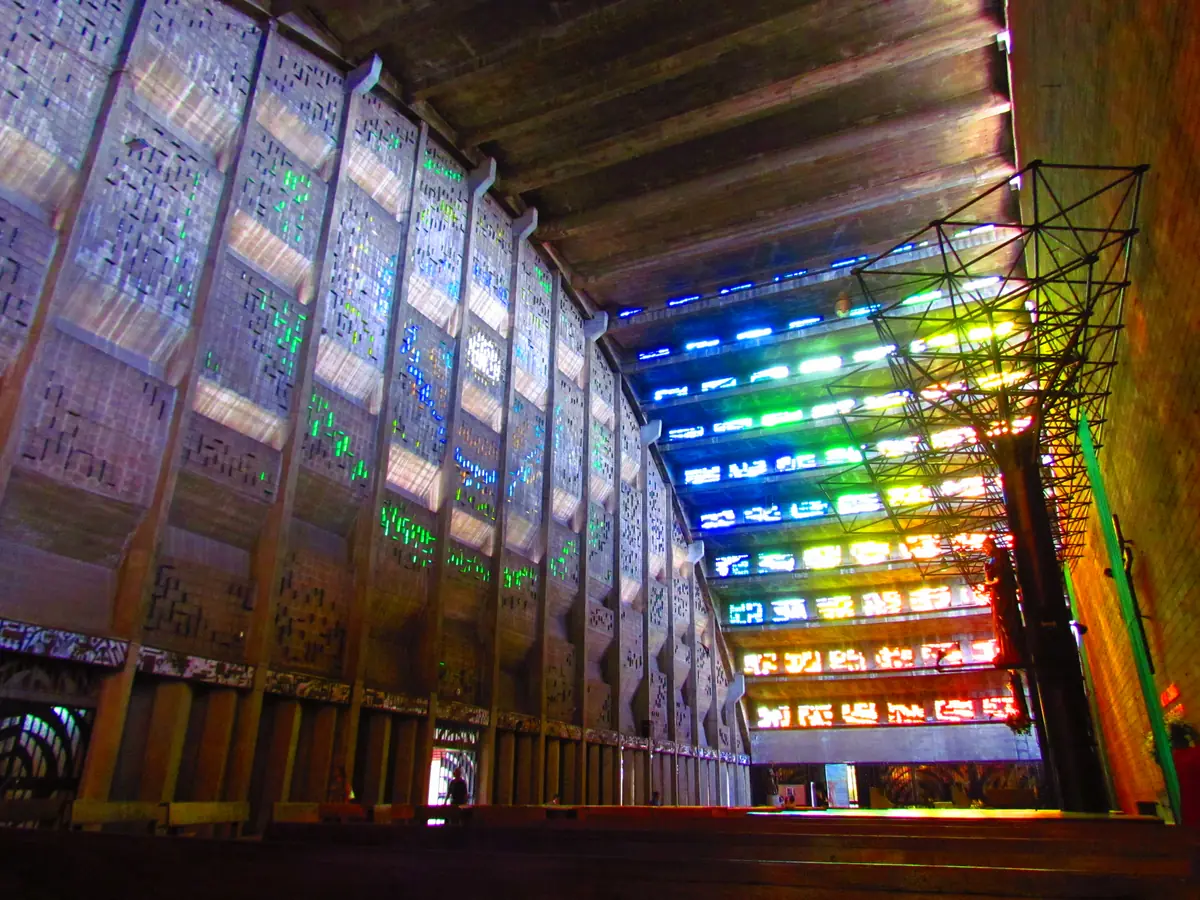
Ease into the trip. Drop your bags in San Benito, then head for the historic center. The Metropolitan Cathedral anchors it — Óscar Romero’s tomb sits in the crypt below, free to visit; he was assassinated in the early years of the civil war and later canonized, and the crypt is a genuine pilgrimage site, not a tourist afterthought. A few blocks away, Iglesia El Rosario looks like a plain concrete shell from the street until you step inside and see full-height stained glass throw color across the whole nave in the afternoon.
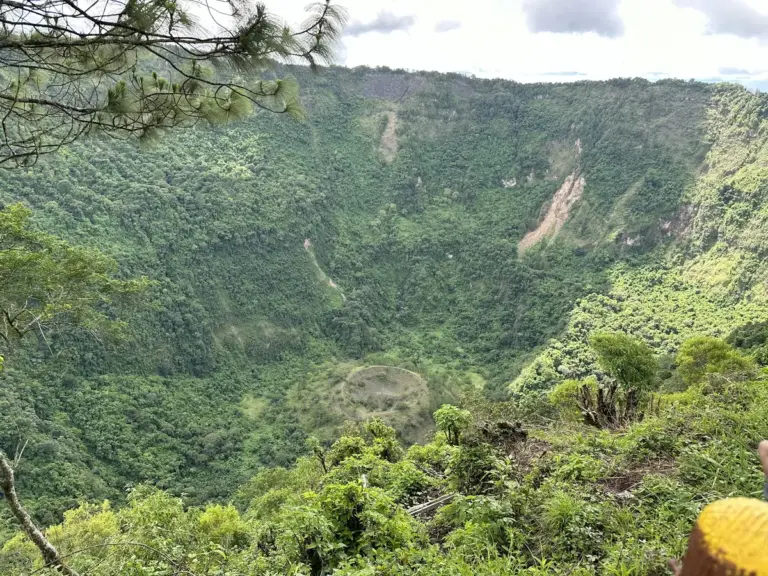
In the afternoon, drive up to the El Boquerón crater on the San Salvador Volcano for a look straight down into the volcano’s mouth. It’s a short, mostly paved walk from the parking area to the rim.
- El Boquerón drive from downtown: ~30–40 minutes, 11 miles (17 km)
- Entrance: $2–$3 (foreigners), $1 (locals)
- Parking: around $2
- Óscar Romero’s crypt: free
- Picnic Steakhouse rainbow slide (a quirky local landmark): around $5
Close the day the way you should close every day here: over pupusas.
Where to Eat Your First Pupusas
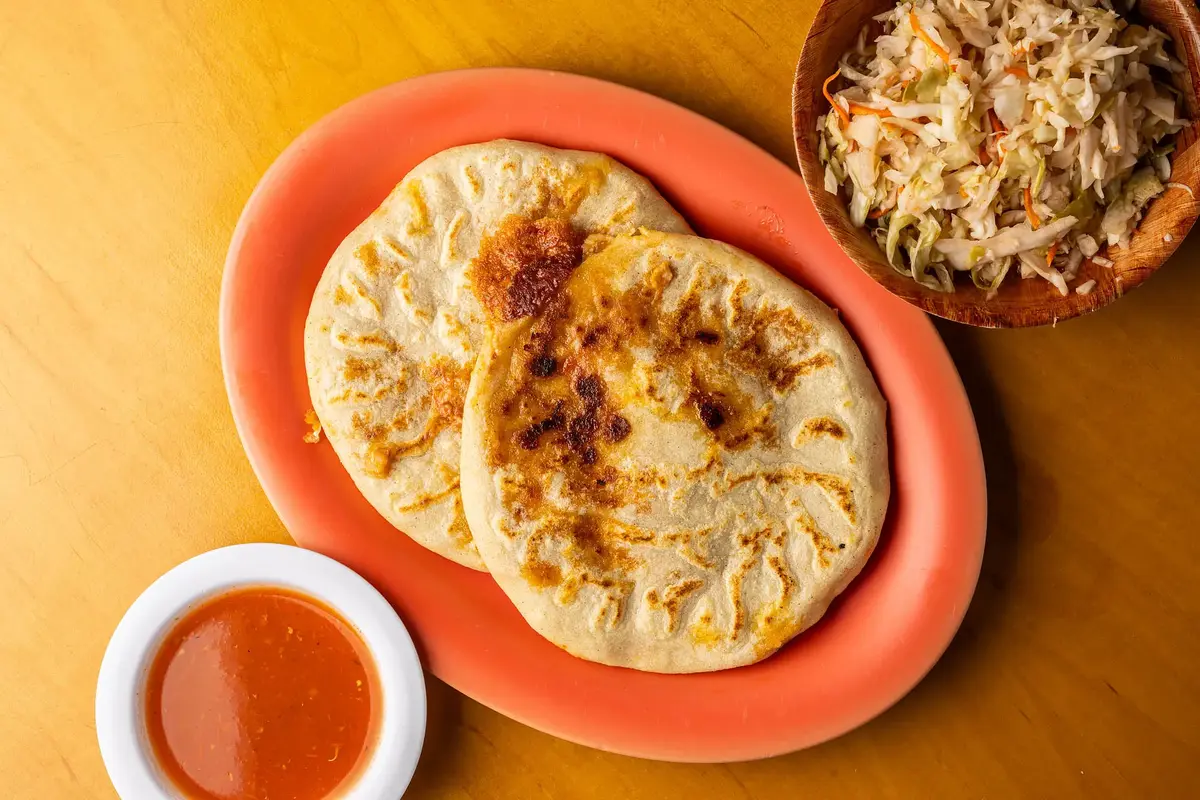
Pupusas — thick corn tortillas stuffed with cheese, beans, or chicharrón and topped with tangy curtido — are the national dish and your cheapest honest meal. Expect about $1 for a traditional pupusa in San Salvador, a bit more for specialty fillings like loroco. Most stalls are cash only, so keep small bills handy.
For variety over authenticity, El Atico serves dozens of pupusa varieties with a view over the city — a good first stop if you want to try loroco, jalapeño, and shrimp fillings side by side before you find your favorite from a street stall.
Pro Tip: Check the bill before you tip. Many sit-down restaurants pre-add a 10% propina sugerida (suggested tip), and it’s easy to tip a second time on top without realizing it.
Day 2 — Santa Ana Volcano and Lake Coatepeque
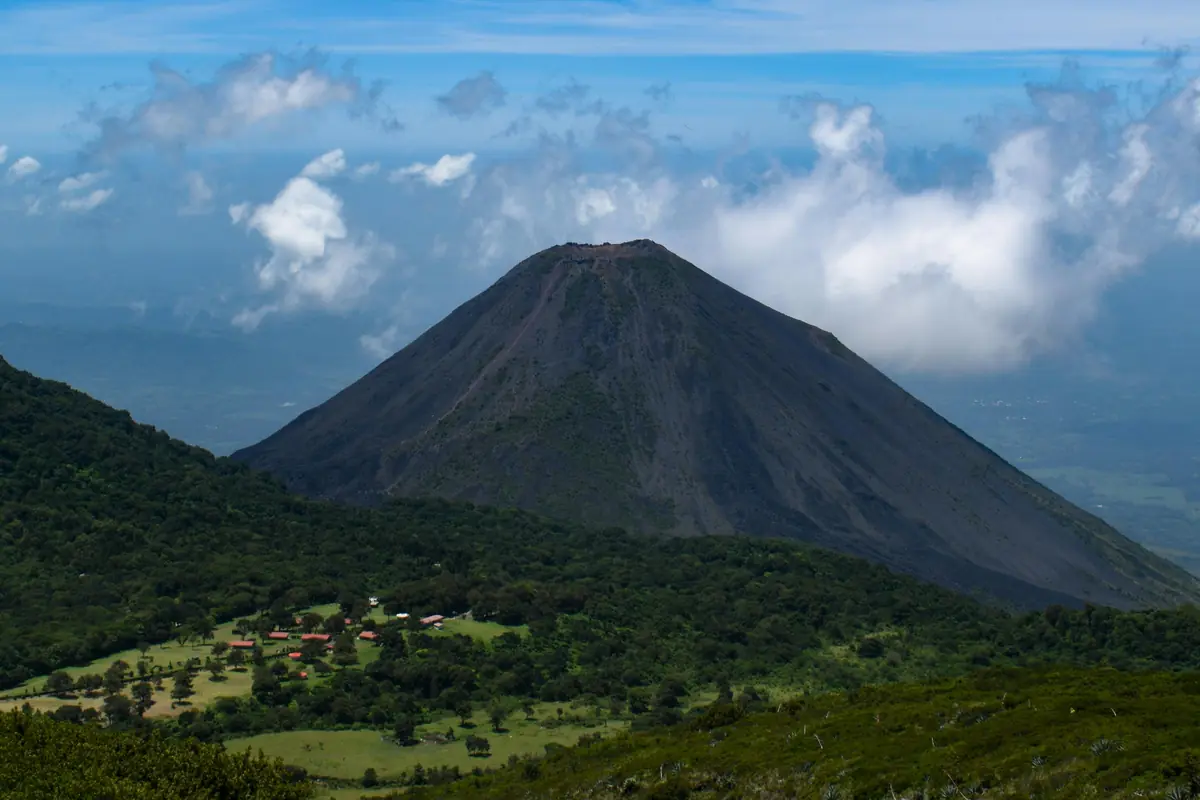
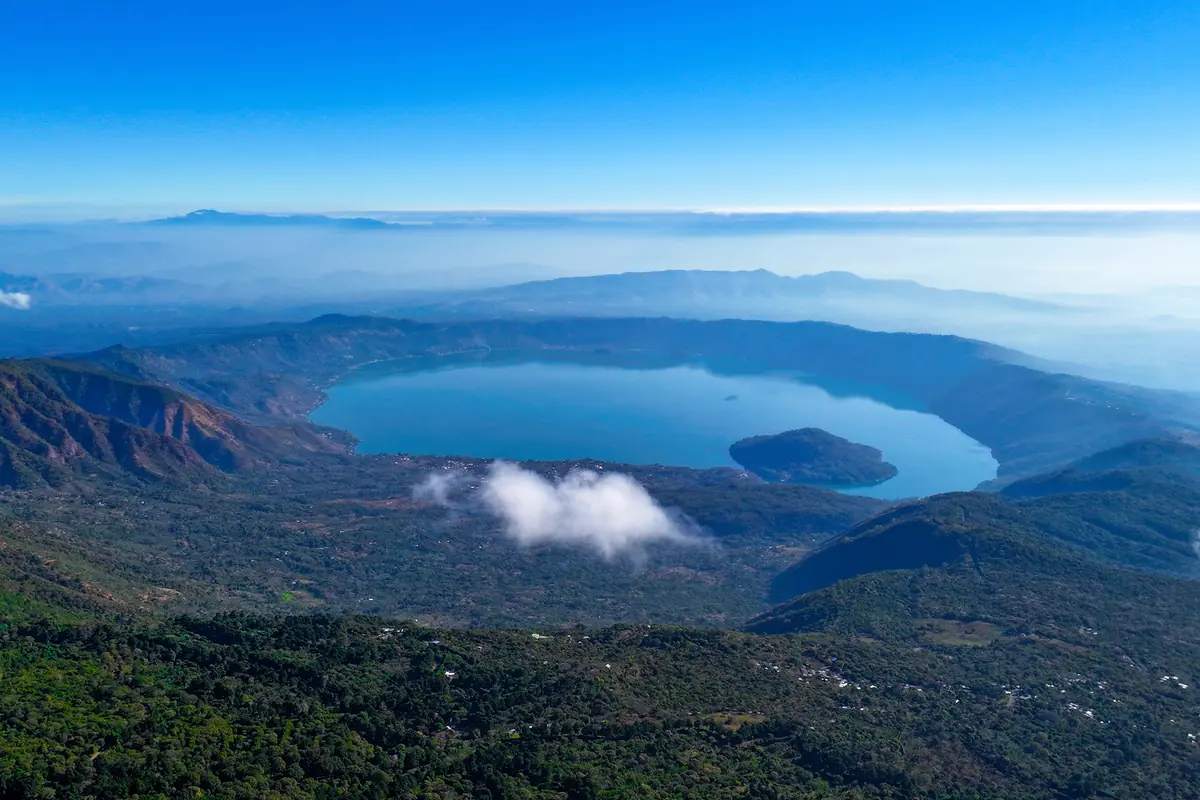
Day 2 is the one you’ll remember: hike Ilamatepec — Santa Ana Volcano — up to a turquoise crater lake, then cool off at Lake Coatepeque. It’s about 90 minutes from San Salvador, but timing is everything. Guided groups leave the trailhead around 11 a.m., and a guide is mandatory. A day tour bundles the transport, the fees, and the lake stop, and takes the timing risk off your shoulders entirely.
That 11 a.m. cutoff is the detail that trips up independent travelers. Miss the group and you don’t hike — there’s no going up alone. If you’re driving yourself, aim to be at the Cerro Verde entrance by mid-morning with margin to spare.
- Santa Ana height: 7,812 feet (2,381 m) — the country’s highest volcano
- Hike: about 4.3 miles (6.9 km) out-and-back, 3–4 hours, moderate
- Guide: mandatory; groups depart by roughly 11 a.m.
- Lake Coatepeque boat ride: around $5
- Bring: layers, water, sun protection — the summit wind is strong and cold
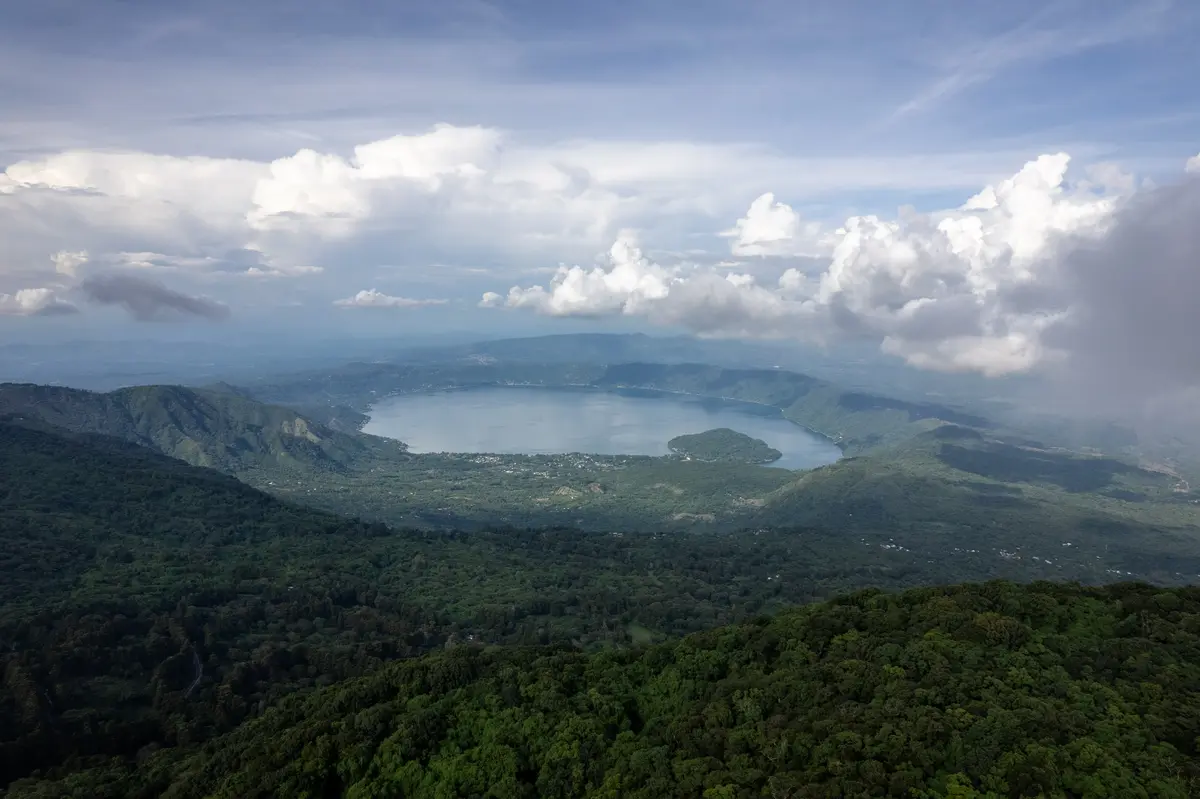
Coatepeque works as the reward after the climb — a warm caldera lake ringed with restaurants where you can eat lunch, swim, and take a short boat loop before heading back.
How Much Does the Santa Ana Hike Cost?
Independently, foreigners pay about $6 to enter the national park plus roughly $3–$5 for the mandatory local guide — call it $9 to $11 before transport. Nationals pay $3 to enter. A bus from Santa Ana city runs under $1 each way; a guided tour from San Salvador or the coast costs more but folds in transport, fees, and Lake Coatepeque.
Full breakdown for the independent hiker:
- Park entry (foreigners): ~$6
- Park entry (nationals): $3
- Mandatory guide: $3–$5
- Hiking-stick rental: ~$1
- Parking: $2–$3
- Payment: cash only
For a tight three-day trip, the math usually favors the tour despite the higher sticker price. The failure mode of going independent — missing the group and losing the whole day — costs far more than the savings.
Day 3 — Surf City: El Tunco, El Sunzal and El Zonte
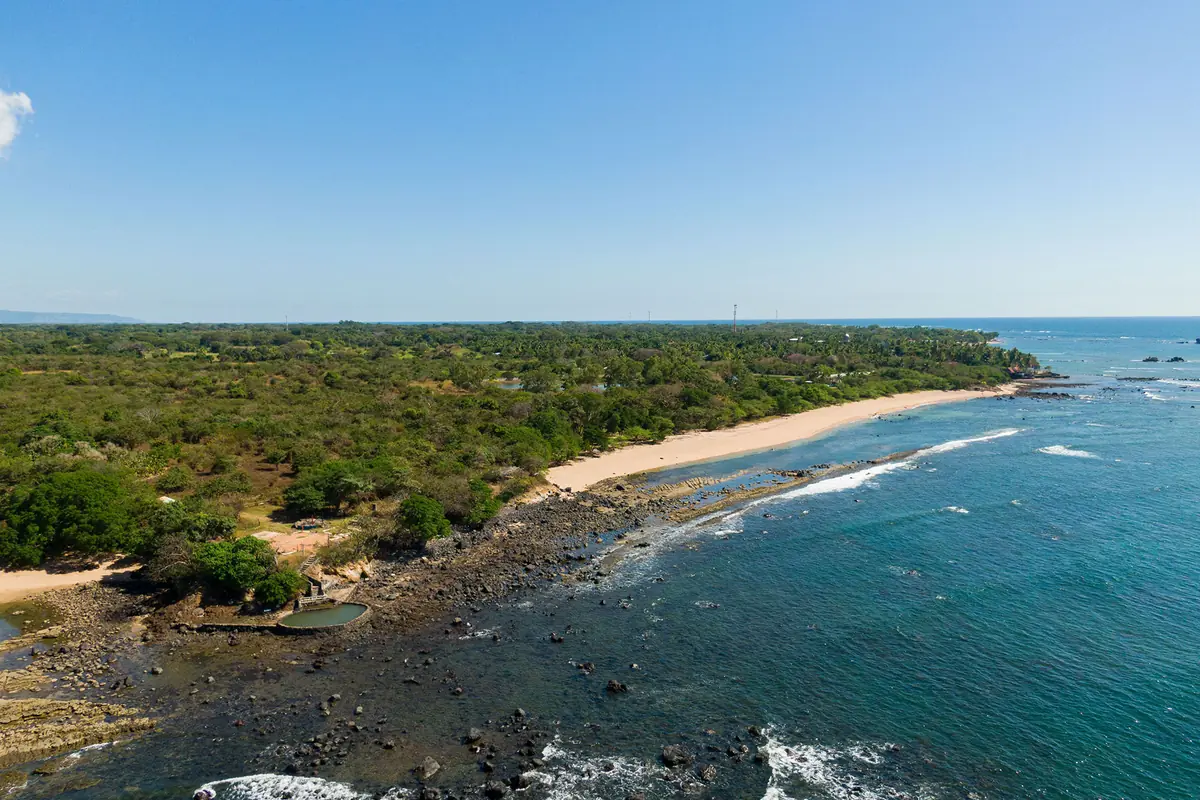
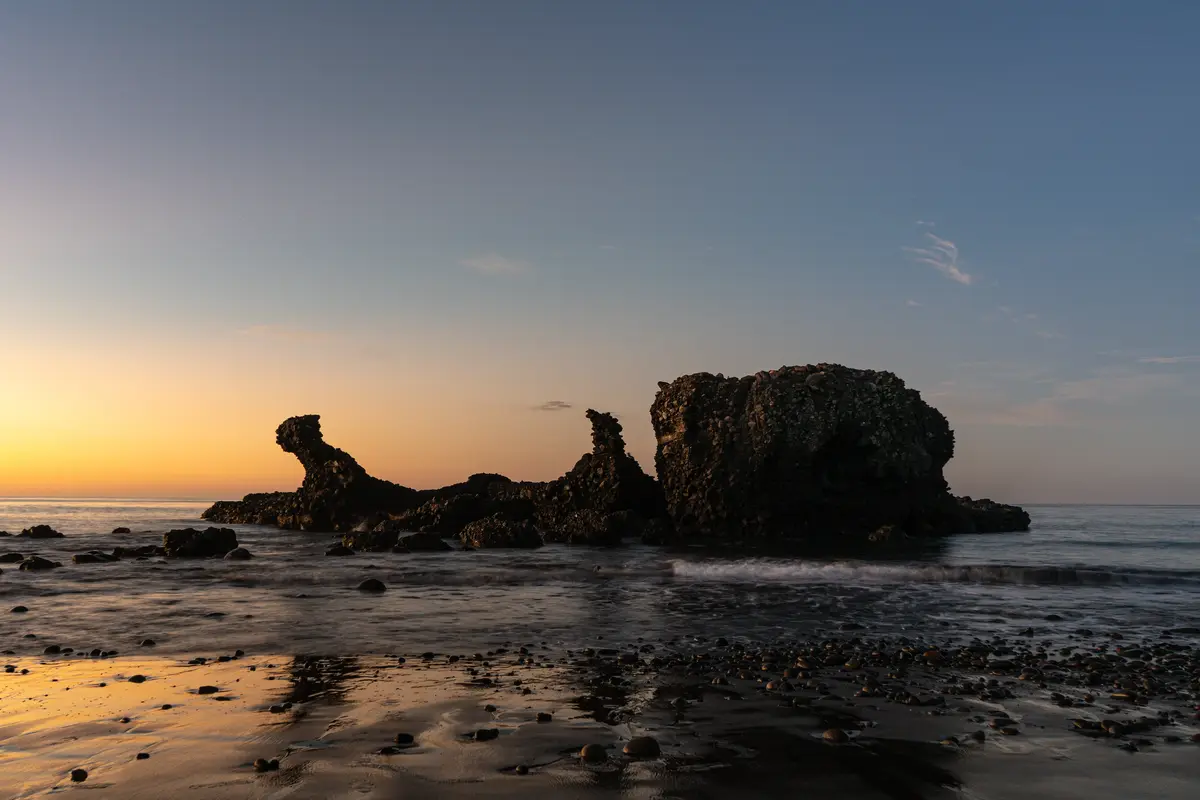
Finish on the coast. El Tunco is the loud, fun hub — bars, black volcanic sand, and a sunset the whole town gathers to watch behind the pig-shaped rock it’s named for. El Sunzal, next door, is the gentle right-hand point where beginner lessons happen. El Zonte, quieter and greener, is the one you’ve heard of as “Bitcoin Beach.” Take a lesson, watch the sun drop, and — if you can swing it — sleep here instead of day-tripping back.
- El Tunco from the airport: ~45 minutes, 22 miles (35 km)
- Surf lesson: $20–$30 per hour, board included
- Board rental: $10–$15 per day
- Tamanique waterfalls: about 30 minutes inland
- Water: strong rip currents — respect them
Pro Tip: The currents at El Tunco are no joke. Swim near where the surf schools cluster rather than off on your own, and remember black volcanic sand bakes hot enough to burn bare feet by midday — keep sandals within reach.
If you’re a surfer, this is the day to expand. Punta Roca down at La Libertad is the serious wave; El Zonte and El Sunzal are friendlier for building up. Trading your city day for a second coast day is the easiest swap in this whole plan.
Is Bitcoin Beach Still a Thing?
Yes and no. El Zonte earned the “Bitcoin Beach” name from a grassroots experiment, and El Salvador later made Bitcoin legal tender nationwide — but a subsequent reform, tied to an IMF loan agreement, stripped that status, so acceptance is voluntary. You’ll still find Bitcoin ATMs and crypto-friendly cafés in El Zonte, yet almost everything is paid in US dollars. Bring cash and treat the crypto scene as a curiosity.
The reality check: a university survey found that around 92% of Salvadorans didn’t use Bitcoin at all in a recent year, even while it was still legal tender. The government continues to hold Bitcoin reserves, and El Zonte remains a genuinely pleasant, mellow beach — just don’t plan your trip around paying for pupusas in satoshis. A rideshare between El Tunco and El Zonte runs about $5 if you want to see it for yourself.
Swap a Day: Itineraries by Traveler Type
Keep Day 2 — the volcano is the one thing almost everyone should do — and swap the rest to fit. Surfers: trade the city day for a second coast day at Punta Roca and El Zonte. History and culture travelers: swap the beach for Suchitoto’s cobblestone streets or Joya de Cerén, the “Pompeii of the Americas.” Food and slow travelers: give a day to the Ruta de las Flores.
Here’s what each swap actually gets you:
- Suchitoto: colonial streets above Lake Suchitlán, about 1.25–1.5 hours (18–19 miles / 29–31 km) from San Salvador; bus #129 is around $1
- Joya de Cerén: a UNESCO-listed Maya farming village buried and preserved by ash — small but unique
- Ruta de las Flores: weekend food festival in Juayúa with plates around $5, the El Carmen coffee tour around $6, and a Seven Waterfalls hike around $20
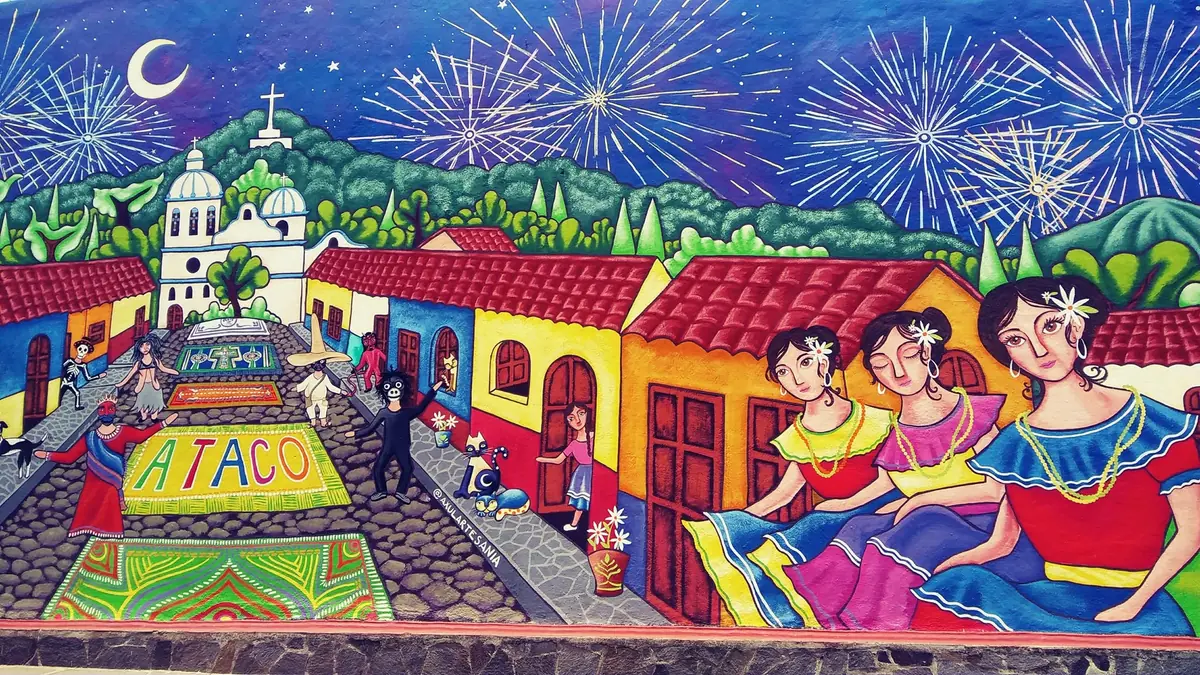
- Ataco: a village of painted murals along the same route
The pattern holds no matter who you are: pick your two themes, and the volcano is almost always one of them.
What a 3-Day Trip Costs
El Salvador is cheap by US standards. Budget travelers can get by on roughly $40–$60 a day; mid-range travelers spend $100–$150, including a private driver or day tours. The two swing factors are lodging — El Tunco’s beachfront runs far higher than inland — and whether you rent a car, hire a driver, or join tours.
| Item | Cost (USD) |
|---|---|
| Tourist card fee | $0 (abolished) |
| Pupusa | ~$1 |
| Santa Ana hike (fees + guide) | ~$9–$11 |
| Surf lesson (board included) | $20–$30 |
| Airport transfer | $26–$40 |
| Lake Coatepeque boat ride | ~$5 |
| Beach club day pass (NAWI / Atami) | $20–$25 |
| El Tunco hotel | $33 (budget) to $120–$180 (beachfront) |
For reference, the tourism ministry pegs the average international visitor’s spend at around $140 a day over a longer stay. A focused three-day highlights trip can come in well under that if you skip the private driver and lean on Uber and day tours.
Best Time to Go (and a Quick FAQ)
Go in the dry season — roughly November through April — for reliable sun on the volcano and in the colonial towns. Surfers get bigger, more consistent swell in the wetter March-to-October window, so the “best” season depends on your priority. Weekends fire up the Ruta de las Flores food festivals but crowd the coast, especially around Semana Santa (Holy Week).
One weather quirk worth planning around: clouds tend to build over the volcano summits by early afternoon, which is another reason the early Santa Ana start matters. Book the hike for a clear morning and you’ll get the crater view; leave it late and you may summit into fog.
Is Three Days Enough for El Salvador?
Yes — for the highlights. The country is compact, and the marquee sights sit 45 to 90 minutes apart, so three days covers a volcano, the coast, and the capital. The honest trade-off: you can do two themes really well — say, Santa Ana plus Surf City — but not the whole country. Most travelers find three nights hits the sweet spot; five to seven lets you slow down.
Before You Book
TL;DR: Base in San Salvador’s San Benito for the flexibility, give Day 2 to Santa Ana Volcano and Lake Coatepeque no matter what, and finish on the coast at El Tunco. Carry small bills, expect Bitcoin to be optional, and don’t sweat the old safety headlines — the country rates at the lowest US advisory tier.
Three days won’t show you all of El Salvador. It’ll show you the best of it, as long as you pick your two themes and commit to them instead of trying to cram in a third. The volcano earns its spot on almost every version of this trip; the second theme is yours to choose.
So which two would you build your trip around — volcano and surf, or volcano and colonial towns? Tell me in the comments where you’d spend your third day.