Italy is currently rated Level 2, “Exercise Increased Caution,” on the U.S. State Department’s four-level scale, with terrorism listed as the reason. The department reissued the advisory on September 10, but the level and risk indicators did not change; only the summary wording was refreshed. For most American travelers, Italy is about as safe to visit as it has been for the past several years, as long as you take the same precautions you would in any busy city.
The advisory is only part of the picture this fall, though. Travelers heading to Italy are also dealing with Europe’s new biometric border checks, a string of scheduled transport strikes, fresh seismic activity near Naples, and a growing list of local fines aimed at overtourism. Below, you’ll find what each of these means for your trip and where to check for updates before you fly.
Current Italy Travel Advisory Status at a Glance
| Item | Current status |
|---|---|
| Advisory level | Level 2: Exercise Increased Caution |
| Risk indicator | Terrorism |
| Most recent update | September 10 (summary wording only) |
| At Level 2 since | April 2022 |
| Previous reissue | May 23, 2025 (also a wording update) |
| CDC health notice level | Level 1: Practice Usual Precautions |
A few headlines described the September update as a new or raised warning. It wasn’t. The State Department’s own note on the reissue says there were no changes to the advisory level or risk indicators, and Italy has held the same rating since April 2022.
The State Department’s Worldwide Caution, which asks Americans everywhere to exercise increased caution, also remains in effect. One operational detail worth knowing: the U.S. Consular Agency in Venice is temporarily closed. If you need passport or emergency help in northeastern Italy, contact the U.S. Consulate General in Milan or the U.S. Embassy in Rome. Consulates General in Florence and Naples also serve Americans in their regions.
What “Level 2: Exercise Increased Caution” Actually Means
The State Department sorts every country into one of four levels:
- Exercise Normal Precautions
- Exercise Increased Caution
- Reconsider Travel
- Do Not Travel
Level 2 signals a somewhat elevated risk in certain areas or situations. It’s a prompt to stay alert, and the department does not advise against travel at this level. Level 1 and Level 2 advisories are reviewed at least once every 12 months, while Level 3 and Level 4 countries are reviewed at least every six months. An advisory can change at any time if conditions shift substantially.
Why Italy Is Rated Level 2
The advisory warns that terrorist groups could attack with little or no warning. The list of potential targets is broad and reads much like the list for most of Western Europe: tourist sites, transportation hubs, markets and shopping malls, hotels, restaurants, religious sites, parks, airports, and large sporting or cultural events. No specific plot is cited.
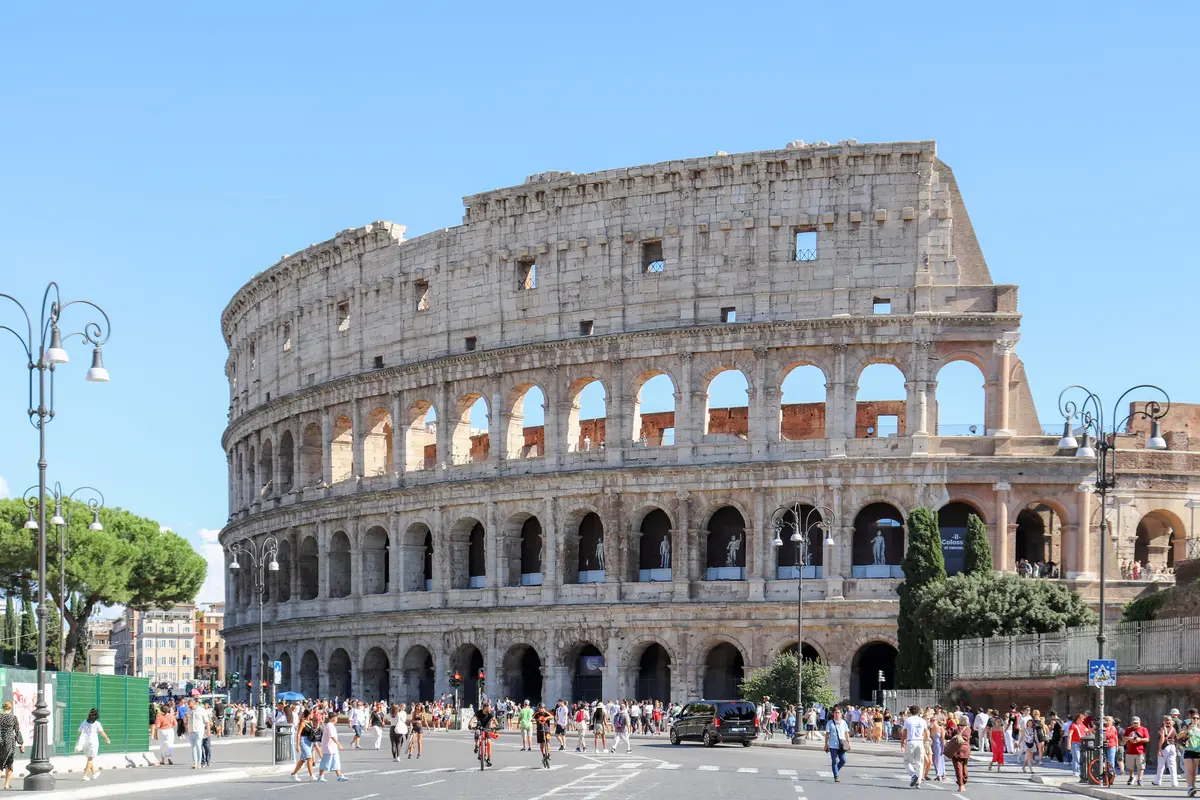
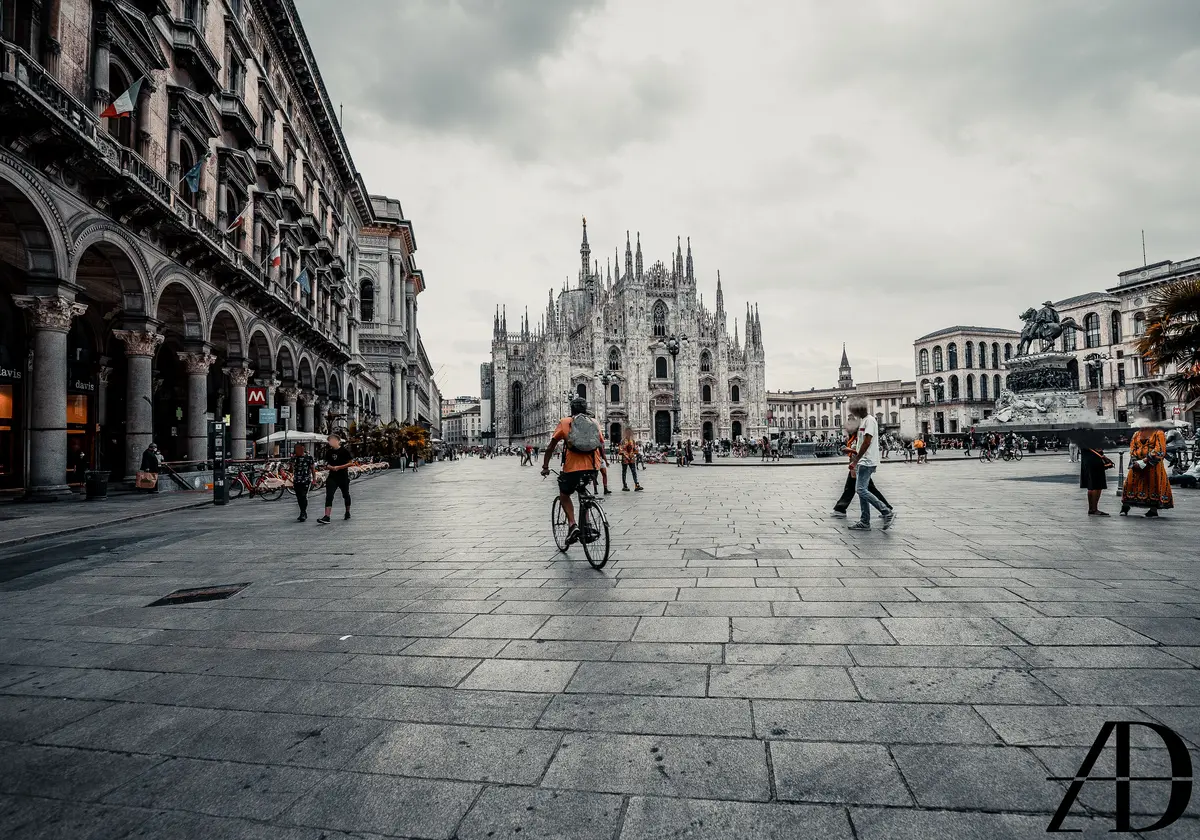
In practice, you’ll notice a visible security presence at major landmarks. Italian soldiers and police patrol places like the Duomo in Milan, St. Peter’s Square, and Roma Termini as part of the long-running Strade Sicure (Safe Streets) program. Bag checks at museums and churches are routine, so budget a few extra minutes for security lines.
How Italy Compares With Other European Destinations
Italy’s rating is typical for the region. France, Germany, and the United Kingdom have also carried Level 2 advisories, and Spain was listed at Level 2 as of early August, citing terrorism and unrest. Italy’s advisory names terrorism as its only risk indicator and does not single out any region as more dangerous than the rest of the country.
Is Italy Safe to Visit Right Now?
For the vast majority of American visitors, yes. Violent crime against tourists is rare. The problems travelers actually run into are petty theft, transport disruptions, summer heat, and the occasional natural hazard in specific areas. If you’re worried about global tensions, including events in the Middle East, keep in mind that Italy is an EU and NATO member far from any active conflict zone. The Worldwide Caution applies to Americans everywhere, Italy included.
Pickpocketing and Petty Theft
This is the risk the advisory itself calls out: purse snatching, pickpocketing, and car break-ins are common in tourist areas and on public transportation, including trains. The numbers back it up. Rome logged 33,455 reported pickpocketing incidents in 2024, according to Italian news agency Agenzia Nova. Quotezone’s European Pickpocketing Index for 2024 ranked Italy first in Europe, with 478 pickpocketing mentions per million British visitors to its top attractions, well ahead of second-place France at 251.
The hotspots are predictable. In Rome, watch yourself around the Trevi Fountain, the Colosseum, the Pantheon, Roma Termini, Metro Line A toward the Vatican, and the famously crowded No. 64 bus. In Milan, the Duomo and the metro draw thieves; in Florence, the lines outside the Uffizi do. Thieves often work in pairs or small groups, and crowded doorways on trains and subway cars are where most thefts happen.
Common Scams to Know
Most scams in Italy aim to separate you from a few euros, and some go after your wallet while you’re distracted. Watch for these:
- Strangers who tie a “free” friendship bracelet on your wrist, then demand payment.
- Clipboard petitions near major sights, which are often cover for pickpocketing.
- Unlicensed taxi drivers at airports and train stations. Use the official taxi stand, where licensed cabs are white in Rome and Milan.
- “Helpful” people at train station ticket machines who offer assistance and then ask for a tip or watch your PIN.
- Costumed gladiators near the Colosseum who charge steep fees after a photo.
One charge that isn’t a scam: the coperto, a per-person cover charge for bread and table service. It’s legal as long as it’s listed on the menu.
Health Notes From the CDC
The CDC rates Italy at Level 1, “Practice Usual Precautions.” No vaccines are required for entry. A global measles notice is in effect because of rising cases worldwide, so the CDC recommends being fully vaccinated with MMR before any international trip. Make sure your routine vaccines are current, and pack any prescriptions in their original containers.
Entry Requirements for Americans: EES and ETIAS
These two acronyms cause more confusion than anything else on Italy trip-planning forums. They are separate systems, and right now only one of them affects you.
EES Is Now Live at Every Border
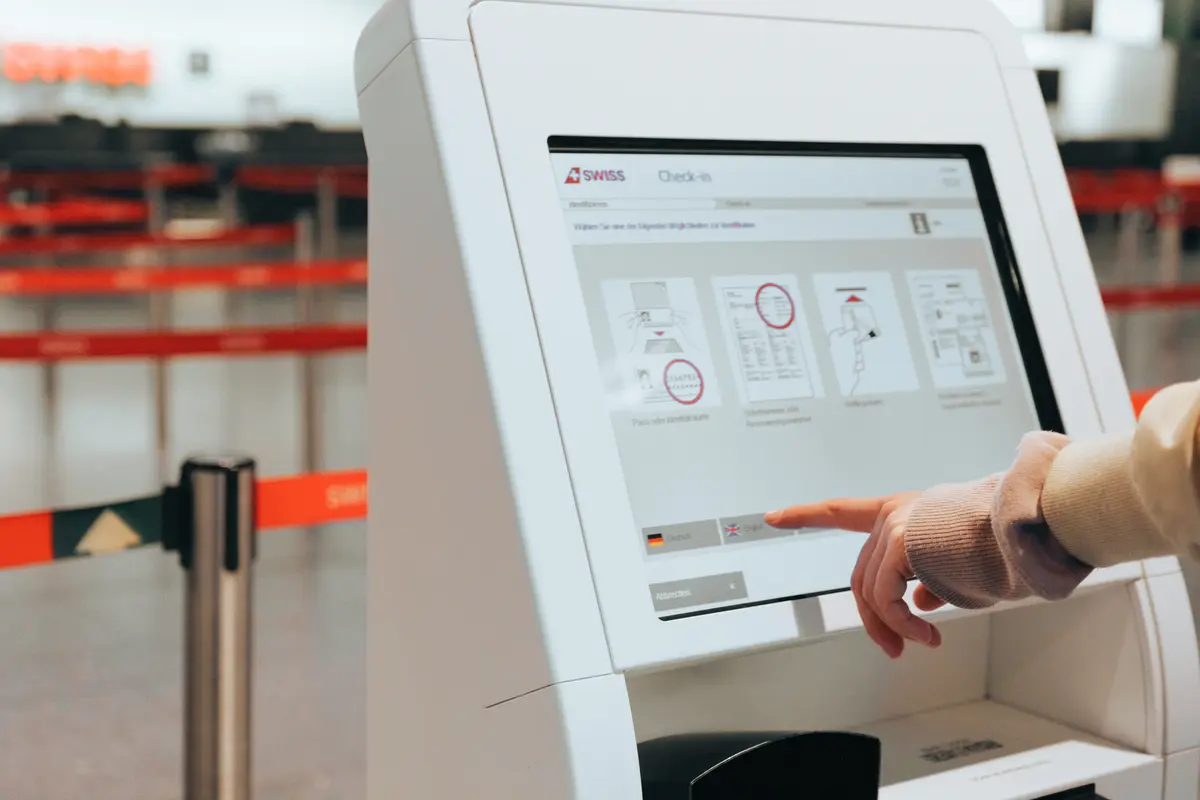
The Entry/Exit System (EES) is the EU’s biometric border system, and it replaces the old passport stamps. The rollout began on October 12, 2025, and the system became fully operational across the Schengen Area on April 10. It applies to non-EU nationals, including Americans.
On your first entry after the switch, border officers or self-service kiosks will capture your fingerprints and a facial image. The system then records each entry and exit automatically and tracks the 90/180-day rule for you, so there’s no more counting stamps. There’s no fee and nothing to apply for in advance. The catch is time: the rollout caused long lines at some major European airports this summer, so give yourself extra room for connections and arrivals.
ETIAS Is Delayed and Not Yet Required
The European Travel Information and Authorisation System (ETIAS) will eventually require visa-exempt visitors, including Americans, to get an online travel authorization before entering Italy and 29 other European countries. It is not in operation yet. The official EU portal states that ETIAS is currently not in operation and that no applications are being collected.
The EU had targeted the last quarter of this year for launch, but that date has been removed from the official site. The Financial Times reported in early July that eu-LISA, the agency building the system, had concluded internally that the deadline was no longer feasible. A launch sometime in 2027 is the widely expected outcome, though no official date has been set.
When it does launch, here’s what to expect:
- The fee will be €20, raised from the originally planned €7.
- Travelers under 18 or over 70 won’t pay the fee.
- An approved authorization will be valid for three years or until your passport expires, whichever comes first.
- The online application should take about 10 minutes.
- It’s a travel authorization similar to the U.S. ESTA, and it isn’t a visa.
- The EU has said a transition period of at least six months will follow the launch.
A warning worth repeating: any website currently accepting ETIAS applications or payments is a scam. When the real system opens, it will be at travel-europe.europa.eu/etias.
Passport Rules and the 90/180-Day Limit
Americans can currently enter Italy with just a passport for tourism or business stays of up to 90 days in any 180-day period across the Schengen Area. Your passport must be valid for at least three months beyond your planned departure from the Schengen Area, but the State Department and most airlines recommend six months to avoid any issues at check-in. Keep a couple of blank pages free as well.
Italy Transport Strikes: Upcoming Dates
Strikes, called scioperi in Italian, are a regular feature of travel in Italy. They’re announced in advance, usually last four to 24 hours, and are frequently shortened, postponed, or called off at the last minute. As of this writing, these are the dates on the calendar:
| Date | Sector | What’s announced |
|---|---|---|
| September 26 | Local public transport | A local transit strike remains listed after a broader general strike was revoked; check your city |
| September 30 | Air traffic control (ENAV and Techno Sky) | Nationwide, 1 p.m. to 5 p.m. |
| October 2 | General strike | Nationwide; rail staff from 11 a.m. to 2 p.m.; maritime services included |
| November 6 | Air traffic control (ENAV) | Four-hour afternoon strike announced |
September started with a 24-hour national rail strike on September 7 and 8, followed by airport security and ground-handling walkouts on September 13 at Rome Fiumicino and in Tuscany. A general strike planned for September 25 and 26 was scaled back and then formally revoked on September 2, which shows how quickly this calendar changes.
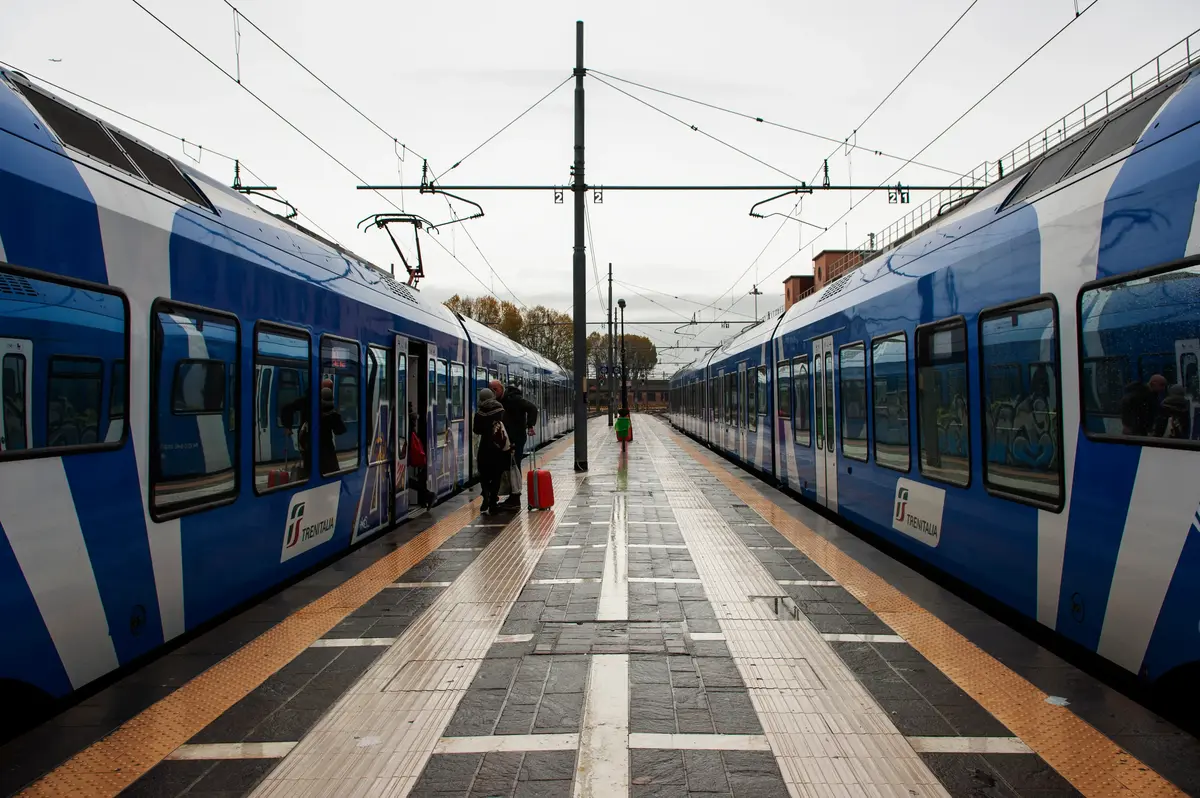
Italian law guarantees minimum service during transport strikes. On weekdays, passenger trains typically run between 6 a.m. and 9 a.m. and between 6 p.m. and 9 p.m. For flights, departures scheduled between 7 a.m. and 10 a.m. and between 6 p.m. and 9 p.m. are protected, and Italy’s civil aviation authority, ENAC, publishes a list of guaranteed flights before each strike.
Keep in mind that ENAV controls Italian airspace, so the September 30 air traffic control strike can delay flights that simply pass over Italy. On compensation, an air traffic control or airport staff strike is generally treated as outside an airline’s control, meaning you’re owed rerouting or a refund but usually not cash compensation. A strike by the airline’s own crew is different, and EU261 compensation typically applies.
Before any travel day, check the Italian Ministry of Infrastructure and Transport’s official strike register at scioperi.mit.gov.it, then confirm with Trenitalia, Italo, or your airline.
Overtourism Rules and Fines You Could Actually Get Hit With
Italy’s most popular towns have spent the last few years adding fees, reservation systems, and behavior rules to manage crowds. Most are easy to follow once you know about them, but the fines can be steep.
Venice Access Fee
Venice charges day-trippers aged 14 and older an access fee on peak dates between 8:30 a.m. and 4 p.m. In the most recent season, the fee applied on about 60 dates from early April through late July, mostly Friday through Sunday. Pricing is now tiered: €5 if you book at least four days ahead and €10 if you book within three days of your visit. Overnight hotel guests are exempt but still need to register through the city’s official portal. Skipping the fee can cost you between €50 and €300.
The program is working as a revenue tool, if nothing else. In 2025, the fee brought in €5,421,425 from 723,497 paying visitors, with the split between advance and last-minute payers almost even.
Cinque Terre
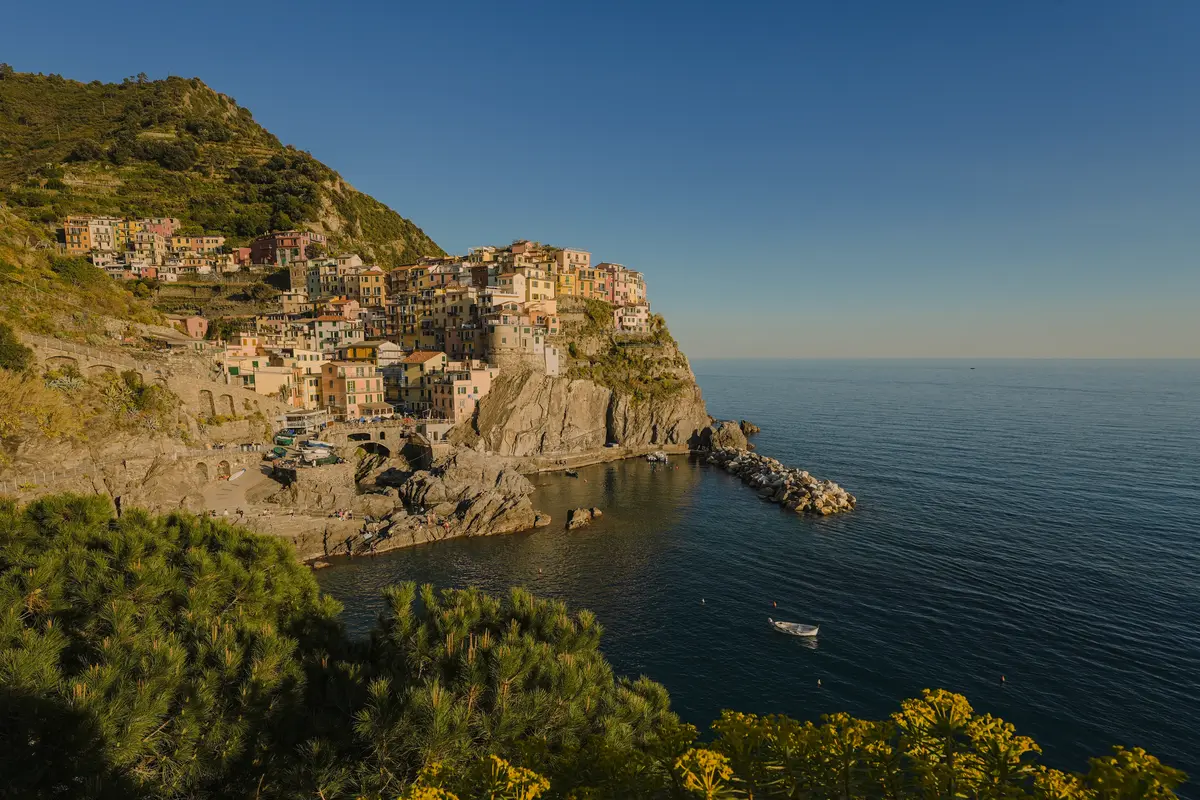
The trails connecting the five villages are steep, rocky, and often slick, and rescue calls for tourists in poor footwear became common enough that fines can now reach €2,500 for hiking in flip-flops or sandals. Wear real hiking shoes or sturdy sneakers with good tread. The newly reopened Via dell’Amore between Riomaggiore and Manarola requires a reservation, caps entry at roughly 400 people per hour, and runs one way during peak season.
Rome
Access to the Trevi Fountain basin is now controlled, with a small fee of about €2 for non-residents and a cap of roughly 400 people at a time. Sitting on the Spanish Steps is banned, and so is eating there, with fines ranging from €250 to €400. Climbing into fountains or wading in them will also get you fined.
Amalfi Coast and Portofino
Several towns fine visitors between €200 and €500 for walking through town centers in swimwear or shirtless. Portofino also has a “red zone” in its busiest areas during peak hours, where lingering to take photos can bring a €275 fine.
Counterfeit Goods and ZTL Driving Zones
Buying knockoff handbags or sunglasses from street vendors is illegal for the buyer, too, and fines can run into the thousands of euros. If you’re renting a car, learn about ZTLs (zone a traffic limitato) before you drive into any historic center. These restricted zones are enforced by cameras, and many travelers find out they entered one only when a fine arrives in the mail months later, often with a rental company processing fee on top.
Natural Hazards: Volcanoes, Earthquakes, and Heat
Campi Flegrei and the Naples Area
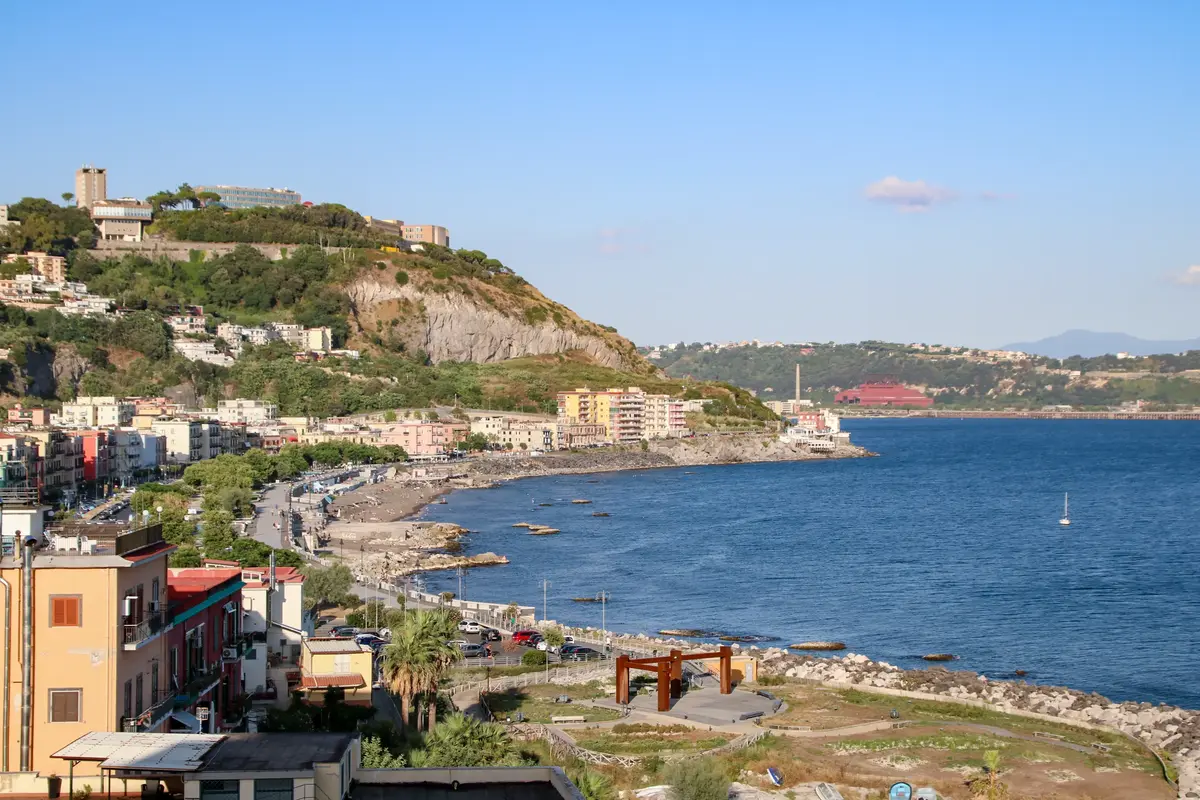
At 7:46 p.m. local time on July 31, a magnitude 4.7 earthquake struck the Campi Flegrei volcanic area just west of Naples, with its epicenter between Pozzuoli and Quarto at a depth of about 2 miles. It was the strongest quake in the area in roughly 40 years. Civil protection authorities reported 26 people injured, two of them seriously, and buildings were damaged in Pozzuoli and Bagnoli. The quake temporarily suspended local rail lines, including the Cumana, and closed the port of Pozzuoli, cutting off some ferries to Ischia and Procida. About 169 aftershocks followed by the next morning.
Campi Flegrei is a large volcanic caldera, about 8 miles across, where the ground slowly rises and falls in a process called bradyseism. INGV, Italy’s national geophysics and volcanology institute, said the quake was consistent with how the system typically behaves, and its director stressed there were no signs of an imminent eruption.
For visitors, central Naples, Pompeii, and the Amalfi Coast remain open and operating normally. If your plans include Pozzuoli, Bacoli, or the Solfatara area, check for local closures before you go, and follow instructions from Italy’s Civil Protection department if you feel a tremor.
Mount Etna and Sicily
Etna, Europe’s most active volcano, has been in a lively phase since a major eruption began in late December 2025. Strong activity this summer repeatedly closed Catania’s Vincenzo Bellini Airport, the main gateway to eastern Sicily. Between August 6 and 12, more than a third of nearly 2,000 scheduled flights at Catania were canceled and about 630 were diverted, according to airport operator SAC, which called it the worst disruption the airport had seen in more than two decades.
Volcanic ash usually counts as an “extraordinary circumstance” under EU rules, so airlines generally aren’t required to pay compensation, though they still owe you rerouting or a refund. If you’re flying into Catania, consider Palermo as a backup, and look for travel insurance that covers trip delays caused by natural events. Guided excursions on Etna itself close when activity picks up, so book with licensed guides who monitor conditions.
Heat Waves and Wildfires
Italian summers are getting hotter. On August 6 and 7, Italy’s Health Ministry put all 27 cities in its heat-monitoring network on red alert at the same time for the first time this year, with temperatures topping 104°F. Wildfires affected parts of Sardinia, Calabria, Sicily, and Tuscany.
If you’re traveling in summer, sightsee early in the morning and late in the afternoon, carry a refillable water bottle (Rome’s public drinking fountains, known as nasoni, are free and safe), and pack a light scarf or shirt, since many churches require covered shoulders and knees. Follow local alerts in wildfire-prone rural areas, and never ignore road or trail closures.
Region-by-Region Quick Take
In Rome, the main concerns are pickpocketing around landmarks and on public transit, plus the new rules at the Trevi Fountain and Spanish Steps. Book major sights ahead of time and keep your phone out of back pockets.
Florence is generally very safe, though crowds around the Duomo and the Uffizi attract pickpockets. Tuscan airports in Pisa and Florence have been hit by several short strikes this season.
Venice is one of Italy’s safest cities for violent crime. Check the access fee calendar if you’re visiting as a day-tripper, and remember that the local U.S. consular agency is temporarily closed.
In Naples and along the Amalfi Coast, watch for bag snatching in crowded areas of Naples and keep an eye on Campi Flegrei updates if you’re staying west of the city. On the coast, respect the swimwear rules in town centers.
Sicily is mostly about flight logistics right now. Build flexibility into any itinerary that depends on Catania Airport.
Milan sees petty theft around the Duomo, Milano Centrale, and the metro, but it’s otherwise a straightforward, well-connected base.
In the Cinque Terre, the biggest risks are the trails themselves: wear proper shoes, carry water, and reserve the Via dell’Amore in advance.
Practical Safety Tips for Your Italy Trip
Most trouble in Italy is avoidable with a few habits. These are the ones that make the biggest difference:
- Wear a cross-body bag in front of you, zipped, and keep your phone and wallet in front pockets. Be especially careful at train doors and on crowded metro platforms.
- Validate paper bus and regional train tickets before boarding. Inspectors fine tourists who forget, and “I didn’t know” won’t get you out of it.
- Save 112, Italy’s general emergency number, in your phone. For help from the U.S. government, call +1-888-407-4747 from the U.S. or +1-202-501-4444 from abroad.
- Enroll in the State Department’s Smart Traveler Enrollment Program (STEP) at step.state.gov so the embassy can reach you in an emergency and you’ll receive security alerts.
- Buy travel insurance that includes medical coverage and medical evacuation, since Medicare and most U.S. health plans offer little or no coverage abroad.
- On strike days, schedule train travel inside the guaranteed service windows, or book a private transfer or rental car as a fallback.
- Make digital and paper copies of your passport, and store them separately from the original.
- Download offline maps and the Trenitalia and Italo apps, which send real-time alerts about delays and cancellations.
It also helps to slow down. Travelers who rush through crowded stations with their phones out, luggage trailing behind, are the easiest targets. Pause somewhere quiet to check directions, keep a hand on your bag, and you’ll avoid most of the problems that turn up in trip reports.
Official Sources to Check Before You Go
Conditions in Italy can change quickly, especially for strikes, volcanic activity, and EU entry rules. Check these official sources in the days before departure:
- U.S. State Department Italy Travel Advisory: travel.state.gov
- U.S. Embassy and Consulates in Italy: it.usembassy.gov
- CDC Travelers’ Health, Italy: wwwnc.cdc.gov/travel
- European Commission Entry/Exit System information: home-affairs.ec.europa.eu
- Official EU ETIAS portal: travel-europe.europa.eu/etias
- Italian Ministry of Infrastructure and Transport strike register: scioperi.mit.gov.it
- Venice access fee official site: cda.ve.it
- INGV, Italy’s National Institute of Geophysics and Volcanology: ingv.it
- Italian Civil Protection Department: protezionecivile.gov.it