Puerto Rico weather confuses more travelers than any other part of Puerto Rico trip planning. That 70% rain forecast on your app does not mean what you think it means in a tropical climate. This guide breaks down the island’s microclimates, month-by-month conditions, hurricane season realities, and exactly what to pack — based on over a decade of Caribbean travel experience.
What is Puerto Rico’s climate like year-round?
Puerto Rico has a tropical marine climate with no true seasons — just variations of warm. Coastal temperatures hover between 80°F and 85°F (27°C to 29°C) throughout the year, and the difference between the coolest and warmest months is only about 6°F (3.3°C). January lows sit around 70°F (21°C), while June and August highs reach 89°F (32°C).
The constant easterly trade winds sweeping across the island from the Atlantic make this heat manageable. An 85°F day with 80% humidity that would feel oppressive in Houston feels entirely different in San Juan, where the persistent ocean breeze creates natural evaporative cooling.
Pro Tip: Temperature numbers don’t translate the same way across climates. That 85°F reading in San Juan feels lighter and more energizing than the same number inland on the mainland — the combination of trade winds and ocean proximity changes everything.
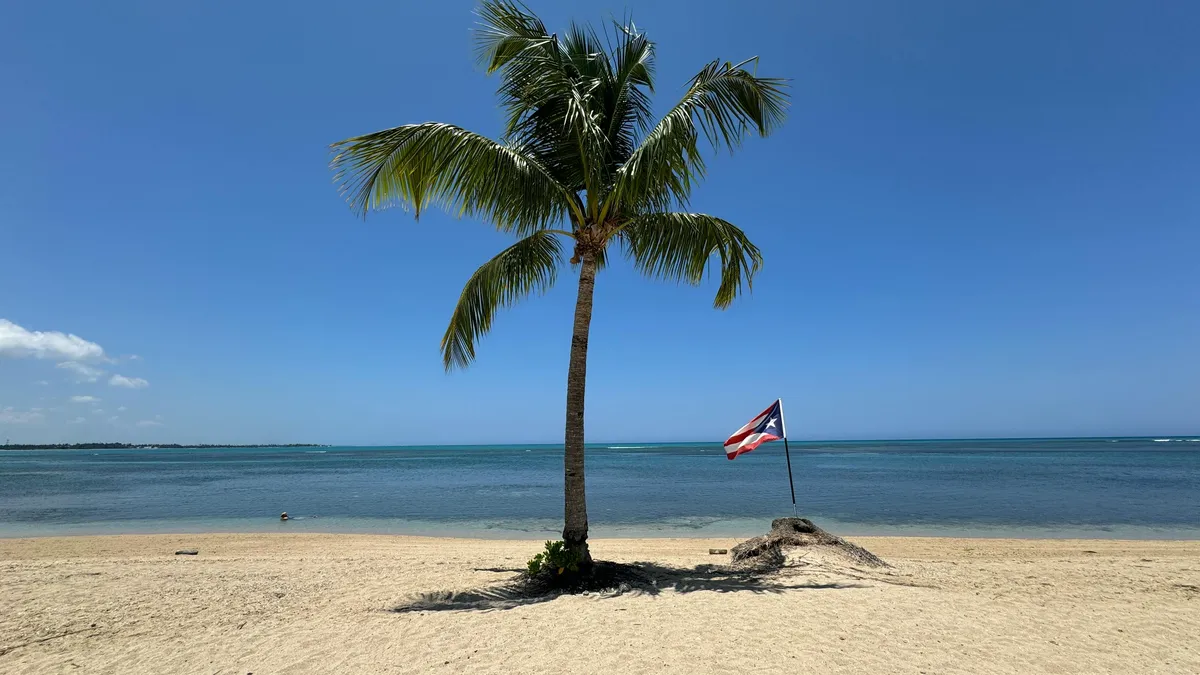
How warm is the ocean?
Ocean temperatures range from about 78°F (26°C) in winter to 84°F (29°C) in September and October. Swimming, snorkeling, and water activities work year-round.
How strong is the sun?
Puerto Rico sits at a latitude that produces a UV index between 10 and 12 throughout the year. The sun is most intense between 10 a.m. and 4 p.m.
- SPF: Broad-spectrum, reef-safe sunscreen of SPF 50+ is non-negotiable
- Eyes: Polarized sunglasses
- Head: Wide-brimmed hat, not a baseball cap
On my last visit, I reapplied sunscreen every 90 minutes and still caught color on my forearms by mid-afternoon. The equatorial sun here hits differently than anything on the mainland.
When is the best time to visit Puerto Rico?
The best time to visit Puerto Rico depends on whether you prioritize dry weather, low prices, or thin crowds. The island works year-round, but the experience shifts with the seasons.
High season: December through April
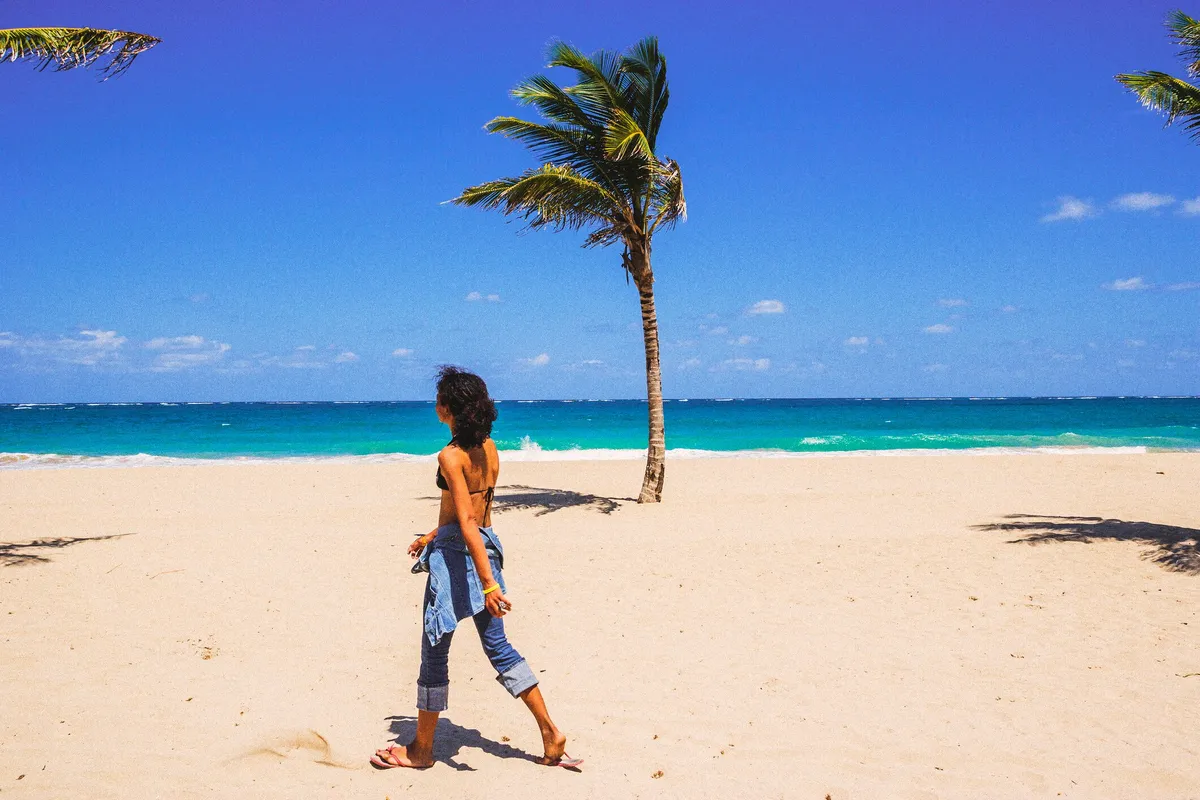
This is Puerto Rico’s peak tourist window for good reason. Mid-December through April delivers the driest, sunniest, and least humid weather. Days run bright and breezy, with temperatures ideal for hiking El Yunque, walking Old San Juan‘s cobblestone streets, or spending full days on the beach.
- Weather: Dry, sunny, trade winds at their most refreshing
- Crowds: Heavy, especially around holidays
- Prices: Peak rates for flights and hotels
- Best for: Travelers who want near-guaranteed sunshine and don’t mind paying for it
Low season: May through November
The low season overlaps with the rainy and hurricane seasons, but this is when experienced travelers find real value. Humidity climbs, afternoon showers become routine, and hotel rates drop noticeably.
- Weather: Hotter, more humid, regular afternoon showers
- Crowds: Significantly fewer tourists
- Prices: 20-40% lower on accommodation and airfare
- Best for: Budget-conscious travelers, those seeking a more local experience, anyone comfortable with flexibility
Pro Tip: May and early June offer a sweet spot — prices drop before the serious heat and humidity of July-August arrive, and hurricane risk is still statistically low.
Does it really rain every day in Puerto Rico?
A high probability of precipitation in Puerto Rico’s tropical climate does not mean what it means in New York or Chicago. It does not mean full days of gray, persistent drizzle. The high humidity and tropical heat create conditions where rain forms quickly, but this rain almost always arrives as brief, intense, localized showers — locals call them aguaceros.
The typical pattern: a sudden downpour lasting 15 to 30 minutes, followed by the swift return of full sunshine. One traveler put it simply — they spent ten days on the island, it rained every day for about 20 minutes, and they only had two days where it lasted more than an hour.
The fundamental issue is data interpretation. Weather apps detect high atmospheric moisture and correctly predict a high chance of rain somewhere in the forecast area at some point during the day. The app shows a rain cloud icon, and travelers from non-tropical climates read that as a “ruined day.” The missing context is the nature of that rain — brief, localized, and often refreshing.

How should you handle rain forecasts?
Ditch the 10-day forecast entirely and use a real-time radar app like MyRadar, which locals swear by. You can watch a small storm cell approach, take a 30-minute coffee break (or rum punch break), and walk right back to the beach once it passes.
Pro Tip: Tropical rain clouds are tiny. It can be raining at your hotel and completely dry two blocks away. Check radar, not the daily forecast icon.
What is Puerto Rico weather like month by month?
While the Puerto Rico weather stays broadly consistent, subtle shifts in temperature, humidity, and rainfall define each month’s character.
December, January, February: dry and breezy
This is the heart of high season. Humidity sits at its lowest, trade winds feel particularly crisp, and daytime highs rest in the low 80s°F (around 28°C). Evenings can dip into the low 70s°F (around 22°C) — cool enough for a light layer at a breezy outdoor restaurant. January and February are the driest months, with only about 1.3 inches (3.3 cm) of precipitation each.
- Best for: Hiking, city exploration, all-day outdoor activities
- Downside: Highest prices and thickest crowds of the year
March, April, May: the shoulder transition
March and April continue the mostly dry trend with temperatures creeping upward. May is the pivot month — humidity and afternoon shower frequency jump noticeably, with monthly rainfall reaching around 6 inches (15 cm) in some areas.
- Best for: March and April hit a sweet spot of good weather and slightly thinning crowds
- Gamble: May can go either way — beautiful weather with lower prices, or the season’s first consistent rains
June, July, August: full tropical summer
These are the hottest months. Daily highs push into the upper 80s°F and low 90s°F (31–33°C). Humidity is unmistakable, and afternoon thunderstorms become a daily rhythm. The ocean reaches its warmest — 82°F to 83°F (28°C) — making it the best natural escape from the heat.
This is also when local life takes over. Puerto Rican families fill the best beaches during summer vacations, restaurants feel more local than tourist, and the island’s energy shifts in a way that high season never captures.
- Best for: Water activities, experiencing local culture, budget travelers willing to embrace heat
- Strategy: Get out early, plan water activities for midday, embrace the afternoon shower cycle
September, October, November: peak rain and peak deals
September is historically the rainiest month, averaging nearly 5 inches (12.7 cm) of precipitation island-wide. This is also the statistical peak of hurricane season. The weather stays very warm and humid.
Even during this stretch, rain still typically arrives in characteristic bursts rather than all-day soakers. But this season demands the most flexibility — you might rearrange plans on the fly.
- Best for: The fewest crowds and lowest prices of the entire year
- Trade-off: Highest weather variability and hurricane season risk
Is hurricane season in Puerto Rico dangerous for travelers?
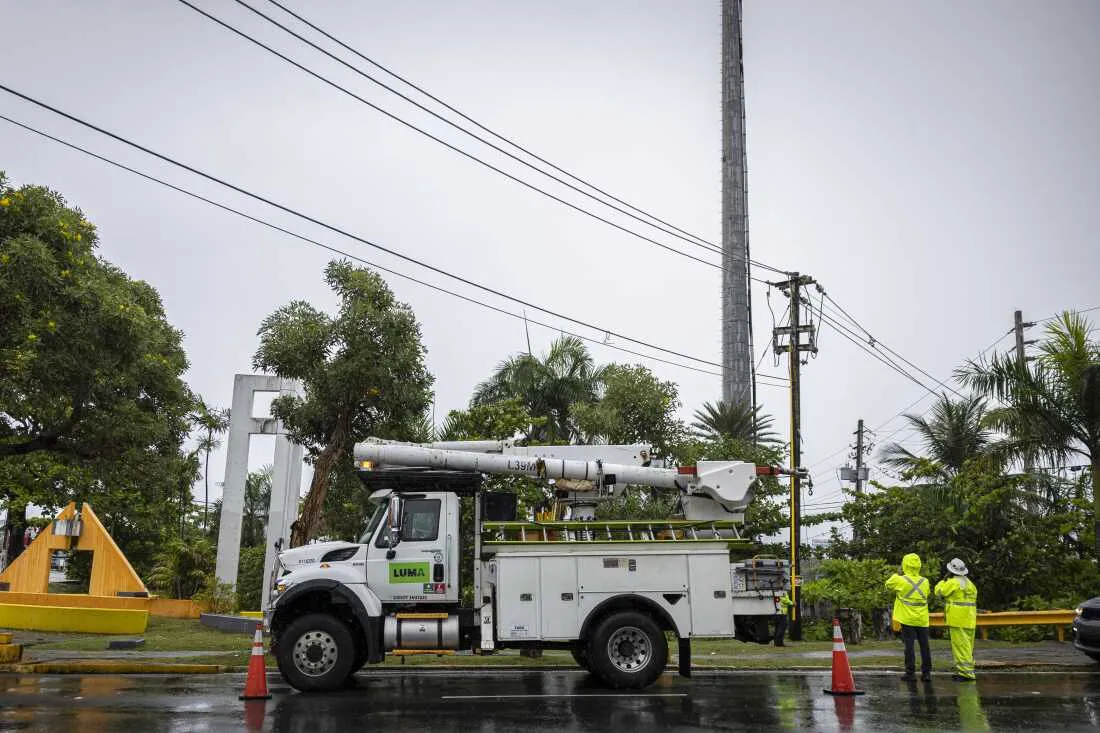
The official Atlantic hurricane season runs from June 1 through November 30, with the statistical peak from mid-August through mid-October. Puerto Rico sits in a hurricane-prone region and has been hit by devastating storms including Hugo, Georges, Irma, the catastrophic Maria, and Fiona. Tropical Storm Ernesto also knocked out power to nearly half the island.
However, direct hits by major hurricanes are not annual occurrences. The single most important fact: unlike earthquakes or tornadoes, hurricanes are not surprise events. The National Hurricane Center provides 3- to 5-day warning windows for any approaching storm.
Traveling during hurricane season is not a blind gamble — it is a calculated risk management exercise. The primary risks are travel disruption and potential service loss, not being caught unaware.
What should you do if traveling during hurricane season?
If you travel between June and November, preparation makes the difference between a stressful trip and a smooth one.
- Insurance: Buy full-coverage travel insurance that explicitly covers trip cancellations and interruptions due to hurricanes. Read the fine print — not all policies treat named storms the same way
- Booking flexibility: Choose airlines and hotels with lenient cancellation or change policies
- Monitoring: Make the National Hurricane Center a daily check in the week before departure. On the island, enable severe weather alerts on your phone
- Accommodation: Ask about hurricane preparedness — backup generators, water cisterns, and guest emergency plans. Reputable hotels have this information ready
- Location: Stick closer to the San Juan metro area if storms threaten. Infrastructure is stronger and better maintained, and reaching San Juan airport for a potential schedule change is significantly easier
Pro Tip: I keep the National Hurricane Center app on my home screen during any Caribbean trip between August and October. The 5-day cone forecast is far more useful than general weather apps for actual storm tracking.
How does Puerto Rico weather change across the island?
One of the most surprising aspects of Puerto Rico weather is how dramatically it shifts over short distances. You can drive 30 minutes and feel like you have entered a different climate zone — because you essentially have.
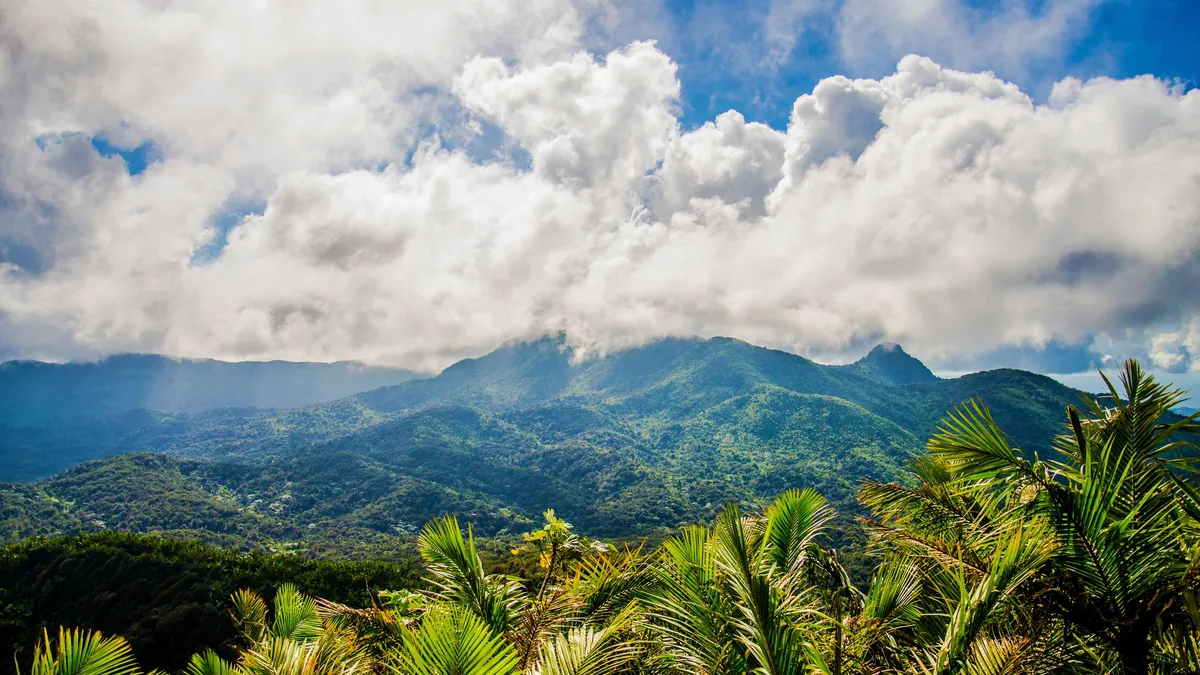
The key is the Cordillera Central, a mountain range running east-to-west through the island’s center. This range blocks moisture-laden trade winds blowing from the northeast. As winds rise over the mountains, the air cools and drops its moisture as rain on the northern side, creating a much drier “rain shadow” on the southern coast.
The wet north: San Juan and Dorado
The northern coast, including San Juan, catches the full force of trade wind moisture. The result is a green, lush landscape — the kind that feeds El Yunque National Forest. Expect more rainfall and slightly cooler, cloudier conditions than the south.
The dry south: Ponce and Guayama
Protected by the Cordillera Central, the southern coast — including Ponce — is the island’s driest region. Some areas are classified as semi-arid. Vegetation looks more desert-like, sunny days are more frequent, and temperatures consistently run a few degrees warmer than the north.
The cool mountains: Adjuntas and Jayuya
As you climb into the Cordillera Central, elevation brings noticeable temperature drops. Mornings are misty, evenings can dip into the 60s or even 50s°F (10–16°C). This cool, wet environment is perfect for growing coffee, and the region is lined with historic coffee haciendas offering tastings.
The breezy east: Fajardo, Vieques, and Culebra
The eastern coast and offshore islands catch the trade winds first, making this region noticeably breezier. Rain showers are frequent but fast-moving. Vieques and Culebra have their own tropical monsoon climates — year-round warmth, consistent wind, and a rainy season from May to October.
Pro Tip: If sunshine is your top priority, base yourself on the southern coast around Ponce or Guánica. San Juan gets substantially more rainfall than the south — the rain shadow effect is dramatic and measurable.
Are Puerto Rico’s beaches safe for swimming?
Even on perfectly clear days with no storms in sight, the ocean can pose serious risks. Large swells generated by distant hurricanes hundreds of miles away in the Atlantic can create powerful, life-threatening rip currents along Puerto Rico’s northern and eastern coasts.
Learn the beach flag warning system before you go:
- Green flag: Low hazard. Conditions are calm, but caution is always advised
- Yellow flag: Medium hazard. Stronger or more frequent rip currents possible. Only experienced ocean swimmers should enter
- Red flag: High hazard. Dangerous, life-threatening rip currents are present. Stay out of the water
If you get caught in a rip current, swim parallel to the shore until you feel the pull release — never fight it by swimming straight back toward the beach.
What should you expect at El Yunque rainforest?
El Yunque is the only tropical rainforest in the U.S. National Forest System, and the name says it all — it rains here an average of four times daily, accumulating over 100 billion gallons annually. Expecting to stay dry is not realistic. Embracing the warm rain as part of the experience is the right approach.
Entry to the PR-191 recreational corridor is free and no reservations are required. Admission is first-come, first-served, with a 200-car capacity limit. The forest operates from 8:00 a.m. to 5:00 p.m. daily. El Portal Visitor Center charges $8 per person (ages 16 and older).
- Footwear: Trails are often wet, rocky, and muddy. Sturdy, closed-toe hiking shoes with strong grip are essential — this is not a sandals destination
- Clothing: Skip heavy rain jackets. The rain is warm, and in high humidity, a jacket feels like wearing a sauna. Lightweight, quick-drying activewear that you don’t mind getting soaked is the move
- Planning: Check the official U.S. Forest Service website for trail closures or hazard updates before driving up. Cell service is extremely limited to nonexistent inside the forest, so download maps and trail info to your phone beforehand
- Timing: Arrive by 8:00 or 9:00 a.m. to avoid the capacity cutoff, especially on weekends
Pro Tip: Rideshare apps are not authorized to operate inside El Yunque, and La Coca gate is not a valid pickup point. If you don’t have a rental car, book a tour with transport included — otherwise you could be stranded walking for hours.
What should you pack for Puerto Rico weather?
The right packing list for Puerto Rico is short and specific. You do not need to prepare for every scenario — just the most likely ones.
Clothing
- Daytime: Lightweight, breathable fabrics — cotton, linen, rayon
- Active: Quick-drying, moisture-wicking shirts and shorts for hiking
- Rain: A light, packable rain jacket or poncho for city downpours
- Evening: A light sweater or jacket for cooler mountain evenings or aggressively air-conditioned restaurants
Footwear
- Beach: Comfortable sandals or flip-flops
- Water: Water shoes for rocky coastlines or riverbeds
- Trails: Closed-toe hiking shoes or sturdy sneakers for El Yunque
Protection
- Sun: High-SPF (50+), broad-spectrum, reef-safe sunscreen
- Eyes: Polarized sunglasses and a wide-brimmed hat
- Bugs: Insect repellent, especially for jungle hikes and coastal evenings
Gear
- Waterproofing: A dry bag or Ziploc bags to protect your phone and wallet during showers or boat trips
- Hydration: Reusable water bottle — you will drink more water here than you expect
- Power: Portable battery pack. Power outages can occur during storms, and backup charging is worth the bag space
The bottom line
Puerto Rico weather is not an obstacle — it is the engine that drives everything you came to see. The rain that shows up on your forecast app feeds El Yunque’s impossibly green canopy. The heat and humidity warm the Caribbean to bath-temperature perfection. The trade winds remind you that you are on a tropical island, not sitting in a mainland summer.
TL;DR: Ignore the rain icons on your weather app. Use real-time radar instead. Pack light layers, reef-safe sunscreen, and quick-dry everything. If you are visiting during hurricane season, buy travel insurance and monitor the National Hurricane Center. Choose the south coast for maximum sunshine, the north for lush green scenery. The island works in every season — the only variable is your flexibility.
What surprised you most about Puerto Rico’s weather on your trip? Drop your experience below.