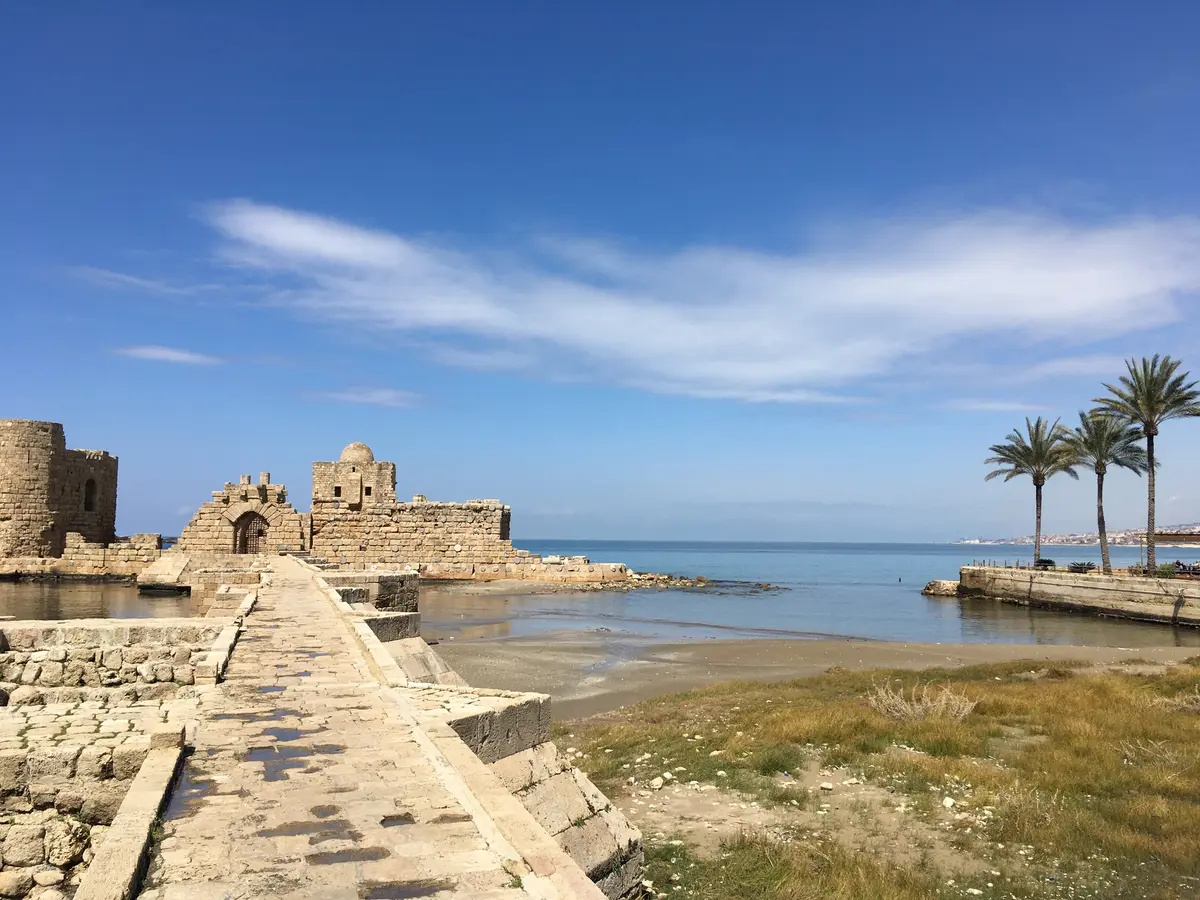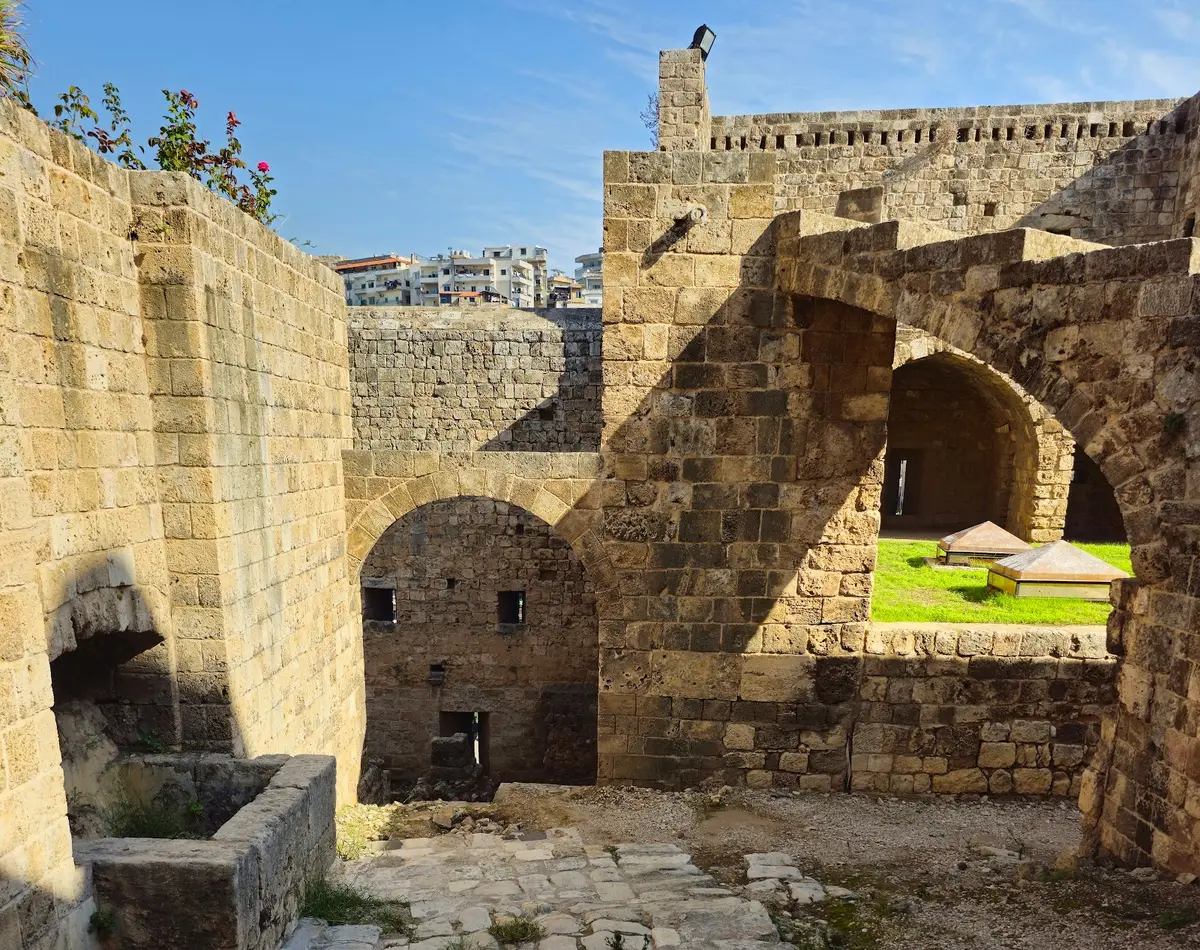
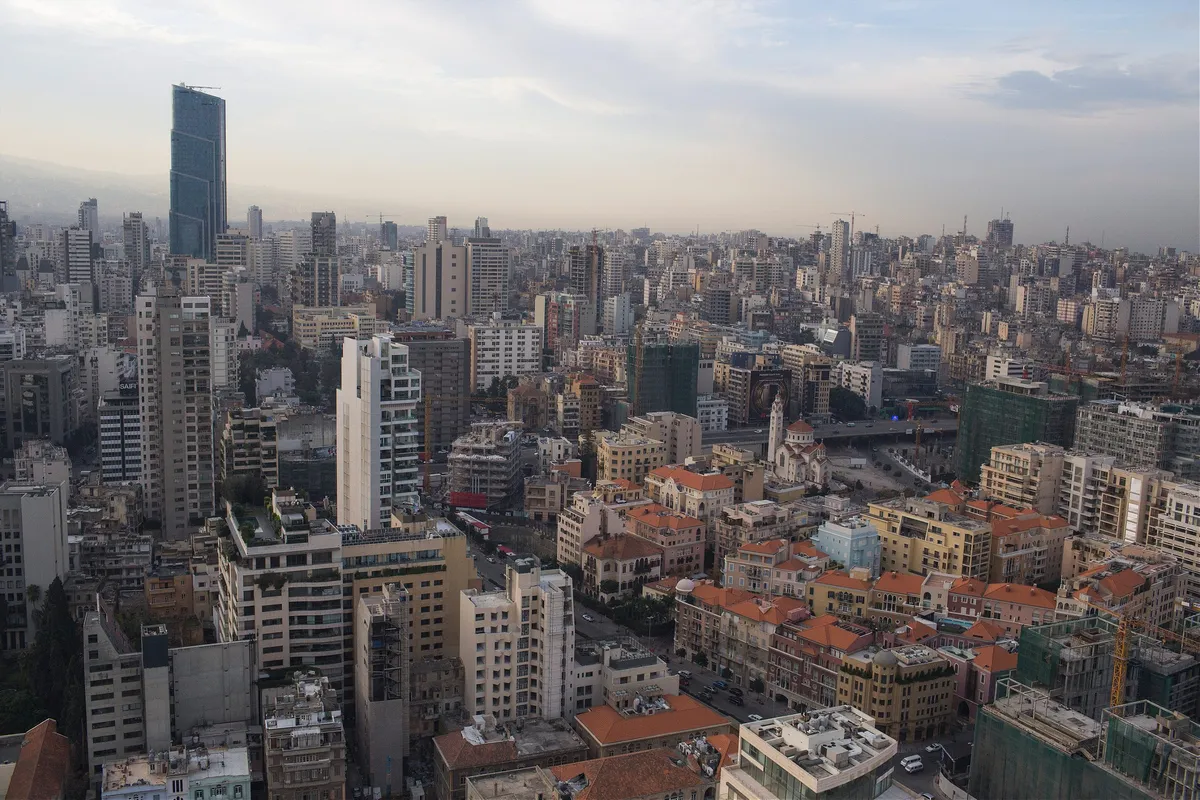
Beirut is not the city the headlines describe. Glass towers share blocks with Roman bathhouses, a mall escalator passes 2,000-year-old ruins, and the shawarma will reset your standards. This guide covers the Beirut attractions worth your time, the ones to skip, and what the official advisories leave out. For the wider context around the capital, our Beirut travel guide covers logistics, neighborhoods, and itineraries in more depth.
Is it actually safe to visit Beirut right now?
The U.S. State Department holds Lebanon at Level 4 — Do Not Travel — and ordered the departure of non-emergency embassy personnel and their families on February 23. Most central Beirut neighborhoods (Achrafieh, Hamra, Mar Mikhael, Downtown) remain calm day-to-day, but conditions can shift fast. Your call, not ours.
The official warning exists for legitimate reasons: kidnapping risk, unexploded ordnance in the south, and the possibility of renewed cross-border fire. On the ground, central Beirut tells a different story — cafes are full, the Corniche is packed at sunset, and the economic crisis has made dollar-paying visitors genuinely welcome. We dig deeper into the practical risks in our breakdown of whether Lebanon is safe for American tourists.
Practical guardrails travelers consistently follow:
- Avoid: Beirut’s southern Dahieh suburb, the Bekaa Valley near the Syrian border, all of southern Lebanon below Saida, refugee settlements
- Stick to: Achrafieh, Hamra, Mar Mikhael, Gemmayzeh, Downtown, Badaro
- Driving: Don’t. Lebanese road manners are chaotic and traffic signals are intermittent during power cuts. Use Allo Taxi or hire a private driver for day trips.
- Enroll in STEP before you fly so the embassy can reach you
Pro Tip: Check the U.S. Embassy Beirut alerts page the morning of any day trip outside the city. Conditions in the Bekaa (where Baalbek sits) shift faster than the headline advisory updates.
Which historical Beirut attractions are worth your time?
The strongest Beirut attractions are layered ruins sitting under glass towers — Phoenician, Roman, and Ottoman remains you can walk to between coffees. Start at the National Museum to get the chronology straight, then see the Roman Baths, Pigeon Rocks, and Martyrs’ Square in a single afternoon loop through Downtown and Raouche.
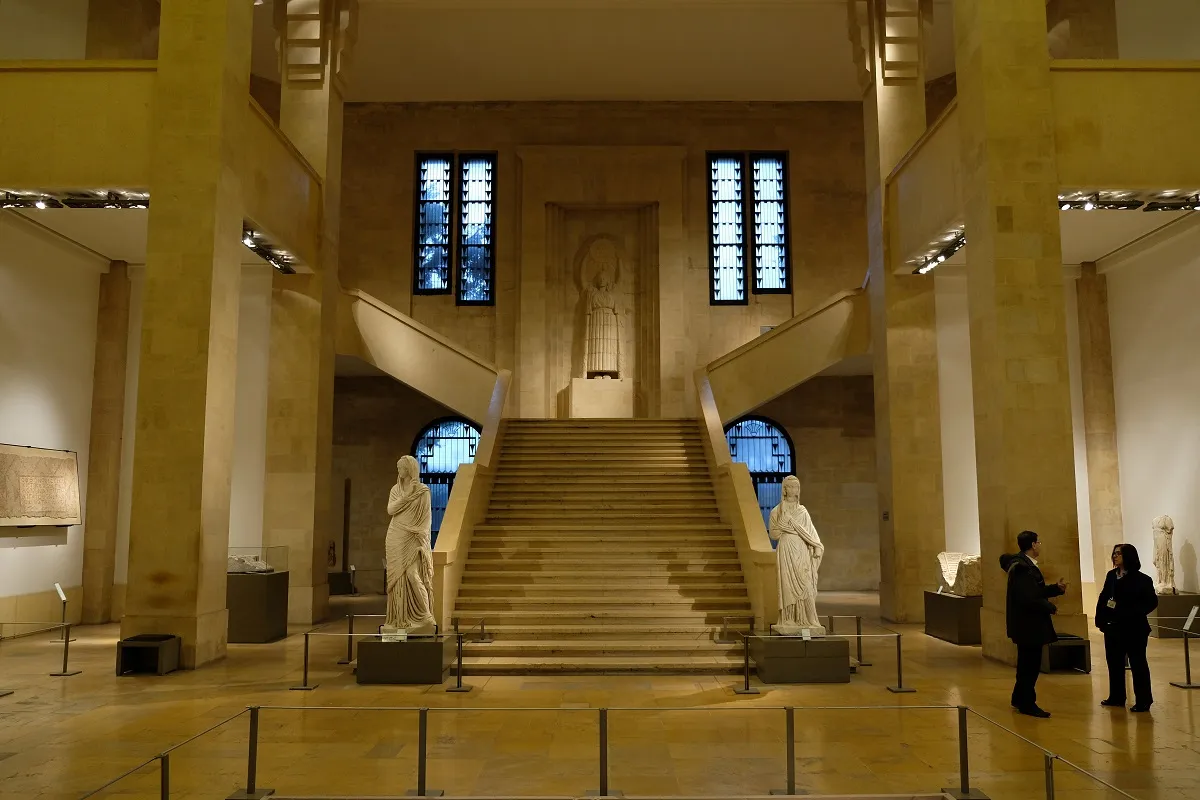
National Museum of Beirut
The vibe check: Cool marble halls, almost empty most weekday mornings. The lighting is dramatic on the sarcophagi and the staff genuinely want to talk about the collection if you ask.
The verdict: Lebanon’s flagship archaeology museum and the single best two hours you’ll spend understanding the country. During the 15-year civil war, staff encased mosaics in concrete and hid bronzes in the basement to save them — that story alone is worth the entry. Don’t miss the Phoenician gilded figurines from Byblos and the Ahiram sarcophagus, which carries one of the oldest known inscriptions in the Phoenician alphabet (the ancestor of every alphabet you’ve ever read).
- Location: Badaro neighborhood, on the former Green Line
- Cost: Foreigners pay the equivalent of roughly $3-5 USD; bring small bills in either currency
- Hours: Tuesday to Sunday, 10 a.m. to 2 p.m.
- Best for: First-time visitors, history readers, anyone who wants context before touring the rest of the city
- Time needed: 2 hours
Pro Tip: The 2 p.m. closing time is real and unforgiving. Arrive by 11 a.m. or you’ll get rushed through the upper floor.
Pigeon Rocks at Raouche
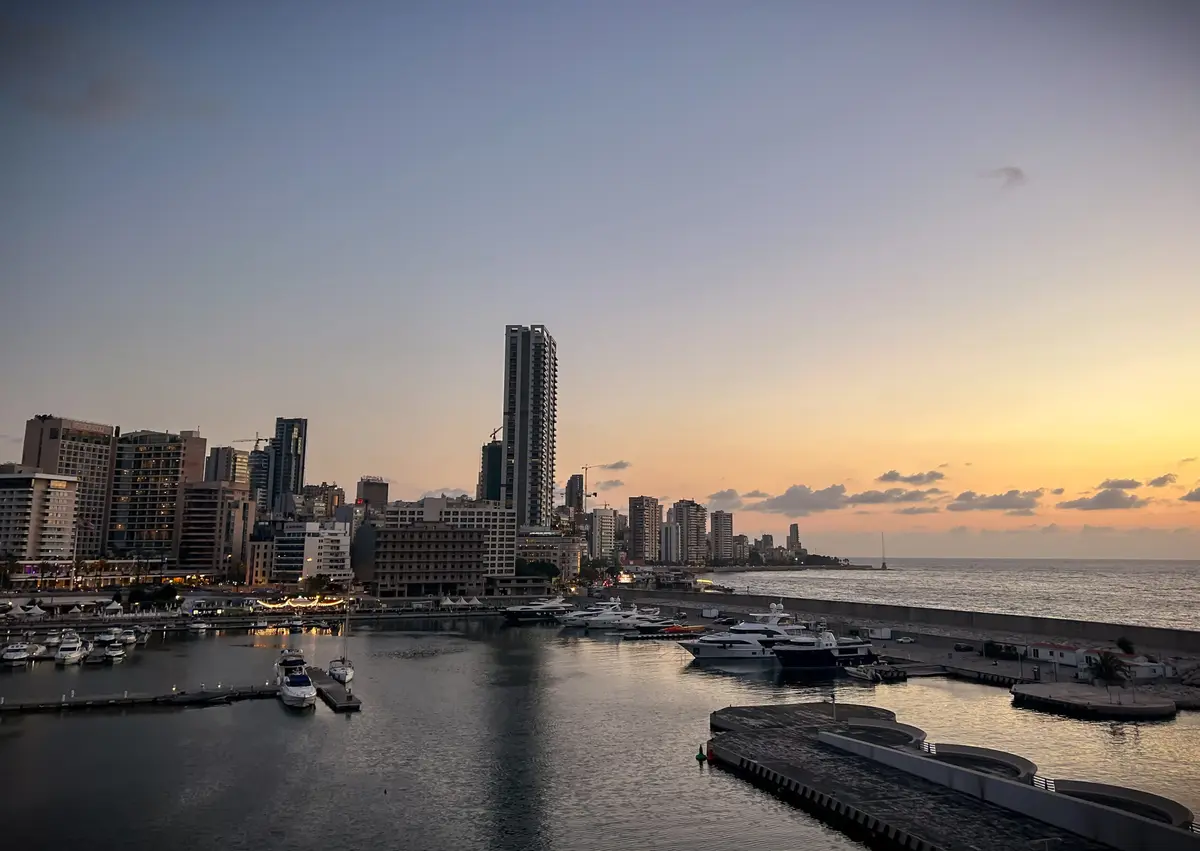
Two limestone stacks rising straight out of the Mediterranean off the Raouche cliffs — Beirut’s postcard. Show up an hour before sunset, walk the Corniche south from the Movenpick, and grab a coffee at one of the clifftop cafes. Beiruti families do this nightly; joining them is the closest thing to a free cultural lesson the city offers.
- Location: Avenue de Paris, Raouche district, west Beirut
- Cost: Free; boat trips through the arch run roughly $10-15 USD per person
- Best for: Sunset, photographers, first evening in town
- Time needed: 90 minutes including the Corniche walk
Roman Baths
Foundations of one of four major Roman thermae that served ancient Berytus, now sitting in a landscaped pit between government ministries in Downtown. You can see the hypocaust pillars that once supported heated marble floors. Free, fifteen minutes, and a useful pause between shopping at the Beirut Souks and walking to Martyrs’ Square.
- Location: Rue des Capucins, Downtown, behind the Grand Serail
- Cost: Free
- Time needed: 15-20 minutes
Martyrs’ Square statue
The bronze figures at the center of Downtown are pierced clean through by sniper rounds from the civil war. The damage was deliberately left unrepaired. Sunlight passes through the holes in the late afternoon — it’s the most affecting two minutes in Beirut and the photo most travelers come home with.
Beit Beirut and the Holiday Inn shell
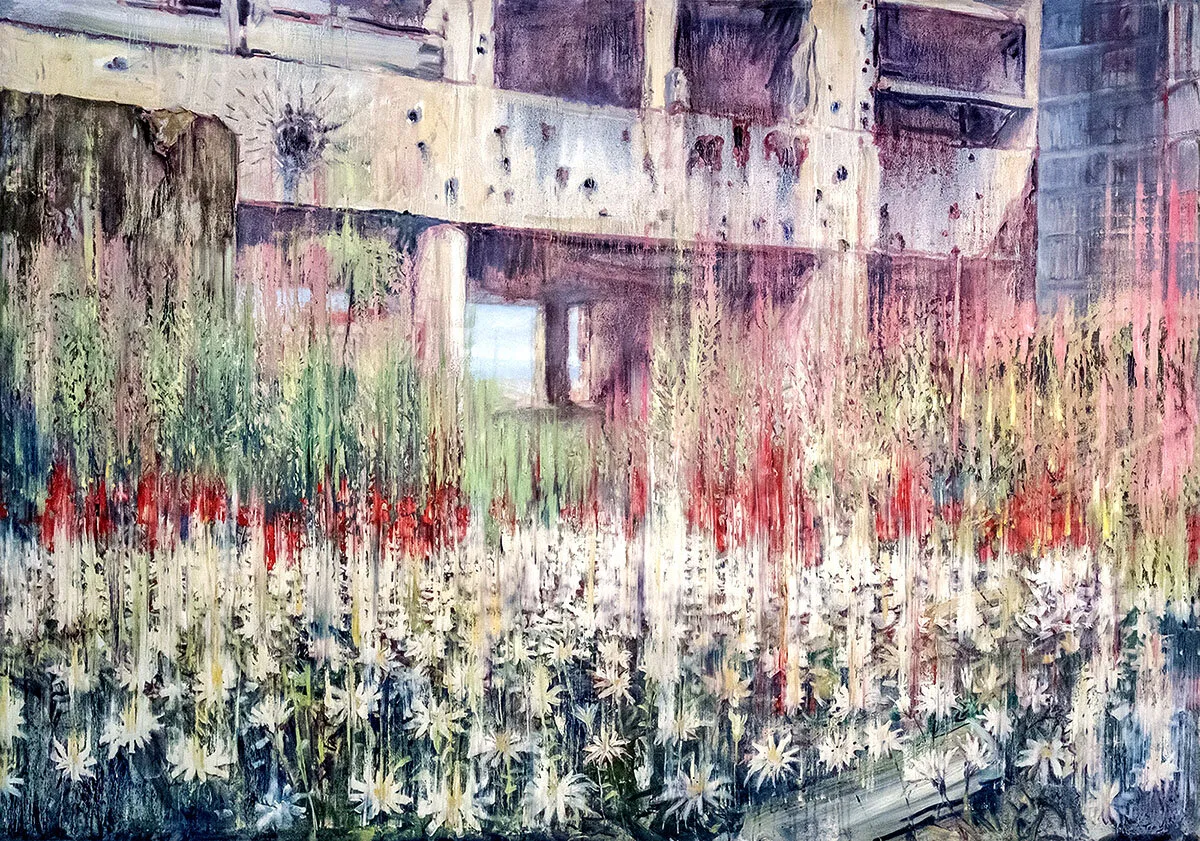
Skip this if you only have two days; prioritize it if you have four. Beit Beirut is a restored neo-Ottoman villa on the former Green Line, now a memory museum. A few blocks west, the gutted Holiday Inn tower still stands — sniper-pocked, never demolished, never rebuilt. Seeing it next to the new luxury apartments behind it is the most honest single image of the city.
Which neighborhoods should you actually walk?
Mar Mikhael and Gemmayzeh for nightlife and street art, Hamra for cafes and bookshops, Downtown for the controversy, Bourj Hammoud for Armenian food and craft shopping. Skip nothing — they’re all within a 15-minute taxi ride of each other and each one feels like a different city.
Mar Mikhael and Gemmayzeh — nightlife central
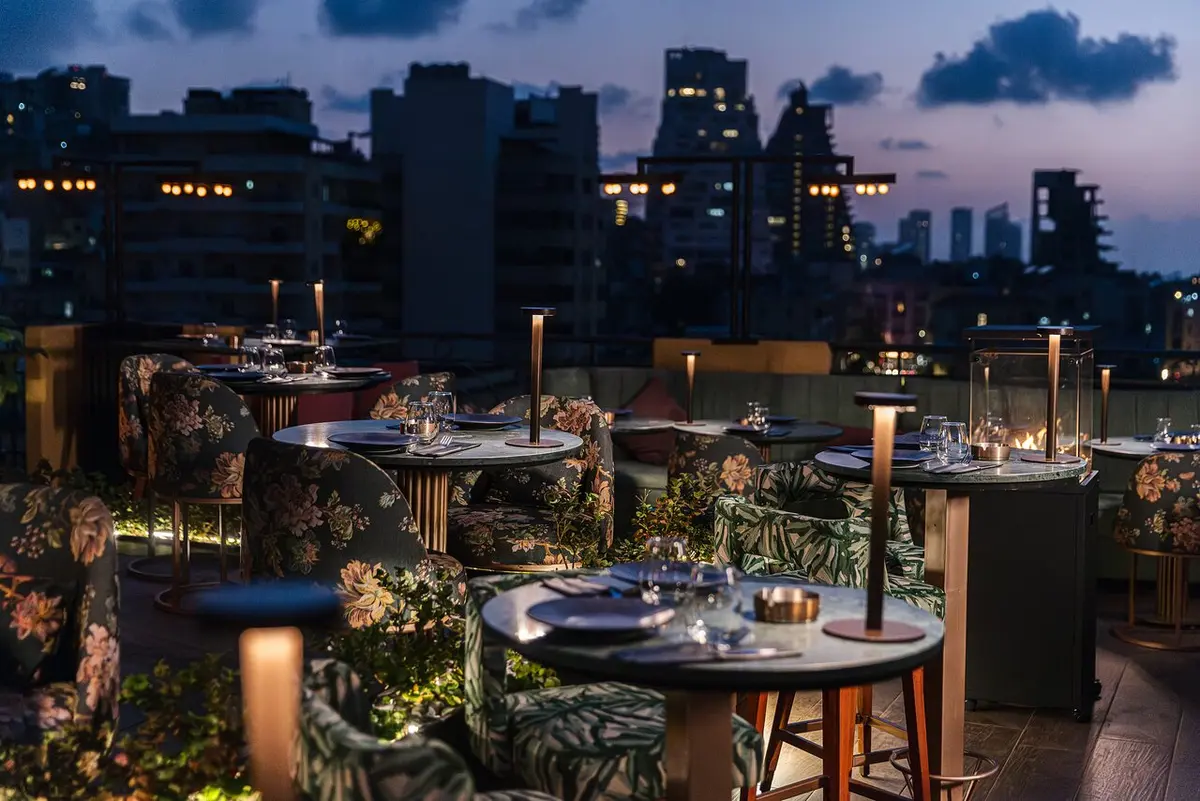
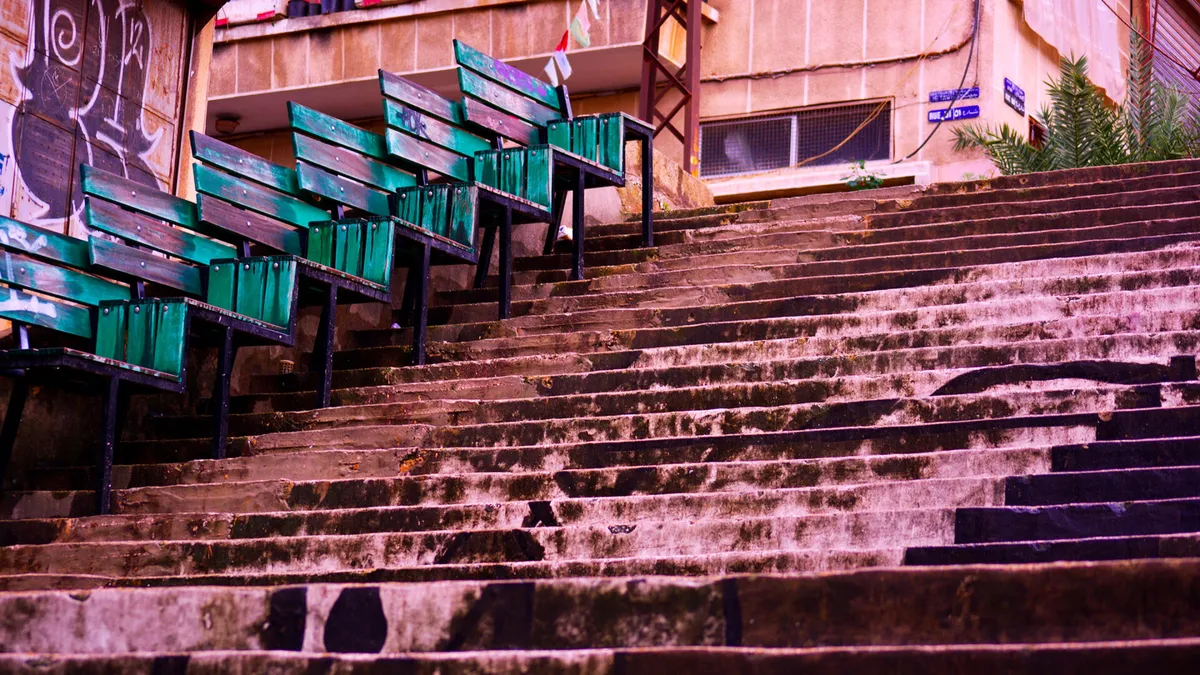
Armenia Street is the nightlife spine. Bars open around 9 p.m. and don’t quit until 3 or 4 a.m. The side streets have pastel buildings, tiled staircases covered in murals, and small galleries. Walk it twice — once in daylight for the photos, once after dark for the best rooftop bars in Mar Mikhael.
Hamra — student energy and the AUB campus
The American University of Beirut campus is the calmest 30 acres in the city. Tree shade, sea views, and a free archaeological museum on site (see below). Hamra Street outside the gates is cafes, bookshops, and the best money exchange offices in town.
Downtown — the controversial rebuild
Solidere rebuilt the entire bombed-out core into a pedestrian zone of polished limestone and luxury shops. It’s clean, walkable, and architecturally impressive. Locals are split on whether the reconstruction erased the soul of the old district. Walk it, form your own opinion, then leave for somewhere with more pulse.
Bourj Hammoud — Little Armenia
The most rewarding neighborhood for travelers who hate guided tours. Narrow streets, the smell of grilled meat and mahleb pastry, jewelry workshops where the owner is the craftsman. This is where to buy gold, leather, and spices without a tourist markup.
Which museums and cultural sites are worth a stop?
Three museums carry the city: the National Museum (covered above), the Sursock Museum for modern art in an Italianate villa, and the AUB Archaeological Museum for free, expertly curated artifacts on the university campus. Combined, they take half a day and cost almost nothing.
Sursock Museum
A 19th-century Italianate-Ottoman villa in Achrafieh holding modern and contemporary Lebanese art. The building was badly damaged in the 2020 port explosion and has since been restored — the stained glass alone is worth the visit.
- Location: Greek Orthodox Archbishopric Street, Achrafieh
- Cost: Free
- Hours: Wednesday to Sunday, 10 a.m. to 6 p.m.
- Time needed: 90 minutes
AUB Archaeological Museum
One of the oldest museums in the Middle East, tucked inside the AUB campus. Chronological displays from the Paleolithic through the Islamic period. Free admission, free audio guide, and you get to walk through the prettiest campus in Beirut to reach it.
Mohammad Al-Amin Mosque and St. George’s Cathedral
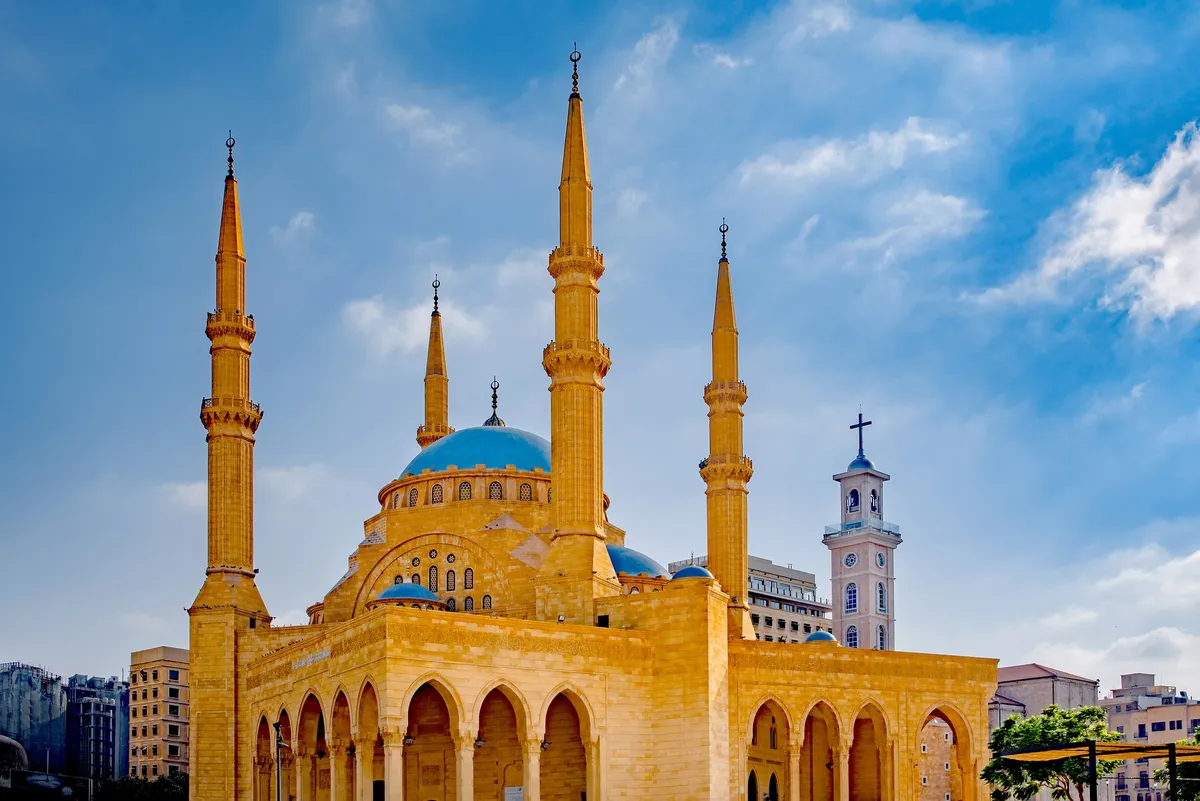
A Sunni mosque and a Maronite cathedral sharing a wall on Martyrs’ Square — the visual shorthand for Lebanon’s 18 official religious communities. The mosque’s blue dome and four 213-foot (65 m) minarets are visible from most of Downtown. Non-Muslims are welcome outside prayer times; cover shoulders and knees.
Which day trips from Beirut are actually worth the drive?
Three day trips deliver more than the city itself: Baalbek for Roman ruins on a scale that embarrasses Rome, Byblos for 7,000 years of port history in a walkable old town, and Jeita Grotto for a cave system that should be more famous than it is. All three are under two hours from Beirut by car.
Baalbek
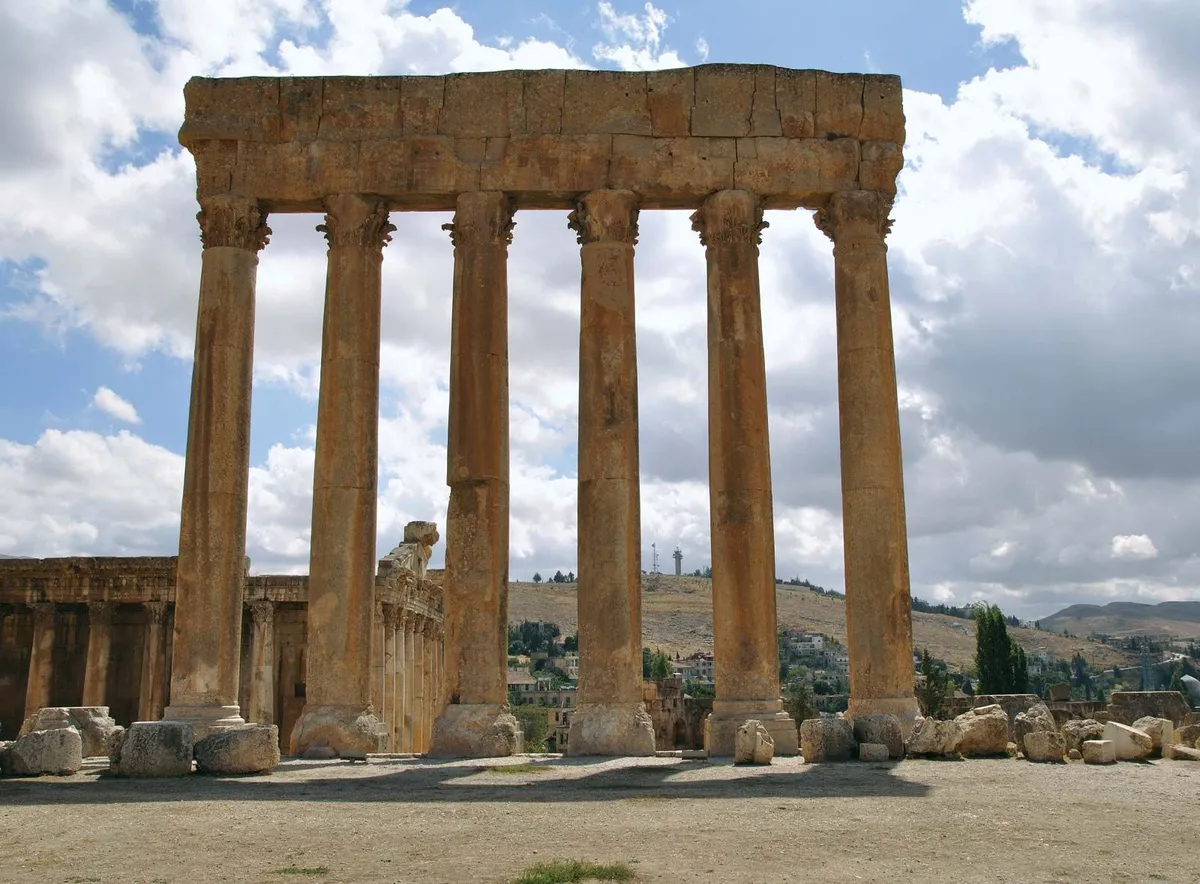
The Temple of Jupiter’s six surviving columns are 72 feet (22 m) tall — taller than the columns at the Parthenon. Next door, the Temple of Bacchus is the best-preserved Roman temple anywhere on earth. Most travelers leave saying it surpasses Rome’s Forum for sheer scale.
- Location: Bekaa Valley, about a 2-hour drive northeast of Beirut
- Cost: Roughly $10 USD entry
- Time needed: 3 hours on site, 7 hours round trip with driver
- Best for: Anyone who’s seen Rome and wants to feel small again
Pro Tip: Hire a private driver in Beirut for the day (around $100-150 USD). Public transport to the Bekaa exists but is unreliable, and you want flexibility to leave quickly if conditions shift.
Byblos (Jbeil)
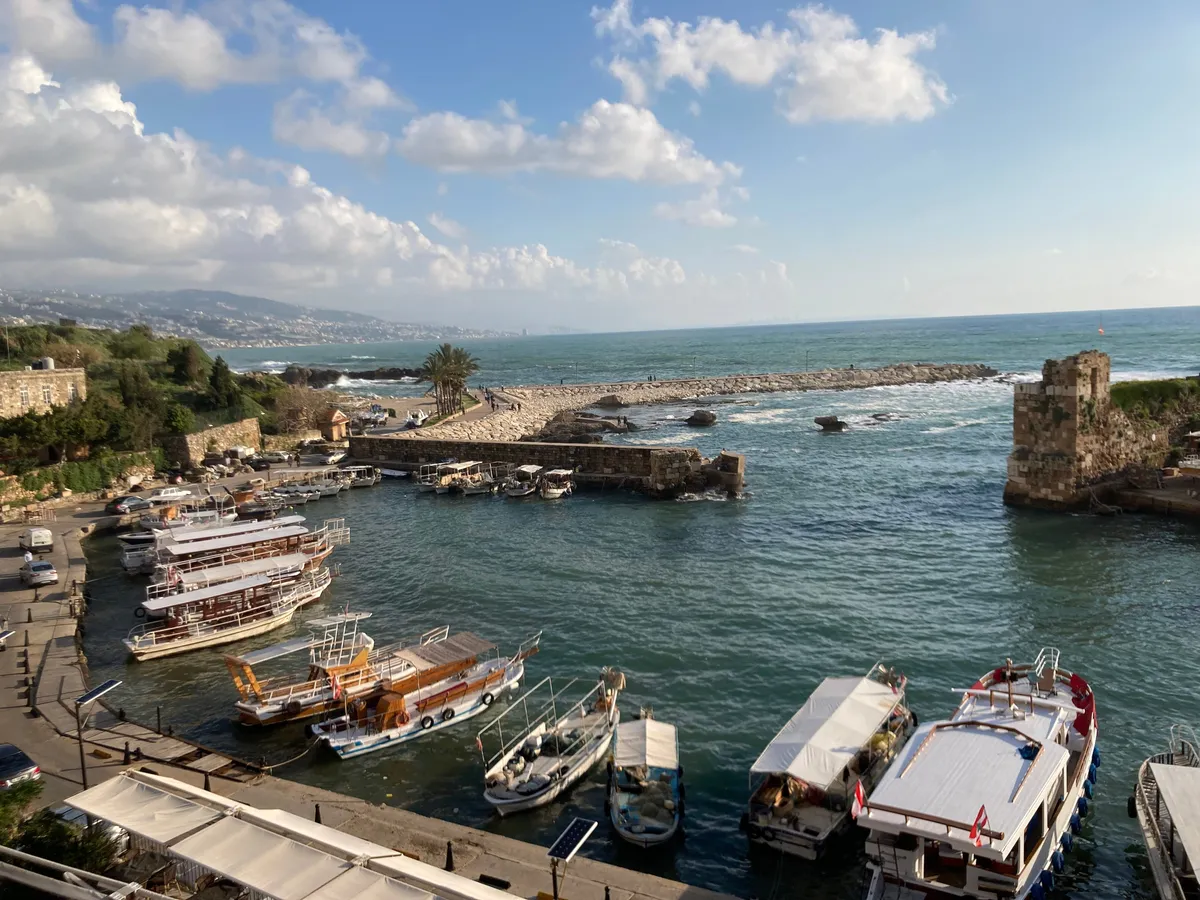
A continuously inhabited port for around 7,000 years, with a Crusader castle, Phoenician temple foundations, a Roman theater, and a tiny medieval souk all walkable in an afternoon. The harbor at sunset is the prettiest small-town view in Lebanon. If you only have one day outside the capital, our Beirut to Byblos day trip walkthrough lays out the timing.
- Location: 23 miles (37 km) north of Beirut, about 45 minutes by car
- Cost: Roughly $7-10 USD for the archaeological site
- Best for: A half-day escape; stay overnight if you can
Jeita Grotto
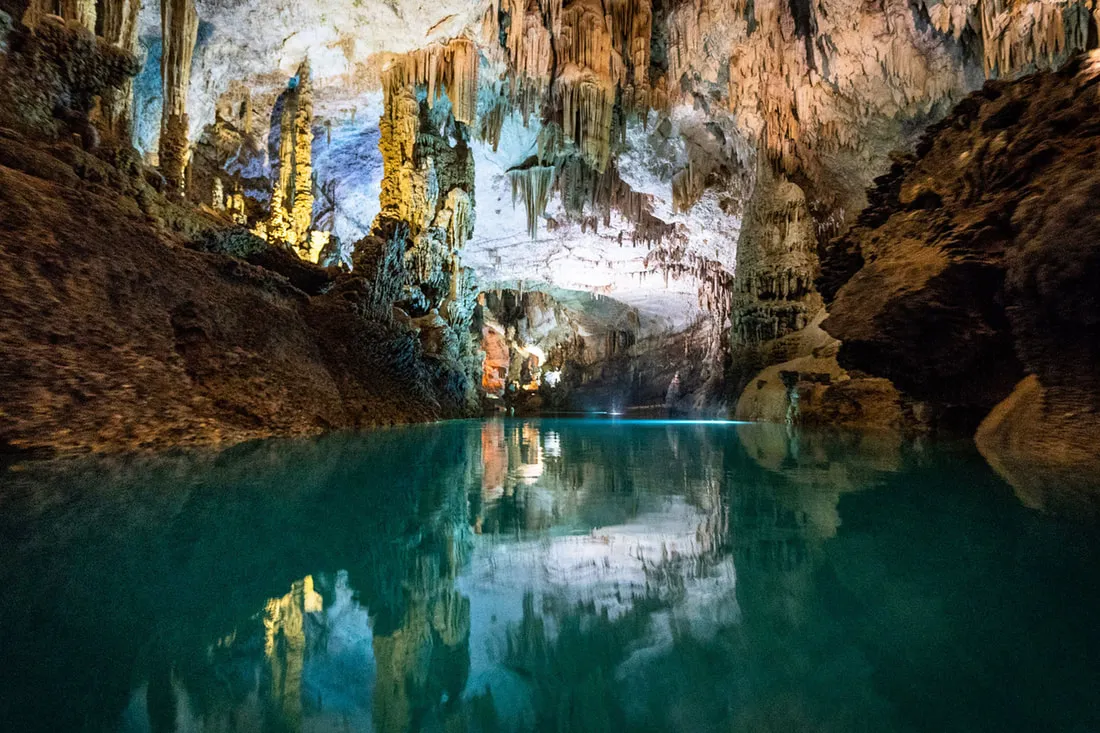
A two-level limestone cave system: the upper grotto on foot through chambers of crystalline formations (including one of the largest known stalactites in the world), the lower grotto by silent electric boat on a subterranean river. No photography allowed inside, which is annoying but keeps it contemplative. Our Jeita Grotto travel guide covers the boat-closure season and how to combine it with Harissa.
- Location: 11 miles (18 km) north of Beirut, near Nahr al-Kalb
- Cost: Approximately $15 USD
- Hours: Tuesday to Sunday, roughly 9 a.m. to 5 p.m.
- Time needed: 2.5 hours on site
Where should you eat in Beirut?
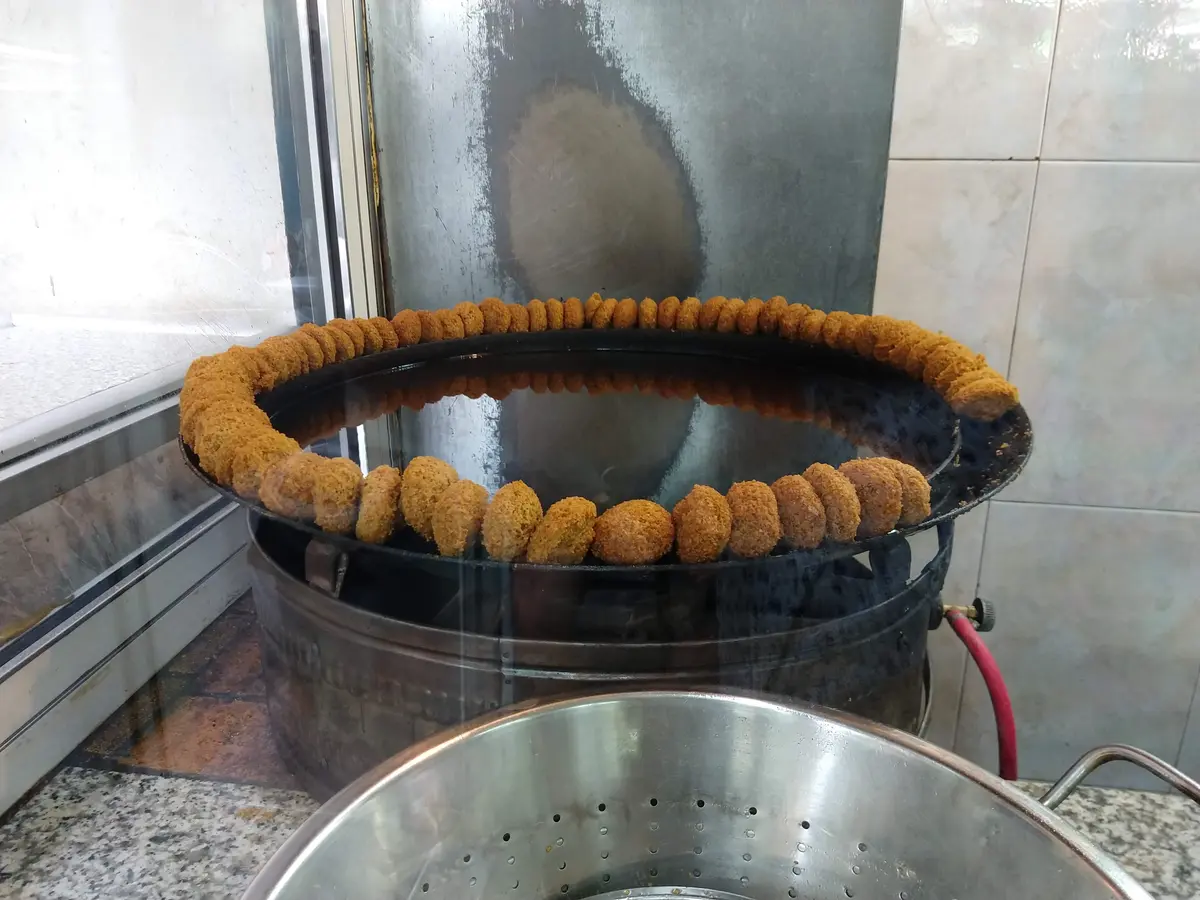
Eat shawarma at Barbar or Joseph, falafel at Sahyoun on Damascus Road, and a long traditional breakfast at Al Soussi. For sit-down dinners, Abdel Wahab and Mayrig deliver the classic mezze experience; Tawlet rotates regional Lebanese home cooks daily and is the single best meal in the city.
Falafel Sahyoun is non-negotiable — a tiny shop with a generations-old family feud, plastic stools, and arguably the best falafel in Beirut. Barbar is open 24/7 and is where taxi drivers eat at 3 a.m., which is the most reliable food endorsement on earth. For a man’ouche (the Lebanese answer to pizza), Furn Abed Al Aziz in Hamra pulls them out of the oven all morning.
Tawlet in Mar Mikhael deserves its own line: each day a different home cook from a different Lebanese region runs the kitchen. Lunch buffet, around $30-40 USD, and the most honest representation of Lebanese cooking outside someone’s living room.

How do you handle money and getting around?
Lebanon runs on cash U.S. dollars. Bring physical bills (clean, no tears), avoid ATMs entirely, and exchange small amounts of USD for Lebanese Lira at licensed exchange offices on Hamra Street. For transport inside the city, our comparison of Uber in Lebanon vs taxi explains why most visitors end up on Allo Taxi; for day trips hire a private driver.
The currency situation is the trip’s biggest practical hurdle:
- Bring USD in cash. Estimate generously and bring more than you think you need. Card payments work at maybe 20% of places.
- Do not use bank ATMs. They dispense at the old official rate, which costs you a brutal margin against the market rate.
- Exchange at licensed offices along Hamra Street or at OMT branches. Only convert what you need for taxis and small vendors — most prices are quoted directly in dollars now.
- Tip in dollars. Even $1 is meaningful and appreciated.
For getting around, Allo Taxi outperforms Uber and Bolt in Beirut on both reliability and driver knowledge. Service taxis (shared cars on semi-fixed routes) cost almost nothing and are fine if you’re adventurous and speak any Arabic. For mobile data, pick up a tourist SIM card in Lebanon at the Touch headquarters — bring your passport and arrive early.
The bottom line
TL;DR: Beirut rewards travelers who do their homework, carry cash dollars, stick to central neighborhoods, and accept that the Level 4 advisory is real. The payoff is a city with more layered history per square mile than almost anywhere in the Mediterranean and a food scene that will actually change how you eat at home. Skip it if you want a relaxing beach week. Go if you want a city that argues with itself in front of you.
What’s the one Beirut attraction you’d want to see first — the Roman scale of Baalbek, or a falafel at Sahyoun?