Uber in Lebanon vs taxi is the single question every American traveler asks before landing at Beirut–Rafic Hariri (BEY). The short answer: both work, neither works the way it does at home, and the wrong choice at the airport curb can cost you triple. Here is how to actually move through this city.
What makes transport in Beirut different from home?
Beirut’s transport runs on cash, red license plates, and personal reputation — not apps and meters. Since the 2019 banking collapse, most drivers refuse card payments because they cannot reliably withdraw the funds from local banks. Fuel is paid in USD, tips are paid in USD, and the app’s “card on file” option quietly fails.
The practical result: even global platforms operate on local rules here. Uber still shows up on your phone, but the driver expects cash. Careem, which used to compete with Uber across the region, has exited the Lebanese market entirely. Bolt operates but is not licensed under Lebanese transport law. InDrive works on a bid-and-negotiate model that only helps if you already know the going rate.
Four services actually matter for a visitor: Uber, Allo Taxi, Bolt, and the red-plate “service” taxi you flag from the street.
Red plates vs white plates — the safety basic
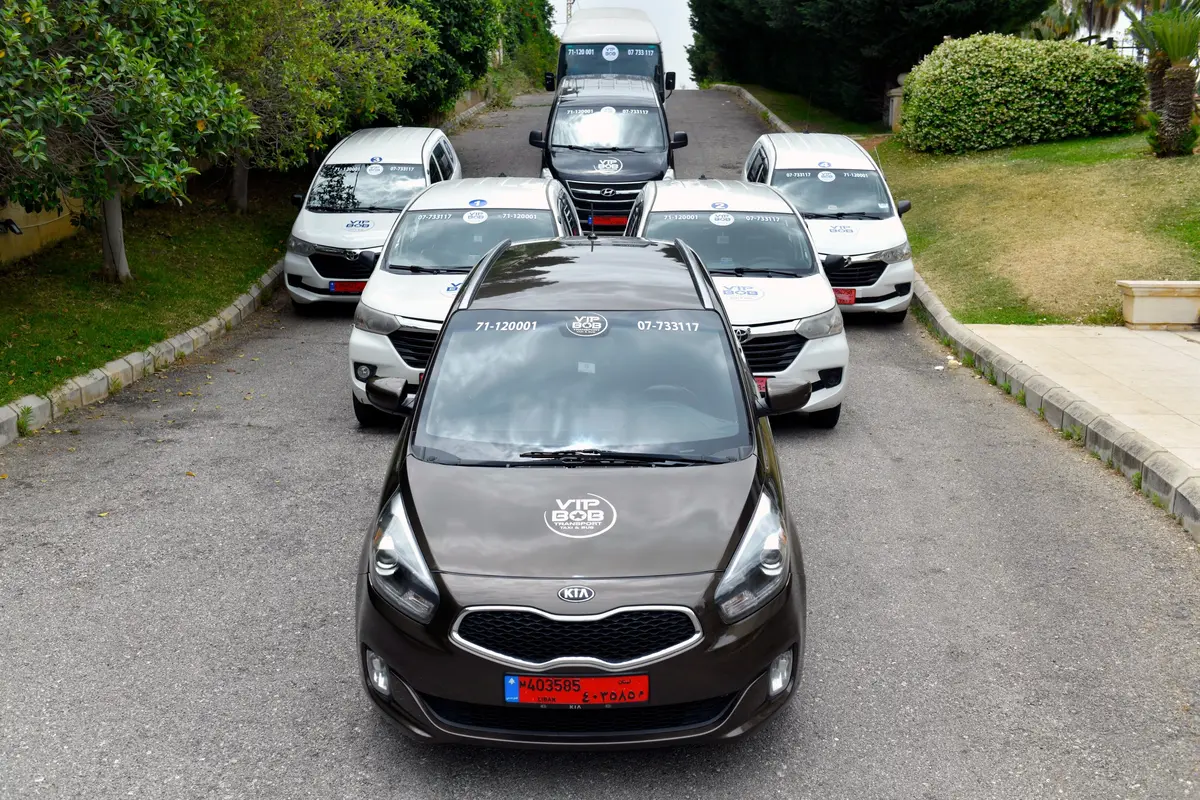
Legal passenger vehicles in Lebanon carry red license plates. Everything else is a private car operating without commercial insurance.
- Red plate: legally registered taxi, carries passenger insurance
- White plate: private vehicle, no passenger coverage if something goes wrong
- Check before you sit down — not after the door closes
The 2017 murder of British embassy employee Rebecca Dykes by an Uber driver in Beirut is why locals still tell you to check the plate and match it to the app screen. Reputable Uber drivers here drive red-plate cars. Treat a white plate as a hard pass.
Is Uber reliable for a traveler in Beirut?
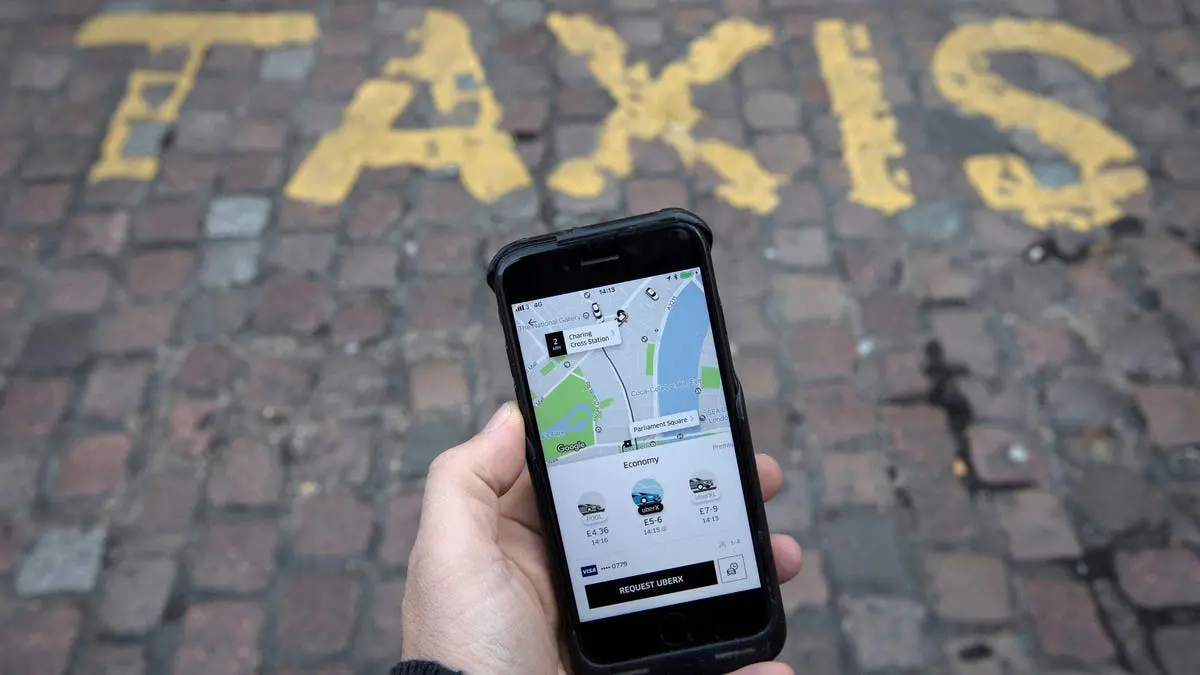
Uber works in Beirut and its immediate suburbs with pickup times usually under 10 minutes in the central districts. It is cash-only in practice — switch your default payment method to cash before you arrive or you will watch drivers cancel on you three or four times in a row. Tiers available are UberX, UberXL for groups, and Select for newer vehicles.
Why Uber is effectively cash-only now
You can technically select card payment in the app. In practice, drivers see the card flag, accept the ride to preserve their acceptance rate, then cancel once they realize they will not be paid directly in dollars. Travelers on Tripadvisor’s Lebanon forum describe three, four, five consecutive cancellations before switching to cash fixes the problem.
Pro Tip: Before you leave the jet bridge, open the Uber app, go to Payment, and set Cash as your default. Keep small USD bills (1s, 5s, 10s) in a separate pocket from your wallet — fishing for change under a phone flashlight in a dark car is where the currency-swap scam happens.
Fares, surge, and what to expect
Uber prices are quoted upfront, which solves the biggest friction point of street taxis — the negotiation. Tolls and a small cancellation fee are added separately. Surge hits hard on Friday and Saturday nights in the Mar Mikhael and Gemmayzeh nightlife strips, where a standard $6 ride can spike to $15.
- BEY airport to Hamra (6.2 miles / 10 km): around $10 on Uber, compared to $20-25 for an official airport taxi
- Hamra to Achrafieh: $4-7 depending on time
- Beirut to Byblos (22 miles / 35 km): $18-25
- Minimum fare and cancellation fees apply in local currency, paid in USD equivalent
On my last run from the airport, the driver accepted the app price of $9 without a word. The trip before that, a different driver asked for $15 at the drop-off. Both outcomes are normal. Stand your ground on the app-quoted price and most drivers back down.
How does Allo Taxi compare to Uber?
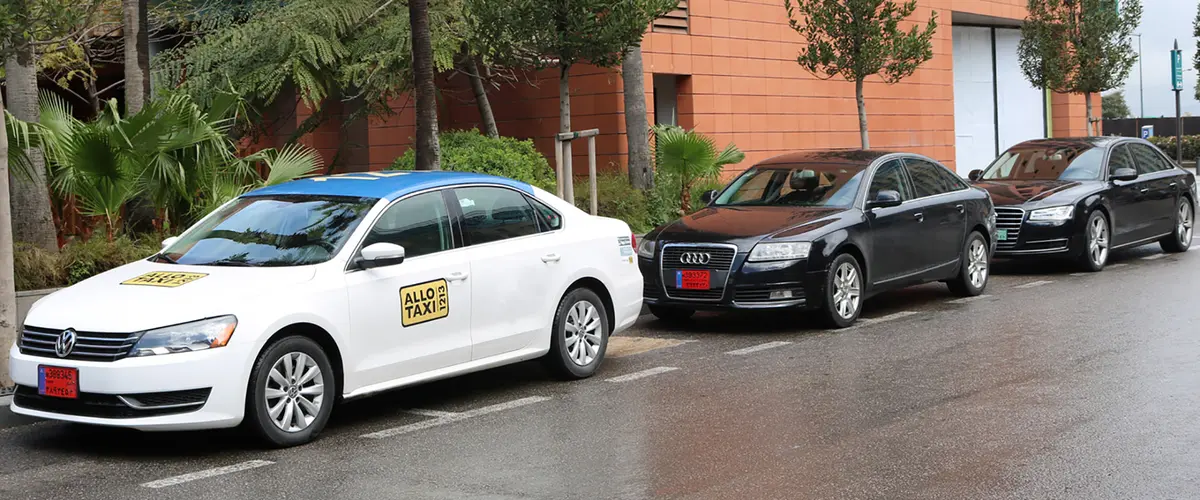
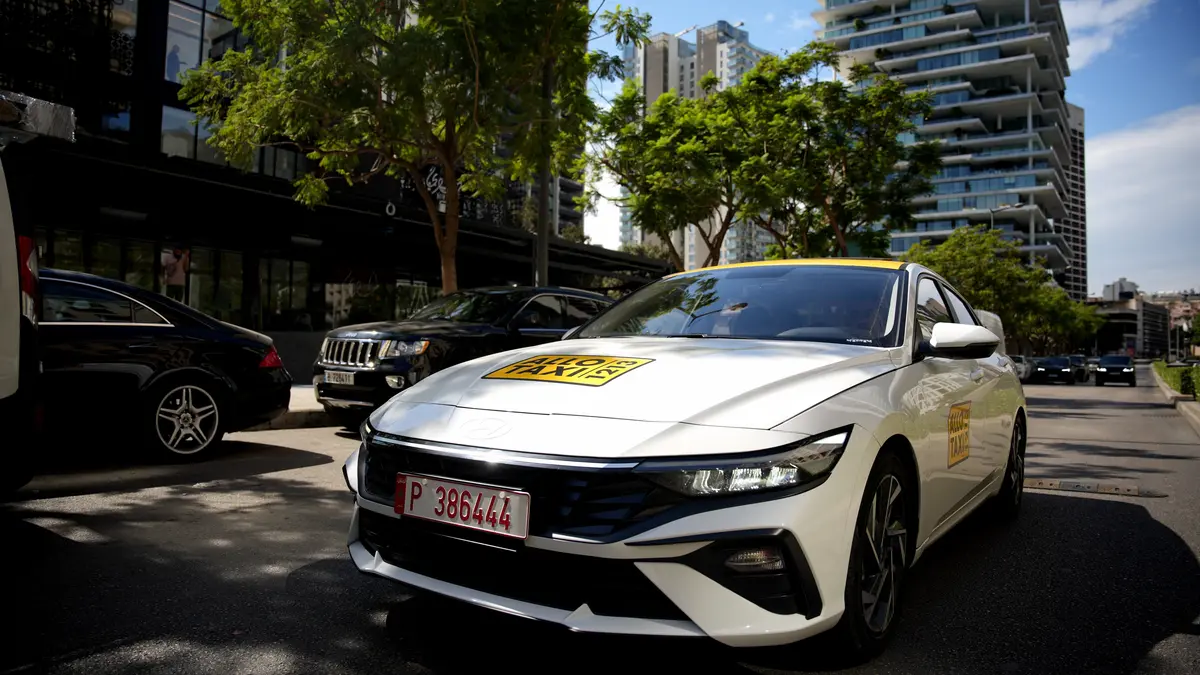
Allo Taxi is what Beirut expats and long-term residents actually book when the ride matters — airport pickups at 3 a.m., medical appointments, anything where a canceled Uber would ruin the day. It is a licensed private fleet, not a gig platform, and it costs roughly 30-50% more than an equivalent Uber trip. For that premium you get a car that shows up, on time, every time.
What you are paying extra for
Allo operates on the old-school dispatch model: uniformed drivers, company-owned or contracted vehicles, real customer service on the phone. The cars are newer and the air conditioning works — not a given in a standard Uber here, where drivers shut the AC to save fuel. Fares are fixed at booking. No surge, no renegotiation at the curb.
- Airport to Hamra: around $18 pre-booked
- Beirut to Byblos: around $30
- Beirut to Baalbek (55 miles / 89 km): around 1,620,000 LBP (roughly $18-20 at current rates, confirmed by recent Tripadvisor user quotes)
When Allo is worth the markup
- Airport arrivals, especially overnight flights into BEY
- Day trips to the Bekaa Valley or the cedars
- Late returns from Mar Mikhael after 2 a.m.
- Any trip where you are carrying luggage, a laptop, or a passport you cannot afford to lose
The trade-off: Allo’s network outside Beirut, Jounieh, and the immediate suburbs is thinner than Uber’s. For a spontaneous pickup in Tyre or Tripoli, you will usually hail a red-plate taxi instead.
Quick Stats — Allo Taxi:
- Booking: Phone (+961 1 191 or similar central dispatch) or Allo mobile app
- Cost: 30-50% more than Uber for the same route
- Best for: Airport transfers, late-night returns, day trips outside Beirut
- Payment: Cash in USD accepted; card accepted with some friction
What is a “service” taxi and should you try one?
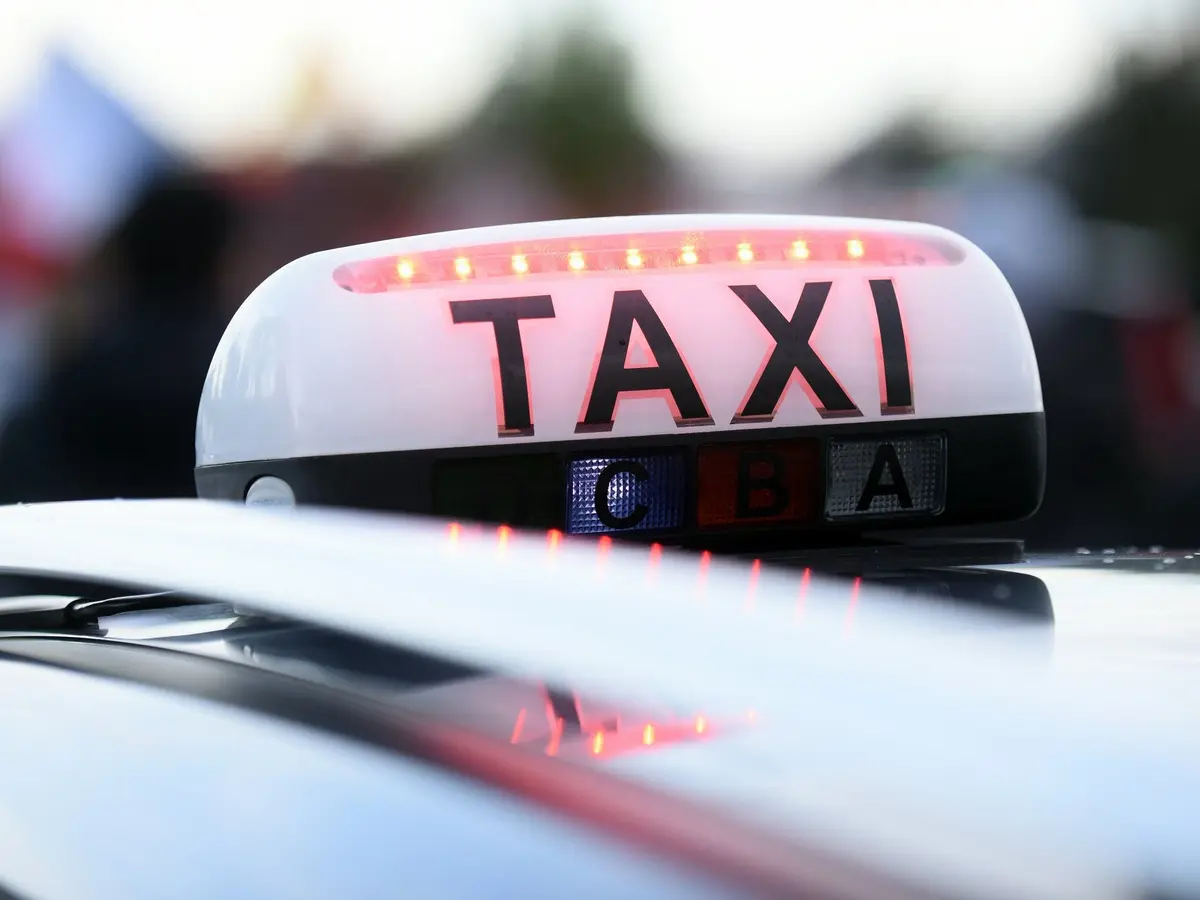
A “service” (pronounced ser-vees) is the shared red-plate taxi that functions as Beirut’s actual public transit. You share the car with strangers heading in roughly the same direction, and you pay a flat per-person fare of around 100,000-150,000 LBP (roughly $1-2) for a ride inside Beirut. It is the cheapest way to move through the city — and the most useful cultural skill you can pick up in your first 48 hours.
How the system works
You stand on the curb facing the direction traffic flows toward your destination. A red-plate car slows down. You lean into the passenger window and say your destination using a well-known landmark (“AUB,” “Sassine Square,” “Mar Mikhael”). The driver either nods (deal) or drives off (wrong direction or he wants a private charter).
Critical phrasing: say “service” if you want the shared flat rate, or “taxi” if you want to charter the whole car for a negotiated fare. Skip this step and some drivers will “taxi” you by default and charge you 8-10x the service rate.
Pro Tip: The service system only works for common routes on main roads. Asking for a service from Hamra to your Airbnb in a quiet residential street of Achrafieh will not work — the driver wants destinations on the main vein. Say the nearest landmark and walk the last 200 meters.
When to use it, when to skip
- Use it: daytime hops along Hamra, Achrafieh, Verdun, Mar Mikhael, Ras Beirut
- Skip it: airport runs (drivers refuse), late-night solo rides, trips with heavy luggage, destinations off the main corridors
The service is not faster than Uber and the car is not better. You ride it for the price and, honestly, because doing it right once is the moment you stop feeling like a tourist.
Are Bolt and InDrive worth using in Beirut?
Bolt and InDrive are the budget alternatives, and both come with real trade-offs. Bolt undercuts Uber by 10-20% on routine fares but operates without a Lebanese transport license, according to the national taxi union. InDrive runs a bid-and-negotiate model that only rewards riders who already know local fare baselines.
Bolt — cheaper, but with caveats
Bolt is popular with younger Beirutis for the price. The fleet skews older, vehicle standards are uneven, and insurance coverage is murky given the licensing situation. Drivers also have a habit of renegotiating the app price at the destination — the same move street taxis pull, just with an app receipt.
- Typical savings vs Uber: 10-20%
- Typical headaches: older cars, post-ride price arguments, weaker in-app dispute resolution
- Best for: short daytime rides where a worst-case overcharge is $3, not $30
InDrive — for travelers who know the rates
InDrive shows an estimated price, then lets the driver counter-bid. If you know a Hamra-to-Jounieh ride should cost $10, you can anchor the bid and wait for a driver to accept. If you do not, you will either overpay or sit watching drivers raise their bids indefinitely.
InDrive shines for longer inter-city trips (a Beirut to Byblos run, Beirut to Batroun) where fixed-rate apps quote awkwardly and street taxis overcharge Americans on sight. For short rides inside Beirut, Uber’s upfront pricing is faster and less mental work.
How do you get from Beirut airport to the city without getting scammed?
The safest play from BEY is to pre-book Allo Taxi or walk 100 meters past the official taxi rank and open Uber from the app. The ride from BEY to Hamra is 6.2 miles and takes 10-15 minutes; fair prices are $10 on Uber, $18 pre-booked with Allo, and $20-25 for an official airport taxi with the airplane logo on the side.
The arrivals hall scam pattern
Touts work the exit doors hard. The standard scam: someone quotes you $15 to central Beirut, walks you to the car, and by the time your luggage is in the trunk the number has become $40 “because of traffic” or “because it’s night.” You are outside the terminal, exhausted, and the clock starts working against you.
Three defenses:
- Ignore anyone who approaches you. Legitimate drivers do not solicit.
- If you booked Allo, your driver holds a sign with your name inside arrivals — walk past the crowd to find them.
- If you are using Uber, walk out of the terminal building to the designated rideshare pickup area (Uber drivers are not allowed to linger curbside and will ping you a specific meeting spot).
Pro Tip: Buy a Lebanese SIM before you leave the baggage claim — there is a counter inside the terminal. Opening Uber on hotel Wi-Fi from a taxi queue is not a plan. A prepaid SIM with 5-10 GB runs about $10-15 and works the moment you activate it.
Official airport taxis vs apps
The airport-authorized taxis (airplane logo on the side, official rank outside Gate 4) are safer than tout cars but priced at a flat premium. At roughly $20-25 to central Beirut they are double the Uber rate but half the hassle if your flight lands at 4 a.m. and you have no energy to troubleshoot a canceled app ride.
Which taxi scams should you actually watch for?
The three scams that hit American travelers most often are the “the app rate is old” renegotiation, the large-bill currency swap, and the off-book airport tout. All three are solved by agreeing on the fare in writing (on the app) and handling cash deliberately.
The “old rate” renegotiation
The driver arrives, sees the upfront price, and tells you the app rate is outdated because of fuel or the exchange rate. This is nonsense — Uber updates pricing algorithmically. Your response: “The price is what the app shows.” If the driver refuses, cancel and rebook. Eat the $1 cancellation fee.
The currency-swap
You hand over a crisp $20 bill. The driver palms it, produces a wrinkled $5, and claims you only gave him $5. Prevention is simple and slightly theatrical:
- State the denomination out loud as you hand it over (“this is a twenty”)
- Hold the bill in his full view for a beat before releasing it
- Keep small bills (1s, 5s, 10s) separate from larger ones so you do not have to break a 50 for an $8 ride
Checkpoint and restricted-zone surprises
Some neighborhoods — parts of the southern suburbs, certain areas near the Syrian border, Palestinian camps — are effectively off-limits to casual visitors and to most ride-hail drivers. If you accidentally route a ride into one of these zones, the driver may drop you at a military checkpoint and refuse to continue. Verify your destination address with your hotel or Airbnb host before booking rides outside the central districts.
How should you handle payment, currency, and tipping?
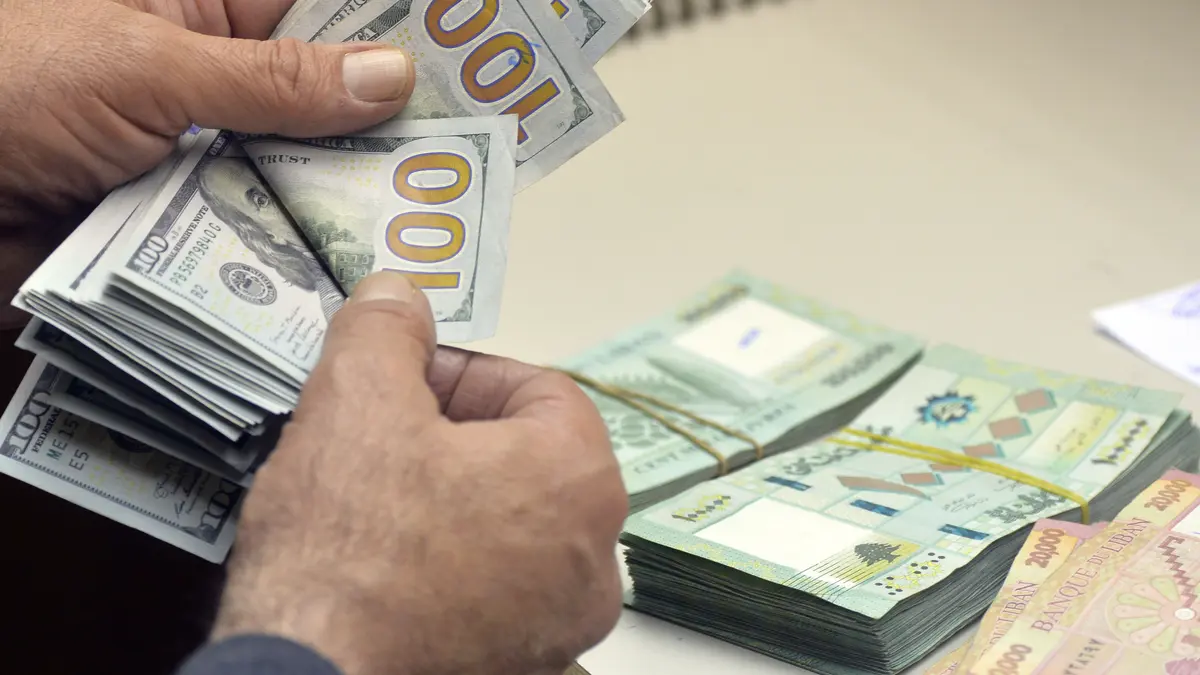
Pay small fares in Lebanese pounds, pay large fares in crisp USD, and tip 10-15% on anything over $5. The US dollar is accepted everywhere in Beirut transport, but drivers inspect the condition of the bills — anything torn, marked, or visibly old gets rejected.
The dual-currency reality
Lebanon runs on two currencies simultaneously. Small change (under about $3) flows through in Lebanese pounds. Anything larger is easier in dollars. For ride-hailing specifically:
- Under $5 fare: pay in LBP if you have it, USD if not
- $5-$20 fare: pay the exact amount in USD ones, fives, and tens
- $20+ fare: USD, and confirm the bill denomination as you hand it over
Crisp, unmarked bills matter. A $20 with a single ink mark will get handed back to you in Beirut. Hit the bank before you fly out of the US and ask for new-series notes.
Tipping
Rounding up is the minimum under standard Lebanese tipping etiquette. For a standard Uber ride under $10, round to the nearest dollar. For Allo Taxi or a private-hire driver who handles luggage, add $2-3. For a half-day hire or a driver who waits at a vineyard while you eat lunch, tip $10-20. Tips in USD are always preferred over LBP.
Which service should you use in each situation?
Use Allo Taxi for anything airport, anything overnight, and anything where reliability beats price. Use Uber for daytime city rides and predictable routes. Use a service taxi when you want the local experience and your destination is on a main corridor. Save Bolt and InDrive for short budget hops once you already know the fare.
The fast decision matrix:
- Airport arrivals or departures: Allo Taxi, pre-booked
- Daytime rides across Beirut: Uber with cash payment
- Cultural immersion, cheap short hops: red-plate service taxi
- Nights out in Mar Mikhael, Gemmayzeh, Badaro: Allo or Uber — never a street hail
- Budget rides in daylight, short distance: Bolt
- Inter-city longer runs (Byblos, Batroun): InDrive if you know the rate, Allo if you don’t
- Trips outside central Beirut and the coastal belt: pre-arranged driver through your hotel
Contrarian take worth stating plainly: the official airport taxi rank at BEY is not the scam — the touts inside the arrivals hall are. The official rank is overpriced but legitimate. If you are arriving exhausted at 3 a.m. with no SIM card, pay the $25 for the airplane-logo car and save the optimization for your second trip.
Before you book
TL;DR: Install Uber and Allo Taxi — plus the other essential apps for Lebanon travel — before you land. Switch Uber to cash-only in settings. Buy a SIM card inside the terminal. Ignore anyone who approaches you in arrivals. Always check for a red license plate before you sit down. Tip in crisp USD.
Beirut rewards travelers who show up prepared and punishes the ones who don’t. The transport system looks chaotic on day one and legible by day three. Stick to the matrix above and you will move through the city like someone who has been here before — because you already know what everyone else learns the expensive way.
What has your experience been booking rides in Beirut — did Uber work as expected, or did you switch to Allo after a rough arrival?