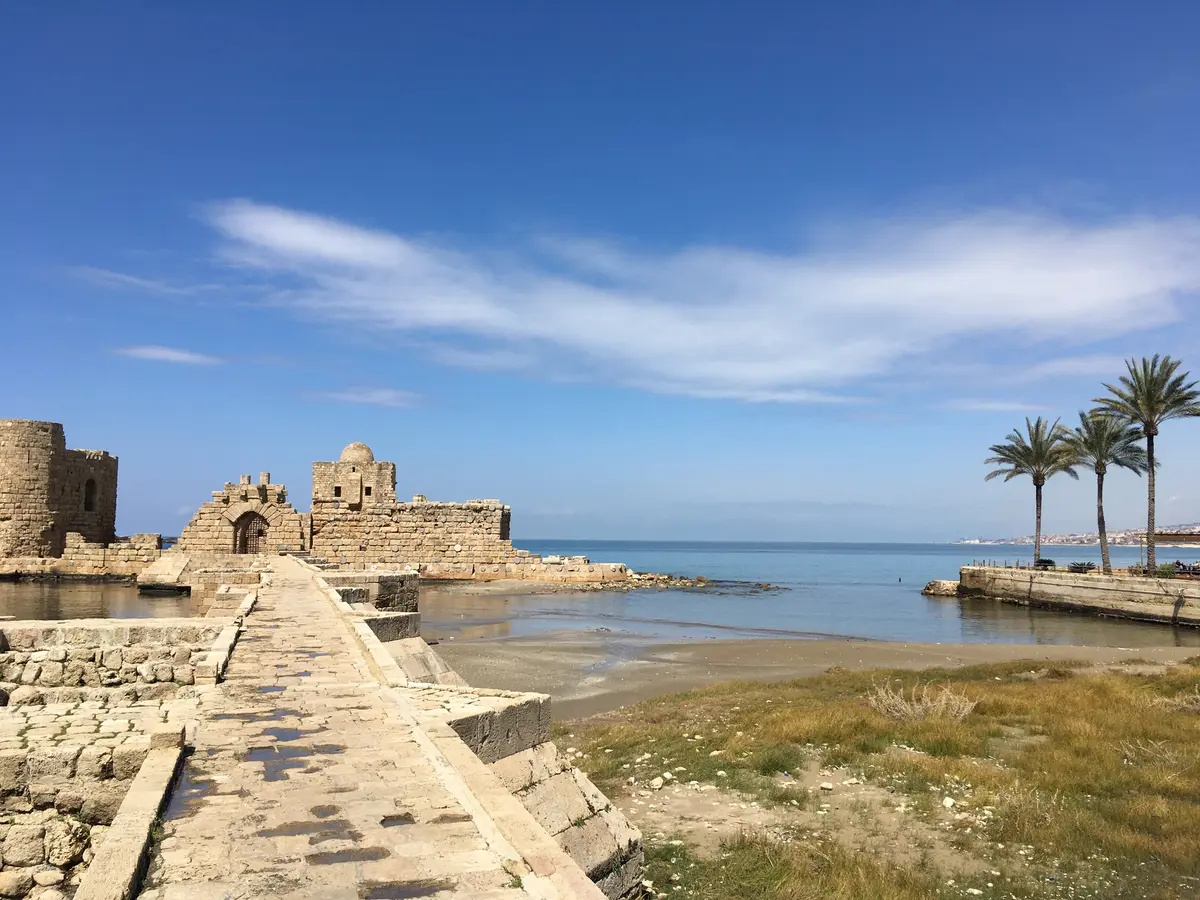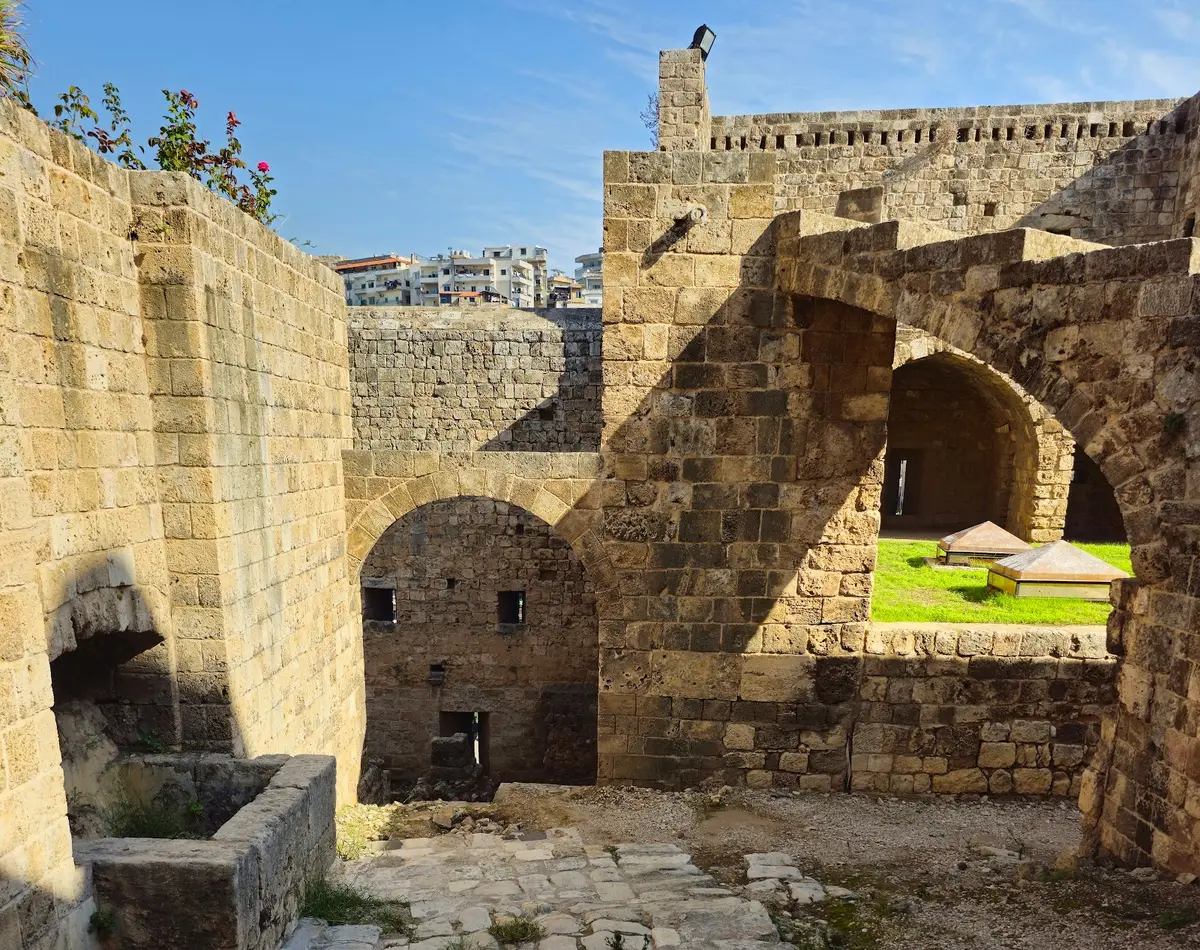
Lebanon is famous for shawarma and grilled meats, but the country quietly runs one of the Mediterranean’s deepest plant-based food cultures. Thanks to centuries of Christian fasting traditions, an olive-oil-first pantry, and mountain agriculture that produces vegetables year-round, vegan food in Lebanon goes far beyond side salads. This guide covers where to eat, what to order, and the practical quirks US travelers keep tripping over.
Why is Lebanon so good for vegan travelers?
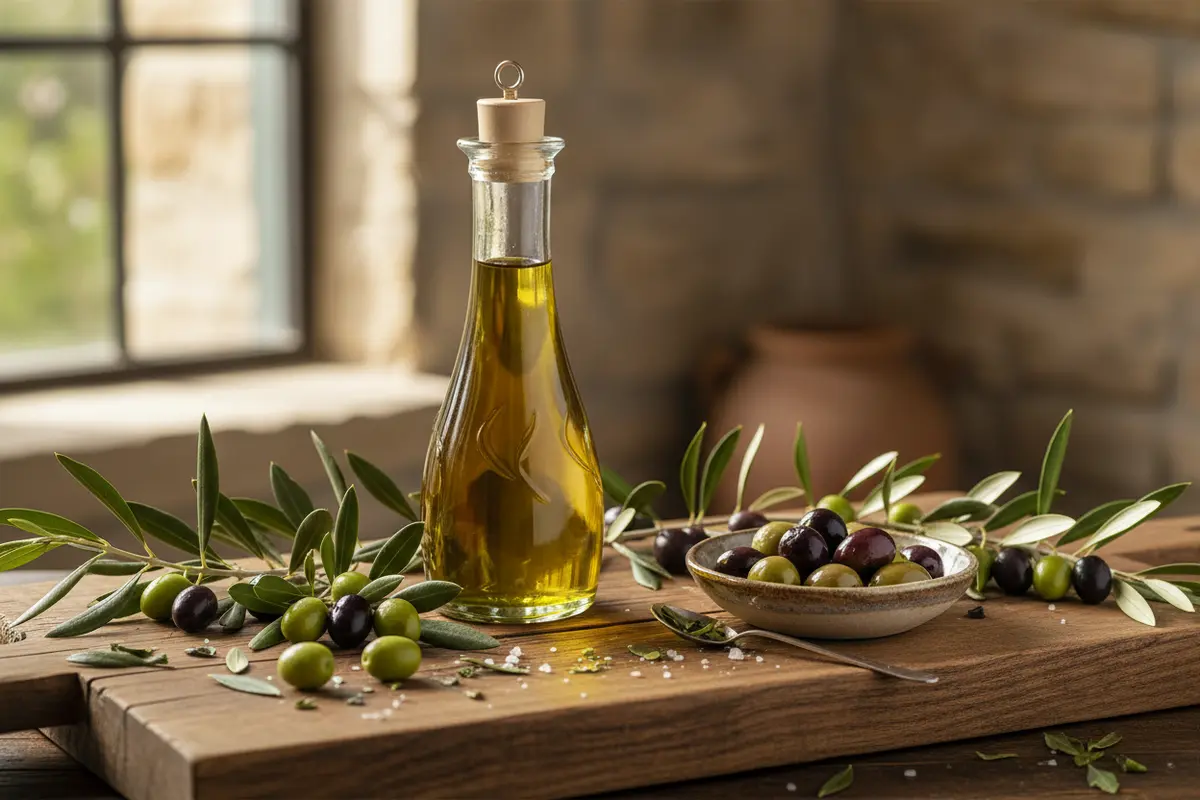
Vegan food in Lebanon is abundant because Lebanese cuisine has always divided into two categories: “Bi Lahme” (with meat) and “Bi Zeit” (with oil). The Bi Zeit side — dishes slow-stewed in olive oil, garlic, and tomatoes and served at room temperature — was built for Christian Lent, which prohibits animal products for up to 50 days. Almost every cook knows this repertoire by heart.
The magic phrase is “Ana Siyami” — “I am fasting.” In a mountain village where “vegan” draws a blank stare, Siyami gets you a full meal in 30 seconds. It’s the single most useful word for plant-based travelers here, more useful than any translation app.
The second pillar is Mouneh, Lebanon’s traditional food preservation system from an era when mountain winters cut families off from fresh food. Mouneh produced an entire shelf of vegan staples: makdous (baby eggplants stuffed with walnuts and cured in olive oil, eaten at breakfast), za’atar (wild thyme, sumac, sesame, salt — on everything), preserved grape leaves, fig jams, tahini. Two Mouneh items to watch: kishk is fermented bulgur and yogurt (not vegan), and awarma is preserved lamb fat that sometimes hides in otherwise vegan bi zeit dishes. Ask.
Pro Tip: Order one Bi Zeit dish and one Siyami-style kibbeh at your first meal. That single combination covers about 70% of what traditional Lebanese vegan cooking can do, and it sets your palate for the rest of the trip.
Where should you eat vegan in Beirut?
Beirut has the country’s widest spread of vegan food — from a 1933 falafel counter run by feuding brothers to a fully plant-based restaurant with a rescue-animal donation program. Mar Mikhael and Gemmayze cover the modern vegan cafés, Hamra handles the student-budget end, and Ashrafieh has the legacy spots. Expect to pay $3-5 for street food and $15-30 for a sit-down meal.
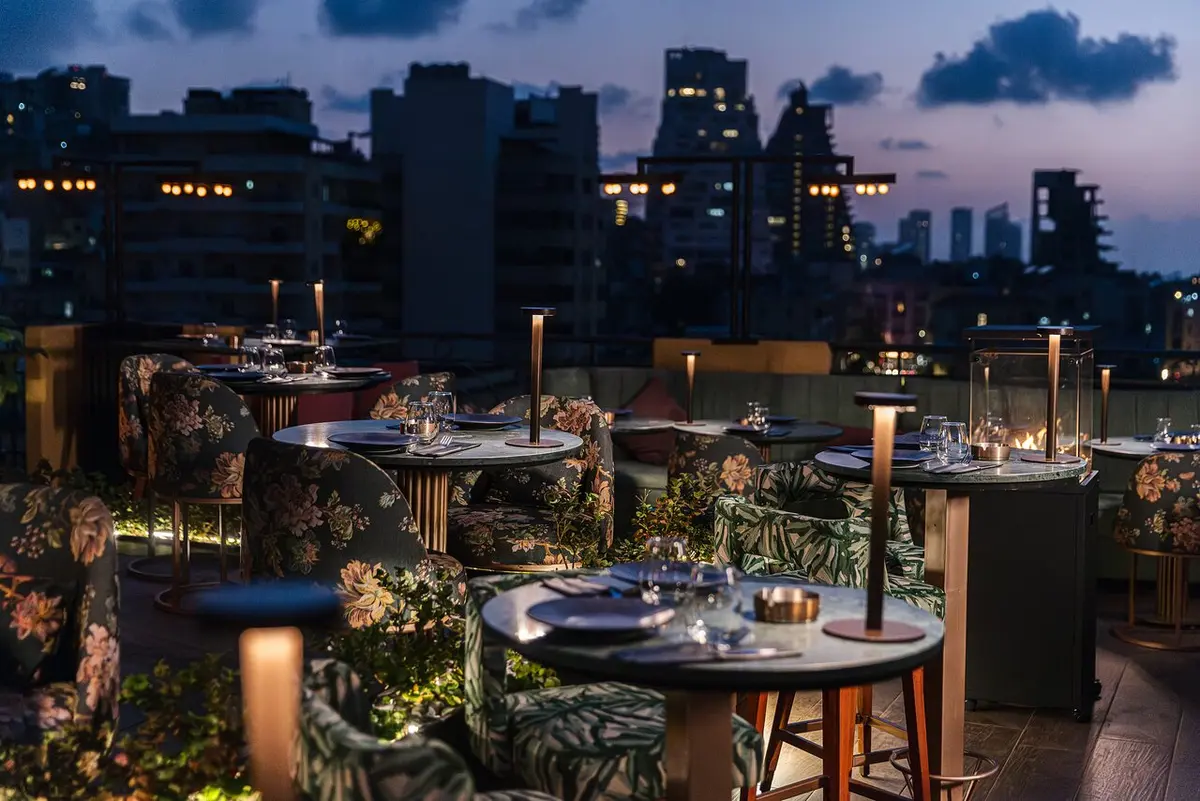
Orenda — Mar Mikhael’s plant-based anchor
Orenda is the pink house tucked down an alley off the far end of Mar Mikhael, past the Spoiler Center auto shop. The garden seating on white pebbles is the draw — small tables under trees, string lights, a room inside reserved as a gift shop. The menu leans fusion: tofu scrambles, a plant-based burger that actually holds together, sushi made with watermelon and carrot instead of fish, and a beet hummus worth ordering before anything else. The “adopt me” cards on each table are for rescue dogs and cats photographed by co-owner Mirna.
The verdict: This is the best sit-down vegan meal in central Beirut. The banana chocolate cake is the one thing I’d skip a second course for. Service can slow down on weekend evenings when every table fills — go for weekday lunch if you’re short on time.
Quick Stats:
- Location: Mar Mikhael, Beirut (end of the main strip, small alley off Armenia Street)
- Cost: $15-25 per person
- Best for: Couples, solo travelers with a laptop, sober travelers (great virgin cocktails)
- Time needed: 60-90 minutes
- Hours: Tuesday-Sunday 10 a.m.-11:30 p.m., Monday 4-11:30 p.m.
Meet The Veganz — vegan fast food done right
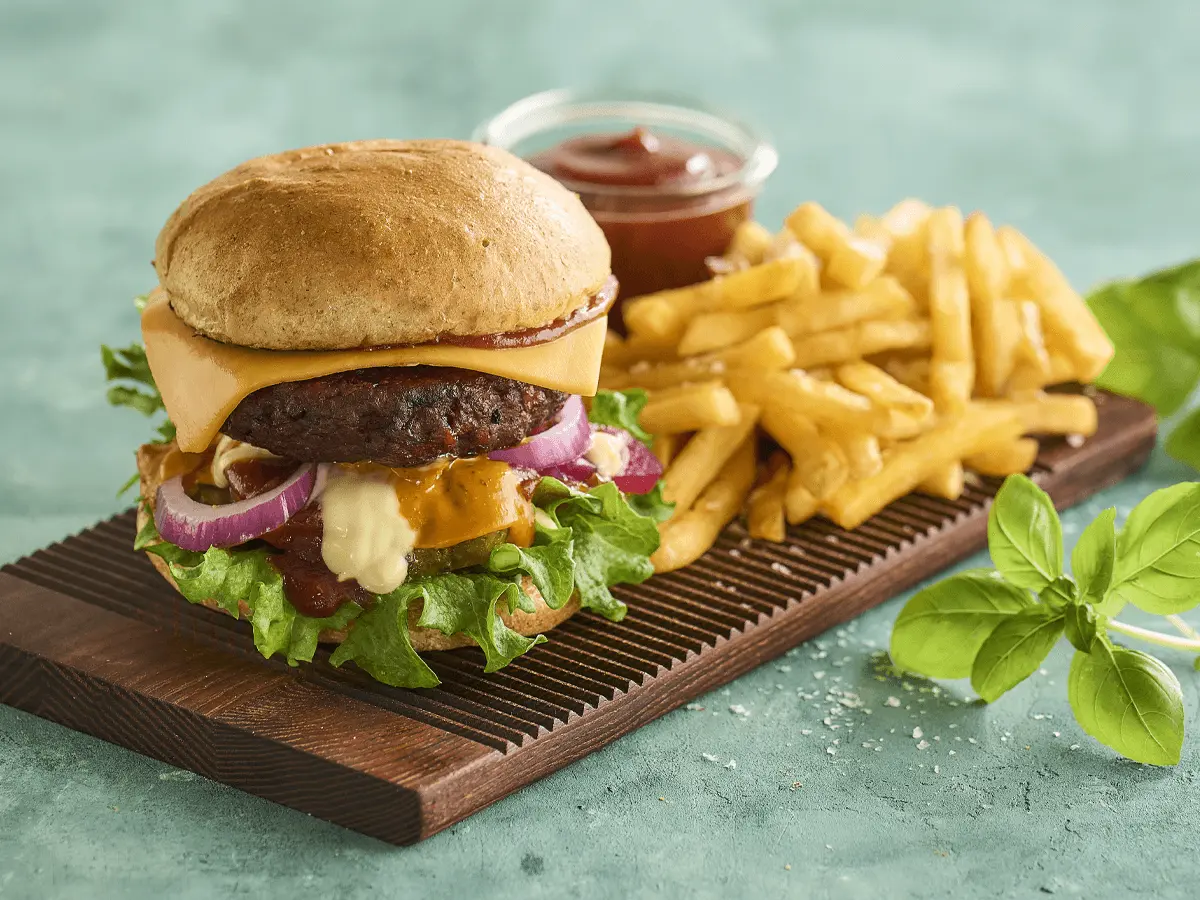
Meet The Veganz is Beirut’s comfort-food counter: vegan burgers, seitan “tawook” sandwiches, fried cheese sticks, and loaded fries. It’s heavy, unapologetically greasy, and exactly what you want after a night out. Order the tawook wrap and a side of cheese sticks — don’t pretend this is a balanced meal.
Quick Stats:
- Location: Fouad Boutros Street, Mar Mikhael, Beirut
- Cost: $8-15 per person
- Best for: Late-night cravings, skeptical omnivore friends
- Time needed: 30-45 minutes
Luna’s Kitchen — the 24-hour vegan diner
Luna’s Kitchen sits in a painted building on Tannoukhiyen Street near AUB and stays open around the clock. The menu sprawls across Lebanese, Italian, and American — not every dish lands, but the vegan mezze platter, the plant-based pizzas, and the shawarma wrap are consistent. The on-site bakery does the best vegan cakes in Hamra.
Quick Stats:
- Location: Luna’s Village, Tannoukhiyen Street, Hamra, Beirut
- Cost: $10-18 per person
- Best for: Students, budget travelers, 3 a.m. post-bar eating
- Time needed: 45-60 minutes
Abu Abdallah — the foul breakfast nobody tells tourists about
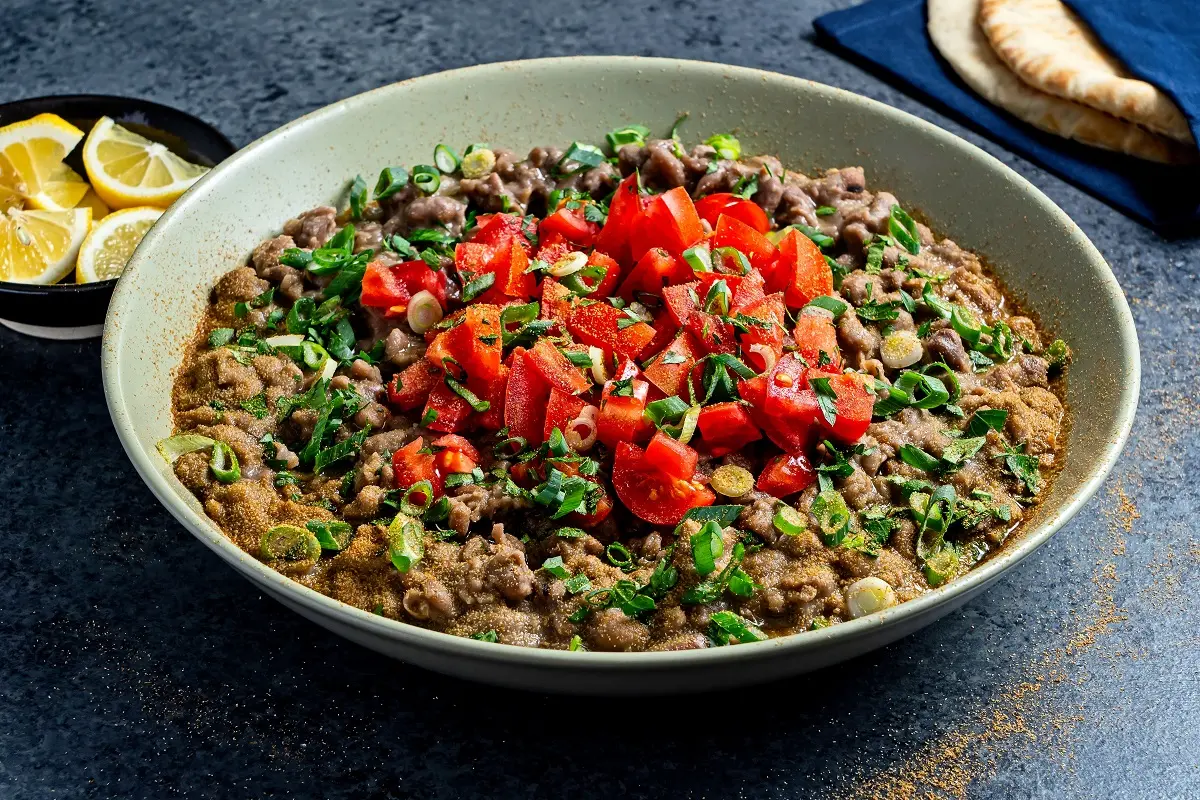
Abu Abdallah in Dawra is a chaotic breakfast shop that expats argue over. It serves foul (fava beans simmered with lemon, garlic, and olive oil) and hummus at what most consider the highest standard of breakfast in Beirut. There’s no English menu, no seating strategy, and no frills — just a counter, plastic stools, and a line of taxi drivers who’ve been coming for 20 years.
Order the foul m’dammas with extra olive oil and a side of pickled turnips. Bread comes free and in quantity. Skip the coffee (it’s an afterthought) and walk to a café afterward.
Quick Stats:
- Location: Dawra, northeast Beirut (taxi recommended from city center)
- Cost: $4-7 per person
- Best for: Adventurous eaters, early risers (it’s busiest 7-9 a.m.)
- Time needed: 30 minutes
Falafel Sahyoun — the 90-year-old counter (and its feuding twin)
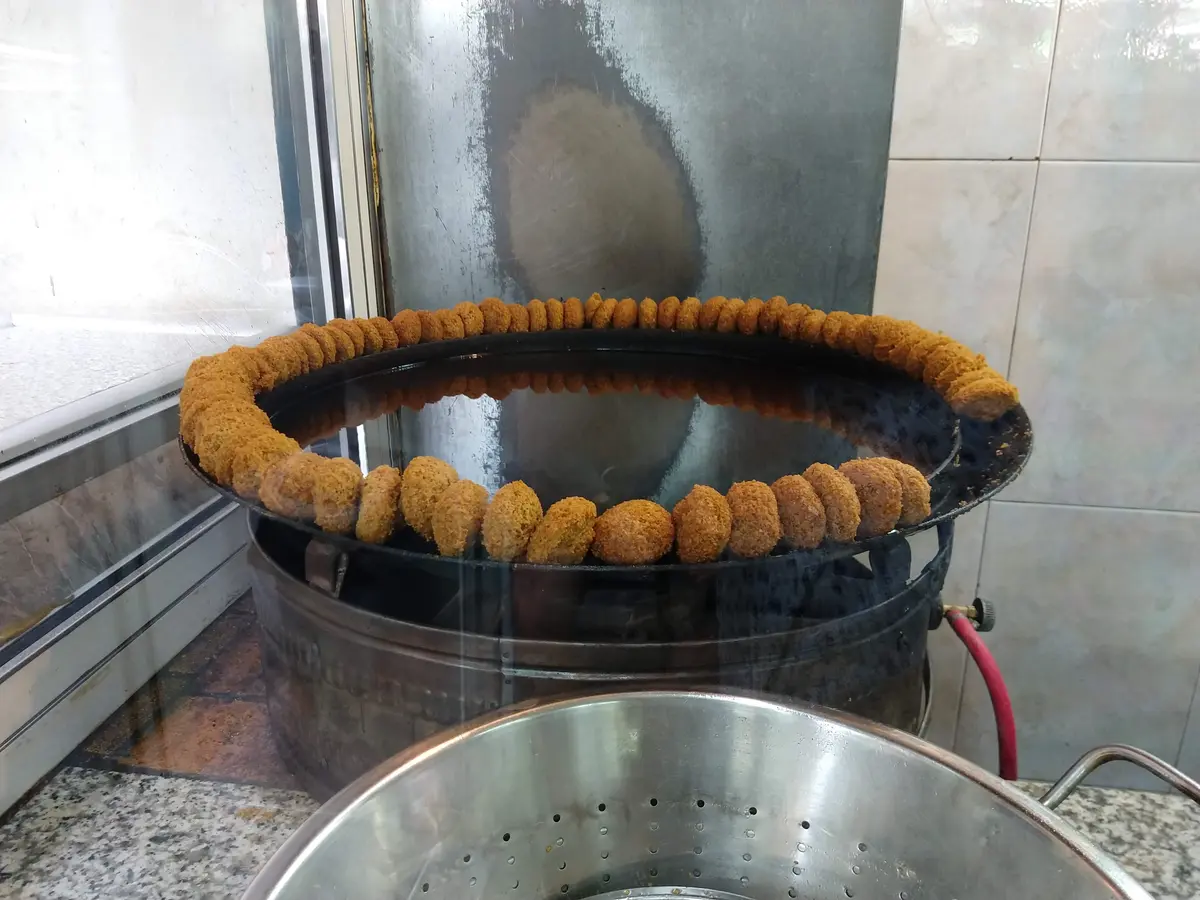
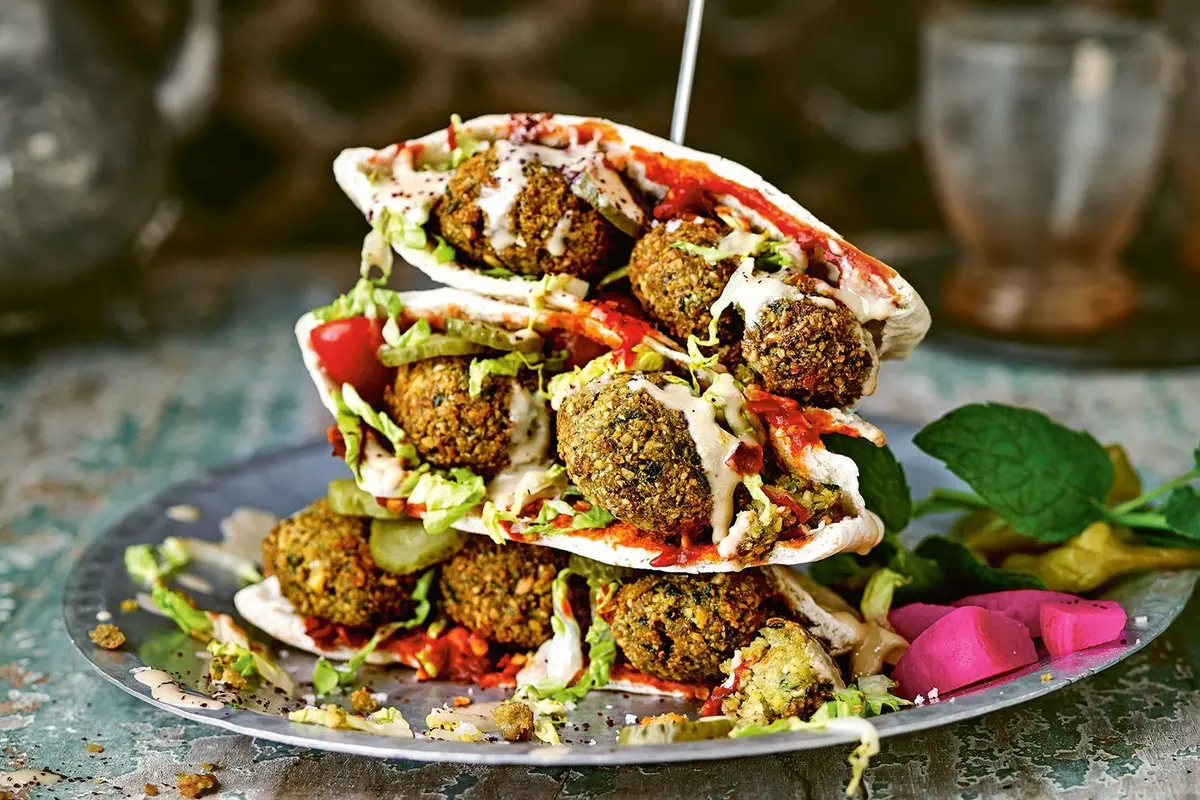
Falafel Sahyoun on Damascus Road has been making Beirut’s most famous falafel since 1933. The famous story: the inheriting brothers had a falling-out, and now two Sahyoun shops sit side-by-side — “Sahyoun Blue” (the original Mustapha branch) and “Sahyoun Red” (Karim, next door). Both are good. Blue runs slightly crispier; Red has a sharper tarator sauce. I’ve done the blind test twice and I lean Blue, but it’s close enough that local families split down the middle.
A sandwich costs about $3, wrapped in thin pita with tomatoes, radish, parsley, mint, and tarator. They’re small — order two. Eat standing on the sidewalk. If there’s a line out the door, it moves in under 10 minutes.
Quick Stats:
- Location: Damascus Road (Istiklal Street), just outside Downtown Beirut
- Cost: $3 per sandwich, $6-8 for a full meal
- Best for: Anyone who eats food
- Time needed: 15-20 minutes
Souk el Tayeb — where to buy vegan Mouneh to take home
Souk el Tayeb is Beirut’s original farmers market, running Saturdays 9 a.m.-2 p.m. at Beirut Souks downtown and Thursdays 11 a.m.-6 p.m. in Antelias. This is where to buy makdous, za’atar blends, olive oil, tahini, and fig jam directly from the producers who made them. Prices are set in USD since the 2019 currency collapse — expect $8-15 for a decent jar of makdous, $6-10 for a bag of premium za’atar.
Pro Tip: Vacuum-pack your makdous and olive oil in checked luggage, not carry-on. A single broken jar will kill your suitcase for the entire trip. A $2 roll of bubble wrap from any hardware store is the best money you’ll spend in Beirut.
What’s the vegan scene like in Batroun?
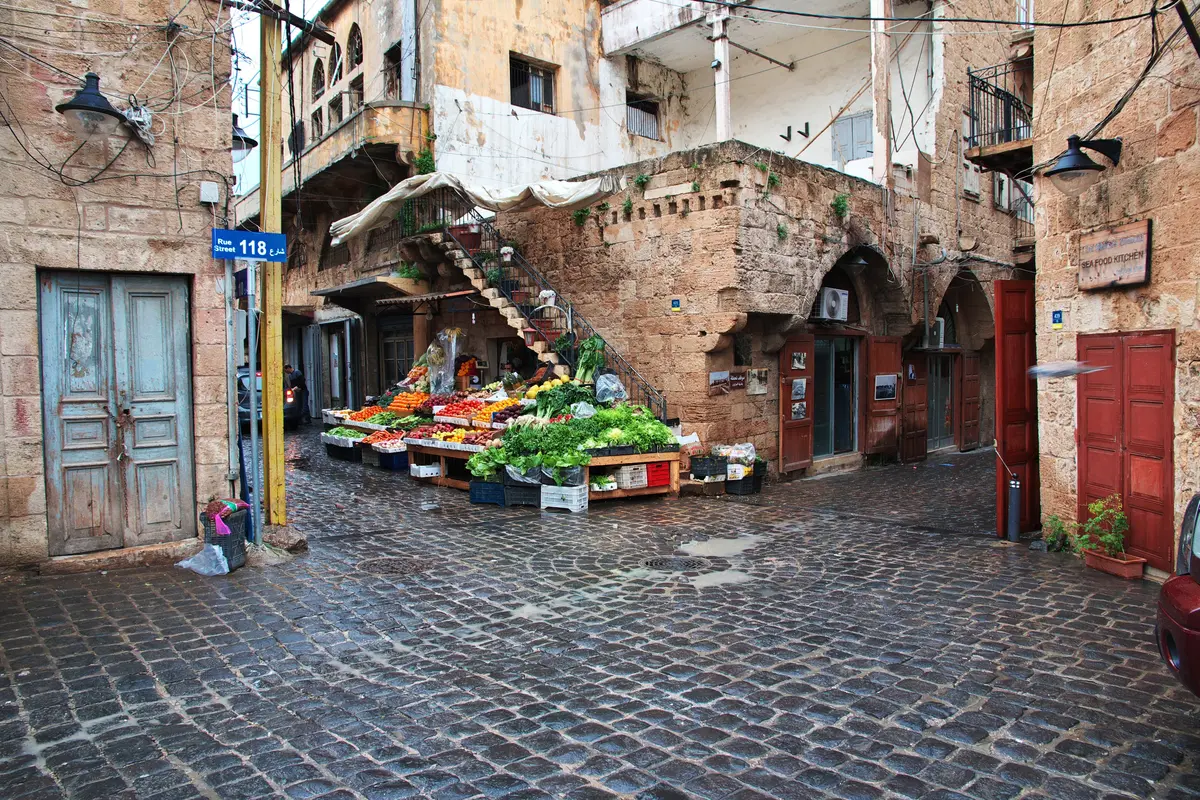
Batroun is a coastal town 34 miles (55 km) north of Beirut, built around a compact Old Souk and a waterfront strip of seafood shacks. The vegan scene here is small but sharp — two places cover 90% of what you’d want for a day trip or weekend. The Phoenician sea wall is a 5-minute walk from either.
The Barn — organic café inside the Old Souks
The Barn is a wellness-focused café tucked into the stone alleys of Batroun’s Old Souks. The menu is chia bowls, avocado toast, almond-based cheese boards, and cold-pressed juices — lighter than a typical Lebanese meal and a useful reset day if you’ve been overdoing the fried food. The almond labneh with za’atar is the standout; skip the $12 smoothie bowls, which are oversized and overpriced.
Quick Stats:
- Location: Old Souks, Batroun
- Cost: $12-20 per person
- Best for: Breakfast, post-beach lunch, digital-nomad-style work sessions
- Time needed: 60 minutes
Maguy’s — vegan sides at a seaside shack
Maguy’s is a tiny seafood shack literally built on the rocks of the Batroun waterfront, but the owner prepares excellent vegan sides on request. Order the fattoush, batata harra (spicy potatoes with cilantro and garlic), and hummus, and skip the grilled fish your table is there for. You’re paying for the setting — waves hitting the rocks 6 feet from your plate — more than the food itself, and it’s worth it once.
Quick Stats:
- Location: Waterfront, Batroun (follow signs from the Phoenician Wall)
- Cost: $15-25 per person
- Best for: Sunset dinners, groups mixing vegans and seafood eaters
- Time needed: 90 minutes
What about Byblos and Amchit?
Byblos (Jbeil) is one of the world’s oldest continuously inhabited cities, sitting 23 miles (37 km) north of Beirut. The vegan options here punch above the town’s size, and the 20-minute drive from the Crusader castle out to Amchit’s manakish bakery is one of the best food detours in Lebanon. Answer: three spots cover the spread — one casual, one upscale, one hyper-local.
Dice & Bites — board game café with real food
Dice & Bites is a board game café in Byblos that takes cooking seriously — plant-based shawarma, seitan tawook, and vegan pizzas that actually crisp on the bottom. The crowd is mostly students and young families. You pay by the hour for the game library, food is ordered separately. It’s the best option in Byblos if you want vegan comfort food without a reservation.
Quick Stats:
- Location: Central Byblos, near the Old Souk entrance
- Cost: $10-18 per person plus $5/hour for games
- Best for: Groups, rainy afternoons, solo travelers looking to meet locals
- Time needed: 2-3 hours
Feniqia — upscale mezze in the old souk
Feniqia occupies a stone building inside Byblos’ old souk, steps from the harbor. The mezze menu is the reason to come — specifically the raheb salad, smoked eggplant broken up with tomatoes and pomegranate, which is the best version I’ve had anywhere in the country. The setting (vaulted stone, candles after dark) is the other reason. Prices are higher than most of this list.
Quick Stats:
- Location: Old Souk, Byblos
- Cost: $25-40 per person
- Best for: Anniversary dinners, showing off Lebanese food to first-time visitors
- Time needed: 90-120 minutes
Furn El Sabaya — women-run bakery in Amchit
Furn El Sabaya (“the women’s oven”) is a bakery in Amchit, 5 miles (8 km) north of Byblos, run entirely by women from the village. The specialty is manakish baked on wild greens and hindbeh (dandelion greens) rather than the standard za’atar. The dough is rolled thinner here — “Amchit style” — so it crisps rather than puffs. Two manakish and a mint tea will run you $5 and it’s the best breakfast within 30 miles of Beirut.
Quick Stats:
- Location: Amchit village center (ask for “Sabaya” — everyone knows it)
- Cost: $3-7 per person
- Best for: Breakfast, takeaway before a day hike
- Time needed: 30 minutes
Is the Chouf Mountains drive worth it for one restaurant?
Yes — if Coara is the destination, it’s worth the 90-minute drive from Beirut into the Chouf Biosphere Reserve. Coara is Lebanon’s oldest fully vegan restaurant, running since 2002, and it’s the single best plant-based meal in the country. The set menu is $40 per person, open-formula (you can order seconds and thirds of whatever you like), and everything comes from the garden you’re looking at through the window.
Coara — the mountain destination
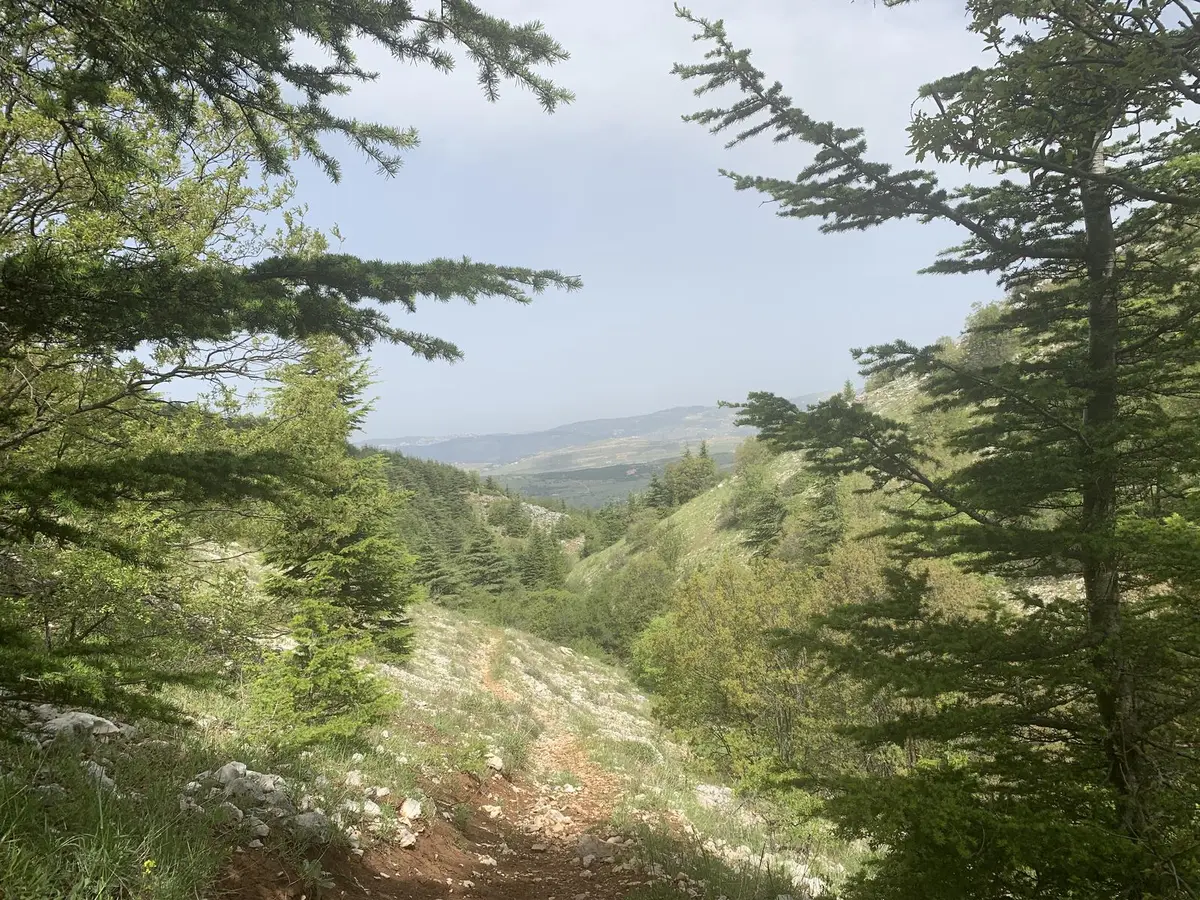
Coara sits on the side of a mountain in Kfar Qatra village, surrounded by the biosphere’s oak and juniper forest. Owners Walid and Maysoun Nasserdine (who are vegan themselves) cook a rotating set menu from whatever’s been harvested that morning. The dishes you’ll see almost every visit: vegan kibbeh made with quinoa and turmeric (a full textural match for the meat version), knefe using their own plant-based cheese, stuffed grape leaves, a deep mushroom soup in winter, and a seasonal manakish fresh from their oven.
The room is 20-25 seats inside plus a small garden terrace. Meals run long — plan 2.5 hours minimum. You eat at a communal wooden table, and other diners will strike up conversations unprompted.
Pro Tip: Call ahead on +961 3 424290 or WhatsApp +961 71 852058. Coara is closed Tuesdays and the driveway has no signage — tell your driver “Kfar Qatra, Coara,” and if he hasn’t been, have him pull over and call for directions. The final 2 miles (3 km) are a narrow mountain road that Google Maps will underestimate by 15 minutes.
Quick Stats:
- Location: Kfar Qatra, Chouf district (about 55 miles / 88 km southeast of Beirut)
- Cost: $40/person flat, set menu, cash only
- Best for: A proper lunch destination, combined with Beiteddine Palace or the Cedar Reserve
- Time needed: 2.5-3 hours plus travel
- Hours: Wednesday-Monday 10 a.m.-5 p.m., closed Tuesday
Combine Coara with a morning at Beiteddine Palace (20 minutes away) or an afternoon in the Al Shouf Cedar Reserve (40 minutes). That makes the drive a full day rather than a single lunch, and it’s how locals do it.
What’s different about vegan eating in Tyre?
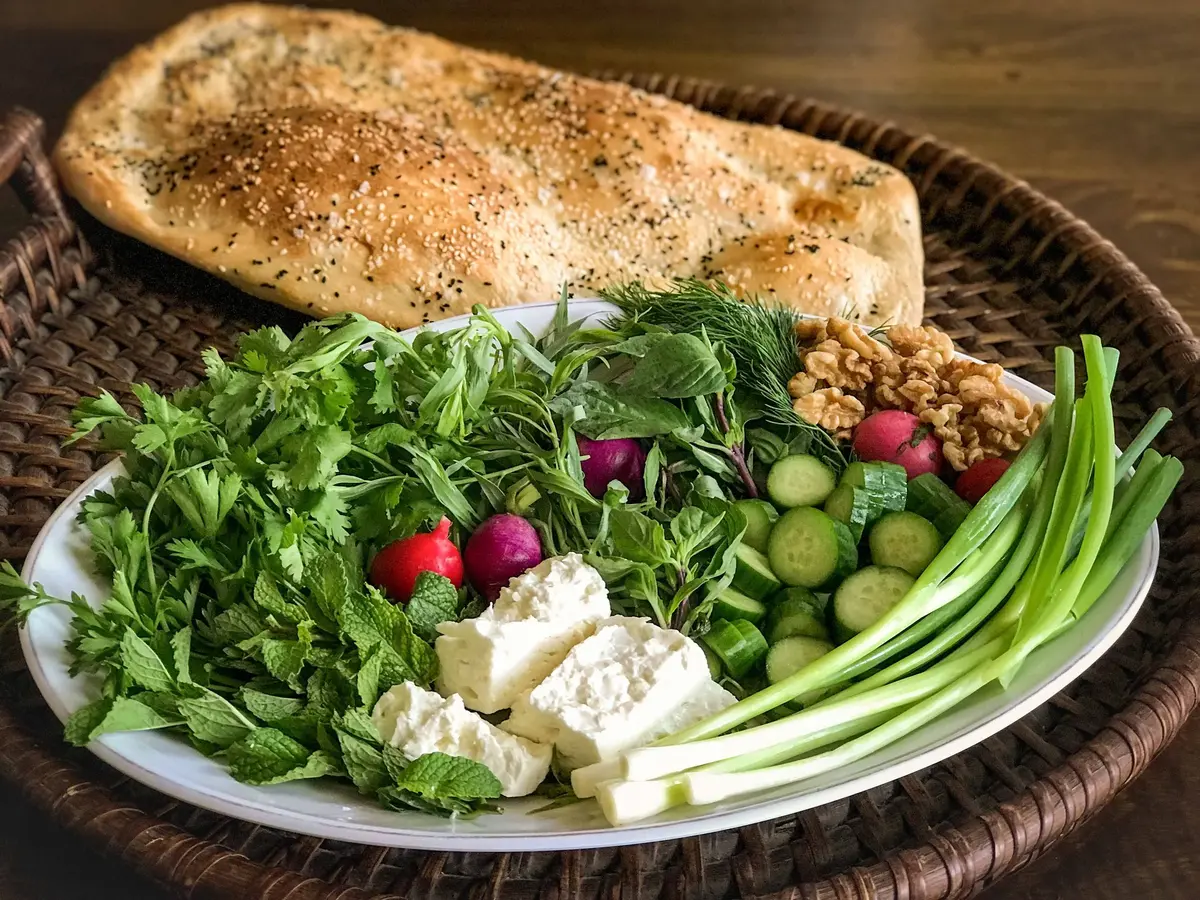
Tyre (Sour) is 51 miles (82 km) south of Beirut, and the vegan food there is distinct enough from northern Lebanese cooking that it’s worth a separate day trip. Southern preparations are heavier on cumin, lighter on lemon, and the foul is creamier. Most of the food scene is concentrated around the old fishing port and the Phoenician ruins.
Baroud — the foul and msabbaha standard
Baroud serves foul and msabbaha (warm, whole-chickpea hummus finished with cumin and olive oil) that defines the southern breakfast. This is a different category from Beirut’s preparations — thicker, warmer, less acidic. Order both and a basket of bread.
Quick Stats:
- Location: Tyre city center, near the old port
- Cost: $5-8 per person
- Best for: Early breakfast (7-9 a.m. is peak)
- Time needed: 30-45 minutes
Al Malak Al Fakhira — southern-style manakish
Al Malak Al Fakhira specializes in southern manakish variations you won’t find in Beirut — specifically the za’atar-and-tomato combination with a slick of pomegranate molasses baked in. The dough is chewier than the Amchit style. Two manakish and a karkadeh (hibiscus tea) runs $4-6.
Quick Stats:
- Location: Tyre city center
- Cost: $3-6 per person
- Best for: Lunch, walking food for the Roman hippodrome visit
- Time needed: 20-30 minutes
What Lebanese vegan dishes should you order everywhere?
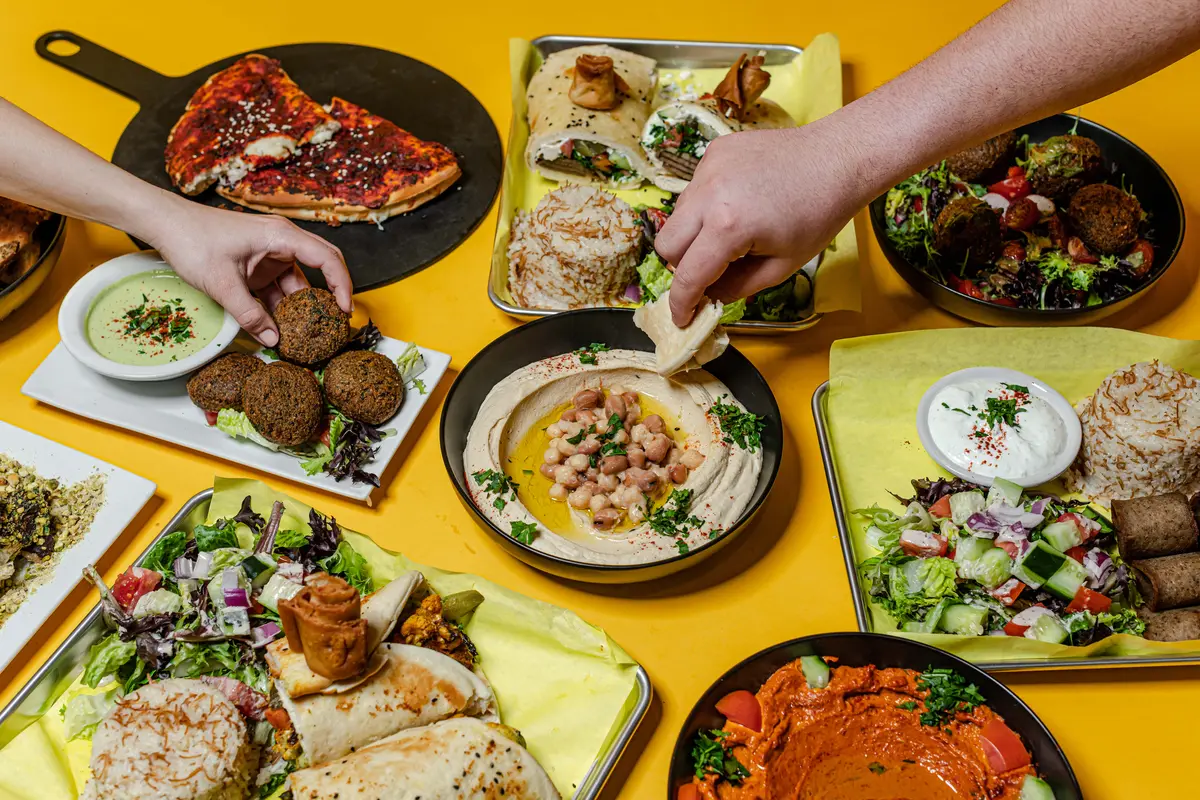
The Lebanese vegan menu is deep enough that you can eat without repeating a dish for two weeks. Below is the short list — the dishes that appear at almost every restaurant, what to order them as, and the one or two pitfalls to watch for with each. Memorize five of these and you’ll never be stuck.
The mezze you’ll see daily
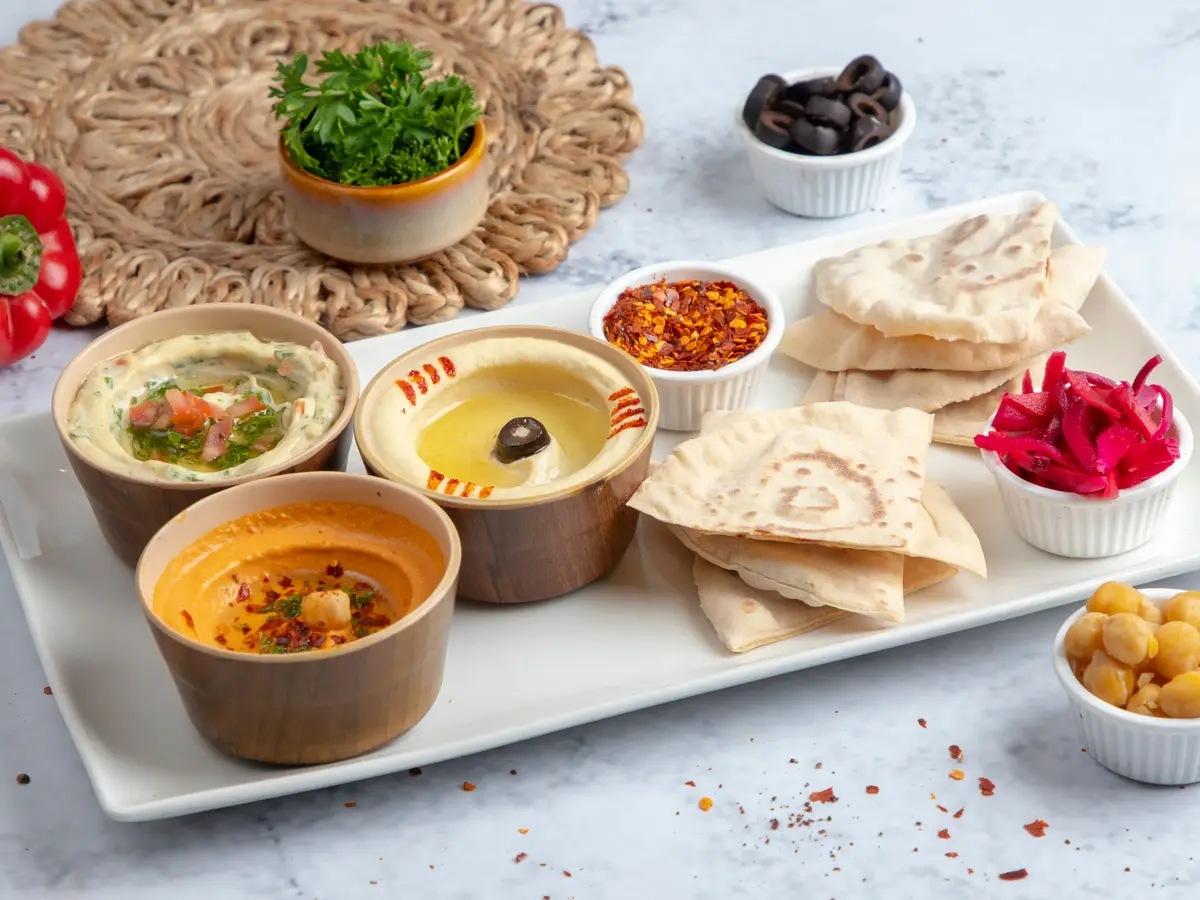
- Hummus bi tahini: Chickpeas, tahini, lemon, garlic, olive oil. Always ask “bala awarma” (without meat) — some restaurants top it with lamb confit as a default.
- Baba ghanoush: Smoky roasted eggplant with tahini and garlic. Order “baba ghanoush” — not “moutabal,” which sometimes includes yogurt.
- Muhammara: Red peppers, walnuts, pomegranate molasses, a little heat. Naturally vegan.
- Tabbouleh: 80% parsley, 20% bulgur, tomato, lemon, olive oil. The freshest thing on the table.
- Fattoush: Chopped salad with toasted pita. Verify no yogurt in the dressing.
- Warak enab (grape leaves): Ask specifically for the vegan version — “warak enab bi zeit” — since the meat version looks identical.
The morning manousheh ritual
The manousheh is Lebanon’s breakfast flatbread, baked to order at a furn (bakery). Za’atar is your default — the wild thyme and sumac blend, painted on with olive oil before baking. Ask for “za’atar w khodra” and they’ll roll mint, tomato, cucumber, olives, and sometimes labneh (skip labneh for vegan) into the finished bread like a wrap.
- Spinach fatayer: Triangular pies filled with spinach, onions, sumac, lemon. Vegan by default.
- Za’atar manousheh: Always vegan.
- Kishk manousheh: AVOID. Kishk is fermented yogurt.
The bi zeit stews that sustain
- Loubieh bi zeit: Green beans braised with tomato, onion, garlic. Served at room temperature.
- Bamieh bi zeit: Same treatment with okra. Heavier, richer.
- Moussaka batinjan: Chickpea and eggplant stew, served cold. Nothing like Greek moussaka.
- Mujaddara: Lentils and rice with caramelized onions on top. Cheap, protein-dense, fills you for 6 hours.
The Siyami kibbeh revelations
Traditional kibbeh is meat, but the Siyami tradition produced vegan versions that stand on their own:
- Kibbet laktin: Pumpkin-and-bulgur shell, stuffed with spinach and chickpeas. Best in winter.
- Kibbet batata: Mashed potato and bulgur, usually baked in trays and cut into squares.
- Frakeh: A southern raw vegan kibbeh — fine bulgur, tomato, herbs, lemon, olive oil. Eaten with lettuce leaves.
Is the water safe? And other practical concerns
Lebanon’s tap water is not safe to drink or brush your teeth with — bottled water is used universally, even by locals. For raw salads (tabbouleh, fattoush), stick to mid-range and higher restaurants that wash vegetables in sterilized water; at street stalls, stick to cooked bi zeit dishes, manakish, or peelable fruit. I’ve eaten raw salads at 30+ Beirut restaurants without an issue, but I’d skip them at a highway rest stop.
What phrases actually work for vegan travelers?
- “Ana Siyami” (I am fasting) — the most useful phrase, recognized everywhere.
- “Ana nabati” (I am vegetarian) — works in cities, blank stares in villages.
- “Bala lahme” (without meat) — essential for mezze like hummus.
- “Bi zeit?” (cooked in oil?) — confirms a dish isn’t cooked in butter or lamb fat.
- “Bala haleeb, bala jibneh, bala zibdeh” (no milk, no cheese, no butter) — for cafés and bakeries.
How should you handle money in Lebanon?
Bring fresh, clean US dollars in small denominations ($1, $5, $10, $20). Since the 2019 Lebanese currency collapse, Lebanon has run on a cash-USD economy — most restaurants, hotels, and taxis quote in dollars and prefer cash. Credit cards work sporadically in Beirut’s higher-end places and almost nowhere outside the capital. ATMs dispense Lebanese lira at unfavorable rates; bring what you need.
- Street food (falafel, manakish): $3-7
- Casual vegan café meal: $10-20
- Sit-down mezze dinner: $25-40
- Coara set menu: $40/person
Which hidden ingredients trip up vegans in Lebanon?
Four ingredients hide in otherwise-vegan dishes, and you need to name-check each:
- Awarma: Preserved lamb fat, sometimes stirred into hummus, stews, or rice.
- Samneh: Clarified butter/ghee, used in baked rice and some manakish dough.
- Kishk: Fermented bulgur-and-yogurt powder, common in soups and manakish.
- Honey: Drizzled on some desserts and tea glasses — not universally considered non-vegan locally.
The good news: Lebanese cooks are transparent. Ask, and you’ll get a straight answer about what’s in the pot.
Pro Tip: Skip the all-you-can-eat mezze buffets at hotel restaurants. The food is sitting in warming trays (killing the point of bi zeit, which is supposed to be at room temperature) and the prices are 2-3x what you’d pay at a family restaurant a 10-minute walk away. Always eat mezze where locals eat mezze.
Before you book
TL;DR: Vegan food in Lebanon is better and easier than almost any country you’ll travel to, thanks to centuries of fasting cuisine that produced a full library of dishes without animal products. Learn “Ana Siyami,” bring USD in cash, book Coara in advance, and don’t waste a meal on hotel buffets. The Bi Zeit stews, the Siyami kibbeh, and a single trip to Coara in the Chouf will reset your idea of what plant-based cooking can do.
Which of these would you book a flight for — a full Coara lunch in the mountains, a sunrise manousheh at Furn El Sabaya, or the Sahyoun falafel blind taste test in Beirut?