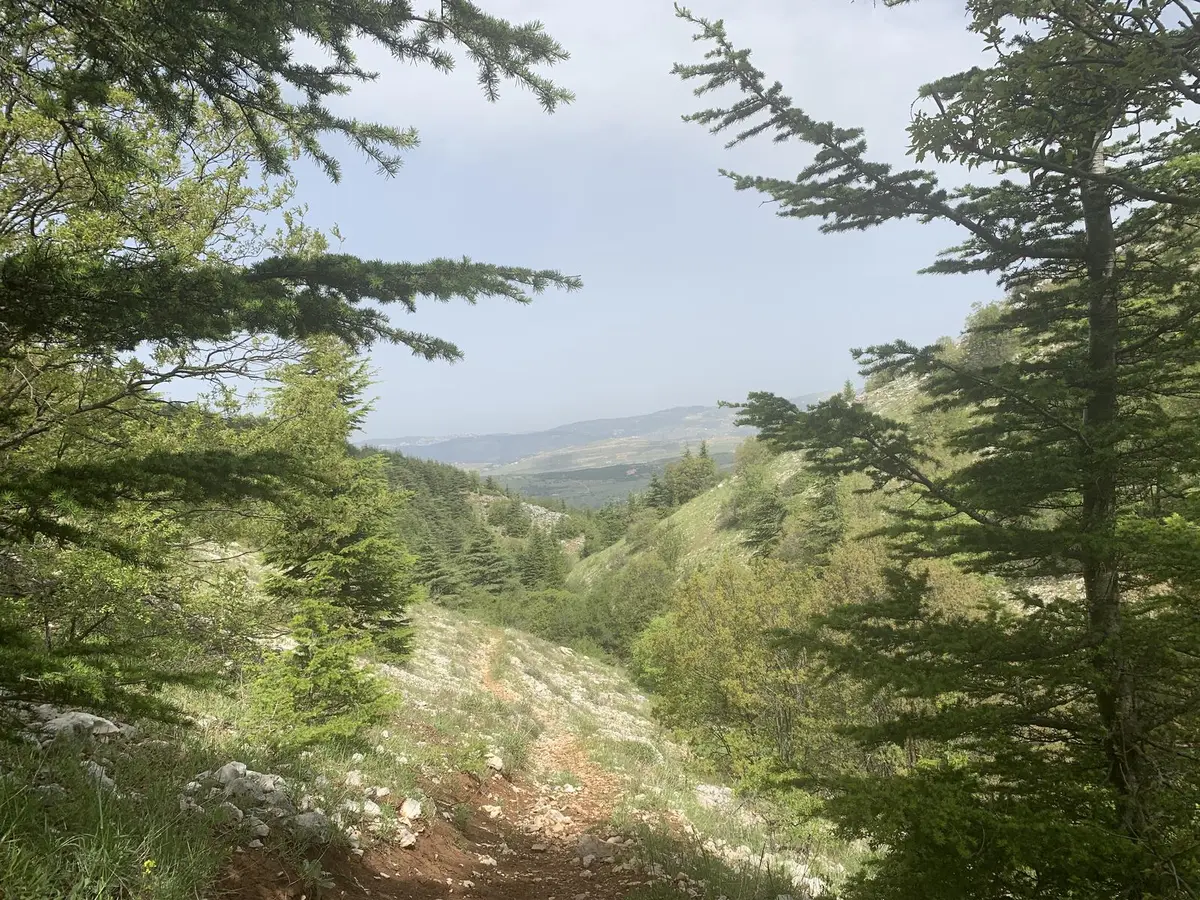
The Lebanon currency situation scares more travelers off than it should. After hauling stacks of Lira through Beirut exchange shops, paying for a hike in the Bekaa Valley with a wad that barely fit in a jacket pocket, and getting burned once by a “white dollar” bill the counter refused, the real rules are simpler than the headlines suggest. This guide covers exactly what to bring, where to change it, and what it actually costs.
What is the current Lebanon currency situation?
The Lebanese Pound (LBP), also called the Lira, trades at roughly 89,500 to 1 USD and has held that band for months. The old multi-rate system — official rate versus black market rate — is effectively gone. There is one transparent market rate, and Lebanon runs as a de facto dollarized economy where USD handles almost every transaction over $10.
Prices on menus, hotel rates, tour quotes, and car rentals are listed in USD. The Lira handles the small stuff: the manoushe stand, valet tips, parking meters, cab fares under $5. Banque du Liban’s rate unification means you no longer need to track three different rates on three different apps to figure out what a coffee should cost.
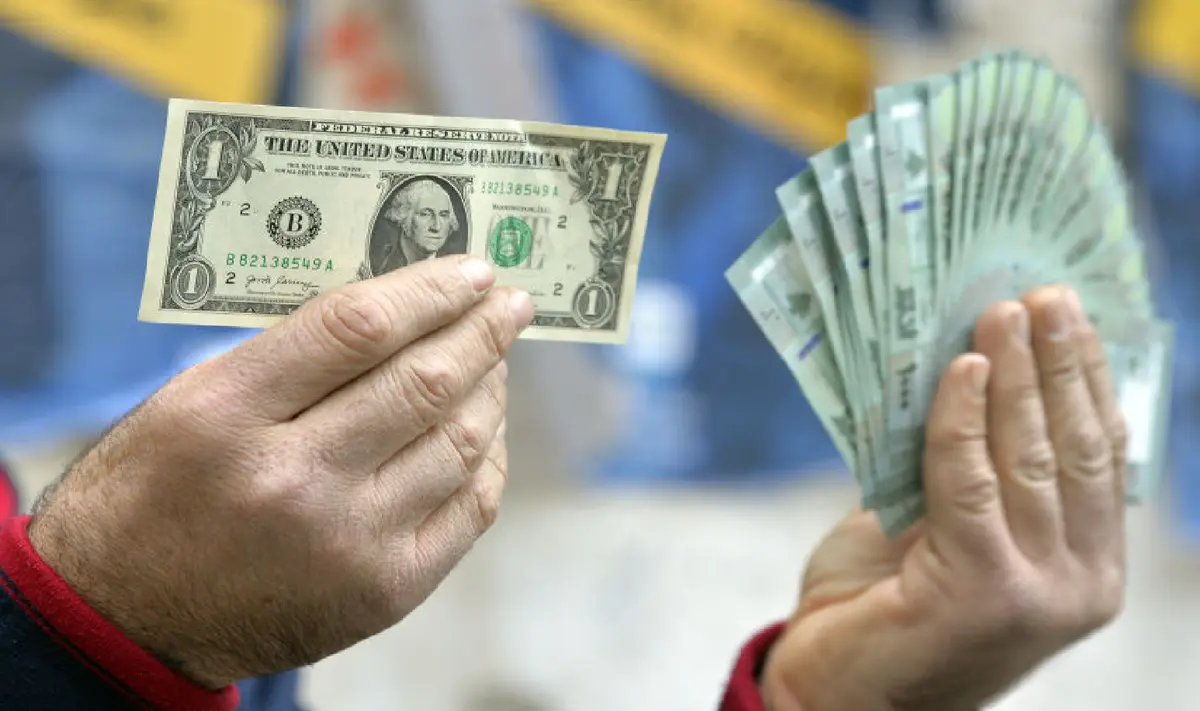
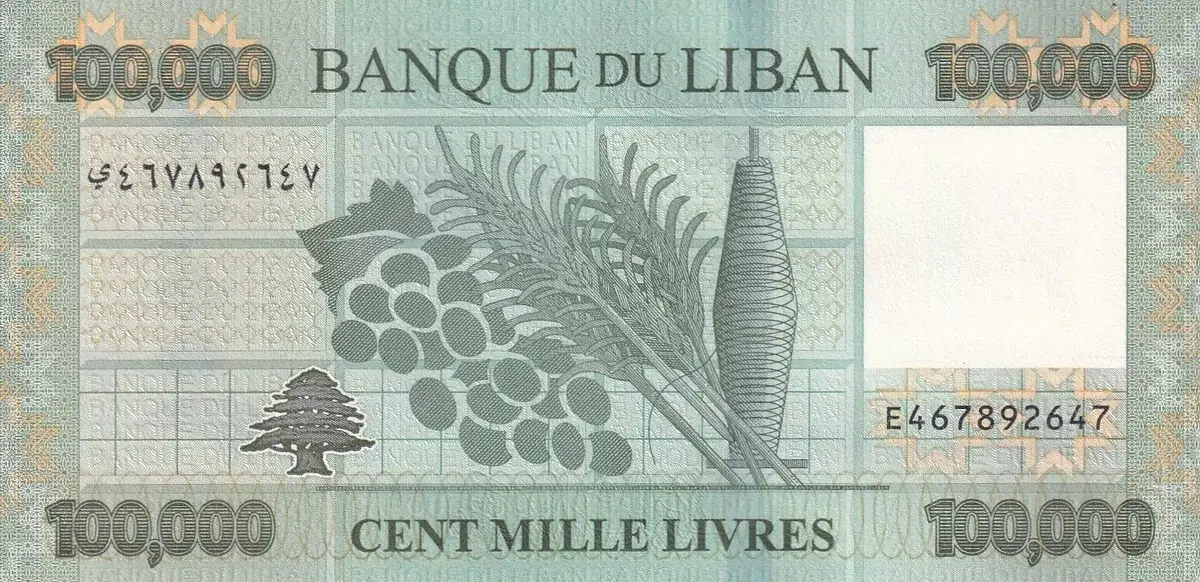
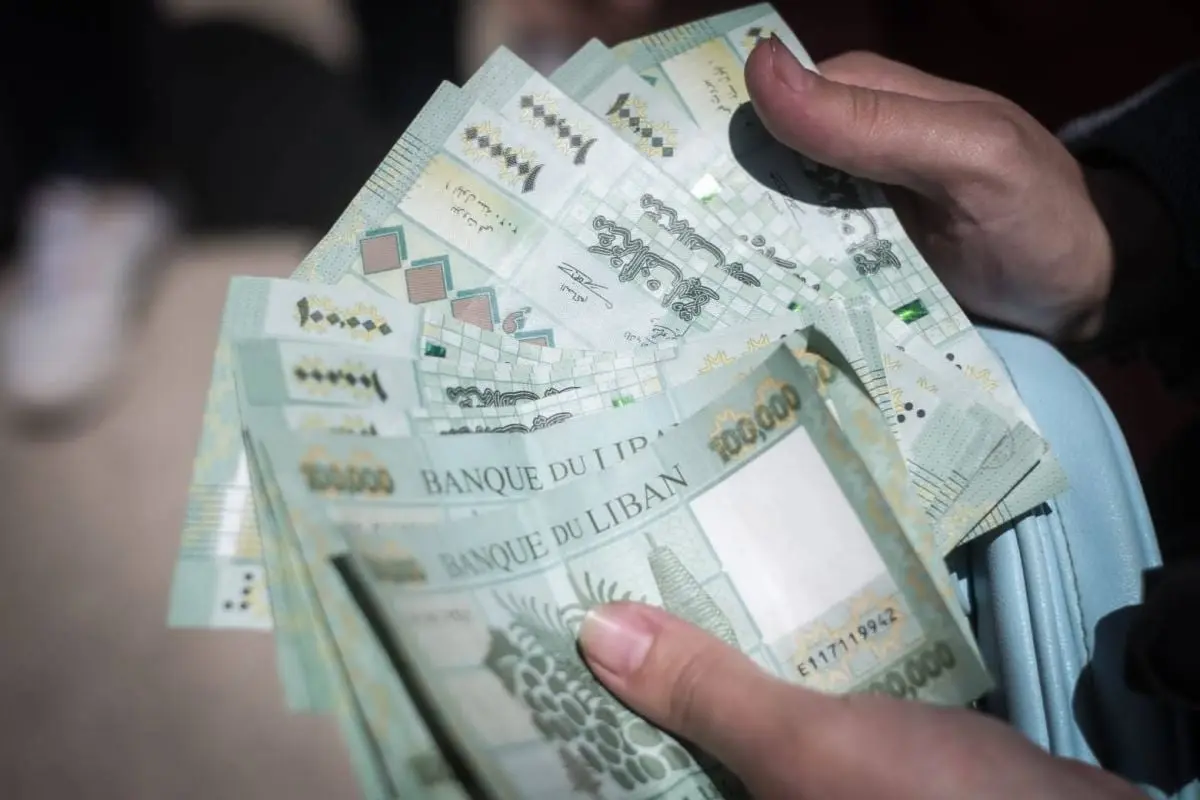
One shift worth knowing: the central bank has rolled out 500,000 LBP and 1,000,000 LBP banknotes. These replace the ridiculous brick of 100,000 notes you used to get for a single $100 exchange. You can now carry 8.9 million Lira in roughly nine bills instead of ninety.
Pro Tip: Don’t convert more than $100–200 into Lira at once. With most venues quoting in USD, you’ll leave the country trying to offload Lira you never used.
Why does Lebanon have a “fresh dollar” economy?
Lebanon distinguishes between two types of dollars, and the difference is financial life or death for locals. “Fresh dollars” are physical USD cash you bring in from abroad, or transfers received via Western Union. These hold full purchasing power. “Lollars” are pre-crisis USD deposits trapped inside Lebanese banks, accessible only at punishing internal rates.
As a tourist carrying fresh dollars, you are bringing the currency the entire service economy needs. Restaurant staff, drivers, and hotel workers earn in a mix of depreciated Lira and whatever tips you hand over in hard cash. That is why USD is not just accepted — it’s preferred, often with a small discount if you pay in crisp bills.
Fresh dollars vs. Lollars — quick breakdown
- Fresh dollars: Physical USD cash brought into the country, full value, what everyone wants
- Lollars: Dollars stuck in Lebanese bank accounts, accessible only at haircut rates, irrelevant to tourists
- Your leverage: A tourist with $2,000 in fresh cash has real buying power most locals don’t
Which US bills does Lebanon currency exchange actually accept?
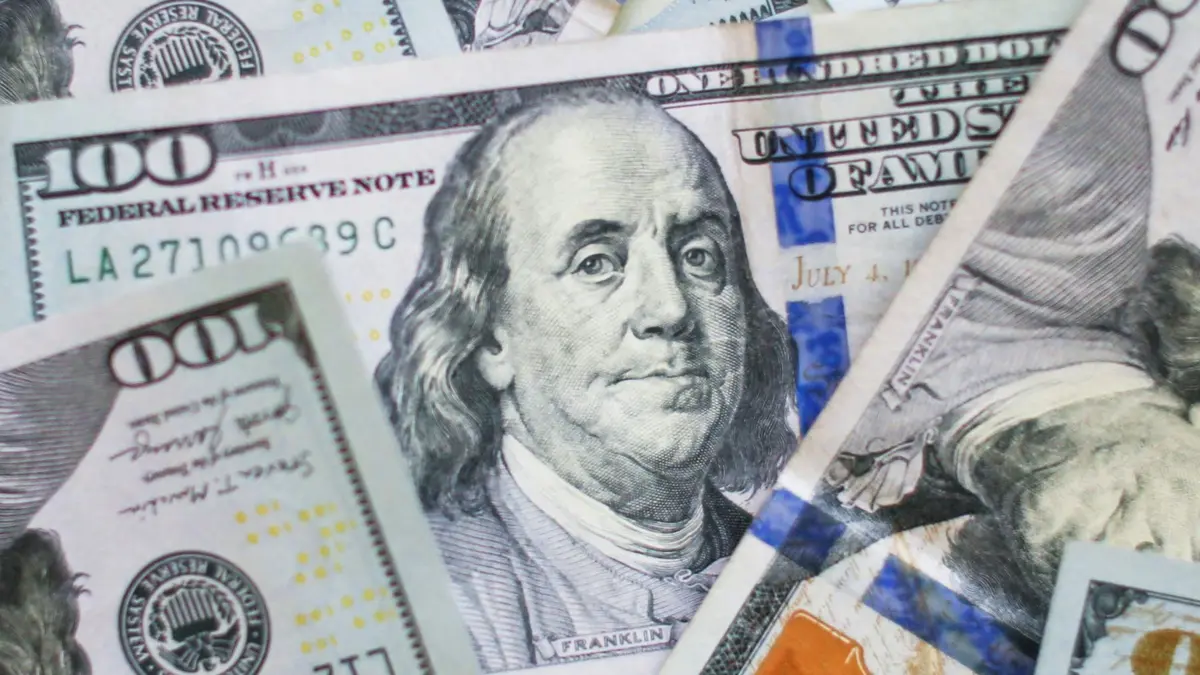
Only the new-design $100 bills (Series 2013 or later) with the 3D blue security ribbon trade at full rate. Older “white dollar” bills without the blue strip are routinely rejected or discounted 5–10% by exchange shops, even though they are perfectly legal tender in the US. Lebanese sarrafs cannot easily repatriate old-series notes, so they don’t take the risk.
I watched a couple at Beirut airport try to exchange $3,000 in pre-2013 bills. Three exchange counters refused them outright. A fourth offered a 15% haircut. They left with about $2,550 worth of Lira and a bad first impression of the country.
Condition matters almost as much as series. Counting machines at licensed exchangers reject anything with:
- Tears longer than 1mm
- Pen marks, ink stamps, or handwritten notes
- Heavy creases or folded corners
- Any discoloration or visible wear
Pro Tip: Go to your US bank a week before your trip and specifically request “uncirculated, Series 2013 or later $100 bills, no folds.” Most tellers can pull fresh-strap bills directly from the vault if you ask.
What to pack in your wallet
- Ten $100 bills (blue strip, crisp)
- Twenty $20 bills (smaller exchanges, backup)
- Thirty $5 bills (tipping and small purchases)
- Twenty $1 bills (daily tips, valet, bathrooms, parking)
Where should you exchange Lebanon currency safely?
Licensed financial transfer agents and storefront exchange shops give you the best rate. OMT, BoB Finance, and Whish Money run branches from Beirut to mountain villages, use counting machines, issue receipts, and are the safest option for converting $100 or more. Avoid hotel desks and airport counters, which run 1,000–1,500 LBP per dollar below market.
OMT, BoB Finance, Whish Money — the safe default
These licensed money transfer agents are the standard for bigger exchanges. Transparent digital rate boards, counting machines, printed receipts. I’ve used OMT maybe fifteen times across Beirut, Byblos, and Baalbek without issue. Their rates typically match or beat the street rate by 200–500 LBP.
Licensed exchange shops (Sarraf)
Found on every commercial street — Hamra, Mar Mikhael, Gemmayzeh, Ashrafieh. Digital rate screens or handheld calculators. These are legitimate and fast, but count your cash at the counter before walking away. Not all shops are equal — check the rate against your app before handing over bills.
Where NOT to exchange
- Hotel front desks: Convenient, but rates typically 1.5–2% below market. Fine for $50 in a pinch, costly on anything larger.
- Beirut Airport (BEY): Worst rates in the country. Exchange $20–50 for a taxi if you didn’t arrange a transfer, then do the real exchange in the city.
- “Guys on the corner”: There is no black market premium anymore. Anyone offering a rate above market is running a short-change scam.
Pro Tip: OMT branches close by 6 p.m. on weekdays and earlier on Saturdays. If you land at night, change just enough at the airport for your ride, then hit an OMT the next morning.
Which apps should you check before every exchange?
Lira Exchange and similar rate-checking apps aggregate current street rates from licensed exchangers across Lebanon and update multiple times a day. Check the app before walking into any sarraf. If the shop’s digital board shows a rate more than 500 LBP off the app’s average, walk to the next one — there are usually three within a block.
The transaction walkthrough that works every time:
- Open your rate app and note the current buy rate for $100
- Enter the shop, ask “How much for $100 today?”
- Confirm the rate matches within 1%
- Hand over one crisp, blue-strip bill
- Watch the counting machine tally the Lira
- Count the stack yourself before leaving
You’ll receive roughly 8.9 million LBP per $100 — which, with the new higher-denomination notes, should be a manageable 9 bills rather than a paper brick.
Can you use credit cards or ATMs in Lebanon?
No, not as a primary payment method. Credit cards work at maybe 3–5% of establishments — luxury hotels, high-end malls in Downtown Beirut, upscale restaurant chains. Even where accepted, you’ll face foreign transaction fees and occasional merchant surcharges. ATMs are unreliable, often offline during the power cuts, and capped at low withdrawal amounts with brutal fees.
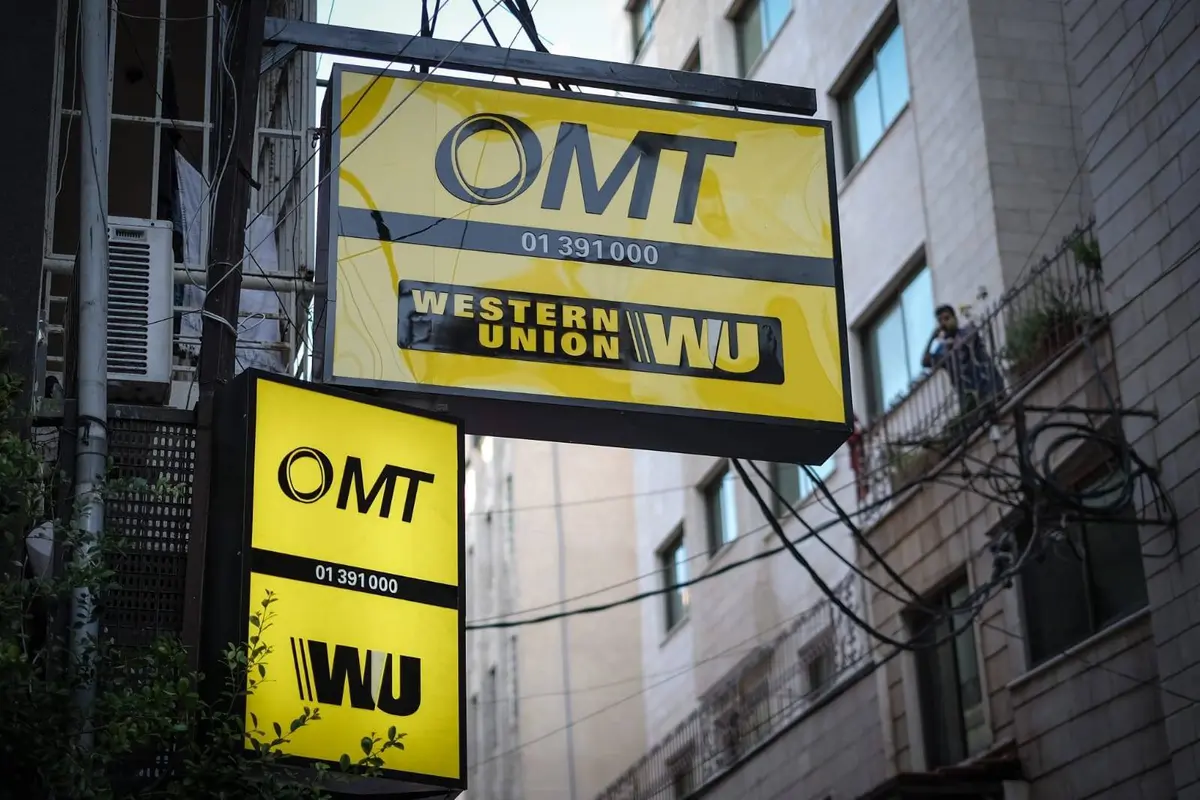
The backup plan that actually works: link your US bank account to the Western Union app before you fly. If you run low on cash, send yourself money through the app, walk into any OMT branch, and pick up USD in minutes. Cheaper, faster, and more reliable than any ATM in the country.
Pro Tip: Bring a debit card for genuine emergencies only. Fransabank ATMs are the most consistent for foreign cards, but assume any given machine has a 40% chance of being empty or offline.
How much does a trip to Lebanon actually cost?
Lebanon is not the fire-sale destination it was at the peak of the crisis, and realistic Lebanon travel costs now sit close to US levels for anything aimed at tourists or middle-class locals. A sit-down burger runs $10–15, specialty coffee $3.50–5, a nice dinner with wine $40–60 per person. Outside Beirut, costs drop 30–40% in rural villages and the Bekaa.
Budget by travel style
Budget traveler ($50–95/day)
- Accommodation: $25–45 (hostels, guesthouses)
- Food: $15–25 (street food, manoushe, service taxis)
- Transport: $5–10
- Activities: $5–15
Mid-range traveler ($180–305/day)
- Accommodation: $80–130 (boutique hotels, Airbnbs)
- Food: $45–75
- Transport: $30–50 (mix of private taxis, rentals)
- Activities: $25–50
Luxury traveler ($520+/day)
- Accommodation: $250+ (Four Seasons, Kempinski)
- Food: $120+
- Transport: $100+ (private drivers)
- Activities: $150+
What specific things cost
- Manoushe (flatbread, fresh-baked): $1.50–3.00
- Specialty coffee in Mar Mikhael: $3.50–5.00
- Local beer (Almaza) at a bar: $3.00–5.00
- Valet parking: $1–2 (paid in Lira)
- Tourist SIM card, 10GB: $20–30
- Taxi across central Beirut: $5–8
- Mid-range dinner with wine, per person: $40–60
- Beach club day pass in Batroun: $20–40
- Entry to Baalbek ruins: $15
How does Lebanon currency work differently by region?
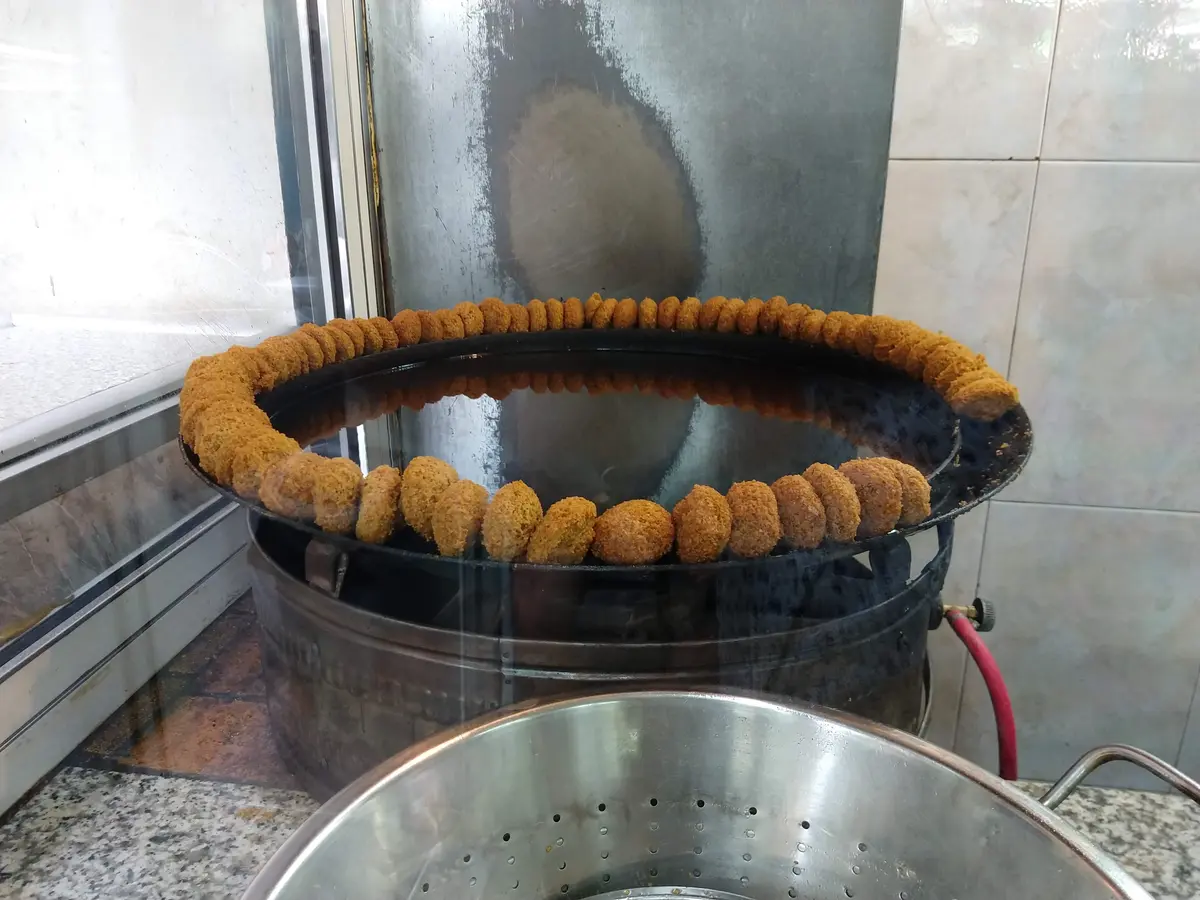
The rules shift depending on where you are. Beirut and the coast run on a USD-first, Lira-backup model with some card acceptance at upscale venues. Mountain towns and the Bekaa Valley are almost entirely cash, and small denominations rule — a $100 bill is useless at a roadside falafel stand. Always carry a mix.
Beirut — dollars and cards in the upscale zones
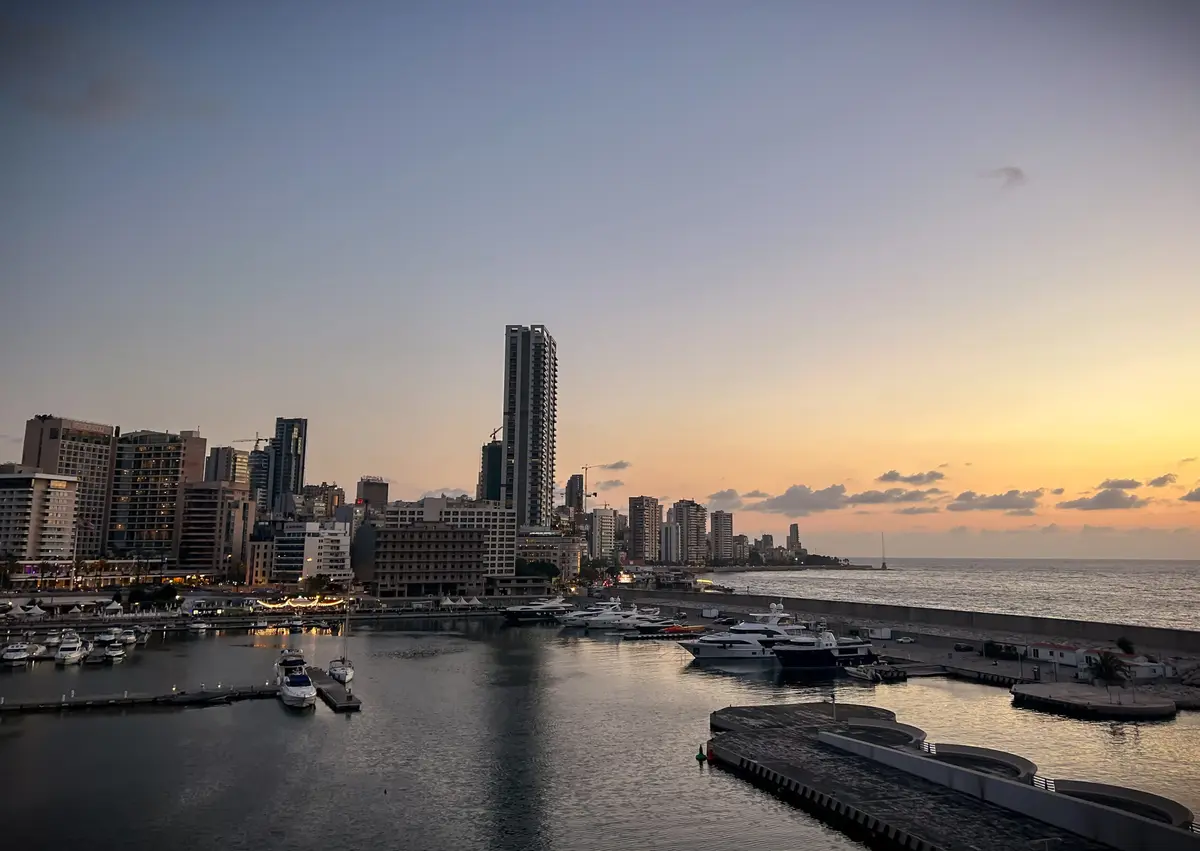
High velocity of USD and Lira both. Cards are accepted at upscale Downtown, Zaitunay Bay, and chain restaurants in Ashrafieh. Coffee shops often dual-price menus in USD and LBP. For a weekend in Beirut, small USD bills handle taxis and cafes; save Lira for valet and tips.
Batroun — fresh dollar territory
Pure USD. Beach clubs charge $20–40 entry fees in dollars, and menus at the best beach clubs are priced in USD. Lira is accepted but not preferred. Bring $50s and $20s, not $100s, since breaking bigger bills on the coast is harder than in the capital.
Bekaa Valley and Baalbek — cash only, small notes
A 100% cash economy for both Lira and USD. Everything runs cheaper here — a full Lebanese lunch for two might cost $15–20. Bring $1s, $5s, and 100,000 LBP notes. A single $100 bill in a village restaurant creates a change problem nobody wants to solve.
Pro Tip: Before heading inland, break $100 into $20s and $5s at an OMT in Beirut. You’ll thank yourself at every roadside stop on the way to Baalbek.
How do you stay connected to check live rates?
An eSIM or local SIM is essentially required, because rate-checking apps only work with data. Airport SIMs are marked up 30–50% over city prices; Touch and Alfa offices in Beirut sell the same plans cheaper but involve a 20–30 minute wait. eSIMs from Airalo or Holafly are the cleanest option for unlocked US phones.
- Airalo Lebanon eSIM: 5GB for about $15, activates on arrival
- Touch or Alfa at official offices: 10GB for around $20–25, requires passport
- Airport kiosks: Same data bundles at 30–50% markup
- Hotel Wi-Fi: Fine for the room, useless for rate-checking at a sarraf
How much should you tip in Lebanon?
Tipping in Lebanon has shifted from gratuity to subsidy. Service staff salaries are paid in depreciated Lira, so USD tips are often the real income. Standard tipping etiquette in Lebanon lands at 10–15% at restaurants even if a service charge appears on the bill, because that charge rarely reaches the waitstaff. Tip in USD when you can — $1 bills hold value in a way Lira does not.
Standard tipping benchmarks
- Restaurants: 10–15% minimum, in USD if possible
- Valet: 100,000–200,000 LBP (roughly $1–2)
- Gas station attendants: 50,000–100,000 LBP
- Delivery drivers: 50,000–100,000 LBP
- Hotel bellmen and housekeeping: $2–5 per service, USD preferred
- Private driver, full day: $20–40 USD
Pro Tip: Walk into the country with a stack of $1 bills. A dollar tip to a hotel porter goes further than the equivalent in Lira and is dramatically easier for them to save or spend.
What Lebanon currency scams should you watch for?
The two common scams are the short-count at exchange shops and the “inflated rate” at restaurants that price menus in Lira. Neither is sophisticated, but both cost money if you’re not paying attention. Count every stack before leaving a counter, and ask about the conversion rate before ordering at any venue that doesn’t dual-price in USD.
Short-count at exchange counters
When you exchange $100, you receive a substantial stack. Some unscrupulous operators fold bills inside the stack or palm a note during the count. Recount at the counter, slowly, before walking away. Counting machines don’t lie, but human handoffs sometimes do.
The “house rate” restaurant markup
Some restaurants list menu prices in Lira but convert to USD at a rate 5–10% above market when you pay in dollars. Always ask upfront: “What rate are you using today?” Legitimate venues quote within 1% of the live market rate; anything wider is a markup you should push back on or pay in exact Lira instead.
General cash safety
- Split your cash across two or three locations (wallet, hotel safe, hidden pouch)
- Never flash a full exchange stack in public
- Hotel safes in 3-star+ properties are reliable; guesthouse safes are hit or miss
- Carry photocopies of passport and bills separate from the originals
Before you book a flight to Beirut
TL;DR: Bring crisp blue-strip $100 bills from the US, plus a stack of $20s, $5s, and $1s. Exchange small amounts at OMT, not hotels or the airport. Skip credit cards for anything that isn’t a luxury hotel. Use Western Union as your cash-refill backup, and tip everyone in USD.
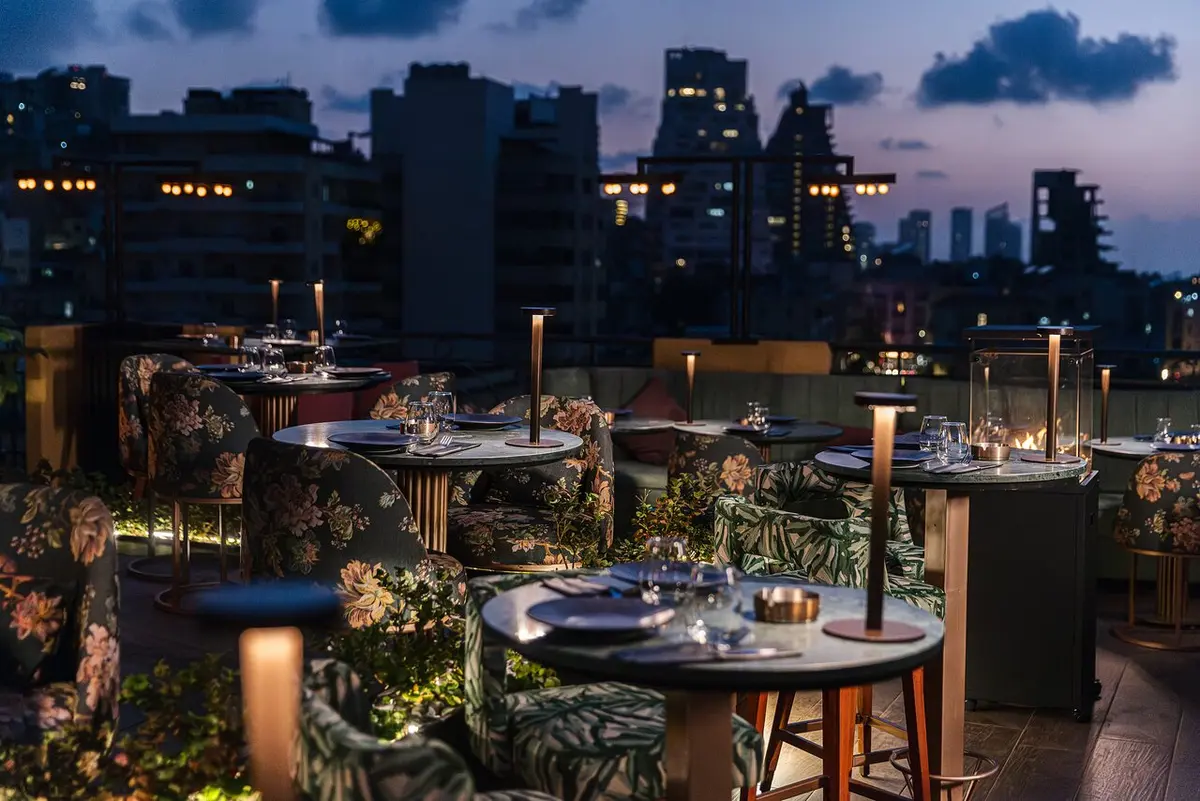
Lebanon’s currency system looks chaotic from the outside and runs surprisingly smoothly once you know the rules. The ruins at Baalbek, the wine of the Bekaa, and a rooftop in Mar Mikhael at sunset are worth the 30 minutes it takes to prep your wallet before the flight.
What’s your biggest worry about handling cash in Lebanon — the bill condition rules, the tipping math, or the sheer volume of paper Lira? Drop it in the comments.