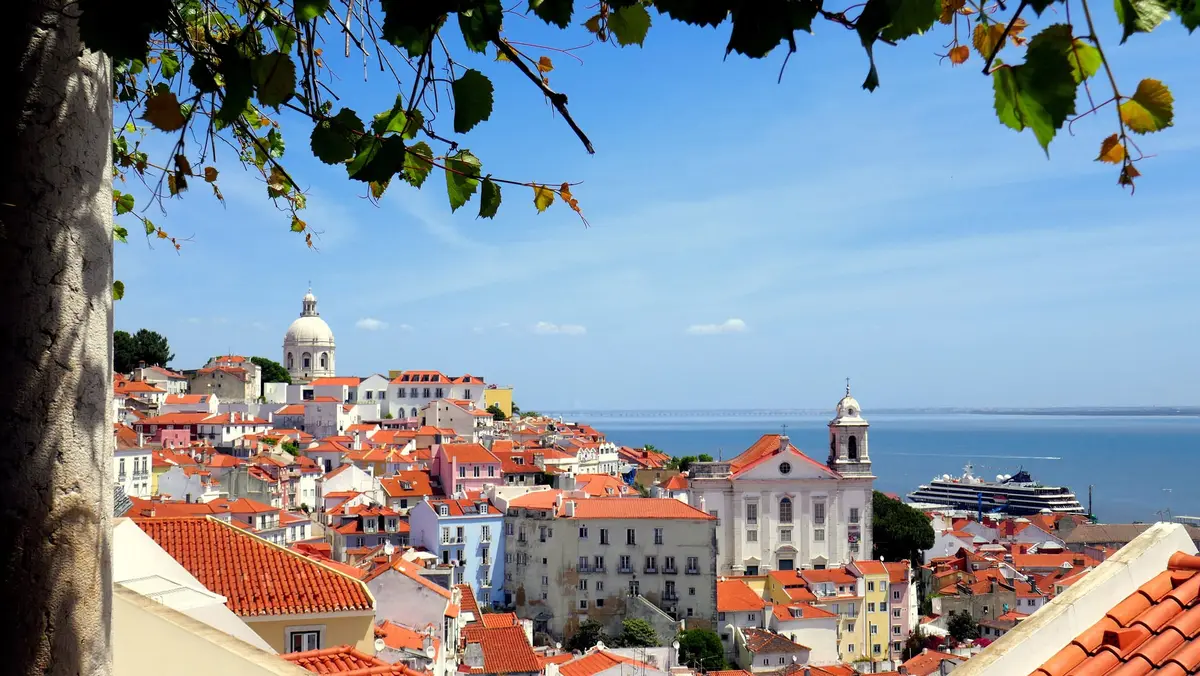
The limestone cobblestones that make Portugal so photogenic will destroy your favorite heels and turn slick leather soles into ice skates. After years of helping travelers prepare for trips across Lisbon’s hills, Porto’s rainy streets, and the Algarve’s sun-drenched beaches, I can tell you that Portugal’s Atlantic coast demands a different approach than its Mediterranean neighbors. This packing guide cuts through the confusion — from updated border rules to footwear that won’t leave you limping after day one — and pairs well with our broader Portugal travel guide if you’re still building your itinerary.
What do US travelers need to know about entering Portugal right now?
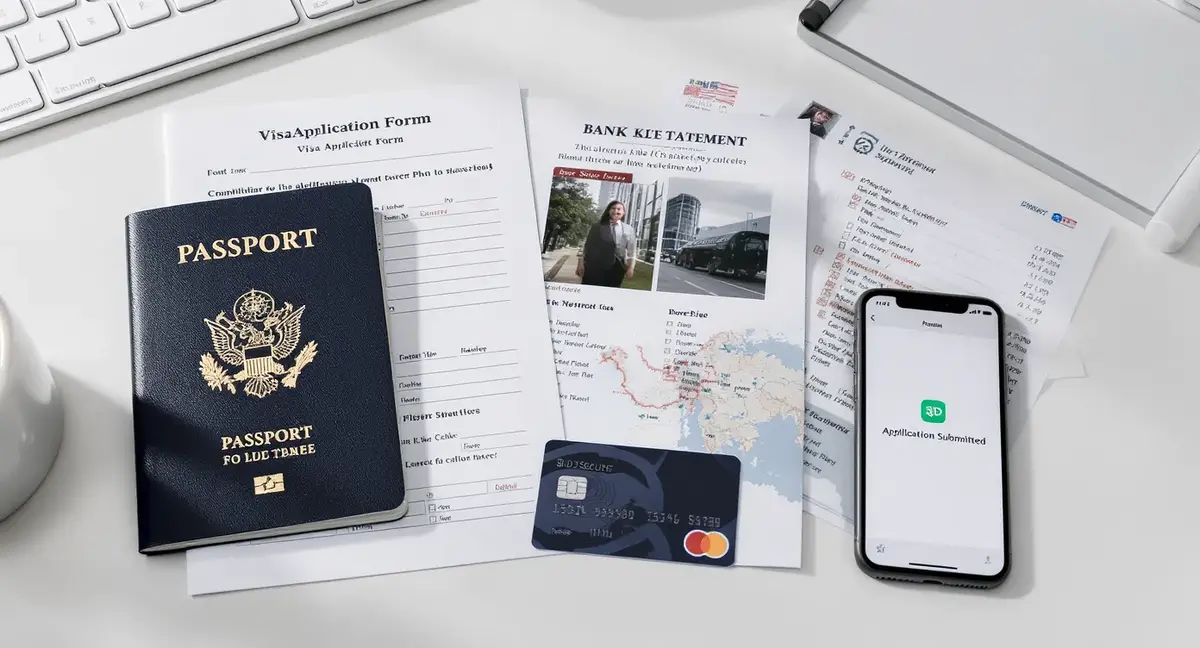
US citizens do not need a visa to enter Portugal for stays up to 90 days. But two new EU border systems have changed the entry experience. The Entry/Exit System (EES) is now active and collects your fingerprints and facial image at Schengen borders — expect a slightly longer process at passport control on your first visit. ETIAS, a separate travel authorization similar to the US ESTA, is expected to launch in late 2026 but is not yet required.
The EES: what happens at the border today
Since the EES rolled out across Schengen borders, your biometric data — facial image and fingerprints — is collected digitally on arrival. Physical passport stamping is being phased out. You do not pay any fee for EES and no advance registration is required. Budget extra time at passport control, especially at Lisbon’s Humberto Delgado Airport during peak summer arrivals.
ETIAS: not yet active, but coming
ETIAS is scheduled for Q4 2026 and no applications are currently being accepted. When it launches, the fee will be approximately $8 (€7), and the authorization will be valid for three years or until your passport expires, whichever comes first. Travelers under 18 or over 70 are exempt from the fee. Keep an eye on the official EU travel website for the confirmed launch date — it has been delayed multiple times, so do not factor it into any trip planned before the official announcement. We keep our Portugal entry requirements page updated as both systems evolve.
Pro Tip: Pack a printed copy of your accommodation confirmation and return flight details. A dead phone at passport control is a solvable problem if you have paper backups.
Managing your physical documents
Keep a dedicated folder — physical, not digital — with your printed hotel confirmation, return flight details, and any medical documentation. The two minutes this saves at border control are worth the folder.
How should you handle prescription medications at the Portuguese border?
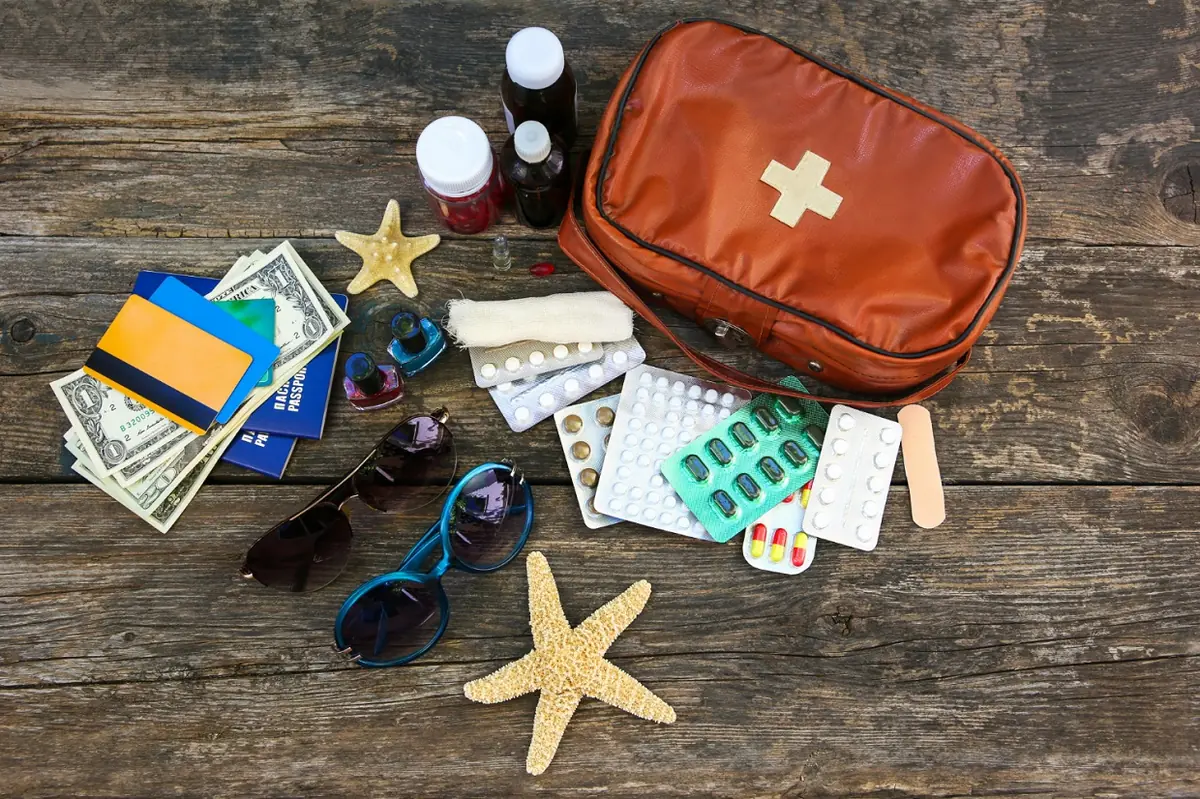
Portugal classifies ADHD stimulants like Adderall and Ritalin as controlled narcotics. A pharmacy label and pill bottle are not enough to avoid legal complications. You need a formal letter from your prescribing doctor on official letterhead, listing your full name, date of birth matching your passport, the medication’s generic chemical name, exact dosage, total quantity carried, and a medical justification for travel. Portugal generally permits a 30-day supply for personal use.
For any prescription medication, keep it in the original pharmacy packaging. Pack an extra week’s supply in a separate bag — not your checked luggage — in case of flight delays or cancellations. Confirm that your travel insurance for Portugal covers prescription medication if luggage is lost or delayed.
Portuguese pharmacies, marked by the green cross, are far more accessible than US travelers expect. Pharmacists hold more prescriptive authority than in the US and can handle minor issues — allergies, digestive problems, mild infections — directly over the counter. Brand names differ from US products, so pack a written list of the active ingredients for any regular over-the-counter medications you rely on.
Pro Tip: If you take a controlled substance, apply for a Schengen Medical Certificate through your doctor or a travel health clinic before departure. It is separate from the doctor’s letter and provides an additional layer of legal protection at borders.
What are the best shoes for Portugal’s cobblestones?
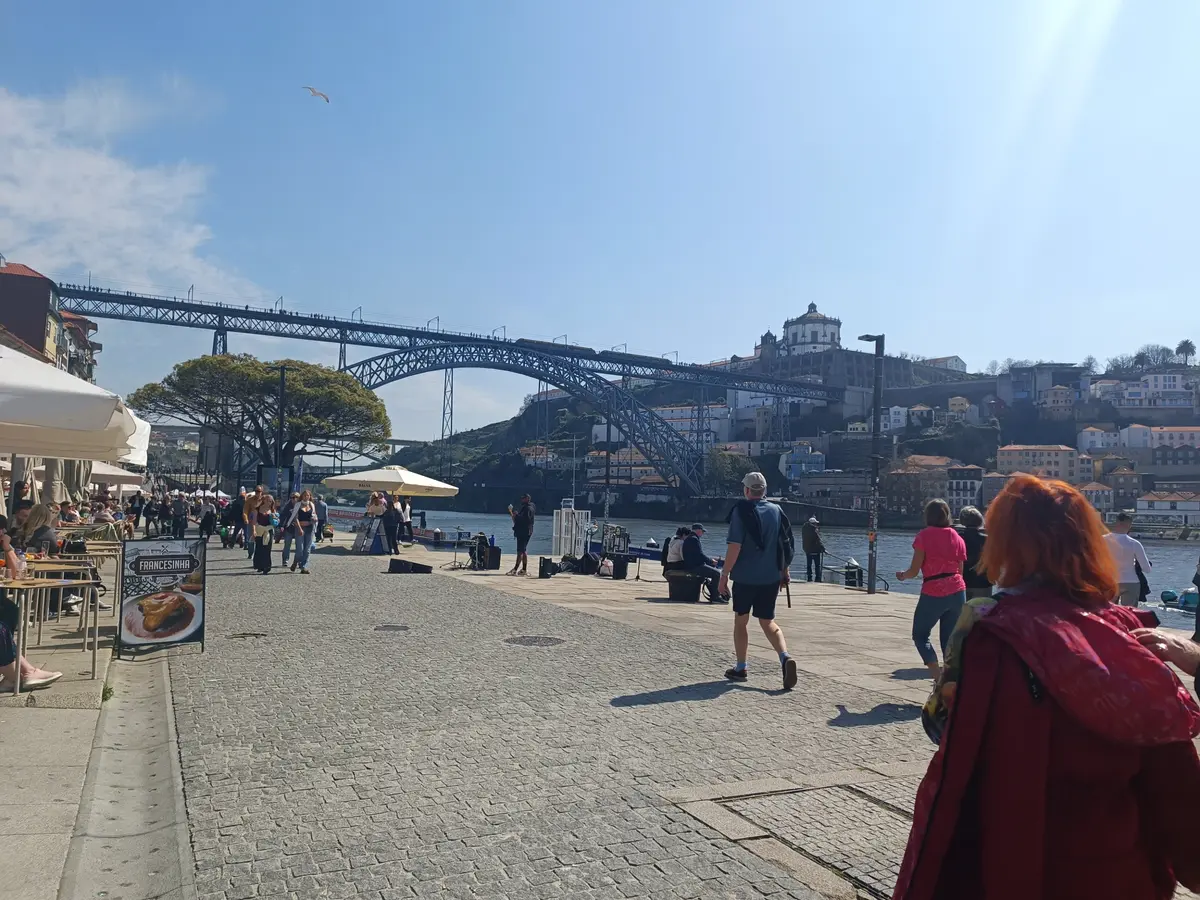
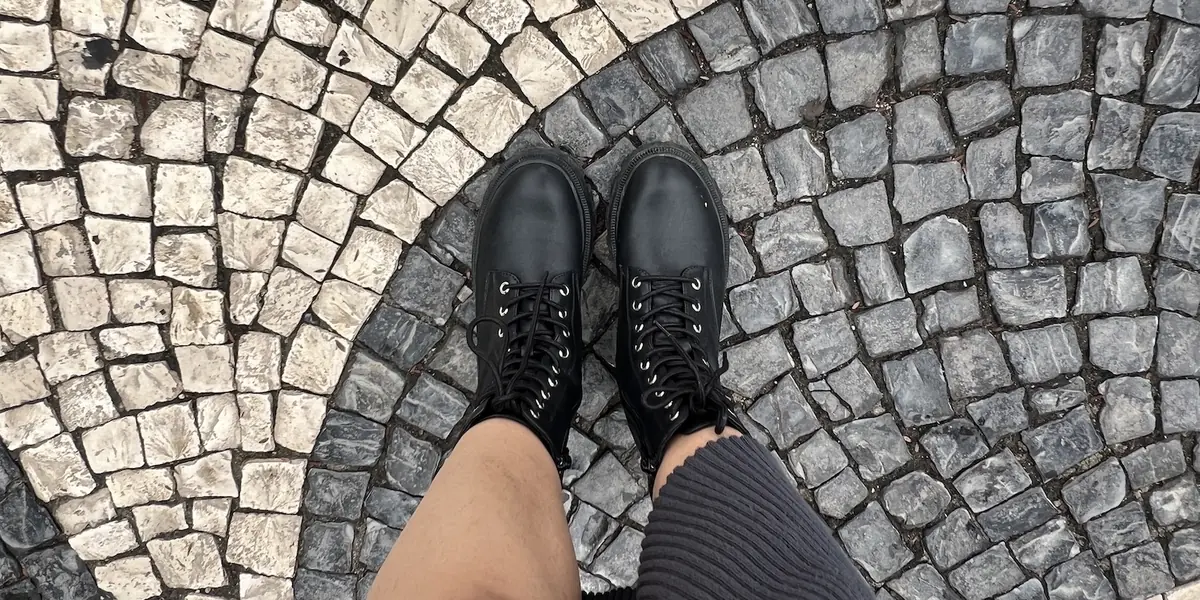
The best shoes for navigating Portugal are flat sneakers with wide rubber soles — Adidas Stan Smiths and Superstars are the most-cited by regulars, and Ecco Soft 7 sneakers get consistent praise for their grippy soles and out-of-the-box comfort. The key variable is sole width and flatness, not brand. Portugal’s calçada portuguesa — hand-laid limestone and basalt cobblestones — has been polished smooth by centuries of foot traffic. They are slick when dry and genuinely dangerous when wet.
Why your usual travel shoes will fail you
The stones are irregular and hand-placed, creating constant micro-instability for your ankles. The seven hills of Lisbon add steep gradients to the equation. Running shoes with aggressive tread patterns actually reduce your contact patch on cobblestones, giving you less grip than a flat rubber sole. High heels — including kitten heels and wedges — will lodge between stones, stripping leather and risking an ankle sprain on a descent.
The rule is absolute: flats only in city centers.
For summer sandals, anything without a back strap is a liability on hills. Slides and flip-flops let your foot slide off the footbed on descents. Teva Hurricanes are not fashionable, but they deliver grip and security on wet cobblestones that most sandals cannot match.
Footwear for rain season (October through April)
The rain-plus-polished-stone combination demands waterproof footwear with serious traction. Blundstone Chelsea boots are favorites among Portugal regulars — the TPU outsoles grip wet stone, and they transition from trail to dinner without looking out of place.
Pro Tip: I walk Lisbon’s Alfama district in Ecco Soft 7s. On my last visit, I watched three separate tourists in heels grab onto walls for balance on the same 50-foot stretch of Rua das Escolas Gerais. The locals clocked it without breaking stride.
How do you dress for Atlantic weather without overpacking?
Portugal’s weather follows Atlantic patterns, not Mediterranean ones. Unlike Spain or Italy, Portugal faces the open ocean — conditions are windier, more volatile, and more humid. A temperature swing from 59°F (15°C) to 84°F (29°C) in a single day is not unusual, particularly in spring and fall. The solution is layering with technically appropriate fabrics, not packing more clothes.
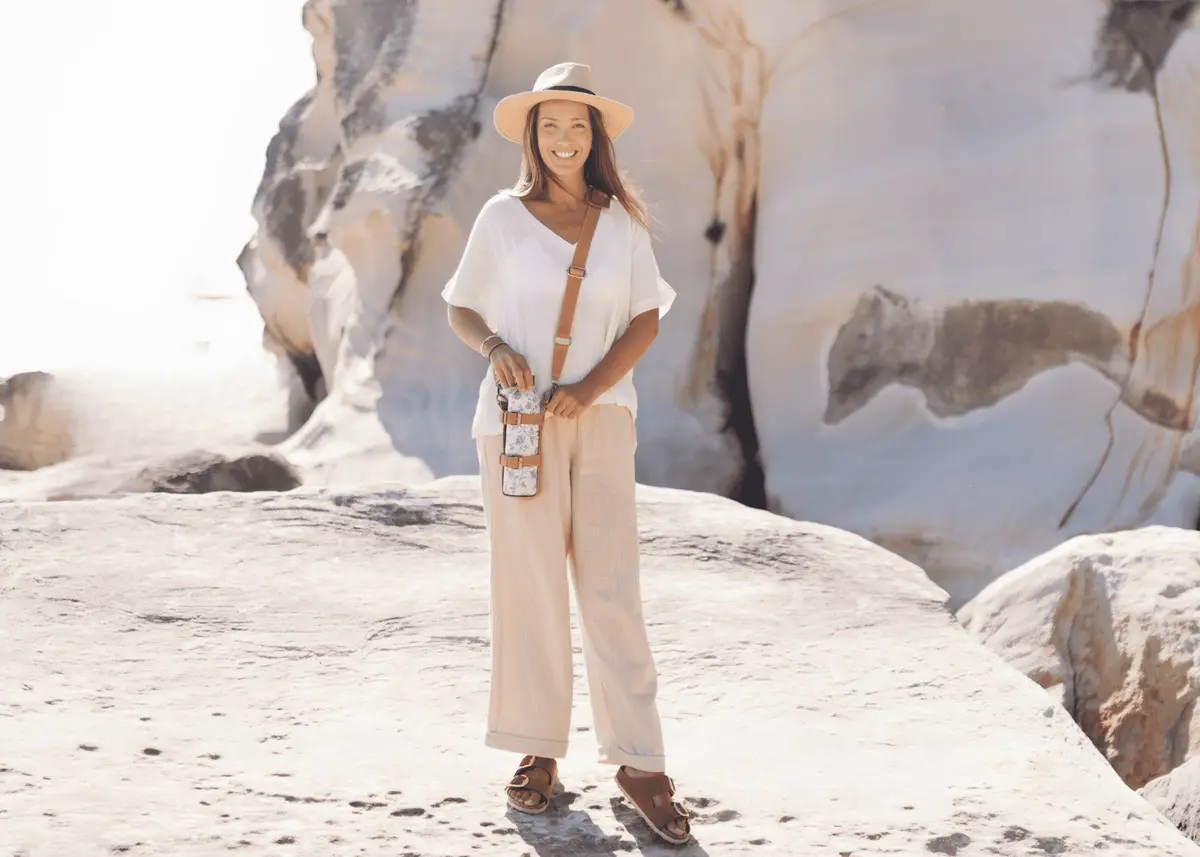
Merino wool is the workhorse of any Portugal packing list. It wicks moisture while staying warm when damp and cool when dry, and its antimicrobial properties mean you can wear the same shirt multiple times without washing — which matters on a two-week trip. For July and August, linen is essential. The loose weave allows maximum airflow, and while it wrinkles, that is accepted as part of Portuguese summer style.
Avoid untreated synthetic polyester. It retains body odor fast in humid social settings.
A lightweight scarf earns its weight every day. The Atlantic breeze is constant, and a scarf bridges the temperature gap between sun and shade. It also doubles as coverage for cathedral and monastery visits in Portugal — sites like Batalha Monastery and Fátima require covered shoulders, and a scarf in your day bag means you comply instantly from a tank top.
Capsule wardrobe for 10 to 14 days
- 5 tops: merino t-shirts for daytime, linen button-downs for dinners
- 4 bottoms: dark jeans for evenings, linen trousers for hot days, one hiking pant, one short or skirt
- Layers: one cardigan or merino sweater, one rain shell for cooler months, one lightweight puffer vest for wind
- Accessories: polarized sunglasses (essential in Lisbon — the glare off white cobblestones and the Tagus River is blinding), wide-brimmed hat for inland heat
North vs. South: how different regions change what you need
Porto and the north receive the brunt of Atlantic weather fronts. Umbrellas regularly fail in gusts coming off the Douro River — a waterproof hooded trench coat is more reliable than any umbrella. The inland Douro Valley is a heat trap in summer, frequently hitting 95°F (35°C). Wine tour visitors need loose, light clothing and a wide-brimmed hat for slate-sloped quintas with no shade.
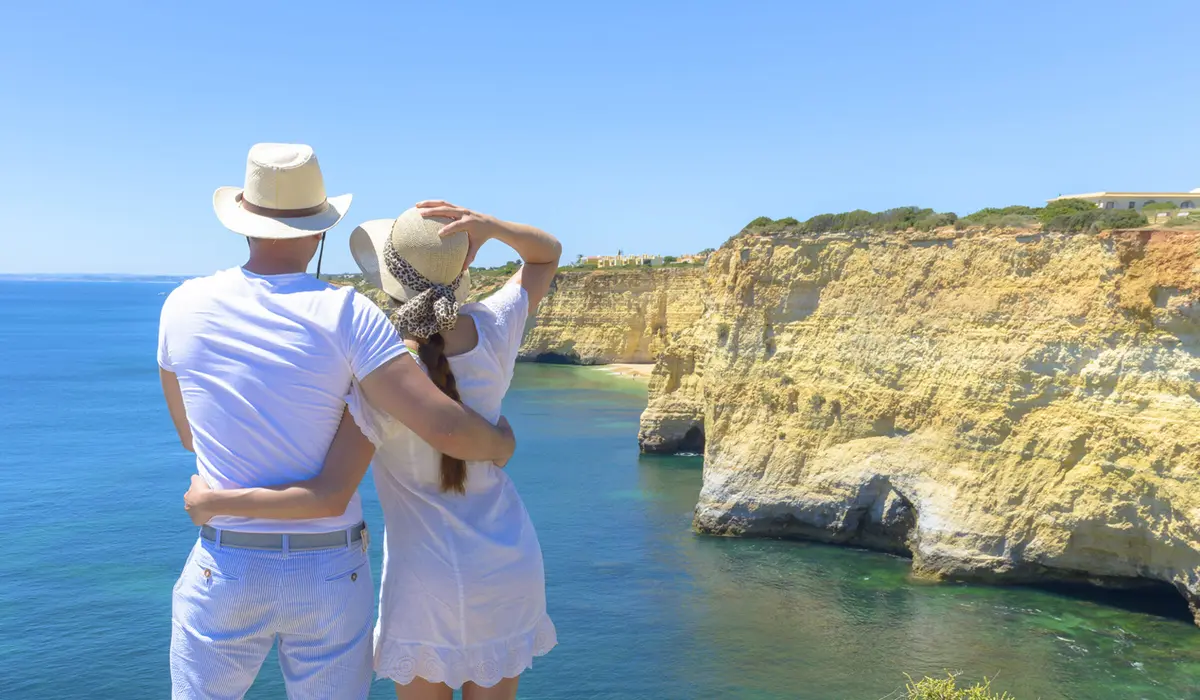
The Algarve runs drier and hotter in summer. Pack a rash guard or swim shirt — the southern sun is intense, but the Atlantic water stays cold. Many Algarve beaches require descending steep wooden staircases or scrambling over rocky paths, so secure sandals beat flip-flops on every approach.
For Madeira and the Azores, pack breathable rain gear. The Azores reliably deliver four seasons in one day — a plastic poncho becomes a sauna in the humidity. Trails in Madeira are often wet and narrow; shoes with aggressive lug patterns are safety equipment, not a style choice.

What activity-specific gear should you pack?
Most gear decisions come down to your itinerary. A few categories where travelers consistently get it wrong:
Surfing Portugal’s Atlantic breaks
Portugal is Europe’s surf capital — our surfing in Portugal guide covers the best breaks by region and season — but travelers routinely underestimate the Atlantic’s cold. Summer sessions need a 3/2mm wetsuit. Winter — particularly at northern hubs like Viana do Castelo — demands a 4/3mm or 5/4mm with booties and a hood. Renting gear locally at established surf schools is usually the better call for anything thicker than a 3/2mm, since wetsuits above 4mm are bulky to transport.
Hiking the Fishermen’s Trail (Rota Vicentina)
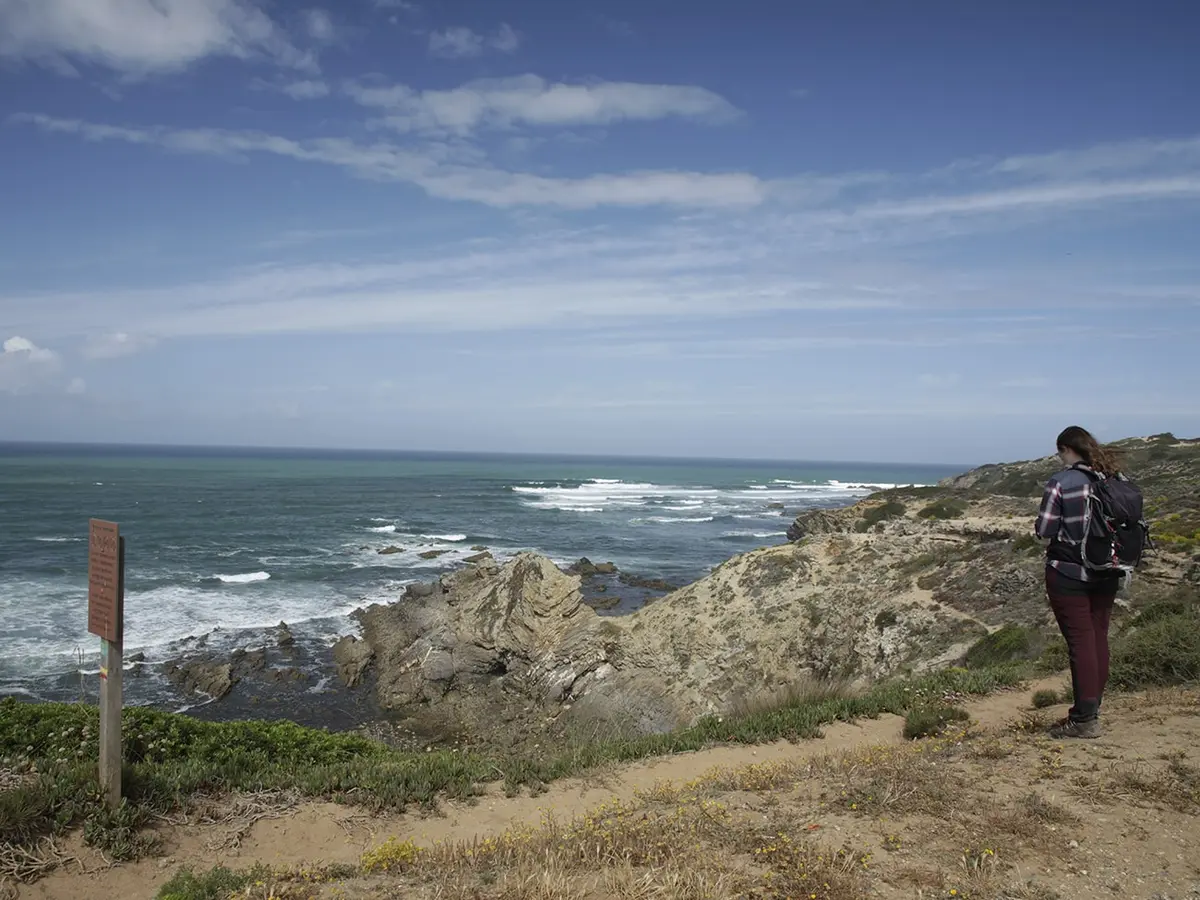
On loose-sand coastal routes, heavy leather hiking boots are your enemy. The Fishermen’s Trail is the prime example — they trap heat, take days to dry, and give you no advantage over trail runners with mesh uppers that breathe and let sand shake out easily. The single most valuable item to add to your kit for this trail is a pair of low ankle gaiters to prevent the friction blisters that sidelined so many hikers on this section.
Wine tasting in the Douro Valley
The aesthetic in the valley’s quintas is smart casual, but most wineries are working farms with dirt or slate-covered ground. Stilettos and kitten heels will sink into the slate. Wedges or clean sneakers are the only viable options — and clean sneakers will look more intentional than muddy wedges by the third quinta.
What sun protection and health items are worth packing?
Skip US sunscreen and buy it at a Portuguese pharmacy instead. European formulations use filters — Tinosorb S and Mexoryl — that outperform what is currently approved in the US, offering superior UVA protection without the greasy texture. Brands like La Roche-Posay and ISDIN are widely stocked and often cheaper than in the US.
Pack a blister kit with moleskin as a daily carry item. The cobblestones guarantee you will need it by day three.
Dehydration sneaks up fast in Portugal — coastal wind, strong sun, and wine combine into a trio that works against you faster than you expect. Portugal’s tap water is safe to drink, so pack electrolyte packets to mix into a reusable bottle. They weigh almost nothing and make a real difference during long touring days.
Pro Tip: Portuguese pharmacy staff speak better English than you might expect, particularly in tourist cities. Walk in, describe your symptoms, and they will usually sort you out without a prescription for most minor issues — digestive problems, allergies, minor skin irritation.
Is Portugal safe? What anti-theft basics should you carry?
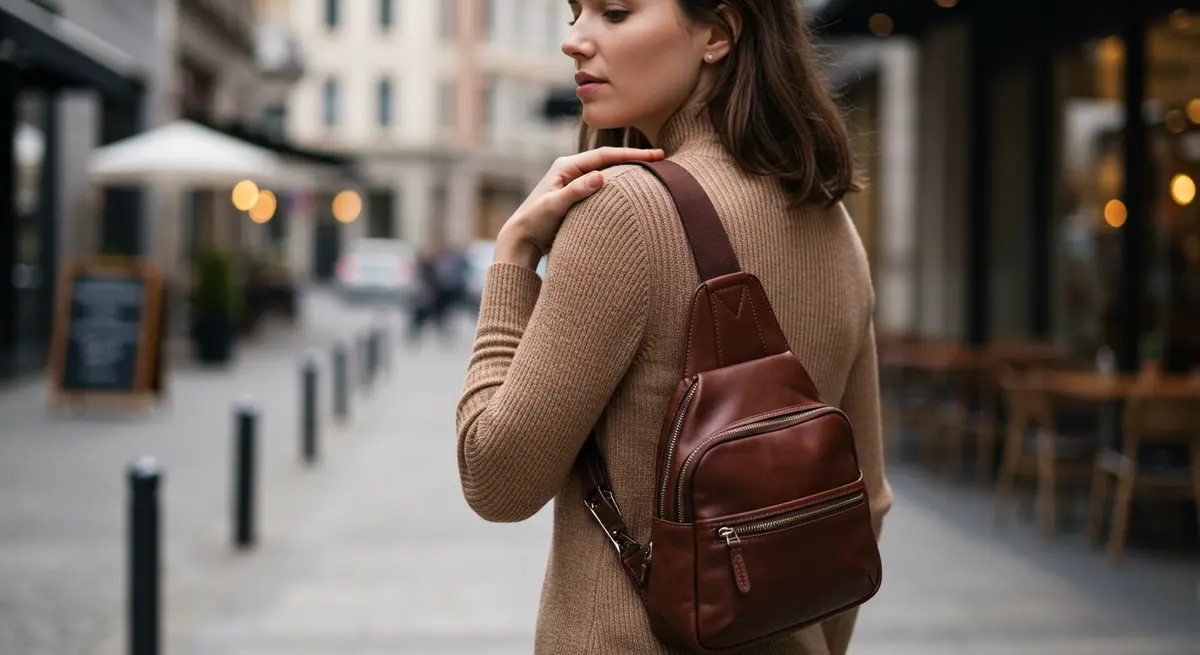
Portugal consistently ranks among the safest countries in the world for travel, but opportunistic pickpocketing exists in tourist-dense areas. Lisbon’s Tram 28 is the most-cited location — the crowded ride provides cover, and tourists are focused on the view. Wear a crossbody bag with a zipper closure positioned on the front of your body, not hanging behind your hip.
A phone tether — a simple lanyard connecting your phone case to your wrist — prevents snatch-and-grab incidents and accidental drops on hard stone streets. It costs $8 and removes a category of risk entirely.
What should you leave at home?
After reviewing traveler feedback from dozens of Portugal trips, these items consistently get left unused or cause problems:
- High heels of any kind: dangerous on cobblestones and structurally damaged by the stones
- US hair dryers, straighteners, or curling irons: Portugal runs on 230V; a US-only 110-120V device plugged in with just an adapter will spark and die instantly — buy a dual-voltage travel version or use the hotel dryer
- Heavy terry towels: bulky, slow to dry in humidity, and most apartments in Portugal supply them
- Clubbing clothes: Portuguese nightlife runs casual and relaxed — overdressing marks you as a tourist
- Excessive denim: heavy, takes days to dry after washing, and unnecessary when linen trousers do the job in half the weight
- Valuable jewelry: unnecessary risk that marks you as a target
On electronics: most modern devices — phones, laptops, camera chargers — run on 100-240V automatically. Check your device’s label for that designation. If you see it, you only need a plug adapter for Portugal — Type C or Type F — to fit Portuguese outlets, not a voltage converter.
For phone connectivity, if your device is unlocked and eSIM-compatible, purchase a data plan before departure. You will have a working connection the moment you land, which means you can book a rideshare from the terminal and skip the inflated airport taxi queue.
The bottom line
TL;DR: A successful Portugal packing list comes down to three decisions: footwear with flat rubber soles that grip calçada portuguesa, fabrics — merino and linen — that manage Atlantic humidity without bulk, and a health kit that accounts for Schengen medication rules. Pack light enough to carry your bag up stairs in an Alfama apartment building, but robust enough for a rainy Porto afternoon.
On entry requirements: EES is now active and will collect your biometrics at the border — no advance action needed, but budget extra time at passport control. ETIAS is not yet required and no applications are open; check the EU’s official travel site for the confirmed launch date before any trip planned for late 2026 or beyond.
What part of your itinerary are you still trying to figure out gear for?