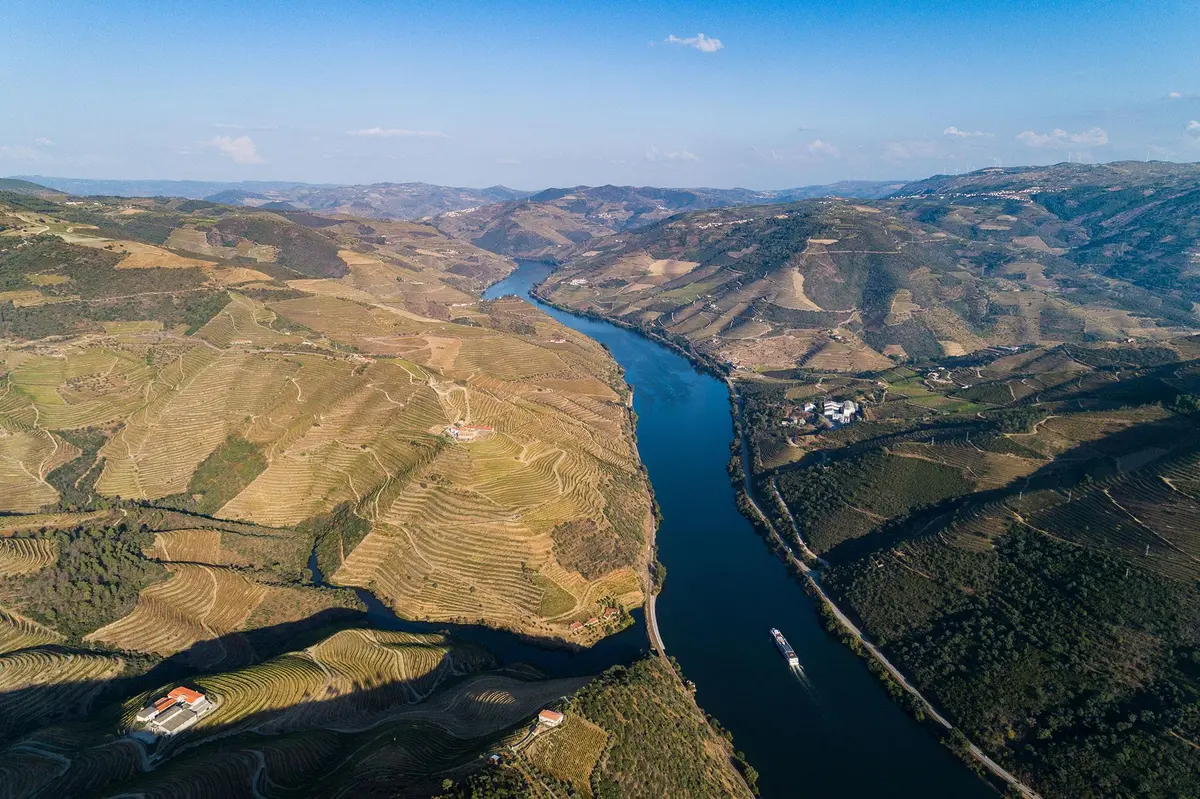
The Douro Valley takes everything Tuscany promises and delivers it on a grander, less-managed scale. Carved into schist mountains 90 miles (145 km) east of Porto, this UNESCO World Heritage wine region is where vertical terraced vineyards cling to cliffs above the river and Port wine estates measure their history in centuries, not decades. This guide covers the three zones, how to actually get here, which quintas earn your time, where to eat without paying tourist prices, and what the other guides leave out.
How is the Douro Valley divided?
The Douro Valley splits into three distinct sub-regions — Baixo Corgo, Cima Corgo, and Douro Superior — each with its own climate, wine profile, and visitor experience. The river runs west to east from Porto toward the Spanish border; as you travel upstream, the landscape gets steeper, the heat intensifies, and the wines grow more concentrated and powerful.
Baixo Corgo: the accessible gateway
The westernmost zone gets the most rainfall of the three, staying cooler and greener than the interior. Wines from here tend to be lighter and earlier-drinking, often destined for Ruby Port rather than premium Vintage categories. The commercial hub is Peso da Régua — typically just called Régua — which functions more as a practical logistics base than a scenic destination, though the Douro Museum there is worth two hours of any morning.
The Six Senses Douro Valley resort sits in this zone, designed primarily around its spa rather than deep wine immersion. For visitors whose main agenda is wellness, this is the right location. For wine-focused travelers, the drive to the main Pinhão estates gets old quickly.
Cima Corgo: the heart of premium Douro wine
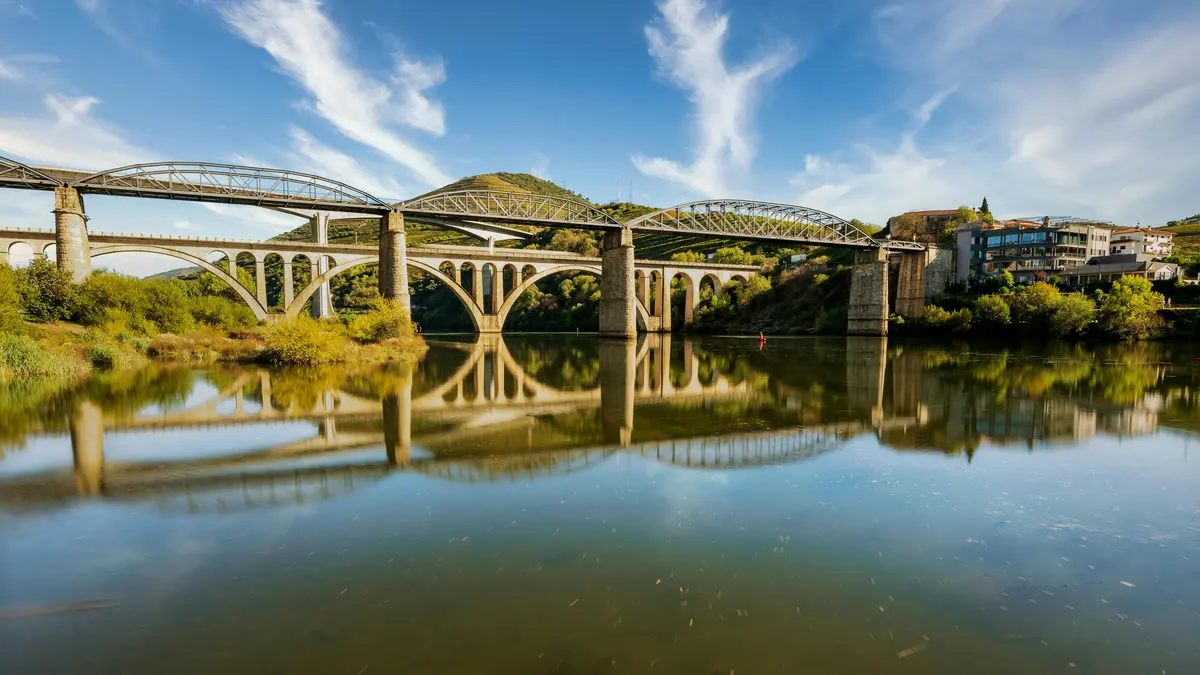
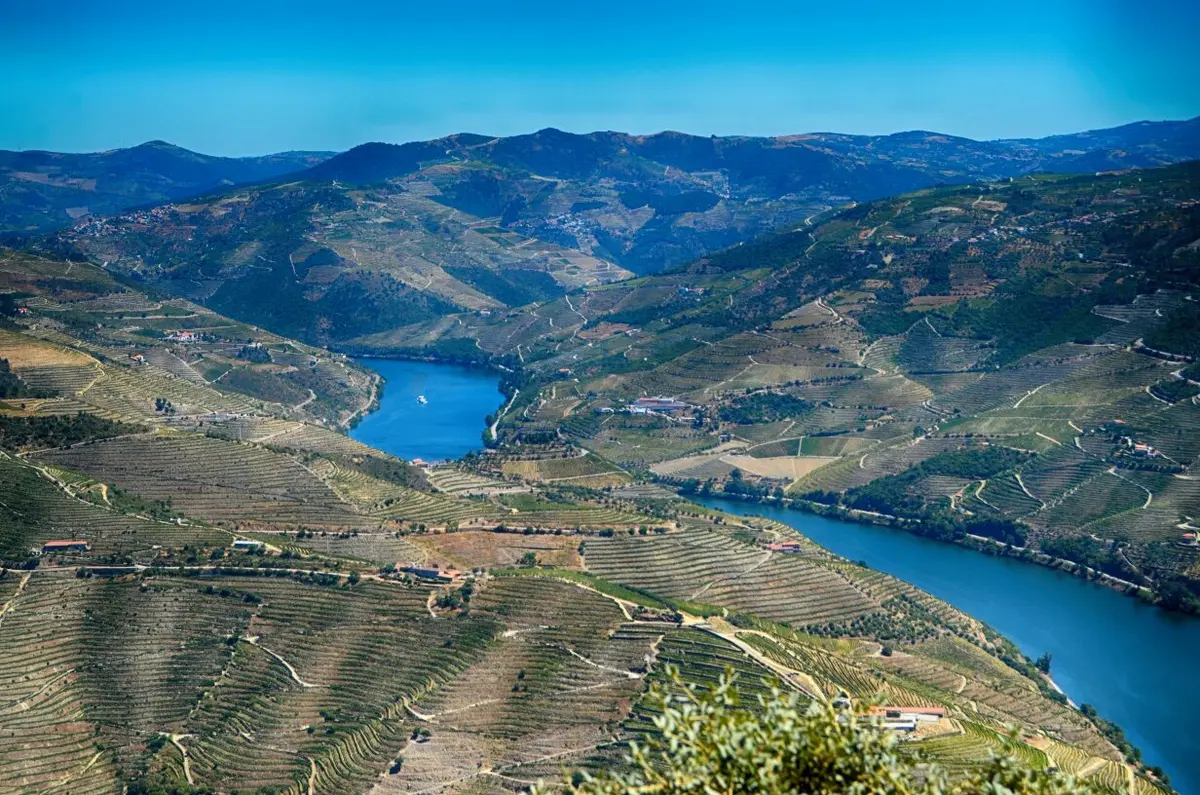
This is the zone most people picture when they imagine the region: the famous stone-terraced socalcos climbing impossible hillsides, the river curving dramatically through the landscape, and the village of Pinhão at its center. Nearly every major Port house has a showcase quinta within 5 miles (8 km) of this area.
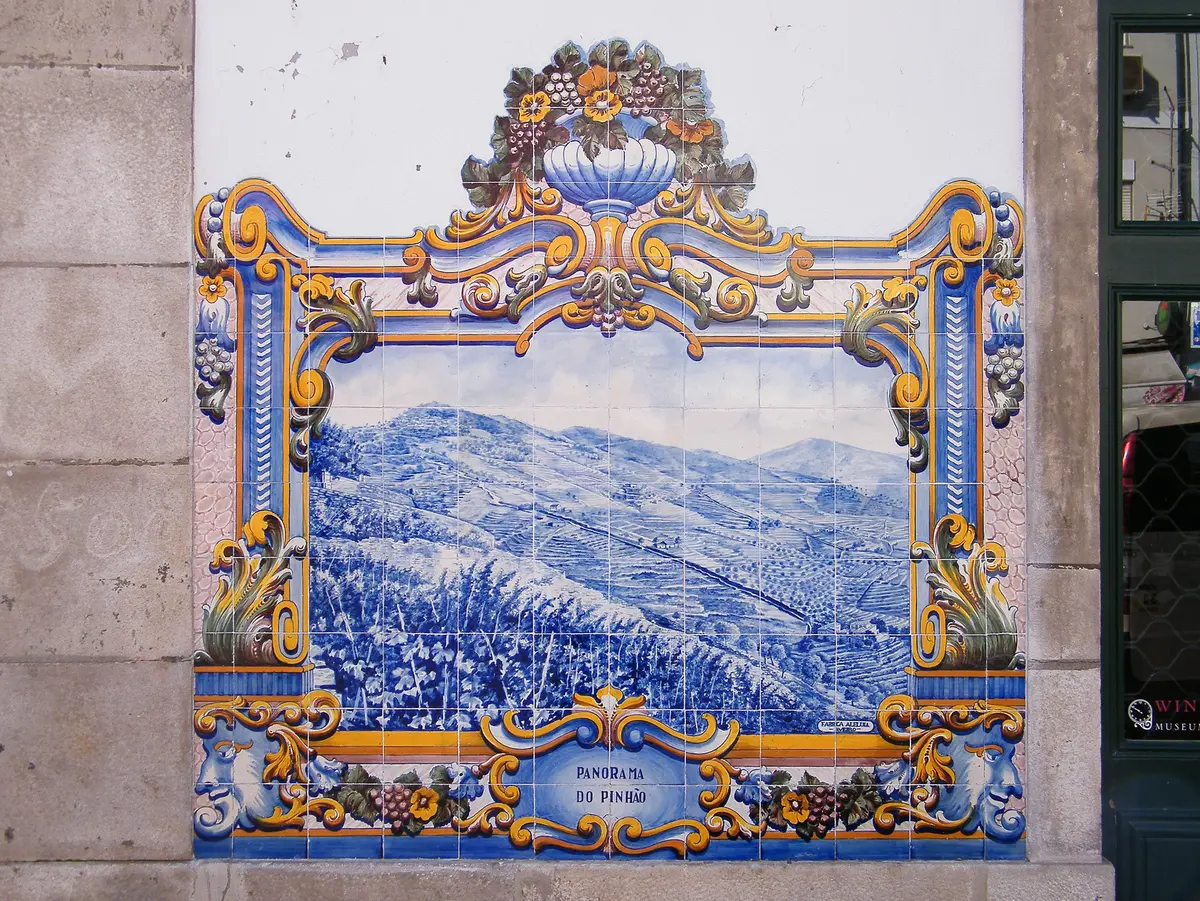
Pinhão is compact and genuinely walkable — you can reach several top-tier wineries on foot from the train station, which is decorated with azulejo tile panels depicting the harvest. Stand in the station hall with the panels at eye level before your first tasting and you’ll understand the scale of what the valley has been doing for centuries. If you only have time for one zone, make it here.
Douro Superior: the wild frontier
East of the Cachão da Valeira gorge, the Douro Superior stretches to the Spanish border and feels like a different region entirely. Summer temperatures regularly push past 100°F (38°C), olive groves and almond trees break up the vineyards, and the roads between estates can run for 20 minutes without passing another car. Accommodation is sparse, but prestigious estates like Quinta do Vesúvio operate here, and Vila Nova de Foz Côa draws visitors specifically for its UNESCO-listed Paleolithic rock art. The Douro Superior also makes a compelling entry or exit point for a broader Spain-Portugal road trip.
Pro Tip: Don’t try to squeeze the Douro Superior into a Cima Corgo itinerary. The roads are genuinely long, cell service disappears in stretches, and the payoff — empty wineries and real quiet — only materializes if you sleep there.
How do you get to and around the Douro Valley?
Getting to the Douro Valley from Porto requires either a train ride hugging the river or a 90-minute drive east on the A4, then south. The train historically offered the more atmospheric approach, but ongoing disruptions to sections of the Douro Line make the railway situation complex and changeable. For flexibility and a designated driver during full tasting days, a private transfer is the strongest option for most visitors.
The Douro Line railway: what’s running now
The Douro Line (Linha do Douro) has faced layered disruptions that travelers need to understand before planning around the train.
Electrification work forced CP to suspend service between the Caíde/Marco de Canaveses and Régua section for several months, replacing trains with buses during that period. No bicycles, large luggage, or group tickets were accepted on replacement buses. That electrification closure has since been resolved, restoring the Porto–Régua–Pinhão corridor for most passengers.
However, a separate stretch — the upper section between Régua and Pocinho, covering some of the most dramatic scenery in the valley — sustained storm damage that has disrupted service for an indeterminate period, with some repair timelines extending beyond the immediate season. Before planning any train travel in Portugal, verify current schedules on CP’s website (cp.pt), available in English. The timetable uses “São Bento” or “Campanhã” as Porto departure stations; type station names without accents when searching.
When fully operational, Porto to Pinhão takes roughly 2.5 hours. There are only a handful of departures per day in each direction, so missing the morning train costs you half a day.
Driving the N222: 93 bends and some honest caveats
The N222 — specifically the 17-mile (27 km) stretch between Régua and Pinhão — was named the world’s best driving road by Avis based on its ratio of straights to bends across 93 curves. The recognition is accurate in a specific way: on a clear morning with no oncoming trucks and a capable car, it is a genuinely enjoyable drive.
The reality for most visitors: the road is narrow, there are virtually no shoulders, and large trucks share the pavement with cyclists. Most drivers report watching nothing but the asphalt because the concentration required is that intense. Driving in Portugal on mountain roads like this demands full attention — plan to stop at the designated miradouros rather than trying to take in the landscape while moving. If you are renting a car specifically for this route, request a compact automatic — manual transmission on steep winery driveways is a real challenge for drivers who rarely use clutch on inclines.
Skip driving the N222 at dusk or after dark. The views that make it worth the effort disappear completely, and the hazards do not.
Private transfers: the highest-value option
Hiring a private driver-guide eliminates three problems at once: navigating unmarked winery tracks that routinely confuse GPS systems, having a designated driver through a day of serious wine tasting, and the fact that Uber is essentially nonexistent once you leave Porto. The financial investment is real, but you will reach quintas at altitude that independent drivers frequently skip because the approach roads are genuinely intimidating.
Some transfer companies also arrange vintage mahogany boat arrivals directly from Porto or Régua for hotels with private docks. The price is high, but the Riviera-style entrance to the valley is unlike any road approach.
Where should you stay in the Douro Valley?
Accommodation in the Douro Valley is limited compared to other Portuguese wine regions, and the best properties fill months in advance, particularly for harvest season. Your base determines your entire logistics strategy: Pinhão puts you walking distance from most major quintas; the lower valley trades proximity for larger resorts with more amenities.
Six Senses Douro Valley
The most amenity-rich property in the valley occupies a renovated 19th-century manor house in the Baixo Corgo. The spa is the main event — sleep therapy programs, organic garden treatments, and yoga sessions that overlook the vineyards from a terrace. The Quinta Panorama Suites have the river views that define the property’s marketing; Vineyard Rooftop Suites add private hot tubs. Dining at Vale de Abraão focuses on estate-grown produce.
The trade-off is real: the lower valley location means a 40-minute drive each way to reach the prime Pinhão estates. Six Senses works best as a destination entirely in itself, not as a base for wine touring. Come to decompress; treat any winery visits as a secondary agenda.
- Location: Baixo Corgo, approx. 40 minutes west of Pinhão
- Best for: Couples prioritizing spa and wellness over wine immersion
- Time needed: 2-3 nights minimum to justify the logistics
The Vintage House Hotel
Location is the entire argument for this historic property. It sits directly on the Pinhão riverfront, adjacent to the train station and bridge, which means boat piers, multiple wineries, and local restaurants are walkable. Master Suites and Junior Suites have balconies suspended above the water.
The hotel’s age shows in places — room quality varies considerably depending on floor and orientation. Request a river-facing room above the third floor when booking. Rooms at the road-side end of the building pick up traffic noise until well after midnight.
- Location: Pinhão town center, directly on the Douro
- Best for: Wine-focused travelers who want walkability to estates and restaurants
- Time needed: 2 nights minimum
Quinta da Côrte
Architect Pierre Yovanovitch transformed this working winery into a boutique hotel that functions as a private art collection with beds. Hand-painted tiles, bold color choices, and a deliberately spare aesthetic throughout — this is not a property for travelers who need a spa menu and plush robes. Guests consistently single out the intimate kitchen dinners, served family-style with the owners, as the defining reason to come.
- Location: Near Pinhão; specific access details provided at booking
- Best for: Design-focused travelers, small groups seeking intimacy over amenities
- Time needed: 2 nights to experience the estate and the kitchen dinner
Which Douro Valley quintas are worth your time?
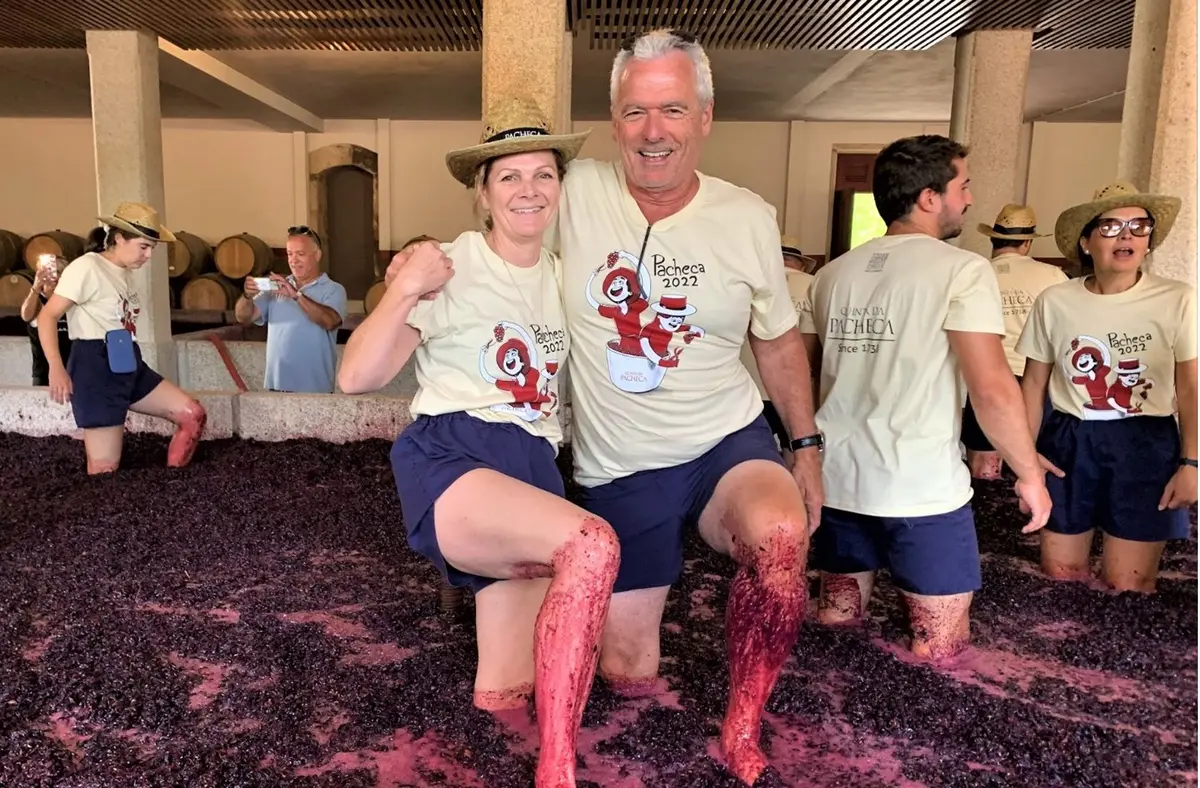
Douro quintas do not operate like the open Port wine cellars in Vila Nova de Gaia, where you can walk in off the street. Most require advance reservations, and the most sought-after experiences — winemaker-led tastings, harvest grape-stomping, private cellar access — can book out months before the season begins. Arriving without a reservation at a premium estate is a gamble that usually loses.
The major Port house estates
Quinta do Bomfim is the strongest choice for first-timers: a 10-minute walk from Pinhão train station, with an on-site museum, a three-level vineyard walk, and a comprehensive lodge tour that explains Port wine production from vine to bottle. It is the most complete package for someone arriving without a prior wine education.
- Location: Walking distance from Pinhão train station
- Best for: First-time Douro visitors wanting full context on Port wine
- Book ahead: Yes — reserve online before your trip
Quinta do Seixo, perched above Tabuaço, delivers the most recognized panoramic view in the valley. The tour experience is polished and multimedia-heavy; the terrace view alone justifies the drive up. On a clear morning, the river bends in both directions below you in a way that no photograph quite captures accurately.
- Location: Tabuaço, above Pinhão — requires a car or transfer
- Best for: Photography, panoramic views, visitors who prefer a structured tour experience
- Book ahead: Yes
Quinta da Roêda sits across the bridge from Pinhão and runs some of the most visitor-friendly experiences in the valley. During the autumn harvest, it is one of the most reliable estates for booking legitimate grape-stomping in traditional granite lagares. Those spots go fast — reserve by spring if harvest is your reason for coming.
- Location: Directly across the Pinhão bridge, short walk from town
- Best for: Harvest season experiences, visitors wanting proximity to Pinhão
- Book ahead: Yes — harvest dates sell out months in advance
The independent estates worth booking ahead
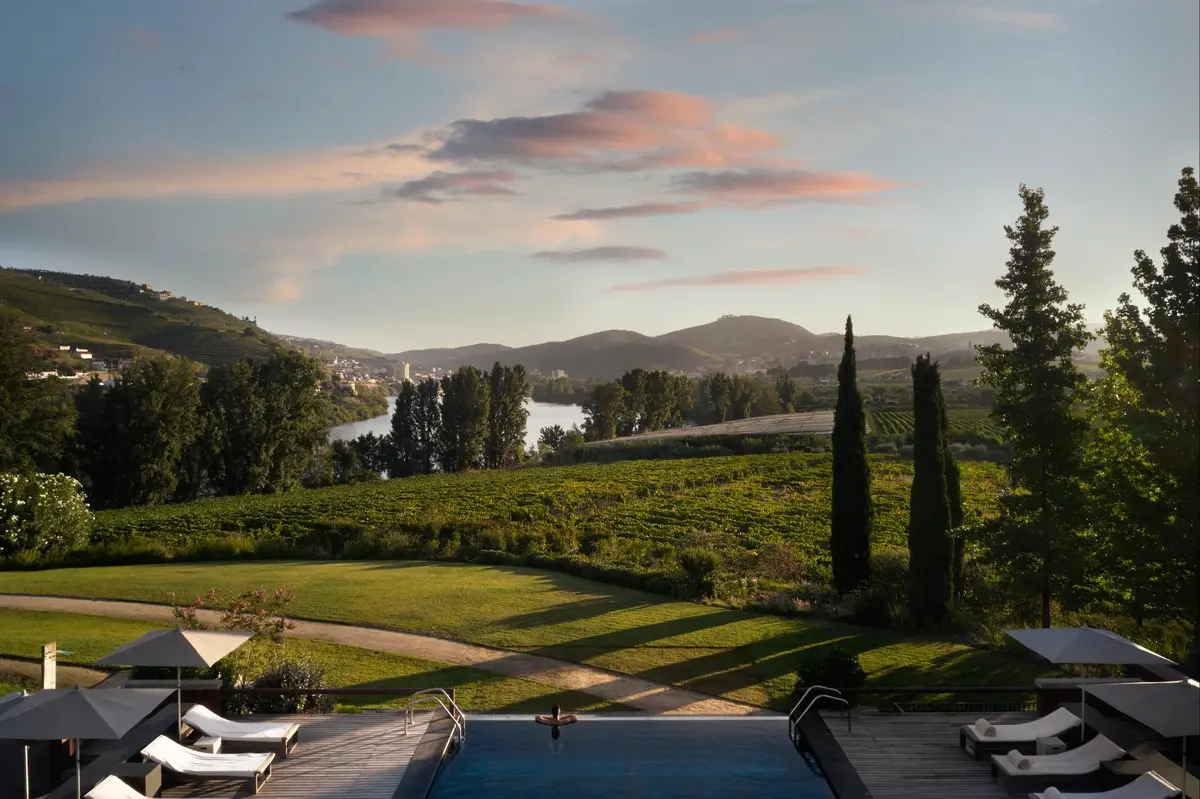
Quinta do Crasto combines prestige with genuine exclusivity. The infinity pool, designed by Pritzker Prize-winning architect Eduardo Souto de Moura, is the most photographed architectural detail in the valley — but tours book out months in advance. On my last visit, September availability was gone by June. Arrive early in the morning when the light is best and the heat has not built up yet.
- Location: Above the Douro, east of Régua — requires car or private transfer
- Best for: Architecture, premium wine tasting, experienced Douro visitors
- Book ahead: Book as early as possible — this is the hardest slot to secure
Quinta do Vallado traces its history to the 18th century and pairs that heritage with aggressively modern guest accommodation architecture. The dry white wines produced here are among the most interesting in the valley — less discussed than the Ports but worth a focused tasting.
- Location: Near Régua, accessible by car
- Best for: History combined with modern design, Douro white wine fans
- Book ahead: Yes
Quinta de la Rosa in Pinhão offers something the larger Port houses cannot replicate: the entire production chain — growing, vinification, aging, bottling — on a single estate, with Bergqvist family members frequently present and actively engaged with visitors. It is the closest thing in the valley to a winery visit that feels personal rather than managed.
- Location: Pinhão, walkable from the village center
- Best for: Small-estate intimacy, travelers who prefer direct conversation with producers
- Book ahead: Yes — contact directly by email or phone
Where do you eat well in the Douro Valley?
Dining in the Douro splits between chef-driven restaurants built for visitors and traditional village spots that have barely changed in decades. You need both to understand the region. The fine dining delivers creative modern Portuguese cuisine with river views; the village institutions serve the food that locals actually eat — slower, heavier, and often dramatically better value.
Fine dining on the river
DOC (Chef Rui Paula) is the most technically accomplished restaurant in the valley. The glass structure extends on a wooden pier over the Douro between Régua and Pinhão, so eating here involves the physical sensation of floating above the water. The kitchen is Michelin-recommended, not starred — which makes reservations slightly more attainable than the setting suggests, but the evening slots still require advance planning. Book the noon sitting rather than dinner if possible; the river in full afternoon light is part of the experience.
- Location: Folgosa, on the riverfront between Régua and Pinhão
- Cost: Around €80 (~$88) per person before wine; tasting menus available
- Best for: Special occasion meals, long lunches with a river view
- Closed: Tuesdays and Wednesdays — this catches a surprising number of travelers
- Book ahead: Months in advance for dinner; lunch is more accessible
Cozinha da Clara focuses strictly on estate-grown produce and takes its name from the owner’s grandmother. The Timbal de Pato is the dish most frequently mentioned by guests who have eaten there multiple times.
- Location: On-site at the estate; confirm full address when booking
- Best for: Travelers prioritizing ingredient provenance and contemporary Portuguese cuisine
Where locals actually eat
Toca da Raposa in Ervedosa do Douro has no river view, no design agenda, and no pretense. It is a reference point for traditional Portuguese cooking, and the Wild Boar Stew and Roasted Kid Goat are why people drive out to a village with nothing else to recommend it. Expect a wait on weekends.
- Location: Ervedosa do Douro village, inland from the river
- Cost: Significantly less than the fine dining options — cash preferred
- Best for: Traditional cooking, off-the-tourist-trail dining, honest Portuguese flavors
- Time needed: Allow 2 hours — the pace here is deliberate
Pro Tip: At Toca da Raposa, do not arrive expecting to order from a menu immediately. The owner will likely describe what’s available that day and walk through each dish. Let it happen. This is part of the experience, and the food justifies the patience.
Castas e Pratos occupies a converted railway warehouse in Régua and offers a wine list running to hundreds of references, many of which are available by the glass. The vibe is more metropolitan than you’d expect from a rural warehouse, and it works well as a lunch stop before checking into a quinta.
- Location: Peso da Régua, railway warehouse building in the town center
- Best for: Wine list depth, accessible lunch, travelers arriving by train
How should you plan your Douro Valley itinerary?
The Douro rewards structured planning because the best quintas and restaurants fill quickly, and the distances between properties are longer than they appear on a map. If the valley is part of a 10-day Portugal itinerary, factor in at least three nights here — two is the absolute minimum for a meaningful visit. Three days gives you time for two full quinta days plus one cultural half-day, without the compressive pace that kills the experience.
The wine lover’s 3-day immersion
Day 1: Private transfer from Porto with a stop at the São Leonardo da Galafura viewpoint. Lunch at Castas e Pratos in Régua. Check in at The Vintage House Hotel. Two-hour private river cruise in the late afternoon.
Day 2: Morning tour and vineyard walk at Quinta do Bomfim. Lunch at DOC — book the noon sitting to see the river in full light. Afternoon drive to Provesende village. Dinner at Toca da Raposa.
Day 3: Early arrival at Quinta do Crasto before the heat builds. Lunch and panoramic views at Quinta do Seixo. Stop at the D’Origem Olive Oil Museum before returning to Porto via the N222 during daylight.
The cultural explorer’s 2-day non-wine focus
Day 1: Morning at the Douro Museum in Régua for deep historical context on the valley. Lunch at Toca da Raposa. Afternoon azulejo tile painting workshop. Sunset hike from the Casal de Loivos viewpoint.
Day 2: Drive east to Foz Côa in the Douro Superior. Visit the Côa Valley Archaeological Park for the Paleolithic rock art. Lunch at Cantina de Ventozelo. Private boat tour with a focus on the valley’s nature and birdwatching.
What should you know before you go?
The Douro Valley runs on its own rhythms — meal service is slower, road distances between properties are longer than they look on a map, and showing up anywhere without a reservation is a gamble. A few practical details smooth out the friction considerably.
Currency and tipping in Portugal
Portugal uses the Euro. Tipping in Portugal follows informal conventions — a service charge is rarely included on restaurant bills, leaving 5–10% in cash is considered generous, and rounding up is common for casual meals at smaller cafes. For private driver-guides, a flat daily cash tip is standard practice for good service.
What to pack for the valley
Proper footwear matters more here than anywhere else in Portugal. Closed-toe shoes with real grip — sturdy sneakers or light hiking boots — are essential for dusty vineyard paths and rocky winery access roads. The cobblestone village streets punish anything with a heel.
Layering is the key strategy: mornings in the valley can be genuinely cool while midday regularly reaches into the high 80s°F (30°C+). Beyond footwear, your Portugal packing list applies here largely unchanged — smart-casual for fine dining, jeans and a clean shirt for nearly everything else.
When is the best time to visit the Douro Valley?
The Douro Valley is worth visiting year-round, though the best time to visit Portugal matters more here than in most wine regions given the extremes between seasons. Spring and autumn are the most comfortable for a first trip. Summer is peak season for visitor numbers but also for heat — interior temperatures in the Douro Superior regularly hit 104°F (40°C) in July and August, which makes full-day quinta touring genuinely exhausting.
Spring, from April through May, brings mild temperatures, wildflowers across the terraces, and lighter crowds than summer. Autumn harvest — from late September into October — is the most atmospheric time in the valley. Grape-pickers work the terraces at dawn, estates like Quinta da Roêda offer legitimate stomping experiences, and the vineyards shift from green to deep red and gold. Book everything earlier for harvest season, particularly accommodation in Pinhão; the village fills fast.
Winter delivers the lowest prices and empty roads. Some smaller quintas and restaurants close for the season, so verify operating dates before you go.
Pro Tip: If the harvest is your reason for coming, book accommodation and quinta experiences before spring. The best stomping slots at the top estates sell out months before the grapes are ready.
The bottom line
TL;DR: Base yourself in Pinhão (The Vintage House Hotel) for walkability to estates, or at Six Senses if wellness is the priority. Reserve quintas and top restaurants months in advance — particularly anything harvest-related. Check CP’s website (cp.pt) for current Douro Line status before planning any train-based itinerary. Three nights in the Cima Corgo zone is the minimum for a visit that actually delivers.
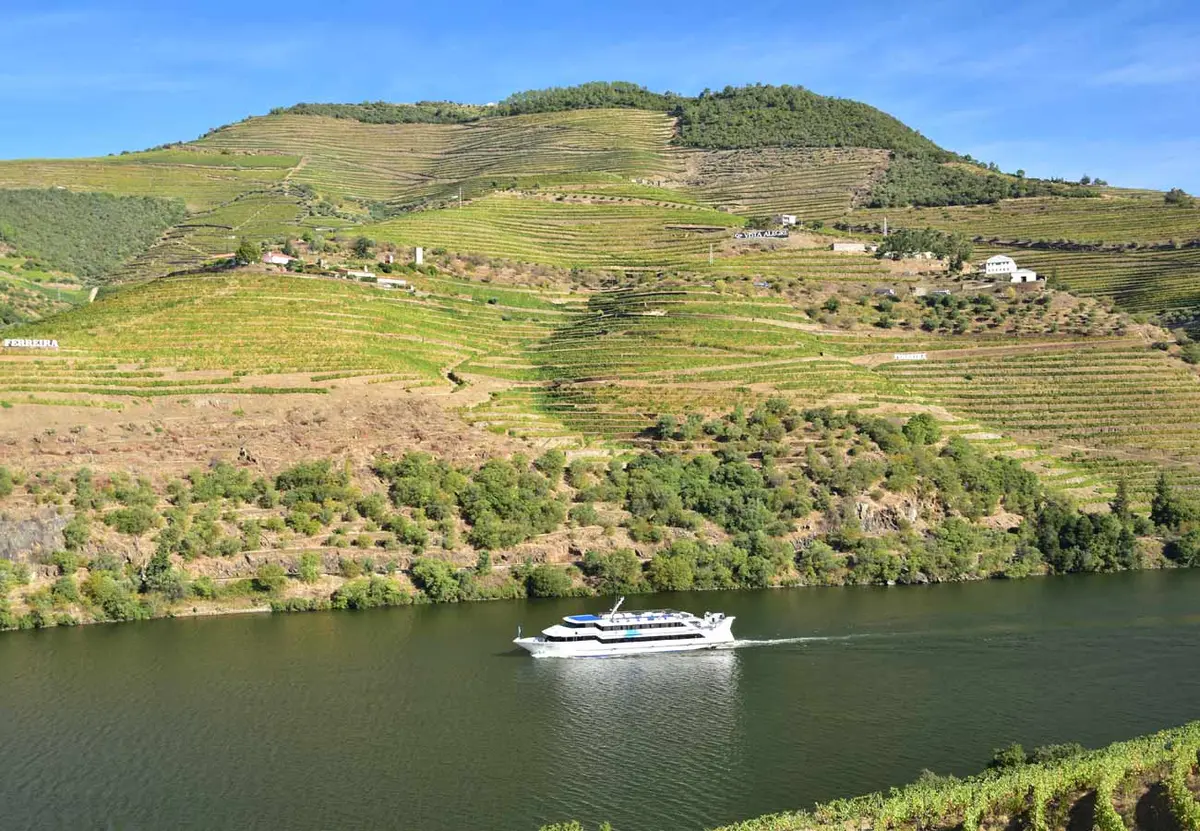
One honest note: skip the generic Douro Valley wine cruise boats that depart from Porto. They spend a substantial portion of the journey on the Douro before it enters the valley proper, and you see the most dramatic terrain from a distance on a crowded deck. A two-hour Douro river cruise from Pinhão covers the same ground in a fraction of the time and with none of the commute.
The Douro does not reward spontaneous planning. What it offers in return — winery visits at altitude, lunches at village restaurants that see few foreigners, and the specific quiet of a stone terrace above the river at dusk — is worth every hour of preparation.
What’s your primary reason for coming — wine tasting, the scenery, or the culture? Drop your itinerary question below and I’ll give a direct answer.