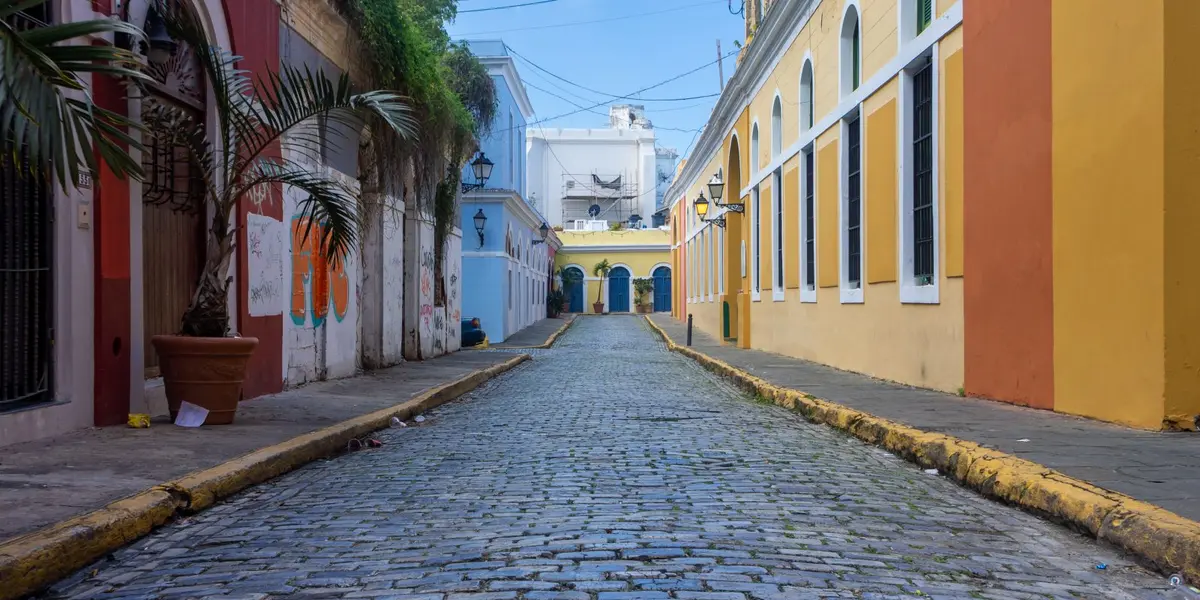
Planning a Caribbean trip but stuck on one question — is Puerto Rico safe? This safety-focused companion to our Puerto Rico travel guide skips the brochure language and gives you neighborhood breakdowns, hard crime data, beach hazard maps, and the scams no one else warns you about.
Is Puerto Rico safe for tourists?
Yes, Puerto Rico is safe for tourists who stay within established corridors and travel with basic situational awareness. The violent crime that drives headlines is real, but it is concentrated almost exclusively within public housing projects and drug trafficking networks far from anywhere you will sleep, eat, or explore. Tourist zones operate in an entirely different reality.
Think of San Juan the way you would think of any major American city. You would not wander off-route in parts of Miami or Philadelphia at 2 a.m., and the same logic applies here. The island’s crime rate is lower than many mainland U.S. cities, and millions of visitors travel through each year without incident.
Pro Tip: The FBI and DEA are active on the island alongside local law enforcement. Puerto Rico also maintains a dedicated Tourist Police Unit trained specifically to assist visitors in major tourist areas.
What are the real crime risks for visitors?
When asking is Puerto Rico safe, understand that the primary threat to tourists is not violent crime. It is opportunistic property crime driven by economic inequality. Pickpocketing and purse-snatching in crowded areas are the risks you need to actively manage every single day.
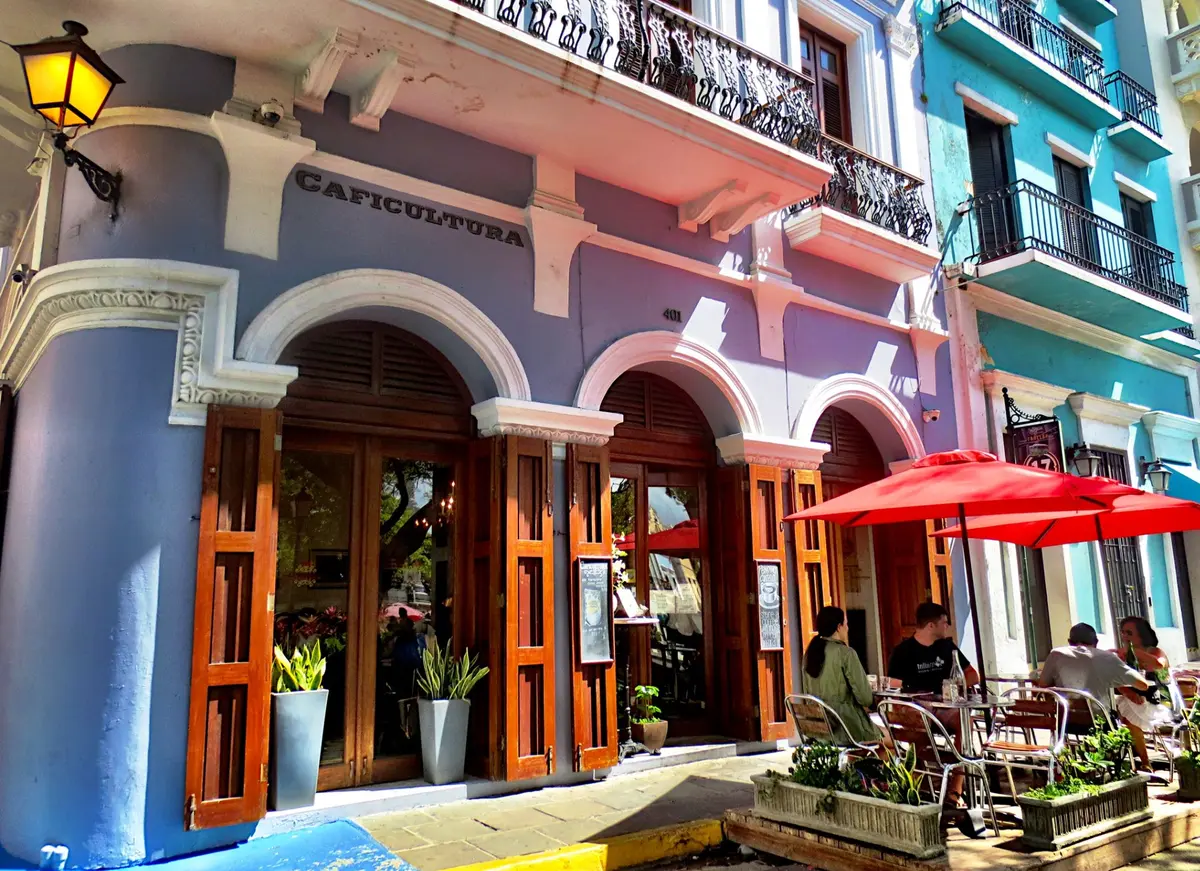
Pack travel security gear like a hidden money belt or an infinity scarf with a concealed zip pocket. Never hang your bag on the back of a restaurant chair, especially at outdoor cafés in Old San Juan. At the beach, treat your belongings as if you are standing in Times Square.
Leave nothing unattended on the sand — not even for the five minutes it takes to cool off in the water.
Drink safety in nightlife districts
For travelers in nightlife districts, drink-spiking is a documented and serious risk.
- Never accept a drink from a stranger under any circumstances
- Never leave your glass unattended while dancing or using the restroom
- If your drink leaves your sight for even one second, abandon it completely
This rule is non-negotiable regardless of your gender or group size.
Which neighborhoods in Puerto Rico are safe?
Here is the street-level geographic breakdown you should mentally load before booking your hotels. The safest areas in Puerto Rico for tourists are the well-policed corridors of Old San Juan, Condado, Ocean Park, Isla Verde, and gated resort communities like Dorado and Palmas del Mar. Avoid La Perla after dark entirely.
Old San Juan
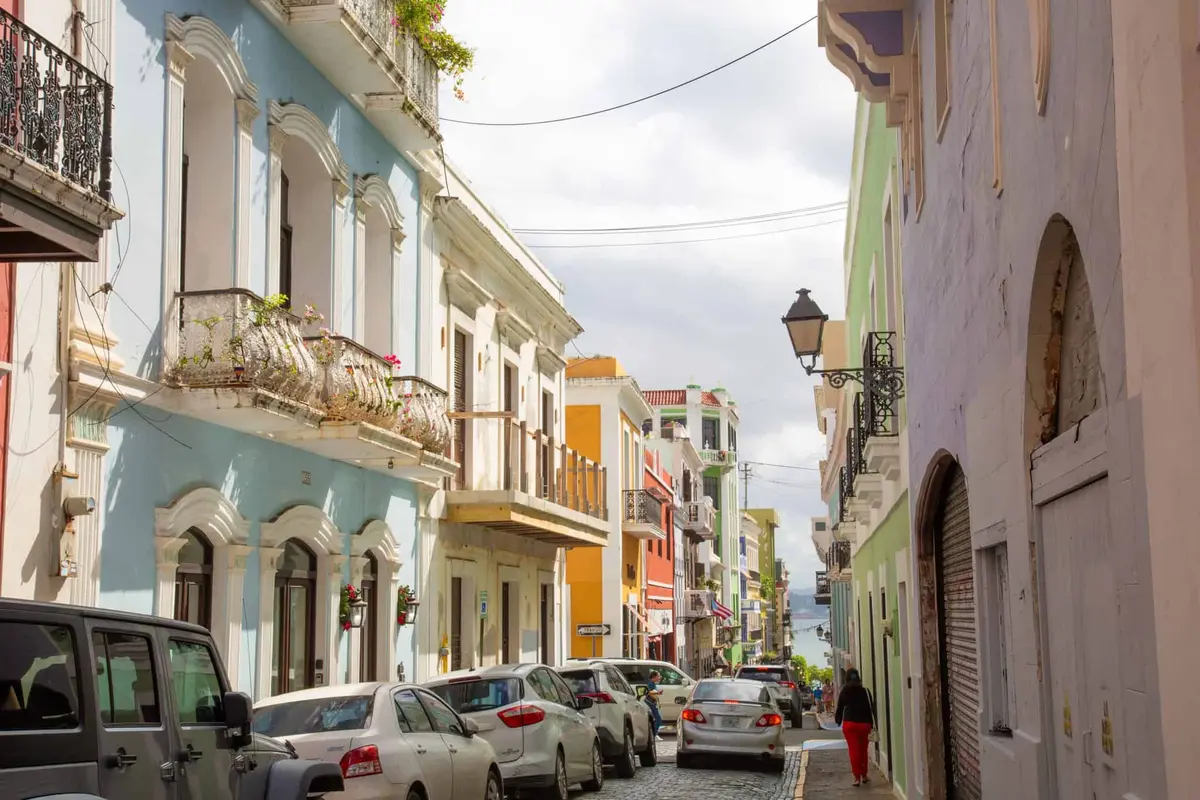
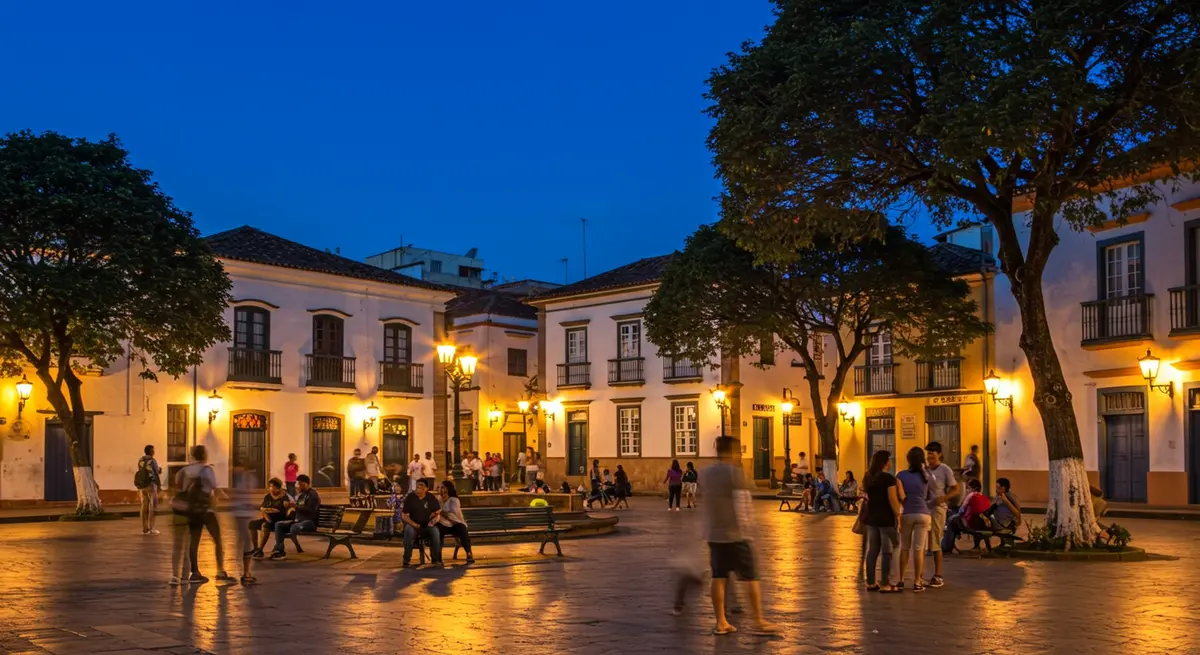
Heavy police presence, excellent street lighting, and constant foot traffic make Old San Juan one of the safest zones on the island. Your main concern here is pickpocketing in crowds near the cruise port and along Calle Fortaleza.
- Hazard level: Low
- Primary risk: Pickpocketing in dense tourist crowds
- Best for: First-time visitors, history lovers, couples
Condado and Ocean Park
An upscale corridor with active community watch programs, luxury hotels, and a well-established dining scene. The ocean itself is the primary danger here, not crime.
- Hazard level: Low
- Primary risk: Dangerous rip currents (see beach section below)
- Best for: Beach travelers, LGBTQ+ travelers, food-focused trips
Isla Verde
Beach-centric, well-lit, and built around tourist-friendly infrastructure. Close to the airport and one of the calmest swimming beaches in the San Juan metro area.
- Hazard level: Low
- Primary risk: Standard beach theft if belongings are left unattended
- Best for: Families, casual swimmers, short trips
Dorado and Palmas del Mar
Gated resort communities with well-maintained private infrastructure. These are the lowest-risk zones on the island.
- Hazard level: Very low
- Primary risk: Minimal
- Best for: Resort travelers, families with young children, golf trips
Rincón and the west coast
Rincón and the west coast are laid-back surf towns with a strong expat community. Safe during daylight, but rural roads after dark bring real logistical risks: severe potholes, limited cell service, and no street lighting.
- Hazard level: Moderate after dark
- Primary risk: Road hazards, limited connectivity
- Best for: Surfers, off-the-beaten-path travelers
La Perla — the one hard line
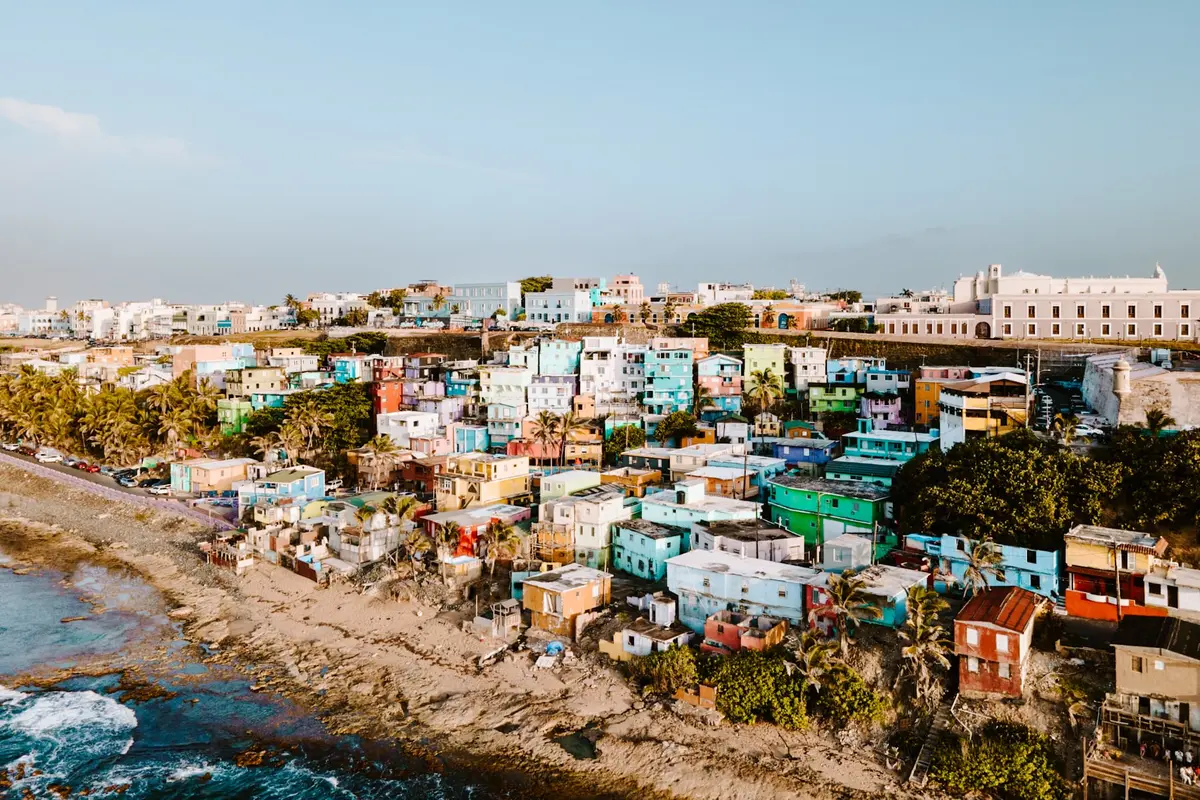
La Perla sits directly below the city walls of Old San Juan, and the proximity makes it deceptively easy to wander into. Do not go there after sunset. This neighborhood has concentrated gang activity, and the boundary between it and the tourist zone above is unnervingly thin.
During daylight hours with other tourists around, it is a different situation. After dark, there is absolutely no reason for you to be there.
How does the fake parking attendant scam work?
This is the financial trap most guides skip, and it costs distracted tourists hundreds of dollars. Individuals wearing official-looking high-visibility vests position themselves up to 1.5 miles (2.4 km) from major venues like the Coliseo de Puerto Rico. They approach drivers, present themselves as municipal lot attendants, and demand upfront cash payments between $20 and $100 for fraudulent receipts.
They disappear immediately after taking your cash. Your rental car remains parked on the street — potentially in a no-park zone where the municipality will boot or tow it without hesitation, stacking real fines on top of the scam.
Puerto Rico does not have widespread municipal parking attendant programs in tourist areas. If someone in a vest waves you down on a side street demanding cash, keep your windows up, drive away, and find a legitimate paid garage.
Pro Tip: Legitimate parking in San Juan costs $3–$8 at garages near Old San Juan and Condado. Never pay cash to a person on the street.
Is it safe to swim at Puerto Rico beaches?
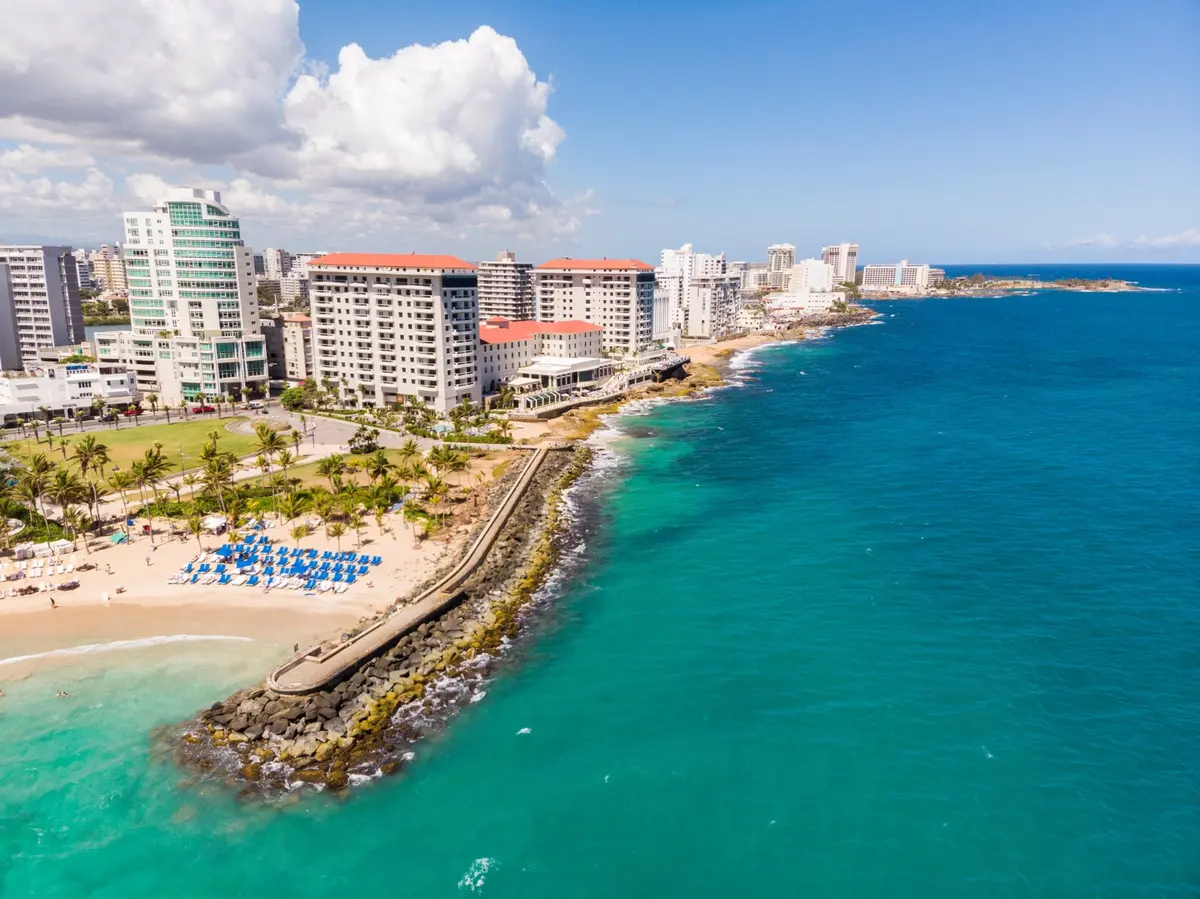
When it comes to Puerto Rico’s beaches, this is where the safety question becomes life-or-death. Do not swim at Condado Beach near La Concha or the San Juan Marriott. This stretch is one of the most dangerous in the entire Caribbean, with invisible rip currents that drag swimmers out to sea at terrifying speed. The area has claimed multiple lives, including as recently as March 2026 when a tourist drowned during spring break.
The water looks calm from shore. It is not.
Where to swim instead
Isla Verde Beach is the safest swimming option in the San Juan metro area. A natural wave break roughly 2 miles (3.2 km) offshore keeps the water calm enough for families with children. Lifeguards patrol frequently, and the wide shoreline gives you room to spread out.
A small section of Condado Beach near the Condado Plaza hotel does have lifeguards on duty from 8:30 a.m. to 5:00 p.m. during high season. If you swim at Condado at all, stay within direct sightline of those lifeguards — and get out of the water before they leave.
Northern coast beaches — check conditions first
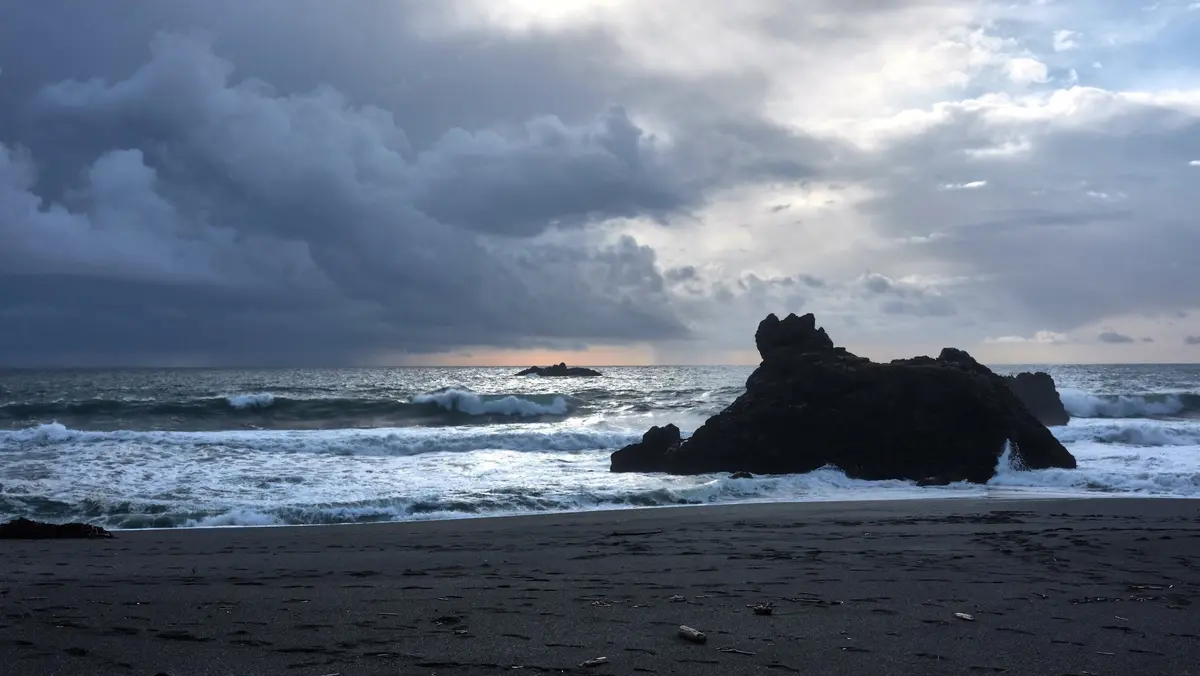
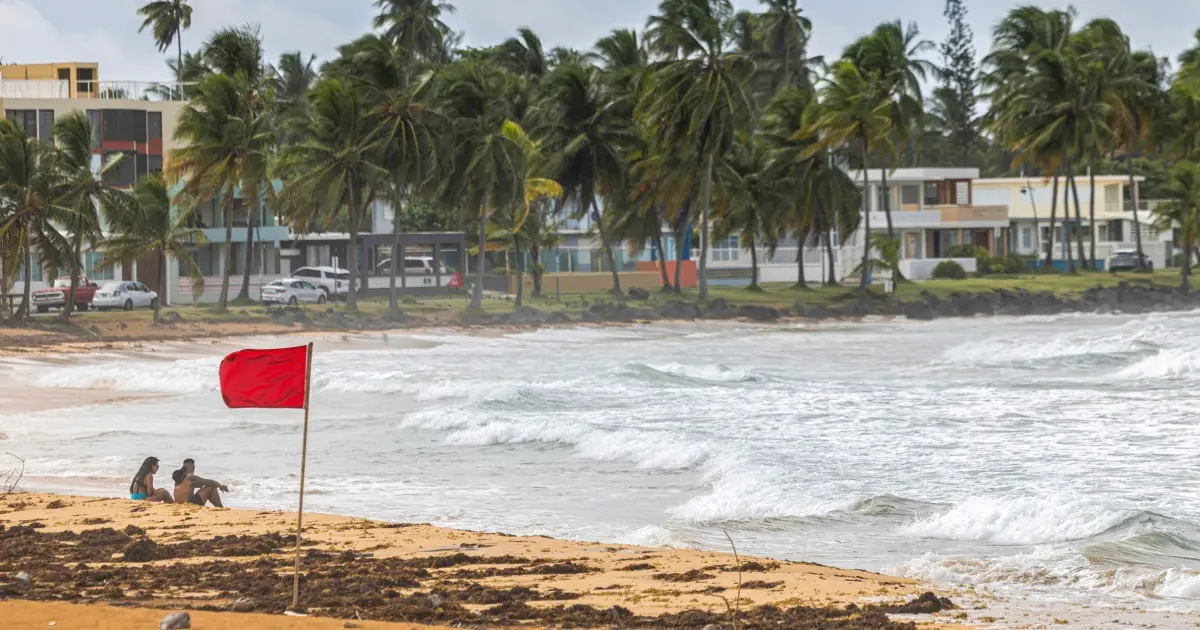
Beaches along the northern coast — Piñones, Luquillo, Loíza — regularly see 10–13 foot (3–4 meter) breaking waves. High surf advisories from the National Weather Service are frequent and serious. Waves routinely wash over jetties and have swept people directly off rocks.
- Isla Verde Beach: Low hazard, frequently patrolled, best for families
- Condado Beach (Condado Plaza area): Moderate hazard, swim only within lifeguard sightline during patrol hours
- Condado Beach (La Concha / Marriott area): Extreme hazard, lethal rip currents, do not swim
- Piñones / Luquillo / Loíza: High hazard, check NWS advisories before entering the water
Pro Tip: Lifeguard hours at Condado Plaza end at 5:00 p.m. sharp. If you are still at the beach at sunset, you are swimming completely unprotected. Get out of the water.
How dangerous is hurricane season in Puerto Rico?
The Atlantic hurricane season shapes seasonal weather conditions from June through November, and the local power grid remains one of the most fragile in any U.S. territory. LUMA Energy, the private company managing the grid, is currently in a contract dispute with the Puerto Rico government, and customers experienced an average of 30 hours without power during outages in recent years. Unannounced blackouts can last hours to days, even after moderate tropical depressions.
Before you book any accommodation, ask the host one direct question: does the property have an independent, heavy-duty backup generator? You do not want a small unit meant only for emergency lighting. You need a full-scale generator that keeps air conditioning, Wi-Fi, and hot water running. If the host cannot confirm this, keep looking.
Pro Tip: For hurricane-season travel, purchase comprehensive travel insurance that includes trip interruption coverage specifically for weather events and power outages. This is not optional — it is essential.
Should you worry about dengue fever in Puerto Rico?
The CDC maintains a Level 1 travel health notice for dengue fever covering Puerto Rico. The island reported over 6,000 dengue cases in a single recent outbreak year, with over 3,000 local cases the following year. There is no widely available dengue vaccine for most U.S. travelers without prior exposure, though a new vaccine (Butantan-DV) is expected to expand access.
Your physical defenses are your primary shield against infection.
Non-negotiable mosquito protection
- Apply DEET-based or EPA-registered repellent every day, especially at dawn and dusk
- Wear long sleeves and pants during peak mosquito hours
- Book air-conditioned accommodations as a health requirement, not just a comfort preference
- Know that air conditioning alone is not complete protection — mosquitoes breed in courtyards, planters, and standing water around hotels
The local healthcare system is among the most advanced in the Caribbean. Standard U.S. health insurance is widely accepted at major clinics and hospitals. The 911 emergency system functions identically to the mainland.
The humidity makes consistent hydration and sun protection equally critical. It feels oppressive even when the thermometer reads a pleasant 82°F (28°C). Dehydration and severe heat exhaustion send far more tourists to urgent care than any crime does.
Is it safe to drive in Puerto Rico?
When wondering is Puerto Rico safe for road trips, the answer depends entirely on where you are driving and what time of day. Inside the San Juan metro area, roads are standard. Outside of it, you need a different mindset entirely.
Why rural roads demand a 4×4
Severe potholes and genuine sinkholes are physical realities on rural routes that can blow tires and destroy suspensions on standard compact rentals. If renting a car for areas outside the metro, book a 4×4 vehicle. This is not an optional upgrade.
- The “7-1 honk” is a local communication custom used to signal other drivers — it is rhythmic and frequent, not road rage
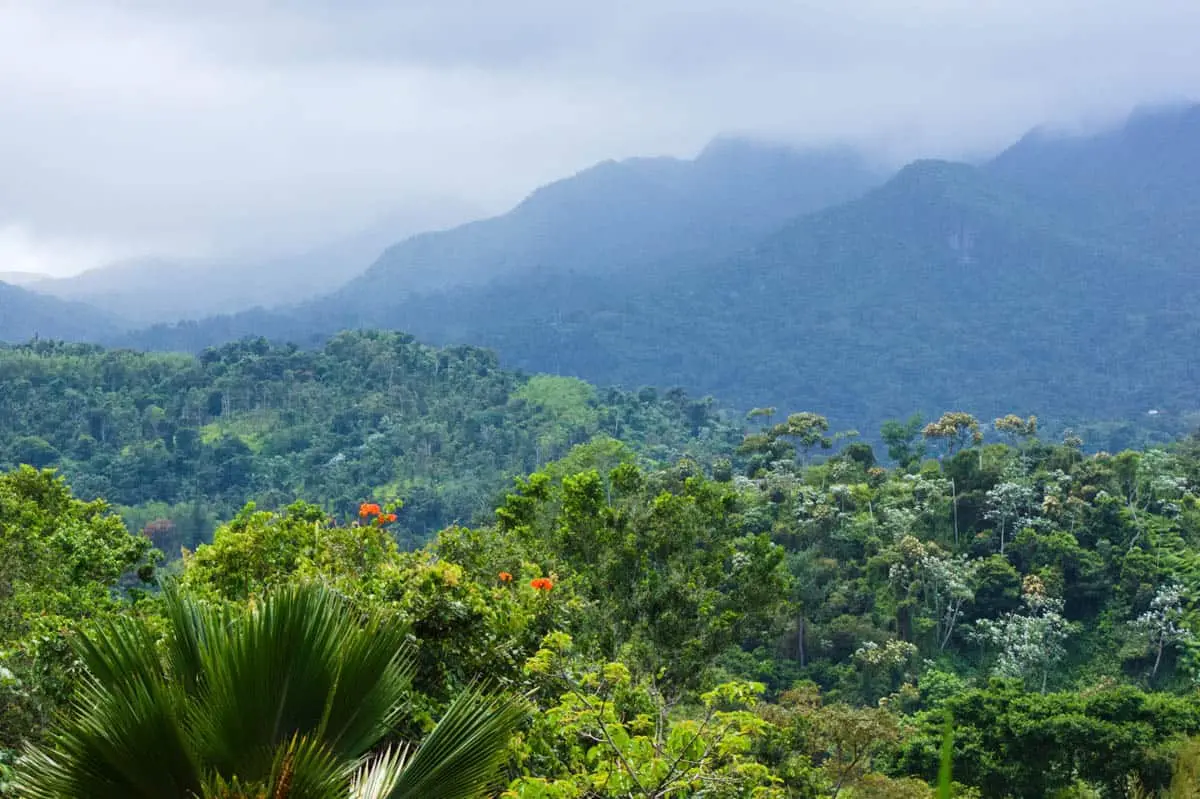
- Do not drive mountain roads after dark under any circumstances — no street lighting, sharp drop-offs, wandering livestock, and limited cell service make a breakdown genuinely dangerous
- Book your rental with an AutoExpreso tag included — toll roads are common, and cash payments at booths are not always available
Pro Tip: If you plan to explore El Yunque or the western coast, build your driving itinerary to return your vehicle to the metro area well before sunset. The scenery is worth the early departure.

How reliable are rideshares, taxis, and public transit?
Uber and Lyft operate across the island and are physically safe for passengers. The catch is that service becomes extremely unreliable the moment you leave central San Juan. Waiting 45 minutes for a rideshare at midnight outside a concert venue is a common experience, not a worst-case scenario.
For late-night travel, use Taxi Touristico vehicles — government-regulated taxis bookable through your hotel concierge. Look for white cars with a yellow Garita logo. This is the most secure and reliable option after 10 p.m.
Public buses and trolleys are safe from violent incidents but run with severe delays and follow routes that rarely align with tourist destinations. They also carry a real risk of overhead bin theft. Use public transit for daytime, low-stakes exploration only.
Is Puerto Rico safe for solo female and LGBTQ+ travelers?
Solo female travelers visit the island safely every day. The key variables are nightlife behavior and transportation choices. Avoid poorly lit areas after dark, do not display expensive jewelry on the street, and arrange transportation through your hotel rather than walking unfamiliar routes at night. The drink-spiking precautions from earlier in this guide apply with extra force.
LGBTQ+ safety and the current legal landscape
The island has historically been one of the most welcoming Caribbean destinations for LGBTQ+ travelers. The Condado area has a highly visible, established LGBTQ+ community and a thriving nightlife scene. Pride events have expanded from a single march in San Juan to more than 20 events across Puerto Rico, including on smaller islands like Vieques.
However, travelers should be aware of a significant legislative change. In July 2025, Governor Jenniffer González signed Act 63-2025 into law, banning gender-affirming hormone therapy and surgeries for individuals under 21. The law imposes penalties of up to $50,000 in fines and 15 years in prison for healthcare providers who offer these treatments. Multiple organizations — including the ACLU of Puerto Rico and the Puerto Rico LGBTQ+ Federation — have announced court challenges to the law’s constitutionality.
While this law primarily affects residents, transgender travelers should evaluate their access to any transition-related medical care they may need during their trip. Consult current advisories from LGBTQ+ travel organizations before booking.
What emergency resources work in Puerto Rico?
Load these resources onto your phone before your flight lands. Mobile coverage drops significantly in mountainous areas, and a dead GPS in an unfamiliar rural area at night is a genuine security problem.
- 911: Fully operational and identical to the mainland U.S. system — police, fire, and EMS all dispatch through this number
- FEMA App: Activates locally and sends real-time severe weather alerts; SMS shortcode 43362 also works on the island
- Puerto Rico Emergency Portal System (PREPS): The official government data hub during hurricanes, earthquakes, and atmospheric events — bookmark it immediately
- NWS San Juan: Follow the National Weather Service San Juan social media pages for daily maritime conditions and rip current warnings
Pro Tip: Download offline maps of the entire island before you arrive. Cell service drops sharply in mountain areas near El Yunque and along the western coast. A dead GPS at night on an unlit rural road is a safety issue, not an inconvenience.
Before you book your Puerto Rico trip
TL;DR: Puerto Rico is safe for travelers who arrive prepared. Stay within well-lit corridors at night, protect your belongings aggressively, never swim at unpatrolled sections of Condado Beach, and always confirm your accommodation has a backup generator if you are traveling during hurricane season. The real risks — rip currents, dengue mosquitoes, power outages, and parking scams — are all manageable with advance planning.
The island delivers something you cannot replicate anywhere else in the U.S. travel system: sharp mango from a roadside stand, turquoise colonial facades in Old San Juan, cobblestones that punish every rolling suitcase, and the heavy bass of reggaeton filling a packed plaza on a Saturday night.
The risks are real, but they are manageable. Trade blissful ignorance for sharp situational awareness, and Puerto Rico delivers.
Which part of the island are you planning to explore first?