Accessible travel in Puerto Rico is genuinely achievable — but only if you go in with the right information. This guide cuts through the marketing to give you exact wheelchair accessible Puerto Rico van rental costs, precise beach equipment specs, and honest warnings about terrain that every other article softens or skips entirely.
How do you get around Puerto Rico in a wheelchair?
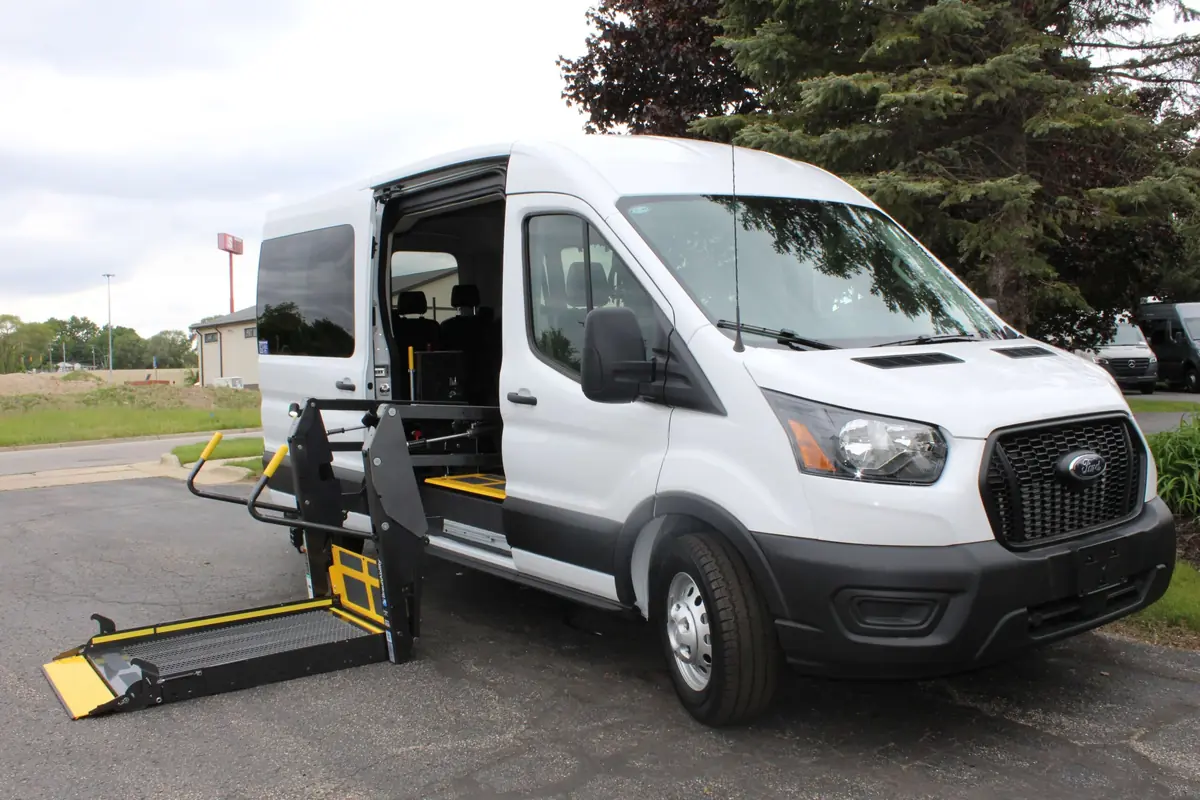
The only reliable way to navigate the island independently is a private accessible van rental. Standard rideshare apps like Uber and Lyft in Puerto Rico have virtually no adapted vehicles — relying on them will strand you mid-itinerary. Specialized agencies rent side-entry and rear-entry minivans with heavy-duty hydraulic lifts, averaging around $420 per day.
The agencies to contact first are Wheelchair Getaways, Cloud of Goods, and MobilityWorks. Reserve weeks in advance — the accessible fleet is small, and demand during peak season outpaces supply quickly.
Pro Tip: Secure the tie-downs meticulously before every drive. Roads outside the main San Juan highways have potholes and uneven surfaces that will shift an unsecured chair dangerously during transit.
For island-hopping, the Ceiba ferry terminal crossing to Vieques and Culebra is fully accessible. Boarding ramps and priority seating for mobility devices are standard, and the crossing takes 45 minutes each way.
Metropolitan traffic in San Juan moves unpredictably, particularly during morning and evening rush. Build at least 20 extra minutes into any transit leg that crosses the capital.
Are there wheelchair accessible beaches in Puerto Rico?
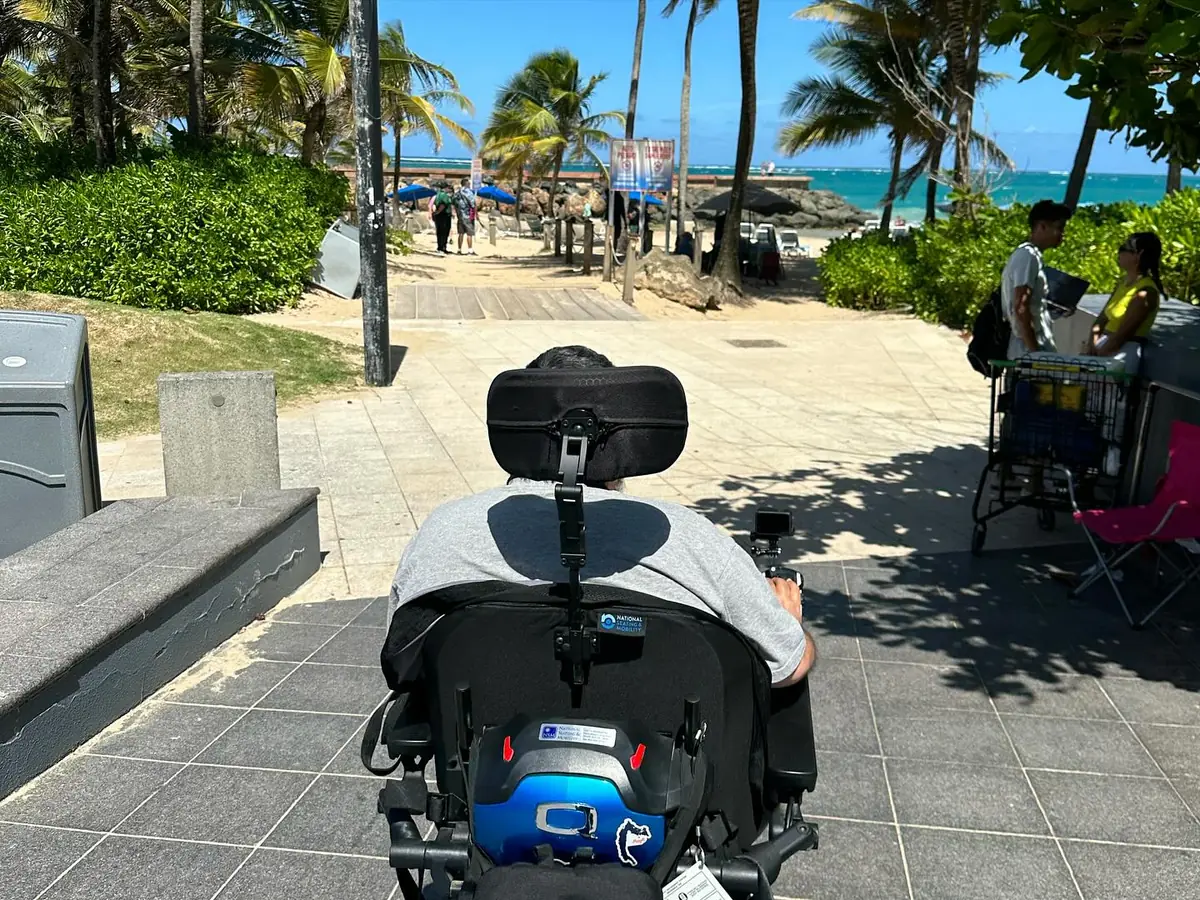
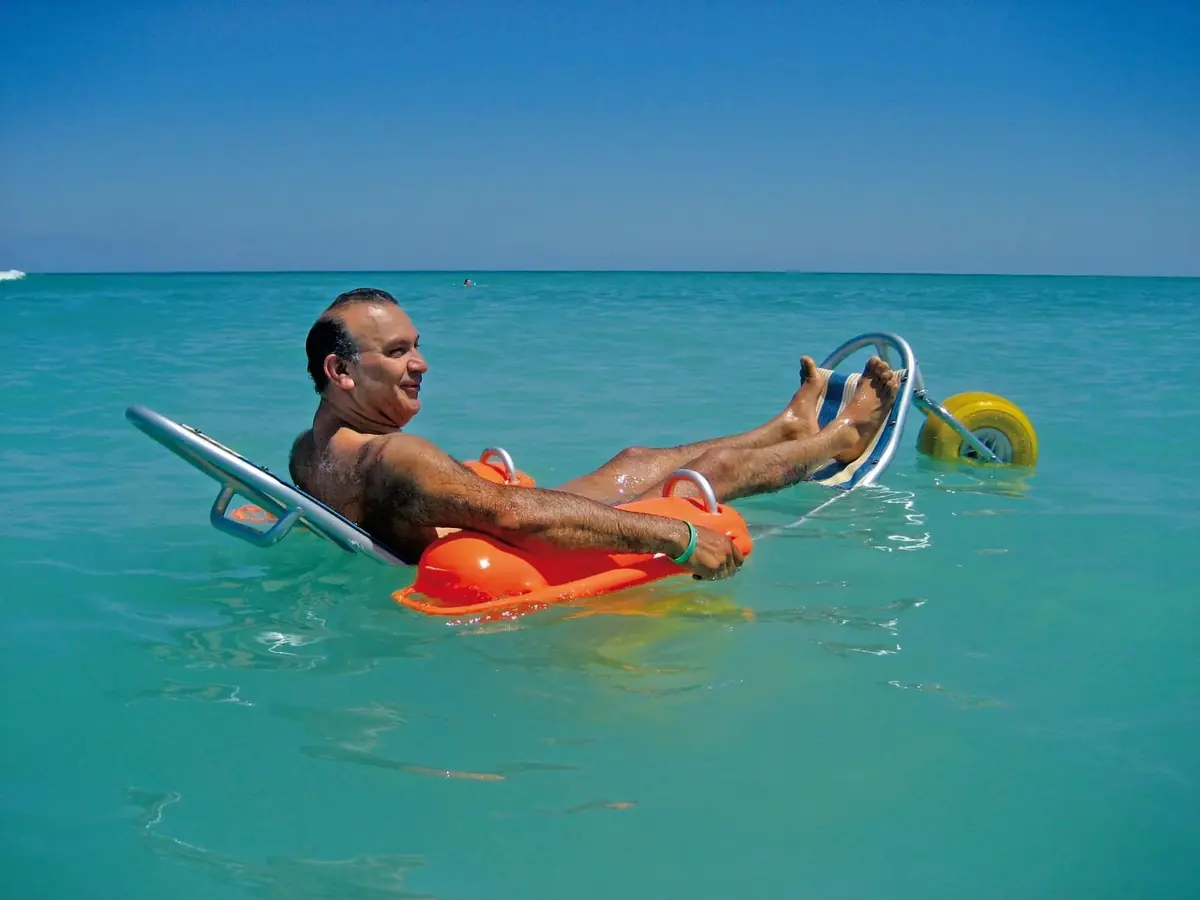
Yes — several beaches offer genuine wheelchair access, not just a parking lot near the sand. Luquillo Beach, 33 miles (53 km) and roughly 45 minutes east of San Juan, features a dedicated barrier-free facility called Mar Sin Barreras. Mobi-mats cross the deep sand, and amphibious wheelchairs are available for rent so you can roll directly into the warm Caribbean water.
The facility has over 50 designated disabled parking spaces, accessible showers, and compliant restrooms. The amphibious chairs float and are built specifically for saltwater — they are not pool chairs. Arrive before 8 a.m. and park directly behind the food kiosks. That position puts you immediately adjacent to the facility entrance and eliminates a long push across hot pavement.
Pro Tip: The Mobi-mats are firm enough for power chairs across most of their length. The section closest to the waterline softens significantly at high tide. Ask staff which mat segment is most stable when you arrive.
On the southwest coast, Balneario de Boquerón also has rigid beach mats extending from the parking area to the shoreline. It is a slower, less crowded alternative to Luquillo — better suited if you are based in Ponce or Mayagüez rather than San Juan. Call ahead to confirm whether amphibious chair rentals are available on a given day; they are not always guaranteed on site.
One mechanical distinction worth understanding before you arrive: the mat gives you access to the water’s edge. Getting into the water itself requires an amphibious chair. These are two separate pieces of infrastructure, and both need to be in place for a full ocean experience.
How accessible is Old San Juan for wheelchair users?
Old San Juan is technically accessible but physically brutal. Steep hills and centuries-old blue cobblestone streets produce continuous rattling vibration that fatigues manual wheelchair users within 30 minutes. Power chairs handle the cobblestones better, but the terrain drains batteries significantly faster than flat pavement. Focus on the forts and the Paseo de la Princesa — the rest of the interior streets are not worth the physical cost.
Castillo San Felipe del Morro
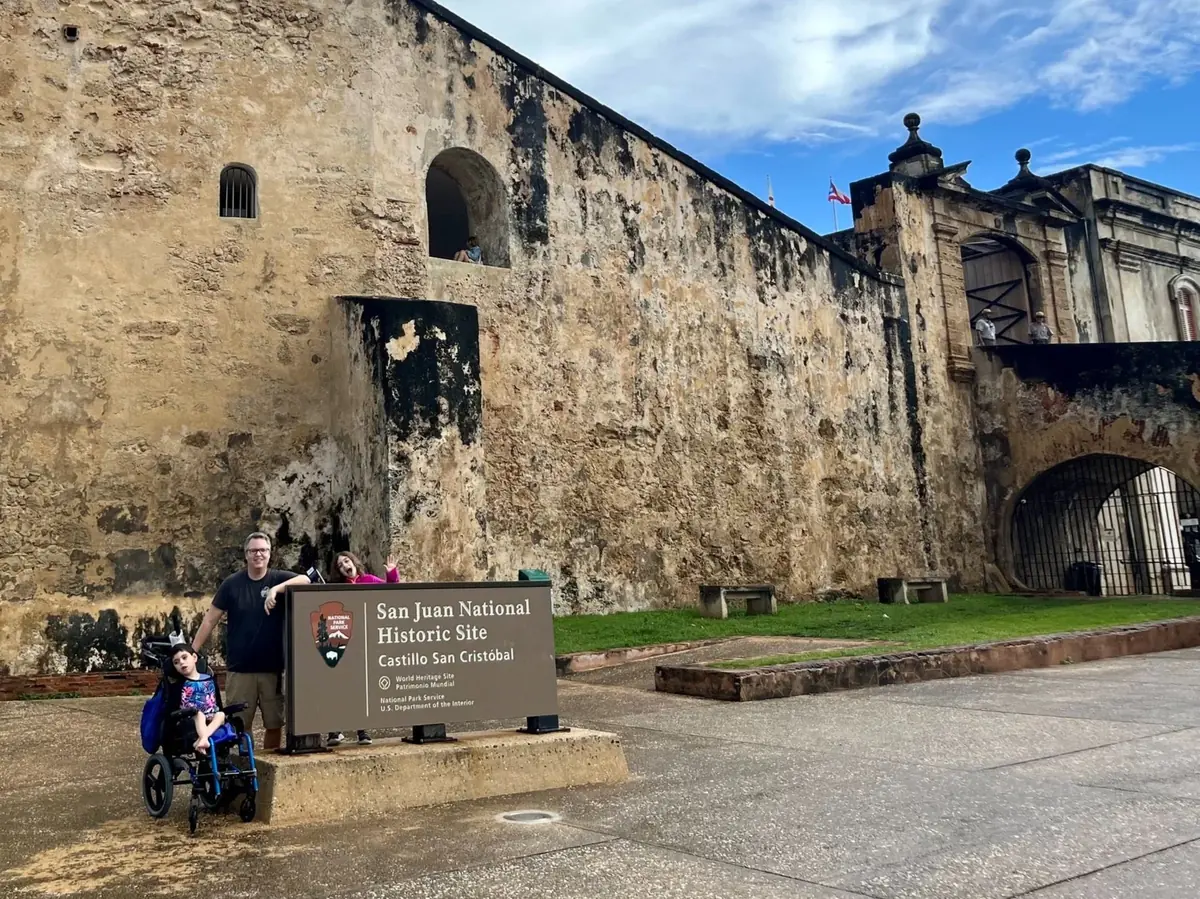
General admission to El Morro is free. The main path into the fort is paved and ramp-equipped, and restrooms at the entrance meet ADA standards. Castillo San Cristóbal, a short distance across the city, is largely accessible as well, though some colonial doorways are narrow enough to require careful maneuvering through.
The descent on the main ramps at El Morro is steep enough to feel genuinely precarious. Manual users will need a strong person on the back handles for the return ascent. Power chair users should arrive with a full battery — the incline puts significant load on motors and brakes, and there is no charging point inside the fort.
Pro Tip: Disabled parking near El Morro fills by 9 a.m. Arrive before the gates open or plan on a longer push from the nearest accessible lot on Calle Norzagaray.
Paseo de la Princesa
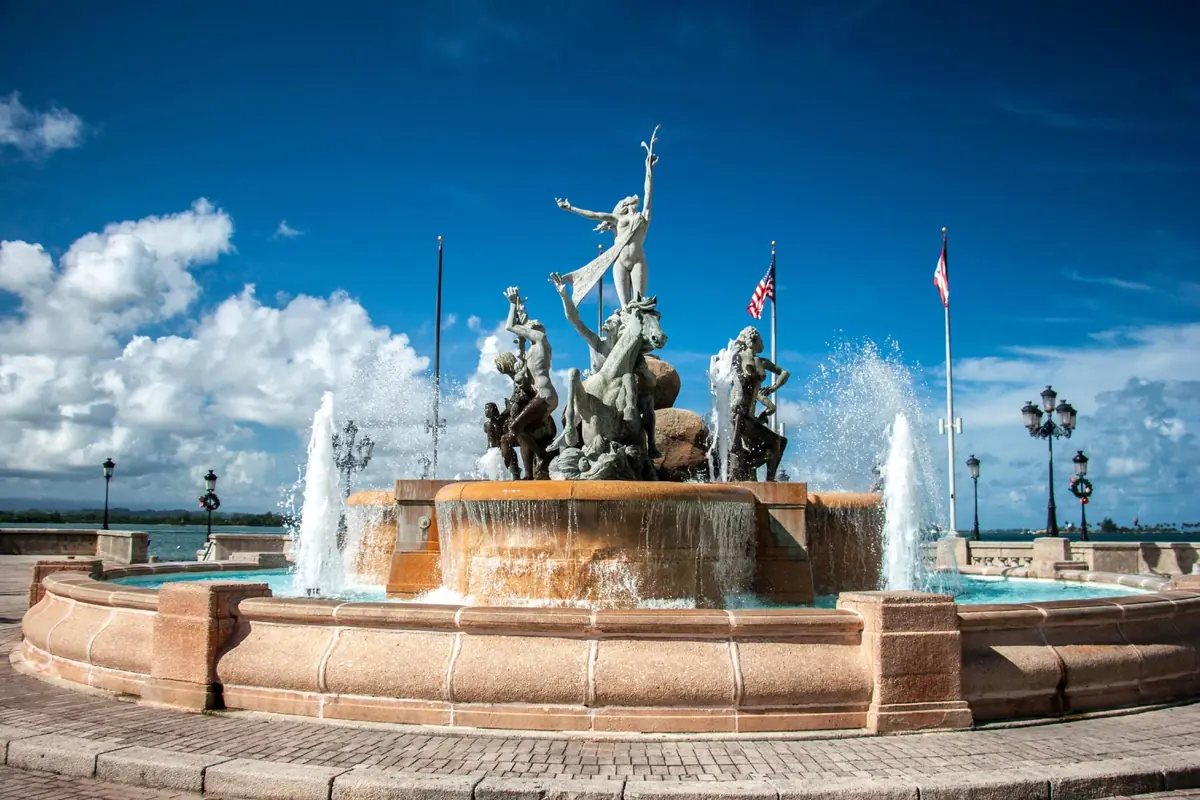
When the cobblestones of Old San Juan start to wear you down, Paseo de la Princesa is the recovery route. This flat waterfront promenade runs along the old city wall with smooth paving, no significant grade changes, and unobstructed bay views. It is genuinely comfortable for both manual and power chairs and is one of the few places in the historic district where independent exploration is realistic without a caregiver.
The promenade connects logically to the San Juan Gate and the waterfront — a natural endpoint for a morning that starts at the forts. Sections of the path are shaded, which matters when the temperature is sitting at 85°F (29°C) with high humidity layered on top.
Is El Yunque National Forest wheelchair accessible?
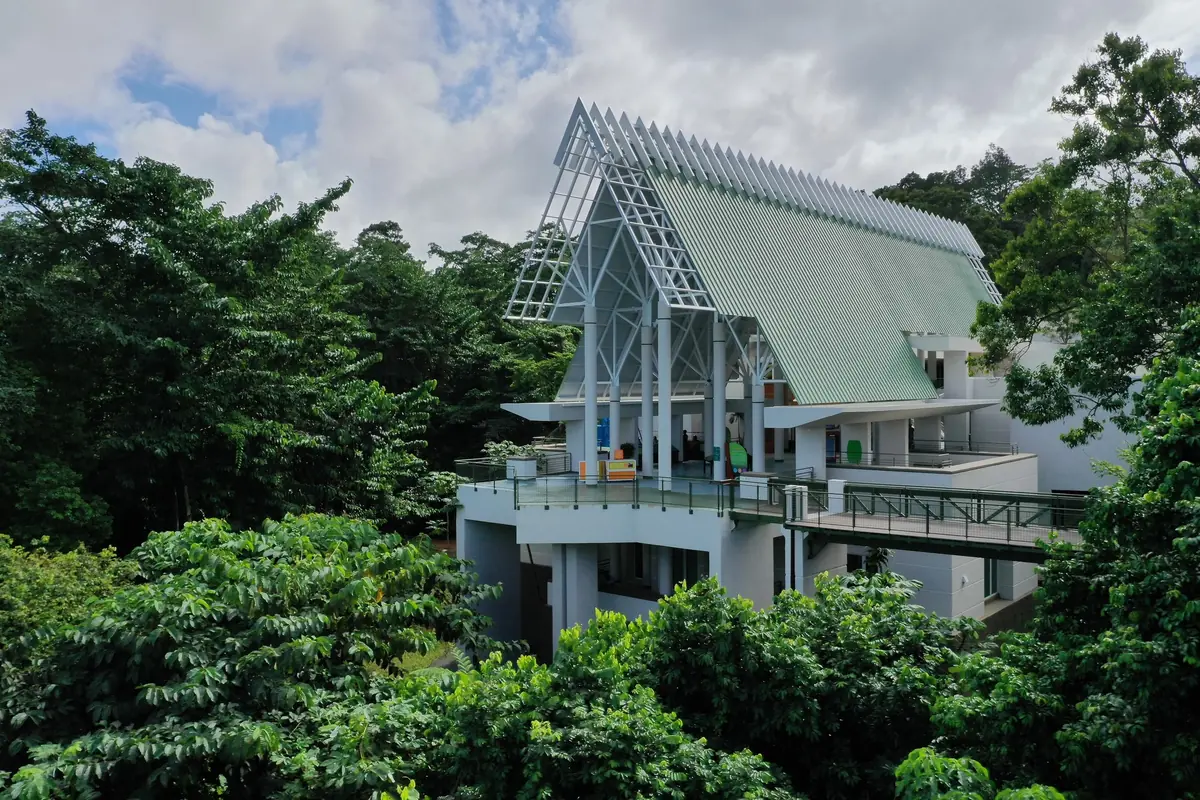
El Yunque National Forest is accessible at the El Portal Visitor Center — not in the forest itself. The visitor center has fully compliant restrooms, accessible exhibits, and pavilions. Admission runs $8 for adults, reduced to $4 with a federal interagency pass. The paved Explore and Discover trail is the only route in the park that is safe for wheelchairs. Every other path involves stairs, exposed tree roots, mud, and grades that make return impossible.
Stay strictly on the concrete sections of the Explore and Discover trail. Gravel branches off the main concrete path have uneven surfaces and drop-offs at the edges — dangerous for both manual and power chairs. The park map marks the paved section clearly. Treat any unpaved path as a hard boundary.
Pro Tip: Afternoon rain at El Yunque is almost certain. The concrete trail gets slippery even when it looks dry. Manual users need firm grip on the rims going downhill. Arrive between 8 and 11 a.m. for the firmest surface and the clearest sky.
Certain waterfalls visible from the main forest road can be seen through the window of an accessible vehicle without leaving the car. For wheelchair users whose primary goal is the canopy experience rather than the trail, a slow drive through on the main road is a genuinely satisfying alternative that requires no physical exertion.
Can wheelchair users visit the bioluminescent bays?
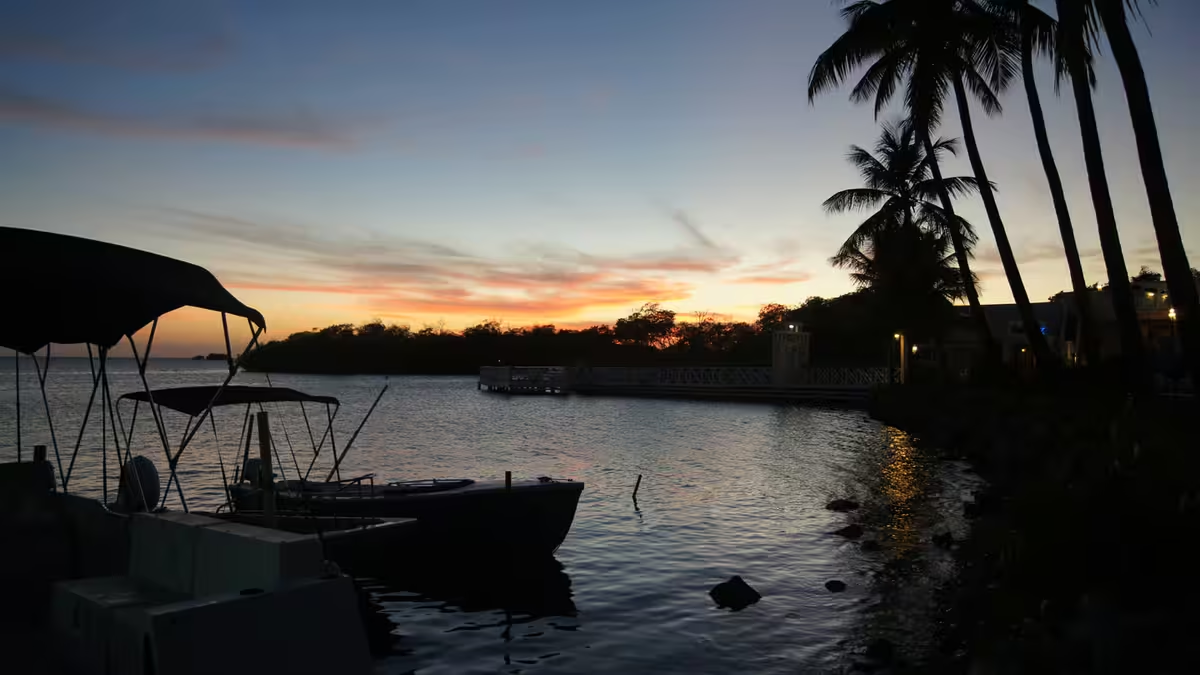
Yes — but skip the kayaks. Both Laguna Grande in Fajardo and Mosquito Bay in Vieques have accessible bioluminescent bay tours offering night excursions. The viable option for wheelchair users is an electric pontoon boat, which allows you to board from the dock without transferring into a low, unstable kayak in the dark. Accessible tours run at approximately $125 per person.
Some operators advertise adapted kayaks with staff-assisted transfers, and technically they work. But the transfer process — lifting someone from a dock down into a kayak sitting a few inches above the water — is physically demanding and strips most users of dignity. If you have limited upper body strength or no active core stability, the pontoon boat is not a preference. It is the only safe option.
Pro Tip: Laguna Grande in Fajardo is approximately 45 minutes by accessible van from San Juan. Mosquito Bay in Vieques requires the ferry from Ceiba, adding 90 or more minutes to an evening excursion. If you are based in the capital, Laguna Grande is the practical choice by a significant margin.
Tour operators that include an accessible transport bus from the hotel to the launch site remove a major logistical headache — coordinating a van rental for a late-night excursion is complicated. Ask specifically whether their vehicle can accommodate your chair before booking.
Which Puerto Rico hotels have roll-in showers and pool lifts?
Puerto Rico’s major accessible hotels comply with ADA standards, but compliance on paper covers a wide range of actual hardware. The properties that genuinely perform for wheelchair users are those with verified pool lifts, zero-entry showers wide enough to turn a chair, and beds at a height that allows lateral transfer. Call before booking and ask for exact shower dimensions and mattress height — do not rely on the website description alone.
Courtyard by Marriott Isla Verde Beach Resort
The Courtyard Isla Verde is the most consistently cited property for wheelchair users with serious aquatic access needs. It has two pool lifts plus a dedicated hot tub lift — a combination that is rare even among ADA-compliant beach resorts in the Caribbean.
- Location: Isla Verde, San Juan — direct beach access
- Cost: Accessible rooms vary; book at least two months ahead in peak season
- Best for: Wheelchair users who prioritize pool access and proximity to the beach
- Time needed: Ideal as a multi-night base for San Juan
Beds in modernized luxury properties are increasingly built at 30 inches from the floor, making lateral transfer from a wheelchair difficult or impossible without a step or caregiver. Before finalizing any booking, call the front desk and request the exact mattress height for the accessible room type. The Courtyard Isla Verde has been reported at a manageable height, but verify for your specific chair.
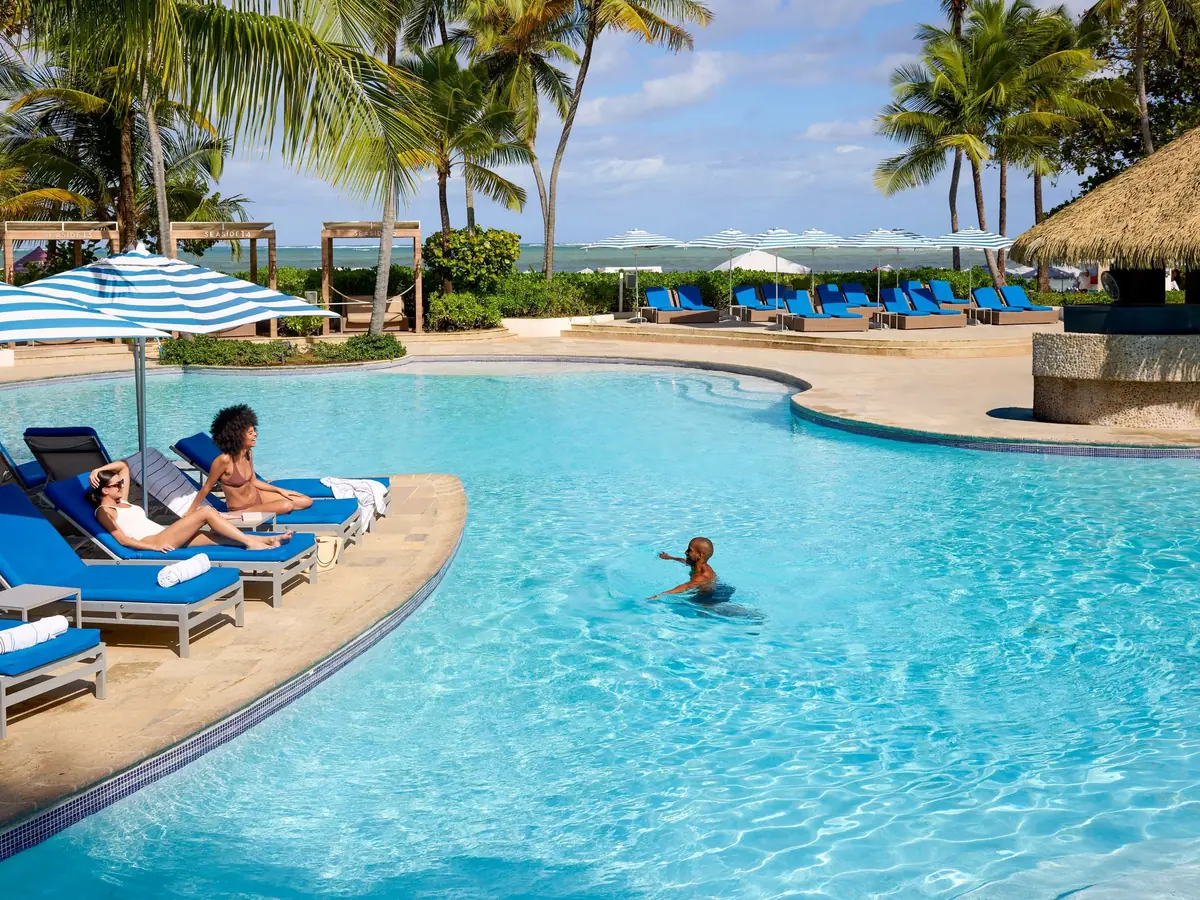
El Conquistador Resort
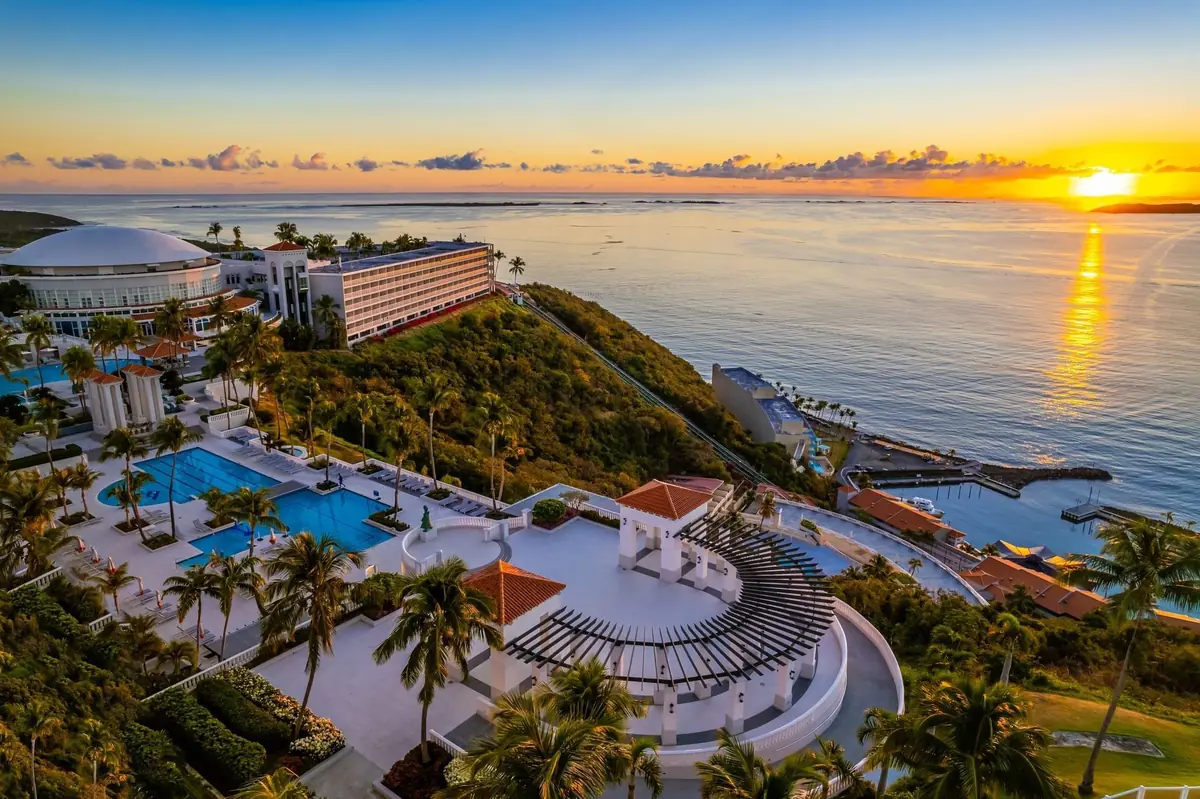
El Conquistador sits on the northeastern tip of the island near Fajardo, about 31 miles (50 km) from San Juan. The resort is back in operation after its post-Hurricane Maria closure, currently running 677 rooms and scheduled to grow to 750 rooms by the fall. It is a large property with accessible public spaces, zero-entry showers, and an internal transportation system to handle the significant elevation changes across its sprawling footprint.
- Location: Fajardo, northeastern coast — approximately 31 miles (50 km) from San Juan
- Cost: From approximately $300/night for accessible room categories
- Best for: Families or multi-generational groups wanting a self-contained accessible resort
- Time needed: Two to three nights minimum to explore the property properly
Pro Tip: Ask hotel housekeeping to lower the handheld showerhead to seated height before your first night. Staff routinely store them at standing height. If you do not catch it at check-in, it requires a phone call to the front desk to fix — not a disaster, but an avoidable friction point.
What are the best accessible shore excursions from the San Juan cruise port?
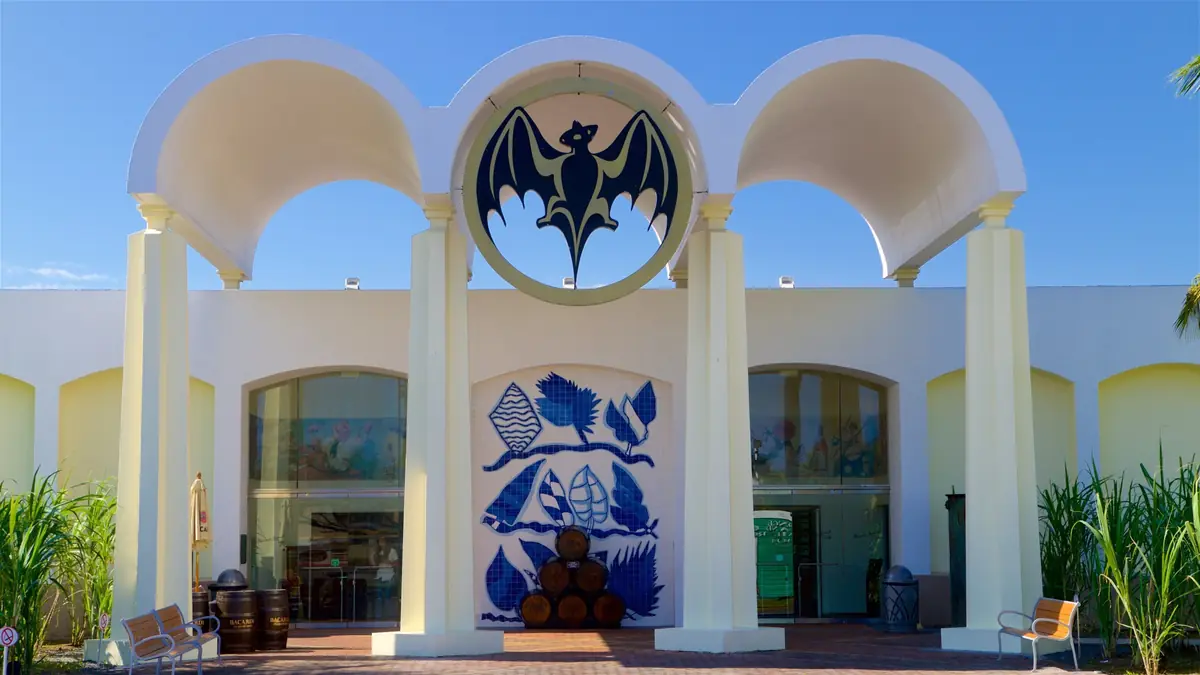
For San Juan cruise port passengers with a limited port window, the two safest accessible options are the Old San Juan waterfront area and the Casa Bacardí distillery in Cataño. Both sit within 30 minutes of the cruise port, are fully barrier-free, and are manageable in a four-hour port window without the risk of a late return to the ship.
The Casa Bacardí rum tour runs 90 minutes on a flat, paved campus. A motorized tram connects the ferry dock to the main distillery building. The tram has a foldout ramp for power chairs, but it has no internal floor tie-downs. Hold the armrests firmly during the 15 mph ride — the path has mild undulations and the ride is not entirely smooth.
Pro Tip: Do not book a rainforest excursion if the ship is in port for fewer than eight hours. Traffic between San Juan and El Yunque is unpredictable, and missing the ship’s departure due to a mobility delay is not a theoretical risk. The distillery tour is the highest-reward, lowest-risk option for a half-day port stop.
If the ship has a longer call, a private accessible van tour that stays on Paseo de la Princesa and the El Morro grounds covers the best of the historic district without subjecting you to the cobblestone interior streets.
What most guides won’t tell you about accessible travel in Puerto Rico
TL;DR: Puerto Rico’s federal ADA compliance makes it one of the most accessible Caribbean islands for wheelchair users. But compliance and physical ease are different things. Reserve your van weeks in advance, verify exact shower dimensions and bed heights before confirming any hotel, arrive at Luquillo before 8 a.m., and choose pontoon boats over kayaks at the bioluminescent bays. The island rewards travelers who handle the logistics before departure — not after landing.
Have you traveled through Puerto Rico with a mobility device? What specific terrain detail surprised you most — drop it in the comments and help the next traveler plan with more accuracy.