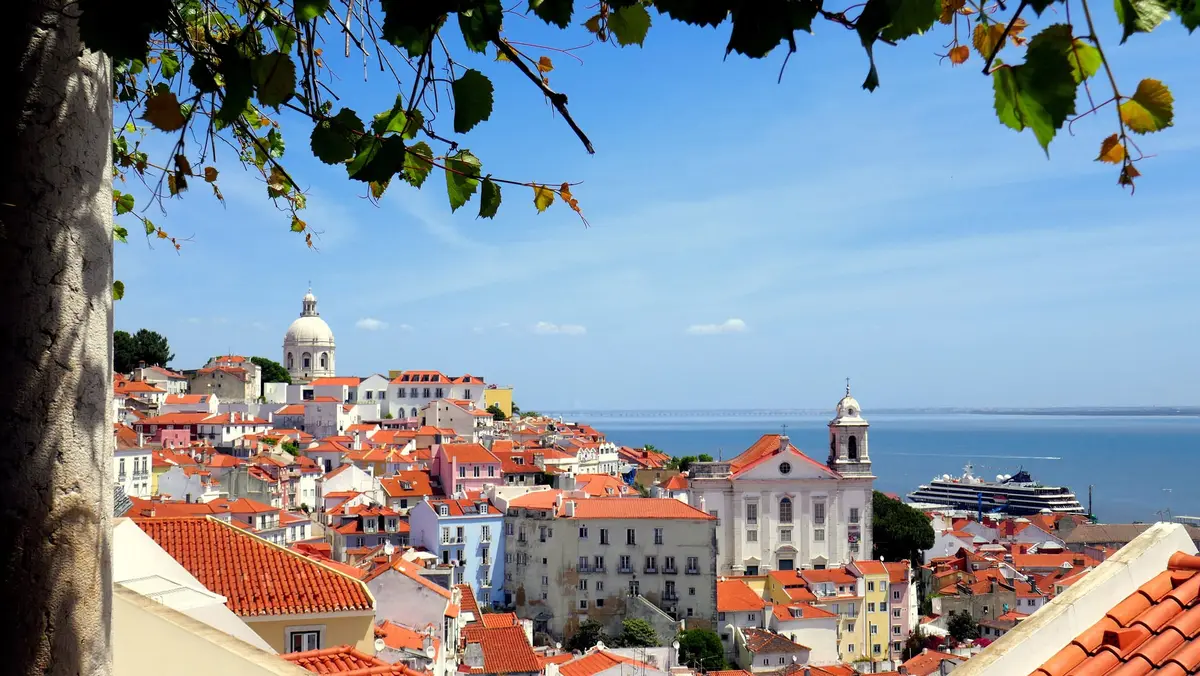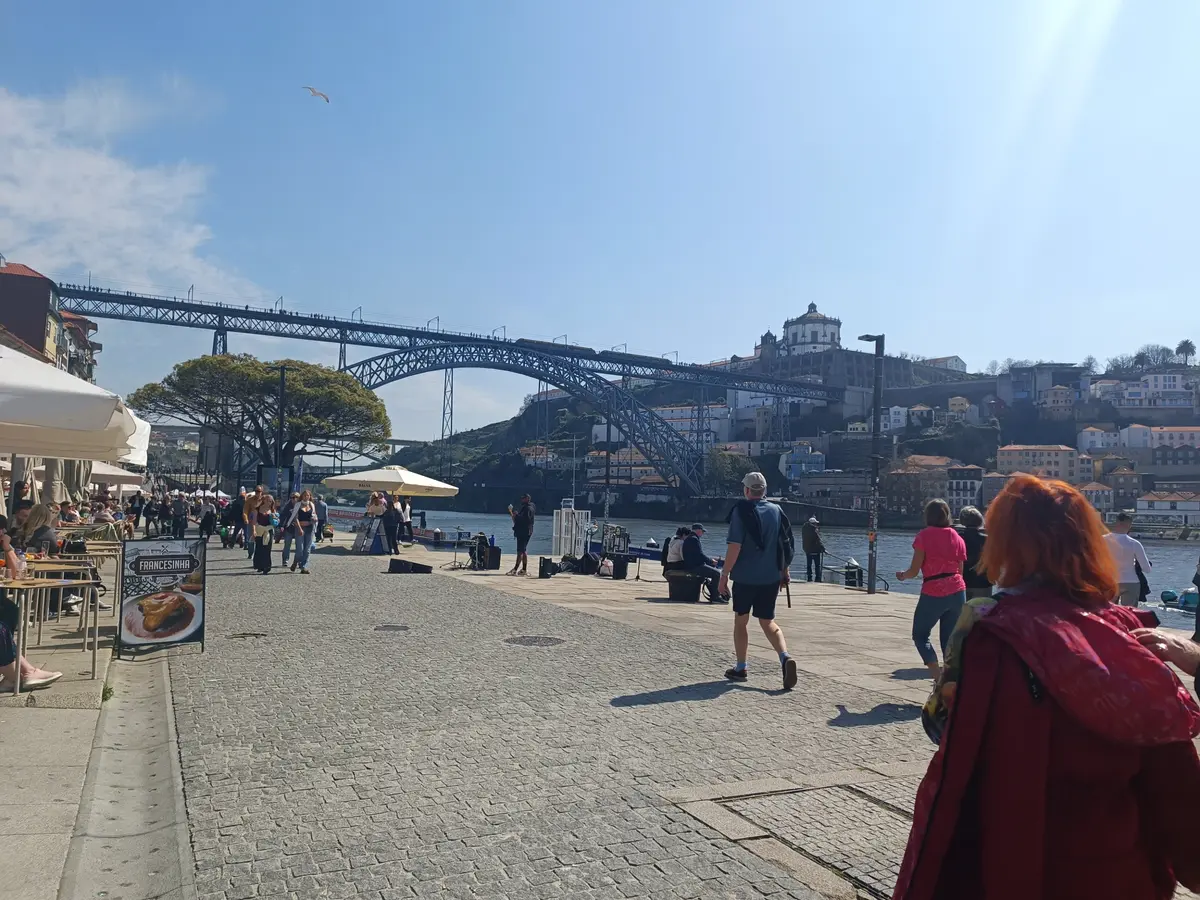
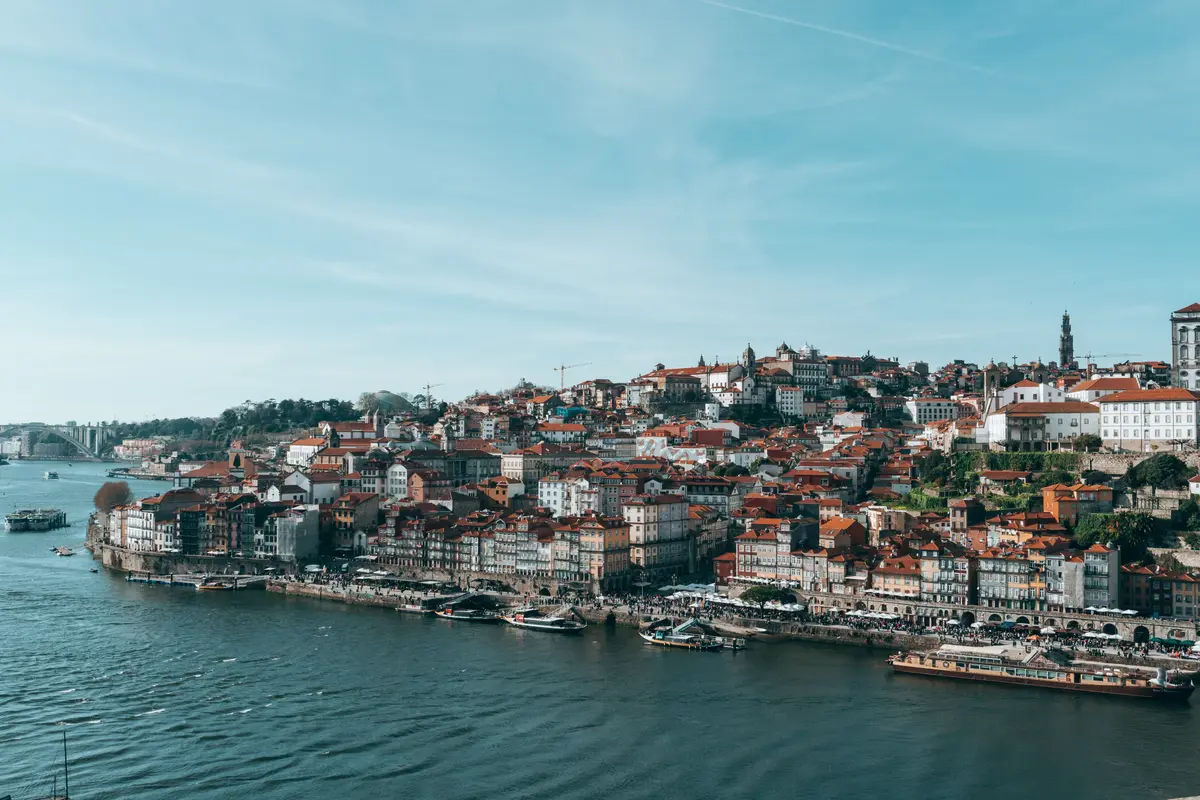
Lisbon to Porto is a three-hour trip, and the train wins it outright for most travelers. Flying looks faster until you add the airport runaround. Driving only pays off if you want to stop along the way. This guide compares all four routes — train, bus, car, and flight — with real prices, station-level detail, and the verdicts booking sites skip.
The Short Answer: Take the Alfa Pendular Train
Take the train. CP’s Alfa Pendular covers Lisbon to Porto in about 2 hours 58 minutes, city center to city center, for roughly €36 (around $39) in standard second class, with about 14 departures a day. The bus is cheaper but slower. Flying rarely saves time once you count airport transfers and security.
The rest of this page breaks down each option, but if you only read one line, that’s the verdict: book a train, and book it through to São Bento (more on why below).
Train vs Bus vs Car vs Flight, Side by Side
Here’s how the four options stack up on the numbers that actually drive the decision.
| Mode | Time | Price one-way | Departs → Arrives | Best for |
|---|---|---|---|---|
| Alfa Pendular train | ~2h58 | ~€36 ($39), 2nd class | Santa Apolónia / Oriente → Campanhã | Most travelers |
| Intercidades train | ~3h10–3h25 | ~€28 ($30), 2nd class | Santa Apolónia / Oriente → Campanhã | Value seekers |
| Bus | ~3h15–3h30 | from ~€8 ($9) | Sete Rios / Oriente → Campanhã or Gaia | Tight budgets |
| Car | ~3 hrs + stops | ~€25 ($27) tolls + fuel + rental | Door to door | Road-trippers |
| Flight | ~55–60 min in air | from ~$50 | LIS → OPO | Almost no one |
Those prices are the lower, book-ahead figures. Walk-up fares run higher, especially on buses and flights.
Lisbon to Porto by Train
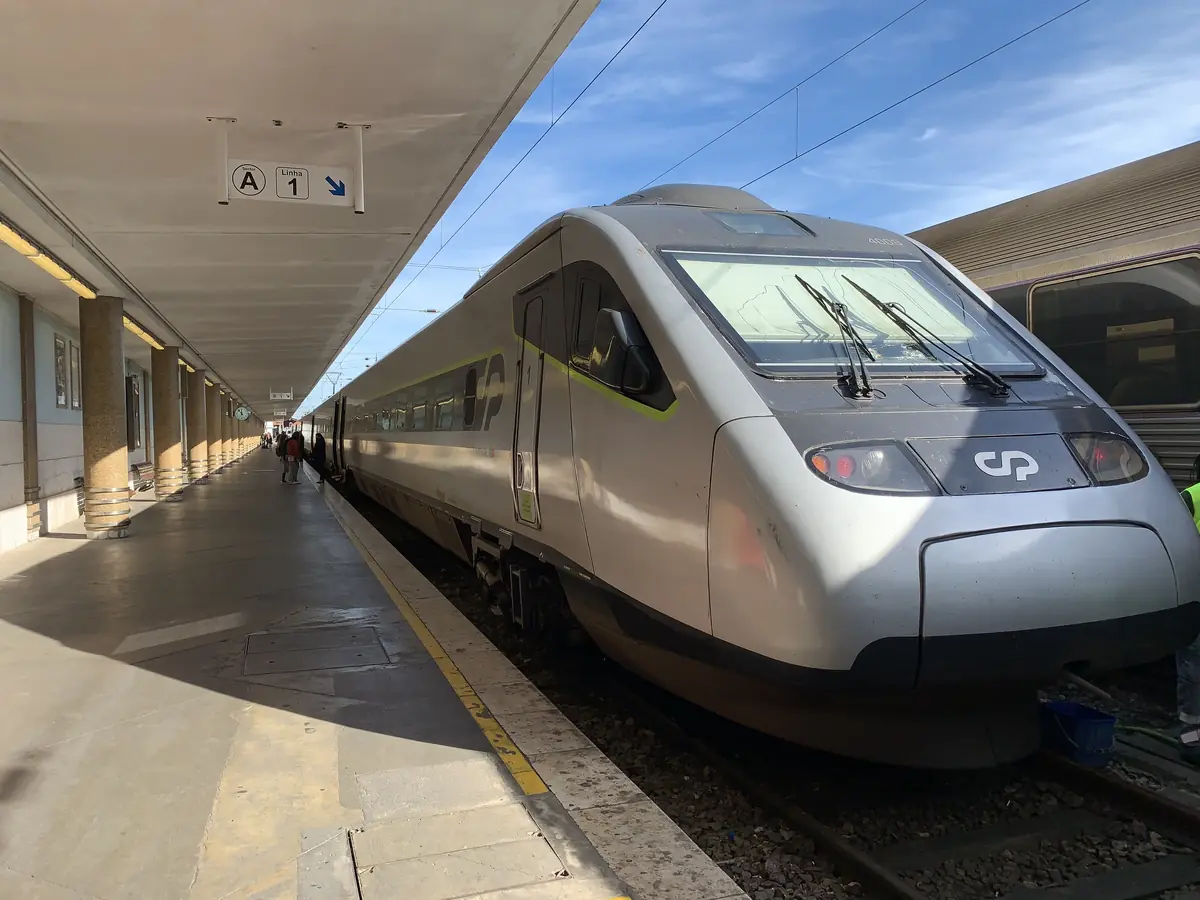
Two CP trains run the route. The faster Alfa Pendular takes about 2h58 and costs roughly €36 (around $39) in second class. The Intercidades takes about 3h10 to 3h25, stops more often, and runs cheaper at around €28 (about $30). Both leave from Lisbon’s Santa Apolónia and Oriente and arrive at Porto Campanhã.
The train is the default for a reason. No security line, no bag drop, no slog to a far-flung airport — you walk onto a platform downtown and step off in another downtown three hours later. Departures run from early morning to late evening, so you’re not boxed into one or two times.
Alfa Pendular or Intercidades — Which Train to Pick
The Alfa Pendular is the tilting high-speed service, topping out around 125 mph (200 km/h) on this line. The Intercidades uses older carriages and adds roughly 15 to 25 minutes. Same window scenery, same route. The gap in price is about €8 (around $9).
My take: the Intercidades is the smarter buy unless you’re racing the clock. You pocket a meal’s worth of cash for 20-odd extra minutes on identical tracks. The Alfa Pendular earns its premium when you want the fastest run or the roomier first-class (Conforto) seats.
- Alfa Pendular: about 2h58, ~€36 ($39) 2nd class / ~€50 ($54) 1st class
- Intercidades: about 3h10–3h25, ~€28 ($30) 2nd class / ~€42 ($45) 1st class
- Difference: ~20 minutes and ~€8 ($9)
How to Get Cheap Train Tickets
Book ahead. CP releases Promo fares from around €10 (about $11) in second class, available roughly 5 to 60 days before departure. They sell out, so the earlier you commit, the better the price.
Discounts stack on full-fare tickets:
- Children under 4: free
- Children under 12: half price
- Travelers under 25: about 25% off
- Travelers 65+: about 50% off
- Round trip: about 10% off
Buy directly at cp.pt or through Omio, the CP-authorized reseller. Skip third-party sites that aren’t official channels — some mark fares up, and a few aren’t authorized to sell CP tickets at all.
Pro Tip: CP’s website can choke on foreign cards. If a payment bounces, switch browsers or use the Omio app rather than assuming the train is sold out.
Which Stations? Santa Apolónia, Oriente, Campanhã and São Bento
This is where most guides lose people. Lisbon and Porto each have two stations in play, and picking the right one saves you a metro ride.
In Lisbon:
- Santa Apolónia: the most central, right on the river below Alfama, on the blue metro line
- Oriente (Gare do Oriente): out in Parque das Nações, on the red metro line, and the closest station to the airport
Most trains call at both a few minutes apart, so board at whichever is nearer your bed.
In Porto:
- Campanhã: the main long-distance terminus, about 1.5 miles (2.5 km) east of the old town, on the metro
- São Bento: the central station with the famous tiled hall, but it runs local and suburban trains only
Here’s the detail worth the whole section: every Lisbon–Porto ticket includes a free suburban transfer from Campanhã to São Bento. The connecting trains run every 5 to 15 minutes and take 4 minutes. Book your ticket to “São Bento” and the free onward leg prints right on it — you step off the mainline train, cross the platform, and ride into the center for nothing extra.
Pro Tip: Always book to Porto São Bento, not Campanhã. It costs the same and drops you in the historic center instead of leaving you to wrangle the metro with luggage.

What the Ride Is Actually Like
Both trains have WiFi, power sockets, a café-bar car, and luggage racks at the carriage ends. Seats are assigned. The ride is smooth and quiet enough to work or sleep through.
Two things trip up first-timers. The first is the seat labeling. Your ticket lists “Carruagem” (carriage) and “Lugar” (seat), and the numbering isn’t what you’d expect — a car marked “21” is the first second-class car, not the twenty-first. Check the digital sign by each door instead of counting cars down the platform.
The second is the view. Sit on the left heading north, and the payoff comes near the end: the train curves along the Douro and hands you the river and Porto’s double-deck iron bridge before you’ve even stepped off.
Pro Tip: Grab a left-hand window seat going toward Porto. The right side faces away from the river during the best stretch of the approach.

Taking the Bus: Cheapest but Slower
Rede Expressos and FlixBus run Lisbon to Porto in about 3h15 to 3h30, with advance fares as low as around €8 (about $9). Buses leave from Sete Rios and Oriente in Lisbon and arrive at Campanhã or across the river in Gaia. Prices climb the longer you wait, airline-style.
The bus is the move when price beats everything else. Coaches are comfortable, air-conditioned, and usually have WiFi and a restroom. The trade-offs are real, though: you’re on the highway instead of the rails, you hit traffic on the approaches to both cities, and the cheapest seats vanish first.
Rede Expressos runs the most departures — more than 20 a day — out of the Sete Rios terminal. FlixBus leaves from Oriente and often undercuts on price. Across all operators you’ve got well over a hundred daily trips, so frequency is never the problem.
- Operators: Rede Expressos, FlixBus, Citi Express, Gipsyy, Alsa, BlaBlaCar Bus
- Lisbon terminals: Sete Rios (Rede Expressos), Oriente (FlixBus)
- Time: about 3h15–3h30
- Fares: from ~€8 ($9) booked early; much higher last-minute
Pro Tip: Book the bus a week or more out. Same-day fares can run three to four times the advance price and erase the bus’s only real edge over the train.
Is Driving Worth the Tolls and Stress?
Only if you want to stop along the way. The A1 motorway covers the 194 miles (313 km) in about three hours, but tolls run around €25 (about $27), plus fuel and a one-way rental drop fee that often pushes the total past the train’s price. For a straight A-to-B trip, the train is cheaper and calmer.
Renting a car just to get from one downtown to the other is the weakest default on this list. You’ll pay for the rental, the tolls, the fuel, and often a one-way fee for dropping the car in a different city — then you’ll hunt for parking in Porto’s tight old-town streets.
Where driving wins is the scenery. Route off the A1 and stitch together Óbidos, Coimbra, and Aveiro, and the car turns a transit leg into the trip itself (see the scenic section below).
- A1 (Autoestrada do Norte): fastest, tolled at around €25 ($27)
- Coastal A8/A17: a little longer, also tolled, more coastline
- N1/IC2: toll-free but slow, with town traffic the whole way
Pro Tip: Foreign license plates can’t always use the automatic Via Verde toll lanes. Set up Easytoll at a border kiosk or your rental desk so charges hit your card instead of turning into fines later.
Is Flying Ever Worth It?
Almost never. The flight itself is only 55 to 60 minutes, but airport transfers, check-in, and security push the real door-to-door time past four hours — longer than the train, which leaves and arrives downtown. The one case for flying is if you’re already connecting through Lisbon’s airport when you land in Portugal.
TAP Air Portugal and Ryanair both fly LIS to OPO, sometimes from around $50 one-way, and on paper an hour in the air beats three on the train. The math falls apart on the ground. You get yourself out to Humberto Delgado in Lisbon, clear the airport, wait to board, fly, then ride 20-plus minutes from Francisco Sá Carneiro into Porto. Add it up and you’ve lost the time you thought you saved.
Is Lisbon to Porto Worth a Day Trip?
It’s doable but better as an overnight. A round trip burns 6 to 7 hours in transit, leaving only a few hours in Porto before you turn around. If one day is all you’ve got, take the earliest train out and the last one back — but you’ll be seeing Porto on fast-forward.
Here’s the realistic shape of it. Catch a train around 6:30 to 7 a.m. and you reach Porto near 10. That gives you the late morning and afternoon — enough for the Ribeira waterfront, São Bento, a quick port tasting across the river in Gaia, and one proper meal — before the last train back leaves around 8:30 to 8:40 p.m.
Travelers who’ve done both tend to land in the same place: a day trip technically works, but Porto rewards a slower visit, and a single night turns a rushed loop into an actual stay. If your schedule is rigid, go anyway. If it bends even a little, sleep over.
Pro Tip: Book both legs of a day trip in advance as separate Promo fares. The early and late departures sell out first, and walk-up prices on those exact trains are the steepest of the day.
The Scenic Drive: Best Stops Between the Two Cities
This is the real case for renting a car. The direct A1 is dull, but the parallel route through central Portugal is lined with walled towns, monasteries, and canal cities — enough to stretch a three-hour drive into a two-day road trip.
Worth a stop, roughly south to north:
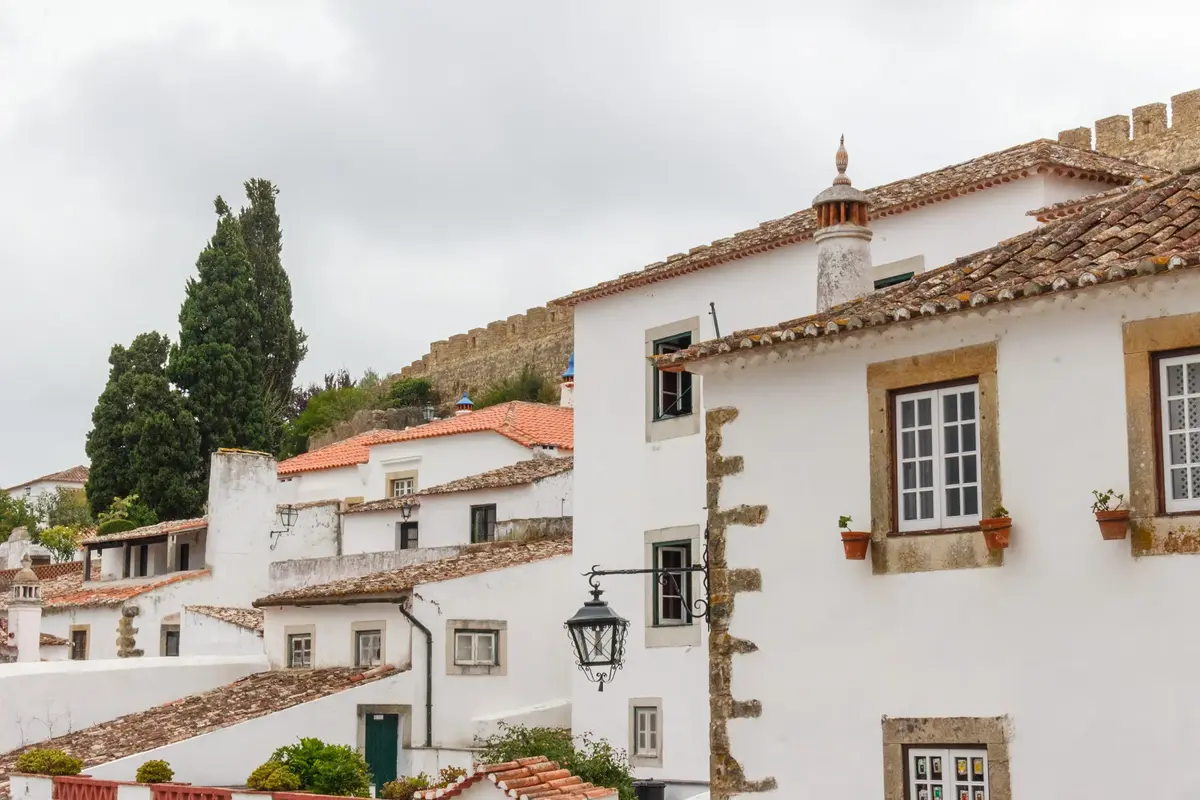
- Óbidos: a walled medieval town of whitewashed houses; try the ginjinha cherry liqueur served in an edible chocolate cup
- Nazaré: a fishing town turned big-wave capital, with a clifftop funicular up to the old quarter
- Fátima: one of Catholicism’s major pilgrimage sites
- Tomar: home to the Convento de Cristo, a former Knights Templar stronghold
- Batalha and Alcobaça: two of Portugal’s grandest Gothic monasteries, a short hop apart
- Coimbra: a hillside city with one of Europe’s oldest universities and its own style of fado
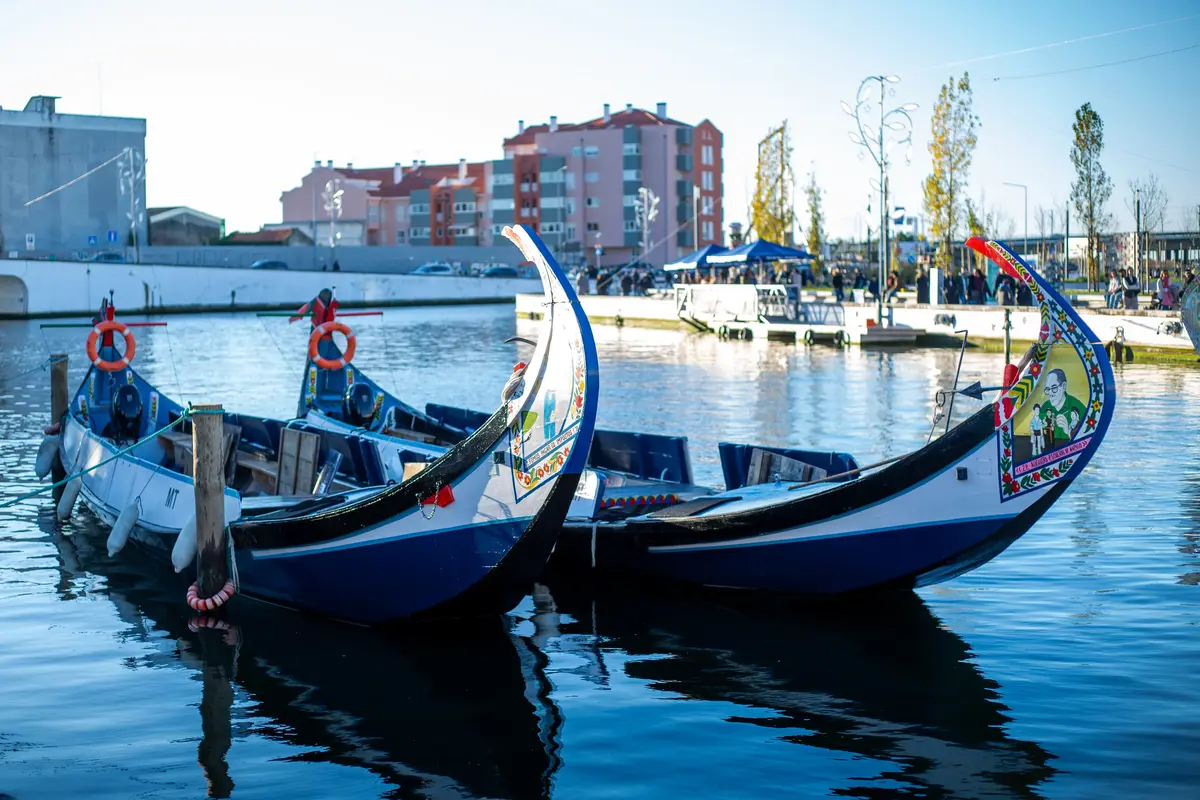
- Aveiro: laced with canals and painted boats, often tagged “the Venice of Portugal”
Even two or three of these turns the journey from a thing you endure into the reason you rented the car.
A Faster Train Is Coming
A new high-speed line between Lisbon and Porto is under construction, designed to pull the trip down toward 75 minutes — well under half the Alfa Pendular’s time. It’s being built in phases, with the northern stretch toward Porto opening first.
Don’t plan around it yet. The first phase is years out, and the full sub-90-minute journey lands later still. The project is backed by major European investment financing and run by Portugal’s national infrastructure agency, so it’s real and funded — just not soon. For now, the Alfa Pendular is the fast train.
Common Questions About the Lisbon to Porto Trip
Is the Train or the Bus Better From Lisbon to Porto?
The train, for almost everyone. It’s faster (about 2h58 versus 3h15 or more), more comfortable, and drops you in the center of both cities. The bus wins on price alone, with advance fares from around €8 (about $9) against the train’s roughly €36 ($39) standard fare — so it’s the budget call, not the better ride.
How Far Is Porto From Lisbon?
About 194 miles (313 km) by road on the A1, and roughly 209 miles (337 km) by rail, since the train line takes a slightly longer path. Either way, you’re looking at about three hours of travel by train, bus, or car.
How Many Trains Run From Lisbon to Porto Each Day?
Around 14 direct trains each way on a typical day, split between the Alfa Pendular and the Intercidades, running from early morning until late evening. Departures are frequent enough that you rarely need to build your whole day around one train — though the cheapest fares still go to those who book early.
Can I Buy Lisbon to Porto Train Tickets at the Station?
Yes, at ticket counters and machines in Santa Apolónia, Oriente, and Campanhã. But walk-up fares are full price — you lose the Promo discounts that drop second class to around €10 ($11). For the best price, book online at cp.pt or Omio 5 to 60 days ahead.
Do Rail Strikes Affect Lisbon to Porto Trains?
They can. Portugal’s railways see periodic strikes, and a single strike day can cancel most scheduled trains. Strikes are usually announced ahead of time, so check cp.pt/avisos before you travel. Strike cancellations generally aren’t covered by the standard delay-compensation rules, so keep a backup plan if your dates are fixed.
What I’d Book If It Were My Trip
If it were my Lisbon to Porto ticket, I’d take the Intercidades to save about €8 (around $9), sit on the left going north for the Douro and the bridge, and book it through to São Bento so the free transfer is already on my ticket. The Alfa Pendular is the call only when the clock matters.
TL;DR: Take the train over the plane. Book through to São Bento for the free transfer into central Porto, sit on the left heading north for the river-and-bridge view, and reserve 5 to 60 days ahead for Promo fares from around €10 (about $11). Rent a car only if you want the Óbidos-to-Aveiro stops.
Which way are you leaning — the fast Alfa Pendular, the cheaper Intercidades, or a scenic drive with a few stops along the way? Drop your travel dates and what you want to see in Porto in the comments, and I’ll weigh in.