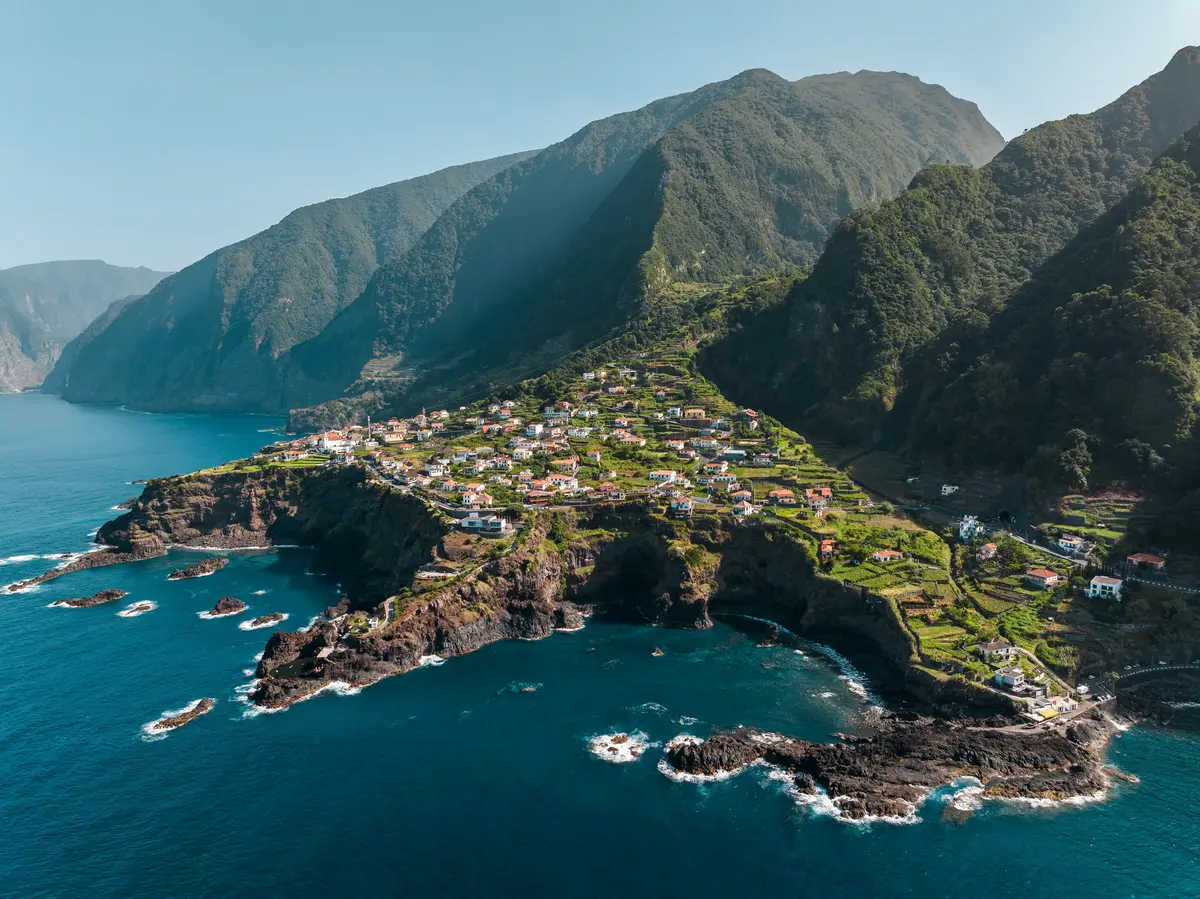
Madeira, Portugal is a volcanic island in the Atlantic, closer to Africa than to Lisbon, and built for hikers and drivers more than beach loungers. If your ideal trip means cliff-edge trails, misty laurel forest, and fortified wine over a harbor, you’ll love it. Here’s the honest, US-traveler’s plan — who it suits, and who should book elsewhere.
Quick Answer — Is Madeira Worth Visiting?
Yes — Madeira is worth visiting if you want dramatic hiking, green volcanic scenery, and mild weather in any month of the year. It’s an autonomous region of Portugal in the Atlantic, with its capital at Funchal. Skip it if you need sandy resort beaches, big nightlife, or a short flight; it rewards active travelers most.
That verdict splits people cleanly, so be honest with yourself before you book.
Go if you want:
- Big-elevation day hikes plus gentle levada walks through UNESCO-listed laurel forest
- A driving trip with a new viewpoint around almost every bend
- Mild temperatures and good walking weather across the calendar
- Madeira wine, fresh fish, and slow harbor dinners over a packed party scene
Rethink it if:
- You’re picturing wide golden beaches and a swim-up bar
- You want a quick flight and no connection
- Late nights and clubs are the point of the trip
- You’d rather not drive steep, tunnel-heavy mountain roads
Where Exactly Is Madeira, and Is It Spanish or Portuguese?
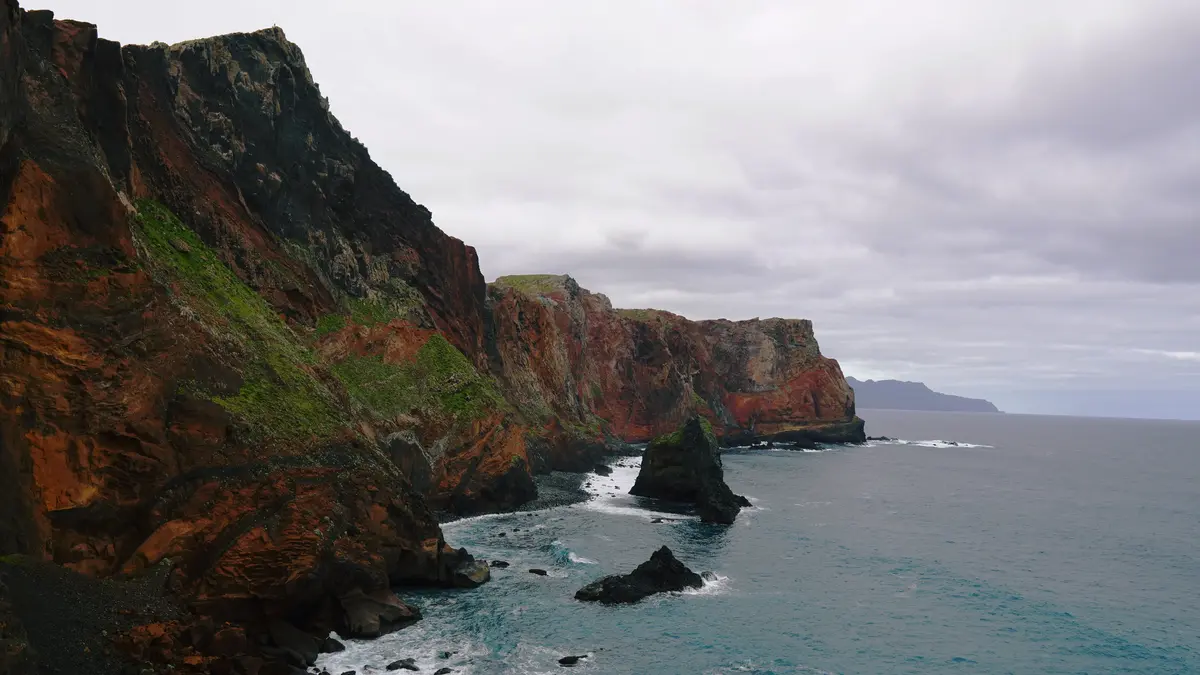
Madeira is Portuguese — an autonomous region of Portugal, not Spanish. The archipelago sits in the Atlantic Ocean about 600 miles (1,000 km) southwest of Lisbon and roughly 350 miles (560 km) west of Morocco. The main island, Madeira, is the largest; tiny Porto Santo and the uninhabited Desertas and Selvagens round out the group.
A few facts to anchor the geography:
- Main island area: about 286 sq miles (741 km²), stretching roughly 35 miles (57 km) east to west
- Capital: Funchal, on the warmer south coast
- Region: part of Macaronesia, alongside the Azores, the Canaries, and Cape Verde
Here’s a connection most US travelers miss: Madeirans emigrated to Hawaii in the late nineteenth century and helped seed island culture there, including the ancestor of the ukulele and the linguiça sausage. The two volcanic island chains share more than a climate.
How to Get to Madeira From the US
You can only reach Madeira by air — there’s no passenger ferry from mainland Portugal. From the US, most travelers connect through Lisbon or Porto on TAP Air Portugal, then take a short hop to Funchal’s Cristiano Ronaldo Madeira International Airport (FNC). United also runs a seasonal nonstop from Newark.
What the trip actually looks like:
- Total travel time: about 9 to 10 hours from the US East Coast via Lisbon or the Azores
- Lisbon to Funchal flight: roughly 1 hour 45 minutes
- United Newark (EWR) to Funchal nonstop: about 6 hours 50 minutes, seasonal only
- Main carriers: TAP Air Portugal, Azores Airlines (SATA), United
- Airport into Funchal: the Aerobus takes about 40 minutes, or grab a taxi or Bolt
- No mainland ferry; the only sailing is Funchal to Porto Santo
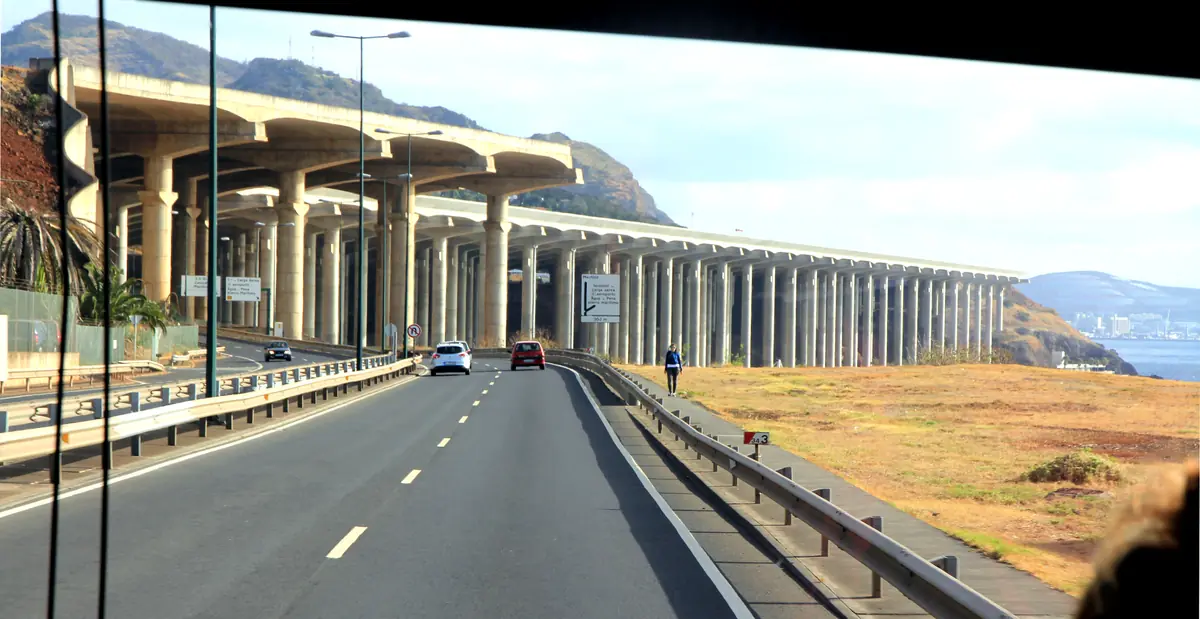
The airport itself is part of the experience. Its runway extension sits on roughly 180 concrete pillars about 230 feet (70 m) above the sea, and FNC regularly ranks among the world’s most challenging for crosswind landings. Crews need special certification to fly in, and flights divert in strong winds more often than at most airports.
Round-trip fares from the New York area have been seen from around $670 on United’s nonstop and roughly $740 on TAP, but prices swing hard by season. Deep-winter returns can dip near $200, while midsummer climbs well past $600. Treat any quote as a moving target and set a fare alert.
Pro Tip: Flights into FNC can divert to Porto Santo or back to Lisbon when crosswinds pick up. Leave a buffer day before any onward connection so a weather delay doesn’t cost you a hike or your flight home.
Do You Need a Rental Car in Madeira?
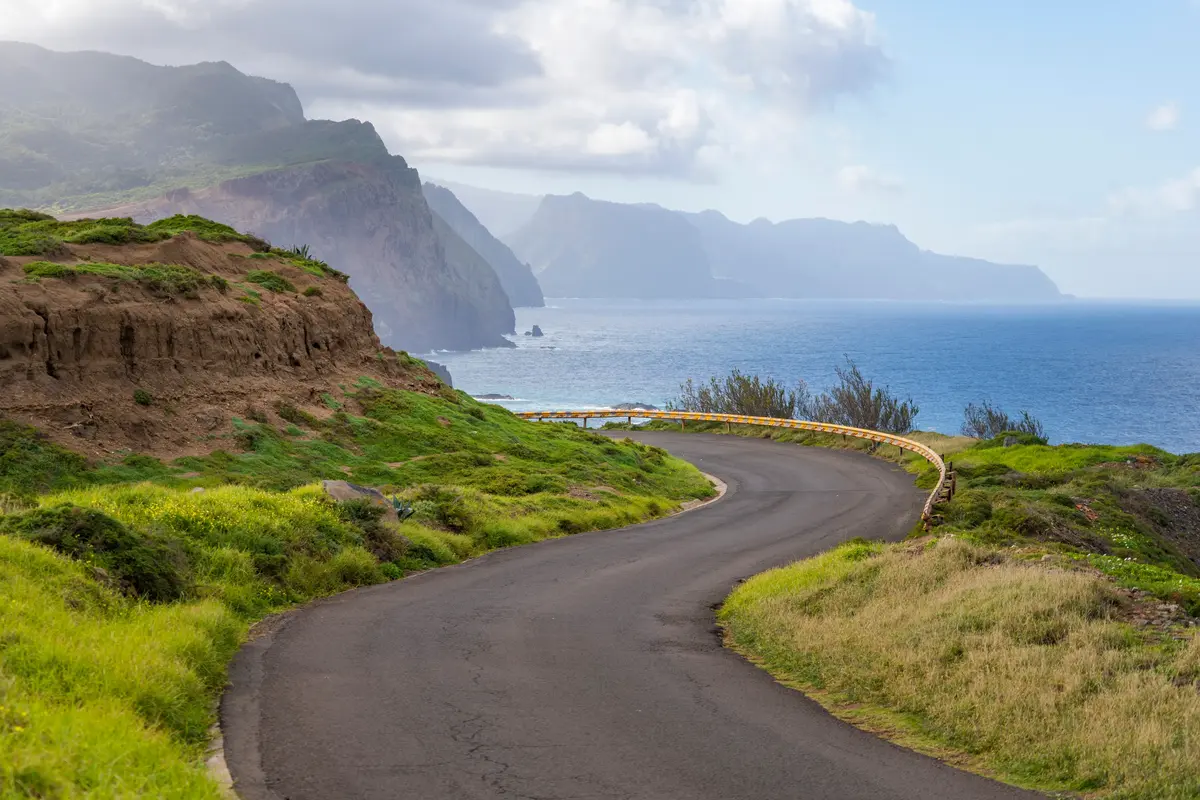
For most visitors, yes. A rental car is the simplest way to reach trailheads, viewpoints, and north-coast villages; local buses connect towns but skip many of the sights. Roads are steep, winding, and full of tunnels, so book an automatic if you’re not confident with a manual, and use low gears on the long descents.
The driving realities:
- Buses: run by separate regional companies and built for residents, not sightseeing routes
- Ride-hailing: Bolt works in and around Funchal; taxis are everywhere
- Transmission: automatics are limited on the island, so reserve one well ahead
- License: a valid US driver’s license is accepted, and you drive on the right
- Fuel: around $6 per gallon (about €1.50 per liter)
- Terrain: expect very steep grades and one tunnel after another, especially up north
How Many Days Do You Need in Madeira?
Plan on a week to see Madeira properly. Ten days is ideal if you want hikes plus rest days and a side trip to Porto Santo. Three days is the realistic minimum for a first taste built around Funchal, and four to five days covers the headline sights without rushing. Remote workers often stay for weeks.
How the trip lengths break down:
- 3 days: the minimum — a Funchal base, one peak hike, one levada walk
- 4 to 5 days: the headline sights — the peaks, a levada, Cabo Girão, the north coast
- 7 days: the sweet spot — adds slower exploring and a genuine rest day
- 10 days: room for Porto Santo (ferry about 2 to 2.5 hours, or a 25-minute flight) and downtime
One scheduling note worth taking seriously: budget buffer mornings. Travelers commonly report needing two or three tries to catch a clear sunrise from Pico do Arieiro, because cloud and fog roll over the peaks with no warning. A flexible itinerary beats a perfect one here.
Best Time to Visit Madeira
Madeira works year-round thanks to its mild subtropical climate, but the best time to visit is spring (roughly March to May) and early autumn (September to October), with warm, drier days and thinner crowds. July through September is the warmest and busiest stretch. The late-autumn-into-winter window is the wettest and coolest, though still mild by European standards.
| Season | Funchal highs | Sea temp | Crowds | Best for |
|---|---|---|---|---|
| Spring (Mar–May) | ~68°F (20°C) | ~64°F (18°C) | Moderate | Flower Festival, wildflowers, drier hiking |
| Summer (Jun–Sep) | ~75°F (24°C) | ~74°F (24°C) | Highest | Warmest swimming, busiest trails |
| Autumn (Sep–Oct) | ~73°F (23°C) | ~74°F (23°C) | Moderate | Warm water, fewer people |
| Winter (Nov–Feb) | ~64°F (18°C) | ~64°F (18°C) | Lower (except New Year) | Cloud inversions, fireworks, lowest fares |
The island runs on microclimates. The south coast around Funchal stays drier and warmer, while the peaks and the north are cooler, wetter, and cloudier — sometimes all in the same afternoon. Cloud inversions, where you stand above a flat sea of cloud, are most common in the cooler months and are a sunrise-chaser’s reward.
A few calendar highlights to time around:
- Flower Festival: spring, centered on Funchal
- Whale and dolphin watching: strongest from spring through autumn
- New Year’s Eve fireworks over Funchal harbor: a major winter draw
The Hikes — Levadas, Peaks, and the Famous PR1
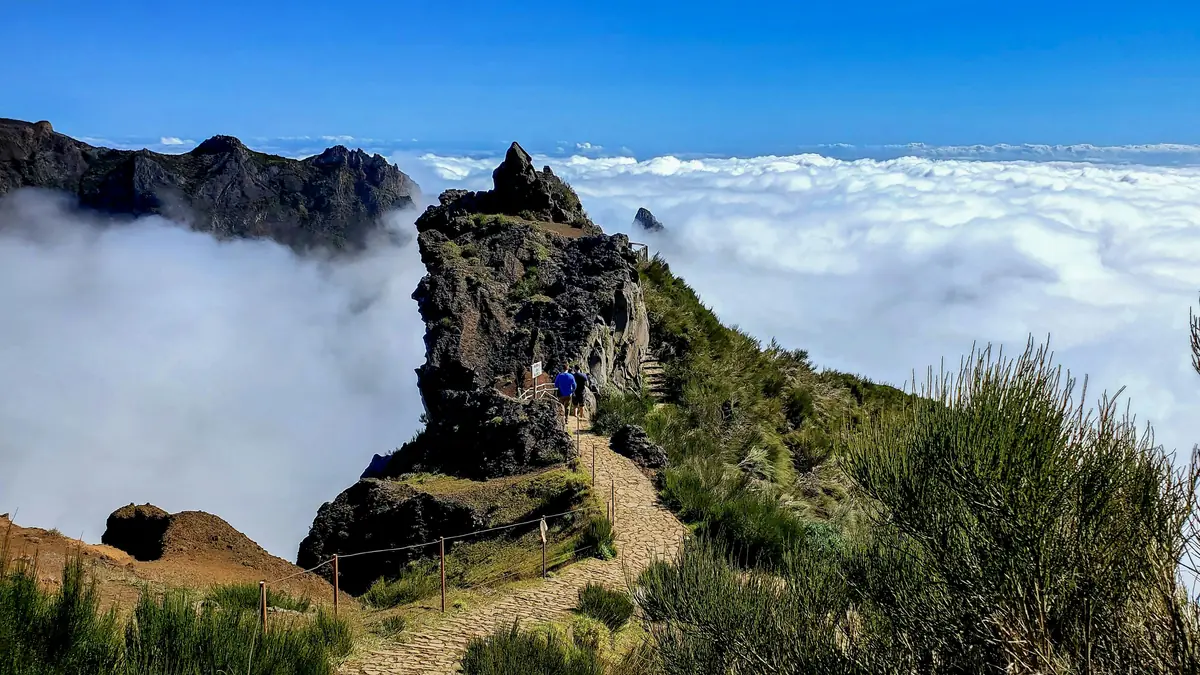
Hiking trails are Madeira’s headline draw. The signature route, PR1, links Pico do Arieiro to Pico Ruivo — the island’s highest point at about 6,106 feet (1,862 m) — along a ridge of tunnels and staircases. Gentler levada walks trace centuries-old irrigation channels through the laurel forest. Classified trails require an advance online reservation and a per-person fee.
PR1: Pico do Arieiro to Pico Ruivo
- Distance: about 6 miles (9.7 km) one way to Pico Ruivo, longer if you continue to the Achada do Teixeira trailhead
- Time: 3 to 5 hours
- Difficulty: classified moderately difficult, with serious elevation, exposed sections, and steep stairs
- Reservation: mandatory through the SIMplifica portal, in 30-minute entry slots
- Fee: around $11 per person for PR1 (€10.50); other classified trails run about $5 (€4.50)
- Bring: at least 2 liters of water, real layers, and a plan for cold, socked-in summits
Pro Tip: Booking a classified-trail slot through a licensed operator usually costs less per person than the standalone ticket, and it spares you the fine — around $270 (€250) — for hiking a classified trail without a reservation.
Levada and Forest Walks
For something easier on the legs, the levadas deliver the scenery without the ridge exposure. These flat channels were dug to move water across the island, and the maintenance paths beside them make for mostly level walks.
- PR6 (25 Fontes) and PR9 (Caldeirão Verde) are popular, gentler picks through dense laurel forest
- Levada paths suit families and anyone wary of heights
- A few tunnel stretches are genuinely dark — pack a headlamp
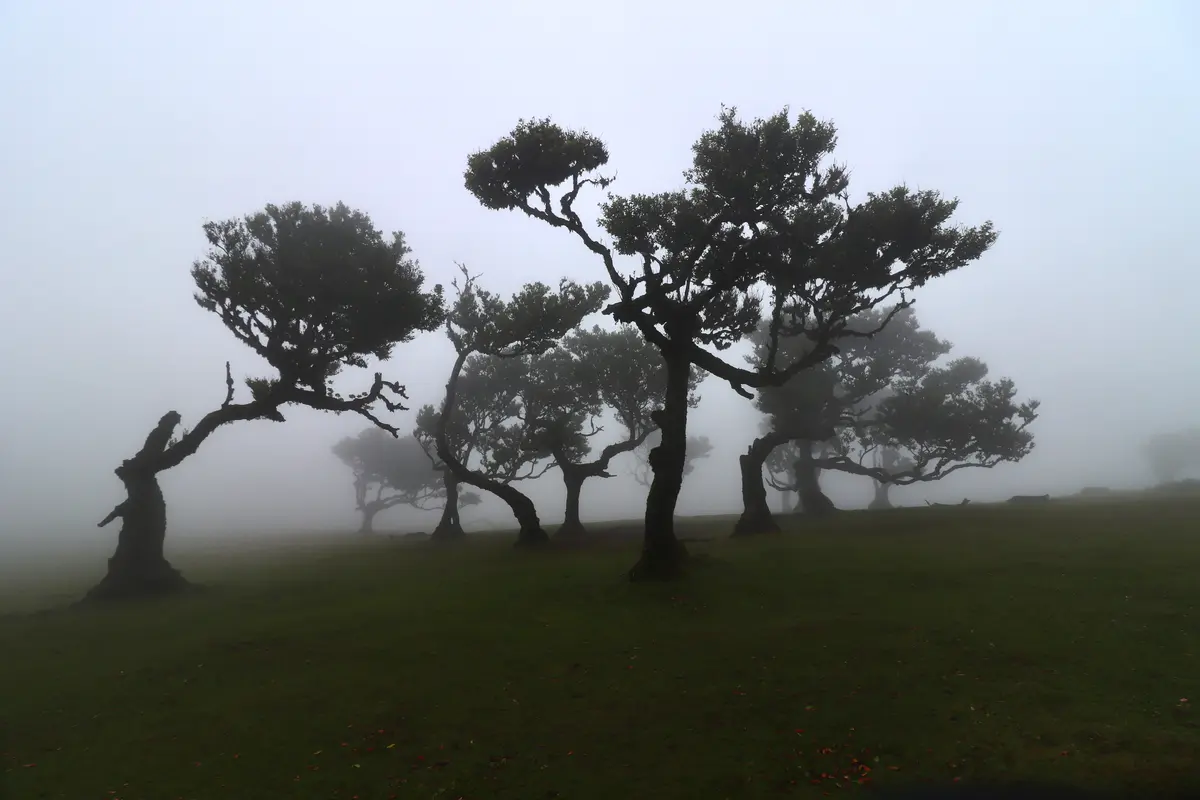
The Fanal forest, with its gnarled ancient laurels often wrapped in fog, is the most atmospheric corner of the Laurisilva, the UNESCO-listed laurel forest that covers roughly a fifth of the island.
Cabo Girão, the Cable Car, and the Wicker Toboggan
These three sit near the top of every Funchal-area list, and they’re worth understanding before you queue.
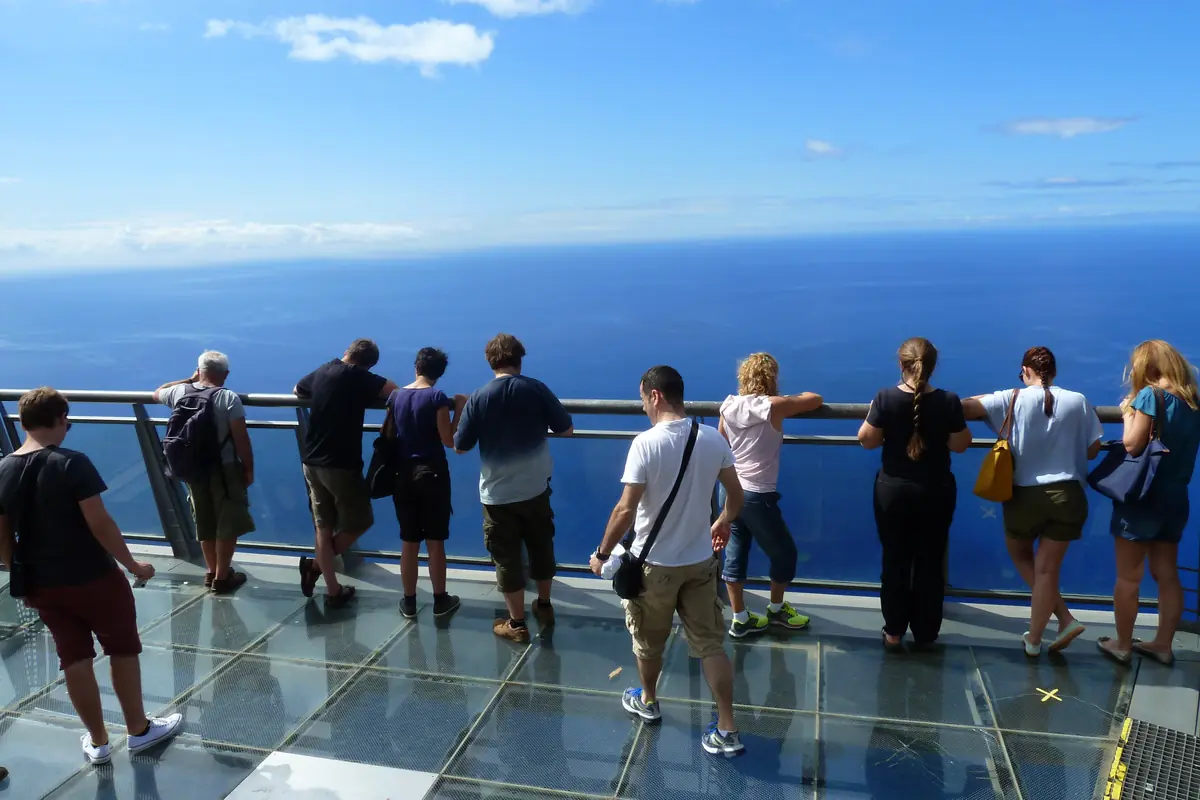
Cabo Girão is a glass skywalk projecting out over one of Europe’s highest sea cliffs, about 1,900 feet (580 m) above the water. The drop beneath your feet is the real draw. The platform gets crowded and the panorama is narrower than some quieter viewpoints, so arrive early or temper expectations.
The Funchal–Monte cable car (Teleférico do Funchal) lifts you from the seafront up to the hillside parish of Monte, with wide views over the bay on the way. From Monte, the wicker toboggan — the carros de cesto — runs about 1.2 miles (2 km) downhill toward Livramento, steered by two carreiros in white uniforms and straw boater hats.
Here’s the honest read on the toboggan: it’s a genuine century-old tradition and a fun novelty, but the ride is shorter and tamer than the photos suggest, the photo upsells are pushy, and the taxis waiting at the bottom are overpriced. A cheap public bus runs back to Funchal instead.
- Location: Cabo Girão near Rancho; cable car from the Funchal seafront; toboggan from Monte to Livramento
- Cost: separate tickets for the cable car and toboggan, plus a modest skywalk fee
- Best for: first-timers checking off the signature sights; families enjoy the toboggan most
- Time needed: about half a day for all three using the cable-car-up, toboggan-down loop
Pro Tip: Confirm current prices for the toboggan, cable car, and skywalk before you go — they change, and the toboggan in particular is sold per ride, not per person.
What to Eat and Drink in Madeira
Madeiran cooking grew out of what the island had: deep-sea fish, sweet potatoes, sugarcane, and bay laurel. That’s why so many of the signature dishes feel specific to this place rather than generic Portuguese.
Espetada is the one to plan a meal around — chunks of beef grilled on a skewer cut from a bay-laurel branch, which perfumes the meat as it cooks. Bolo do caco, the round sweet-potato flatbread slathered in garlic butter, shows up alongside almost everything. The classic fish is espada, the black scabbardfish, a deep-water creature that looks alarming and is usually served with fried banana and passion-fruit sauce.
For smaller bites, grilled lapas (limpets) and milho frito (crisp fried cubes of cornmeal) are everywhere. Wash it down with poncha, the island drink: sugarcane aguardente shaken with honey and citrus, often made with passion fruit. It goes down easy, which is exactly the danger.
Then there’s the wine the island is named for. Madeira wine is fortified and famously long-lived, with styles running from the dry Sercial through Verdelho and Boal to the rich, sweet Malvasia. You can taste through them at lodges like Blandy’s in Funchal. Pick up local sodas Brisa and Laranjada too, and shop the Mercado dos Lavradores for produce, flowers, and fish.
Rough costs to set expectations:
- Restaurant main in a village tasca: around $13 (€12)
- Restaurant main in Funchal: around $20 to $22 (€18 to €20)
- Poncha: around $4 to $5
- Bolo do caco sandwich: around $6 to $7

Where to Base Yourself
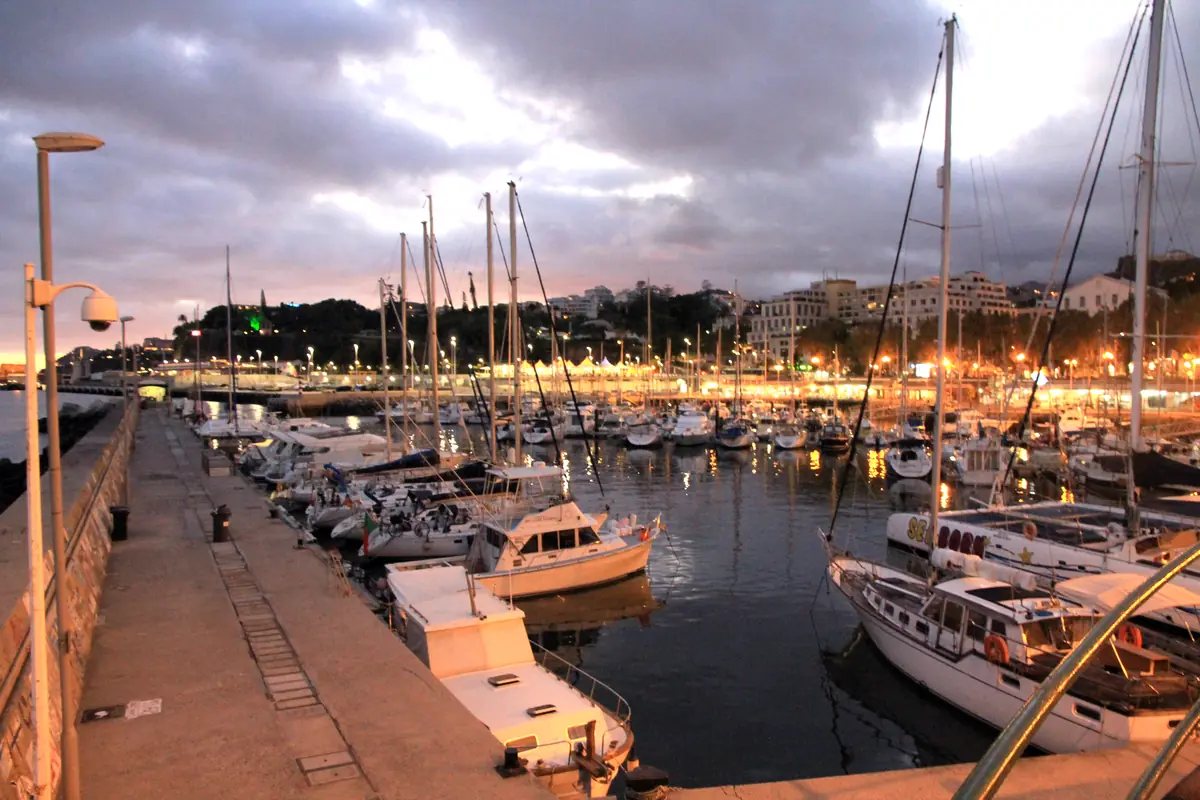
Most first-timers base in Funchal and day-trip out, which works well given the island’s size. If you want sun, quiet, or the rugged north, here’s how the main bases compare. Splitting your stay across two or three towns cuts driving time if you’d rather not return to one hotel every night.
| Base | What it’s like | Best for |
|---|---|---|
| Funchal | The most hotels, restaurants, and tours; central and walkable | First-timers, no-car days, easy logistics |
| Caniço | South coast near the airport, resort feel | Easy arrivals, families |
| Ponta do Sol / Calheta | Sunniest southwest, quieter; Calheta has a rare (imported) sand beach | Longer stays and sun-seekers |
| Porto Moniz / São Vicente | Rugged north near the pools and Fanal | Hikers and north-coast access |
Funchal is also where the island’s most famous export gets his due: the CR7 Museum and a waterfront hotel honor Funchal-born Cristiano Ronaldo, if that’s on your list.
Beaches, Natural Pools, and Porto Santo
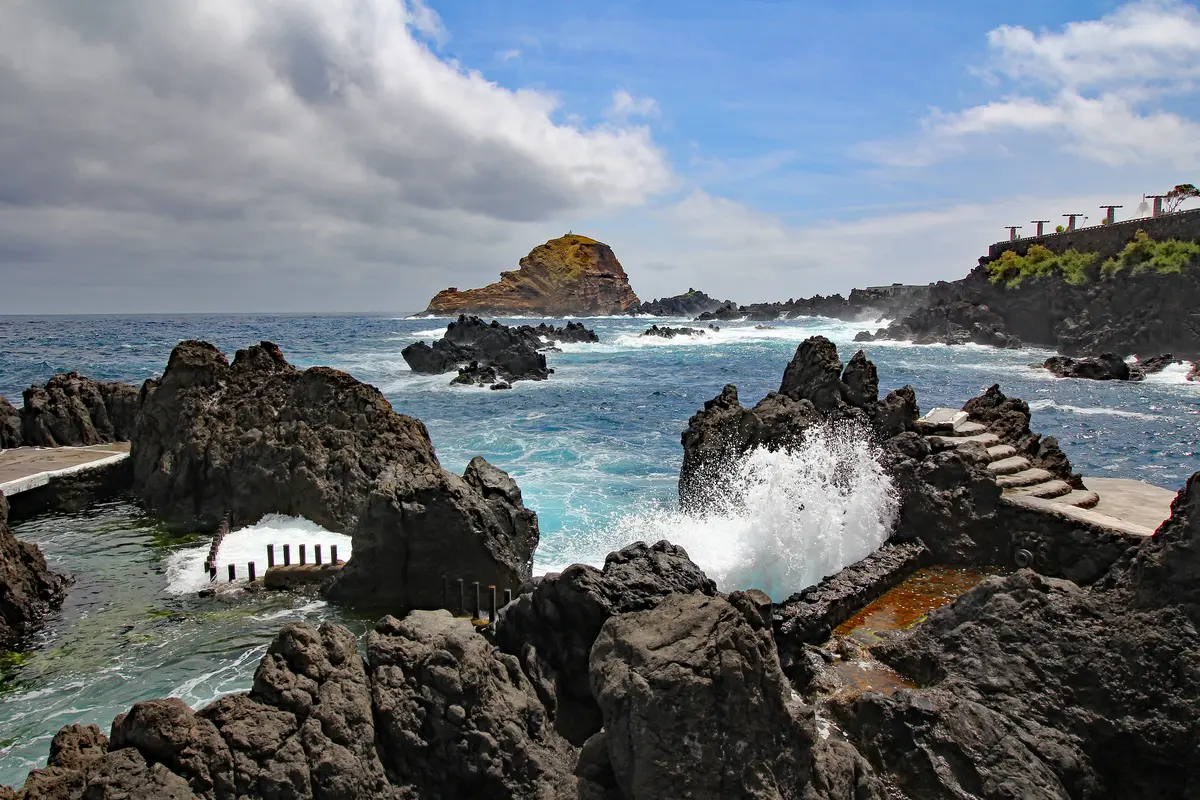
Madeira has few natural sand beaches; swimming here happens in volcanic settings instead. The Porto Moniz natural pools on the north coast are lava-rock basins refilled by the Atlantic. Seixal has black volcanic sand, and the neighboring island of Porto Santo holds the archipelago’s long golden-sand beach, reached by ferry or a short flight.
Where to actually get in the water:
- Porto Moniz: a paid pool complex with a modest fee, plus free wild pools nearby
- Seixal: black volcanic sand and natural pools, dramatic and uncrowded midweek
- Calheta: a small imported-sand beach, one of the few golden strands on the main island
- Porto Santo: about 6 miles (9 km) of golden sand, an easy add-on by ferry (2 to 2.5 hours) or a 25-minute flight
- Conditions: any of the natural pools can close in high surf, so check before you drive out
One practical warning: the north-coast pools and Seixal get genuinely packed on summer weekends, and the parking lots fill early. Go in the morning, or aim for a weekday.
Is Madeira Expensive? A Realistic Budget
Madeira is mid-range for US travelers — cheaper than most of Western Europe and the popular Mediterranean islands, but not a true budget destination, since you’ll likely want a rental car and a few paid activities. A typical traveler spends on the order of $140 a day on the island. Budget trips run lower; luxury runs much higher, with flights on top.
| Travel style | Daily spend (per person) | What it buys |
|---|---|---|
| Budget | ~$60 (€51) | Guesthouses, self-catering, buses, free trails |
| Mid-range | ~$140 (€117) | 3-star hotels, a rental car, restaurant meals, a few tours |
| Luxury | ~$275 (€232) | 4- and 5-star stays, private tours, fine dining |
A few line items that move the total:
- Restaurant mains: around $13 (€12) in a village, $20 to $22 (€18 to €20) in Funchal
- Poncha runs about $4 to $5; a bolo do caco sandwich about $6 to $7
- The car and fuel are the biggest swing — they can quietly double a frugal budget
Two travelers can plan on roughly $1,900 for a week on the island before flights. One honest catch for solo budget travelers: Madeira has limited hostel and cheap-bed stock compared with mainland Portugal, so shoestring trips are harder to pull off here.
Madeira vs. the Azores — Which Portuguese Island?
It’s the classic Portuguese-island toss-up. Both are volcanic autonomous regions of Portugal, and both reward hikers — but they feel different on the ground.
| Madeira | Azores | |
|---|---|---|
| Climate | Warmer, sunnier | Cooler, greener, wetter |
| Access | More flights, some US-relevant nonstops | More remote, fewer direct options |
| Hiking | Dramatic altitude and cliff ridges | Wild calderas and coastal trails |
| Crowds | Busier, more developed | Quieter, fewer visitors |
| Signature extras | Madeira wine, more luxury hotels | Geothermal hot springs, whale watching |
| Cost | Slightly pricier | Cheaper |
| Best for | Sun plus big-elevation hiking | Wild, remote, off-season travel |
The short version: pick Madeira for warmth, easier access, and high-altitude hiking; pick the Azores if you want wilder, greener, and quieter, and you don’t mind a harder trip to get there.
Know Before You Go — Safety, Money, and Etiquette
The housekeeping that US searchers ask in a dozen scattered questions, in one place:
- Currency: the euro (€); cards are widely accepted, including for small purchases
- Visa: US passport holders can stay visa-free for up to 90 days in any 180 under Schengen rules
- Language: Portuguese, with English widely spoken in tourism
- Tipping: modest, around 10% for good service
- Safety: Madeira is regarded as very safe, with petty theft the main thing to watch
- Packing: bring layers and a rain jacket for the mountains, even on a warm coastal day
- Footing: Funchal’s beautiful mosaic sidewalks turn slick when wet, so watch your step
Before You Book
TL;DR: Madeira is a fly-only, nature-first island best tackled with a rental car and a week on the calendar. Come for cliff hikes, levadas, and Madeira wine over a harbor — not for sandy resorts or nightlife. Book an automatic, reserve your classified-trail slots early, and leave a buffer morning for the fog.
Get those four things right and Madeira delivers more than almost any island its size. Get them wrong — no car, peak-season crowds, a beach-vacation mindset — and you’ll spend the trip wishing you’d read this first.
So, which is the dealbreaker for your trip: the fly-only access, the lack of sand, or driving those north-coast tunnels? Tell me what’s giving you pause in the comments, and I’ll help you figure out whether Madeira is your island.