Understanding Portugal Fado music changes how you experience the whole country. This guide covers what Fado actually is, which venues in Lisbon and Coimbra are worth your night, the etiquette rules that matter, and the artists whose names you should know before you walk through the door.
What is Portugal Fado music?
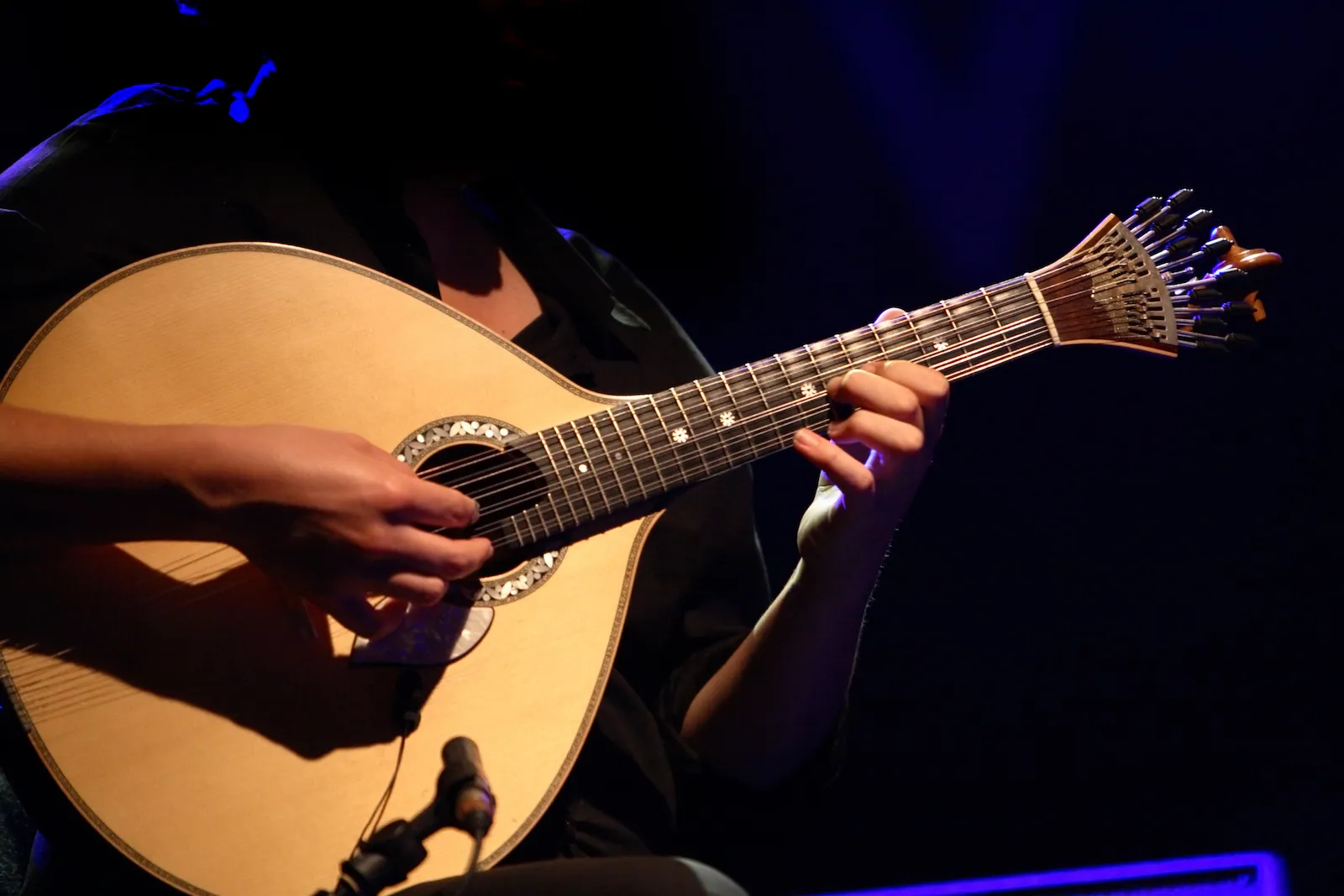
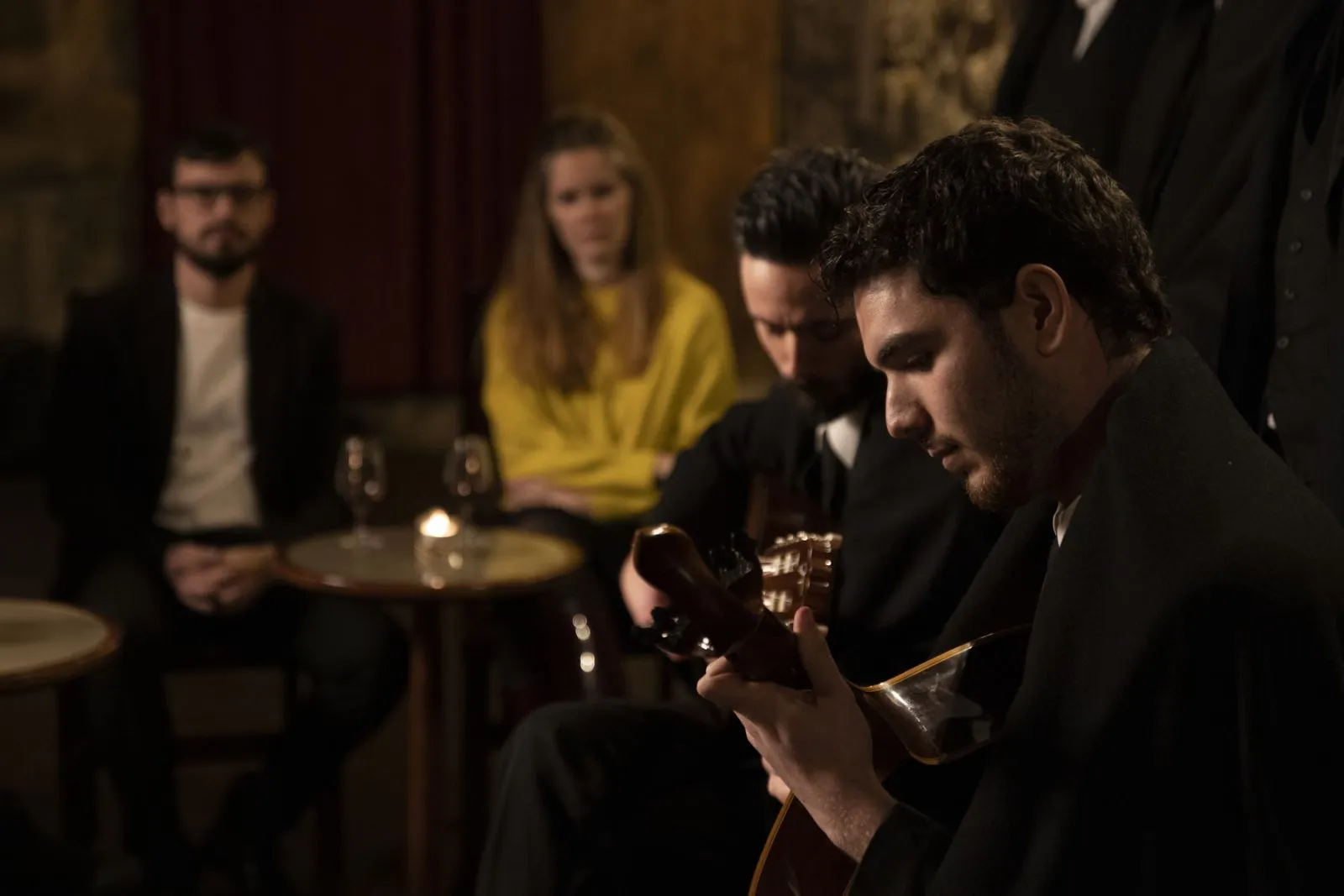
Portugal Fado music is the audible expression of saudade — a uniquely Portuguese emotion that blends nostalgia, melancholy, and a deep longing for something or someone absent. It carries gratitude for what was and functions as an emotional catharsis for the listener. A traditional performance centers on one solo voice, a guitarra portuguesa, and a classical guitar.
The word Fado derives from the Latin “fatum,” meaning fate or destiny. That etymology signals the music’s core theme: accepting the parts of life that cannot be changed. While many visitors expect purely sad performances, the repertoire gives voice to the full spectrum of human experience — an emotional range that mirrors Portuguese culture at its most unfiltered, from profound sorrow to the plainest domestic joy.
What makes a traditional performance:
- The Fadista: The solo singer, male or female, who channels raw emotion
- Guitarra Portuguesa: A twelve-stringed, pear-shaped cittern that produces crystalline, ringing tones
- Viola de Fado: A classical guitar providing the rhythmic foundation
- Timing: Evening performances typically start around 9 PM in Lisbon and 6 PM in Coimbra
Where should you hear authentic Fado in Lisbon?
Alfama, Mouraria, and Bairro Alto are where Lisbon Fado was born and where it remains most alive. Each neighborhood offers a different temperature of experience — from spontaneous tavern singing with amateur performers to seated dinner shows headlined by professionals. Entry costs reflect that gap: from a €10 minimum spend at a neighborhood tasca to €80 or more for a full dinner show.
Tasca do Chico — raw fado vadio in Bairro Alto
This is the smallest venue on this list and arguably the most affecting. Tables seat strangers side by side, and performers stand close enough that you can see the effort in the singer’s face. On fado vadio nights — Mondays and Wednesdays — the lineup is unpredictable, which is exactly the point: a taxi driver might take the mic between seasoned artists, and the room gives both the same silence.
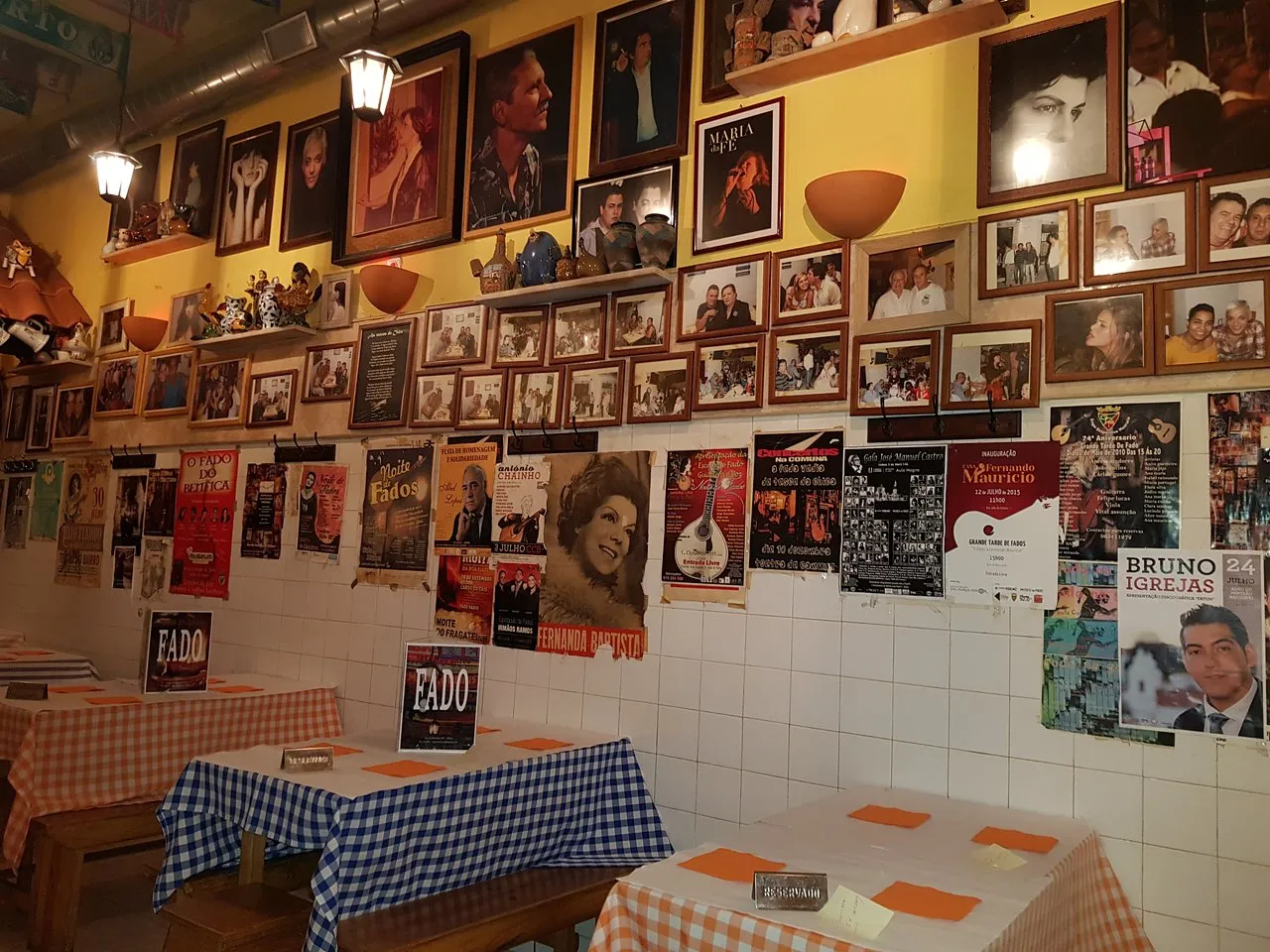
The walls are layered with photographs of every significant name in Lisbon Fado. The food is secondary; the sangria is not.
Pro Tip: Skip dinner here. Order a drink and snacks to cover the minimum spend, then eat at a nearby tasca beforehand. Arrive by 7 PM — by 9 PM there is already a line outside and the door stays shut during performances.
- Location: Rua do Diário de Notícias 39, Bairro Alto
- Cost: €10 minimum spend per person, cash only — no admission charge
- Best for: First-time visitors who want unfiltered, unpolished Fado
- Time needed: 2-3 hours, allowing for wait time and multiple 15-minute sets
Mesa de Frades — the chapel that earns its price
Set inside a former 18th-century chapel, Mesa de Frades has hand-painted azulejo tiles floor to ceiling and candlelight that carries most of the atmosphere. The room holds around 30 people, which means the sound of the guitarra fills it completely. Performances regularly feature renowned fadistas alongside emerging talent. Prices are higher than anywhere else on this list, and regular visitors consistently say it justifies the cost.
Pro Tip: Book two weeks in advance for weekend slots. Request a table close to the musicians — the far end of the chapel absorbs more ambient noise from the kitchen.
- Location: Rua dos Remédios 139, Alfama
- Cost: €45-€80 per person including dinner
- Best for: Special occasions; travelers who want a guaranteed quality performance in a historic setting
- Time needed: 3-4 hours
Clube de Fado — polished professionals in Alfama
Stone columns, white tablecloths, and a roster of top-tier performers — including Cuca Roseta and Rodrigo Costa Félix — make this the right choice when you want a reliable, elegant evening with no surprises. It functions more like a dinner theater than a neighborhood institution, which is a trade-off worth naming: the experience is excellent but the spontaneity of Tasca do Chico is not on offer here.
- Location: Rua São João da Praça 92-94, Alfama
- Cost: from €50 per person including dinner
- Best for: Travelers celebrating an occasion who want professional Fado without uncertainty
- Time needed: 3-4 hours
Pro Tip: Dinner packages at most Lisbon Fado houses run €45-€80 per person. For better value without sacrificing the music, book a music-only slot and eat separately at a local tasca beforehand.
How is Coimbra Fado different from Lisbon’s?
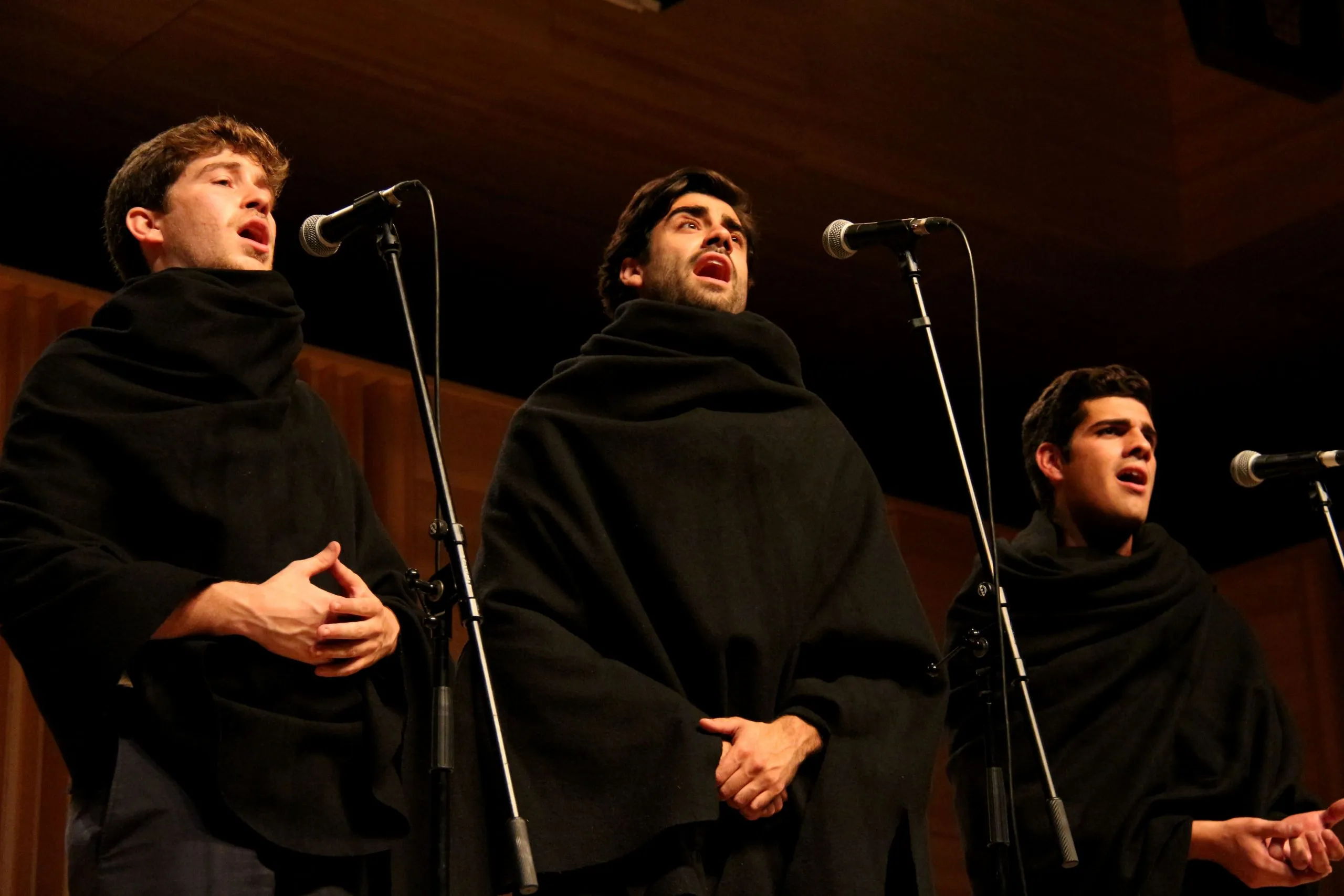
Coimbra Fado is exclusively male and rooted in academic tradition rather than working-class Alfama alleys. Singers wear traditional black university capes and perform a more structured, poetic serenade governed by centuries-old conventions. The guitarra de Coimbra — a larger variant of the Portuguese guitar — produces a deeper, more resonant tone than the Lisbon instrument. The emotional register leans toward romantic longing and university life rather than the urban fatalism of Lisbon’s tradition.
Coimbra sits about 124 miles (200 km) north of Lisbon, roughly 2 hours by train, making it a realistic day trip with an evening show.
Fado ao Centro — the 50-minute introduction
Run by current and former University of Coimbra students, this is the clearest entry point for visitors new to the style. A 50-minute show at 6 PM walks you through the tradition’s history with context delivered in both Portuguese and English, then closes with a port wine tasting where musicians stay to answer questions. The educational framing works in your favor if this is your first exposure to Coimbra Fado — by the end, you’ll understand what distinguishes it from Lisbon’s.
Pro Tip: Book tickets online. The venue has limited seating and sells out on weekends.
- Location: Rua Quebra Costas 7, Coimbra historic center
- Cost: approximately €14-15 per person, includes a glass of port wine
- Best for: First-time visitors, anyone who wants historical context alongside the music
- Time needed: 1-1.5 hours
À Capela — inside a 14th-century chapel
The former chapel setting does what no lighting designer could manufacture. Stone walls, low ceilings, and a modest stage create conditions where the sound has nowhere to go except directly into you. Shows start around 9:30 PM. À Capela also operates as a bar and restaurant; reservations are required, particularly for dinner packages.
- Location: Rua do Corpo de Deus, Coimbra
- Cost: varies — reserve in advance for current pricing
- Best for: Travelers who want atmosphere over educational context
- Time needed: 2-3 hours
Café Santa Cruz — free performances in a 16th-century chapel
The building dates to the 1500s and it shows: Gothic arches, stone flooring, stained glass. Free Fado performances run at approximately 6 PM and 10 PM daily, though schedules shift. Arrive at least 30 minutes before the early show to secure a seat. Food and drinks are cash only.
- Location: Praça 8 de Maio, Coimbra city center
- Cost: Free entry; purchase food or drinks at the venue
- Best for: Budget travelers, anyone passing through Coimbra briefly
- Time needed: 1-2 hours
Getting to Coimbra
Train travel is the most straightforward option. Alfa Pendular and Intercidades services run from Lisbon’s Santa Apolónia or Oriente stations. Coimbra-A station puts you 10 minutes on foot from the historic center.
- Journey time: approximately 2 hours
- Cost: €15-25 each way, depending on service and booking window
- Faster option: Alfa Pendular (more expensive); cheaper option: Intercidades
What are the rules at a Fado house?
The cardinal rule is written on signs at the door of every serious venue: “Silêncio, que se vai cantar o Fado” — Silence, Fado will be sung. This is not decoration. The silence creates the acoustic and emotional conditions the performance depends on. A room that keeps talking during a song is not a room where real Fado is happening.
Do:
- Arrive at least 30 minutes before the show starts
- Silence your phone completely before entering
- Applaud only after a song has fully finished — in Lisbon
Do not:
- Talk, whisper, or place orders during a performance
- Use flash photography
- Treat the music as background for your dinner
One rule applies exclusively to Coimbra: never applaud. Appreciation there is shown with a soft clearing of the throat or a quiet cough after a song ends. Clapping in Coimbra is a serious breach of etiquette.
On avoiding tourist traps: venues near Rua das Portas de Santo Antão with staff actively stopping passersby on the street are a warning sign — authentic houses do not need promoters. Large laminated menus displayed on stands outside the door are a second red flag. At places that market themselves this way, the silence rule is not enforced and the food is overpriced — checking Portugal travel cost averages helps you spot the difference.
Pro Tip: If staff keep taking orders while someone is singing — if the noise level in the room never quite drops — leave at the next break. You are in the wrong place.
Which contemporary Fado artists should you know?
Building familiarity with current performers before a live show sharpens what you hear. Amália Rodrigues remains the benchmark against which every other voice is measured — her mid-20th century recordings are the clearest entry point into Lisbon’s style.
Contemporary artists worth knowing before your trip:
- Mariza: The most internationally recognized voice in Fado. Born in Mozambique, raised in Mouraria, she has received multiple Grammy Award nominations and brought Fado to audiences who had never previously encountered the genre.
- Carlos do Carmo (1939-2021): Often called the Frank Sinatra of Fado, he incorporated jazz influences and full orchestras into his arrangements. His song “Lisboa Menina e Moça” is a genuine Lisbon anthem.
- Ana Moura: Her rich voice bridges traditional Fado with pop and soul. Collaborations with Prince and The Rolling Stones helped expand the genre’s reach outside Portugal.
- Camané: The most respected male voice among traditional purists. His interpretations are slow-burning and dense — the opposite of accessible, and worth the patience they require.
Create a playlist before you go. The difference between hearing Fado cold and hearing it after a few hours of listening is significant — you start recognizing phrasing, the shape of a guitarra run, the moment before the voice comes in. If you’re planning the rest of the trip around these evenings, our guide to 3 days in Lisbon has room for a museum afternoon and a live show in the same day.
Where can you learn about Fado before an evening show?
Both of the following Lisbon institutions are best visited in the afternoon before an evening performance. Together they take 3-4 hours and provide the historical context a live show then fills in emotionally.
Museu do Fado
The definitive museum for the genre. Interactive audio displays let you dial up recordings from hundreds of artists — the listening stations are the main draw, and if you have 90 minutes, you will not run out of material. The permanent exhibition traces Fado from its 19th-century origins through its role under the Salazar dictatorship and into its current international presence. The audio guide, included in admission, runs in Portuguese, English, French, and Spanish.
- Address: Largo do Chafariz de Dentro 1, 1100-139 Lisboa
- Hours: Tuesday-Sunday, 10 AM-6 PM
- Cost: €5 adults; €2.50 ages 13-25; free under 12
Casa-Museu Amália Rodrigues
Every room in Amália’s former home has been kept as she used it: English furniture in the dining room, a baby grand piano in the living room, stage dresses laid out in the bedroom. Her parrot Chico still lives in the kitchen. All visits are guided tours of approximately 40 minutes, available in English, Portuguese, and French. The guides are well-informed and the pace is deliberate — this is not a quick walk-through.
Book a slot in advance; available times fill faster than the museum’s modest profile suggests.
- Address: Rua de São Bento 193, 1250-219 Lisboa
- Hours: Tuesday-Sunday, 10 AM-6 PM
- Cost: €9 adults
Before you book
TL;DR: Go to Tasca do Chico first — arrive by 7 PM, bring cash, skip the food. If that hooks you, book Mesa de Frades or Clube de Fado for the following night. Spend an afternoon at Museu do Fado before either show. If you have an extra day, the train to Coimbra and a 6 PM show at Fado ao Centro is worth the round trip.
Fado asks only one thing of the audience: silence. Show up for that, and the rest takes care of itself — and if you’re still putting the trip together, our Portugal travel guide covers everything else you need before arriving.
Have you been to a Fado house that surprised you — or one that disappointed? Leave a comment below.