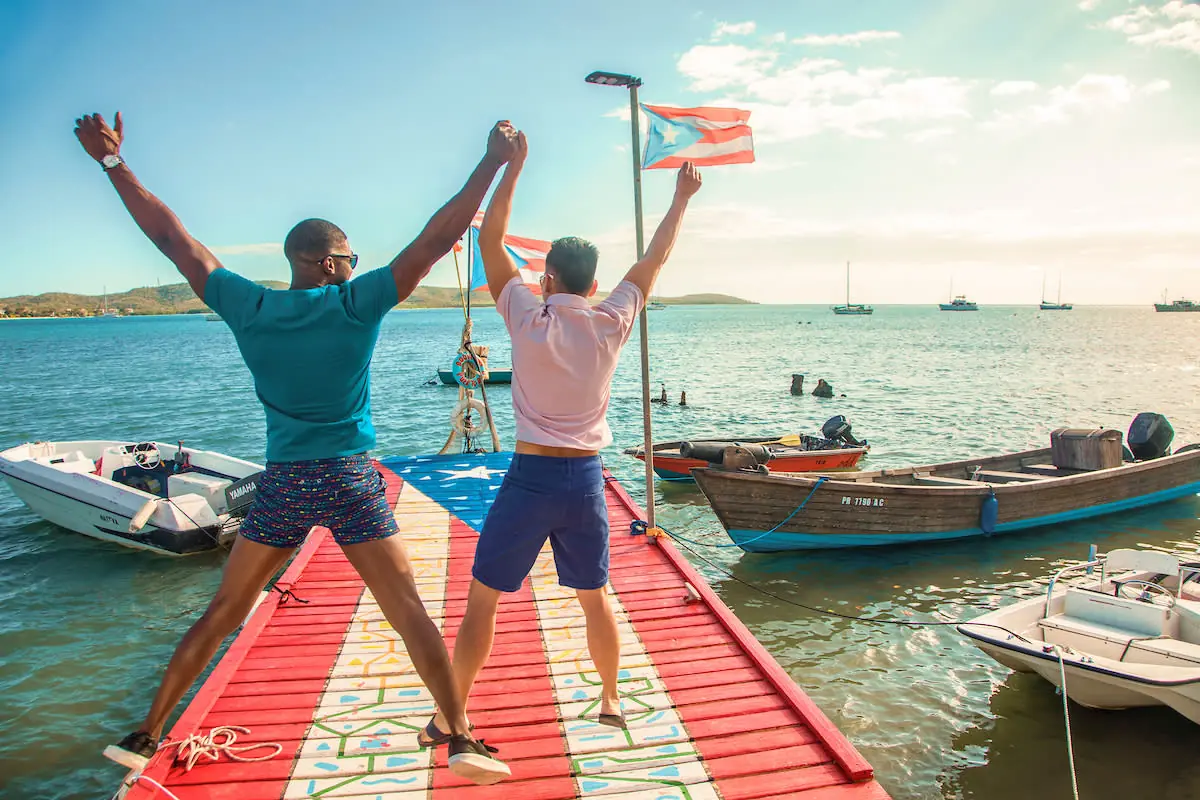
If you’re planning an island trip to Puerto Rico and not building the itinerary around what you’ll eat, you’re missing the point. Puerto Rico food is where Taíno, Spanish, and West African histories collide into Cocina Criolla — and from a crispy alcapurria at a Piñones roadside shack to a pound of pork off the spit in Guavate, the island takes eating seriously. This guide covers what to order, where to find it, and what to skip.
What makes Puerto Rico food different from other Caribbean cuisines?
Puerto Rico food is called Cocina Criolla — a fusion of three culinary traditions. The Taíno introduced yuca, corn, and open-fire cooking. Spanish colonizers brought pork, rice, garlic, and olive oil. Enslaved West Africans contributed plantains, pigeon peas, yams, and the deep-frying techniques that shape the island’s street food. No other Caribbean cuisine leans this heavily on the plantain or on sofrito as its base flavor.
The two flavor bases: sofrito and adobo
Almost every savory dish on the island starts with one of these.
- Sofrito: Puréed yellow onion, garlic, cubanelle and ají dulce peppers, cilantro, and culantro (recao), sautéed in oil. It’s the backbone of stews, beans, and rice.
- Adobo seco: Dry rub of garlic, black pepper, Caribbean oregano, and salt. Used on almost every meat before it hits heat.
- Adobo mojado: The wet version, with citrus juice, vinegar, and olive oil added — used for longer marinades on pork shoulder and whole birds.
Pro Tip: If you want to take the flavor home, skip the souvenir dry spice blends at the airport and buy a fresh jar of sofrito from a grocery store like Econo or Pueblo. It’s refrigerated, cheaper, and tastes like someone’s mother made it.
Why the plantain shows up on every plate
The same fruit gets served three completely different ways depending on its ripeness. Green and starchy, it’s double-fried into tostones or mashed into mofongo. Half-ripe, it goes into pasteles. Fully ripe and black-spotted, it becomes amarillos — sweet, caramelized, and the best counterweight on a plate full of salty pork.
What are the 10 Puerto Rican dishes you should actually order?
The short list: mofongo, arroz con gandules, lechón asado, tostones, amarillos, pasteles, alcapurrias, bacalaítos, pastelón, and fresh chillo frito. Order at least six of these before you leave the island. Here’s what each one is, where it comes from, and where to get the best version.
1. Mofongo — the mashed-plantain main event
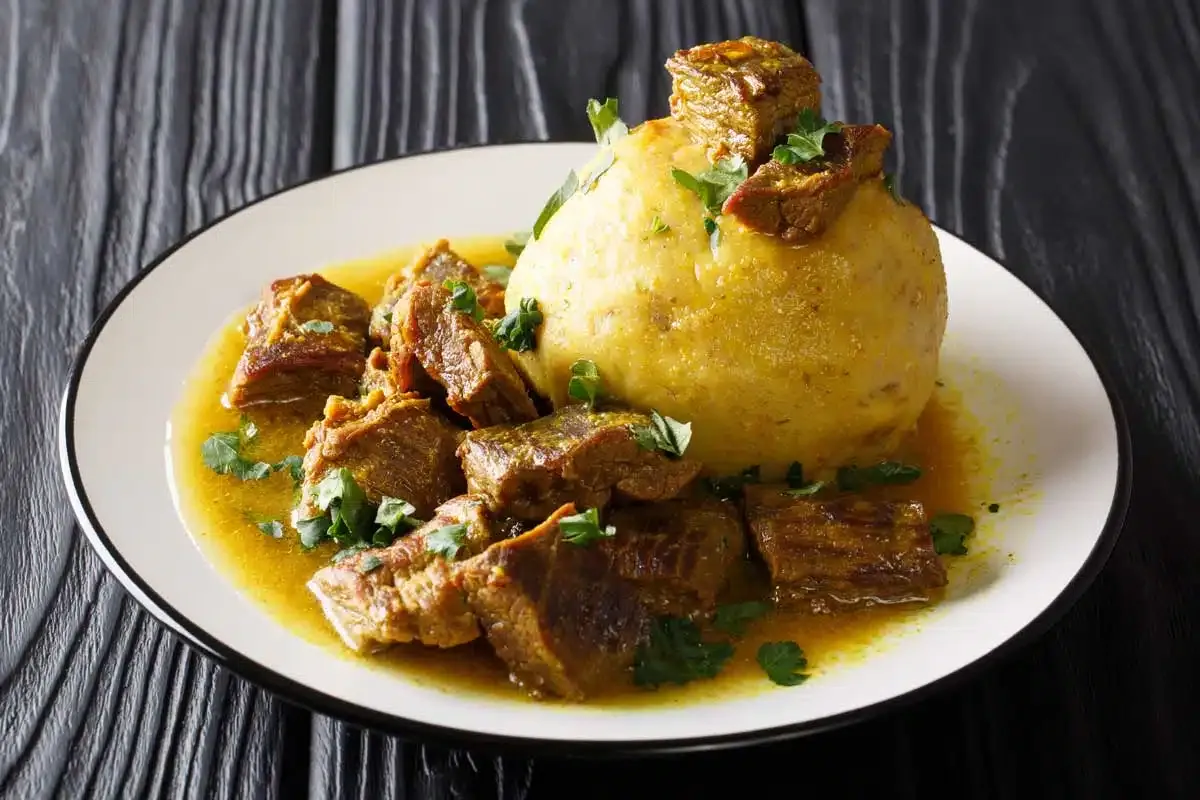
Mofongo is a mound of fried green plantains mashed in a wooden pilón with garlic, olive oil, and chicharrón. It’s served as a side or formed into a bowl and stuffed with stewed chicken, skirt steak, shrimp, or octopus, with a cup of broth on the side to keep it from drying out.
The dish traces straight back to West African fufu — enslaved Africans adapted the boiled-starch technique using the green plantains growing around them. The name comes from the Angolan Kikongo mfwenge-mfwenge, meaning “a great amount of anything at all.” Frying the plantains before mashing is the Puerto Rican signature; no other Caribbean country does it this way.
The honest truth: mofongo is heavy. A full order with shrimp broth is a two-hour nap waiting to happen. Order it at lunch, not dinner, and share it if there are two of you.
- Where to try it in Old San Juan: El Jibarito (280 Calle del Sol), Café Manolín, or Raíces
- Cost: $16–$28 depending on the stuffing
- Best for: First-timers; anyone who’s been skeptical of plantains
2. Arroz con gandules — the unofficial national dish
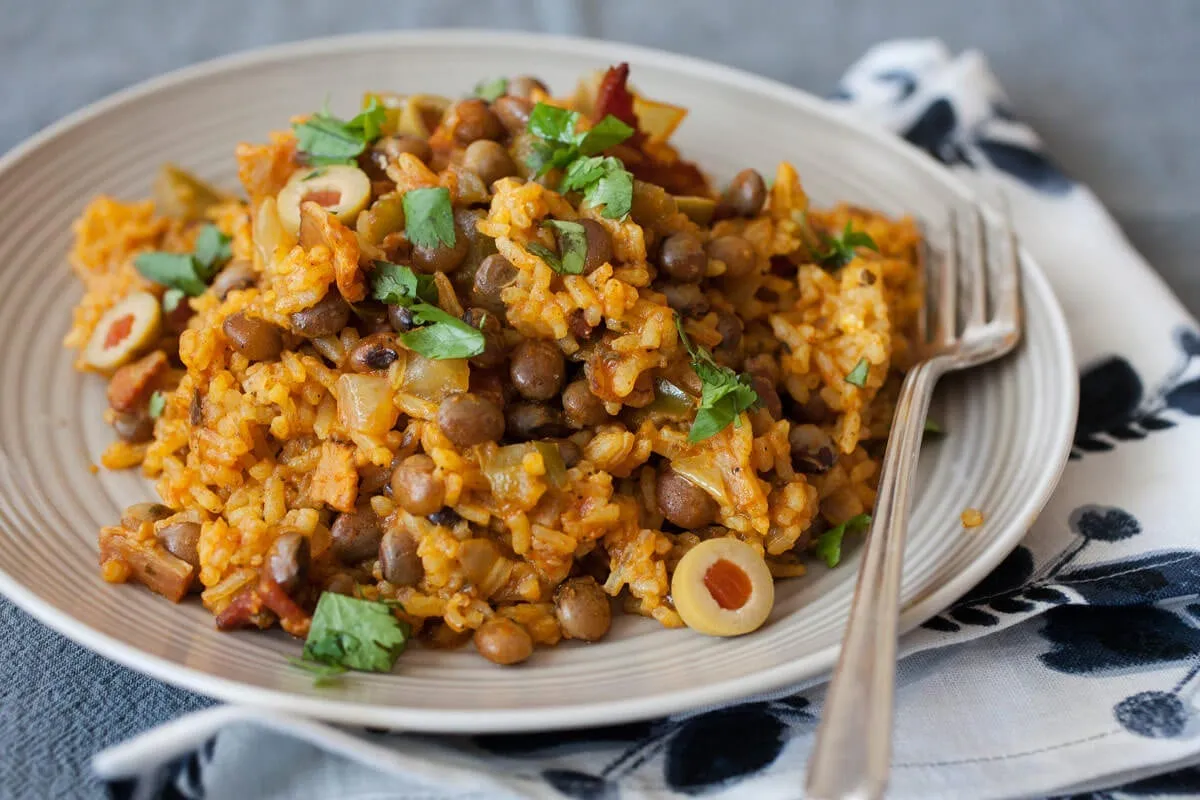
A one-pot rice with pigeon peas, sofrito, and usually pork, ham, or chorizo. The yellow-orange color comes from achiote oil. It’s on every holiday table at Nochebuena because fresh gandules used to be harvested in December.
Contrarian take: arroz con gandules is the easiest Puerto Rican dish to find on the US mainland (any decent Puerto Rican spot in New York or Orlando does it well). If your trip is short, don’t burn a meal on it — order it as a side with lechón and prioritize the dishes you can’t get back home.
3. Lechón asado and pernil — the pork that built a highway
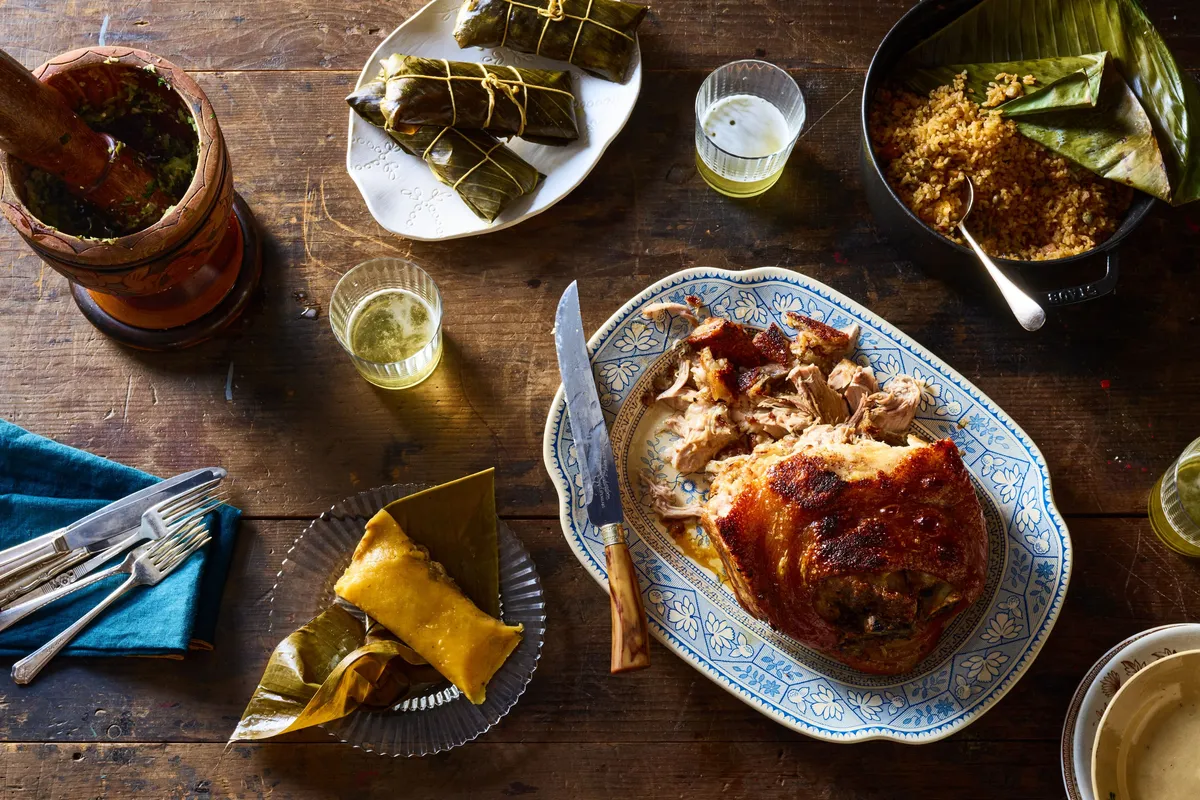
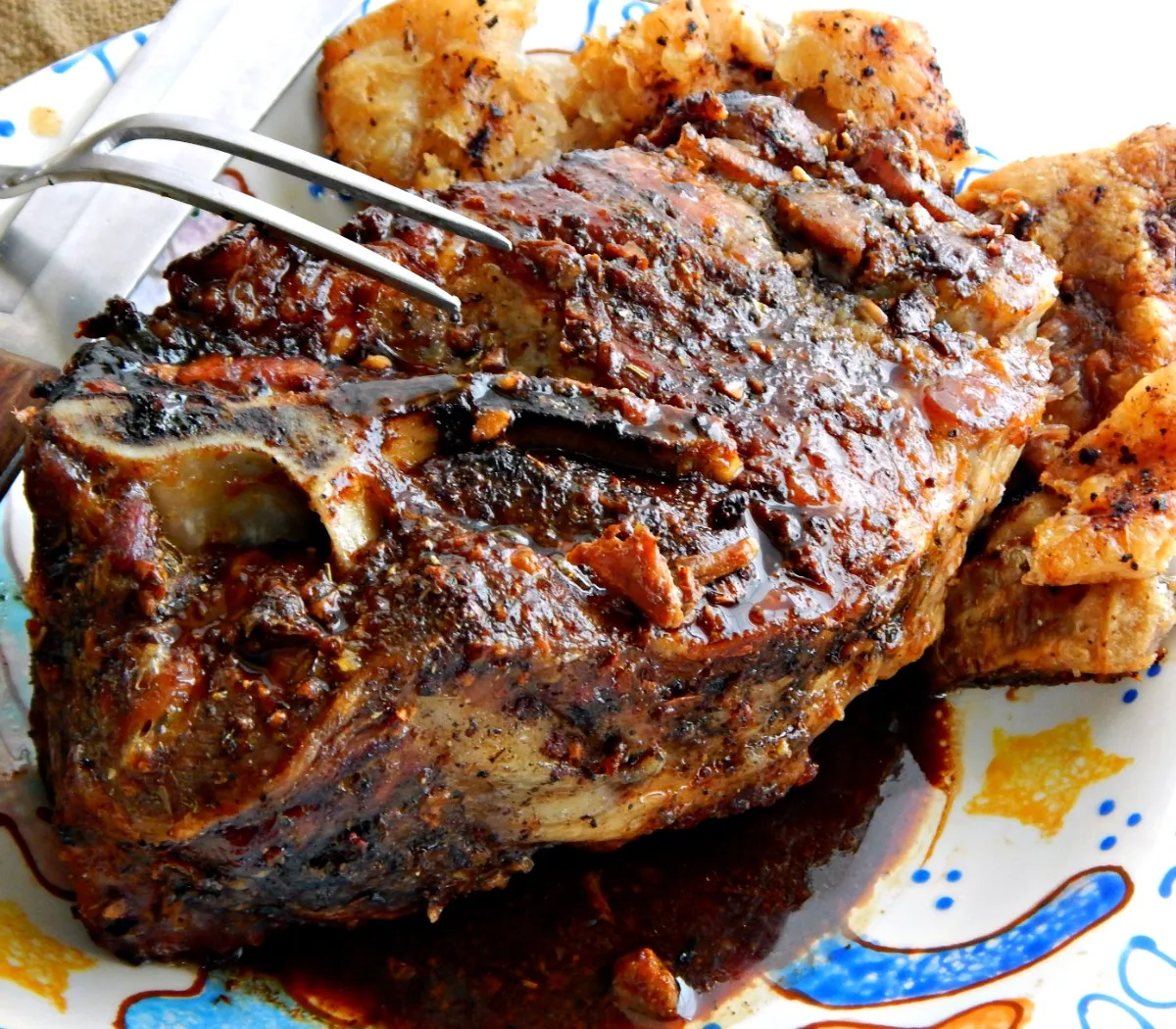
Lechón asado is a whole pig, marinated in adobo, skewered, and turned over coals for 6–8 hours until the skin shatters like glass. That crackling — called cuerito — is the prize. Pernil is the at-home version: a slow-roasted pork shoulder with the same garlic-heavy rub, cooked until it pulls apart with a fork.
The pilgrimage for lechón is Route 184 in Guavate, about an hour south of San Juan — the Ruta del Lechón. On weekends it turns into a block party: live salsa, rum, and a dozen lechoneras with whole pigs glistening under heat lamps. A server hacks off your preferred amount with a machete and sells it by the pound with arroz con gandules, morcilla (blood sausage), and pasteles on the side.
- Where to go: Lechonera Los Pinos, El Rancho Original, or El Mojito on Route 184, Guavate
- Cost: Around $14–$18 per pound of pork, plus $4–$6 per side
- Best for: Saturday and Sunday after 1 p.m. (weekdays many are closed or quiet)
- Time needed: 3 hours minimum, including the drive
Pro Tip: Go on Sunday, not Saturday. Saturday crowds are heavier and the live salsa bands don’t start until late afternoon. Sunday lunch around 12:30 p.m. gets you fresh pork straight off the spit before the main rush.
4. Tostones and amarillos — the same fruit, two plates
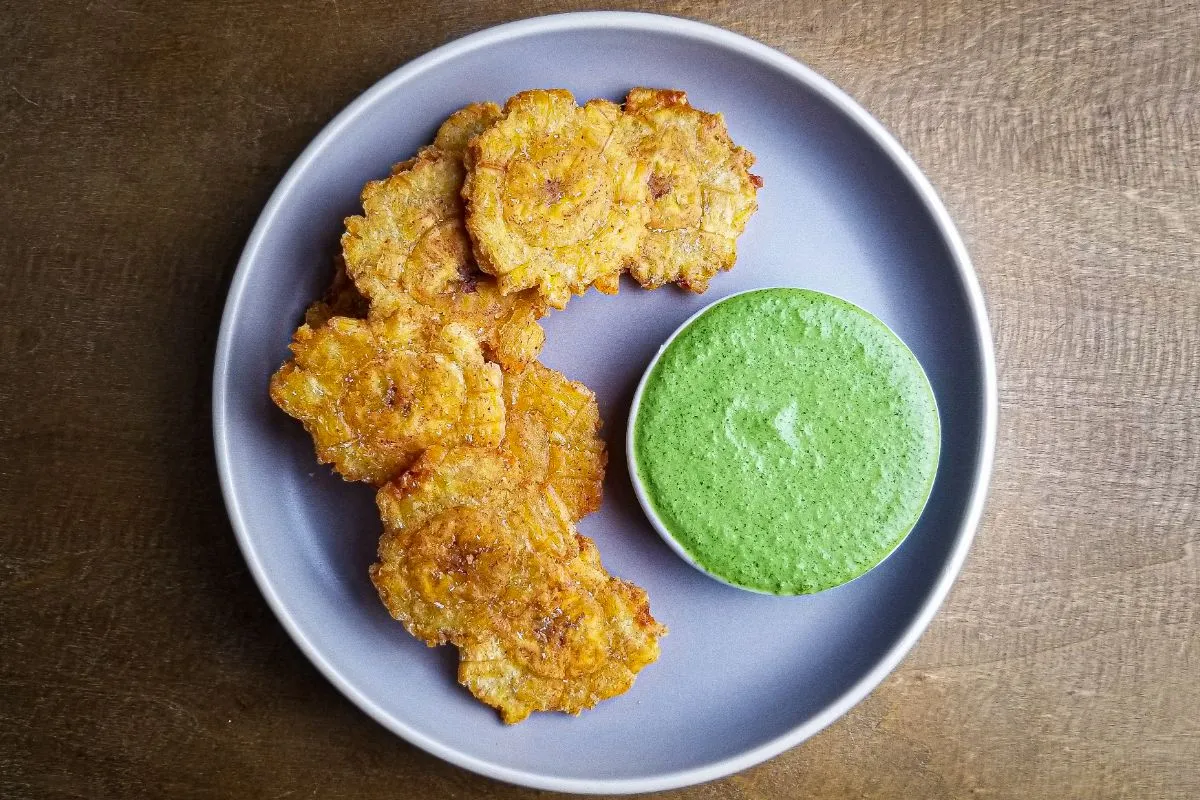
Tostones are green plantain wheels, fried once to soften, smashed flat with a wooden press (tostonera), then fried a second time until golden. They’re salty, starchy, and built for scooping mayo-ketchup — yes, mixed together, and yes, it works.
Amarillos (also called maduros) are ripe plantains sliced and fried until the sugars caramelize into a soft, almost candied edge. They go on the plate next to pernil, carne frita, or rice and beans as the sweet counter.
5. Pasteles — the Christmas dish worth planning a trip around
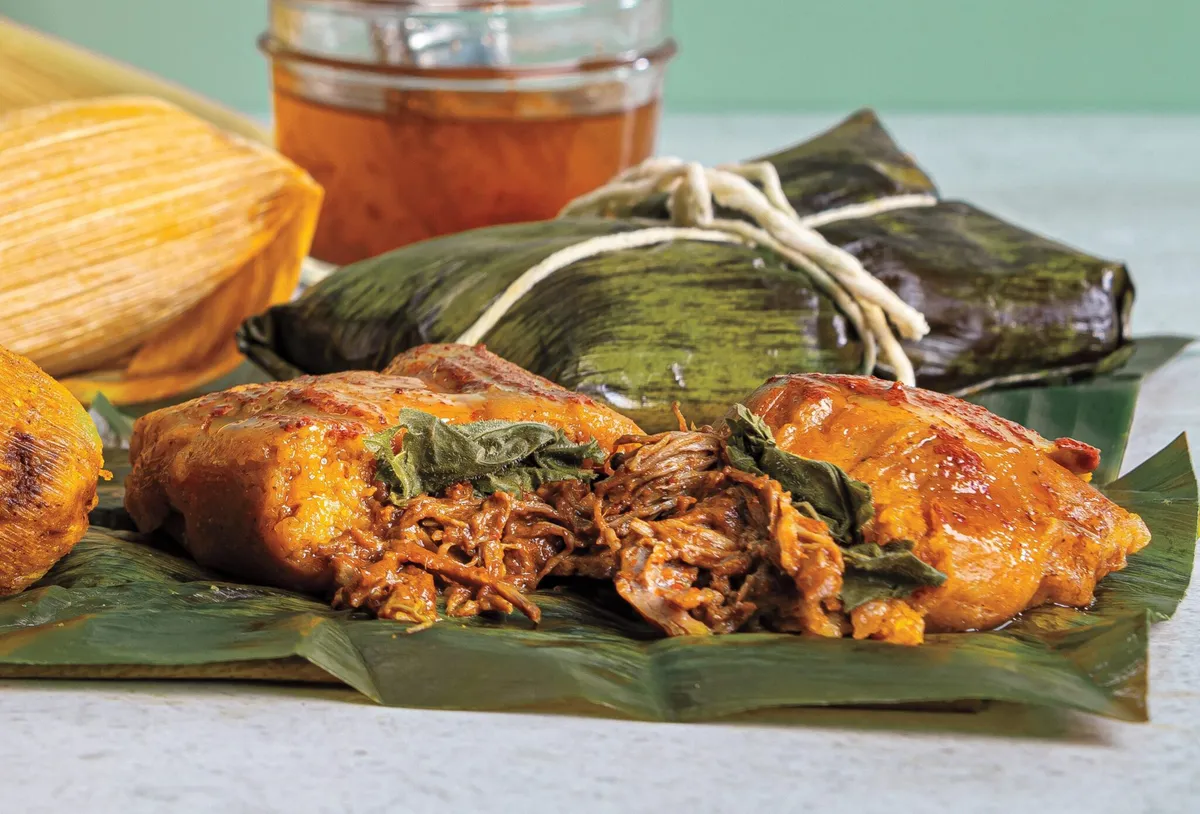
Pasteles look like tamales but the masa isn’t corn. It’s a paste of grated green bananas, green plantains, yautía, and sometimes squash, filled with stewed pork, wrapped in a softened plantain leaf, tied with string, and boiled for about an hour.
Making pasteles is a full-day family event called a pastellada. They’re the Christmas centerpiece in Puerto Rico, but a few lechoneras in Guavate and specialty shops sell them year-round. If you’re visiting between November and January, buy a dozen frozen to take home — they’re checked-baggage legal and reheat perfectly.
6. Alcapurrias and bacalaítos — the street-food royalty of Piñones
These are the two essential frituras, and the right place to eat them is a chinchorro — a wooden roadside shack on PR-187 east of San Juan.
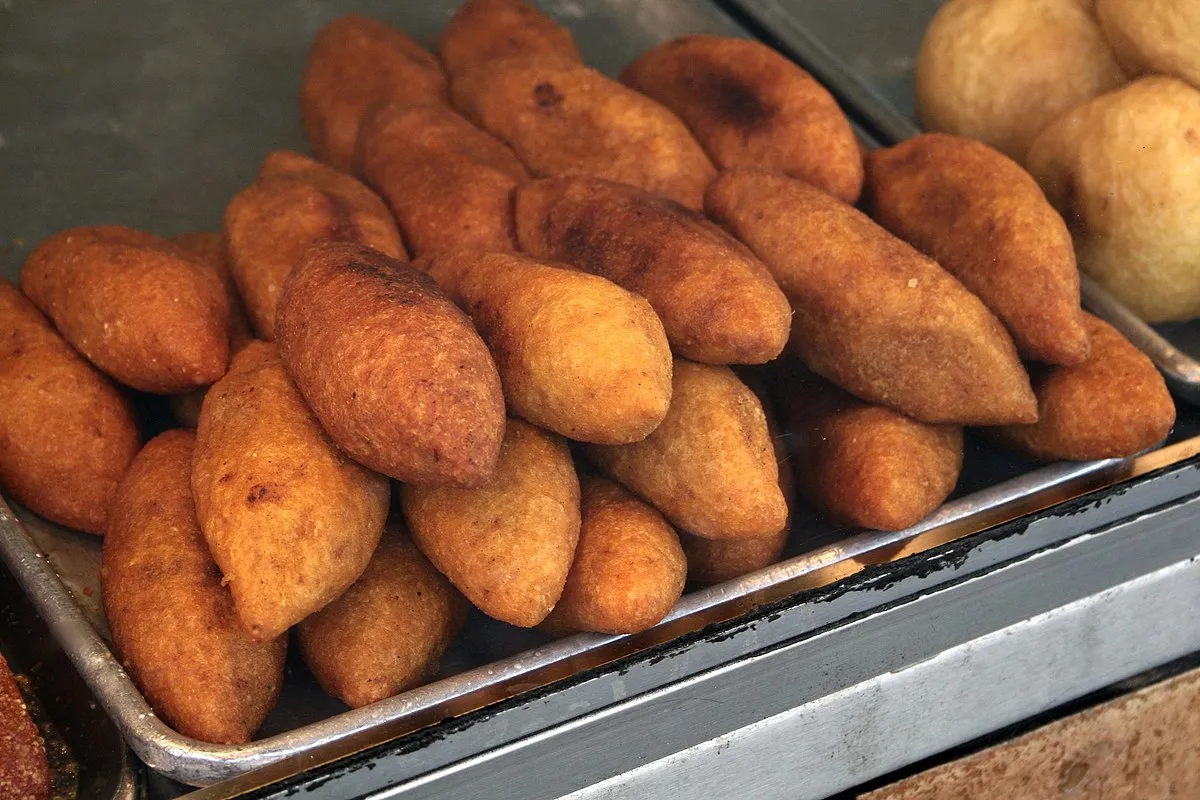
- Alcapurrias: Torpedo-shaped, deep-fried, with a dough of grated green banana and yautía stuffed with seasoned ground beef or crab. The exterior is dark brown and crunchy; the inside is dense and savory.
- Bacalaítos: Paper-thin, plate-sized fritters of seasoned flour batter studded with shredded salt cod. Crisp at the edges, chewy in the middle. One is almost too much for a single person.
- Where: Kiosko El Boricua and Kiosko La Comay in Piñones, both on PR-187
- Cost: $3–$5 each
- Best for: Eating with a cold Medalla beer, feet in the sand, no plates required
7. Pastelón — the plantain “lasagna”
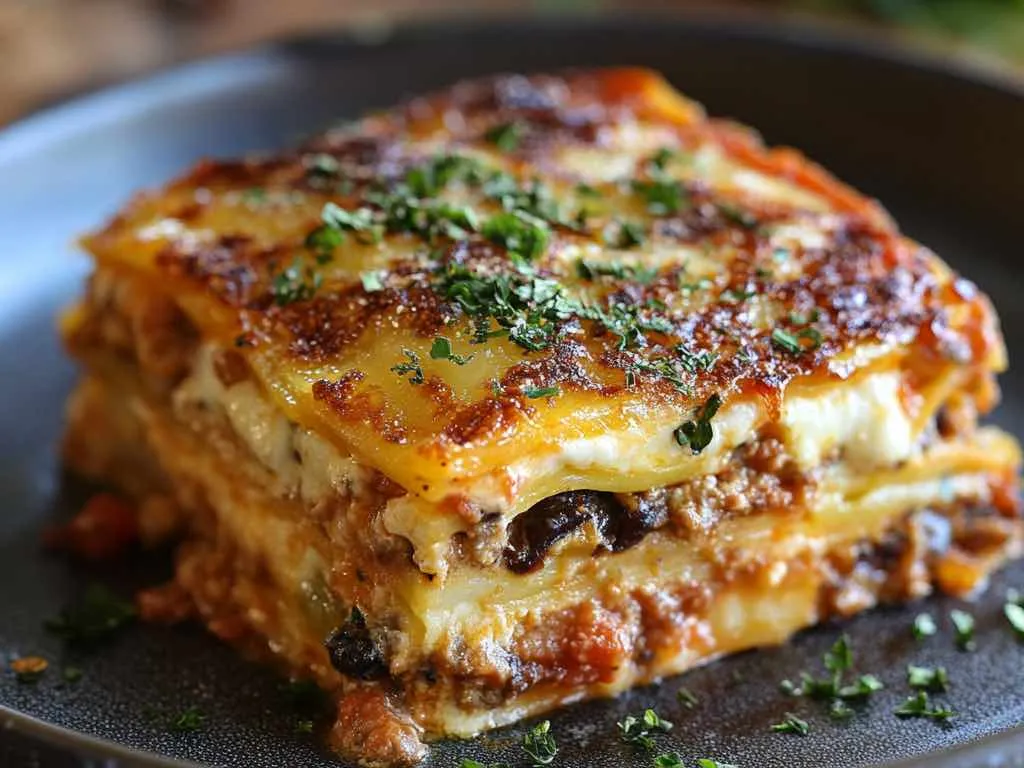
Pastelón swaps pasta for layers of thinly sliced, fried sweet plantains, with picadillo (seasoned ground beef) and melted cheese between them. It bakes into something that hits salty, sweet, and savory in the same bite. It’s comfort food, and it’s the dish most likely to convert a skeptic who thinks they don’t like sweet-and-savory combinations.
8. Empanadillas (pastelillos) — the beach snack
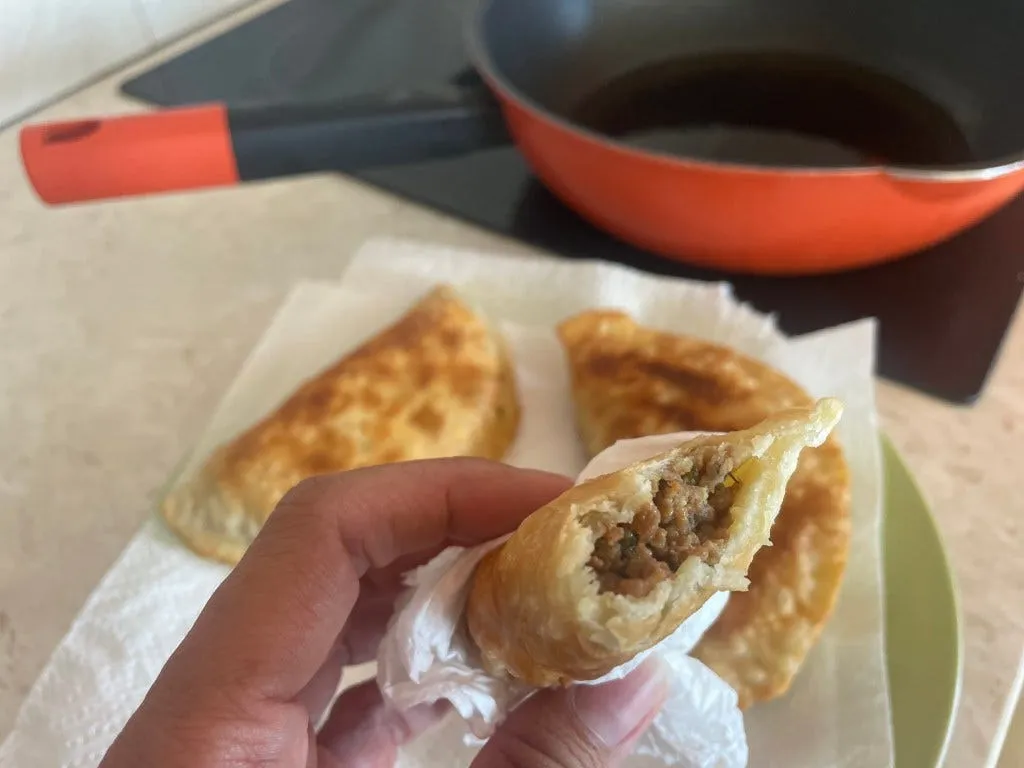
Crescent-shaped turnovers with a flaky, deep-fried crust. Most common fillings are picadillo, chicken, or cheese, but coastal spots do crab, lobster, and octopus. Some purists call the thinner, flakier ones pastelillos and the thicker ones empanadillas, but the terms get used interchangeably depending on where you are.
9. Asopao — the stew you want when it rains
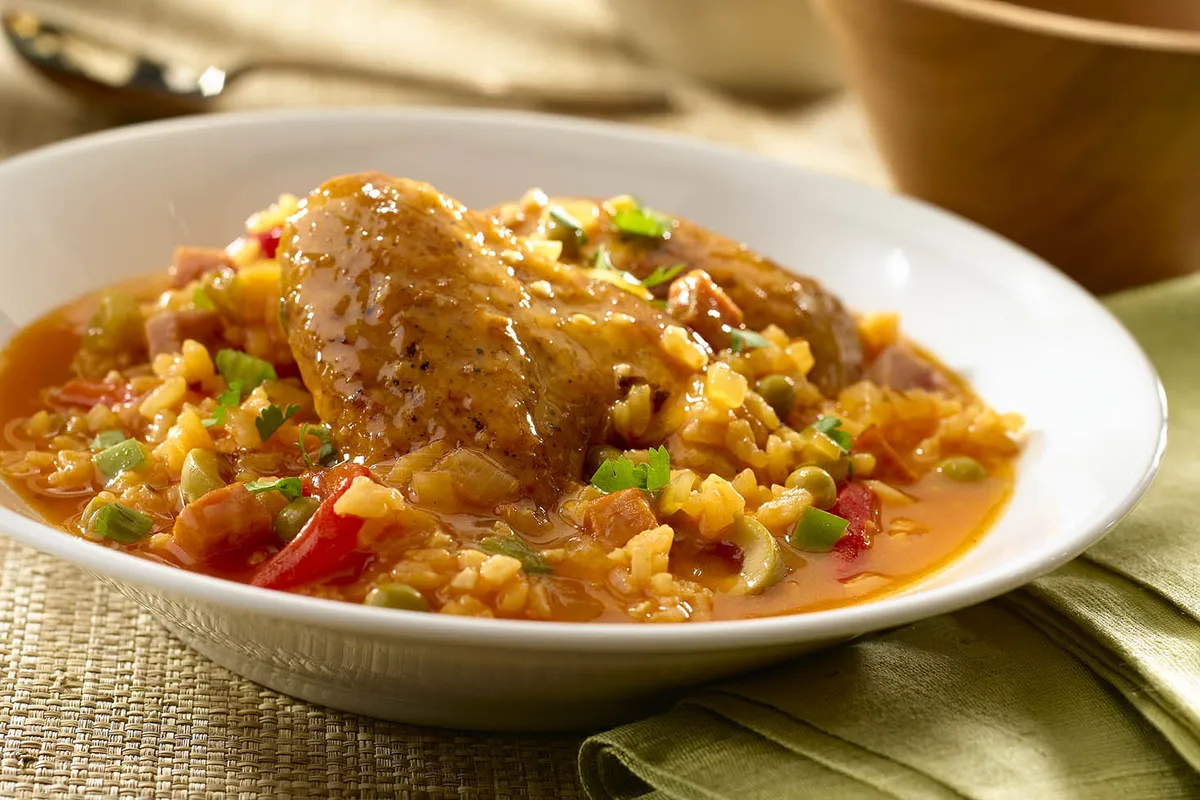
Asopao sits between soup and stew — rice simmered in a heavily seasoned broth until it thickens. Asopao de pollo (chicken) is the default, but shrimp and seafood versions are on most menus. It’s usually finished with green olives, capers, and fresh cilantro. Order it on a rainy afternoon in Old San Juan and you’ll understand why locals consider it medicine.
10. Fresh seafood on the west coast
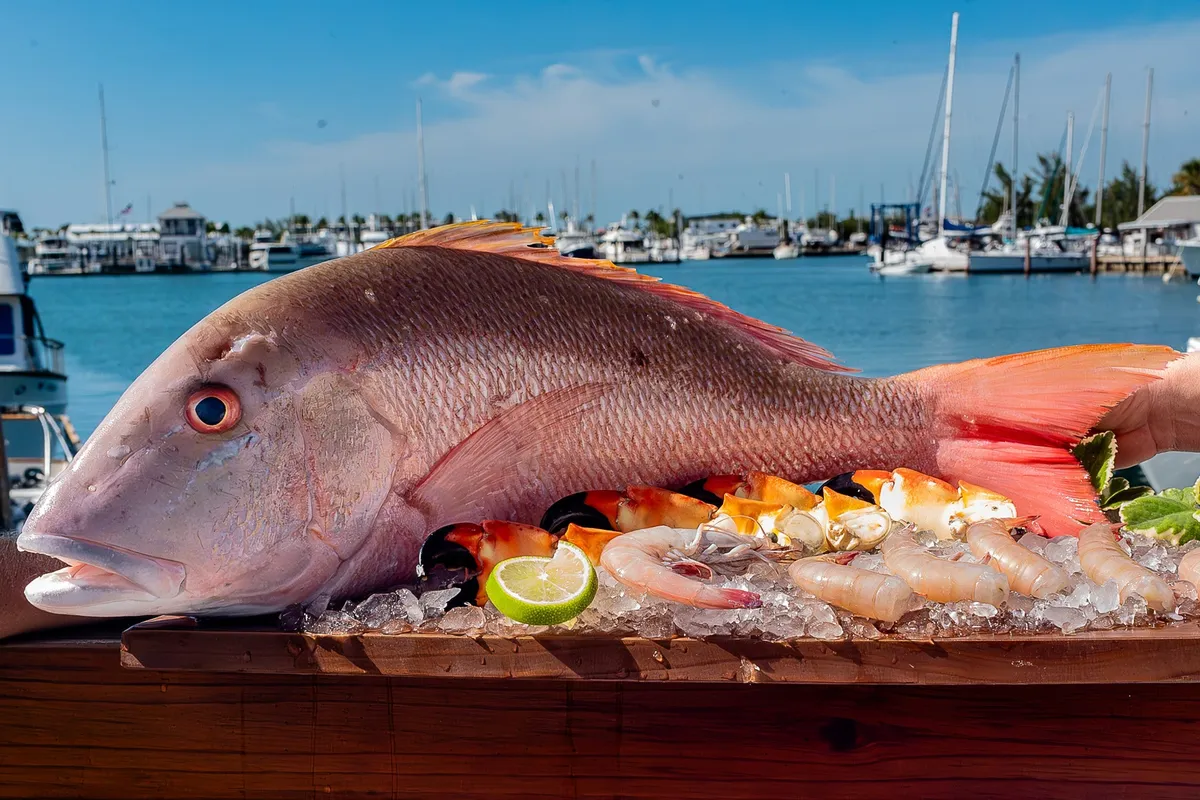
The island’s best seafood isn’t in San Juan — it’s on the west coast in Rincón, Cabo Rojo, and Joyuda. The three things to order:
- Chillo frito: Whole red snapper, scored, seasoned, and deep-fried until the tail is a chip and the skin shatters. Eaten with your hands.
- Ceviche: Citrus-cured local fish, usually dorado or snapper, served cold with tostones instead of tortilla chips.
- Ensalada de carrucho: Conch salad tossed in vinaigrette with onions and sweet peppers. Rubbery if done badly, tender and bright if done right.
Where should you eat in each region of Puerto Rico?
Old San Juan covers the historic and fine-dining end. Piñones and Loíza are the Afro-Caribbean street-food belt. Guavate is the pork highway. The west coast — Rincón, Cabo Rojo, Joyuda — is where you go for seafood and sunsets. Each of these is a different meal and a different drive; don’t try to do more than two in a day.
Old San Juan — history and fine dining on seven blocks
The seven-square-block old city of San Juan has the densest concentration of restaurants on the island, from 200-year-old kitchens to tasting-menu spots.
- Fine dining: Marmalade for an inventive multi-course menu; Santaella in nearby Santurce for upscale Caribbean classics in a plant-filled dining room.
- Traditional comida criolla: Raíces (the mofongo everyone argues about), Deaverdura (daily rotating cafeteria-style menu, dirt cheap, no English, worth it).
- Casual and breakfast: Café Manolín for diner-style mofongo at 9 a.m., and Chocobar Cortés, a café where the entire menu — including the mofongo — is built around chocolate.
- Street snacks: Piragüeros shaving ice blocks into paper cones with tamarind or coconut syrup; pincho vendors grilling pork skewers after dark on Calle San Sebastián.
Pro Tip: Both Caribe Hilton and Barrachina claim to have invented the piña colada. The Hilton’s version tastes better, but Barrachina has the plaque and a shorter walk from the cathedral. If you’re going to drink one, drink it where the story is — and skip the second one, they’re $18 each.
Piñones and Loíza — the Afro-Caribbean street-food belt
A 15-minute drive east of San Juan, Loíza is the center of Afro-Caribbean culture on the island, and Piñones is its coastline. PR-187 runs along the beach lined with open-air wooden kiosks serving the freshest frituras you’ll eat anywhere.
- Location: PR-187, starting about 8 miles (13 km) east of Old San Juan
- Cost: $3–$8 per fritura, $15–$25 for a seafood plate
- Best for: Weekend afternoons, eaten outside with your hands
- Time needed: 2–3 hours including the drive
Kiosko El Boricua has the longest line and the biggest alcapurrias. Kiosko La Comay does the best crab-stuffed pastelillos. Park anywhere along the road — there’s no wrong spot.
Guavate — the Ruta del Lechón
Covered in the lechón section above. One hour south of San Juan on Route 184, weekend-only for the full experience, and absolutely the single most memorable food experience on the island if you eat pork.
West coast — Rincón, Cabo Rojo, and Joyuda
- Rincón: Jack’s Shack for fish tacos after a surf session; La Cambija for seafood tacos with a local crowd; The English Rose for brunch with a hilltop view of the Atlantic.
- Joyuda: Known as the “Seafood Mile” along the Cabo Rojo coast. Brisas del Mar and Nautica (formerly Poly’s) serve fish hours out of the water, often caught by the same families that run the restaurants. Touristy? Yes. Still worth it? Also yes.
What food experiences are worth booking ahead?
The ones worth your money are a small-group Old San Juan food tour, a distillery tour at Casa Bacardí or Ron del Barrilito, and a hands-on mofongo cooking class. Coffee hacienda visits in the central mountains are a nice add-on if you’re already heading to Ponce. Most of these need at least 48 hours’ notice in high season.
Is a San Juan food tour worth it?
Yes, if it’s your first day on the island. A guided tour cuts through the decision fatigue of Old San Juan’s restaurant density and gives you context on what you’re eating. Expect to pay $85–$125 per person for a 3-hour walking tour with 5–7 tastings.
- Spoon Food Tours: Small groups (max 12), historical context heavy
- Secret Food Tours: Includes a hands-on mofongo lesson halfway through
- Flavors of San Juan: The original food tour company on the island; themed options
Which rum distillery tour should you pick?
Puerto Rico produces about 70% of the rum consumed in the United States, and three distilleries are open to visitors. Pick based on what you actually want out of a Puerto Rico rum tour.
- Casa Bacardí (Cataño): The world’s largest premium rum distillery, a 15-minute ferry from Pier 2 in Old San Juan. Legacy Tour $40 + tax (50 min), Rum Tasting $80 + tax (75 min), Mixology Class $80 + tax (75 min). Reserve online; the ferry is cheap but unreliable, so leave early.
- Ron del Barrilito (Bayamón): Puerto Rico’s oldest rum producer, craft-focused, quiet, no tram ride. This is the tour for people who found Casa Bacardí too touristy.
- Don Q at Castillo Serrallés (Ponce): The island’s best-selling rum, set inside a hilltop mansion. Worth building a Ponce day trip around.
Pro Tip: Skip the Casa Bacardí Legacy Tour if you’re short on time and money — it’s a tram ride past exhibits, not a working distillery walkthrough. Go straight to the $80 Mixology Class if you want hands-on value, or take the Ron del Barrilito tour instead for about the same price with a lot more craft-distillery feel.
Should you visit a coffee hacienda?
Only if you’re already driving through the central mountains. Hacienda Iluminada in Maricao walks you through the farm-to-cup process on an actual working farm and ends with a fresh-brewed cup of Puerto Rican coffee. It’s a 90-minute detour from the Ponce–San Juan route and worth it if you like coffee or just want the drive through the cordillera.
What should you order for dessert and coffee?
The three non-negotiable desserts are flan de queso, tembleque, and a quesito from any bakery you walk past. The morning move is Puerto Rican coffee served like a cortado — small, dark, a little sweet.
- Flan de queso: Made with cream cheese. Denser and richer than Mexican flan; somewhere between flan and cheesecake.
- Tembleque: A coconut milk pudding named after the way it wobbles. Set firm but jiggly, dusted with cinnamon, served cold.
- Quesitos: Flaky puff pastries filled with sweetened cream cheese, from any panadería (bakery). $2–$3 each. Eat them warm.
- Pastelillos de guayaba: Same format as quesitos but filled with sweet guava paste. Order both.
- Coquito: The Christmas drink — coconut milk, condensed milk, white rum, cinnamon, and nutmeg. Bottled at Econo supermarkets from October through January.
- Café: Locals drink it as a small espresso cut with steamed milk — closer to a cortado than an American latte. Order a “café con leche” and expect a 6-ounce cup, not a 16-ounce.
What do you need to know about tipping, budget, and food safety?
Puerto Rico operates on US mainland rules: tip 15–20%, tap water is safe to drink, and food regulation is FDA-level. Dining is social and unhurried, so your server won’t bring the check until you ask for “la cuenta.”
How much should you budget per day for food?
- Street food and kiosks: $5–$12 per person per meal
- Casual sit-down restaurants: $18–$35 per person
- Fine dining: $55–$120 per person before drinks
- A realistic mixed-style day: $50–$70 per person, including a couple of cocktails
For a full breakdown across lodging, transport, and activities, see the Puerto Rico travel cost guide.
Is the tap water safe to drink?
Yes — Puerto Rico’s water supply meets EPA standards and tap water is safe across the San Juan metro area and most tourist zones. On the west coast and in the mountains, water pressure can drop after storms, so bottled water is a cheap backup for a day or two. Ice at restaurants is always fine.
Before you book your trip
TL;DR: Eat mofongo once, lechón in Guavate on a Sunday, alcapurrias from a Piñones kiosk, and chillo frito on the west coast. Skip the resort restaurants and the third piña colada. Budget $50–$70 a day for food, tip like you’re in Florida, and buy a jar of sofrito to take home.
The food is the reason to come here — not the beaches, not the fortresses, not the rum. Cocina Criolla is a working culture, not a theme, and the best meals of your trip will almost certainly come from a roadside shack or a cafeteria with no English menu. Trust the line. Order the pork.
What’s the first Puerto Rican dish you’re planning to try — mofongo or a plate of lechón straight off the spit?