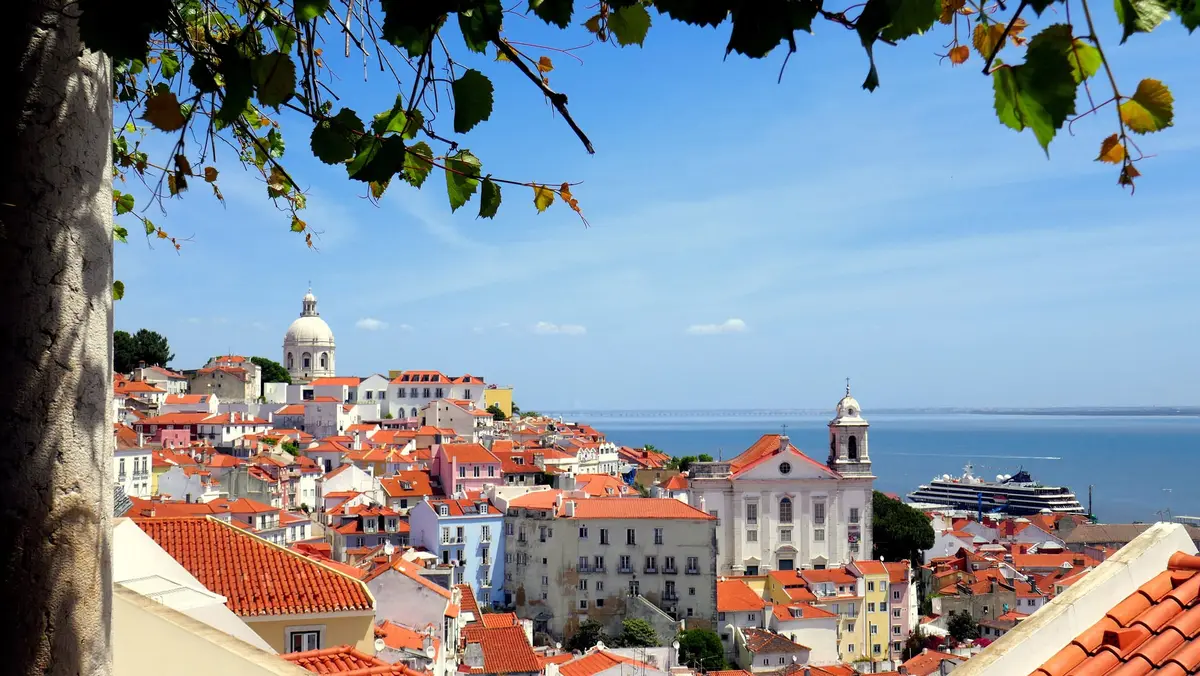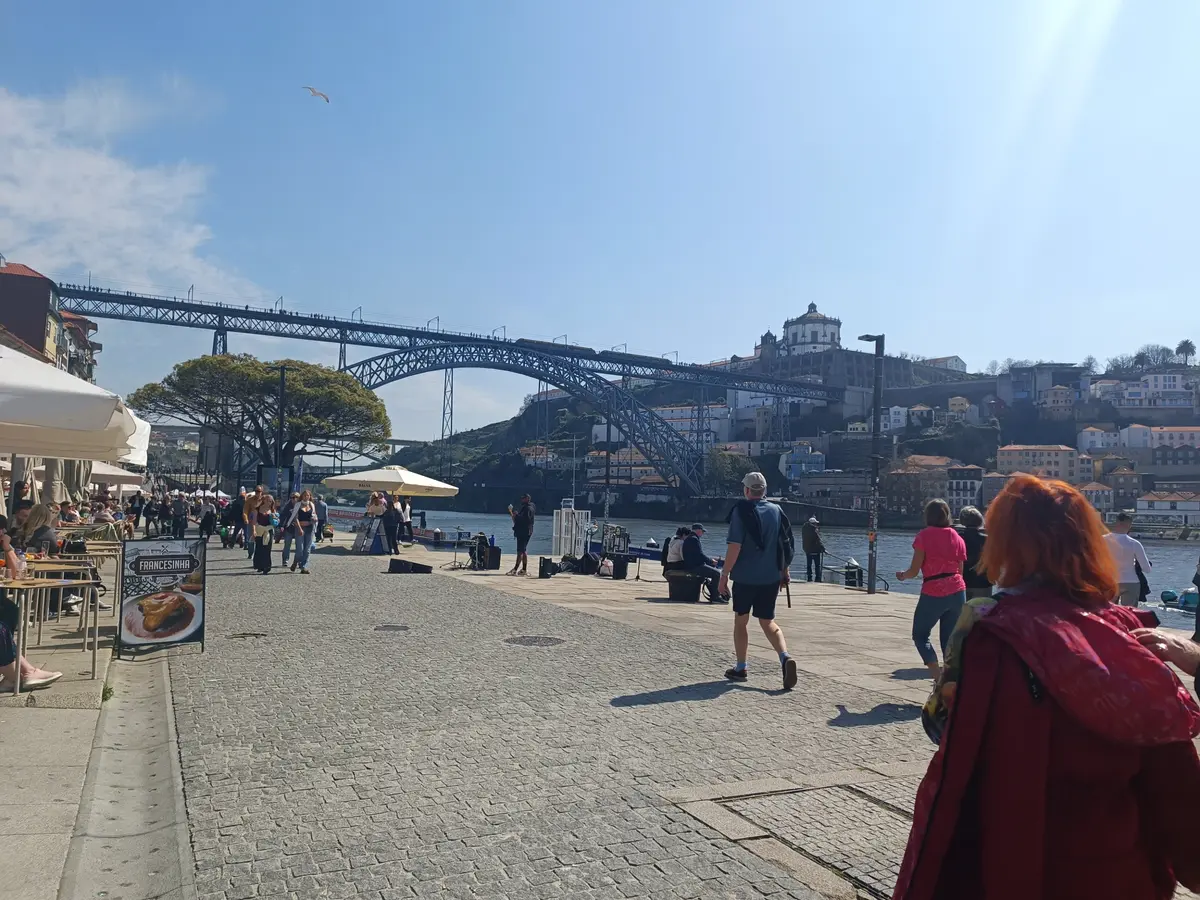
Portugal runs on localized digital infrastructure — its own ride-hailing network, its own toll system, its own payment rails. The apps that work everywhere else will fail you the moment you step off the plane. Install the right Portugal travel apps before departure and you skip every queue, dodge every fine, and eat where locals actually eat.
Your digital readiness matrix
Before diving in, bookmark this pre-departure checklist. Getting these downloaded and set up before you fly is the easiest way to avoid sidewalk frustration with heavy luggage.
| Category | Download this | Not this | Do before you fly |
|---|---|---|---|
| Intercity trains | Comboios de Portugal | Eurail | Register with your passport number |
| Ride-hailing | Bolt | Uber | Link a no-foreign-fee card |
| Highway tolls | Via Verde transponder | Cash lanes | Confirm with your rental agency |
| Translation | DeepL | Google Translate | Download European Portuguese offline pack |
| Dinner reservations | The Fork | Yelp / OpenTable | Book 14 days ahead for coastal spots |
| Wildfire alerts | FOGOS | Standard weather apps | Enable push notifications |

What are the most essential Portugal travel apps?
The most essential Portugal travel apps include Bolt for urban ride-hailing, Comboios de Portugal for intercity train tickets, and the Via Verde system to avoid severe highway toll penalties. Building your digital toolkit around these core utilities, alongside a solid Portugal travel guide, ensures you do not waste time standing in physical queues or overpaying for basic transportation.
1. Bolt — the ride-hailing app that actually works here
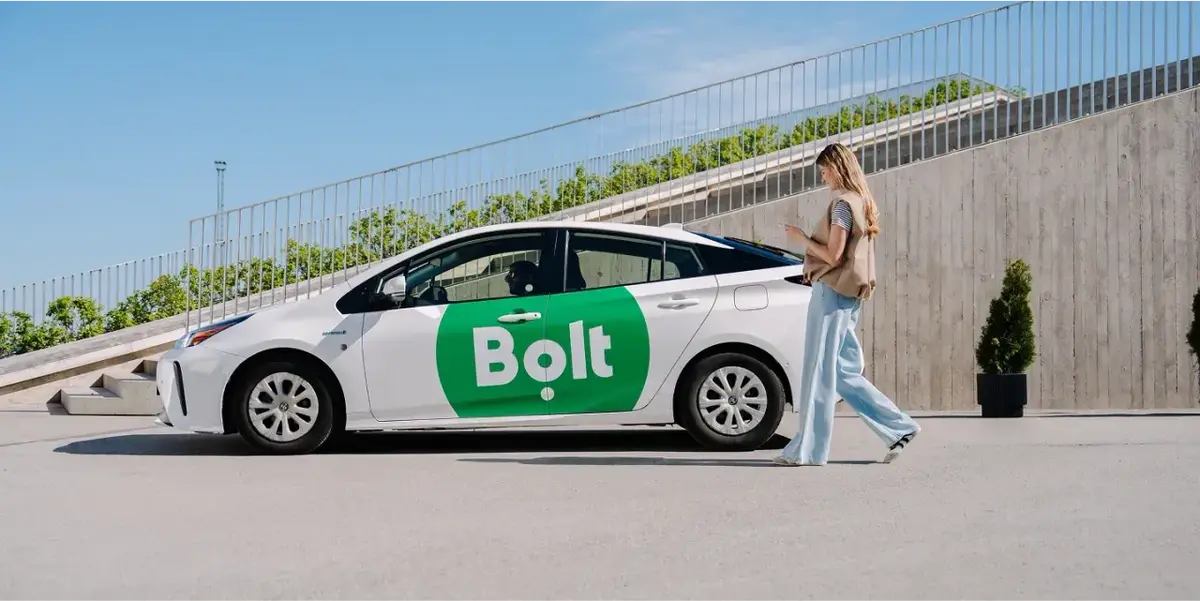
Forget what you know about Uber being the default global choice. Bolt dominates the ride-hailing market in Portugal with a larger driver network in major urban centers like Lisbon, Porto, Faro, and Braga. Both Bolt and Uber run comparable fares here, but Bolt tends to show lower surge pricing during busy periods.
A standard trip from Humberto Delgado Airport into central Lisbon runs approximately $9–$17 on Bolt, depending on demand and time of day. Note the pickup: ride-hailing services are not allowed at the arrivals curb. Follow the signs for “Partidas” (Departures), go upstairs to the Kiss & Fly zone, and meet your driver there.
Pro Tip: Link your credit card and request your first ride before clearing customs. The airport pickup zone gets congested fast, and you do not want to be creating a new account on the sidewalk while guarding your luggage.
- Location: Nationwide — Lisbon, Porto, Faro, Braga
- Cost: Free download; fares vary (airport to Lisbon center ≈ $9–$17)
- Best for: All travelers, especially first-time arrivals
2. Comboios de Portugal (CP) — for trains between cities
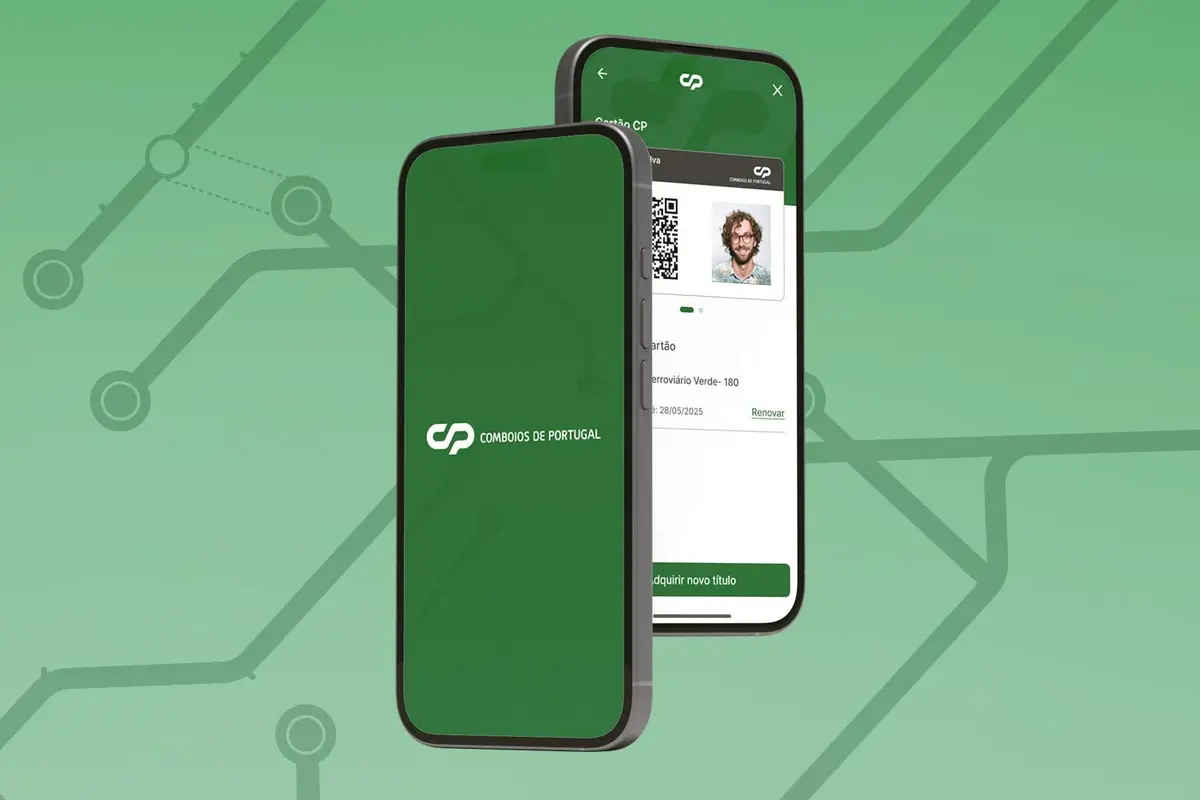
The national rail app is non-negotiable for train travel in Portugal. Whether you are moving from Lisbon to Porto, heading down to Faro, or traveling anywhere along the main Alfa Pendular corridor, tickets booked in-app are frequently 20%–30% cheaper than buying them at the physical station window. Advance promo fares on the Lisbon–Porto route start from around $11; full-price tickets run $31–$39 in second class on the Alfa Pendular.
One critical warning for your itinerary: this app does absolutely nothing inside city limits. You cannot use it to board the Lisbon Metro or Porto’s subway systems. Those local transit networks require entirely separate infrastructure. However, for long-distance journeys like Lisbon to Porto, the national platform surfaces rarely advertised discounts for travelers over 65 and for students with valid university credentials, all processed entirely digitally.
Pro Tip: High-season queues at Rossio and Porto Campanhã stations can run 45 minutes or longer. In-app booking lets you skip the line entirely.
- Location: National intercity routes
- Cost: Free; promo fares from ≈ $11, standard fares $31–$39 (Lisbon–Porto, 2nd class)
- Best for: Anyone covering more than one city
3. CarrisWay (Lisbon) and Anda (Porto) — city transit done right
These two major cities run on completely separate transit architectures. Lisbon operates CarrisWay while Porto runs on Anda — using the wrong platform in the wrong city wastes vacation time you do not have.
In Lisbon, you need CarrisWay. It tracks buses and trams in real time and allows you to top up your physical Navegante card via NFC directly from your phone. One honest caveat regarding its stability: the software has a documented history of crashing when selecting specific stops. Use it primarily as a mobile top-up tool rather than a live tracking dependency, as Google Maps remains more reliable for bus ETAs.
In Porto, download Anda. It runs on a post-paid model with a lowest-fare guarantee, meaning it automatically calculates and selects the cheapest zone combination for your specific journeys on the Andante intermodal network. The physical interaction is highly specific: hold your Android phone roughly 1 inch (2–3 centimeters) from the yellow validator panel, wait for the green flash, and listen for a single electronic beep. That beep is your confirmation, and without it, the turnstile simply will not open. For iPhone users in Porto, direct NFC turnstile validation is not yet supported on iOS, but the top-up function still works perfectly for loading physical Andante cards.
Pro Tip: Neither of these Portugal travel apps replaces the physical Navegante (Lisbon) or Andante (Porto) card, which you still need to acquire. But having them on your phone means you never have to stand in front of a broken ticket machine again.
- Location: CarrisWay for the Lisbon metro area; Anda for the Porto metro area
- Cost: Free downloads; transit fares ≈ $1.50–$3.50 per ride
- Best for: City explorers, budget travelers, and anyone staying 3+ days in either city
4. Via Verde — the highway toll system you cannot ignore
This is the hard truth that most generic travel advice about driving in Portugal skips entirely. Do not make the mistake of setting off without understanding this system.
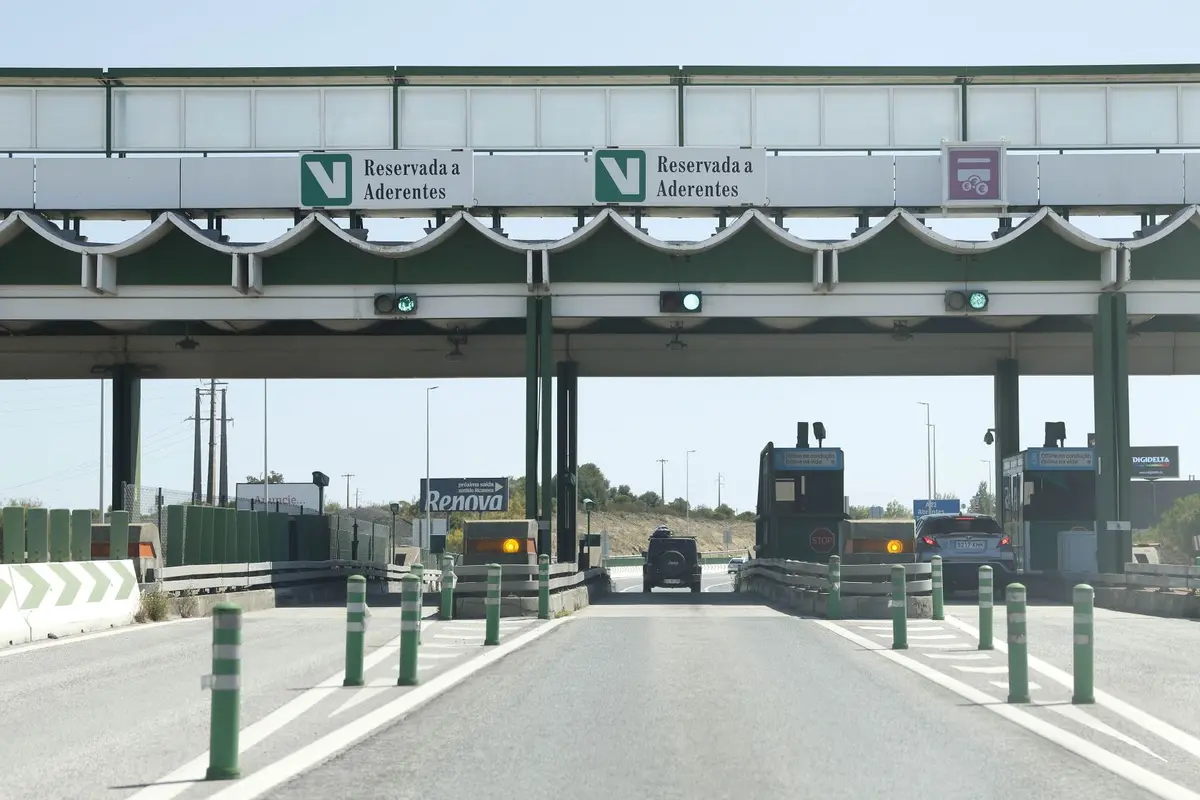
Significant stretches of the national motorway network feature zero physical toll booths — no cash lanes, no option to slow down and pay a human being. Overhead electronic gantries photograph your license plate at full highway speed. If there is no registered transponder attached to your windshield, you have a narrow window of roughly five days to pay the toll manually at a CTT post office before fines start compounding. Those fines range from €21.53 to €107.66 ($25–$124) per unpaid toll, plus administrative fees from your rental agency on top.
One meaningful update for drivers heading to the Algarve: portions of the A22 and several other motorway sections became toll-free at the start of 2025. Verify current toll status on your specific route before departure, since the network changes. Even so, large sections of the A22, A23, A24, A25, and A28 still operate as electronic-only toll roads with no cash option.
For most tourists on a standard 7–10 day itinerary, hunting down a CTT post office and completing a manual payment is a massive waste of time. The fix is simple: when booking your rental car, confirm that the Via Verde transponder is included. Most major agencies include it by default. The daily rental fee is legally capped at €2.21 per day (≈ $2.55), up to a maximum of €22.14 (≈ $25.50) total per rental agreement. The transponder is a small white rectangle mounted behind the rearview mirror. When you pass under an electronic gantry, it emits a brief, high-pitched chirp — that sound means you are clear. For car hire specifics beyond the toll system, our guide to renting a car in Portugal covers agency comparisons, insurance requirements, and full toll registration.
Pro Tip: If your rental agency does not include a transponder, either route around electronic-only sections or budget time for a CTT post office visit. There is no workaround.
- Location: Nationwide motorways — critical on the A22 (Algarve) and A2 (Alentejo)
- Cost: ≈ $2.55/day, capped at ≈ $25.50/rental
- Best for: Anyone renting a vehicle outside major metropolitan areas
5. Telpark and ePark — stop getting clamped in Lisbon
Lisbon’s EMEL parking enforcement is aggressive, efficient, and merciless to tourists and locals alike. Telpark and ePark are your primary defenses against returning to a clamped rental car.
ePark is the officially integrated EMEL platform for Lisbon’s street parking zones. It requires a minimum €10 (≈ $11.50) prepaid balance to activate, so load it before you actually need to park. Its strongest feature is remote session extension — when your two-hour window is about to expire, you can add more time directly from a restaurant table without sprinting back up a hill to your vehicle.
Telpark is the broader, more flexible alternative. It covers 11 Portuguese cities plus over 50 cities across the border in Spain, making it genuinely useful if your road trip extends internationally. It accepts credit cards directly with no mandatory prepaid balance required. In certain municipalities where local regulations permit, you can even contest a parking fine directly within the interface.
Pro Tip: Telpark is the better install if you are renting a car and covering multiple cities across the peninsula. ePark is the stronger choice if you are spending significant time exclusively within Lisbon city limits.
- Location: ePark for Lisbon EMEL zones; Telpark for 11 national cities plus Spain
- Cost: Free downloads; ePark requires an initial ≈ $11.50 prepaid balance
- Best for: Drivers, road trip itineraries, and Lisbon city visitors
6. DeepL — why you should skip Google Translate
European Portuguese and Brazilian Portuguese are not the same language in daily street practice. Google Translate defaults to Brazilian vocabulary, syntax, and pronunciation regardless of where your phone’s GPS places you. Presenting a Lisbon cafe merchant with loud Brazilian audio is the fastest way to mark yourself as an unprepared tourist, and in traditional older neighborhoods, it grates on locals.
The difference is audible immediately. European Portuguese swallows unstressed vowels, runs syllables tightly together, and carries a cadence that linguists sometimes compare to Slavic stress patterns. Brazilian Portuguese opens those same vowels wide and sounds almost musical by comparison. They are mutually intelligible to native speakers, but the cultural distance is obvious.
DeepL operates on a neural translation model explicitly trained on approximately 30 languages with strong emphasis on idiomatic accuracy for European language pairs. Independent benchmarks consistently rate it well above Google Translate for this specific use case — particularly useful given the regional variation in how widely English is spoken in Portugal.
The optimal strategy: use DeepL for any text you are sending or showing directly to a local. Keep Google Translate installed specifically for its augmented reality camera feature — pointing your phone at a handwritten restaurant menu and getting an instant English overlay is still remarkable technology, and DeepL does not match that specific function yet.
Pro Tip: Download the European Portuguese offline language pack inside DeepL before your flight takes off. Mobile data coverage is unreliable in rural Alentejo and the interior Douro Valley.
- Location: Nationwide utility
- Cost: Free (premium tier available but unnecessary for tourists)
- Best for: Everyone — a non-negotiable install
7. MB Way and XE Currency — understanding local payments
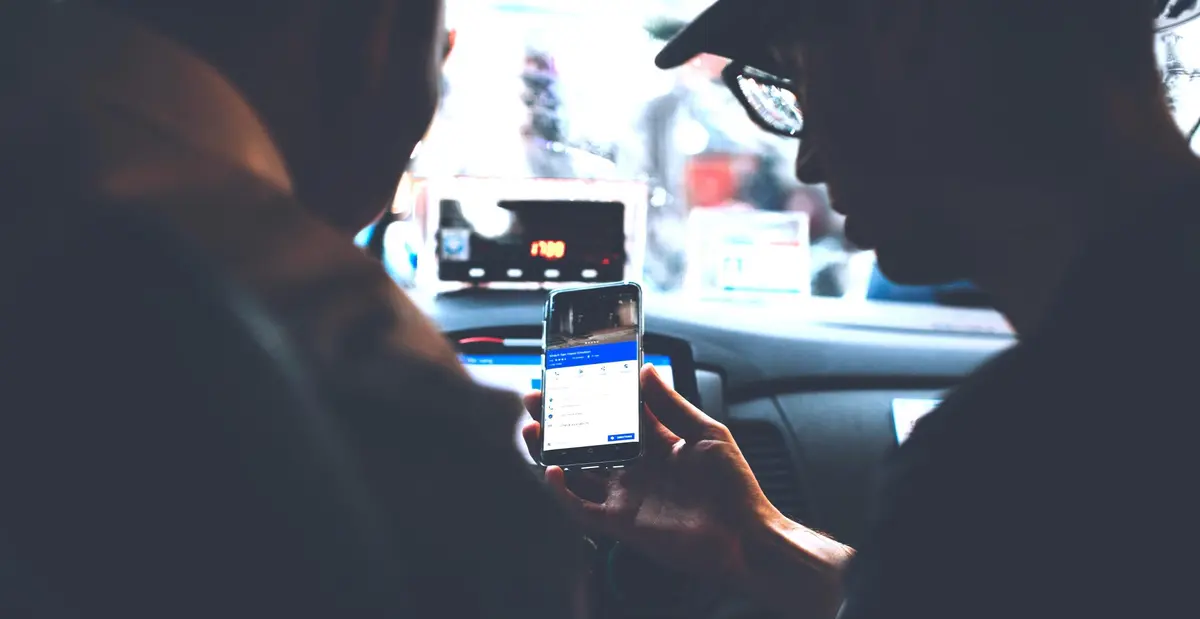
MB Way is the national digital payment infrastructure. Millions of citizens use it daily for peer-to-peer money transfers and direct QR-code merchant payments. In many shops, “MB Way?” is the default question cashiers ask before they even look for a card terminal.
For US tourists, here is the reality: MB Way requires linkage to a Portuguese or participating European bank account. You will not be able to set it up from a standard US checking account. However, simply knowing this dominant system exists explains why your Visa card might get a puzzled look in smaller coastal towns — and why carrying €50–€80 in physical cash remains essential for a smooth trip.
XE Currency protects your travel budget at every transaction. Local ATMs and point-of-sale terminals push Dynamic Currency Conversion (DCC) aggressively — a screen asking if you prefer to pay in USD instead of euros. Always decline. DCC conversion rates typically run 3%–7% worse than your home bank’s standard conversion rate. Pull up XE Currency before finalizing any large transaction so you know the real market rate.
Pro Tip: XE caches the latest exchange rate data locally on your device. It works without an active data connection, which matters at remote weekend markets where you are paying in cash and doing quick mental math.
- Location: Nationwide
- Cost: Both free
- Best for: All travelers, especially those navigating smaller towns or using cash
8. The Fork — for restaurants that refuse walk-ins
During peak summer season, the best traditional restaurants in Lisbon, Porto, and along the Algarve coast do not accept walk-in diners. They are fully booked at least two weeks out. The Fork is the reservation engine that covers these independent, sought-after spots — the exact restaurants that have no Yelp presence, no OpenTable profile, and no English-language website.
The platform provides access to genuine neighborhood spots alongside the internationally recognized names. It also frequently offers discounts of 10%–50% off the total bill on bookings made during off-peak dining hours.
Pro Tip: Create your account and lock in priority reservations before you leave home. For popular coastal Algarve restaurants in summer, two weeks’ notice is the minimum. One week is gambling with your dinner.
- Location: Nationwide coverage
- Cost: Free download; restaurant prices vary
- Best for: Foodies, couples, and anyone visiting between June and September

9. Glovo and Bolt Food — delivery that actually delivers
On those evenings when your feet have had enough of the cobblestones, both Glovo and Bolt Food outperform Uber Eats across Portugal in coverage area, lower delivery fees, and product range.
Glovo in particular functions as an urban logistics network rather than just a food delivery service. Beyond restaurant meals, it delivers from Continente (the dominant national supermarket chain), local pharmacies, and corner convenience stores. If you are staying in an Airbnb and suddenly need paracetamol and a cold bottle of Vinho Verde at 10 PM, Glovo handles it without leaving the apartment.
Too Good To Go also deserves a mention here for budget-conscious and eco-minded travelers. It sells heavily discounted surplus daily inventory from bakeries, restaurants, and cafes right at the end of the business day. You can regularly secure a surprise bag for €3–€5 ($3.45–$5.75) containing fresh items worth three to four times that amount. In a traditional Portuguese pastelaria, that typically means a generous haul of pastéis de nata and bread rolls.
Pro Tip: Glovo’s grocery delivery from Continente covers the majority of major tourist zones in both Lisbon and Porto. It is meaningfully cheaper than buying late-night snacks from an overpriced hotel minibar.
- Location: Major urban centers nationwide
- Cost: Free downloads; delivery fees from ≈ $1.50–$3.00
- Best for: Vacation apartment stays, families with kids, and budget travelers
10. FOGOS and Tides — the safety apps most tourists skip
These two utilities are genuinely itinerary-critical, yet almost no mainstream travel guide mentions them.
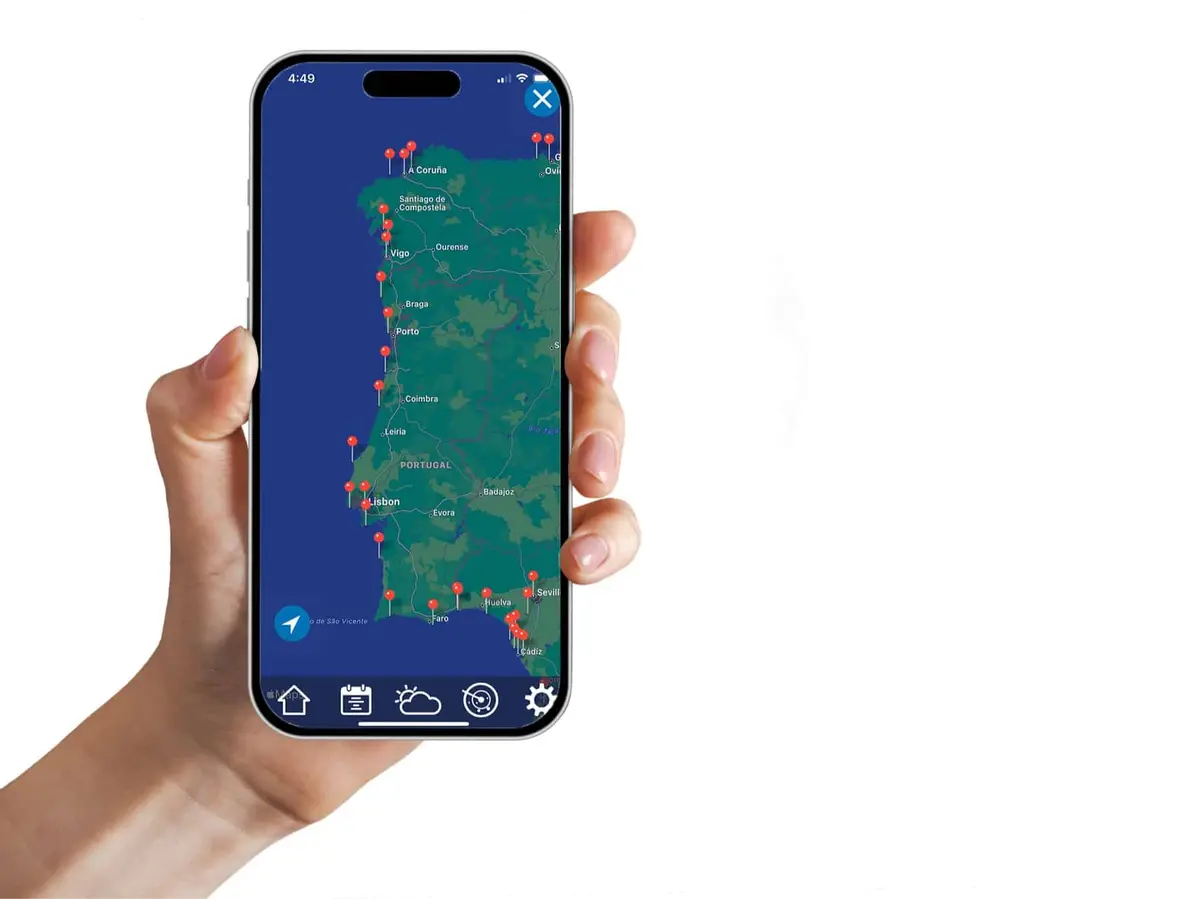
FOGOS (fogos.pt) is a real-time national wildfire tracking app. The country’s interior sections — including Alentejo, the central highlands, and forested areas of the Douro Valley — experience intense summer fire seasons. FOGOS pulls live data from active firefighting agencies and maps fire perimeters in real time. If you are driving through any forested interior regions between June and September, this belongs on your phone with push notifications enabled.
Tides is equally non-negotiable for anyone visiting the coast. The Atlantic tidal range along the Algarve and the western Vicentine shoreline is dramatic and fast-moving. Beautiful, walkable coves at low tide become completely sealed off within 90 minutes. Tides gives you precise, localized predictions for any coastal spot on Portugal’s beaches. MayDay Safety rounds out this safety suite as a centralized emergency button and routing tool — particularly useful for solo travelers navigating unfamiliar, poorly lit areas after dark.
Pro Tip: Download FOGOS even if your itinerary has no interior driving. Heavy wildfire smoke can close major roads and delay commercial flights across the entire country. The app’s alerts give you enough lead time to reroute.
- Location: Nationwide — FOGOS is most critical in hot interior regions; Tides is mandatory on all Atlantic coastlines
- Cost: All free
- Best for: Drivers, beach visitors, solo travelers, and anyone visiting between June and September
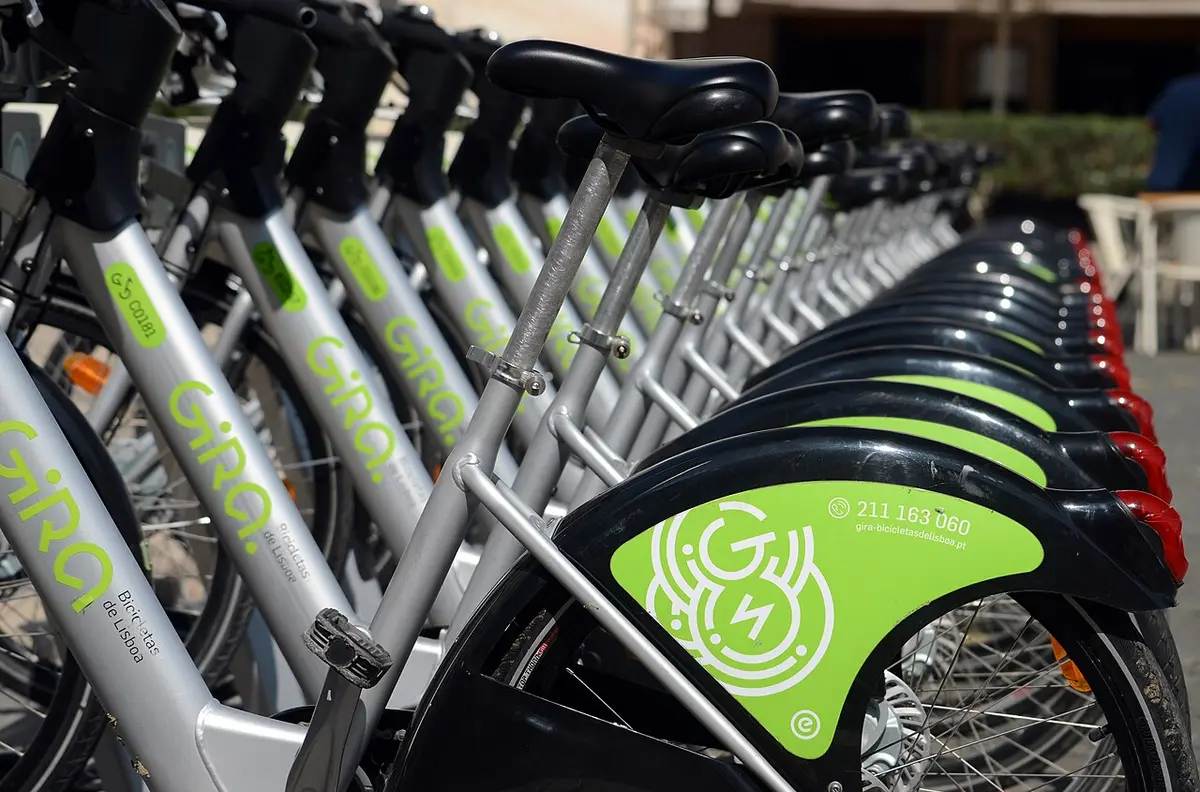
11. Gira (Lisbon) — electric bikes to conquer those hills
Lisbon’s seven hills are genuinely steep and exhausting. Gira, the city’s official municipal bike-share network, runs a fleet of both standard pedal and electric-assist bicycles. The electric motors are capped at 15.5 mph (25 km/h) — fast enough to be efficient, slow enough for tight streets. A tourist day pass is available at a promotional rate of €2 (≈ $2.30) and covers unlimited 45-minute rides for a full 24-hour period.
The honest caveat: Gira’s app has well-documented registration problems when processing non-European payment credentials. If your credit card fails during initial registration, try a different card or call EMEL support directly at +351 211 163 060. Navigating the registration friction is worth the effort, particularly for cruising the flat riverfront or powering up the inclines toward the Alfama district.
For visitors heading north to Porto, the municipal bike infrastructure is considerably less centralized. Your best options there are dockless providers like Bird, or brick-and-mortar rental agencies such as Baja Bikes for day rentals along the Douro waterfront.
Pro Tip: Always select an electric-assist model when in Lisbon. The hills that look perfectly walkable on Google Maps are considerably less enjoyable on a heavy pedal bike when the temperature hits 85°F (29°C).
- Location: Gira operates in Lisbon; Bird and Baja Bikes handle Porto and coastal areas
- Cost: Gira day pass ≈ $2.30 (promotional rate); Bird per-minute pricing varies by zone
- Best for: Active travelers, couples, and anyone staying in Lisbon for more than two days
What most guides will not tell you
Portugal rewards travelers who arrive fully prepared. The infrastructure runs on localized digital systems — Bolt over Uber, DeepL over Google Translate, The Fork over OpenTable. Understanding that digital gap and installing these Portugal travel apps before you land is the difference between a smooth trip and a week of small, compounding daily frustrations.
TL;DR: Download the core six before heading to the airport: Bolt, Comboios de Portugal, DeepL, The Fork, FOGOS, and XE Currency. Build out the rest based on your specific route.
Which region are you heading to first — Lisbon, Porto, or straight down south to the Algarve coast? Let me know in the comments, and I can help you narrow down exactly which tools you will need for your first 48 hours.