Lebanon makes some of the oldest, most distinctive wine on earth — and right now the US State Department says don’t go. This Lebanon wine tourism guide covers both: what’s in the glass across the Bekaa, Batroun, Ghazir and Jezzine, and the hard reality every American needs to weigh before booking.
Is it safe to travel to Lebanon right now?
No — not according to the US government. Lebanon sits at Level 4: Do Not Travel, the State Department’s highest warning. In February 2026, Washington ordered non-emergency US personnel and their families to leave, and the US Embassy in Beirut has suspended routine consular services. Americans who go anyway are largely on their own.
That is the headline, and no amount of good wine changes it. Southern Lebanon south of Saida and the Syrian border areas are hardest-hit. The Bekaa, Batroun and Beirut itself are technically outside the most acute zones, but “technically outside” is not the same as safe — airstrikes, unexploded ordnance and flight cancellations are ongoing risks. For the fuller week-by-week picture, our breakdown of whether Lebanon is safe for American tourists tracks conditions on the ground.
Pro Tip: Before you book anything, enroll in the Smart Traveler Enrollment Program (STEP) at step.state.gov. It is free, takes two minutes, and is the only way the embassy can reach you in an emergency now that routine services are suspended.
If you are reading this as research for a future trip — when conditions improve — the rest of the guide is for you. I have visited the Bekaa and Batroun on calmer days, and the wine regions are worth the trip when the US government says they are. That judgment belongs to Washington, not to me, and not to a travel blog.
Why Lebanon wine tourism is unlike anywhere else
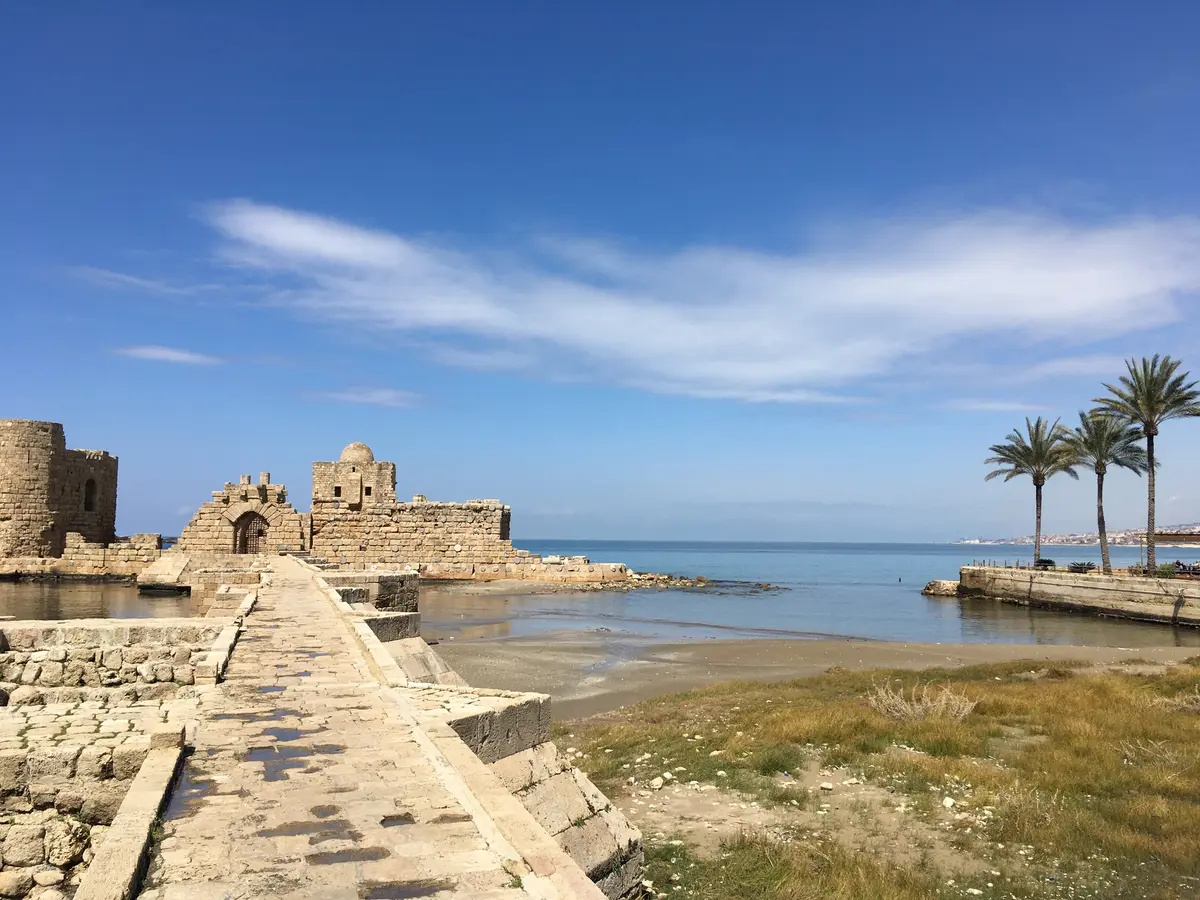
Lebanon has been making wine for roughly 6,000 years. The Phoenicians domesticated the vine here and exported it — along with the alphabet — to Greece, Italy, Spain and Egypt. A 2,600-year-old wine press excavated at Tell el-Burak proved industrial-scale production was happening on this coast long before Bordeaux or Tuscany had vineyards.
What that means in practice: when you taste a Lebanese red, you are drinking something closer to the source code of European wine than anything you can buy in Napa. The country is small — about the size of Connecticut — but it holds three distinct wine terroirs and an indigenous grape tradition that survived Ottoman prohibition, French occupation and a 15-year civil war.
The Roman anchor: Baalbek
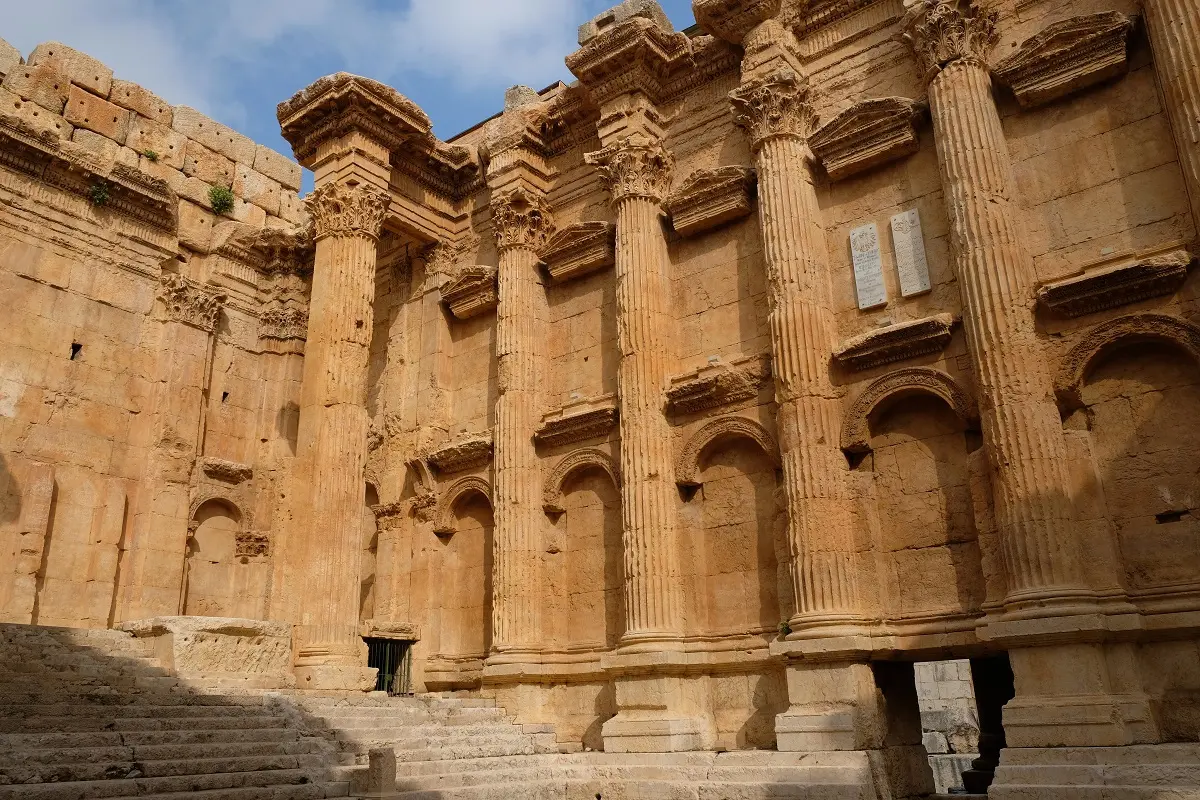
The most visible reminder of this history is the Temple of Bacchus in Baalbek, built between 150 and 250 AD and dedicated to the Roman god of wine. It is one of the best-preserved Roman temples in the world and sits about a 40-minute drive from the main Bekaa wineries. Connecting a tasting at Château Ksara with the ruins at Baalbek is the single most powerful day a wine traveler can have in this country — assuming safety conditions allow it. Baalbek is closer to the Syrian border and has been affected by regional security issues in recent years.
The modern revival
Commercial winemaking restarted in 1857, when Jesuit monks at Château Ksara brought French varietals — Cinsault, Carignan, Grenache — from Algeria. That French imprint still defines the industry: most top Lebanese reds are Rhône-style blends. The civil war (1975–1990) should have killed the sector. Instead, Serge Hochar of Château Musar kept harvesting through shelling and checkpoints, missing only two vintages. That “wine as resistance” story is not marketing — it is the reason Musar sits on wine lists in London and New York.
What makes the Bekaa Valley the heart of Lebanese wine?
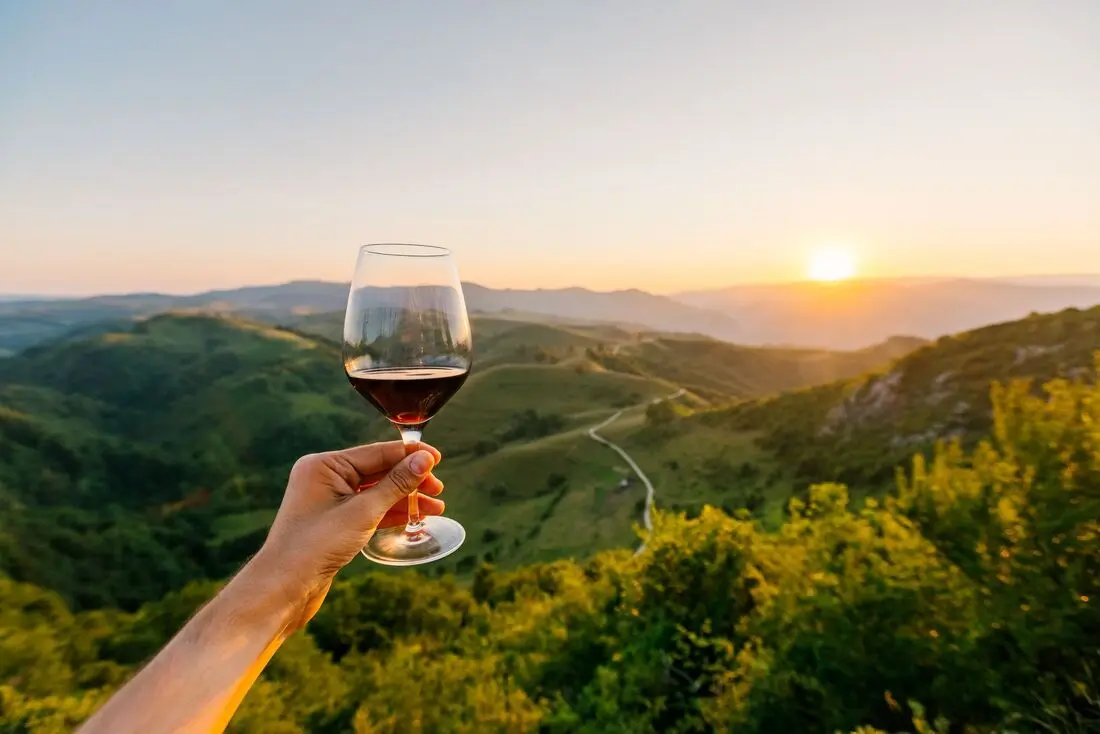
The Bekaa is Lebanon’s main wine region, and the best wineries in the Bekaa Valley collectively produce roughly 80% of the country’s output. It is technically a high plateau — not a valley — sitting at an average of 3,280 feet (1,000 m) between the Mount Lebanon and Anti-Lebanon ranges. The altitude, limestone soils and huge day-night temperature swing give the wines both ripeness and acidity.
Summer daytime highs push past 95°F (35°C), but nights drop sharply thanks to the elevation. That thermal swing lets grapes ripen fully while holding onto natural acid — the reason Bekaa reds have structure most hot-climate wines lose. The almost-total lack of summer rain also means low disease pressure, which is why a surprising number of producers farm organically by default rather than by marketing decision.
The drive from Beirut over the Mount Lebanon range takes 90 minutes to two hours depending on traffic at the Dahr el Baidar pass. There is no usable public transport to the wineries. A private driver runs $100–150 per day, and you will need one.
Château Ksara — the Roman caves
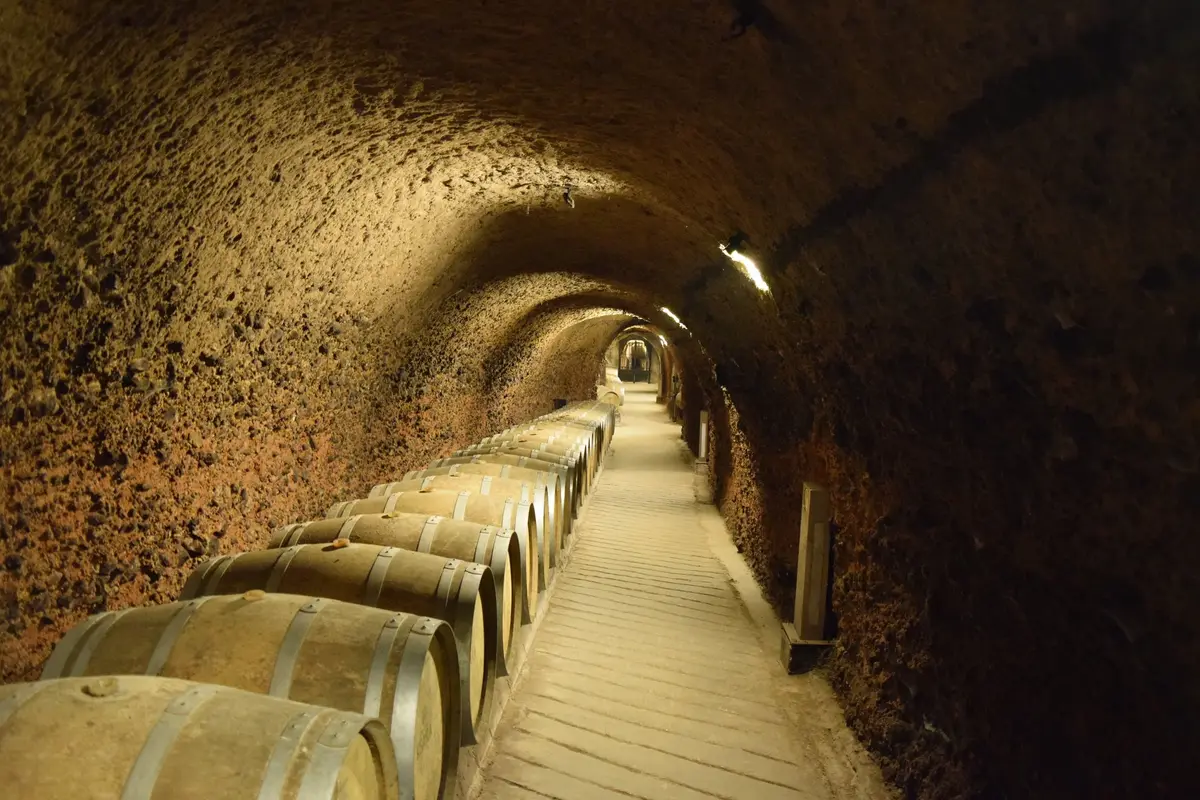
The oldest winery in the country (founded 1857) and still the largest. The draw here is not the tasting room — it is the Roman caves, 1.2 miles (2 km) of tunnels dug by the Romans and rediscovered by accident in 1898. Walking from 95°F Bekaa heat into the 57°F (14°C) cave system is the single most physical sensation of a Bekaa day. The Réserve du Couvent red is the gateway wine: savory, lightly oaked, honest.
Honest friction: the guides are trained for foot traffic, not wine geeks. If you want serious oenology, book a private tasting in advance.
- Location: Ksara, Zahle, Bekaa Valley (about 90 min from Beirut)
- Cost: $15–20 per person for standard tour and tasting
- Best for: First-time Lebanon wine visitors, history buffs
- Time needed: 90 minutes
Château Kefraya — the lunch stop
Kefraya only uses fruit from its own 741 acres (300 hectares) of vines, which matters more than most wineries advertising “estate grown” — in Lebanon, many producers buy grapes from the Bekaa’s patchwork of smallholders. The tour runs a small train through the vineyards, which is cheesy but efficient in the heat. The restaurant under the pines is the real reason to come: it consistently turns out the best lunch in Lebanese wine country. Their flagship red, Comte de M, is dense, age-worthy and priced accordingly.
- Location: Kefraya, West Bekaa (10 minutes south of Ksara)
- Cost: $20–30 per person for tasting; lunch extra
- Best for: Couples, serious reds drinkers, anyone who wants to eat well
- Time needed: 3 hours including lunch
Château St. Thomas — the indigenous grape pioneer
A family-run operation that bet early on Obeidy, Lebanon’s native white grape, when everyone else was planting Chardonnay. Their 100% Obeidy bottling tastes like nothing on a US wine list: honey, beeswax, citrus pith, high acid. The tasting room is small and you usually meet an actual family member.
- Location: Kab Elias, Bekaa Valley
- Cost: $10–20 per person
- Best for: Wine geeks, indigenous-varietal hunters, small-group travelers
- Time needed: 60–90 minutes
Pro Tip: Stop in Zahle between winery visits for lunch at a Berdawni River restaurant — Mhanna sur Mer or Arabi. The mezze-and-Arak ritual here is the actual cultural anchor of Lebanese wine country, not the winery tasting rooms.
Château Musar in Ghazir — the pilgrimage
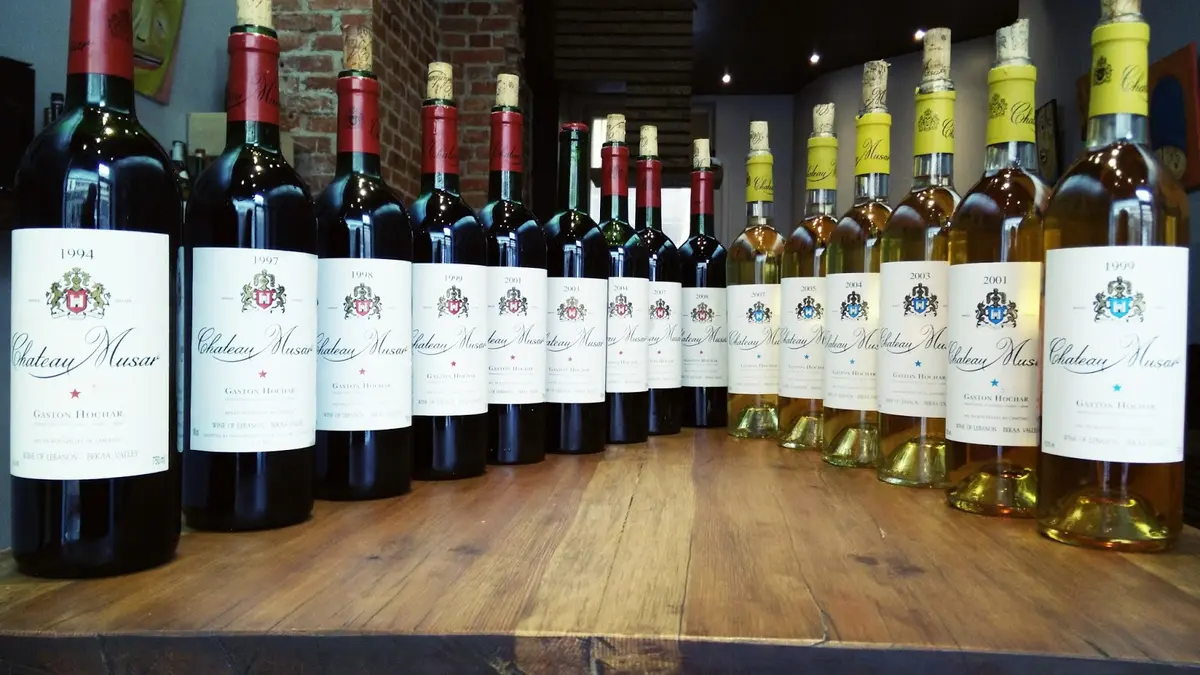
Musar is not in the Bekaa — it is in Ghazir, about 30 minutes north of Beirut, in an 18th-century castle. The fruit comes from the Bekaa, but the winemaking and aging happen on the coast. Founded in 1930 and run by the Hochar family, Musar is the only Lebanese wine most American sommeliers can name.
The tasting experience is deliberately old-school. You sit in a cellar room, and someone pulls vintages going back decades — I have tasted a 1998 on one visit and a 1975 on another. The Musar Red is idiosyncratic: volatile, funky, polarizing — some bottles taste like Bordeaux that spent a week in a barn, in the best way. The Musar White is even more divisive: oxidative, sherry-adjacent, not for everyone.
Contrarian take: Musar is the most famous Lebanese wine, and if you have only one day for Lebanon wine tourism, it is still not the right pick. The Bekaa gives you Roman caves, altitude, lunch under pines and three wineries in one day. Musar gives you one cellar and a legend. Save Musar for a second trip or a dedicated evening.
- Location: Ghazir, 30 minutes north of Beirut
- Cost: $25–40 per person (reservation required)
- Best for: Serious collectors, natural-wine drinkers, anyone who reads Jancis Robinson
- Time needed: 2 hours
Batroun — the coastal alternative
Batroun sits on the Mediterranean coast about 90 minutes north of Beirut. The vineyards climb terraced mountainsides from 1,300 feet up to 4,265 feet (400–1,300 m), which means sea breezes meet serious altitude. The wines are different from Bekaa bottlings: lighter, more saline, more aromatic.
IXSIR — the modern flagship
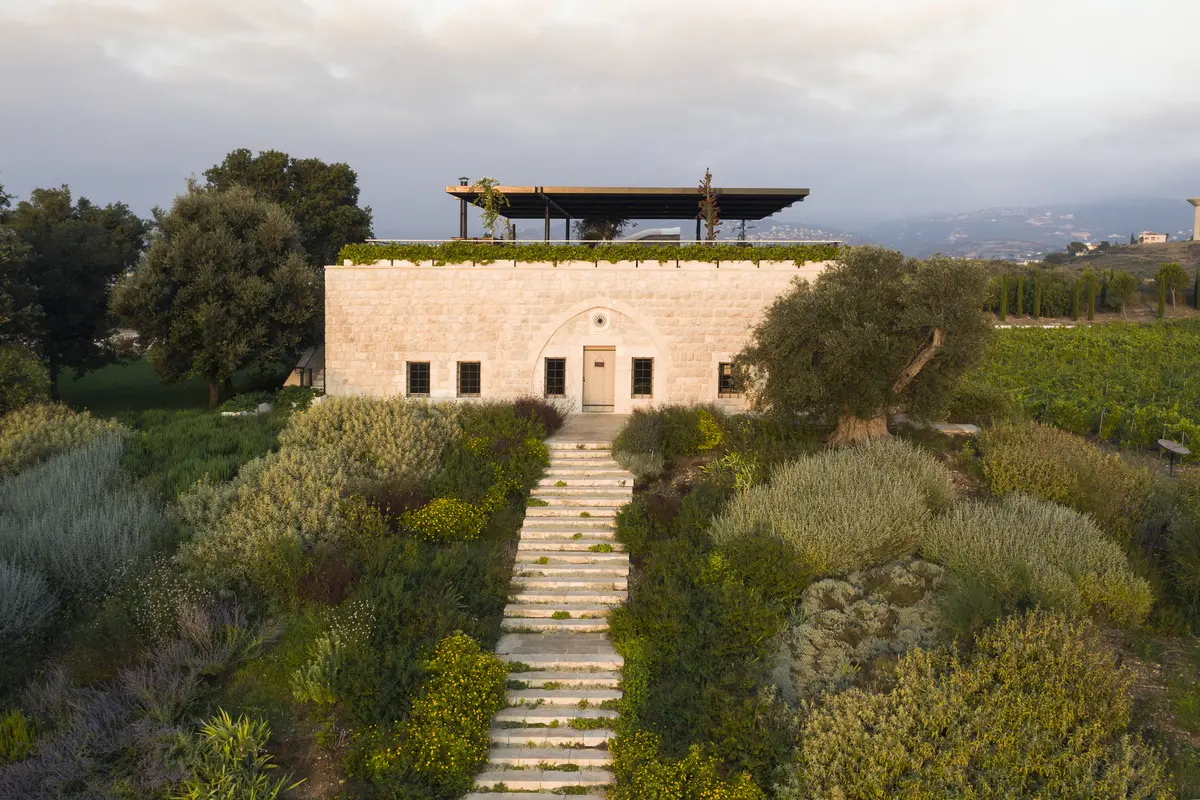
IXSIR is the export face of Lebanese wine: a partnership that includes Hubert de Boüard of Château Angélus in Saint-Émilion. The winery is built underground to protect the hillside, and CNN once named it one of the world’s greenest buildings. The restaurant terrace catches a straight sunset view over the coast and is easily the best meal you will eat in a Lebanese winery outside Kefraya.
- Location: Basbina, Batroun District
- Cost: $25–40 per person for tour and tasting
- Best for: Architecture fans, food-first travelers, modernist palates
- Time needed: 3 hours with lunch
Sept Winery — the natural-wine outlier
Maher Harb’s Sept is the country’s most respected natural-wine project: biodynamic farming, native yeasts, minimal intervention. The “vin de garage” output is tiny, and the wines sell out to Copenhagen and Tokyo before most Americans hear about them. Visits are by appointment only and feel more like a conversation than a tasting.
- Location: Batroun mountains (exact directions given on booking)
- Cost: varies, typically $30–50 with Maher
- Best for: Natural-wine drinkers, sommeliers, repeat visitors
- Time needed: 2 hours
Batroun pairs well with the coast itself — other things to do in Batroun like the Old Souks, the Phoenician Wall, and a swim at one of the beach clubs stack naturally onto a winery day in a way the inland Bekaa cannot.
Jezzine — the southern outlier
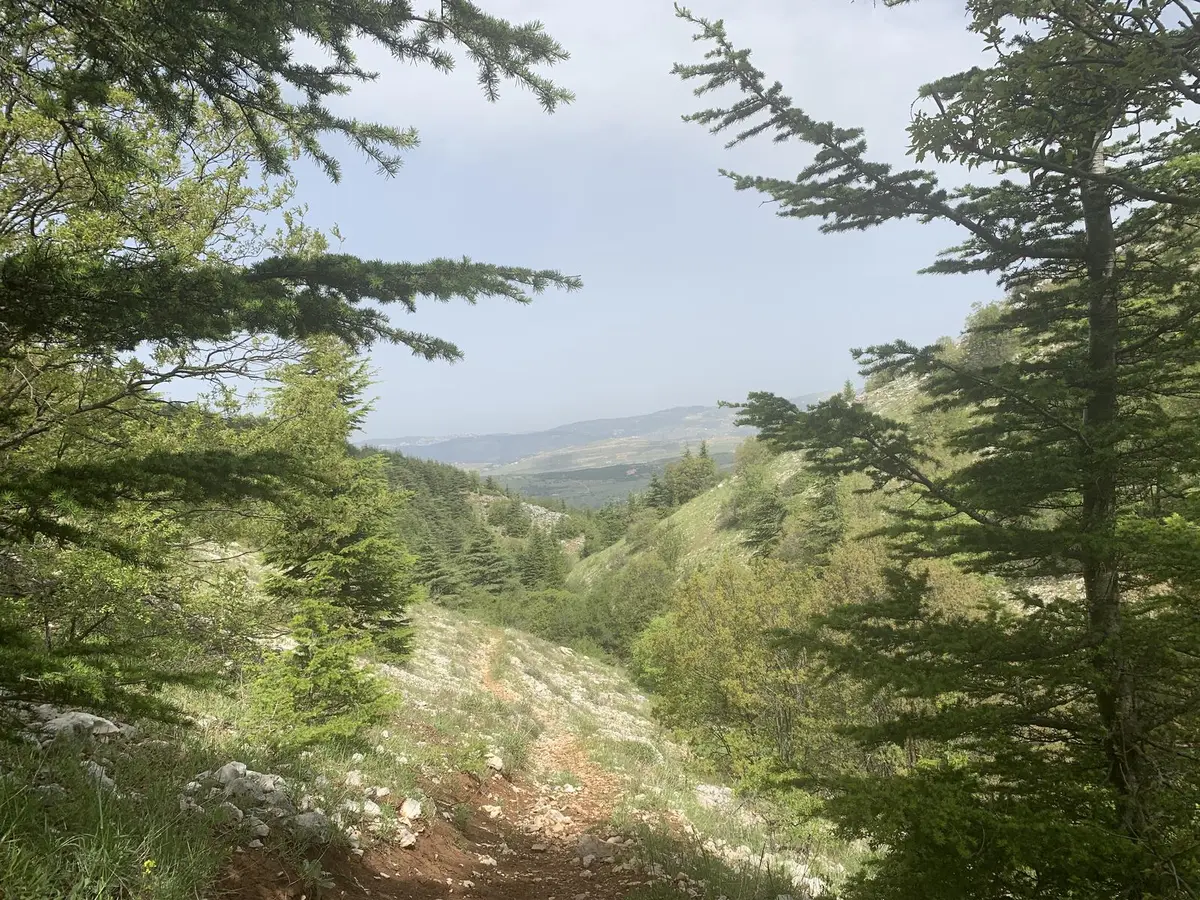
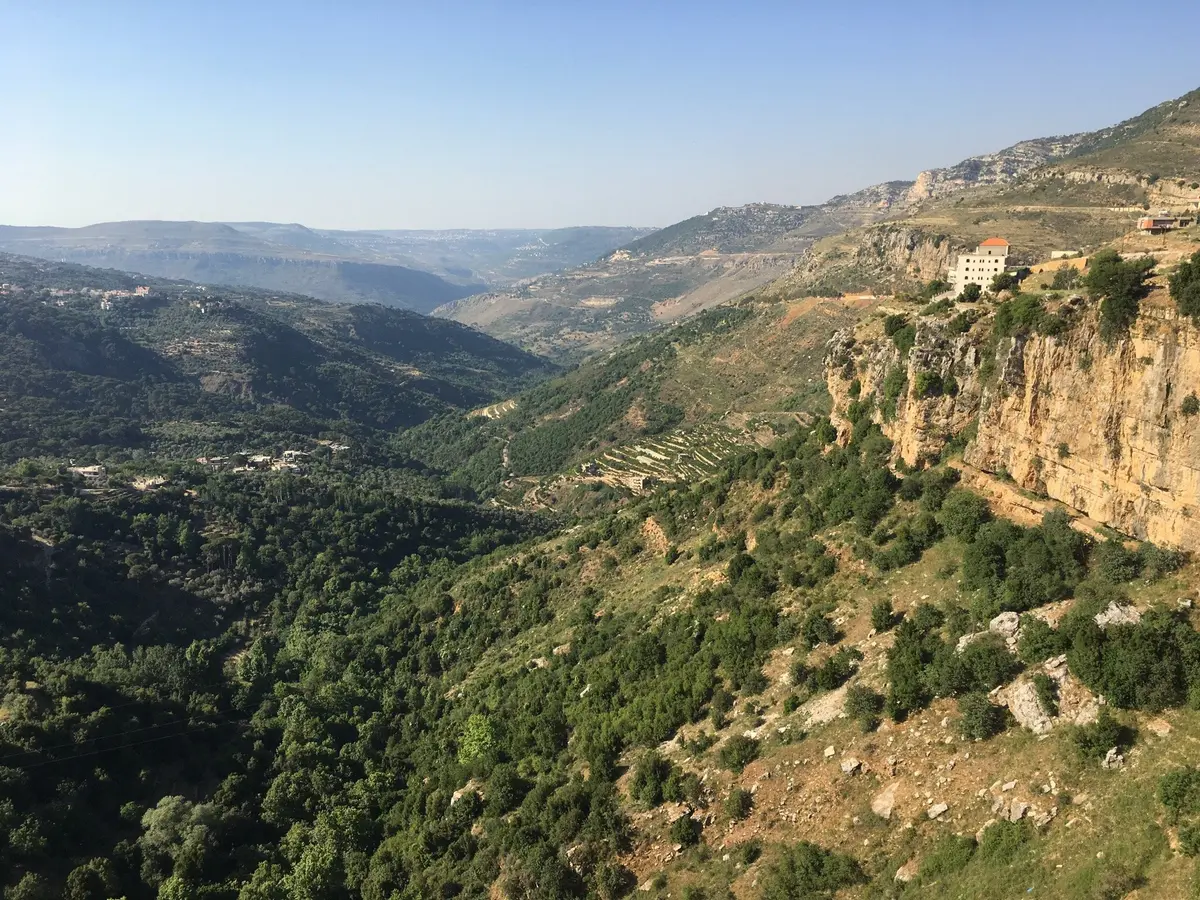
Jezzine sits in the southern mountains, up to 4,593 feet (1,400 m), surrounded by stone pine forests. It is cooler than the Bekaa, which means longer ripening and more floral whites. The area is also physically closer to the Level 4 southern border zone, and travel there specifically requires current on-the-ground security assessment, not a blog post’s opinion.
Karam Wines is the one to know. Captain Habib Karam flew commercial aircraft for 43 years, then retired and planted his family land. His Les Raretés collection includes a varietal Meksassi — a native grape almost nobody else bottles on its own — that tastes of green apple, jasmine and something resinous that is probably the pine forests around the vineyard.
- Location: Jezzine, southern Lebanon
- Cost: $20–30 per person
- Best for: Indigenous-grape hunters, travelers already going south for other reasons
- Time needed: 2 hours plus drive
What indigenous Lebanese grapes should you actually try?
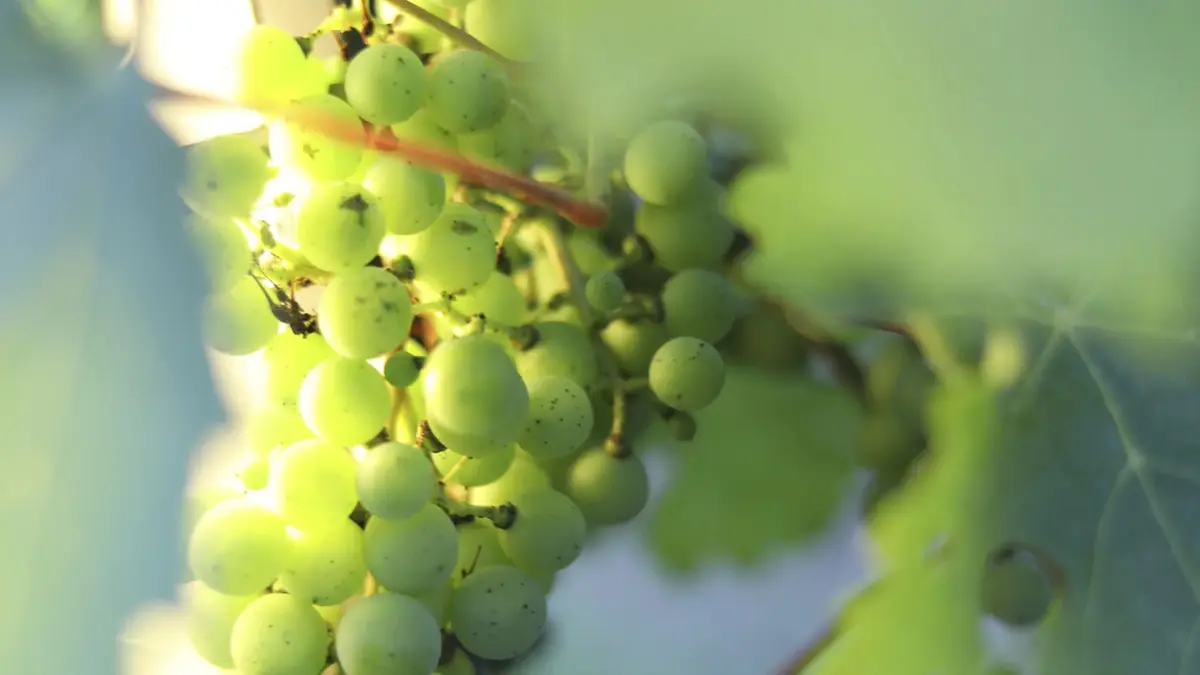
Three native white grapes matter for any Lebanon wine tourism visit: Obeidy, Merwah and Meksassi. All three were historically distilled into Arak rather than bottled as wine, which means commercial varietal bottlings only go back a few decades — making them genuinely new on the world wine map.
- Obeidy (Obaideh): Close to Semillon in style. Honey, beeswax, quince, high acid. Best version: Château St. Thomas 100% Obeidy.
- Merwah: Genetically linked to Semillon but higher in acidity. Grapefruit, lime, chalk. Best versions: Château Ksara and Domaine des Tourelles.
- Meksassi: Grows wild in the Jezzine pine forests. Green apple, jasmine, faintly resinous. Karam Wines has the only varietal bottling.
If you drink Sauvignon Blanc, start with Merwah. If you drink Chardonnay, start with Obeidy. If you drink anything weird and natural, go find Meksassi. There is no Napa equivalent for any of them, which is the entire point.
How does Lebanese mezze actually pair with the wines?
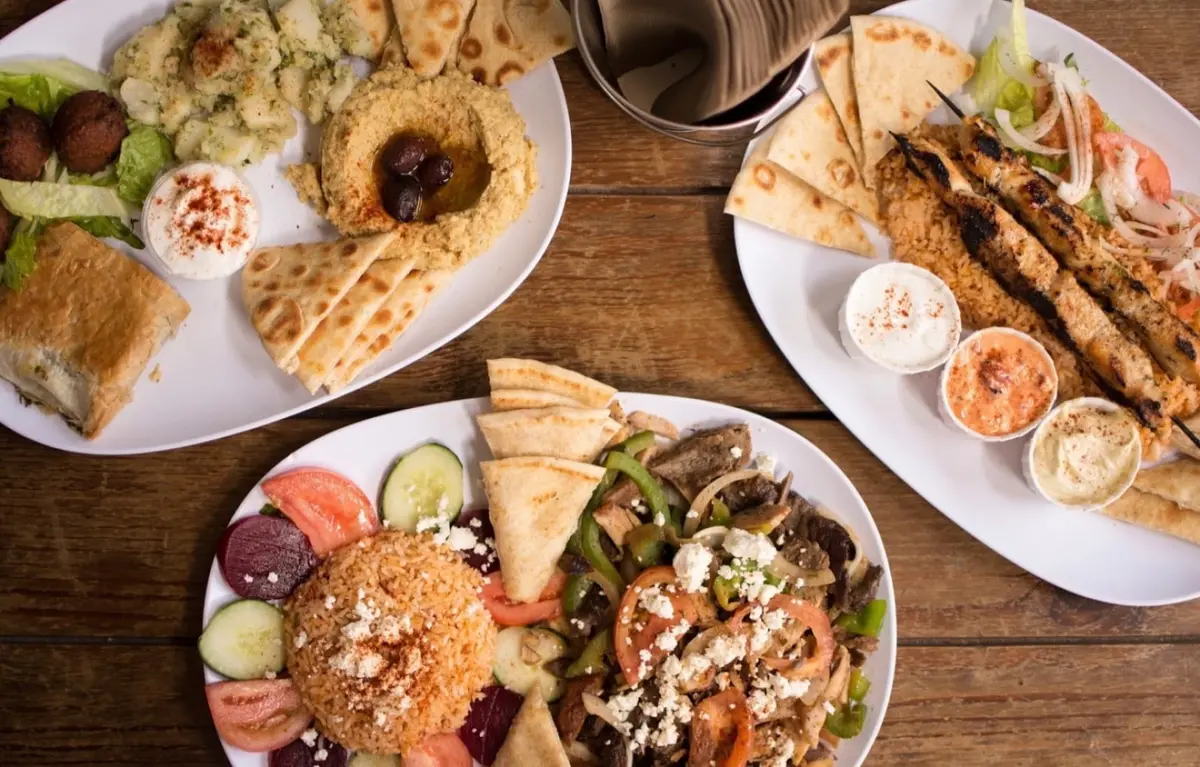
Lebanese food is built for high-acid, medium-tannin wine. The garlic, lemon, tahini and char of a standard mezze spread wrecks most big New World reds and flatters exactly the style of wine the Bekaa produces. That is not a coincidence — the cuisine and the wine co-evolved for 2,000 years.
Specific pairings worth remembering:
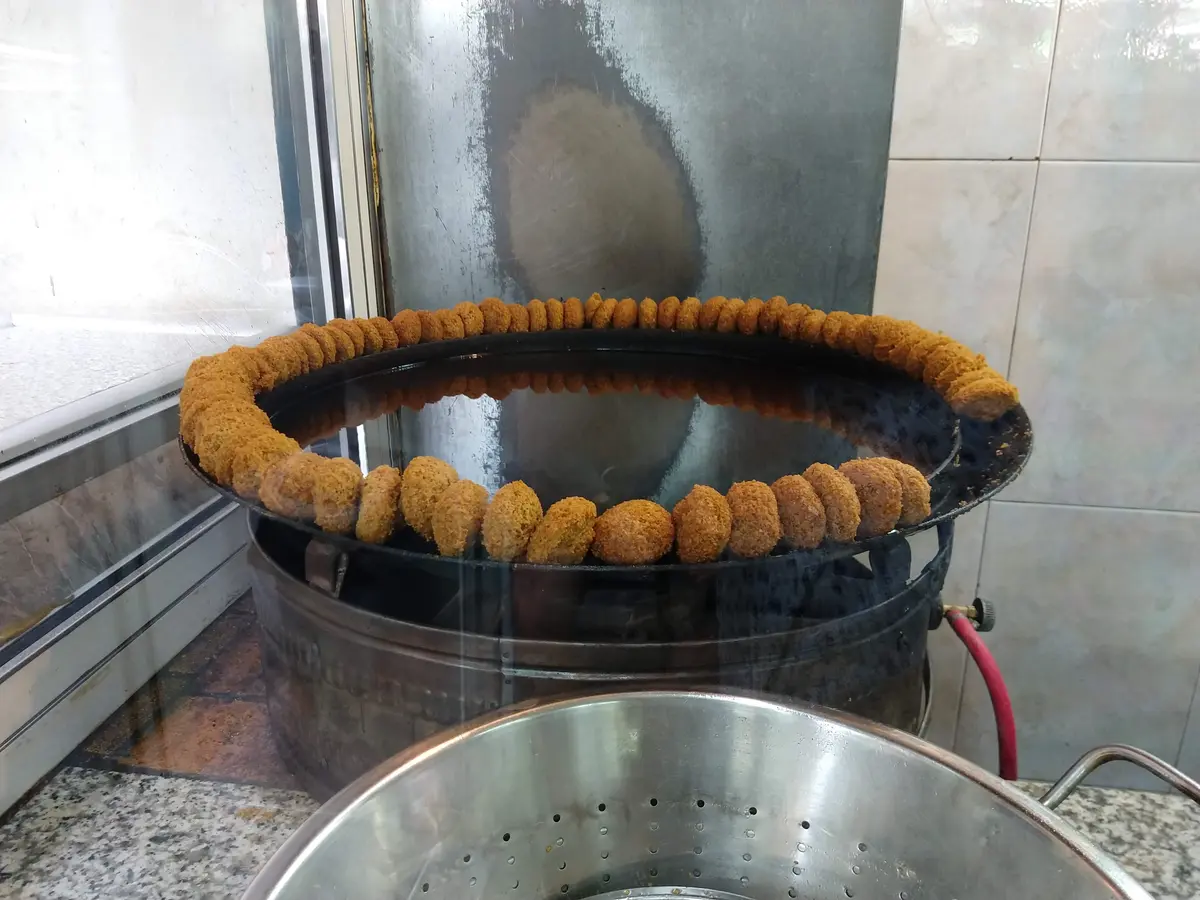
- Hummus and moutabal: Obeidy or Merwah
- Tabbouleh and fattoush: dry rosé, or chilled Cinsault
- Kibbeh Nayyeh (raw lamb): traditionally Arak; increasingly a fresh rosé
- Grilled meats and lamb: Château Musar Red, Comte de M, Reserve du Couvent
- Knafeh or baklava: late-harvest Obeidy or a sweet Muscat
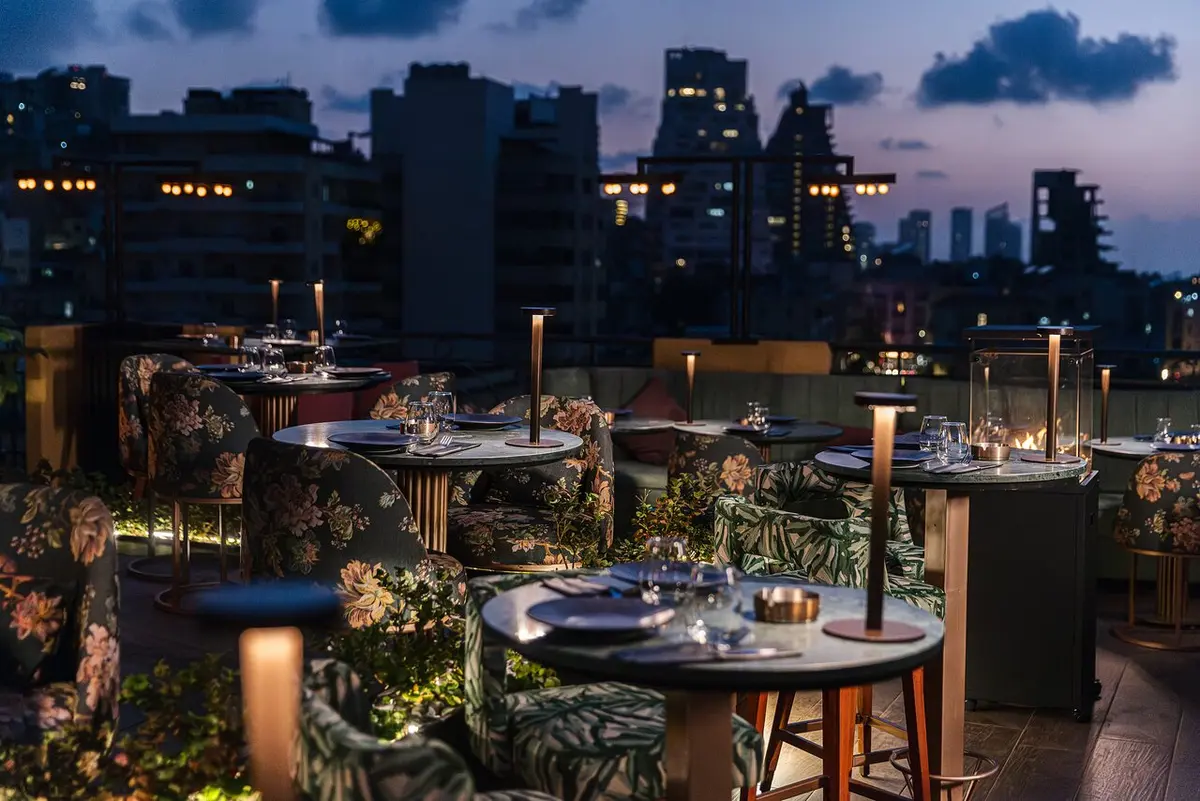
The restaurant to prioritize is Tawlet Ammiq, in the Ammiq wetlands on the western edge of the Bekaa. Village women from across Lebanon rotate through the kitchen, cooking dishes you cannot find in Beirut restaurants. The “producer of the month” rotation ties the food directly back to the farms you just drove past. It is the single most honest meal in the country.
How do you actually plan a Lebanon wine tourism trip?
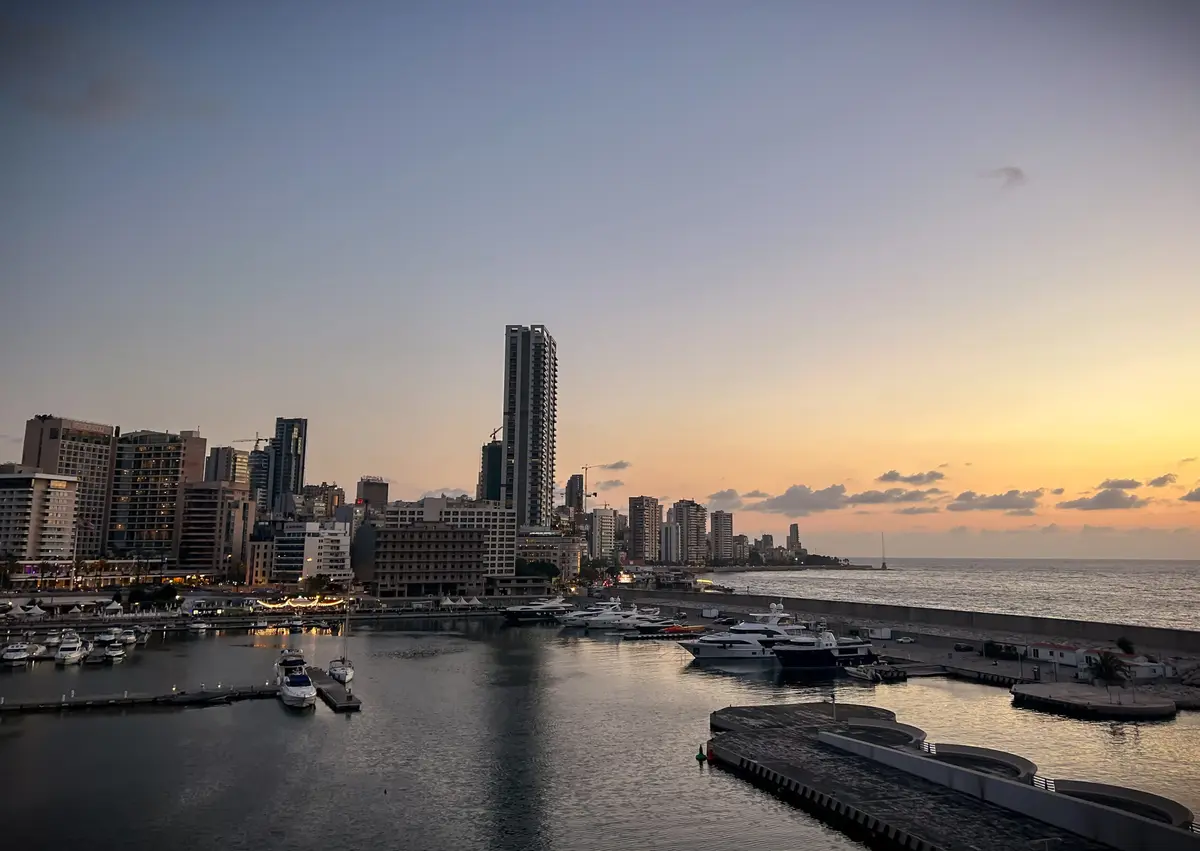
You wait for the Level 4 advisory to drop. When it does, the logistics are straightforward: base in Beirut, hire a private driver ($100–150 per day), do the Bekaa as a day trip, add Ghazir and Batroun on separate days. Book wineries at least 48 hours ahead. Do not self-drive — Lebanese road behavior is not something to learn on vacation.
When should you go?
Early October is the best window. Harvest is wrapping up, the heat has broken, and Vinifest — Lebanon’s main wine festival — runs for four days at the Beirut Hippodrome with nearly every commercial winery pouring in one place. Entry is cheap and the volume of tasting is absurd. May, June and late September also work — for a broader look at the best time to visit Lebanon beyond harvest season, both shoulder periods favor travelers. Avoid August (Bekaa heat makes midday vineyard visits brutal) and avoid midwinter (mountain passes can close).
A realistic one-day Bekaa itinerary
- 9:00 — Depart Beirut, drive over Mount Lebanon
- 10:30 — Château Ksara tour and Roman caves
- 12:30 — Lunch at Château Kefraya (under the pines)
- 15:00 — Château St. Thomas tasting
- 16:30 — Zahle stop — Arak, ice cream on the Berdawni
- 18:00 — Back in Beirut
- Total cost per person: roughly $200–290 including driver split, tastings and lunch
Pro Tip: Book Ksara for 10:30 a.m., not 2 p.m. The caves are comfortable all day, but the aboveground tour portion is miserable in afternoon heat, and tour buses start arriving around 11:30. You want to be on the second winery by the time the crowds hit.
Before you book
The wine is extraordinary. The history is real. The people who kept this industry alive through a civil war deserve your business when circumstances allow. None of that overrides a Level 4 travel advisory from your own government. Check State Department guidance the week you plan to book, not the month, and assume it can change overnight in either direction. For broader trip planning when conditions allow, our full Lebanon travel guide covers logistics beyond wine country.
TL;DR: Lebanon wine tourism offers 6,000 years of history, three genuinely distinct terroirs and indigenous grapes you cannot taste anywhere else — but Lebanon is currently Level 4: Do Not Travel with US Embassy consular services suspended. When the advisory lifts, base in Beirut, hire a driver, prioritize the Bekaa plus one day in Batroun or Ghazir, and time your trip for early October.
What would get you on a plane to Lebanon when the advisory lifts — the Roman caves, the Musar vintages, or Vinifest?