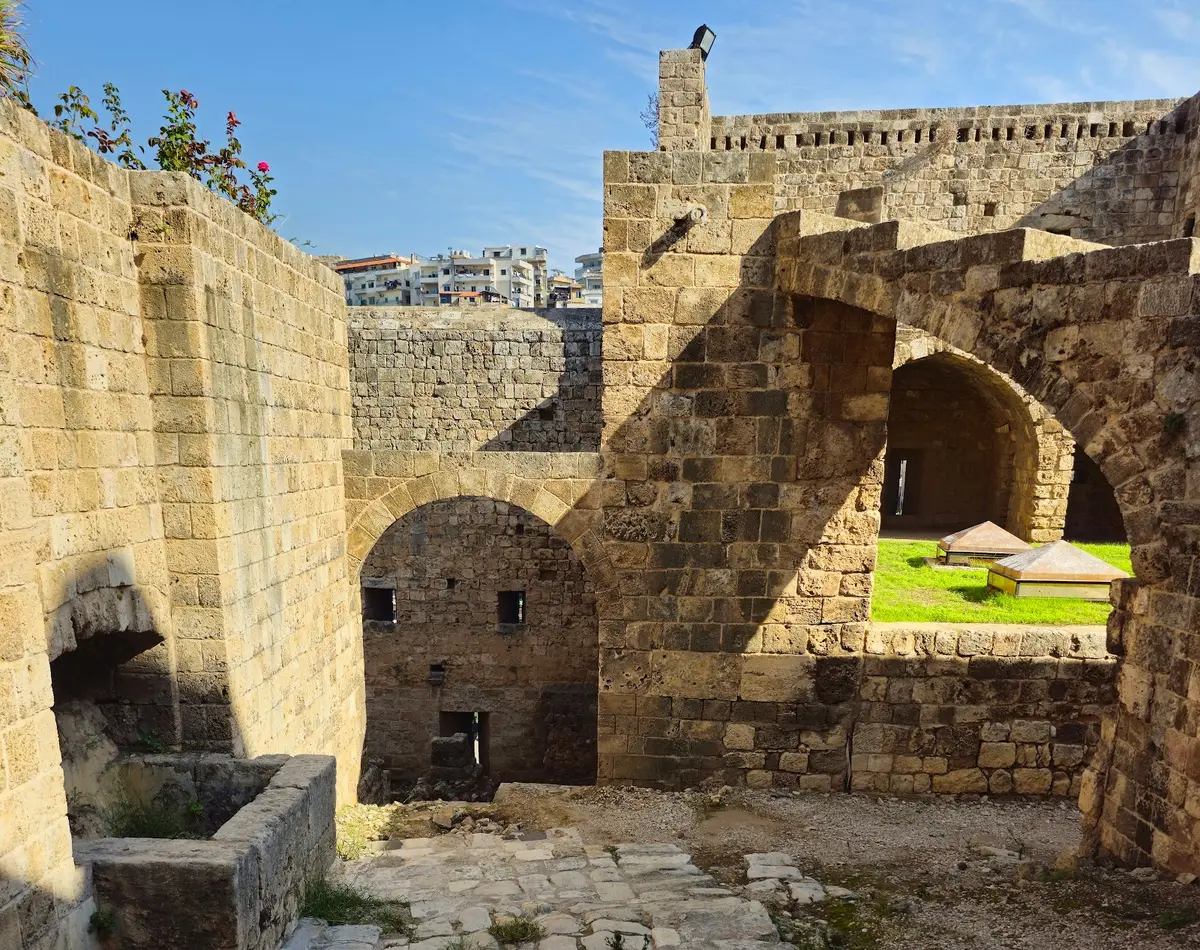
Driving in Lebanon is not a normal road trip right now. The country sits under a US Level 4 “Do Not Travel” advisory, airstrikes and drone activity are reported across parts of Beirut, the south and the Bekaa, and GPS spoofing routinely drops your phone into Cairo while you’re still on the coastal highway. If you are in the country anyway — journalist, dual national, aid worker, stubborn returnee — this guide covers what the road actually looks like.
Is driving in Lebanon safe right now?
No — not in the conventional sense. The US State Department lists Lebanon at Level 4: Do Not Travel and ordered the departure of non-emergency embassy personnel from Beirut in February. Airstrikes, drones and rocket attacks occur throughout the country, especially in South Lebanon, the Bekaa and parts of Beirut. Routine tourist driving is not the current reality.
What this means on the ground: the old mental map of “green zones vs. red zones” has collapsed. Areas that functioned normally a year ago — the coastal highway to Batroun, the Christian mountain villages, parts of Beirut itself — now see intermittent strikes and air activity. The situation shifts in hours, not weeks.
If you are driving anyway:
- Check the US Embassy Beirut security alerts every morning before you leave. They post specific location advisories.
- Never travel at night outside a major city. Visibility of danger is already bad; add a curfew you didn’t know about and it gets worse.
- Keep your gas tank above half. Fuel stations close without notice during security events.
- Have a shelter-in-place plan for every route — know where you’d stop if the road ahead became impassable.
Pro Tip: Follow @USEmbassyBeirut and the Lebanese Red Cross on X during any drive longer than an hour. Local news breaks faster there than on international outlets, and the difference between a 10-minute detour and a stranded night often comes down to a single alert.
Checkpoints: how to get waved through without a problem
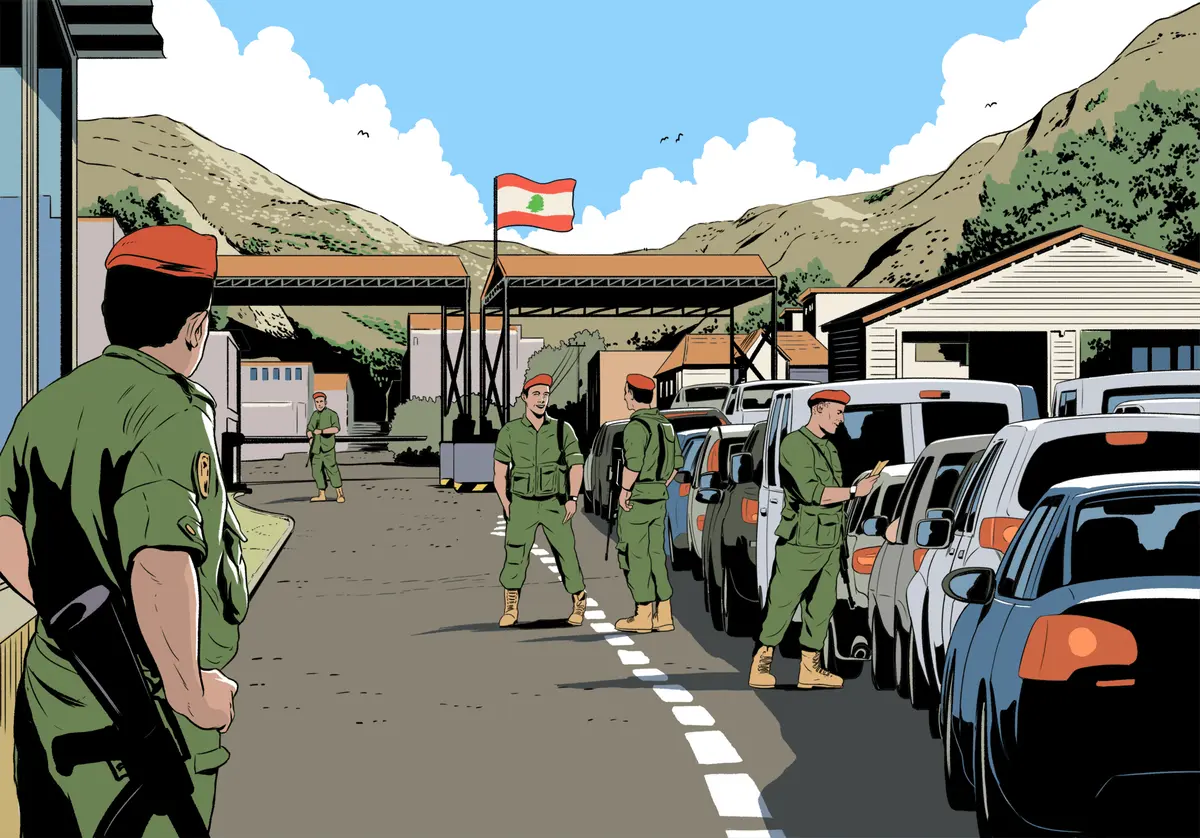
Military checkpoints run by the Lebanese Armed Forces (LAF) or Internal Security Forces (ISF) are a constant. You will hit three to eight on a typical day trip out of Beirut. The drill is rigid and the soldiers will not repeat themselves.
- Slow to 10 mph (15 km/h) well before the cones, not at them.
- Turn off your music and roll down the driver’s window.
- At night, turn on the interior dome light so the soldier can see inside before he signals.
- Keep both hands visible on the steering wheel until you’re addressed.
- Passport and vehicle registration stay on the dashboard. Do not hand them over unless asked.
A short “marhaba” (hello) and a tourist smile usually ends it in 15 seconds. Your rental car’s red license plate marks you as a visitor and almost always gets you waved through faster than a local white plate.
Pro Tip: Do not photograph checkpoints. Do not have a map of Lebanon with hand-drawn routes visible on the passenger seat. Both will cost you an extra 20 minutes of questioning, minimum.
How does GPS spoofing affect driving in Lebanon?
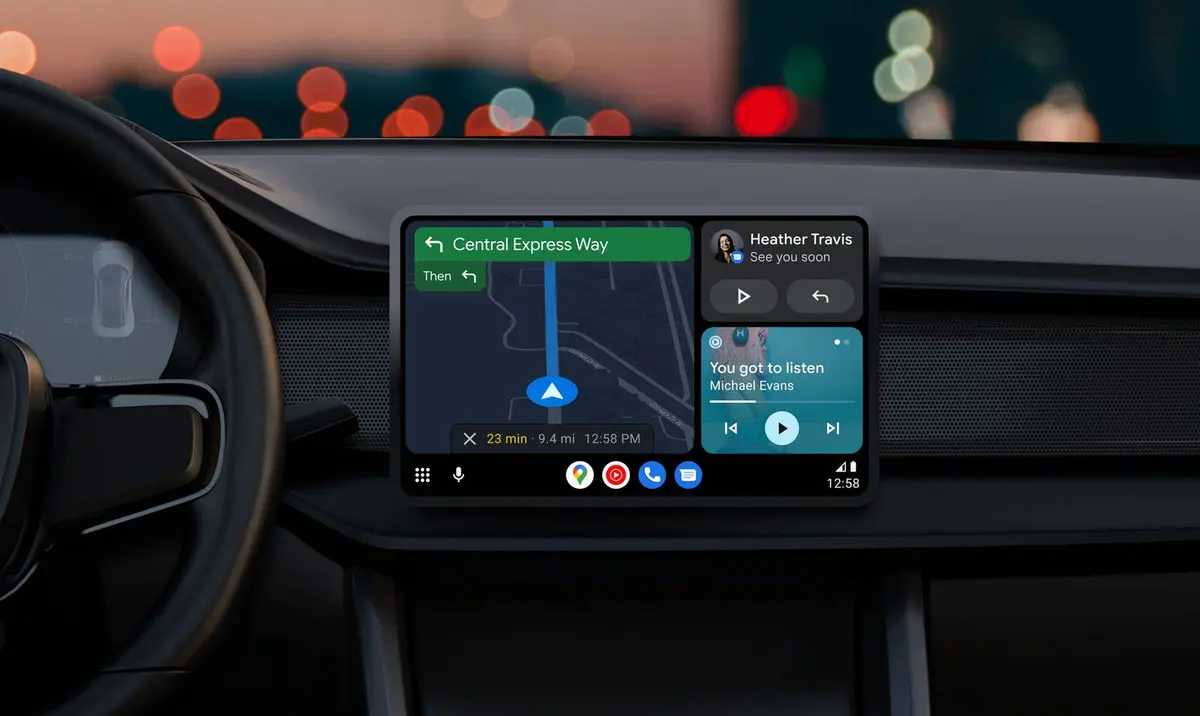
GPS spoofing is the single biggest technical problem on Lebanese roads. Electronic warfare broadcasts fake satellite signals that your phone accepts as real, most often placing you at Beirut Airport, in Gaza, or in Cairo, Egypt — hundreds of miles from where you actually are. Jamming (signal loss) happens too, but spoofing is worse because the map looks confident and wrong at the same time.
Real example: an Uber driver in Hamra, central Beirut, has shown reporters his app locating him in Rafah, Gaza — about 185 miles away. This happens daily.
Why your Google Maps will lie to you
Your phone prioritizes GPS satellite positioning over cell-tower triangulation. When the satellite signal is stronger but fake, the app believes it. Recalculating a route from a spoofed position can route you straight into a restricted military area, a closed checkpoint, or simply a dead end across the country. The apps have no warning indicator for spoofing — the blue dot just moves.
Your low-tech survival kit
- Offline maps: Download Organic Maps and Maps.me before you land. They use OpenStreetMap data and cached street grids that work even when GPS positioning is broken.
- A paper map: Sold at Librairie Antoine and most airport kiosks for about $8. Non-negotiable backup.
- Visual landmarks: Memorize the big ones. The Mediterranean is always west from Beirut and north from Sidon. The mountains are always east. Major waypoints: The Port, Martyrs’ Square, Cola Bridge, Dora, the Jounieh Bay curve.
- A local SIM or eSIM: When GPS fails, cell signal and a phone call to a local contact is often the fastest way to confirm a route. Touch and Alfa both sell tourist SIMs at the airport.
Pro Tip: If your map suddenly shows you in Egypt, do not trust the recalculated route it gives you. Pull over, close the app, kill location services for 60 seconds, and reopen. Sometimes the phone will re-acquire a real signal. If not, switch to offline mode and navigate by landmarks.
What’s Lebanese driving culture actually like?
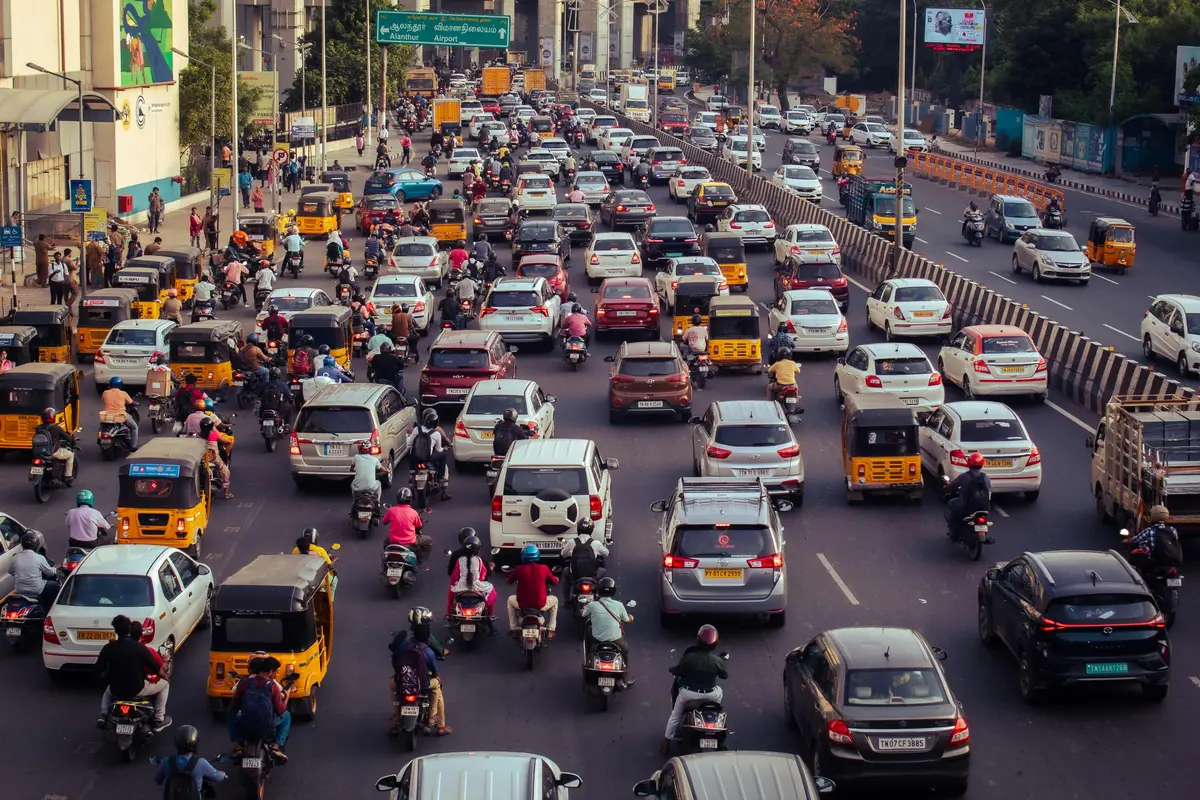
Lebanese driving looks like anarchy and functions as choreography. Lane markings are treated as rough suggestions, three-lane highways commonly form five organic lanes, and the horn is a conversation tool rather than a weapon. Nothing is random — it’s a hyper-negotiated system with unwritten rules. Miss the rules and you’re the dangerous one, not them.
The horn is punctuation, not anger
- One short toot: “I’m here” or “the light turned green” or “I’m about to pass on your left.”
- Double-tap: “Thank you” after a merge.
- Sustained blast: Actual anger or imminent collision.
Refusing to honk when you overtake or approach a blind mountain curve makes you unpredictable to everyone else. Use it.
The “shiver” merge
Gaps in traffic don’t appear — you create them. Slowly drift your front bumper into the adjacent lane while holding your speed. If the driver next to you doesn’t accelerate or lay on the horn, your merge is accepted. Whoever gets their nose in first has the right of way. Size matters: a Range Rover will almost always win this exchange against a Kia.
Roundabouts: ignore the official rule
Lebanese law says vehicles already inside the roundabout have priority. In practice, the opposite is enforced by behavior. Cars enter aggressively, assuming anyone circling can simply keep circling. If you wait for an official gap, you will sit there for 20 minutes. Approach assertively but not blindly, make eye contact with the driver already in the circle, and move when you see any hesitation from them.
What paperwork do you need to drive in Lebanon?
You need a valid passport, your home-country driver’s license, and a 1949 Geneva Convention International Driving Permit (IDP). The IDP is legally required for foreign drivers, and driving without one voids any insurance you’ve bought. Standard US credit-card rental insurance and most travel policies also exclude Lebanon entirely under “war risk” clauses, so a specialized policy or the rental agency’s full protection is the only real coverage.
The IDP rule has teeth
- Your state license alone is not enough.
- Get your IDP in the US from AAA for $20 before flying — it takes 15 minutes in person.
- Rental agencies may rent to you without one to close the sale. That does not make it legal.
- At a checkpoint or after an accident without an IDP, your insurance is instantly void and you pay every cost out of pocket.
The war-risk insurance trap
Read the fine print on your credit card’s Collision Damage Waiver and your travel policy. Both almost always contain a “Force Majeure” or “War Risk” exclusion that voids coverage in any country under a severe US travel advisory. Lebanon has been Level 4 for over a year. Your Chase Sapphire CDW is worthless here.
- Buy specialized Lebanon travel insurance (companies like Battleface or Global Rescue cover Level 4 countries).
- Or accept the rental agency’s full damage waiver. It will add $25-45/day but is the only coverage that will pay out locally.
- Verify in writing, before signing, that the policy covers you with the red plate and with an IDP.
Pro Tip: Ask the rental agent for the claims phone number and test-call it from the parking lot. In a country where repair shops demand cash on the spot, “we’ll email you the forms” is not insurance.
Where can you actually drive in Lebanon?
Realistically, very few routes. The State Department currently advises against all travel to Lebanon, and specifically urges Americans to avoid South Lebanon below Saida, the Syrian border, the Dahieh suburb of Beirut, the Bekaa Valley, and all refugee settlements. What’s left is a narrow corridor along the northern coast and parts of Mount Lebanon — and even those see intermittent air activity.
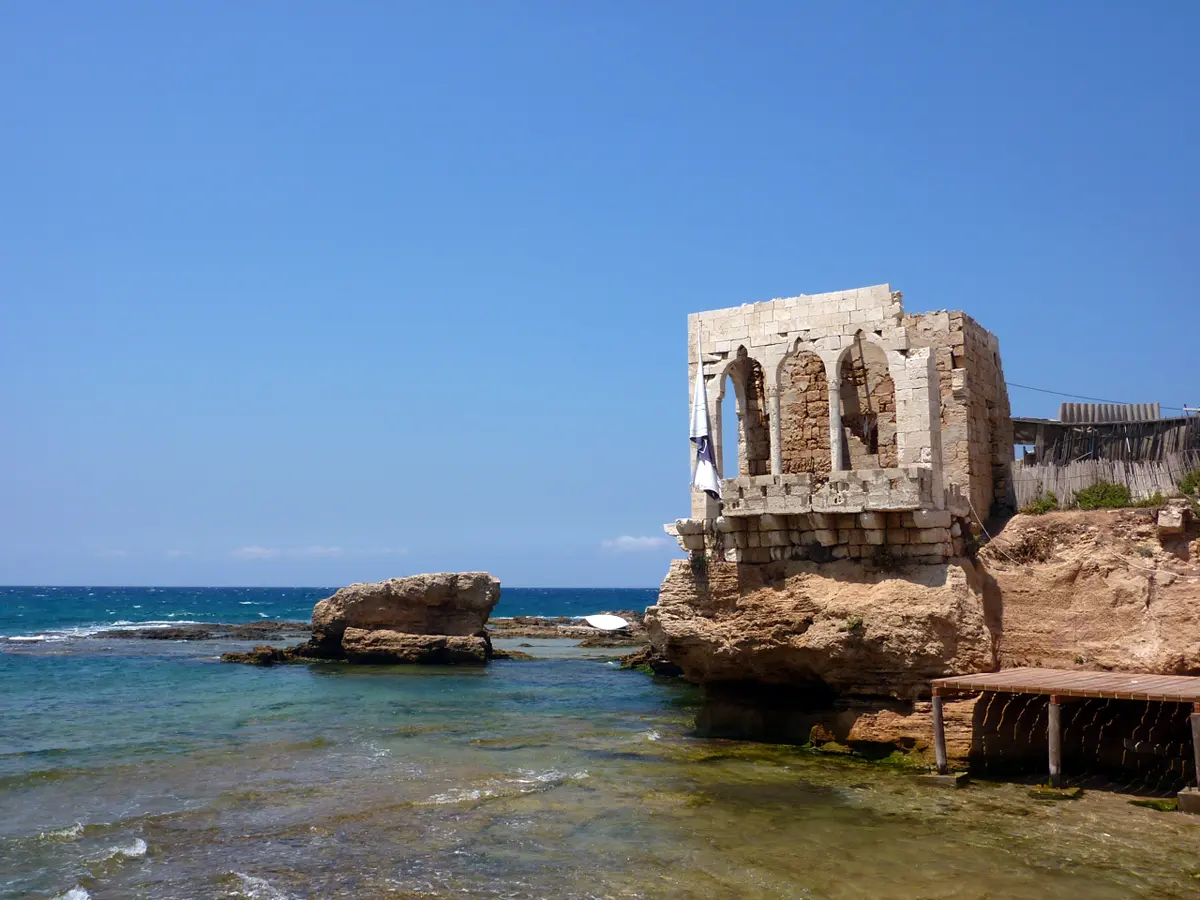
The northern coastal highway (Beirut to Byblos to Batroun)
This is the least-volatile driving corridor and the one most internationals still use for essentials. Byblos sits about 24 miles (38 km) north of central Beirut; Batroun is another 19 miles (30 km) beyond.
- Route: A4 coastal highway north
- Driving time Beirut to Byblos: 45-75 minutes depending on traffic
- Road condition: Generally fair; expect sudden checkpoint bottlenecks
- Best for: Essential trips, brief day movement in lower-risk conditions
The mountain climb (Beirut to Faraya or the Cedars)
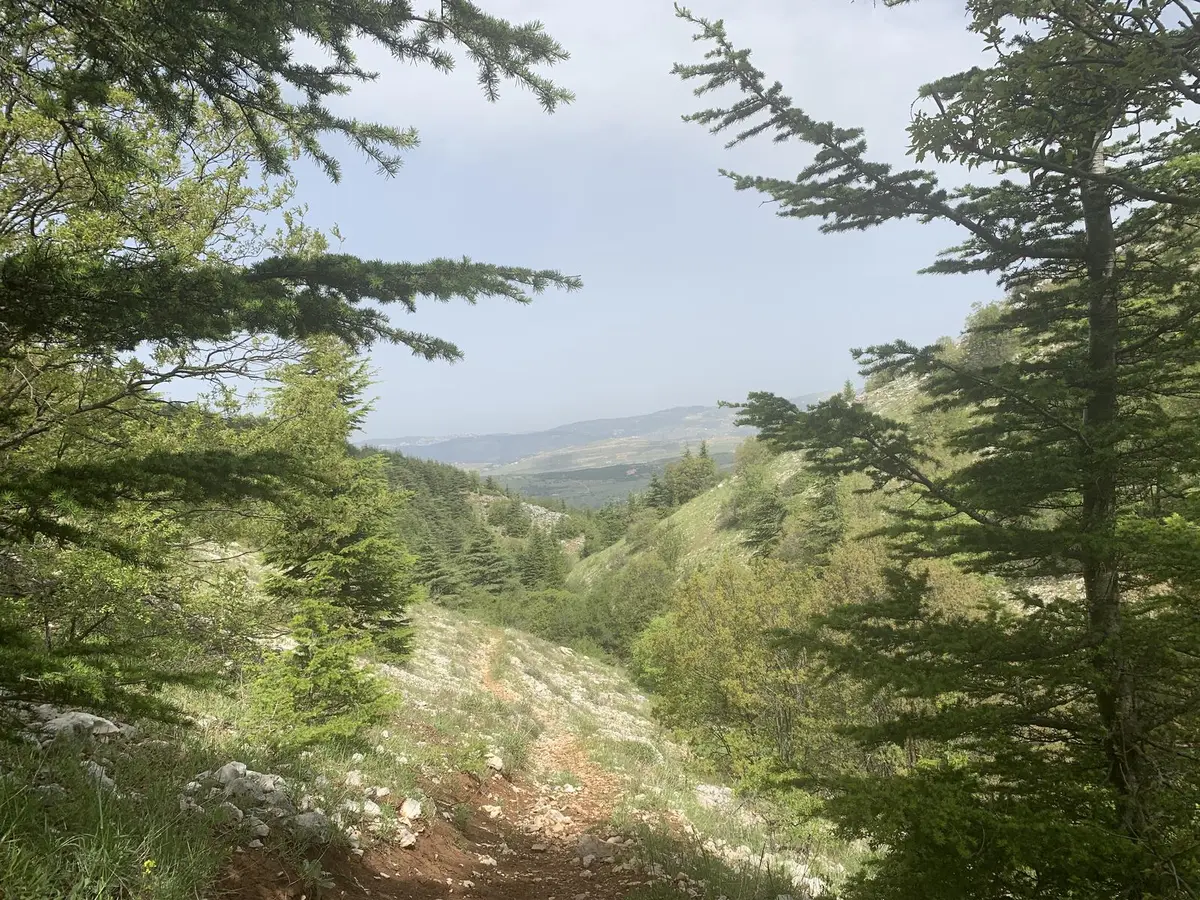
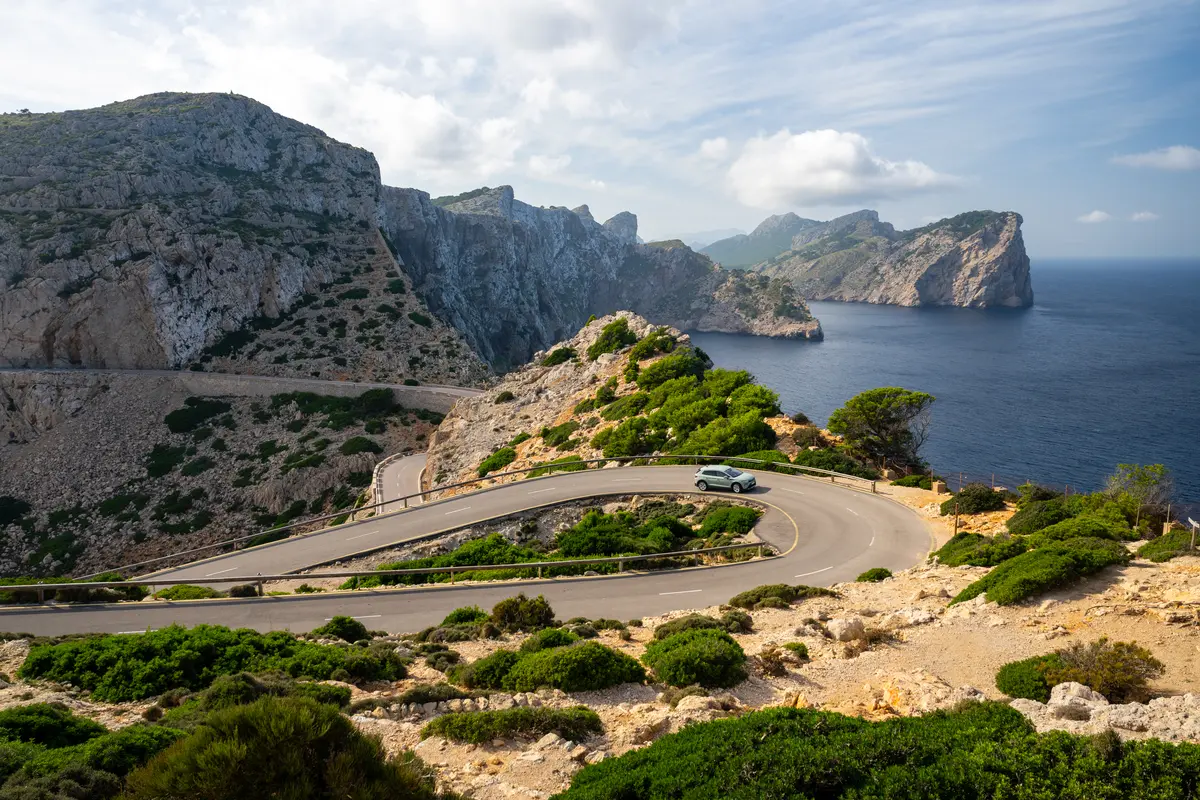
The climb to Faraya and the ski resorts above it takes you from sea level to over 6,560 feet (2,000 meters) in under 90 minutes. Switchbacks, narrow roads without guardrails, dense afternoon fog that drops visibility to 30 feet.
- Winter requirement: Snow chains are mandatory above 4,900 feet (1,500 meters). Police turn back vehicles without them.
- Black ice: The real killer on this route, not snow.
- Rockfall risk: Common after heavy rain.
Pro Tip: If you must drive the mountain, leave Beirut by 9 a.m. Afternoon fog rolls in around 3 p.m. at elevation and you do not want to be on a guardrail-free switchback at that point.
The Bekaa Valley (currently avoided)
The standard tourist route from Beirut to Baalbek crosses Mount Lebanon into continental-climate farmland and wine country. The State Department specifically urges Americans to avoid the Bekaa, and airstrikes have been reported in the valley on multiple dates in 2026. If you are not there for essential reasons, don’t go.
How bad are the road conditions in Lebanon?
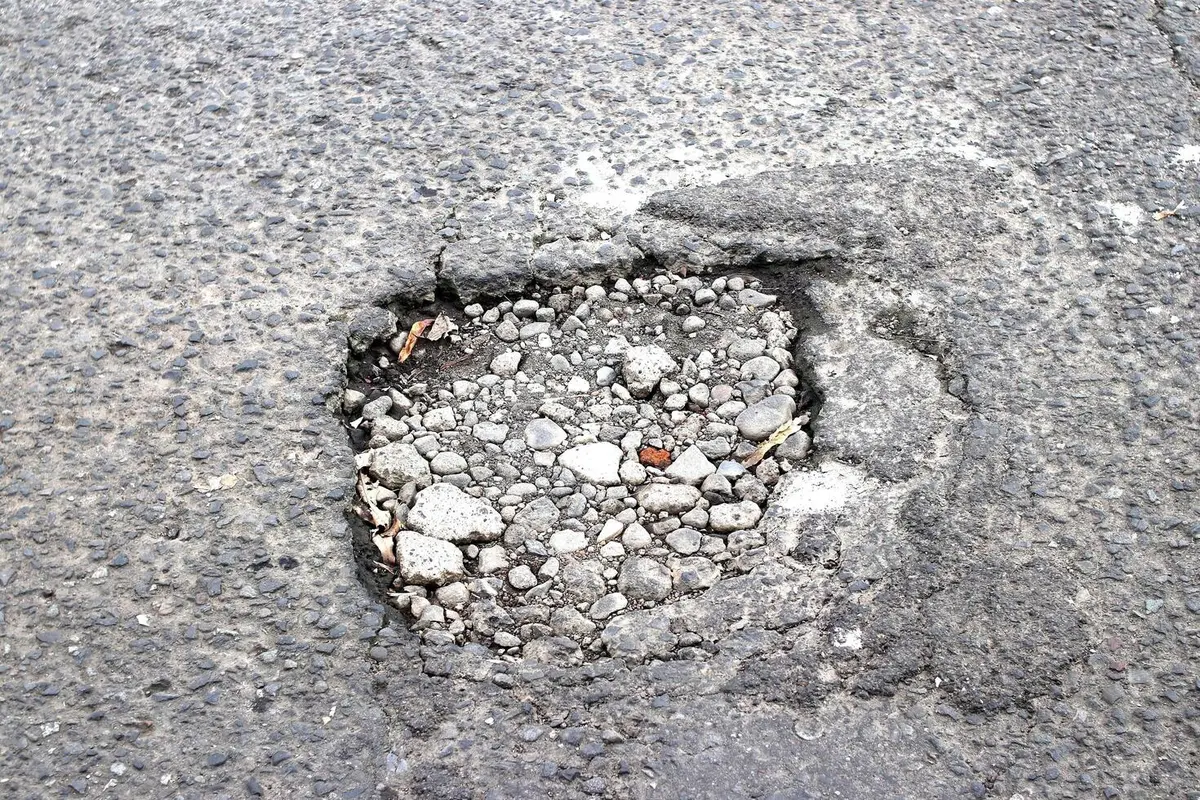
Road infrastructure is visibly degraded from years of economic collapse. Deep potholes — some a foot across and six inches deep — appear on highways without warning and fill with water during winter, hiding their true depth. Streetlights rarely work outside wealthy municipalities with private generators. Drainage is poor, and the first heavy rain of the season turns the whole country into an oil-slicked skating rink.
Potholes, the national sport
- Follow the car ahead at 3-4 car lengths, not 1-2 — you need to see the road surface.
- When the driver in front swerves suddenly, follow the line exactly. They are dodging a crater you can’t see yet.
- Expect to crack a rim at least once on a two-week trip. Budget for it.
Night driving: don’t
The electricity crisis means state power runs only a few hours a day in most areas, and streetlights are often dead. Pedestrians in dark clothing cross unlit four-lane highways. Motorcycles run without lights to save battery. Trucks park on the shoulder with no reflectors. The crash risk at night is categorically different from daytime driving.
- Plan routes to end before sunset — that’s roughly 5 p.m. in winter, 7:30 p.m. in summer.
- If caught out, use high beams aggressively. Oncoming drivers will flash you; ignore them.
- Avoid inter-city driving between dusk and dawn.
Flooding
Coastal tunnels (notably the Nahr el-Kalb and Dora tunnels) flood within 30 minutes of heavy rain and cars get submerged every winter. If rain is heavy enough that your wipers can’t keep up, get off the highway and up to higher ground. Avoid underpasses entirely.
Should you rent from an international or local agency?
International agencies (Hertz, Avis, Europcar) operate at Beirut-Rafic Hariri Airport and offer newer vehicles, transparent contracts, and roadside assistance, but charge roughly 40-60% more than local operators and place a $1,500-2,500 deposit hold. Local agencies in Hamra and Achrafieh offer older cars at cheaper rates — sometimes half the price — but contract transparency varies and vehicle maintenance is inconsistent.
- International (Hertz, Avis, Europcar): from $45-80/day, newer vehicles, strict damage assessment
- Local (e.g., Lena, Advanced Car Rental): from $25-45/day, older vehicles, cash-friendly, verify tires and brakes before driving off
- Deposit hold: $1,500-2,500 international; $500-800 local
- Mandatory full insurance add-on: budget $25-45/day extra regardless of agency
Rental cars carry red license plates. Private cars carry white plates. The red plate signals “tourist” — which means small scams at traffic lights (beggars, squeegee men, fake accident claims) but also polite, fast treatment at checkpoints. It’s a net positive.
Pro Tip: Before you sign, walk the car with the agent and photograph every panel, every wheel, the dashboard mileage, and the fuel gauge. Local agencies especially will claim pre-existing damage when you return. Timestamps on your phone photos end that argument in 30 seconds.
How do you handle parking, gas and street scams?
Urban Lebanon has a specific set of pitfalls that cost foreign drivers money every day. Valet parking is effectively a cartel in Beirut, gas stations are full-service with their own exchange-rate games, and opportunistic scams at traffic lights are routine. None are dangerous — all are avoidable.
The valet parking cartel
Valets physically take over public street parking in Beirut. They place tires, chairs, and cones in legal spots to force you into their service, then charge $5-15 for what should be free. Avoid when possible.
- Use paid underground structures (ABC Mall Achrafieh, Beirut Souks, LeMall Dbayeh) — predictable pricing, $2-5/hour.
- If you must valet, negotiate the price in cash before handing over keys.
- Take every valuable out of the car. Every time.
Gas stations
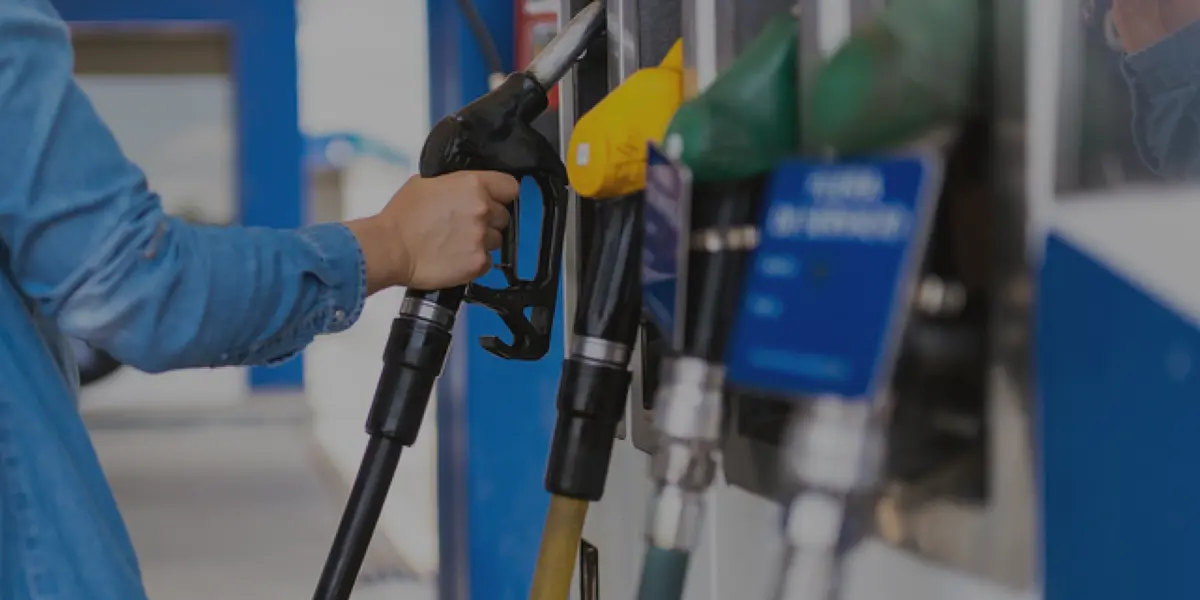
You never pump your own gas in Lebanon — it’s full service at every station.
- Say the amount in dollars or liters clearly (“$20” or “20 liters”). Confirm the pump reading before the attendant starts.
- If paying in USD, agree on the exchange rate before the pump starts. Lebanese banks list one rate; gas stations use their own.
- Tip $1 for a fill-up. The attendant will usually clean your windshield in return.
Traffic-light hustles
At major intersections (especially Dora, Cola, Jal el Dib), expect beggars, squeegee kids, and occasionally “accident” scammers who slap your trunk as you move and claim you hit them. Keep windows up, doors locked, and do not stop if someone claims minor contact — drive to the nearest police checkpoint and report there.
What should you do in a driving emergency in Lebanon?
Do not move your vehicle after an accident — even a minor one. Leave it exactly where it came to rest, turn on hazards, and call your rental agency and the Internal Security Forces before doing anything else. Moving the car before the insurance assessor arrives voids your claim in most Lebanese policies, because fault cannot be determined from photos alone.
Accident procedure
- Do not move the car unless it’s actively on fire or blocking a blind curve.
- Turn on hazards. Place a warning triangle 30 feet (10 meters) behind the vehicle if you have one.
- Call your rental agency first — they will dispatch an assessor.
- Call ISF (112) if there are injuries or the other driver is uncooperative.
- Photograph everything: all four corners of both cars, the road, skid marks, street signs, the other driver’s license plate and IDs.
- Do not sign any handwritten agreement with the other driver on the scene.
Emergency numbers to save before you drive
- Internal Security Forces (Police): 112
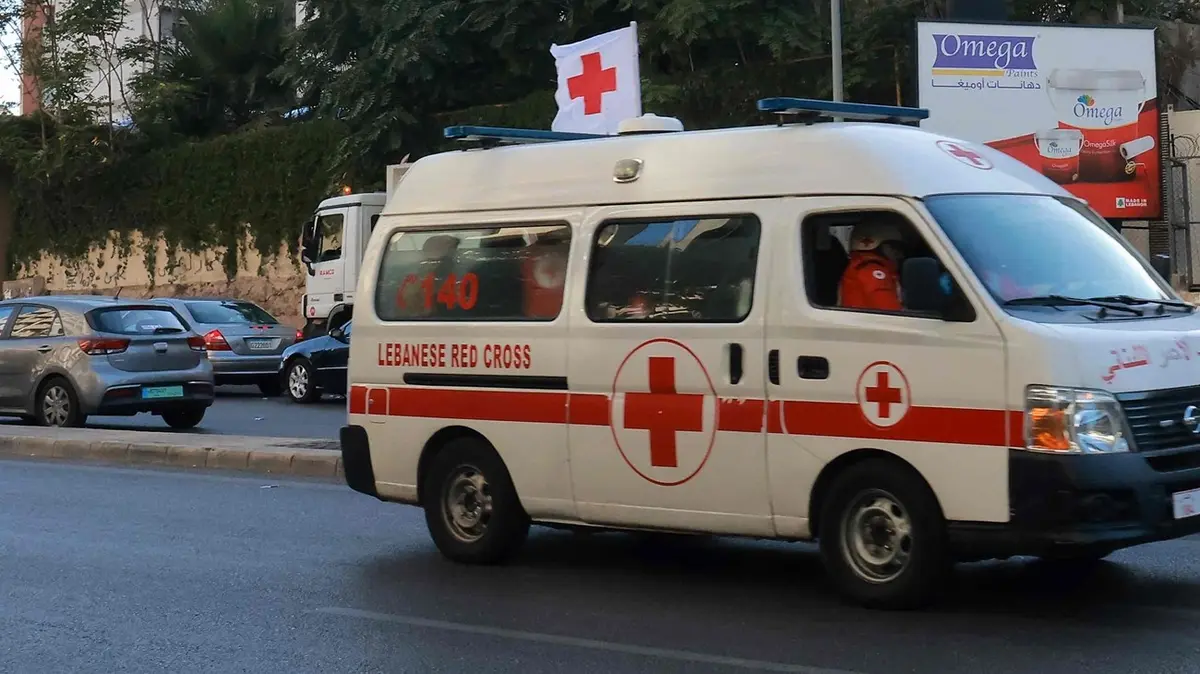
- Lebanese Red Cross (ambulance): 140
- Civil Defense (rescue): 125
- Fire Department: 175
- Lebanese Army: 1701
- General Security: 1717
- Tourist Police hotline (multilingual): 1735
- US Embassy Beirut emergency: +961 4 543 600
Pro Tip: The Lebanese Red Cross (140) is the fastest ambulance network in the country — faster than most hospital-dispatched ambulances. It’s volunteer-run and genuinely responsive. Call 140 first for any medical issue, not a hospital direct line.
Before you turn the key
TL;DR: Lebanon is under a Level 4 Do Not Travel advisory, GPS spoofing routinely drops your location into Cairo, and the country’s driving culture rewards assertiveness and punishes hesitation. If you are driving here despite all that, you need offline maps, an IDP, specialized war-risk insurance, a red license plate for checkpoints, and the discipline to be off the road before dark.
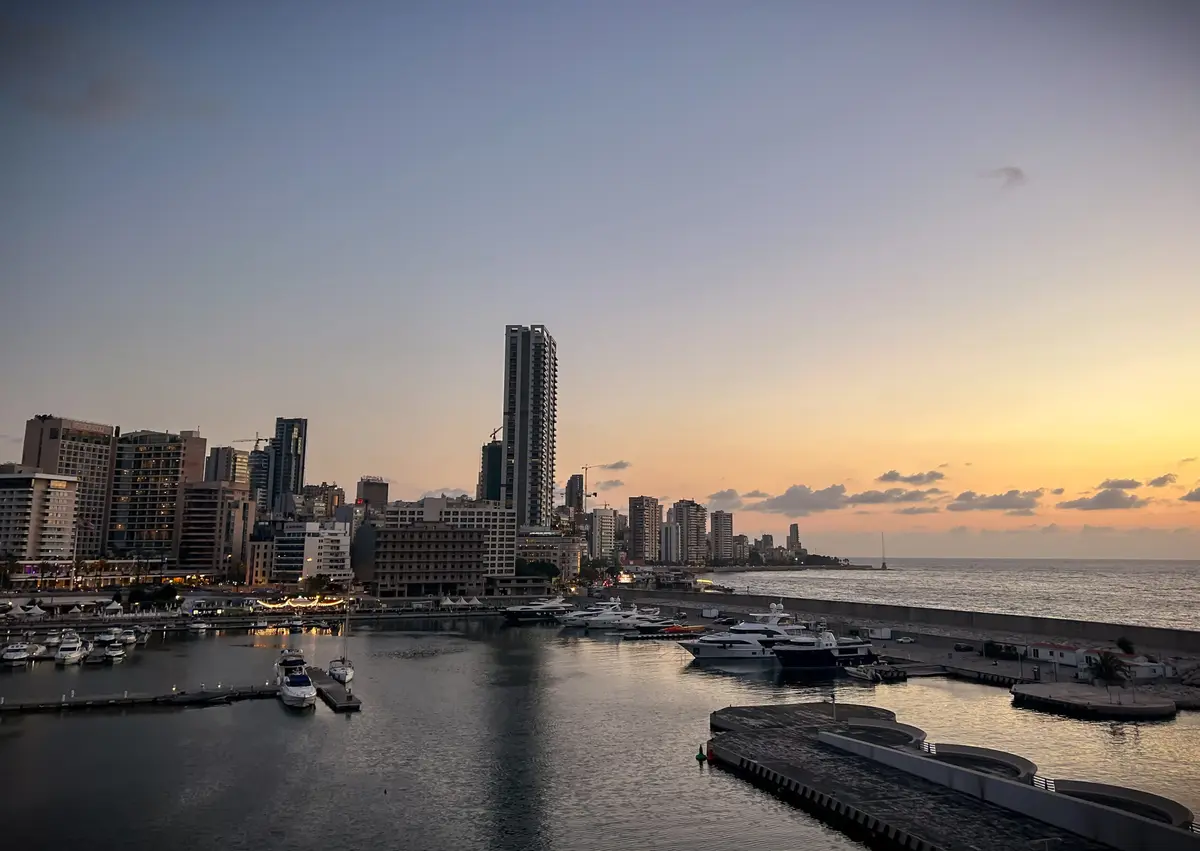
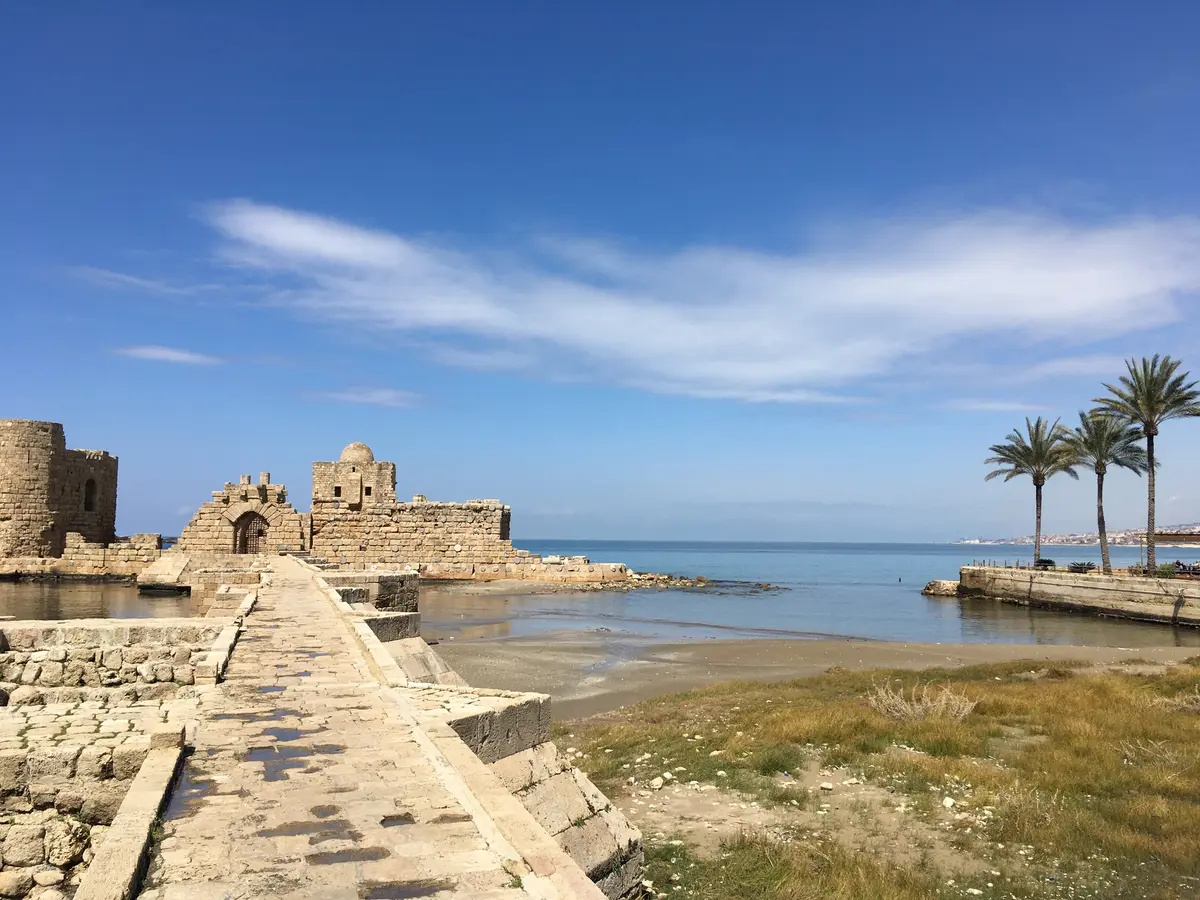
The country has not stopped being beautiful — the Jounieh Bay still curves the way it always did, Byblos’s old port still catches the last light at sundown, and the cedars above Bcharre are still older than any border drawn across them. But the calculus of driving here has changed, and pretending otherwise gets people killed. If you go, go informed.
What’s your experience been driving in Lebanon in the past six months — any routes you’ve found reliably open, or checkpoints that have changed their behavior? Drop it in the comments.