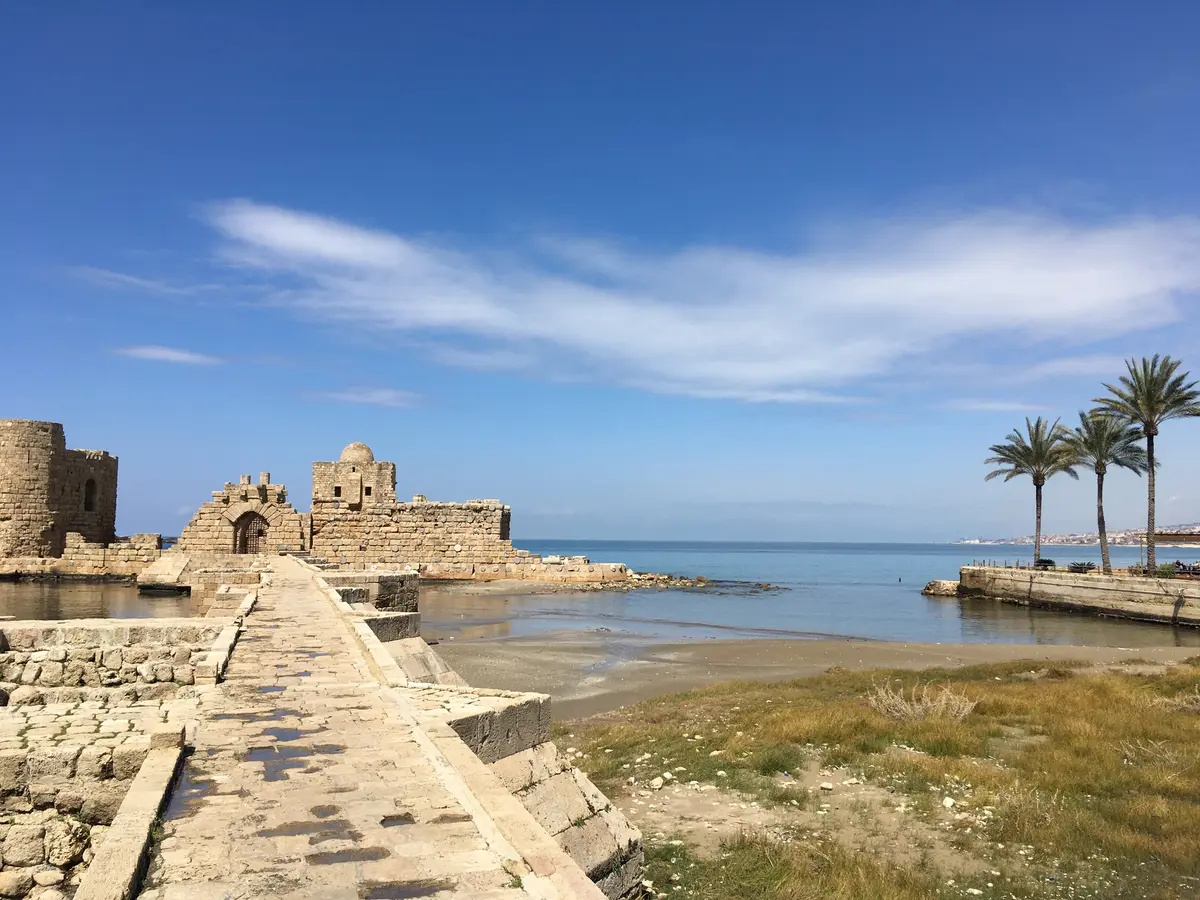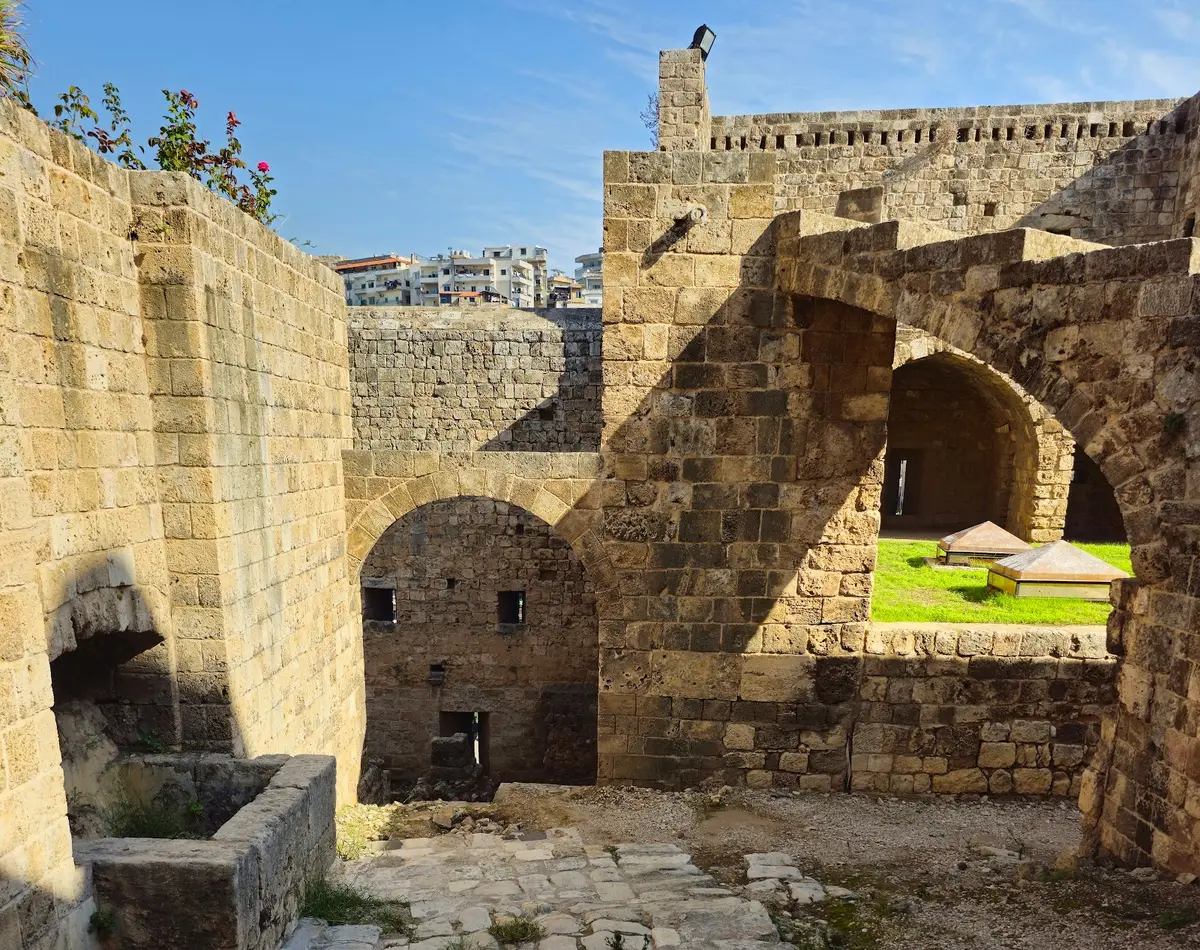
Lebanon fits ski slopes, Roman ruins, and Mediterranean beach clubs inside a country smaller than Connecticut — but pick the wrong month and you’ll swelter through 80% humidity or arrive to find the mountain passes closed. The best time to visit Lebanon is late April through May or late September through October, when temperatures sit in the 70s, the air is dry, and prices haven’t spiked for diaspora summer.
Before I break down each season, a hard caveat up front: the US State Department currently lists Lebanon as Level 4 “Do Not Travel,” and strikes continued in the Beqaa Valley and southern suburbs as recently as early April. If you’re reading this to plan, read the safety section below first — the seasonal advice assumes you’ve already decided travel is appropriate for your situation.
When is the best time to visit Lebanon overall?
Late April through May and late September through October are the two ideal windows. Temperatures sit around 68–80°F (20–27°C) on the coast, mountain trails are snow-free but still green, humidity is low, and coastal sea temperatures hold at 68–77°F (20–25°C). These shoulder months avoid both the July-August humidity spike and the January road closures at elevation.
Pro Tip: If you can only pick one week, aim for the first week of May. The mountains are at peak green from snowmelt, the sea is warm enough to swim, and festival season hasn’t yet pushed hotel prices up.
Why is spring the best time to visit Lebanon?
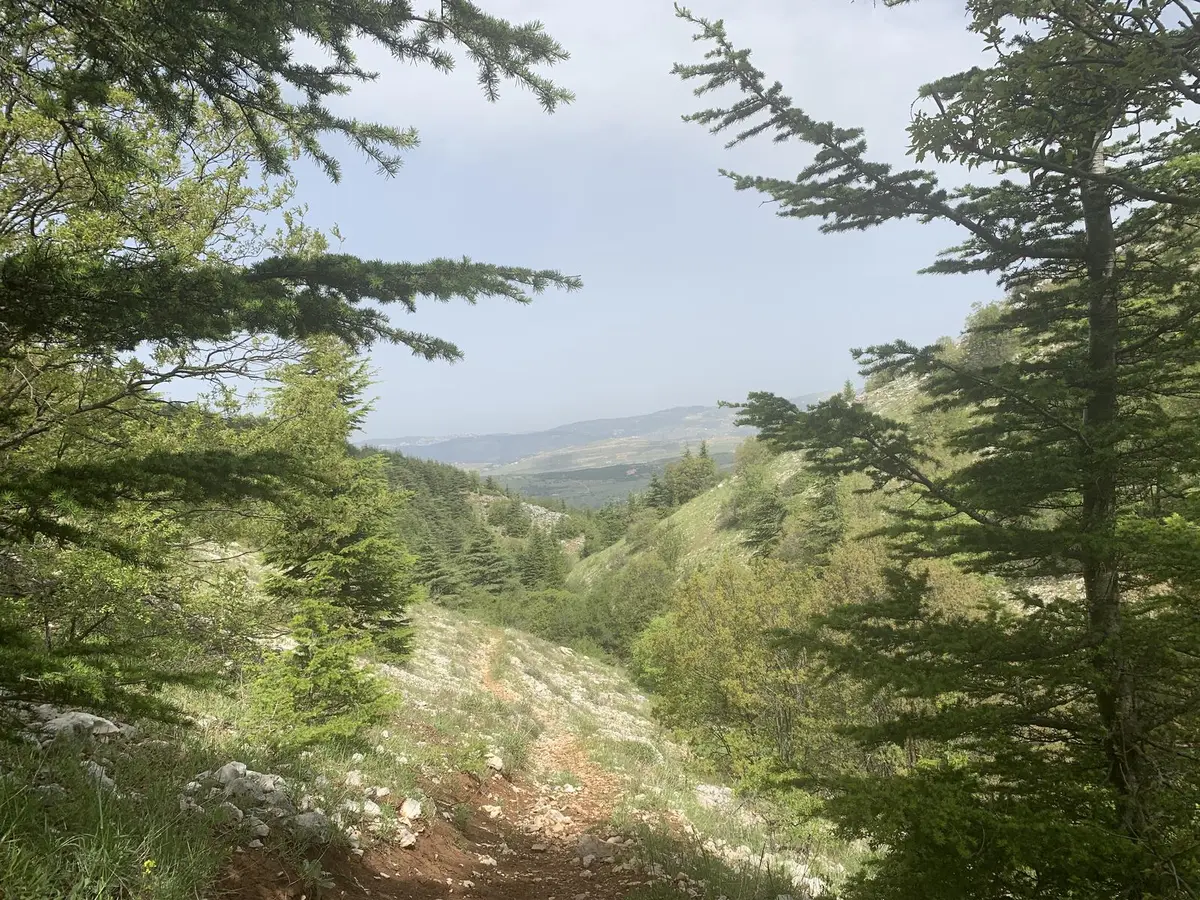
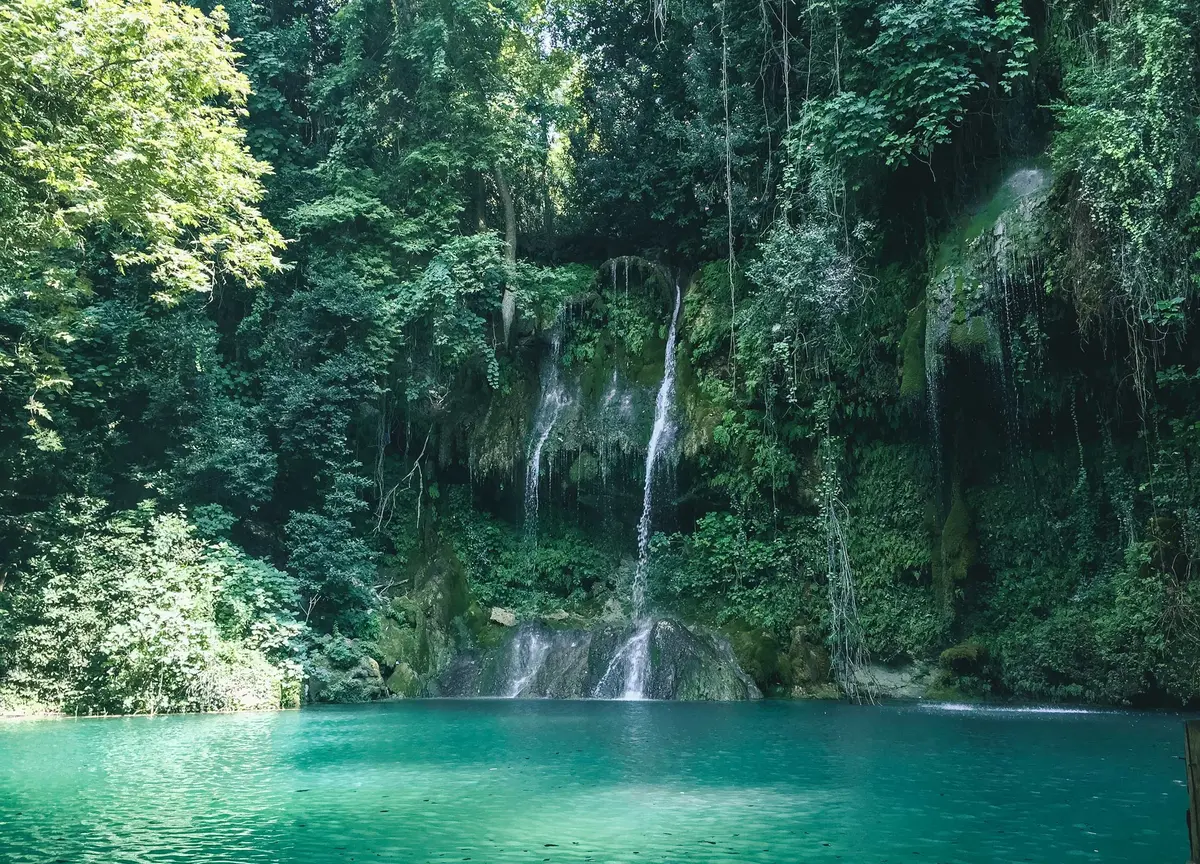
Spring — specifically late April through late May — is when the country looks nothing like the dry Levantine cliché. Snowmelt from Mount Lebanon turns the limestone green, waterfalls run at full volume, and the air stays clear enough that from the Qadisha ridge you can see straight down to Tripoli and the sea. Days sit around 68–80°F on the coast and 55–65°F in the mountains.
Coastal cities like Beirut stay comfortable through the whole period. The mountains are cool enough for a full day of hiking without the July sweat, and the visibility is better than in autumn — you’ll get the sharpest coast-to-summit photos of the year between the last snow and the first dust haze.
Where to hike on the Lebanon Mountain Trail
The Lebanon Mountain Trail runs roughly 292 miles (470 km) from Qobayat in the north to Marjayoun in the south. The LMT Association runs an annual “Thru-Walk” starting late March that covers the whole route in about a month. Most visitors only tackle a section.
- Best section: Section 7 through the Qadisha Valley (UNESCO-listed)
- Length: About 10 miles (16 km) end to end
- Difficulty: Moderate, with one steep descent into the gorge
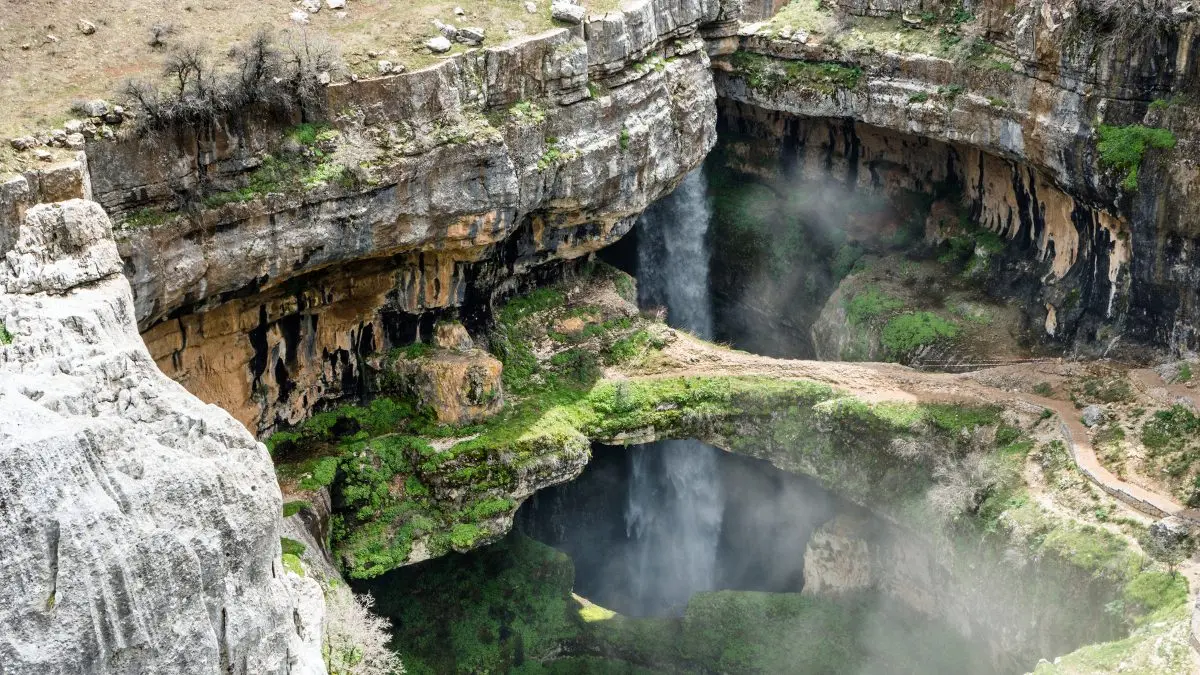
- Don’t miss: Baatara Gorge waterfall near Tannourine — a three-tiered fall that drops through a natural sinkhole. Peak flow runs mid-April to late May
The trail signage is decent but not bulletproof. Download offline maps before you start; cell coverage disappears in the Qadisha once you’re below the rim.
What to eat in Lebanon in spring
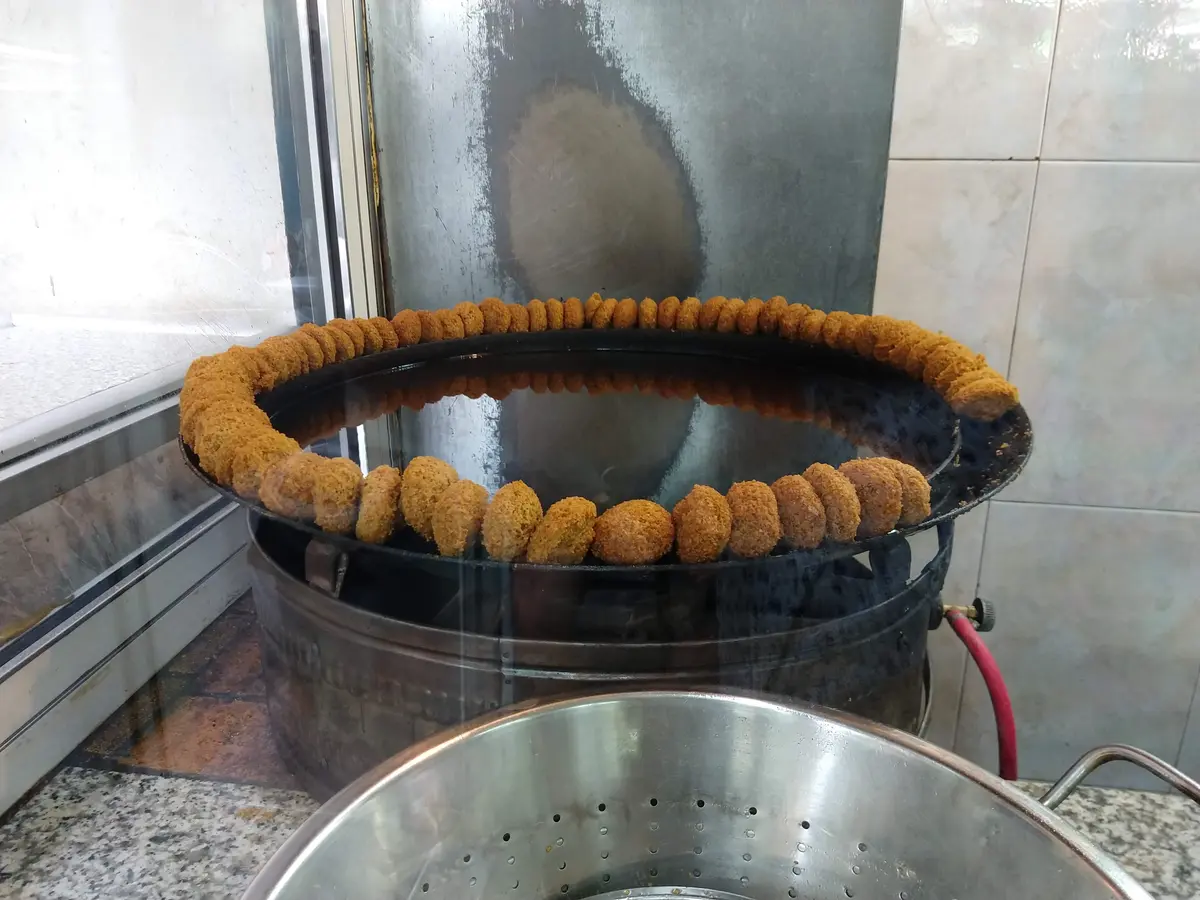
Spring is janarek season — small, sour green plums sold from plastic crates at roadside stands along the Keserwan coast road. You eat them whole, dipped in coarse salt. They’re intensely tart, almost unripe by Western standards, and locals go through them the way Italians go through cherries in June. Try them between mid-April and mid-May; after that they vanish.
By late May the action shifts to cherries, particularly around Hammana village about 45 minutes east of Beirut. You can pick your own at several orchards and buy jars of unfiltered cherry jam from the women who run roadside tables off the main road.
How do Ramadan dates affect travel in Lebanon?
Ramadan in Lebanon shifts about 11 days earlier each year on the Gregorian calendar, so a spring visit may or may not overlap. Lebanon does not shut down during Ramadan — Christian-majority areas like Jounieh, Byblos, and Batroun operate normally with full restaurant and bar service. Sunni-majority areas like Tripoli and Sidon see daytime restaurant closures and reduced service until iftar.
- During Ramadan: Iftar buffets at hotels like Le Gray and Phoenicia are worth booking — expect $35–55 per person for unlimited mezze and grilled meats
- During Eid al-Fitr (the 3-day holiday after Ramadan): Avoid driving. Coastal highway traffic doubles as families head to the mountains and beach towns
- Check dates before booking: Ramadan 2026 runs mid-February to mid-March; 2027 shifts to early February
Is summer worth the heat in Lebanon?
Summer is loud, humid, and expensive — and still worth it if you came for nightlife and beach clubs rather than hiking. Coastal temperatures average 86–90°F (30–32°C), but the dew point climbs above 70°F in July and August, which makes midday Beirut feel like a wet towel. The diaspora returns in force from mid-July, which doubles restaurant prices and triples weekend traffic on the coastal highway.
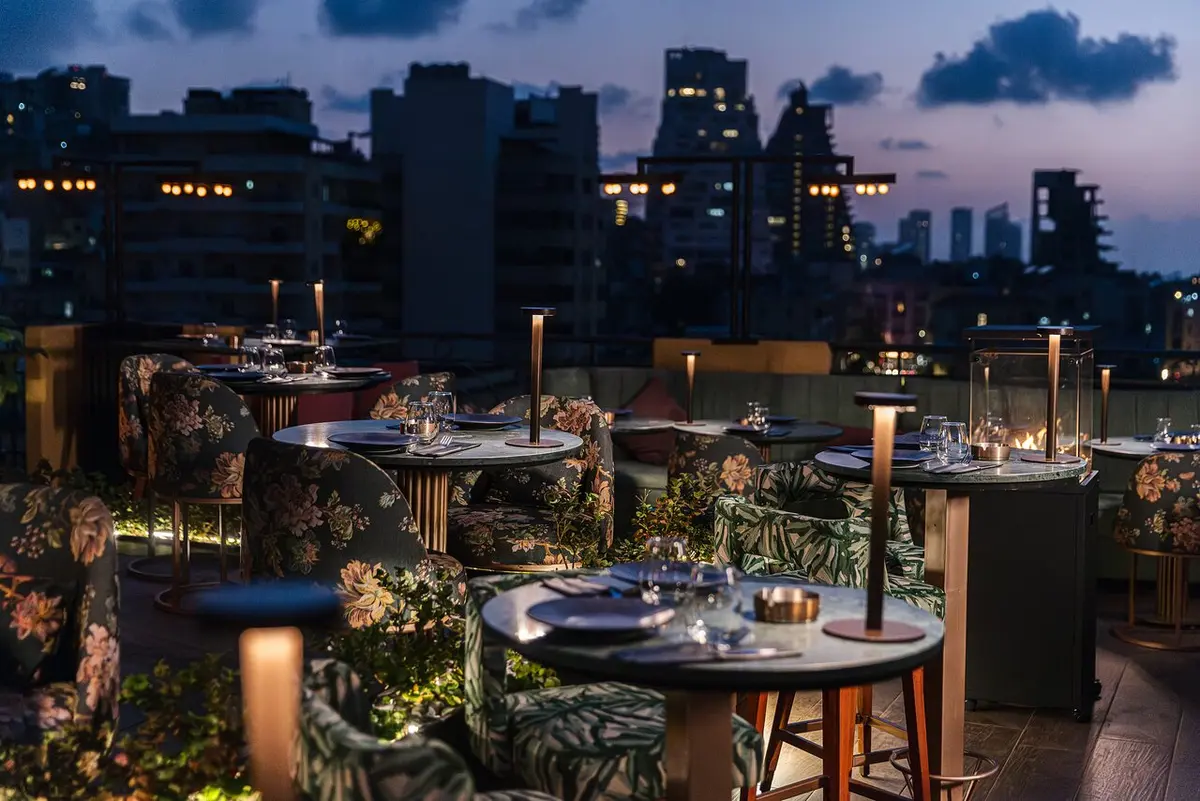
The trade: this is the only time the full Lebanese social scene runs at capacity. Rooftop bars in Mar Mikhael, open-air festivals in the Beqaa, sunset DJ sets at Batroun beach clubs — none of that exists in November.
Pro Tip: Plan outdoor activities for before 10 a.m. or after 6 p.m. in July and August. The window from noon to 4 p.m. on the coast is genuinely dangerous for older travelers — hydrate like you’re in the desert, because functionally you are.
Why Batroun has overtaken Beirut’s beach scene
Most of the Beirut coastline south of the city is either privatized, polluted, or both. The center of gravity has moved 33 miles (53 km) north to Batroun, a Phoenician port town that now runs most of the country’s serious beach clubs in Batroun. The water is noticeably cleaner — you can actually see your feet in waist-deep water, which is not a given further south.
- Location: Batroun, 33 miles (53 km) north of Beirut, about 50 minutes on the coastal highway off-peak
- Cost: Beach club day passes run $20–60 per person; add another $30–80 for food and drinks
- Best for: Weekday visitors; solo travelers and couples who want beach plus nightlife
- Time needed: Full day minimum, two nights to catch a proper sunset dinner
Skip the weekend unless you like traffic. Sunday evening returning to Beirut can turn the 50-minute drive into two and a half hours.
What are Lebanon’s biggest summer festivals?
The Baalbeck International Festival is the anchor event and celebrates its 70th edition from 25 July to 8 August 2026, staged inside the Roman ruins — the Temple of Bacchus serves as the main venue. The 2026 program opens with a new production of Bizet’s Carmen (25–26 July) and closes with Hiba Tawaji performing an Oussama Rahbani production honoring the Mansour Rahbani centenary on 8 August.
- Location: Baalbek, Beqaa Valley, about 55 miles (89 km) northeast of Beirut
- Cost: Tickets $40–180 through Virgin Ticketing; 25% student discount with ID
- Best for: Travelers who booked transport; the festival offers a round-trip shuttle for early-bird ticket buyers (purchase before 1 May)
- Time needed: Full evening, plan for a 4+ hour round trip from Beirut
One hard caveat here: Baalbek sits in Baalbek-Hermel Governorate, which has seen continued military strikes. The festival itself runs with heavy security and has operated through multiple crises since 1956, but read the current advisory before committing. If Baalbek feels too exposed, the Beiteddine Art Festival in the Chouf mountains offers a calmer alternative — musicals and orchestral sets in the 19th-century palace courtyard.
Where do locals escape the coastal humidity?
Mountain villages 30–50 minutes inland run 15–20°F cooler than the coast. The classic escapes are Broumana and Aley on the Metn ridge, and Ehden in the north. Evenings along the main drags — Broumana’s central strip runs about a kilometer of restaurants and shisha cafés — stay packed until 2 or 3 a.m., without the Beirut sticky-shirt factor.
Why autumn is the connoisseur’s season
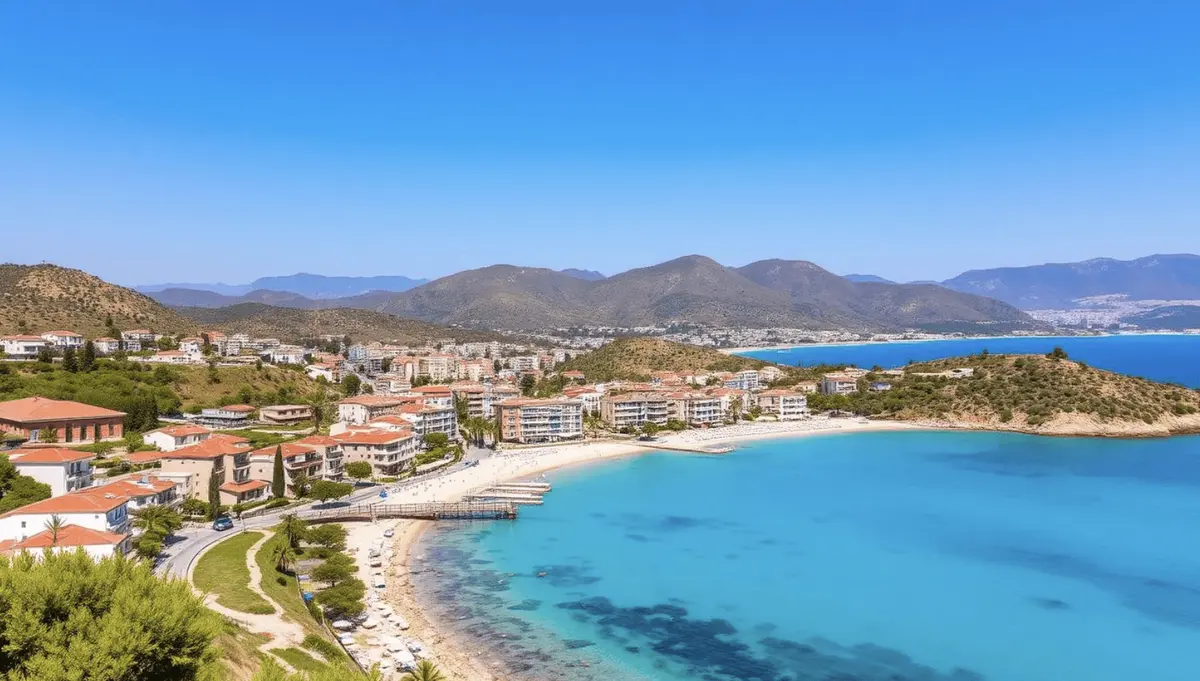
October is the quiet favorite of travelers who’ve been multiple times. The diaspora has flown back, prices drop 20–30%, humidity breaks, and the light gets that raking amber quality that makes the limestone glow at sunrise. The sea stays warm enough to swim into the first week of November. The downside: the trees aren’t as dramatically green as May, and the first rains can start in late October at elevation.
What happens during harvest season?
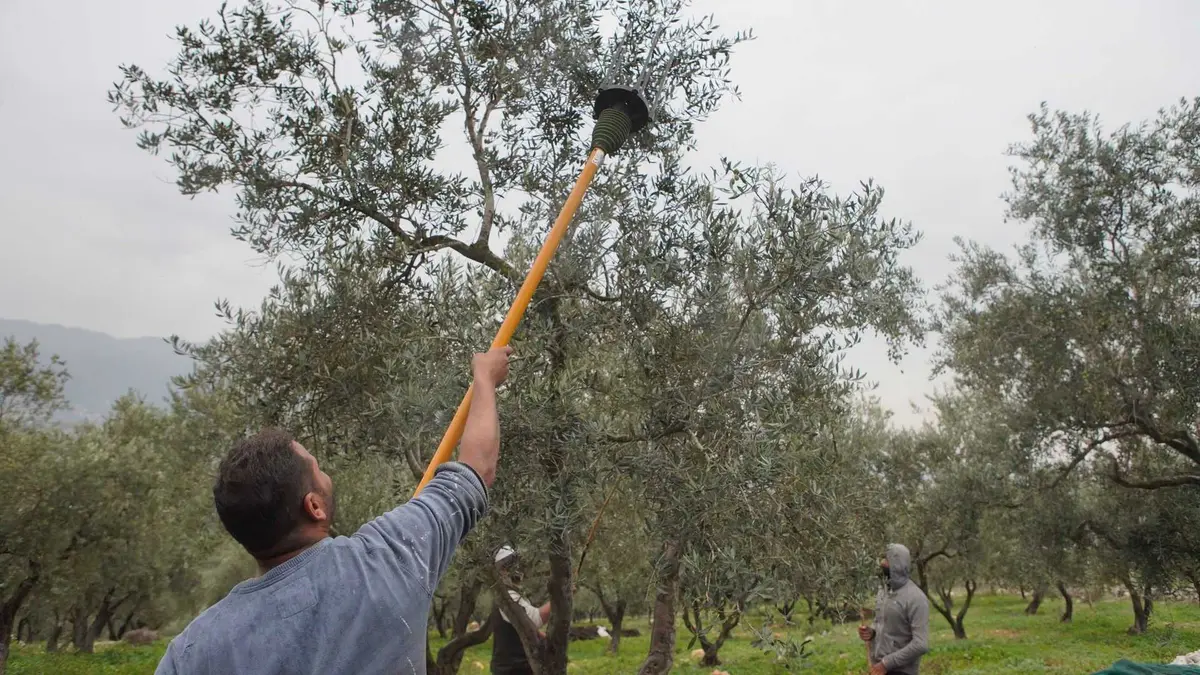
September is grape harvest, October and November belong to olives. The wineries in Bekaa Valley — Chateau Ksara, Chateau Kefraya, Domaine des Tourelles, Ixsir — all run harvest experiences where you can taste straight from the vat. The olive harvest is more hands-on; several tour operators in the Koura and Bshaaleh areas let you help with the nets and then take you to a traditional stone press for fresh unfiltered oil.
- Grape harvest: Early September through mid-October, Beqaa Valley
- Olive harvest: Mid-October through late November, nationwide
- Wine festival: Vinifest, held in Beirut each September, pours from 25+ local producers in one afternoon
- Bshaaleh olive trees: Claimed to be among the oldest cultivated trees on Earth; whether they really are 6,000 years old is unverifiable, but the groves themselves are real and quiet
Pro Tip: Book wine tastings directly through the winery website, not through Beirut-based tour agencies. You’ll pay half the price for the same visit, and the hosts give better pours when you show up independently.
Can you still swim in October?
Yes — sea temperatures hold around 75–77°F (24–25°C) through mid-October and only drop to around 72°F (22°C) by month’s end. The combination of warm water, empty beaches, and mountain hiking weather makes October the only month where you can credibly do both in the same day without suffering. Most beach clubs stay open through the third week of October; some close earlier if weekend traffic dries up.
Can you actually ski in Lebanon?
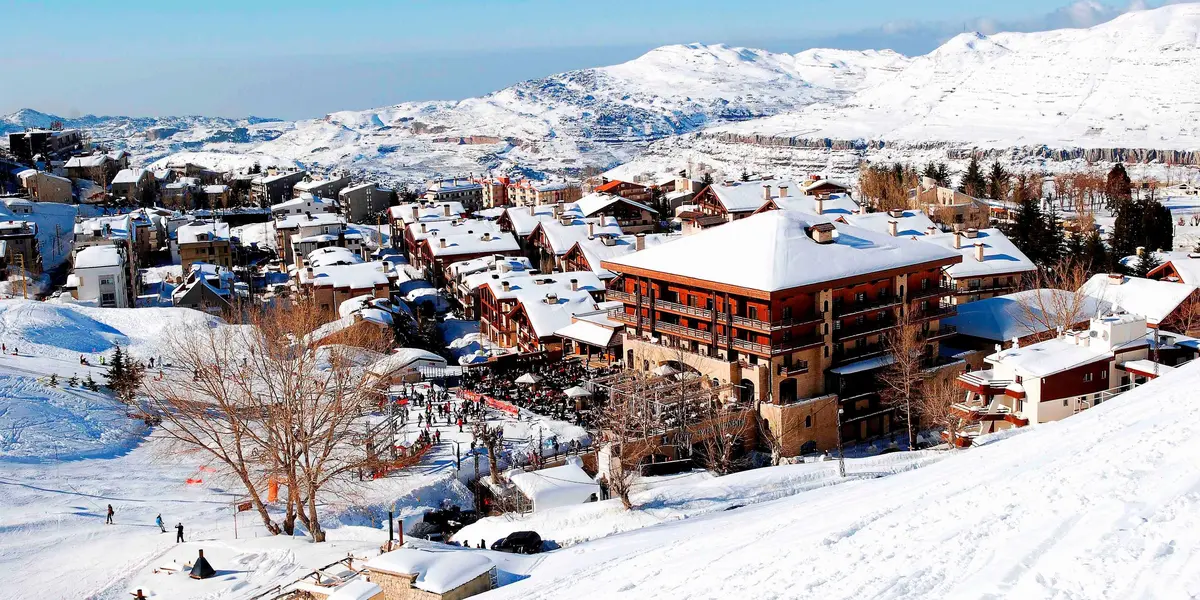
Yes — Lebanon runs legitimate ski operations from roughly late December through early April, with the most reliable snow cover between late January and mid-March. The “ski in the morning, swim in the afternoon” line is technically possible in March but almost no one actually does it, because the Mediterranean is still 60°F (15°C) and you’d be the only person in the water.
The snow quality is heavy and wet due to the maritime climate — nothing like Utah powder — but the sea views from the summit lifts are the selling point. On a clear day at Mzaar you can see Cyprus.
Where are the best ski resorts in Lebanon?
- Mzaar Kfardebian (Faraya): Largest resort, roughly 50 miles (80 km) from Beirut, 80 runs across all skill levels, ski-in/ski-out hotels. Lift passes around $50–70 per day
- The Cedars (Bsharri): Higher elevation at 6,900 feet (2,100 m), snow holds into late April, smaller lift system, favored for off-piste. Adjacent to the ancient Cedars of God grove
- Laqlouq: Smaller and cheaper, best for beginners and families, limited services
Rental gear is available at all three but quality varies — if you’re particular about your boots, bring them. The food scene at Mzaar has improved sharply over the past few seasons with several sit-down restaurants on the mountain serving proper Lebanese mezze rather than just fries and hot dogs.
What’s Christmas like in Lebanon?
Christmas in Lebanon is unexpectedly elaborate given the country’s religious mix, precisely because Christian communities treat it as a statement of presence. Byblos and Batroun run Christmas markets from early December through early January with tree-lighting ceremonies in the old ports. Jounieh’s main strip gets strung with heavy light displays. Winter food shifts toward mountain cooking — lamb meatballs in citrus tahini, warm rice pudding with orange blossom, slow-cooked kishk soup.
How do Lebanon’s microclimates affect your trip?
Lebanon’s two parallel mountain ranges sit close enough to the Mediterranean that weather varies sharply inside a 30-mile cross-section. You can drive from rain at sea level to snow at 6,000 feet in under an hour. Packing for Lebanon means packing for two or three climates simultaneously.
Coastal zone (Beirut, Byblos, Tyre, Batroun)
- Winter lows: Around 52°F (11°C) with heavy sporadic rain
- Summer highs: 86–90°F (30–32°C) with 70%+ humidity in July-August
- Best months: May and October for clear skies and low humidity
- Notes: Rarely freezes; sea swimmable mid-May through October
Mountain zone (Faraya, Broumana, Ehden, Chouf)
- Summer: Cool evenings requiring a jacket even in August at 4,500+ feet (1,370+ m)
- Winter: Heavy snow above 5,900 feet (1,800 m) from January through March
- Best months: May-June for wildflowers, October for fall color, January-February for skiing
- Notes: Roads to ski resorts require chains or 4WD after heavy snowfall
Bekaa Valley (Baalbek, Zahle, Anjar)
- Climate: Semi-continental, significantly drier than the coast
- Summer: Days frequently exceed 95°F (35°C); visiting Baalbek ruins midday in August is brutal
- Winter: Nights drop below freezing; wineries still run tastings
- Best months: May, September, and October
Is Lebanon safe to visit right now?
Honestly: the current situation is more complicated than most travel content admits. The US State Department lists Lebanon at Level 4 “Do Not Travel,” the UK FCDO advises against all travel to multiple areas and all but essential travel to the rest, and Israeli airstrikes on the Beqaa Valley and Beirut’s southern suburbs continued into April. The November 2024 cessation of hostilities is partial, not a peace deal.
That said, daily life in the coastal corridor from Beirut through Batroun, plus most Christian mountain areas, continues. Restaurants are open, beach clubs run, the Baalbeck Festival is going ahead. The honest framing is this: travel insurance will likely be invalidated, your embassy’s ability to help is limited, and the situation can shift in days. This is not a casual holiday destination right now.
Hard no-go zones, regardless of the advisory level:
- All areas south of the Litani River (including parts of Tyre)
- The entire Lebanon-Syria border strip
- Baalbek-Hermel Governorate outside of the festival itself with organized transport
- Palestinian refugee camps anywhere in the country
- The southern suburbs of Beirut (Dahieh)
Pro Tip: If you decide to go, buy specialist war-risk travel insurance (companies like battleface or World Nomads’ higher tier), register with your embassy’s traveler program before landing, and keep a printed evacuation plan — Beirut airport has closed with 12-24 hours notice multiple times.
How does the Fresh Dollar economy work?
The tourist economy runs almost entirely on “Fresh Dollars” — physical US banknotes, preferably post-2013 issue, in clean condition. Older bills, marked bills, or any note with a pen mark or small tear get rejected on sight. Credit cards work at luxury hotels, airline offices, and some upscale restaurants; almost nowhere else.
- Bring: 80–90% of your budget in cash, in $20, $50, and $100 denominations
- ATMs: Exist but frequently out of service; dispense local currency at poor rates
- Daily cash budget (comfortable mid-range): $120–180 per person outside luxury hotels
- Backup: Carry a debit card for emergencies but do not rely on it
Where to stay: the heritage guesthouse boom
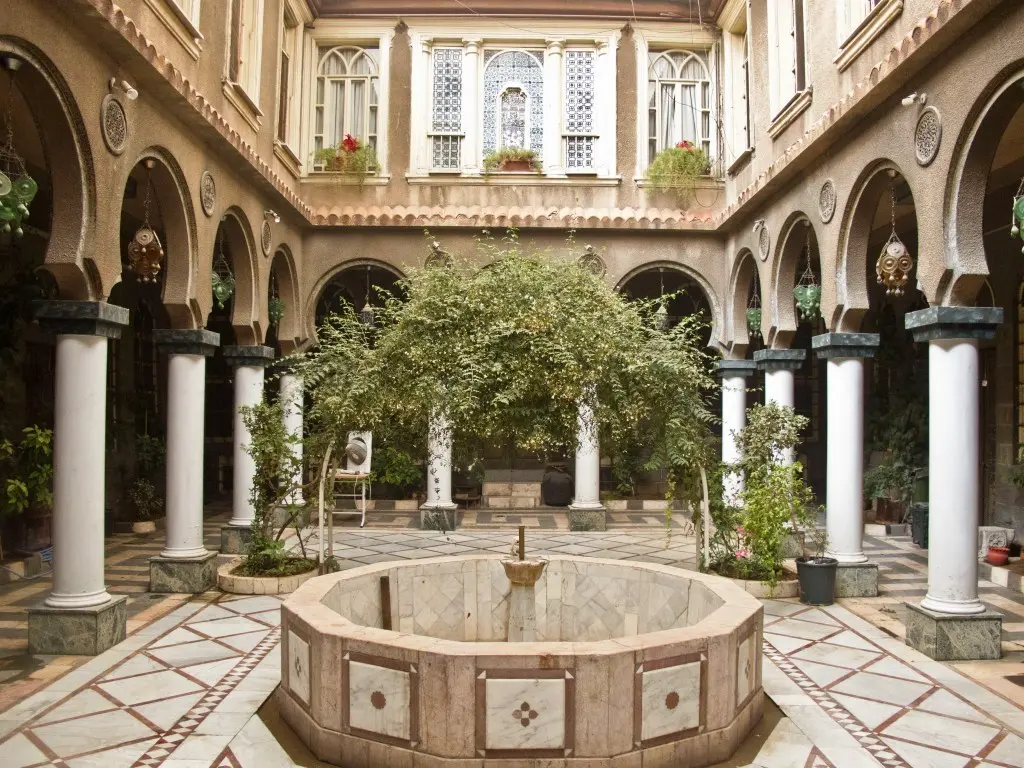
The most interesting lodging development of the past few years is the conversion of historic mountain and village houses into small luxury mountain guesthouses. Most run their own generators and water systems, which insulates guests from the country’s rolling infrastructure failures. Three that are consistently well-run:
- Beit Trad (Ras Osta): Restored 19th-century mansion, 8 rooms, strong dinner program. Best for couples; not suitable for young kids
- Bouyouti (Niha): Stone cottages on a forested slope, heavy focus on silence and stargazing. Best for couples who want privacy over social energy
- Beit Douma (Douma): Village villa surrounded by olive terraces, wine-focused meals. Best for food-driven travelers
Expect $180–350 per night depending on season, usually with breakfast and often with dinner. Book 3–4 weeks ahead minimum; these places run small and fill for any holiday weekend.
Which itinerary matches your season?
Spring or autumn (10 days)
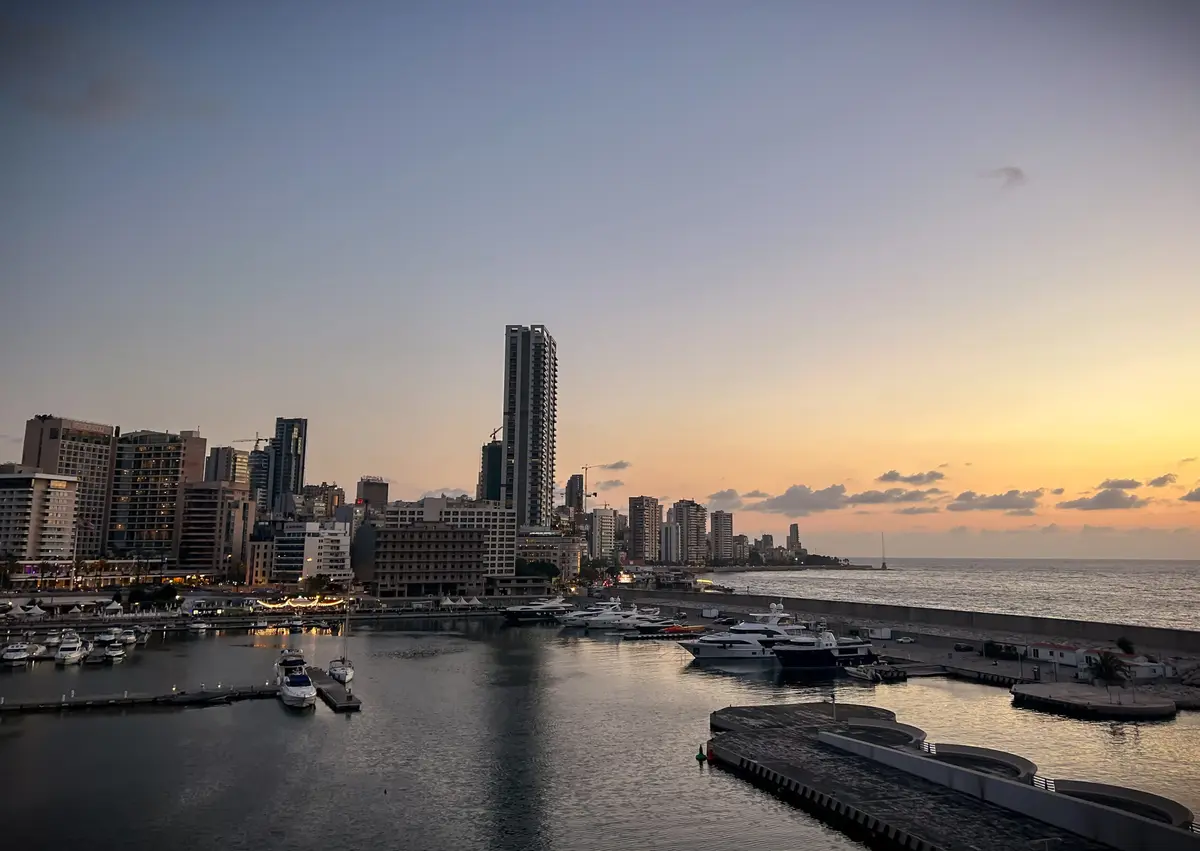
- Days 1–2: Beirut — National Museum, Corniche walk at sunset, dinner in Mar Mikhael
- Day 3: Day trip south to Sidon and Tyre (avoid if south-Litani advisory active)
- Days 4–5: Transfer to Batroun, explore Byblos‘s crusader castle and old souk
- Days 6–7: Qadisha Valley — drive the rim, hike into the monasteries, overnight in Bsharri
- Days 8–10: Chouf mountains — Beiteddine Palace, Cedar Reserve hikes, slow food at a heritage guesthouse
Summer (7 days)
- Days 1–2: Beirut nightlife — rooftop dinner, late-night Gemmayze
- Days 3–5: Batroun beach base — weekdays at beach clubs, evenings in the old souk
- Day 6: Early-morning departure to Baalbek (arrive by 8 a.m. to beat heat), wine tasting on return
- Day 7: Mountain escape day — Ehden or Broumana before flying out
Winter ski trip (5 days)
- Days 1–2: Mzaar Kfardebian — ski, ski-in hotel overnight
- Day 3: Transfer to The Cedars — one ski day at altitude
- Day 4: Down to Byblos — Christmas markets, coast dinner
- Day 5: Beirut departure day — souvenir shopping, airport
Before you book
TL;DR: Late April to May and late September to October deliver the best weather, lowest humidity, and fairest prices. Summer trades heat and crowds for nightlife and festivals. Winter gives you real skiing with Mediterranean views. But before any of it: check the current travel advisory from your home country, because the security situation can change the answer in a week.
The country rewards travelers who pick a season deliberately rather than defaulting to summer — and who don’t try to do everything in one trip. Two regions done properly beats six regions done through car windows.
Which season fits what you’re actually after — the green spring trails, the summer beach energy, the harvest wine routes, or the ski lifts? Drop your dates and priorities in the comments and I’ll point you to the specific villages worth your week.