A bikini party in Batroun and a chador-clad funeral procession in Dahieh can happen 20 minutes apart on the same afternoon. That’s the puzzle of what to wear in Lebanon — a country where neighborhood, not season, dictates your wardrobe. This guide breaks the dress code down by region, venue type and religious site, with the specific rules I learned the hard way after being turned away from a Beirut rooftop in chinos and stared at in Tripoli for wearing knee-length shorts. If you’re still piecing together the broader picture, our complete guide to visiting Lebanon covers the context this dress guide assumes.
How does dress actually work in Lebanese society?
Lebanese society treats grooming as a public language. The local concept of murattab — tidy, well-put-together — sets a baseline that’s noticeably higher than smart-casual norms in US cities. Wrinkled linen, hiking zip-offs in the city or worn sneakers don’t read as “casual traveler.” They read as low-status. Geography functions as a proxy for sect, and sect drives dress: Sunni, Shia, Druze and Christian neighborhoods each have their own rules.
Brand signaling carries real weight in affluent areas. Door staff at Beirut’s high-end venues openly scan for logos and recognizable designer pieces — they’re filtering clientele in real time. Hair, nails and shoes get scrutinized for both men and women.
Here’s the counterintuitive part: a polished outfit can outrank a “modest” but sloppy one. A woman in a tailored knee-length dress will often be received better in a conservative area than a woman in baggy, unkempt cargos — because the first signals effort and status, and Lebanese culture reads those before it reads hemlines.
Pro Tip: Pack one outfit you’d wear to a nice dinner in Manhattan, even if you think you won’t need it. The first time a Lebanese friend invites you somewhere, you will need it within 6 hours of landing.
The “foreigner pass” is thinner than you think
Locals will not yell at you for wearing shorts in a Tripoli souk. They will, however, treat you as a spectacle rather than a guest, and you’ll feel it in every interaction. In areas near controlled zones — parts of the southern suburbs, the South near the border, certain Bekaa checkpoints — looking too much like an outsider, or wearing camouflage or military-style cargo pants, can draw direct attention from security personnel. Camo is the single worst pattern to pack for Lebanon.
Lebanon’s style geography at a glance
- East Beirut (Achrafieh, Gemmayzeh, Mar Mikhael): Christian, liberal, dress-to-impress
- West Beirut (Hamra): Mixed Sunni and secular academic; smart casual
- South Beirut (Dahieh): Conservative Shia; modest dress required, no shorts on men
- Jounieh and Batroun: Resort and beach-party culture; beachwear and liberal attire
- Tripoli: Traditional Sunni; covered shoulders and knees
- Tyre: Split — liberal Christian quarter and beach, conservative Shia neighborhoods inland
What should you wear in Beirut?
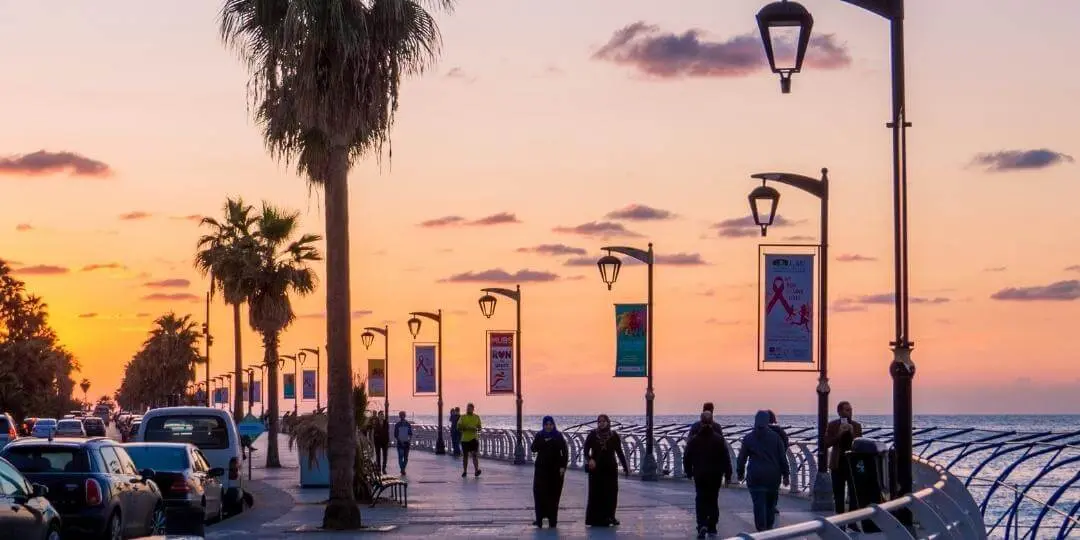
Beirut‘s dress code shifts street by street, and reading the room before walking into a venue is the single most useful skill you can develop. The default in liberal districts is European-capital street style; the default 10 minutes south in Dahieh is full coverage. Both are normal. Both are wrong if you mix them up.
Achrafieh, Gemmayzeh and Mar Mikhael — liberal corridors
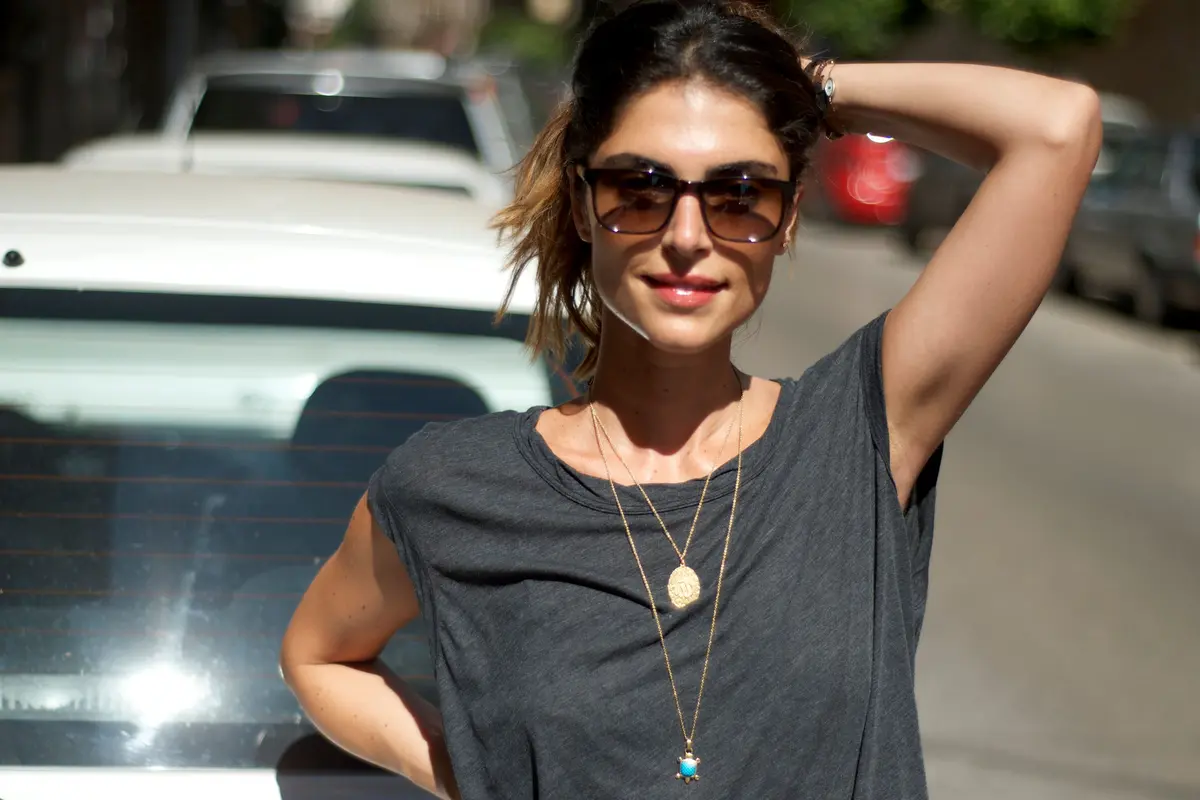
In summer, women wear sleeveless tops, sundresses and shorts with no issue. Very short shorts or visible swimwear off the beach still draw lingering stares — these neighborhoods are mixed, and not everyone walking past shares the bar crowd’s politics. Crop tops are fine in nightlife districts and around the universities.
Men wear jeans or chinos with polos or fitted t-shirts. Shorts on men are increasingly common in the liberal bubble but still mark you as casual; for any business meeting or sit-down dinner, long pants are non-negotiable. Tank tops on men in the city are generally frowned upon — keep those for the beach.
Dahieh — the conservative exception 10 minutes away
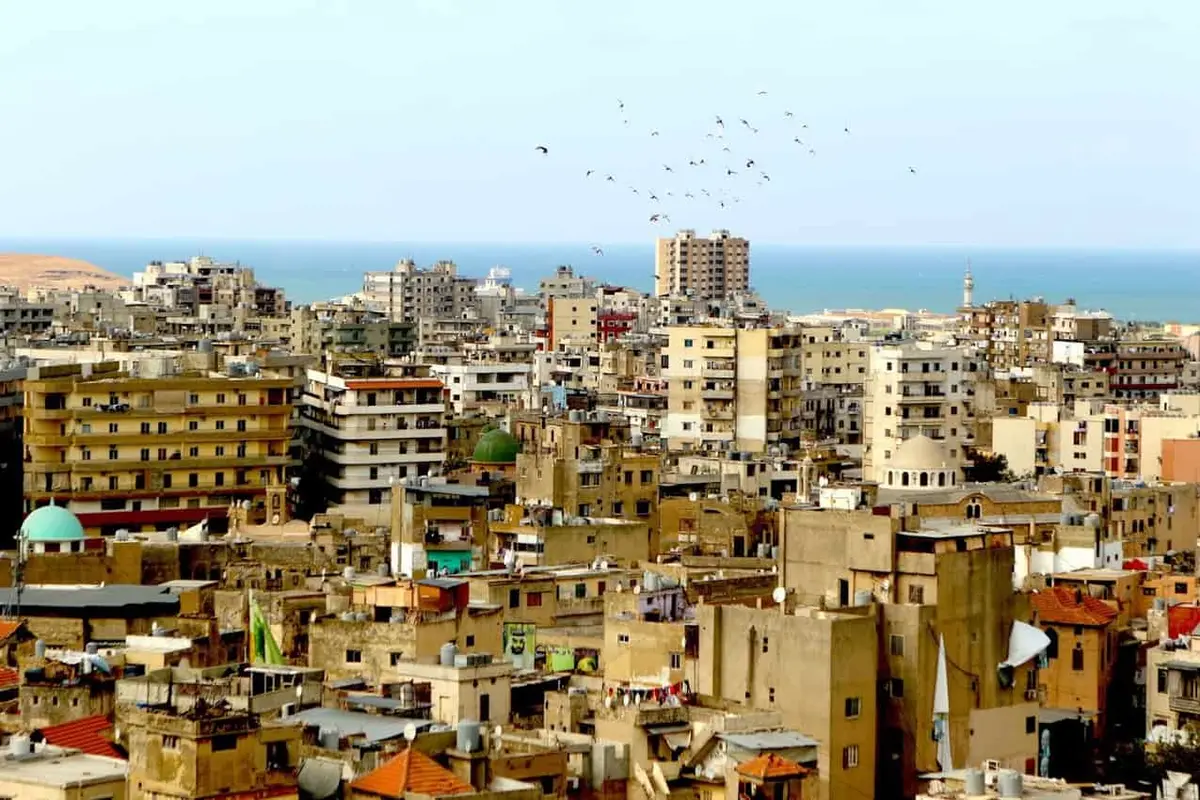
A 10-minute drive from Mar Mikhael’s bars puts you in Dahieh, the Southern Suburbs and a predominantly Shia area. The visual landscape changes hard: black abayas and chadors are common among local women.
For visitors passing through — often unavoidable on the way to the airport or south — modest dress is the rule:
- Men: Long pants, no shorts, no tank tops
- Women: Loose-fitting clothes covering arms and legs
- Headscarf: Not legally required for visitors on the street, but having one in your bag signals cultural awareness if you stop somewhere
Practical footwear for a city of broken sidewalks
Beirut’s sidewalks are uneven, broken or nonexistent in many areas, and the souks have slippery cobblestones. Lebanese women routinely wear high heels — this works because they’re driving and valet-parking everywhere. As a traveler walking between neighborhoods, heels are impractical.
Clean white-leather fashion sneakers are the most versatile single shoe you can pack. They handle ruins, cobblestones and most bars. The only place they’ll fail you is the door of the highest-end clubs.
How strict are Beirut nightclub dress codes?
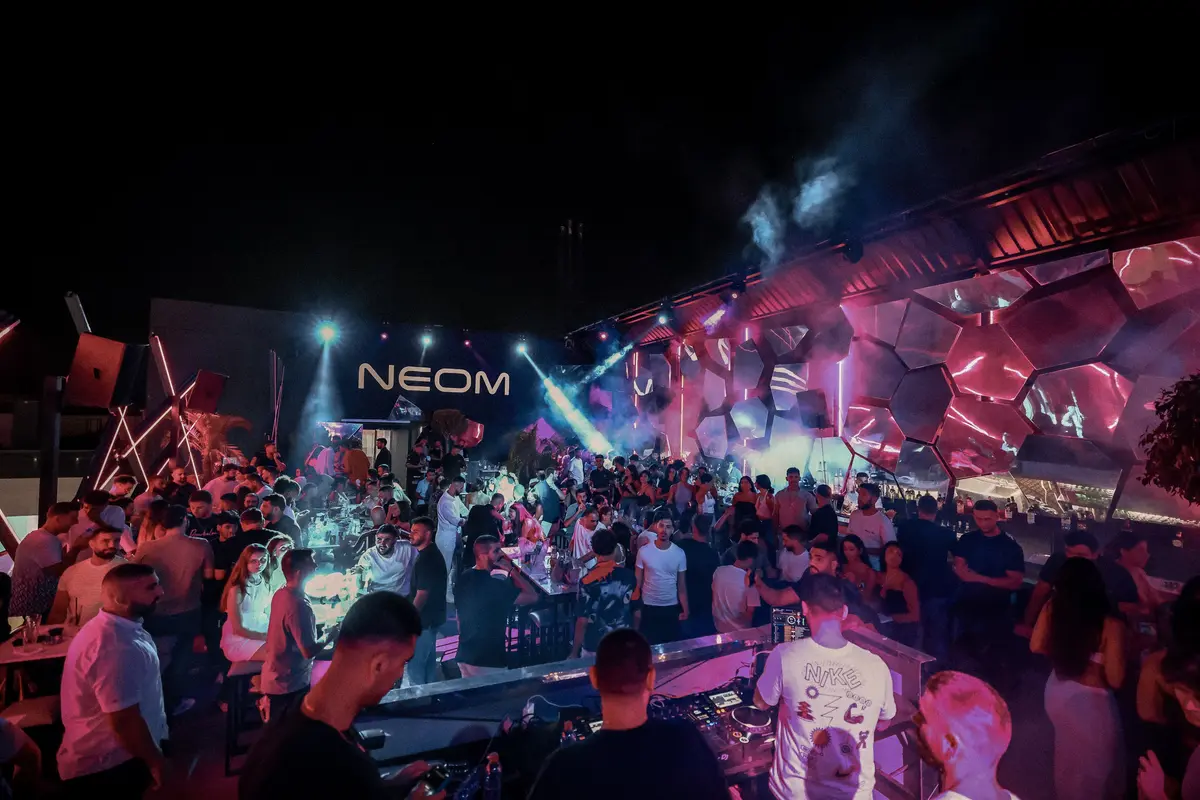
Strict, and biased. Beirut’s top venues operate a door policy that filters on wealth signaling, appearance and connections (wasta), not just dress code. The “no shorts” rule for men is the most common reason male tourists get turned away — even expensive designer shorts get rejected. Smart casual here means dark jeans or slacks plus a collared shirt, full stop.
The high-end rooftops and clubs
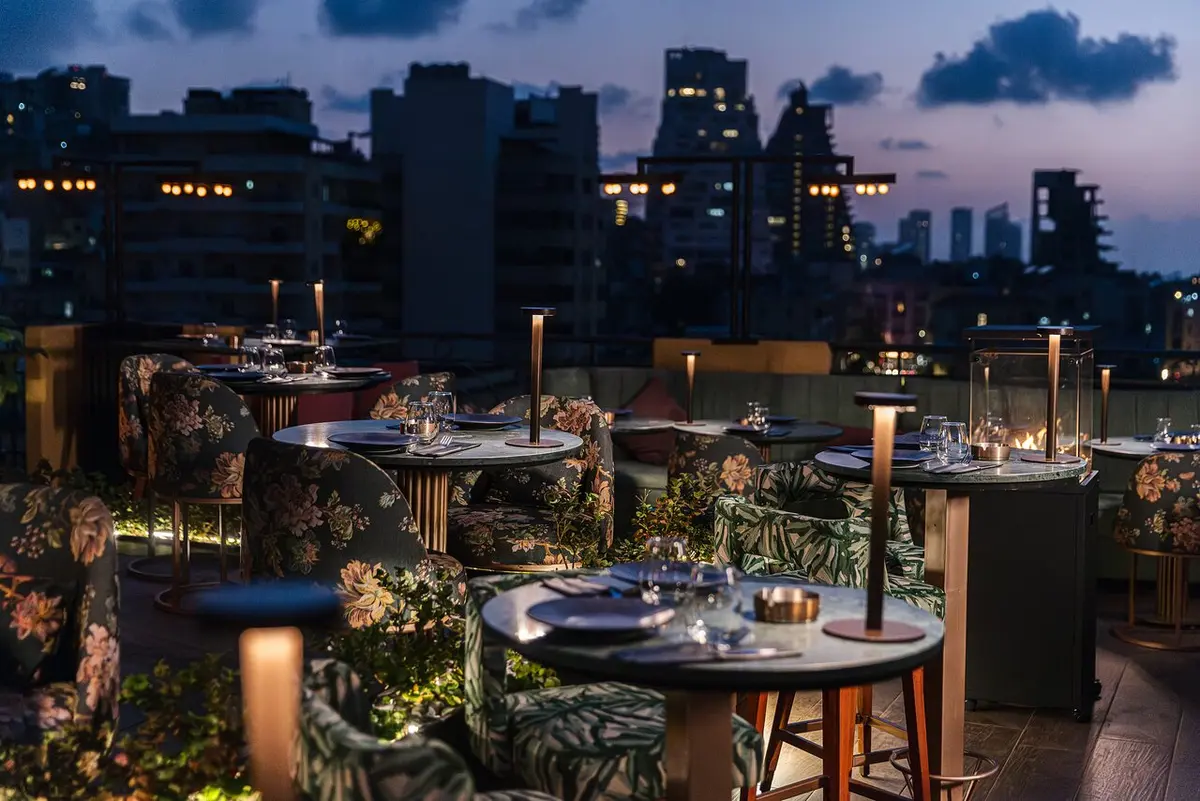
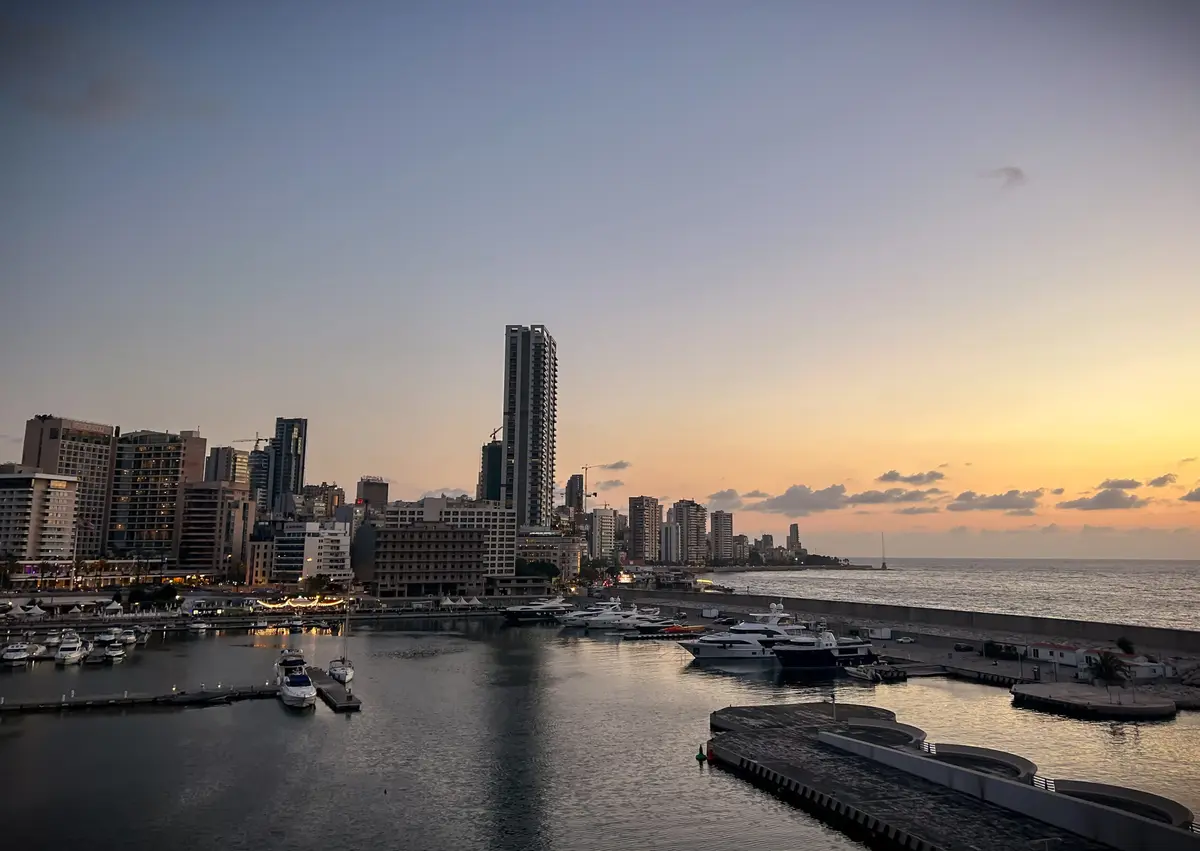
Skybar is the headline venue. After a 2015 fire and the 2019 closure, it reopened atop the O1NE building on the Beirut Waterfront under joint management of Sky Management and Addmind Hospitality. Open Thursday through Saturday, summer season only. Other Addmind venues — Iris, Bar du Port, White — run the same playbook on dress. For a broader look at the scene and where to start the night, our guide to the best rooftop bars in Mar Mikhael maps out the key venues and their door policies.
The dress rules at these venues:
- Men: Long pants only (no shorts, ever), collared shirt, closed-toe shoes. Open-toed shoes on men mean immediate rejection at the door.
- Women: Heels, cocktail dresses or polished going-out outfits. Crop tops and minis are fine — skin exposure is welcomed, but the polish has to be high. A plain t-shirt and flat sandals will get you ignored by service staff or refused at the door.
Pro Tip: At Skybar, “not later than 11:30 p.m.” actually means it. Door staff stop accepting reservations on the dot, and confirming with the hostess earlier in the day does not protect you. Show up by 11:15.
The alternative scene
Clubs like AHM — the techno and electronic scene anchor — run on different codes. Dress trends monochrome and industrial, with black dominating. Stylish sneakers are accepted because the focus is dancing, but they have to be clean and fashion-forward; running shoes still get clocked.
Dark, well-cut shorts on men sometimes pass at alternative venues in peak summer, but long pants remain the safest bet. If you’re choosing one outfit to cover both scenes in a single night, choose pants.
How do Lebanon’s beach dress codes differ from public to private?
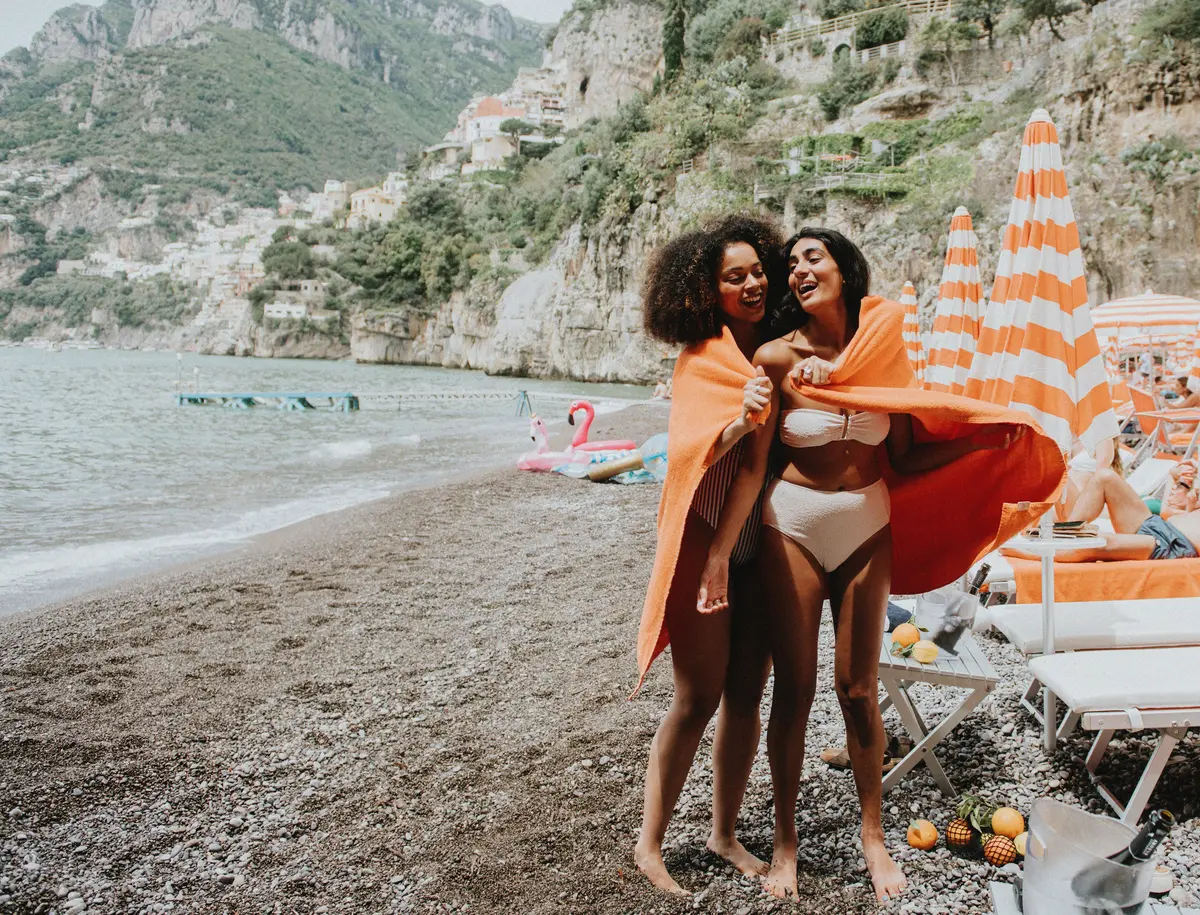
The coastline operates on a sharp class and sectarian divide that directly determines what you can wear. Private resorts function like Mediterranean party islands; public beaches a few miles away expect women to swim fully clothed. Mixing them up is the fastest way to feel deeply out of place.
Private beach clubs
Resorts like Sporting Club, Orchid and the Movenpick beach act as enclaves of extreme liberalism. Bikinis (including thongs) are standard. Men wear board shorts or European-style swim trunks. The atmosphere skews closer to Mykonos than the Middle East. The best beach clubs in Batroun push this vibe even further, with day-to-night party programming built around pool and sea access.
A note worth flagging: most private clubs ban burkinis at their pools — a policy that’s been criticized as discriminatory but remains common across Lebanese resorts.
Public beaches
Ramlet al-Baida, Beirut’s only public sandy beach, is used mostly by working-class and conservative families. Women here typically swim fully clothed or in burkinis. A female tourist in a bikini would attract intense staring and likely harassment. If you want a bikini day in Beirut, pay for a private club — that’s the actual rule.
The same divide repeats across the country. Tyre’s public beach is one of Lebanon’s best and runs more mixed — our dedicated Tyre beaches guide breaks down which stretches allow what. The Cloud 59 area allows bikinis and serves beer, operating almost like a private club on public sand. But move 100 yards into the family sections and you’ll need to cover up to avoid the staring.
Pro Tip: A lightweight sarong wrapped around the waist is the single most useful beach-to-town transition tool in Lebanon. It costs $5 in any souk and saves you from needing a full second outfit in your beach bag.
What’s the dress code in Tripoli and the conservative north?
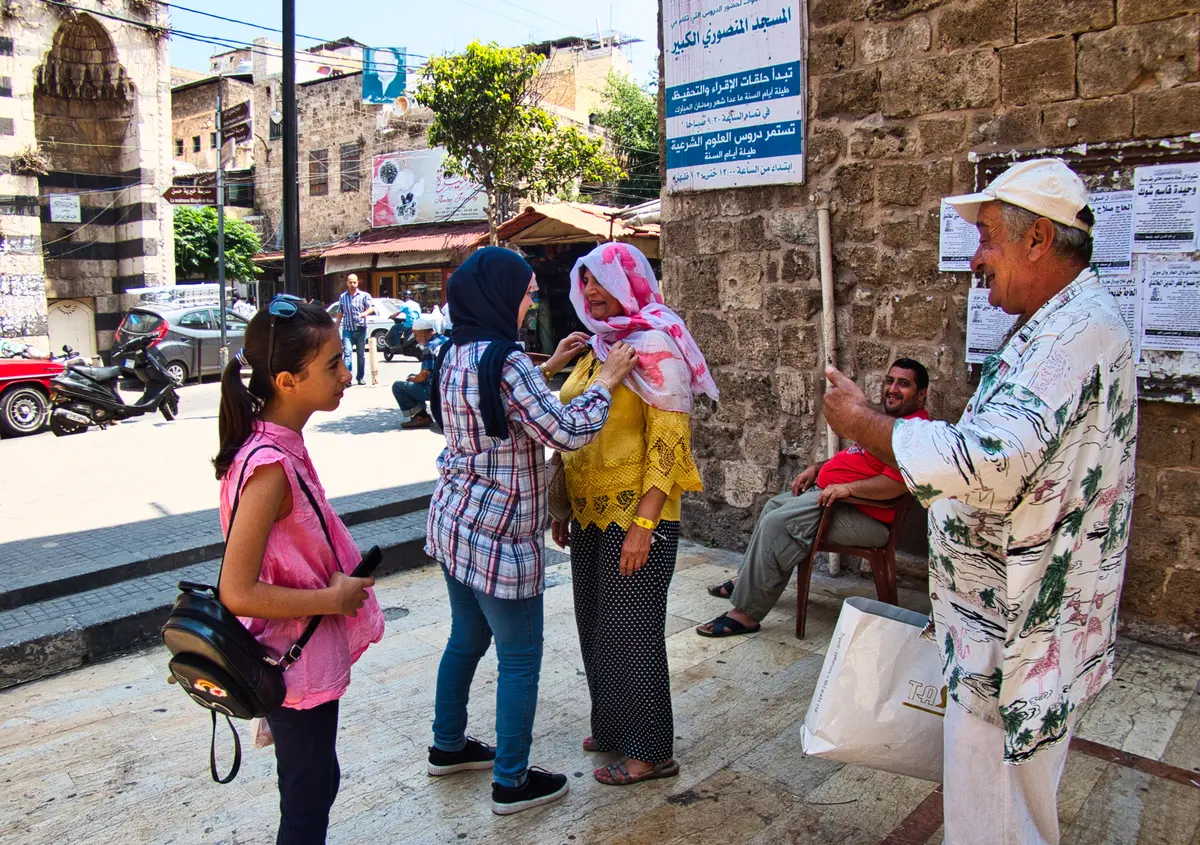
Tripoli, the northern capital, runs on a different cultural setting from Beirut: Sunni tradition, Mamluk architecture and a dense network of religious sites. Modesty here is non-negotiable for women, and shorts on men carry real social stigma.
Inside the souks
Shoulders, cleavage and knees must be covered for women. The wardrobe that works:
- Best options: Loose maxi dress, or linen pants paired with a tunic or long-sleeved blouse
- Headscarf: Not required on the street, but keeping one visible (around the neck or on your bag) signals readiness to enter a mosque
- Avoid entirely: Leggings worn as pants, bodycon dresses, anything tight
The shorts stigma for men
In conservative Lebanese contexts, shorts on adult men read as undignified — historically associated with children or underwear. Walking through Tripoli’s Mamluk-era souks in board shorts marks you as oblivious. Lightweight cotton or linen pants are the required uniform and, frankly, more comfortable in the humidity than they sound.
What should you wear in Sidon and Tyre?
Southern Lebanon runs on a duality: Shia conservatism in most areas, pockets of Christian liberalism around the ports, and ancient Phoenician sites threaded between them. Your outfit needs to work for both within the same hour.
Sidon (Saida)
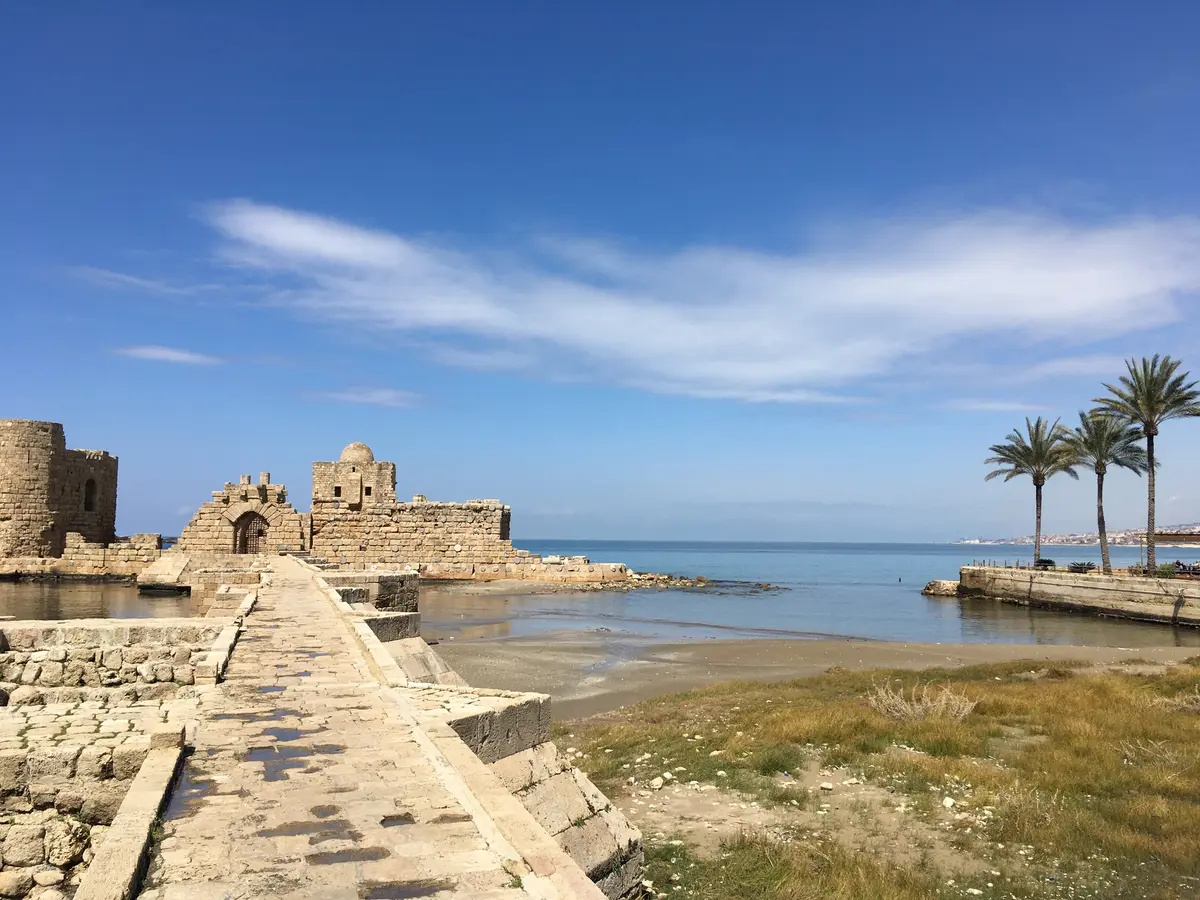
Sidon is a conservative Sunni city. Dress for the old city the same way you’d dress for Tripoli: women cover knees and shoulders, men wear long pants. The Sidon Sea Castle is the headline tourist site but sits directly next to the conservative old city, so a “tourist site” outfit doesn’t get a pass. The terrain is uneven — sturdy walking shoes matter for both safety and respect.
Tyre (Sour) — the split-personality city
Tyre is unique in the South for how cleanly its zones divide.
- Christian Quarter and port area: Liberal bubble. Alcohol served openly. Shorts, tank tops and summer dresses are normal.
- Outside the Christian quarter: Conservative Shia city. Cover up.
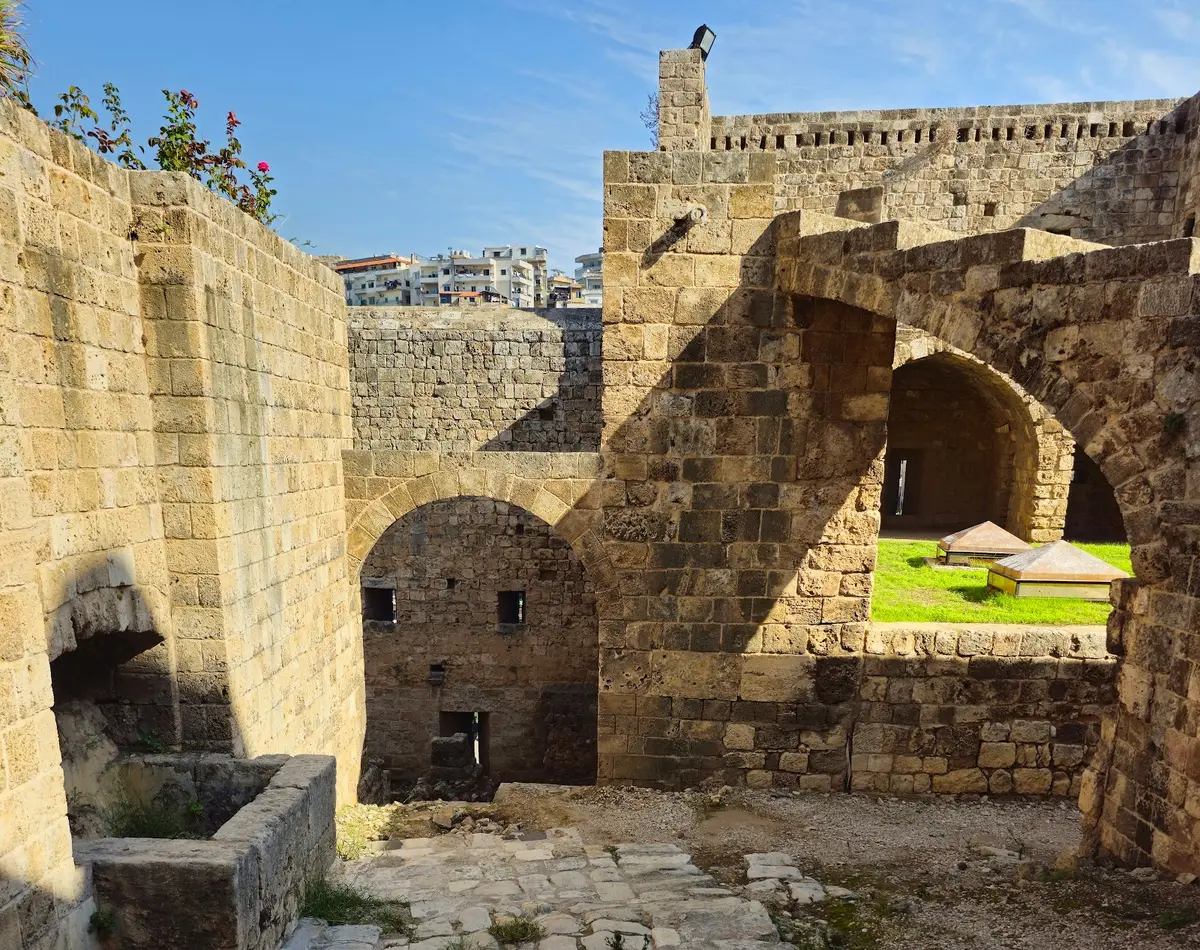
- Al-Bass Archaeological Site and the route to the Hippodrome: Pass through conservative neighborhoods — full coverage applies.
Pro Tip: When visiting the Al-Bass ruins from the beach, throw a long-sleeved button-down over your swimsuit and pull on linen pants in the car. The archaeological site itself is relaxed, but the 10-minute walk through the surrounding neighborhood is not.
How should you dress in the Bekaa Valley and the mountains?
The mountains require balancing cultural conservatism with the practical demands of outdoor terrain. Hiking gear that works in the Rockies will get you side-eyed in a Maronite monastery and mistaken for a soldier near a Bekaa checkpoint.
Baalbek and the Bekaa Valley
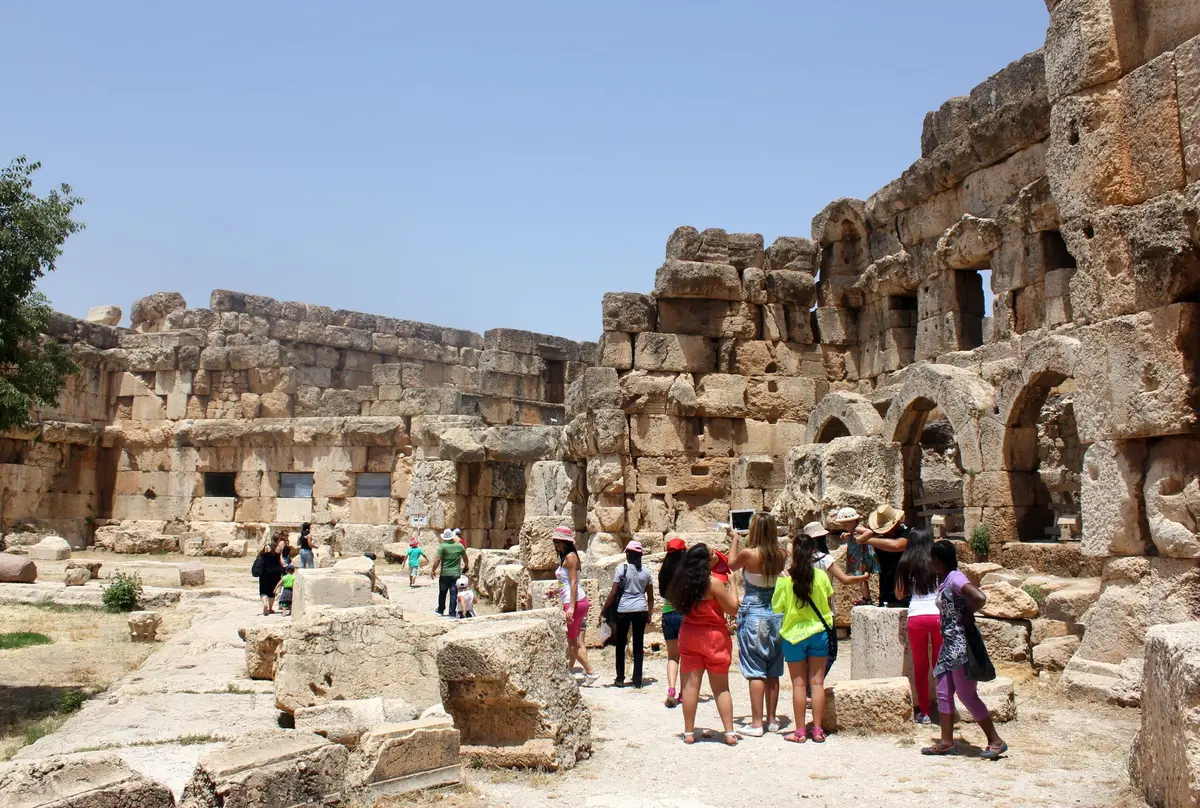
The Bekaa is a region where political affiliation is openly displayed on flags, banners and posters. Inside the Baalbek ruins themselves — the Temple of Jupiter and Temple of Bacchus complex — rules are looser thanks to international tourist traffic. Shorts and sleeveless tops are tolerated within the ticketed area. Foreigner entry is around 1,000,000 LBP (roughly $11), payable in USD or LBP at the gate.
The town surrounding the ruins is a different world. Walking from the parking area to a restaurant in short shorts will make you extremely conspicuous. The sarong trick from Tyre applies here too: wrap it as a makeshift skirt for the walk into town.
Qadisha Valley
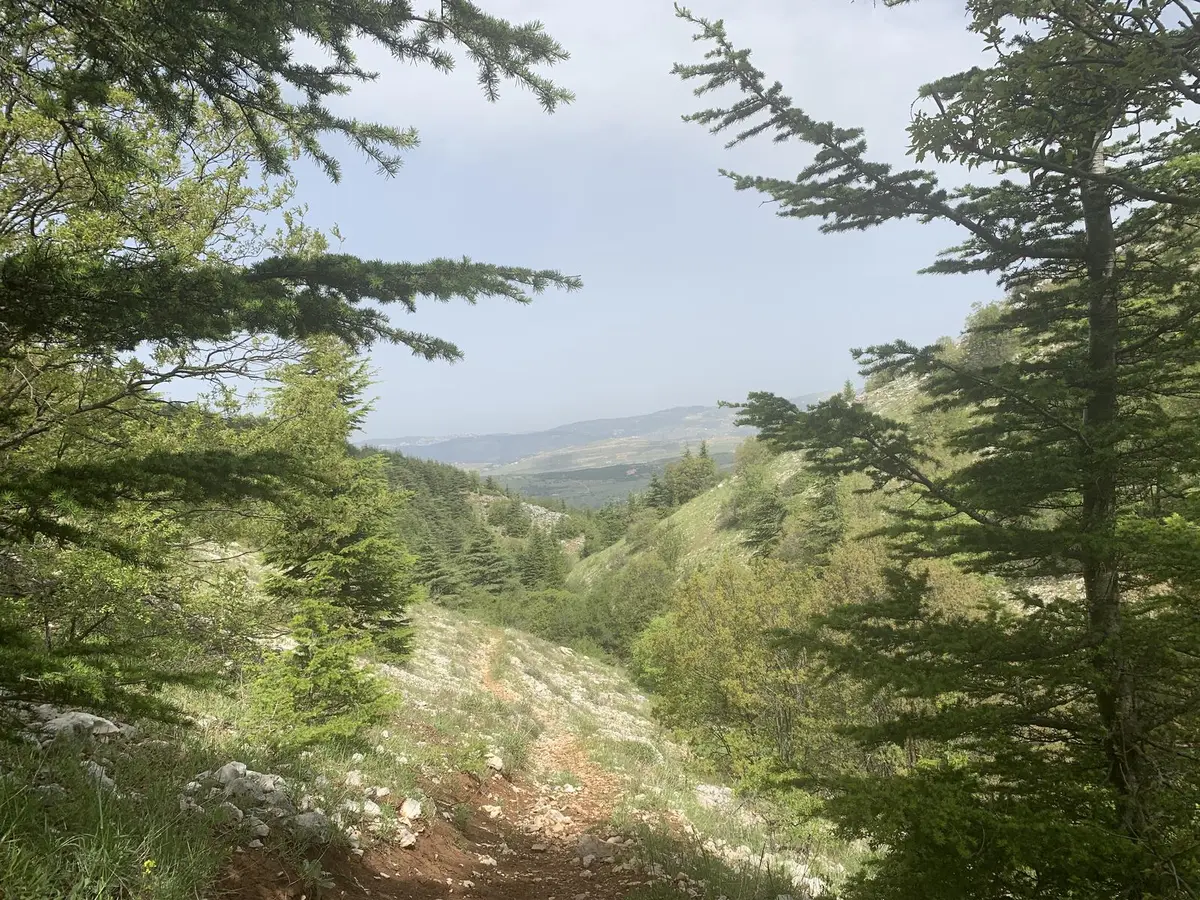
The Qadisha Valley is a Maronite Christian stronghold and UNESCO site studded with monasteries. The dilemma: hiking the Qadisha Valley demands technical gear, but the destination is often a sacred site like St. Anthony of Qozhaya monastery.
The fix:
- Bottoms: Convertible hiking pants, or carry lightweight track pants to pull over hiking shorts before reaching the monastery
- Tops: Carry a lightweight scarf or shirt to cover shoulders
- Reality check: Monks will turn away visitors with exposed legs or shoulders. The “sporty” look is fine; the “revealing” look is not.
What’s the etiquette for visiting religious sites?
Lebanese religious sites are active places of worship, not museums. Dressing for them is participation in the sanctity of the space, not theater. The basic answer: at mosques, women cover hair, arms and legs and men cover legs and shoulders; at churches and monasteries, “respectable” attire is expected with no bare shoulders or short hems.
Mosques
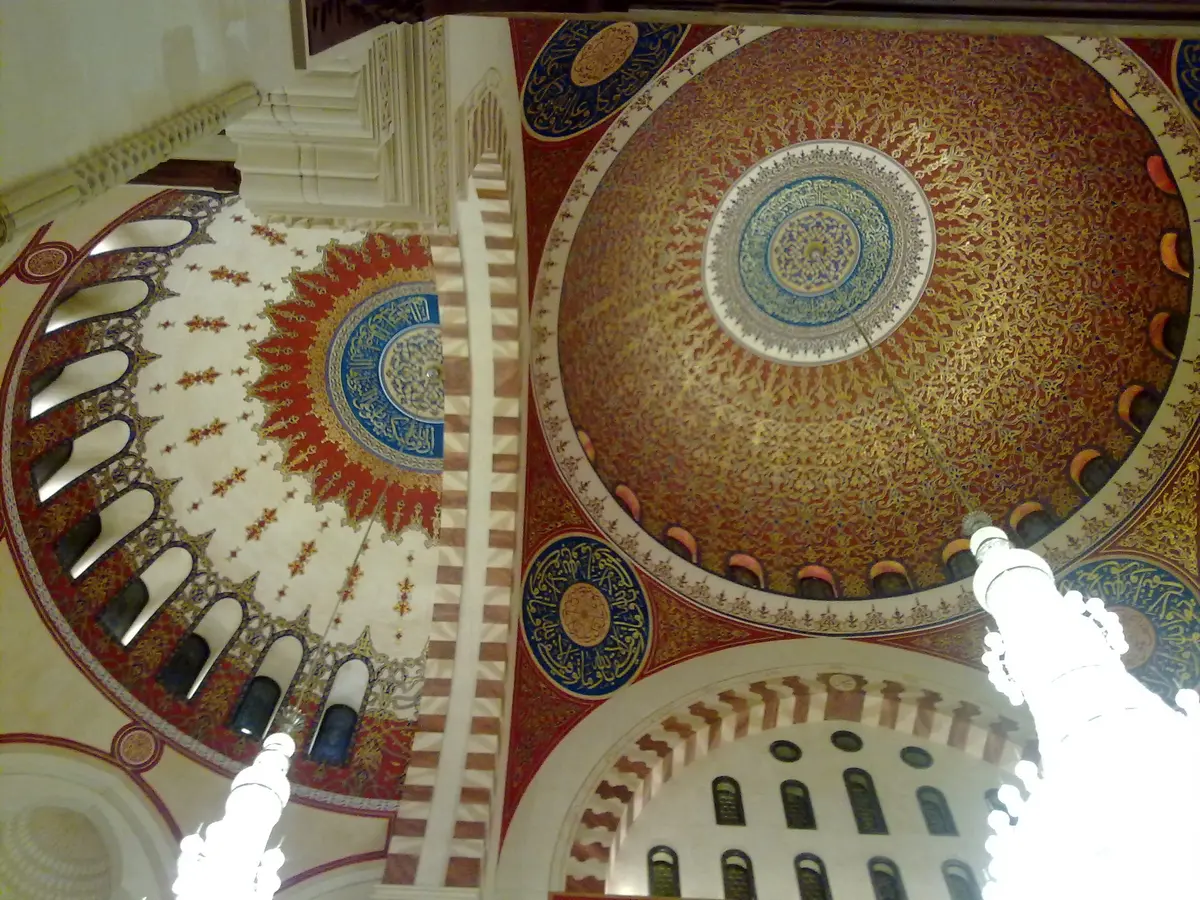
Shoes come off at the entrance. Women cover hair, arms and legs. Men cover legs (no shorts) and shoulders (no tank tops). Major tourist mosques like Mohammad Al-Amin Mosque in Beirut and the Great Mosque of Tripoli provide loaner abayas and headscarves at the door.
The loaners are convenient but often shared between dozens of visitors a day. Bringing your own loose long shirt and a thin scarf is more hygienic and lets you actually focus on the architecture instead of adjusting borrowed fabric. Silence is expected; photography should be discreet and never aimed at people praying.
Churches and monasteries
Head coverings are not generally required for women in Lebanese churches. “Church respectable” is the bar — meaning no bare shoulders in older churches, no mini-skirts, no low necklines. Modern parishes in Beirut are more relaxed than ancient monasteries.
Pilgrimage sites maintain stricter standards. For Our Lady of Lebanon at Harissa, men remove hats and women avoid low-cut tops and short hemlines. The cable car up makes it tempting to dress for the view; dress for the basilica instead.
How should you pack for Lebanon’s micro-climates?
The one-day reality is that you might need beach club, mosque and rooftop dress in the same 12 hours. The wardrobe has to be modular. The most reliable system is layering — building outfits that can adjust up or down for the social temperature of the next stop.
The layering kit that works:
- Base layer: Breathable tank top or t-shirt for heat and liberal areas
- Modesty layer: Unbuttoned linen shirt, kimono or lightweight cardigan you can throw on instantly when entering a souk, mosque or shared taxi
- Bottoms (the MVP): Loose-fitting linen or cotton pants — cool in the heat, accepted in 100% of locations from rooftops to mosques
- Footwear: Clean white-leather fashion sneakers for the city; one pair of sturdier shoes for ruins
- Accessory: Lightweight scarf large enough to cover hair or shoulders
- Skip entirely: Camouflage, military-style cargos, anything with US-flag motifs
For solo female travelers in Lebanon, dress functions partly as a tool for managing unwanted attention. In conservative areas, very Western dress can be read as an invitation. Modest layering doesn’t eliminate harassment, but it noticeably lowers the volume.
Before you book
The Lebanese dress code is less about restriction and more about reading rooms — the country’s contrasts are its character, and matching the room is how you stop being a spectator and start being a guest.
TL;DR: Pack loose linen pants, fashion sneakers, a sarong and a scarf. Default to long pants for men in any neighborhood that isn’t a beach or rooftop. Cover shoulders and knees in Tripoli, Sidon, Dahieh and the conservative parts of Tyre. Skip camouflage entirely. The polished version of a modest outfit always outranks the sloppy version of any outfit.
What’s the one piece you’ve packed for a culturally complex destination that turned out to be more useful than you expected? Drop it in the comments — readers planning their first trip to Lebanon will use it.