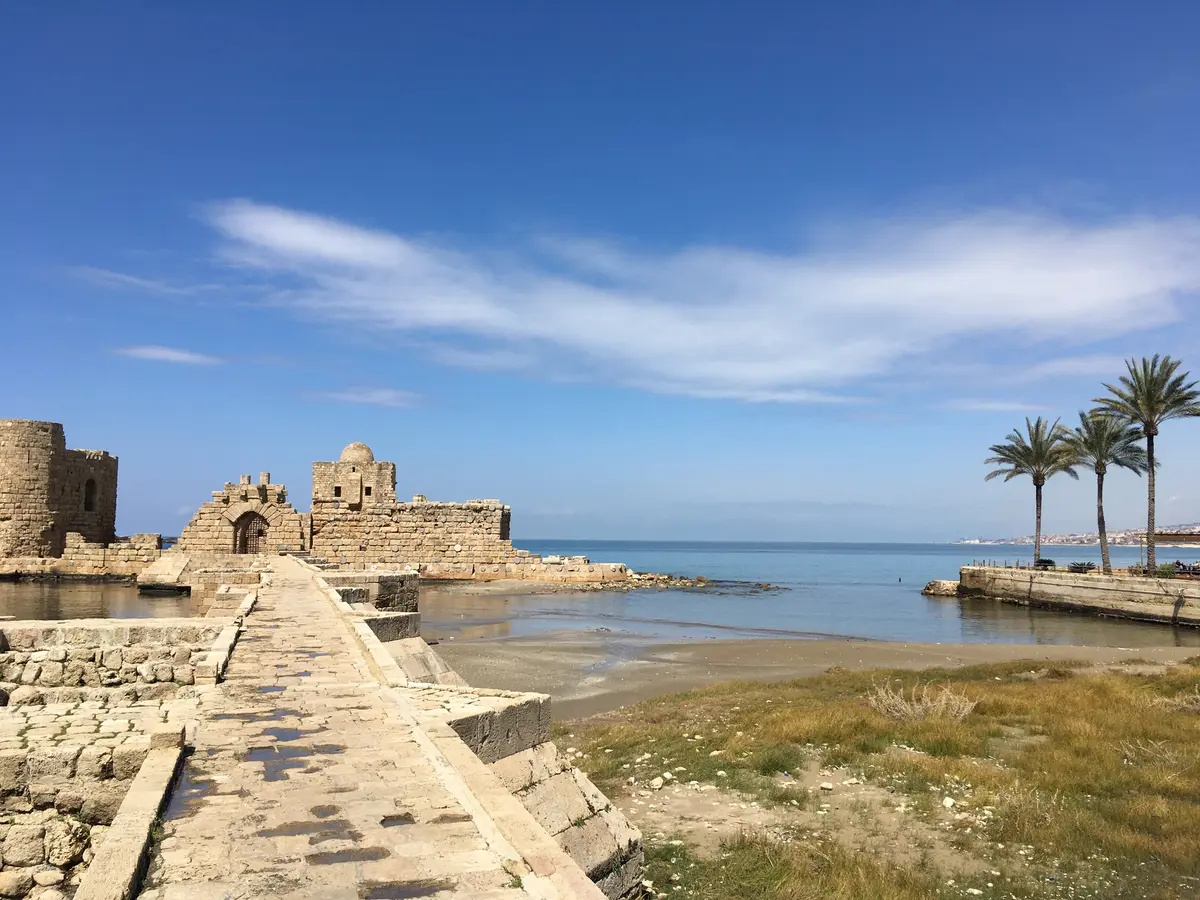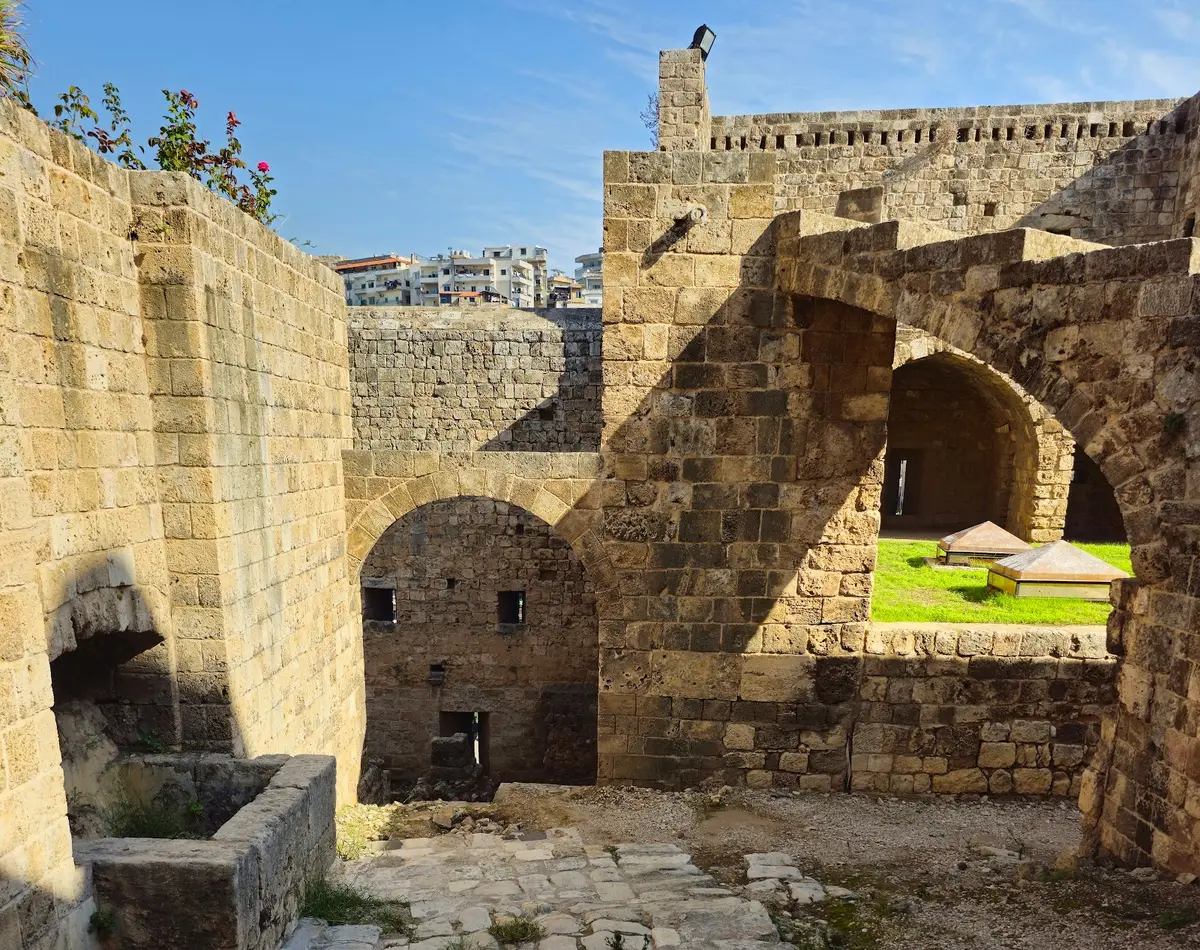
Choosing where to stay in Batroun is really a choice between two versions of the same coastal town — the air-conditioned resort strip, or a 150-year-old sandstone house with a solar-powered AC and a cocktail bar three doors down. Both work. They just attract different travelers, and the trade-offs matter more in Lebanon than almost anywhere else you’ll book.
Travel advisory note: The US State Department has maintained a Level 4 “Do Not Travel” advisory for Lebanon, most recently updated February 23. The UK FCDO and Australian Smartraveller have issued similar warnings. Check your government’s current guidance and your insurance coverage before booking. Batroun itself sits well north of the flagged South Lebanon and Syrian border zones, but the overall security and infrastructure situation remains volatile.
What are the two main accommodation zones in Batroun?
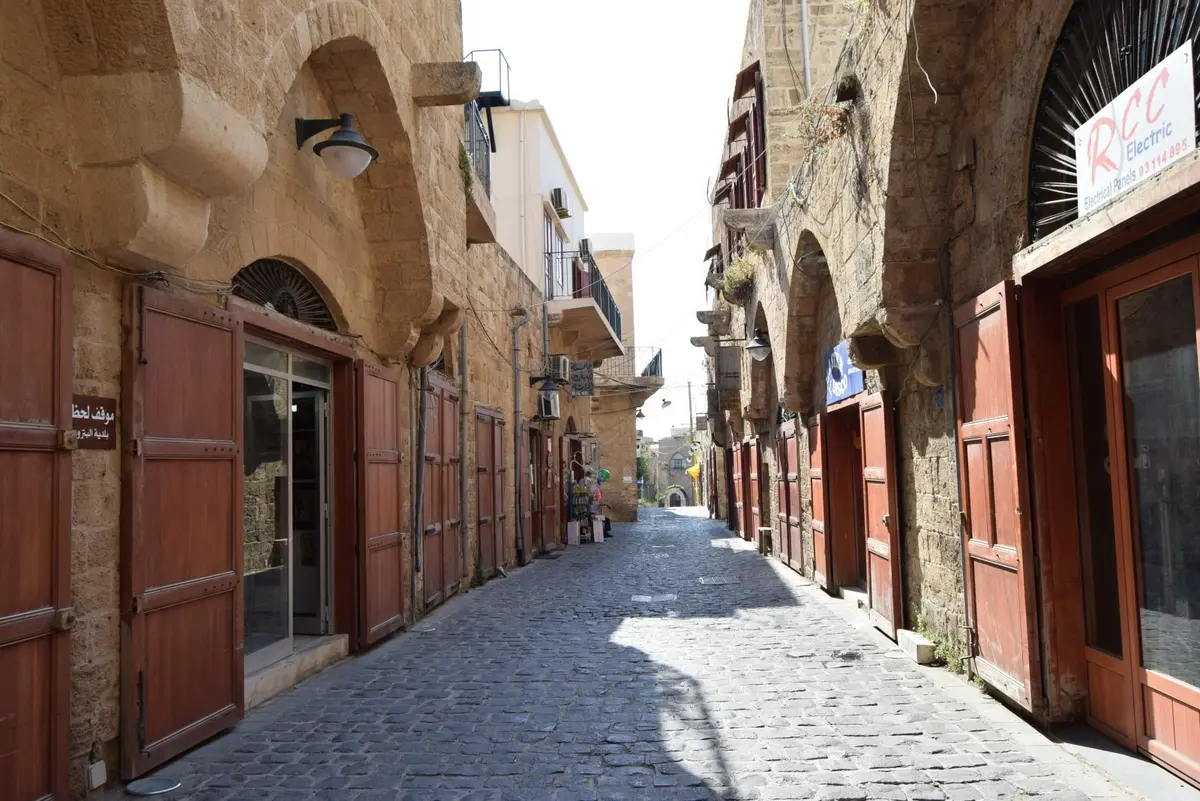
Batroun splits cleanly in two. The coastal resort strip along Bahsa and Thoum is where the traditional hotels and beach clubs live. The historic Old Souk and the Mina port area are packed with boutique guesthouses, converted Ottoman houses, and professionally managed Airbnbs.
This isn’t just geography — it’s a choice between heritage and predictability. Zoning around the Old Souk restricts new hotel construction to protect the 19th-century sandstone architecture, which is why dozens of arched-window, vaulted-ceiling homes have been converted into guesthouses instead. The actual character of the city — the stone walls, the cafes spilling onto narrow lanes, the live music on Thursday nights — lives inside those guesthouses, not in the hotel lobbies on the highway.
The trade-off is self-service. An Ottoman house with a spiral staircase does not come with an elevator, a concierge, or a duty manager to call when the AC quits at 2 a.m.
How does Lebanon’s electricity crisis affect hotels in Batroun?
State electricity in Lebanon averages 2-4 hours per day, and some areas receive even less. Every property in Batroun bridges this gap either with a diesel generator, a solar-and-battery setup, or both. The quality of that backup system matters more than the thread count of the sheets — it determines whether your AC runs through the night and whether your Wi-Fi survives a power switch.
Lebanon’s off-grid solar capacity jumped from 78 MW in 2019 to roughly 1,300 MW by end of 2023, and Batroun’s high-end rentals rode that wave harder than most hotels did.
How hotels handle power
Larger hotels like L’Auberge de la Mer, Batroun Bahsa Bay, and Le Six rely primarily on diesel generators. These work — rooms rarely go fully dark — but each switchover creates a 5-to-20-second blackout that reboots Wi-Fi routers, resets TVs, and interrupts video calls. You’ll also hear the generator hum, especially in rooms facing the service side of the building. Fuel costs get baked into the nightly rate.
How guesthouses and Airbnbs handle power
The top tier of the rental market has gone aggressively solar. Listings like Batroun Retreat and Blue Marlin now market “24/7 electricity” and “solar inverter” as primary selling points, and a well-equipped inverter setup delivers cleaner, more stable power for laptops and cameras than a diesel genset ever will. The catch: lower-tier Airbnbs cap AC usage to protect battery life, sometimes restricting it to nighttime hours only. Read the listing carefully — the phrase you want is “24/7 solar backup including HVAC,” not just “generator backup.”
Pro Tip: If you’re booking an Airbnb sight unseen, message the host directly and ask whether the AC runs on solar after sundown. A vague answer is a red flag. A specific answer (“yes, the inverter handles one split unit until 6 a.m.”) is a green light.
What about Wi-Fi for remote work?
Fiber from Ogero has reached parts of Batroun, but coverage is uneven. Hotels typically share a single line across every room, which means usable speeds in the morning and evening congestion once guests start streaming. Airbnb Wi-Fi is a lottery — a good listing pairs fiber with a backup 4G router, while a budget one relies on a slow DSL line that drops during power cuts. For serious calls, plan to use one of the coworking spaces in town rather than your room.
Which hotels in Batroun are actually worth booking?
Three hotels consistently show up in guest reviews and rank for reliability rather than heritage charm. Pick this route if you want valet parking, a front desk, and a backup plan for every infrastructure hiccup.
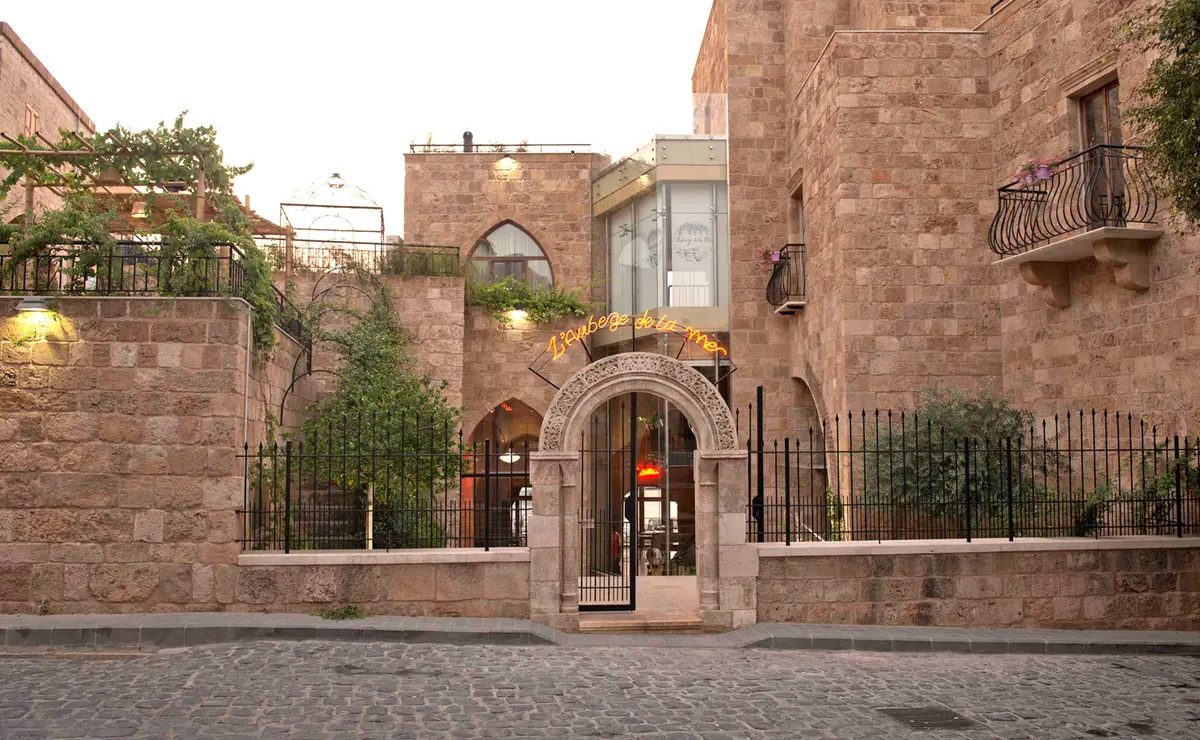
L’Auberge de la Mer
Steps from the fishing port and a 5-minute walk to the Old Souk. The on-site restaurant and marina views are the draw, and the staff consistently get flagged in reviews as the reason people rebook. Rooms are hotel-grade rather than boutique-quirky. Valet parking alone justifies part of the premium — street parking near the Old Souk is a genuine headache, and garages charge daily.
- Location: Near the fishing port, walking distance to the Old Souk
- Cost: from $256/night
- Best for: Couples and mid-range travelers who want Old Souk access without self-check-in
- Time needed: 2-4 nights
Batroun Bahsa Bay
A location-first pick directly on the Bahsa coast with immediate beach access. Service is standard rather than standout — this property sells geography, not hospitality. Book it if you plan to spend most of your time on a lounger and only use the room to sleep and change. Generator switchovers are noticeable.
- Location: Bahsa coastal strip, south Batroun
- Cost: mid-range, roughly $90-150/night depending on season
- Best for: Beach-first travelers, summer visitors
- Time needed: 2-3 nights
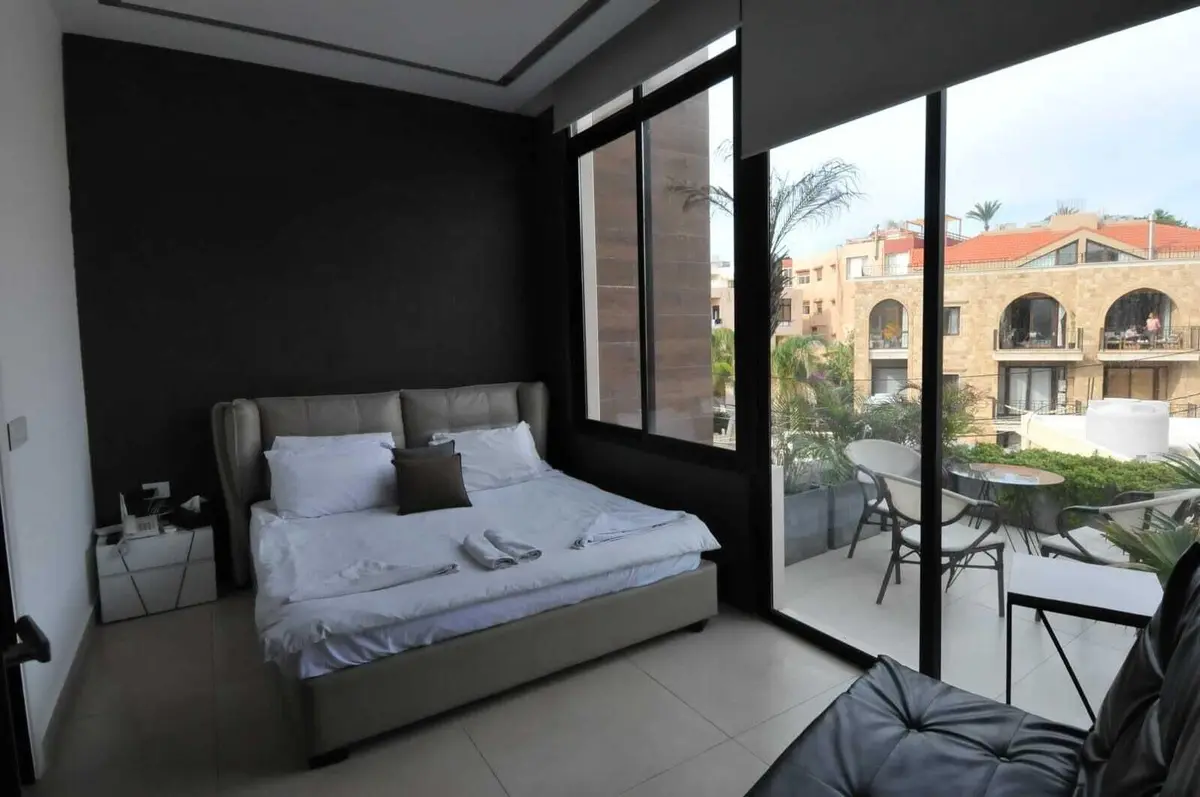
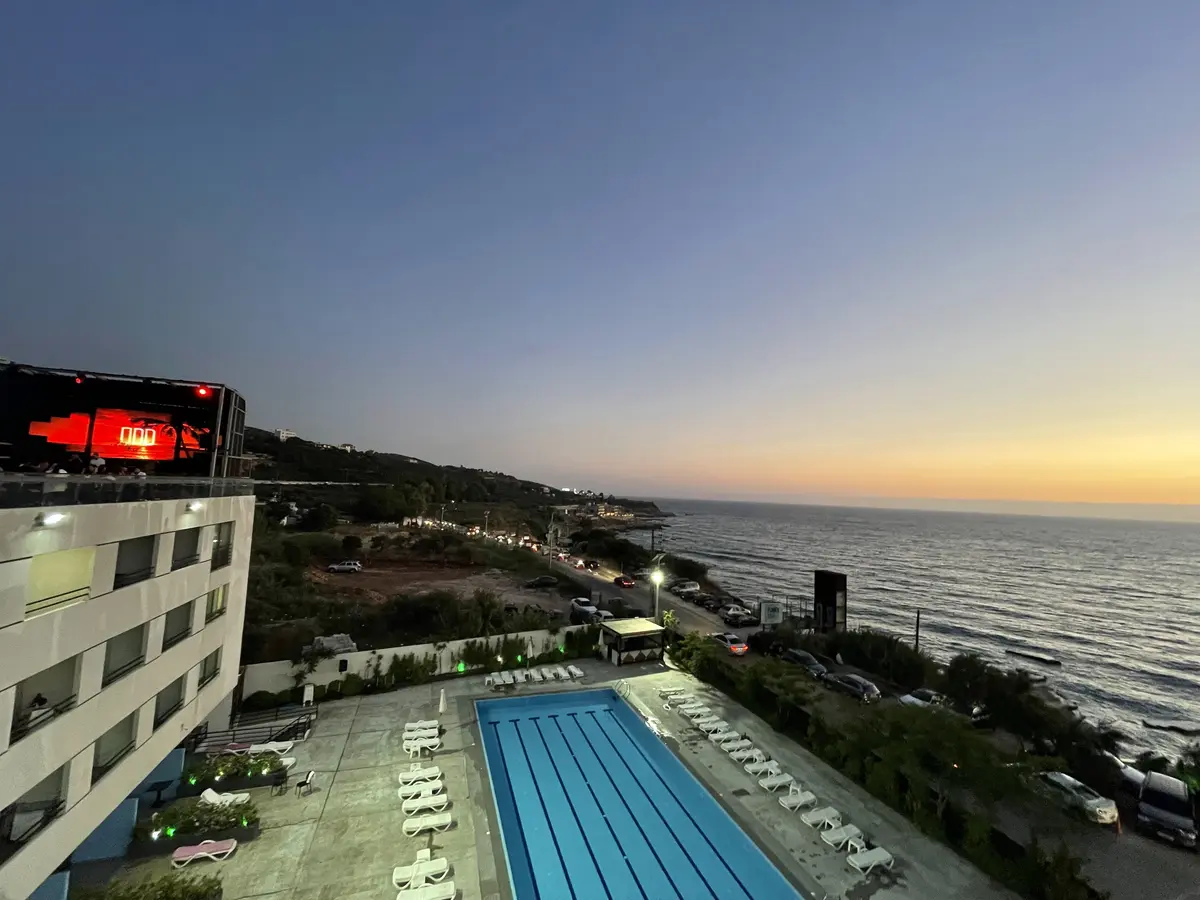
Le Six Resort Hotel
Sits in Thoum, south of the city. Modern, clean, pool-equipped, and the most “resort-like” of the three — meaning elevators, predictable plumbing, and car access. The catch is that you’re not walking to the Old Souk. Expect a $5-8 taxi each way, or a 10-minute drive. For families with young kids or travelers with mobility issues, the isolation is actually a feature.
- Location: Thoum, 10 minutes south of central Batroun
- Cost: mid-range, roughly $120-180/night
- Best for: Families, travelers needing elevator access, pool-first stays
- Time needed: 3-5 nights
Which Batroun guesthouses and Airbnbs deliver the real experience?
This is where Batroun’s personality actually lives. For experiential travelers, the managed boutique guesthouse is usually the winner — you get heritage architecture and cultural immersion with enough professional oversight that the infrastructure doesn’t wreck your trip.
Villa Paradiso
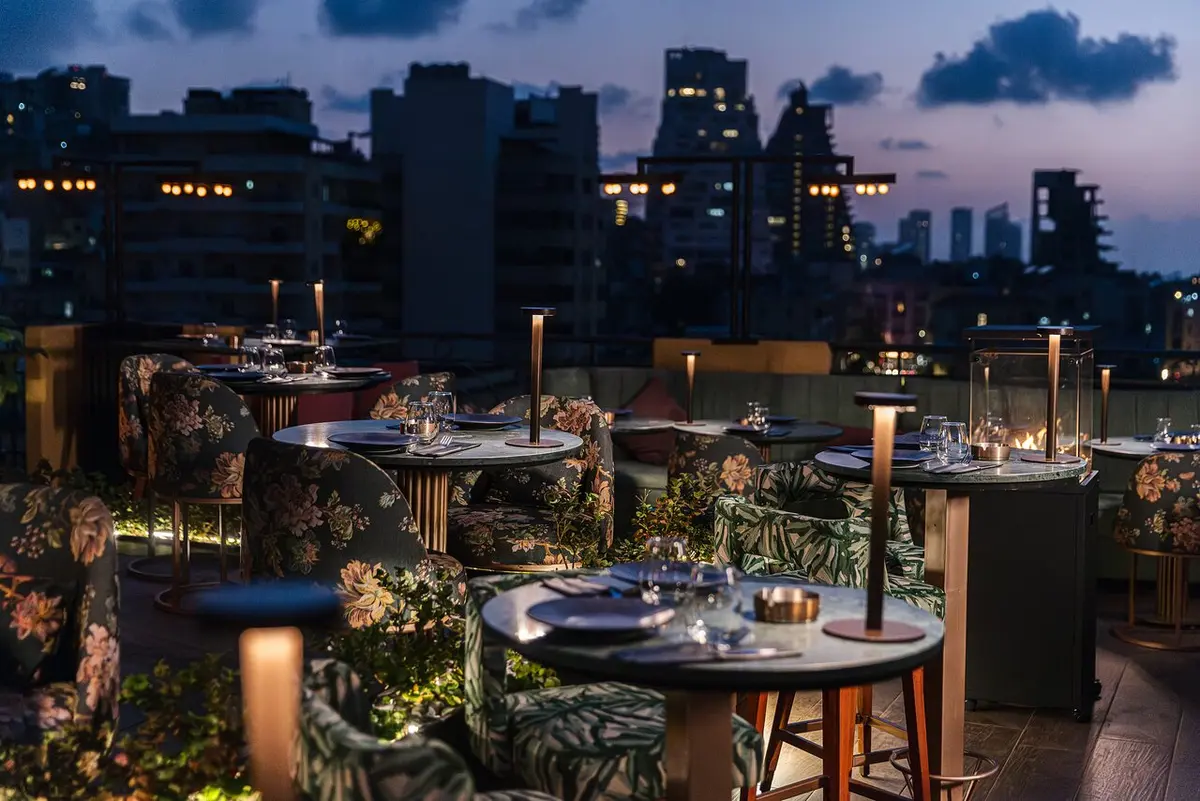
The flagship of the heritage-conversion movement. Less a hotel, more a 19th-century sandstone house with eco-conscious design, upcycled furniture, and solar backup. Location is pure Old Souk — which means bars, restaurants, and live music are all a 90-second walk away. Light sleepers should know the weekend noise from nearby bars carries until 2 a.m. The windows are thick, but they’re not soundproof.
- Location: Old Souk, central Batroun
- Cost: premium, roughly $180-280/night
- Best for: Design-conscious travelers, couples, photographers
- Time needed: 2-4 nights
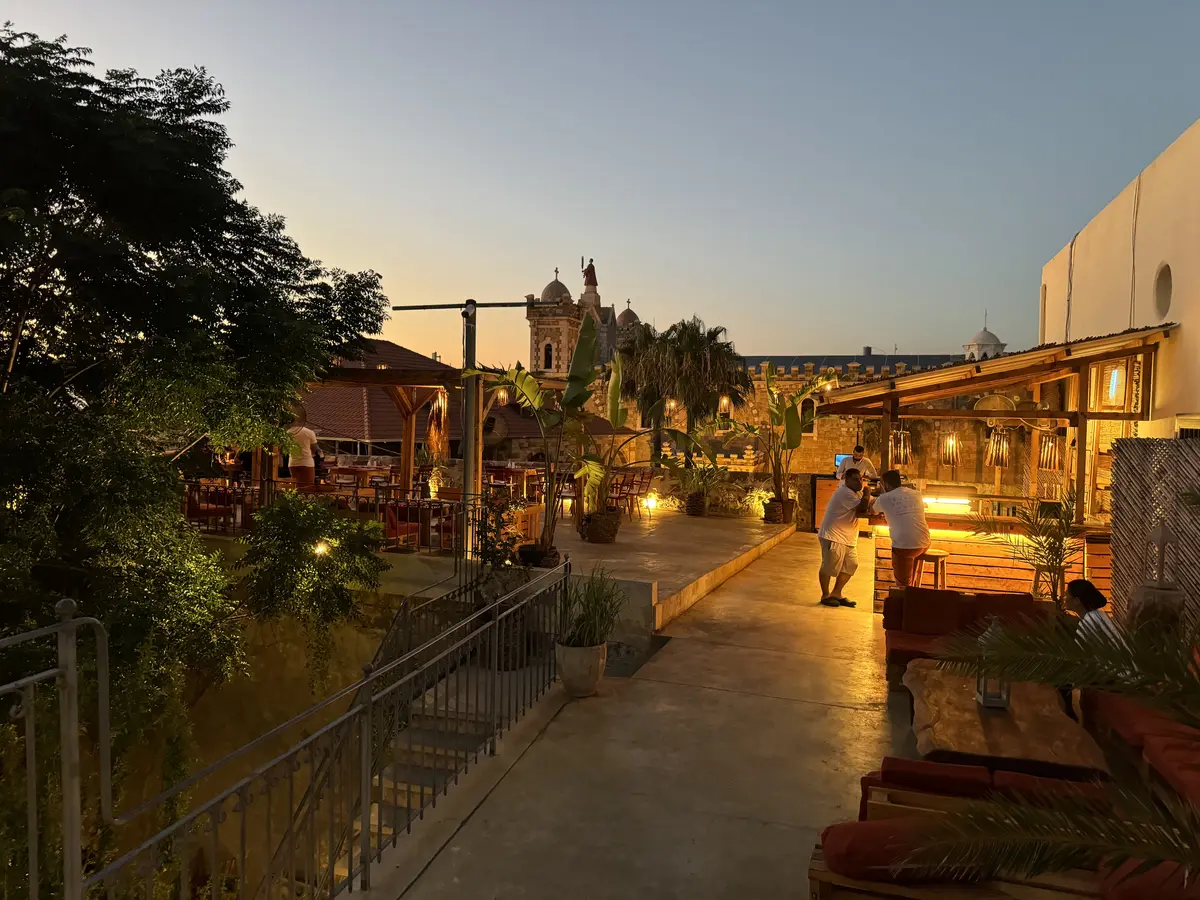
Blue Marlin Batroun
A six-or-seven-room boutique property that operates more like a guesthouse-hotel hybrid. The host functions as a de facto concierge, which is a major asset in a country where Google Maps routinely sends you down closed streets. The rooftop terrace is a legitimate selling point — you can see the sea from it. Rooms are compact; the bathrooms could use an update. Walking distance to the beach and the Old Souk, which is rare.
- Location: Central Batroun, walking distance to both Old Souk and beach
- Cost: mid-range, roughly $120-170/night
- Best for: Solo travelers, couples, first-time visitors to Lebanon
- Time needed: 3-4 nights
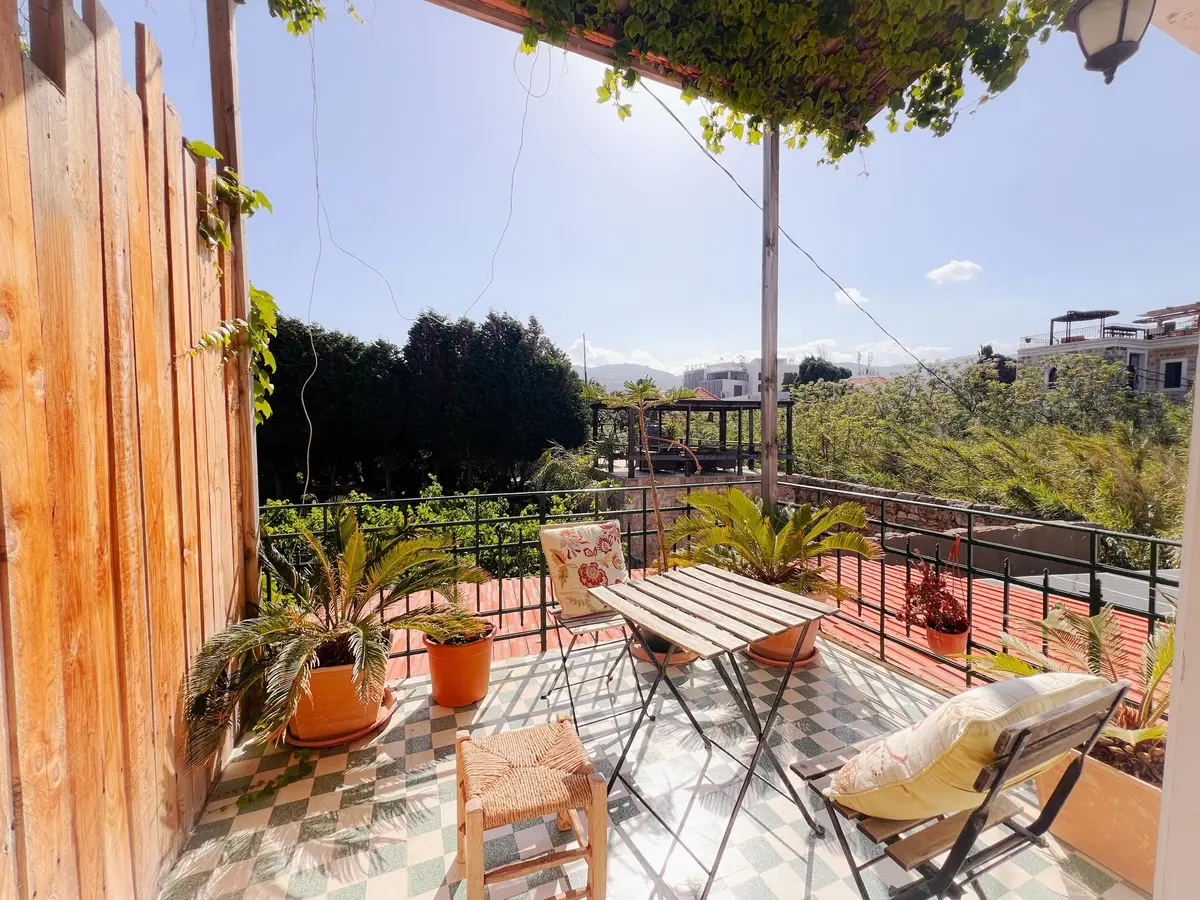
Beit al Batroun
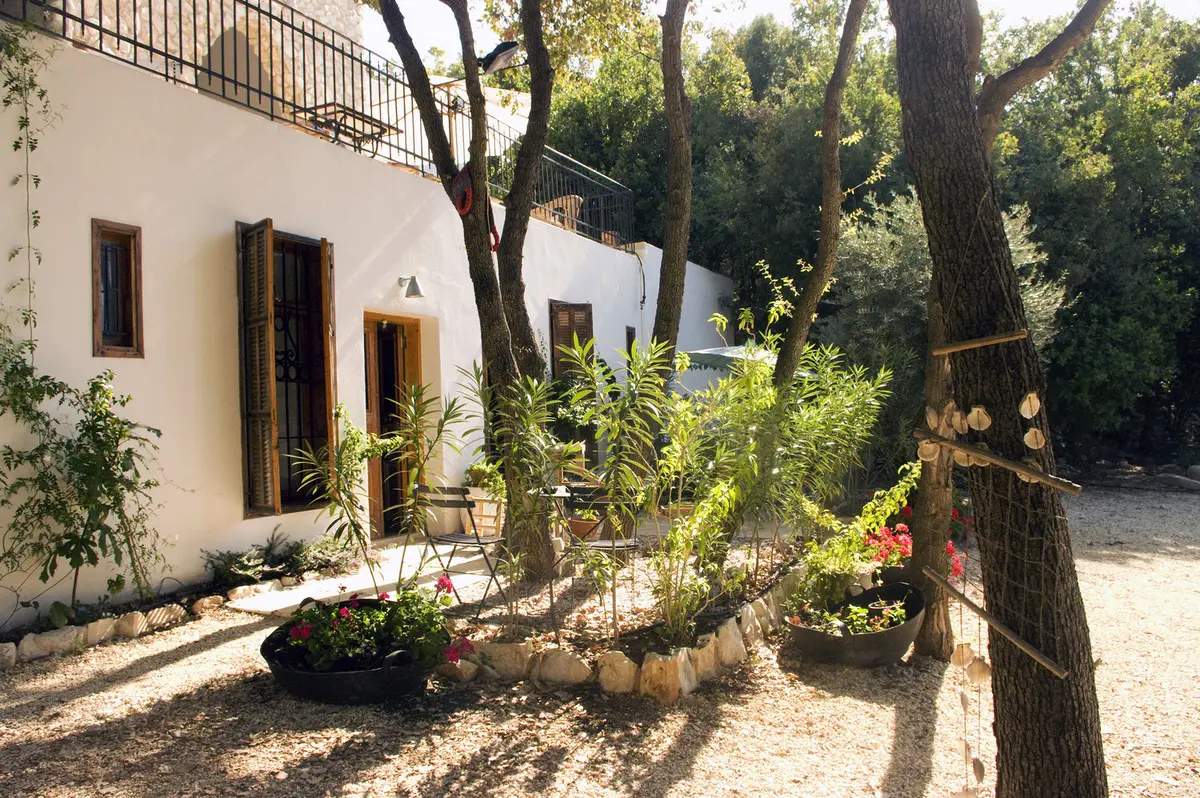
Tuscan-style retreat in the hills above Thoum, surrounded by olive trees. This is the silence option — no bar noise, no beach traffic, no Souk crowd. Private pool, cooler air at elevation, and panoramic views of the coast below. The trade-off is total car dependency. Walking into town isn’t practical; the terrain is hilly and there are no sidewalks on the access road.
- Location: Hills above Thoum, 10-15 minutes by car to the Old Souk
- Cost: premium, roughly $200-320/night
- Best for: Couples, older travelers, anyone prioritizing quiet
- Time needed: 3-5 nights
Batroun Retreat
Represents the professionalized long-stay rental sector. Markets itself on continuous electricity and high-speed Wi-Fi, includes washing machines and full kitchens, and scales well for groups. For four people, a multi-bedroom unit here typically beats two hotel rooms on both price and space.
- Location: Central Batroun (varies by unit)
- Cost: varies, roughly $130-250/night depending on unit size
- Best for: Digital nomads, families, groups of 3-6
- Time needed: 5+ nights (best value kicks in for longer stays)
Pro Tip: Book top guesthouses at least 2-3 months ahead for June, July, and August. Batroun is small, the heritage inventory is limited, and weekends fill up with Beirut locals escaping the city.
Which Batroun neighborhood should you book?
Each zone has a different personality and different headaches. Pick based on what you actually want to do with your days.
The Old Souk
Cobblestone streets, open-air bars, live music on weekends. Walking distance to almost every restaurant, cafe, and landmark worth visiting. The downside is weekend noise — bars stay loud until 2 a.m. — and zero parking. Ground-floor apartments can feel damp in shoulder season because the old stone walls hold humidity.
Bahsa and the seaside
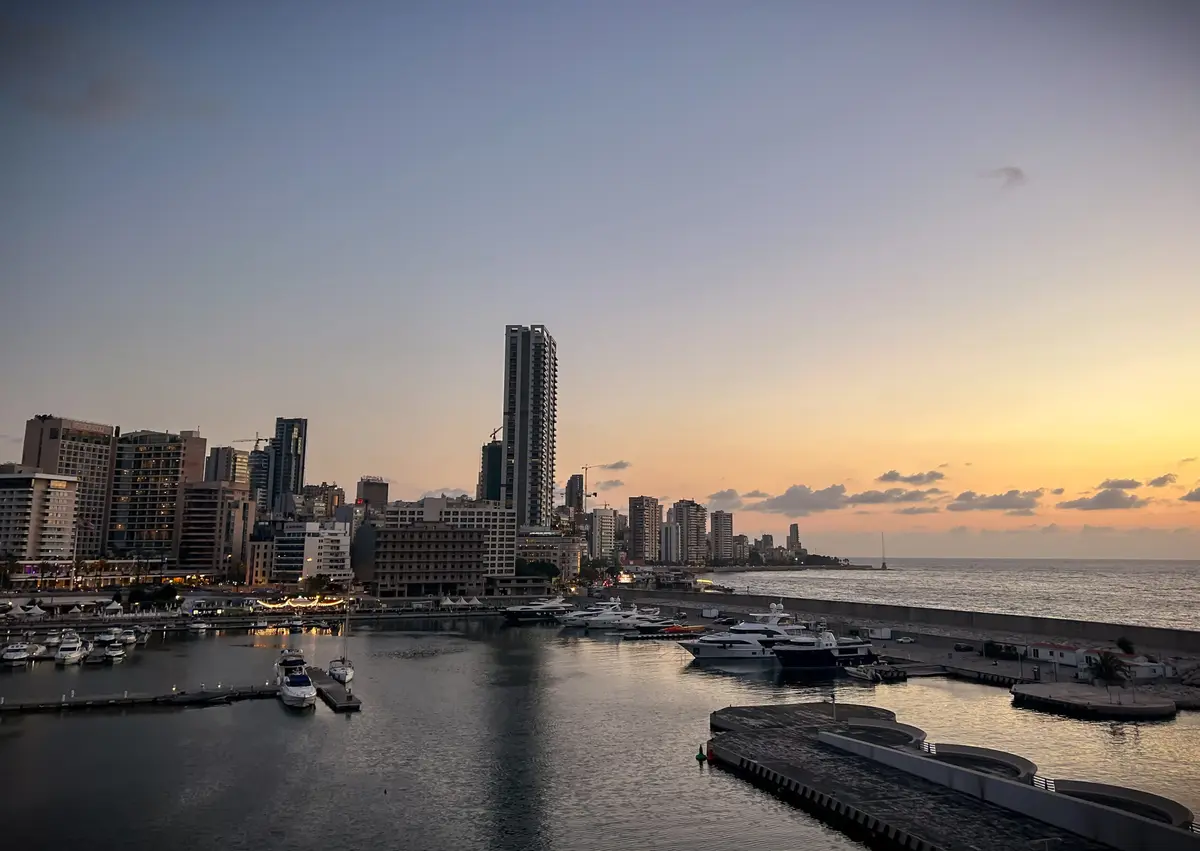
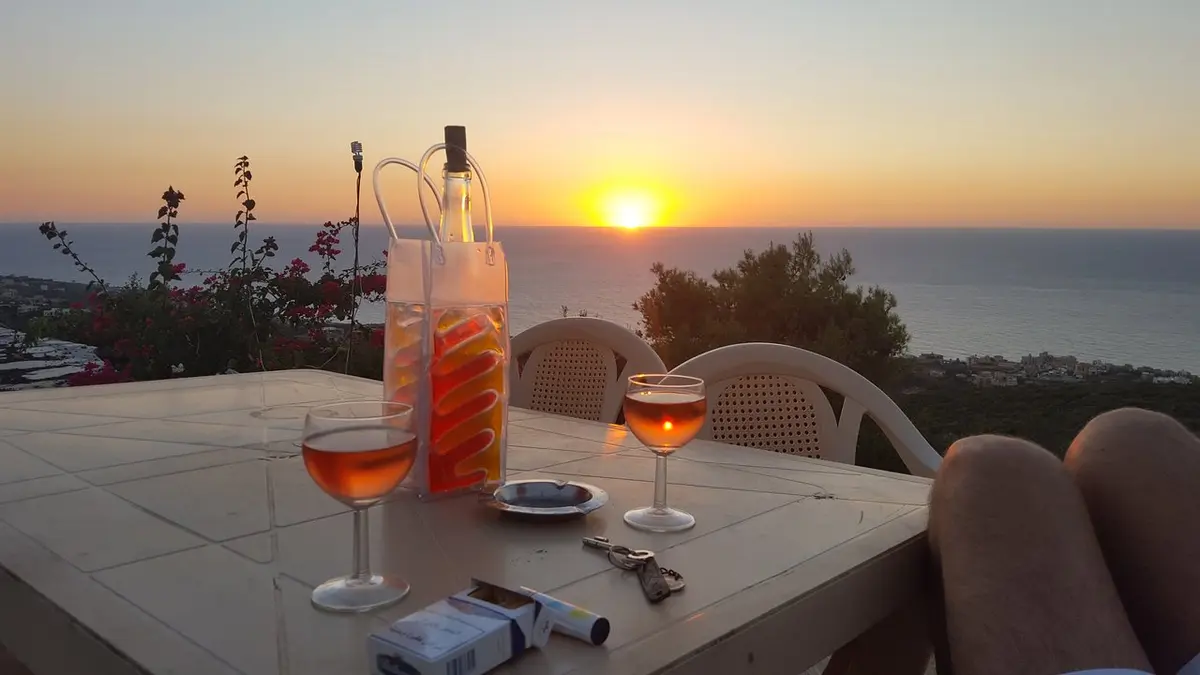
Beach club central along the southern coast. Direct sea access, a handful of places to watch the sunset over the water, and a cluster of restaurants along the strip. The coastal road jams on Sundays when day-trippers arrive from Beirut, and beach-club music can be loud through the afternoon.
Thoum and the hills
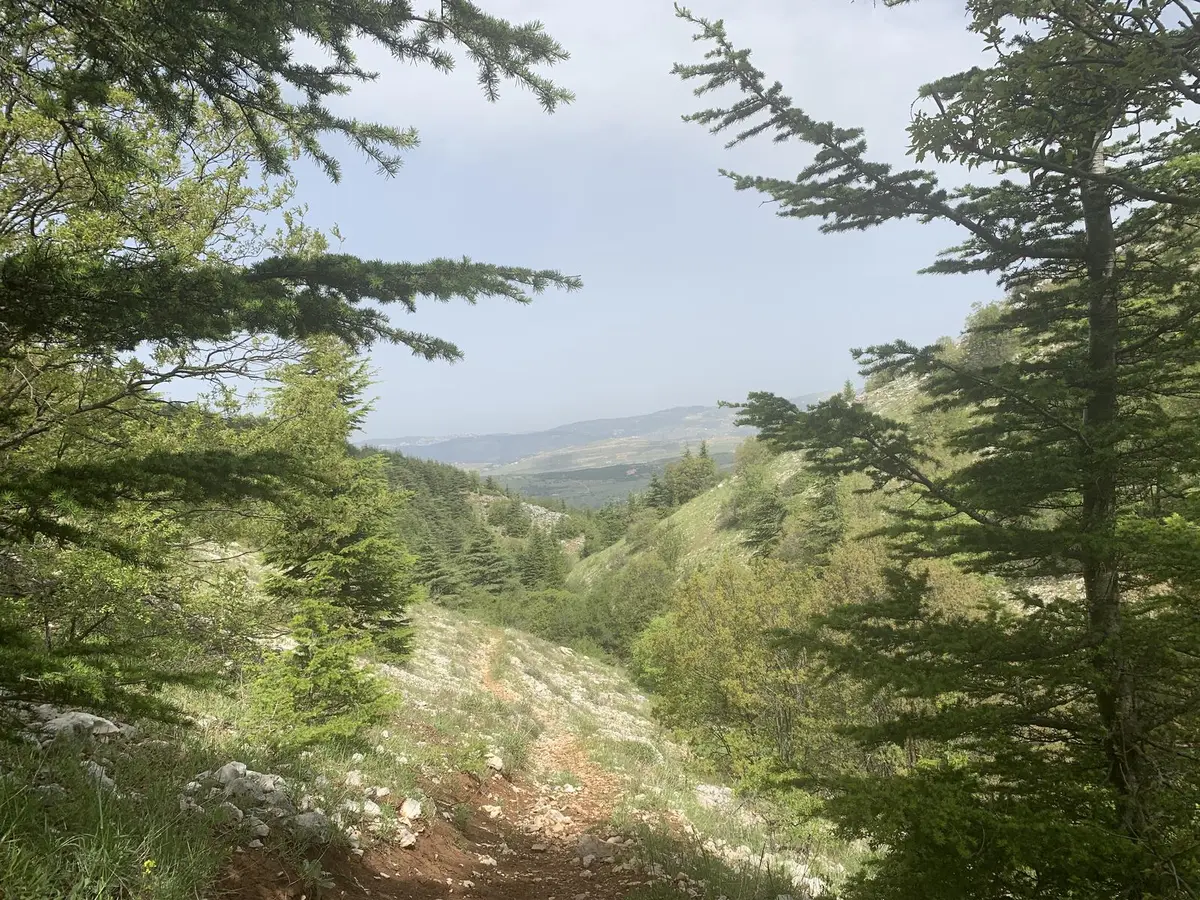
Retreat and luxury on rising terrain behind the coast. Silence, panoramic views, private pools, and cooler evening temperatures. You need a car or rideshare for everything — walking into town isn’t viable.
Mina (the port)
Fisherman’s-chic, quieter than the Old Souk, excellent seafood (Toutia and Chez Maguy are both nearby). Slightly removed from the main swim spots at Bahsa. Best for travelers who want a working-harbor feel rather than a party scene.
How do you handle cash and payments in Batroun?
Lebanon runs on a dual-currency system, and guesthouses are far less flexible about payment method than hotels are. Larger hotels (L’Auberge, Le Six) accept credit cards; most boutique guesthouses booked directly over WhatsApp demand fresh USD cash at check-in. Airbnbs booked through the platform charge your card in USD and bypass the local banking mess entirely.
The “fresh dollar” rule
USD bills must be new, unmarked, and uncreased. Worn notes, ink marks, or tears will be rejected — this is not negotiable, not a suggestion. Pull clean bills from your US bank before flying, and bring a mix of denominations. Tuk-tuk drivers and small guesthouse owners often can’t break a $100.
Expect these hidden costs
- Bottled water: $1-3 per large jug (tap water is not potable)
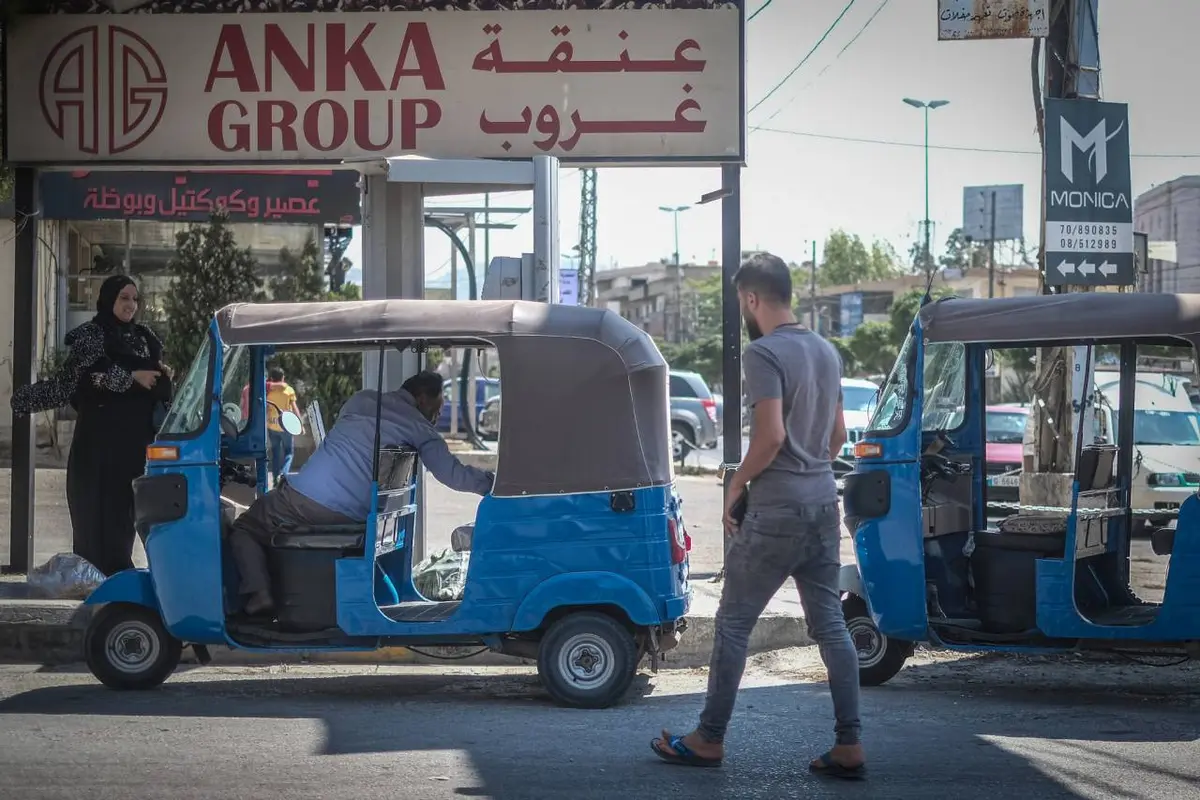
- Tourist taxis without a concierge: $8-15 per short ride vs. $3-5 for a tuk-tuk
- Breakfast outside the hotel: $10-20/person at a cafe
- Generator surcharge: baked into hotel rates, sometimes itemized separately at $5-15/night
Pro Tip: ATMs in Batroun are unreliable and often cap daily withdrawals at around $200. Bring more cash than you think you need. Losing a card in Lebanon without backup cash is a bad situation.
Is Batroun safe, and how do you get around?
Batroun itself is one of the lower-risk destinations in Lebanon. Petty theft exists but violent crime against tourists is rare, and the town has a community-focused, jovial nightlife scene. The bigger daily risks are road safety (Lebanese driving is aggressive and traffic accidents cause over 1,000 deaths nationally each year), the lack of sidewalks on the coastal road, and the unreliability of streetlights during power cuts.
Getting around the city
Tuk-tuks are the default for short trips — cheap, fast, and able to navigate the Old Souk lanes where cars get stuck. Expect $2-5 for rides within Batroun. For airport transfers from Beirut (about a 90-minute drive), book through a reputable private driver rather than flagging a taxi on arrival — prices run $60-90 and should be agreed in USD cash before you get in the car. Bolt operates in Beirut but has limited coverage in Batroun itself.
If you stay in the Old Souk or Bahsa, walking covers most of what you’ll want to do. A rental car only makes sense if you’re doing day trips to Tannourine, Bcharre, or the Qadisha Valley — and even then, parking in central Batroun is a liability, with daily lot fees and tight streets.
Health and water
Tap water is not safe to drink. Don’t use it for brushing teeth if you have a sensitive stomach. Hotels provide bottled water; in rentals you stock your own (supermarkets sell 5-liter jugs cheaply). Pharmacies are well-stocked and pharmacists usually speak English, which matters more than you’d think — if you need a prescription sorted, Lebanese pharmacies are often faster and cheaper than getting a doctor’s appointment.
Before you book
TL;DR: For experiential travelers, book a managed heritage guesthouse like Blue Marlin or Villa Paradiso — you get the 19th-century architecture and Old Souk access with enough professional oversight that the infrastructure won’t derail your trip. Families and travelers needing accessibility should stick with Le Six or L’Auberge de la Mer. Budget solo travelers and digital nomads do best in a vetted Airbnb with confirmed 24/7 solar — and nowhere else.
Top guesthouses sell out 2-3 months ahead for summer weekends, so book earlier than you think you need to. And check your government’s current travel advisory before you commit — the situation can shift fast.
What’s more important to you — Old Souk heritage or hotel-grade reliability? Tell me your trip dates and travel style in the comments, and I’ll point you toward the right neighborhood.