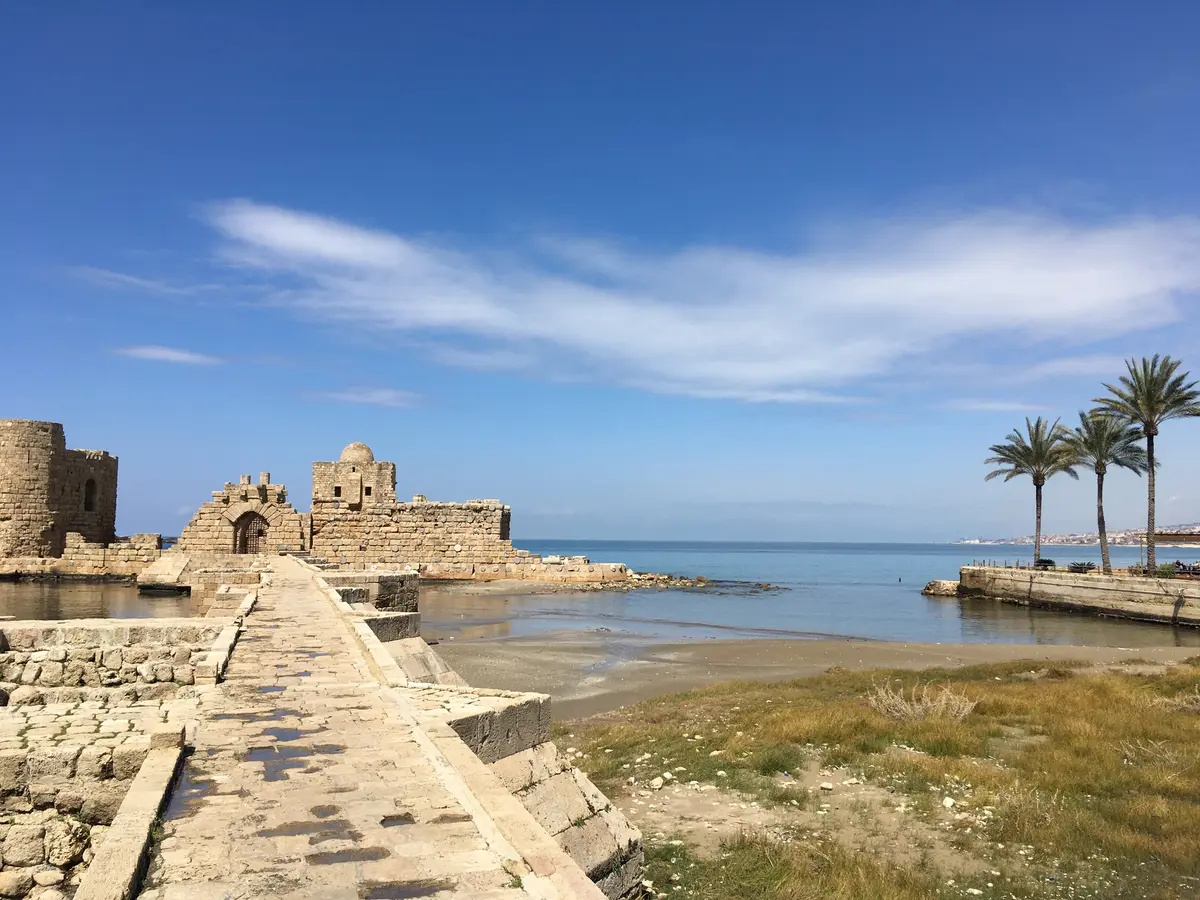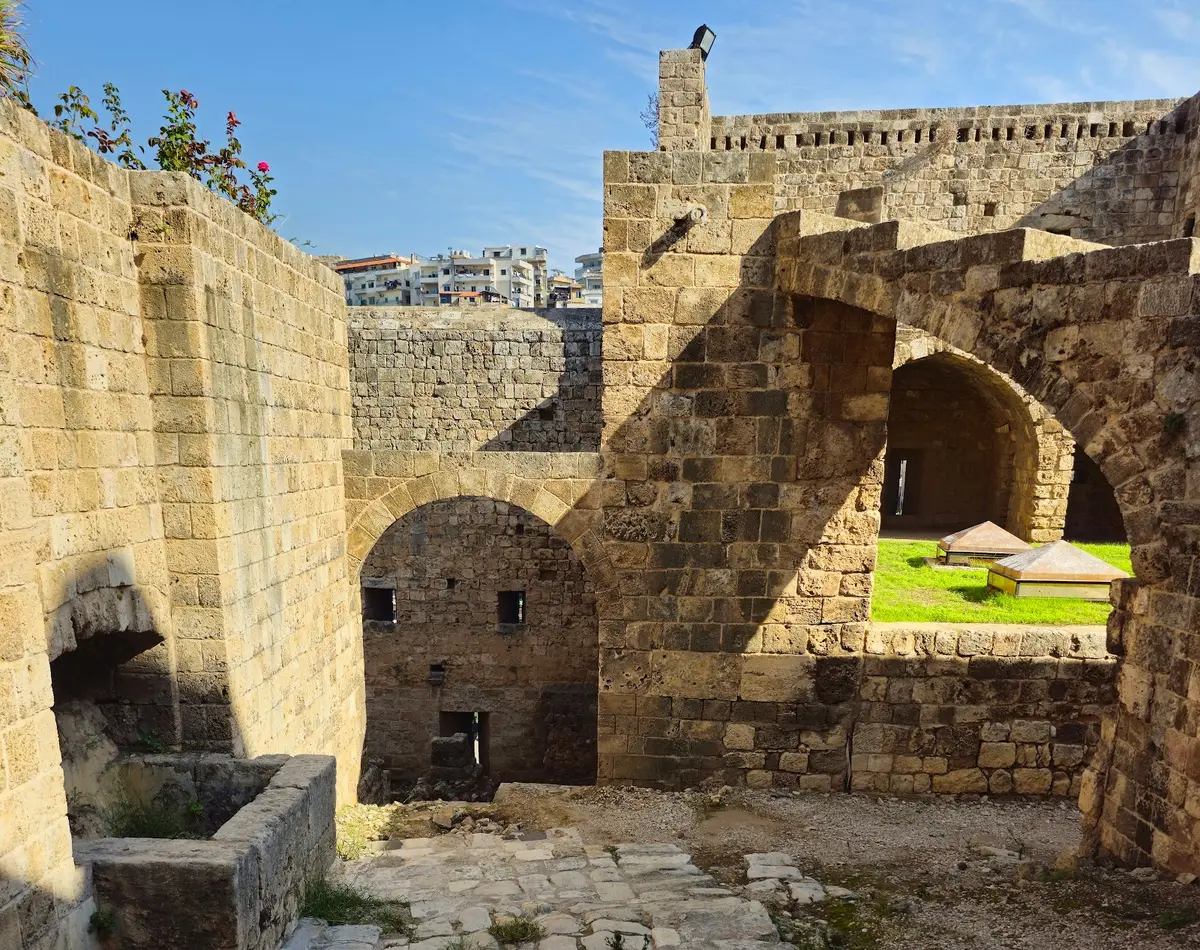
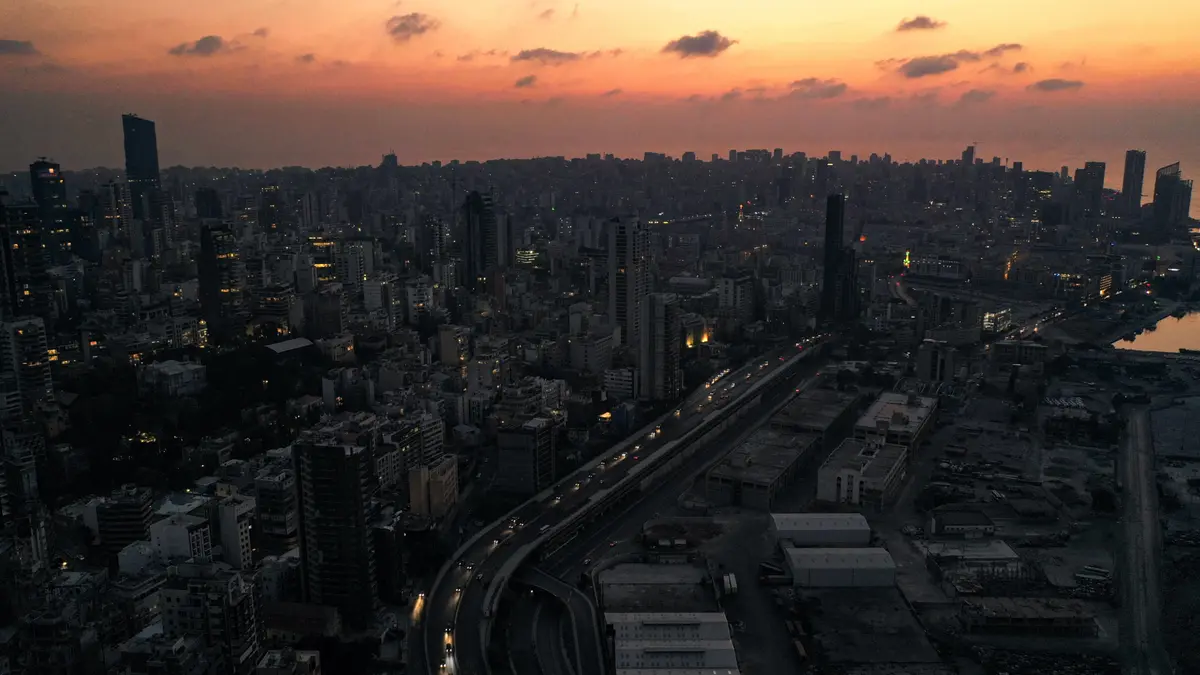
Power cuts in Lebanon are not a glitch — they are the operating system. Before your plane lands, accept that the generator hum will be your soundtrack, that your hair dryer is now a liability, and that “24/7 electricity” on a listing page means something very different from what it means at home. Get those three things right and the rest of the trip is food, history, and coastline.
The country runs on a dual-grid setup: state power from Électricité du Liban (EDL) for a few hours a day, and a private diesel generator (called ishtirak, “subscription”) filling the gap. On my last stay in Beirut, the state grid came on twice in 48 hours for a total of about five hours. Everything else was generator — metered, rationed, and capped by a circuit breaker I had to respect.
This guide covers what the generic travel pages skip: amperage math, what actually trips the breaker, which Beirut neighborhoods run the quietest, how to keep insulin cold, and which ride apps still work when the streetlights don’t.
What causes power cuts in Lebanon?
Power cuts in Lebanon come from a decades-long collapse of the state utility. EDL cannot buy enough fuel to run its plants, so it supplies most of the country for just 1 to 4 hours a day. Private diesel generators cover the rest. In August 2024, EDL ran out of fuel entirely and the grid went dark nationwide for more than 24 hours.
The short version: Lebanon imports almost all its fuel, the state utility has run a deficit of $1.5–$2 billion per year for a decade, and the Iraqi fuel-swap deal that keeps the last plants running (Zahrani in the south, Deir Ammar in the north) is constantly stalled by payment disputes. The 2024 blackout took out the airport, water pumps, and sewage systems until generators kicked in.
For a visitor, the cause matters less than the pattern: expect cuts, budget for generator hours, and never assume the wall outlet will deliver power an hour from now.
Pro Tip: Download your maps, boarding passes, and any translation guides offline before you land. A full-country outage cuts mobile data too, because cell towers also run on generators.
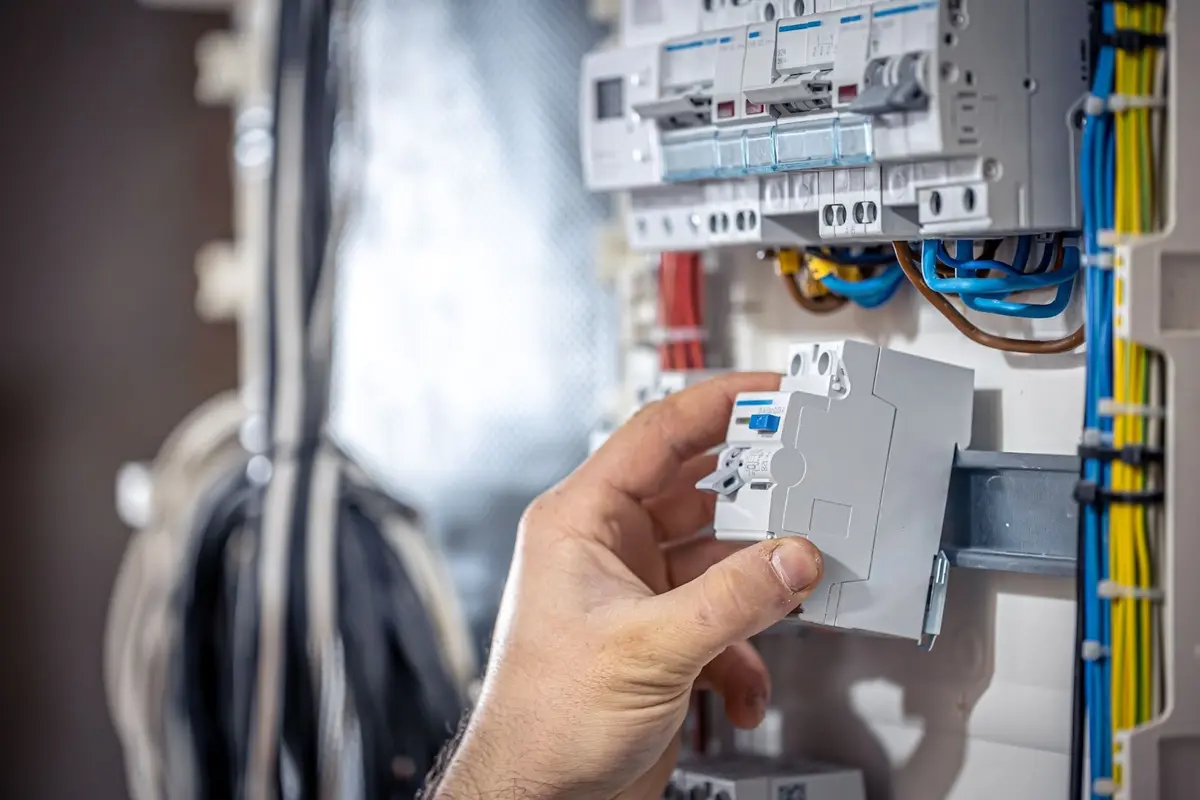
How does Lebanon’s “ampere economy” actually work?
Most apartments and budget hotels connect to a shared neighborhood generator through a fixed-amperage subscription — usually 5A or 10A. On Lebanon’s 220V system, that caps you at about 1,100 watts (5A) or 2,200 watts (10A). Go over the cap for even a second and a breaker trips the whole flat dark until someone walks down to the fuse box.
Think of it like a Wi-Fi plan, but for electricity. You are not buying unlimited power — you are renting a fixed-width pipe. Here is what each subscription physically means:
- 5A subscription: ~1,100W ceiling. Runs a laptop, phone, fridge, Wi-Fi router, and a few LED lights. No AC. No kettle. No hair dryer.
- 10A subscription: ~2,200W ceiling. Adds one air conditioner OR one high-wattage appliance, but not both at once.
- 15A or higher: rare in rentals, more common in mid-range hotels. Usually enough for normal Western-style usage.
Operators also charge per kilowatt-hour on top of the fixed fee. The Ministry of Energy set the January 2026 rate at roughly $0.31/kWh in cities below 700 meters elevation and about $0.34/kWh in mountain or rural zones, on top of a fixed monthly fee of $4.29 for 5A or $7.64 for 10A. Enforcement is weak, so some operators overcharge — a realistic traveler ceiling is $0.35–$0.40/kWh plus the fixed fee.
Pro Tip: Before you book any apartment, message the host and ask two things in writing: “What is the ampere subscription?” and “How is electricity billed — flat rate or per kWh?” If they dodge the question, book somewhere else.
Which appliances will trip the breaker?
Any heating element over 1,000 watts will trip a 5A breaker on its own. The culprits are predictable: hair dryers (1,500–1,800W), electric kettles (2,000W), irons (1,500W), and small water heaters (1,200W). A single air conditioner pulls roughly 1,000W, which means on 5A you cannot run AC and boil water at the same time.
The sneakier problem is the startup surge. Motor-driven appliances — fridges especially — briefly spike to two or three times their running wattage when the compressor kicks on. Your total draw might be under the cap on paper, but the fridge turning on while the AC is running will still pop the breaker.
Watts to memorize before you plug anything in:
- Laptop charger: 65–100W
- Wi-Fi router: 15–25W
- LED lamp: 10W
- Phone charger: 10–20W
- Small desk fan: 30–50W
- TV: 80–150W
- Fridge: 150W running, 450W startup surge
- Air conditioner (small split unit): 900–1,200W
- Hair dryer: 1,500–1,800W
- Electric kettle: 1,800–2,200W
The practical rule on a 5A line: one “big” appliance at a time, and never while the fridge is cycling. Locals call this load shedding — physically unplugging one thing before plugging in another. You will get the hang of it by day two.
Pro Tip: Leave the hair dryer at home. Buy a $15 travel-size version in Beirut rated under 1,000W, or just let your hair air-dry. The number of tourist meltdowns I have witnessed over a single tripped breaker at 7 a.m. is genuinely surprising.
What does “24/7 electricity” really mean at a hotel?
On a booking listing, “24/7 electricity” means the building has some form of generator backup — not that the power is continuous or clean. A five-star hotel with an automatic transfer switch will feel identical to home. A mid-range hotel or Airbnb on a shared generator will not.
Here is how it breaks down by tier:
- Luxury hotels (Le Gray, Phoenicia, Four Seasons Beirut): Full onsite power plants with automatic transfer switches. Lights may flicker for a split second at the top of the hour, nothing more. AC runs through the night. Elevators are safe.
- Mid-range hotels ($80–$180/night): Usually connected to a neighborhood generator with a hotel-scale subscription. Power is reliable but AC output in hallways can be weak during summer heatwaves. The 30-second to 2-minute switchover gap at cut-time is where elevator entrapments happen.
- Airbnb and apartment rentals: Fully exposed to the ampere economy. You may be metered separately, and some hosts mark up the per-kWh rate above the official tariff. A month of heavy AC use can add $200–$300 to the bill.
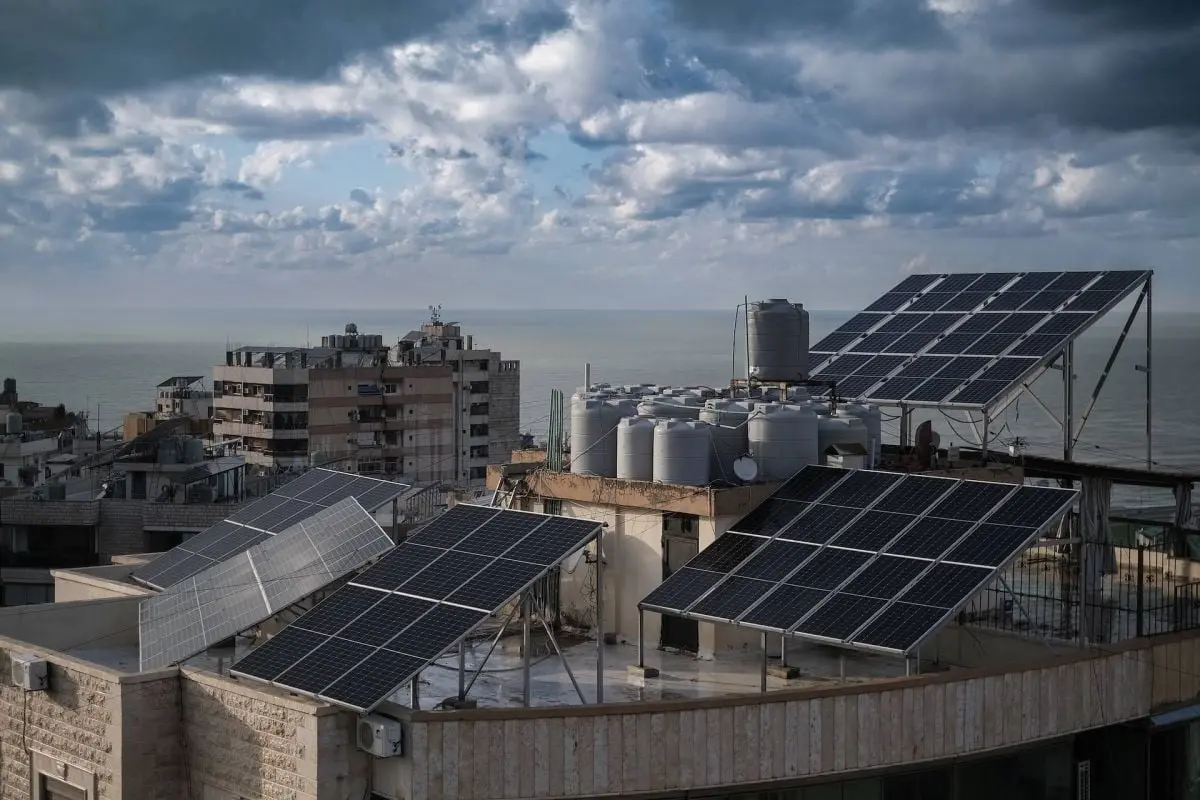
- Solar-equipped rentals (the fastest-growing category): Silent, no diesel smell, and power that stays on through switchover. Lebanon’s total solar capacity has grown roughly 8x since 2020, and in rural areas entire generator businesses have folded because households now run on panels.
The solar option is genuinely a step-change, but battery size matters more than the panel count. A system with a small battery will run lights and Wi-Fi overnight but die the moment you turn on AC. Ask the host specifically: “Can the battery run the air conditioning through the night?” If the answer is vague, assume no.
Pro Tip: If you are on a mid-range floor, never get in the elevator between :55 and :05 of the hour. Scheduled state-to-generator switchovers often happen on the hour, and that 30–120 second dead window is exactly when elevators freeze between floors.
How do digital nomads stay online during power cuts in Lebanon?
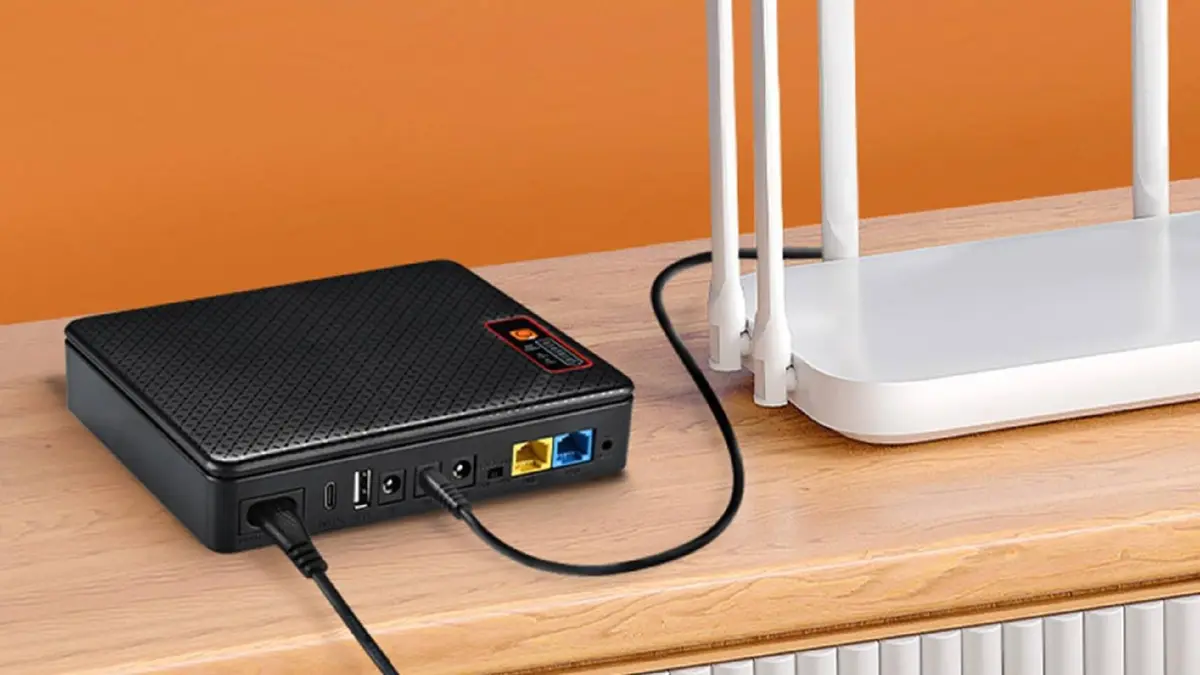
Remote work in Lebanon is possible, but the enemy is not the blackout itself — it is the switchover gap. When state power drops and the generator kicks in, your router loses power for 30 seconds to 2 minutes, then takes another 3 to 5 minutes to reboot and reconnect. That is enough to drop a Zoom call mid-sentence or lose an unsaved doc.
Four defenses, in order of impact:
- Mini-UPS for the router. A small $30–$50 uninterruptible power supply between the wall and your modem/router. The router never notices the cut. This is the single most useful thing a remote worker can pack.
- Local physical SIM with a data-heavy plan. Touch and Alfa are the two carriers. A tourist SIM with 20–40GB costs around $25–$35 at the airport counter. Use it as a hotspot when Wi-Fi drops. Physical SIMs are still cheaper and more reliable than eSIMs here.
- Coworking spaces for anything critical. Beirut Digital District (in Bachoura) and AltCity in Hamra invest in redundant generators and fiber specifically for this reason. Day passes run $15–$25. Book a coworking desk for any call that cannot drop.
- Power bank for everything else. A 20,000mAh bank gets a laptop through one deep cut and a phone through three.
Pro Tip: Run a speed test and a short test call on your Wi-Fi the moment you arrive at any rental. Connection “working” at check-in at 2 p.m. is not the same as connection working during the 5 p.m. switchover. Better to find out fast and relocate.
How do you protect medication during power cuts in Lebanon?
Any medication that needs refrigeration — insulin, biologics, some antibiotics — is at real risk in a Lebanese rental fridge. During the overnight rationing window (often roughly 2 a.m. to 6 a.m. in residential areas, longer in the south and the rural north), a small fridge can climb well above the 46°F (8°C) safety ceiling for insulin in under three hours.
Two practical defenses:
- Frio bags or similar evaporative cooling wallets. These use water activation and keep insulin in the 64–78°F (18–26°C) safe range for days without any electricity. Pack one as your primary storage, not your backup.
- Thermal ballast in the fridge. Fill the fridge with sealed water bottles and keep the medication in the center, surrounded by them. The extra thermal mass slows down the temperature rise during outages by one to two hours. It is a workaround, not a solution.
If you are diabetic or on any temperature-critical medication, buying travel insurance that covers medical evacuation is not a nice-to-have — it is the cost of doing business. Beirut has excellent private hospitals (AUBMC, Hôtel-Dieu), but transport from rural areas during a blackout is slow.
Pro Tip: Bring a small digital fridge thermometer. $8 on Amazon, weighs nothing. You will know in one glance if the fridge drifted during the night, instead of guessing.
Is it safe to walk around Beirut at night during power cuts?
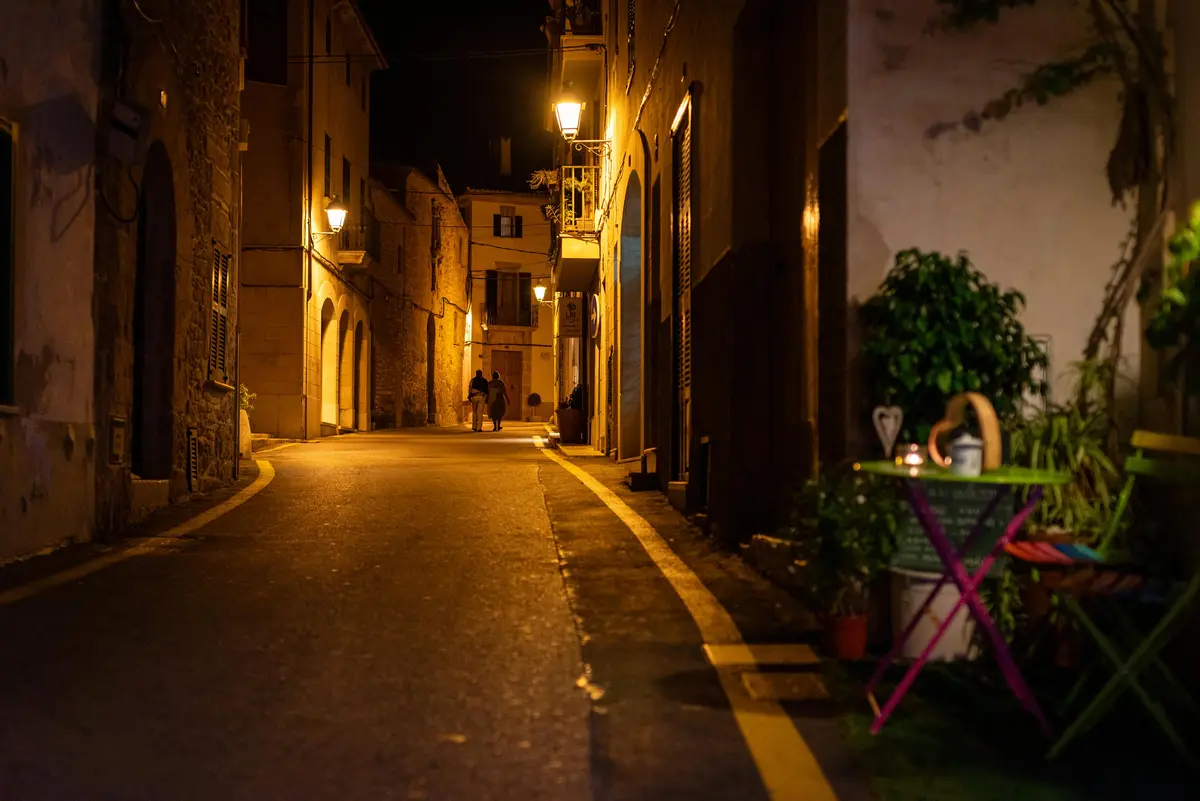
Beirut’s tourist and upscale neighborhoods — Hamra, Gemmayzeh, Mar Mikhael, Achrafieh — stay reasonably lit even during cuts because shops and restaurants run their own lighting off generators. The real danger is not crime, it is infrastructure: missing manhole covers, unmarked steel bollards, and uneven sidewalks hidden in full dark.
Residential side streets go genuinely black during rationing hours. A phone flashlight is not enough — it lights about 3 feet (1 meter) ahead, which is too little to catch a 6-inch (15 cm) sidewalk drop. A small tactical flashlight rated 300+ lumens fits in a jacket pocket and prevents the most common tourist injury here, which is an ankle sprain from an unseen curb.
Driving is worse. Traffic lights go dark during cuts and nobody treats the intersection as a four-way stop — it becomes a game of nerves. If you are not used to Lebanese driving, skip the rental car entirely and use apps.
On ride apps: Uber operates in Beirut and most coastal cities and is the safest default. Bolt and inDrive also work. Careem pulled out during the economic crisis and is no longer an option. For airport pickup, Allo Taxi has fixed-price reservations ($20–$30 to central Beirut) if you can’t connect to Wi-Fi on arrival.
Pro Tip: Always share your live trip status with someone when using a ride app at night. Lebanese street addresses are notoriously vague, and a dropped call during the switchover gap can leave you trying to describe your location to a confused driver in a dark neighborhood.
Why is cash king during blackouts?
Credit card terminals need both electricity and internet to work. During a cut, even a restaurant running on a generator may have an offline POS because the bank’s data connection dropped. “Cash only” signs in Lebanon are almost never a policy — they are a technical reality that flipped on ten minutes ago.
Cash strategy for a typical trip:
- Carry USD in small bills. $1, $5, $10, $20. Most businesses accept USD directly, and small bills let you pay without depending on the vendor’s change situation.
- Use licensed exchange offices (sarraf) for Lebanese pounds, not banks. The street rate is the rate anyone actually uses. Avoid airport kiosks — the spread is brutal.
- Skip ATMs during known cut times. A cut mid-transaction can lock the machine and swallow your card. Use ATMs inside bank branches during daytime business hours only.
- Keep a backup $200 USD in a separate bag or pouch. In a deep outage, this is the difference between a restaurant, a taxi, and a roof over your head versus none of the above.
Pro Tip: The “fresh dollars” vs. “lollars” distinction matters. Fresh dollars are physical USD bills you bring in. Lollars are the ghost-dollars trapped in Lebanese bank accounts since 2019, worth a fraction of face value. Always make clear you are paying with fresh physical USD — the price should be quoted accordingly.
Which regions of Lebanon have the most reliable power?
Power reliability in Lebanon is hyper-local. Two cities sit almost entirely outside the crisis because they run independent utilities, while the south and rural north bear the worst of the shortages, sometimes going 20+ hours a day without electricity from any source.
The ranking for travelers:
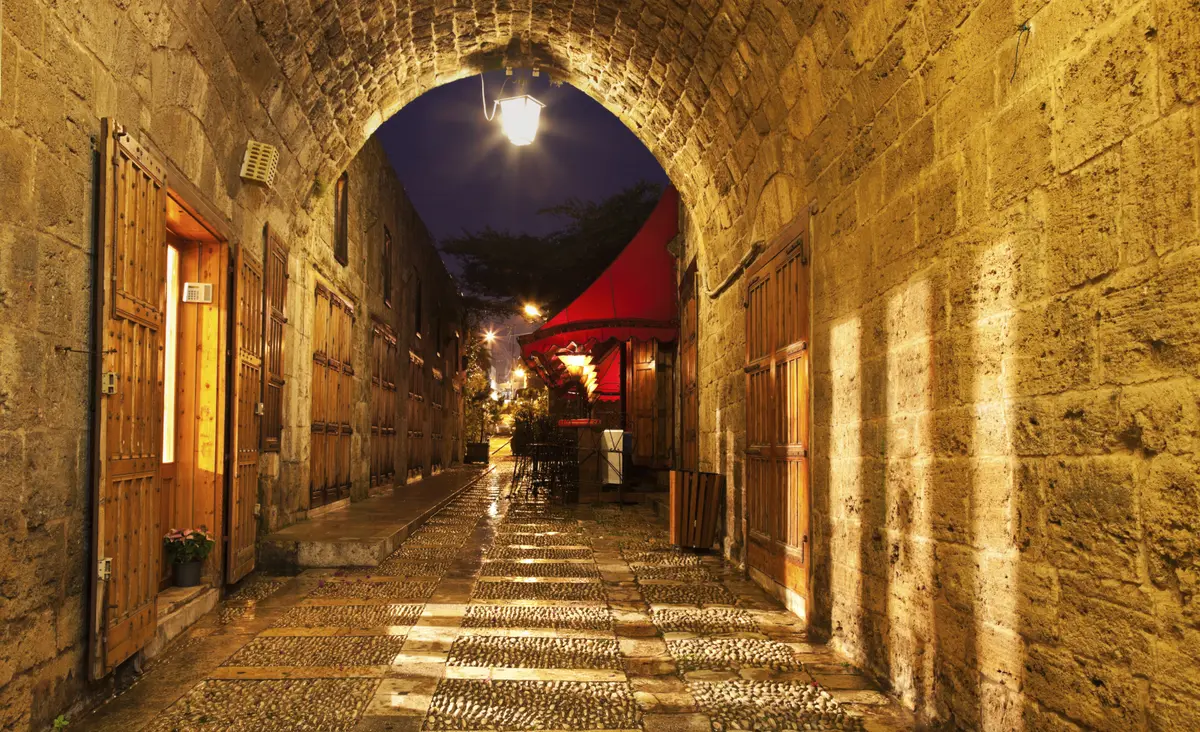
- Jbeil (Byblos) — best base for visitors. Électricité de Jbeil (EDJ) runs an independent network and delivers near-24-hour power at reasonable rates. If you want one low-stress base for a week and day trips elsewhere, this is it.
- Zahle. Similar story — its own utility, genuine round-the-clock electricity, a rarity in the country. Worth considering if you are focused on the Bekaa Valley and wine country.
- Beirut — mixed. Downtown and upscale districts (Achrafieh, Verdun) are fine. Hamra and older residential zones rely heavily on loud neighborhood generators. The hum is constant and, if your room faces the generator compound, so is the vibration.
- Tripoli, Tyre, Sidon. Varies block by block. Budget for 6–10 hours of cuts daily.
- The south and rural north. Longest outages, most vulnerable to fuel shortages, sometimes cut off from telecom entirely. Travel here is still possible but requires self-sufficient gear (power bank, headlamp, paper map).
The contrarian take: a lot of guides push Beirut as the default base. For a first visit focused on food, Roman ruins, and the coast, base in Byblos instead. You’ll sleep better, pay less for electricity, and Beirut is a 40-minute drive or a $15 service-taxi away whenever you want the city.
What should you pack for power cuts in Lebanon?
Six items that separate a relaxed trip from a frustrated one. Total cost under $150, total weight under 4 lbs (1.8 kg), and every single one of them will get used in the first 48 hours.
- 20,000mAh power bank: Charges a laptop once or a phone four times. Airline-legal in carry-on. $40.
- Mini-UPS for router (300–600 VA): Keeps Wi-Fi alive through switchovers. Pack in checked luggage. $30–$50.
- Headlamp with red light mode: Hands-free, red light preserves night vision and doesn’t blind a travel partner. $25.
- Tactical flashlight, 300+ lumens: For walking unlit streets. Any reputable brand. $20.
- Compact surge protector / power strip with surge protection: Lebanese grid power is dirty — voltage spikes when state electricity returns are real and have killed laptops. $15.
- Battery-powered fan (USB rechargeable): Cheap insurance for sleep during summer rationing when the AC cannot run. $20.
Optional but useful: a small digital thermometer for the fridge, a Frio bag if you carry temperature-sensitive medication, and a universal Type C/F European plug adapter (Lebanon uses mostly Type C and D — a standard EU adapter covers most sockets).
Before you book
Lebanon rewards the traveler who treats the grid as a puzzle instead of a problem. The hospitality is real, the food is among the best on the Mediterranean, and the country is physically small enough that you can swim in Tyre at noon and be eating mezze in Byblos by sunset. The electricity crisis is the price of admission, and once you have the right gear and the right expectations, it fades into background noise.
TL;DR: Power cuts in Lebanon mean 1–4 hours of state electricity and generator top-ups the rest of the day, capped at a 5A or 10A breaker (~1,100W or 2,200W). Pack a mini-UPS, a power bank, and a 300-lumen flashlight. Base in Jbeil for fewer headaches. Carry physical USD. Use Uber, not a rental car, after dark.
What surprised you most on your last trip to Lebanon — or what’s your biggest worry before your first one? Drop it in the comments.