Snorkeling in Puerto Rico is not a single experience — it’s three distinct ones, and most first-time visitors pick the wrong island. The mainland gets you in the water fast, but the outer cays of Culebra and Vieques are where the reefs actually earn their reputation. This guide ranks every spot by skill level, wildlife, and access so you don’t waste a day driving to the wrong beach.
On my last trip, I spotted seven green sea turtles in under 40 minutes at Tamarindo Beach on Culebra — more turtles than fish on some mainland reefs. That gap between the outer islands and the main island is the single most important thing to understand before you book anything.
Quick answer: where is the best snorkeling in Puerto Rico?
The best snorkeling in Puerto Rico is on Culebra Island, specifically Carlos Rosario Beach for reef diversity and Tamarindo Beach for guaranteed sea turtle encounters. Vieques comes second with Mosquito Pier for larger marine life. On the mainland, Escambron in San Juan is the most convenient, and Steps Beach in Rincón is spectacular — but only in summer.
Top spots at a glance
| Spot | Island | Best for | Entry | Skill level |
|---|---|---|---|---|
| Carlos Rosario Beach | Culebra | Healthy reef system | 20-min hike or boat | Intermediate |
| Tamarindo Beach | Culebra | Sea turtles, stingrays | Drive-up | Beginner |
| Flamenco Beach (east end) | Culebra | Shore reef near the tanks | Drive-up | Beginner–Intermediate |
| Mosquito Pier | Vieques | Eagle rays, tarpon | Scramble down rocks | Advanced |
| Bahía de la Chiva | Vieques | Small cay reef | Drive-up | Beginner |
| Punta Arenas (Green Beach) | Vieques | Drift snorkel, turtles | 4WD required | Intermediate |
| Steps Beach | Rincón | Elkhorn coral garden | Shore (summer only) | Beginner |
| Escambron Beach | San Juan | Convenience, fish life | Shore | Beginner |
| La Parguera Reserve | Lajas | Mangrove channels | Boat | Beginner |
| Gilligan’s Island | Guánica | Kids, shallow water | Short ferry | Beginner |
Pro Tip: If you only have one day for snorkeling, take the first ferry from Ceiba to Culebra, grab a golf cart, and go straight to Tamarindo. You will see more wildlife in two hours there than in a full day of mainland shore snorkeling.
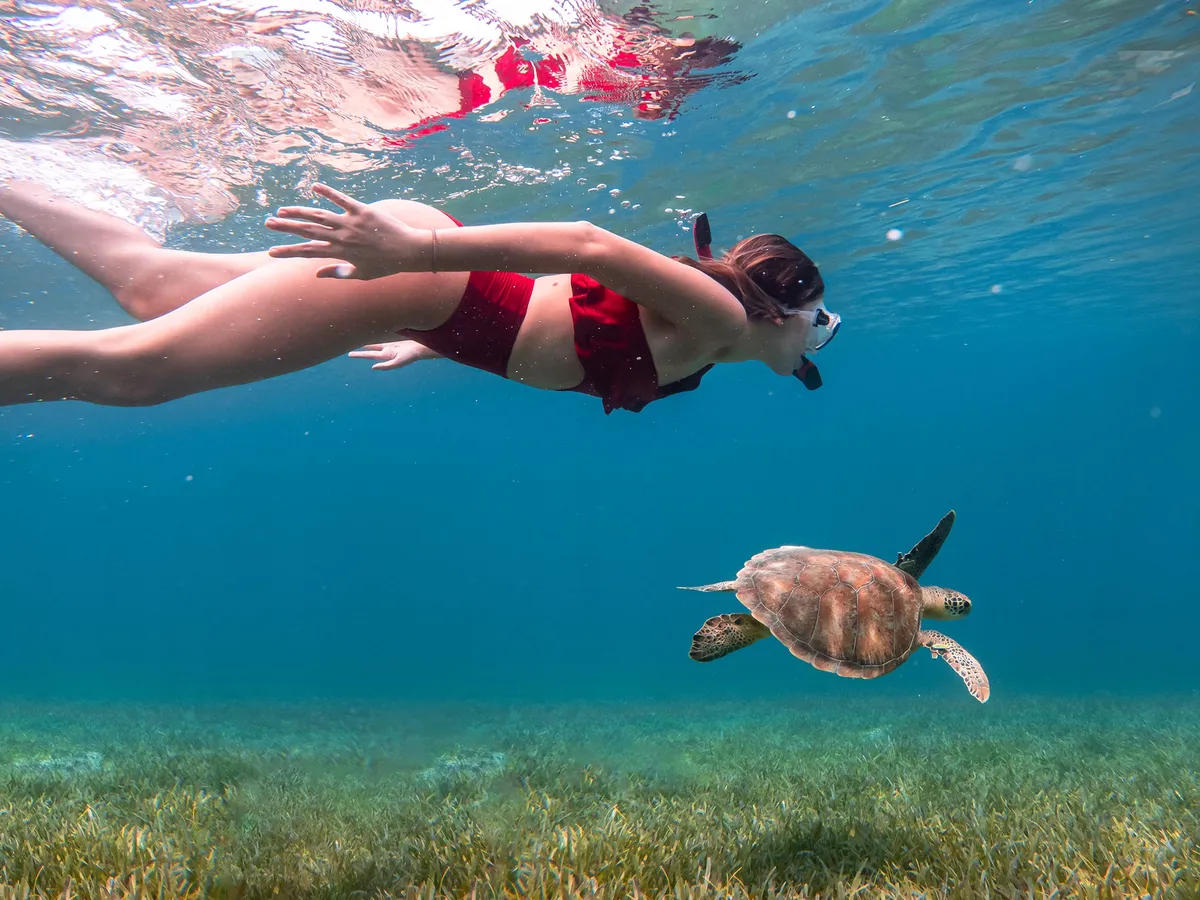
Why are Culebra and Vieques so much better than the mainland?
Culebra and Vieques sit inside protected marine zones with no rivers, no development runoff, and decades of limited fishing. The result is water visibility of 60 to 100 feet on calm days and reef systems that look nothing like what you’ll find from a San Juan beach. The protection comes from the Luis Peña Channel Natural Reserve on Culebra and the Vieques National Wildlife Refuge.
The Vieques refuge exists because of a controversial legacy — the U.S. Navy used two-thirds of the island for bombing practice until 2003, which kept developers out. That history is ugly, but the reefs benefited. Coral coverage on the south side of Vieques is measurably higher than anywhere on the main island.
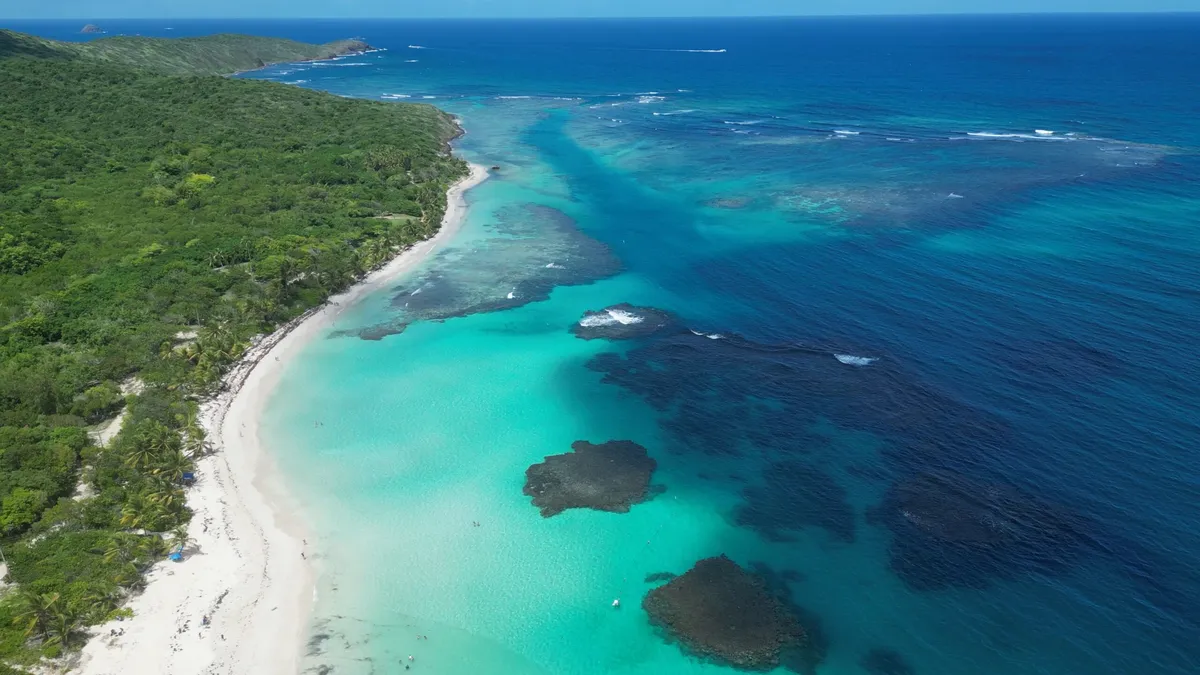
Snorkeling in Culebra: the best reefs in Puerto Rico
Culebra sits 17 miles off the east coast and is reachable by a 45-minute ferry from Ceiba or a 10-minute flight from San Juan’s Isla Grande airport. No rivers means no sediment, which is why visibility stays high even after storms. Most top spots are inside the Luis Peña Channel reserve.
1. Carlos Rosario Beach — the best reef in Culebra
The reef here stretches for several hundred yards with two distinct zones: shallow coral gardens to the left and deeper formations to the right that drop to about 30 feet. You’ll find parrotfish, sergeant majors, occasional nurse sharks, and fan coral in sections the boat tours don’t bother with. Some coral bleaching is visible in the shallow section closest to the entry point — swim past it. The healthier, fish-heavy parts start about 80 feet offshore.
The catch is access. The overland trail from Flamenco Beach parking lot used to be a reliable 20-minute hike, but trail conditions have deteriorated and washouts are common. A water taxi from Dewey is more dependable and costs roughly the same as two beers on the mainland.
- Location: Northwest Culebra, inside Luis Peña Channel reserve
- Cost: Free entry; water taxi from Dewey around $15–$25 round trip
- Best for: Intermediate snorkelers who want the healthiest reef
- Time needed: 3–4 hours including transit
Pro Tip: Wear a long-sleeve rash guard here. Thimble jellyfish show up in blooms between April and August and they sting through sunscreen.
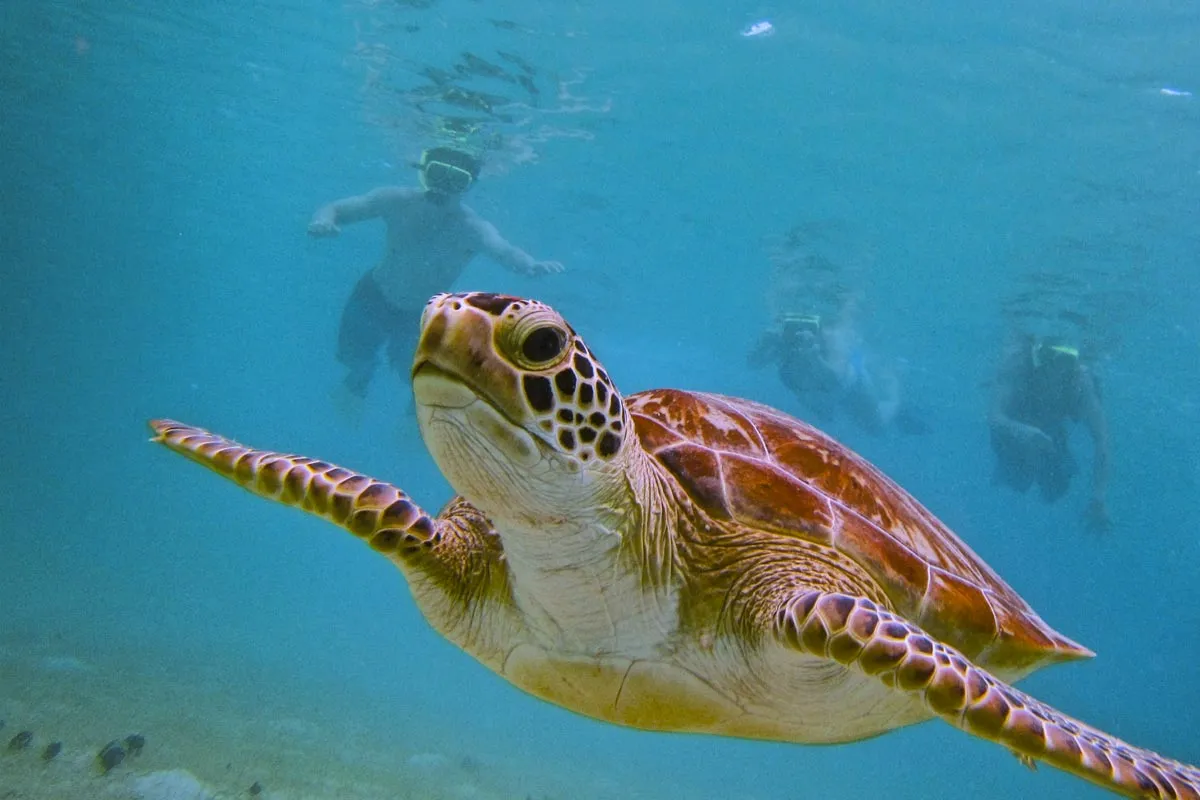
2. Tamarindo Beach — guaranteed sea turtle encounters
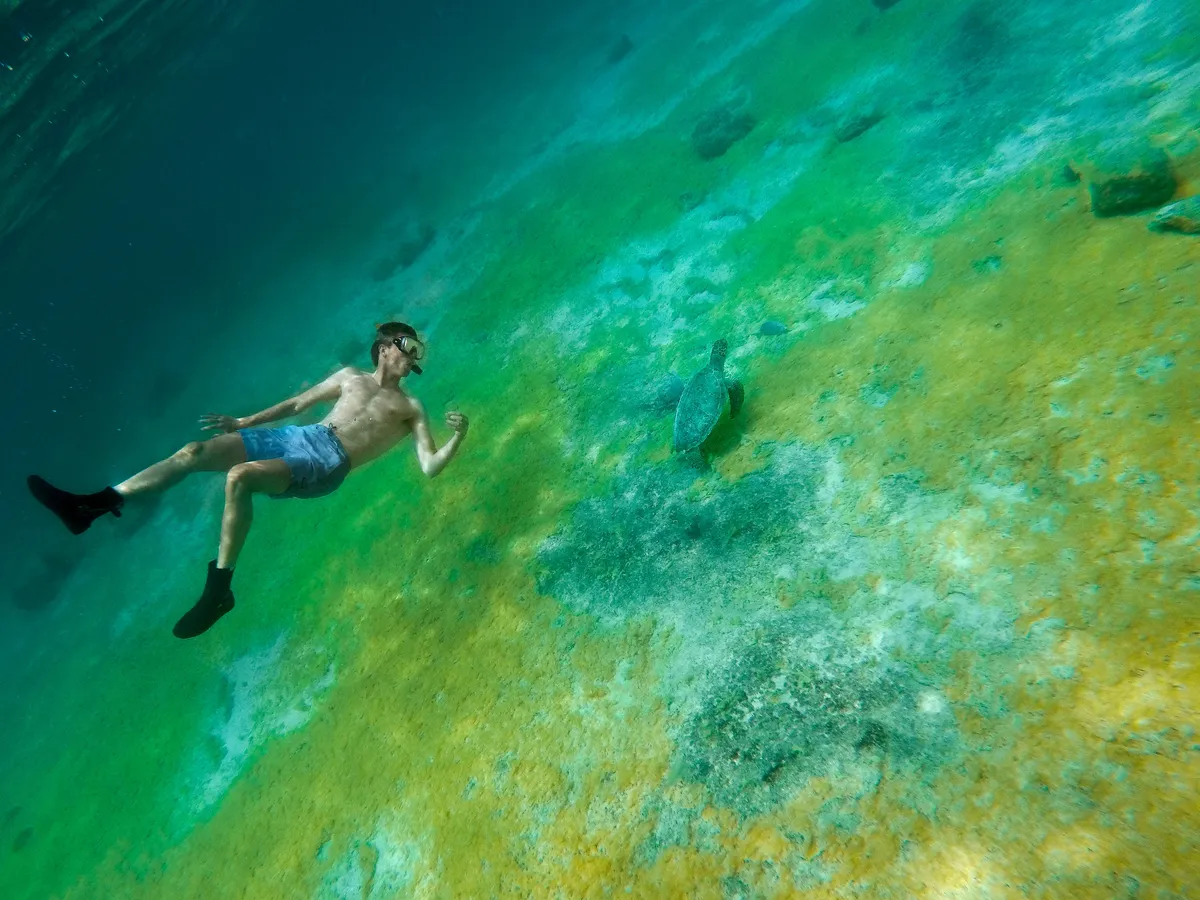
If you see zero turtles at Tamarindo, something went wrong. The bay has extensive seagrass beds on the left side where green sea turtles feed throughout the day, and southern stingrays cruise the sandy patches between the grass. Five to ten turtle sightings in a single 90-minute session is the norm, not the exception.
The right side of the bay is a shallow coral garden with tangs, wrasses, and schools of grunts. Water is rarely over 10 feet deep anywhere in the main bay, which makes it the easiest turtle-guaranteed snorkel in Puerto Rico for kids and first-timers.
- Location: North coast of Culebra, 10-minute drive from Dewey
- Cost: Free; parking lot fills by 10 a.m.
- Best for: Families, beginners, anyone who wants turtles
- Time needed: 2 hours minimum
Pro Tip: Arrive before 9 a.m. The turtles are more active in the morning, the water is glassy, and you’ll have the seagrass almost to yourself before the golf-cart crowd shows up.
3. Flamenco Beach — the east end, not the middle
Flamenco is famous for its sand and the two rusted tanks, but the snorkeling reputation is partly wrong. The reef directly left of the main entrance is beat up from decades of foot traffic. The actual good snorkeling is at the far east end of the beach in an area locals call “Shark Cages” — a stretch of old concrete pilings that shelters a healthy reef right up to the shoreline. It consistently ranks among the top beaches in Puerto Rico for combining sand and reef.
Entry is between two rows of the pilings. Stay alert: the current picks up near the eastern point and can push you past the reef if you’re not paying attention.
- Location: Far east end of Flamenco Beach
- Cost: Free; beach parking around $5
- Best for: Snorkelers who also want the beach day
- Time needed: Half day
4. Melones Beach and Culebrita — the quieter options
Melones is a drive-up beach five minutes from Dewey with coral and sea fan formations along the rocky shore. Enter the water and swim right — the reef hugs the rocks for about 200 yards.
Culebrita is a tiny uninhabited island east of Culebra, reachable only by water taxi or private charter. Tortuga Beach on Culebrita is the closest thing to a private reef you’ll get in Puerto Rico, and turtles are regular visitors. Expect to pay $60–$90 per person for a half-day charter.
- Location: Melones is a 5-min drive from Dewey; Culebrita is a 20-min boat ride east
- Cost: Melones free; Culebrita charter around $60–$90 per person
- Best for: Travelers willing to pay for solitude
- Time needed: Melones 2 hours; Culebrita full day
Snorkeling in Vieques: wild reefs and a mile-long pier
Vieques is larger, wilder, and less visited than Culebra. Two-thirds of the island is a wildlife refuge, the roads are rough, and the beaches have no facilities. If you want a manicured Caribbean experience, go elsewhere. If you want empty beaches and a chance at eagle rays, Vieques delivers.
1. Mosquito Pier — an advanced snorkeler’s playground
Mosquito Pier (Rompeolas) is a mile-long concrete jetty the Navy started and abandoned. The water alongside the pilings drops to 50 feet and the structure acts as an artificial reef. This is the single best spot in Puerto Rico to see spotted eagle rays, large tarpon, barracuda, and the occasional reef shark. Sea turtles glide between the pillars.
Access is not casual. You scramble down a rocky embankment or jump from the pier itself (locals do this; I would not recommend it on your first visit). Currents run hard along the pier, especially on outgoing tides. This is not a beginner spot, no matter what the tour brochures say.
- Location: North coast of Vieques, 15 minutes from Isabel Segunda
- Cost: Free
- Best for: Strong, confident swimmers only
- Time needed: 2–3 hours
For beginners traveling with advanced snorkelers, the small Rompeolas Beach at the base of the pier has calm shallow water and is safe for kids.
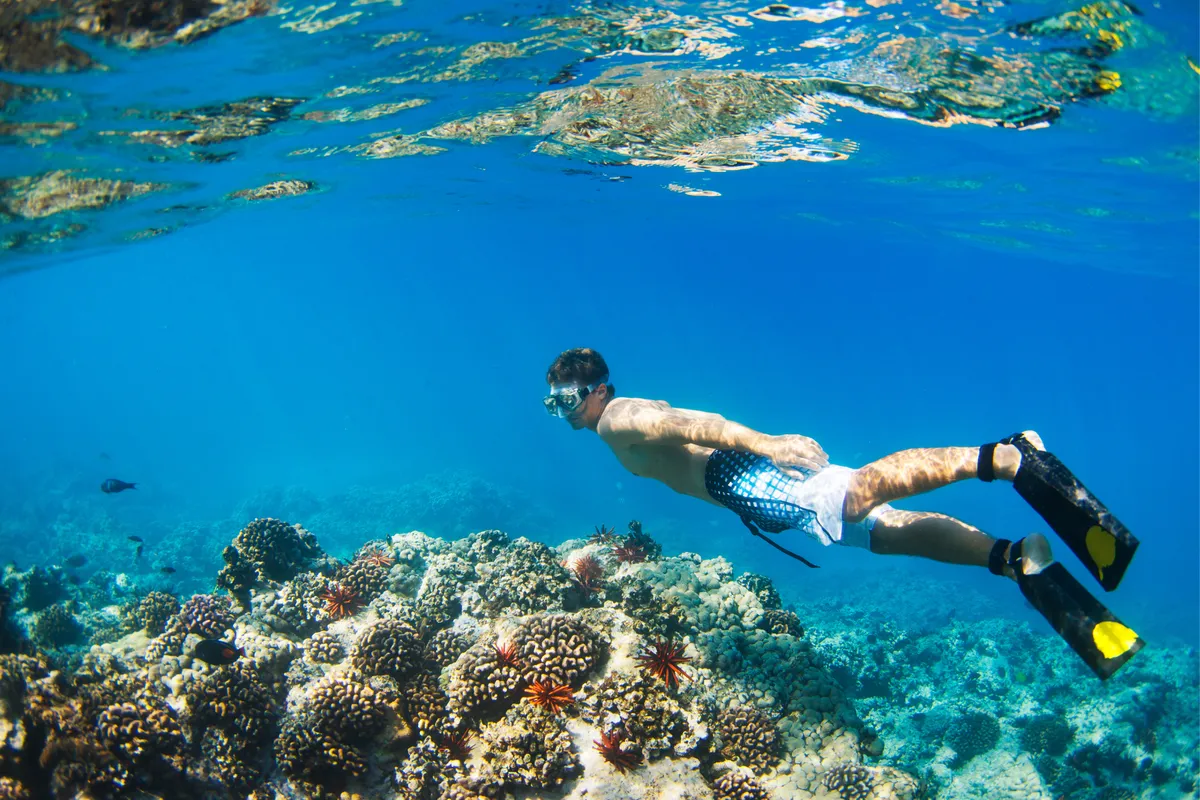
2. Bahía de la Chiva (Blue Beach) — the postcard bay
Bahía de la Chiva is inside the wildlife refuge on the south coast and is one of the most photogenic beaches in the Caribbean — long arc of white sand, water that shifts from clear to electric turquoise, and a small cay (Isla Chiva) sitting offshore. The best snorkeling is around that cay.
Park at entrance #7, #8, or #10–11 to cut the swim distance. Sea urchins are unusually dense here, so water shoes or reef booties are not optional. Step carefully where you enter — the spines break off inside your foot and are miserable to remove.
- Location: South Vieques inside the wildlife refuge
- Cost: Free; refuge closes at sunset
- Best for: Reef snorkeling with a beach day
- Time needed: Half day
3. Punta Arenas (Green Beach) — the drift snorkel
Green Beach is on the far western tip of Vieques with a direct view back across the passage to El Yunque rainforest. The prevailing current along the shore sets up one of the easiest drift snorkels in the Caribbean: enter near the old pier ruins, let the current move you along the reef, and walk back along the beach.
The old sugar-cane railroad pier is partially submerged here and worth a look — schools of grunts use the pilings for shelter. Turtles feed in the seagrass offshore.
The access road is unpaved, full of potholes, and washes out after rain. Most Vieques rental car agreements explicitly forbid driving it. Either rent a 4WD with permission or join a guided tour.
- Location: Far west Vieques, 30 minutes from Isabel Segunda
- Cost: Free; 4WD rental adds roughly $20–$40 per day
- Best for: Intermediate snorkelers wanting turtles and history
- Time needed: Half day
4. Esperanza Sugar Pier and Pata Prieta — local favorites
The ruins of the old sugar pier in Esperanza town sit a two-minute walk from the main malecón. The pilings shelter a surprising variety of fish for an in-town spot, and I’ve heard reliable reports of a resident goliath grouper making appearances near the deepest pilings.
Pata Prieta (Secret Beach) is a tiny cove tucked inside the refuge on the south coast. Rocky outcrops on both sides of the small bay create protected reef zones with almost no current. It’s signposted off the main refuge road but easy to miss — which is the point.
- Location: Esperanza town (sugar pier); south refuge (Pata Prieta)
- Cost: Free
- Best for: Travelers wanting empty beaches
- Time needed: 1–2 hours each
How is mainland Puerto Rico snorkeling different?
Mainland snorkeling is about convenience, not world-class reefs. The north and east coasts face the Atlantic, so visibility and calmness are unreliable. The south and west coasts face the Caribbean and hold the main island’s best shore spots. Expect crowds at the accessible sites and factor in drive times of 1.5 to 3 hours from San Juan to reach most of them.
Fajardo and the cays: the east coast hub
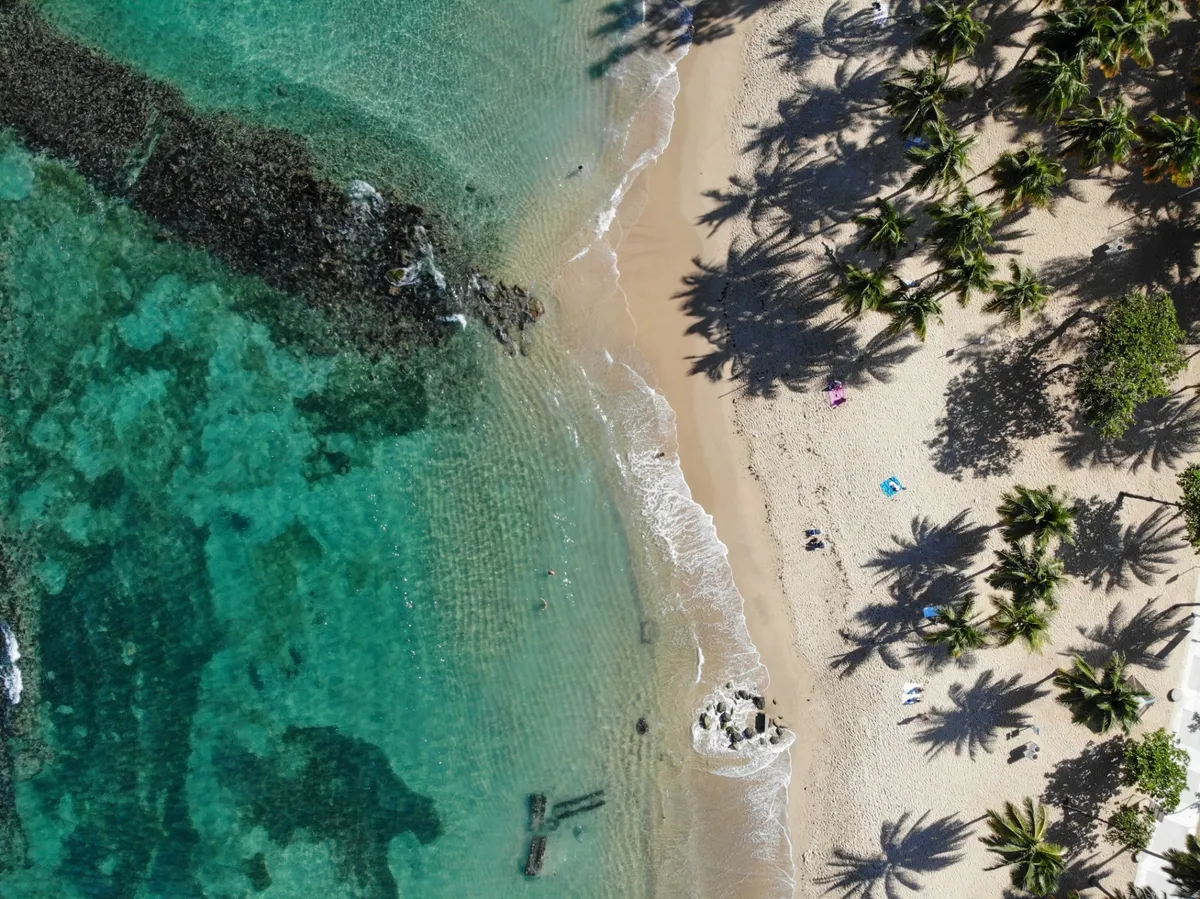
Fajardo is more launch point than destination. Its marinas feed the catamaran tours that run to Cayo Icacos, Palomino, and Palominito islands — small cays inside the Cordillera Reefs Nature Reserve with shallow, calm water perfect for beginners and families. Expect $95–$150 per person for a full-day catamaran trip with lunch and open bar.
The best mainland shore snorkeling in the Fajardo area is at Seven Seas Beach. Swim out from the rocky point on the far right side of the beach — the reef system stretches most of the way across the bay and you’ll see parrotfish, wrasses, and the occasional octopus.
Pro Tip: Skip the giant 60-passenger catamarans if you care at all about actual snorkeling time. The big boats spend an hour at each stop and most of that is eating and drinking. A six-person sailboat charter costs more but gives you double the water time.
Rincón’s Steps Beach: summer only
Rincón holds the single most impressive shore reef on the main island — the elkhorn coral garden inside the Tres Palmas Marine Reserve at Steps Beach. Elkhorn is the branching coral that built most of the Caribbean’s shallow reefs before disease wiped out roughly 80% of it. The Tres Palmas colony is one of the largest surviving stands in the region.
The hard rule: this only works between May and September. From October through April the Atlantic swells turn Rincón into a world-class surf destination and the surf at Tres Palmas regularly exceeds 15 feet. Snorkeling in those conditions is impossible and dangerous. Check the forecast before you drive out — even in summer, a passing storm can make it unsafe for 48 hours.
- Location: Tres Palmas Marine Reserve, Rincón
- Cost: Free; guided tours around $60
- Best for: Summer visitors wanting the best mainland reef
- Time needed: Half day
Escambron Beach: the San Juan convenience play
If you’re staying in San Juan and can’t make it to the outer islands, Escambron is the answer. The beach sits next to Old San Juan inside a protected cove where rock formations break the Atlantic swell, creating an almost pool-like swimming zone. Fish here are habituated to snorkelers — expect sergeant majors, parrotfish, and the occasional barracuda cruising through.
It is not a world-class reef. It is a 10-minute walk from a cruise ship dock with real lifeguards, showers, and a parking lot. That combination is unique on the main island.
- Location: Puerta de Tierra, between Old San Juan and Condado
- Cost: Parking around $5
- Best for: San Juan day-trippers, beginners, first-time snorkelers
- Time needed: 2 hours
Pro Tip: Get in the water by 8 a.m. The visibility is dramatically better before the afternoon wind kicks up, and you’ll share the cove with maybe three other people instead of thirty.
The south coast: La Parguera and Gilligan’s Island
La Parguera in Lajas is not a traditional reef snorkel — it’s a maze of mangrove channels, shallow keys, and turquoise flats. Manatees live in the area and the occasional sighting happens, though it’s not guaranteed. Boat tours leave the waterfront town hourly. For planning the wider region, see the Guánica and La Parguera travel guide.
Gilligan’s Island (Cayo Aurora) near Guánica is reached by a five-minute ferry from the Copamarina dock. The water around the cay is 3 to 6 feet deep and calm enough to feel like a swimming pool, which makes it the single best spot in Puerto Rico for introducing a five-year-old to snorkeling.
What’s the best time of year for snorkeling in Puerto Rico?
The dry season from December to April has the calmest water, best visibility, and most reliable conditions across most of the island. Water temperature stays between 77°F and 84°F (25–29°C) year-round, so wetsuits are unnecessary. The west coast (Rincón) flips the calendar and is best from May to September when Atlantic swells die down. For a full breakdown, check the Puerto Rico weather guide before you book flights.
Hurricane season runs June through November with peak risk in August and September. Booking a snorkeling trip in September is a gamble — prices are lowest but storms can shut down water activities for days at a time.
- Dec–Apr: Best overall; calm, clear, cool-ish
- May–Aug: Great for Rincón; warmer water; occasional afternoon rain
- Sep–Oct: Avoid unless flexible; peak hurricane risk
- Nov: Transitional; usually fine after mid-month
Should you book a guided tour or do it yourself?
Book a guided tour if you need boat access (Culebrita, Icacos, the best Vieques spots), if you’re a beginner, or if you don’t want to rent a car. Do it yourself if you have snorkel experience, a rental car, and want to set your own schedule. The cost gap is significant: guided tours run $70–$150 per person while DIY means $25 per day for gear rental.
| Factor | Guided tour | DIY shore snorkel |
|---|---|---|
| Cost | $70–$150 per person | Gear rental only (~$25/day) |
| Access | Remote reefs and cays | Drive-up beaches |
| Convenience | High — everything included | Low — you plan it |
| Flexibility | Low — fixed schedule | High — your schedule |
| Best for | Beginners, non-swimmers, groups | Experienced snorkelers |
Tour operators worth booking
These operators consistently get strong reviews for small groups, local guides, and eco-conscious practices.
- Culebra Divers — operating since 1987, small-group boat tours to the best reefs, quality gear
- Snorkel With Locals — Culebra native guide, personal and enthusiastic, limited group size
- Abe’s Snorkeling & Biobay Tours (Vieques) — the most recommended on the island; also runs kayak-snorkel combos
- Salty Spirit (Vieques) — local guides with a reputation for finding turtles
- Snorkeling Puerto Rico / Innovation Tours (Fajardo) — patient with beginners and kids, top choice for families
- Pirate Snorkeling Shack (Fajardo) — family-owned, small boats, more intimate than the big catamarans
If you want to go deeper, scuba diving in Puerto Rico opens up wall dives and wrecks you can’t reach from the surface.
Gear rental basics
A full mask, snorkel, and fin set runs about $25 for 24 hours at most shops on Culebra, Vieques, and in Rincón. When you pick out a mask, press it onto your face without the strap — if it holds by suction alone, the seal is good. A leaking mask ruins a day faster than bad weather.
Prescription masks are available at most Culebra and Rincón shops for an extra $5–$10. Rash guards are worth buying rather than renting — you’ll use one every time you’re in the water and it cuts sunscreen needs dramatically.
Is snorkeling in Puerto Rico safe?
Snorkeling in Puerto Rico is safe for swimmers who respect the water and pick spots that match their skill level. The main hazards are rip currents (especially on the north and west coasts), sea urchins in rocky areas, boat traffic at popular beaches, and unexpected swells that can push you onto shallow reef. None of these are unique to Puerto Rico, and all are manageable with basic precautions.
Rip current rules
If you’re caught in a rip current, do not try to swim directly back to shore. Rips are narrow channels of outflowing water — swim parallel to the shoreline until you’re out of the current, then angle back to the beach. Check the daily rip current forecast from the National Weather Service San Juan office before heading to any north-coast or west-coast beach.
Other hazards
- Boat traffic: Wear a brightly colored float or tow a dive flag in popular coves, especially at Flamenco and Seven Seas
- Sea urchins: Never stand on rocks or coral; water shoes at Bahía de la Chiva and rocky entry points
- Shallow reef: Keep at least three feet between your body and any coral; even a small swell can push you into it
- Jellyfish: Thimble jellyfish bloom in Culebra waters from April to August; a rash guard blocks 90% of stings
Do you need reef-safe sunscreen in Puerto Rico?
Yes, and it’s not optional. Puerto Rico has banned the sale and use of sunscreens containing oxybenzone, octinoxate, and octocrylene, which are proven to cause coral bleaching. Use only mineral-based sunscreens with zinc oxide or titanium dioxide as active ingredients. Better yet, wear a long-sleeve UV rash guard and apply mineral sunscreen only to exposed skin like your face and the backs of your hands.
Reef etiquette rules
- Do not touch, stand on, or kick coral — it’s a fragile living animal, not rock
- Do not feed fish; it changes their behavior and harms their health
- Pack out everything you bring in, including fruit peels and cigarette butts
- Do not collect shells, sea glass, or “dead” coral from protected areas
For more, the Puerto Rico Department of Natural and Environmental Resources (DRNA) and the NOAA Coral Reef Conservation Program publish free guides.
The bottom line
Snorkeling in Puerto Rico rewards travelers who make one key decision early: commit to at least one day on Culebra or Vieques. The mainland spots are convenient and genuinely good for a morning, but the outer islands operate at a different tier entirely — healthier reefs, more wildlife, better visibility. Match your spots to your skill level, pack a rash guard, buy reef-safe sunscreen before you fly, and book tours for anywhere boat access is required. For the wider trip, our Puerto Rico travel guide covers everything outside the water.
TL;DR: Culebra is the best snorkeling in Puerto Rico, with Tamarindo for turtles and Carlos Rosario for the best reef. Vieques is second for larger marine life at Mosquito Pier. Mainland snorkeling is about convenience — Escambron in San Juan is the easiest, Steps Beach in Rincón is the best but summer-only. Book Dec–Apr for calmest conditions, skip Sep–Oct for hurricane risk.
What’s the one spot on this list you’re most excited to see — and what’s stopping you from booking the ferry to Culebra tomorrow?